Find an Expert Rating: 
Home Blog Page 95

MG HS (2019 to 2024)

Summary

The MG HS is a budget mid-size SUV/crossover, which sits above the smaller ZS in the MG range. Available petrol-powered or as a plug-in hybrid, this first-generation model was launched in the UK in late 2019, and after a mid-life facelift in 2023, it was replaced by a new model in 2024.

Although the HS received better reviews from the UK motoring media than its smaller ZS sibling, the SUV still ranks towards the bottom of our Expert Rating index. It’s main advantage over rivals was its very low price – the HS is was a mid-size SUV for the price of a supermini hatchback from most other brands.

The low price was further enhanced by decent equipment levels, and a lengthy seven-year new car warranty was also a plus point. However, its quality and driving experience were considered to be quite a way off the levels seen in most rivals.

Praising the SUV’s pricing, the Carwow team explained that the HS offered “a lot of toys as standard, but poor boot space and a low-quality interior lets it down.”

Overall, reviewers agree that the HS was rather bland to drive and many of its higher priced rivals offered more interior quality, but if you are simply looking for a spacious and affordable SUV capable of ferrying the family from A to B, this MG is certainly worth considering. “It’s big on value and low on fun”, Parker’s Luke Wilkinson concluded, “but it makes good family transport.”

No longer on sale, the first-generation MG HS holds a Used Car Expert Rating of B, with a score of 65%.

HS highlights

  • Excellent value-for-money
  • Spacious cabin
  • Low running costs
  • Generous warranty

HS lowlights

  • Slow infotainment
  • Coarse petrol engine
  • Not all that fun to drive
  • Rivals offer more interior quality

Key specifications

Body style: Mid-size SUV/crossover
Engines: petrol, plug-in hybrid
Price when new: From £23,555 on-road

Launched: Autumn 2019
Last updated: Spring 2023
Replaced: Summer 2024

Media reviews

Highlighted reviews and road tests from across the UK automotive media. Click any of the boxes to view.

Auto Express

Auto Trader

Car

Car Keys

Carbuyer

Carwow

Company Car Today

Daily Mirror

Driving Electric

Heycar

Honest John

Motoring Research

Parkers

The Sun

The Telegraph

Safety rating

Independent crash test and safety ratings from Euro NCAP

Overall score: 5 stars
Date tested: December 2019
Date expired: January 2026
Read the full Euro NCAP review

Adult protection: 92%
Child protection: 81%
Vulnerable road users: 64%
Safety assist: 76%

Eco rating

Independent economy and emissions ratings from Green NCAP

No eco rating

As of March 2026, the MG HS has not been lab tested by Green NCAP.

Reliability rating

Reliability data provided exclusively for The Car Expert by MotorEasy

No reliability rating

As of March 2026, we don’t have enough reliability data on the MG HS to generate a reliability rating.

The Car Expert’s reliability information is provided exclusively for us using warranty data from our partner, MotorEasy. As soon as MotorEasy has sufficient data on the HS, we’ll publish the score here.

Running cost rating

Monthly cost of ownership data provided exclusively for The Car Expert by Clear Vehicle Data

Fuel consumptionAverageScore
Petrol models37 mpgD
Plug-in hybrid models156 mpgA
CO₂ outputAverageScoreVariationScore
Petrol models172 g/kmD
Plug-in hybrid models43 g/kmA
Battery rangeAverageScoreVariationScore
Plug-in hybrid models32 milesE
Insurance groupAverageScoreVariationScore
All models22B

Running costs for the MG HS are slightly higher than its smaller ZS SUV sibling, according to numbers provided exclusively to The Car Expert by our data partner, Clear Vehicle Data.

Fuel consumption for petrol models is lower than average, and hybrid models are even thirstier. Like the ZS however, the HS offers some of the cheapest five-year service and maintenance costs in its class. Its insurance grouping is very affordable too.

You might find yourself visiting the pumps more regularly on a day-to-day basis then, but this SUV is likely to save you some cash in the long term when compared to more upmarket SUVs.

Awards

Trophies, prizes and awards that the MG HS has received

2022

  • Auto Trader New Car Awards – Best Car for City Drivers

Similar cars

If you’re looking at the MG HS, you might also be interested in these alternatives

Citroën C5 Aircross | Ford Kuga | Honda CR-V | Hyundai Tucson | Jeep Compass | Kia Sportage | Mazda CX-5 | Mitsubishi Eclipse Cross | Nissan Qashqai | Peugeot 3008 | Renault Kadjar | SEAT Ateca | Skoda Karoq | SsangYong Korando | Subaru XV | Suzuki S-Cross | Toyota C-HR | Vauxhall Grandland X | Volkswagen Tiguan

Buy an MG HS

If you’re looking to buy a used MG HS, The Car Expert’s partners can help you find the right car

Motors 600x300

Find your next used car with Motors. Find out more

Auto Trader logo 600x300

Find your next new or used car with Auto Trader. Find out more

Carwow logo 600x300

Find your next new or used car with Carwow. Find out more

Car dealers get green light to offer click and collect sales

Though dealerships will remain closed until June 1 at the earliest, people will be able to take delivery of a new car through click and collect services, it has been announced.

In a new government document, rules have been clearly laid out stating which businesses cannot currently open for business – with car dealerships included.

However, it does appear that those retail firms will be able to operate with click and collect services – giving buyers the green light to purchase a new car.

The document states: “All retail, other than those exempt, must close their premises to members of the public.

“However, staff may be present to make deliveries or provide services in response to orders such as those through telephone, online, or mail.

“Click and collect services can also operate, though customers must not enter premises listed in the left-hand column.”

This list includes car showrooms, but goes on to explain that “to reduce social contact, the government has required by law the businesses and venues in the left-hand column to close to members of the public”.

It means that car dealerships will have to remain closed until June 1 at the very earliest – but will be able to trade via click and collect. Though that date is not explicitly stated on the government document, it’s widely believed that dealerships will be allowed to reopen then.

The new click and collect service should be able to free up a backlog of orders which many dealerships have accumulated during lockdown, while consumers will be able to get their hands on cars which they may have ordered prior to or during the lockdown restrictions.

Mercedes facing potential court action over ‘defeat devices’ in diesel cars

Mercedes-Benz is facing a potential High Court action brought by thousands of motorists over “defeat devices” which were allegedly installed in the manufacturer’s diesel vehicles to “cheat” emissions tests.

Two law firms behind a similar group action against Volkswagen, which was brought in the aftermath of the “dieselgate” emissions scandal, are investigating the possibility of legal action against Mercedes.

In April, around 90,000 motorists who bought or leased affected VW, Audi, SEAT and Skoda diesel vehicles won the first round of their legal battle after the High Court ruled Volkswagen installed unlawful “defeat devices” in thousands of its diesel vehicles.

Mr Justice Waksman described the software function that allowed Volkswagen vehicles to ‘artificially’ pass EU emissions tests as a “fundamental subversion of the test and the objective behind it”.

Volkswagen – which maintains that “because customers have not suffered any loss, it does not owe them compensation” – is currently pursuing an appeal against that ruling at the Court of Appeal.

Slater and Gordon and Leigh Day are now preparing a case against Mercedes-Benz over vehicles featuring AdBlue technology, which the manufacturer claimed would reduce nitrogen oxide (NOx) emissions to create “our cleanest diesel cars ever”.

The firms say that more than 80,000 people in the UK who own AdBlue vehicles, which they claim contain unlawful “defeat devices”, could join the group claim against Mercedes.

In a statement, Karolina Kupczyk, of Slater and Gordon, said: “There is overwhelming evidence that Mercedes sold highly polluting vehicles which did not comply with regulations intended to reduce emissions of dangerous NOx emissions.

“Customers who bought affected models may have a claim for compensation against Mercedes. We intend to hold this carmaker to account for deceiving the car-buying public. Anyone eligible should join the group action to show these big corporations that they are not above the law.

“Mercedes traded heavily on the image of being green, environmentally friendly and producing efficient diesel cars. We can now see that customers and regulators have been deceived. It is likely that customers have overpaid for their non-compliant vehicles and the resale value will be affected, therefore we believe that customers are entitled to financial compensation.”

Bozena Michalowska Howells, a solicitor with Leigh Day, said: “We have already been approached by Mercedes owners who have received a letter from Mercedes-Benz recalling their vehicle, drivers who had specifically chosen an AdBlue model because of the low emissions promised by the advertising.

“It now seems that the promise of ‘cleaner’ diesel using AdBlue technology does not stand up to scrutiny.

“We believe that vehicle manufacturers should not get away with the prohibited practice of using defeat devices which allows them to trick regulators and consumers across the globe in order to increase or maintain their sale volumes, whilst their vehicles pump out much higher levels of harmful NOx gases than they have advertised.”

A spokeswoman for Mercedes’ parent company Daimler said: “We believe that the claims are without merit and will vigorously defend against any group action.”

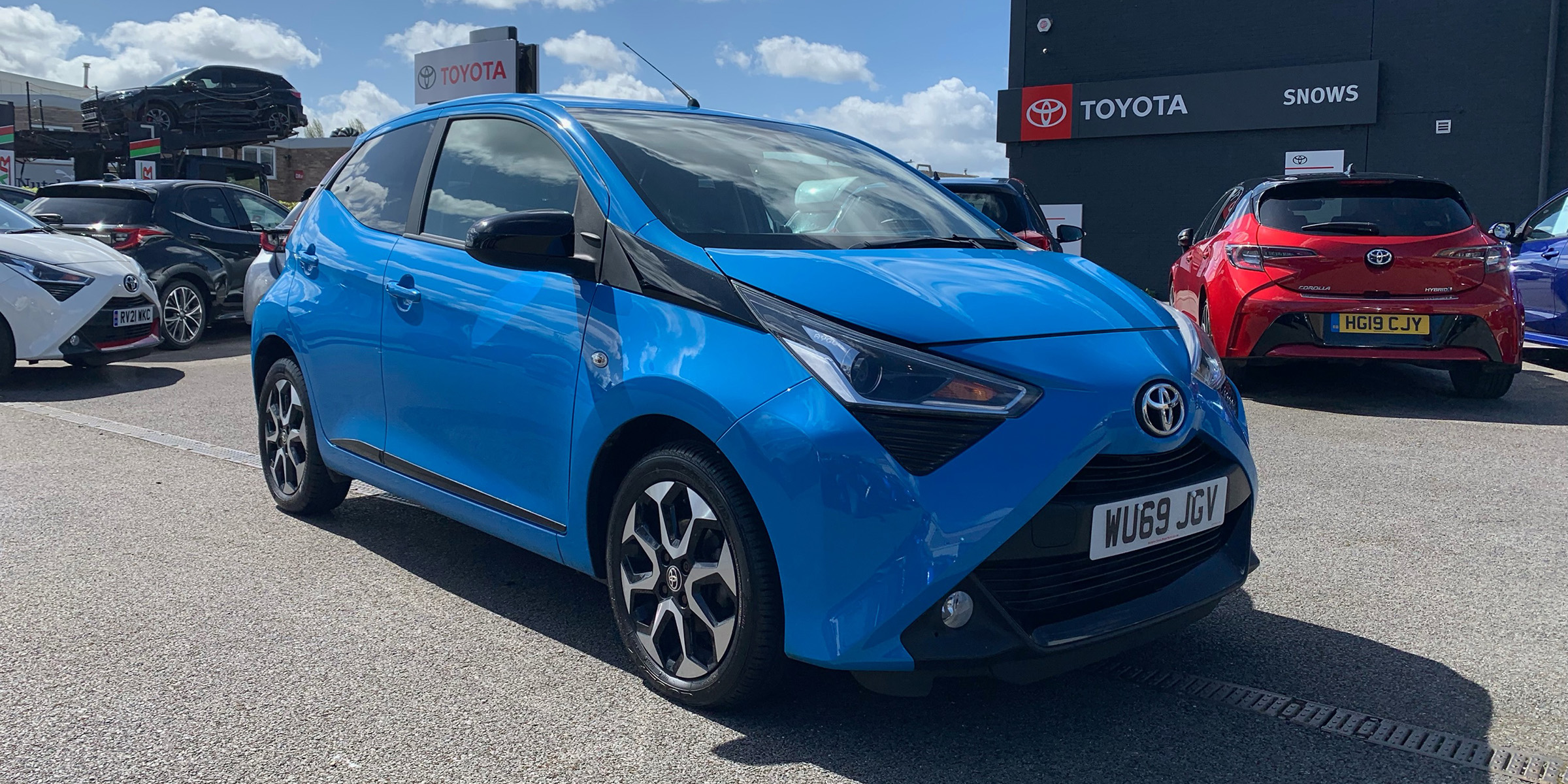
Toyota Aygo (2014 to 2022)

Summary

The Toyota Aygo was a small city-car class hatchback, which was available with either a conventional roof or a full-length canvas sunroof. This model was the second-generation Aygo, which was launched in 2014 and updated in 2018. It was discontinued in early 2022 to be replaced by the slightly larger Toyota Aygo X.

The Aygo was essentially identical to the Citroën C1 and Peugeot 108, with the three models developed together and built at the same factory in the Czech Republic. Unsurprisingly, all three cars received almost identical reviews and scores throughout their lives.

The Toyota Aygo received mixed reviews from the UK motoring media, with an overall Expert Rating that falls a long way short of the class-leading Hyundai i10. It was praised for its bold front-end styling and low running costs, but criticised for a lack of refinement compared to newer rivals.

No longer on sale, the Toyota Aygo holds a Used Car Expert Rating of A with a score of 68%.

Key specifications

Body style: Small three-door and five-door hatch
Engines: petrol
Price when new: From £9,495

Launched: Summer 2014
Last updated: Spring 2019
Replaced: Summer 2022

Media reviews

Highlighted reviews and road tests from across the UK automotive media. Click any of the boxes to view.

Auto Express

Auto Trader

Car Keys

Carbuyer

Carwow

Daily Mail

Green Car Guide

Heycar

Honest John

Motors

Parkers

The Sun

The Sunday Times

The Telegraph

Top Gear

Safety rating

Independent crash test and safety ratings from Euro NCAP

Overall score: 3 stars
Date tested: December 2017
Date expired: January 2024
Read the full Euro NCAP review

Adult protection: 74%
Child protection: 63%
Vulnerable road users: 64%
Safety assist: 25%

Notes on safety
The Toyota Aygo in standard specification received a three-star safety rating from Euro NCAP. If fitted with the optional Toyota Safety Sense pack, this increases to four stars. The Safety Sense pack was not available on the base X model, was optional on the X-Play, X-Trend and X-City models, and was standard on the top-spec X-Clusiv model.

Eco rating

Independent economy and emissions ratings from Green NCAP

No eco rating

The Toyota Aygo was not lab tested by Green NCAP during its production life.

Reliability rating

MotorEasy logo 600x167

Reliability data provided exclusively for The Car Expert by MotorEasy

All data based on MotorEasy average workshop costs for extended car warranty claims

As of March 2026, the Toyota Aygo family holds an excellent reliability score of 93%, according to workshop and extended warranty data provided exclusively to The Car Expert from our partner, MotorEasy.

Awards

Trophies, prizes and awards that the Toyota Aygo has received

2018

  • Auto Express Driver Power Award – Best City Car

Similar cars

If you’re looking at the Toyota Aygo, you might also be interested in these alternatives

Citroën C1 | Fiat 500 | Fiat Panda | Hyundai i10Kia Picanto | Peugeot 108 | SEAT Mii | Skoda Citigo | Smart Forfour | Suzuki Ignis | Volkswagen up!

Buy a Toyota Aygo

If you’re looking to buy a used Toyota Aygo, The Car Expert’s partners can help you find the right car

Motors 600x300

Find your next used car with Motors. Find out more

Auto Trader logo 600x300

Find your next new or used car with Auto Trader. Find out more

Carwow logo 600x300

Find your next new or used car with Carwow. Find out more

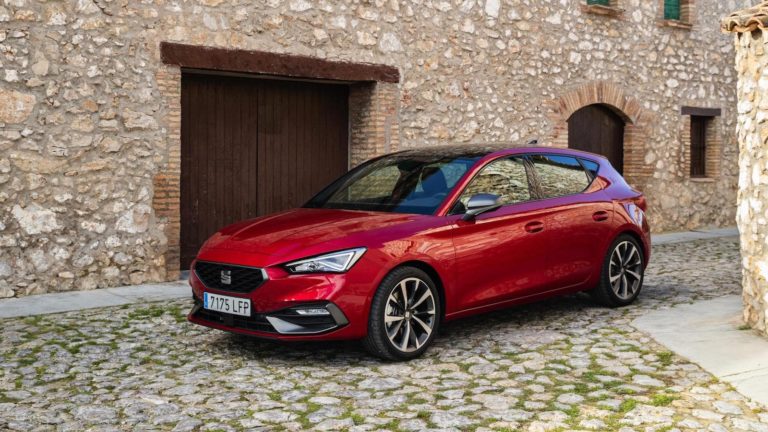
SEAT Leon pricing and specification announced

Order books for the new SEAT Leon have now opened, with prices starting from just under £20,000.

Available as both an estate and a hatchback, there will be three trim levels available, with more joining the line-up later along with diesel and electrified powertrains.

The entry-level SE trim will be priced from £19,855, and SEAT is promoting a PCP (personal contract purchase) finance offer with a headline figure of £195 per month over four years*. The example is for a car with a 110hp 1.0-litre petrol engine and six-speed manual gearbox, with a customer deposit of £4,000 and manufacturer contribution of £1,000.

The most popular model in the UK is expected to be the sporty FR with a 130hp 1.5-litre petrol engine. Prices for this trim start at £23,515 and will be promoted at £249 per month on PCP finance*.

Along with the SE and FR trims, a mid-spec SE Dynamic will also be offered. There are two petrols and one diesel engine with five power outputs between them – including one mild hybrid option – and the choice of automatic or manual transmissions.

Standard equipment on all new Leon models includes keyless start, LED headlights, eight-inch infotainment system and leather steering wheel and gearstick. SE Dynamic adds a digital cockpit, ten-inch infotainment, parking sensors and 17-inch alloy wheels.

The top-spec FR trim gets new bumpers designed to give it a more sporty look, a unique suspension set-up with a lower ride height, LED rear lights, three-zone air conditioning, and wireless phone charging.

*Finance numbers are example offers only for advertising purposes. Buyers can choose different deposit, term and annual mileage from the advertised offer, which will alter the monthly payment amount. Any finance offer is subject to approval. You may not be approved for the advertised offer and may instead be offered an alternative quote.

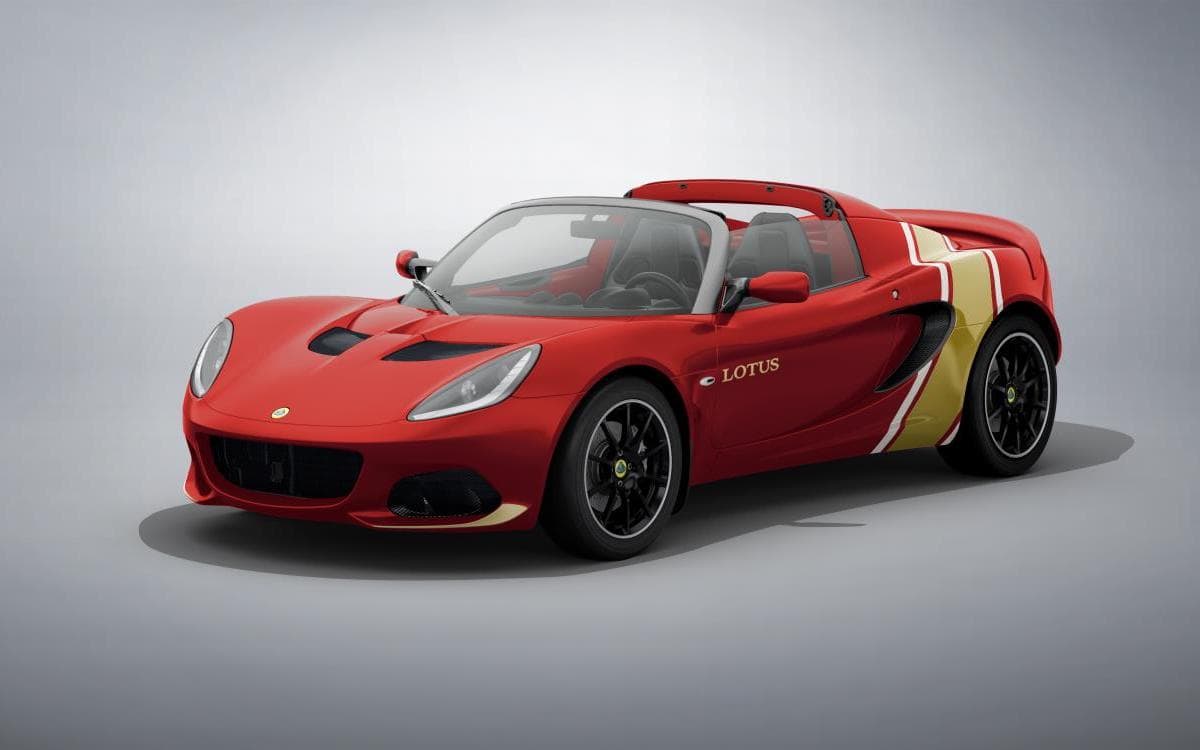
Classic Heritage Edition Elise is latest Lotus special edition

Lotus is paying tribute to its grand prix racing history through the introduction of four new limited-edition versions of its Elise sports car.

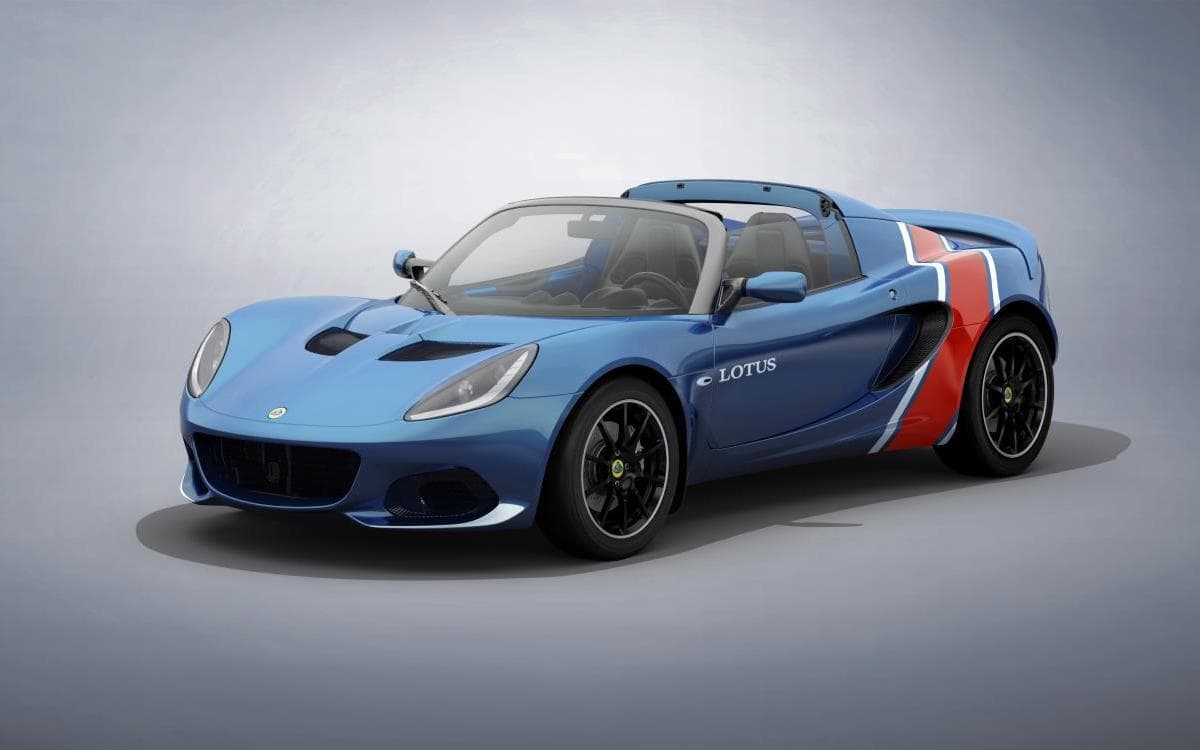
Four colour combinations are available with the Classic Heritage Edition cars – of which just 100 are going to be produced – with each harking back to an original livery used by the Team Lotus F1 racing team.

The first is a black-and-gold combination made famous by the Lotus 72D that Emerson Fittipaldi raced to win the 1972 Formula 1 championship. A red, white and gold version pays tribute to the Lotus 49B that Graham Hill took to the title in 1968, while a blue, red and silver car is inspired by the livery applied to the rather less-successful Lotus 81 of 1980, which was used by Nigel Mansell, Elio de Angelis and Mario Andretti.

Finally, a fourth colour combination of blue and white harks back to the design used on the Lotus 18 car of 1960, which was the first Lotus car to achieve a Formula 1 pole position and victory – thanks to some help from the late Sir Stirling Moss.

All cars are based on the Lotus Sport 220, but receive enhanced interior features and touches. Each gets a unique build plaque, too.

In addition, the Classic Heritage Edition cars get a DAB digital radio, air conditioning and cruise control, as well as forged alloy wheels and two-piece disc brakes – features which usually reside on the optional extras list for the Elise.

All four versions are priced at £46,250 which, though commanding a premium of £6,340 over the standard Elise Sport 220, theoretically represent a saving of £11,735 given the value of additional extras they includes. The cars are on sale now.

The Car Expert Best of British horizontal banner

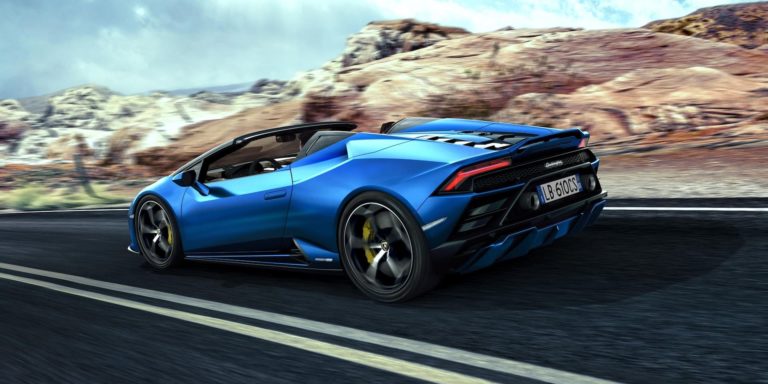
Lamborghini reveals rear-wheel drive Huracán Evo Spyder

Lamborghini has revealed a rear-wheel drive version of its Huracán Evo Spyder supercar.

The new model expands the Huracán range to four, with coupé and convertible versions in either all-wheel drive or rear-wheel drive. It’s the latest step in the company progressively moving away from its strict all-wheel-drive-only doctrine that came into place when Audi took ownership more than 20 years ago.

The Huracán Evo RWD Spyder uses the same naturally-aspirated V10 engine found in other iterations of the Huracán. It produces 610hp and 560Nm of torque and allowing for a 0-60mph time of 3.5 seconds and a top speed of 201mph.

There’s a specially tuned traction control system, which utilises three drive modes that adapt the experience for different situations. Strada optimises the car for road driving, Sport reduces traction control to make drifting possible, while Corsa optimises the setup for track driving.

The Evo RWD Spyder gets ventilated and cross-drilled steel brakes with 19-inch alloy wheels as standard, with carbon-ceramic brakes and 20-inch alloy wheels available as an option.

The soft top can be stowed in 17 seconds at speeds of up to 31mph and can be specified in a variety of colours. The car itself can be extensively modified using Lamborghini’s Ad Personam programme, which gives buyers an almost limitless choice of colours and specification.

Stefano Domenicali, chairman and CEO of Automobili Lamborghini, said: “The Huracán Evo Rear-Wheel Drive Spyder doubles the driving fun, delivering raw driving pleasure with the opportunity to celebrate life outside.” (It’s not know whether his reference to ‘the opportunity to celebrate life outside’ was deliberately ironic, given the global coronavirus lockdown…)

Anyway, he continued: “The driver is perfectly in touch with Lamborghini’s engineering heritage, experiencing the feedback and engagement from the set-up of a rear-wheel drive car where electronic intrusion is minimised, while enjoying the sense of freedom and spirit of life that only open-top driving provides.”

Mercedes-Benz CLA (2019 to 2025)

Summary

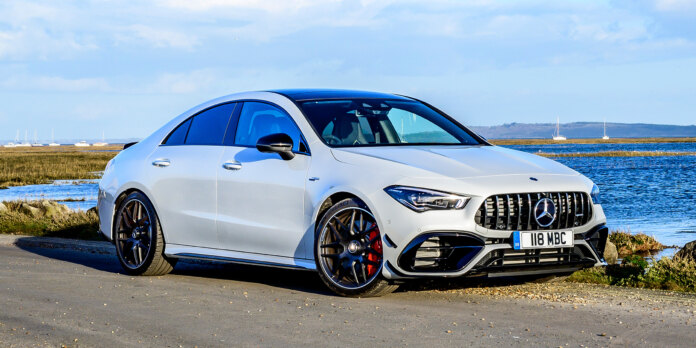
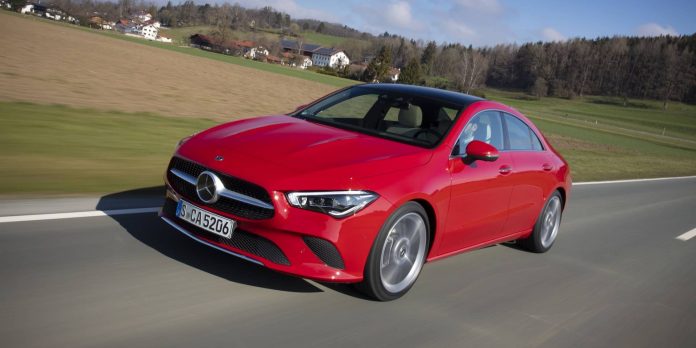
The Mercedes-Benz CLA was a compact saloon and estate model, based on the 2018 Mercedes-Benz A-Class. This model is the second-generation CLA, which was launched in 2019 and sold in the UK until late 2025.

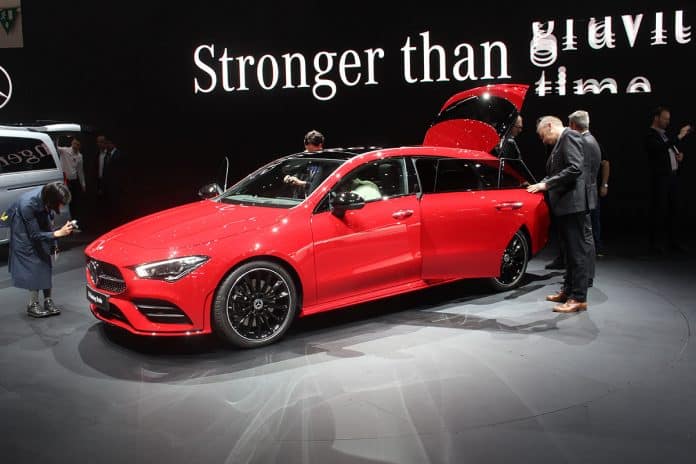
Mercedes-Benz referred to the saloon model as a ‘four-door coupé’ and the estate model as a ‘shooting brake’, however neither is correct and it was simply marketing spin based on the CLA being lower and sleeker (and more expensive) than the A-Class models that it was based on. There were also higher-performance models called the Mercedes-AMG CLA 35 and CLA 45, which are not covered here.

The Mercedes-Benz CLA earned generally positive reviews from the UK motoring media, although the scores awarded tended to be average. It received praise for its styling and high levels of advanced technology. However, its sleek styling compromised its space and general practicality, and consumer titles marked the CLA more harshly than its A-Class siblings as a result. The CLA was available with a choice of petrol, diesel or plug-in hybrid powertrains. The petrol and diesel engines were available from launch in 2019, with the plug-in hybrid version added in early 2020.

A facelifted version of the Mercedes-Benz CLA arrived in the UK in Autumn 2023. This consisted of a collection of minor updates to the existing car, rather than a major upgrade.

An all-new CLA range, including the first all-electric versions, was unveiled in early 2025 and went on sale in the UK over the summer.

As of November 2025, the Mercedes-Benz CLA has a Used Car Expert Rating of C, with a score of 64%. It scores top marks for its low CO2 emissions (helped by the plug-in hybrid version), while its safety rating is also good. However, its media review scores were average and its reliability record has been poor.

Key specifications

Body style: Saloon and estate
Engines: petrol, diesel, plug-in hybrid
Price when new: From £35,245 on-road

Launched: Summer 2019
Last updated: Autumn 2023
Replaced: Autumn 2025

Media reviews

Highlighted reviews and road tests from across the UK automotive media. Click any of the boxes to view.

Featured reviews

More reviews

The Car Expert

Auto Express

Auto Trader

Business Car

Car

Car Keys

Carbuyer

Carwow

Company Car Today

Daily Mirror

Heycar

Honest John

Parkers

The Sun

The Telegraph

Top Gear

Safety rating

Independent crash test and safety ratings from Euro NCAP

Overall score: 5 stars
Date tested: September 2019
Read the full Euro NCAP review

Adult protection: 96%
Child protection: 91%
Vulnerable road users: 91%
Safety assist: 75%

Eco rating

Independent economy and emissions ratings from Green NCAP

No eco rating

The Mercedes-Benz CLA was not assessed by Euro NCAP during its production life.

Running cost rating

Clear Vehicle Data logo close crop

Monthly cost of ownership data provided exclusively for The Car Expert by Clear Vehicle Data

Fuel consumptionAverageScore
Petrol models45 mpgC
Diesel models54 mpgB
Plug-in hybrid models316 mpgA
CO₂ outputAverageScoreVariationScore
Petrol models141 g/kmC
Diesel models138 g/kmC
Plug-in hybrid models20 g/kmA
Battery rangeAverageScoreVariationScore
Plug-in hybrid models49 milesD
Insurance groupAverageScoreVariationScore
All models32C
Service and maintenanceCostScore
Year 1£266C
Year 2£647C
Year 3£1,203D
Year 4£1,387D
Year 5£1,861D
Overall£5,364D

Running costs for the Mercedes-Benz CLA are slightly higher than for its A-Class sibling, according to numbers provided exclusively to The Car Expert by our data partner, Clear Vehicle Data.

Fuel consumption for petrol models is average, although diesels are better. The plug-in hybrid looks good on paper, but this is deceptive – every plug-in hybrid looks great in theory, but this is because of rubbish EU/UK government lab testing. You certainly won’t get 248 miles of driving from one gallon (4.5 litres) of fuel and a bit of electricity…

The battery range of the plug-in hybrid is reasonably good, at 42 miles according to the official tests. That’s better than most plug-in hybrids, but you’ll still need to charge it almost daily to get best use out of the electric motor and battery. By comparison, an equivalent mid-size full EV would get more than 200 miles out of its battery so most households would only need to charge it once a week.

Scheduled servicing costs have become more expensive in the last year or so, with our latest data showing that costs are now more expensive than average over the first five years – having slipped from a B to a D grade since we started tracking this data.

Reliability rating

MotorEasy logo 600x167

Reliability data provided exclusively for The Car Expert by MotorEasy

All data based on MotorEasy average workshop costs for extended car warranty claims

As of April 2025 (our most recent data point for reliability), the Mercedes-Benz CLA has a below-average reliability score of 59%, according to workshop and extended warranty data from our partner, MotorEasy, sourced from both official dealerships and independent workshops. This rating covers both this generation (2019 to 2025) and the previous model (2012 to 2019). 

The average repair costs to date are also fairly high for this size of car, at just under £700. The most expensive bills so far have been for gearbox repairs, with an eye-watering average bill of more than £3,000. Fortunately, they have not been common.

Engine problems, however, have been both common and expensive with an average bill of about £800.

If you’re thinking about buying a used car warranty for your CLA, make sure that it covers all of the problem areas shown above.

Warranty rating

New car warranty information for the Mercedes-Benz CLA

Overall ratingB61%
Petrol or diesel modelsD37%
Electric or hybrid modelsB76%
New car warranty duration3 years
New car warranty mileageUnlimited miles
Battery warranty duration8 years
Battery warranty mileage100,000 miles

Mercedes-Benz’s new car warranty is only average, and not as attractive as some other cars in a similar price bracket as the CLA.

The duration is three years, with no limit on mileage – although, in reality, the mileage numbers are likely to be fairly irrelevant as most cars only cover about 10,000 miles each year.

In addition to the standard new car warranty, the CLA plug-in hybrid models have an eight-year/100,000-mile warranty for the battery components. The overall rating above is a mix of the different models.

Recalls

Official DVSA safety recalls that have been issued for the Mercedes-Benz CLA

Date: May 2024
Recall number: R/2024/166
Model types: All
Build dates: 11/2018 to 01/2024
Number of vehicles affected: 52,400
Defect: The backup function of the steering software might not meet specifications. As a result, the steering power support might be impaired and a loss of steerability cannot be ruled out.
Remedy: Update the software of the electric steering on the affected vehicles.

Date: April 2023
Recall number: R/2023/116
Model types: All
Build dates: 12/2022
Number of vehicles affected: 1
Defect: The tyres might not meet specification, resulting in a leak and possible sudden loss of air pressure.
Remedy: Replace the tyres.

Date: August 2022
Recall number: R/2022/195
Model types: All
Build dates: 03/2022
Number of vehicles affected: 12
Defect: Bowden cables with an insufficient length might have been installed in the front doors.
Remedy: Check the bowden cables of the front doors on the affected vehicles and replace if necessary.

Date: March 2022
Recall number: R/2022/062
Model types: All
Build dates: 12/2019 to 11/2021
Number of vehicles affected: 17
Defect: The bolting on the brake caliper housing might not meet torque specifications.
Remedy: Check and, if necessary, rework the bolting of the brake caliper housings on the affected vehicles.

Date: March 2022
Recall number: R/2022/061
Model types: All
Build dates: 07/2018 to 09/2019
Number of vehicles affected: 26
Defect: A particle in the fuel rail might lead to a leak between the fuel rail and the fuel injector.
Remedy: Replace the fuel rail and fuel injectors on the affected vehicles.

Date: January 2022
Recall number: R/2021/444
Model types: All
Build dates: 06/2020 to 07/2020
Number of vehicles affected: 113
Defect: The power supply connection of the electric power steering might have been contaminated with melted adhesive.
Remedy: Check the connection on the affected vehicles and perform repair measures if necessary.

Date: January 2022
Recall number: R/2021/437
Model types: All
Build dates: 01/2020 to 02/2021
Number of vehicles affected: 2,829
Defect: On certain vehicles with an additional door lock, the locking pawl spring of the left side door locks might not be greased according to specifications.
Remedy: Conduct greasing of the locking pawl spring on the affected vehicles.

Date: November 2021
Recall number: R/2021/376
Model types: All
Build dates: 01/2016 to 01/2021
Number of vehicles affected: 50,390
Defect: The behaviour of the emergency call system might not meet specifications.
Remedy: Update the software of the communication module for the emergency call system.

Date: July 2021
Recall number: R/2021/246
Model types: All
Build dates: 04/2019 to 05/2019
Number of vehicles affected: 19
Defect: The bolting of a side crash sensor may not meet specifications.
Remedy: Check the bolting of the side crash sensor on the affected vehicles and rework it if necessary.

Date: May 2021
Recall number: R/2021/134
Model types: All
Build dates: 01/2016 to 01/2021
Number of vehicles affected: 663,406
Defect: The behaviour of the emergency call system might not meet specifications.
Remedy: Update the software of the communication module for the emergency call system.

Date: April 2021
Recall number: R/2021/084
Model types: All
Build dates: 09/2019 to 08/2020
Number of vehicles affected: 7
Defect: The variant of spark plugs installed may not meet specifications.
Remedy: Replace the spark plugs on the affected vehicles.

Date: February 2021
Recall number: R/2021/030
Model types: All
Build dates: 07/2020 to 09/2020
Number of vehicles affected: 543
Defect: The ISOFIX bracket might be missing on the right rear seat.
Remedy: Check the ISOFIX bracket and replace it if necessary.

Date: October 2020
Recall number: R/2020/277
Model types: All
Build dates: 12/2019 to 01/2020
Number of vehicles affected: 37
Defect: An electrical contacting inside the engine control unit might not meet the specification.
Remedy: Replace the engine control unit on the affected vehicles.

Date: October 2020
Recall number: R/2020/262
Model types: All
Build dates: 10/2019 to 06/2020
Number of vehicles affected: 1,074
Defect: The oil supply line of the turbocharger might leak.
Remedy: Check the oil supply line of the turbocharger on the affected vehicles and replace it if necessary.

Date: October 2020
Recall number: R/2020/237
Model types: All
Build dates: 10/2019 to 11/2019
Number of vehicles affected: 30
Defect: The air-conditioning system on the affected vehicles might erroneously be filled with the incorrect refrigerant.
Remedy: Replace the refrigerant in the air conditioning system on the affected vehicles.

Date: July 2020
Recall number: R/2020/134
Model types: All
Build dates: 05/2019
Number of vehicles affected: 134
Defect: The mounting of an argon gas line to the generator of the inerter system might not meet specifications.
Remedy: Check the mounting of the gas line to the gas generator on the affected vehicles and rework it if necessary.

As of September 2024 (our most recent data point), there have been 16 DVSA vehicle safety recalls on this generation of the Mercedes-Benz CLA to address different issues.

Not all vehicles are affected by recalls. You can check to see if your car is included in any of the above recalls by visiting the DVLA website or contacting your local Mercedes-Benz dealer.

If your car is affected by a recall, the vehicle must be repaired and you should not be charged for any work required. If you are buying a used CLA, you should insist that any outstanding recall work is completed before you take delivery of the vehicle.

Similar cars

If you’re looking at the Mercedes-Benz CLA, you might also be interested in these alternatives

Current models: Audi A3 saloonBMW 2 Series Gran Coupe | Mercedes-Benz A-Class saloon

Discontinued models: Kia ProCeed | Volkswagen Arteon

More news, reviews and information about the Mercedes-Benz CLA at The Car Expert

Everything you need to know about Mercedes-Benz

Everything you need to know about Mercedes-Benz

Mercedes-Benz CLA EQ

Mercedes-Benz CLA EQ

All the new cars launched at Goodwood 2025

All the new cars launched at Goodwood 2025

Electric Mercedes‑Benz CLA Shooting Brake revealed

Electric Mercedes‑Benz CLA Shooting Brake revealed

Electric Mercedes-Benz CLA now available to order

Electric Mercedes-Benz CLA now available to order

New Mercedes-Benz CLA debuts with electric power

New Mercedes-Benz CLA debuts with electric power

Mercedes-AMG CLA 35

Mercedes-AMG CLA 35

Mercedes-AMG CLA 45

Mercedes-AMG CLA 45

Mercedes-Benz CLA given mid-life facelift

Mercedes-Benz CLA given mid-life facelift

Seven stars in latest round of crash tests

Seven stars in latest round of crash tests

Mercedes-Benz CLA test drive

Mercedes-Benz CLA test drive

Geneva: Mercedes unveils new CLA Shooting Brake

Geneva: Mercedes unveils new CLA Shooting Brake

Buy a Mercedes-Benz CLA

If you’re looking to buy a new or used Mercedes-Benz CLA, The Car Expert’s partners can help you find the right car

Motors 600x300

Find your next used car with Motors. Find out more

Auto Trader logo 600x300

Find your next new or used car with Auto Trader. Find out more

Carwow logo 600x300

Find your next new or used car with Carwow. Find out more
Lease a Mercedes-Benz CLA

If you’re looking to lease a new Mercedes-Benz CLA, The Car Expert’s partners can help you find a competitive deal

Leasing-com logo

Personal contract hire deals from Leasing.com. Find out more

Carwow logo 600x300

Personal contract hire deals from Carwow. Find out more

Select Car Leasing logo

Personal contract hire deals from Select Car Leasing. Find out more

Subscribe to a Mercedes-Benz CLA

If you’re interested in a car subscription, The Car Expert’s partners can help (PS: What’s a car subscription?)

SelfDrive UK logo

Car subscriptions from SelfDrive.
Find out more

Cocoon Vehicles logo 600x300

Car subscriptions from Cocoon.
Find out more

Just Vehicle Solutions logo 600x300

Car subscriptions from Just Vehicle Solutions.
Find out more

Britain’s best-selling cars, April 2020

Private new car sales were down 99% in April, with fleet registrations down 97% as well, as the UK endured an entire month of lockdown due to the coronavirus pandemic.

Of those 4,000-ish new cars that did hit streets in April, most were for those who were working in essential industries, with some manufacturers able to supply cars despite dealerships being closed for the entire month. Read our full monthly new car registration report here.

As a result, the monthly list of best-selling cars is almost entirely irrelevant, as it bears almost no resemblance to genuine new car demand or sales that have been cancelled/postponed. Still, with the lowest number of new car registrations since February 1946, April 2020 may go down in history.

Bear in mind that the entire new car market for April wouldn’t have made the top ten list in March, and take the following results as more a matter of interest than anything relevant about the new car market.

The list of best-selling cars for April was possibly the most unexpected in history, as you’ll see. Who knows what May will bring?

The UK’s ten best-selling cars, April 2020

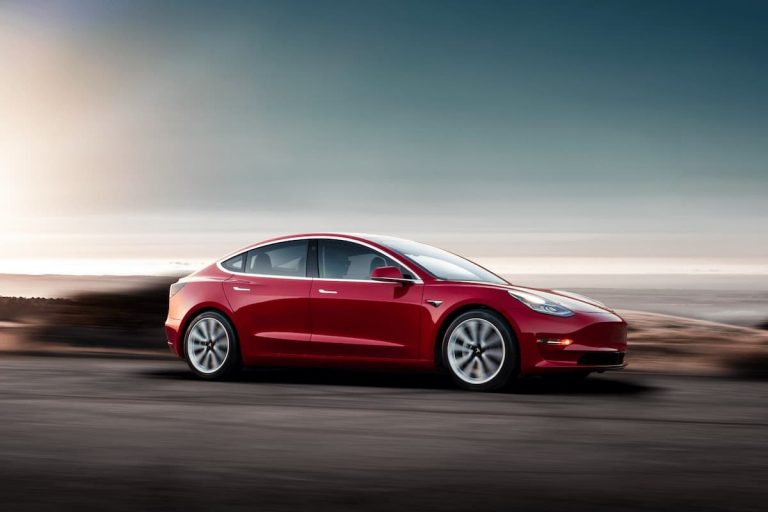
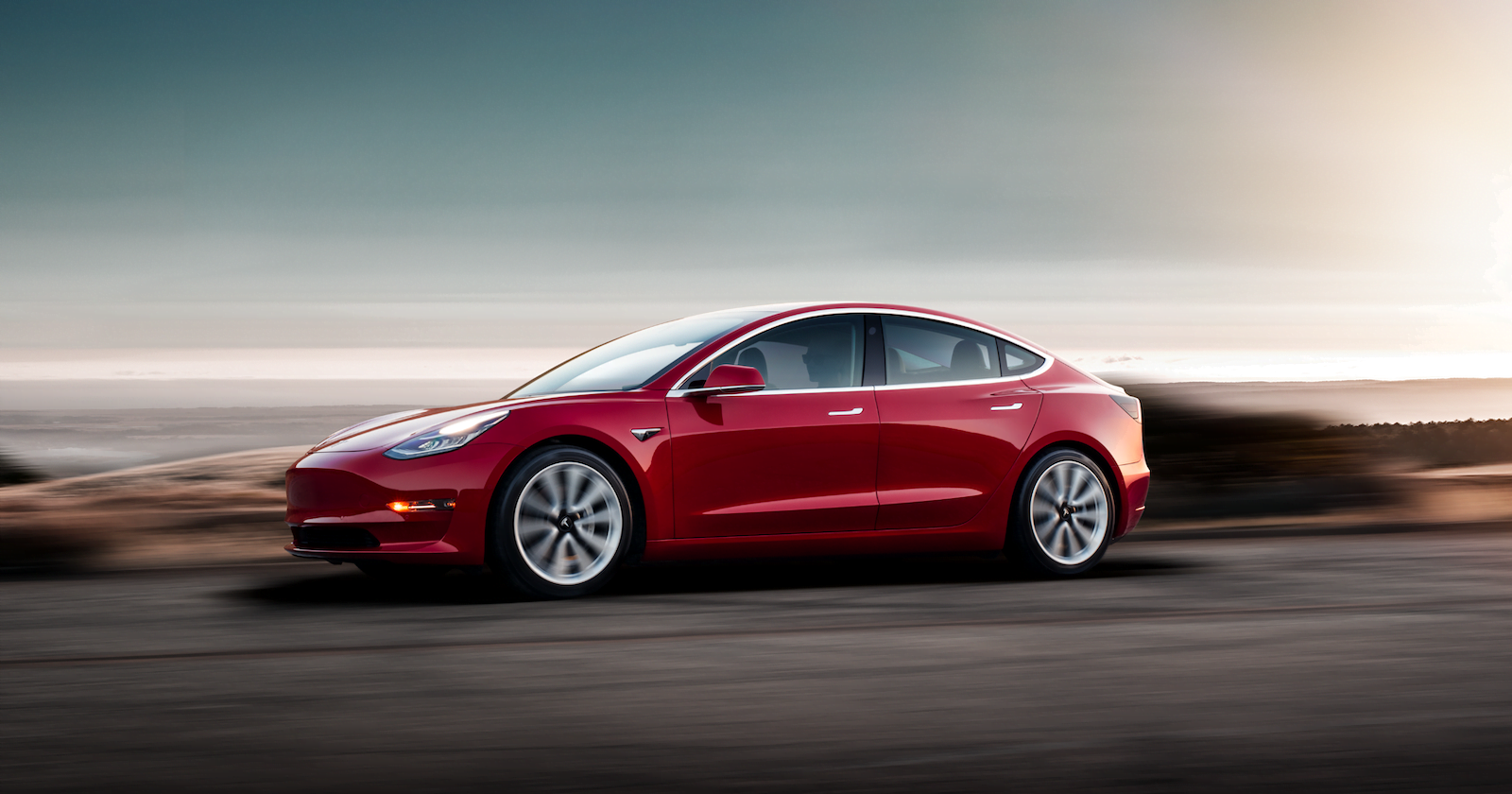
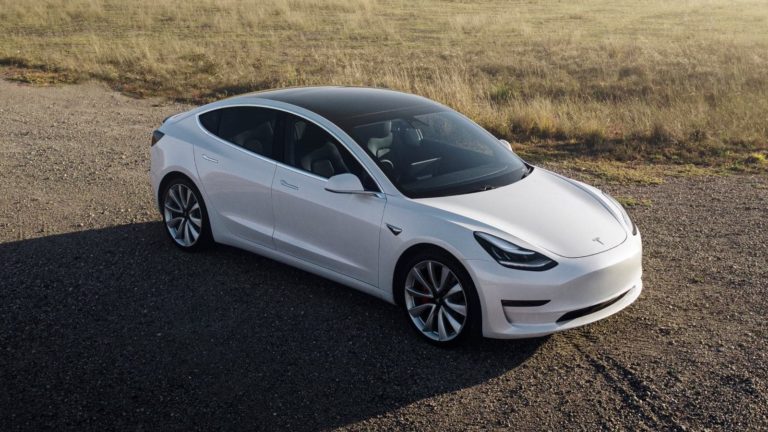
1. Tesla Model 3

Tesla Model 3 (2019) new car ratings and reviews | The Car Expert

To be fair to Tesla, the Model 3 has been selling very well since it was launched last August. Industry sources also suggest that Tesla’s business model of very few showrooms and largely online/home delivery sales process helped it continue delivering new cars after regular bricks-and-mortar showrooms had closed.

The Tesla Model 3 currently holds an Expert Rating of 84% in our New Car Ratings database, which is certainly very good. However, there have been very few local reviews yet so this may vary by quite a bit (either up or down) in coming months.

2. Jaguar I-Pace

Jaguar I-Pace (2018 onwards) Expert Rating

If Tesla taking the top spot was a surprise, then the Jaguar I-Pace finishing second was even more of an upset. Not coincidentally, Jaguar had recently agreed a deal for 700 I-Paces with NHS Fleet Solutions, as well as supporting an electric car chauffer service in London. As fleet deals, the vehicles would presumably not have passed through the usual dealer channels.

The Jaguar I-Pace has received very strong reviews from the UK motoring media, and currently holds an outstanding Expert Rating score of 87% according to The Car Expert’s unique Expert Rating system.

3. Vauxhall Corsa

It may not have been the glorious new model launch that Vauxhall was hoping for, but at it least claim that the new Corsa has outsold the Ford Fiesta…

We don’t have a split of exactly how many Corsas were the electric Corsa-e model, but with a fleet of them arriving in time for the (now postponed) UK media launch, it’s entirely possible that the top three cars in the UK were electric vehicles for the first time ever.

The new Corsa currently holds an Expert Rating of 71% on our unique aggregator scale, based on 19 reviews we have gathered so far. That puts it in the bottom half of the supermini class (ninth out of 13 cars we’ve analysed so far). This may change quite dramatically once more reviewers drive the car on local roads, but it’s still a disappointing score for a brand-new model. The new Peugeot 208, which is mechanically identical to the Corsa, is currently at 78%.

4. Vauxhall Crossland X

Vauxhall Crossland X (2017 onwards) Expert Rating

The surprise results keep on rolling as the Vauxhall Crossland X appears in fourth place. It’s the first time in a long time that Vauxhall has had two cars in the top five, although 143 registrations is hardly anything to get too excited about.

The Crossland X holds a fairly poor Expert Rating of 65% in our New Car Ratings aggregator, which is in the bottom half of its market segment and well behind the class leaders.

5. Ford Tourneo Custom

Ford Tourneo Custom | The Car Expert

This is not a Ford Transit Custom van. It’s a Tourneo Custom, which means it’s technically a passenger car. Even though it’s basically a Transit Custom with seats and a few more trinkets. Presumably a few fleet customers with essential business needed some and Ford was able to get them delivered.

We haven’t published an Expert Rating analysis of the Ford Tourneo Custom yet, as we have only one review of the current model from the 21 UK media sources we cover. If you’re interested, What Car? gave it a score of three stars.

6. Peugeot Rifter

Peugeot Rifter (2018 onwards) Expert Rating

What, you’ve never heard of the Peugeot Rifter? It’s officially one of the best-selling cars in the country! Part two of the ‘vans with seats’ section of the top ten list is the passenger version of the Peugeot Partner compact van.

Despite its Postman Pat origins, the Rifter has received reasonably positive reviews from the UK motoring media. It is considerably more space-efficient than a conventional family hatchback, although it can’t match them for overall refinement.

7. SEAT Leon

The current SEAT Leon has been around for eight years and is about to be replaced by an all-new model. This may well be the first time in its history that it’s been featured in the UK top ten list, just as it sails off into the sunset.

Despite its age, the Leon stil ranks strongly against most family hatchback rivals, and there will presumably be some good run-out deals available when dealerships reopen.

= 8. Mercedes-Benz A-Class

Mercedes-Benz A-Class hatchback | Expert Ratings

Despite the whole country being locked down, the Mercedes-Benz A-Class stayed in the top ten. It slipped from seventh to (equal) eighth place, but who’s counting when we’re only taling about 72 units anyway?

The Mercedes-Benz A-Class has an Expert Rating of 77% in The Car Expert’s New Car Rating system. It ranks highly for safety, winning awards from Euro NCAP and Thatcham for its protective qualities.

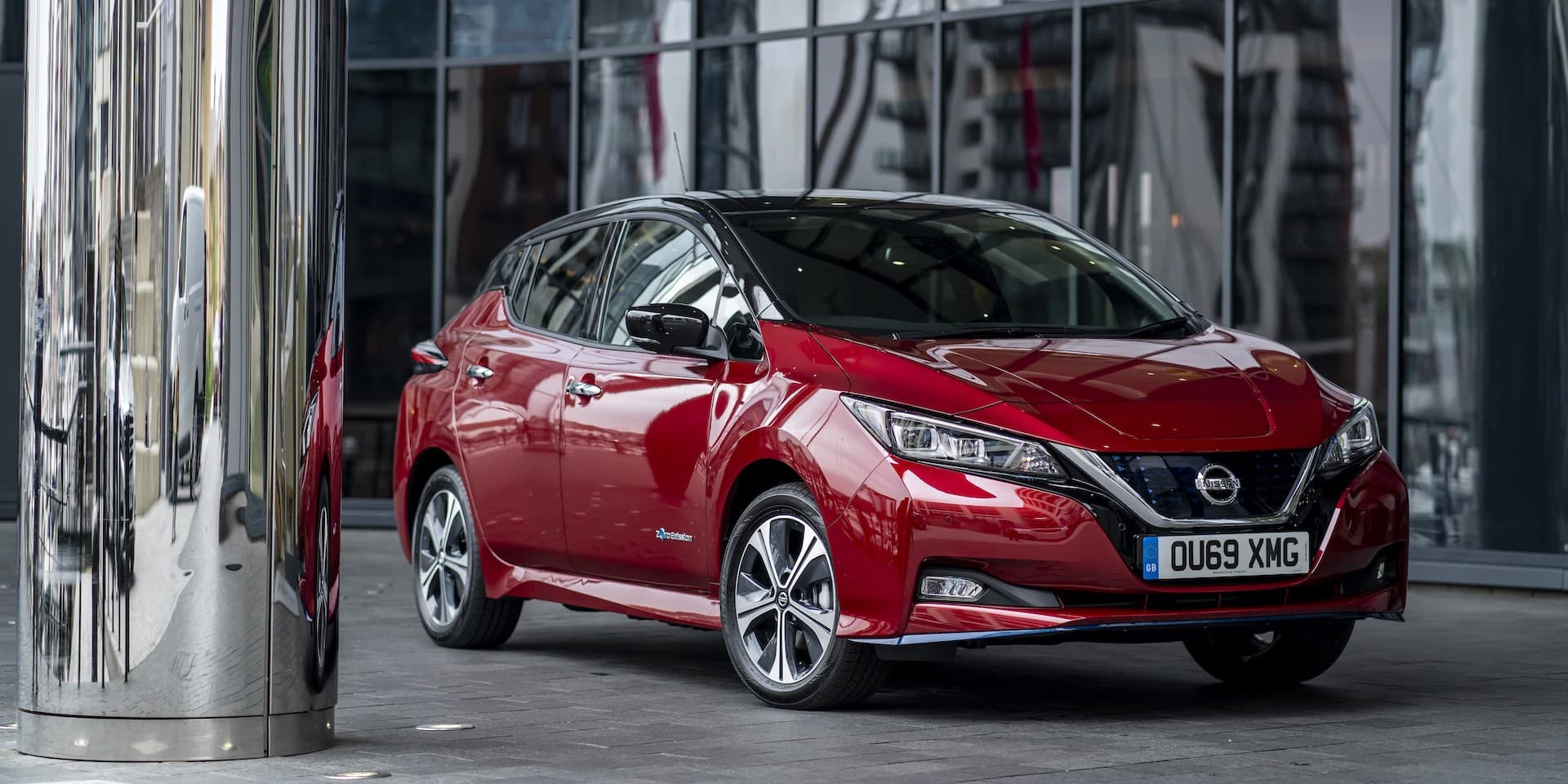
= 8. Nissan Leaf

Nissan Leaf (2018 onwards) Expert Rating

The third dedicated electric car in April’s top ten is the Nissan Leaf, which is also the most popular British-built car for the month (Jaguar may be a British brand, but the I-Pace is built in Austria). Although, to be fair, 72 units is probably the lowest number of cars to take that prize since before the Second World War…

The Nissan Leaf has received particular praise for its smooth, quiet operation and generous equipment levels. However, it has been criticised for not matching other electric cars, like the Hyundai Kona Electric and Kia e-Niro, when it comes to overall range.

10. Peugeot 308

Peugeot 308 SW GT Line (2015 onwards) Expert Rating

To round out a bizarre top ten, we have another model that hasn’t seen such dizzying heights in its whole product life, the Peugeot 308. I also have no idea when Peugeot last had two cars in the top ten, but it certainly wasn’t in recent memory.

The second-generation 308 has been around since 2014, and currently holds an Expert Rating of 71% in our aggregated Expert Ratings database. That puts it quite a long way behind most of its rivals, headed by the new Volkswagen Golf.

Alfa Romeo updates Giulia and Stelvio Quadrifoglio

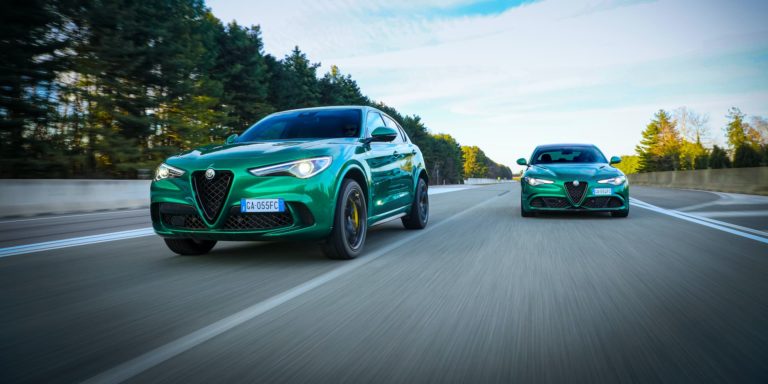
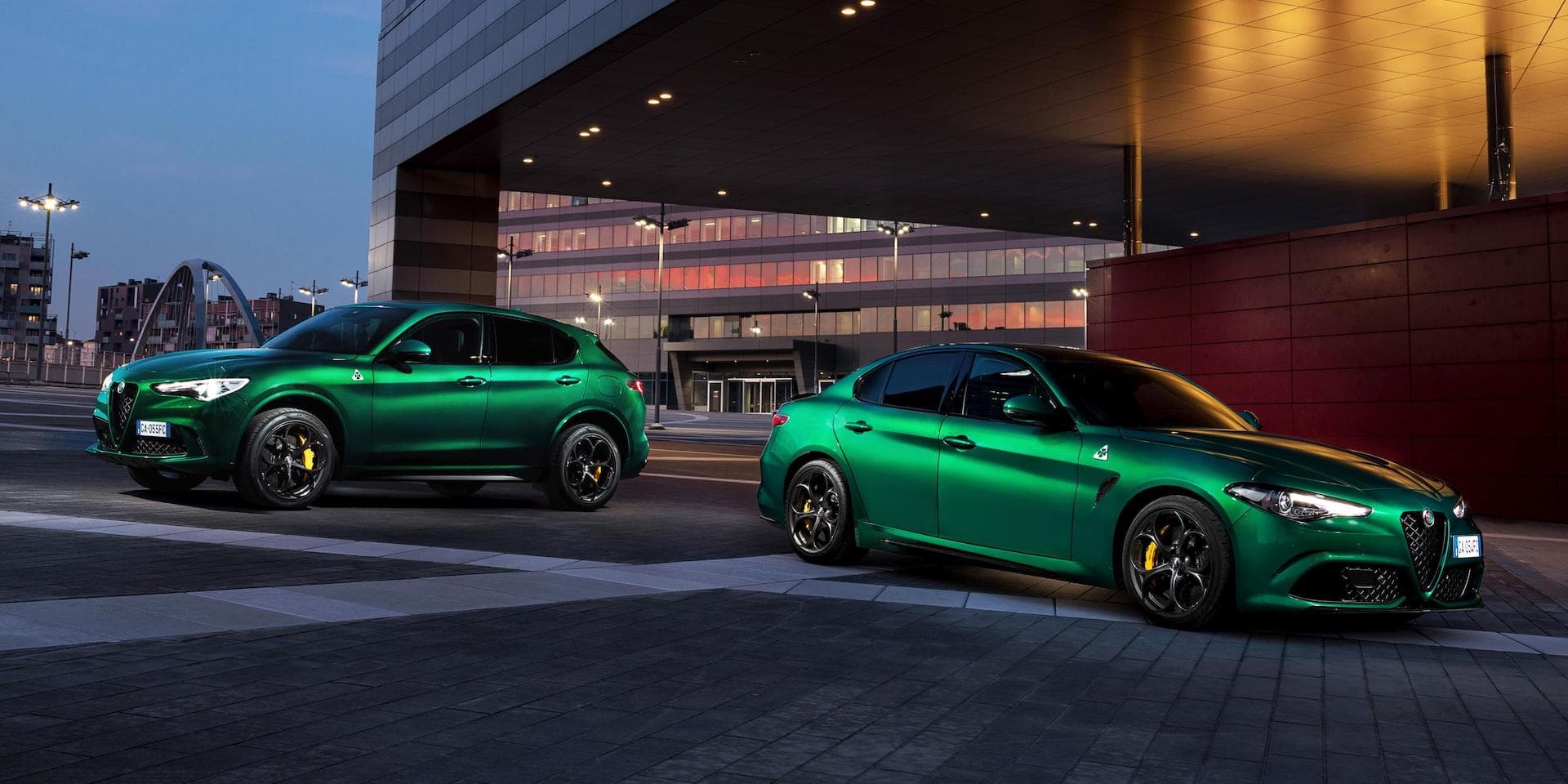
Alfa Romeo has unveiled its refreshed Giulia and Stelvio Quadrifoglio models.

The update follows on from tweaks made to the standard Giulia and Stelvio models, which tweaked their appearance while bolstering interior technology levels.

The revisions are much the same for these performance-orientated Quadrifoglio models. A larger nine-inch infotainment screen is now the focal point of the cabin, while its revised software includes race-orientated displays and functions.

Inside, new seat designs are available – including carbon-backed buckets – while the overall quality of the cabin has been lifted thanks to higher-end materials and a new leather stitched gear selector.

The exterior has been lifted too thanks to smoked rear lights – on both Giulia and Stevlio models – which now feature a revised design. Several new paint colours have also been introduced – Montreal Green, 6C Villa d’Este Red and a yellow-based shade called GT Junior Ocra – while 21-inch alloy wheels can be optioned on the Stelvio for the first time.

2020 Alfa Romeo Giulia and Stelvio Quadrifoglio | The Car Expert

Mopar, the accessories arm of Alfa Romeo’s parent company Fiat Chrysler Automobiles (FCA), will also be supplying a range of additional features for the first time on the Giulia and Stelvio Quadrifoglio. These include carbon-fibre mirror caps and an Akrapovic titanium exhaust with carbon-fibre tailpipes, among others.

Both the Stelvio and Giulia now benefit from enhanced driver assistance systems, with lane-keeping assist, adaptive cruise control and blind-spot monitoring just a few of the included features. Level 2 self-driving ability is also added, though this still requires the driver to keep a hand on the wheel and remain alert.

Both cars retain the same 2.9-litre V6 bi-turbo engine with the same outputs of 510hp and 600Nm of torque.

The new Alfa Romeo Giulia and Stelvio Quadrifoglio are set to go on sale this summer, with full UK pricing and specifications announced closer to that date.

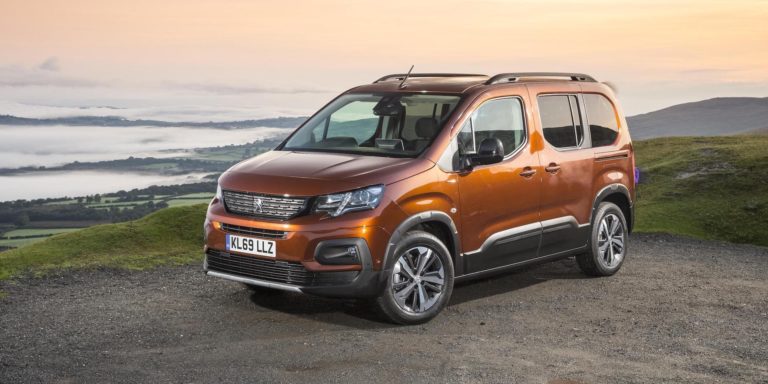
Peugeot Rifter (2018 to 2022)

Summary

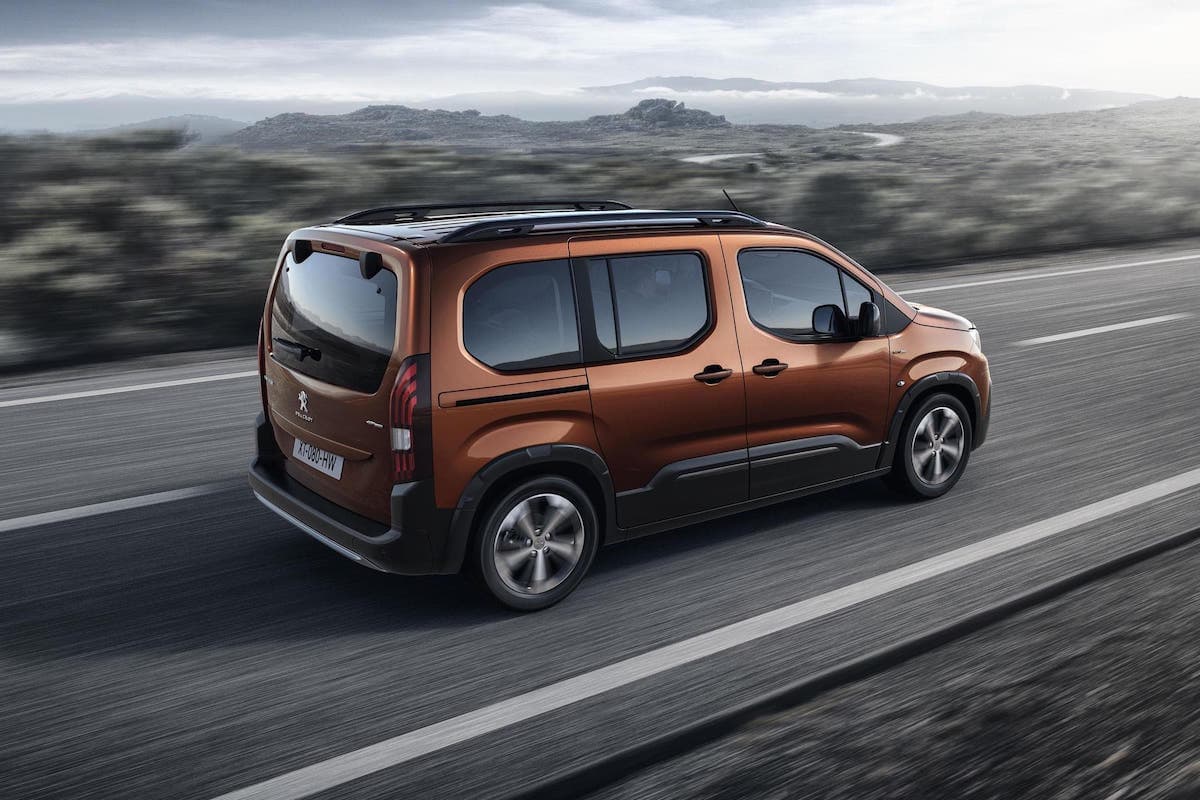
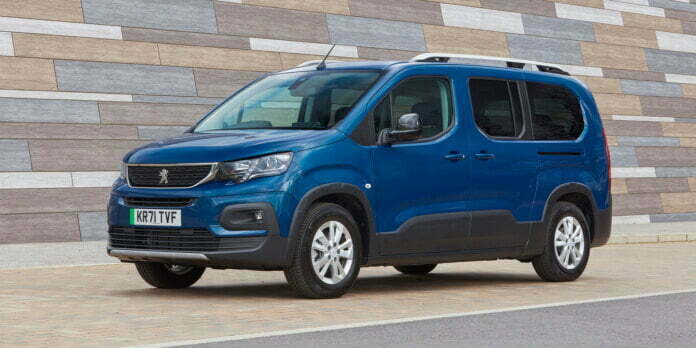
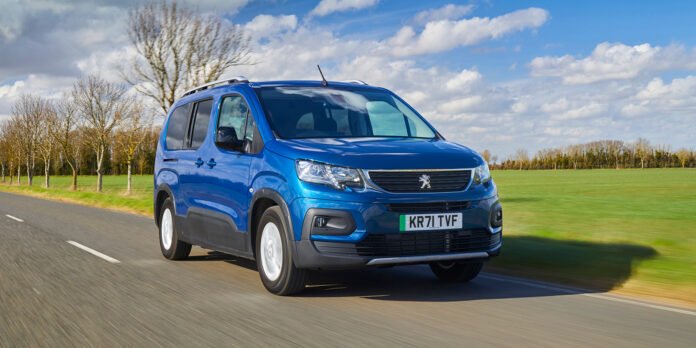
The Peugeot Rifter was a small van-based people carrier. Based on the Peugeot Partner compact van, it was almost identical to the Citroën Berlingo and Vauxhall Combo Life. These combustion-powered Stellantis Group vans were discontinued in early 2022 – the Rifter has been replaced by the e-Rifter in the Peugeot range.

The Rifter was available with either five or seven seats, in either short or long versions. The long model got extra boot space behind the rear seats. The Rifter was pitched as a more flexible vehicle than a conventional car. In five-seat form, it was very similar in length to a family hatchback like the Peugeot 308 but, owing to its van platform, it could carry a lot more kit when you folded the seats down.

The Peugeot Rifter received positive ratings from the UK motoring media. There are not as many reviews available as we would normally see for a family car, but this is more of a niche model. The Rifter was praised for its versatility and practicality, although most reviews point out that its van origins are still evident, particularly in terms of overall refinement and interior quality.

As of March 2026, the Peugeot Rifter holds a Used Car Expert Rating of C, with a score of 62%. It gets good grades for its low running costs, but all its other scores are average to poor.

Key specifications

Body style: Small MPV
Engines: petrol, diesel
Price when new: From £23,620 on-road

Launched: Summer 2018
Last updated: N/A
Replaced: Spring 2022

Media reviews

Highlighted reviews and road tests from across the UK automotive media. Click any of the boxes to view.

Auto Express

Auto Trader

Car

Car Keys

Carbuyer

Carwow

Company Car Today

Honest John

Parkers

The Telegraph

Top Gear

Safety rating

Independent crash test and safety ratings from Euro NCAP

Overall score: 4 stars
Date tested: October 2018
Date expired: January 2025
Read the full Euro NCAP review

Adult protection: 91%
Child protection: 81%
Vulnerable road users: 58%
Safety assist: 68%

Eco rating

Independent economy and emissions ratings from Green NCAP

No eco rating

The Peugeot Rifter was not lab tested by Green NCAP during its short production life.

Reliability rating

MotorEasy logo 600x167

Reliability data provided exclusively for The Car Expert by MotorEasy

No reliability rating

As of March 2026, we don’t have enough reliability data on the Peugeot Rifter to generate a reliability rating.

The Car Expert’s reliability information is provided exclusively to us using extended warranty data from our partner, MotorEasy. As soon as MotorEasy has sufficient data on the Rifter, we’ll publish the score here.

Running cost rating

Clear Vehicle Data logo close crop

Monthly cost of ownership data provided exclusively for The Car Expert by Clear Vehicle Data

Fuel consumptionAverageScore
Petrol models36 mpgD
Diesel models49 mpgC
CO₂ outputAverageScoreVariationScore
Petrol models156 g/kmC
Diesel models145 g/kmC
Insurance groupAverageScoreVariationScore
All models19A
Service and maintenanceCostScore
Year 1£158A
Year 2£439A
Year 3£659A
Year 4£890A
Year 5£1,233A
Overall£3,379A

The Peugeot Rifter is a relatively affordable car to own and run, according to whole-life cost numbers provided exclusively to The Car Expert by our data partner, Clear Vehicle Data.

Servicing and maintenance costs are very good, while insurance is also better than average. Fuel consumption from the petrol engine is poor, however.

Awards

Trophies, prizes and awards that the Peugeot Rifter has received

2020

  • Company Car Today CCT100 Awards – Best MPV
  • Diesel Car & Eco Car Top 50 – Best Utility Vehicle

2019

  • UK Car of the Year Awards – Best MPV
  • Scottish Car of the Year Awards – Best MPV
  • Company Car Today CCT100 Awards – Best MPV
  • Parkers Awards – Best Medium Family Car
  • DieselCar & EcoCar Top 50 – Best Utility Vehicle

Similar cars

If you’re looking at the Peugeot Rifter, you might also be interested in these alternatives

Citroën Berlingo | Fiat Doblò Passenger | Ford Tourneo Connect | Vauxhall Combo Life | Volkswagen Caddy Life

More news, reviews and information about the Peugeot Rifter and e-Rifter at The Car Expert

Electric car grant – all the EVs with discounts in 2026

Electric car grant – all the EVs with discounts in 2026

Everything you need to know about Peugeot

Everything you need to know about Peugeot

Peugeot E-Rifter

Peugeot E-Rifter

Peugeot updates all-electric e-Rifter

Peugeot updates all-electric e-Rifter

Vauxhall, Peugeot and Citroën make MPVs EV-only

Vauxhall, Peugeot and Citroën make MPVs EV-only

Britain’s best-selling cars, April 2020

Britain’s best-selling cars, April 2020

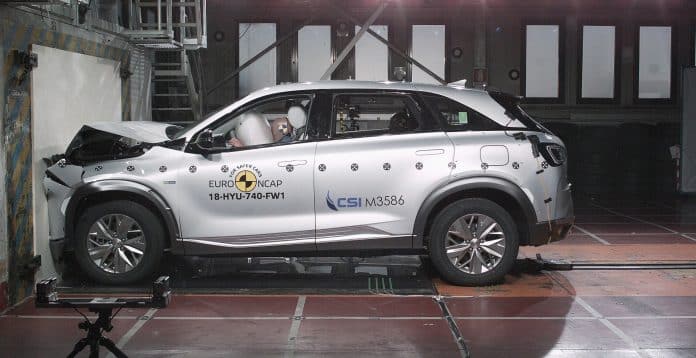
Crash test thumbs-up for hydrogen Hyundai Nexo

Crash test thumbs-up for hydrogen Hyundai Nexo

Buy a used Peugeot Rifter

If you’re looking to buy a Peugeot Rifter, The Car Expert’s partners can help you find the right car

Motors 600x300

Search less, live more. We make finding the right car simple. Find out more

Auto Trader logo 600x300

Find your next new or used car with Auto Trader. Find out more

Carwow logo 600x300

Find your next new or used car with Carwow. Find out more

April new car sales results (for what it’s worth)

New car registrations for April have been published today, although there’s really not a lot of point discussing the specifics in any great detail. Private new car sales were down 99% as a result of the coronavirus lockdown.

With dealerships all closed and car buyers stuck at home, just over 4,000 new cars were registered in April 2020. That’s a 97% reduction compared to more than 160,000 in the same month last year. Fewer than 900 of those vehicles were bought by private customers, who were presumably key workers in urgent need of a new car.

According to the Society of Motor Manufacturers and Traders (SMMT), which compiles the data each month, you have to go all the way back to February 1946 to find a worse month for new car sales. Although this is hardly surprising, the stark reality of the numbers makes for painful reading.

April 2020 new car registrations | The Car Expert
Source: SMMT

The car industry will be profoundly altered

Today’s numbers have highlighted the impact of the coronavirus shutdown on the car industry. Unlike groceries or small retail goods that can still be delivered by Amazon and other services, the automotive retail industry has ground to almost a complete halt in the last six weeks.

Despite the publicity tales of car companies making ventilators and other medical equipment for the NHS, the reality is that the UK car industry has already lost billions of pounds as a result of the global economic shutdown. The losses accrued to date will almost certainly kill off some familiar names or important suppliers once government furlough and other support funds run out. The longer this situation lasts, the more likely it is that we will see some genuinely big players collapse.

Unsurprisingly, the car industry is calling for car dealerships to be part of the first wave of businesses allowed to re-open, to try and get sales back up and running as soon as possible. Of course, thousands of other industry sectors are also clamouring to re-start operations so the government will be juggling economic goals with the need to keep everybody healthy.

The rest of 2020 is a guessing game

The SMMT has revised its overall 2020 forecast down (again) to less than 1.7 million new car registrations, which is well down on last year’s 2.3 million registrations. However, at this time any forecasting seems like glorified guessing until we know how and when the industry will be able to re-open.

We can safely assume that May is going to be another write-off. Even if the government allowed dealerships to re-open tomorrow, it would still take weeks to get things back up to full speed – and that’s on the hopeful assumption that customers start pouring back in again. No-one is certain how quickly the car manufacturers will be able to ramp up to anything like full production again, especially since their supply chains are global and different parts of the world are in different stages of lockdown.

The other question is one of customer demand. How many people (assuming they still have jobs) are going to celebrate the end of lockdown by rushing out to buy a new car? How many businesses, having watched their cash burning away while the bills keep piling up, are going to rush out to renew their fleets?

Even if the dealers are open, it seems likely that most buyers are likely to hold off until at least the next new registration plate month of September. Realistically, they may well put off any new car purchases for even longer while they wait to see what the post-coronavirus world looks like. There have been suggestions that concerns about social distancing will lead to more people driving cars instead of using public transport, which could help car sales, but economic reality will still be the main determinant for most people.

A bizarre top ten

As with the overall data, analysing the top ten best-sellers list is rather pointless. The entire new car market for April wouldn’t have made the top ten in March, so declaring winners and losers has no meaning at all.

Only two models in this month’s top ten list are regular best-sellers, with the Vauxhall Corsa in third place and the Mercedes-Benz A-Class in eighth. Other than that, it’s a strange old list – mostly defined by a few fleet deliveries.

Interestingly, some Tesla and Jaguar dealers were able to deliver a handful of electric vehicles despite the nationwide lockdown. This created an even more abnormal picture of the overall results. The Tesla Model 3 and Jaguar I-Pace took the top two places, although the numbers were still tiny.

To be fair to Tesla, the Model 3 has been selling very well and has made a couple of appearances in the top ten since it was launched last year. But names like the Ford Tourneo Custom (a Transit van with seats) and Peugeot Rifter (a smaller van with seats) are rather alien to most car buyers.

It’s also interesting that three of the top ten vehicles are dedicated electric cars (with the new Vauxhall Corsa also available as an electric model) given that fuel prices are the lowest they’ve been for years. But this may be more a function of delivery logistics than customer demand, so we won’t read anything more into it than ‘interesting’.

We will still run our monthly feature on the ten best-sellers later this week, mainly for visitors who are interested to read about some different models to the usual top ten than for any kind of analysis.

BMW 1 Series

Summary

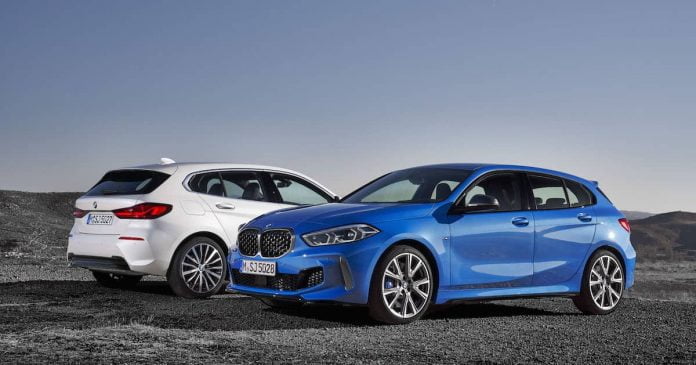
The BMW 1 Series is a medium-sized five-door hatchback. This model is the third-generation 1 Series, which was launched in2019 and was facelifted in the summer of 2024.

Unlike previous models, the latest version is front-wheel drive rather than rear-wheel drive. This has been controversial among BMW enthusiasts but less so among actual 1 Series customers. Additionally, this generation is only available as a five-door hatchback, with the three-door version being dropped.

The BMW 1 Series has received generally good to very good reviews from the UK motoring media. The more performance-oriented titles have lamented the switch to front-wheel drive, claiming that it has made the car less enjoyable to drive. However, more consumer-oriented titles have been more praiseworthy, highlighting the increased practicality and efficiency of a conventional front-wheel drive layout (which is why every other mid-size hatchback is built that way).

As of February 2026, the BMW 1 Series has a New Car Expert Rating of A, with a score of 71%. It scores top marks for its safety rating, while its media review scores are also good. However, its CO2 emissions and running costs are only average, while its reliability record and BMW’s new car warranty cover are poor.

Key specifications

Body style: Five-door hatchbatck
Engines: petrol
Price: From £31,645 on-road

Launched: Autumn 2019
Last updated: Summer 2024
Replacement due: TBA

Media reviews

Highlighted reviews and road tests from across the UK automotive media. Click any of the boxes to view.

Featured reviews

More reviews

Auto Express

Auto Trader

Car

Car Keys

Carbuyer

Company Car Today

Daily Mirror

Evo

Fleetworld

Heycar

Honest John

Motoring Research

Motors

Parkers

The Sun

The Telegraph

Top Gear

Safety rating

Independent crash test and safety ratings from Euro NCAP

Overall score: 4 stars
Date tested: September 2025
Read the full Euro NCAP review

Adult protection: 78%
Child protection: 84%
Vulnerable road users: 85%
Safety assist: 80%

Eco rating

Independent economy and emissions ratings from Green NCAP

Model tested: 1.5-litre petrol manual 118i

Overall score: 2.5 stars
Date tested: February 2021
Read the full Green NCAP review

Clean Air Index: 4.5 / 10
Energy Efficiency Index: 5.6 / 10
Greenhouse Gas Index: 4.7 / 10

The BMW 118i 1.5-litre petrol manual received a 2.5 star rating from Green NCAP in February 2021. This rating only applies to the 118i manual and does not imply similar ratings for other engine and gearbox combinations in the range.

Green NCAP said: “The car scores well in the Clean Air Index but is let down by emissions of ammonia, NH3. This pollutant is not regulated by legislation but in Green NCAP’s tests it limits the car’s scores. Energy efficiency is where the BMW scores best, with a index value of 5.6. Control of greenhouse gases is also good and the index of 4.7 gives an average just below what is needed for three stars.

“As it is, the BMW 118i emerges from Green NCAP’s tests with a very creditable 2½ star rating.”

Reliability rating

MotorEasy logo 600x167

Reliability data provided exclusively for The Car Expert by MotorEasy

All data based on MotorEasy average workshop costs for extended car warranty claims

As of April 2025 (our most recent data point), the BMW 1 Series has a reliability rating of 46%, which is poor. This is based on workshop and warranty claims data provided exclusively to The Car Expert by our commercial partner, MotorEasy, and applies to both the current 1 Series and earlier (pre-2019) models.

Based on quite a large number of claims, the average repair cost for a 1 Series to date is just under £700 – which is obviously a lot more than the cost of a used car warranty so that’s certainly worth considering.

A particular concern is the high number of engine problems, which are also the most expensive kind of problem, with an average repair bill of more than £1,300. Gearbox repairs have also been averaging more than £1,000, although thankfully these are rarer.

Costs for the various other categories are also reasonably expensive compared to similar cars, which is worth keeping in mind if you’re looking at a used BMW 1 Series.

Running cost rating

Clear Vehicle Data logo close crop

Monthly cost of ownership data provided exclusively for The Car Expert by Clear Vehicle Data

Fuel consumptionAverageScore
Petrol models46 mpgC
Diesel models58 mpgB
CO₂ outputAverageScoreVariationScore
Petrol models143 g/kmC
Diesel models128 g/kmB
Insurance groupAverageScoreVariationScore
All models24B
Service and maintenanceCostScore
Year 1£216C
Year 2£539C
Year 3£887C
Year 4£1,205C
Year 5£1,583C
Overall£4,430C

The BMW 1 Series has some of the lowest running costs in BMW’s combustion-powered range, according to numbers provided exclusively to The Car Expert by our data partner, Clear Vehicle Data.

Petrol models offer a decent average fuel consumption figure of 45mpg, which is fairly standard for the mid-range hatchback sector, but the data shows that the petrol Audi A3 is a little more efficient overall. A diesel 1 Series is considerably more efficient, offering 58 mpg.

Insurance costs are quite affordable, and service and maintenance costs are excellent over the course of five years of ownership.

Recalls

Official DVSA safety recalls that have been issued for the BMW 1 Series

Date: December 2021
Model types: All
Build dates: 10/2021 only
Number of vehicles affected: 38
Defect: The material quality of seat and seatbelt screws may not be according to specification.
Remedy: On the affected vehicles the screws will be replaced in specific locations on the seat belts or rear seats.

Date: July 2020
Model types: All
Build dates: 02/2020 only
Number of vehicles affected: 39
Defect: It is possible that the camshaft bearing cap screws could come loose on the affected vehicles.
Remedy: Check and replace camshaft support housing or complete cylinder head as required.

Date: April 2020
Model types: All
Build dates: 01/2020 to 03/2020
Number of vehicles affected: 1,121
Defect: The airbag fabric could be damaged by the airbag cover during deployment.
Remedy: On the affected vehicles the driver’s airbag will be replaced.

As of September 2024 (our most recent data point), there have been three DVSA vehicle safety recalls on the current BMW 1 Series. The recalls cover seat belts, engine components and airbags on all models – though the number of models affected was often small.

Not all vehicles are affected by recalls. You can check to see if your car is included in any of the above recalls by visiting the DVLA website or contacting your local BMW dealer.

If your car is affected by a recall, the vehicle must be repaired and you should not be charged for any work required. If you are buying a used 1 Series, you should insist that any outstanding recall work is completed before you take delivery of the vehicle.

Awards

Significant UK trophies and awards that the BMW 1 Series has received

2022

  • Company Car Today CCT100 Awards – Best Premium Lower Medium Car

2021

  • Business Car Awards – Drivers’ Choice (128ti)

2020

  • Company Car Today CCT100 Awards – Best Premium Lower Medium Car
  • Fleet World Awards – Best Lower Medium Fleet Car

Similar cars

If you’re looking at the BMW 1 Series, you might also be interested in these alternatives

Audi A3 | Citroën C4 | Cupra Leon | DS 4 | Ford Focus | Honda Civic | Hyundai i30 | Kia Ceed | Mazda 3 | Mercedes-Benz A-Class | Peugeot 308 | SEAT Leon | Skoda Scala | Skoda Octavia | Toyota Corolla | Vauxhall Astra | Volkswagen Golf

BMW 1 Series test drive

BMW 1 Series test drive

Britain’s best-selling cars of 2024

Britain’s best-selling cars of 2024

Major mid-life update for BMW 1 Series

Major mid-life update for BMW 1 Series

Everything you need to know about BMW

Everything you need to know about BMW

BMW sharpens its most potent 1 Series

BMW sharpens its most potent 1 Series

Britain’s best-selling cars, October 2020

Britain’s best-selling cars, October 2020

BMW reveals full details for upcoming 128ti

BMW reveals full details for upcoming 128ti

Britain’s best-selling cars, May 2020

Britain’s best-selling cars, May 2020

Five-star safety for latest BMWs

Five-star safety for latest BMWs

Britain’s best-selling cars – June 2019

Britain’s best-selling cars – June 2019

All-new BMW 1 Series revealed

All-new BMW 1 Series revealed

BMW 1 Series (2011 to 2019)

BMW 1 Series (2011 to 2019)

Buy a BMW 1 Series

If you’re looking to buy a new or used BMW 1 Series, The Car Expert’s partners can help you find the right car

Motors 600x300

Find your next used car with Motors. Find out more

Auto Trader logo 600x300

Find your next new or used car with Auto Trader. Find out more

Carwow logo 600x300

Find your next new or used car with Carwow. Find out more

Lease a BMW 1 Series

If you’re looking to lease a new BMW 1 Series, The Car Expert’s partners can help you find a competitive deal

Leasing-com logo

Personal contract hire deals from Leasing.com. Find out more

Carparison 600x300

Personal contract hire deals from Carparison Leasing. Find out more

Select Car Leasing logo

Personal contract hire deals from Select Car Leasing. Find out more

Say hello to the second-generation Audi A3 saloon

0

Audi has revealed its second-generation A3 saloon, which gets electrified powertrains and a tech-filled cabin. Due to arrive in the UK this summer, it will go head-to-head with the Mercedes-Benz A-Class saloon and BMW 2 Series Gran Coupe.

Based on the recently-revealed fourth-generation A3 Sportback, the saloon gets the same styling updates, such as the large front grille, angular headlights and air intakes, while a new body line that extends to the rear bumper is designed to emphasise the extra 15cm of length.

The new saloon’s rear end sits higher than its predecessor’s, which Audi says improves air flow when coupled with the large diffuser, making it more aerodynamically efficient than before.

Inside it’s much like the A3 Sportback, with the ten-inch infotainment touchscreen angled slightly towards the driver and a ten-inch digital instrument panel included as standard. Buyers can upgrade to Audi’s virtual cockpit, which provides a 12-inch screen with dynamic layouts.

The top infotainment system features the firm’s latest generation technology, which it claims is ten times faster than before. It also includes a Wi-Fi Hotspot, smartphone connectivity, and Car-to-X services that allow vehicles to ‘talk’ to each other to report hazards, for example. From the middle of the year, Amazon’s Alexa personal assistant will also be included.

There will be one diesel engine and one petrol engine at launch. The petrol is a 1.5-litre unit making 150hp, and is available with a six-speed manual or dual-clutch automatic transmission. Both gearbox options also see the engine get a 48-volt mild hybrid system to improve economy.

The 2.0-litre diesel engine also generates 150hp and is available with the seven-speed automatic gearbox. These engines will be joined by a 115hp version of the diesel engine and a 110hp 1.0-litre petrol unit shortly after launch.

UK pricing for the Audi A3 saloon is not yet available but the entry-level 35 TFSI model will start at €29,800 (circa £26k) in Germany when it goes on sale at the end of April. Deliveries should begin in the summer.

Toyota debuts new Yaris Cross small crossover

0

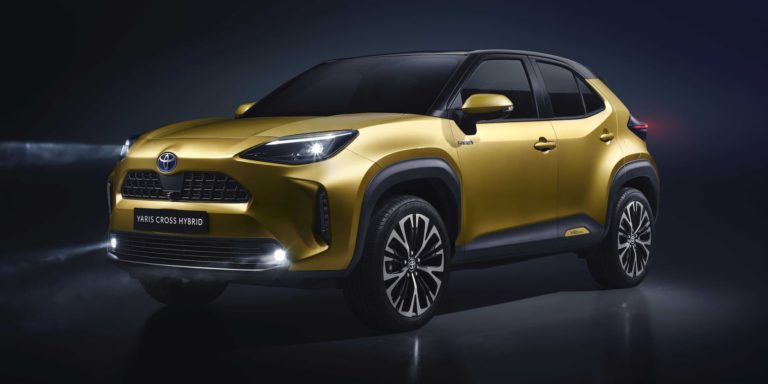
Toyota has entered the hotly-contested compact SUV segment with the all-new Yaris Cross.

Originally due to be revealed at the cancelled Geneva motor show last month, the new Yaris Cross was revealed via an online presentation. Built in France alongside the new Yaris hatchback, the Yaris Cross aims to blend SUV styling with a more compact design than a traditional four-wheel-drive vehicle.

It’s the second model to use Toyota’s latest GA-B platform, which allows for more interior space and practicality within compact exterior dimensions. It’s 24cm longer than the Yaris (despite sharing the same length wheelbase), with overhangs which are 6cm more at the front and 18cm at the rear. A raised driving position is gained thanks to a bump in a ground clearance of 3cm – while the whole vehicle is 9cm taller than the Yaris.

Toyota expects to produce 150,000 Yaris Cross models a year.

Powered by a hybrid powertrain, the Yaris Cross combines a 1.5-litre, three-cylinder Atkinson cycle petrol engine with an electric motor and batteries. Toyota claims that this hybrid technology is more efficient than ever, with emissions for the front-wheel-drive model ‘below 90g/km of CO2’ and 100g/km for the all-wheel-drive version.

Interior pictures of the car show a cabin dominated by a large central screen, which appears to show the inclusion of Apple CarPlay smartphone connectivity.

That all-wheel-drive version has been designed to offer more stability in poor conditions and on slippery surfaces. In standard driving, the Yaris Cross is predominantly front-wheel-drive, but when low-grip surfaces are detected, it switches automatically to power the rear wheels too.

Though prices are yet to be announced, expect the Yaris Cross to command a premium over the standard Yaris which comes in from £17,765.

Expert analysis: The small SUV segment is one of the busiest in the new car market. According to The Car Expert’s unque Expert Rating analyser, which aggregates reviews from 21 of the top UK motoring websites, the Ford Puma is the highest-rated car in this class – just ahead of the Volkswagen T-Cross and about 20 other rivals. So the Yaris Cross will have a job ahead of it to stand out in a tough crowd.

Can I drive my company car if I’ve been furloughed?

With the UK on lockdown, countless companies have taken advantage of the government’s furlough scheme to help ease the financial burden they’re facing.

Furloughed staff are not allowed to do any work that is related to their job or benefits the company during this time. They are, however, allowed to undertake training to keep themselves engaged in work before they return.

If you run a company car that includes personal use but you’ve been furloughed, you might be concerned that because you’re temporarily away from the business, you’re not allowed to drive the vehicle.

However, according to Nona Bowkis at legal consultancy Lawgistics, that’s not the case: “There is no reason why an employee cannot continue to drive the car as long as the employer is happy for them to do so and the contract allows for it.

“No amounts in respect of the vehicle can be used to calculate any furlough payment as is the case with any other benefits in kind.

“Employers should check with their insurance company to ensure the car remains covered while the employee is not working for them. We haven’t heard any reports of this being an issue but it is best practice to check to avoid any losses.

“We have heard of an issue where the employer had taken a payment holiday on the car finance which led to the employee not being able to access the usual breakdown cover for reason of default. This was resolved but is something to check for.”

Earlier this week, Chancellor Rishi Sunak revealed more than 140,000 companies had applied for the furlough scheme on its first day, with applications averaging 17,500 per hour.


Check out our latest coronavirus news and advice


Coronavirus: Should I take a payment holiday on my car finance?

Car owners with secured finance on their vehicle (PCP, HP or conditional sale) or on a lease (personal contract hire) who have had their household incomes impacted by the coronavirus pandemic will be offered the chance to take a three-month ‘payment holiday’ to help them manage through the next few weeks of lockdown. But should you take up this offer?

While the idea of not paying off your car finance bill for the next three months may sound attractive, especially if you are struggling with a sudden reduction in your salary, there are a number of things to consider first. Your finance company is supposed to discuss these implications with you before agreeing to a payment holiday, but for the best independent and impartial advice, The Car Expert is here to help.

If you’d like to hear more tips and advice on car finance and the coronavirus pandemic, have a listen to my podcast on BBC Radio 4’s Money Box programme.

First, let’s start by explaining what a payment holiday is really all about:

What is a payment holiday?

A three-month payment holiday means that you don’t make your normal car finance payments for three months. This may be very helpful for your short-term cashflow, as it could save you hundreds of pounds per month at a time when your income has fallen by at least that much or more. However, there is definitely a catch. You will save money now, but you will end up paying more – possibly a lot more – later on.

It’s important to remember that you will still have to make up for those three months later on – those payments don’t just disappear. You can choose to either extend your finance agreement by three months, or you can pay extra per month one your payment holiday ends to keep to your original end date. We’ll look at the implications of each of these in a moment.

The name ‘payment holiday’ has become very popular in the media, but actually it’s a terrible description. A holiday conjures up a carefree escape from your everyday headaches, before returning to life as normal refreshed and ready to carry on. This isn’t like that. In fact, the only thing a car finance payment holiday has in common with any other holiday is that it will involve unexpected expenses and end up costing more than you expected it to when you booked it…

A ‘payment deferral’ is what the Financial Conduct Authority (FCA), which is the UK’s financial services regulator, calls it. However, even that doesn’t really cover the full implications. A deferral implies that you are simply pushing your costs back a few months, but that those costs won’t change. That almost certainly won’t be the case. The same applies to ‘payment freeze’ or pretty much any other description. Whatever you want to call it, just remember that you’re saving money now but you will pay more eventually as a result.

Who is eligible for a car finance payment holiday?

To be eligible for the payment deferral, you must have a current car finance or lease agreement, which will probably be one of the following:

Other forms of paying for your car, such as a personal loan or your credit card, are not covered. Plus this only applies to consumers (personal use purchasers) rather than businesses.

In addition, this support is directly related to the current coronavirus pandemic. Your household must be experiencing – or reasonably expect to experience – temporary payment difficulties as a result of coronavirus. If you are in financial difficulties for any other reason, it doesn’t apply to you. If you’re not in financial trouble and don’t have an expectation that you will be anytime soon, you’re also not covered by this.

Note that I said your household rather than you. If your own income is unaffected but anyone else in your household is in difficulty (spouse/partner, other family members, etc.), and that’s causing your overall household to struggle, then you still qualify.

Payment holiday available for coronavirus-related car finance difficulties
You may be eligible for a payment holiday if anyone in your household is in financial difficulty.

Why should I consider a payment holiday?

If your household income has been cut as a result of you being put on furlough, or if you’ve lost work because you’re a freelancer or self-employed, then paying your normal monthly bills could become difficult very quickly. Many people have already seen their income cut by hundreds of pounds per month, and many more are facing the same prospect very soon.

If you have a car on finance, it’s probably taking up a big chunk of your monthly income. Not having to make that payment for the next three months could help relieve that strain in the short term. For many people, it will be a much-needed financial lifeline.

But you need to consider the implications of taking that lifeline, so let’s look at those now.

What are the problems with taking a payment holiday?

A three-month payment holiday will introduce additional cost to your overall car finance agreement. How much extra will depend on your particular circumstances, but you could be up for any of the following:

Interest

The finance company can still charge you interest for the three months of your payment holiday. Depending on how much you have borrowed, this could be £100 a month. You don’t have to pay it back now, but you will have to pay it back eventually. And if it gets deferred to the end of your agreement (which could be in a couple of years’ time), that interest will keep going up.

I recently saw a hire purchase finance agreement where a customer is usually paying about £44/month in interest, but will end up paying £63 for each month of his payment holiday as the interest is being deferred to the end of his agreement, which won’t be for another four years.

You can negotiate how and when you repay this additional interest with your finance company. The sooner you can clear it, the less it will cost you – much like your credit card payments. The finance company does not have to agree to this, but it is obviously in their interest to make sure you can repay your debt so they should at least be happy to discuss options with you.

Of course, if you’re lucky enough to have a 0% APR finance agreement, then this won’t apply to you. But that is an exception, rather than a rule.

Monthly payments

If you are extending your agreement by three months, your monthly payments should return to their normal amount when your payment holiday ends – however, your agreement will run for three months longer to compensate. You can negotiate with the finance company to add the extra interest above into your payments rather than paying it in one hit if you prefer.

If you would rather keep to your original end date, you will have to increase your monthly payments to compensate for the three months where you paid nothing during your payment holiday. Depending on how many months you have left on your agreement, that could easily add another £50 or more to your monthly car finance payment, increasing your expenses at a time when the world is still gradually recovering and your financial position may still be precarious.

The FCA has told finance companies that they can’t modify agreements to unfairly take advantage of the current situation. In other words, they are allowed to modify your finance agreement to reflect new dates or repayments, but they can’t charge you any fees and they can’t fiddle with your payments to allow for the sudden fall in used car values that have resulted from the coronavirus.

Running costs

For most people on car finance, extending your agreement by three months will almost certainly trigger some extra costs that you wouldn’t have had to pay if your agreement ended on its original date. These include any or all of the following:

  • annual service
  • MOT inspection
  • road tax
  • car insurance
  • extended warranty
  • breakdown cover

Most people with a PCP car finance agreement would normally be able to give the car back or part-exchange it just before its next service is due. However, by extending your finance agreement for three months, you may now find that you need to have it done. That could easily cost hundreds of pounds that you will now have to pay.

Similarly, it may mean that you need to pay for an MOT test, even allowing for the government offering all vehicles a six-month exemption over the next year. If you bought a new car on a three-year PCP and thought you wouldn’t have to worry about an MOT test, you’ll now probably have to get that done. The test itself might only cost £50 or so, but it could potentially get much more expensive if the inspection reveals that you need new tyres or any repairs to keep your car legal.

Road tax and car insurance are expenses that you’d have to pay anyway, but it may still cost you more money if you have to renew them and then cancel them a few months later. The DVLA will steal a month’s worth of road tax from you because they can get away with it, and your car insurer will charge you an admin fee to tranfer your insurance from your current car to your next car.

Extended warranty and breakdown cover are optional costs, since you don’t have to have either, but it’s still worth bearing in mind – especially if you have to pay for them and then only get a partial refund when cancelling a few months later.

Do I have any other options?

Quite possibly, yes. A three-month payment holiday is not the only means of support that a finance company can offer you, and the best option will depend on your circumstances. If you call your finance company to request a payment holiday, they are obliged to discuss your particular circumstances to see if there are any other alternatives that may be more helpful to you.

This might mean waiving interest or offering you reduced monthly payments for a period of months, rather than paying nothing at all. If your agreement is ending reasonably soon, they might suggest voluntary termination or offer you a shorter deferral period instead of the publicised three-month payment holiday. The FCA is clear that finance companies must consider both your immediate situation and your overall agreement, and that they must act in your best interests.

Summary

As I said earlier, for many people a payment holiday on their car finance will be an absolute financial lifeline. That’s fine, and that’s what it’s there for. However, there will inevitably be a lot of people who think they should take it just because it’s available, and that’s almost certainly the wrong approach to take.

If you quickly add up all the extra interest and additional running costs that are likely to affect you by taking a payment holiday on your car finance, it could easily add thousands of pounds to the overall cost of your car. You need to consider these numbers carefully to decide whether you think it’s still a good idea to take that payment holiday now.

Also bear in mind that there are offers of support on other household expenses available as well. It may be that taking a payment holiday on your mortgage or your credit card is a better bet for your specific needs, rather than your car finance.

Talk to your finance company. Yes, you’ll probably spend a lot of time on hold in a queue, but it’s not like you can go to the pub so you may as well stick with it. Ask them questions – even if you’re worried that they’re stupid questions. Listen to what they suggest or offer, but don’t make immediate decisions. Do the same for any other loans and finance agreements you have.

Once you have gathered information about all them, sit down and work out what’s likely to be the best choice for you. Everyone’s situation is different, so what works best for you might not be the same thing as what works best for others. Stay cool and look at all your options, and you’ll work out the best path (or least-worst path) for your needs.

If you’d like to hear more tips and advice on car finance and the coronavirus pandemic, have a listen to my podcast on BBC Radio 4’s Money Box programme.

Porsche Macan

Summary

The Porsche Macan is a mid-size premium SUV that sits below the Cayenne in the company’s SUV range. It was launched back in 2014, having its latest facelift in Autumn 2021. The Macan shares its basic platform with the original Audi Q5 (2008), but with extensive modifcations by Porsche.

The Macan is available with a selection of turbocharged petrol engines (not just the Macan Turbo model). A 3.0-litre V6 diesel engine was previously available, but was discontinued in the wake of parent company Volkswagen’s infamous Dieselgate emissions-cheating scandal.

The Porsche Macan range has received strongly positive reviews from across the UK motoring media, although the top-spec Turbo model tends to score a bit lower than other models in the range. It is highly praised for its driving dynamics, while also being refined and comfortable. The main criticisms have been that (like any Porsche) it tends to be expensive once you start adding too many optional extras, and that many of those extra-cost options are standard on plenty of cheaper cars.

A facelifted version of the current Macan arrived in the UK in Autumn 2021, with an updated interior and some minor cosmetic changes.

The Macan will eventually be succeeded by the new Porsche Macan Electric, which was launched in 2024, but Porsche appears to be in no rush to bring production of the petrol model to an end.

As of June 2025, the Porsche Macan holds a New Car Expert Rating of E, with a score of 49%. While it still gets favourable media reviews and drives better than most SUVs from other brands, the ownership experience is let down by high running costs and below-average reliability. Exhaust emissions are also high, while the Macan’s Euro NCAP safety rating has long expired, which drags down its safety score in our ratings.

Macan highlights

  • Sports car performance
  • Refined and comfortable cabin
  • Sleek exterior
  • Good quality infotainment
  • Excellent driving position

Macan lowlights

  • High running costs
  • Top-of-the-range models very expensive
  • Some optional features should be standard
  • Other SUV rivals are more practical
  • Heavy weight hinders agility

Key specifications

Body style: Medium SUV/crossover
Engines: petrol
Price: From £53,400 on-road

Launched: Spring 2014
Last updated: Autumn 2021
Replacement due: 2026?

Media reviews

Highlighted reviews and road tests from across the UK automotive media. Click any of the boxes to view.

Featured reviews

More reviews

The Car Expert

Auto Express

Auto Trader

Car

Car Keys

Carbuyer

Carwow

Company Car Today

Daily Mail

Evo

Honest John

Motoring Research

Parkers

The Sun

The Sunday Times

The Telegraph

Top Gear

Safety rating

Independent crash test and safety ratings from Euro NCAP

Overall score: 5 stars
Date tested: December 2014
Date expired: January 2021
Read the full Euro NCAP review

Adult protection: 88%
Child protection: 87%
Vulnerable road users: 60%
Safety assist: 66%

No safety rating

The Porsche Macau was originally crash tested by Euro NCAP back in 2014 and awarded a five-star rating. However, this rating expired in January 2021 and is no longer valid as the car no longer meets the standards required for such a rating. This is normal practice, as Euro NCAP reviews its ratings on most cars annually with most ratings expiring after about six or seven years.

However, if you are comparing a used Macon to vehicles of similar age, whose ratings will have probably also expired, its safety rating score is still useful.

Eco rating

Independent economy and emissions ratings from Green NCAP

No eco rating

As of June 2025, the Porsche Macan has not been lab tested by Green NCAP.

Reliability rating

Reliability data provided exclusively for The Car Expert by MotorEasy

All data based on MotorEasy average workshop costs for extended car warranty claims

The Porsche Macan has a below-average reliability score, according to workshop and warranty data provided exclusively to The Car Expert by our partners at MotorEasy.

The average repair bill for Macao faults is more than £500, which is not bad for a car of this price and performance but more than the cost of a typical used car warranty, so that’s something to bear in mind. Repair costs in most categories are also higher than average.

If you’re looking at a used Porsche Macan, make sure any extended warranty cover you purchase covers all of these potential problem areas.

Running cost rating

Clear Vehicle Data logo close crop

Monthly cost of ownership data provided exclusively for The Car Expert by Clear Vehicle Data

Fuel consumptionAverageScoreVariationScore
Petrol models27 mpgE25 – 28 mpgE – E
CO₂ outputAverageScoreVariationScore
Petrol models241 g/kmD228 – 259 g/kmD – D
Insurance groupAverageScoreVariationScore
All models50F50 – 50F – F
Service and maintenanceCostScore
Year 1£475D
Year 2£1,123D
Year 3£1,765D
Year 4£2,293D
Year 5£2,911D
Overall£8,567D

The Porsche Macan is an expensive car to own and run, according to whole-life cost numbers provided exclusively to The Car Expert by our data partner, Clear Vehicle Data.

Fuel consumption is poor, while insurance premiums are inevitably going to be expensive. Service and maintenance costs are more expensive than most cars as well.

Security rating

Independent vehicle theft and security ratings from Thatcham Research

Thatcham Research logo 150x65px

Rating: Superior | Good | Basic | Poor | Unacceptable
Relay Attack: Pass

Date: 2019

Awards

Trophies, prizes and awards that the Porsche Macan has received

2025

  • Autotrader Awards – Most Fun Car to Drive

2022

  • Carbuyer Awards – Best Used Hot SUV

2021

  • Carbuyer Awards – Best Used Hot SUV

2014

  • Auto Express Awards – Best Compact SUV

Similar cars

If you’re looking at the Porsche Macan, you might also be interested in these alternatives

Alfa Romeo Stelvio | Audi Q5 | BMW X3 | BMW X4DS 7 Crossback | Genesis GV70Jaguar F-Pace | Lexus NX | Mercedes-Benz GLC | Volkswagen Tiguan | Volvo XC60

More news, reviews and information about the Porsche Macan at The Car Expert

Everything you need to know about Porsche

Everything you need to know about Porsche

Best Premium Medium Car 2025

Best Premium Medium Car 2025

Porsche Macan Electric

Porsche Macan Electric

Electric cars – what’s on sale and what’s coming in 2024?

Electric cars – what’s on sale and what’s coming in 2024?

New all-electric Porsche Macan debuts

New all-electric Porsche Macan debuts

Last days of the dinosaurs: the best petrol cars under £75K

Last days of the dinosaurs: the best petrol cars under £75K

Best medium SUVs of 2022

Best medium SUVs of 2022

Porsche unveils ‘more agile’ Macan T SUV

Porsche unveils ‘more agile’ Macan T SUV

The best new petrol SUVs for every budget

The best new petrol SUVs for every budget

Porsche Macan Turbo test drive

Porsche Macan Turbo test drive

Next Porsche Macan to be electric only

Next Porsche Macan to be electric only

Porsche Macan S test drive

Porsche Macan S test drive

Buy a Porsche Macan

If you’re looking to buy a new or used Porsche Macan, The Car Expert’s partners can help you find the right car.

Motors 600x300

Find your next used car with Motors. Find out more

Auto Trader logo 600x300

Find your next new or used car with Auto Trader. Find out more

Carwow logo 600x300

Find your next new or used car with Carwow. Find out more
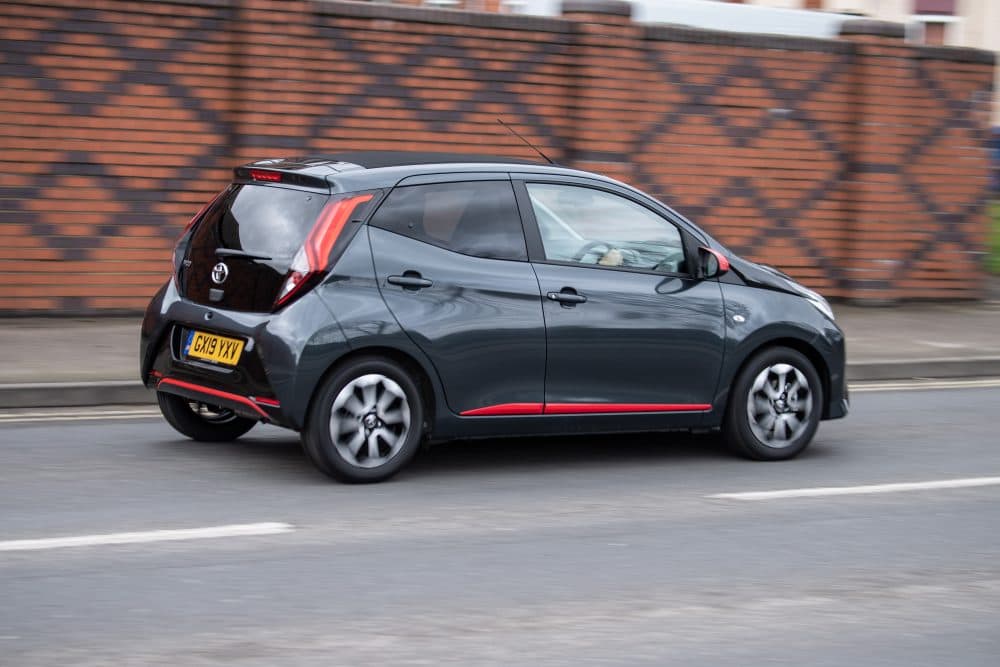
Lease a Porsche Macan

If you’re looking to lease a new Porsche Macan, The Car Expert’s partners can help you find a competitive deal.

Leasing-com logo

Personal contract hire deals from Leasing.com. Find out more

Carparison 600x300

Personal contract hire deals from Carparison Leasing. Find out more

Select Car Leasing logo

Personal contract hire deals from Select Car Leasing. Find out more

Subscribe to a Porsche Macan

If you’re interested in a car subscription, The Car Expert’s partners can help. (PS: What’s a car subscription?)

SelfDrive UK logo

Car subscriptions from SelfDrive.
Find out more

Drive Fuze logo 600x300

Car subscriptions from DriveFuze.
Find out more

Cocoon Vehicles logo 600x300

Car subscriptions from Cocoon.
Find out more

Coronavirus: Payment freeze for car finance announced

UPDATED: The FCA guidance was formally published on Friday 24 April 2020 with no significant changes from the original draft, and will go into effect from Monday 27 April 2020.

The Financial Conduct Authority (FCA) has announced that car finance lenders should offer their customers a three-month payment freeze if they are struggling to manage their car finance bills as a result of the coronavirus pandemic.

There are also specific directives to deal with making sure customers are not penalised if they are unable to make payments, to manage balloon payments at the end of a PCP, and to make sure finance companies don’t try to rewrite contracts that unfairly penalise customers because car values have fallen.

What sort of car finance agreements are covered?

The new guidance will apply to all regulated car finance and leasing agreements, such as:

It does not apply to personal loans or other forms of finance that are not secured against the vehicle. It is also only or consumer finance agreements, rather than business loans.

Who is eligible for a payment holiday?

The FCA has stated that it expects all car finance lenders to offer support measures to any customer currently facing financial difficulty, as well as anyone who expects to experience dificulty, as a result of the coronavirus pandemic.

Customers who were already in financial difficulties unrelated to coronavirus are not covered, although similar support measures have always been available for customers in financial difficulty and should continue to be offered.

Should you take a payment holiday? Have a read of our guide to whether a car finance payment holiday is right for you.

What exactly am I entitled to?

The FCA has issued guidance on several points, which are:

  • The FCA expects lenders to provide a three-month payment freeze to customers who are having temporary difficulties meeting finance or leasing payments due to coronavirus.
  • If customers are experiencing temporary financial difficulties due to coronavirus, firms should not take steps to end the agreement or repossess the vehicle.
  • Lenders should not change customer contracts in a way that is unfair. For example, firms should not try to use temporary depreciation of car prices caused by the coronavirus situation to recalculate PCP balloon payments at the end of the term. Lenders must act fairly where terms are adjusted.
  • Where a customer wishes to keep their vehicle at the end of their PCP agreement, but does not have the cash to cover the balloon payment due to coronavirus-related financial difficulties, lenders should work with the customer to find an appropriate solution.

What exactly is a ‘payment freeze’?

A payment freeze (or payment holiday) means that the lender allows the customer to make no payments for a specified time – in this case, three months. It’s not automatically applied, so you’ll have to contact your finance company to request it.

However, there are still some things you need to keep in mind – mainly that, like most holidays, it will probably up being more expensive than you intended…

You will still be charged interest for the three months where you are not making any payments (because you have still borrowed the money, you’re just not repaying it). On a loan of thousands of pounds, this could amount to hundreds of pounds extra that you will have to pay back at some point.

If a payment freeze means you are pushing your agreement end date back by three months, that also means that you may incur extra expenses on your car – like road tax, car insurance, another annual service, an MOT inspection, breakdown cover and so on. These costs could add up to considerable extra financial expense, so you may save a bit now but have to eventually spend a lot more as a result.

That doesn’t sound as good as I’d hoped…

Again, a lot of holidays are better in theory than reality. You need to weigh up what you will save now against what it may cost you down the line to decide whether a payment holiday is right for you.

A three-month payment freeze is just one of the options that may be available to you. It could be that your lender offers you reduced payments for a longer period, rather than nothing for three months. Or it could be another option, like a shorter payment holiday, or waiving interest charges, or something else. You may also be able to take a three-month payment holiday now and then pay larger instalments afterwards so that your finance agreement still ends on its original date, rather than being pushed back three months.

The new FCA guidance tells lenders that they must discuss your situation with you and suggest alternative options, like those above, if they would be more favourable to you.

So how do I get the payment holiday?

You need to call your lender and tell them that you’d like to apply for coronavirus support. They’ll have to discuss your situation, as mentioned above, and inform you of your options. A payment freeze may be the best way forward or they may suggest an alternative. Make sure you keep asking questions until you’re completely happy that you clearly understand your options and their implications.

Once you confirm how you’d like to proceed, they will probably need to modify your finance agreement. This means there will be paperwork that the finance company needs to send you, and that you will need to sign and send back. It can’t be agreed and actioned over the phone or online. Yes, it’s a pain and it slows the process down considerably, but that’s how the laws written a long time before anyone had ever heard of coronavirus and they’re not going to change anytime soon.

You will receive new contract paperwork, just as you would when starting any new contract, This will outline your monthly payments, interest rate, end date and so on. Check these carefully to make sure the numbers are what you are expecting and that you’re happy with everthing – again, errors can easily occur even when everydoby is acting with best efforts and intentions.

It’s quite likely that taking a payment holiday will trigger automatic default notices and warning letters, even though the FCA has said that customers will not be penalised or pursued for not making payments. Again, this relates to the Consumer Credit Act, which is the relevant law for car finance, and the finance companies are still obliged to follow the law. The law says that they most contact you in a specific manner with specific in the event of any missed payments, so those laws still have to be obeyed.

If you get any default notices after taking coronavirus support assistance from your lender, don’t panic but do get on the phone to them straightaway to make sure everything is OK. With so many customers potentially applying for support at the same time, there’s always the possibility that errors will occur.

What if my PCP agreement is due to end shortly?

Obviously, with dealerships closed for the foreseeable future, it’s impossible for customers to part-exchange their old car and settle their finance agreement as would normally be the case.

You still have the options of paying off the balloon payment and keeping the car, or handing the car back to the finance company. However, the current situation means that you may want to consider your options carefully.

If you had been planning to pay off the balloon and keep the car, bear in mind that used car values have already taken a sharp fall and are likely to continue falling for a while. That means you are probably paying a lot more than the car is worth if you want to keep it. You may be able to hand the car back now and buy a similar car for less money once dealerships eventually re-open.

If you were planning to give the car back to the finance company, you can still do so. However, they may struggle to physically collect the vehicle and can’t ask you to drop it off to a collection centre so alternative arrangements may need to be made.

The finance company may require you to stop driving the car, park it off the street if you are able to and then contact the DVLA, cancel the road tax and declare the car SORN (Statutory Off-Road Notification). You should also be able to cancel your insurance and the finance company will insure the car until they are able to collect it. If this isn’t feasible for you (for example, you don’t have off-street parking), then you can insist that the finance company makes arrangements to cover any road tax costs you incur.

What about voluntary termination?

Your existing voluntary termination rights continue as normal, so if you have a PCP or HP agreement, you can voluntarily terminate your agreement having repaid 50% of your Total Amount Payable. If you have a lease or an unsecured loan, you don’t have voluntary termination rights.

For more information, read our comprehensive guide to voluntary termination.

Can my car be repossessed?

If your financial hardship is related to the current coronavirus pandemic, the FCA has instructed finance companies not to terminate your agreement or try to repossess your car (either with or without a court order).

If your financial hardship pre-dates the coronavirus situation and the finance company has previously advised that it intends to repossess the vehicle, you’re not covered by the latest guidance and it could still happen.

What if things haven’t improved in three months?

The FCA will review the situation over the next three months, and may revise its guidance if it feels it’s necessary. It is critical that you maintain contact with your finance company if your financial position is not improving so that any additional measure can be agreed sooner rather than later.

The new guidance will hopefully be finalised and published by Friday 24 April, and then come into effect immediately afterwards. The regulator has instructed finance companies to clearly communicate with customers, as well as publishing on their website, that a payment freeze option is available in the circumstances outlined above.

Bear in mind that the lenders are all currently dealing with higher-than-normal call volumes (I know all call centres tend to say that all the time, but this time it’s actually true!), so it may take a while to get hold of them. But stick with it and don’t put it off. Get your finances sorted as soon as you feel you may be in difficulty and you have a much better chance of getting through it in the best possible shape.

Should you take a payment holiday? Have a read of our guide to whether a car finance payment holiday is right for you.

Land Rover adds new plug-in hybrid models

A new plug-in hybrid powertrain has been launched for the Land Rover Discovery Sport and Range Rover Evoque, promising an all-electric range of around 40 miles.

The petrol-electric unit, which is the same in both models, uses a three-cylinder 1.5-litre petrol engine combined with an electric motor that sits on the rear axle. They produce a combined 309hp and 540Nm of torque.

Badged P300e, it promises impressive economy and low running costs. The Evoque emits 32-38g/km of CO2 and is capable of up to 202mpg and a claimed 41-mile all-electric range. The Discovery Sport emits 32-38g/km of CO2, can hit 143.5-175.5mpg, and travel up to 38 miles on electric power.

Performance-wise, the Evoque can go from 0-60mph in 6.1 seconds while the Discovery Sport takes 6.6 seconds. Both are capable of travelling up to 84mph on electric power.

Both models will be appealing to business users. The Evoque P300e is eligible for a 6% benefit-in-kind (BIK) rate in 2020/21, rising to 8% in 2022/23. The Discovery Sport P300e, meanwhile, has a BIK rate of 10% rising to 12% over the same period.

There are three drive modes available. The default mode is Hybrid, which automatically combines the electric and petrol power as necessary, with the ability to intelligently mix power for maximum efficiency if a destination has been put into the sat nav. There’s also EV mode to run solely on electric power, and Save, which prioritises the petrol engine to keep the battery charged.

Land Rover says the 15kWh battery has been placed between the rear seats so that it doesn’t affect interior space, and can be charged to 80% within 30 minutes at a 32kW public charger, or just under 90 minutes using the supplied 7kW home charger.

Both are available to order now, with Evoque P300e starting at £43,850 and the Discovery Sport P300e starting from £45,370. Delivery dates for the new plug-in hybrid models have not yet been published, and will potentially be uncertain due to factory shutdowns resulting from the coronavirus pandemic.

Mini Convertible (2016 to 2024)

Summary

The Mini Convertible was a small cabriolet based on the three-door Mini hatch. This model is the third generation of the resurrected Mini, launched in early 2016 and facelifted a couple of times, most recently in early 2021. The Convertible has now been removed from sale as the new fourth-generation Mini range is now available in the UK.

Unlike the Mini hatch, which was built in the UK, the Convertible was built in the Netherlands. The Mini Convertible range consisted of the Cooper and Cooper S models, which are both covered here, and the high-performance John Cooper Works model, which is not included here.

There were few direct rivals for the Mini Convertible, as other similar-sized four-seater cabriolets had largely disappeared from the marketplace during this Mini’s time on sale. The Mazda MX-5 has a similar price and performance but is a two-seat roadster with even less practicality, while other four-seaters were significantly larger and more expensive.

The Mini Convertible received positive reviews from across the UK motoring media, although the top-spec Cooper S tended to score more poorly than the lower-level models. It was particularly praised for its driving experience and interior quality. The only major criticisms related to its limited practicality and harsh ride on Cooper S models.

No longer in production, the Mini Convertible holds a Used Car Expert Rating of B with a score of 69%. In fact, it has a straight set of B grades in all the categories we have data for.

Mini Convertible highlights

  • Fun to drive
  • Impressive interior trim
  • Sensible running costs
  • Agile handling
  • More boot space than regular Mini

Mini Convertible lowlights

  • Not very practical day-to-day
  • Rigid ride comfort
  • Significantly more expensive than regular Mini

Key specifications

Body style: Small convertible
Engines: petrol
Price when new: From £25,890 on-road

Launched: Spring 2016
Last updated: Winter 2020/21
Discontinued: 2024

Media reviews

Highlighted reviews and road tests from across the UK automotive media. Click any of the boxes to view.

Auto Express

Auto Trader

Car

Car Keys

Carbuyer

Carwow

Evo

Heycar

Honest John

Parkers

The Sunday Times

The Telegraph

Top Gear

Safety rating

Independent crash test and safety ratings from Euro NCAP

No safety rating

The Mini Convertible was not tested by Euro NCAP during its production life.

The three-door Mini hatch was tested back in 2014 and scored a four-star rating, but this score was not applied to the Mini Convertible as the vehicle structure was significantly altered by removing the roof.

Eco rating

Independent economy and emissions ratings from Green NCAP

Model tested: 1.5-litre petrol automatic

Overall score: 2.5 stars
Date tested: February 2021
Read the full Green NCAP review

Clean Air Index: 4.2 / 10
Energy Efficiency Index: 4.6 / 10
Greenhouse Gas Index: 3.8 / 10

The Mini Convertible has not been tested by Green NCAP. However, its economy and emissions will be broadly similar to the Mini hatch.

The Mini Cooper 1.5-litre petrol automatic hatch received a 2.5 star rating from Green NCAP in February 2021. We are currently updating our Euro NCAP database, as the organisation changed its rating system and we need to change our database accordingly to be able to display the new scores.

Green NCAP said: “The Mini hatch is tested here in its latest form and with the three-cylinder turbocharged 1.5 litre petrol engine. The car has a gasoline particulate filter (GPF) and a three-way catalyst and, on the whole, these work well to curb pollutant emissions.

“NOx is especially well controlled in all tests and the GPF helps to keep particulate number down. Ammonia, NH3, is the weak point and in the high-load highway test emissions of this unregulated greenhouse gas are high enough to negate the positive scores gained for the good control of other pollutants. Energy efficiency is unexceptional. N2O and CH4 are well controlled but emissions of CO2 result in modest scores in the tests.

“Overall, the car’s indexes are consistent in all three areas of assessment and lead to a 2½ star rating.

This rating only applies to the 1.5-litre petrol automatic version of the Mini hatch, and does not imply similar ratings for other engine and gearbox combinations in the range.

Reliability rating

Reliability data provided exclusively for The Car Expert by MotorEasy

All data based on MotorEasy average workshop costs for extended car warranty claims

The Mini Convertible is better than average in its reliability score, according to exclusive extended warranty data provided to us by our commercial partner, MotorEasy. This applies to all three generations of the Mini Convertible, not just the current model. This is worth bearing in mind if you are planning to buy a used car.

The good news is that the most common problems are relatively inexpensive, according to the claims data. The most expensive problems – gearbox issues, shown in red – can be cripplingly expensive with an average repair cost of £2,600, but thankfully they are rare.

Running cost rating

Monthly cost of ownership data provided exclusively for The Car Expert by Clear Vehicle Data

Fuel consumptionAverageScore
Petrol models44 mpgC
CO₂ outputAverageScoreVariationScore
Petrol models146 g/kmC
Insurance groupAverageScoreVariationScore
All models26C
Service and maintenanceCostScore
Year 1£173B
Year 2£473B
Year 3£751B
Year 4£1,005B
Year 5£1,334B
Overall£3,736B

The Mini Convertible is a relatively affordable car to own and run, according to whole-life cost numbers provided exclusively to The Car Expert by our data partner, Clear Vehicle Data.

Fuel consumption is only average, which is disappointing for a small car. However, the news is much better for other costs. Servicing over the first five years should be excellent, while insurance premiums should also be very good – although with quite a wide variation, depending on which model you choose.

Awards

Trophies, prizes and awards that the Mini Convertible has received

2023

  • Auto Express Awards – Best Convertible
  • Carbuyer Awards – Best Convertible + Best Used Convertible

2022

  • Carbuyer Awards – Best Convertible + Best Used Convertible

2021

  • Auto Express Awards – Best Convertible
  • Carbuyer Awards – Best Convertible + Best Used Convertible

2020

  • Auto Express Awards – Best Convertible
  • Carbuyer Awards – Best Convertible

2019

  • Auto Express Awards – Best Convertible
  • Carbuyer Awards – Best Convertible

2018

  • Auto Express Awards – Best Convertible
  • Carbuyer Awards – Best Convertible

2017

  • Carbuyer Awards – Best Convertible

2016

  • Auto Express Awards – Best Convertible

Similar cars

If you’re looking at the Mini Convertible, you might also be interested in these alternatives

Abarth 124 Spider | Audi A3 Cabriolet | Fiat 124 Spider | Fiat 500C | Mazda MX-5

More news, reviews and information about the Mini Convertible at The Car Expert

Mini Cooper Convertible

Mini Cooper Convertible

Everything you need to know about Mini

Everything you need to know about Mini

Electric Mini Convertible set for April arrival

Electric Mini Convertible set for April arrival

Mini John Cooper Works models updated

Mini John Cooper Works models updated

Buy a Mini Convertible

If you’re looking to buy a used Mini Convertible, The Car Expert’s partners can help you find the right car

Motors 600x300

Find your next used car with Motors. Find out more

Auto Trader logo 600x300

Find your next new or used car with Auto Trader. Find out more

Carwow logo 600x300

Find your next new or used car with Carwow. Find out more

Skoda Kamiq test drive

If you’re a fan of regular hatchbacks, and roll your eyes every time there is talk of an ‘all-new’ crossover, you’re not alone. However, if you have this mindset you’re in the minority, as buyers absolutely love them, and the choice has never been better if you’re in the market for one of these models.

There’s also now a new kid on the block – the Skoda Kamiq. It’s a car that should be rather good – given it’s the sibling product to the excellent SEAT Arona, and is the junior to the Skoda Karoq and Skoda Kodiaq, which are two of the best crossovers and SUVs around. But can it live up to the expectation?

What’s new about the Skoda Kamiq?

While this is an new model for Skoda, it’s a predictable affair inside and outside as the Kamiq shares plenty in common with other models in the range – notably the Scala hatchback. That means it features the latest in safety technology and also in connectivity, with the model available with an integrated eSIM, which grants access to a host of online services.

Elsewhere, it’s arguably got some of the boldest styling in the Skoda range, with the separate LED daytime running lights being slotted above the regular headlight, and also running into a prominent front grille.

How does it look?

While the Kamiq is a bespoke model, it looks and feels like a raised hatchback, rather than a proper crossover. That’s because it lacks the chunky styling of models like the Volkswagen T-Cross – not featuring the typical black plastic cladding you usually find with these cars. The absence of ‘rugged’ styling might put off some buyers.

Elsewhere the styling is perhaps slightly more divisive than what’s typical of a Skoda, with the separated headlights and running lights giving the car a bolder look. While looks will always be subjective, we’re not fans of how the back looks. Its short rear overhang is at odds with the front, while how the boot of the car curves in gives the impression that it’s been involved in a light rear-end collision.

What’s the spec like?

Four trims are offered on the Kamiq – S, SE, SE L and a new sporty-looking Monte Carlo grade.

While standard equipment is generous, and includes a six-inch touchscreen, LED headlights, 16-inch alloy wheels and autonomous emergency braking, we would recommend the mid-spec SE version. This brings larger alloys, as well as cruise control, rear parking sensors and automatic lights and wipers. It also adds a larger eight-inch touchscreen, which features Apple CarPlay and Android Auto smartphone connectivity.

Prices start from £17,700 – pitching it as one of the pricier small crossovers, though it easily justifies its cost. An SE version will set you back a minimum of £19,135, and even with a couple of options, it still means you get a lot of car for under £20,000. Unless you do a lot of miles each year, we think it’s hard to justify spending the additional £2,000 spend for this diesel, though, over a similarly powerful petrol.

Safety-wise, the Skoda Kamiq scores well. It was awarded a five-star rating by Euro NCAP in 2019.

What’s it like inside?

While Skoda might be the ‘budget’ brand in the Volkswagen Group umbrella, the Kamiq’s cabin feels far from that, with plenty of soft-touch plastics giving the model a higher-quality feel than you would expect from its least expensive crossover. If you choose a top-spec model, you’re also greeted by a whole bundle of technology – including a nine-inch touchscreen and digital dials.

Skoda Kamiq review – interior and dashboard

But where it really impresses is on the spaciousness front – particularly in the rear, where there is enough room for even tall adults to sit comfortably. In typical Skoda ‘Simply Clever’ fashion, it’s also packed with useful touches – including baggage hooks, an umbrella for if you get caught out in the rain and underfloor storage. The 400-litre boot isn’t the largest in its class, though it offers more room than mid-size family hatchbacks such as the Ford Focus and Volkswagen Golf.

What’s under the bonnet?

The engine choice is quite plentiful with the Kamiq – particularly when it comes to petrol options. The choice is between a 1.0-litre unit available with 95hp or 115hp and a more powerful 150hp 1.5-litre engine.

But powering our test car is a 1.6-litre diesel engine. It’s offered with either a six-speed manual transmission or, in the case of our car, a seven-speed DSG automatic.

This is the only diesel option, and produces 115hp and 250Nm of torque, with 0-60mph arriving in 10 seconds, and maxed out it would reach a claimed top speed of 119mph. It’s the most efficient engine option – returning up to 53.3mpg (easily achievable, we saw higher on our test route) and having CO2 emissions of 112g/km.

What’s it like to drive?

For such a compact crossover, the Kamiq behaves behind the wheel like a much larger model – impressing with its refinement and comfort, with a supple suspension set up on our test car’s 17-inch alloy wheels.

It’s not a car that will be bought for fun – particularly in this diesel automatic configuration – but it has a sharp turn in and there’s limited body roll, and feels better to drive than many other models in this class.

However, unless an automatic gearbox is a must-have, we would recommend choosing the six-speed manual gearbox instead, as this DSG auto can be slow to respond and could be smoother – particularly around town.

Verdict

Skoda is a manufacturer that consistently produces some of the best affordable new cars on sale, and this new Kamiq is no exception. Despite being the smallest of the Czech firm’s crossovers, its impressive spaciousness, comfort and technology mean it will suit plenty of buyers that would usually be looking at much larger and expensive models.

However, this diesel automatic option tested here doesn’t show the Kamiq at its best, as it makes it both pricey and not especially smooth. Instead, stick with a more affordable petrol option and you will have one of the best small crossovers on sale.

The Car Expert is yet to publish an Expert Rating analysis for the Skoda Kamiq, but we hope to do so by next week. The data we have gathered from the UK motoring media so far suggests that the Kamiq ranks in the top half of the small SUV sector, although some way behind the class-leading Ford Puma and the Kamiq’s closely-related cousin, the Volkswagen T-Cross.

Similar cars

Citroën C3 Aircross | Dacia Duster | Fiat 500X | Ford EcoSport | Ford Puma | Honda HR-V | Hyundai Kona | Kia Stonic | Mazda CX-3 | MG ZS | Mitsubishi ASXNissan Juke | Peugeot 2008 | Renault CapturSEAT Arona | SsangYong Tivoli | Suzuki Vitara | Vauxhall Crossland X | Volkswagen T-Cross | Volkswagen T-Roc

Key specifications

Model as tested: Skoda Kamiq 1.6 TDI 115 DSG SE
Price (as tested): £27,290
Engine: 1.6-litre diesel
Gearbox: Seven-speed automatic
Power: 115 hp
Torque: 250 Nm
Top speed: 119 mph
0-60mph: 10.2 seconds
Fuel economy: 53.3 – 48.7 mpg
CO2 emissions: 112g/km
Euro NCAP safety rating: Five stars (2019)

Renault Captur

Summary

The Renault Captur is a small crossover vehicle, based on the same platform as the latest Renault Clio and Nissan Juke.

The current model is the second-generation Captur, which was launched at the 2019 Frankfurt motor show and arrived on UK roads in early 2020. It received a substantial update and restyle in the summer of 2024.

Media reviews for the Captur have been generally mildly positive, which is considered a significant improvement over the original model. Reviews for the updated 2024 version highlight a range of minor improvements, but they’re not transformative.

The Captur was originally available with either petrol or diesel power, but the diesel engine was dropped after a few years. The updated 2024 range offers both petrol and regular hybrid power, while a plug-in hybrid was launched in 2020 but dropped as part of the 2024 model update.

The Renault Captur has received praise for its practicality, stylish interior and competitive pricing. However, it has been criticised for an underwhelming driving experience, underperforming engines and interior build quality.

As of December 2025, the Renault Captur has a New Car Expert Rating of A, with a score of 70%. It gets top marks for its reliability record, running costs and low CO2 emissions, while its safety rating is also good. Media review scores, however, have been average, while Renault’s new car warranty offering is poor.

Captur highlights

  • Five-star Euro NCAP crash test rating
  • Low running costs
  • Refined, roomy and comfy interior
  • Attractive exterior looks
  • Competitively priced

Captur lowlights

  • Fiddly infotainment
  • Too much wind noise
  • Rather bland performance

Key specifications

Body style: Small SUV/crossover
Engines: petrol, diesel, plug-in hybrid
Price: From £22,495 on-road

Launched: Winter 2019/20
Last updated: Winter 2020/21
Replacement due: TBA

Media reviews

Highlighted reviews and road tests from across the UK automotive media. Click any of the boxes to view.

Featured reviews

More reviews

The Car Expert

Auto Express

Auto Trader

Business Car

Car

Car Keys

Carbuyer

Company Car Today

Daily Mirror

Discover EV

Fleetworld

Heycar

Honest John

Parkers

The Sun

The Sunday Times

The Telegraph

Top Gear

Safety rating

Independent crash test and safety ratings from Euro NCAP

Overall score: 5 stars
Date tested: December 2019
Read the full Euro NCAP review

Adult protection: 96%
Child protection: 83%
Vulnerable road users: 75%
Safety assist: 74%

Eco rating

Independent economy and emissions ratings from Green NCAP

Model tested: 1.3-litre petrol manual 130hp

Overall score: 3 stars
Date tested: November 2020
Read the full Green NCAP review

Clean Air Index: 5.1 / 10
Energy Efficiency Index: 5.3 / 10

Running cost rating

Clear Vehicle Data logo close crop

Monthly cost of ownership data provided exclusively for The Car Expert by Clear Vehicle Data

Fuel consumptionAverageScore
Petrol models48 mpgC
Diesel models70 mpgA
Hybrid models60 mpgB
Plug-in hybrid models197 mpgA
CO₂ outputAverageScoreVariationScore
Petrol models135 g/kmC
Diesel models126 g/kmB
Hybrid models106 g/kmA
Plug-in hybrid models33 g/kmA
Battery rangeAverageScoreVariationScore
Plug-in hybrid models30 milesE
Insurance groupAverageScoreVariationScore
All models16A
Service and maintenanceCostScore
Year 1£195B
Year 2£569C
Year 3£888C
Year 4£1,096C
Year 5£1,524C
Overall£4,272C

The Renault Captur is a relatively affordable car to own and run, according to whole-life cost numbers provided exclusively to The Car Expert by our data partner, Clear Vehicle Data.

Fuel consumption is good, although the results are helped by the plug-in hybrid model and the now-discontinued diesel versions. The standard petrol engines are only average for fuel consumption and emissions.

Servicing costs are not as good as many others in this segment, but insurance costs should be very competitive.

Reliability rating

MotorEasy logo 600x167

Reliability data provided exclusively for The Car Expert by MotorEasy

All data based on MotorEasy average workshop costs for extended car warranty claims

The Renault Captur has an excellent reliability score as of December 2025, according to exclusive workshop and extended warranty data provided by our partners at MotorEasy. This score covers both the current-generation Captur and the original (pre-2019) version.

Be aware of engine problems –  they are expensive, with an average repair bill of about £1,000. Fortunately, they don’t appear too common, and other problem areas are much cheaper to repair.

If you’re looking at a used Renault Captur, make sure any extended warranty cover you purchase covers all of the potential problem areas shown above.

Warranty rating

New car warranty information for the Renault Captur

Overall ratingD28%
Petrol or diesel modelsE15%
Electric or hybrid modelsC50%
New car warranty duration3 years
New car warranty mileage60,000 miles
Battery warranty duration8 years
Battery warranty mileage100,000 miles

Renault’s new car warranty is pretty much the bare minimum, and falls short of many rivals. The duration is three years with a limit of 60,000 miles, while some other brands offer up to seven years.

In addition to the standard new car warranty, the Captur hybrid models have an eight-year/100,000-mile warranty for the battery components.

Warranty on a used Renault Captur

  • If you are buying an ‘Approved Used’ Renault Captur from an official Renault dealership, you will get a minimum 12-month warranty included.
  • If you are buying a used Renault Captur from an independent dealership, any warranty offered will vary and will probably be managed by a third-party warranty company.
  • If you are buying a used Renault Captur from a private seller, there are no warranty protections beyond any remaining portion of the original new car warranty.

If you’re looking to buy any used car that is approaching the end of its warranty period, a used car warranty is usually a worthwhile investment. Check out The Car Expert’s guide to the best used car warranty providers, which will probably be cheaper than a warranty sold by a dealer.

Recalls

Official DVSA safety recalls that have been issued for the Renault Captur

Date: May 2020
Recall number: R/2020/129
Model types: All
Build dates: 08/2019 to 09/2019
Number of vehicles affected: 22
Defect: Possible detachment of the fixed glass sunroof while driving.
Remedy: Check the bonding and, if required, replace the fixed glass sunroof.

As of September 2024 (our most recent data point), there has been one DVSA vehicle safety recall on the Renault Captur, which only affected a handful of cars. However, recall information is updated very regularly, so this may have changed.

Not all vehicles are affected by recalls. You can check to see if your car is included in any of the above recalls by visiting the DVLA website or contacting your local Renault dealer.

If your car is affected by a recall, the vehicle must be repaired and you should not be charged for any work required. If you are buying a used Captur, you should insist that any outstanding recall work is completed before you take delivery of the vehicle.

Awards

Trophies, prizes and awards that the Renault Captur has received

2022

  • DrivingElectric Awards – Best Small Hybrid Car

2021

  • Auto Express Awards – Best Small SUV
  • Auto Trader New Car Awards – Best Car for City Drivers
  • Carbuyer Awards – Best Small Family Car
  • Fleet World Awards – Best Fleet Small SUV

2020

  • Auto Express Awards – Best Small SUV
  • Carbuyer Awards – Best Small Family Car

Similar cars

If you’re looking at the Renault Captur, you might also be interested in these alternatives

Citroën C3 Aircross | Dacia Duster | Fiat 500X | Ford EcoSport | Ford Puma | Honda HR-V | Hyundai BayonHyundai Kona | Jeep Renegade | Kia Stonic | Mazda CX-3 | MG ZS | Mitsubishi ASXNissan Juke | Peugeot 2008 | SEAT Arona | Skoda Kamiq | SsangYong Tivoli | Suzuki Vitara | Toyota Yaris Cross | Vauxhall Crossland | Vauxhall MokkaVolkswagen T-Cross | Volkswagen T-Roc

More news, reviews and information about the Renault Captur at The Car Expert

Everything you need to know about Renault

Everything you need to know about Renault

Renault Captur test drive

Renault Captur test drive

Updated Renault Captur now on sale

Updated Renault Captur now on sale

Renault Captur (2013 to 2019)

Renault Captur (2013 to 2019)

Renault Arkana gets price hike and trim changes

Renault Arkana gets price hike and trim changes

Renault adds new trim to Captur range

Renault adds new trim to Captur range

More top ratings awarded, but green tests to get tougher

More top ratings awarded, but green tests to get tougher

Renault releases details of Clio and Captur hybrid models

Renault releases details of Clio and Captur hybrid models

Renault Captur test drive

Renault Captur test drive

Renault offers £5k to scrap cars

Renault offers £5k to scrap cars

Most new diesel cars still pollute beyond legal limits

Renault announces new finance offers

Renault announces new finance offers

Buy a Renault Captur

If you want to buy a new or used Renault Captur, The Car Expert’s partners can help you find the right car.

Motors 600x300

Find your next used car with Motors. Find out more

Auto Trader logo 600x300

Find your next new or used car with Auto Trader. Find out more

Carwow logo 600x300

Find your next new or used car with Carwow. Find out more

Lease a Renault Captur

If you’re looking to lease a new Renault Captur, The Car Expert’s partners can help you find a competitive deal.

Leasing-com logo

Personal contract hire deals from Leasing.com. Find out more

Carwow logo 600x300

Personal contract hire deals from Carwow. Find out more

Select Car Leasing logo

Personal contract hire deals from Select Car Leasing. Find out more
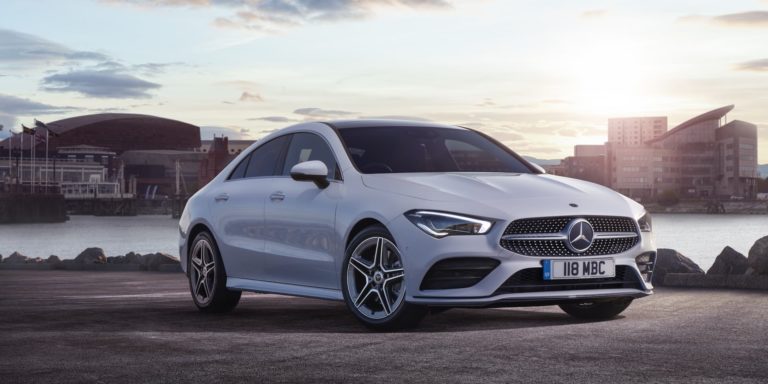
Subscribe to a Renault Captur

If you’re interested in a car subscription, The Car Expert’s partners can help. (PS: What’s a car subscription?)

SelfDrive UK logo

Car subscriptions from SelfDrive.
Find out more

Cocoon Vehicles logo 600x300

Car subscriptions from Cocoon.
Find out more

Just Vehicle Solutions logo 600x300

Car subscriptions from Just Vehicle Solutions.
Find out more

Volvo XC40 Recharge plug-in hybrid test drive

Volvo’s big on electrification, and therefore the XC40 Recharge T5 marks an important milestone for the Swedish car maker, because it means all of its model line-up now has an electrified option.

It’s also the first time the firm’s new Recharge branding has been applied to a car. It’ll refer to all plug-in electrified Volvos that go on sale from hereon in, such as the forthcoming all-electric XC40.

The XC40 is already a hugely popular model for Volvo, and with enticing company car tax on this hybrid variant, it could be a huge seller.

What’s new about the Volvo XC40 Recharge?

Volvo’s other plug-in hybrid models, which wear T8 rather than T5 badging, use a 2.0-litre petrol engine to power the front wheels and an electric motor to power the rears, resulting in all-wheel-drive. However, the T5’s powertrain is all located on the front axle, meaning it’s front-wheel-drive only.

Other than the powertrain it’s all largely familiar from the existing XC40 line-up, with few exterior or interior changes to differentiate this low-emission model from the rest of the range. That’s no bad thing for the most part, because it looks great inside and out.

How does it look?

Volvo’s smart and sophisticated design language lends itself well to its smallest SUV, though it’s easily the least elegant in the line-up compared with the XC60 and XC90. It’s a good-looking thing, though, with its chunky front end giving it a bold look, and Volvo’s signature ‘Thor’s Hammer’ daytime running lights as distinctive as ever.

For those who like to personalise their cars, there are plenty of paint options to choose from including dual-tone combinations, as well as stylish alloy wheel designs. Fortunately for those who don’t want to break the bank, the XC40 is one of those rare premium models that still looks good in its most basic specifications.

What’s the spec like?

Prices for the T5 start at £40,905, with it only available from the R-Design trim level and above. Standard XC40 equipment includes climate control, cruise control, automatic LED headlights, a nine-inch touchscreen infotainment system, and Volvo’s impressive array of safety features.

However, our test car was in Inscription specification, with prices starting at £41,255. This trim level adds extras such as leather upholstery, luxury floor mats, 19-inch alloy wheels, a gloss black front grille with chrome inserts, and a rear parking camera.

There’s no denying the XC40 T5 Inscription is expensive, but it does go a long way to justify the price with decent equipment levels.

Safety-wise, the plug-in hybrid models get exactly the same equipment as the regular petrol and diesel models. That’s no chore, since the Volvo XC40 is one of the safest small SUVs on the market. It received a five-star rating from Euro NCAP in 2018 with outstanding scores in every category.

What’s it like inside?

Over the past few years we’ve been spoiled by Volvo’s interiors. They’re genuinely unique in design, with a lovely minimalist feel that’s been inspired by the firm’s Scandinavian roots. The portrait-oriented touchscreen is great, but it does take a while to learn your way around.

However, this being on the lower end of the Volvo’s range does show in some ways. While there are few cheap materials on show, the general ambience isn’t quite so plush as other models in the line-up. However, it makes up for it in practicality, because boot space is unaffected by those extra batteries, unlike some rivals.

What’s under the bonnet?

The T5 powertrain comprises of a 1.5-litre, three-cylinder petrol engine and an electric motor, both of which are located at the front of the car and power the front wheels. The electric motor is powered by a 10.7kWh battery, which runs up the spine of the car so that rear boot space isn’t impacted.

The end result is a useful 28 miles of all-electric range, meaning that if you’re able to top it up regularly then a good number of people could drive to work and back without ever bothering the petrol engine. There are also different drive modes on offer that let you adapt the powertrain for power, efficiency, off-road driving, or just force it to stay in electric mode. You can also choose to use the engine to recharge the batteries on the move, which is useful on long motorway drives.

What’s it like to drive?

As you’d expect from the Swedes, a serene, refined drive is the order of the day. Electrification suits Volvo because the quiet surge of power only amplifies the feeling of relaxation and solid build quality.

Unlike some hybrids, the Volvo is keen to keep you in electric mode as much as possible when you’ve got plenty of charge, so you won’t find the engine kicking in annoyingly around town. When you do get the petrol unit going, though, it’s largely unobtrusive noise-wise, but there are some subtle but noticeable vibrations transmitted to the cabin, which is a shame.

Verdict

Overall, the Volvo XC40 Recharge T5 is a very likeable thing. From the moment you silently set off in electric mode it’s clear that refinement was high on the agenda for the plug-in hybrid model, and it succeeds for the most part. It also augers well for the forthcoming full-electric model that is set to arrive in the UK next year.

With such appealing company car tax, the high initial price is easier to stomach, and those looking for a comfortable, practical companion that actively calms you as you drive will be well-served here. Keep the batteries topped up, and running costs should be low, too.

Similar cars

Audi Q3 | BMW X1 | BMW X2 | DS 3 Crossback | Infiniti QX30 | Jaguar E-Pace | Lexus UX | Mercedes-Benz GLA | Range Rover Evoque

Key specifications

Model as tested: Volvo XC40 Recharge Plug-in Hybrid T5
Price (on-road): £40,905
Engine: 1.5-litre petrol plus electric motor
Gearbox: Eight-speed automatic
Power: 260 hp
Torque: 425 Nm
Top speed: 143 mph
0-60mph: 7.1 seconds
Fuel economy (combined): 119.1 – 139.4 mpg
CO2 emissions: 47 – 55 g/km
Euro NCAP safety rating: 5 stars (2018)

Lexus LC upgraded for more comfort

The Lexus LC coupé has been given an update for the 2020 model year, making it more comfortable and more enjoyable to drive.

At the same time, Lexus has upgraded the gearbox and infotainment system on its flagship GT model, as well as introducing new colours and alloy wheels.

The suspension has received the most comprehensive overhaul, with new parts contributing to the LC’s unsprung weight dropping by 10kg for a better driving experience. This has been achieved through the use of aluminium lower arms, hollowed-out anti-roll bars and a new high-strength material for the coil springs. Opt for the 21-inch alloy wheels and they’re lighter, too.

The updated suspension has also been honed for a more comfortable ride, while the rear anti-roll bar’s rigidity was increased to improve turn-in.

Meanwhile, cornering stability has been improved with the addition of a new ‘active cornering assist’ function, which uses the brakes on the inner wheel of a turn to keep the front end from washing out.

Transmission upgrades include updated software in the V8-powered Lexus LC 500 model that holds on to gears under everyday acceleration rather than shifting regularly, while the LC 500h hybrid’s system is now more likely to shift to second than third out of a tight bend to improve acceleration.

On the outside, a new Blazing Carnelian colour is available, while the Terrane Khaki can now be chosen across the range, previously exclusively on the LC Limited Edition. Inside, a new Flare Red leather package replaces Dark Rose, while a new Manhattan Orange Alcantara option has been added.

The infotainment system now gets Android Auto and Apple CarPlay as standard.

There are two LC engine options, both of which remain unchanged. The LC 500 has a 5.0-litre V8 engine making 458bhp, and the LC 500h gets a 3.5-litre V6 and electric motor combination making 349bhp.
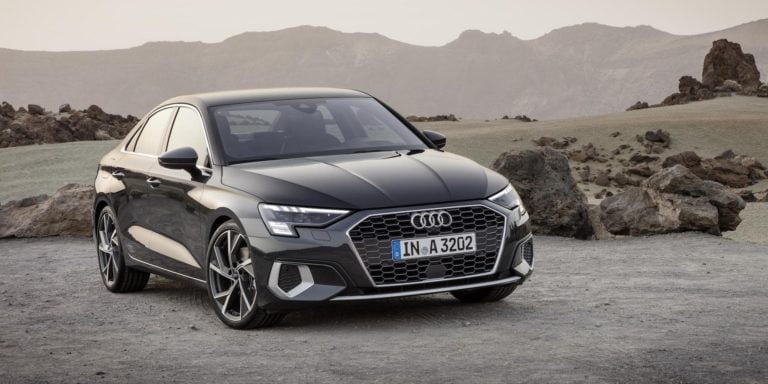
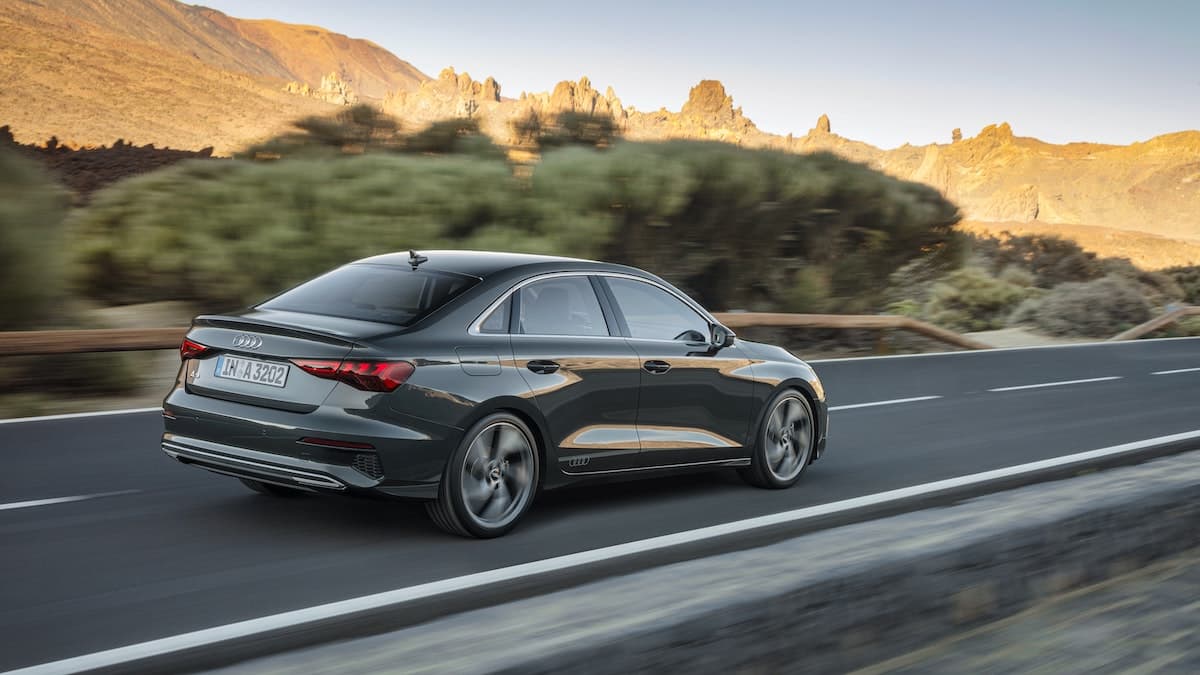
The 2020 Lexus LC Coupe pricing will be revealed at the beginning of May, with the first customer deliveries due in July.