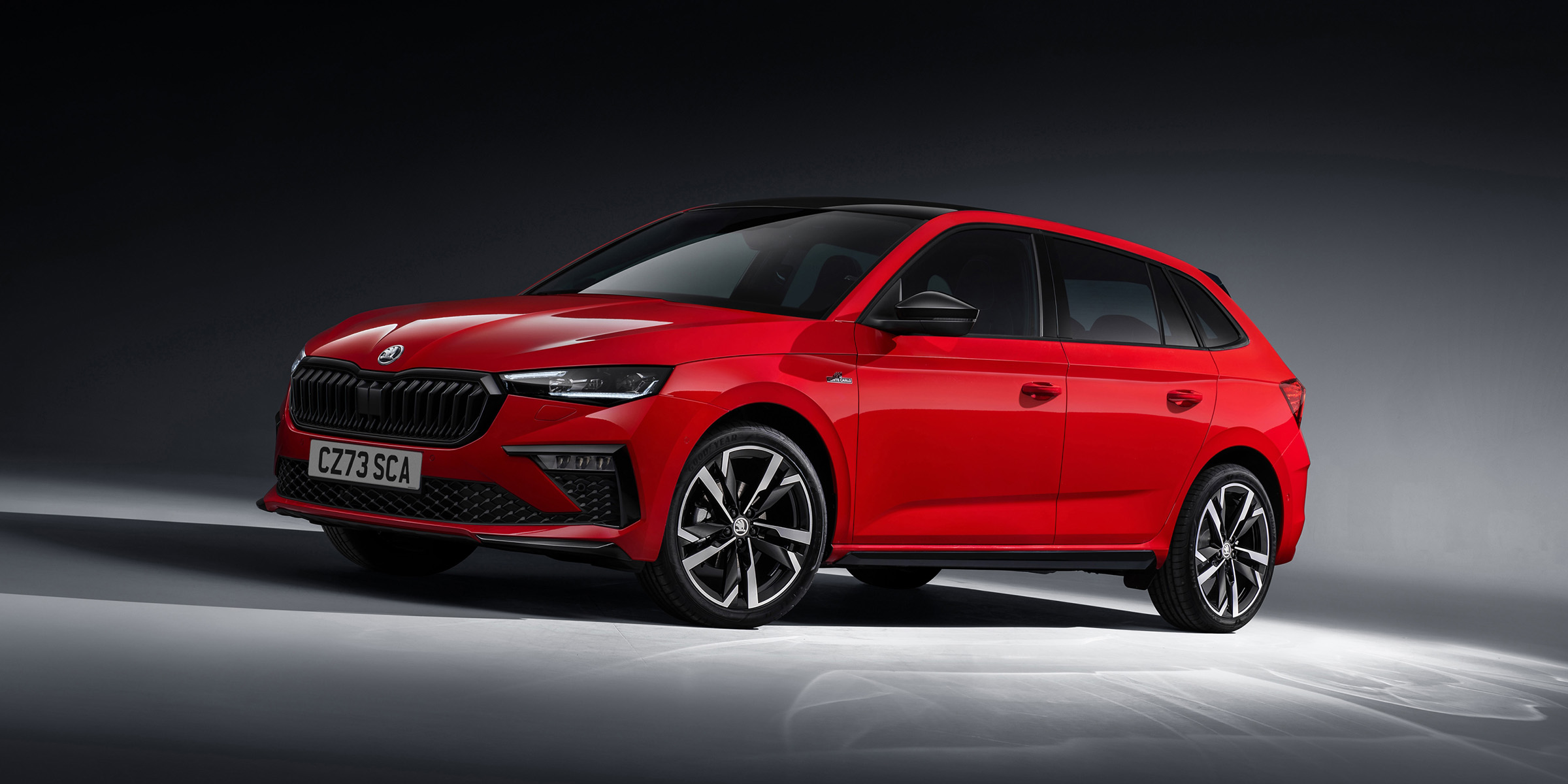
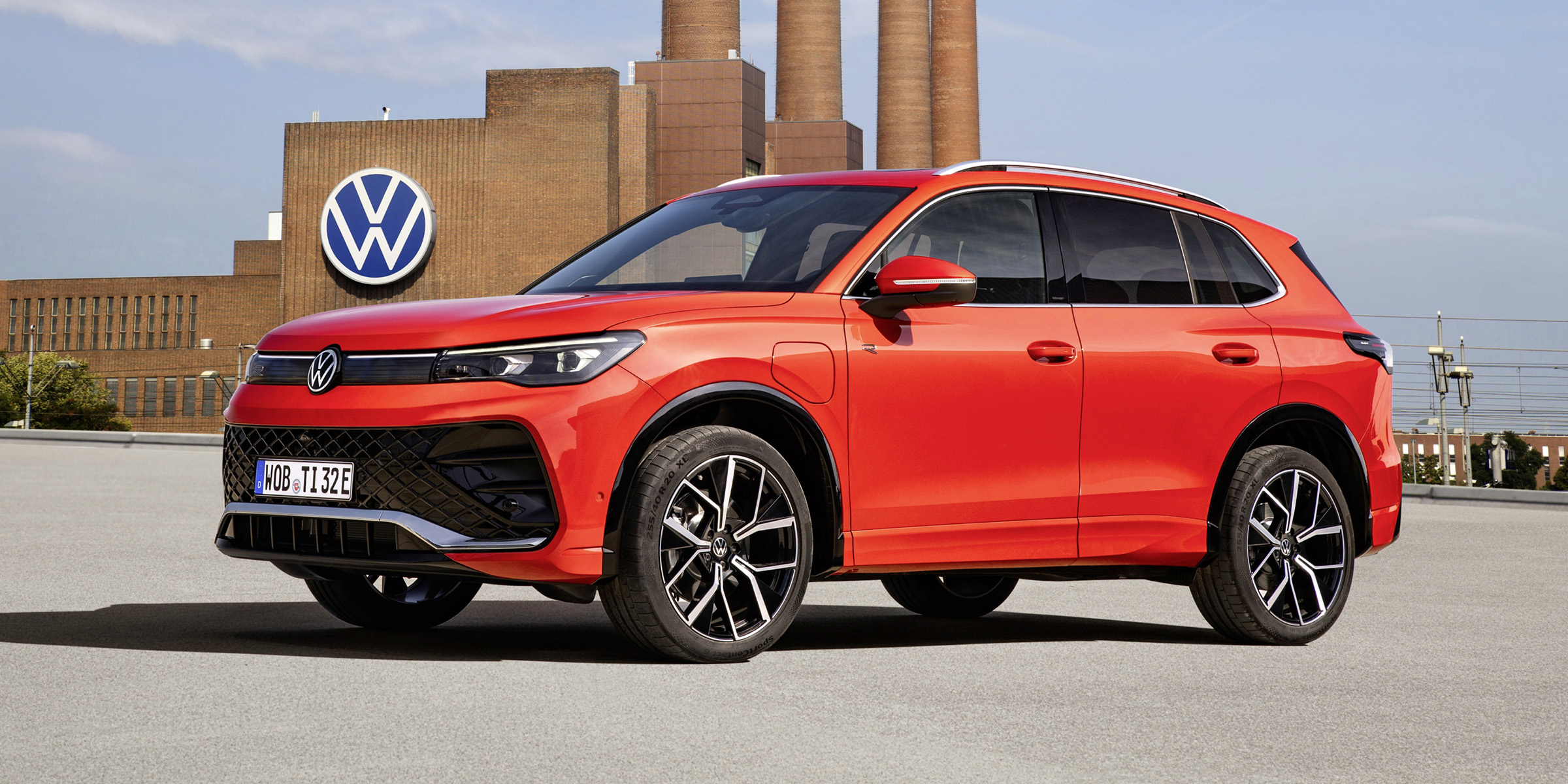
Skoda has decided to roll out a small update for its Scala hatchback and Kamiq crossover – two compact models built on the same foundations – which will be available to order in the UK from early October.
The update includes a few minor exterior design alterations, as both cars have been given a larger front grille and slimmer LED headlights, much like the latest iteration of the Fabia hatchback.
Changes also include tweaks to the hatchback and crossover’s front and rear bumper designs, and new pattern designs for the alloy wheels. Skoda says that these changes have been made to make the Scala look more like the brand’s 2018 Vision RS hatchback concept, and give the Kamiq a more “rugged SUV appeal”.
2023 Skoda Scala
Both model ranges will consist of three trim levels – ‘SE’, ‘SE L’ and the range-topping ‘Monte Carlo’ – and Skoda says that these trims have been revised to offer higher levels of standard equipment.
Both models will come with an eight-inch digital instrument cluster and an eight-inch infotainment screen as standard, while mid-range ‘SE L’ models will feature a larger ten-inch digital instrument cluster and a nine-inch infotainment screen package. LED headlights with LED daytime running lights are now also standard equipment, as are rear parking sensors and keyless entry.
More advanced Matrix LED headlights are also available for both models for the first time, as part of the ‘Monte Carlo’ trim. Other new additions include a foot-gesture control for versions equipped with the optional powered tailgate, smartphone storage pockets on the back of the front seats, and a removable box on the centre console that includes a cup holder.
2023 Skoda Kamiq
Pricing for the new Scala range will begin at just over £22k, while an entry-level Kamiq ‘SE’ will be priced at just north of £24k. Sportier ‘Monte Carlo’ versions will cost £5k more than the lead-in price.
The engine options remain essentially the same. Both the Scala and Kamiq will be available with three different petrol unit options ranging from 95hp to 150hp. Skoda’s engineers increased the power output of the mid-range petrol engine option though – it now produces 116hp instead of 110hp.
Both Skodas have been praised by the motoring media for their practicality, spaciousness and value-for-money, but reviewers conclude that they lack some of the interior refinement of their respective rivals. The Scala currently holds an Expert Rating of 62%, while the Kamiq holds an Expert Rating of 71%, falling a few points short of the class-leading Ford Puma.
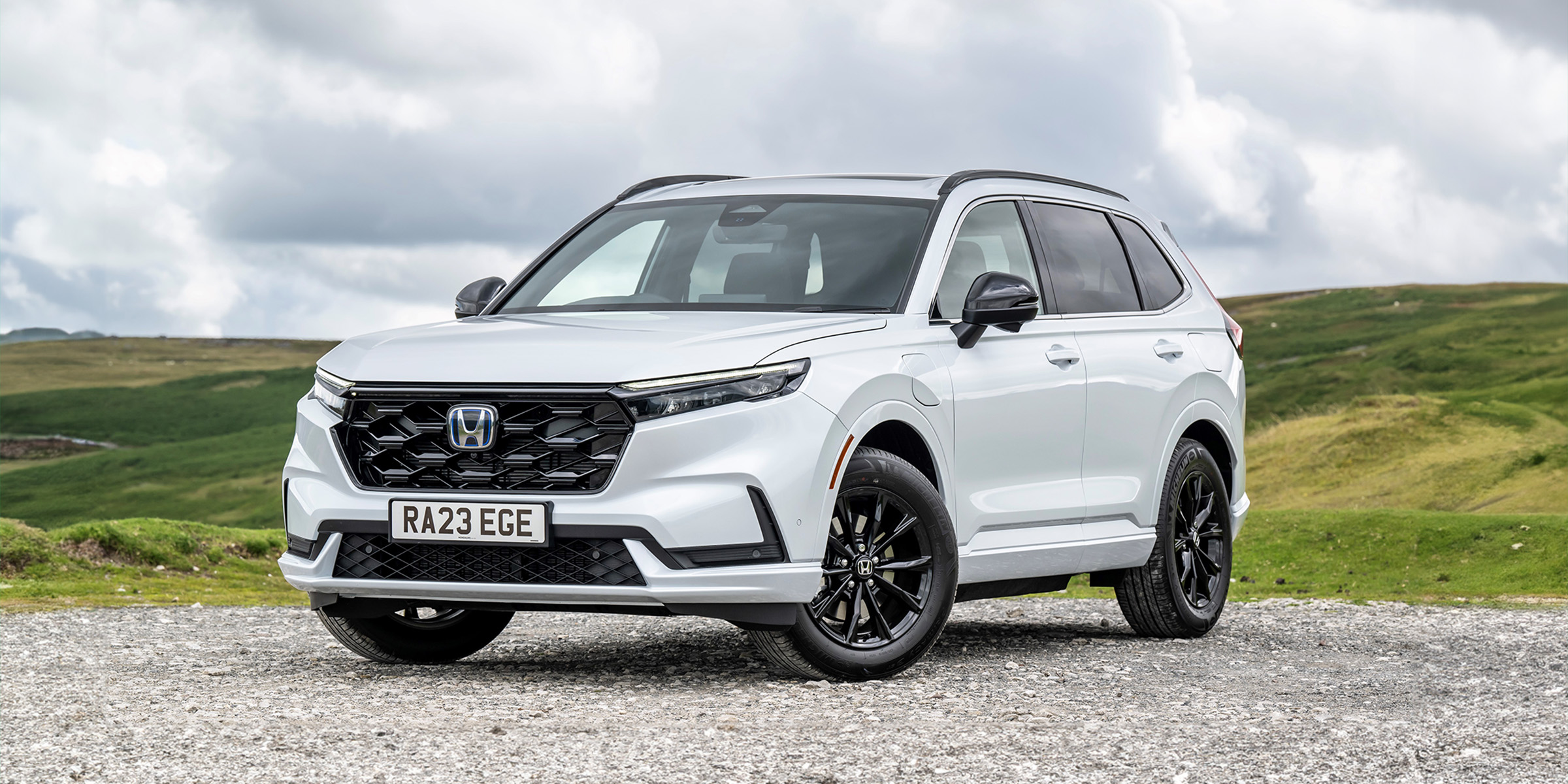
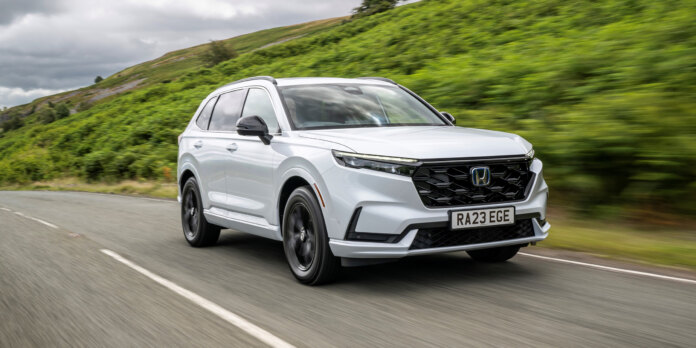
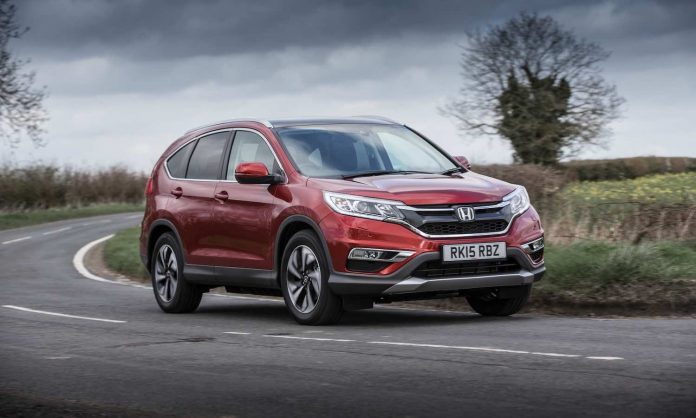
The Honda CR-V is a medium-sized five-seat SUV/crossover, available as either a petrol-electric hybrid or as a plug-in hybrid. This is the sixth-generation model, which arrived in the UK in the second half of 2023.
The SUV has been given a rather mixed bag of reviews so far, and was unveiled as The Sunday Times James Fossdyke says “the outgoing CR-V was beginning to feel a bit dated” – this new model arrivng to address the old CR-V’s infotainment and interior quality criticisms and “build on the existing car’s impressive space and hybrid system.”
Parker‘s Tom Wiltshire also points to Honda’s “stellar” reliability record, but highlights the SUV’s key disadvantage when compared to rivals like the Toyota RAV4 – “Its price is more what you’d expect from premium competitors like the BMW X3 or Lexus NX.”
Some reviewers have also called the car’s exterior styling bland, while others have voiced their disappointment that this new model isn’t available in a seven-seat configuration like its predecessor.
As of February 2026, the Honda CR-V holds a New Car Expert Rating of B, with a score of 68%. It scores top marks for its five-star Euro NCAP safety rating as well as its low CO2 emissions (helped by the plug-in hybrid model). However, media review scores and overall running costs are poor.
Body style: Five-door SUV/crossover Engines:hybrid, plug-in hybrid Price:From £45,895 on-road
Launched: Autumn 2023 Last updated: N/A Replacement due: TBA
Image gallery
Media reviews
Highlighted reviews and road tests from across the UK automotive media. Click any of the boxes to view.
Auto Express
Model reviewed: Range overview Score: 7 / 10 “The CR-V is a spacious, well-equipped SUV that’s also packed with safety technology to keep you and your loved ones safe. Mind you, it should come stacked with equipment, considering its premium pricing.” Author: Max Adams, Alex Ingram Read review
Model reviewed: 2.0-litre petrol/electric hybrid Advance Score: 7 / 10 “The new Honda CR-V’s price reflects not only an increase in size, but also a move upmarket. However, at almost £50,000, customers can rightfully put rivals like the BMW X3 and Volvo XC60 into the mix, at which point, Honda’s flagship becomes harder to justify. It’s spacious and comfortable, but otherwise struggles to stand out in any one area. Still interested? You certainly won’t be left wanting for standard kit – the CR-V is exceptionally well appointed inside and out.” Author: Richard Ingram Read review
Model reviewed: 2.0-litre petrol/electric plug-in hybrid Advance Tech Score: 6 / 10 “The sixth-generation Honda CR-V is bigger and much more clever than its predecessor, but in practice the new plug-in hybrid variant is going to be tricky to recommend. Its closest rival, the Toyota RAV4 PHEV, offers much more power and better road manners for significantly less money. Unless you’re a company car user benefiting from the excellent Benefit in Kind costs, the cheaper regular hybrid models will make much more sense.” Author: Alex Ingram Read review
Car
Model reviewed: Range overview Score: 6 / 10 “If you’re after a dependable family SUV with loads of space, excellent efficiency and an interior that’s unlikely to ever annoy you, the Honda CR-V makes a sound choice – it’s just one without much sparkle.” Author: Tom Wiltshire Read review
Carbuyer
Model reviewed: Range overview Score: 7.4 / 10 “The Honda CR-V is smooth to drive, with low running costs and a practical cabin. But it’s more expensive to buy and insure than most rivals.” Author: Andy Goodwin, Alex Ingram Read review
Carwow
Model reviewed: Range overview Score: 7 / 10 “The Honda CR-V is a handsome, comfortable family SUV, but it’s quite expensive and alternatives have bigger boots.” Read review
Daily Mail
Model reviewed: 2.0-litre petrol/electric plug-in hybrid “My initial reaction on seeing the new and larger sixth-generation Honda CR-V was: ‘My, how you’ve grown.’ But after driving it I’m more tempted to say: ‘My, how you’ve grown up.'”(Ray Massey) Read review
Heycar
Model reviewed: Range overview Score: 8 / 10 “The sixth-generation Honda CR-V delivers a well-rounded family SUV experience, with the choice of two efficient hybrid powertrains. It looks expensive against its closest rivals, though.” Author: Richard Aucock Read review
Honest John
Model reviewed: Range overview Score: 8 / 10 “The Honda CR-V is a very good family SUV, with bags of space, a stylish interior and plenty of features as standard. The two hybrid engines should also prove to be very efficient.” Read review
Parkers
Model reviewed: Range overview Score: 7.6 / 10 “Honda’s reliability record is stellar, and the CR-V is nothing if not easy to live with – from the straightforward interior to the smooth and efficient powertrains. What it’s not is cheap.” (Tom Wiltshire) Read review
The Sunday Times
Model reviewed: Range overview Score: 8 / 10 “With the new CR-V, Honda has managed to eliminate almost all the old car’s weaknesses while still carrying over its strengths. The result is one of the best big, five-seat family SUVs on the market, offering comfort, efficiency and a bit of newfound style — particularly on the inside.” Author: James Fossdyke Read review
The Telegraph
Model reviewed: Range overview “It’s business as usual here for the CR-V, with an offering that’s dull, but solid and well engineered. Be warned, however – it’s expensive, and the latest Toyota RAV4 is just as good with a PHEV version that’s bewilderingly fast.” Author: Andrew English Read review
Top Gear
Model reviewed: Range overview Score: 7 / 10 “The latest version of the CR-V doesn’t mess with the car’s winning formula, adding a dash of practicality and a plug-in hybrid powertrain that will appeal to those on company car schemes. It doesn’t hurt that the car is reasonably fun to drive, too, so everyone will find something to like about it.” (Sam Burnett) Read review
Safety rating
Independent crash test and safety ratings from Euro NCAP
Clean Air Index: 7.3 / 10 Energy Efficiency Index: 3.7 / 10 Greenhouse Gas Index: 2.4 / 10
Reliability rating
Reliability data provided exclusively for The Car Expert by MotorEasy
No reliability rating
As of February 2026, we don’t have enough reliability data on the Honda CR-V to generate a reliability rating.
The Car Expert’s reliability information is provided exclusively to us using extended warranty data from our partner, MotorEasy. As soon as MotorEasy has sufficient data on the CR-V, we’ll publish the score here.
Running cost rating
Monthly cost of ownership data provided exclusively for The Car Expert by Clear Vehicle Data
Fuel consumption
Average
Score
Hybrid models
43 mpg
C
Plug-in hybrid models
353 mpg
A
CO₂ output
Average
Score
Variation
Score
Hybrid models
151 g/km
C
Plug-in hybrid models
18 g/km
A
Battery range
Average
Score
Variation
Score
Plug-in hybrid models
51 miles
D
Insurance group
Average
Score
Variation
Score
All models
35
D
Service and maintenance
Cost
Score
Year 1
£182
B
Year 2
£459
B
Year 3
£772
B
Year 4
£974
B
Year 5
£1,360
B
Overall
£3,747
B
The Honda CR-V has mixed results for running costs, according to whole-life cost calculations provided exclusively to The Car Expert by our technical partner, Clear Vehicle Data.
Fuel consumption for the standard hybrid model is only average, with many rivals scoring better. Battery range is also quite good for the plug-in hybrid model, although you need to drive gently to avoid waking the petrol engine.
The best news for prospective CR-V buyers is that servicing costs are excellent for the first five years of ownership, which is particularly good for a mid-sized SUV.
Similar cars
If you’re looking at the Honda CR-V, you might also be interested in these alternatives.
There are different ways in which your company can provide you with a car, depending on whether it’s just for business use, just for private use, or a combination of both.
Employers have run company car schemes which fall into three types; company-owned vehicles, employee car allowances or an employee salary sacrifice scheme.
We’ll run through them here, but firstly, unless it is used entirely for business, a company car is considered a perk of a job for tax purposes, so is subject to a ‘Benefit-in-Kind’ (BiK) tax based on a set rate.
Traditional company car schemes vs. salary sacrifice
Benefit in kind (BiK) describes any goods or services provided to an you as an employee by your employer for free, or at greatly reduced cost, on top of your regular salary.
Although you’re not paying for this benefit, you still have to pay tax on it. The amount of tax is determined by several factors. These are:
the price of the car (its P11D value, which is list price without delivery and road tax but with any options plus VAT)
The car’s official CO2 emissions rating
the type of fuel your car uses
The emissions part can make a huge difference to how much tax you will pay.
The calculation to work out your annual BiK tax is as follows:
(P11D value of the car) x (BiK tax band) x (your income tax bracket).
What is a traditional company car scheme?
In a traditional company car scheme, the employer owns a fleet of cars (or, more commonly, operates a fleet of cars which are leased or on subscription). All documentation and insurance is handled by the company.
The employees then use the cars for either their work, just for their private use, or a combination of both. Fuel (petrol, diesel, electricity) may also be paid for by the employer for each of these uses.
The company deducts the necessary tax from your salary and keeps records for HMRC. You as the employee don’t need to do anything.
Company car allowance (cash allowance)
A company car allowance is a cash sum which is added to your salary for you to subscribe to or lease a car of your choice. You are charged tax on it as additional salary, not as a BiK, although you need to keep your own records of business mileage vs private mileage.
A business mileage allowance may be available in addition or, if not offered, you can claim business mileage against tax yourself at a flat rate.
However, leasing company Leaseplan warns that ‘while employees may prefer the greater flexibility of cash allowance policies, employers will find it more difficult to ensure that their drivers have cars that are well maintained and appropriately insured… providing cash can encourage employees to drive older, and often more polluting vehicles.’
This can be a problem if the employer has environmental policies relating to vehicles or its corporate CO2 output.
Employee car ownership (ECO) schemes
An employee car ownership (ECO) scheme, which can also be called an employee car purchase scheme, is another way in which businesses provide their employees with cars and has its own definition with HMRC. An ECO is not a traditional company car scheme but is designed to give employees similar benefits to a company car in a way that means BiK doesn’t apply.
Employers usually set up and run their own ECO schemes or they’re set up by specialist third parties. Unlike company car packages, employees don’t have to pay BiK tax because the employee – not the employer – is the registered car owner and pays for it. The employer normally increases taxable pay to compensate.
The employer ‘sells’ a car to an employee under a credit sale agreement (CSA) of a fixed length and mileage. The employee can get a car from any reputable source without becoming involved in the purchasing or financing arrangements in any way but can take advantage of any supplier the employer may use. The employer pays any deposit, but to qualify for an ECO scheme, employees may be subject to credit checks.
Servicing, maintenance, and breakdown cover can all be handled and expensed by the company, which must maintain detailed business mileage records for each driver. As it is the employee’s ‘own’ car, the employer can pay mileage allowance payments (MAPs) for using their own vehicle for business journeys.
The employer is allowed to pay the employee a certain number of MAPs each year without having to report them to HMRC. This is called an ‘approved amount’.
Salary sacrifice – why this can be a win-win
We write a lot about salary sacrifice at The Car Expert, because it has become a very popular way for companies to offer their employees a car as a benefit because of current government policy on electric vehicles (EVs).
Salary sacrifice (or salsac) is a formal agreement where an employee agrees to accept a lower salary and, in return, receives a benefit from their employer which can be benefits such as such as childcare vouchers, free healthcare screening, or cycle-to-work schemes. Salary sacrifice as a whole has been a key feature of UK employment since the 1970s but company cars were added in 2008.
The employee doesn’t pay income tax or Class 1 National Insurance Contributions (NIC) on the portion of salary ‘sacrificed’ but still pays a BiK based on the value of the car and the private fuel it uses. The employer saves the cost of the sacrificed salary and the NIC, incurs the cost of leasing (or subscribing to) the car and pays the NIC on the BiK.
Once the car has been delivered the employer reduces the employee’s gross salary by the amount sacrificed. The reduction is designed to cover the cost of providing the car and running it (servicing, insurance, admin).
EVs and salary sacrifice
As mentioned earlier, your car’s CO2 emissions rating significantly affects its BiK tax rate. The government uses a sliding scale range from a minimum level of 0 g/km to a top level of 170+ g/km, with tax rates that range from 2% to 37%.
EVs emit 0 g/km, so they incur a BiK tax rate of only 2%, whereas to a similarly sized petrol or diesel car will usually have a tax rate of at least 25%. This can save you hundreds of pounds a month on an electric car, and it’s now the driving factor in EV sales.
Overall UK company car emissions are falling. According to June 2023 stats from the government, the average reported CO2 emission of company cars (including electric cars) was 86 g/km, compared to 99 g/km in the previous tax year. For cars with internal combustion engines (which includes plug-in hybrids), the average was 103 g/km. In the tax year 2021 to 2022, only around 2% of company cars had reported CO2 emissions in excess of 165 g/km.
EV BiK rates will increase by 1% per year until 2028, so by the 2027/28 tax year electric cars will be rated at 5%. Pure petrol (non-hybrid) and diesel cars will change very little: for example, those in the 100-104 g/km backet will go from 25 to 26%. So although EV users will start paying more tax, they’ll still benefit massively compared to petrol/diesel/hybrid car users.
This tax certainty (until at least 2028) was campaigned for by the British Vehicle Rental and Leasing Association (BVRLA). It’s a very big deal. The BiK rates for EVs are now seen as crucial for the Government meeting future CO2 emissions targets, and it also helps drive electric cars through to the used car market in a few years’ time once they’ve completed their initial lease agreements with the original customer.
Where once the only way to get a very low BiK company car was to have a very small petrol car, people can now get into a larger EV. The EV-friendly policy also appears to be providing people on average salaries their first chance to drive a new car, especially as EVs are still more expensive than petrol or diesel cars.
In a 2022 BVRLA podcast, Fiona Howarth, CEO of Octopus Electric Vehicles (a partner of ours at The Car Expert) said 60% of its customers taking salary sacrifice packages were 20% tax rate payers.
It seems people love salary sacrifice for a car – not just for the low tax, but because all the admin is taken care of: insurance, servicing, repair bills and home charge points are usually dealt with. That said, traditional company car schemes also usually took care of this.
For employers, offering a salary sacrifice scheme is proving key to staff retention, said Ian Hughes, the CEO of Zenith, a car and van leasing and fleet management company, in the same podcast. “The employee makes a sort of a notional contract with the employer about the duration that they intend to stay with the organisation.”
As an employee, you can sacrifice however much salary you want so long as this does not bring the gross salary below the national minimum wage. You should also check whether the drop is salary is going to harm other finances such as private and state pension contributions, holiday pay, or your ability to pay a mortgage.
But what if I really want a petrol, hybrid, or diesel company car with salary sacrifice?
Even though the growth in salary sacrifice is entirely geared towards EVs (and succeeding in a major way) not everybody wants to drive an EV. Petrol and diesel cars are going to be available new for at least another seven years (possibly twelve…), and some people still strongly prefer their familiarity.
In August 2023, diesel cars made up less than 7% of the market, a share that has been steadily falling for years. Audi, BMW, Land Rover and Mercedes-Benz accounted for 56% of diesel car sales in the first half of 2023 in the UK, amid a continued decline in popularity of the fuel.
Diesel cars accounted for just over one third of company cars in 2021 to 2022 following a steady decline from 80% of company cars in 2017.
Petrol, diesel or electric car tax examples
If a petrol or diesel is going to cost you more in tax, how much more expensive might this be? Let’s take a premium brand petrol and diesel car and their nearest electric equivalent staying with the same brand/size of car (which is admittedly getting harder to do). We used BMW’s and Kia’s own company car tax calculators as of September 2023.
BMW 3 Seriespetrol
Trim: BMW 320i petrol Sport saloon P11D price: £39,295 CO2 emissions: 147 g/km Fuel economy: 43.5 mpg BiK charge (34%): £13,360 Monthly tax (20%): £223 Monthly tax (40%): £445
BMW 3 Seriesdiesel
Trim: BMW 320d diesel Sport saloon P11D price: £42,290 CO2 emissions: 127 g/km Fuel economy: 58.9 mpg BiK charge (30%): £12,687 Monthly tax (20%): £211 Monthly tax (40%): £423
BMW i4electric
Trim: BMW i4 eDrive35 Sport liftback P11D price: £49,940 CO2 emissions: 0 g/km Fuel economy: n/a BiK charge (2%): £999 Monthly tax (20%): £17 Monthly tax (40%): £33
Hybrid (petrol) or plug-in hybrid (petrol) tax examples
A hybrid is a car powered by both a petrol engine and an electric motor which can run on the power of a small battery for a very short range (charged by the petrol engine). Diesel hybrids are a dying breed.
A plug-in hybrid has a larger battery and a longer electric-only range and can be charged from a charger. There are significant tax incentives for plug-in hybrids.
The only way to have a company-funded petrol, hybrid or diesel may be via a cash allowance with which you lease your own car, but it will need to be much larger than you would have paid in tax if the car was owned by the company and provided to you.
Going back to the BMW 320d diesel Sport Saloon, with our Expert Partner Rivervale a BMW 3 320d M Sport automatic with Tech Pack has a P11D list price of £44,685. On a 48-month lease it is £659.72 with VAT and an initial rental of £5,937.48 with VAT
But – and it’s a big but – whichever type of funding scheme, many companies may simply refuse to provide employees with a petrol or diesel as part of an overall environmental commitment, and/or because the deals they can get from car providers for their employees are the best on EVs.
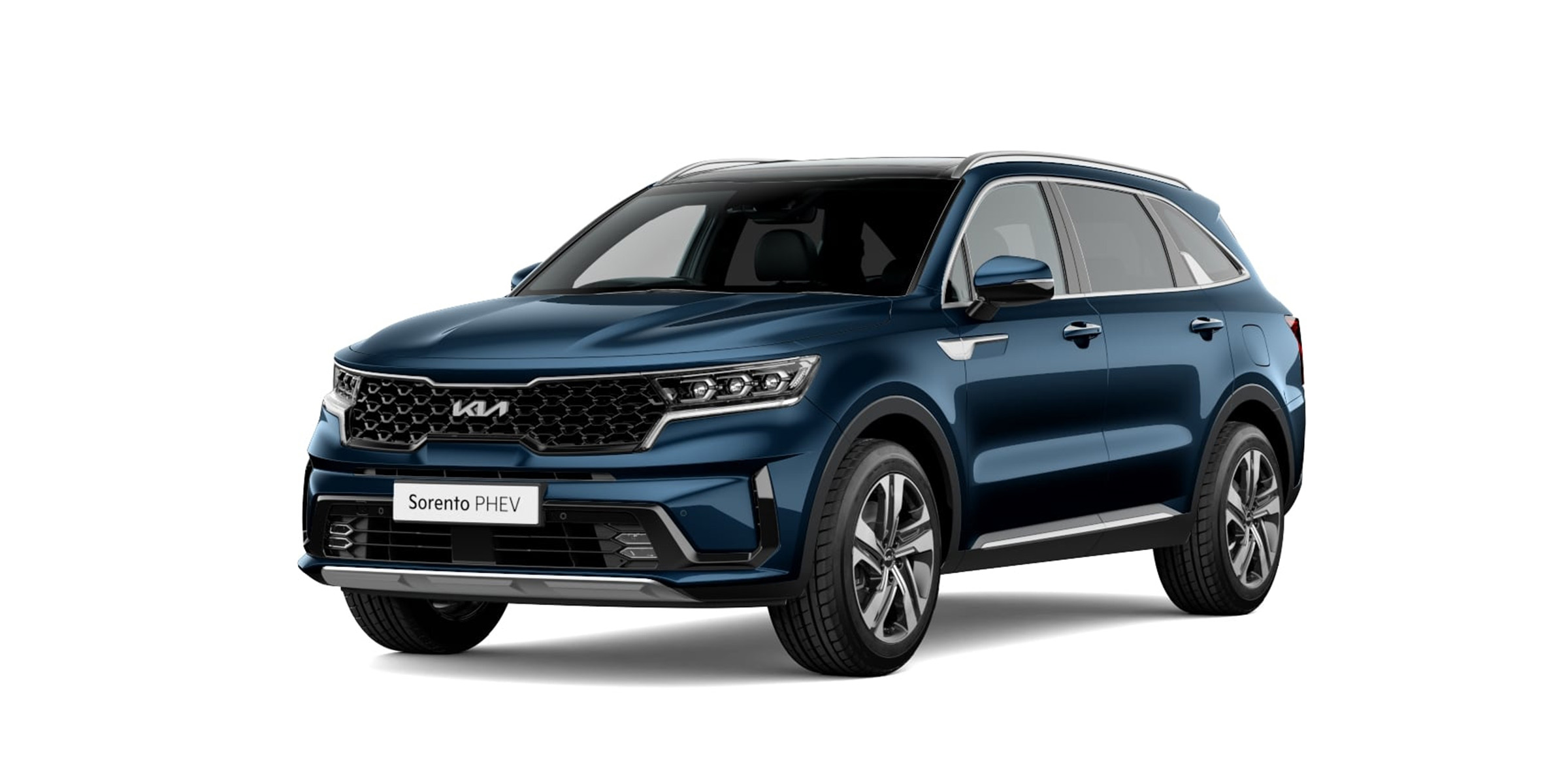
Kia has expanded its Sorento range with the addition of a cheaper ‘Vision’ trim, which is now available as a diesel, hybrid or plug-in hybrid.
In July last year Kia made the decision to drop the entry- and mid-level specifications from the Sorento range last year in favour of a single top-end ‘Edition’ trim level. This change made the Sorento’s lead-in price tag jump by nearly £10K.
The brand has announced that it is now offering its largest model in a cheaper ‘Vision’ guise, that is available with the same engine options as the top-spec model, but with less equipment.
The ‘Vision’ equipment list includes a panoramic sunroof with electric roll blinds, front and rear parking sensors, a reversing camera system and interior features like ambient lighting, a ten-inch infotainment screen, heated seats and a heated steering wheel, but does not include the head-up display, ventilated Nappa leather upholstery and the 360-degree surround view monitor that comes with the ‘Edition’ as standard.
Prices for the new trim start at just under £45k for diesel versions, rising to over £51k for plug-in hybrid variants. Equivalent versions of the ‘Edition’ cost around £5k more.
The winner of several industry awards in recent years, the Kia Sorento currently holds an Expert Rating of 71% – praised for its interior space and quality, but criticised by some for its rather stiff suspension.
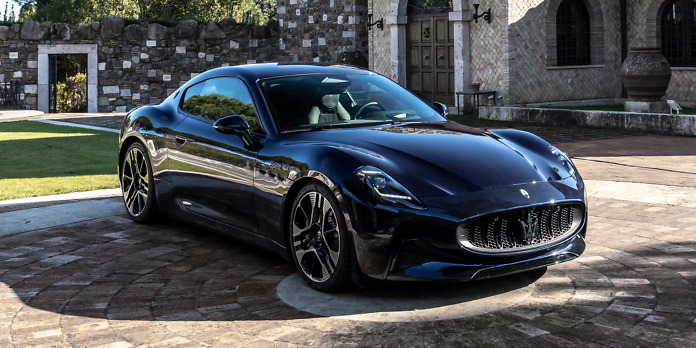
The Maserati GranTurismo is a luxurious two-door coupé. Launched in 2023, it’s the second generation to carry the GranTurismo name but the latest in a long line of Maserati grand touring coupés.
It’s powered by a 3.0-litre twin-turbocharged V6 petrol engine, although an all-electric version called the GranTurismo Folgore will join the range soon. We’re building a separate Expert Rating for this model, so check back soon.
The new GranTurismo has been well-received by UK reviewers, with Autotrader explaining that the coupé is “more high-tech, more eco-friendly and more precise” than its predecessor, without losing the essential sense of glamour. As with the previous model, which was produced from 2007 to 2019, it’s a 2+2 coupé with two front seats plus two (fairly cramped) rear seats.
That said, several outlets conclude that the GranTurismo isn’t the most lavish grand tourer on the market, nor does it deliver the driving thrills of other upmarket coupés.
Despite the strength of the competition however, reviewers agree that the Maserati is an engaging and well-engineered package that is certainly a capable match for the daily commute. As the Top Gear team sums up, “it feels, acts and drives expensively and comes across as better engineered and developed than any Maserati in living memory.”
As of March 2026, the Maserati GranTurismo holds a New CarExpert Rating of E with a score of 52%. Although its media review scores are generally good, the overall rating is inevitably dragged down by high CO2 emissions and very high running costs.
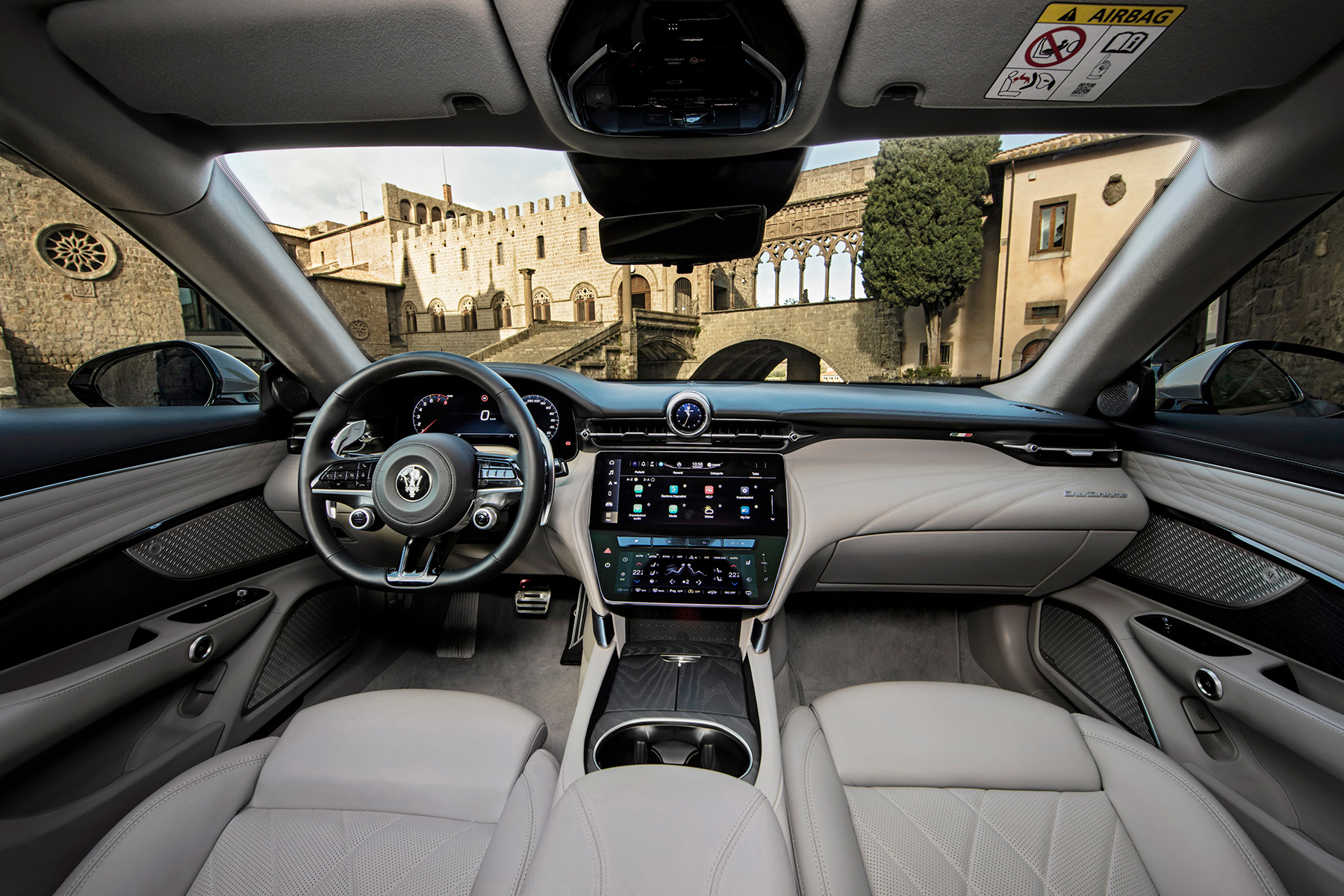
Interior quality doesn’t quite match the price tag
Key specifications
Body style: 2+2 coupé Engines:petrol Price:From £141,565 on-road
Launched: Winter 2023/24 Last updated: N/A Replacement due: TBA
Image gallery
Media reviews
Highlighted reviews and road tests from across the UK automotive media. Click any of the boxes to view.
Featured reviews
“A brutally effective powertrain, an accomplished chassis and stunning looks make the Maserati GranTurismo Trofeo a desirable grand tourer, although it’s not perfect.”
“It might look similar to the previous model, but the new Maserati GranTurismo is streets ahead in every measurable way. The new coupé has a superb ride and handling balance, along with an impressive turn of speed. But with the sacrifice of two cylinders for the sake of a couple of turbochargers, some buyers may feel there has been a slight dampening of its appeal.”
Model reviewed: Score: 9 / 10 “The new Maserati GranTurismo is more high-tech, more eco-friendly and more precise than before without losing the essential sense of glamour.” Read review
Car
Model reviewed: Trofeo Score: 8 / 10 “The new Maserati GranTurismo is a massive step forward over the old car. It’s more comfortable. It’s more usable. It’s more approachable. But I’m not sure whether it really has what it takes to go toe-to-toe with the likes of Ferrari and Bentley. It’s just feels too cheap for the money.” Author: Luke Wilkinson Read review
Carwow
Model reviewed: Range overview Score: 6 / 10 “The Maserati GranTurismo is a hugely stylish long-distance cruiser with a superb-sounding V8 engine but alternatives are more comfortable, better to drive and come with more kit.” Read review
Honest John
Model reviewed: Range overview Score: 8 / 10 “Elegant, exclusive, exceptionally rapid and reassuringly expensive, the Maserati GranTurismo is everything you’d expect. It’s been created to devour entire continents in superior comfort with effortless pace and lashings of Latin style.” Read review
Motoring Research
Model reviewed: 3.0-litre petrol automatic Trofeo Score: 8 / 10 “Maserati’s V6 feels like a tool for the job, not an engine to give you goosebumps, so even committed petrolheads may feel conflicted. Also, the EV is faster and seems more exotic somehow, helped by its unique status in the sector. For me, though, until battery tech or the charging network improves, the Folgore’s limited ‘grand touring’ ability means the best GranTurismo is the cheapest one: the entry-level Modena.” Author: Tim Pitt Read review
Parkers
Model reviewed: Range overview Score: 8.4 / 10 “Your many thousands of pounds buys you a beautiful, exotic grand tourer – one that, on your annual trip to your pied a terre in the south of France, will be equally at home on the M25 as it is on the Route Napoleon.” Author: Tom Wiltshire Read review
The Sunday Times
Model reviewed: Range overview Score: 8 / 10 “The Maserati GranTurismo is a beautifully judged grand tourer that doesn’t come cheap.” Author: James Fossdyke Read review
Top Gear
Model reviewed: Range overview Score: 8 / 10 “Maserati reinvents itself for the electric age… with a car that doesn’t look too different from the old GranTurismo and can still be had with a bonkers twin-turbo V6.” Read review
Safety rating
Independent crash test and safety ratings from Euro NCAP
No safety rating
As of March 2026, the Maserati GranTurismo has not been tested by Euro NCAP.
Eco rating
Independent economy and emissions ratings from Green NCAP
No eco rating
As of March 2026, the Maserati GranTurismo has not been tested by Green NCAP.
Running cost rating
Monthly cost of ownership data provided exclusively for The Car Expert by Clear Vehicle Data
Fuel consumption
Average
Score
Petrol models
28 mpg
E
CO₂ output
Average
Score
Variation
Score
Petrol models
228 g/km
E
Insurance group
Average
Score
Variation
Score
All models
50
F
Service and maintenance
Cost
Score
Year 1
£642
E
Year 2
£1,552
E
Year 3
£2,302
E
Year 4
£2,670
E
Year 5
£3,664
E
Overall
£10,830
E
The Maserati GranTurismo is an expensive car to run, according to five-year ownership information provided exclusively to The Car Expert by our technical partner, Clear Vehicle Data.
Fuel economy is unsurprisingly poor, as are CO2 emissions. Servicing costs are expensive and car insurance premiums are in the highest bracket.
Reliability rating
Reliability data provided exclusively for The Car Expert by MotorEasy
No reliability rating
As of March 2026, we don’t have enough reliability data on the Maserati GranTurismo to generate a reliability rating.
The Car Expert’s reliability information is provided exclusively to us using workshop and extended warranty data from our partner, MotorEasy, sourced from both official dealerships and independent workshops.
As soon as MotorEasy has sufficient data on the GranTurismo, we’ll publish the results here.
Recalls
Official DVSA safety recalls that have been issued for the Maserati GranTurismo
As of March 2026, we are not aware of any DVSA vehicle safety recalls affecting the Maserati GranTurismo. However, this information is updated very regularly so this may have changed.
You can check to see if your car has any outstanding recalls by visiting the DVLA website or contacting your local Maserati dealer.
Among the clutch of new automotive names arriving on the UK market in 2023 one of the most unfamiliar may be Fisker. And part of that is likely due to the fact that Fisker is not even that well known yet in the nation of its birth, the USA, because this is another very young and also quite unusual automotive manufacturer.
Fisker being an American brand may immediately spark hesitation among many UK consumers, because historically bids to bring the US way of doing things automotive to European buyers have ended in failure. Who remembers Dodge, Cadillac, and even Chrysler? All massive names Stateside, and names that crashed and burned in Europe and particularly the UK.
The big exception to the rule is, of course, Tesla – but part of that could be because Tesla has done the whole car manufacturer thing differently from traditional brands. Fisker is another brand putting its fate in electric vehicles (EVs), and will be hoping for similar levels of success to the EV standard-bearer, but again in a different way.
So who or what is Fisker?
The name may be new but the man behind it isn’t. Henrik Fisker is a Danish automotive engineer with quite a CV – before setting out on his own he worked at BMW and Ford. At the Munich design studio of BMW, he was centrally involved in the creation of the Z8 roadster and BMW’s first SUV, the X5. After moving to Ford, in 2001 he was appointed design director of Aston Martin (which Ford then owned) – the Aston Martin DB9 and Vantage V8 were Fisker’s work.
Fisker also briefly worked for Tesla before deciding to set up on his own as an EV manufacturer – and it took him two attempts. Fisker Automotive, launched in 2007, produced in 2012 the Karma, a plug-in hybrid sports coupe. But the company could not meet production deadlines due to difficulties with its battery supplier and Henrik resigned in 2013 shortly before Fisker Automotive declared bankruptcy. Its assets were bought by Chinese automotive component maker Wanxiang – they renamed the brand after the car which continued in production as the Karma Revero.
Henrik was back in 2016 with a new company, Fisker Inc. which he launched with his wife Geeta Gupta-Fisher. Initially he tried to develop solid-state battery technology, but abandoned this in 2021 to focus on development of the new brand’s first vehicle, a fully electric SUV called the Ocean. Since then Fisker has been expanding around the world and recently announced plans to produce vehicles in China.
Fisker CEO Henrik Fisker
When did Fisker launch in the UK?
Well, it hasn’t properly done so yet – the first examples of the Ocean launch model have only just started landing with customers in the US and the cars are not expected here until the end of 2023.
Indeed it does seem that the brand needs to do quite a bit of work on its awareness among UK buyers – a report released in August 2023 showed that just 11% of UK buyers had even heard of Fisker.
What models does Fisker have and what else is coming?
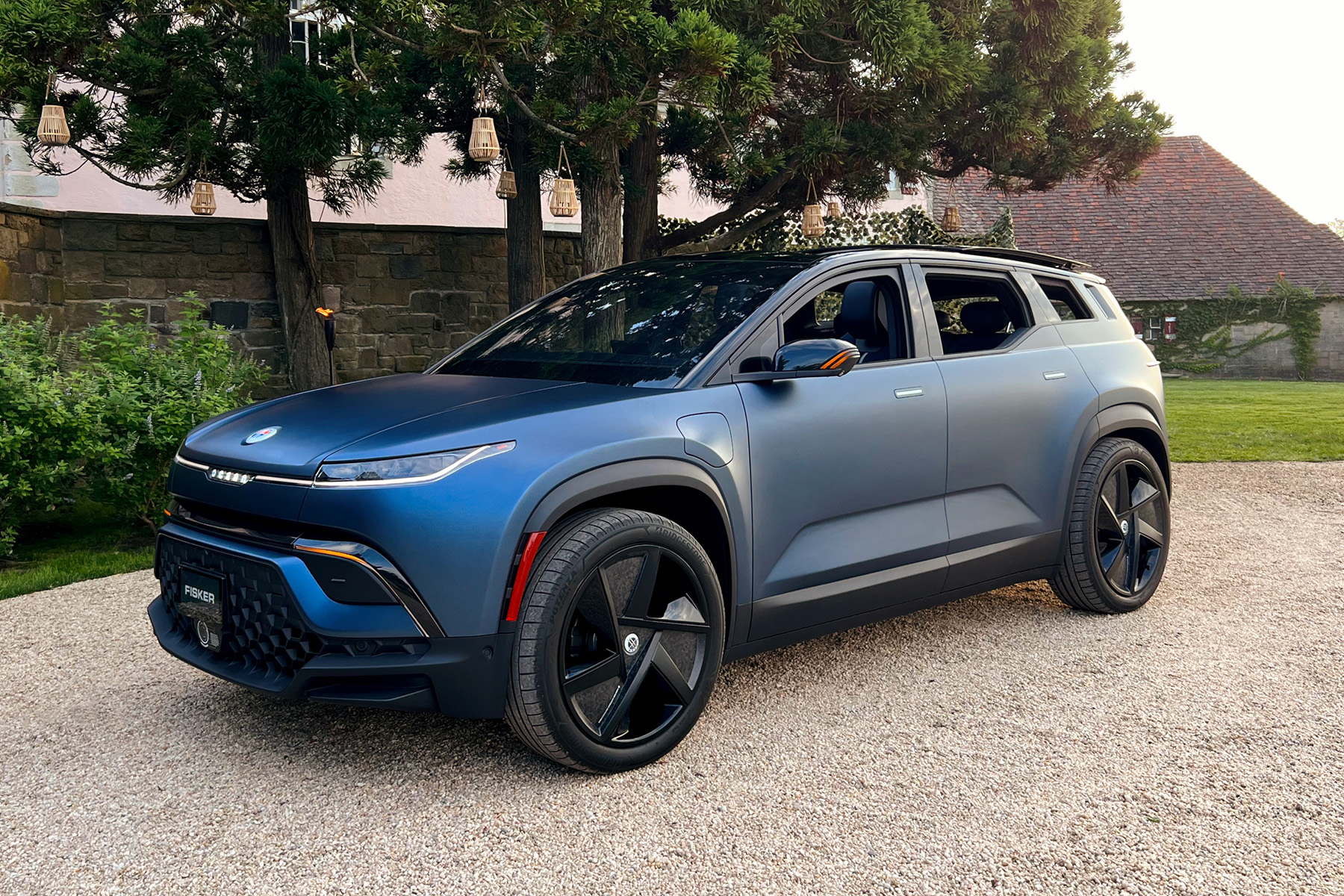
Fisker’s launch vehicle is the Ocean, so far the only product from the company to have reached the roads. Starting from a very affordable just under £36,000 it’s an all-electric compact SUV, designed in America but built in Europe at the Magna Steyr plant in Austria. It’s also said to be very Euro-pitched, with one observer describing it as looking like “a slightly squatter, stretched Range Rover Evoque.”
The Ocean comes in rear-wheel or dual-motor all-wheel-drive form, has a range of up to 440 miles with the most potent battery and is available in three trim levels, not including the ‘Ocean One’ launch model that sold out pretty quickly.
The choices do include an Extreme model with a 0-60mph time of under four seconds and a price tag of just under £61,000, while Fisker has recently announced that there will also be a ‘Force E’ variant designed for serious off-roading, boasting such signature features as skid plates and knobbly tyres.
Fisker has also unveiled plans for three more EVs, and they couldn’t be more different to one another. The Pear is a compact crossover with seating for five or six, the Alaska a four-door pick-up, while the Ronin is described as the world’s first all-electric four-door convertible GT sports car. It’ll have a pretty electric price tag too, well north of £300,000…
Fisker is also following the same route as Chinese brand BYD in investing in battery-swapping, the idea being that instead of recharging your battery you pull into a special facility and swap the entire pack for a fully-charged new one, which takes just four minutes. The brand hopes to have battery-swap stations in Europe from 2024.
Fisker Ocean
Fisker Pear
Fisker Ronin
Where can I try a Fisker car?
Good question. Fisker is one of the brands going down the direct-sales route, which means you order and fully specify your car on the brand’s website and then you can either go and pick it up from a specified location or have it delivered directly to you.
There will be a number of ‘lounges’ set up, where potential buyers can see the car in the metal and no doubt take test drives. There’s just one of these so far in the UK, in the Westfield shopping centre in west London.
What’s particularly significant about this company?
Fisker has built its entire brand image on environmental awareness. From the start the company has insisted that it wants to build the most sustainable vehicles on earth, a message it was putting out even before other manufacturers cottoned on to meeting the increasing environmental concerns of buyers.
This extends to sourcing components to build its cars from responsible suppliers and using upcycled sustainable materials. Fisker was one of the first manufacturers to state its interiors were vegan, while we’re told the plastics used inside are recycled from plastic bottles, rubber waste, worn-out t-shirts and even abandoned fishing nets pulled out of the ocean…
What makes Fisker different to the rest?
Fisker has gone the solar-panel route that other manufacturers have always claimed would add so much weight that their free energy benefits would be nullified. Called SolarSky and available on the range-topping version of the Ocean, these roofs are claimed to make possible more than 1,500 miles of completely emissions-free motoring each year.
That and other niche features, such as a ‘doggie window’ mode to keep travelling pets safe in hot weather and a rotating central infotainment screen – an idea that Fisker revealed before Chinese new arrival BYD did – adds to the sense of novelty about this US brand that will resonate with some buyers.
Summary
Fisker is an intriguing new name on UK roads. Yes it’s a start-up with not much of a reputation yet, which might be slightly off-putting to some, but others will likely respond to the environmental message that appears to underpin everything the brand does.
Apart from all that, the initial reaction to the actual product seems to be one of well-built vehicles with plenty of performance and range, and crucially, highly competitive pricing. The Ocean comes onto the market cheaper than more mainstream rivals which it outstrips in the crucial aspect of how far it will go before needing recharging. This could be a brand that becomes rather more familiar, rather quickly.
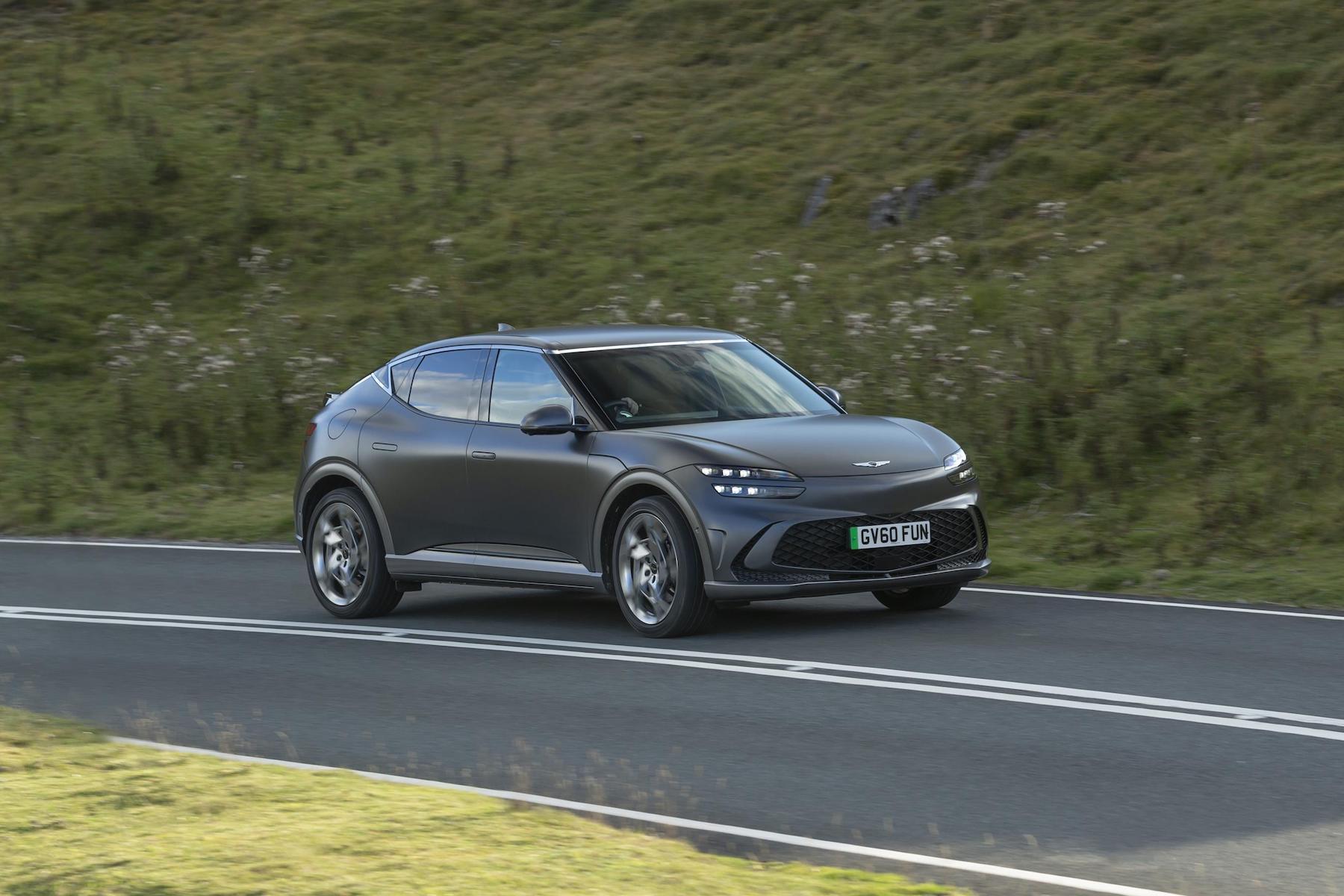
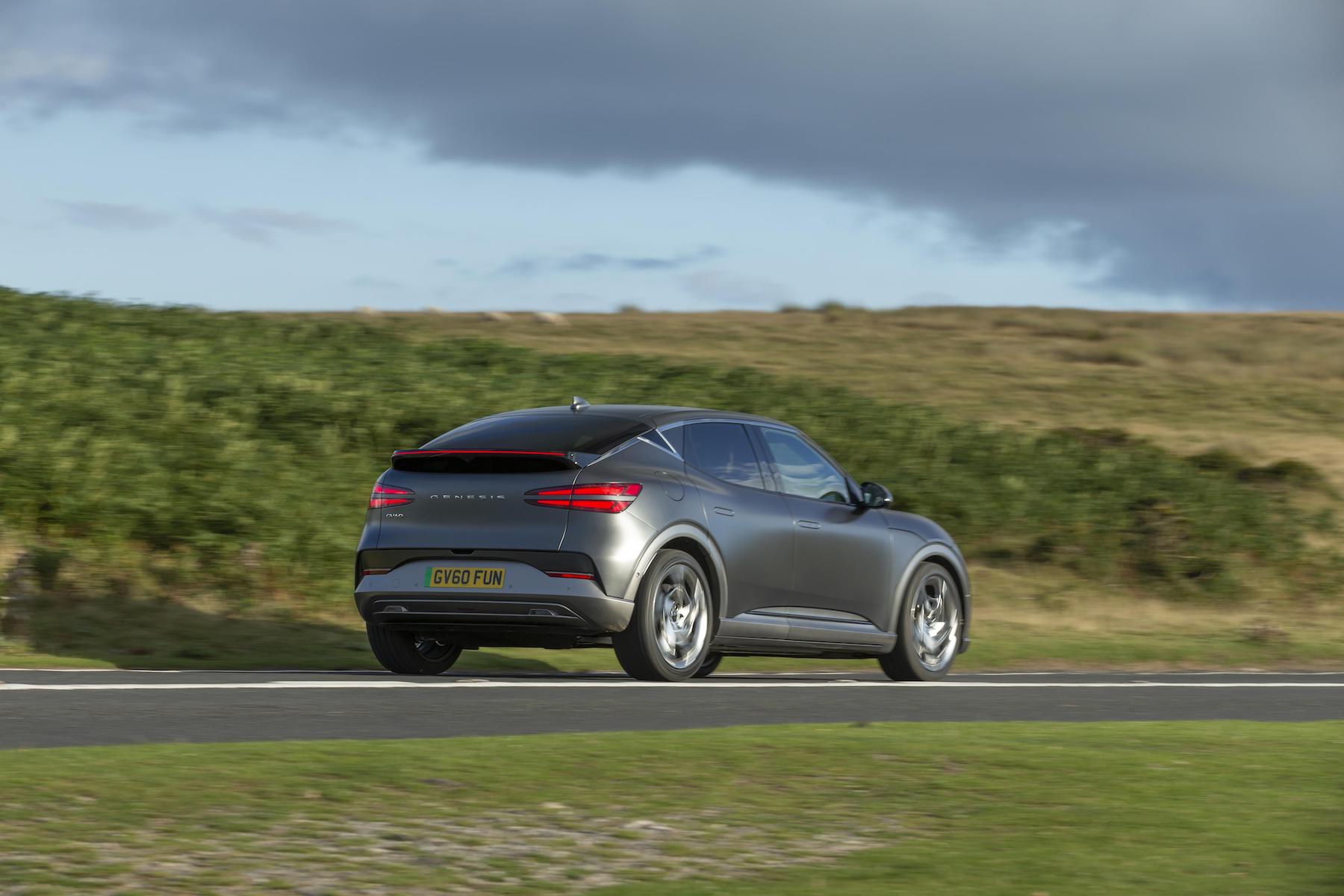
Make and model: Genesis GV60 168kW RWD Premium Description: Mid-sized SUV, electric Price range: £53,905 (plus options)
Genesis says: “Setting a new standard for luxury electric car design”
We say: You might not have heard of Genesis, but you should certainly have a look at the GV60 if you’re in the market for an electric car from other premium brands
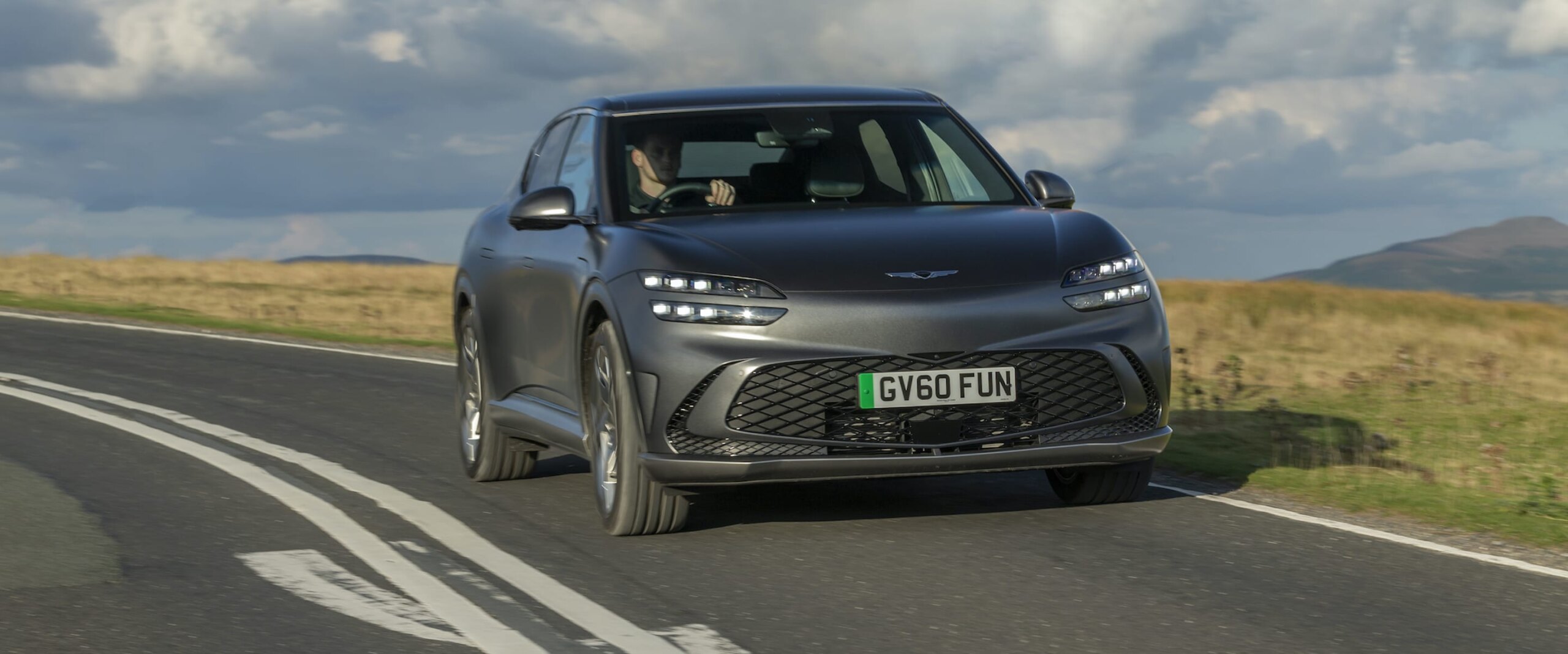
This week we’re driving the new Genesis GV60, which is the star of the Genesis show. It’s the company’s first dedicated electric car (rather than converting an existing petrol vehicle to electric power, which it has done with the GV70 SUV and G80 saloon).
If you’re still catching up on exactly who or what Genesis is, then we have a handy cheat-sheet here. But basically it’s the new premium brand from the Hyundai Group, which sits above Hyundai and Kia in the family and is aimed at existing premium car brands like Audi/BMW/Mercedes.
The GV60 is the car that’s really putting Genesis on the new car map in the UK. It’s the first Genesis model designed specifically for Europe rather than for America, and that very much shows in almost every aspect of how the car looks and drives.
What is it?
The Genesis GV60 is a mid-sized electric hatchback, which competes against premium electric rivals like the BMW i4, Polestar 2 and Tesla Model 3. It also has to compete for customers with hybrid alternatives like the Mercedes-Benz C-Class or BMW 3 Series.
It’s built on the same platform as the excellent EVs from Genesis’ sister companies within the Hyundai group – the Hyundai Ioniq 5 and Ioniq 6, and the Kia EV6 – but offers its own distinct style and set of features.
The GV60 went on sale in 2022, and has already received a few tech updates earlier this year. It’s available in three different versions, with either one electric motor (driving the rear wheels) or two motors (one for the front wheels and one for the rear wheels).
Who is this car aimed at?
Genesis is to Hyundai as Lexus is to Toyota or Audi is to Volkswagen. So the GV60 is aimed at customers looking for a premium label and experience rather than a mainstream name from the same overall company.
The company puts a lot of focus on its customer experience, with its customer-facing staff acting more like a hotel concierge than a car salesperson. With most cars on the market being perfectly decent vehicles, Genesis is aiming to make everything else around buying and maintaining your car as effortless as possible.
Genesis is also one of the first car companies to embrace car subscriptions. This is still a niche means of funding a new car, but is growing in popularity and other car brands are starting to pile in.
So if you can afford a nice new car but you’re time-poor and/or don’t want the hassle of managing a car, Genesis can take all of that drama off your hands so you can simply get on with your life.
Who won’t like it?
Anyone who prefers the security blanket of a familiar German badge, or believes that the Koreans can’t do luxury cars. They’re wrong, but they’re never likely to find out for themselves or believe anyone that tells them otherwise.
First impressions
Bring a press vehicle, we didn’t get to experience the famed ‘Genesis Difference’ customer experience that actual buyers get, with the designer-label showroom ambience and your own concierge to arrange collection and return of your car when it’s due for a service, or to help otherwise manage the various boring aspects of owning a car. We had a very nice bloke who dropped the car off but that’s about it…
If you’re ever wondering how to spot a car that’s been designed from the ground up as an EV, rather than a car that was originally designed as a petrol car but is also available with electric power, the Genesis GV60 offers a textbook example.
Looking from the side, the wheelbase (the bit of the car between the front and rear wheels) is quite long, while the overhangs (the bits ahead of the front wheels and behind the rear wheels) are quite short. This is because most of the big, heavy electric components – the motor, the battery and other bits – are mounted between the front and rear wheels, so there’s less stuff to hang out the front or out the back.
At the front, an electric motor is far more compact than a petrol or diesel engine, so everything is packaged up more neatly. Similarly at the rear, there’s no exhaust and no fuel tank to squeeze in so there’s less metal around and behind the rear wheels.
The GV60 isn’t really a tall SUV, but it’s also not really a low-down conventional hatchback – it’s kind of a halfway house, which is also becoming very standard for electric cars. This is because you’re sitting on top of the battery pack, which runs along the floor, so you’re sitting slightly taller than in a normal car but a bit lower than in most SUVs.
Styling-wise, the GV60 is very en vogue for an EV, with no gawping front grille that makes many petrol cars (such as other Genesis models) look like hungry whales. But is it really any more than just a ‘Taste the Difference’ Kia EV6? Let’s find out.
What do you get for your money?
Once we’ve got the first impressions out of the way, it’s time to look a bit harder at exactly what you’re getting for your money with the Genesis GV60.
The range starts with the ‘Premium’ model, which has a single 168kW (230hp) electric motor driving the rear wheels – this is the model we’re reviewing here. Pricing starts at about £54K.
Middle of the range is the ‘Sport’, which adds a second electric motor for the front wheels to provide all-wheel drive, and offers a total of 234kW (320hp) between the two motors. This adds an extra £4.5K, bringing you to about £58.4K.
Top of the tree is the Sports Plus, also all-wheel drive but with a substantially higher total power output of 320kW (460hp), which can be boosted up to 360kW (490hp) for ten seconds – you know, for those special occasions when 460hp just isn’t enough. Pricing also jumps substantially, starting at £67.5K.
Official driving range from the 77kWh battery is about 320 miles for the single-motor Premium model, and about 290 miles for the all-wheel drive models. The batteries can take a 350kW ultra-rapid charge (if you can find one in the UK), which would allow you to charge from 10% to 80% in less than 20 minutes. On a more common 50kW charger, you’re looking at about 1 hr 15 mins for the same charge.
Equipment levels are pretty decent on all models. Premium and Sport models get leatherette trim for the seats rather than actual cowhide, while top-spec Sport Plus offers soft Nappa leather (a £2,300 option on the lower models). You get 19-inch wheels on the Premium and 20-inch wheels on the Sport, while the Sport Plus gets 21-inch wheels and more advanced suspension.
New for the GV60 in 2023 is a bit of new tech called Face Connect. It’s a facial recognition system activated by a camera built into the B-pillar (the pillar behind the front door) that recognises your face, unlocks the car and allows you to drive away – without even having the key present. It sounds convenient and clever, but in our experience it worked about half the time, which is not good enough for you to be confident in leaving home without the car key. Speaking of keys, you can also use your phone as a digital car key, and share the code with four other people to allow them to unlock and drive away in your car.
We like: Decent equipment levels on all models, and all the key safety kit is standard as well We don’t like: Top-spec model looks a bit pricey compared to the other two. Face Connect not reliable.
Face Connect in action
What’s the Genesis GV60 like inside?
Like many EVs, there’s more room inside the Genesis GV60 than you’d expect by looking at the car – although boot space is better described as adequate than enormous.
The driving position is nice and, as mentioned earlier, you sit bit higher than in a regular saloon or estate. The view out the rear window is pretty limited due to a rear wing and the shape of the rear window. Our car had conventional wing mirrors, but you can optionally replace those with cameras and internal screens.
The seats have massaging abilities that range from mild to intense, with the idea being that it helps maintain circulation on longer journeys. We didn’t have any long journeys over the week to see whather they did reduce that numb-bum feeling, but in normal everyday driving the sensation wasn’t particularly enjoyable.
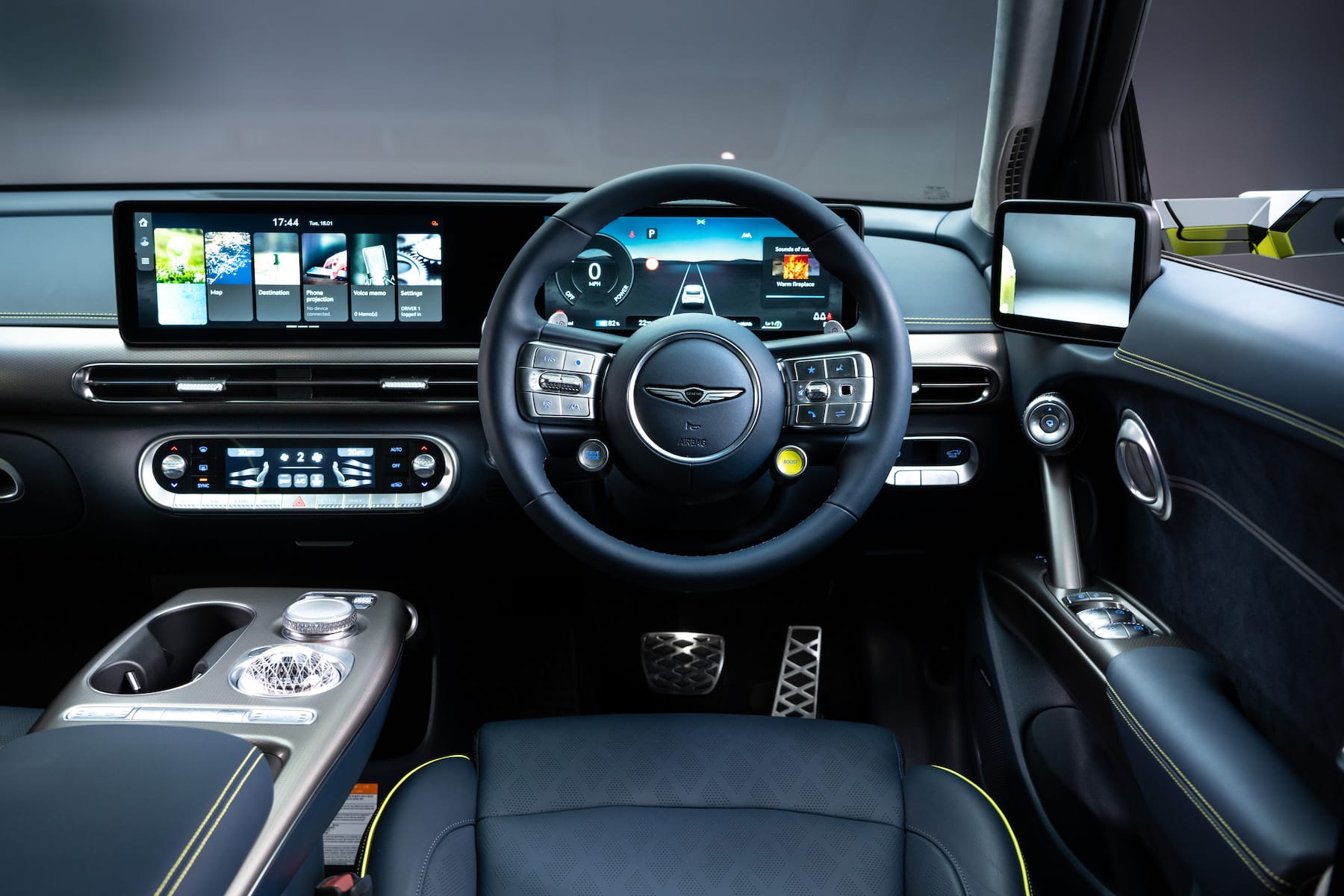
As is the case with a lot of new cars, the Genesis GV60 has two screens mounted side-by-side across the top of the dashboard – one for the driver’s instruments and information, and one for infotainment. There are a lot of settings you can play with here, and the manual isn’t especially helpful in guiding you through the myriad of menus and functions. Even after a week with the GV60, we hadn’t explored all of them in detail.
A good example of this is the in-cabin sound effects. You can choose from three different sounds for the car to play to replace the lack of traditional engine noise. So if you want your GV60 to sound like a spaceship, or a racing car, or to play some general sort of humming sound, you can. You can also adjust the volume and intensity of the sound. Or, as I did and most owners will probably do, turn the sound effects off altogether and enjoy the silent running that only an EV offers.
If you like the idea of delving deep into your car’s settings to get everything absolutely perfect, then you’ll love the personalisation available on the GV60. You can also save your settings to your individual driver profile, coded to your fingerprint so that everything is configured for you when you start the car. But if you just want to get in and drive without having to take lessons in how the operating system works, it’s not that intuitive.
One function that may come in useful is the ability to maneuvre the car forwards or backwards using the key as a remote control. It’s designed to help you get the car in or out of a tight parking spot but, over the course of our week with the GV60, it was far more useful at entertaining a six-year-old child every time we went out to the car…
We like: Substantial personalisation available for each driver We don’t like: Learning curve can be daunting and user manual isn’t particularly helpful
What’s the Genesis GV60 like to drive?
Lke most EVs, the GV60 can be as simple as you like to drive – get in, select D for drive, and away you go. Accelerate, brake, steer. Easy.
If you want more involvement, various settings and controls can come into play. Evo, Comfort and Sport may as well be described as slow, medium and fast, with the only noticeable difference being the response when you put your foot down.
Like most EVs, the GV60 allows you to adjust the amount of regeneration you get. If you’re an EV novice, that means you can adjust how quickly the car slows down when you lift off the accelerator pedal. You can let it coast like a normal petrol car, or you can set it to slow down more quickly (it feels like the brakes are being applied lightly), which returns more electricity to the battery. You can even drive it as a one-pedal vehicle a lot of the time (so it feels like you’re hitting the brakes just by lifting off the accelerator), without having to touch the brake pedal much at all.
The GV60 allows you to adjust these settings from paddles behind the steering wheel, much like the gearshift paddles on sporty petrol cars. This works well, and you can easily adjust how much braking effect you want by clicking the paddles for more or less braking effect – much like downshifting to increase your engine braking on a petrol car when going down a hill. Depending on your driving conditions, you can eke out a few extra miles from every charge by adjusting the braking effect to suit the conditions.
Despite the trim names Sport and Sport Plus, Genesis focuses more on luxury than performance. Most of the time, that sums up the GV60 driving experience well enough, as it’s a car that prefers a motorway to a twisty B-road. The ride on the Premium model is reasonable enough, although potholed roads still jar more than you’d like for a car that claims to be luxury-oriented.
Straight-line performance from the Premium model is plenty for most poeple. These days, 230hp (although EVs tend to use metric power figures, which is 168kW) isn’t a whole lot, although with EVs that power arrives instantly, rather than having to rev up to it as you do in a fossil-fuel car. It means a decent shove in the back when you put your foot down, but nothing overwhelming and it fades reasonably quickly if you keep accelerating. We have driven the Sport Plus version, which has twice the power, separately and it has a far more Tesla-like explosion of acceleration when you prod the accelerator pedal.
Regardless of acceleration, it’s not a memorable driving experience – but then, most customers aren’t looking for that. Being rear-wheel drive is certainly nicer than front-wheel drive when the weather’s good, although a front-drive car is easier to handle when the roads get icy in winter.
We like: Gearshift paddles allow to you precisely adjust the engine braking/regeneration levels from corner to corner We don’t like: Not as enjoyable to drive as a similarly priced BMW i4
How safe is the Genesis GV60?
Safety-wise, it’s all good news for the GV60. It was tested by Euro NCAP in September 2022 and awarded a five-star Euro NCAP safety rating with very good scores in every category. These scores cover adult protection, child production, vulnerable road user protection (basically minimising damage to pedestrians and cyclists in an accident) and, probably most importantly, the tech that helps you avoid an accident in the first place.
Importantly, every model gets all the safety kit, rather than key items being shoved onto the options list. Top marks to Genesis for that from us.
Charging the Genesis GV60
If you’re charging the single-motor GV60 from a wallbox at home, Genesis says that it will take about seven-and-a-half hours to charge the battery from 10% to full. So even if you are driving a couple of hundred miles every day, you can still comfortably charge overnight and be good to go again next day. In reality, the average household does about 100 miles a week, so its not a problem.
If you’re out and about and charging from a public charging station, the GV60 can take up to 350kW of rapid charging, which can get you from 10% to 80% of battery charge (equivalent to about 200 miles of charge) in 18 minutes. You won’t find a car that can charge much faster than that, although you’ll struggle to find a charging point that can deliver charge that quickly.
At a 50kW charging point, which is more common for public charging locations, charging up from 10% to 80% should take 73 minutes.
So long journeys are certainly manageable with a little planning – and this will only get better over time as more rapid charging points are installed all over the country.
The GV60 comes with two cables; a Type 2 cable for wallbox or public charging, and a Type 3 cable for connecting the car to a regular three-pin plug (although that would take more than a day to charge the battery). Both cables are about 5m long, which is about average. The charging point is on the right-hand side of the car, behind the rear wheel, which is a similar location to the petrol filler on many cars.
An optional extra on the GV60 is a V2L (vehicle-to-load) pack. This is a an adaptor that allows you to use the car’s battery to power electrical devices, like an outdoor fridge or light if you’re camping. It might be convenient if you do a lot of outdoorsy stuff, but it’s pricey at nearly £900.
To make paying for your electricity more convenient (although no cheaper), Genesis is rolling out an integrated Europe-wide charging payment system. That means you can charge your car at many public charging points without the need for dozens of different mobile apps or payment cards. We haven’t tried this, so can’t vouch for its effectiveness, but if it works well then it takes a significant hassle out of public charging.
Verdict
We drove the Genesis GV60 for a week immediately after driving the Nissan Ariya for a week, and the differences in the nature of the two vehicles (which were very similarly priced) was revealing.
We often hear that electric cars are ‘all the same’ and that they lack the individual character of a petrol car. Most of that is anti-EV nonsense, from people who have probably never driven an electric car for more than 15 minutes, but there’s no doubting that EVs are fundamentally alike in how they deliver their power. So it was surprising to feel such a noticeable difference between the GV60 and the Ariya.
The GV60 definitely feels like it has more layers to it, that you work your way through over time. A lot of that comes from the configuration settings. The Ariya feels more plug-and-play, and there are far fewer settings to play with. Which you prefer will depend on how much you tend to engage with your car – I loved fiddling with the various settings, whereas my other half thought it was all a bit unnecessary and overblown.
The rear-drive GV60 was also more enjoyable to drive, although still not as engaging as an old-school petrol car with a manual gearbox (not that many of those still exist on the new car market anymore).
Back to a question I posed earlier: Is it more than just a tarted-up Kia EV6 or Hyundai Ioniq 5? Yes and no. The driving experience isn’t significantly different, but the interior and overall character of the car do feel different – certainly moreso than the difference between an Audi Q4 e-tron and the Volkswagen ID.4, which is a very similar comparison as those two vehicles are basically the same car as well. And it’s better than either of those German EVs.
Model tested: Genesis GV60 168 RWD Single Motor Premium Price (as tested): £61,115 (including £7,210 in optional extras) Engine: single electric motor Gearbox: Single-speed automatic
Power: 168 kW / 230 hp Torque: 350 Nm Top speed: 115 mph 0-60 mph: 7.8 seconds
Electric range: 321 miles CO2 emissions: 0 g/km Euro NCAP safety rating:Five stars (Sept 2022) TCE Expert Rating:77% (as of Sep 2023)
Buy a Genesis GV60
If you’re looking to buy a new or used Genesis GV60, The Car Expert’s partners can help you find the right car.
Discover great deals available on both new and used cars. Find out more
Search for your next new or used car with Auto Trader. Find out more
Find your next used car with Motors.co.uk. Find out more
If you’re looking to lease a new Genesis GV60, The Car Expert’s partners can help you find a competitive deal
Personal contract hire deals from Carparison Leasing. Find out more
Personal contract hire deals from Hippo Leasing. Find out more
Personal contract hire deals from Rivervale Leasing. Find out more
Personal contract hire deals from LeaseLoco. Find out more
Subscribe to a Genesis GV60
Subscriptions are becoming a very popular way for consumers to try an electric car for a few weeks or months to help decide whether it’s a suitable alternative to a petrol car. If you’re interested in a car subscription, The Car Expert’s partners can help. (PS: What’s a car subscription?)
The high-performance Mercedes-AMG GLC will soon be available in both SUV and coupé-SUV body styles, with two uprated powertrains to choose from.
This ‘hot SUV’ now sits at the top of the second-generation Mercedes-Benz GLC line-up, which first went on sale at the end of last year. This new high-performance four-wheel drive GLC model line is currently limited to just the SUV bodystyle which arrived in August, but Mercedes has announced that ‘Coupé’ models are also set to go on sale in the UK.
The brand says that the new AMG GLC Coupé is the final model addition to the second-generation GLC range. This coupé-SUV has the same exterior looks as the standard SUV model, but with a sloping roofline and a more prominent lip spoiler in the rear.
Like the AMG SUV, the ‘Coupé’ line-up consists of two engine options. The range starts with the GLC 43 4Matic, which is powered by a 2.0-litre turbocharged petrol engine, producing 421hp (with an extra 14hp provided by a belt-driven starter/generator) and a 0-62mph sprint time of 4.8 seconds. Top speed is electronically limited at 155mph.
The top-spec option is a hybrid – the GLC 63 S E Performance. This hybrid pairs a 2.0-litre petrol engine with a rear-mounted electric motor and a 6kWh battery pack, providing up to 680hp. This model can reach 62mph in a reported 3.5 seconds and also has a higher top speed – 170mph. Both models are fitted with a nine-speed automatic gearbox.
The Mercedes-AMG team adds that it has been able to improve the hybrid’s battery efficiency, giving this AMG GLC range lower emissions and lower consumption figures.
Performance-boosting alterations include a limited slip differential to increase traction at high speeds, a ‘AMG Dynamics’ package which improves electronic stability and steering response, and a ‘AMG Ride Control’ pack that adjusts the suspension to improve comfort on uneven road surfaces.
The coupé-SUV also comes with rear-axle steering as standard for shorter turning circles and a sporty exhaust system upgrade that amplifies the sound of the engine.
That sums up what we know about the Mercedes-AMG GLC Coupé at the moment. The model’s UK pricing and official arrival date are yet to be announced, but are sure to follow in the coming weeks.
Sitting between the smaller GLA and larger GLE in the Mercedes-Benz SUV family, the GLC currently holds an Expert Rating of 71%. The range is praised for its class-leading infotainment and its spacious and well-equipped interior, though some reviewers have explained that the car has slightly firm ride comfort.
This week has seen a flurry of news for the car industry as a result of the prime minister, Rishi Sunak, announcing that the ban on new petrol and diesel cars would be pushed back from 2030 to 2035. But everything isn’t quite as it seems…
A combination of long lead times for car manufacturers, the government’s upcoming Zero Emission Vehicle mandate (explained below), and next year’s general election, means that not much is really going to change as a result of the government’s latest policy u-turn.
What did the prime minister announce?
On Wednesday, Rishi Sunak announced that the government’s ban on the sale of new petrol and diesel cars (and hybrids) was being pushed back from 2030 to 2035.
This reverses the previous plan championed by former prime minister, Boris Johnson, which said that no new petrol/diesel/hybrid cars could be sold from 2030 onwards, with new plug-in hybrid sales phased out in 2035. Johnson had pulled the deadline forward from its original date of 2040.
Under the new plan, there will be a single deadline for all new petrol, diesel, hybrid and plug-in hybrid vehicles of 2035. After that, it will be zero-emission cars only – which currently means battery-powered electric vehicles.
This is the same timeframe that has been adopted by the EU and many other governments, whereas the UK had previously been ahead of the curve in phasing out new fossil-fuel cars.
Sunak also stressed that you’ll still be able to buy used petrol and disel cars after 2035, which he tried to make sound like an additional gift to us all. But that was always the case anyway so it changed absolutely nothing.
So – in theory – you’ll still be able to buy a new petrol or diesel car right through until 31 December 2034. The reality, however, may well be quite different.
Why did he do this?
Despite the best attempts of Downing Street to make it sound like the prime minister was doing us all a favour and that it was in some way connected to the cost-of-living crisis, it was nothing of the sort.
This u-turn is nothing more than an attempt to shore up Sunak’s support from a rebellious Tory back bench, and a desperate attempt to cash in on EV uncertainty ahead of a general election next year.
Various Conservative MPs are worried that they’ll lose their seats at the next election due to public fear and misguided belief about being forced to give up their petrol cars in six years’ time (which is not and has never been the case). Helped by regular EV bashing from the right-wing media, they think they’ve now succeeded in pushing back against the enemy of ‘Net Zero’. In reality, they’ve done nothing of the sort.
This fear and doubt has been stirred up by the massive expansion of the London Ultra Low Emission Zone, a deeply unpopular move by the Mayor of London, Sadiq Khan (a Labour politician), to tax older petrol and (not that old) diesel cars entering pretty much any road inside the M25.
In the one by-election the Tories haven’t lost this year (in a seat that Labour hasn’t won for about 50 years), ULEZ was a highly contentious issue. Having completely misunderstood why the ULEZ expansion has been so unpopular, the geniuses inside Downing Street decided to weaponise climate change scepticism on a national level in order to help their re-election chances.
So we have ended up with the bizarre scenario where a small number of Boris-loving, Brexiteer backbenchers have forced the prime minister to abandon Boris Johnson’s policy in favour of copying the EU. You couldn’t make it up…
How did the car industry react?
Unsurprisingly, not well. Ford was first out of the blocks with a statement even before the prime minister had made his u-turn, saying: “Our business needs three things from the UK government: ambition, commitment and consistency. A relaxation of 2030 would undermine all three”.
In the hours after the prime minister’s announcement, my inbox and LinkedIn feed filled with similar statements from across the industry. The only one that was unequivocally in favour of the decision was – unsurprisingly – from the Petrol Retailers’ Assocication.
For the automotive industry, these sort of blatantly political games are hugely destabilising for their planning, especially for those companies who have invested heavily in the UK – or have announced plans to do so. You can be sure that there have been a number of urgent high-level board meetings in car company offices around the world, with executives questioning whether or not investing money in the UK is a sensible idea.
So car companies will now keep selling petrol cars for another five years?
Not necessarily. There might be some, but these are likely to be niche manufacturers. So if you’re currently saving for a new petrol-engined Ferrari and expect to have enough money by 2032, you might be in luck.
Most big-volume car companies won’t be radically changing their plans just yet. For a start, there’s always the possibility that the government could make yet another u-turn. Then there’s next year’s general election to think about, and also the ‘Zero Emission Vehicle mandate’ (we’re coming to that). Plus, many car companies will simply decide that it’s too late to significantly change their plans.
Building cars is a long-lead business, with complex supply chains and enormous investments over long periods of time. It takes seven to ten years to take a new car from an initial idea to full production, and that car will usually be in production for about seven or eight years, with a few updates along the way.
That means that car companies are already working on their post-2030 cars, and have already locked in their plans for winding down production of their fossil-fuel models between now and 2030. Those plans can’t easily be changed.
Car manufacturers have already phased out most diesel models and are currently spending billions of pounds rolling out new EVs to progressively replace their petrol and hybrid models. That’s not something they can simply pause for another five years.
As an example, Vauxhall announced a year or so ago that it would only sell EVs by 2028, with no new petrol, diesel, hybrid or plug-in hybrid models beyond that date. Going back on that would be logistically difficult at this late stage.
Some car companies may be able to continue selling some petrol and diesel cars up until 2035, but others won’t.
What is the Zero Emission Vehicle mandate and why does it matter?
When Boris Johnson announced the date for the ban on new petrol and diesel cars was being pulled forward to 2030, he didn’t actually put any plan in place to make it happen. He simply announced a policy and then left everyone else to sort it out.
Belatedly, the government came up with the idea of a Zero Emission Vehicle mandate. This forces car manufacturers to sell a minimum number of electric cars each year, starting at 22% in 2024 and increasing each year up to 80% in 2030. If the car companies fail to hit their targets, they can be fined up to £15,000 per car.
Despite this week’s announced delay to phasing out new petrol and diesel cars, the government says that the mandate will be continuing (although it hasn’t even been formally confirmed in the first place, and we’re only about three months from it coming into effect).
If the mandate continues unaltered, then this week’s announcement is almost meaningless. The same number of EVs will have to be sold by 2030 (80% of all new car sales), with the only difference being that the remaining 20% can still include petrol/diesel/hybrid cars, rather than only plug-in hybrids.
Will this hurt the car industry?
By undermining consumer and business confidence in EVs, Sunak is making it harder for car companies to sell them at exactly the time they need to be ramping up EV sales to hit the mandate targets.
That, in turn, means that they will be forced to sell fewer petrol/diesel/hybrid cars or pay enormous fines. This will hurt existing big-name car companies the most, as they’re also facing the threat of new EV-only Chinese brands arriving en masse to undercut them on price. That will inevitably make it even harder for them to hit their mandate targets.
There will be some horse trading of credits (car companies will be able to buy and sell their EV credits among one another), but it could well mean that some struggling European and Japanese companies get pushed out of the UK altogether.
What will Labour do if it wins the next election?
There will be a general election in the UK next year (or at the latest by January 2025, so there will certainly be an election campaign if not the vote itself). Currently, Labour is the hot favourite to win that election.
In the wake of Sunak’s press conference, Labour confirmed that it would revert to the 2030 date if it wins the election. That simply provides another reason for car companies not to change any of their plans just yet.
Media misinformation
There has been a concerted campaign from much of the right-wing-leaning media to demonise electric vehicles at every opportunity. Almost daily, there’s another article bashing EVs or calling for the abandonment of the government’s targets for achieving Net Zero across the country by 2050.
There is plenty of concern from the public about the cost of electric cars and the question of being able to charge them, as we covered when we took an EV on a 1,000-mile road trip in summer. There are also entirely understandable questions about things like battery life and fires.
But the reality is that most of these concerns and questions have been answered and explained. There are positives and there are negatives to the shift from fossil fuels to electric power, but the overall move is a step forward – even if it’s two steps forward and one step back.
The anti-EV sections of the media also tend to assume that the current state of EV technology and charging will simply continue forward, when there’s actually enormous development going on that is rigorously addressing every weakness in EV tech while continuing to advance the strengths.
What about buying a used car?
Roughly 90% of households buy used cars rather than new cars, which means that the 2030/2035 deadline is largely irrelevant anyway. Of the approximately 10 million cars and vans sold in the UK each year, only about 2 million are new – and fewer than half of those are bought by private customers, with the majority being bought by fleets.
That means that only about 10% of familes would potentially be affected by the shift in the fossil-fuel deadline, and they are usually wealthier households with more disposable income to spend on a car.
You will still be able to buy and sell used cars of any kind well after the 2035 deadline. That has always been the case, and nothing has changed.
Realistically, the supply of near-new petrol cars will start drying up in the early 2030s as the majority of new cars become electric. The supply of near-new diesel cars is already showing this, as these are already being phased out by most car manufacturers (apart from large SUVs, where they still sell in reasonable numbers).
Older petrol and diesel cars will remain in plentiful supply until they finally wear out, or when the day comes when they are forced to be scrapped.
When will I have to give up my petrol car?
At this stage, there is no date for the removal of existing fossil-fuel cars from our roads. The general guess is 2050, simply because that’s when the government has to be at ‘Net Zero’ emissions, and fossil-fuel cars can’t meet that requirement.
By the time that anyone is ‘forced’ to buy an electric car, the technology and charging infrastructure will have both developed substantially – and costs will have also come down. If it’s not right for you right now, you can continue driving your fossil-fuel or hybrid car for as long as you like before you make the switch.
Summary
So what has the prime minister’s bombshell annoucement achieved?
He has undermined businesses confidence in the UK, which will almost certainly slow down the roll-out of vital new charging infrastructure. It may even see car companies redirecting investment out of the UK and into other countries.
He has undermined consumer confidence in electric vehicles, which will reduce demand in the short term. That means that if you already own an EV, he’s probably knocked a few thousand quid off the value of of your car. If you’re a car company or dealer selling EVs, your job just got harder.
Notably, he hasn’t offered any new money to help accelerate the roll-out of more charging infrastructure, which remains the number one obstacle to faster adoption of electric vehicles.
And in the end, he’s not actually going to slow down the shift from fossil-fuel cars to electric vehicles because the key policy that dictates how EV sales must be ramped up by 2030 is apparently not going to be changed. So any new petrol/diesel/hybrid car sales after 2030 must be coming at the expense of plug-in hybrids, which is frankly no great loss anyway.
That means that Rishi Sunak has announced a policy that has undermined the entire automotive industry, raised serious concerns about the value of investing in the UK, damaged consumer sentiment about electric vehicles and made Britain look weak on environmental issues – all to achieve nothing at all, except for temporarily appeasing a small number of climate-change-denying Tory MPs.
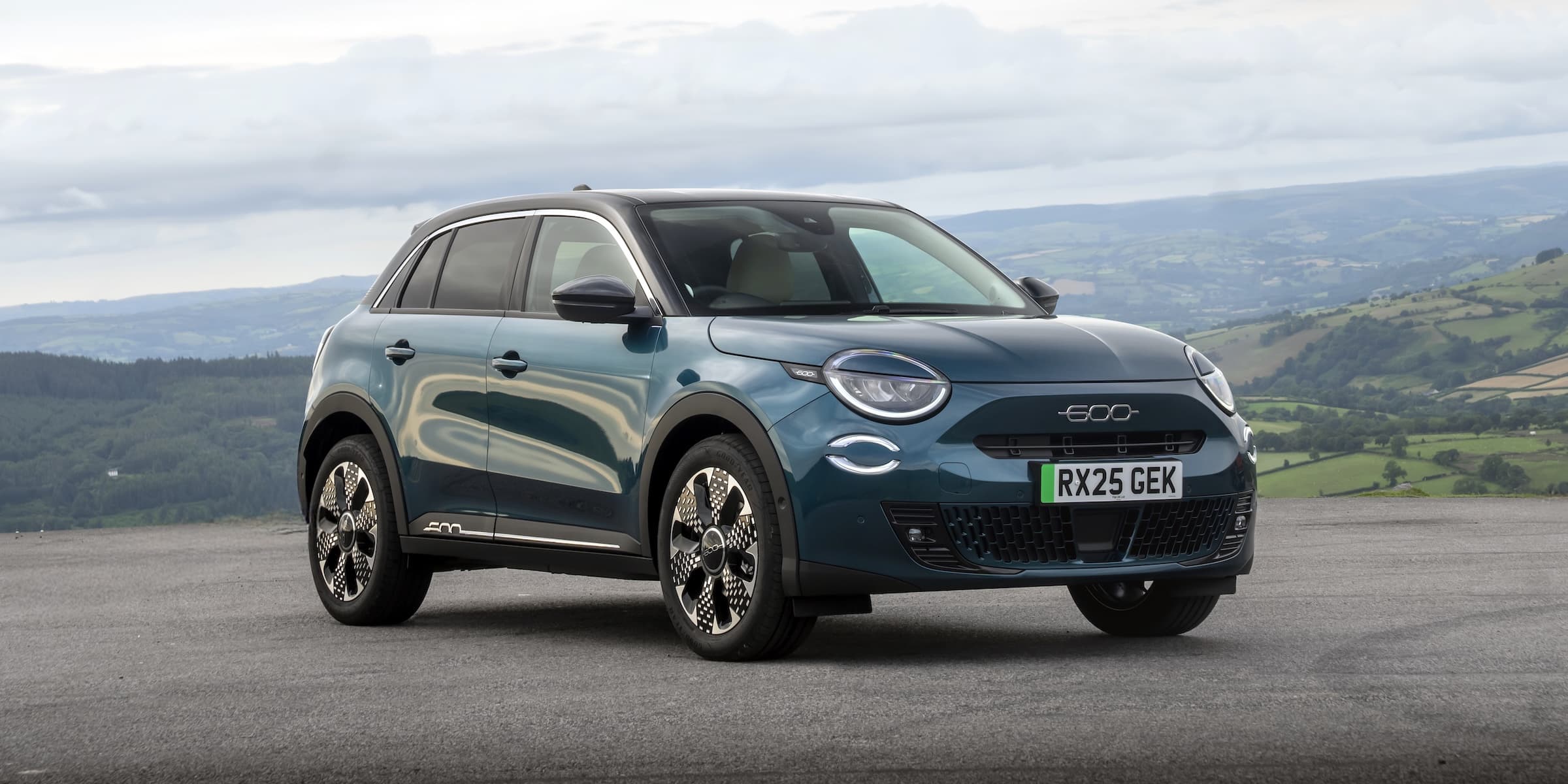
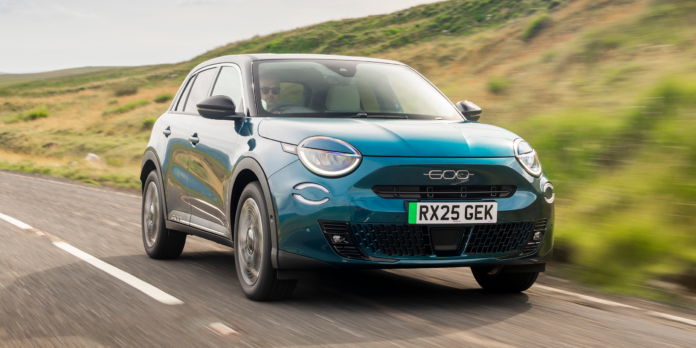
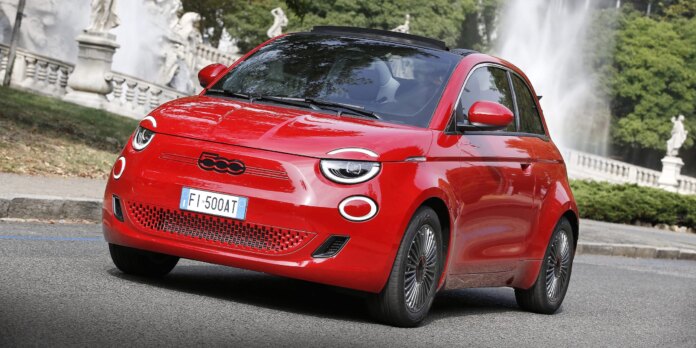
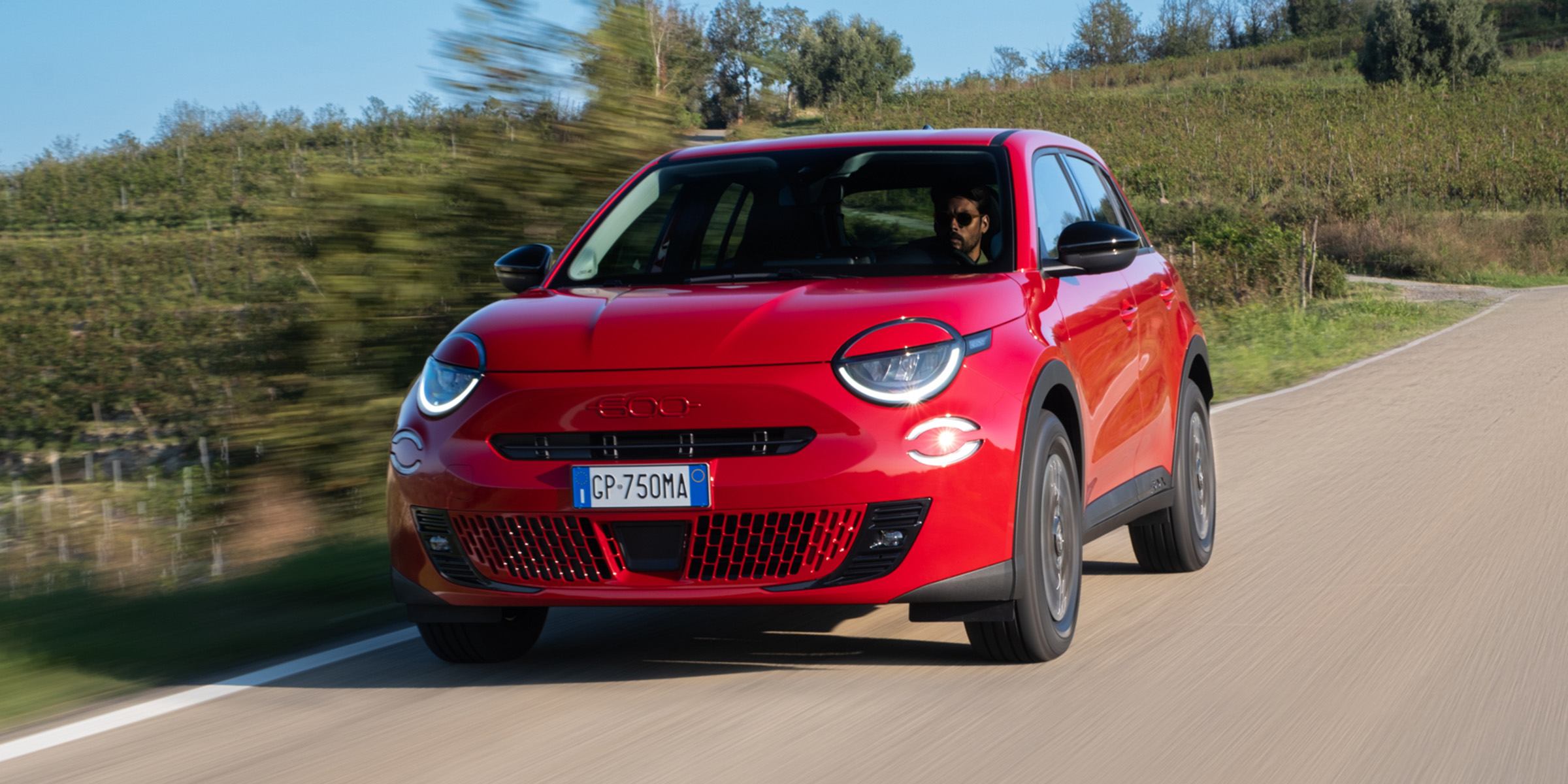
The Fiat 600e is an electric compact SUV/crossover with similar exterior styling to its smaller 500 hatchback sibling which shares its foundations and powertrain with the Jeep Avenger crossover.
British reviewers conclude that the Fiat is stylish, competitively priced and offers a comfortable driving experience, but that it is ultimately hard to recommend. While the SUV is considered a good pick when compared to other electric crossovers from the likes of Jeep, Peugeot and Vauxhall in the Stellantis group, the class-leading Kia Niro EV is deemed to be a better choice.
“The 600e is the high watermark in a crashing sea of mediocrity from Stellantis”, says Parker‘s Luke Wilkinson. “If you look outside the group, you’ll find plenty of objectively better small electric SUVs that we think you should consider first.”
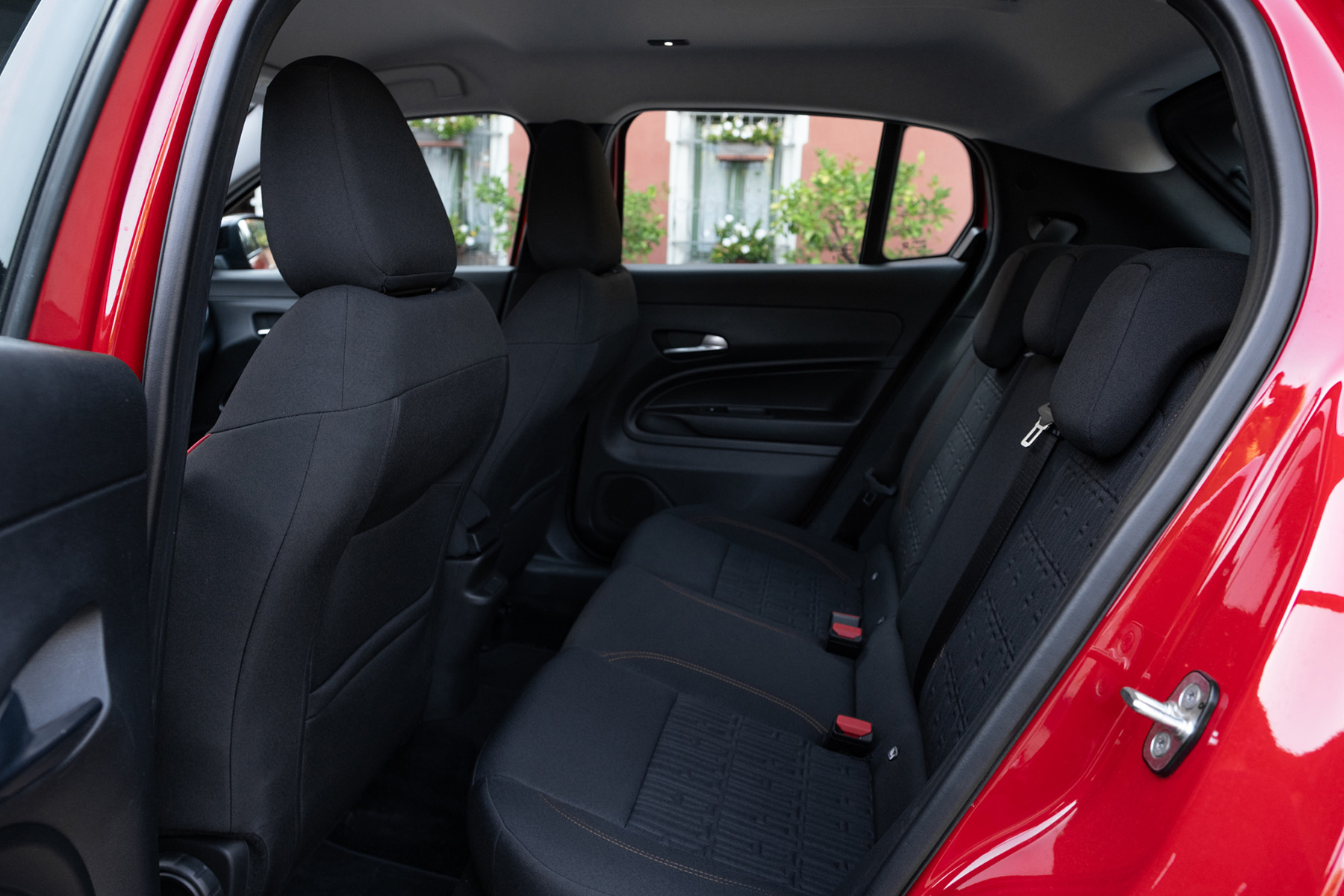
“Fiat needs to try harder”, says the Top Gear team, which concludes that its rivals are better to drive and more interesting. Other outlets take issue with the 600e’s compact size, Tom Jervis of Driving Electric explaining that the crossover has a “cramped interior.”
As of August 2025, the Fiat 600e holds a New Car Expert Rating of B with a score of 68%. It scores top marks for its low running costs and zero tailpipe emissions, but its new car warranty is only average and its media reviews to date have been poor. As yet, we don’t have a Euro NCAP safety rating for the 600e and it’s too new to have any meaningful reliability data.
Model reviewed: Range overview Score: 8 / 10 “It’s decent to drive, retains just about enough of the Italian brand’s style-focused dolce vita, and while it’s not the last word in practicality, there should be enough space here for many customers looking at small SUVs.” (John McIlroy) Read review
Auto Trader
Model reviewed: Range overview Score: 8 / 10 “The Fiat 600e compact electric crossover is a keenly priced and stylish player in the increasingly competitive small EV market.” Author: Dan Trent Read review
Business Car
Model reviewed: La Prima 54kWh Score: 7 / 10 “Fiat aims to capitalise on the success of its 500e with a larger model – the result is a decent all-round EV package. The Fiat 600e is a clever extension of the brand using Stellantis knowhow, but whilst its sister car the Jeep Avenger costs more, it is also the more capable drive.” Author: Martyn Collins Read review
Car
Model reviewed: Range overview Score: 6 / 10 “The 600e is a good first effort from Fiat, but the company still has a long way to go before it can even think about squaring up to the best small electric SUVs on sale.” Author: Luke Wilkinson Read review
Carbuyer
Score: 8 / 10 “The Fiat 600e is not without its faults, but is good to drive and brings a touch of trendiness to the electric SUV class.” Author: John McIlroy, Charlie Harvey Read review
Driving Electric
Model reviewed: Range overview Score: 8 / 10 “Almost as stylish as the smaller 500e, the Fiat 600e is a desirable small electric crossover with decent range, but a cramped interior.” Author: Tom Jervis Read review
Electrifying.com
Model reviewed: Range overview Score: 9 / 10 “The Fiat 600e shares most of its hardware and powertrain with the Jeep Avenger, is well equipped and competitively priced. We also love that it’s genuinely quite small; it’s in between a VW Polo and VW Golf in length.” Author: Vicky Parrott Read review
Heycar
Model reviewed: Range overview (including petrol and hybrid models) Score: 7 / 10 “The Fiat 600 has a cheery and likeable character, and should appeal to many thanks to the offering of both electric and hybrid versions. Just don’t go expecting it to be the most practical or enjoyable car of its type.” Author: Matt Robinson Read review
Honest John
Score: 6 / 10 “The Fiat 600e is a likeable electric SUV, offered with a simple range line-up and efficient electric motor. We don’t think it’s quite as appealing as the smaller 500e, though, while rivals like the Hyundai Kona Electric are better all-rounders.” Read review
Parkers
Model reviewed: Range overview Score: 6 / 10 “The 600e is the high watermark in a crashing sea of mediocrity from Stellantis. If you look outside the group, you’ll find plenty of objectively better small electric SUVs.” (Luke Wilkinson) Read review
Regit
Score: 8 / 10 “The Fiat 600e is a fabulous five-door car that oozes charm and is very easy to drive while ticking lots of practicality boxes along the way. It has a decent driving range between charges and is also competitively priced.” Author: Maxine Ashford Read review
The Sunday Times
Model reviewed: Range overview Score: 6 / 10 “It looks good on the outside, it’s terrific value for money, and the interior is cheerful with some nice heritage touches. It can’t be ignored that in terms of driving manners the 600e isn’t quite as good as other Stellantis cars using the same hardware.” Author: Matt Robinson Read review
The Telegraph
Model reviewed: La Prima Score: 6 / 10 “There’s quite a lot to like about the Fiat 600e, an electric family car which is neither rocket-ship fast, nor so stiffly suspended it rattles out your fillings, nor so expensive it’s only really unattainable by the well-heeled upper classes. Yet, since it costs the same to make a great-looking car as a bland one, you wonder why Fiat’s designers didn’t opt for the former. Those brakes are a pain and the steering could have been a lot better. It’s cheap, spacious and comfy, and a decent if more expensive rival for the MG4 and BYD Dolphin.” Author: Andrew English Read review
Top Gear
Model reviewed: Range overview Score: 6 / 10 “Ticks all the rational boxes, but rivals are better to drive and more interesting. Fiat needs to try harder.” Read review
Which EV?
Model reviewed: Range overview Score: 7.3 / 10 “There’s plenty to like about the Fiat 600e. It manages to have some Fiat style despite its compact SUV form. The price isn’t hideous, albeit not cheap either, and it’s a comfortable ride. However, range and performance are behind similarly priced competitors. The rear seat and boot space are also less than other options. In other words, there are lots of alternatives from other brands you could consider instead.” Author: James Morris Read review
Safety rating
Independent crash test and safety ratings from Euro NCAP
No safety rating
As of August 2025, the Fiat 600e has not been tested by Euro NCAP.
Eco rating
Independent economy and emissions ratings from Green NCAP
No eco rating
As of August 2025, the Fiat 600e has not been tested by Green NCAP.
The Green NCAP programme measures exhaust pollution (which is zero for an electric car) and energy efficiency. Electric cars are much more energy-efficient than combustion cars, so the 600e is likely to score very highly in Green NCAP testing if and when it takes place. Check back again soon.
Running cost rating
Monthly cost of ownership data provided exclusively for The Car Expert by Clear Vehicle Data
Battery range
Average
Score
Variation
Score
EV models
253 miles
B
Electrical efficiency
Average
Score
Variation
Score
EV models
4.7 m/KWh
A
Insurance group
Average
Score
Variation
Score
All models
26
C
Service and maintenance
Cost
Score
Year 1
£153
A
Year 2
£359
A
Year 3
£608
A
Year 4
£743
A
Year 5
£1,016
A
Overall
£2,879
A
The Fiat 600e is a very affordable car to won and run, according to five-year running cost data provided exclusively to The Car Expert by our technical partner, Clear Vehicle Data.
Electrical efficiency (the EV equivalent of fuel economy in a petrol or diesel car) is excellent, allowing the 600e to have a very good driving range despite a relatively small battery size.
Servicing and maintenance costs should be very good for the first five years, while insurance costs should also be competitive.
Reliability rating
Reliability data provided exclusively for The Car Expert by MotorEasy
No reliability rating
As of August 2025, we don’t have enough reliability data on the Fiat 600e to generate a reliability rating.
The Car Expert’s reliability information is provided exclusively to us using extended warranty data from our partner, MotorEasy. As soon as MotorEasy has sufficient data on the 600e, we’ll publish the score here.
Warranty rating
New car warranty information for the Fiat 600e
Overall rating
C
58%
New car warranty duration
3 years
New car warranty mileage
100,000 miles
Battery warranty duration
8 years
Battery warranty mileage
100,000 miles
Fiat’s new car warranty is pretty much the bare minimum offered in the UK, with a duration of three years and a limit of 60,000 miles. Other rivals in the price bracket do better (and in some cases, much better).
In addition to the standard new car warranty, the 600e has an eight-year/100,000-mile warranty for the battery components.
Buying a used Fiat 600e
If you are purchasing an ‘Approved Used’ Fiat 600e from an official Fiat dealership, you will get a minimum six-month warranty included.
If you are buying a used Fiat 600e from an independent dealership, any warranty offered will vary and will probably be managed by a third-party warranty company.
If you are buying a used Fiat 600e from a private seller, there are no warranty protections beyond any remaining portion of the original new car warranty.
If you’re looking to buy a used car that is approaching the end of its warranty period, a used car warranty is usually a worthwhile investment. Check out The Car Expert’s guide to the best used car warranty providers, which will probably be cheaper than a warranty sold by a dealer.
Similar cars
If you’re looking at the Fiat 600e, you might also be interested in these alternatives.
Find your next new or used car with Auto Trader. Find out more
Find your next new or used car with Carwow. Find out more
Lease a Fiat 600e
If you’re looking to lease a new Fiat 600e, The Car Expert’s partners can help you find a competitive deal.
Personal contract hire deals from Leasing.com. Find out more
Personal contract hire deals from Carwow. Find out more
Personal contract hire deals from Select Car Leasing. Find out more
Subscribe to a Fiat 600e
Subscriptions are becoming a very popular way for consumers to try an electric car for a few weeks or months to help decide whether it’s a suitable alternative to a petrol car. If you’re interested in a car subscription, The Car Expert’s partners can help. (PS: What’s a car subscription?)
They have been trialled and now they are part of Welsh motoring law – Wales now has a default 20mph speed limit on most roads in residential and built-up areas.
These controversial new 20mph speed limits quietly came into law in the middle of September, with the Welsh Senedd claiming that they will reduce road deaths and noise, and encourage more people to walk or cycle for their daily commute.
The new limits have been highly unpopular. Despite support from those who have sadly lost loved ones in motoring accidents, ministers are now facing a petition against the new 20mph speed limits with around a quarter of a million signatures from Welsh residents. The issue remains a hotbed of discussion on the Senedd floor.
Beyond the politics, Welsh drivers – as well as anyone visiting Wales – will have many questions as to how these lower speed limits will affect them on a daily basis. Here’s what you need to know.
Why the change?
The Welsh government cites the successful implementation of 20mph (approximately 30km/h) limits in several European countries in recent years. It predicts that reducing the default speed limit to 20mph will lead to 40% fewer collisions on Welsh roads, and 1,200 to 2,000 people avoiding injury each year.
The government says the new policy will make streets safer for playing, walking and cycling, reduce pollution in built-up areas, and will encourage more people to walk or cycle instead of using the car.
If you live in Wales, you might have noticed that the government has recently been trialling new 20mph speed limits across the country. With those trials now complete, it reports that the average speed decreased by 3mph on those roads. It also argues that for every 1mph reduction in speed, the number of collisions in urdan environments reduces by an average of 6%.
Where is the 20mph speed limit in effect?
20mph is the new default speed limit, so if you are driving on a residential road with no speed signage, you must assume that the limit is 20mph.
However, it’s a bit more complicated than that. There are many roads across the country that are exempt from the new limits, and still have the old 30mph speed limit. They should have the correct signage in place by now, but this map will show you where those exemptions are.
Will we see more speed bumps installed in Wales?
Governments all over the world regularly use speed bumps (or ‘sleeping policemen’) to slow traffic in residential areas, and there has been concern that the lower speed limits will be accompanied by more of these traffic-calming measures.
The government says this won’t be the case, but we’ll have to wait and see.
Will I be fined for sticking to the old limit?
In short, yes. If you are caught driving 30mph on a 20mph residential road you could be pulled over by the police and, in theory, be fined a minimum £100 and get three penalty points.
The police have explained that they will be proportionate and reasonable for the first 12 months, although this is obviously not an excuse to ignore the new speed limits.
“We won’t be taking enforcement action against those people who are actually engaging with us and trying to bring their speed down”, says South Wales Police assistant chief constable Mark Travis, “so they won’t receive a fine.”
Speed cameras in Wales, which are operated by a company called GoSafe, have been adjusted to reflect the new speed limit. The company has announced that its cameras will only penalise those driving at 26mph and over while the public get used to the change. Again, that’s not an excuse to exceed the speed limit, and the old excuse about “my speedometer said I was under the limit” won’t fly…
Will the lowering of the speed limit add to my journey times?
This is the key point of criticism brought forward by the petition, which suggests the scheme will cause ‘absolute carnage’ on the roads. While that language may be a touch strong, it’s obvious that driving at 20mph rather than 30mph will mean journeys take longer.
The Welsh government strongly refutes this (which suggests ministers have a different understanding of how maths works from the rest of us). It argues that a similar policy in Spain, which reduced limits to 20mph on single carriageways, had no such effect.
Why are bicycles allowed to overtake me when I am driving at 20mph?
The Highway Code in Wales has been updated so that the default speed limit for motorists is 20mph, but this does not include cyclists. Strictly speaking, there is no speed limit for cyclists, and so they are free to overtake cars in 20mph zones.
Peugeot has announced that an all-electric range of models has now joined its 308 line-up, which already includes petrol, diesel and plug-in hybrid variants.
The new Peugeot e-308 inherits the exterior styling of its combustion-powered 308 counterpart, but is instead powered by a new electric powertrain that pairs a 54kWh battery with 156hp motor to produce a promised all-electric battery range of 257 miles from full charge.
The electric hatchback versions are now available to order in the UK – the ‘SW’ estate variants will join the range later in 2023. An 11 kW charger is provided with the e-308 as standard, and the manufacturer adds that 100kW rapid charging is also available, which can reportedly charge the battery from 20% to 80% in 25 minutes.
While the standard petrol-powered 308 is available with five trim choices, the new e-308 is only offered with the mid-range ‘Allure’ and ‘GT’ trim grades. That said, ‘First Edition’ e-308 models are also included at launch – this being a limited-volume special model available for a higher fee.
Starting with the ‘Allure’ trim, this lead-in grade includes redesigned 18-inch alloy wheels that Peugeot says “improves aerodynamic efficiency”, a chrome finish for the front grille, heated front seats and a heated steering wheel. A reversing camera also comes as standard, as does a ten-inch infotainment touchscreen that comes with a dedicated display mode for monitoring all aspects of the electric powertrain.
‘GT’ models introduce more advanced Matrix LED headlights and LED taillights, a ‘GT’ specific grille pattern, wider side sills, Alcantara leather seats and an aluminium trim on the dashboard and door panels. An eight-colour ambient lighting system is also included with this grade, as are front parking sensors.
Limited-run ‘First Edition’ models come with all of the tech previously mentioned, but with a unique interior finish that combines cloth, leather effect and Alcantara materials, and front headrests are embossed with the Peugeot logo.
Now on offer, pricing for the Peugeot e-308 starts at just above £40k. This is markedly more expensive than key rivals like the MG 4 and Volkswagen ID.3.
Awarded the accolade of ‘Women’s World Car of the Year’ in 2022, the Peugeot 308 hatchback and estate model have both received a warm reception from the UK motoring media. The range currently holds an Expert Rating of 70%.
Audi has given its Q8 and SQ8 SUV range a small mid-life refresh, including cosmetic changes and an infotainment upgrade.
This update follows on from the all-electric Q8 e-tron’s facelift last year (formerly named the ‘e-tron’), and introduces some minor exterior alterations to the Q8 range, to keep the car competitive with rivals like the Mercedes-Benz GLC and BMW X6.
The most notable styling change is the updated front grille, which now sports a different pattern with wider slats. The LED headlights are the same shape but have a new light signature pattern, and the alloy wheels have been given a new design too to keep the model looking fresh.
OLED tail lights will be available as an option in the rear for the first time. The headlights and these optional tail lights can both be customised using the infotainment screen on the dashboard.
2023 Audi Q8
This infotainment has also been given a small app update that sees the likes of Spotify and Amazon Music built in for the first time. The digital instrument cluster behind the steering wheel also displays sharper HD graphics. Otherwise, the interior layout is practically the same, as are the infotainment screen and climate control screen on the dashboard.
The Sportier Audi SQ8 model has been given the same grille and headlights treatment, but with the addition of some silver grille and air intake surrounds and a silver rear diffuser, with the latter installed above a quad tailpipe exhaust system.
2023 Audi SQ8
The engine options remain the same. The Q8 range consists of two 3.0-litre diesels or a 3.0-litre V6 petrol, while the more powerful SQ8 is powered by a 507hp 4.0-litre V8 engine, which can complete a 0-60mph in a reported 4.1 seconds.
Three trims will make up the standard grade choices – ‘S line’, ‘Black Edition’ and ‘Vorsprung’. Audi adds that a limited-run ‘Launch Edition’ will also be available to order when the updated Q8 officially arrives on 10th October. The first customer deliveries are scheduled for early next year.
Audi has announced that pricing for the new range will start north of £75k when the facelift becomes available to order, rising to just shy of £100k for the top-spec model. The sportier SQ8 range instead starts at £97k, rising to £117k for the ‘Vorsprung’ edition.
The Audi Q8 has been widely praised for its practicality and strong performance, though reviewers also point out that the car’s most desirable features are optional extras that seriously hike up the final price, and some outlets are not fans of its rather polarising front end styling. The SUV currently holds an Expert Rating of 65%.
Fiat has expanded its all-electric range with the addition of the compact Fiat 600e crossover, which will be available to order in the UKnext month.
Sharing its foundations with other Stellantis group offerings like the electric Jeep Avenger and Vauxhall Mokka Electric, the 600e will rival the likes of the new Hyundai Kona Electric and Kia Niro EV upon arrival.
Sporting many of the same styling cues as its smaller 500 city car sibling, the crossover will be available with alloy wheels up to 18-inches in size. Fiat adds that the car’s turning circle is 10.5 metres – “which is among the best in this class” – and that the new 600e is around 10% lighter than Fiat’s current compact crossover option, the 500X.
Powered by a 54kWh battery and 154hp electric motor pairing, Fiat claims the new crossover will be able to muster “more than 250 miles” on a single charge. The model can reportedly accelerate from 0-62mph in nine seconds flat.
The car comes with an 11kW charger as standard and can also charge at speeds of up to 100kW. At this speed, the battery can charge from 0% to 80% in around half an hour.
Inside, the 600e comes equipped with a seven-inch digital instrument cluster behind the steering wheel and a ten-inch infotainment system in the centre of the dashboard. The boot will offer 360 litres of storage space – five litres more than the similar Jeep Avenger.
Two trims will be available at launch – the entry-level ‘Red’ edition and the range-topping ‘La Prima’. LED headlights and LE daytime running lights are included as standard, as are rear parking sensors, a synthetic leather steering wheel and keyless entry.
The ‘La Prima’ features upholstery trimmed in the same synthetic leather, replacing the standard black fabric. This trim also adds adjustable heated door mirrors, a electronically-powered boot lid, blind spot detection and a wireless charging pad for smartphones.
Key trim level features
Lead-in ‘Red’ (from £32,995)
16-inch alloy wheels
Red dashboard fascia
Synthetic leather steering wheel
Automatic climate control
Automatic LED headlights and wipers
Rear parking sensors
Keyless entry
Black fabric seats
LED daytime running lights
Cruise control
Lane keeping assistance
Seven-inch digital instrument cluster
Ten-inch infotainment touchscreen
Wireless Apple CarPlay and Android Auto
Four-speaker audio system
Top-spec ‘La Prima’ (from £36,995)
All ‘Red’ feature that are not replaced
18-inch alloy wheels
Matt ivory dashboard fascia
Front and side parking sensors with 180-degree rearview camera
Ivory synthetic leather seats
Heated front seats
Electrically foldable and adjustable heated door mirrors
Frameless rear view mirror
Adjustable boot floor
Electronically-powered boot lid
Adaptive cruise control
Blind spot detection
Six-Speaker audio system
Wireless charging pad for smartphones
UK pricing has been confirmed to start at just under £33k. Fiat says that the crossover will be available to order in the UK from next month, with the first customer orders arriving early next year. The brand adds that the 600 will also be available as a hybrid from the middle of next year, which will be powered by a 1.2-litre petrol engine that can deliver up to 100 hp and a small 21kW electric motor.
Volkswagen has unveiled its third-generation Tiguan SUV, which is a bit bigger than its predecessor and offers an infotainment overhaul.
Set to challenge the high-selling Hyundai Tucson and Kia Sportage like the current Tiguan which is still on sale, this new model is set to arrive at German dealerships in February next year sporting fresh exterior looks that mirror some of the brand’s newer models.
The slimmer LED headlights are connected by a full-width light bar and black panel, which sits above large C-shaped air intakes on the front bumper, much like the latest Mk8 Golf hatchback and the similarly-sized all-electric ID.4 SUV. The rear has also had a redesign, as a new full-width LED taillight is installed below a smaller rear window which is framed by a more prominent rear spoiler.
Volkswagen says that the new Tiguan is three centimetres longer than the current model, and buyers should find that there is more headroom for passengers inside too. Boot space has also grown by 37 litres to 652 litres total.
Stepping inside, the most notable upgrade is the new infotainment system – a 13- or 15-inch touchscreen that floats above the dashboard panel with backlighting for the volume slider and temperature controls. The brand adds that this console is more “intuitive” than the software in the current model, with “an entirely new menu structure and graphics.”
Above the modified ten-inch digital instrument cluster behind the steering wheel, the new Tiguan can also be specced with a head-up display that projects driving information onto the windscreen. A new rotary dial features on the centre console, which allows the driver to choose between various ‘atmospheres’ that adjust the interior lighting, suspension and engine setup.
Now onto the engines. The range will begin with two 1.5-litre petrol engines (and one diesel) offering either 130hp or 150hp like the current Tiguan line-up, with 48V of mild-hybrid assistance that allows for engine-off coasting. Two petrol 2.0-litre turbocharged units also feature, offering either 200hp or 260hp, as well as a 190hp turbocharged 2.0-litre diesel – these three being all-wheel drive.
The range-toppers are two 1.5-litre turbocharged plug-in hybrids that can provide 200hp and 270hp respectively. These plug-in hybrids can reportedly muster up to 62 miles of electric-only driving (30 miles more than the current Tiguan plug-in hybrids) and are compatible with rapid charging at up to 50kW, charging the battery from 10% to 80% in around 25 minutes.
Four trim specifications will be available at launch, including ‘Life’, ‘Elegance’ and ‘R-Line’ models. Volkswagen is yet to announce the SUV’s UK trim specifications and pricing, or its official British arrival date. These details are sure to follow in the coming months.
Peugeot has revealed its new mid-sized electric e-3008 SUV, which is set to replace the current combustion-powered 3008 SUV range next year.
Set to challenge the likes of the Skoda Enyaq and Volkswagen ID.4 on arrival, the e-3008 will be offered from February with the choice of two different trim levels and three different electric-only powertrains. From the compact e-208 hatch to to the new e-3008, Peugeot CEO Linda Jackson asserts that the brand will soon offer “the widest range of mainstream electric vehicles on the market.”
Built using the same design ethos that was first unveiled with the brand’s 408 liftback, the SUV sports slim LED headlights and claw-mark daytime running lights that frame a front grille of diagonal body-coloured dashes that get smaller towards the latest Peugeot branding in the centre.
A “floating” rear spoiler features in the rear, and the car sits on either 19- or 20-inch alloy wheels. Six different body colours will be available, including the dichromatic blue finish shown above that can appear green depending on the lighting.
The e-3008 is slightly larger than the soon-to-be-discontinued 3008 SUV, and it comes with the same amount of boot space – 520 litres of rear luggage room in total.
Inside, a 21-inch panoramic screen juts out of the dashboard, and a series of customisable touch-sensitive buttons feature next to the steering wheel. The car’s LED cabin lighting has eight different colour options and two paddles behind the steering wheel allow the driver to choose from three levels of regenerative braking.
Peugeot is yet to announce more about the SUV’s two trim grades, which are called ‘Allure’ and ‘GT’, but we do know that three different electric powertrain options will be available to order from February, starting with the entry-level front-wheel drive 210hp ‘Standard Range’.
Other options include the 230hp ‘Long Range’ and the top-spec all-wheel drive 320hp ‘Dual Motor’, and the former can reportedly muster up to 435 miles of range on a single charge. A 11kW AC charging cable comes as standard, a faster 22kW AC charging cable is available for an extra fee, and the SUV is compatible with DC charging speeds of up to 160kW, which Peugeot says charges the battery from 20% to 80% in 30 minutes.
For those who are not interested in making the all-electric switch just yet, Peugeot adds that hybrid and plug-in hybrid models will also be available to purchase at a later date.
That sums up what we know about the new Peugeot e-3008 so far – more details, including UK pricing and trim specifications are sure to follow in the coming months.
Make and model: BYD Atto 3 Description: Electric compact SUV Price range: £36,490-£38,990
BYD says: “The BYD Atto 3 combines modern aesthetics with exceptional intelligence and efficiency derived from pioneering electric vehicle technology and smart connectivity.”
We say: A fair first effort from a new badge to the UK, with some distinctive elements.
Latest in the swathe of new EVs coming from a host of equally new to the UK and mostly Chinese brands is the Atto 3 from BYD – which stands for ‘Build Your Dreams’.
The Atto 3 is the first UK launch from BYD which while new to British roads globally is a big name. BYD has produced more than five million electric vehicles so far but is even better known as a manufacturer of batteries – the power pack in one in five smartphones came out of a BYD factory.
You might not have heard of BYD but the brand intends that you soon will. Major UK car dealer groups are being signed up to sell the cars and BYD plans to have 30 outlets by the end of 2023, growing to closer to a hundred in the following 12 months.
Those dealers will be showing off three models by the end of the year – the Atto 3 will be joined by a mid-sized hatchback called the Dolphin and then the Seal, a ‘sports saloon’ with the top versions promising sub four-second 0-62mph times. It’s believed a hardcore off-roader will be added to the line-up next year.
What is it?
The Atto 3 (just in case you are wondering, an atto is one quintillionth of a second) is a compact SUV with the likes of the Kia Niro EV, MG ZS EV, Skoda Enyaq and Volkswagen ID.4 in its cross-hairs. As such, it dives into an extremely competitive market that’s growing almost every week.
BYD believes it can attract customers, however, with distinct elements including a different, high-tech and arguably greener battery pack. Another potential advantage over rival brands will be fact that BYD makes every part of its cars, and especially the batteries, meaning customers are likely to get their cars sooner after ordering them.
How does it look?
On the outside the Atto 3 looks, well pretty much like any other car of its size, the styling pretty conservative particularly in the EV market. There are some distinctive touches – the headlamp shape is said to reference a Chinese dragon with a similar treatment applied at the rear – once it’s pointed out, you can see the idea.
Less conservative, or attractive, is the entire ‘Build Your Dreams’ brand message written as a script across the car’s rear flank, just below the screen. BYD has, however, reacted quickly to customer feedback and this branding is now a no-cost option.
According to the man from BYD, some people actually liked it. Most, we’d assume, will prefer not to have it…
We like: General exterior styling is pleasingly normal We don’t like: ‘Build your Dreams’ across the rear – thankfully now not mandatory
What are the specs like?
Deciphering specification lists and what one gets for the money is a familiar chore of car buying, but not with BYD. There are three versions of the Atto 3 and a virtually non-existent options list – even the five different body colours don’t cost any more money.
The starting point for the range is the ‘Active’ trim at £37,195 (as of September 2023). It comes with lots of toys you wouldn’t expect to find on a base model, such as vegan leather upholstery, a 360-degree around-view monitor, front seats that are both electrically adjustable and heated, a panoramic sunroof and even adaptive cruise control.
An extra £500 buys the ‘Comfort’ version, with the only difference being a faster 11kW on-board charger – however, this assumes that your overnight charging point (usually home) can provide the extra charging speed. The range is topped by the ‘Design’ trim level at £39,695 – that’s £2,500 over the base model, to save you the maths – and for this you get a much larger interior touchscreen (more on which in a moment), an electric tailgate, some extra interior lighting and a more advanced air purfication system for the cabin.
BYD also ticks the boxes on safety. It’s no surprise that the Atto 3 scored a five-star Euro-NCAP safety rating when tested in 2022 as every version comes with an extensive suite of active safety systems.
We like: Long standard equipment list We don’t like: Not the cheapest out there
What’s it like inside?
Remember we said the exterior styling was conservative? You can’t say that about the inside…
According to BYD, the style is influenced by a gymnasium – the surfaces are finished to represent that of a treadmill, the air vents hint at weights, the gear selector a kettle bell. Framing them all is vegan leather upholstery in an anything-but-ordinary blue and cream finish.
Some of these design references are more recognisable than others, and we don’t quite get the gym connections in the guitar strings forming the door bins – these are apparently tuned, by the way, and we did get a passable note or two on them! It’s certainly not dull – to be honest, it’s oddly appealing.
You can’t fail to miss the central touchscreen, especially if you choose the top model as it measures a gargantuan 16 inches. The other two versions get 13-inch units, which is still pretty large.
A novel touch is that this screen rotates between landscape and portrait format, either at the press of a button or by asking the car to “rotate screen” by voice command. Gimmicky? Maybe, but particularly when using sat-nav, a vertical screen does seem more sensible. The only problem is the larger screen aligned this way does start intruding on the windscreen view.
This screen controls most of the car’s important functions – the few buttons on the dash are for more peripheral functions. There do seem to be an over-complex number of sub-menus to traverse when making changes, but these will no doubt become second nature with daily use. Smartphone capability for both Apple and Android is included, though in our short test we were unable to confirm stories that such functions are not as user-friendly as in some rivals.
One related positive, though, is that BYD is heavily into over-the-air software updates and so bugs can be addressed pretty quickly, the same way you update your smartphone.
BYD has done a good job of getting the essentials right. The interior fit and finish is of suitable quality and the space in the car, both for occupants and their luggage, is adequate if not generous. There’s 440 litres on offer in the boot, which has a two-level floor, and dropping the rear seats extends the volume to 1,338 litres.
It’s a bright space to be in too, thanks to the standard-fit panoramic sunroof, and this does not intrude too much on headroom, as in some other cars.
We like: Distinctive styling, though some might be less impressed We don’t like: Complex menus on a screen that’s perhaps a bit too big…
Under the bonnet
The powertrain is where the Atto 3, and the BYD models to follow it, will create most interest. Yes it’s an electric vehicle, but BYD does batteries rather differently to other manufacturers.
BYD’s battery is called a Blade and rather than having various individual cells, it looks more like planks of wood joined together. This layout is strong and safe – BYD has proven this with videos showing nails being driven into the pack and trucks running over it. Just as importantly it uses no cobalt – the most controversial of the rare-earth minerals employed in traditional lithium-ion battery packs.
The battery is the largest of all the essential EV elements which BYD integrates into a single unit, these elements including a heat pump which helps with battery efficiency in colder temperatures. Incidentally, if you want a heat pump on a Skoda Enyaq or Volkswagen ID.4, it will cost you an additional £1,000. On a Kia Niro EV, it’s £900 extra and then only on selected models.
There’s only one battery size available for the Atto 3, a 60kWh unit that provides in an offical driving range of 260 miles. Rival EVs go further but such a range will be enough for most, and in stop-start city driving it can increase to more than 350 miles if you’re really trying.
In terms of charging, all variants can be charged with a 150kW DC unit (that capability costs an extra £324 on a Porsche Taycan…), which results in a boost from 10% to 80% charge in 44 minutes, taking a bit longer than rivals. For overnight charging, the entry-level model has a 7kW charger taking ten hours for a full charge while the other two are fitted with 11kW versions, cutting the wait to less than seven hours.
How does it drive?
Generally, the BYD Atto 3 displays on-road performance that’s entirely familiar for an EV. It moves away smoothly and (almost) silently and then accelerates swiftly thanks to the instant torque of the electric motor. Then cruising along, even at motorway speeds, it behaves itself well.
The suspension is quite soft compared to some rivals, which adds to the comfort of slow-speed progress around town, though if you try to indulge in more enthusiastic driving the body roll in corners becomes noticeable, if controllable.
In truth, this is not a car that you’ll want to be over-enthusiastic in, anyway. The Atto comes with the choice of three drive modes dubbed ‘Normal’, ‘Economy’ and ‘Sport’ plus a mode for slippery surfaces such as snow, and we found the Sport mode was actually the most satisfying. It’s not really sporty, though, so don’t expect a lot of feedback through the steering wheel in corners.
There are quirks too, most pertinently the regenerative braking – initially we thought “what regenerative braking?”. With a full battery, there’s none of any note to be had – once you’ve gone a few miles you can swipe though three levels of retardation, but it’s nothing like as noticeable as traditional rival EVs. This is certainly not a car to be driven on a single pedal.
Like others, the Atto makes a low-speed noise to warn other road users and pedestrians of its approach, but the low hum is not a very nice tone and could have benefited from some input from whoever tuned those interior guitar strings.
The safety package includes one of those assistants that provides voice alerts to changes of speed limit, whether you are exceeding it and such. Said voice is, however, very abrupt and rather intrusive. Thankfully, dialling through enough of those sub-menus can turn it off…
We like: Smooth drive with enough potency We don’t like: Odd regen and overbearing alert messages
Verdict
As a first contender from an all-new name, the BYD Atto 3 offers enough to make the car worth looking at among those considering the switch to electric motoring. It fulfils most of the practical needs one looks for in a new car and offers some distinction (at least on the inside) while for those seriously concerned about their carbon footprint, the battery technology and lack of cobalt will be an attraction – it’s a newcomer definitely worth checking out.
Model tested: BYD Atto 3 Design Price (as tested): £38,990 Motor unit: 150kW electric Gearbox: Automatic Power: 204 hp Torque: 310 Nm
Top speed: 99 mph 0-60 mph: 7.8 seconds Battery range: 262 miles (WLTP combined) Euro NCAP safety rating:Five stars (October 2022) TCE Expert Rating: 65% (as of September 2023)
Buy a BYD Atto 3
If you’re looking to buy a new or used BYD Atto 3, The Car Expert’s partners can help you find the right car
Discover great deals available on both new and used cars. Find out more
Search for your next new or used car with Auto Trader. Find out more
Lease a BYD Atto 3
If you’re looking to lease a new BYD Atto 3, The Car Expert’s partners can help you find a competitive deal
Personal contract hire deals from Carparison Leasing. Find out more
Subscribe to a BYD Atto 3
Subscriptions are becoming a very popular way for consumers to try an electric car for a few weeks or months to help decide whether it’s a suitable alternative to a petrol car. If you’re interested in a car subscription, The Car Expert’s partners can help. (PS: What’s a car subscription?)
Road markings: the UK’s byways are covered with them. Some are in better condition than others, but whatever their state, painted lines are there for a reason.
Many drivers believe they are there to keep traffic on the correct side of the road and they certainly do help to keep traffic in the right place, especially at night or when visibility is compromised.
But the type of lines and the way they are space out on the road surface tell a greater story – and it’s one that thousands of drivers don’t fully understand. A recent survey by road safety and breakdown organisation GEM Motoring Assist revealed that many of its members are confused by the different types of road lines and what they all mean.
But not knowing the meaning of a particular marking could land you in trouble with traffic police, with a resulting fine or endorsement a great possibility.
Lines that travel along the road surface in a longitudinal fashion are not just there to divide up the route equally – the way in which they are painted also warns of hazards ahead such as an approaching junction. And lines that go across the road surface (transverse) have another role to play such as showing where to stop or ‘give way’.
And the road markings are not just for moving vehicles – they also give instructions about where you can legally stop or park your car. Knowing your road lines and what they mean could help you avoid an unwelcome penalty ticket and even points on your licence, says GEM.
“We know from the member inquiries we receive that there is confusion over what’s allowed and what isn’t when it comes to lines in the road,” adds Neil Worth, GEM chief executive. “Not even emergency vehicles using blue lights are exempt from certain road lines and markings.”
GEM has assembled a line-by-line guide to staying safe, designed to reduce risk and help drivers steer clear of trouble with the police and local authorities.
Line ‘em up. What the road markings mean:
Broken line
It’s legal to cross a broken white line down the middle of a road if you are overtaking or turning. Ensure the road is clear and you can complete the manoeuvre safely.
Longer lines
When the broken lines lengthen and the gaps between them shorten, that’s a warning of a hazard ahead. However, it’s still legal to cross the line.
Double white, with broken on your side
As long as the line nearer to you is broken, it is legal to cross it if you are overtaking. You must be back on your side of the road before reaching the start of a solid white line on your side.
White ‘return’ arrows
These arrows warn you to get back onto your side of the road because a solid white line system is about to start.
Double white, solid on your side
It’s an offence to cross or straddle a double white line where the line nearer to you is solid, unless you are turning right into a side street or a driveway. Overtaking is not allowed, unless you’re going past a stationary vehicle, a cyclist, horse and rider or road maintenance vehicle travelling at 10mph or less.
The offence carries a £100 fine and three penalty points but if the police deem your overtaking manoeuvre particularly risky, you could face a more serious offence of dangerous driving.
Double line parking
It’s an offence to park at the side of a road marked with central double white lines, even when a broken white line is on your side of the road. You are, though, allowed to drop off or pick up passengers, or to load or unload goods.
Zig-zag lines at crossings
It’s an offence to park on the zig-zag lines found on each side of pedestrian crossings. This carries a £100 fine and three penalty points.
Source: GEM Motoring Assist
Parking markings
Double yellow lines
Most drivers know that double yellow lines mean ‘no parking’ – you can’t leave your car at the side of the road with double yellows at any time. However, loading and unloading is usually permitted, as is dropping off or picking up passengers. Check any localised roadside signs to be sure.
Single yellow lines
These are less restrictive than their ‘double’ counterparts, but care should still be taken when leaving your car parked on one. They are usually restricted by time and the permitted hours will be shown on roadside markings.
Double red lines
Often seen on major through routes, they forbid parking, stopping or loading. There are exemptions though, and these will be shown on roadside signs.
Lotus has debuted its new flagship model – the all-electric Emeya saloon – which the brand calls its first four-door ‘hyper-GT’.
Following the launch of the electric Eletre SUV, the Emeya is the first battery-powered saloon that Lotus has ever made. The brand is marketing the new car as a Grand Tourer that “pushes the boundaries for how a luxury electric vehicle should look and handle.”
Set to challenge the likes of the Porsche Taycan, Audi e-tron GT and Tesla Model S, the Emeya will be one of the fastest electric saloons on the market when it eventually arrives next year.
It is powered by the same 905hp dual-motor setup as the top-spec Eletre R, and can reportedly complete a 0-62mph sprint in 2.8 seconds. It also makes use of the Eletre’s large 102kW battery pack, which can charge from near empty to 80% charge in around 18 minutes using a 350kW DC charging station.
Lotus is yet to announce the car’s maximum battery range, but it is likely to slightly surpass the Eletre’s 304 miles maximum, due to its lower, more aerodynamic silhouette.
The Emeya takes several design cues from the Eletre, including narrow angular LED headlights (though the saloon has two strips on either side of the bonnet), deep bonnet contours, a large lower grille and a muscular curvy side profile. Like the Eletre, the saloon also has a two-tone bodywork finish that paints the roof and window pillars in black.
In the rear, Lotus has installed a full-width LED tail light that sits above air vents on either side of the rear fascia.
Inside, the four-seater comes with an over-shaped steering wheel and a large infotainment screen that floats above the dashboard. The digital instrument cluster behind the steering wheel is quite narrow, which frees up windscreen space for the huge 55-inch head-up display that projects driving information onto the front window.
That just about sums up what we know about the new Eletre so far. The new saloon is making its debut in New York this week, and will enter production in 2024. More details including UK trim specifications and pricing, will be announced in the coming months.
The Audi RS e-tron GT is a high-performance version of the regular Audi e-tron GT sports saloon, which has been on sale since early 2021.
Jointly developed with the Porsche Taycan, the standard e-tron GT is already extremely fast. The RS e-tron GT takes this even further, with a 0-62mph sprint in 3.3 seconds. Beyond the added power, the RS also comes with some extra features, including more agile four-wheel steering, a suspension upgrade, a sound generator that mimics a petrol engine and larger alloy wheels. As part of a 2024 facelift, an even faster RS e-tronc GT Performance model was added to the range.
Top Gear concludes that this sports saloon offers “a belting turn of pace that’s more than worthy of the RS badge”, but most reviewers struggle to recommend this RS model over the regular e-tron GT, which already comes with a long list of standard equipment, and still offers thrilling acceleration and pace.
When compared to other high-performance electric saloon rivals like the Tesla Model S Plaid and Porsche Taycan Turbo S, Carwow points out that the Tesla offers a longer battery range, while most reviewers prefer the Porsche’s more agile steering.
As of February 2026, the Audi RS e-tron GT holds a New CarExpert Rating of B with a score of 67%.
Body style: Large saloon Engines:electric, battery-powered Price:From £119,950 on-road
Launched: Spring 2021 Last updated: Summer 2024 Replacement due: TBA
Image gallery
Media reviews
Highlighted reviews and road tests from across the UK automotive media. Click any of the boxes to view.
Auto Trader
Model reviewed: Score: 8 / 10 “Although it shares much with Porsche’s Taycan, the Audi RS e-tron GT more akin to an electrified spin on the Audi RS 7 given it’s a very fast, large, four-door GT. That just happens to be electric.” Read review
Carwow
Model reviewed: Range overview Score: 8 / 10 “The electric Audi RS e-tron GT has more performance than you’ll ever need and the ability to entertain on a twisty road, but Tesla still does a longer electric range.” Read review
Daily Mail
Model reviewed: “Launch control lets the more powerful racing inspired RS jump from 598 horse-power (440kW) to a mighty 646 horse-power (475kW), increasing 0 to 62mph acceleration to just 3.3 seconds up to a top speed restricted to 155mph.” Read review
Evo
Model reviewed: Score: 8 / 10 “Range-topping Audi RS e-tron GT benefits from Porsche Taycan DNA to be a superb grand tourer.” Read review
Green Car Guide
Model reviewed: Score: 10 / 10 “Anyone who still says that electric cars aren’t as good to drive as petrol cars needs to drive the all-electric Audi RS e-tron GT, which can be a very refined five-seater luxury saloon, or a crazy zero emission racing car.” (Paul Clarke) Read review
Honest John
Model reviewed: Score: 8 / 10 “An electrically charged sports car with a GT character, the Audi RS e-tron GT combines practicality with driving thrills. All this doesn’t come cheap, though.” Read review
Motoring Research
Score: 9 / 10 “I’m not convinced the Audi RS e-tron GT’s cabin feels special enough to justify a six-figure price tag. There’s no shortage of technology, including a brilliant Bang & Olufsen audio system, and many of the touch-points are swathed in tactile Alcantara. Yet it doesn’t feel hugely different to an A5 coupe, and headroom is pretty limited in the back.” Author: Tim Pitt Read review
The Telegraph
Model reviewed: Score: 6 / 10 “It looks wonderful but the high-performance version of Audi’s flagship EV is more assault with battery than eco-friendly family transport.” Read review
Top Gear
Model reviewed: Score: 8 / 10 “The Audi RS e-tron GT is a belting turn of pace that’s more than worthy of the RS badge.” Read review
Safety rating
Independent crash test and safety ratings from Euro NCAP
No safety rating
As of February2026, the Audi RS e-tron GT has not been assessed by Euro NCAP.
Eco rating
Independent economy and emissions ratings from Green NCAP
No eco rating
As of February 2026, the Audi RS e-tron GT has not been tested by Green NCAP.
The Green NCAP programme measures exhaust pollution (which is zero for an electric car) and energy efficiency. Electric cars are much more energy-efficient than combustion cars, so the RS e-tron GT is likely to score very highly in Green NCAP testing whenever it ever takes place.
Reliability rating
Reliability data provided exclusively for The Car Expert by MotorEasy
No reliability rating
As of February 2026, we don’t have enough reliability data on the Audi RS e-tron GT to generate a reliability rating.
The Car Expert’s reliability information is provided exclusively to us using extended warranty data from our partner, MotorEasy. As soon as MotorEasy has sufficient data on the RS e-tron GT, we’ll publish the score here.
Running cost rating
Monthly cost of ownership data provided exclusively for The Car Expert by Clear Vehicle Data
Battery range
Average
Score
Variation
Score
EV models
362 miles
A
Electrical efficiency
Average
Score
Variation
Score
EV models
3.4 m/KWh
E
Insurance group
Average
Score
Variation
Score
All models
50
F
Service and maintenance
Cost
Score
Year 1
£544
E
Year 2
£953
E
Year 3
£1,380
D
Year 4
£1,686
D
Year 5
£2,333
E
Overall
£6,896
E
The Audi RS e-tron GT is an expensive car to buy, and it’s also expensive to own according to five-year running cost information provided exclusively to The Car Expert by our technical partner, Clear Vehicle Data.
Electrical efficiency (the EV equivalent of fuel consumption for a petrol or diesel car) is poor, although a large battery means that driving range is still very good.
Servicing and maintenance are about average, which is not bad given the car’s price tag and sophistication but still fairly expensive for an EV. And insurance is predictably expensive, which is what you’d expect on any Audi RS model.
Similar cars
If you’re looking at the Audi RS e-tron GT, you might also be interested in these alternatives.
Earlier this year, China overtook Japan as the world’s largest exporter of new cars. This marks a big global economic shift.
Historically, Japan and Germany have dominated the export charts, which helps to explain why German and Japanese cars tend to have such high reputations around the world. But industry reports from the first quarter of 2023 show that China exported about 1.07 million vehicles to the rest of the world, compared to Japan’s 950-odd thousand. This is likely to accelerate in coming years.
What has caused this shift?
After the second world war, Europe and America led the way in car production and development. America was largely taken up in meeting massive domestic demand, with less attention paid to global markets, while Europe was generally more export-focussed.
Car production was seen as a key way to help Germany rebuild its economy. Mercedes-Benz and Volkswagen emerged as hugely successful companies at the high and low ends of the car market, respectively.
Japan followed the German example of using the car industry to create economic growth, which led to the Japanese car industry emerging as a successful export business for the country – although it took decades to come to fruition, having started decades behind the Europeans and Americans.
Communist powers like China and the Soviet Union were largely closed off to global exports and imports. Combined with generally poorer populations who couldn’t afford their own cars, the Chinese and Russian automotive industries failed to develop in the same manner as their Western counterparts.
China’s opening up in recent decades has seen its attitudes shift. The country could certainly build cars cheaply, but bridging the technological gap to compete with established car companies in terms of quality and design was a huge challenge.
Government intervention helped, forcing foreign car companies to partner with local Chinese companies. In short, if you wanted to sell a large number of cars in China then you had to build cars in China through Chinese-owned companies. This led to almost every major Western car company establishing partnerships with local firms, and opened a lot of doors for Chinese companies to learn more about developing better cars.
As Chinese car manufacturing has improved, Western brands have started to sell their Chinese-built models around the world, rather than only in China and other developing markets. For example, the BMW iX3 electric SUV is being made exclusively in China, while several Volvo models and all Polestars currently come from China.
But it’s the current global shift towards electric vehicles that has presented Chinese car companies with an opportunity to leapfrog Western brands and take a global lead.
How did China become a leader in electric vehicles?
While Western car companies threw billions of pounds into meeting ever-stricter environmental requirements for petrol and diesel engines around the world, Chinese firms were investing heavily in electric power.
This was partly self-serving and partly opportunistic. As recently as a decade ago, cities like Beijing and Shanghai suffered from ever-increasing pollution problems. Remember the Beijing Olympics in 2008? The government banned half the city’s cars from driving each day before and during the Games, to help reduce pollution and make the city look better on TV.
The Chinese authorities realised that relying on better fossil-fuel engines wouldn’t solve the country’s urban pollution problems. Electric motors, on the other hand, produce no tailpipe emissions and provided China with a much faster route to cleaning up its cities.
While Western companies (and governments) largely saw electric cars as theoretical future technology, China’s leaders made it a present-day reality, directing enormous resources to the development of an entire EV industry.
So instead of individuals like Tesla founder Elon Musk having to blaze an electric trail against enormous opposition in America, China made it a national priority to develop electric vehicles – also realising that the rest of the world was waking up to the same problems but would take longer to act.
The changing reputation of Chinese cars
As EVs require fewer mechanical components and are easier to make, China has excelled with these vehicles in its own market before tackling exports. Previously, Chinese brands struggled to secure enough sales to justify their presence elsewhere, but this is gradually changing.
Chinese vehicles used to have a reputation for poor safety standards but modern Chinese cars are now regularly achieving five-star Euro NCAP ratings, equal to the best European manufacturers (and better than others…).
Such is the Chinese expertise in electric vehicles, German powerhouse brands Volkswagen and Audi have recently announced plans to purchase Chinese EV platforms for future models instead of developing their own.
One ongoing hurdle for Chinese car companies to overcome is negative consumer sentiment towards the Chinese government, which has been heightened in recent years over trade disputes and the country’s support for Russia’s invasion of Ukraine. In fact, start-up premium Chinese brand Omoda specifically launched in Russia 12 months ago to exploit the withdrawal of Western car manufacturers from the Russian market.
In the short term, these negative attitudes about China could affect its success in wider Europe. However, similar sorts of criticisms were launched at Japanese car companies in the 1970s and 1980s, with ill-feeling lingering from the second world war, and these were eventually overcome. While the two situations are not necessarily similar, the longer-term acceptance over time should be the same.
The Chinese brands competing for your attention
Over the past two years several Chinese car manufacturers have started selling their products, or are set to come to the UK soon, including the likes of BYD, Nio, GWM Ora, Omoda and Aiways.
Although there might be concerns over the Chinese government, these new brands are significantly undercutting European and American companies on price. Often buyers are unaware of the origin of a vehicle and instead, price points and performance are the deciding factors.
Aiways U5
BYD Dolpin
Nio EL6
Omodoa 5
Ora Funky Cat
How European are those Euro car brands really?
As well as home-grown brands, Chinese companies have been buying up more familiar European names. Here in the UK, the best-known example of this is British brand, MG. After the Rover-owned company collapsed in the mid-2000s, it was bought by the Chinese state-owned SAIC Motor and resurrected with a range of new petrol, hybrid and electric family cars. Initially, some vehicles continued to be assembled in the Midlands, but eventually all production was transferred to China. SAIC also owns Maxus (formerly the British LDV van company) and has joint venture projects with Volkswagen, Audi and Skoda.
Other Chinese companies have been making big moves in the global automotive industry as well. The largest player is Geely, which has its own brand in China but also now owns: Volvo, its performance sister Polestar, London Electric Vehicle Company (makers of the iconic London Taxi), Lotus, Proton, and Lynk & Co. Geely also owns 50% of Smart, and is a significant shareholder in Mercedes-Benz and Aston Martin.
Whilst Volvo is still headquartered in Sweden, its vehicle manufacturing is spread across Europe, China (our main image at the top of this page) and America. Its EV spin-off Polestar is also based in Sweden but all of its cars are currently made in China. Due to trade restrictions on Chinese products, Polestar also plans to begin manufacturing in America in 2024.
The new Smart #1 was engineered by Mercedes-Benz but is built by Geely in China. It’s closely related to the upcoming Volvo EX30 (which will also be built in Volvo’s production facilities in China). Future Smart models are expected to follow a similar pattern.
Even brands that are not backed by Chinese companies are setting up manufacturing facilities there. Tesla has a gigafactory in Shanghai which supplies vehicles to Japan and Europe. It can produce up to 1.25 million vehicles annually and has scope to increase its capacity. In fact, Teslas produced in China have consistently proved to be better-built than the same cars produced in America.
Of course, outsourcing production away from your home country is nothing new. German brands Volkswagen, BMW and Mercedes-Benz have all been building cars in South Africa and the USA for decades, while Jaguar Land Rover has a factory in Slovakia that can build more cars than it currently assembles in all three of its UK factories combined. Thought your new Defender or Discovery was proudly ‘Built in Britain’? Nope…
Major car companies are global monnoliths, and will move production to wherever gives the best results for the least money. And at the moment, that means a lot of cars are built in China.
BMW iX3
Polestar 2
Smart #1
Tesla Model 3
Volvo EX30
Crucial links in the supply chain
In addition to building entire cars, the other area where car companies from all over the world are increasingly reliant on China is in their supply chains. Many automotive components are made in China, regardless of whether your car is badged as ‘Made in the UK’ or ‘Made in Germany’, and this is increasing year-on-year.
As well as electric powertrains, China has built up considerable expertise and manufacturing prowess in electronics. It’s almost a guarantee that the phone, tablet or computer that you’re using to reading this article was built in China, and the same applies to the crucial electronic components that keep your car running.
Summary
Regardless of whether your next is from a Chinese brand, it may well be manufactured there. Even if it’s not, there’s a very good chance that a huge number of components that make up your car will be sourced from China.
Over the years, Chinese-made vehicles have come on leaps and bounds in terms of quality and safety, as evidenced by Euro NCAP results, so these vehicles no longer represent poor quality cars.
Instead, you’ll need to decide to what extent concerns around the Chinese government will factor into your buying decisions. But don’t assume that snubbing a Chinese brand in favour of a familiar European brand will actually achieve that result…
Volkswagen has added a new model to its Golf hatchback line-up – the Golf Black Edition – which sports some unique cosmetic features.
The ‘Black Edition’ is now available to order in the UK, and sits above the ‘Life’, ‘Style’ and ‘R-Line’ in the core combustion-powered Golf range, and is cheaper than the plug-in hybrid ‘GTE’ model and the high-performance ‘GTI’ variant.
This new trim essentially builds on the ‘R-line’ specification, which already includes LED headlights, a leather-trimmed steering wheel, keyless entry, a 10-inch digital instrument cluster, ambient lighting in the cabin, adaptive cruise control and parking sensors in the front and rear.
The Volkswagen ‘Black Edition’ adds larger 18-inch alloy wheels finished in black – which Volkswagen says are not available with any other Golf in the UK – and a ‘Black Style’ pack which includes an illuminated strip between the headlights, recessed and illuminated door handles, and black wing mirrors.
This new trim also comes with a ‘Winter’ pack, which adds a rear-view parking camera. Rear privacy glass is included, and there are five exterior bodywork colours to choose from.
The ‘Black Edition’ line-up begins with a 150hp 1.5-litre petrol model which makes use of a six-speed manual gearbox. A mild-hybrid model that uses the same 1.5-litre petrol unit and a seven speed automatic transmission is also available. The top-spec model is a all-wheel drive 190hp 2.0-litre petrol model which is also a seven-speed automatic.
This new trim addition costs £2k more than the ‘R-Line’, and £5k more than the entry-level Golf ‘Life’. Now available, prices for the Golf ‘Black Edition’ start at just under £32k.
The Mk8 Volkswagen Golf has received praise for being better to drive than its acclaimed predecessor, although its ‘all-digital’ interior has received generally poor reviews from almost all reviewers for not being anywhere as user-friendly as previous models. It currently holds an Expert Rating of 75%.
Ford has announced that it will soon be selling its first “first-ever rally-inspired EV”, which will expand the Mustang Mach-E SUV range when it arrives early next year.
This new variant is powered by the same 91kWh battery pack and 480hp twin electric motor setup as the equally powerful Mustang Mach-E GT model, but with several cosmetic and technical alterations.
The SUV comes with a rally-tuned suspension with an extra two centimetres of ground clearance with re-tuned springs and magnetically-controlled shock absorbers. Brembo brake callipers finished in red also feature, like on the GT editions.
The Mach-E Rally sits on white 19‑inch alloy wheels which Ford says is inspired by the brand’s history of rally vehicles, which are wrapped in Michelin Cross Climate tyres that have thicker sidewalls to boost grip on loose surfaces.
Besides the black dual racing stripe bodywork finish, exterior alterations include a unique front splitter, a black steel roof, built-in fog lights on the front fascia and a large spoiler above the rear window that the manufacturer says takes inspiration from the now-discontinued Focus RS hot hatch.
On the move, the driver can turn on a new ‘RallySport Drive’ mode that adapts electronic control systems to allow bigger slides, modifies linear throttle response for better control, and stiffens the suspension for better handling in loose corners.
Inside, the interior layout and trim is mostly unchanged. White accents feature on the dash, the lower spokes of the steering wheel, the seatbacks and the stitching on the doors. ‘Mach-E Rally’ branding is embossed on the seats.
That sums up what we know about the Ford Mustang Mach-E Rally so far. Pricing and trim specifications are yet to be confirmed, but Ford has said that the model will be available to order in early 2024, with the first orders arriving on UK roads shortly after that. For comparison, the range-topping Mach-E GT is currently priced at over £74k.
The Ford Mustang Mach-E range has been praised by the British motoring media for its straight-line performance and its spacious interior, but the SUV’s ride quality has been criticised, and some reviewers have concluded that its handling is not as good as some rivals. It currently holds an Expert Rating of 75%.
Sun, sea, sangria… and superb roads. With its warm climate, beautiful towns and villages, exciting history and stunning scenery, Spain makes an ideal destination for a holiday. It’s also one that can be easily enjoyed by road, either in your own car or one you’ve rented at the airport.
Spain is a big country – the largest in southern Europe – with long, open roads leading you to exciting places on the coast, through quaint historic villages, up breathtaking mountain passes and deep into major cities with museums, churches and architecture in abundance.
But you’ll need top plan ahead if you intend to drive in the country. The UK has a great friendship and a lot in common with its Spanish counterparts but driving in their country is a rather different experience from doing so in Britain.
It’s more than just driving on the other side of the road, and a Spanish driving holiday requires some careful planning and a good understanding of what you can and can’t do on Spanish roads.
Here The Car Expert looks at the most important elements to consider when planning to take your car to Spain or hiring one there. We’ve included a handy checklist too. As each journey is unique, always check that you have everything covered for your particular visit.
Basic rules for driving in Spain
You must be 18 years or over and hold a full valid driving licence to drive in Spain. A regular licence card will be sufficient, as the paper counterpart is no longer a requirement. You won’t need an international driving permit either. Some countries expect you to have this document – basically a translation of your UK licence – but you can drive in Spain for up to six months without one.
You’ll need to prove that you have insurance cover (but you don’t need a European ‘green card’ anymore) and you should carry with you documents that show the identity of the car, such as a V5 registration document or ‘logbook’.
Always carry your personal ID or passport with you everywhere, and if your car is more than three years old and has an MOT certificate, take that too. Ensure that the vehicle is fully taxed in the UK before travelling.
The vehicle’s ‘home country’ must be shown on it and for British cars that’s a ‘UK’ sticker or badge. The old ‘GB’ is no longer accepted in Europe, and neither are country badges incorporating the English, Scottish or Welsh flags.
You can buy small ‘UK’ stickers to fix to your front and rear number plates. However, even if you have these, the Spanish authorities will want to see a ‘UK’ sticker or magnetic sign on the rear of the car too.
If you’re travelling to the major cities of Madrid or Barcelona you will probably notice stickers on the rear windows of cars showing their emission levels. These are required for local drivers only, so if you are visiting in your own (ie foreign) vehicle, you won’t need one.
Speed limits
As with most countries in the world, Spain uses the metric system for speed and distance, so all of its road signs are shown in kilometres rather than miles, and speed limits are shown in km/h (kilometres per hour) rather than mph (miles per hour).
There are strict speed rules in Spain and you should be mindful to stick to these as road conditions and surroundings change. In residential areas the speed limit is 20km/h. This equates to around 12mph in UK terms, which may seem slow, but don’t be tempted to stray above it.
In built-up areas the limit rises to 50km/h (approx. 30mph), while outside of built-up areas it’s 90 to 100km/h (55 to 60mph), depending on the road and as indicated on roadside signs. Dual carriageways and motorways (autopista) have a speed limit of 120km/h (75mph) and there’s a minimum too – your vehicle must be capable of at least 60km/h (40mph) to travel on a motorway.
You can briefly exceed the speed limit by 20km/h outside of built-up areas if you are overtaking a slower vehicle. It’s the only time this is allowed and does not apply to motorways or dual carriageways. If you are driving a motor caravan (a campervan or motorhome) or towing a trailer, limits are lower – reduced by 30km/h on motorways, and by 20km/h on dual carriageways or any road beyond built-up areas.
Be aware of speed radars, both fixed and mobile, as they are prevalent, as are traffic light cameras. Speeding fines range from €100 to €600 depending on the severity of the violation. Tickets are issued at the roadside. There is a 50% discount if you pay the fine within 20 days, but obviously they’re best avoided the first place.
Satnav units that show the siting of speed cameras are permitted in Spain, but don’t carry any sort of radar jammer if you have one – they are illegal.
Blood alcohol limits
We don’t condone any kind of drinking before you get behind the wheel, but it’s important to know what the legal limit is. As with most of Europe, in Spain the maximum level of alcohol in the blood (Blood Alcohol Content) is 0.5 grams per litre (also expressed as 0.05%) and 0.3 g/l (0.03%) for new drivers with less than two years’ experience. By comparison, it’s 0.8 g/l (0.08%) in England and Wales, and 0.5 g/l (0.05%) in Scotland.
If the traffic police (policia de trafico) suspect you have been drinking they will request a roadside breath test similar to what you’d expect from UK police. They can also ask you for a breath specimen if you have committed a traffic offence. Anyone involved in any traffic accident will be breathalysed.
Parking regulations
Don’t just pull up and park where you like in Spain as there are rules governing where and how you can leave your car unattended.
Don’t park within five metres of a bend in the road or a junction. If the street is poorly lit, the police will expect you to leave your side lights on.
As in many countries, you should only park in the direction of travel, which in Spain means parking on the right-hand side of the road and facing the direction of travel. The only time you can leave your car on the left side is on a one-way street. This is different from the UK, where we are allowed to park on either side of the road and facing either direction.
It should be clearly marked at the roadside if you have to buy a ticket for parking. ‘Blue’ zones are limited in time (usually two hours) while ‘green’ zones are usually shorter than that. Avoid any ‘yellow’ markings – these mean parking is prohibited.
Spain uses meters and ticket machines for parking purposes – larger cities will offer machines that take credit cards.
Park illegally and you could be towed away. Wheel camps are used in some cities but only when the vehicle is not causing an obstruction.
What to carry in the car
There are several items that the Spanish police will expect you to have in your car while motoring and you risk big on-the-spot fines if you can’t show them. These include reflective jackets (it’s not strictly illegal if you don’t have one but you can be fined for walking on the carriageway without wearing one) and a warning triangle for breakdowns.
Headlamps must be set so that they don’t dazzle oncoming traffic. This can be adjusted manually in some cars while, for others, you can fit headlamp beam deflectors. You don’t have to carry spare lightbulbs but it’s still a good idea, and the same goes for a first-aid kit. Much of this equipment can be found in useful ‘European driving kits’, sold by specialist suppliers such as motoring organisations for around £25.
Seatbelt rules
Seatbelt laws are the same as in the UK: if your car has them, front and rear, they must be worn.
It’s the driver’s responsibility to make sure everyone is buckled up. Children under 12 and less than 135cm tall can travel in the front or rear passenger seats but they must be in a child seat adapted to their size and weight. Children over 135cm can use a booster seat and the usual adult belt. There is no age limitation on this.
Dogs must be properly restrained in cars.
Driving
Keep to the right-hand lane as much as possible but if you are overtaking, do so on the left. Always show your indicators when moving out and again when returning to your lane. A solid white line means no overtaking. The passing (adelantar) of other cars is prohibited within 100 metres of a blind hill or where visibility is less than 200 metres.
Exit and entry ramps for main roads (prioridad de paso) are always on the right and remember to drive anti-clockwise on roundabouts. Emergency vehicles and anything on rails have priority over other road users.
Horns are forbidden in Spain and shouldn’t be used unless in an emergency. In built-up areas they are especially unpopular so it’s better to flash your lights instead. In theory, you could be fined €80 Euro for sounding your horn, although it’s rarely applied.
Spanish traffic lights (semaforos) usually follow this pattern: red to green, then amber and back to red. Always stop on a red light. Don’t make a right turn on ‘red’ as you can in some European countries – it’s not allowed in Spain.
As you approach some Spanish towns you might see flashing amber lights. These are to warn that you’re approaching a 50km/h limit and also serve to slow down traffic.
You cannot use a mobile phone while driving and the same goes for headphones – they’re forbidden and carry a fine of €200 if you’re caught. Hands-free devices are acceptable though.
If you are towing a caravan ensure that your car and the ‘van don’t exceed 18.75 metres in length, 4.0 metres in height and 2.55 metres in width. Make sure your rear-view wing mirrors are wide enough to see clearly behind you.
Unleaded petrol (gasolina), diesel (gasoil) and LPG (autogas) are widely available in Spain. There is no leaded fuel.
Toll roads
Most Spanish motorways are paid for through tolls, for which you can generally use either cash or a credit card to pay and the fee depends on the length of motorway you have used. There are also electronic pay systems (toll tags), called VIA-T and Telepeage, which allow you to pass through toll booths without having to stop at a pay point.
Emergency assistance on the road
Like many European countries, Spain’s motorways have emergency phones sited every 2km. You can also call 112 (the European emergency number) from your own phone and make contact with services such as fire, ambulance or police, 24 hours a day. They will speak English as well as a number of other European languages.
BMW has bolstered its all-electric iX1 range with the addition of a second powertrain choice. Called the iX1 ‘eDrive20’, this variant is available to order now, with the first UK deliveries planned for November.
Prior to this range update, the compact BMW iX1 was only available in its ‘xDrive30’ guise. BMW says this new alternative ‘eDrive20’ powertrain choice is more economical – offering “the same attractive design and spacious interior together with an increased fully-electric range.”
The ‘eDrive20’ isn’t as powerful as the 313hp ‘xDrive30’ – powered by 204hp electric motor and 65kWh battery pairing – but BMW says it can muster up to 296 miles of battery range on a single charge, around 30 miles more than the powertrain already on sale.
The car is compatible with up to 22kW AC and 130kW DC charging, the latter charging the battery from 10% to 80% in a reported 29 minutes. A 0-62mph sprint takes 8.4 seconds, and the SUV’s top speed is electronically limited at 106mph.
The other notable difference between the two powertrains is price. The new ‘eDrive20’ is now priced at around £45k, which lowers the price of the iX1 range by over £10k.
The BMW iX1 has been highlighted by British reviewers as the best choice in the new third-generation X1 SUV range – praised for its pace and acceleration, as well as its spacious upmarket interior that is fitted with the brand’s latest user-friendly on-board tech.
This new addition to the range has the potential to raise the SUV’s current Expert Rating of 72%, as two key criticisms of the model have related to its price tag and limited powertrain choices.