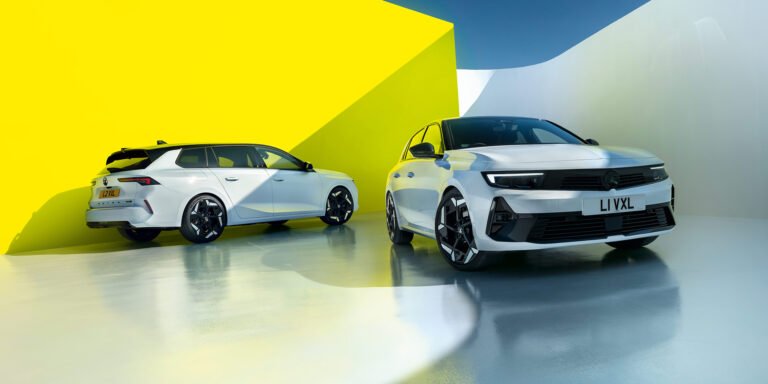
Vauxhall has unveiled the performance-enhanced Astra GSe hatchback and Astra Sports Tourer GSe estate car, which make use of a more powerful plug-in hybrid powertrain than the standard Astra range.
GSe, or ‘Grand Sport Electric’, is Vauxhall’s new performance sub-brand. The British manufacturer has not had a performance-focused line-up since the VXR range that was discontinued in 2017, and this new GSe marque will only produce electrified models moving forward, starting with the Astra.
The Vauxhall Astra GSe uses the same 1.6-litre turbocharged petrol engine and 12kWh battery pairing that can be found in the regular Astra line-up, but the brand’s engineers have tuned this setup to produce 225hp – an increase of 45hp.
GSe models also sit a centimetre lower to the ground to increase cornering stability, and Vauxhall has tweaked the suspension and adjusted the steering calibration to make the hatchback and estate more agile and comfortable while turning.
Vauxhall has not released any performance figures for this performance-enhanced range as of yet, but the brand has claimed that these GSe variants will have a fuel consumption of 235-256mpg, which is on par with the plug-in Hybrid model in the standard line-up.
To distinguish these hot-hatch and hot-estate models from the regular Astra line-up, Vauxhall has fitted GSe variants with 18-inch alloy wheels and redesigned the front bumper to give the models a “more purposeful appearance”. Inside, GSe versions gain alcantara-trimmed performance seats for the driver and front passenger.
More details, including UK pricing, will be released closer to the Astra GSe going on sale later this year. Vauxhall says that it expects to deliver the first of these GSe models to British customers early in 2023.
Now in its eighth generation, the Vauxhall Astra has been widely praised for its attractive exterior styling and the competitive battery range and efficiency of plug-in hybrid models. It currently holds an Expert Rating of 70% – a score hindered by Vauxhall’s use of some cheap interior plastics.
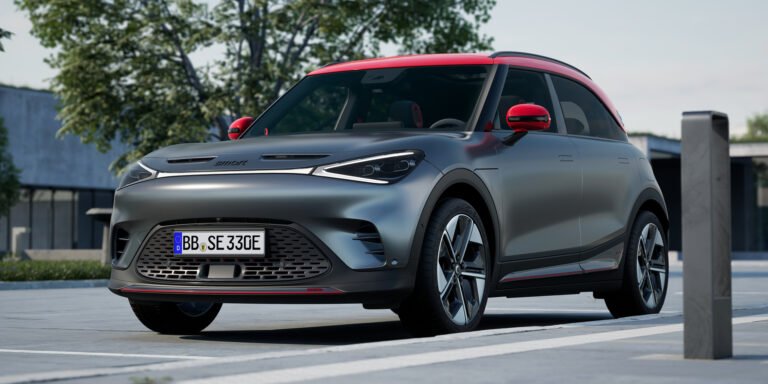
Smart has revealed more trim and specification details about its upcoming all-electric #1 hatchback range, which we now know will be topped by a performance-focused Brabus model.
As The Car Expert reported back in April this year, the brand-new electric Smart #1 will be powered by a 200kW powertrain, producing 272hp and a promised battery range of up to 273 miles. The manufacturer now adds that the hatchback will be available to pre-order from January 2023, with the first customer deliveries arriving in the UK a few months later.
Smart has also announced that a ‘Launch Edition’ will be the only trim available when the Smart #1 first becomes available to pre-order, with only 100 models up for grabs. From Spring 2023 onwards, the range will consist of the entry-level ‘Pro+’, the mid-range ‘Premium’, and the top-spec ‘Brabus’ model.
The Smart #1 will be available with LED headlights, an infotainment voice assistant, a 360-degree parking camera and an electronically-powered tailgate as standard, as well as “an extensive range” of on-board driver assistance and safety technology features, though the manufacturer hasn’t disclosed what these are just yet.
Customers who opt for the ‘Premium’ trim package gain upgraded Matrix LED headlights, a Beats sounds system, a head-up display and parking assistance tech.
The range-topping ‘Brabus’ trim increases the car’s performance, swaps the standard model’s two-wheel drive configuration for a four-wheel drive system, and adds some interior and exterior flair.
While ‘Launch Edition’, ‘Pro+’ and Premium’ models provide an output of 272hp, the Smart#1 Brabus ups this to 422hp. Smart says that this performance enhancement means that the ‘Brabus’ can complete a 0-62mph sprint in 3.9 seconds – making it almost as fast as the combustion-powered Audi RS 3 – but its maximum battery range is reduced to 248 miles as a consequence.
The 2023 Smart #1 ‘Brabus’
The ‘Brabus’ sports “performance-inspired” bodywork, including a larger spoiler above the rear window and a red roof. Red accents also feature inside on the car’s dashboard, door panels, headrests and seat belts.
Smart says that it is expecting to deliver the first ‘Launch Edition’ models to UK customers in Summer 2023, and promises that it will release UK pricing for its new electric hatchback range before pre-orders begin in January.
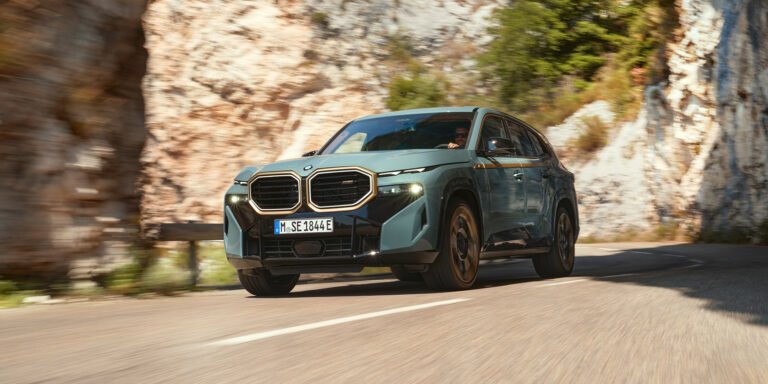
BMW has given us a first look at its all-new XM SUV, which is powered by a twin-turbocharged V8 plug-in hybrid engine, as the brand’s performance-focused ‘M’ division celebrates its 50th anniversary.
Expected to arrive in the UK early next year, the five-seater BMW XM is the first ever electrified ‘M’ car, which the manufacturer says is a bespoke design that is not related to any SUV in the manufacturer’s standard line-up.
That said, the XM does take some design cues from other new entrants in the BMW line-up. The SUV’s two large kidney grills are flanked by the same narrow headlight and foglight designs as seen on the new 7 Series saloon, and both new models have similar bonnet grooves too.
The XM sits on 21-inch alloy wheels as standard, but 22- and 23-inch alloys options are also available. All models are all-wheel drive, and come fitted with an eight-speed automatic gearbox. Seven exterior colour options will be available at launch, with more to follow as 2023 progresses.
BMW says that the XM’s plug-in hybrid powertrain is “newly-developed”, pairing a 489hp twin-turbo V8 petrol engine with an electric motor for a total power output of 653hp and 800Nm of torque. The car’s speed is limited to 155mph, but customers who opt for the additional ‘M Driver’s Package’ will see the top speed limit increased to 168mph.
This means that this new ‘M’ division SUV is less powerful than the likes of the Aston Martin DBX 707, Porsche Cayenne Turbo S E-Hybrid and the recently unveiled Ferrari Purosangue. However, BMW says that it will launch a 748hp ‘Label Red’ XM trim in 2023, which will become the most powerful hot-SUV on the market and the most powerful road-legal BMW M car in the company’s history.
For now, the manufacturer says that all of these performance specs are yet to be finalised, but predicts that the XM will have a fuel consumption of 176-183mpg, and says that the SUV can travel up to 55 miles on just electric power using its 26kWh battery.
The driver will be able to select between different drive modes using the infotainment panel, which vary the power output of the V8 and electric motor, adjust the suspension settings and change the soundtrack of the exhaust system.
The standard setting is ‘Hybrid’ mode which uses both the petrol engine and electric motor in equal measure. In ‘Comfort’ mode, the electric motor is prioritised, and in ‘Sport’ and ‘Sport Plus’ modes the petrol engine is permanently active instead. ‘Electric’ mode only makes use of the electric motor and battery.
Inside, BMW says that the XM’s leather-trimmed interior comes with the latest technology that the brand has to offer, including the 15-inch digital instrument cluster and 15-inch infotainment console that also feature on the iX SUV unveiled late last year. Safety features include lane-keeping assistance, adaptive cruise control, traffic light recognition and semi-autonomous parking assistance that will handle some parking manoeuvres for you.
The car’s suite of camera tech also allows the driver to record up to a minute of high-definition video while driving to show off to friends, and an anti-theft recorder feature will use cameras in the front, rear and wing mirrors to send a video to the driver’s smartphone when it deems the car has been stolen, to help the authorities track down the stolen XM. A 16-speaker sound system also comes as standard.
The driver and passengers can also watch Youtube videos on the infotainment screen while the car is stationary, and customers who have an iPhone can unlock the car remotely using a digital key. The tailgate can be opened electronically using a button on the dashboard, revealing 527 litres of boot space.
That just about sums up our first look at the BMW XM – more details, including UK pricing, will be announced closer to the vehicle’s launch.
Nobody likes to spend money on their car if they don’t need to. Running and maintaining a vehicle is expensive enough as it is without going looking for more things to buy for it. So why would you splash out on all-season tyres?
One of the benefits of running a car in the UK is that the weather is generally fairly predictable. Sure, there can be a ‘Beast from the East’ storm one week and a shock heatwaves the next, but in Britain we generally know what to expect in the summer and winter months and can adjust our travel plans to suit.
We have said before at The Car Expert that even though the tyres are the only part of your car that actually touch the road, drivers rarely give them a second glance and they’re often lucky to even be kept properly inflated.
So how many UK drivers would consider investigating and buying all-season tyres for their car? It’s an important question though, because as soon as the air temperature drops below 7º Celsius, the performance of conventional (summer) tyres deteriorates significantly.
One good cold snap and you are in the danger area. And when the cold grips your tyres, it affects the car’s steering, braking and power delivery, irrespective of tread pattern or depth.
In many countries across mainland Europe, it’s a legal requirement to fit winter tyres when the coldest part of the year arrives. And even though we don’t have to do that in Britain (mainly because we don’t have those great extremes of weather every year) it is still a serious consideration, especially if you do a lot of miles all year round and need to be able to get up and down the country safely.
So let’s look at the different types of tyre available to explain the differences.
Michelin CrossClimate all-season tyres
Summer tyres
Here in the UK, ‘summer tyres’ are simply known as ‘tyres’ as that’s the sort of tyre cars almost always run.
This rubber is the kind fitted to your car when it comes new from the manufacturer or is the usual choice when drivers come to replace their tyres after a few years of motoring. Made of a softer compound, they offer very good grip when it’s warm and therefore give excellent handling and braking. However, they lose their effectiveness once it gets colder.
Winter tyres
Once temperatures drop below about 7º Celsius, conventional summer tyres become far less effective. This led to the creation of specialist winter tyres that perform better in the cold.
Winter tyres are made using a high silica compound and formed with a tread pattern specifically designed so the tyre remains flexible and allows better braking, traction and performance on snow and ice, as well as on wet roads, in cold conditions.
The sidewall of a winter tyre is always marked with a symbol showing a snowflake or snow-topped mountain so you know that your car is shod with them.
Winter tyres are not suited to all-year-round use and they wear out quickly when it’s hotter and drier, so you need to swap your car back onto regular ‘summer’ tyres as soon as the temperature starts to warm up.
All-season tyres
The biggest problems with running separate summer and winter tyres is that you essentially need two separate sets of tyres mounted to two separate sets of wheels – one on your car and the other kept in storage – which is expensive and requires you to have space to store them (or to pay to have them stored). You also have to either swap them over yourself every six months or so, or pay a tyre shop to do it for you.
The alternative to separate summer and winter tyres is to opt for all-season tyres, which are designed to work in both warm and cold conditions.
All-season tyres were long seen as a compromise because they were neither as good in cold conditions as a specialist winter tyre, nor as good in warmer weather as conventional summer tyres. However, development of tyre technology has progressed significantly over the years.
They can offer a great compromise for drivers, especially if you live in a part of Britain that gets more extreme weather conditions. They give you peace of mind and better handling when it’s really cold and provide excellent grip and sure-footed traction in the wet. But they don’t wear out quickly when the weather changes for the better, as winter tyres would.
Goodyear’s Vector 4Season, the Continental AllSeasonContact and Michelin’s CrossClimate are examples of all-season tyres. They are able to perform in summer months as well as winter, without wearing out. They are not as soft as pure winter tyres so still offer a responsive and enjoyable drive during the warmer months.
As well as having a compound that suits both warm and cold weather, they are designed with small grooves, known as sipes, built into the tyre’s larger tread pattern, which offer extra grip in the snow or ice. They just don’t have as many sipes as pure winter tyres do.
As a result all-season tyres have become an attractive proposition for drivers looking for safe, winter performance coupled with comfortable, enjoyable rest-of-year motoring, and finding a cost-saving way to achieve that.
Are all-season tyres expensive?
Compared to equivalent summer tyres, yes they are usually more expensive.
Having a quick look online at some of our partner sits listed below, you’re probably looking at paying about 15% more to replace your current tyres with all-season tyres (although this will vary quite a bit).
But when you add up the costs of buying two separate sets of tyres, and buying four extra wheels, and having to pay a tyre shop to fit them and balance them, and having to store four tyres somewhere in your shed (or paying to have them stored elsewhere), and changing them over twice a year, it’s certainly a lot cheaper.
Incidentally, specialist winter tyres tend to be more expensive again, and sometimes significantly more so, than all-season tyres.
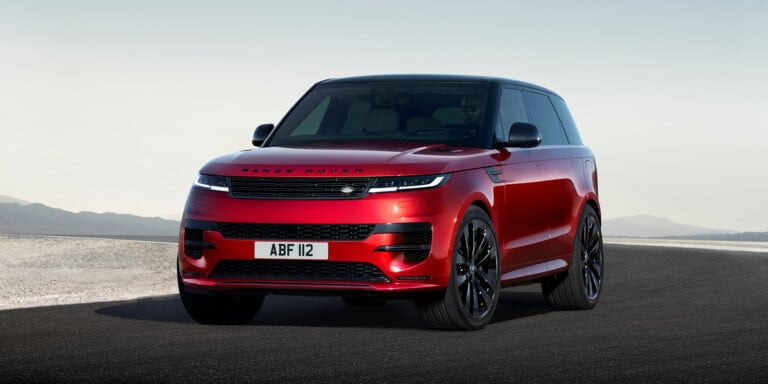
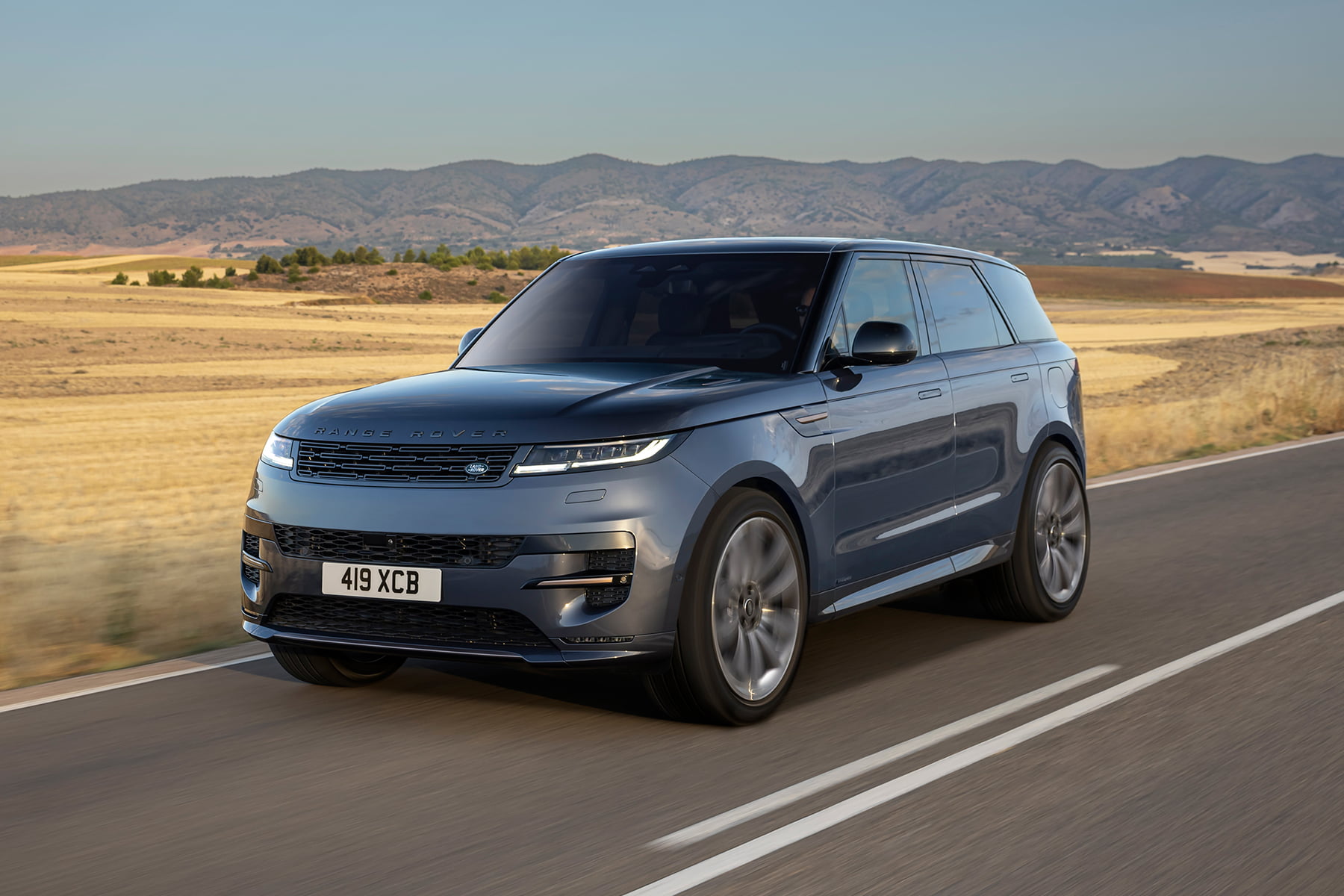
The Range Rover Sport is a large SUV that sits above the smaller Range Rover Velar and below the flagship Range Rover in the Land Rover family. This is the brand-new third generation, which went on sale in the second half of 2022.
Widely praised for its class-leading off-road prowess, and its plush interior, this latest iteration of the Sport has received a very warm welcome from the UK media, with several publications pointing out that it offers many of the larger Range Rover’s qualities for a cheaper price. As Carbuyer‘s Tom Jervis claims, “The new Sport offers so much luxury and refinement that the full-size Range Rover almost seems unnecessary.”
Available as a petrol, diesel, and plug-in hybrid, reviewers have also commended the Range Rover Sport for its strong performance – particularly the range-topping 530hp V8 engine. However, the most eye-catching models for many are the two plug-in hybrid (PHEV) variants which both make use of a 32kWh battery to produce 70 miles of electric-only range.
“The Cayenne will probably spend less time back in the dealer, too”, says Car‘s Tom Wiltshire. Land Rover has long had a questionable reliability record, and the same questions are being asked of the new Sport.
While its long-term reliability remains to be seen, Parkers concludes that the Range Rover Sport is an “amazingly capable car”. Like its bigger brother, the new Range Rover, “it’s hugely desirable, but comes at a huge price – both to buy and to run.”
As of March 2026, the Range Rover Sport holds a New Car Expert Rating of C, with a score of 61%. It scores highly for safety and has been well reviewed by motoring journalists, while its average CO2 emissions are low (thanks to the plug-in hybrid version). However, running costs are very high, particularly for the petrol and diesel models.
Body style: Large SUV/crossover Engines:petrol, diesel, plug-in hybrid Price:From £80,325 on-road
Launched: Autumn 2022 Last updated: N/A Replacement due: TBA
Image gallery
Media reviews
Highlighted reviews and road tests from across the UK automotive media. Click any of the boxes to view.
Auto Express
Model reviewed: P510e (2023) Score: 9 / 10 “The smooth and refined plug-in P510e powertrain is a perfect fit for the new Range Rover Sport SUV.” (Sean Carson) Read review
Model reviewed: Range overview Score: 9 / 10 “If you’re after a large premium SUV that offers strong performance, superb comfort and an engaging drive, then the Range Rover Sport is hard to beat.” (Paul Adam, Alex Ingram) Read review
Model reviewed: 3.0-litre diesel automatic D300 Dynamic SE Score: 9 / 10 “Following on from its full-size brother, this more dynamic Range Rover Sport is still superbly luxurious. It offers the kind of ride comfort, refinement, interior quality and technology you would expect from a car costing so much, but it balances this with a more engaging edge to its dynamic personality that sends the newcomer straight to the top of a toughly contested class.” (Sean Carson) Read review
Model reviewed: 4.4-litre petrol V8 automatic P530 First Edition Score: 9 / 10 “The V8-engined Range Rover Sport will play a bit part when it comes to sales, but the car that crowns the range shows fully just how broad the new model’s range of abilities is. It’s fast – even fun – but balances this with character and class, riding and handling sweetly.” Read review
Business Car
Model reviewed: 3.0 440e PHEV SE Score: 8 / 10 “In PHEV form, is the Range Rover Sport the choice for fleet? We’d say yes, as the new tech and features combined with the savings from the drivetrain make for an attractive, good to drive package, with reasonably affordable running costs.” (Martyn Collins) Read review
Car
Model reviewed: Range overview Score: 10 / 10 “The Range Rover Sport remains an expensive car to buy and even more expensive to run. An entry-level BMW X5 or Porsche Cayenne are significantly cheaper and will probably spend less time back in the dealer, too. As ever, it’s the more basic engines that prove the most beguiling, though it’s difficult to ignore the breadth of capability of the plug-in hybrid models.” (Tom Wiltshire) Read review
Carbuyer
Model reviewed: Range overview Score: 8.8 / 10 “The new Range Rover Sport offers so much luxury and refinement that the full-size Range Rover almost seems unnecessary.” (Tom Jervis) Read review
Model reviewed: PHEV Score: 9 / 10 “The Range Rover Sport PHEV is luxurious and smooth to drive and offers certain drivers lower running costs, too.” (Sean Carson) Read review
Driving Electric
Model reviewed: 3.0-litre petrol/electric plug-in hybrid P400e Score: 9 / 10 “There’s no getting away from the higher price tag of the new Range Rover Sport, but we came away from our time in it feeling that there’s little reason to stretch to the full-size Range Rover.” Read review
Electrifying.com
Model reviewed: 3.0-litre petrol/electric plug-in hybrid P400e Score: 9 / 10 “There are a lot of big numbers involved in the new Range Rover Sport PHEV, from the price to the electric-only range. But it’s a small number on the spec sheet which will attract the most attention: the tax rate for company car drivers.” Read review
Evo
Model reviewed: 3.0-litre petrol/electric plug-in hybrid P510e Score: 8 / 10 “While the Range Rover Sport P510e doesn’t have the get-up-and-go of the 4.4-litre V8 Sport, it doesn’t leave you languishing. It’s another example of a plug-in hybrid providing a solution to the many who want to reduce their reliance on petrol without having to commit to the uncertainty of running an EV.” (Stuart Gallagher) Read review
Model reviewed: 4.4-litre petrol V8 automatic P530 First Edition Score: 8 / 10 “Of course, Land Rover will consider the new Sport a rung above the German competition, where it does sit substantially below higher-end rivals like the Aston Martin DBX or Bentley Bentayga.” Read review
Parkers
Model reviewed: Range overview Score: 9 / 10 “This is an amazingly capable car – it can go off-road, handles on the road with the best of them yet remains incredibly comfortable and cossetting. It’s hugely desirable, but comes at a huge price – both to buy and to run.” Read review
The Sunday Times
Model reviewed: 3.0-litre petrol-electric plug-in hybrid P510e Score: 8 / 10 “In one sense, this Range Rover Sport is exactly like the old one — handsome, smooth, fast and fun to drive. In another way, it’s changed utterly; it can cruise around for extended periods on electric-only power and is therefore capable of returning some surprisingly good fuel economy figures. It’s also packaged much more cleverly than before.” Read review
The Telegraph
Model reviewed: Range overview Score: 8 / 10 “You might not agree, but as long as it’s legal to buy and own a 2.3 tonne-plus, go-almost-anywhere vehicle like this, I’m glad it’s the UK making them. And the Range Rover Sport is at the top of the class.” (Andrew English) Read review
Top Gear
Model reviewed: Range overview Score: 8 / 10 ” Land Rover knows how to nod back to its tradition better than most. And in a world of increasingly gnarly performance SUVs, the comparatively plusher edge of the latest Sport does exactly that. Just watch the price as the options pile on.” Read review
Safety rating
Independent crash test and safety ratings from Euro NCAP
Independent economy and emissions ratings from Green NCAP
No eco rating
As of March 2026, the Range Rover Sport has not been assessed by Green NCAP.
Running cost rating
Monthly cost of ownership data provided exclusively for The Car Expert by Clear Vehicle Data
Fuel consumption
Average
Score
Petrol models
27 mpg
E
Diesel models
37 mpg
D
Plug-in hybrid models
373 mpg
A
CO₂ output
Average
Score
Variation
Score
Petrol models
271 g/km
E
Diesel models
192 g/km
D
Plug-in hybrid models
17 g/km
A
Battery range
Average
Score
Variation
Score
Plug-in hybrid models
73 miles
D
Insurance group
Average
Score
Variation
Score
All models
49
E
Service and maintenance
Cost
Score
Year 1
£577
E
Year 2
£1,286
E
Year 3
£1,949
E
Year 4
£2,238
E
Year 5
£3,022
E
Overall
£9,072
E
The Range Rover Sport is an expensive car to own and run, according to whole-life cost numbers provided exclusively to The Car Expert by our data partner, Clear Vehicle Data.
The fuel economy of pure-petrol models is pretty poor when compared to the rest of the market, and diesel models aren’t much better. The plug-in hybrid models look amazing on paper, but this is largely thanks to ridiculous EU/UK government lab tests that are completely inadequate for plug-in hybrids. There is no way you will ever travel for 373 miles on a single gallon (4.5 litres) of fuel and some electricity…
The SUV’s insurance costs, as well as predicted service and maintenance charges, are expensive as well.
Reliability rating
Reliability data provided exclusively for The Car Expert by MotorEasy
No reliability rating
As of March 2026, we don’t have enough reliability data on the latest Range Rover Sport to generate a reliability rating. However, previous Range Rover Sport models had a fairly lamentable record for reliability (as do pretty much all Land Rovers, for that matter)
The Car Expert’s reliability information is provided exclusively for us using workshop and warranty data from our partner, MotorEasy. As soon as MotorEasy has sufficient data on this iteration of the Range Rover Sport, we’ll publish the score here.
Recalls
Official DVSA safety recalls that have been issued for the Range Rover Sport
2024
2023
Date: June 2024 Recall number: R/2024/255 Model types: All Build dates: 11/2023 to 02/2024 Number of vehicles affected: 337 Defect: The incorrect specification of plastic was used to manufacture the oil filter housing. This housing may over time and with vehicle use crack. This could result in oil under pressure leaking and coming into contact with hot components of the engine which may result in a fire. Additionally oil may leak onto the road surface posing a skid hazard. Remedy: Replace the oil filter housing complete with filter and associated O-rings.
Date: July 2024 Recall number: R/2024/227 Model types: All Build dates: 09/2023 to 02/2024 Number of vehicles affected: 142 Defect: The clutch plates within the hybrid transmission may have been manufactured with a flatness out of tolerance to the engineering specification. Remedy: Diagnostic test to determine whether the clutch packs within the transmission are operating as expected. Any transmissions which fail the test will be replaced.
Date: March 2024 Recall number: R/2024/147 Model types: All Build dates: 08/2021 to 02/2024 Number of vehicles affected: 17,148 Defect: The manufacturer has developed a software enhancement to further increase vehicle security. Remedy: The software enhancement will deploy this update and reduce the theft risk.
Date: March 2024 Recall number: R/2024/100 Model types: All Build dates: 11/2023 to 12/2023 Number of vehicles affected: 2 Defect: The clamps used to secure the fuel injectors into the cylinder head on certain AJ20-D6 engines may crack allowing the injector to come loose. This loose injector could become unseated allowing fuel to be pushed past the injector seal from the combustion. Remedy: A fuel leak in this area could result in fuel spill onto hot engine components which may result in a fire.
Date: March 2024 Recall number: R/2023/359 Model types: All Build dates: 07/2022 to 11/2022 Number of vehicles affected: 1,582 Defect: The right-hand tailgate and body mounted rear lamps may experience water ingress leading to one or more lamp failures. Remedy: The right-hand tailgate and body mounted lamps will be replaced.
Date: January 2024 Recall number: R/2023/360 Model types: All Build dates: 10/2023 Number of vehicles affected: 4 Defect: The structural adhesive applied to the bodyshell has been mis-applied. Remedy: Install two rivets and seal with approved sealant.
Date: December 2023 Recall number: R/2023/338 Model types: All Build dates: 09/2023 to 10/2023 Number of vehicles affected: 67 Defect: On vehicles fitted with V8 Gasoline NC11 engines, the fixings used to secure the engine mounted oil cooler hoses have been found to have inadequate thread engagement. Remedy: Vehicles will have the engine oil cooler pipe fixings inspected and replaced if required.
Date: August 2023 Recall number: R/2023/244 Model types: All Build dates: 12/2022 to 03/2023 Number of vehicles affected: 2 Defect: The bolt connecting the busbar to the traction battery module connector has not achieved the required clamp force. Arcing at the joint and excessive heat generation cannot be ruled out with the consequence that this may lead to a vehicle fire. Remedy: Replacement of the high-voltage battery.
Date: March 2023 Recall number: R/2023/073 Model types: All Build dates: 08/2022 to 09/2022 Number of vehicles affected: 3 Defect: The left-hand headlamp aim has been set incorrectly. Remedy: Vehicles will have the left-hand headlamp aim adjusted to correct the issue.
Date: May 2023 Recall number: R/2023/044 Model types: All Build dates: 08/2022 to 01/2023 Number of vehicles affected: 499 Defect: For certain 3.0L AJ20-P6 vehicles, a small number of engines the cam carrier oil gallery hasn’t been fully drilled. As a result, the oil channel could be blocked, leading to accumulation of oil against the pressure control valve rubber membrane and subsequently an external oil leak or increased oil carryover into the air intake system. Remedy: The engine cam carrier will be inspected and where an incorrectly machined cam carrier is found replace it with a correctly machined component. Depending on mileage and engine conditions further associated components may require replacement.
As of September 2024 (our most recent data point), there have been ten DVSA vehicle safety recalls on the current-generation Range Rover Sport addressing various different issues.
Not all vehicles are affected by recalls. You can check to see if your car is included in any of the above recalls by visiting the DVLA website or contacting your local Land Rover dealer.
If your car is affected by a recall, the vehicle must be repaired and you should not be charged for any work required. If you are buying a used Range Rover Sport, you should insist that any outstanding recall work is completed before you take delivery of the vehicle.
Despite every effort to take good care of your car, its value begins to depreciate from the moment you first drive it away.
If you’re unfortunate enough to experience a total loss of your car, you could find that you’re out of pocket by quite some distance once you receive your insurance settlement.
Fortunately, there are some options available to help protect you from any financial shock.
Guaranteed Asset Protection, better known as GAP, insurance covers the ‘gap’ between the amount you still owe on finance, and the amount your insurance company will pay if your car is stolen or written off.
If you’ve taken out a Tesla lease and it gets stolen six months later, you’ll still be liable to pay off the finance left on your agreement, leaving you with a hefty bill.
If you have GAP insurance, you wouldn’t find yourself paying off the amount left on a finance agreement on a car that you no longer own.
Investment protection
Even if you decide to take on a car lease, a brand-new car is a big commitment and expense. Due to depreciation, the value of your car and thus investment will go down rapidly.
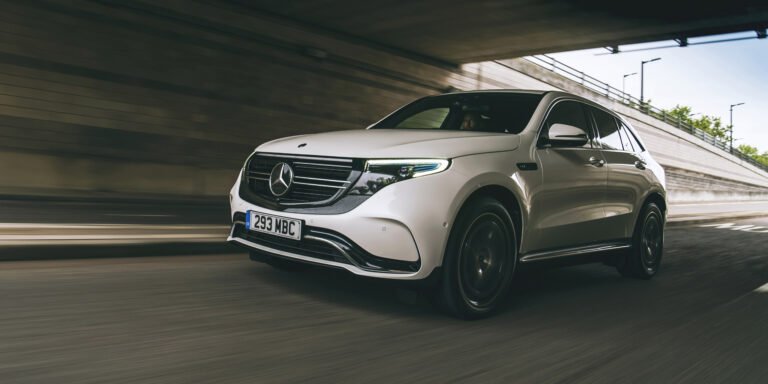
GAP insurance ensures that you receive the original value that you paid for the car and not just the market value at the time the car is declared a total loss. This would be especially important if a Mercedes EQC lease is on your radar, with substantial monthly payments.
Brand new replacement car
Depending on the type of GAP insurance you go for, you could be left in a position to both clear any outstanding finance and have money left over to take out a new lease agreement, rather than having to downgrade due to depreciation.
Although, some motor insurance providers will supply you with a new car if yours is written off or stolen within the first 12 months of ownership, so you must check and read the fine print of your policy.
Carparison’s best car lease deals can suit your every need. Contact their leasing specialists at www.carparisonleasing.co.uk for more information.
As 2022 progresses, it seems that UK buyers are increasingly opting for smaller, cheaper and greener new superminis to reduce the impact on both their wallets and the environment.
The most popular of these superminis is the Vauxhall Corsa, the UK’s best-selling car in 2021 and well on the way to retaining that title in 2022. But Britain’s most sought-after small car is not the favoured choice of UK reviewers, and there are several – often overlooked – alternatives that more highly regarded.
The Mini hatch is a fine alternative, and is also frequently found in the best-sellers list, while the Ford Fiesta is highly praised but currently not available to order as Ford struggles with supply chain problems. But what else is out there?
If you are considering the Corsa, or you are looking for a new supermini in general, it’s worth thinking outside the box. Using our award-winning Expert Rating Index, we’ve listed five capable small cars with better Expert Rating scores than the Vauxhall. All are worth checking out – praised by the UK motoring media for their value-for-money, practicality and driving dynamics around town.
Please note all that pricing listed below is directly from the manufacturer, and accurate as of September 2022. All fuel consumption information relates to the cheapest trim and engine combination on offer. All Expert Rating scores are correct as of September 2022.
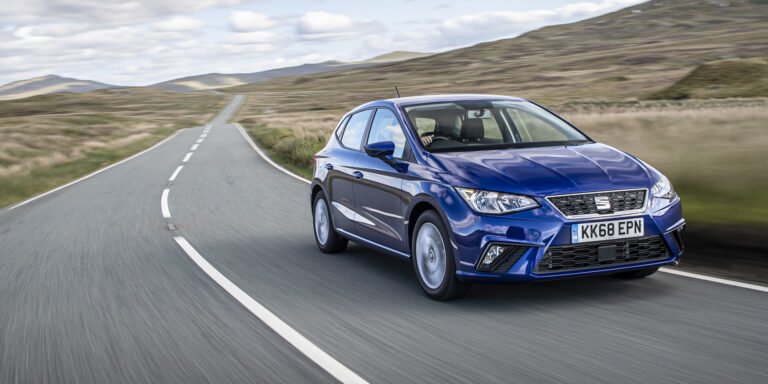
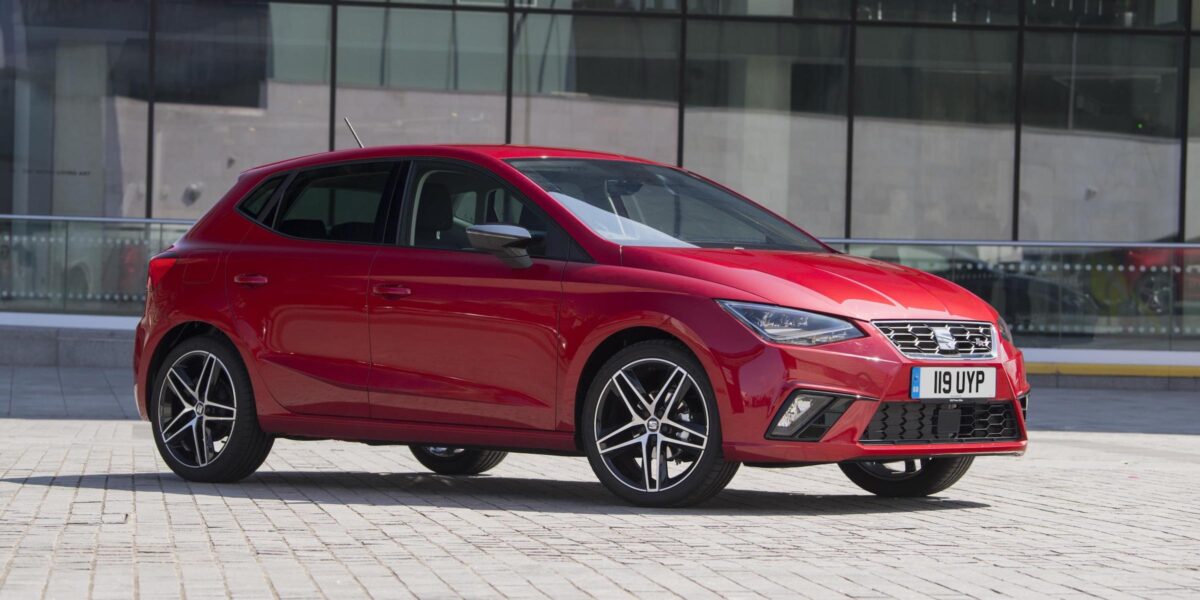
SEAT Ibiza
Previously the highest-ranked small car in our Expert Rating Index, the SEAT Ibiza is one of the best combustion-powered compact options on the new car market, and is actually more highly regarded by the UK media than the Volkswagen Polo that it’s based on.
Despite this, the Ibiza is consistently outsold by the Polo, even after its last facelift at the end of last year. Praised for its comfort and refinement, some reviewers have argued that the Ibiza’s driving dynamics are not quite as sharp as the Ford Fiesta, and its long-term reliability has been questioned by the motoring media. It currently holds an Expert Rating of 78%.
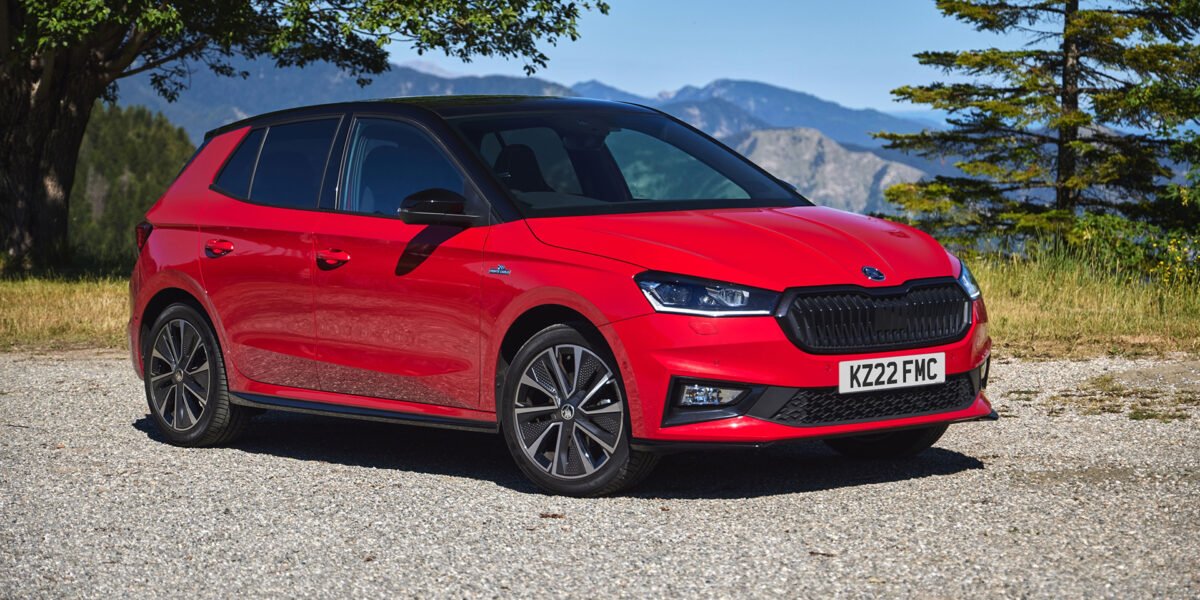
The newest of the cars in this list, the fourth-generation Skoda Fabia received a warm welcome from the British motoring media when it arrived on UK roads at the end of last year – including The Car Expert, as it won our ‘Best new small car of 2021’ accolade at the turn of the year.
Like the Ibiza, the latest Fabia is not as popular as its Volkswagen Group stablemate the Polo, and despite its relatively cheap entry-level pricing, it is consistently outsold by the more expensive British-built Mini hatch. Certainly worthy of consideration, the Fabia currently holds an Expert Rating of 78%. It has been praised for its value-for-money and smart interior practicalities, but criticised for its low-quality cabin materials.
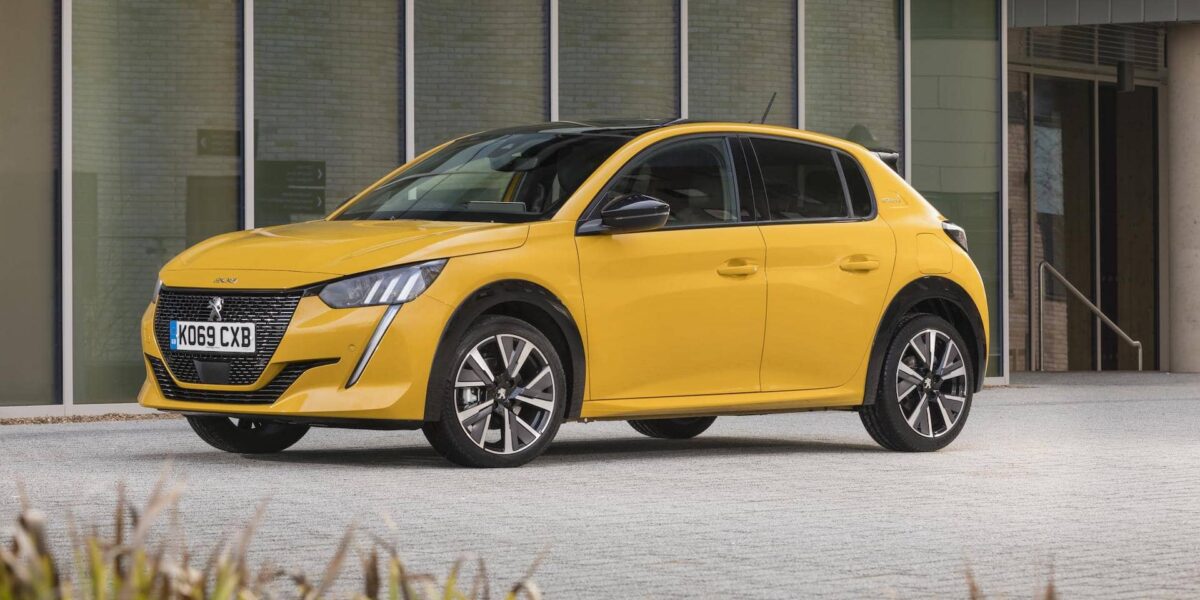
The Peugeot 208 is the car upon which the Vauxhall Corsa is based, and UK reviewers have generally found it to be a better and more stylish vehicle than the Vauxhall version.
The 208’s popularity has been steadily increasing as the year progresses, and it even appeared in August’s top ten sales chart. That said, the 208 continually falls short of the Corsa’s impressive sales numbers, despite being the more favourable choice among UK reviewers.
Praised for its interior quality and exterior looks, the 208 current holds an Expert Rating of 72% – a score hindered by the car’s reportedly firm suspension and poor handling.
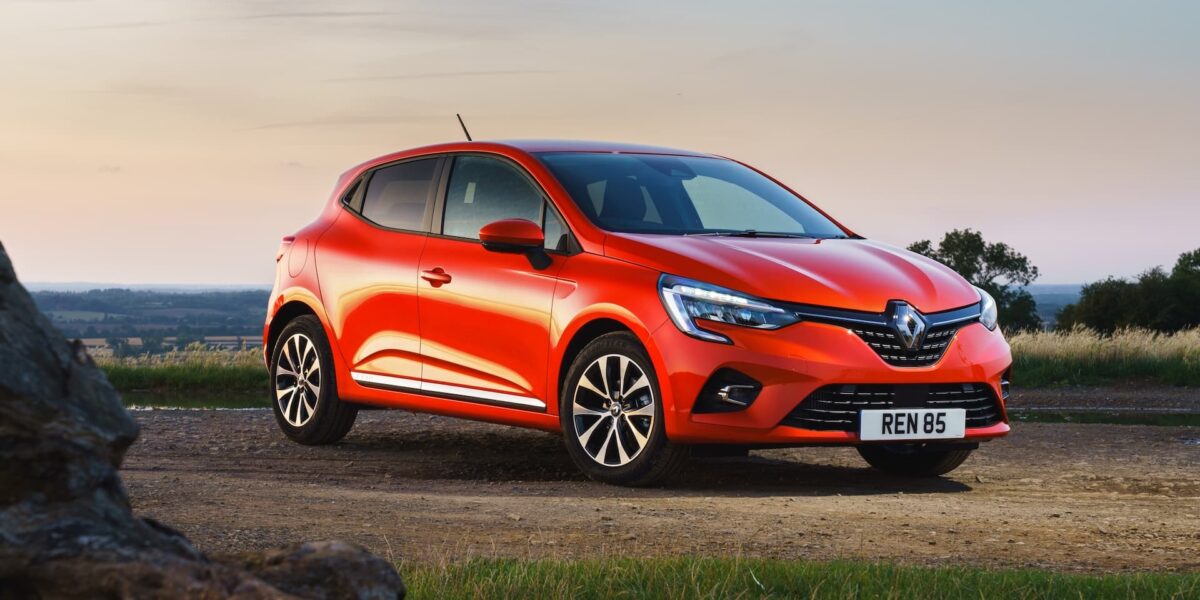
The Renault Clio has been a supermini favourite for decades in the UK, but the latest fifth-generation model which arrived in 2019 hasn’t proven to be as popular as prior generations.
This isn’t a reflection of the car’s characteristics though – praised for its refinement, high-quality interior and rather fun driving experience. That said, motoring outlets largely prefer the Ford Fiesta when it comes to driving excitement, and it’s not as spacious inside as some of its rivals. The Clio currently holds an Expert Rating of 71%.
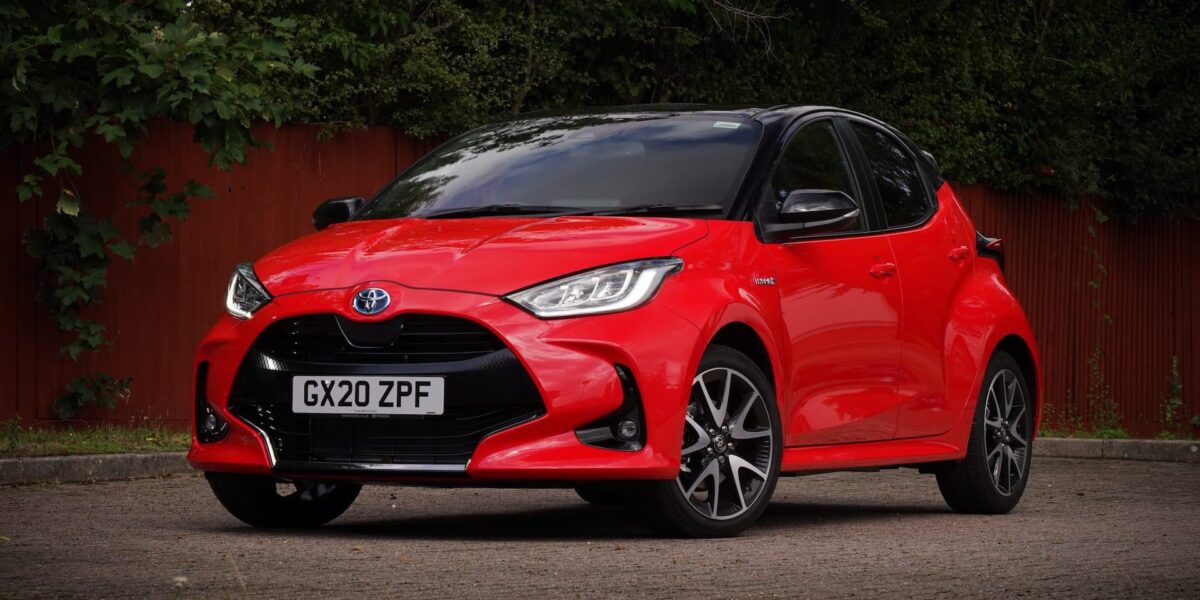
The Toyota Yaris is another well-known supermini model in the UK, and as the latest iteration of this compact runaround comes packed with helpful on-board tech, it is certainly worth shortlisting. The Yaris comes with a hybrid petrol-electric motor as standard, which explains its low fuel consumption and slightly higher starting price. Toyota also offers the Yaris with a generous ten-year warranty – the longest in the business.
Currently holding an Expert Rating of 70%, the Yaris has been highlighted for its outstanding Euro NCAP safety scores, which should make it a contender for any new car buyer. However, some journalists have pointed out that it lacks the interior styling is rather boring in comparison to some of the other small car choices.
For the definitive rankings of the UK’s best small cars, we’ve used The Car Expert’s industry-leading Expert Rating Index. The index analyses new car reviews from 30 of the top UK motoring websites, using an advanced algorithm that we have developed specifically to compare review scores.
It recalculates and updates the Expert Rating score for every single car every time we add a new review (and we’re currently up past 13,500 reviews!) to make sure you’re getting the most accurate and reliable ratings for every new car.
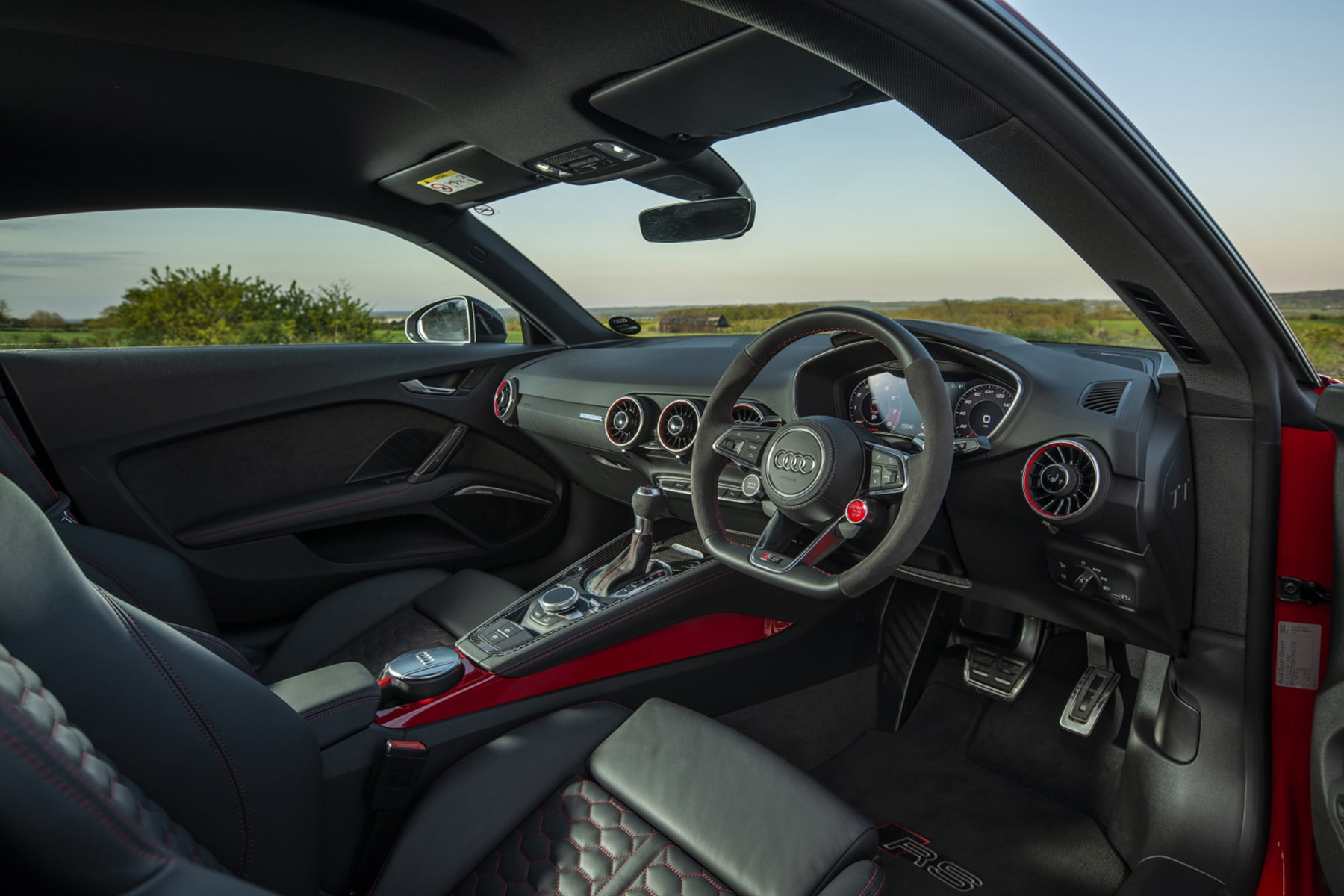
The Audi TT RS was a performance-enhanced version of the regular TT coupé and convertible range, equipped with a more powerful 400hp petrol engine, additional exterior flair, and four-wheel drive as standard.
Both coupé and convertible ‘roadster’ models received largely positive review scores from the British motoring media – described by Honest John as a “compelling all-rounder”, which the Carwow team said is “capable of fantastic point-to-point pace without asking too much of the driver skill-wise.”
Reviewers highlighted the TT RS for its four-wheel drive traction that keeps the car composed in high-speed corners, as well as its engine’s performance and soundtrack, which Alex Robbins of The Telegraph called a “glorious noise”.
However, while the TT RS was certainly a competent performance car, a number of reviewers concluded that rivals like the Alpine A110, Porsche 718 Cayman and BMW M2 are sharper and more rewarding on the road. It’s “both swift and efficient”, the Top Gear team said, “but does it have to be so joyless?”
Other criticisms were directed at the car’s price tag and options list, which were both expensive, and the car’s low fuel efficiency, which meant high running costs. Some enthusiast-focused outlets also expressed their disappointment at the lack of a manual gearbox option – the TT RS was only available with a seven-speed automatic transmission.
As of October 2024, the Audi TT RS holds a Used CarExpert Rating of E with a score of 52%. This is several points lower than the regular TT range upon which it’s based, and largely reflects its very high running costs and fairly average media review scores.
Highlighted reviews and road tests from across the UK automotive media. Click any of the boxes to view.
Auto Express
+
Model reviewed: Iconic Edition (2023) Score: 7 / 10 “Audi’s TT RS Iconic Edition is extraordinarily expensive, but for the 11 customers that will take the plunge here in the UK, its significance as the ultimate TT – bolstered by its long list of dramatic styling additions – will be more than enough to compensate.” Read review
Model reviewed: Range overview Score: 8 / 10 “The RS journey has now reached the latest TT models, and the result is a sports car whose blistering performance and relative value might make you think twice about buying an Audi R8 supercar.” Read review
Auto Trader
+
Model reviewed: Coupé Score: 8 / 10 “The changes to the revised Audi TT RS have been minimal, which means it remains an excellent sports coupe in a market full of highly competent rivals. It’s very fast and very well-made, and a glorious engine and all-wheel drive traction make it an appealing alternative to rivals.” Read review
Carbuyer
+
Model reviewed: Range overview Score: 8 / 10 “With huge performance, loads of grip and a gorgeous interior, the Audi TT RS is a supremely quick car that’s usable every day.” Read review
Model reviewed: TT RS Roadster Score: 7.8 / 10 “If you want to go as fast as possible with the roof down, there aren’t many better options than the TT RS Roadster.” Read review
Carwow
+
Model reviewed: Roadster Score: 7 / 10 “The Audi TT RS Roadster is the fastest version of the TT convertible with monumental performance courtesy of a 400hp five-cylinder engine powering all four wheels. It rivals other fast roadsters such as the Porsche 718 Boxster, Ford Mustang GT Convertible, and the Mercedes-AMG SLC43.” Read review
Model reviewed: Coupé Score: 8 / 10 “If you think the regular TT is a little staid and the TTS is quick, but not quite quick enough, Audi has an answer – it’s called the TT RS, and with 395hp, it’s a rival for BMW’s smallest M car – the M2 – and the Porsche 718 Cayman S.” Read review
Evo
+
Model reviewed: TT RS Roadster Score: 8 / 10 “While the Boxster S remains the more rewarding steer, the new TT RS Roadster will at least raise a smile on a twisting road and with so much straight-line performance the Audi will keep pace with much more expensive machinery.” Read review
Model reviewed: Range review Score: 6 / 10 “Still has that great five-cylinder soundtrack and a wonderful interior.” Read review
Heycar
+
Model reviewed: Range overview Score: 6 / 10 “Hugely fast, and capable the TT RS isn’t short of pace, but it’s not got the polished, engaging chassis of its key rivals to make it a genuinely appealing driver’s car.” Read review
Honest John
+
Model reviewed: Range overview Score: 6 / 10 “It might be bettered by some for outright agility and driver engagement, but there’s no denying that the the TT RS is a compelling all-rounder.” Read review
Parkers
+
Model reviewed: Range overview “It looks fantastically aggressive on the outside and feels like a supercar on the inside, the cues it takes from the R8 are inspired and give the TT RS a feeling of something very special.” Read review
The Telegraph
+
Model reviewed: TT RS coupé Score: 6 / 10 “That fabulous five-cylinder engine really is all with the Audi TT RS, delivering sledgehammer performance and a glorious noise, and allied to incredible four-wheel-drive traction. But sadly, as competent as it is, the rest of the car lacks that frisson of delight and excitement you’ll find in all of its best rivals.” Read review
Top Gear
+
Model reviewed: Range overview “Though fifty grand for a TT might smack you in the chops, for the performance you’re getting it’s extraordinary value. The RS will demolish any hatchback you care to mention and on point-to-point pace, run with supercars costing three or four times as much.” Read review
Model reviewed: TT RS Roadster Score: 7 / 10 “It’s a very nice object, with a stunning cabin, slick roof and some neat, thoughtful features. It’s a sensible size, a sensible price; it is, on paper, both swift and efficient. But does it have to be so joyless?” Read review
Safety rating
Independent crash test and safety ratings from Euro NCAP
The Audi TT RS was not specifically tested by Euro NCAP. The standard Audi TT was tested back in 2015 and awarded a four-star rating. However, this rating expired in January 2021 and is no longer valid as the car no longer meets the standards required for such a rating. This is normal practice, as Euro NCAP reviews its ratings on most cars annually with most ratings expiring after about six or seven years.
Although the rating has now expired, the score is still useful if you are comparing a used TT RS to vehicles of similar age – whose ratings will have probably also expired.
Eco rating
Independent economy and emissions ratings from Green NCAP
No eco rating
The Audi TT RS was not tested by Green NCAP during its production life.
Reliability rating
Reliability data provided exclusively for The Car Expert by MotorEasy
Total claims: 211 Average repair cost: £354.81 Last updated: October 2024
The Audi TT range has an average reliability score of 76% which is above average, according to exclusive extended warranty data provided by our partner MotorEasy. This score covers both the current-generation TT and previous (pre-2014) models, as well as RS variants.
The two main problems with the TT – accounting for close to half of all reported issues – are engine and suspension problems. Compared to many other vehicles, the engine repairs are not that expensive at around £500, while other repair bills for gearbox, brakes, electrics and fuel systems are also not as dear as you might expect.
If you’re looking at a used Audi TT RS, make sure any extended warranty cover you purchase covers all of these potential problem areas.
Date: August 2023 Recall number: R/2023/258 Model types: All TT models Build dates: 02/2023 to 05/2023 Number of vehicles affected: 580 Defect: It is possible the guide channel for the front passenger’s airbag may not have been welded to the dash panel according to specifications. Remedy: Check the serial number of the dash panel and replace if required.
Date: February 2023 Recall number: R/2023/054 Model types: All TT models Build dates: 07/2015 to 06/2016 Number of vehicles affected: 6 Defect: If a front airbag is deployed it is possible that the gas generator housing in which the propellant is generated may burst on vehicles manufactured within a limited period. Remedy: As a precautionary safety measure it is necessary to replace the airbag unit on the driver side.
Date: March 2022 Recall number: R/2022/073 Model types: All TT models Build dates: 11/2020 to 03/2022 Number of vehicles affected: 1,762 Defect: The design trim on the power unit can become detached from its retainers. Remedy: The design trim on the power unit must be removed on the affected vehicles.
Date: October 2020 Recall number: R/2020/304 Model types: All TT models Build dates: 02/2020 to 03/2020 Number of vehicles affected: 3 Defect: A curtain airbag which cannot be guaranteed to provide the intended protection in the event of an accident. Remedy: The curtain airbag must be checked on the vehicles affected and replaced if necessary.
Date: March 2020 Recall number: R/2020/087 Model types: All TT models Build dates: 04/2014 to 05/2019 Number of vehicles affected: 11,950 Defect: The fuel tank could be damaged and leak in the event of an accident. Remedy: A component protector must be fitted to a bracket on the body of the vehicles affected.
As of October 2024, there have been five DVSA vehicle safety recalls on the Audi TT range, including the TT RS, addressing various different issues.
Not all vehicles are affected by recalls. You can check to see if your car is included in any of the above recalls by visiting the DVLA website or contacting your local Audi dealer.
If your car is affected by a recall, the vehicle must be repaired and you should not be charged for any work required. If you are buying a used TT RS, you should insist that any outstanding recall work is completed before you take delivery of the vehicle.
Monthly cost of ownership data provided exclusively for The Car Expert by Clear Vehicle Data
Fuel consumption
Average
Score
Variation
Score
Petrol models
31 mpg
E
30 – 32 mpg
E – E
CO₂ output
Average
Score
Variation
Score
Petrol models
208 g/km
D
201 – 215 g/km
D – D
Insurance group
Average
Score
Variation
Score
All models
45
D
43 – 46
D – D
Service and maintenance
Cost
Score
Year 1
£521
D
Year 2
£1,239
D
Year 3
£2,000
D
Year 4
£2,284
D
Year 5
£3,114
D
Overall
£9,158
D
The running costs for the Audi TT RS can get quite expensive, according to full-life costings provided by our commercial partner Clear Vehicle Data.
Fuel consumption is poor and insurance costs can get quite expensive. Finally, scheduled servicing and maintenance costs over the first five years are predicted to be more expensive than the average car.
Similar cars
If you’re looking at the Audi TT RS, you might also be interested in these alternatives
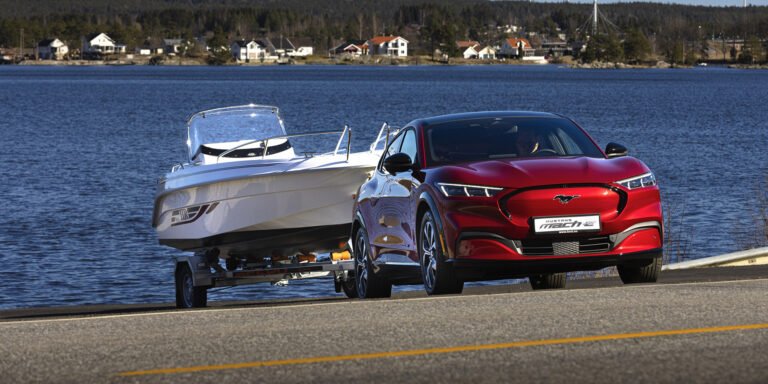
Ford has rolled out a small over-the-air update for its Mustang Mach-E, which improves the car’s cruise control and towing capacity.
This small on-board tech refresh upgrades the Mach-E’s ‘Intelligent Cruise Control’ setting, which can adjust the car’s speed using speed limit information taken from the navigation system. After the update, this advanced cruise control setting can now detect upcoming turns and roundabouts and adjust the car’s speed accordingly, rather than just monitoring the speed of the car in front.
As before, the driver can also select to drive in ‘Normal’ and ‘Adaptive’ cruise control modes – these settings have not been affected by the update.
The range of powertrains on offer is also unchanged, consisting of an entry-level 70kWh option and a more powerful 91kWh battery. However, Ford says that the latter now has an improved towing capacity of 1,500kg – up from 1,000kg before the update.
As this is an over-the-air update, all Mach-E models already sold will be able to download these upgrades remotely while sitting in the driveway.
The manufacturer adds that new customers will now benefit from “wider model range and choice of personalisation options” after the update. The mid-range ‘Premium’ trim grade is now available with 91kWh rear-wheel drive models, which was previously reserved for all-wheel drive variants. Ford has also added two further exterior colour options and two additional alloy-wheel designs.
The Ford Mustang Mach-E has received a positive range of review scores since it first arrived on UK roads in 2021. Praised for its straight-line performance, interior space and modern styling, the SUV currently holds an Expert Rating of 77% – a score hindered by the car’s rather rigid ride comfort.
Mercedes-Benz has unveiled the next iteration of the Mercedes-AMG C 63 saloon and estate based on the current C-Class range, which has been on sale in the UK for more than a year.
The new C 63 marks the start of a new direction for AMG models. Instead of the traditional large V8 petrol engine most commonly associated with the company’s ’63’ range of models, it’s powered by a 2.0-litre turbocharged four-cylinder engine mated to a hybrid system. As a result, the new C 63 is even more powerful than before. How much more? Output has grown by a staggering 50%, from 450hp in the last model to 680hp in the latest version.
The new model is officially named the ‘C 63 S E Performance’, and will become one of the most powerful performance cars on the UK market, with over 150hp more than rivals like the Audi RS 4 and BMW M3, thanks to its new hybrid powertrain. All models make use of a nine-speed automatic gearbox.
The engine is the same 2.0-litre unit found in the Mercedes-AMG A 45 hot hatch, but with the addition of two electric motors – one on the front axle and another on the rear – to provide an additional 200-odd horsepower. It also gives C 63 all-wheel drive capabilities, improving traction in slippery conditions.
Mercedes-AMG says that the saloon version can complete a 0-62mph sprint in 3.4 seconds, which is the same as the less powerful but much lighter BMW M3.
The hybrid system is clearly aimed at improving performance rather than making it particularly economical, with a small 6kWh battery that will be drained very quickly (especially if driven hard). Officially, Mercedes-AMG claims that the C 63 can run on purely electric power for eight miles, so in real-world terms it’s likely to be even less than that.
Like its predecessor, the new C 63 is slightly wider than the C-Class it is based on, with the wheels pushed further apart for improved handling and more aggressive bodywork. Both saloon and estate models sit on 19-inch alloy wheels as standard, but 20-inch alloys will also be available as an optional extra.
Inside, the interior carries all of the C-Class on-board tech and is trimmed in nappa leather. Mercedes-AMG says that ‘many’ different interior colours will be available, and weight-saving ‘AMG Performance’ seats will be available on the options list. A head-up display is optional.
The digital instrument cluster and central infotainment screen offer unique AMG display graphics not available on regular C-Class models. As with other AMG models, it also comes with a data logger for track to record speed, acceleration, steering angle and braking information, as well as displaying lap and sector times.
The company has not announced a UK on-sale date for the Mercedes-AMG C 63 yet, nor pricing and local specifications.
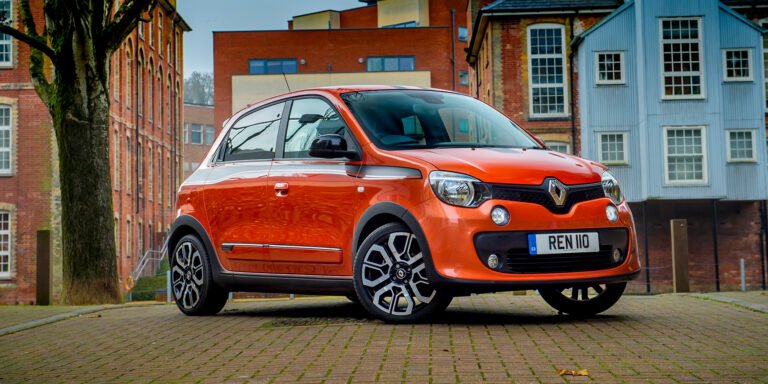
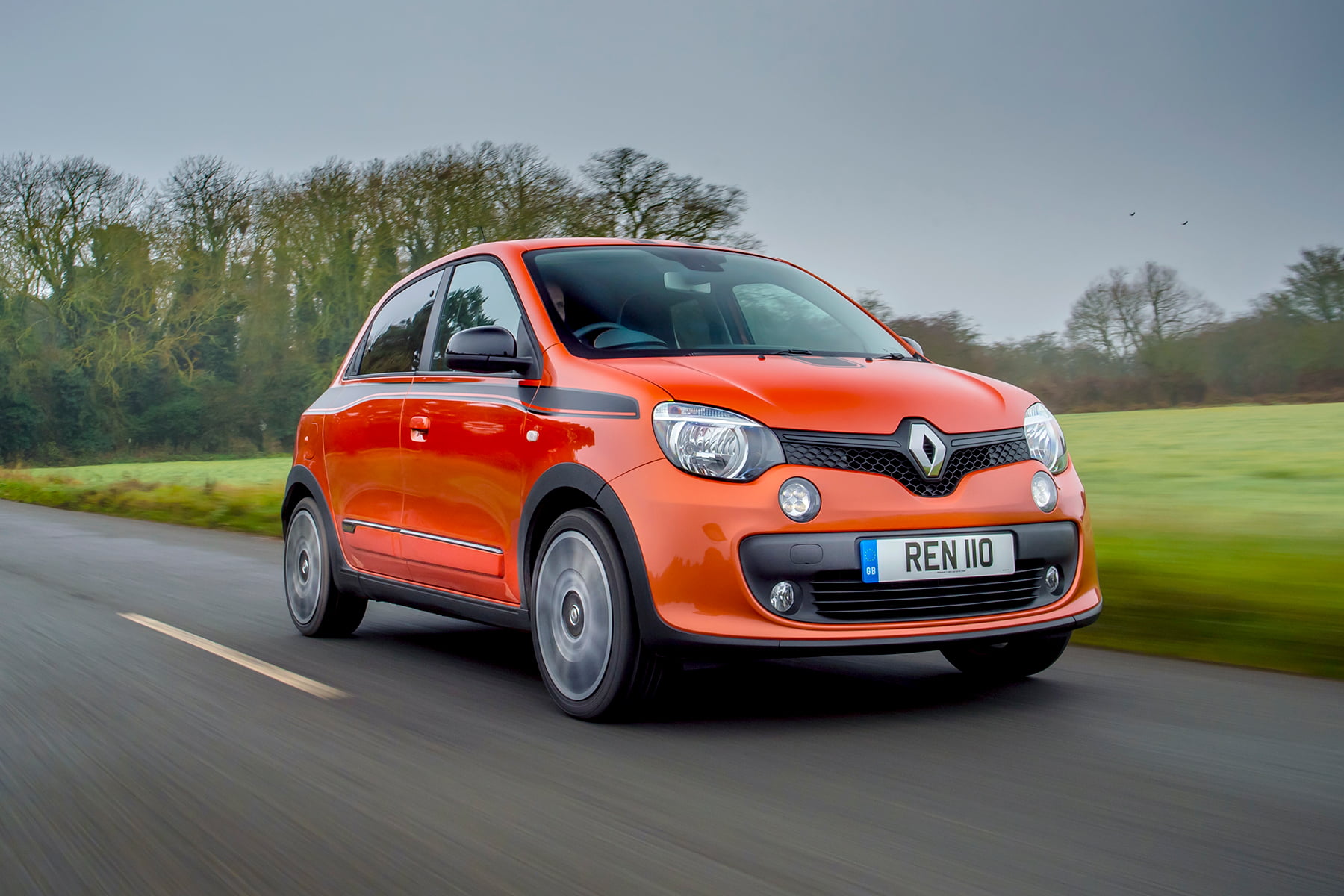
The Renault Twingo was a compact city car – rivalling the likes of the Peugeot 108 and Volkswagen Up – that was discontinued in 2019.
The model shown here was the third iteration of the Twingo that first arrived on UK roads in 2014, praised for its nimble driving dynamics suited to urban commutes, its interior which is quite practical by city car standards, and its unusual exterior looks.
While the Twingo was regarded as a capable inner-city runaround, reviewers frequently commented that the city car wasn’t the best in its class at handling longer journeys, particularly on the motorway.
Price was also an issue for some. Several reviewers argued that the Twingo was affordably priced during its time on sale, but others pointed to the fact that the Volkswagen Up and Smart ForFour were cheaper to buy as standard.
Enthusiast-focused motoring titles also questioned the car’s performance when compared to its rivals – particularly the sportier Twingo GT model that joined the range in 2016, which Auto Express concluded was “nippy rather than fast, and not as much fun to drive as its hot hatch rivals.”
No longer on sale, the Renault Twingo holds a Used Car Expert Rating of B, with a score of 67%. It scores top marks for its very low running costs and CO2 emissions, but its safety rating has now expired and its media review scores were poor.
Body style: Small five-door hatch Engines:petrol Price when new:From £9,835 on-road
Launched: Autumn 2014 Last updated: Autumn 2017 Discontinued: Summer 2019
Image gallery
Media reviews
Highlighted reviews and road tests from across the UK automotive media. Click any of the boxes to view.
The Car Expert
Model reviewed: GT Score: 7.4 / 10 “The Renault Twingo GT offers pace and handling improvements over the standard Twingo, but not to a level that makes it truly sporty.” Read review
Score: 7.4 / 10 “With handling that disappoints for a rear-wheel-drive model, the Twingo GT does not go far enough to be truly regarded as a pocket hot hatch.” Read review
Auto Express
Model reviewed: The Color Run Score: 8 / 10 “Special edition Renault Twingo The Color Run gets plenty of kit, but is let down by its underpowered 1.0-litre petrol engine.” Read review
Model reviewed: “The Renault Twingo is a quirky city car that is well priced and surprisingly versatile.” Read review
Model reviewed: Score: 5 / 10 “The Renault Twingo has a sporty rear-engined layout, but it’s a bit of a disappointment.” Read review
Model reviewed: Score: 6 / 10 “The Renault Twingo GT is nippy rather than fast, and isn’t as much fun to drive as its rivals.” Read review
Car
Model reviewed: GT (2017) Score: 6 / 10 “The Twingo as a whole remains a flawed but very enjoyable car. The yet more characterful, and more dynamically adept, GT is the most likeable model of the range.” Read review
Car Keys
Model reviewed: GT TCe 110 Score: 7 / 10 “The Renault Twingo GT may not be the proper Renaultsport hot hatch which some have dreamed of, but it has enough punch and eye-catching styling to make it a decent, fun option for commuting through cities.” Read review
Carbuyer
Model reviewed: Score: 6.2 / 10 “The Renault Twingo is a small and economical city car that blends good looks with decent practicality.” Read review
Carwow
Model reviewed: “The Renault Twingo GT can’t offer the engagement or focus of its esteemed relatives; but it’s still a sporty city car that’s nippy, cheap-to-run and relatively racy looking.” Read review
Daily Mail
Model reviewed: Score: 10 / 10 “The Renault Twingo is as cute as a button and has plenty of clever tricks in the snazzy cockpit. Just don’t expect a white-knuckle ride.” Read review
Eurekar
Model reviewed: “The Renault Twingo has a very tight turning circle – the best in class – which means that you can make a u-turn in many places where others would have to do a three pointer, and its perfect for parking in the tightest of spots.” Read review
Model reviewed: GT “The GT adds a whole new dimension to the award-winning Twingo range, offering drivers a city car with added va va voom.” Read review
Evo
Model reviewed: Score: 7 / 10 “The Renault Twingo’s nimbleness, aided by that comically tight turning circle, make it a nip ‘n’ tuck master in town and it feels equally agile on a twisty country road with a pretty decent ride for good measure.” Read review
Model reviewed: Score: 6 / 10 “The Renault Twingo offers pokey performance and attractive styling.” Read review
Fleetworld
Model reviewed: GT “Stylish and lively to drive, the Twingo GT is an accessible first step on the RenaultSport ladder. But drivers expecting a fully-fledged R.S. product may be left feeling short-changed.” Read review
Model reviewed: “Cute styling, brilliant packaging and low costs: the new Twingo is everything a city car should be.” Read review
Green Car Guide
Model reviewed: Score: 9 / 10 “It’s rear-engined, rear-wheel drive, turbocharged and lightweight – it also has a fuel economy figure of 65.7mpg, emissions of 99g/km CO2, and costs less than £12,000 – it can only be the new Renault Twingo.” Read review
Heycar
Model reviewed: Score: 7 / 10 “The Renault Twingo’s rear engine makes for clever packaging.” Read review
Honest John
Model reviewed: Score: 8 / 10 “The Renault Twingo is fun to drive in town and easy to park and manoeuvre.” Read review
Motors
Model reviewed: Score: 7 / 10 “The Renault Twingo offers light and nimble handling, and an efficient range of engines.”
Read review
Parkers
Model reviewed: Score: 9 / 10 “The Renault Twingo boasts good looks and spacious interior; a wide range of customisation packs; and is exceptionally manoeuvrable.” Read review
The Sun
Model reviewed: “The new Renault Twingo RS has lost the fruitiness of its predecessor and is best viewed as a souped-up city car.” Read review
Model reviewed: “More looks and more for your money than its half-sister, the Smart ForFour. The Renault Twingo is worth a look.” Read review
Model reviewed: “The Renault Twingo is striking, economical and perfectly weighted.” Read review
The Sunday Times
Model reviewed: Score: 8 / 10 “The Renault Twingo is a hoot to drive.” Read review
The Telegraph
Model reviewed: Score: 7 / 10 “The Renault Twingo is a city car with a rear-engined layout and plenty of cheeky appeal.” Read review
Model reviewed: GT Score: 6 / 10 “To the Twingo’s already cute-as-a-new-born-lamb styling, Renault has added just a smattering of sporty aggression, with bright LED spotlights.” Read review
Top Gear
Model reviewed: Range overview Score: 7 / 10 “As entertaining and satisfying as the old Twingo was mundane and mediocre.” Read review
Model reviewed: Score: 7 / 10 “Renault has tried something different with the Twingo, and it’s worked.” Read review
Safety rating
Independent crash test and safety ratings from Euro NCAP
The Renault Twingo was originally crash tested by Euro NCAP back in 2014 and awarded a four-star rating. However, this rating expired in January 2021 and is no longer valid as the car no longer meets the standards required for such a rating. This is normal practice, as Euro NCAP reviews its ratings on most cars annually with most ratings expiring after about six or seven years.
Although the rating has now expired, the score is still useful if you are comparing a used Twingo to vehicles of similar age – whose ratings will have probably also expired.
Eco rating
Independent economy and emissions ratings from Green NCAP
No eco rating
The Renault Twingo was not lab tested by Euro NCAP during its production life.
Reliability rating
Reliability data provided exclusively for The Car Expert by MotorEasy
No reliability rating
As of March 2026, we don’t have enough reliability data on the Renault Twingo to generate a reliability rating.
The Car Expert’s reliability information is provided exclusively to us using workshop and extended warranty data from our partner, MotorEasy, sourced from both official dealerships and independent workshops.
As soon as MotorEasy has sufficient data on the Twingo, we’ll publish the results here.
Running cost rating
Monthly cost of ownership data provided exclusively for The Car Expert by Clear Vehicle Data
CO₂ output
Average
Score
Variation
Score
Petrol models
118 g/km
B
Insurance group
Average
Score
Variation
Score
All models
6
A
Due to its age, we don’t have much running cost data for the Renault Twingo. However, it should be a very cheap car to run.
Awards
Trophies, prizes and awards that the Renault Twingo has received
2015
British GQ Awards – Best City Car
Fleet World Awards – Design of the Year
Top Gear Awards – Best City Car
UK Car of the Year Awards – Best City Car
Similar cars
If you’re looking at the Renault Twingo, you might also be interested in these alternatives
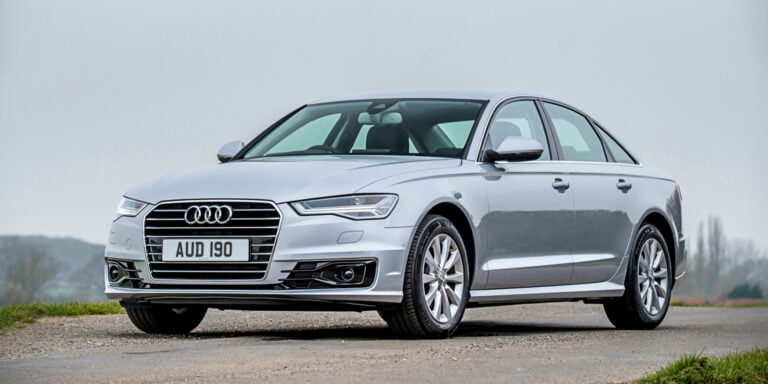
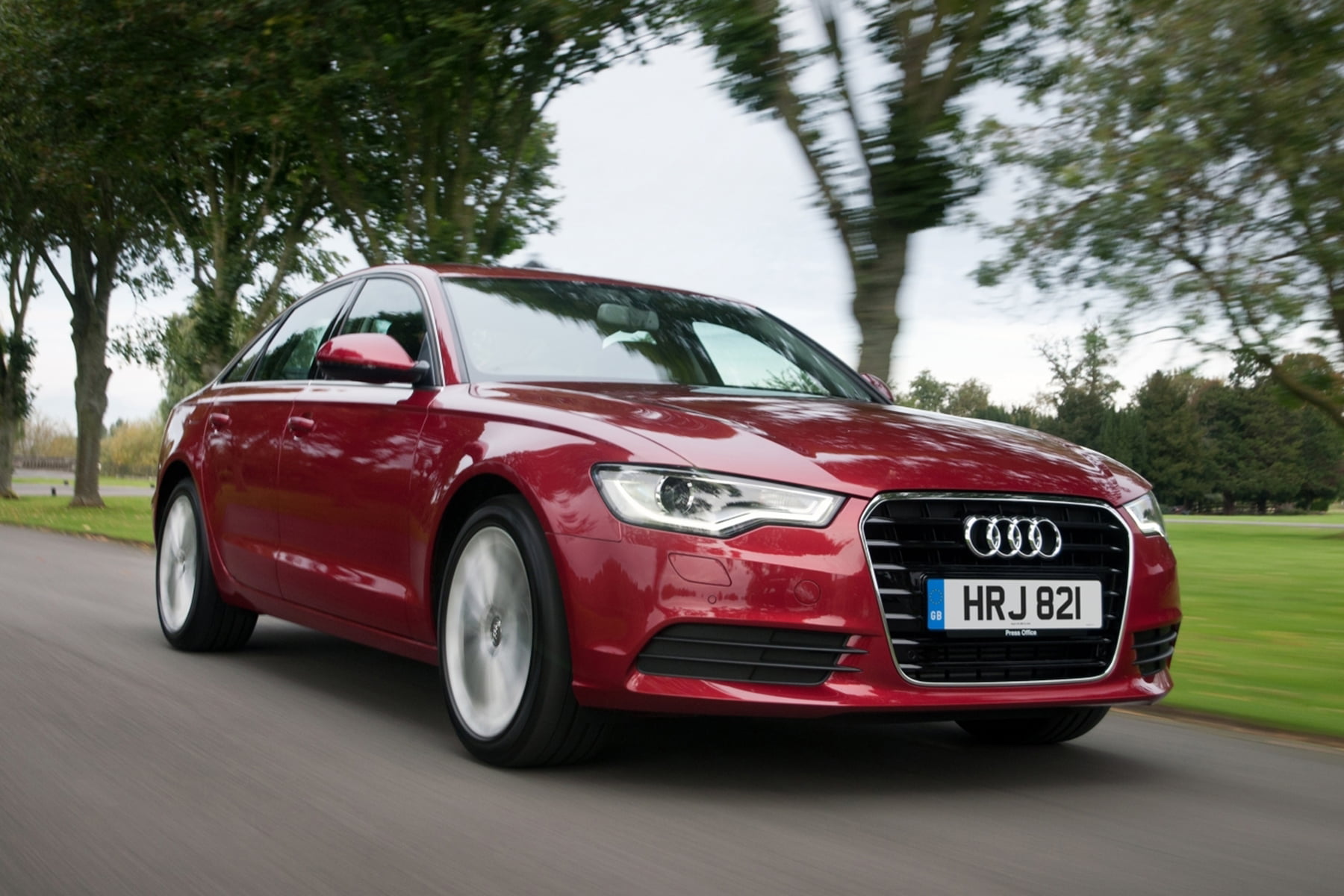
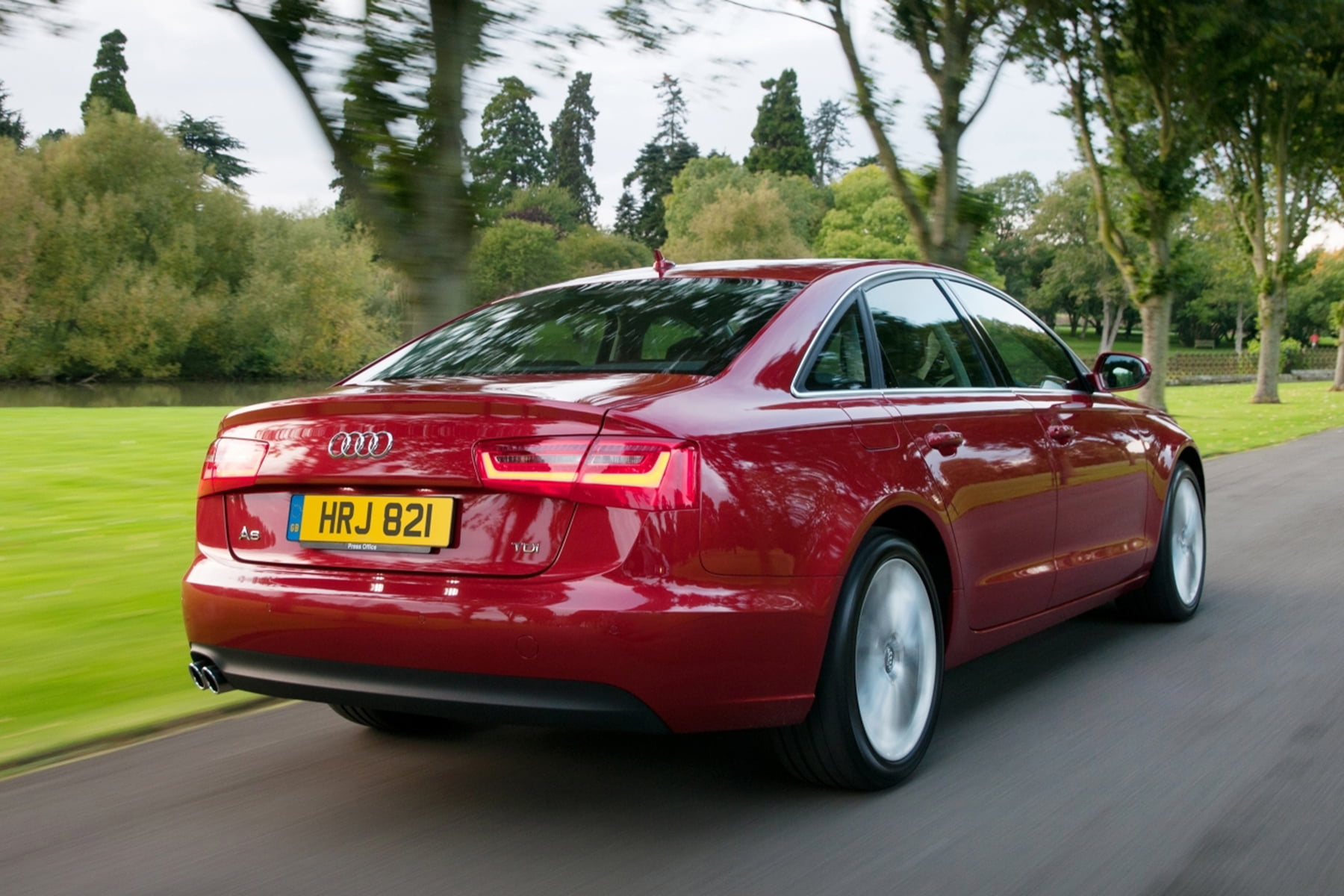
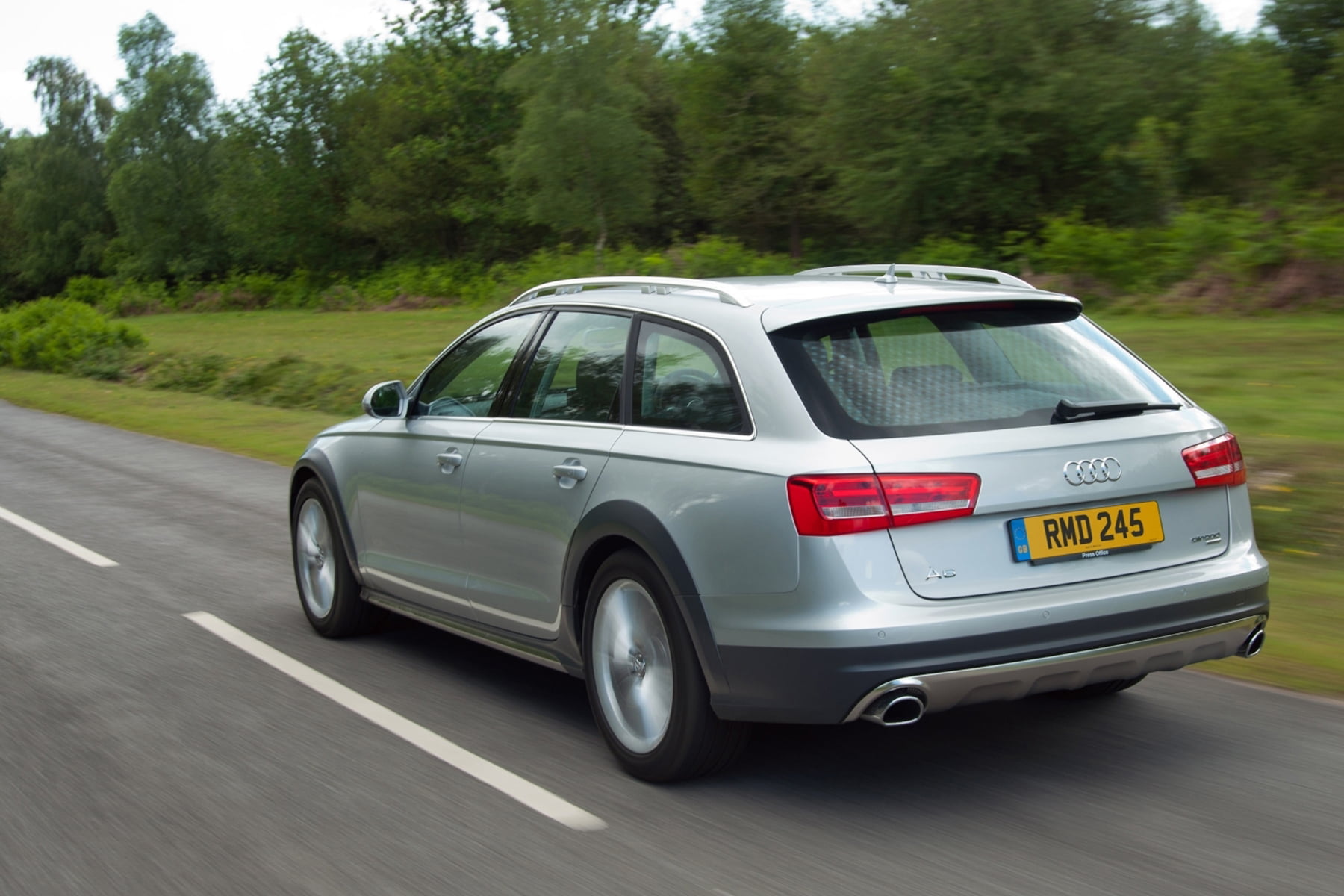
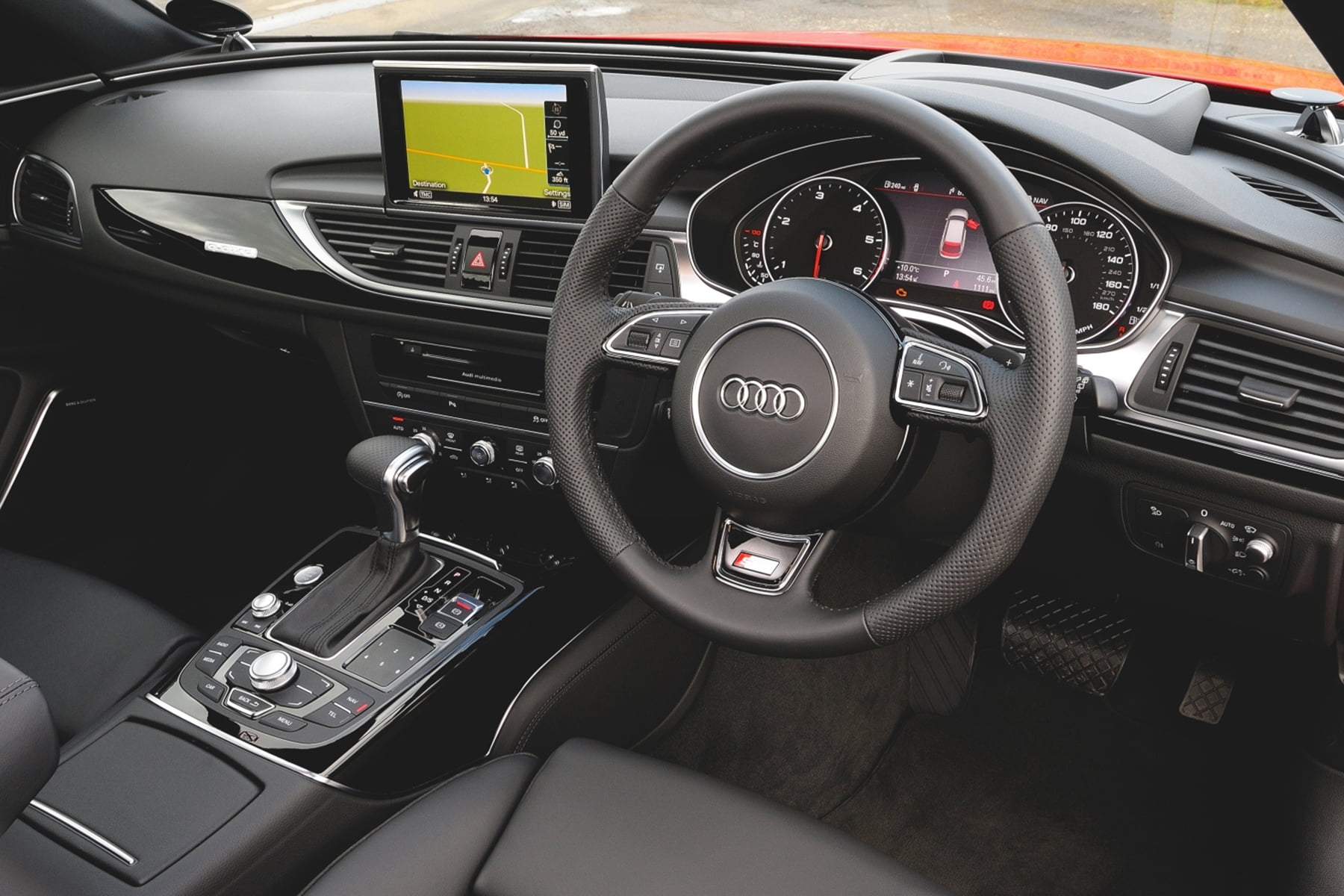
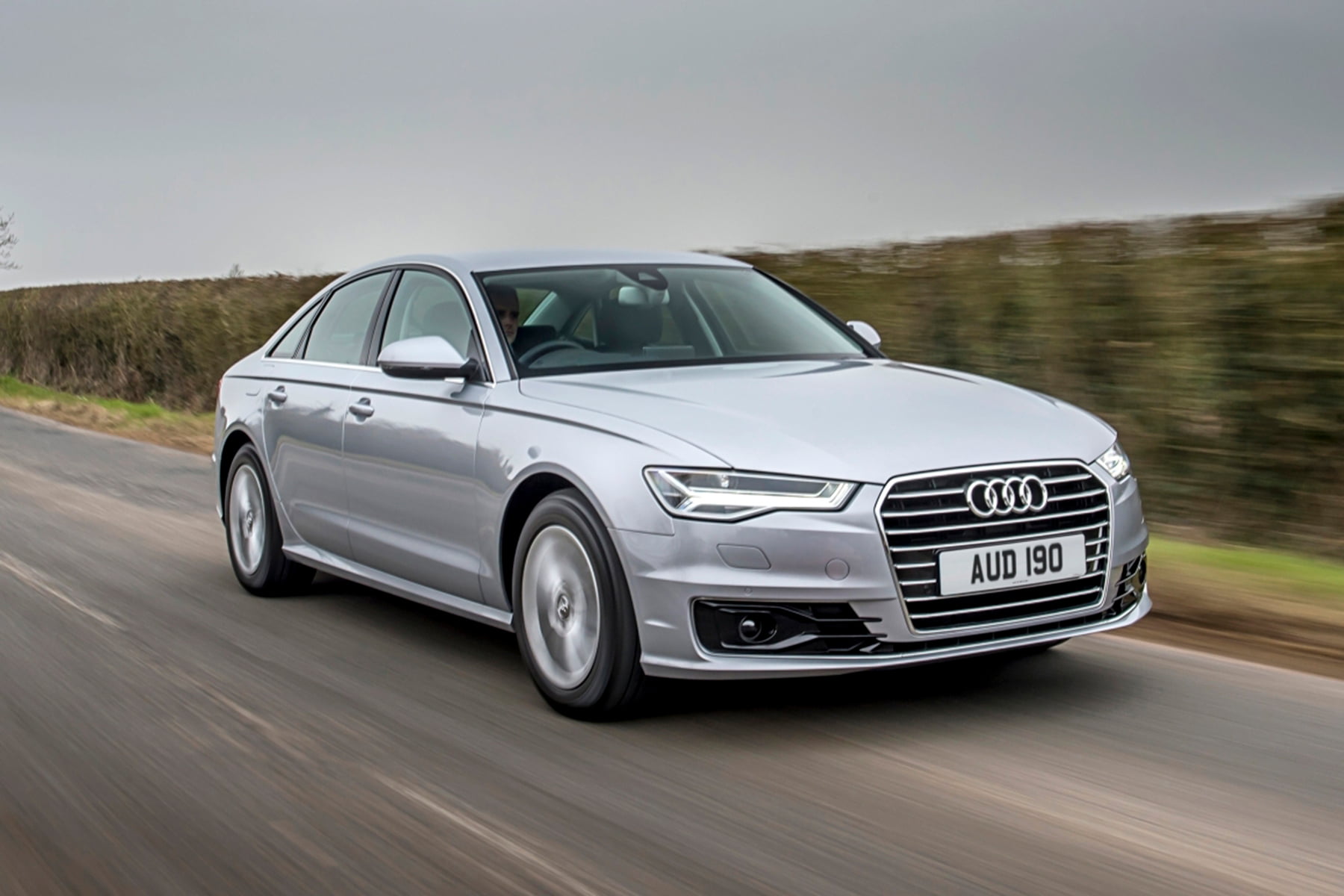
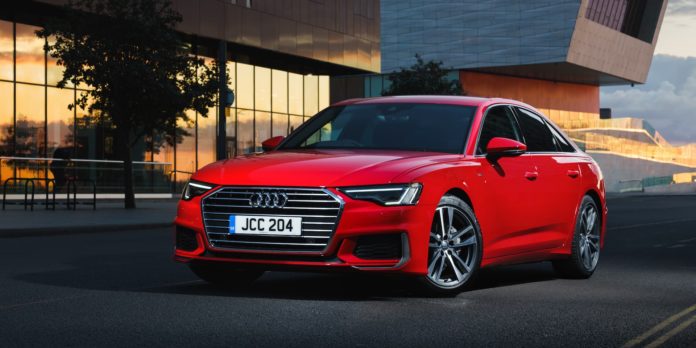
The Audi A6 is a large executive vehicle available in saloon and estate (called Avant) body styles. This is the fourth-generation model, which first arrived in 2011. After a mid-life facelift in 2015, this A6 iteration was replaced by the current model in 2018.
In usual Audi fashion, top-spec performance versions of the A6 saloon and estate were called the S6. There was also the A6 allroad quattro model, which had a beefed-up estate body and improved ground clearance for off-road driving. Finally, the performance-focused RS 6 Avant completed the range, but that’s not covered on this page.
Available with a choice of several petrol and diesel engines, the fourth-generation A6 consistently received good to very good scores from the UK media during its time on sale – praised by Top Gear for its “unarguably lovely” interior which was both practical and sophisticated, and commended by Auto Trader for its “refined and really economical engines”.
While Audi S6 models also garnered praise for their straight-line speed and driving dynamics, the performance of the standard A6 models did not excite reviewers to the same extent, as a few motoring outlets suggested that the A6 wasn’t as engaging as some of its upmarket saloon rivals.
As of January 2025, the fourth-generation Audi A6 holds a poor Used Car Expert Rating of E, with a score of just 48%. Although it scores top marks for its low CO2 emissions and its media review scores are good, the rest of its scores are poor. Running costs are high, its reliability record is very poor and its safety rating is long out of date.
Highlighted reviews and road tests from across the UK automotive media. Click any of the boxes to view.
Auto Express
+
Model reviewed: Avant (2011-18) Score: 8 / 10 “Not the most engaging to drive, but the Audi A6 Avant is one of the biggest and most efficient premium estates.” Read review
Model reviewed: Score: 8 / 10 “In the battle for supremacy in the corporate car park, the Audi A6 is a great choice. Its understated style, classy interior and host of tech on board make it a saloon car to aspire to.” Read review
Model reviewed: Score: 8.2 / 10 “The Audi A6 Avant is a large executive estate car with great performance and practicality, along with surprising economy.” Read review
Model reviewed: 2.0 TDI Ultra Score: 8 / 10 “Driven carefully, this unassuming Audi A6 estate is potentially a real efficiency hero, and should appeal to cost-conscious private buyers and fleet managers alike.” Read review
Model reviewed: S6 Score: 6 / 10 “The Audi S6 looks classy, sounds great and is a likeable car despite not having the most impressive chassis in its class.” Read review
Model reviewed: Avant Ultra Score: 10 / 10 “Eco makeover transforms Audi A6 Avant Ultra estate, making it better than ever.” Read review
Model reviewed: S Line Score: 8 / 10 “Audi A6 S line adds sporty looks and plenty of equipment, but stiff suspension is no good.” Read review
Model reviewed: Ultra (2014) Score: 8 / 10 “Flagship Audi A6 Ultra saloon sets bar high with quality build and impressive drive.” Read review
Model reviewed: Ultra “The Audi A6 Ultra is a solid, refined, luxury car.” Read review
Model reviewed: Score: 8 / 10 “Audi’s executive saloon is better than it has ever been, and is set to take the market by storm.” Read review
Model reviewed: 3.0 TDI S-line Score: 8 / 10 “Audi’s all-new A6 is quicker, more agile and better quality than ever before.” Read review
Auto Trader
+
Model reviewed: Score: 8 / 10 “The Audi A6 saloon is more comfortable than the BMW 5 Series, but less fun to drive. It’s packed with impressive technology, including in-car Wi-Fi.” Read review
Model reviewed: Score: 7.8 / 10 “The Audi A6 is an excellent executive car – supremely refined, very spacious and available with some really economical engines that make it very appealing to company car drivers.” Read review
Business Car
+
Model reviewed: 3.0 TDI SE Quattro S-tronic Score: 8 / 10 “The quattro version of the A6 driven here is the best example of how far Audi, and the car industry, has come in the past seven years.” Read review
Car
+
Model reviewed: S6 Avant Score: 8 / 10 “No massive changes then, but the S6 Avant remains a rapid, refined and very likable superwagon.” Read review
Model reviewed: S6 (2015) Score: 8 / 10 “The Audi S6 remains a very likable car. Interior quality is still deeply impressive and that engine is really quite special.” Read review
Model reviewed: 2.0 TDI Ultra (2015) Score: 8 / 10 “A subtle round of updates for a subtle car but all of them well worthwhile, keeping the Audi A6 fighting fit against its 5-series nemesis.” Read review
Model reviewed: Ultra Score: 6 / 10 “The Audi A6 Ultra has an impressive set of numbers, from its list price, mpg, C02 and spec; but it’s not particularly fun or satisfying to drive.” Read review
Model reviewed: Allroad (2012) Score: 8 / 10 “It might be a bit flashier than the previous two generations, but the Allroad is a superb all-rounder for those rich country types, and less gauche than an SUV.” Read review
Model reviewed: S6 Avant (2012) Score: 8 / 10 “In terms of pure fun, the S6 is easily beaten, but as an all-weather performance workhorse, few cars can compete.” Read review
Car Keys
+
Model reviewed: Score: 8 / 10 “The A6 is Audi’s lavish saloon cruiser that mixes interior luxury with intriguing power and driving dynamics.” Read review
Model reviewed: Avant Score: 8 / 10 “The Audi A6 Avant is an attractive, practical and sophisticated car with lots of space and some impressive diesel engines.” Read review
Model reviewed: S6 4.0 TFSI quattro Score: 8 / 10 “The Audi S6 Quattro is a carefully worked-out car for people who carefully work things out.” Read review
Carbuyer
+
Model reviewed: S Line “The Audi A6 S line is the best trim to go for in the range. Its diesel engines are all economical and it costs less than similarly equipped rivals.” Read review
Carwow
+
Model reviewed: Score: 7 / 10 “It may be getting on a bit, but the Audi A6’s interior quality is top notch, with squidgy plastics and expensive trim pieces on show everywhere you care to cast your eyes – it feels and looks expensive.” Read review
Evo
+
Model reviewed: S6 Score: 7 / 10 “The new Audi S6 swaps its predecessor’s thirsty V10 engine for a 4-litre twin-turbocharged V8 that combines strong performance with decent fuel economy – but can it deliver thrills?” Read review
Model reviewed: Score: 8 / 10 “The Audi A6 offers a beautiful interior, mighty turbodiesels, comfort, refinement and space.” Read review
Model reviewed: 3.0 TFSI Quattro Score: 7 / 10 “Big petrols are a very minority taste in mid-sized execs like the A6 these days, but the V6 TFSI motor is a gem thanks to its combination of stodgy, diesel-like low-down torque and an appetite for revs that would make any older TDI driver feel nostalgic.” Read review
Fleetworld
+
Model reviewed: S line 2.0 TDI ultra “With low running costs and no sacrifices for the end user, the A6 ultra means even executive-level employees can contribute to carbon reductions without giving up creature comforts.” Read review
Green Car Guide
+
Model reviewed: Avant 2.0 TDI (2016) Score: 9 / 10 “If you’re looking for a large, stylish, and economical executive estate, then the Audi A6 Avant 2.0 TDI, capable of 56.5 mpg, should fit the bill.” Read review
Heycar
+
Model reviewed: Avant Score: 7 / 10 “The Audi A6 Avant is a strong contender in the large estate car market. It’s a bit more stylish than some rivals, has a sophisticated image, a brilliant interior and a competitive diesel engine.” Read review
Model reviewed: Allroad (2012-18) Score: 8 / 10 “Audi has always pitched the A6 Allroad – its all-terrain version of the A6 Avant – as an alternative to a full size 4×4. And it certainly looks the part.” Read review
Model reviewed: Score: 7 / 10 “The Audi A6 is a bit more stylish than some of its rivals, has an upmarket image, a classy interior and a competitive diesel engine.” Read review
Honest John
+
Model reviewed: S6 Score: 8 / 10 “The Audi S6 offers a refined ride for a performance car and effortless performance from the 4.0-litre V8 engine.” Read review
Model reviewed: Score: 8 / 10 “The A6 Avant isn’t an overly exciting car to drive – enthusiasts will prefer the BMW 5 Series Touring – but it is a thoroughly capable and confident one.” Read review
Model reviewed: Score: 8 / 10 “Impressive cabin with a straightforward layout. Very quiet and refined on the move.” Read review
Motoring Research
+
Model reviewed: S6 (2015) “Ultimately, the S6 just lacks the drama you’d want after blowing a heap of cash on a powerful V8 super saloon.” Read review
Model reviewed: (2015) “The 2015 Audi A6 may not look much different, but it’s more efficient and faster than before, making it more competitive against the BMW 5 Series and Mercedes-Benz E-Class.” Read review
Motors
+
Model reviewed: Score: 8 / 10 “Brought to the market in 2011, the Mk IV A6 came with a longer wheelbase, an even sleeker design and a raft of safety systems that has helped move the A6 to the forefront of the executive saloon sector.” Read review
Parkers
+
Model reviewed: Score: 8 / 10 “The Audi S6 comes with a rather boisterous 4.0-litre twin-turbo V8 engine producing 450hp and, while this is smaller than the 5.2-litre V10 engine found in the previous S6 car, it’s actually more powerful – producing 18hp more.” Read review
Model reviewed: Avant Score: 8.2 / 10 “Top quality premium Audi A6 Avant estate offers high mpg or huge performance.” Read review
Model reviewed: Score: 7.6 / 10 “The A6 is similar to the A4 and the A8 and although it’s not ugly, it’s not going to wow you as a design classic.” Read review
The Sun
+
Model reviewed: Avant Ultra S Line “The biggest compliment you can pay this Ultra is that it doesn’t feel much different to the standard engines. It might be a four-cylinder but you still think you’re driving a 3litre V6.” Read review
Model reviewed: Avant “The Audi A6 Avant boasts outstanding fuel economy and best-in-class company car benefits.” Read review
The Sunday Times
+
Model reviewed: Allroad 3.0 TDI quattro Score: 8 / 10 “The Audi 6 Allroad is the Lara Croft of load-luggers.” Read review
Model reviewed: Allroad Quattro Score: 8 / 10 “The Audi A6 Allroad Quattro is an immensely likeable estate car with ‘lite’ off-road ability.” Read review
Model reviewed: S6 (2012) Score: 8 / 10 “The S6 is a good, well-judged car that would make a great deal of sense in Italy. Here in Britain, however, it will be bought and driven extremely badly by people you wouldn’t want round for dinner.” Read review
Model reviewed: Score: 8 / 10 “At last, an Audi A6 that’s as good as a BMW or a Merc.” Read review
The Telegraph
+
Model reviewed: Score: 8 / 10 “Handsomely styled and beautifully built, it also promises very low fuel consumption and CO2 emissions if you go for the Ultra model.” Read review
Model reviewed: Score: 7 / 10 “The Audi A6 is a very capable and competent executive car choice. Spacious, comfortable and classy, it’s also very affordable to run if you choose the Ultra model.” Read review
Top Gear
+
Model reviewed: S6 Avant Score: 7 / 10 “The S6 Avant is supremely fast, very comfortable, clean and relatively efficient.” Read review
Model reviewed: S6 TFSI Quattro 4dr S Tronic Score: 7 / 10 “The Audi makes a great case for itself if you want comfortable, crushing pace with a bombproof interior.” Read review
Model reviewed: 2.0 TDI Ultra S Line 4dr Score: 7 / 10 “The mildly facelifted Audi A6 comes with a highly economical four-cylinder diesel engine and front-wheel drive.” Read review
Model reviewed: S6 “The Audi S6 is an unarguably lovely product, and the materials and cabin tech have upped the everyday-premium game to new levels of luxury.” Read review
Safety rating
Independent crash test and safety ratings from Euro NCAP
The fourth-generation Audi A6 was originally tested by Euro NCAP back in 2011 and awarded a five-star safety rating. However, this rating expired in January 2018 and is no longer valid as the car no longer meets the standards required for this rating. This is normal practice, as Euro NCAP reviews its ratings on most cars annually with most ratings expiring after about six or seven years.
However, if you are comparing a used Audi A6 to vehicles of similar age, whose ratings will have probably also expired, its safety rating score is still useful.
Eco rating
Independent economy and emissions ratings from Green NCAP
No eco rating
The fourth-generation Audi A6 was not tested by Green NCAP during its production life as it pre-dated the organisation.
Reliability rating
Reliability data provided exclusively for The Car Expert by MotorEasy
Total claims: 507 Average repair cost: £1099.67 Last updated: October 2024
As of October 2024, the Audi A6 has a very poor reliability score of just 29%, according to exclusive warranty data provided by our partners at MotorEasy. This score covers this fourth-generation model as well as both newer (2018 onwards) and previous (pre-2011) versions.
The most common problems with the A6 to date relate to its electrical system, with an average repair bill of more than £400. Engine problems are very expensive, with an average repair bill of about £1,800, and are worryingly common. Gearbox repair bills are also hugely expensive at about £3,000, while other repair bills are all on the expensive side as well.
If you’re looking at a used Audi A6, make sure any extended warranty cover you purchase covers all of these potential problem areas.
Running cost rating
Monthly cost of ownership data provided exclusively for The Car Expert by Clear Vehicle Data
Fuel consumption
Average
Score
Variation
Score
Petrol models
37 mpg
D
29 – 40 mpg
D – E
Diesel models
45 mpg
C
35 – 52 mpg
B – D
Plug-in hybrid models
208 mpg
A
141 – 235 mpg
A – A
CO₂ output
Average
Score
Variation
Score
Petrol models
172 g/km
C
162 – 218 g/km
C – D
Diesel models
166 g/km
C
142 – 210 g/km
B – D
Plug-in hybrid models
31 g/km
A
27 – 45 g/km
A – A
Battery range
Average
Score
Variation
Score
Plug-in hybrid models
41 miles
D
29 – 43 miles
D – E
Insurance group
Average
Score
Variation
Score
All models
39
C
30 – 50
C – F
Service and maintenance
Cost
Score
Year 1
£306
C
Year 2
£801
C
Year 3
£1,321
C
Year 4
£1,600
C
Year 5
£2,070
C
Overall
£6,098
C
The Audi A6 is a relatively expensive car to own and run, according to whole-life cost numbers provided exclusively to The Car Expert by our data partner, Clear Vehicle Data.
Fuel consumption on petrol models is relatively poor, while diesel models are average – although that’s not unexpected given the size and luxury of the A6. Servicing costs were average during the car’s early years but, due to its age now, costs are likely to be quite variable depending on mileage and condition.
Date: May 2022 Recall number: R/2022/132 Model types: All Build dates: 05/2012 to 03/2017 Number of vehicles affected: 4,690 Defect: The mesh size of the oil strainer in the oil supply for both turbochargers is too small. Remedy: The oil strainer will be replaced with a revised version with a larger mesh size.
Date: June 2020 Recall number: R/2020/138 Model types: All Build dates: 06/2017 to 03/2020 Number of vehicles affected: 34,982 Defect: It is possible that moisture may enter the belt-driven starter-alternator. Remedy: The starter-alternator must be replaced on the affected vehicles.
Date: June 2019 Recall number: R/2019/175 Model types: All Build dates: 12/2015 to 12/2018 Number of vehicles affected: 135 Defect: Hinged towing bracket on which the locking mechanism in the hinge module could be faulty. Remedy: The hinge module for the towing bracket must be checked and replaced if required.
Date: March 2019 Recall number: R/2019/099 Model types: All Build dates: 02/2014 to 09/2016 Number of vehicles affected: 2,763 Defect: It is possible that fuel may escape from one or both fuel rails (low-pressure side). Remedy: The fuel rails for the low-pressure side of both cylinder banks must be replaced on the affected vehicles.
Date: February 2019 Recall number: R/2019/060 Model types: All Build dates: 07/2014 to 10/2014 Number of vehicles affected: 4,907 Defect: The auxiliary heater element connection in the air conditioner may fail. Remedy: Check the auxiliary heater connector and replace the element if required.
Date: May 2017 Recall number: R/2017/115 Model types: All Build dates: 05/2011 to 10/2016 Number of vehicles affected: 2,844 Defect: Foreign particles in the engine coolant can lead to a blockage in the additional coolant pump and cause the pump to overheat. Remedy: Recall the machines that are likely to be affected and update the software which will deactivate the additional coolant pump in the event of malfunction. If there has been a malfunction of the additional water pump it will be replaced.
Date: February 2017 Recall number: R/2017/078 Model types: All Build dates: 05/2016 to 10/2016 Number of vehicles affected: 2,622 Defect: Due to an error in the manufacturing process the airbag and/or seat belt pretensioner may not trigger in the event of a collision. Remedy: On affected vehicles replace airbag assembly and seat belt pretensioner where necessary.
Date: April 2015 Recall number: R/2015/031 Model types: All Build dates: 04/2011 to 04/2012 Number of vehicles affected: 1,073 Defect: Fuel may leak from the injector rails. Drivers may notice a smell of fuel and or evidence of a leak. Remedy: On affected vehicles replace injector rails and seals.
Date: October 2014 Recall number: R/2014/098 Model types: All Build dates: 01/2012 to 08/2014 Number of vehicles affected: 5,755 Defect: Engine oil may, in isolated instances, enter the brake servo via the vacuum feed line. This may cause the brake servo diaphragm to rupture and loss of brake servo assistance. Remedy: Replace vacuum line on affected vehicles.
Date: October 2013 Recall number: R/2013/112 Model types: S6 models Build dates: 01/2012 to 08/2013 Number of vehicles affected: 452 Defect: Due to manufacturing tolerance the fuel line may become damaged in individual cases and within a specific manufacturing period. In the worst case this can cause leakage. Remedy: Recall the affected vehicles within the range quoted and replace the fuel line.
As of September 2024, there have been ten DVSA vehicle safety recalls on this generation of the Audi A6, covering a range of different issues.
Not all vehicles are affected by recalls. You can check to see if your car is included in any of the above recalls by visiting the DVLA website or contacting your local Audi dealer.
If your car is affected by a recall, the vehicle must be repaired and you should not be charged for any work required. If you are buying a used A6, you should insist that any outstanding recall work is completed before you take delivery of the vehicle.
With most new car drivers paying for their vehicles through either a personal contract purchase (PCP) or contract hire (either business or personal), it’s important to make sure that your car is in good condition if/when you want to hand it back to the finance company at the end of the agreement.
Your lease payments or monthly finance payments are determined by the car’s predicted value at the end of the contract. This value is calculated by the car being under its agreed mileage limit, with a full manufacturer service history and in excellent condition.
If you don’t adhere to all three of these requirements, the leasing or finance company will charge you some pretty harsh penalty fees. You may be able to dispute some of them, but others are simply not negotiable and you could be obliged to cough up hundreds or even thousands of pounds to settle the bill.
Today we’ll look at how you can avoid these costs. Here’s a list of our top tips to avoid being hit hard by your car finance lender.
Your PCP or lease payments can be significantly affected by your predicted mileage, and it’s very tempting to reduce your annual mileage allowance to bring your monthly payments down a few quid. However, if you exceed the mileage limit over the course of the agreement, the finance company will charge you a penalty that is much higher than what you would have saved.
On average, the excess mileage fees tend to be about 10p per mile, which works out to £100 for every 1,000 miles you go over your allowance. This can add up very quickly if you’re not careful, and some drivers find they have a bill for thousands of pounds at the end of a four-year lease or PCP.
Driving habits have certainly changed as a result of the Covid pandemic, but your finance or lease agreement will probably last for the next three to four years. So make sure you consider what you might need over the whole term of the agreement, not just right now. Many finance or leasing companies (but not all) will allow you to increase your allowance mid-term if you find that your mileage has gone beyond what you expected at the beginning, but it’s better to have estimated more accurately in the first place.
2. Service your car on time, and at the dealership
We’ve covered this before, but it’s important to state it again: You will almost certainly be obliged to have your car serviced with a franchised dealership if you are leasing a new car, or financing it on a PCP. If you are financing a used car, check your paperwork to find out what your servicing requirements are.
This catches a lot of people out, because the car manufacturers can’t force you to service the car with their dealerships to maintain your new car warranty. However, this has nothing to do with your finance agreement. The leasing company is basing the final value on a full manufacturer service history, and they can legitimately argue that a car with a full service history is worth more than one without.
Again, there are some eye-watering penalties if you take the car elsewhere, that will cost you much more than the extra cost of servicing the car at the fancy dealer service centre.
Finance and leasing agreements use phrases like “fair wear and tear” and “good condition”, but there is very little legal guidance as to what these actually mean (although there is an industry standard for leasing companies; see point 9). As such, the interpretation varies widely, but it’s fair to say that a leasing company will usually take a much stricter view than the customer.
Most companies will be able to provide you with a guide to what is acceptable for minor damage so that you can work out whether you will need to get any little scrapes attended to before returning the car. As a guide, light scratches less than an inch in length are usually OK but your leasing company may have its own requirements.
Usually, it will cost you a lot less to have minor damage professionally repaired than whatever the finance company decides to charge you. And ignoring a scratch in the hope that the finance company won’t notice it is not usually a good strategy, either.
The finance company won’t usually fix the damage you’re being charged for; they’re just using their own assessment of what they think it would cost to repair. The car will probably be sent to auction in its damaged state and the dealer buying the car will fix it. You can dispute any invoices for damage, but it’s usually fairly futile unless you have evidence that the damage is less than what they’re describing.
4. Get repairs done professionally
Following on from the point above, it’s important that any repairs you do make to the car are done properly and professionally. The repair has to meet the standard of the original vehicle, rather than being a bodge job, and the finance company is within its rights to expect that damage is repaired to the same standard as the rest of the car.
If the leasing company decides that the repair is sub-standard, they’ll charge you for the repair at whatever they think it should be just as if you’d not had it fixed in the first place (see above). That means you’ll basically be paying for the car to be fixed twice.
It’s usually best to use a service centre or body shop that’s approved by the car manufacturer – that way, it’s difficult for the finance company to argue that the quality of repair is sub-par.
5. Sort out any warning lights
It’s common sense that you should check your car when any warning lights pop up on your dashboard. But it’s tempting to not bother topping up fluids or repairing slow punctures when you know that you’ll be handing the car back shortly. That laziness could cost you much more than it needs to.
As with everything else we’ve mentioned, the penalty fees charged by the leasing company to top up your coolant or windscreen washer fluid will almost certainly be higher than the cost of doing it yourself. Check your fluid levels and top up anything that is below the indicated level before you hand over the keys.
6. Remove decals and wraps
Plenty of people will apply decals or magnets to their vehicles to promote their business, or maybe even give the car a complete wrap to make it really stand out from the crowd. That’s fine as long as you return the car to its original state before you hand it back, and address any damage that may have occurred to the paintwork.
Decals can sometimes leave a sticky residue, so you’ll need to make sure that’s completely removed. Plus, that residue will inevitably attract dust and dirt that will (surprise, surprise) stick to it and potentially start scratching your paintwork underneath. It’s also easy to scratch the paint when applying or removing decals, so be careful to protect the paint.
The same applies to magnetic signs, especially if the car isn’t pristinely clean when you stick the sign onto the car. If there’s any dirt under the magnet, it can scratch the paint every time the magnet moves (which it will do all the time, even if it’s only a tiny amount). Never slide magnetic signs along the paintwork; if you want to move or adjust the sign, peel it off and reapply it.
7. Repair or replace a chipped windscreen
It’s almost impossible to avoid a chip in your windscreen over three or four years of driving. Like paintwork damage, you can argue with the finance company over whether a chip is chargeable damage or fair wear and tear, but you’re probably better off getting it fixed rather than wait for them to invoice you and then try to fight it. Plus, of course, a small chip can quickly lead to a far more substantial crack in the windscreen that will mean replacing the whole glass instead of repairing a tiny chip.
Most car insurance policies have some sort of windscreen cover as a specific part of the policy, so bear this in mind when selecting car insurance and take advantage of it rather than ignoring a chip.
8. Hand back a clean car
It’s very tempting to not bother getting your car properly cleaned during your lease or before handing it back. After all, if it’s not damaged there’s nothing they can do about it, right?
The finance company can charge you for any stains to the interior, or even bad odours (wet dogs and cigarette smells are particularly awful) if it can be demonstrated that the smell is likely to affect the car’s value. As a buyer, you wouldn’t want to buy a car that reeked of cigarette smoke or someone else’s pets, and it can be expensive to fix stains on upholstery, so these will be charged accordingly.
Fortunately, a professional clean and valet can take care of most of that, as well as polishing up the paintwork to eliminate minor scratches. Proper car detailing can seem expensive, but it may be worth much more than it costs if it saves you penalty charges from the finance company.
9. Know what the industry standard says
Leasing companies should be following the industry standards set by the British Vehicle Rental & Leasing Association (BVRLA) for vehicle returns. You can and should request your leasing company to provide you with a copy of this. The BVRLA helpfully offers you the opportunity to order a copy directly from them, but you have to order a minimum of ten copies and it will cost you £20…
The BVRLA standard is not legally binding, but it is a good guide of what to expect and gives you a starting point for any disputes you have with the leasing company over whether any damage should be considered fair wear and tear. If the leasing company is a member of the BVRLA, it’s obliged to work to the industry standards. The BVRLA also has a guide for customers returning lease vehicles.
10. Make the time to get any work done
If your car needs a service, or if you need to have any repairs undertaken, you need to allow time for that to happen before you hand the car back to the lender.
You should check the vehicle over 10-12 weeks before the return date to give yourself plenty of time to book it in and for the work to be done. Don’t leave it until the last minute or else you will run out of time.
In 1950, two years before she became queen, the second world war was only five years over and Britain’s economy was still in dire need of foreign currency to buy imported food and raw materials. ‘Export or die’ was the Ministry of Information mantra.
As European car factories were slower to rebuild, Britain had a short-term lead supplying its colonial markets such as Australia and South Africa. Steel was rationed to each maker according to their potential to generate export orders. At the dawn of the new decade, Britain was the world’s leading exporter of cars in 1950 with 398,300 leaving its shores.
Morris dominated British motor manufacturing, next came Austin with huge factories in Oxford and Birmingham respectively. Motor manufacturing was largely in the hands of a small and powerful collection of Sirs. William Morris had become Lord Nuffield and set up hospitals, while Sir Leonard Lord ruled the Austin empire with a cigarette always parked in the corner of his mouth. Standard was Sir John Black, Rootes (Hillman, Sunbeam, Humber) was Sir William ‘Billy’ Rootes and his brother Reginald.
Ford of Britain had always been American-owned, as had Vauxhall (by General Motors since 1925). Britons were soon crazy for American music and style, and the bigger Fords and Vauxhalls made at Dagenham and Luton became smaller versions of their transatlantic cousins, with more chrome, more fins and pastel two-tone paints.
Ford’s Dagenham factoryFord Anglia
A merger between Morris and Austin had been debated for many years and after protracted negotiations the British Motor Corporation (BMC) finally came into being in February 1952. Early 1950s BMC cars stuck with tweedy British names such as Oxford and Cambridge but ditched their frumpy looks towards the end of the decade when management contracted Italian designer Pinin Farina to provide a dash of style. Triumph also went to Italy, while Rootes plumped for American stylist Raymond Loewy.
Jaguars were shaped very nicely in Coventry by boss Sir William Lyons and roared through the 1950s advertising ‘grace, space and pace’ from sports cars and saloons for a lot less than a Rolls-Royce or a Bentley.
The 1950s was the golden age for affordable British sports cars and MGs, Triumphs and Austin-Healeys went down a storm in the USA. Britain was enjoying a surge of motor racing, with new circuits formed from abandoned wartime airfields. By 1952, Britain had three official racing circuits: former bomber training base Silverstone, Brands Hatch and Goodwood. Lotus had been founded in 1947 and after making its name with the self-assembled Lotus Six sports car surprised everyone with its all-fibreglass Lotus Elite in 1957.
Most people proudly bought British, but despite the closeness of the war, braver citizens began to take to the Volkswagen Beetle, as well as the baby Fiat 500. Renaults and Citroëns were assembled west of London to save tax. Fuel rationing after the 1956 Suez crisis opened the door to tiny fuel-sipping three-wheel German ‘bubble cars’. The Mini was put in train by Austin to beat them.
Some ancient names of British motoring fell away in the 1950s such as Bradford’s Jowett and Coventry’s posh Armstrong-Siddeleys and Lanchesters. Daimler was eaten by Jaguar in 1960, Standard by Triumph in 1961. Happily, little Morgan sports cars from Worcestershire is still with us today. Rolls-Royce (which had owned Bentley since the 1930s) glided out of the ‘fifties with its Silver Cloud, but the old coachmakers which built Rolls’ bodies to personal order faded away.
Autin/Morris MiniRolls Royce Silver Cloud
The decade ended with the Austin (or Morris) Mini even though the bubble car boom by then had popped. It blew away technical conventions while the Ford Anglia played it safe but was a big seller.
1960s – cool cars, clouds gather
The Beatles and James Bond had stormed America, and by the middle of the 1960s there were plenty of groovy British motors to be had. The gorgeous Jaguar E-Type came in 1962, then stylish sportscars the MGB and the Triumph Spitfire. The modern executive’s dream family car was the advanced Rover 2000, while the modern tycoon’s dream coupé was the Jensen Interceptor. The Ford Cortina and the Austin 1100 were million-sellers.
Hillman, the everyday brand of the Rootes Group shot itself in the foot with the 1963 Imp. A belated response to the success of the Mini, it had a rear-mounted engine driving the rear wheels when most European manufacturers were switching to front engines and front-wheel drive. The Imp was hastily developed and early ones were shockers for breaking down, not helped by Rootes being forced by the government to build it at Linwood near Glasgow, some 300 miles away from its traditional home in Coventry. Early Imp unreliability, poor sales and strikes led to a complete buy-out of Rootes by Chrysler USA in 1967.
Back to 1964, the Aston Martin DB5 gained mythical status when Eon Productions chose it for a starring role laden with special effects in the 1964 James Bond film Goldfinger. Aston Martin and James Bond were paired for life, but the company continued to struggle for profit. By 1972 owner Sir David Brown (Mr DB) had to offload Aston when his tractor empire was in trouble.
Jaguar E-TypeAston Martin DB5
In May 1965 Daihatsu became the first Japanese manufacturer to export to Britain with the little Compagno Berlina (but only sold eight of them), and by the end of the decade Mazda, Toyota and Honda had arrived modestly. While British carmakers snootily looked down their noses, America took the Japanese newcomers and the Volkswagen Beetle rather more seriously.
Major names started to struggle and the government started stepping in. BMC wrongly continued to believe (encouraged by government) that bigger was better, expanding its ranges and swallowing up car body makers Fisher Ludlow in 1963 and Pressed Steel in 1965.
Mergers now seemed the only way for the big British car firms to survive and in 1968 came a name which would dominate the news in the next decade – the British Leyland Motor Corporation. The starting point had been Leyland Commercial Vehicles buying Standard Triumph in 1960 and Rover in 1967. BMC had become British Motor Holdings in 1966 after buying Jaguar before it merged with Leyland. The £500m merger created the second largest motor manufacturer in Europe after Volkswagen and its 29 factories across the UK made everything from steam rollers to sports cars. Too big to thrive, too big to fail.
1970s – trouble and strife
Not a bad start. The 1970 Range Rover was something completely new, a high-riding two-door estate with the four-wheel drive capabilities of a Land Rover with the smooth and powerful Rover V8 engine and smart enough for a trip to town for dinner and dancing.
Elsewhere in the British Leyland empire, a line of not-quite-right cars was underway. The handsome Triumph Stag convertible, instead of using the Rover V8 engine, had a new one which promptly overheated. The new Morris Marina of 1972 was British Leyland’s belated attempt to take on the Ford Cortina, Ford Escort and the Hillman Avenger, but failed to excite. The 1973 Austin Allegro lives in motoring folklore as generally duff, but its main flaw was perhaps not having a hatchback when the 1974 Volkswagen Golf – and all rivals cars after it – did.
Range RoverTriumph Stag
Then it got really miserable. The repercussions from the October 1973 Yom Kippur war lead to fuel shortages, a stock market crash and a global economic slowdown. By December 1973 the British government had ordered shops, offices and public spaces to cut lighting by half. Its economic policy also provoked a miners’ strike and on 1 January 1974 a three-day working week was instigated to save coal at power stations. The price of petrol rocketed, as did Mini sales. Here and there, electric cars were tried as a half-hearted experiment – but were discarded when petrol prices came down.
Aston Martin went into receivership at Christmas 1974 and no cars were built until mid-1975 after it was rescued by an American and a Canadian businessman. It came roaring back with the astonishing wedge-shaped Lagonda of 1976, the first British car with a digital dashboard.
Japanese imports raced ahead. Sure, early Japanese cars rusted as well as all the other brands but they were well built overall, they started each time, they came loaded with luxuries such as a radio and the dealers were actually nice to their customers. By 1976, Nissan’s Datsun brand was the top importer with almost 7% of the British market, ahead of European goliaths Fiat and Volkswagen.
There was a lot of shouting about imported cars generally. Fords and Vauxhalls were now designed in Germany and the 1976 Ford Fiesta was built in Spain. The 1975 Vauxhall Cavalier was a German Opel Ascona with a new Vauxhall nose and was a very good car. But at first it was made in (gasp) Belgium. Some companies would only buy British-built cars, and soon the Cavalier moved here.
Ford Fiesta (first generation)Vauxhall Cavalier (Mk I)
British Leyland was now in a complete mess, most of its factories having a strike at one time or another with a knock-on effect on quality. In 1974, BL made a total loss of £23.9m and in 1975 the Labour government was forced to guarantee its working capital, effectively nationalising it. The government commissioned Sir Don Ryder to report on the company’s current and future prospects, and in April 1975 he concluded that it was simply too big to fail and recommended an incredible £1,500m of public money be invested in modernisation and that the company had to rationalise its products. The ship took a long time to steady – the handsome Rover SD1 of 1976 started disintegrating within weeks of leaving the factory.
Dearly departed in this decade was Jensen sports cars, but Lotus, its kit car days behind it, bet the bank on the new Elite of 1974. This was the curtain raiser to a range of larger and more sophisticated cars for the ‘70s and ‘80s including James Bond’s Esprit.
1980s and 1990s – new arrivals and self-offs
Cue hysterical Union Jack-waving for the 1980 launch of the Mini Metro, but the smartest thing BL did next was to collaborate with Honda. The last car to have a Triumph badge was the Acclaim of 1981, a sensible saloon largely based on the Honda Ballade, therefore easy to drive and painless to own.
The now-mighty Japanese car industry was beginning to build cars in Europe to get around import tariffs and in July 1986 the first Nissan Bluebird rolled off the production line at its new plant in Sunderland. In 2019, the factory built its ten millionth car, the hugely successful Qashqai.
Chrysler UK had limped through the 1970s and in 1978 Peugeot took control, re-naming it the Talbot Motor Company. Thus, the Coventry-built Chrysler Alpine became a Talbot before the name died in 1987. From 1985 to 2006, Peugeots would be built at the Ryton factory.
In 1986, Lotus was bought by General Motors, which would bring us a new Lotus Elan and the naughtily fast Vauxhall Lotus Carlton. Not to be outdone by its rival, the next year Ford scooped up Aston Martin. The American giant had decided that the only way to truly move upmarket was to buy up posh European brands for its Premier Automotive Group (PAG).
In 1989, Ford succeeded in out-bidding General Motors for control of Jaguar. Without doubt Ford’s further investment saved both Jaguar and especially Aston Martin, starting with the Jaguar-based DB7 of 1993. On the back of the DB7’s success, Ford’s ambitions for Aston Martin led to new cars and a new factory in Warwickshire. In 1999, it added Volvo to the PAG and followed that by acquiring Land Rover in 2000.
Nissan Bluebird on Sunderland production lineToyota Carina E
Toyota had been watching the success of Nissan in Sunderland and set up its own UK manufacturing facilities in 1989, building vehicles at Burnaston in Derbyshire and engines in Deeside, North Wales. The first car, a Carina E (for Europe), drove off the Burnaston production line on 16 December 1992.
Honda was the final Japanese manufacturer to start building in the UK, and for all of these brands an agreement had to be hammered out that they would contain a majority of components built in the UK or the EEC. Honda’s Swindon factory started with the Accord (its twin was the Rover 600) in 1992. More Honda-Rovers followed.
In early 1993 Lotus was sold to an unexpected buyer, Bugatti International, which then ran into trouble 18 months later and offloaded the majority of it to Malaysian-owned Proton cars.
By 1988 the British government had grown tired of propping up Austin Rover – by then called the Rover Group – and sold it to British Aerospace. Then in 1994, to much consternation, BMW bought Rover, saying it would gain from the four-wheel drive expertise of Land Rover and the small front-wheel drive cars (some said that was all it wanted, not the Rover brand). The new Mini was in its last stages of development as was the new Range Rover. The MG sports car brand also came with the deal. The Honda tie-up died.
BMW was not stopping there. In 1998 it had a furious bidding war with Volkswagen to buy Rolls-Royce Motors and Bentley when its owner Vickers, decided to sell. In a complicated switch, Volkswagen won the bid, but lost it four years later when BMW walked off with the rights to Rolls-Royce leaving VW with Bentley. BMW created a new home for Rolls at Goodwood and Volkswagen transformed the old Rolls factory at Crewe for its new-era Bentleys.
Standout British car of the 1990s? Ford had given us the Mondeo in 1993 but it was designed in Europe and the US to be a world car. There was only one true landmark British-designed and made car of the 1990s, the 1993 McLaren F1, a no-compromise supercar from McLaren Formula 1 designer Gordon Murray. Capable of reaching a top speed of 241mph, it was the world’s fastest production car ever – and remains a high point of automotive development almost 30 years later.
2000s – new takes on old names
At the start of the 21st Century BMW finally admitted it had bitten off more than it could chew in trying to make Rover turn a profit and made a dramatic exit. In May 2000, the company was sold to the Phoenix Consortium, a group of ex-bosses and private investors.
The Rover 75 saloon had only just been launched, new technology in a retro package complete with a wood and leather interior. It was a genuinely good car but now somewhat doomed. BMW was not daft. It kept Mini and Land Rover then promptly sold the latter to Ford. The production line for the new Mini was shipped down the M40 to Oxford while the Rover 75 line went the other way.
Mini hatchRover 75
The newly-formed MG Rover kept the BMW-era cars going whilst struggling to bring anything truly new to market. Sales drooped and drooped until the company went into administration in 2005. The remaining 6,500 workers at the massive Longbridge plant were out of a job. Later that year the remaining assets of MG Rover were sold for £50m to China’s Nanjing Automotive. There were hopes that the Longbridge lines would re-start, but today’s MG cars are all built in China.
Meanwhile, the new Mini of 2000 had been an immediate worldwide success. It turned out that what foreign buyers wanted was British luxury and style, not economy cars – and that the people who best understood what made a British car British were Germans. The new Mini’s cheeky charms were expanded into a whole new family of cars, while Rolls-Royce and Bentley produced more models than at any time in their histories.
However, when the parent company sneezes, the little ones suffer. And by 2007, Ford was having a sneezing fit. Needing to shore up its floundering North American operations, it sold Aston Martin (although continued to supply engines) to a consortium of investors, then offloaded Jaguar and Land Rover in 2008 to India’s Tata Group. Ford had also stopped building any of its own cars in the UK in 2002.
2010s – adapt and survive
By the 2010s, there were no large British-owned car firms left but plenty of posh British brands with healthy order books. Everyday British folks still liked to buy Fords and Vauxhalls but cared not where they came from.
in 2017, Lotus Cars became majority owned by China’s massive Geely organisation, but the dust hadn’t settled yet on big mergers. General Motors left Europe for good, selling Vauxhall and Opel to French company PSA (basically Peugeot and Citroën), which in 2021 merged with Fiat-Chrysler to create an enormous new company called Stellantis – making Vauxhall one of a family of 14 automotive brands. The same year, Honda closed its doors in Swindon.
Entering the Carolean era
According to trade body the SMMT, more than 30 manufacturers now build in excess of 70 models of vehicle in the UK supported by 2,500 component providers. In the post-pandemic, shortage-struck year of 2021 over 859,000 cars, 72,913 commercial vehicles and 1.6 million engines were still built in the UK. Eight out of ten cars built here are exported.
Looking to the electric future, Nissan is creating a £1 billion battery gigafactory with partner Envision AESC, in addition to its Sunderland plant building a new generation electric crossover car. Jaguar and Bentley are set to reinvent themselves as all-electric brands. And aside from road cars, the epicentre of Formula One is very much in southern England. Seven of the ten teams competing in the championship are based there.
Big turned out not to be beautiful after all. We have become a nation of boutique carmakers.
Given an exterior styling refresh as well as performance enhancements and new tech, the seventh-generation Ford Mustang coupé and convertible are set to arrive in the UK in next year, and are likely to be the last of their kind.
Ford says that the current iteration of the Mustang has been the best-selling sports coupé since it arrived in 2015, and therefore the brand has used a similar formula when designing the Mustang’s next and quite possibly last generation model.
The 2023 Ford Mustang is built on the same foundations as its predecessor, and the 2.3-litre ‘EcoBoost’ four-cylinder and 5.0-litre ‘GT’ V8 engine options have been carried over too, though Ford says that the both been upgraded and re-tuned to provide “even greater response and performance”, as well as lower fuel consumption.
The new coupé and convertible come equipped with the same 10-speed automatic gearbox as standard, while the top-spec V8 is available with a six-speed manual transmission.
2015 Ford Mustang vs. 2023 Ford Mustang (‘Dark Horse’ trim)
In contrast to the current model, EcoBoost and GT models come with slightly different exterior styling features. Both take design inspiration from the original 1960’s Mustang, with a new-look front grille that the brand says has been optimised to provide more pedestrian protection in the event of an accident, and a shorter rear overhang to match the authentic proportions of the first-generation.
The new Mustang GT sports larger gloss black grill openings to increase airflow to the more powerful engine, as well as bonnet vents, a larger front splitter and rear diffuser, and a quad-pipe exhaust system.
Sitting at the top of the range is the ‘Dark Horse’ trim, which features darkened LED headlamps and a rear spoiler. Ford says this model is “the most track-focussed precision of any Mustang to date” – equipped with further performance enhancements, upgraded tyres and a unique blue and black interior colour scheme.
An optional performance package can be added for an additional fee, including upgrades to the brakes and suspension, and wider rear tyres (included with the ‘Dark Horse’ trim).
The new range will be available with 12 exterior colour options, and either red or black brake callipers. While 18-inch alloy wheels come as standard, customers can also choose between two 19-inch alloy wheel designs.
The Mustang has received a pretty comprehensive refresh inside too – most notably the addition of a new continuous dashboard screen that connects a 12-inch digital instrument cluster and a 13-inch infotainment screen. This is only available on mid-range models and up though – entry-level models come with a twin screen layout.
This tech is compatible with over-the-air updates – meaning that Ford can install later updates and further tech features remotely without having to bring the car in for a service.
While the new model does not come with the Ford’s next-generation autonomous driving aids like its all-electric SUV counterpart, the Mustang Mach-e, this new iteration is equipped with several driving assistance features, including adaptive cruise control, traffic sign recognition, lane-keeping assistance and an ‘Active Pothole Mitigation’ system that automatically adjusts the suspension to soften the impact of potholes and uneven tarmac.
Ford is yet to release the new Mustang’s performance stats or UK pricing. These details will be released in the coming months, leading up to the sports car’s 2023 UK arrival.
Widely praised for its driving dynamics, the current Ford Mustang model holds an Expert Rating of 77% – a score hindered by its questionable Euro NCAP crash test safety rating.
The seven decades of Queen Elizabeth II’s reign saw many changes in all aspects of life, none more so than in the world of motoring. In this special feature, we look back at ten of the defining automative developments of the Elizabethan era.
In 1952, car ownership barely reached beyond those enjoying a level of affluence – only around 15% of UK households owned a car. The early years of the queen’s reign saw that figure climb rapidly and, by the start of the 1970s, there was at least one car in half of UK households. Today that figure is close to 80%.
Over the last seven decades, those cars have changed beyond all recognition – in their design, their complexity, their technology. So what are the ten biggest automotive developments of the Elizabethan era?
The seat belt
There’s no doubt that it’s much safer to travel in the car today than it was back in 1952 when Queen Elizabeth came to the throne. Then, UK road fatalities recorded by the Department of Transport exceeded 5,000 a year. By the mid 1960s, as the number of cars on the road mushroomed, fatalities had increased at a similar rate to 8,000 annual deaths.
Today, however, the annual figure is typically less than 2,000. What makes this even more remarkable is that in 1952 UK people travelled only around 50 billion kilometres a year by car, van or taxi – today, that figure typically exceeds 650 billion.
The reason, of course, is a constant evolution in safety over the past 70 years, without which road deaths would be much higher. This evolution has been punctuated by such milestones as the first airbags, the emergence of camera and radar-controlled autonomous braking and stronger structures able to withstand heavier impacts.
Without doubt, the greatest safety advance of all has been the seat belt. In the 1940s, US manufacturer Nash had first proposed a belt that passed over the lap of car occupants, but it was the three-point belt patented by Volvo – just seven years into the queen’s reign in 1959 – that changed road safety as we know it. The three-point seat belt is credited with having saved more than a million lives more than 50 years later.
The designer of the three-point seat belt, Nils Bohlin (who had earlier worked on ejection seats for Swedish aircraft manufacturer Saab) was so convinced of his creation’s effectiveness he persuaded Volvo to relax its patent so other manufacturers could join the Swedish brand in fitting them as standard equipment. Front seat belts were made mandatory in cars from 1965.
It took a long time, however, for ‘belting up’ to become the norm – despite numerous safety campaigns with tag lines such as ‘Think!’ and ‘Clunk Click every trip’ some motorists objected to being told to strap themselves in, and in the UK using seat belts was not made mandatory until 1983 in the front, and 1991 in the rear.
Warning:This Volvo ad will give you goosebumps
Car finance
In 1952 car ownership was still in a minority – prices of new cars were coming down compared to before the second world war, but buying one still represented a huge slice of average household budgets still under post-war pressures. Today, household budgets are again under great pressure, but car ownership is at an all-time high.
If people only ever bought the cars they could afford with the savings they had available, we would never have a car industry. Amercian giants General Motors and Ford both cottoned onto this way back in the 1920s, but it was after the second world war that the car finance industry really took off.
Car finance has become a £100bn industry in the UK today, with ever-more sophisticated forms of funding available to enable both consumers and fleets to renew their vehicles on a very regular basis, and keeping the car industry in business.
Originally, ‘finance’ almost exclusively meant hire purchase, paying a deposit to drive away in a new or nearly-new car and paying the rest off in monthly instalments. Once you’d made your final monthly payment, the car was yours
Today, the personal contract purchase (PCP) dominates the car finance market. It first appeared in the UK in the mid 1990s, launched by Ford. It’s a form of hire purchase, though with much lower monthly payments followed by a very large final payment. At the end of term, you either make the final payment, hand the car back to the finance company or part-exchange it against another car.
Fuelled by the 2008-2011 financial slump, PCPs have become hugely popular. Close to nine out of ten new cars now bought this way. Buyers like the lower payments and the industry likes how it keeps customers coming back every few years. But there are drawbacks, explained in our comprehensive guide.
Other finance packages have also emerged such as personal contract hire (PCH), in which one simply rents the car for a period. The leasing industry has mushroomed in recent years and expanded from the business into the consumer market.
All car finance options have their plusses and minuses but there’s no doubt that without them the global industry would still be limited to building expensive toys for the very wealthy.
The catalytic converter
By the time the queen celebrated her Silver Jubilee in 1977, a new automotive innovation was spreading around the world from America. Initially, it faced considerable opposition – the car industry did not want the expense of fitting it to millions of cars, and it also strangled car performance dramatically. We’re talking about the catalytic converter, a device that deserves much of the credit for cleaning up urban environments across the globe.
A catalytic converter is part of a car’s exhaust system and converts toxic gases and pollutants emitted from petrol and diesel engines (such as carbon monoxide, nitric oxide and hydrocarbons) into less-toxic pollutants (such as carbon dioxide and water vapour). It does this by means of chemical reactions using precious metals such as platinum, palladium and rhodium.
Over the last 40-odd years, catalytic converters have become even more effective at removing pollutants while significantly reducing their impact on vehicle performance. However, the use of rare and expensive metals do mean that they have become a target for thieves – thefts of catalytic converters increased tenfold between 2018 and 2019 and are continuing to grow.
How a catalytic converter works
Radial tyres
The radial tyre is a largely unheralded development, but it transformed both the performance and safety of every car on the road. Michelin invented the radial tyre in 1948, though it took many years for its advantages in both safety and performance over the existing crossply tyres to be fully appreciated.
All pneumatic tyres (as opposed to the solid rubber items of early cars) consist of a network of steel cords encased in rubber. When Elizabeth became queen in the 1950s, and indeed well into the 1970s, most tyres used a crossply design, which had very rigid sidewalls (making the ride quite firm). They also needed an inflatable ‘inner tube’ to support the tyre on the wheel rim, and being of soft rubber this inner tube was easily punctured, leading to a flat tyre or – more dangerously – a high-speed blow-out.
In a radial tyre, there are fewer cords and they are placed at a 90-degree angle, while a steel belt runs around the tyre rim. No inner tube is necessary, and the softer sidewall is better at absorbing shocks and impacts. This provides a smoother ride and also means that much less heat is generated, so blow-outs are far less likely – another major automotive safety advance of the Elizabethan era.
Looks similar, but the radial tyre was a major improvement on the older crossply tyre
The white van revolution
What is the most significant automobile of the Elizabethan era? The Mini? The Nissan Qashqai, catalyst of the modern SUV revolution? Perhaps the Bugatti Veyron, the first production supercar to achieve the ‘magic figure’ of 1000hp?
No, none of those. If you’re looking for a genuine game-changer for the automotive industry and the wider world, you need to forget your SUVs, exotic luxurymobiles and insane hypercars and look to… the Ford Transit.
Ford’s van, introduced in 1965, wasn’t the first van to hit the market, but it is single-handedly responsible for introducing the phrase ‘white van man’ to the English language – and for good reason. No matter where you travel today, you’re likely to see more vans than any other vehicle, doing a vast range of duties from transporters to rescue vehicles to minibuses to basically everything that requires something moving from A to B.
The Transit was first built in Berkshire, then Southampton and Dagenham. While a global phenomenon, it has forever been associated with our nation – despite these days being manufactured in Turkey. Ford’s own advertising describes the Transit as the “the backbone of Britain”, the vehicle that “takes Britain to work”, and few observers regard this as hyperbole, as the figures back it up.
Over its history there have been more than 150 different variants of the Transit and more than 8 million sold, more than 2.5 million of those in the UK. This vehicle became the template that all other van manufacturers followed but have never come close to exceeding – in 2021 the almost 88,000 Transits registered in the UK represented more than 40% of the entire market.
Britain’s best-selling vehicle last year, of any type, was the mid-sized Ford Transit Custom, with more than double the sales of any other van maker. And with a new range of electric Transits just arriving, don’t expect this success story to slow any time soon…
1960s – original Ford Transit2000s – Ford Transit2020s – Ford Transit Custom (front)
The small car
It was the post-war period that saw a step change in the kind of cars that were on sale to the general public – by 1952 the rise of smaller cars was well underway. Henry Ford may have pioneered the idea of a car for the people with the Model T, but others made it possible with smaller, simpler cars that far more people could actually afford.
Infamously, one of those was Adolf Hitler, who personally pushed for the creation of the ‘people’s car’, which of course in German translates as ‘Volkswagen’. The VW Beetle, its French equivalent the Citroen 2CV and Italy’s Fiat 500 were all perfectly suited to mobilise millions of people across Europe in the aftermath of the second world war.
Quickly, other contenders sprung up to help put a steering wheel in the hands of tens of millions of working-class people. They included Sweden’s Saab 92 and, in the UK, the Austin A30 and Morris Minor. This was followed at the end of the 1950s by the British icon that came to epitomise economic motoring in small cars, the Mini.
Small cars have been a solid part of the motoring scene ever since, more recently dubbed ‘city cars’ and at one time one of the most competitive parts of the new car market – even the original Mini lasted to the dawn of the 21st century, the last one made in 2000.
As the Elizabethan era ends, it looks like the small car may be in its twilight years as well. The continued growth of SUVs, along with enormous costs of developing new car platforms and the seismic shift towards electric cars has made the small car segment unprofitable for most car companies.
Citroën 2CVFiat 500Austin Mini
The supercar
There are very few public roads these days where you can drive as fast as you like or that comes anywhere near to your car’s top speed. But as long as cars have been made, manufacturers have tussled for the bragging rights of who makes the fastest and most powerful cars.
It was in the early day’s of the queen’s reign when things really started ramping up. It can be argued that the first true ‘supercar’ was the Mercedes 300SL, launched in 1954. Based on a pure racing car, the combination of its signature gullwing doors and 163mph top speed captured imaginations around the world – regardless of whether you could ever afford one.
Supercars have been dominated headlines and emptied millionaires’ wallets ever since. In the 1960s it was the likes of the Lamborghini Miura, the Ferrari 250 GT series, the Aston Martin DB5 made famous by James Bond, and the most powerful variants of the elegant Jaguar E-Type.
Fast forward to the 1970s, ’80s and ’90s and young boys were putting posters on their bedroom walls of the Porsche 911, Lamborghini Countach, Lancia Stratos, BMW M1 and Ferrari Testarossa. Even Japan got in on the act with the Honda NSX while the first McLaren road car, the F1 launched in 1992, is even today considered by many to be the greatest supercar ever built.
By then, supercar top speeds were routinely exceeding 200mph and despite ever increasing legislation and emphasis on safety in the 21st century they have kept on getting more powerful, epitomised by the Bugatti Veyron of 2005. This was the first production car with 1000hp on tap, its 8.0-litre engine taking it to 253mph.
Some might have thought the switch to electric propulsion might have finally killed off the supercar but anything but. Electric motors produce instant, prodigious power, and in fact the supercar has spawned an even more exclusive club, the hypercar. Machines such as the forthcoming Aston Martin Valkyrie, a hybrid with 1160hp, offer a 0-62mph time of under three seconds and a top speed well above 200mph – oh and a price tag starting at £2 million…
When the queen ascended the throne in 1952, Britain was the second largest car manufacturer in the world. But, even then, our two biggest manufacturers (Ford and Vauxhall) were US owned, and a host of other companies were merging to form the British Motor Corporation (BMC), starting the slide towards the fiasco that was British Leyland. The big challenge was a resurgent German industry, which overtook the UK’s output in 1956, but what few foresaw was a challenge from the Far East.
The rise of the Far East automobile industry can be described in three stages encompassing three countries – first Japan, then South Korea, and now China. In the early 1950s, Japanese car manufacturing was little more than a cottage industry – only in the 1960s did Japanese cars begin to become known in Europe, with models such as the Toyota Corona.
It was the global fuel crisis of 1973 and growing demand for small and efficient cars that really brought Japan to prominence. The country was ready to take full advantage as European car manufacturing restructured and the UK industry imploded. Many years of arguments over import quotas followed, but models with badge names like Datsun (later to become Nissan), Honda and Toyota became familiar on UK roads – especially when their makers got over import quotas by opening car factories in the UK.
The rise of Korean manufacturing, principally sister brands Kia and Hyundai, is more recent. While both were manufacturing cars for domestic markets since the 1940s, neither arrived in the UK until the early 1990s, with very basic, budget models such as the Kia Pride and Hyundai Pony.
Over the years, however, both have reinvented themselves as mainstream makers of high quality cars that today directly rival traditional big-hitters such as Ford and Volkswagen. The scrappage scheme of the last financial crisis, along with cheap PCP car finance, propelled them into the mainstream as buyers could suddenly buy a brand new car for £99/month with no deposit. More recently, both brands have been early adopters of electric powertrains.
Now, the big Far East focus is on China, with the Chinese car industry poised to become the dominant force of the next 50 years. Car manufacturing in China really got going in the 1950s, aided by the Soviet Union but almost entirely for a domestic market. In recent years, the industry has embraced much wider ambitions leading to much controversy – in China replicating another manufacturer’s product, such as producing a car that is a copy of a Range Rover in every detail apart from its badge, is seen as a compliment rather than copyright theft.
China now has five enormous state-owned motor corporations, which are imposing themselves on the world both by partnerships with established Western and Japanese manufacturers and by buying up European names. SAIC, for example, owns MG, while Geely has snapped up Volvo, renowned sports car manufacturer Lotus and even the manufacturer of a British icon throughout the whole of the Elizabethan era, the London Taxi Company (now called the London Electric Vehicle Company)…
1960s – Toyota Corona1970s – Hyundai Pony2010s – MG 3
Motorsport as a mass sport
Back in 1952, the Formula One World Championship was in just its third season. In May 1950, Princess Elizabeth had attended the very first F1 world championship grand prix along with her parents King George VI and Queen Elizabeth, and younger sister Princess Margaret, at Silverstone – the only time to date that a reigning British monarch has ever attended a motor race.
Through the 1950s, many different forms of motorsport boomed, fuelled by demobbed wartime pilots seeking excitement and the availability of plenty of redundant airfields for them to race around. The growth of the sport at all levels matched that of the global automotive industry, car manufacturers seeing motorsport success as great publicity, adopting the phrase “Win on Sunday, sell on Monday.”
While over the past 70 years Britain’s status as a global automotive power has declined to almost insignificance, the reverse has been true in motorsport. Today, the UK motorsport scene is one of the most vibrant and varied in the world, from major international teams to weekend racers competing in amateur series. Only 20 of those years have produced a British world champion, but the majority of the champions’ cars have been built in Britain and their teams based here, part of an industry encompassing the entire sport in all its forms.
A vast area of the English Midlands is regarded today as the ‘Silicon Valley’ of the global motorsport industry and the innovations made by British racing teams and suppliers have consistently extended way beyond the sport, making road cars more efficient and safer. This continues today as motorsport embraces its biggest challenge yet, the move away from the internal combustion engine – the technology arm of multiple F1 champion team Williams, for example, is creating the battery technology powering many of today’s electric road cars.
This enormous technogical capability had an unexpected recent benefit as well. During the early days of the Covid-19 pandemic, Britain’s seven F1 teams switched from building racing cars to designing and building ventilators for hospitals around the world, saving countless lives.
1950s – Jaguar at Le Mans1960s – Mini goes rallying2010s – British GT
The electric car
A little-known fact – the electric car is a lot older than one might think, dating back to the 19th century. In fact when the queen’s great grandfather, Edward VII, was on the throne in the first decade of the 20th century, petrol-powered cars were very much in the shadow of a battle between steam and electric on the roads.
By 1910, the US had more than 120 electric car manufacturers and more than 40% of annual sales were electric. Only the increasing reliability, improved comfort and instant refuelling of petrol cars between the world wars ended the electric revolution.
Or at least delayed it – in more recent times the cost of oil and questions over its future availability, but most importantly climate change and the effects on the environment of fossil-fuel engine emissions, have seen the revival of electric powertrains. A combination of increased environmental awareness and political pressure has fuelled the switch to new, more efficient electric vehicles with the pace increasing rapidly each year – Britain is currently set to ban all new petrol and diesel car sales from 2030, and plug-in hybrids from 2035.
Whether electric is the answer to battling climate change remains unclear and a subject that will be of great concern to our new king. The ways that electricity is created and the rare earth minerals that are currently needed to make the batteries are all areas of concern to be overcome. However, looking back over the last 70 years, this is just one aspect of an automotive future that is likely to be as innovative, challenging and fascinating throughout (and beyond) the reign of King Charles III as it was throughout the Elizabethan era.
Following the launch of the new Peugeot 308 hatchback and ‘SW’ estate car earlier this year, Peugeot has announced that fully-electric ‘e-308’ models will join the range in 2023, which already includes petrol, diesel and plug-in hybrid variants.
The new Peugeot e-308 inherits the exterior styling of its combustion-powered 308 counterpart, but is instead powered by a new electric powertrain that pairs a 54kWh battery with 115kW motor to produce a promised all-electric battery range of 248 miles from full charge.
This battery range is not the highest in the electric hatchback segment, but it is certainly competitive – higher than the 218 miles that the recently launched MG 4 can muster, but short of the Volkswagen ID.3‘s official range of 265 miles.
While the hatchback version will face tough competition, the e-308 SW will be one of the first electric estate cars to go on sale in the UK, after the low-priced MG 5 and the luxury Porsche Taycan Cross Turismo.
An 11 kW charger is provided with the e-308 as standard, and the manufacturer adds that 100kW rapid charging is also available, which can reportedly charge the battery from 20% to 80% in 25 minutes.
While the standard petrol-powered 308 is available with five trim choices, the new e-308 is only offered with the mid-range ‘Allure’ and ‘GT’ trim grades.
All models are fitted with Peugeot’s ten-inch ‘i-Cockpit’ infotainment screen and get customisable touchscreen buttons the brand calls ‘i-Toggles’, which allows the owner to set shortcuts for the car’s controls for ease of use.
Other features included as standard include a leather steering wheel, push button start-up, front and rear parking sensors, a 180-degree reversing camera, and safety features like lane keeping assistance, adaptive cruise control, blind spot monitoring and traffic sign recognition.
While the regular 308 range sits on either 16- or 17-inch alloy wheels, Peugeot has also decided to equip the e-308 with 18-inch alloys as standard, which the brand says improves “aerodynamic efficiency”.
The Peugeot e-308 is set to join the smaller e-208 and taller e-2008 in Peugeot’s all-electric line-up in the second half of 2023, as part of the manufacturer’s drive to produce an fully-electric version of every model in its range by 2025. Further e-308 details, including UK pricing, is expected to arrive in the coming months.
Recently awarded the accolade of Women’s World Car of the Year, the Peugeot 308 hatchback and estate model have both received a warm reception from the UK motoring media. The range currently holds an Expert Rating of 72%.
Powered by a 725hp twelve-cylinder engine, the long-awaited Ferrari Purosangue is set to become the most powerful luxury SUV on the market, posing a serious challenge to the likes of the Lamborghini Urus and Aston Martin DBX.
While its luxury rivals have capitalised on the growing popularity of SUV models in recent years, Ferrari has abstained from the SUV market – until now. Built from the ground up, the performance-focused Ferrari Purosangue debuts with a 725hp twelve-cylinder engine, which makes it even more powerful than the Aston Martin DBX 707 that launched earlier this year.
However, Ferrari is rather reluctant to call its newest model an SUV. The Italian brand sees the Purosangue as a continuation of its ‘thoroughbred’ supercar lineage – a front-engined ‘sports car’ with an eight-speed automatic gearbox that can complete a 0-62mph sprint in 3.3 seconds.
Nevertheless, the Purosangue is certainly a major departure from Ferrari’s current sports car range, most notably due to its 19cm of ground clearance. This is also the manufacturer’s first ever four-door model to go into production, and will soon become the largest car in the Ferrari line-up – though the Lamborghini Urus is slightly longer.
With its larger size, Ferrari has gone to considerable lengths to make the Purosangue as light and aerodynamic as possible to aid its performance. To save a few pounds, the SUV’s foundations are made of aluminium, while its roof is made of carbon fibre.
Ferrari says that the car’s curvy silhouette has been designed so that air flows ‘seamlessly’ across the car’s front fascia, into the muscular bonnet’s air intakes to cool the powerful engine, or over the roof and through the suspended spoiler mounted above the rear window.
The Purosangue has been built with the brand’s “iconic” V12 engine in mind, and this is the only powertrain option unveiled so far. Ferrari has started to electrify its range in recent years – launching the 296 GTB and SF90Stradale plug-in hybrid sports cars.
The SUV comes with a number of features to enhance its driving dynamics and on-the-road comfort. A ‘6-way Chassis Dynamic Sensor’ monitors the car’s speed and acceleration to make subtle adjustments to the four-wheel drive independent steering system (each wheel can turn independently of one another) and new suspension technology that is meant to improve body control in high speed corners and ride comfort on uneven tarmac.
To make the Purosangue more practical, Ferrari engineers have designed the SUV’s doors to open at a wider angle than the brand’s supercars, and the rear tailgate is powered by an electric motor – opening to reveal 487 litres of boot space.
Stepping inside, the interior layout and trim is very similar to the SF90 Stradale, with upholstery trimmed in light brown leather and a 10-inch infotainment console fitted on the passenger side of the dashboard. Ferrari adds that the SUV comes equipped with the brand’s “most powerful audio system ever”, and all four seats are independently adjustable and come with a heating function.
That sums up this first look at the Purosangue – Ferrari is yet to announce the car’s release date, as well as its UK pricing and fuel efficiency figures. We expect these details to arrive in the coming months.
The Renault Captur is a small five-door crossover which is based on the Renault Clio hatchback. The model shown here is the first-generation model, which arrived in 2013 and was replaced by the current iteration in 2019.
Europe’s best-selling SUV of 2016, reviewers generally concluded that the Captur was a talented family car – praised for its comfort and economy on the road, as well as its spacious and well-equipped interior.
That said, several publications commented that its boot was rather small, and although it was well-built, the cabin did feel a bit cheap in places. “The interior reflects the affordability of this compact crossover”, explained Adam Binnie of Parkers, adding that the car’s competitive pricing was the main reason it was popular with British buyers.
As the Captur inherited the Clio’s hatchback driving dynamics, the crossover was praised by many publications for its agile handling and for being easy to live with.
No longer on sale, the first-generation Renault Captur holds a Used Car Expert Rating of D, with a score of 60%. It scores top marks for its excellent reliability record, and running costs are low. However, its safety rating expired years ago and its media review scores are poor.
Highlighted reviews and road tests from across the UK automotive media. Click any of the boxes to view.
Auto Express
Model reviewed: Score: 6 / 10 “Stylish, spacious and cost-effective to run, the Renault Captur compact crossover is an attractive and hassle-free used car choice.” Read review
Auto Trader
Model reviewed: 2017 Score: 7.6 / 10 “The Captur is our pick of the growing small car SUV market, mixing good looks with comfort and practicality. A mid-life facelift only enhances its appeal further.” Read review
Model reviewed: Score: 8 / 10 “The Renault Captur is a crossover well-suited to families, thanks to its spacious cabin and boot. It’s easy to personalise and the driver will enjoy its comfort and economy, too.” Read review
Business Car
Model reviewed: 1.5dCI 110 Signature S Nav Score: 7 / 10 “Lots of standard kit, eye-catching design, competitive whole-life costs, good road manners.”
Read review
Model reviewed: 1.5dCI 110 Signature S Nav (2017) Score: 7 / 10 “There’s a lot to like about the Captur: it looks good, has some pleasant road manners and comes generously equipped for the price tag.” Read review
Car
Model reviewed: Signature S Nav TCe 120 (2017) Score: 6 / 10 “Renault has wisely chosen to keep the facelifted Captur by-and-large the same as the old mode, adding a touch more style and overall premium feel, culminating in a new top-spec Signature S Nav trim standard with all the cutting-edge safety and infotainment kit.” Read review
Model reviewed: Score: 6 / 10 “Undoubtedly up there with the anchovy in the taste-polarising stakes, the Captur is as in your face as a drunk on a rush-hour tube train. It’s also gently personable, admirably spacious and adequately practical.” Read review
Car Keys
Model reviewed: Dynamique S Nav TCe 120 (2017) Score: 7 / 10 “The Renault Captur is one of the more compelling small crossovers currently on sale. It’s well-priced, comes with a lengthy list of standard equipment and is practical, too.” Read review
Model reviewed: Score: 8 / 10 “The Captur is arguably one of the best-looking SUV shaped cars out there but is by no means style over substance.” Read review
Carbuyer
Model reviewed: “The Renault Captur is a comfortable and easy-to-drive small SUV that should be cheap to run.” Read review
Model reviewed: Score: 6 / 10 “The Renault Captur is a popular crossover with stylish looks but poor reliability.” Read review
Carwow
Model reviewed: 2017 Score: 6 / 10 “The Renault Captur is a small car with chunky SUV styling that’s well equipped and relatively spacious, but alternatives are better to drive.” Read review
Eurekar
Model reviewed: “Clio proved itself a real driver’s car and the Mk III’s suspension took its roots from the Megane while its wide track and low centre of gravity balanced the car perfectly.” Read review
Evo
Model reviewed: Score: 6 / 10 “The Renault Captur is an attractive little crossover.” Read review
Heycar
Model reviewed: Score: 5 / 10 “The Renault Captur is a stylish small SUV that looks as fresh today as it did when launched. We like the clever, flexible interior, generous equipment levels and frugal diesels.” Read review
Honest John
Model reviewed: Score: 6 / 10 “Well priced, with good equipment levels. Compact dimensions but with SUV driving position. Car-like handling.” Read review
Motoring Research
Model reviewed: Iconic TCe 90 Score: 6 / 10 “The Renault Captur is OK to look at, OK to drive and OK to live with. It’s also Europe’s best selling compact crossover, which tells you all you need to know about the segment.” Read review
Model reviewed: “The Renault Captur remains a jolly nice supermini crossover.” Read review
Motors
Model reviewed: Score: 4 / 10 “With funky styling, a roomy cabin and lots of standard kit, the Renault Captur was a big hit.” Read review
Parkers
Model reviewed: Score: 7.6 / 10 “Personalisation drives Captur’s attraction and popularity.” Read review
The Sun
Model reviewed: 2017 “Renault is staying ahead of the game by giving the 2017 Captur a nip/tuck, sprinkling some love on the interior and adding extra kit.” Read review
Model reviewed: “The Renault Captur is far more eye-catching than its rivals. It doesn’t have the eccentric cartoon character looks of the Juke but it has a chirpy, smiley face.” Read review
The Telegraph
Model reviewed: Score: 6 / 10 “The Renault Captur might be one of the older designs of small SUV, and its 2017 refresh doesn’t actually change it very much, but it’s still an appealing car.” Read review
Top Gear
Model reviewed: “The Renault Captur looks OK, drives OK, and it’s got more than enough space inside for the children you’ll be shuttling around.” Read review
Safety rating
Independent crash test and safety ratings from Euro NCAP
The Renault Captur was originally crash tested by Euro NCAP back in 2013 and awarded a five-star rating. However, this rating expired in January 2020 and is no longer valid as the car no longer meets the standards required for such a rating. This is normal practice, as Euro NCAP reviews its ratings on most cars annually with most ratings expiring after about six or seven years.
Although the rating has now expired, the score is still useful if you are comparing a used Captur to vehicles of similar age – whose ratings will have probably also expired.
Eco rating
Independent economy and emissions ratings from Green NCAP
No eco rating
The first-generation Renault Captur was not lab tested by Green NCAP during its production life.
Reliability rating
Reliability data provided exclusively for The Car Expert by MotorEasy
Total claims: 64 Average repair cost: £311.45 Last updated: April 2025
As of April 2025 (our most recent data point), the Renault Captur has a good reliability record, according to exclusive extended warranty data provided by our partners at MotorEasy. This score covers both this generation of the Captur as well as its replacement (2019 onwards).
The most commonly reported faults lie with the suspension and braking systems. Fortunately, these problems have been inexpensive to fix to date. However, engine problems have been quite costly, with an average repair bill of about £1,000.
If you’re looking at a used Renault Captur, make sure any extended warranty cover you purchase covers all of the potential problem areas shown above.
Awards
Trophies, prizes and awards that the Renault Captur received
2017
Business Car Awards – Best Compact SUV
2016
Honest John Awards – Most Highly Rated Car
2013
Next Green Car Awards – Best Crossover
Similar cars
If you’re looking at a used Renault Captur, you might also be interested in these alternatives
The DS 9 was the third standalone model from DS Automobiles, Citroën’s upmarket sister brand. It was sold in the UK from 2021 to 2025.
Originally available with a purely petrol option (a 1.6-litre petrol unit with 225hp), the DS 9 line-up was subsequently trimmed back to just being offered as a plug-in hybrid. This was offered in two outputs – a 250hp front-wheel drive version and a 360hp all-wheel drive version.
Reviewers believed the DS 9 had appeal because it’s different – Top Gear said it would “provide a French-flavoured alternative to anyone who’s on their sixteenth Merc and fancies a change.”
There were many quality touches; “Opening the flush-fitting door reveals a stylish and beautifully trimmed cabin,” said Auto Express. “It’s all rather lovely but the arrangement of some of the controls can be maddening.”
The DS 9 was comfortable on the move, its ‘Active Scan’ suspension using a camera to scan the road ahead and adjust the chassis accordingly. “The silky comfort doesn’t come at the expense of body control, the ride is not unsettlingly floaty,” said Parkers.
It was all about comfort – “The DS 9 is not a particularly fast car and is at its best driven in a relaxed, smooth fashion,” said the Mirror, adding that the ‘Opera’ interior trim, a £3,000 option, was essential to complete the effect of luxury travel.
Several reviewers added that DS 9 buyers would enjoy exclusivity as the brand only expected its UK sales of the car to be in the hundreds.
As of February 2026, the DS 9 holds a Used Car Expert Rating of D, with a score of 57%. It scores top marks for its low CO2 emissions, largely helped by having a plug-in hybrid model. Its safety rating is also good, albeit not as good as other cars that it competes with. However, it’s an expensive car to live with, and media reviews have been poor.
Body style: Large saloon Engines: plug-in hybrid Price when new: From £56,000 on-road
Launched: Spring 2021 Last updated: N/A Discontinued: Autumn 2025
Image gallery
Media reviews
Highlighted reviews and road tests from across the UK automotive media. Click any of the boxes to view.
Auto Express
Model reviewed: 1.6-litre petrol-electric plug-in hybrid E-Tense 250 Performance Line+ Score: 7 / 10 “This DS 9 E-Tense 250 makes more sense than the 4×4 360 flagship version, delivering improved electric range and greater efficiency thanks to a bigger battery, lots of kit and strong refinement. But the package is let down by limited practicality and a slightly jittery ride that means this big saloon doesn’t deliver the same level of comfort as its premium competitors.” Read review
Model reviewed: 1.6-litre petrol/electric plug-in hybrid 4×4 360 Rivoli+ Score: 7 / 10 “The 4×4 360 adds performance to the DS 9 E-Tense line-up, but it also commands a serious price tag that puts it in the firing line of other impressive premium machinery, which might be hard to swallow for some. However, its dynamic ability seems sound, with strong enough performance and handling.” Read review
Model reviewed: 1.6-litre petrol/electric plug-in hybrid Score: 5 / 10 “The DS 9 is an intriguing alternative choice to the executive car establishment. Aside from the clunky hybrid set-up, it’s dynamically capable, and the cabin is uniquely designed and sumptuous enough to tempt buyers. However, it’s seriously hamstrung by eye-watering monthly PCP figures. Unless the finances are drastically resolved, it’s almost impossible to recommend.” Read review
Auto Trader
Model reviewed: Range overview Score: 8 / 10 “DS is aware of the uphill battle it faces, and so has filled its base cars with a generous level of comfort features and space.” Read review
Business Car
Model reviewed: Range overview Score: 7 / 10 “It might take a while yet for DS to become recognised on the road, but the DS 9 is a credible alternative to obvious executive saloons.” Read review
Car
Model reviewed: E-Tense 225 PHEV Rivoli+ Score: 6 / 10 “The 9 saloon is the best DS yet. It delivers on comfort, refinement and fuel economy, and undercuts BMW’s 530e by about £6000 while offering more standard equipment.” Read review
Carbuyer
Model reviewed: Range overview Score: 7.2 / 10 “The DS 9 is a comfortable executive saloon with a plug-in powertrain, but it’s more expensive on finance than the class leaders.” (Charlie Harvey) Read review
Carwow
Model reviewed: Range overview Score: 7 / 10 “The DS 9 is a large and stylish premium saloon that aims to offer something a little different to the norm.” Read review
Company Car Today
Model reviewed: Range overview “Classy and understated with a lovely interior, refined powertrain and good company car BiK (Benefit-in-Kind tax) thanks to the PHEV powertrain. The competition is fierce, but the DS 9 has a shot at taking a few sales from the bigger premium manufacturers.” Read review
Daily Mirror
Model reviewed: E-Tense 225 PHEV Rivoli+ Score: 8 / 10 “That the DS9 will be a relatively rare sight on our roads will no doubt help its cause – because not everyone wants to drive what the Joneses do. It will also help that the DS9 is an attractive motor and also a rather splendid one to drive.” Read review
Driving Electric
Model reviewed: Range overview Score: 7 / 10 “The plug-in hybrid DS 9 saloon is the French brand’s most convincing model yet; comfortable, refined and loaded with kit.” Read review
Heycar
Model reviewed: Range overview Score: 5 / 10 “What’s the price you’re willing to pay for individuality? Nearly £60K for a slightly odd Chinese-slash-French plug-in hybrid saloon is a tricky one to justify. We’d recommend waiting a few years until the DS 9 has lost a considerable chunk of its value. It’ll be a while before it’s more appealing than a used BMW 5 Series or Mercedes E-Class, though.” Read review
Parkers
Model reviewed: Range overview Score: 7 / 10 “The latest French executive car looks good and undercuts premium rivals.” Read review
The Sunday Times
Model reviewed: E-Tense 225 PHEV Rivoli+ Score: 8 / 10 “The DS 9 is less clinical than most rivals and will appeal to buyers who enjoy — and, probably more significantly, enjoy talking about — fine details, such as the guilloche patterns and pearl interior stitching.” Read review
The Telegraph
Model reviewed: 1.6-litre petrol/electric plug-in hybrid Score: 6 / 10 “Garish and big, the DS 9 is not a patch on the dynamics of the rivals but better than it has a right to be. The comfort-enhancing road-scanning system works brilliantly however and there is something quite attractive about the overstuffed feeling of this car.” Read review
Top Gear
Model reviewed: Range overview Score: 7 / 10 “If you’ve tried all the usual suspects, and you’re after a change from the norm, this is the most convincing product from DS yet.” Read review
Safety rating
Independent crash test and safety ratings from Euro NCAP
Independent economy and emissions ratings from Green NCAP
No eco rating
As of February 2026, the DS 9 has not been assessed by Green NCAP.
Reliability rating
Reliability data provided exclusively for The Car Expert by MotorEasy
No reliability rating
As of February 2026, we don’t have enough reliability data on the DS 9 to generate a reliability rating.
The Car Expert’s reliability information is provided exclusively to us using workshop and extended warranty data from our partner, MotorEasy, sourced from both official dealerships and independent workshops.
As soon as MotorEasy has sufficient data on the DS 9, we’ll publish the results here.
Running cost rating
Monthly cost of ownership data provided exclusively for The Car Expert by Clear Vehicle Data
Fuel consumption
Average
Score
Plug-in hybrid models
271 mpg
A
CO₂ output
Average
Score
Variation
Score
Petrol models
157 g/km
C
Plug-in hybrid models
29 g/km
A
Battery range
Average
Score
Variation
Score
Plug-in hybrid models
43 miles
D
Insurance group
Average
Score
Variation
Score
All models
43
E
Service and maintenance
Cost
Score
Year 1
£312
D
Year 2
£704
D
Year 3
£1,118
D
Year 4
£1,332
D
Year 5
£1,776
D
Overall
£5,242
D
The DS 9 is a relatively affordable car to own and run, according to whole-life cost numbers provided exclusively to The Car Expert by our data partner, Clear Vehicle Data.
Being a plug-in hybrid, the fuel economy and CO2 emission scores look fantastic on paper. But this is simply a result of very poor EU/UK government lab testing, which is completely inadequate for assessing plug-in hybrid vehicles.
Servicing costs are average, which is comparable to similarly priced vehicles from other premium brands, while insurance costs are likely to be fairly expensive – although, again, that’s probably going to be similar to rival vehicles.
Similar cars
If you’re looking at the DS 9, you might also be interested in these alternatives
Entering the large executive saloon market is a brave decision because it’s a sector full of brilliant rivals. The DS 9 will have to take on and beat the Audi A6, the Mercedes-Benz E-Class, but most of all the BMW 5 Series.
Apparently even DS doesn’t expect to take many sales from these big-hitters and instead expects to snatch customers from the likes of the Jaguar XF and Lexus ES.
Euro NCAPhas published its latest round of results, with the Tesla Model Y and Genesis GV60 achieving top marks. New models from Ora, Wey and Kia were also tested.
The Tesla Model Y SUV has been awarded a five-star crash test rating, with an impressive set of individual assessment scores now under its belt.
Its adult occupant crash safety score of 97% is the highest that Euro NCAP has awarded this year, and its impressive safety assistance technology score of 98% is the highest that the safety body has awarded to any car in the last decade – Euro NCAP commenting that the car’s “camera-only Vision system performs remarkably well in preventing collisions with other cars, cyclists and pedestrians.”
Another all-electric family car that Euro NCAP concludes is great at avoiding accidents and protecting occupants in the event of a crash, the new Genesis GV60 also passed its crash test assessments with flying colours, though its rating does reveal that the car isn’t as effective as some rivals when it comes to protecting pedestrians and cyclists in accident scenarios – much like the closely-related Hyundai Ioniq 5 and Kia EV6.
Tesla Model YGenesis GV60
This round of tests also produced favourable results for Ora and Wey, which are both spin-off brands belonging to Chinese automotive giant Great Wall Motors.
Due to arrive in the UK this year, the compact electric Ora Funky Cat hatchback achieved top marks. Its adult occupant crash safety score of 92% and safety assistance technology score of 93% are particularly impressive – scores that other small hatchbacks cannot come close to matching.
Wey also scored a five-star safety rating for its Coffee 01 SUV. Although the Model Y’s individual scores were higher, the Coffee 01’s collection of individual crash test scores make it one of the safest SUVs that Euro NCAP has tested in the last two years.
Ora Funky CatWey Coffee 01
The new second-generation Kia Niro has also been put through its paces by Euro NCAP in the last month, the standard trim achieving a four-star safety rating – a score that stands for hybrid, plug-in hybrid and full-electric models.
This score mirrors the safety rating given to its predecessor – while the entry-level grade falls short of top marks, Niro models equipped with the optional safety pack achieved the full five-stars.
Kia NiroHyundai i20
This latest update from Euro NCAP also included the introduction of safety ratings for a number of models that have not actually been tested.
The Hyundai i20 has borrowed the four-star safety rating of the Bayon SUV awarded in 2021, and the Citroën ë-Berlingo, Vauxhall Combo e-Life and the Peugeot e-Rifter van-based people carriers have inherited the four-star ratings previously awarded to their combustion-powered counterparts.
Car warranty provider Warrantywise has named the UK’s ten most reliable cars, with the Honda Jazz ranked at the top of the pile, thanks to the supermini’s durable build quality and low repair costs.
Warrantywise, which is also one of The Car Expert’s commercial partners, collected the data from 131,000 policyholders on vehicles up to ten years old – excluding very low volume models.
The data is then used to generate a reliability score for each car, and the cars are then ranked in the Warrantywise reliability index. Dominated by city cars and superminis from the likes of Honda, Kia, Toyota, Suzuki, Hyundai and Peugeot, this reliability report highlights that some of the cheapest options on the market can often be some of the most reliable.
The report includes the highest repair fee that Warrantywise has paid out to policyholders that drive these cars, as well as a reliability score that is generated by the frequency of repair claims and how expensive these claims usually are.
Inevitably, as the data goes back up to ten years, some of the model names above may cross generations. The Honda Jazz, Mazda 2, Mazda MX-5, Kia Ceed, Kia Rio and Hyundai i20 have all model changes within the last few years, while the Toyota Auris, Toyota Aygo, Suzuki Alto and Peugeot 107 have been discontinued or replaced by different models (Toyota Corolla, Toyota Aygo X, Peugeot 108).
The company says that the title of Britain’s most reliable used car belongs to the Honda Jazz not only because of its low repair frequency, but also its low repair costs – with an average pay out of just over £424.
“It’s unsurprising to see Honda top the table, given how reliable its cars have proven to be time and time again”, says Warrantywise CEO Lawrence Whittaker. This reliability ranking correlates with other reliability surveys and reports conducted over the years, as well as The Car Expert’s own data provided for our Expert Rating Index by MotorEasy, which reinforces the findings in this report.
The ten best used cars in Warrantywise’s index all come from ‘mainstream’ brands, while cheaper alternatives from budget brands like Dacia and MG Motors fail to reach the top ten. On the opposite end of the scale, Warrantywise has also recently compiled a list of the most unreliable used cars on the market – the last-generation Range Rover ranking dead last.
*Warrantywise is a commercial partner of The Car Expert. If you click through to their websites and proceed to purchase a used car warranty, we may receive a small commission. This does not affect the price you pay.
Car subscriptions are considered to be the Next Big Thing for car sales, offering short-term contracts with no up-front deposits to offer customers maximum flexibility.
Your monthly payments is notably higher than for a traditional lease or PCP car finance agreement, but you don’t have to provide thousands of pounds up front, and you can generally walk away with only a month’s notice and no penalty fees – rather than being locked in for up to four years with huge penalties for cancelling early.
Right now, the number of subscriptions is small, but growing quickly. And unsurprisingly, there are plenty of businesses trying to establish their niche in this mushrooming marketplace.
Currently, most of the operators work much like a regular leasing company, where you can choose a vehicle (either new or used) from what’s available and have it delivered to your door.
But there’s another option that could change how you fund any new or used car, and that’s taking out a car subscription directly through a car dealership. This model is already seeing huge success in markets like Australia, and is now starting to be rolled out here in the UK.
How does it work?
A clever software platform from a company called Loopit (which is one of our commercial partners here at The Car Expert) allows dealers to set up their own subscription service in a matter of days, then start renting out any of their vehicles to customers.
Car dealers already provide company cars to their employees as well as loan vehicles to service customers, so they’re certainly used to managing a fleet of vehicles. But by adding a subscription service, they can take any vehicle in stock and lease it to a customer for a matter of weeks or months.
This opens up all sorts of possibilities for dealers, as well as providing another option for customers. And we’re very much in favour of giving customers as much choice as possible.
The last couple of years have shown that consumers are increasingly happy to buy new and used cars online, without ever setting foot in a dealership.
The growth of online platforms (and, let’s face it, you’ve been able to lease a new car completely online without going to a dealership for well over a decade) poses an existential threat to car dealerships. This is particularly a problem for independent traders who are not affiliated with a major car manufacturer.
Meanwhile, millions of customers who would prefer to go to their local dealer to find their next car have been automatically excluded from the burgeoning subscription marketplace until now.
So the opportunity for dealers to operate their own subscriptions programme, whether small or large, could be game-changing. Essentially any car in stock can generate recurring monthly revenue for as long as necessary, then sold on later.
For dealers with new-car customers facing long waits for delivery, there’s an opportunity to buy the part-exchange vehicle now then earn income from a short-term subscription on another vehicle until the new car arrives. You can set the monthly payment at whatever level you like, so you can work out a deal that suits your business and your customer.
Flexibility for both dealers and customers
Offering a subscription option allows dealers to manage their inventory between full payment for a sale and recurring income for a subscription, adjusting the balance to suit current business needs.
Obviously, this has a massive consumer benefit as well – which is what we’re all about here at The Car Expert. The potential for a customer to visit any dealership and choose any new or used car for a short-term subscription on a rolling contract will be an attractive prospect for many people.
Available as either a mild-hybrid or with Nissan’s ‘e-Power’ hybrid powertrain, the fourth-generation Nissan X-Trail SUV is now available to order, with four-wheel drive and seven-seat models on offer.
An SUV that has been sold by Nissan for over two decades now, this latest X-Trail iteration is set to challenge the recently updated Toyota RAV4 when it arrives on UK roads this year- the first customer deliveries are expected in October.
The new X-Trail comes with some of Nissan’s latest interior tech features and sports some of the brand’s signature design elements that appear on other SUVs in the Nissan range.
The new SUV’s front fascia features narrow headlights and an angular U-Shaped grille like the smaller Juke and Qashqai crossovers, but comes with more muscular bumper cladding and wheel arches, which the brand says displays the X-Trail’s ‘adventurous’ nature.
Unlike its predecessor that ceased production in 2020, the fourth-generation Nissan X-Trail is electrified as standard – the entry-level powertrain option being a 163hp 1.5-litre turbocharged petrol with mild-hybrid assistance, which is only available with front-wheel drive.
The X-Trail e-Power (‘Acenta Premium’ trim and above) is essentially an electric car powered by petrol. The drivetrain combines a 1.5-litre petrol engine of 204hp with a 150kW electric motor on the front axle, but the petrol engine does not actually drive the wheels at all – it simply acts as a generator to charge the battery and power the electric motor, while the electric motor is responsible for driving the wheels at all times.
The top-spec all-wheel drive powertrain option uses the same ‘e-Power’ configuration, but adds a 100kW electric motor to the rear axle, increasing the SUV’s power output to 213hp. Nissan says that this dual-motor ‘e-4ORCE’ powertrain has a 10,000 times faster torque response compared with a conventional all-wheel drive system, which improves the car’s handling and ride comfort.
Whatever engine option you choose, all models are fitted with an automatic gearbox.
With prices for the new range starting at just over £32k, there are five trim grades to choose from. Opting for an e-Power model adds over £2k to the price tag, while the e-Power e-4ORCE costs close to £5k more than the lead-in mild-hybrid. The X-Trail comes with five seats as standard, but a seven-seat configuration is available for an extra £1k.
With five-seats up, the new X-Trail offers 585 litres of boot space – 20 litres more than the last-generation model.
The standard ‘Visia’ model is fitted with a long list of tech, including LED headlights and tail lights, LED daytime running lights, rain-sensing wipers, and rear parking sensors.
Standard X-trail models also get a rather generous suite of safety features including lane-keeping assistance, traffic sign recognition, blind spot monitoring and ‘intelligent’ cruise control which can speed up or slow down the car independent of the driver by reading the traffic ahead.
What is surprisingly missing from the lead-in model is a dashboard infotainment console – an eight-inch infotainment screen is introduced with the ‘Acenta Premium’ trim, and this is replaced by a more advanced 12-inch console in the ‘N-Connecta’ model. The ‘N-Connecta’ also comes with a 12-inch digital instrument cluster in the place of traditional gauges behind the steering wheel, and a 360-degree around view camera for parking.
Trim level
Price (mild-hybrid)
Key trim level features
Visia
£32,060
18-inch alloy wheels LED headlights and tail lights Rain-sensing wipers USB ports in front and rear Leather steering wheel Rear parking sensors Intelligent cruise control Lane-keeping assistance Traffic sign recognition Blind spot monitoring
Acenta Premium
£33,705
Eight-inch infotainment display Wireless Apple Carplay connection Front parking sensors Rearview camera with washer Keyless entry Dual-zone air conditioning
N-Connecta
£36,530
Roof rails Rear privacy glass 12-inch infotainment display 12-inch digital instrument cluster 360-degree camera Interior ambient lighting
The ‘Tekna’ trim includes a 11-inch head-up display that projects driving information onto the windscreen, and the range-topping ‘Tekna+’ grade comes installed with an upgraded ten-speaker Bose sound system.
The 2022 Nissan X-Trail is now available to order online and at UK dealerships. As the motoring media will soon publish reviews of this new SUV, be on the lookout for the X-Trail joining our Expert Rating Index in the coming months.
Sales of plug-in hybrid (PHEV) vehicles plunge 23% in August year-on-year while EV growth tops 35%
August UK car sales figures show 1% improvement compared to the same month last year
Trend for smaller, greener and cheaper vehicles shows no signs of slowing down
Demand for EVs remains strong despite withdrawal of the electric car grant
Sales of plug-in hybrid vehicles continue to slide with August showing a 23% decline in demand for the vehicles which combine traditional and new powertrains, says The Car Expert.
This is in line with a year-to-date trend of plug-in hybrid sales being down almost 16% after the first eight months of the year.
Fully electric vehicles remain very popular amongst buyers, with year-on-year sales in August up by over 35% (and almost 50% year-to-date) as drivers bypass PHEVs, previously seen as the natural stepping stone to pure electric vehicles.
According to the latest figures from the Society of Motor Manufacturers and Traders (SMMT), private new car sales in the month of August grew by only a fraction over 3% compared to the same month last year, which was heavily affected by COVID-19 and supply issues. Whilst this improvement is welcome, it’s still well down on pre-pandemic sales for August.
Political uncertainty, supply issues and the cost of living crisis continue to hamper car sales as the industry braces itself for disappointing September results, typically seen as one of the two most important months of the year for new car sales.
Stuart Masson, Editorial Director at The Car Expert, the UK’s most comprehensive automotive consumer advice site, said: “This isn’t the first month that we’ve seen PHEV sales decline sharply, but the trend now seems to be set in stone – British buyers are turning their backs on PHEVs and making the leap to fully electric cars.
“Previously seen as the best of both worlds, buyers are viewing PHEVs differently now. It depends on your perspective but looking at the trend, you could say that motorists think they are the worst of both worlds. August was yet another poor performance for plug-in hybrids while fully electric car sales continue to grow – hampered only by lack of supply.
“August is often an unpredictable and unrepresentative month, but it might have set the scene for what could be a mediocre September. This isn’t necessarily really bad news for car manufacturers because many of them are making huge profits and buyers are choosing smaller, greener and cheaper models which actually suit their needs. Dacia and MG, for example, have basically doubled their market share this year compared to 2021.
Year-on-year sales of fully electric cars have improved by nearly 50%, with buyers increasingly convinced that it is the powertrain of choice and manufacturers continue to roll-out new models with increasingly impressive battery ranges.
The Car Expert provides independent and impartial advice on every aspect of buying, financing, owning, and selling new or used vehicles. For more information, please visit: https://www.thecarexpert.co.uk/
ENDS
The Car Expert
Founded in 2011, The Car Expert is the UK’s most comprehensive automotive consumer advice site. With an audience of over two million readers a year, The Car Expert provides independent and impartial advice on every aspect of buying, financing, owning, and selling new or used vehicles.
The Rotten Tomatoes equivalent for the automotive world, The Car Expert consolidates reviews from 30 of the UK’s top automotive websites to create the Expert Rating Index. Bringing together science and data analysis, the index calculates a weighted average to give an aggregated score – Expert Rating – that is comparable across different brands and models.
The Expert Rating Index factors in the age of each review, so that newer reviews carry more weight than older reviews. It also breaks down the complex web of different scoring systems that various websites use in their reviews.
The Car Expert has logged over 12,000 reviews covering more than 400 cars and over 50 manufacturers, with its Expert Rating Index now trusted as the gold standard for rating and ranking new cars in the UK.
For media enquiries, please contact Performance Communications: