Find an Expert Rating: 
Home Blog Page 21

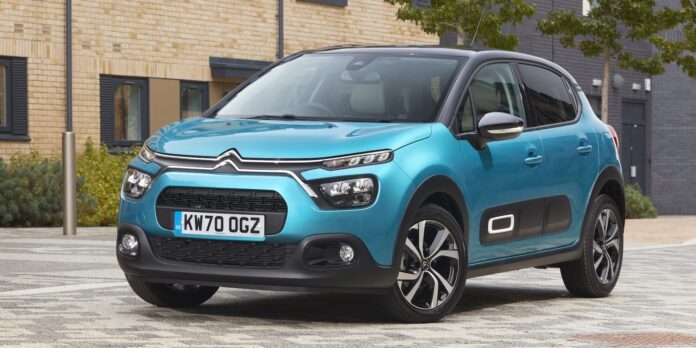
Citroën C3

Summary

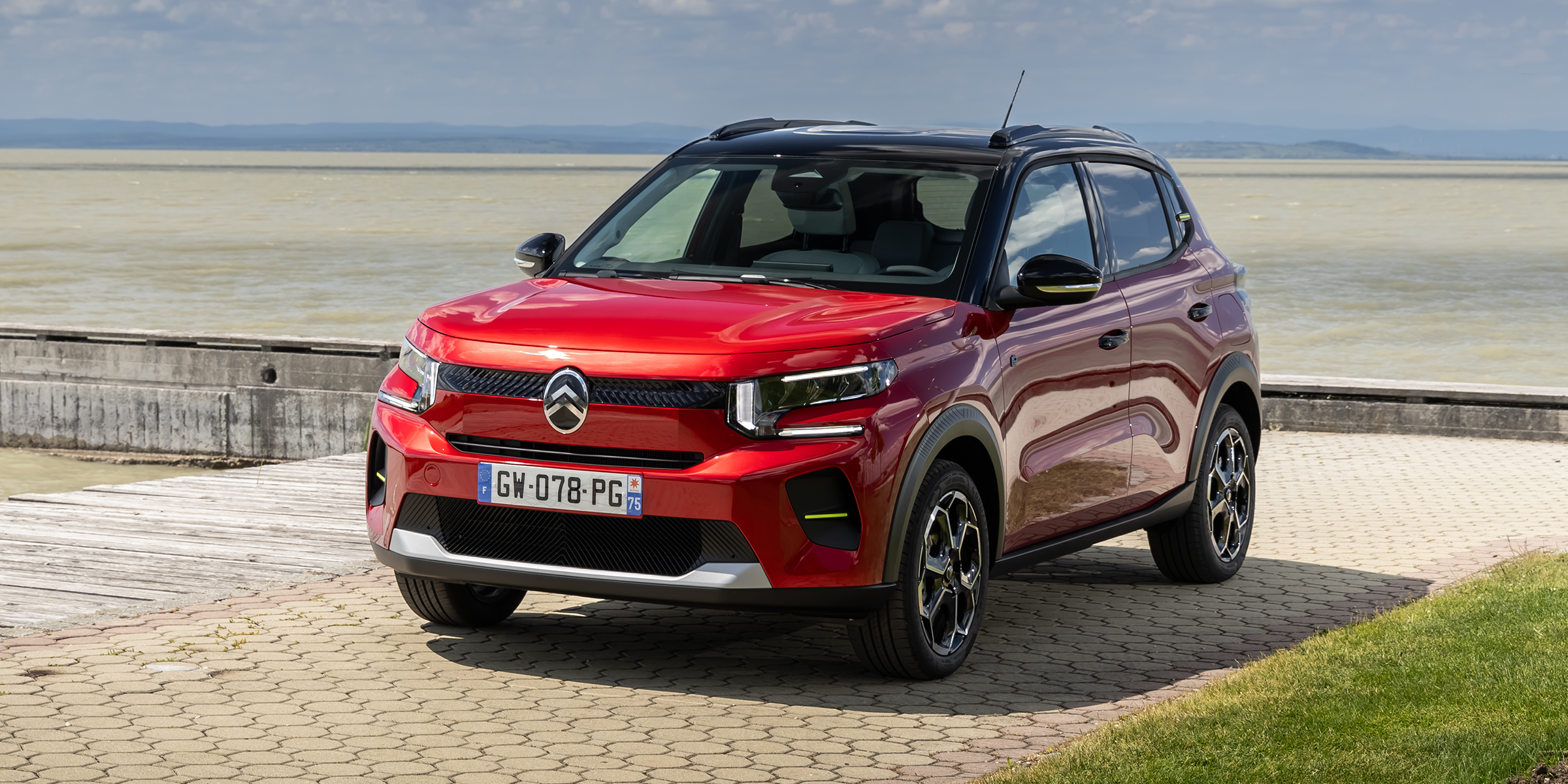
The Citroën C3 is a budget-end petrol-powered hatchback and the cheapest car in the Citroën range, excluding the pint-sized Ami quadricycle. There is also an all-electric version – the ë-C3 – which we cover here.

Now on sale in the UK, British reviewers agree that the C3 is a promising new entrant in the small car class that is an improvement over its predecessor – the C3 Origin. Parker’s Ted Welford says the C3 has made “big strides when it comes to spaciousness, interior look and feel.”

Described as a “great-value small car” by Carwow’s Tom Wiltshire, the Carbuyer team says the C3 is “an unassuming small car that doesn’t do anything particularly groundbreaking” with interior that is “lacking” when it comes to quality.

John McIlroy of Auto Express adds that the car is “more comfortable, admittedly, than most of its peers” but that the car isn’t exactly exciting to drive, as it is “not blessed with any dynamic sparkle.”

As of February 2026, the Citroën C3 holds an Expert Rating of C, with a score of 64%. While this score is bolstered by low running costs, the car is yet to have its safety tested by Euro NCAP, which could impact this score.

C3 highlights

  • Great value-for-money
  • Comfortable driving experience
  • Rather roomy rear seating considering its size

C3 lowlights

  • Awkward boot space
  • Rivals offer more interior quality
  • Not that exciting to drive

Key specifications

Body style: Small hatchback
Engines:
petrol
Price:
From £17,990 on-road

Launched: Winter 2024/25
Last updated: N/A
Replacement due: TBA

Media reviews

Highlighted reviews and road tests from across the UK automotive media. Click any of the boxes to view.

Featured reviews

More reviews

Auto Trader

Business Car

Car

Carbuyer

Heycar

Honest John

Parkers

The Sunday Times

The Telegraph

Top Gear

Safety rating

Independent crash test and safety ratings from Euro NCAP

No safety rating

As of February 2026, the Citroën C3 has not been assessed by Euro NCAP.

Eco rating

Independent economy and emissions ratings from Green NCAP

No eco rating

As of Februsry 2026, the Citroën C3 has not been assessed by Green NCAP.

Running cost rating

Clear Vehicle Data logo close crop

Monthly cost of ownership data provided exclusively for The Car Expert by Clear Vehicle Data

Fuel consumptionAverageScore
Petrol models52 mpgB
CO₂ outputAverageScoreVariationScore
Petrol models128 g/kmB
Insurance groupAverageScoreVariationScore
All models17A
Service and maintenanceCostScore
Year 1£159A
Year 2£477B
Year 3£723B
Year 4£973B
Year 5£1,379B
Overall£3,711B

The Citroën C3 is a relatively affordable car to own and run, according to whole-life cost numbers provided exclusively to The Car Expert by our data partner, Clear Vehicle Data.

The petrol hatchback’s average fuel consumption of 52 mpg is very good by market averages, and about what you would expect for a model of this size. Estimated servicing and maintenance costs on the other hand are excellent, and the car sits in a low insurance bracket too.

Reliability rating

MotorEasy logo 600x167

Reliability data provided exclusively for The Car Expert by MotorEasy

No reliability rating

As of February 2026, we don’t have enough reliability data on the Citroën C3 to generate a reliability rating.

The Car Expert’s reliability information is provided exclusively to us using workshop and extended warranty data from our partner, MotorEasy, sourced from both official dealerships and independent workshops. 

As soon as MotorEasy has sufficient data on the C3, we’ll publish the results here.

Recalls

Official DVSA safety recalls that have been issued for the Citroën C3

As of February 2026, we are not aware of any DVSA vehicle safety recalls affecting the Citroën C3. However, this information is updated very regularly so this may have changed.

You can check to see if your car has any outstanding recalls by visiting the DVLA website or contacting your local Citroën dealer.

Awards

Significant UK trophies and awards that the Citroën C3 has received.

2025

  • Auto Express AwardsCar of the Year

Similar cars

If you’re looking at the Citroën C3, you might also be interested in these alternatives.

Dacia Sandero | Ford Fiesta | Honda Jazz | Hyundai i20 | Kia Rio | Mazda 2 | Mazda 2 Hybrid | MG 3 | Mini CooperNissan Micra | Peugeot 208 | Renault Clio | SEAT Ibiza | Skoda Fabia | Suzuki Swift | Vauxhall Corsa | Volkswagen Polo

More news, reviews and information about the Citroën C3 at The Car Expert
Electric car grant – all the EVs with discounts in 2026

Electric car grant – all the EVs with discounts in 2026

Citroën C3 Origin

Citroën C3 Origin

Electric cars – what’s on sale and what’s coming in 2024?

Electric cars – what’s on sale and what’s coming in 2024?

Citroën ë-C3

Citroën ë-C3

Citroën ë-C3 test drive

Citroën ë-C3 test drive

The cheapest new cars on sale in 2022

The cheapest new cars on sale in 2022

Citroën reintroduces ELLE trim to C3 range

Citroën reintroduces ELLE trim to C3 range

Citroën adds new entry-level trim to C3 range

Citroën adds new entry-level trim to C3 range

Citroën C3 range loses its Shine

Citroën C3 range loses its Shine

Citroën C3 review

Citroën C3 review

Cactus inspires bold new Citroen C3

Cactus inspires bold new Citroen C3

Citroën releases UK pricing for updated C3

Citroën releases UK pricing for updated C3

Buy a Citroën C3

If you’re looking to buy a new or used Citroën C3, The Car Expert’s partners can help you find the right car.

Motors 600x300

Find your next used car with Motors. Find out more

Auto Trader logo 600x300

Find your next new or used car with Auto Trader. Find out more

Carwow logo 600x300

Find your next new or used car with Carwow. Find out more

Lease a Citroën C3

If you’re looking to lease a new Citroën C3, The Car Expert’s partners can help you find a competitive deal.

Leasing-com logo

Personal contract hire deals from Leasing.com. Find out more

Carwow logo 600x300

Personal contract hire deals from Carwow. Find out more

Select Car Leasing logo

Personal contract hire deals from Select Car Leasing. Find out more

Subscribe to a Citroën C3

If you’re interested in a car subscription, The Car Expert’s partners can help. (PS: What’s a car subscription?)

Cocoon Vehicles logo 600x300

Car subscriptions from Cocoon.
Find out more

Just Vehicle Solutions logo 600x300

Car subscriptions from Just Vehicle Solutions.
Find out more

Flexible Vehicle Contracts logo 600x300px

Car subscriptions from Flexible Vehicle Contracts.
Find out more

Motability: What is it and how does it work?

Established in 1978 and helping millions of Brits since, the Motability Car and Scooter Scheme offers an affordable, easy way for people with disabilities or illness to lease a car, powered wheelchair or scooter in exchange for their Motability allowance.

Using the catch phrase “you choose who drives, and we take care of the rest”, the charity covers the applicant’s insurance, servicing, road tax and potential breakdown costs. There is also a wide array of adaptations you can request to suit your needs, and the scheme also includes hybrid and all-electric models.

So, who is eligible for the scheme, and how do you join? Does the charity offer the right leasing terms and disability adaptions to suit your needs? Find out below.

Who can join Motability?

To be eligible to join the Motability Scheme, you must receive one of the following Motability allowances:

  • Higher Rate Motability Component of Disability Living Allowance (HRMC DLA)
  • Enhanced Rate Mobility Component of Personal Independence Payment (ERMC PIP)
  • Armed Forces Independence Payment (AFIP)
  • War Pensioners Mobility Payment (WPMS)
  • Higher Rate Mobility Component of the Child Disability Payment (CDP)  
  • Enhanced Rate Mobility Component of the Adult Disability Payment (ADP)

To qualify, you must have at least 12 months remaining on one of the allowances at the time of application.

If you are a parent or carer, you can apply on behalf of a child who is receiving one of the above awards. You can also apply for a car as a passenger if you are eligible but do not drive. To find out if you are eligible, fill out this Motability questionnaire.

How to join Motability and browse offers

Nearly 5,000 dealerships across the UK have Motability Scheme specialists on hand to offer expert help and advice. You can search online for dealers and cars using the ‘Find a Vehicle’ search tool on the Motability website. Once you have found a dealership that is convenient, you can chat through your options and arrange a test drive.

The tool allows you to specify makes, models, fuel types and budgets. If you are not too sure about what would best suit your needs, the questionnaire below the search tool will help you make the correct choice.

If you find transferring from your wheelchair into a car difficult, a wheelchair-accessible vehicle (WAV) could be the best option for you. WAVs are vehicles that allow wheelchair users to travel in them whilst remaining in their wheelchair, either as a passenger or driver. They come in all different shapes and sizes, and have a variety of different features.

If your lifestyle is better suited to shorter journeys, a scooter or powered wheelchair could help with your mobility. From small boot scooters to large road-ready scooters, there are over 300 products to choose from.

What cars are on offer from Motability?

The charity, as of late 2025, has a wide stock of 30 different car brands to choose from, with pricing being updated every three months.

The list of choices includes budget-end brands like Dacia and MG, as well as established mainstream brands like Kia, Nissan, Skoda, BYD and Mazda. The list includes some of the newest cars that have recently arrived in the UK, and a whole host of all electric models.

As of November 2025, Motability has made the decision to remove upmarket brands like Mercedes-Benz, BMW, Audi, Alfa Romeo and Lexus from its list of choices.

A selection of cars available through Motability

Citroën ë-Berlingo

Citroën ë-Berlingo

Dacia Spring

Dacia Spring

Ford Mustang Mach-E

Ford Mustang Mach-E

Hyundai Santa Fe

Hyundai Santa Fe

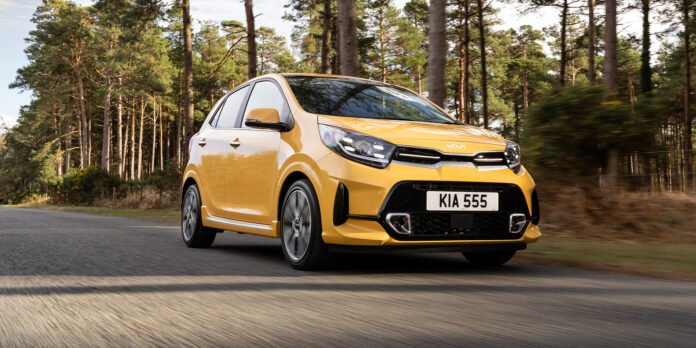
Kia Picanto

Kia Picanto

Nissan Juke

Nissan Juke

Peugeot 2008

Peugeot 2008

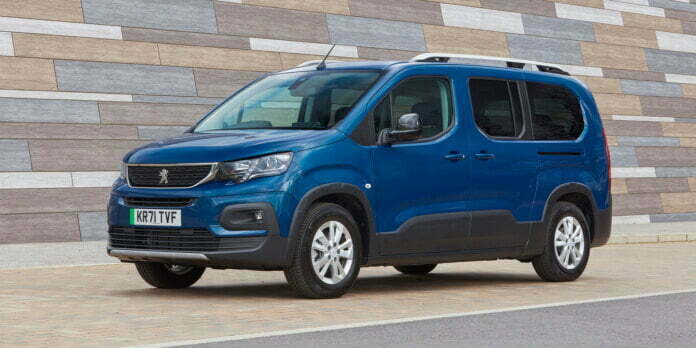
Peugeot E-Rifter

Peugeot E-Rifter

SEAT Ibiza

SEAT Ibiza

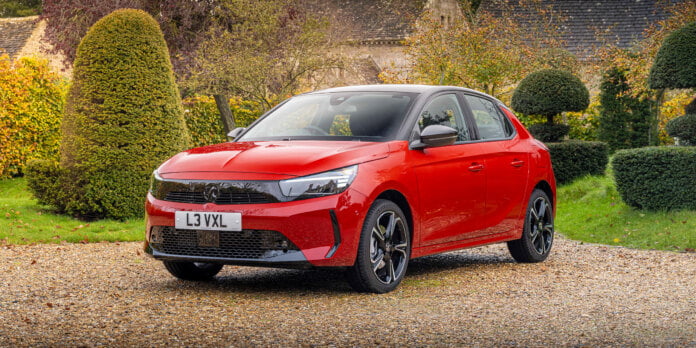
Vauxhall Corsa

Vauxhall Corsa

Volkswagen Golf

Volkswagen Golf

The term length of the various lease deals available can differ. Motability offer:

  • A new car on a three-year lease
  • A wheelchair accessible vehicle on a five-year lease
  • A less than two and a half year old wheelchair accessible vehicle on a three-year lease
  • A new powered wheelchair or scooter on a three-year lease
  • A custom-built powered wheelchair on a five-year lease

Motability payments

Once you have chosen which scheme you wish to join, you must then agree to pay over all, or part of your allowance to it. In some instances, cars will be less than your weekly allowance, meaning you will still receive the remainder of your allowance. Many cars available through the scheme will not require additional cash, however, if you wish to upgrade you will have to pay an additional upfront payment.

So what are the benefits of this scheme?

A lease with Motability includes:

  • Insurance of two drivers
  • Servicing, maintaining and repairs carried out by experienced specialists
  • Specialist RAC breakdown cover
  • Tyre and windscreen replacement
  • Wide range of adaptations to make driving easier
  • A new vehicle of your choice every three years
  • Annual car tax

How can Motability vehicles be adapted?

The Motability scheme offers more than 400 potential adaptations to vehicles to make driving or travelling as comfortable as possible. These adaptations are a central part of the scheme, as they enable a person to drive who may not have been previously able. A few of the key adaptions include:

Driving

  • Hand controls: to allow you to control the speed of the car with your hands
  • Electronic accelerators: for people with limited mobility in their legs
  • Left-foot accelerators: to allow you to control speed with your left foot
  • Pedal modifications: to raise the height of the pedals, bringing them closer to the driving seat
  • Steering aids: for people who have difficulty holding or turning a steering wheel

Stowage

  • Car boot hoist: a hoist that stores your wheelchair or scooter in your car boot
  • Rooftop stowage: to allow the storage of a folding wheelchair in a box on the roof of your car

Access

  • Transfer plates: fitted to the side of the car seat to provide an easy transfer from wheelchair to car seat
  • Electronic person hoist: lifts you from wheelchair to car
  • Swivel seat: a seat that moves in and out of the car for easy access

The Motability Car Scheme is a fantastic way for people with an illness or disability to gain independence through an easy, hassle-free organisation. You can choose a brand-new car, wheelchair-accessible vehicle or powered scooter from a range of all the latest makes and models. Your payments include insurance, breakdown assistance, servicing and maintenance. And you can experience all the freedom that comes with a hassle-free lease.

Read more:

BMW 1 Series test drive

Make and model: BMW 1 Series
Description: Five-door hatchback
Price range: from £31,645

BMW says: “With a new and dynamic design presence, a completely revised drive portfolio and extensively improved chassis technology, the new BMW 1 Series has sharpened its profile as the sportiest vehicle in the competitive environment.”

We say: As a mainstay of the BMW lineup, the 1 Series is a great example of a fun-to-drive hatchback that offers plenty of practicality to be used as an everyday car.


Introduction

This is the latest version of the BMW 1 Series, a facelift introduced in 2024 as an update to the third-generation model introduced back in 2019.

Since the first generation of the BMW 1 Series originally appeared in 2004, more than 560,000 examples have hit the road in the UK. The model features in our best medium cars list according to our Expert Rating Index.

Media reviews of the third generation, along with reviews of the newest update, have earned the 1 Series a New Car Expert Rating of B, with a score of 69%. As a used car, it also gets a rating of B with a slightly lower score of 68%.

What is the BMW 1 Series?

The 1 Series remains the entry point to BMW’s vast range of different vehicles. While many of the manufacturer’s models are turning electric, the 1 Series doesn’t yet come with an all-electric powertrain. Instead, this generation gets mild hybrid technology on the entry-level engine option. 

Other similar cars in this category include the Audi A3, Volkswagen Golf and Mercedes-Benz A-Class. Alongside German competitors, the BMW 1 Series could be pitted against the Ford Focus, SEAT Leon or the Hyundai i30

First impressions

The facelifted model introduced in 2024 has a redesigned grille and more angular headlights. You can specify a number of different paint options, including matte finishes, and is also available with a contrasting black roof. 

Inside, the separate driver’s display and infotainment screen from the previous generation have been combined together into a sweeping display that’s angled towards the driver. This screen-focused cabin helps the 1 Series more like its larger, more expensive siblings. BMW also does away with the gearstick in favour of a flush gear selector, while most buttons on the dashboard have also disappeared in favour of functions integrated into the screen, which loses BMW’s traditional Drive rotary dial control.  

We like: Sporty styling and modern headlight designs
We don’t like: No buttons or rotary dial to control the screen

What do you get for your money?

BMW has pared back the 1 Series range with two engine options, the 170hp 120 in front-wheel drive and the 300hp M135 in all-wheel drive. The M135 version comes with its own trim level while the 120i can be had in Sport or M Sport trims. The range kicks off at £31K for the Sport version with heated front seats, a reversing camera and 17-inch alloy wheels. 

Opt for M Sport and as well as sporty styling and sports seats in Alcantara and vegan leather, 18-inch alloy wheels are added. The M135 turns up the sporty look, adds quad exhausts and an all-important extra dose of power. The M Sport comes in at £33K while the M135 starts from £43K. 

If there’s something missing from the standard equipment, the Technology pack can be specified for £1.5K to add features like adaptive LED headlights, high beam assist and a rear-view mirror with auto dimming. For £3K the Technology Plus pack includes a head-up display and parking assistance with a 360 degree view. 

As standard, the 1 Series range comes with a three-year unlimited mileage warranty. 

We like: Simplified range
We don’t like: Head-up display only available as part of pack

What’s the BMW 1 Series like inside?

In the front, there’s plenty of storage space and room to get comfy. It feels like space in the front has been prioritised since this is the area that’s going to get the most use. As standard there’s two USB-C ports in the front or wireless charging is an optional extra. The 11-inch screen in the centre is crisp and simple to use or it can be hooked up to Apple CarPlay and Android Auto. Unfortunately, the 1 Series loses BMW’s useful rotary dial control for the infotainment screen making it a touchscreen-only unit.

BMW has done away with physical climate control buttons and integrated the controls into the touchscreen. This means adjusting temperature and fan speed require glancing back at the screen to check it has interpreted your prods correctly.

In the back, there’s a good amount of legroom for outer passengers. Those taller than six feet are likely to find headroom a little restrictive, especially as a middle passenger as the seat base is slightly raised. Usefully though, the seats all fold down individually which makes it easy to balance rear passenger space with loading long items. Since the 120 is a mild hybrid, the battery steals some boot space, so the M135 is able to offer the biggest boot of the range.

We like: Flexible loading options with individual folding seats
We don’t like: No physical climate buttons

What’s under the bonnet?

The 120 has a 1.5-litre petrol engine with mild hybrid technology, which basically means a small electric motor to assist the petrol engine but that can’t drive the car on its own. Competitors like the Volkswagen Golf and Mercedes-Benz A-Class come with plug-in powertrains to offer an electric-only range. The 120 has an output of 170hp, which can propel the car from 0 to 62 in just under eight seconds. 

The M135 moves into the hot hatch category with a more powerful 2.0-litre engine. Power is nearly doubled to 300hp, and the 0 to 62mph sprint can be achieved in about five seconds. Fuel economy suffers slightly with the more powerful engine, dropping from around 50mpg to the low 40s, depending on how it’s driven. 

What’s the BMW 1 Series like to drive?

BMW has done away with a manual gearbox option, so all versions come with a seven-speed automatic transmission. It handles the correct gear for the situation with ease and only leaves purists missing a manual gearbox. The 120 feels reasonably sporty and provides a smooth ride on country roads and at motorway speeds.

Those looking for a more engaging driving experience will prefer the M135. Its firm suspension does a great job of helping the car grip to the road and minimises lean around tight corners. On straight stretches of flat road, it settles down, but the 120 provides the most comfortable ride for longer distances. The M135 delivers on the hot hatch promise with a fun experience that’s noticeably more powerful than the 120.

We like: Fun driving experience in the M135
We don’t like: M135 is a little firm over long distances

Verdict

The BMW 1 Series has stayed true to its strengths and come back as a sportier looking version of the brand’s much loved hatchback. For most drivers, the 120 M Sport will be the best pick, matching a sporty aesthetic with an economical engine and comfortable ride. Keener drivers will be eyeing the M135. While hot hatches are rarely a practical choice, the M135’s larger boot is a good bargaining chip.

The 1 Series range is closely matched in price to the Audi A3 and Mercedes-Benz A-Class. A strength of the BMW range is its vast customisation options so you can find the exact specification to suit your needs. This also means the price can jump up with a few add-ons so make sure to prioritise the equipment you’re likely to use frequently.

Similar cars

If you’re looking at the BMW 1 Series, you might also be interested in these alternatives

Audi A3 | Citroën C4 | Cupra Leon | DS 4 | Ford Focus | Honda Civic | Hyundai i30 | Kia Ceed | Mazda 3 | Mercedes-Benz A-Class | Peugeot 308 | SEAT Leon | Skoda Scala | Skoda Octavia | Toyota Corolla | Vauxhall Astra | Volkswagen Golf

Key specifications

Model tested: BMW 1 Series 120 M Sport
Price as tested: £42,335
Engine: 1.5-litre petrol mild hybrid
Gearbox: Seven-speed automatic

Power: 170 hp
Torque: 280 Nm
Top speed: 140 mph
0-62 mph: 7.8 seconds

CO2 emissions: 126 g/km
Euro NCAP safety rating: Five stars
TCE Expert Rating: B (69%)

Buy a BMW 1 Series

If you’re looking to buy a new or used BMW 1 Series, The Car Expert’s partners can help you find the right car.

Motors 600x300

Find your next used car with Motors. Find out more

Auto Trader logo 600x300

Find your next new or used car with Auto Trader. Find out more

Carwow logo 600x300

Find your next new or used car with Carwow. Find out more
Lease a BMW 1 Series

If you’re looking to lease a new BMW 1 Series, The Car Expert’s partners can help you find a competitive deal.

Leasing-com logo

Personal contract hire deals from Leasing.com. Find out more

Carparison 600x300

Personal contract hire deals from Carparison Leasing. Find out more

Select Car Leasing logo

Personal contract hire deals from Select Car Leasing. Find out more

Subscribe to a BMW 1 Series

If you’re interested in a car subscription, The Car Expert’s partners can help. (PS: What’s a car subscription?)

Wagonex logo 2023 600x300

Car subscriptions from Wagonex.
Find out more

Drive Fuze logo 600x300

Car subscriptions from DriveFuze.
Find out more

Cocoon Vehicles logo 600x300

Car subscriptions from Cocoon.
Find out more

Sporty Alpine A110 range gains limited edition ‘R 70’ trim

0

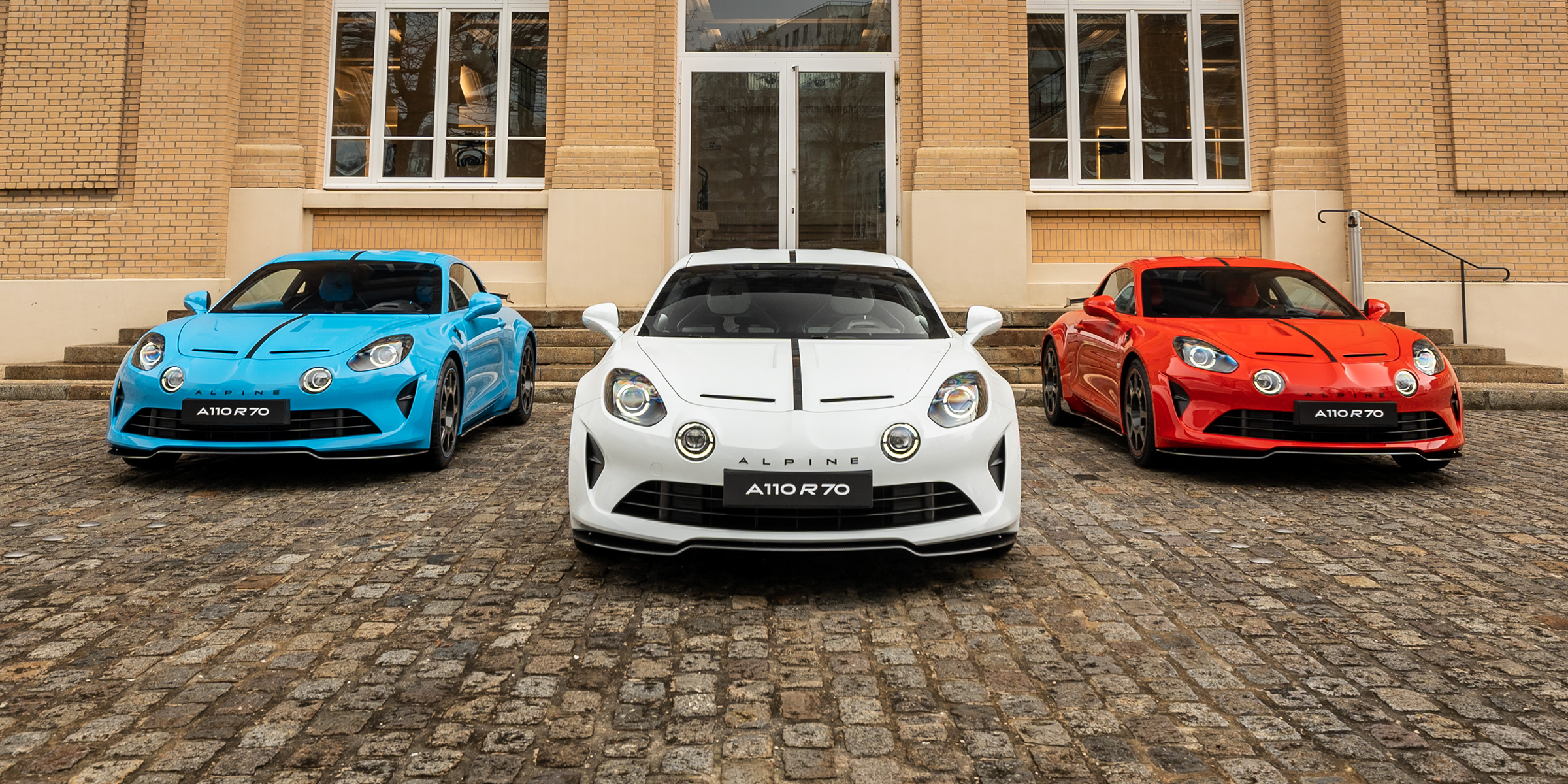
Alpine has added two trim guises to its A110 sports car range – the ‘GTS’ and limited-edition ‘R 70’ – these new additions marking the final 12 months that the car will be sold in the UK.

This model launch is timed to mark the 70th birthday of Renault’s performance-focused Alpine marque. Both variants are powered by a four-cylinder 1.8-litre 300hp petrol engine – like the standard model. The flagship choice is the ‘R 70’, with only 770 models going into production. Carbon fibre used “from the front bonnet to the rear window, including the roof and rear spoiler.”

The car sits on 18-inch alloy wheels – also made of carbon fibre – with Michelin tyres and white accents. Like the former A110 ‘R Ultime’, the ‘R 70’ sports bonnet vents, but with an additional black strip that runs across the bonnet and roof. The car also comes with a unique exhaust made by Slovenian company Akrapovic.

There are seven different colours for the Brembo brake calipers, four different interior colour schemes, and ten different exterior colour options to choose from, including a tri-colour range of blue, white and red that Alpine says pays homage to the A106 coupé range from the 1950s.

The ‘GTS’ – which the brand will sell in higher quantities – replaces the former ‘GT’ and ‘S’ trim options and, according to the manufacturer, offers “an exhilarating driving experience based on the ‘S’ chassis without compromising the everyday comfort of the ‘GT’.”

Also sitting on 18-inch alloys with Brembo brakes wrapped in Michelin tyres for an additional fee, the ‘GTS’ can be specced with a new ‘GTS’ aero kit which includes a front splitter, side skirts, rear spoiler and rear wing with carbon fibre gooseneck mounts, providing “better downforce for even greater agility.”

Though Alpine haven’t exactly specified how much the ‘GTS’ will cost in the UK, the model will go on sale in France from March with a lead-in price tag of €80k (£66k). The limited-run ‘R 70’ is much more expensive, costing €123k (£102k). Alpine has confirmed that these will be the last editions to the A110 range as we know it, as the all-electric version of the A110 is expected to arrive next year.

The Alpine A110 currently holds a New Car Expert Rating score of C, with a score of 64%. It scores top marks from motoring journalists, while its CO2 emissions are also low. However, running costs are high, while the Alpine’s score also suffers from a lack of independent safety testing by Euro NCAP.

Chevrolet Corvette Z06 now available in UK

0

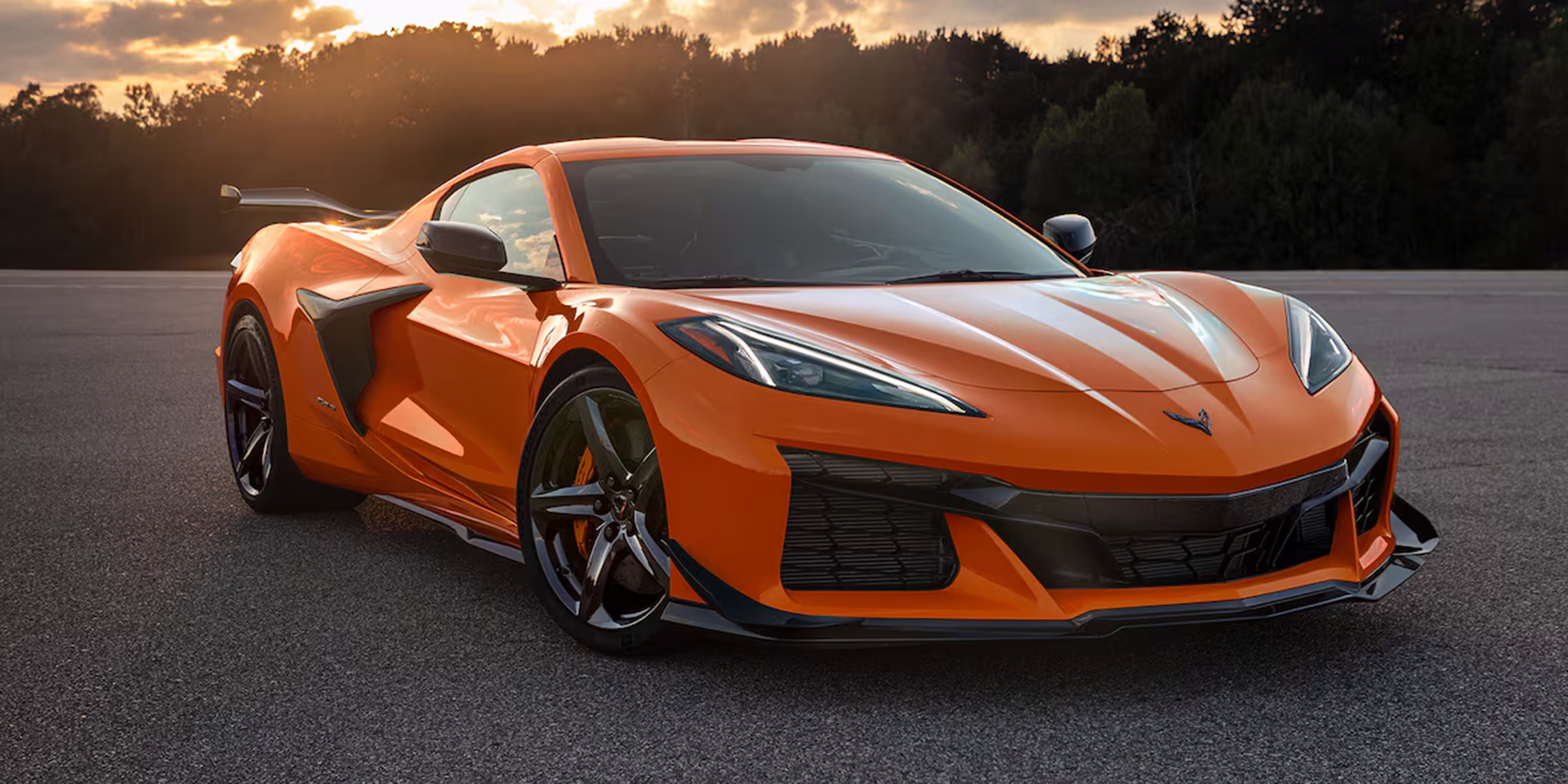
The stylish 5.5-litre V8 Chevrolet Corvette supercar is now available for British buyers to order from select third party dealerships.

It was now over a decade ago that Chevrolet decided to pull the plug on its UK operations, removing budget and mainstream market models like the Spark, Cruze and Trax from the market. Now the brand has returned to UK roads, offering the V8-powered ‘Z06’ variant of its eighth-generation high-performance Corvette to British supercar enthusiasts.

This isn’t the return of Chevrolet proper though. Instead, the American brand has allowed third party dealerships Lumen Automotive and Arnold Clark to sell the sports car in limited numbers. The ‘Z06’ is not the only variant available – there are listings for the ‘Stingray’ version too.

The supercar is powered by Chevrolet’s ‘LT6’ engine – a naturally-aspirated 5.5-litre V8 unit with a power output of 670hp. Mated to an eighth-speed dual-clutch automatic gearbox, the coupé can reportedly muster a 0-62mph sprint time of 3.1 seconds.

Both the ‘Stingray’ and more expensive ‘Z06’ are listed with six-figure price tags on Arnold Clark, stretching to nearly £200k for the ‘Z06’ in its top-spec ‘3LZ’ trim guise.

The best websites for short-term car leasing

Not everyone wants the responsibility of owning and running a car. Some people only need a vehicle for a few months of the year. Others might have a job looming that requires a car for a while. Perhaps someone can’t or doesn’t want to sign up for a finance agreement.

There are now a growing number of businesses that can provide you with a vehicle for a shorter period than a normal lease, but for longer than your normal car rental service. So if you need a car for a few weeks or a few months, there are now plenty of options.

In this guide, we’re specifically looking at companies that handle short-term leasing, often also known as long-term rental. This usually covers periods of more than a month but less than a year. These are usually fixed-term rentals, unlike car subscriptions, which are another form of short-term leasing that works on a rolling monthly contract. Sometimes the terms ‘subscription’ and ‘short-term leasing’ are used interchangeably, but we’re concentrating on fix-term leasing below. We have a separate guide for the UK’s best car subscription providers, which we regularly update.

Having a short-term lease is like renting a car for an extended period, and works in pretty much the same way. A lease is simply a rental anyway, and a short-term one is just how it’s described – it’s for a short time. So where many people might hire a car for a week’s holiday or a few days away on business, it’s perfectly possible to have that rental for a longer period of time.

Several of the companies below offer a mix of day rental, short-term leasing, subscriptions and long-term leasing, so can assist with whatever your needs might be and however they may change over time.

How does short-term leasing work?

Your lease will consist of a monthly rental, and may also include an up-front instalment depending on the leasing company and the length of the term. When the term is up, you hand the car back. So it operates just like a long-term lease, but for a much shorter period of time. Your rental covers road tax and breakdown cover, as well as any maintenance that falls due while you have the vehicle.

This short-term convenience does inevitably come at a price: your monthly payments will be higher than on a traditional four-year lease – and the shorter the term, the higher that payment is likely to be. But t’s a lot cheaper than trying to lease a car for three or four years, then cancelling it because you no longer need it.

If you’re looking for zero long-term commitment, good flexibility, and agreed monthly payments, the short-term option really could tick all the boxes for you. Some also have the flexibility to allow you to extend your lease if circumstances change and you need the car for longer.

The list of companies below isn’t ranked – they all provide a high level of service and are worthy of consideration. Several are marked with an asterisk, which means they are commercial partners of The Car Expert and we may earn a commission if you click through to their site. This does not affect the price you pay for any lease or service.

Select Car Leasing*

URL: selectcarleasing.co.uk/short-term-leasing

Select Car Leasing offers both short-term and long-term leasing for a huge range of cars. It can also assist with a range of financial services to car users, including GAP insurance, maintenance packages, business credit and even car accessories.

A wide range of vehicles is included, separated into ‘3-month’, ‘6-month’ and ’12-month’ short-term lease deals. Each choice offers a picture of the car with its full model name, a box highlighting three key features, and a section stating if the car is in stock now or when delivery can be expected.

The total monthly payment is shown clearly next to a brief breakdown of the initial down payment, length of contract and maximum mileage. Clicking on a car opens up a page with more detailed information, including colour choices, features, fuel and performance specifications and a full description of the car.

There’s a selection of more detailed pictures to view too. The site is easy to use and understand in an attractive and useful design.

Minimum term: 3 months
Upfront fee: Varies
Delivery: Free

Electric cars: Yes
Petrol/diesel/hybrid cars: Yes
Included mileage: Varies

Cocoon*

URL: cocoonvehicles.co.uk

Formed in 2007 by a group of motor trade managers and executives, Cocoon set about creating an internet-based ‘dealership’ service. Today the now family-run business specialises in car rentals and short-term leases.

Finding the short-term packages is easy enough from the landing page, and from there, you can sort by price, make of car, contract length or availability. You get a smart initial picture with details of contract length, full name of model and the all-important monthly payment.

Click on a car and you’re taken to a more detailed page containing specific contract details (with the option to pay less money upfront; a ‘quote’ button), the car’s key features and technical details, and a summary of how the deal works.

It’s an easy to use site with lots to read and some useful tips and advice sections. Cocoon also plants trees to offset emissions from its car leases.

Minimum term: 5 months
Upfront fee: Varies
Delivery: Free

Electric cars: Yes
Petrol/diesel/hybrid cars: Yes
Included mileage: Varies

Just Vehicles Solutions*

URL: justvehicle.solutions/short-term-car-leasing

Click on ‘Subscription’ from the site’s landing page and you are taken straight to a page proudly displaying the words ‘3-12 month car lease deals’, so you know you’re in the right place.

‘Applications take just two minutes’ says the page – there are a good number of vehicles to view along with drop-down options on manufacturer, fuel type, vehicles in stock, price and other choices to find you a suitable selection.

From the vehicles already displayed there’s a picture and a brief summary including model name, initial payment, monthly payment and mileage allowance (per year). Go to ‘View this deal’ and you get a lot more information. An example monthly cost is displayed, but a simple drop-down allows you to change the up-front payment, which then alters the monthly payment.

There are also simple but useful details about the car, its main features, and a summary of the chosen lease deal.

Minimum term: 3 months
Upfront fee: Varies
Delivery: Available

Electric cars: Yes
Petrol/diesel/hybrid cars: Yes
Included mileage: Varies

VIP Gateway*

URL: vipgateway.co.uk/short-term-car-leasing

With a goal of retaining customers again and again, VIP Gateway says some of its clients are on their ninth or tenth cars with them. And ‘goal’ is the key word here: the site’s landing page shows accolades from an array of well-known footballers and other sportspeople.

The site is attractive and simple to use. From the home page, click on ‘Short Term Lease’ from the bar across the top. From there, you are taken to a second page offering you 3-, 6- or 12-month deals. Choose one of those and you’re invited to select from a further list, including make, model, transmission and fuel type, before hitting ‘Search deals’.

An initial selection is shown. Click on any car and you’re shown further details, including a clear outline of the initial outlay and all-important monthly cost. There are special offers plus some interesting reading to be had in the form of tips and advice.

Minimum term: 3 months
Upfront fee: Varies
Delivery: Free

Electric cars: Yes
Petrol/diesel/hybrid cars: Yes
Included mileage: Varies

LeaseLoco*

URL: leaseloco.com/car-leasing/short-term-car-lease-deals

LeaseLoco says the average person leases a car for two to three years, but asks the question: ‘what if you’re not average?’ The short-term lease page is certainly anything but average and features a Bentley Continental GT (£8,100 a month) and a Lamborghini Temerario (£8,700 a month) among the choices instantly shown.

But select ’12 months’ and type in some search parameters such as maximum monthly cost and initial down payment, mileage and how soon you need the car (stock only) and you are given a choice suiting your requirements.

You get an overview, a photo gallery, detailed specification of all the car’s features, a ‘ten second’ review and lots more to help you decide. You can even compare deals. It’s a smart website with lots to look at and read, including advice, guides and a news blog.

Minimum term: 12 months
Upfront fee: Varies
Delivery: Free

Electric cars: Yes
Petrol/diesel/hybrid cars: Yes
Included mileage: Varies

Flexxilease

URL: flexxilease.co.uk

Click on the Flexxilease home page and straight away the ‘short term car leasing specialists’ show that they can help you find a car for as little as one month. They do 1- to 24-month flexible contracts, although, in the panel across the top of the landing page, the choices start at ‘3 months’.

Not every car is available for that short a time period, and if you use the drop-down menus to select a car of your choice, you won’t be shown a time period that’s not on offer.

But insert the make and model of the car you would like, along with other details such as transmission and body style, and hit ‘Search’. A selection of offers will appear – the wider your search parameters, the broader the choice of vehicles available.

There’s also a handy ‘latest deals’ section if you’re not especially fussy about the model of car you want, plus a ‘Car type’ section which allows you to select the style of vehicle you need, such as electric, 4×4, luxury or estate, from which you can then make a further choice.

Minimum term: 1 month
Upfront fee: Varies
Delivery: Free

Electric cars: Yes
Petrol/diesel/hybrid cars: Yes
Included mileage: Varies

Intelligent Car Leasing

URL: intelligentcarleasing.com/short-term-car-hire

It says Intelligent Car Leasing on the URL, but click on the link, and you’re taken to a page run by Fleet Alliance, the group with whom they are partnered. They have access to thousands of cars and many hundreds of deals and are keen to get you to take one.

The landing page explains the benefits of short-term leasing and also outlines the ‘Things to be aware of’ such as mileage limits and termination fees, so it’s very transparent. There’s lots of information, explanations and advice, and the site is an excellent and worthwhile read.

There are some instant deals to investigate (‘Top car lease deal’), showing the make, model details, and a minimum monthly payment. For more specific enquiries, you can request a callback.

Other resources include useful information about EVs, the motor industry, a tax calculator and fleet management.

Minimum term: 3 months (private users)
Upfront fee: Varies
Delivery: Free

Electric cars: Yes
Petrol/diesel/hybrid cars: Yes
Included mileage: Varies

SelfDrive

SelfDrive home page 1200x675

URL: selfdrive.uk

SelfDrive is a new player in the UK leasing scene but is well-established in the Middle East and parts of Europe. It can arrange a car for a day, a week, a month, a year – or anywhere in between. It also offers subscriptions for rolling monthly leasing.

The company’s offering is driven by a mobile app that lets you manage your booking from start to finish, as well as the ability to switch cars or extend your rental term if your plans change.

Enter a pick-up city or location, a time and date and the driver’s age and click ‘Search car’ to be taken to a choice of vehicles meeting your criteria and listed ‘low to high’ in price. Details for all the available cars are provided, along with mileage limits for each. You can easily see how the pricing changes as you alter the number of months you’re booking.

Minimum term: 1 month
Upfront fee: Varies
Delivery: Available

Electric cars: Yes
Petrol/diesel/hybrid cars: Yes
Included mileage: Varies

Sixt

URL: sixt.co.uk/rental-services/three-month-car-hire

Sixt is well known for car hire, such as that from airports, and its website advertises long-term hire of up to 28 days. But it also does short-term rental, describing it as ‘the flexible alternative to a lease car’, as well as car subscriptions through its Sixt+ programme.

The simple website is easy to navigate and scrolling down takes through all sorts of advice and explanations about renting a vehicle for just a few months, giving some examples of the types of cars Sixt has available, along with descriptions of the types of cars on offer, from compacts to saloons and sports models.

The bottom of the landing page splits out the various rental periods for an even easier experience. Choose from ‘weekly, ‘two-month’, ‘three-month, and ‘short-term’ hire, and you’re taken to an enquiry form asking for pick-up address and date, with return date, before clicking on ‘Show cars’ for the full available selection.

There’s plenty of advice and explanation throughout from this experienced, worldwide organisation.

Minimum term: 2 months
Upfront fee: No
Delivery: No

Electric cars: Yes
Petrol/diesel/hybrid cars: Yes
Included mileage: Varies

Flexed

URL: flexed.co.uk

Flexed says it’s different because you can make changes to your agreements easily. They are flexible once the minimum contact – 28 days – is up. You can cancel or change your vehicle after that first month with no extra charges.

Finding a car is easy and there are several ways to do it. Select ‘Browse all vehicles’ if you don’t know what you want, look at the ‘Latest offers’, check out some of the suggested ‘Popular cars’, or browse by car type, such as small, medium, crossover, premium or performance.

If that’s not enough, there’s the option to ‘Find your perfect car’ by typing in the manufacturer and model or a car type. Clicking on a choice will bring up a picture, description, technical details, features and specifics of the monthly fee. There’s the option to request a quote too.

An interesting insights and news section with tips, advice and features about the car industry and driving, is included.

Minimum term: 1 month
Upfront fee: No
Delivery: Available

Electric cars: Yes
Petrol/diesel/hybrid cars: Yes
Included mileage: Varies

*The Car Expert has commercial partnerships with Cocoon, LeaseLoco, VIP Gateway, Select Car Leasing and Just Vehicle Solutions. If you click through to their websites and view any of their vehicles, or proceed to lease a vehicle, we may receive a commission.

Leapmotor T03 test drive

0

Make and model: Leapmotor T03
Description: Small electric hatchback
Price range: from £15,995

Leapmotor says: “The UK’s best value electric car.”

We say: In most ways, the new Leapmotor T03 impresses. It’s very well priced, you get a lot of kit for your money and it’s electric rather than petrol. But the electronic nanny systems are simply terrible.


Introduction

Leapmotor is this week’s newest Chinese car company launching in the UK, following the likes of Omoda, Skywell, Jaecoo and others in recent months. But the thing that sets Leapmotor apart from the others is that it will be part of the global Stellantis family, standing alongside more familiar names like Vauxhall, Peugeot, Citroën and Fiat.

Even in China, Leapmotor is a very new car company. It was founded only about a decade ago, and is now starting to spread its wings into Europe through a partnership with Stellantis. The T03 is one of two models available as the brand launches in the UK, with the other one being a large SUV model called the C10. A mid-sized SUV called the B10 will join the line-up later this year.

Leapmotor will sell cars through dealers within the existing Stellantis network, so you are likely to see Leapmotor badges popping up alongside Vauxhall or Peugeot showrooms around the country. The company claims to have more than 40 dealers already on board, with about 80 expected by the end of the year.

What is it?

The Leapmotor T03 is a small four-door hatchback, classed as a ‘city car’. In other words, it’s grouped in the smallest category of cars alongside the likes of the Fiat 500 or Hyundai i10.

It’s also a major rival to the new Dacia Spring, which is the other budget brand offering a new electric city car for the price of a petrol model. This was raised multiple times during the launch event, by Leapmotor executives as well as by journalists.

Apparently, the design brief was for the T03 to look friendly, which it sort of achieves. The front end is supposed to look like the car is smiling, but from some angles it looks a bit awkward. The proportions are a bit odd, making the car look quite narrow and tall. It also makes the wheels look very small, although they’re a perfectly normal size of 15 inches.

What do you get for your money?

With many new cars, you end up with a spreadsheet of powertrains, body styles, battery sizes (for EVs) and trim levels, and a range of prices that sees the top-spec cars running to almost double the price of the entry-level models. Leapmotor has made things very simple by offering one model. There’s only one motor, one battery, one trim level and one body style. The T03 costs £15,995 and the only extra-cost option is metallic paint, in either silver or blue, for an extra £650.

Leapmotor is pushing hard for the T03 to be recognised as a ‘value’ offering rather than a ‘budget’ one, but then so do Aldi and Lidl. It’s unavoidable that price is the headline here, and £16K is very cheap for any kind of new car, let alone an electric car. And it’s true that there’s plenty of value on offer.

For your £16K, you’re getting a small car that’s better equipped than pretty much anything else at a similar price point, plus it has an electric motor rather than a petrol engine. You get a panoramic sunroof, rear parking sensors plus a reversing camera, 15-inch alloy wheels, adaptive cruise control, electric windows and mirrors, blind-spot detection and more.

What’s possibly more interesting is what you don’t get. Although there’s a ten-inch central display screen with built-in satnav, you don’t get DAB digital radio – it’s FM only, as far as we could find – or Apple CarPlay/Android Auto. You can connect your phone via Bluetooth like it’s 2005 all over again, but that’s not really a viable option if you have to handle your phone to answer calls or play your music, which you can’t do on the move.

If you really want to hand over more money, I’m sure your local dealer will be happy to fleece you for car mats, various kinds of insurance and service plans, overpriced car cleaning products and so on. But don’t.

Expert tips

  • Only one trim and specification, which makes choosing a model pretty simple
  • Four-year warranty competitive for this segment, but other Chinese brands do better

What’s the Leapmotor T03 like inside?

The cabin is certainly spacious, given the overall dimensions of the car. Two adults fit in the back seats without too much complaining and without the front passengers having to push their seats all the way forward. Headroom in the back is decent as well, so it’s a much better prospect than most city cars if you need to carry people in the back seats.

In front of the driver is an eight-inch digital screen instead of analogue gauges, with a larger ten-inch touchscreen in the centre of the dashboard. As with many screen-laden new cars, some of the fonts are too small to read easily on the move, and the manufacturer would do well to make the screen layouts simpler rather than jazzier. There are almost no physical buttons, so everything has to be done via the touchscreen. That includes adjusting the heating or air-conditioning, which is annoying.

The seats are comfy enough, at least on our fairly short drive at the UK launch event last week. The steering wheel adjusts for rake (up and down) but not reach (in and out), but most drivers are likely to find a comfortable position. Even on many cars with reach adjustment, you feel like the steering wheel can’t be pulled out far enough, but this one was fine without needing it.

Boot space, however, is smaller than we’d like. Even allowing for the fact that the T03 is a small car, the space available lags behind rivals like the Dacia Spring. You can fold the rear seat down in one piece (rather than a 60/40 split like you see in larger cars), which helps for carrying larger loads if you’re not using the back seats.

The fit and finish are better than what you’d probably expect from one of the cheapest new cars on sale. Some of the materials may not be quite as luxurious as you’d find on a BMW or Audi, but the car generally feels very well screwed together. During our – admittedly brief – drive at the launch, there were no rattles or loose bits of trim anywhere and everything felt as tight as a drum.

Expert tips

  • Very spacious inside cabin for such a compact car
  • Boot space not so generous
  • Build quality seems very competitive for the money

What’s the Leapmotor T03 like to drive?

The first point to note is that, based on the early launch vehicles we drove last week, the driver fatigue warning system on the T03 is the most annoying and distracting system I’ve ever experienced on a new car, and patently not fit for purpose. The only car that comes close to being this bad is the Leapmotor C10 I drove immediately beforehand. More details in the Safety section below.

Thankfully, the other car systems seem to be better tuned. Despite being a short car, the T03 feels stable and well-balanced in urban driving where it’s really designed to be. Throttle response is pretty good and the car will easily keep up with the cut-and-thrust of day-to-day traffic. The steering is light and the turning circle is suitably tight, so weaving through narrow city streets should be a breeze.

We only spent a short time at higher speeds, and the T03 behaved like most small, budget cars. It’s a bit bouncy and there’s a bit of wind noise, but certainly no more of either than anything else in this class of car. The electric motor is less responsive at accelerating from 50-70mph, but then you could say the same about a small petrol engine in a Kia Picanto or Hyundai i10.

Expert tips

  • Probably the most annoying and distracting anti-distraction systems of any new car, which very much detract from the driving experience
  • Noise levels higher than other EVs
  • Agile enough for city driving, less happy at higher speeds

How safe is the Leapmotor T03?

As of February 2025, the Leapmotor T03 has not been assessed by Euro NCAP so we can’t give you a definitive answer of how safe it is (Euro NCAP testing assesses new cars over and above minimum legal safety requirements). If and when this testing takes place, we’ll update the information and safety score here.

The T03 is kitted out with plenty of latest-generation ADAS (advanced driver assistance systems) kit, but that doesn’t mean they work as well as they should. The accident prevention systems need some serious recalibration, an issue which affected both the T03 and the larger C10 SUV we drove at the launch event.

In the case of the T03, the driver fatigue warning would beep loudly on a regular basis, requiring you to deactivate it by pushing a button on the central touchscreen. This warning would go off any time you looked down, or yawned, or coughed, or sang along to a song on the radio, or talked to your passenger. Until Leapmotor fixes the system, you’d literally have to tape over the driver-facing camera to stop it from working (and put up with a permanent warning light) so you could live with the car – which obviously defeats the purpose of having the system at all.

We also found that the adaptive cruise control tended to disengage going around bends, which is another annoyance that doesn’t tend to crop up in other cars. Again, this happened on both Leapmotor models we drove, which suggests that the engineers still have work to do in getting these safety systems working properly.

Expert tips

  • The Leapmotor T03 has not yet been rated by Euro NCAP (as of February 2025)
  • Anti-distraction systems are actually hugely distracting, which does not make the car safer
  • Having adaptive cruise control as standard, but it disengages around minor bends where no braking is required

Leapmotor T03 economy, battery range and charging

The Leapmotor T03 has a 37kWh battery, which works out to a battery range of 165 miles, according to the official UK/EU lab test programme. That’s better than the Dacia Spring’s 140-mile range on the same test cycle.

In the real world, your results will vary. Most T03 drivers are going to be using their cars in urban environments, which is good for EVs as you push a little bit of charge back into the battery every time you lift off the accelerator or hit the brakes. So in urban driving, you may be able to exceed the 165-mile figure. In open road driving with less braking, especially on motorways at higher speeds, your mileage will reduce significantly. Our launch drive was quite short, so we didn’t get anywhere near testing the range of a full battery.

Electrical efficiency (the EV equivalent of fuel economy in a petrol or diesel car) is reasonable rather than amazing, which is disappointing for such a small car. The Dacia Spring is better here, so it will cost less to run – noticeably so if you’re charging at public chargers, less noticeable if you’re able to charge at home where the electricity is cheaper.

At public chargers, the T03 can accept a maximum charging speed of 45kW, which is better than the Dacia but not particularly quick compared to larger and more expensive EVs. We don’t have an industry-standard 10%-80% charging time available, but it should be about 40 minutes or so.

The charging port is in the nose of the car, so you’ll want to park head-first in charging bays rather than reversing in. If you’re charging at home, the T03 is short enough that your cable will probably reach the charging plug regardless of which way round you park.

Expert tips

  • Official battery range of 165 miles. Around town, this is probably achievable but motorway driving will reduce this significantly.
  • Battery is unsurprisingly small since this is a small car, but driving range should be plenty for its intended customer base.
  • The charging port is in the nose of the car, which means parking head-first in charging bays.
  • Comes standard with the usual Type-2-to-Type-2 charging cable for plugging into a dedicated charging unit, but not a Type-2-to-Type-3 cable for plugging into a standard three-point electricity plug.

Verdict

In most ways, the new Leapmotor T03 impresses. It’s very well priced, you get a lot of kit for your money and it’s electric rather than petrol, so it should cost you peanuts to run if you can charge it from home or work. There’s plenty of room in the cabin for such a small car, and the build quality appears to be perfectly decent for the money.

As of right now (February 2025), there are question marks on safety as the T03 hasn’t been tested by Euro NCAP. Ticking all the equipment boxes is no guarantee of a good score – the Dacia Spring has a terrible Euro NCAP rating so hopefully the T03 will be much better. There are other relatively minor foibles, like a boot that’s smaller than you’d hope, electrical efficiency that’s not great for such a small car, and a lack of Apple CarPlay or Android Auto to run through the central touchscreen.

But the biggest problem we have with the Leapmotor T03 right now is its terrible electronic nanny systems. Until Stellantis can get these properly sorted, you would tear your hair out living with one of these cars. Hopefully, it can be sorted via a remote update over the air very soon, or else Leapmotor dealers are going to be fending off some very angry customers.

Expert recommendations

  • An electric city car that’s cheaper than most petrol city cars
  • Can’t confirm safety performance until Euro NCAP conducts its tests
  • Physical driving characteristics are fine, but electronic systems are terrible and need to be fixed urgently

Similar cars

Citroën ë-C3 | Dacia Spring | Fiat 500e | Renault 5 | Vauxhall Corsa Electric

Key specifications

Model tested: Leapmotor T03
Price: £15,995
Engine: Single electric motor
Gearbox: 
Single-speed automatic

Power: 95 hp
Torque: 158 Nm
Top speed: 81 mph
0-60 mph: 12.7 seconds

Battery range: 165 miles
CO2 emissions: 0 g/km
Euro NCAP safety rating: Not yet tested
TCE Expert Rating: Not yet rated

Audi Q4 e-tron range bolstered by new entry-level model

0

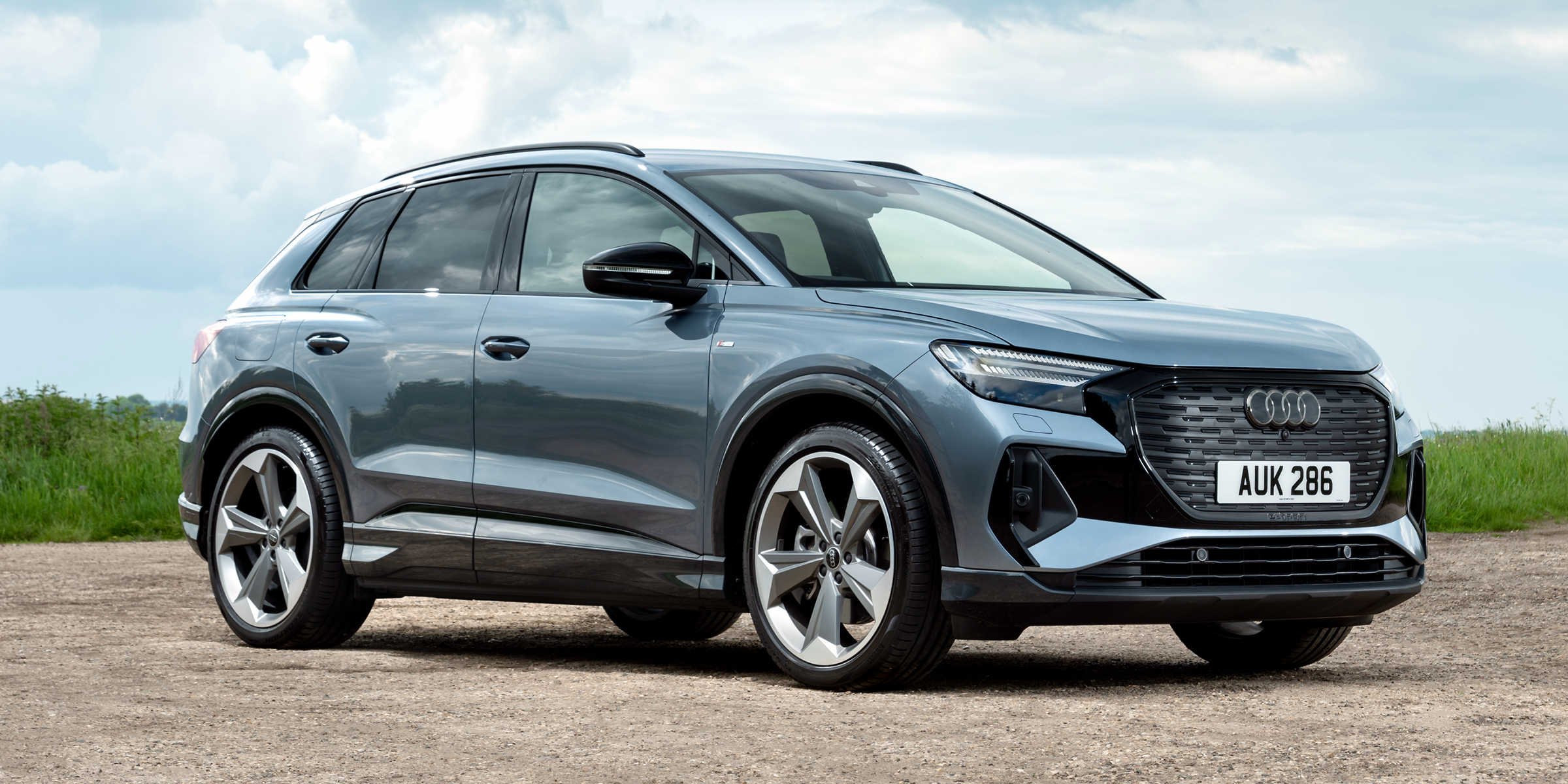
Audi has introduced a cheaper lead-in version of its all-electric Q4 e-tron SUV – the ’40 e-tron – that is powered by a smaller battery.

One of Audi’s best-selling battery-powered models, the Q4 e-tron is a popular option in the UK’s mid-sized electric SUV class and a smaller alternative to the brand’s Q6 e-tron.

The Q4 ’40 e-tron’ uses a 63kWh battery – instead of the 77kWh unit that powers the ’45 e-tron’ which is the current entry-level model – which can reportedly muster up to 250 miles (258 miles for the Sportback coupé-SUV bodystyle) on a single charge. By comparison, the ’45 e-tron’ has an official range of 332 miles.

Using a 165kW DC rapid charging station, Audi adds that the ’40 e-tron’ can be topped up from 10% to 80% battery charge in 24 minutes, with a ten-minute charge adding up to 96 miles. The rear-mounted electric motor has an output of 204hp, and the SUV can complete a 0-62mph sprint in 8.1 seconds, which is slower than the rest of the Q4 e-tron range.

While it’s slower and offers a shorter range, the ’40 e-tron is also markedly cheaper, cutting around £5k from the Q4 e-tron’s entry-level price tag.

Despite the price drop, Audi says that the variant still “offers extensive standard equipment” which includes the brand’s navigation software, a ten-inch digital instrument cluster behind the steering wheel, LED headlights, dual-climate control and a faux-leather upholstery trim.

The ’40 e-tron’ will become available to order in the UK from March 13th, with pricing starting at under £47k and the first customer orders expected to arrive on UK roads this summer. The Audi Q4 e-tron currently holds an Expert Rating score of A in our Expert Rating index, with a score of 76%.

Volvo XC60 SUV receives infotainment refresh

0

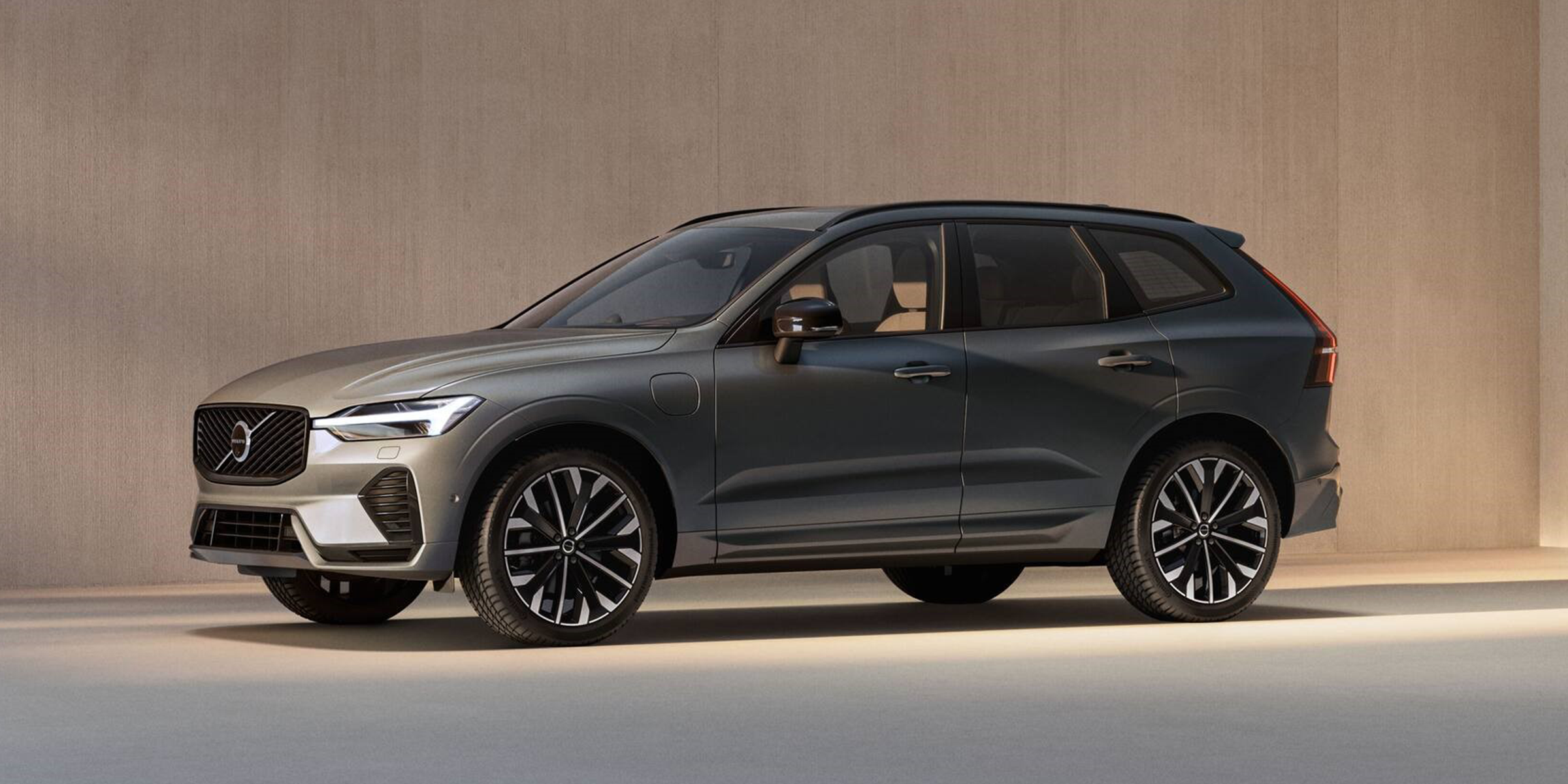
Volvo says it has given its mid-sized XC60 SUV a larger and more responsive infotainment system, as well as several minor cosmetic changes.

On sale since 2017, this small update comes as Volvo aims to keep its model range up to date with the brand’s latest model releases.

Starting with the exterior looks, the XC60 has been given a new front grille design that mirrors the larger XC90’s latest range of changes, and the SUV now comes with new alloy wheel design options and darker rear lights. Two new colours – ‘Forest Lake’ and ‘Aurora Silver’ – are also included in this mild refresh.

Inside, the car can also be specced with a premium Bowers & Wilkins sound system, and Volvo has also introduced new cupholders and an improved wireless phone charger.

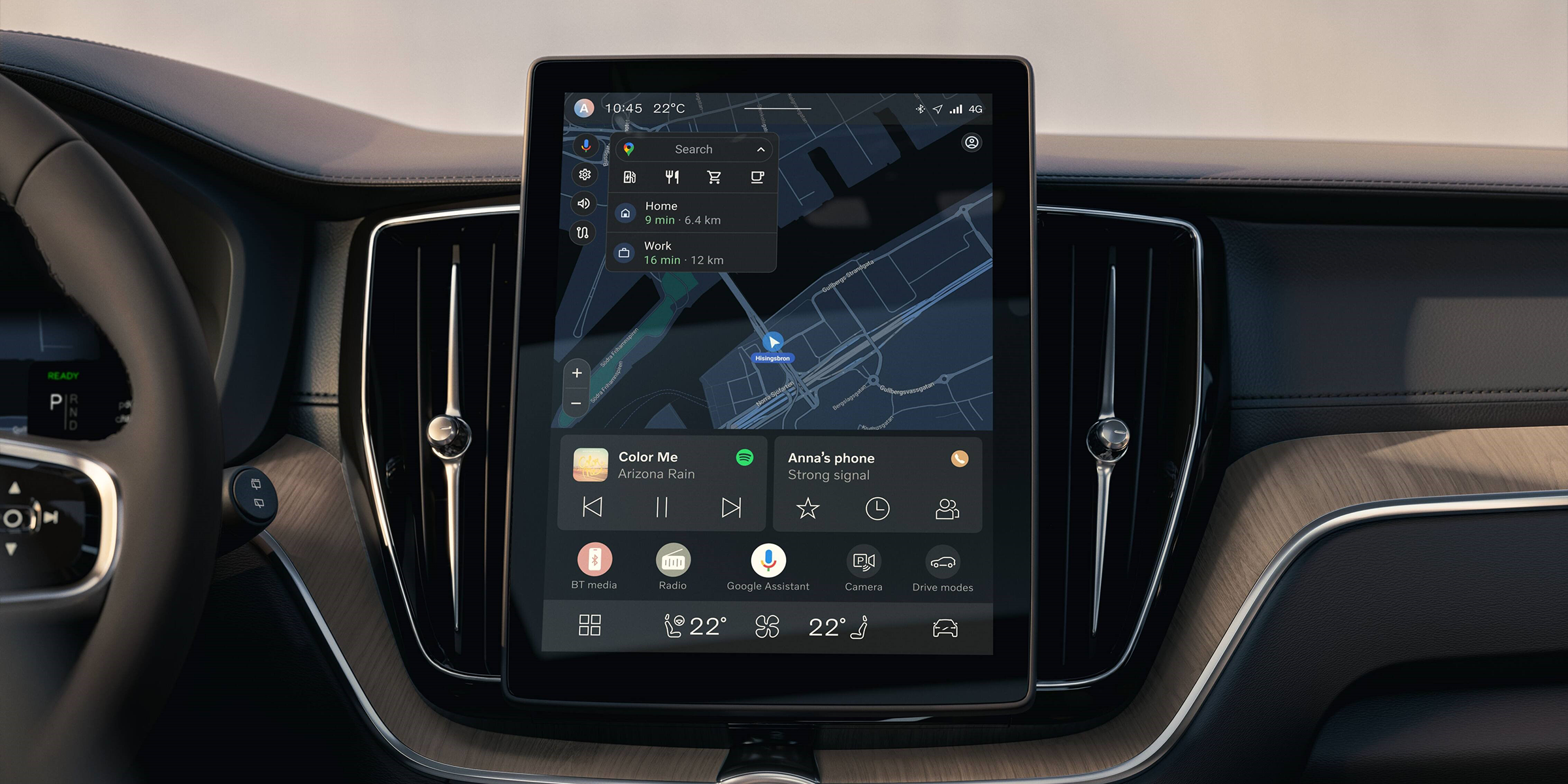
The key interior highlight is the new portrait-oriented infotainment system, however. Compatible with Android Auto and Apple CarPlay, as well as future over-the-air software updates, this larger 11-inch “floating” touchscreen is reportedly crisper and twice as fast as the former infotainment tech, which Volvo says reduces driver distraction and thus enhances safety.

Volvo says that the refreshed XC60 is available to order in several countries, but the updated model is yet to arrive in the UK just yet. The Swedish brand is yet to announce the car’s UK pricing. The XC60 currently holds a New Car Expert Rating of A, with a score of 71%.

Polestar 3 gains software update

0

The electric Polestar 3 SUV has received a minor software update that makes the car compatible with the brand’s smartphone digital key app.

Tech that essentially allows the driver to unlock and start the car using their smartphone or other compatible device, this digital key app also comes with a walk-away locking feature. The app is compatible with both Android and Apple devices.

This small tech update – one of over 30 different free over-the-air updates that the brand has introduced for its models since 2020 – is joined by news about the next update in 2026. This will introduce a more powerful processor for the car’s computer, which Polestar says is complementary for its customers. When notified, Polestar owners can opt to get this update by taking their car to a “Polestar authorised service point”.

Besides increasing the speed that the car’s computer can complete tasks – like responding to infotainment screen input and monitoring the car’s various sensors – it’s unclear what benefits this computing power upgrade will bring in the short term, but is likely to lay the groundwork for further over-the-air updates in the future.

The Polestar 3 currently holds a New Car Expert Rating of B with a score of 66%. Beyond the car’s average to very good review scores, this overall score is impeded by high average running costs.

Kia EV3 test drive

0

Make and model: Kia EV3
Description: Small electric SUV
Price range: from £32,995

Kia says: “The EV3 carves out its own uniquely progressive identity in a compact crossover form. This compact SUV features a future-facing exterior that is both playful and thoughtful, along with an open interior space that emphasizes restorative relaxation on every journey.”

We say: The Kia EV3 is a tremendously competent small SUV and an excellent choice as a first EV. It’s a deserving winner of our Car of the Year 2025 award.


Introduction

The small SUV market has been growing at a phenomenal rate for several years and has driven many conventional hatchback/saloon/estate models to extinction. And as the car industry continues shifting from fossil-fuel power to electricity, small SUVs have become almost a perfect package for new electric models.

The Kia EV3 is one of many new small electric SUVs fighting for your attention and has received plenty of praise since it was launched at the end of 2024. It was also awarded The Car Expert’s Car of the Year 2025 award, based on a consensus of media reviews from across the UK motoring media. So it’s highly rated, but what’s it like to drive and live with? Read on to find out…

Read more: Kia EV3 (2024 onwards) – Expert Rating

What is it?

The Kia EV3 effectively replaces the Kia Soul in the company’s model range, although it’s slightly larger and more practical. It’s a conventional square-shape small SUV/crossover, although the styling follows Kia’s distinctive EV styling philosophy. If you’re not sure about it in these photos, it looks quite striking in the metal.

Like almost all small crossovers, there are no great claims of off-roading ability here. The biggest attraction of SUV-style cars tends to be the high seating position, which suits electric cars as the batteries can sit along the floor with plenty of space for the cabin above it.

What do you get for your money?

The EV3 range runs from a starting point of £33K, for the entry-level ‘Air’ model with the smaller of two battery sizes, through to £44K for the top of three specifications with the larger battery and a heat pump. The electric motor is the same in all models so performance is broadly similar across the range.

  • Air specification: 58kWh or 81kWh battery, £33k and £36K
  • GT-Line specification: 81kWh battery, £39.5K
  • GT-Line S specification: 81kWh battery, £43K without heat pump or £44K with heat pump

The standard spec on the Air model is good, with all the most popular convenience features and crucial safety kit included as standard. You certainly don’t feel like it’s a bare-bones entry-level special that only exists to create an attractive starting price – it’s probably the best-value model in the range. The seats are cloth and manually adjustable, although the front seats are heated (as is the steering wheel), but otherwise there’s not a lot that you really feel is missing.

Jumping to GT-Line is an extra £3.5K over the Air with the same (larger) battery. Some of the differences are cosmetic, while others are fairly minor (automatic pop-out door handles instead of manual ones, illuminated vanity lights in the sun visors, etc.). In terms of genuine added value, you get artificial leather upholstery for both the seats and steering wheel, electric driver’s seat with lumbar adjustment, bigger alloy wheels and tyres (19-inch instead of 17-inch), a sliding centre console (surprisingly handy) and wireless charging for your phone.

GT-Line S is a further £3.5K over the GT-Line, plus an extra £900 if you want the heat pump. That’s a hefty £11K (or an extra 33%) above the starting-level Air specification – or an extra £8K with the same battery. The good news is that you do get quite a bit of extra kit that makes the GT-Line S look better value than the mid-spec GT-Line. You get ventilated front seats, while the outer rear seats are heated. The driver’s seat has a memory function as well, which is handy if you have two or more drivers regularly sharing the car. You get a panoramic sunroof, automatic tailgate, upgraded sound system, head-up display and V2L (vehicle-to-load) capacity – see charging section for more information.

Expert tips

  • Three specs – entry-level Air is best for value, top-spec GT-Line S gets lots of decent kit.
  • Mid-spec GT-Line model seems weakest value.
  • Only Air spec available with smaller battery – you can save £3K if you don’t do a lot of long-distance driving.
  • Kia’s seven-year new car warranty on all models is the best in the business.

What’s the Kia EV3 like inside?

The cabin is very spacious for a car this size, although that’s at least partly due to being an EV – an electric motor takes up a lot less space than a petrol engine, gearbox and other gubbins. That means more space for your legs in both the front and rear, and more storage room in the centre console. There’s also a decent boot (460 litres) and a small frunk (front trunk) under the bonnet for storing your charging cables. Overall, there’s more room in here than in quite a few larger, more expensive vehicles.

In terms of interior design, it’s all very minimalist with very few physical buttons. Basic temperature control can be done from dedicated switches, which is handy when on the move, but if you want to fiddle with other climate control settings then you’ll need to use the touchscreen.

The dashboard is dominated by a pair of 12-inch screens side-by-side, a non-touch screen for the driver’s display and a touchscreen for controlling all the car’s systems. There are also USB-C ports in both the front and rear for charging your devices. The GT-Line S also gets a head-up display so you can see key information like your speed without looking away from the road.

Expert tips

  • Plenty of room in cabin, suitable for four adults plus luggage.
  • Seats are comfortable, heated in the front on all models – and in the rear on GT-Line S.
  • Steering wheel on GT-Line and GT-Line S is nicer, with an artificial leather rim instead of plastic.
  • Twin 12-inch screens are good, infotainment system responds immediately to touch. Apple CarPlay and Android Auto are standard.
  • Panoramic sunroof standard on GT-Line S only, makes interior a lot lighter and brighter.

What’s the Kia EV3 like to drive?

Like most compact crossover vehicles, there’s not a lot of driving excitement to be found in the EV3. But that will suit many of its buyers just fine. Some people criticise EVs for lacking any kind of driving feel but, in reality, this is not much different to a new petrol, diesel or hybrid small SUV – few of them are particularly involving to drive, and they’re not really designed for that anyway.

More importantly for most customers, the EV3 is smooth, quiet and comfortable to drive, with handling that is predictable in all conditions. Electric vehicles tend to be smoother and quieter than fossil-fuel cars anyway, but the EV3 remains more hushed than most even at motorway speeds, with only marginal increases in wind or road noise. Like other electric Kia and Hyundai models, the regenerative braking is good and feels natural. It works well and is one of the best implementations of this technology on a new EV.

Performance is brisk enough for most drivers, although you can certainly buy faster small electric SUVs if that’s a priority. All versions of the EV3 have the same 201hp electric motor and drive through the front wheels, so performance and overall driving experience is broadly similar across the range. The entry-level Air with the smaller battery is the quickest from 0-60mph, with the extra weight of the larger battery and extra standard equipment making the GT-Line and GT-Line S models fractionally slower – but not enough to really notice.

Expert tips

  • Ride quality on smaller 17-inch wheels on Air model is better than 19-inch wheels on GT-Line and GT-Line S models
  • Adaptive cruise control failed to recognise multiple speed limit signs, which is problematic if you see the cruise control to follow the speed limit when it changes.
  • Lane-keep assist generally works very well and doesn’t feel like the car is trying to pitch you into a hedge, which gives you confidence to use it whenever appropriate – not all cars are as good.
  • Steering wheel paddles allow you to control regenerative braking levels on the go, allowing you to use the electric motor to slow the car down rather than the mechanical brakes. This also helps to push more electricity back into the battery to help improve your range.

How safe is the Kia EV3?

As of February 2025, the Kia EV3 has not been assessed by Euro NCAP so we can’t give you a definitive answer of how safe it is (Euro NCAP testing assesses new cars over and above minimum legal safety requirements).

The EV3 comes loaded with all the latest safety kit, so it will probably perform well if and when it is tested. But only formal Euro NCAP testing can show whether all of those systems work exactly as they should, and allow you to compare this car with other cars you may be considering. We’ll update this review with results once they become available.

The good news is that all three specifications of EV3 in the UK come with all the key safety systems you would want on a new car as standard, rather than making them extra-cost options.

Expert tips

  • The EV3 has not yet been tested by Euro NCAP (as of February 2025)
  • All key safety equipment is standard on all models
  • GT-Line S gets a few extras – like blind spot monitoring and 360-degree cameras – but these are “nice to have” rather than “essential”
  • Active safety systems like lane-keep assist work well, which encourage you to keep them switched on rather than switching them off
  • You get plenty of annoying warning beeps and bongs, but they’re mandated by the EU these days so that’s not Kia’s fault, and all new cars do the same thing. You can turn some of them off but they’ll be reactivated next time you start the car.

EV3 economy, battery range and charging

The Kia EV3 has good electrical efficiency, which is the EV equivalent of fuel economy in a petrol or diesel car. In our comprehensive Expert Rating Index, which analyses every new car across all trim levels and specifications, the EV3 scores an A for its efficiency, so it should be a very affordable car to run.

The smaller 58kWh battery in the Air is good for 270 miles of range, according to the official UK/EU laboratory test programme that is used for every new car. In the real world, you should be able to get more than 200 miles even in cold weather, and closer to the official number in optimal weather and driving conditions.

For most customers, that’s going to be plenty of range, given that 98% of all trips in the UK are less than 50 miles and 99% are less than 100 miles. But if you want more range for longer journeys, the 81kWh battery can offer up to 375 miles in official lab tests – so call it 300 miles in worst-case conditions. That’s an extra 100 miles of range for £3,000, so you need to work out how often you’re likely to need that (although you’ll get some of that back again at resale time).

The GT-Line and GT-Line S models are only available with the larger battery, so the argument is moot if you want a higher-spec car.

Expert tips

  • Best model for battery range is the Air with 81kWh, which has an official battery range of 375 miles. The GT-Line gets 367 miles and GT-Line S drops to 362 miles. The Air with 58kWh is good for 270 miles, officially.
  • All versions can take up to 350kW charging from the fastest (and relatively rare) public chargers, meaning either battery can charge from 10% to 80% in about half an hour
  • Charging port is located on the front right-hand-side wheel arch, which means parking nose-first into most charging bays to make sure the cable can stretch from the charger to the car.
  • GT-Line S model has vehicle-to-load (V2L) capability so you can power devices when off-grid (like camping)

Verdict

The Kia EV3 shows how electric cars can be objectively superior to fossil-fuel cars in most of the ways that really count. It’s a compact SUV with more cabin and boot space than many larger vehicles. It’s smooth, quiet, comfortable and refined to drive. It has more than enough battery range for the vast majority of UK driving habits. It throws in plenty of standard kit at a very competitive price, and it’s intelligently designed for family car needs.

We haven’t assigned full marks for safety because we’re still waiting on Euro NCAP to assess the EV3 and confirm that its safety systems all perform as expected in an emergency. Assuming that all goes well, this could improve our safety score to a 10/10 and improve the overall result, in which case we’ll update this review accordingly.

Based on the UK launch drives, the EV3 is another winner from Kia. If we get the opportunity for a longer review, we’ll update here with additional information.

Expert recommendations:

  • The Kia EV3 should be at the top of your list if you’re looking for a small electric SUV
  • If you’re thinking about switching from a petrol car to an EV, this would also be a very good choice
  • Entry-level model is best value, top-spec car gets lots of equipment but is pricey. Unusually, the mid-spec model is the least appealing.

Similar cars

BMW iX1| Citroën ë-C4 | Cupra Born | Hyundai Kona Electric | Jeep Avenger | Kia EV6 | Kia Niro EV | Mercedes-Benz EQA | MG 4 | MG ZS EV | Peugeot e-2008 | Renault Mégane E-Tech | Smart #1 | Vauxhall Mokka Electric | Volkswagen ID.3 | Volkswagen ID.4 | Volvo EX30

Key specifications

Model tested: Kia EV3 Air
Price: £32,995
Engine: Single electric motor
Gearbox: 
Single-speed automatic

Power: 201 hp
Torque: 283 Nm
Top speed: 105 mph
0-60 mph: 7.5 seconds

Battery range: 270 miles
CO2 emissions: 0 g/km
Euro NCAP safety rating: Not yet tested
TCE Expert Rating: A (75%)

Buy a Kia EV3

If you’re looking to buy a new or used Kia EV3, The Car Expert’s partners can help you find the right car.

Motors 600x300

Find your next used car with Motors. Find out more

Auto Trader logo 600x300

Find your next new or used car with Auto Trader. Find out more

Carwow logo 600x300

Find your next new or used car with Carwow. Find out more

Lease a Kia EV3

If you’re looking to lease a new Kia EV3, The Car Expert’s partners can help you find a competitive deal.

Leasing-com logo

Personal contract hire deals from Leasing.com. Find out more

Carparison 600x300

Personal contract hire deals from Carparison Leasing. Find out more

Select Car Leasing logo

Personal contract hire deals from Select Car Leasing. Find out more

Subscribe to a Kia EV3

Subscriptions are becoming a very popular way for consumers to try an electric car for a few weeks or months to help decide whether it’s a suitable alternative to a petrol car. If you’re interested in a car subscription, The Car Expert’s partners can help. (PS: What’s a car subscription?)

SelfDrive UK logo

Car subscriptions from SelfDrive.
Find out more

Drive Fuze logo 600x300

Car subscriptions from DriveFuze.
Find out more

Cocoon Vehicles logo 600x300

Car subscriptions from Cocoon.
Find out more

Škoda Elroq range expanded by ‘SportLine’ trim

0

Skoda has introduced an additional high-spec ‘SportLine’ trim guise to its new all-electric Elroq range, which comes with minor exterior and interior design changes and suspension tweaks.

The Elroq – which first arrived in the UK at the end of last year – is Škoda’s first foray into the compact electric car market, and is essentially a smaller and cheaper alternative to the brand’s highly-regarded Enyaq SUV which has been on sale in the UK since 2021.

This new trim now sits above the entry-level ‘SE’ and ‘Edition’ trim levels, and comes with larger 20-inch alloy wheels, matrix LED headlights, a ‘SportLine’ exterior styling pack with sportier bumpers and black roof rails, and a motorised tailgate with kick activation.

The trim is now available with two different powertrain options – the rear-wheel drive ‘SportLine 60’ is powered by a 63kWh battery and a 204hp motor that can sprint from 0-62mph in eight seconds and has a driving range of up to 263 miles. The ‘SportLine 85’ has a larger 82kWh battery and a 286hp rear-mounted motor. It has a 0-62mph time of just 6.6 seconds and can muster up to up to 355 miles on a single charge.

Skoda adds that it has also made suspension revisions exclusively for the ‘SportLine 85’, with “specially tuned springs and dampers” that the brand says should enhance the car’s comfort and driving dynamics. The cars ground clearance is also slightly lower than the standard Elroq, and progressive dynamic steering which reduces steering effort at speed is also included.

Inside, the car comes with the largest 13-inch infotainment touchscreen that juts out of the dashboard panel and the seats are trimmed in microsuede and artificial leather.

Pricing now begins north of £37k for the ‘SportLine 60’, rising to nearly £42k for the ‘SportLine 80’ variant. By comparison, the entry-level Elroq ‘SE 50’ is priced at around £32k.

New Subaru Forester now on sale

0

Subaru has launched its sixth-generation Forester SUV in the UK, which introduces a new exterior and interior design and is an all-wheel drive hybrid as standard.

Replacing the now-retired fifth-generation Forester which had been on sale in the UK since 2019, this new version is powered by the same 136hp 2.0-litre petrol engine and small hybrid battery, but Subaru says it has made 24 technical improvements to the powertrain to “deliver enhanced driving characteristics.”

The manufacturer has also given the SUV a new electric power steering system that it says “provides improved response and more natural feedback.”

A 0-62mph sprint can reportedly be completed in 12.2 seconds and top speed is capped at 116mph. Like the previous version, the Forester has a 22 centimetres ground clearance, and can tow up to 1,870kg of trailer weight. The SUV makes use of an automatic gearbox, and Subaru adds that the chassis and suspension are more rigid than before.

Subaru says it has also updated the car’s crash avoidance tech by installing a wide-angle camera and an improved front radar. The brand says that it has also improved its driver drowsiness alert system and this model is the first Subaru to come with an ’emergency driving stop’ system which activates if the driver becomes incapacitated.

Inside, the SUV comes with a new 12-inch portrait-oriented infotainment screen that is wirelessly compatible with Apple CarPlay and Android Auto. Subaru adds that it has used more sound-deadening materials to reduce cabin noise when on the move, and the revised front seats are said to reduce head sway when compared to the previous model.

Opening the boot lid reveals 508 litres of boot space, which expands to 1,720 litres with rear seats folded.

Three different trim levels are now available – the entry-level ‘Limited’, mid-range ‘Field’ and top-spec ‘Touring’ – which are all powered by the same engine. Standard equipment includes 18-inch alloy wheels, wireless smartphone charging, heated Front Seats, an auto-dimming rear view mirror and a surround view parking camera.

The ‘Field’ builds on the entry-level specification by adding privacy glass, a heated steering wheel and a motorised boot lid, while the ‘Touring’ introduces larger 19-inch alloy wheels, heated rear seats, a sliding UV glass sunroof and leather interior upholstery.

Pricing for this latest iteration of the Forester now starts at £39k, rising to £43k for the ‘Touring’ version.

The new car brands set to appear on UK roads in 2025

The past couple of years have seen seismic change in UK car buying, with a host of new brands setting up shop on the domestic market, particularly from China – badges such as BYD and Omoda are rapidly becoming familiar to UK motorists, joining the Chinese brand that’s been here for some years, the reborn MG.

That process shows no sign of slowing down in 2025, with yet more new car brands eyeing sales in the UK. Almost all of them are Chinese, as the country starts to flex its automotive superpower status (one in three motor vehicles worldwide are now built in China).

Sales of Chinese cars in Europe and the US are now subject to tariffs, pushing up their prices in those markets. So far the UK has held off going down the tariff route, making setting up here very attractive to the Chinese automotive industry, although sales numbers are relatively small in the global scale of things.

So what are the new badges we can expect to see in the UK soon, and what’s behind the names? Read on…

Jaecoo

Jaecoo 7

Jaecoo has just had its UK launch and its first cars went on sale in January. Jaecoo is the sister brand to Omoda, which launched here last year, and both are owned by Chery, one of China’s largest automotive companies and its biggest vehicle exporter.

Its initial offering is a mid-sized SUV called the Jaecoo 7, on sale now in petrol and plug-in hybrid form. Several more are planned, Chery saying that it plans to expand the combined Omoda and Jaecoo ranges to eight models, some of which will be electric and others petrol or hybrid.

The next offering, in the second half of 2025, will be the Jaecoo 5, a more compact SUV with distinctive styling, with a choice of petrol or electric power. It will be followed at some point by the larger Jaecoo 9, which is an SUV targeting the likes of the Land Rover Defender – but we’ll probably have to wait until 2026 to see that.

Omoda and Jaecoo have big plans for their UK presence, expecting to have signed up 130 dealers by the end of 2025. 

Leapmotor

Leapmotor C10

The UK launch of Leapmotor could be the most significant arrival of 2025. While this is yet another Chinese car brand, this one is under the wing of Stellantis, the global automotive giant that owns more than a dozen mainstream brands including Alfa Romeo, Citroën, Fiat, Jeep, Peugeot and Vauxhall.

Leapmotor is a young manufacturer – founded in 2015 by a Chinese company making video surveillance equipment, it was officially launched in 2017 with the unveiling of the Leapmotor S01, an electric coupe. This went on sale in the Chinese market in 2019, by which time Leapmotor had made the first artificial intelligence (AI) chip in China – seen as a crucial step to future autonomous motoring.

Progress ramped up considerably when Stellantis bought into the company in 2023. Leapmotor International was established, with Stellantis holding a controlling 51%.

The T03 is hitting UK roads in March and will be one of the cheapest EVs on sale, at around £16,000. It will be one of two models initially launched by Leapmotor, with the other being the C10 family electric SUV. A mid-sized SUV called the B10 will join the line-up later this year.

The B10 will also be offered with a range-extender petrol powertrain, which is a backup petrol generator to generate electricity for the electric motor if the battery runs down. 

Stellantis is building the T03 at a Fiat plant in Poland, which would neatly sidestep the issues over European Union tariffs. Leapmotor models will be sold from dealers within Stellantis’ existing network, with more than 40 dealers already on board and preparing to stock up with cars. The company expects to have more than 80 dealers by the end of the year.

The UK media launch for Leapmotor and its first two models is taking place this week, and we’ll have initial reviews of the Leapmotor T03 and C10 models coming very soon.

Haval

Haval Jolion Pro

Haval is another second brand from a Chinese manufacturer recently established in the UK market. In this case, it’s the sister brand to Ora from the parent company Great Wall Motor (GWM). GWM launched Haval as a standalone brand in its home market of China as long ago as 2013.

Unlike Omoda and Jaecoo, which effectively operate as two standalone brands from the same parent company (like, for example, Volkswagen and Audi), Ora and Haval are better described as sub-brands of GWM – at least for the time being, as each brand only has one car and roll-out has been slow compared to larger brands from China like MG, BYD and Omoda/Jaecoo.

Haval is solely concerned with SUVs, and its first model, the hybrid-powered Jolion Pro, is expected in showrooms this year at prices that will significantly undercut intended rivals such as the Kia Sorento.

GWM has several other brands and many different models on sale in China, so it’s possible that any cars from its existing line-up could find their way to the UK if the company sees a viable opportunity.

Nio, Onvo and Firefly

Nio Firefly

The launch of Nio in the UK has long been predicted and is set to finally happen in 2025 – apparently – as management at the Chinese brand has explicitly stated that a lack of tariffs on imports makes the UK a more attractive market to be in.

Nio was set up in Shanghai in 2014, though it did not adopt its current name until two years later – curiously, the company’s global launch was held at the Saatchi Gallery in London, so we’ve been waiting a while for this brand.

The first model, also launched in 2016, was the EP9, an electric sports car, but by 2020 Nio was on the verge of bankruptcy and had to seek new investment. With a bail-out secured, Nio began its European adventure in Norway in 2021 and announced a target to set up in 25 countries by 2025.

Nio has had an interesting approach to EVs, actively promoting the idea of battery swapping. As the name suggests, instead of waiting around while your car’s battery recharges, you simply pull into a battery-swap station and your empty battery is replaced by a full one in just a couple of minutes. The company launched its first battery-swap station in China in 2018, but at this stage, it appears to have no plans to replicate this approach in Europe.

The first Nio cars on UK roads will be rather more conventional EVs, and in the past year, the company has established a workshop in Oxfordshire to develop its products to suit European audiences. But when they do go on sale, these cars won’t have Nio badges on their bonnets. 

Instead, there will be at least two brand names dubbed Onvo and Firefly – the Onvo L60 is a coupe-SUV to rival the likes of the Tesla Model Y and is said to have a range of up to 620 miles between charges, while the initial Firefly is a small hatch designed to rival the latest crop of affordable EVs such as the new Renault 5. 

XPeng

XPeng G6

XPeng is another Chinese brand which has long been expected to move into the UK market, particularly as it is already well established in several other European countries. It also already has a UK distributor in the long-established International Motors – already overseeing GWM, as well as Japanese brands, Isuzu and Subaru – plus a deal worth some $700 million with Volkswagen, the two manufacturers developing EVs together.

Established in 2014, XPeng was the creation of two former senior bosses at GAC, China’s fifth-largest state-owned vehicle maker. The first XPeng car, the G3 SUV, launched in 2018, while the P7 saloon became the first model to be exported, XPeng’s initial international market being, again, Norway, where EVs now form by far the majority of vehicle sales.

XPeng has grown quickly – it now has subsidiary offices in Munich in Germany and California in the USA, and a licence to test autonomous (self-driving) vehicles on Californian roads. XPeng innovations have included the ability to read traffic signals, and advanced driver assistance systems (ADAS) using lidar sensors.

The brand launched in France last year and is now promoting its imminent arrival in the UK with the G6 mid-sized SUV. The G6 has an all-wheel-drive powertrain, 0-62mph times of under four seconds and a claimed maximum range of 342 miles, as well as recharging from 10 to 80% in 20 minutes.  

Latest reports suggest there will be five different XPeng models available to UK buyers by the end of 2028, including a larger G9 SUV and an angular looking seven-seat MPV called the X9. The brand expects to have around 20 dealers in place by the end of this year.

Avatr

Avatr 11

Avatr is yet another Chinese company reported to be to targeting UK sales before the end of 2025, and one with big backing behind it, though it possibly also qualifies as the name that fewest people have ever heard of.

This is also a very young company, formed in 2018 as a joint venture between globally-known tech giant Huawei, a Chinese car manufacturer called Changan and battery maker CATL. Initially, Avatr set up a joint venture to develop EVs with Nio, but the partnership fell apart after just two years, after which CATL and Huawei came on board.

Avatr’s first model was launched in China in August 2022. Called the Avatr 11, it is an SUV comparable in size to the BMW X5. It is already sold in Thailand, which is significant for any UK ambitions as Thailand also drives on the left like the UK. A factory has been established there to build Avatr products for global export.

There have also been some reports that Avatr’s parent company, Changan, intends to bring a ‘proper’ off-roader, called the Deepal G318, to the UK this year.

Aiways

Aiways U5

When we produced a round-up of the new EV brands a year ago, we included Aiways, which was apparently looking to launch into the UK with potentially two models. But recent times have not been easy for the brand formed in 2017.

The company, with a name that has become very topical as it means ‘AI is on the way’ has had a bit of a chequered history. Formed to make a range of electric SUVs, it had plans to launch in Europe in 2020 – only for the Covid pandemic to bring a halt to its plans.

Then, in mid-2023, Aiway’s finances collapsed, and a new president took over, restructuring the company and withdrawing from the Chinese market to focus on European sales of what was planned to be a new range of more affordable cars. These plans reportedly still include right-hand drive cars for the UK, though it has been very quiet on the Aiways front in recent months.

Lucid

Lucid Air

Not all the new names are Chinese, but whether we will eventually see cars from American brand Lucid on British roads is looking more questionable. The company announced in 2022 that it planned to launch in the UK with its upmarket electric rival to the Mercedes S-Class, the Lucid Air, but little physical evidence of that happening is currently around.

Lucid was founded in 2007 under the name Atieva by a vice-president of Tesla and two Chinese entrepreneurs, and they scored an early coup by signing up highly respected engineer Peter Rawlinson as their Chief Technology Officer – Rawlinson’s CV includes the Tesla Model S.

Rawlinson was one of the team that renamed the company Lucid Motors in 206 and, in 2019, took over as CEO. In 2023 Lucid signed an agreement with Aston Martin to develop the electric hardware for the British brand’s forthcoming range of EVs.

Of Lucid’s own UK ambitions, however, and a reputed two new Tesla-rivalling models, we are still waiting – the most recent information suggests the initial launch will be a rival to the Tesla Model Y, but not until 2026… 

Coming not-so-soon

Yet more brands, again mostly from China, are targeting a UK launch, but are unlikely to be seen in the next year. 

Hongqi

Yes, another Chinese car brand, but one that’s been around a lot longer than many we’ve mentioned so far. In fact Hongqi is China’s oldest car maker, founded in 1958 in a time when Chinese people were not allowed to own their own car.

Today the brand makes upmarket EVs and already sells them in Denmark, Norway and Sweden. Wider European expansion is expected to include the UK with a possible launch in 2026.

Lynk & Co

A joint venture between Volvo and Chinese giant Geely, Lynk & Co has been around in a few European countries for a while, although we’ve never seen it here in the UK.

Its 02 model, a Nissan Qashqai-sized SUV, has recently gone on sale in Europe and many predicted that the UK would follow – apparently, however, this is not likely to happen, at least for now…

Seres

Seres was established in the US as SF Motors in 2016, intending to produce vehicles in America and China. The US plans foundered but the Chinese programme continued under the Seres name.

A European launch with models designed to rival the likes of Audi and BMW was planned for 2024, but while the UK is thought to be in the future, plans when this might happen have not been stated.

Yangwang

Yangwang U8 on motor show stand

Yangwang is an upmarket EV brand owned by BYD – kind of like Lexus is to Toyota.

It’s only a new brand, established just two years ago to take on established European luxury brands.

Yangwang has displayed its flagship U8 large electric SUV and U9 electric supercar at events in the UK, like the Goodwood Festival of Speed, in the last 12 months, but has made no announcements of if and when it plans to launch in the UK.

Zeekr

Also owned by Geely is Zeekr, founded as recently as 2021 to produce upmarket electric cars – initially the 001 saloon, which was due initially to be a Lynk & Co product, and the X crossover.

The Zeekr 7X SUV, which is closely related to the Smart #5, went on sale in China late last year and is due in Europe sometime in 2025 as a rival to the likes of the Kia Sorento. It is eventually expected to be sold on the UK market, but when is yet to be revealed.   

Read more:

Electric XPeng G6 to arrive in March

0

Chinese manufacturer XPeng will officially launch in the UK this year, starting with the arrival of its electric G6 coupé-SUV which is now available to pre-order online.

While it may be an unfamiliar name in the UK, XPeng has been in business since 2014 and already has a sales presence in the likes of Germany, France, Spain, Portugal, Ireland and Sweden.

Acknowledging that a successful introduction to the UK market is crucial for the brand’s future in Europe, the brand says it is confident that its cars will “resonate with UK consumers, offering exceptional quality, innovation, and an outstanding driving experience.”

Now available to configure on the marque’s website, the G6 range includes ‘Standard Range’ and ‘Long Range’ versions which are both rear-wheel drive. The electric family car will reportedly be able to muster up to 354 miles on a single charge with a 0-62mph sprint time of 6.2 seconds. Using a rapid charging station, the car’s battery can be topped up from 10% to 80% battery in around 20 minutes.

Perhaps the biggest draw to this model will be the extensive standard equipment list, which includes 20-inch alloy wheels with Michelin tyres, a panoramic glass roof, heated and leatherette-covered seats, a heated steering wheel, wireless smartphone charging, and an 18-speaker sound system.

The first G6 pre-orders are scheduled to arrive on UK roads in March, with pricing starting at £40k. XPeng also has plans to open 20 dealerships in Britain by the year’s end, to ensure that the brand has a “strong local presence” and widespread customer support network.

XPeng plans to expand its UK offering beyond the G6 with its P7+ saloon, its seven-seater X9 people carrier and its flagship G9 SUV down the line – these models being showcased at the brand’s recent launch event in London.

Off-roading Volvo EX30 Cross Country unveiled

0

Volvo has debuted a new trim level for its all-electric EX30 with some “rugged ingredients” that make the compact SUV more compatible with off-road terrain.

The EX30 ‘Cross Country’ has a higher ground clearance than the standard model, as well as bigger 18-inch alloy wheels which will be available with all-terrain tyres for an extra fee. This is an all-wheel drive EX30 model too – like the ‘Twin Motor Performance’ drivetrain currently offered with the ‘Plus’ and ‘Ultra’ trim levels.

The 416hp 69kWh dual-motor electric powertrain can reportedly muster up to 265 miles on a single charge – 30 miles less than the rear-wheel drive ‘Single Motor Extended Range’ drivetrain option – and Volvo adds that it can be charged from 10% to 80% battery in around 26 minutes.

Besides the ‘Cross Country’ lettering on the lower rear bumper, this model distinguishes itself from the entry-level EX30 thanks to a boot lid finished in black, a unique piece of artwork showing the topography of the Kebnekaise mountain range in Sweden carved into the front grille and chunkier front and rear skid plates and wheelarches.

The interior layout is largely unchanged, though the speakers in the door panels have been removed to make way for larger storage cubbies. There is also a large storage compartment on the floor in front of the centre console. Rear passengers meanwhile will find a removable and washable storage box that slides out from beneath the central second-row seat.

The model will also be available with a load carrier, a roof basket and mudflaps (as well as the all-terrain tyres) as part of the optional ‘Cross Country Experience’ package. 19-inch alloy wheels, a roof-mounted kayak holder, roof-mounted tent and stowable towbar will also feature on the options list.

UK pricing for this range-topping EX30 guise is yet to be announced, and it isn’t clear exactly when this 4×4 version will be arriving in British showrooms either. By comparison, the current top-spec EX30 ‘Ultra’ with ‘Twin Motor Performance’ has a £45k price tag, and it is likely that the ‘Cross Country’ will cost a few thousand more as standard.

The Volvo EX30 range holds a New Car Expert Rating of A, with a score of 81% in our Expert Rating index, and has been praised by the British motoring media for its comfortable and balanced driving experience while being criticised for its tight rear seats and small boot.

Toyota Urban Cruiser

Summary

The Toyota Urban Cruiser is a small electric SUV that does the basics well enough, but rarely goes beyond that. It’s quiet and easy to drive around town, safety performance is strong, and its zero-emissions status gives it a top Eco rating in our Index.

However, independent UK media reviews have been notably underwhelming. Testers broadly agree that while the Urban Cruiser is competent, it lacks polish. Charging speeds are slow by current standards, the cabin feels built to a budget, and the driving experience is described as light, soft and unremarkable compared with stronger small EV rivals. As a result, its Media Rating is currently the second-lowest in our database.

Projected running costs are competitive, although not class-leading, and the overall ownership proposition is broadly mid-pack. In a segment where many competitors charge faster, feel more refined and often cost similar money once incentives are factored in, the Urban Cruiser struggles to stand out.

As of February 2026, the Toyota Urban Cruiser holds a New Car Expert Rating of C, with a score of 63%. The model is still too new for meaningful used car or long-term reliability data to influence its overall result.

stuart 2022

Stuart’s view:

“It may seem odd that the closely related Suzuki e Vitara scores an A-grade Expert Rating while the Toyota Urban Cruiser sits at C. Here’s why.
The Suzuki currently benefits from stronger media scores – particularly for its all-wheel drive version, which Toyota doesn’t offer – and lower projected insurance costs. In a closely fought new car market, small differences can be enough to shift a model from an A to a C in our Expert Rating report card.
The two cars are fundamentally the same, but the Suzuki offers a bit more and is should be cheaper to insure.”

Stuart Masson

Editor, The Car Expert

Urban Cruiser highlights

  • Quiet and smooth in urban driving
  • Decent safety rating
  • Zero tailpipe emissions
  • Competitive projected running costs
  • Simple trim structure

Urban Cruiser lowlights

  • Slow charging speeds compared to most rivals
  • Below-average media review scores
  • Interior feels built to a budget
  • Light, vague steering

Key specifications

Body style: Small SUV
Engines:
electric, front-wheel drive
Price:
From £29,995

Launched: Winter 2024/25
Last updated: N/A
Replacement due: TBA

Media reviews

Highlighted reviews and road tests from across the UK automotive media. Click any of the boxes to view.

Featured reviews

More reviews

Auto Trader

Carwow

Electrifying.com

Honest John

Parkers

The Sunday Times

Top Gear

Safety rating

Independent crash test and safety ratings from Euro NCAP

Overall score: 4 stars
Date tested: September 2025
Read the full Euro NCAP review

Adult protection: 77%
Child protection: 85%
Vulnerable road users: 79%
Safety assist: 72%

Eco rating

No eco rating

As of February 2026, the Toyota Urban Cruiser has not been assessed by Green NCAP.

The Green NCAP programme measures exhaust pollution (which is zero for an electric car) and energy efficiency. Electric cars are much more energy-efficient than combustion cars, so the Urban Cruiser is likely to score very highly in Green NCAP testing if and when it takes place. Check back again soon.

Running cost rating

Clear Vehicle Data logo close crop

Monthly cost of ownership data provided exclusively for The Car Expert by Clear Vehicle Data

Battery rangeAverageScoreVariationScore
EV models252 milesB
Electrical efficiencyAverageScoreVariationScore
EV models4.1 m/KWhC
Insurance groupAverageScoreVariationScore
All models34D

As of February 2026, we only have partial data for the Toyota Urban Cruiser. As soon as we have five-year servicing and maintenance data, we’ll update this here.

The insurance group ratings from Thatcham Research are slightly higher for the Urban Cruiser than its Suzuki sibling, the e Vitara. That will probably make insurance premiums slightly more expensive for the Toyota.

Reliability rating

MotorEasy logo 600x167

Reliability data provided exclusively for The Car Expert by MotorEasy

No reliability rating

The Toyota Urban Cruise is a brand-new model so we won’t have any meaningful reliability data for years to come.

The Car Expert’s reliability information is provided exclusively to us using workshop and extended warranty data from our partner, MotorEasy, sourced from both official dealerships and independent workshops. 

As soon as MotorEasy has sufficient data on the Urban Cruiser, we’ll publish the results here.

Warranty rating

New car warranty information for the Toyota Urban Cruiser

Overall ratingC50%
New car warranty duration3 years
New car warranty mileage60,000 miles
Battery warranty duration8 years
Battery warranty mileage100,000 miles

Toyota’s new car warranty is pretty much the bare minimum offered in the UK, with a duration of three years and a limit of 60,000 miles. Other rivals in the price bracket do better (and in some cases, much better).

The duration is three years, with a limit of 60,000 miles. In addition, there’s an eight-year/100,000-mile warranty for the battery components.

Toyota does offer warranty extensions up until the car is ten years old, but this is conditional on you servicing the car with an official Toyota dealership every year, therefore we don’t include it in our warranty scoring.

Recalls

Official DVSA safety recalls that have been issued for the Toyota Urban Cruiser

As of February 2026, we are not aware of any DVSA vehicle safety recalls affecting the Toyota Urban Cruiser. However, recall information is updated regularly, so this may have changed.

You can check to see if your car has any outstanding recalls by visiting the DVLA website or contacting your local Toyota dealer.

Similar cars

If you’re looking at the Toyota Urban Cruiser, you might also be interested in these alternatives.

Alfa Romeo Junior Elettrica | BYD Atto 2 Electric | Citroën ë-C3 Aircross | Dacia Spring | DS 3 E-Tense | Fiat 600e | Ford Puma Gen-E | Honda e:Ny1 | Hyundai Kona Electric | Jeep Avenger Electric | Jaecoo E5 | Kia EV3 | Mazda MX-30 | MG S5 EV | Mini Aceman | Omoda E5 | Peugeot e-2008 | Renault 4 E-Tech | Skoda Elroq | Smart #1 | Suzuki e-Vitara | Vauxhall Frontera Electric | Vauxhall Mokka Electric

More news, reviews and information about Toyota at The Car Expert

Toyota Urban Cruiser review – first drive

Toyota Urban Cruiser review – first drive

Buy a Toyota Urban Cruiser

If you’re looking to buy a new or used Toyota Urban Cruiser, The Car Expert’s partners can help you find the right car.

Motors 600x300

Find your next used car with Motors. Find out more

Auto Trader logo 600x300

Find your next new or used car with Auto Trader. Find out more

Carwow logo 600x300

Find your next new or used car with Carwow. Find out more

Lease a Toyota Urban Cruiser

If you’re looking to lease a new Toyota Urban Cruiser, The Car Expert’s partners can help you find a competitive deal.

Leasing-com logo

Personal contract hire deals from Leasing.com. Find out more

Carwow logo 600x300

Personal contract hire deals from Carwow. Find out more

Select Car Leasing logo

Personal contract hire deals from Select Car Leasing. Find out more

Subscribe to a Toyota Urban Cruiser

Subscriptions are becoming a very popular way for consumers to try an electric car for a few weeks or months to help decide whether it’s a suitable alternative to a petrol car. If you’re interested in a car subscription, The Car Expert’s partners can help. (PS: What’s a car subscription?)

SelfDrive UK logo

Car subscriptions from SelfDrive.
Find out more

Cocoon Vehicles logo 600x300

Car subscriptions from Cocoon.
Find out more

Just Vehicle Solutions logo 600x300

Car subscriptions from Just Vehicle Solutions.
Find out more

Skywell BE11 – first UK test drive

0

Make and model: Skywell BE11
Description: Mid-sized electric SUV
Price range: £36,990 to £38,995

Summary: The Skywell BE11 enters a crowded electric SUV market with strong equipment levels and sharp pricing, but it’s simply not very good to drive and lacks the polish of better rivals.

For a broader ownership picture, see our Skywell BE11 Expert Rating, which combines media reviews, safety data, reliability, running costs and warranty cover.


Introduction

The Skywell BE11 is a mid-size electric SUV and the first model from the Chinese brand to reach the UK. It enters a crowded and highly competitive market, where buyers have a growing number of established and new electric SUVs to choose from.

Early media reviews have been broadly critical, and our own UK launch drive suggests the BE11 struggles to match the standards set by most of its rivals. While it offers generous equipment and competitive pricing, its overall execution falls well short in several key areas.

Price and equipment

The Skywell BE11 is positioned as a value-focused electric SUV. Standard equipment levels are generous, with a large touchscreen, digital instruments, and a long list of driver-assistance features included from the outset.

On paper, it appears competitive. Buyers get a decent driving range, plenty of standard kit and a price that undercuts several better-known alternatives.

However, value for money is not just about equipment levels. It also depends on how well a car performs in everyday use. In this respect, the BE11’s appeal is weakened by shortcomings elsewhere.

Inside the car

The BE11 offers plenty of space for passengers, particularly in the rear. Headroom and legroom are generous, and the boot is a useful size for family duties.

Material quality, however, is mixed. Some surfaces feel solid enough, but others appear below the standard now expected in this class. The overall design lacks the polish and coherence of many competitors.

The touchscreen is large but not especially intuitive. Menus can be awkward to navigate, and some functions are buried in submenus that distract from the driving experience. While most modern cars rely heavily on screens, the BE11’s system feels less refined than many alternatives.

Practicality is acceptable overall, but it does not stand out in a market where rivals often combine strong packaging with better quality execution.

On the road

Comfort is one of the BE11’s stronger areas. The ride is generally compliant at lower speeds, and the electric powertrain is smooth in normal driving.

However, refinement is less convincing at higher speeds. Road and wind noise become more noticeable, and the overall driving experience lacks polish.

The steering feels vague and offers limited feedback, which reduces confidence on faster roads. Body control is also less composed than many rivals, and the BE11 does not feel particularly well tied down through corners.

Performance is adequate rather than brisk. It is sufficient for everyday use, but it does not feel especially responsive or engaging.

Overall, while the BE11 is not uncomfortable, it struggles to deliver the composure and driver confidence expected in this class.

Verdict

The Skywell BE11 enters one of the UK’s most competitive electric SUV segments but fails to distinguish itself in meaningful ways.

It offers generous standard equipment, reasonable space and competitive pricing. However, its driving experience and overall execution fall short of the standards set by many alternatives — including several other new entrants from China.

For buyers prioritising equipment levels above all else, the BE11 may warrant consideration. But for most customers, there are stronger and more rounded choices available at similar prices.

We like:

  • Generous standard equipment
  • Spacious rear seats
  • Competitive pricing

We don’t like:

  • Simply not very good to drive
  • Inconsistent material quality
  • Touchscreen lacks polish
  • Refinement trails key rivals

You can also see how the Skywell BE11 performs across safety, reliability, running costs and warranty cover in our full Skywell BE11 Expert Rating.

Similar cars

BYD Sealion 7 | Citroën ë-C5 Aircross | Ford Explorer | Geely EX5 | Ford Mustang Mach-E | KGM Torres EVX | Kia EV5 | Leapmotor C10 | Mini Countryman Electric | Nissan Ariya | Peugeot e-5008 | Renault Scenic E-Tech | Skoda Enyaq | Subaru Solterra | Tesla Model Y | Toyota bZ4X | Vauxhall Grandland Electric | Volkswagen ID.4

Key specifications

Model tested: Skywell BE11 Long Range
Price as tested: £39,995
Motor: 150kW single electric motor
Gearbox: Single-speed automatic

Power: 204 hp
Torque: 320 Nm
Top speed: 93 mph
0-62mph: 9.6 seconds

CO2 emissions: 0 g/km
Euro NCAP safety rating: Not yet tested (February 2026)
TCE Expert rating: D (as of February 2026)

Alfa Romeo Junior soon available with hybrid engine

0

Alongside the battery-powered ‘Elettrica’ models already on sale, the Alfa Romeo Junior crossover will soon be available to order in a cheaper ‘Ibrida’ hybrid guise.

Instead of the 156hp and 280hp electric powertrains already offered in the Junior range, the ‘Ibrida’ is powered by a 136hp petrol-hybrid engine that is paired with a 21kW electric motor and a six-speed automatic gearbox.

To clarify, this isn’t a plug-in hybrid that you can charge by cable. Alfa Romeo says the model can drive on electric power alone only at low speeds or under light load – the main purpose of the electric motor is to provide additional performance and support the petrol engine.

The car sits on 17-inch alloy wheels and comes as standard with LED headlights and tail lights, rain sensing wipers, rear parking sensors and keyless entry. Inside, the dashboard has a ten-inch cluster and ten-inch central infotainment screen with Apple Car Play and Android Auto. The car also comes with Amazon Alexa and a ChatGPT-powered voice assistant.

Pricing will begin at under £28k, meaning the ‘Ibrida’ lowers the Junior’s lead-in price tag by £6k. By comparison, the standard Junior ‘Elettrica’ is priced at £34k, while the sportier top-spec ‘Elettrica Veloce’ is priced at over £42k. Alfa Romeo says that the ‘Ibrida’ will become available to order in the UK towards the end of February.

Currently the highest-ranking Alfa Romeo in our Expert Rating index, the Junior crossover currently holds a New Car Expert Rating of A with a score of 71%. Beyond the car’s commendable review scores, the Junior’s overall score is bolstered by low running costs.

Renault Clio TCe 90 review

0

Make and model: Renault Clio TCe 90
Description: Small pure petrol hatchback
Price range: from £18,395 to £21,595

Renault says: “The Clio has undergone a reinvention for the modern world, becoming a perfect illustration of Renault’s New Wave, brimming with its latest breakthroughs.”

We say: Renault hasn’t made any broad sweeping changes to its compact Clio, but then again it didn’t need to. This latest iteration of the small hatchback builds on the strengths of its predecessors, now offering even more value-for-money and one of the best driving experiences in the small car class.


Introduction

If you have been in the market for a new small hatchback in the past, chances are you will have had a Renault Clio on your shortlist.

First arriving back in the UK in 1990, the original Clio hatchback proved to be a critical sales success for French brand Renault, and its still going strong five generations later, this latest version grossing well over a million sales in the UK to date.

Renault’s answer to the Mini Cooper, Volkswagen Polo and Toyota Yaris, this five-door hatchback is a class leader in our Expert Rating index – currently holding a New Car Expert Rating of A with a score of 73%.

The Clio also ranks well as a used car – with a Used Car Expert Rating of A, with a score of 78% – and has outlived highly-regarded supermini rivals like the popular Ford Fiesta as the car industry slowly begins to phase out its petrol models in favour of new all-electric alternatives.

What is the Renault Clio TCe 90?

Facelifted back in the summer of 2023, the Clio range currently consists of a pure petrol model – the ‘TCe 90’ – and a more expensive petrol-electric hybrid version called the ‘E-Tech 145’. This review will focus on the former.

The Clio TCe 90 is currently Renault’s cheapest showroom car, and is available in three different trim guises, from the entry-level ‘Evolution’ to the top-spec ‘esprit Alpine’. Aimed at buyers at the budget end of the market looking for a family-friendly runaround that won’t break the bank, the Clio has received many plaudits and several awards since its 2019 launch.

The car’s 2023 mid-life refresh introduced cosmetic tweaks that mirror the exterior looks of the newer electric Mégane E-Tech, as well as an expanded equipment list for entry-level ‘Evolution’ models.

There were plans to put the petrol engine out to pasture, Renault announcing in April last year that it would be scrapping petrol-only Clio models as part of this refresh. this no longer appears to be the case, and it looks like TCe 90 will be on sale for a while longer yet.

First impressions

The Renault Clio has a consistent track record of attracting buyers for its eye-catching exterior looks, and this latest iteration of the Clio doesn’t disappoint. Renault has given its smallest petrol car a bolder, more upmarket look with slimmer LED headlights, an enlarged chequered grille and integrated daytime running lights that combine to make the car a more interesting sight on UK roads.

Keyless entry comes as standard, the car unlocking when you come into its proximity, and once you have adjusted your seating position, it is easy to get your bearings and get going. Just push the stop/start button (with the clutch down if you opt for the manual) and off you go.

The infotainment screen that juts out of the centre of the dashboard has a crisp display and is complemented by dedicated buttons and dials that make shuffling through the display screens and changing the car’s climate control settings easy enough when on the move. That said, the media controls are tucked away behind the steering wheel, making it hard to see what you are pressing and requiring a bit of muscle memory to remember which button does what.

We like: Easy get-in-and-go driving experience
We don’t like: Fiddly media controls take some getting used to

What do you get for your money?

The Renault Clio line-up begins with the ‘Evolution’ trim, which has a pretty generous equipment list for a lead-in model. With pricing starting at around £18k, it includes 16-inch alloy wheels, LED headlights and tail lights, automatic windscreen wipers, electronic folding wing mirrors, rear parking sensors and traffic sign recognition tech.

Inside, you get a synthetic leather steering wheel with a seven-inch digital instrument cluster behind it and a seven-inch central infotainment screen, which is wirelessly compatible with both Android Auto and Apple CarPlay and comes with Renault’s built-in navigation software.

The mid-range £20k ‘Techno’ trim grade adds front parking sensors and a rear-view parking camera, as well as larger 17-inch alloys and tinted rear windows. Finally, the range-topping £22k ‘esprit Alpine’ comes with sportier seats with more side support, adaptive cruise control – replacing the standard cruise control tech – blind spot monitoring, and larger nine-inch infotainment and ten-inch instrument cluster displays.

We like: Generous standard equipment list when you consider the price tag
We don’t like: Only one pure petrol engine option

What’s the Renault Clio like inside?

The Clio’s front seats offer more comfort and support than you would usually find in the supermini class, and the driving position is excellent, giving you great forward visibility at busy junctions. That said, the narrow rear window limits rear visibility somewhat.

Considering this is a small car, there’s enough space in the front for most drivers to get comfortable, and the rear seating isn’t cramped either, with enough legroom to accommodate adults. Anyone over six feet sitting in the back will find their head very close to the roof lining, but you can’t expect much more headroom from a supermini.

The cabin is trimmed with plenty of upmarket soft-touch plastics on the dashboard and doors, giving the car’s interior a premium feel that rivals that of the Volkswagen Polo and Audi A1.

The infotainment screen is clear and relatively easy to navigate, and can be operated using the voice assistant button on the steering wheel. Arguably more important are the buttons for media volume, which are installed on stick mounted to the steering wheel column. These media controls work just fine when filtering through the radio stations available, but Android Auto and Apple CarPlay users will have to use the central screen more often as only the volume up/down buttons will work when using this software.

While the boot lip is a bit high, making you strain a bit more when lifting heavy luggage, the Clio’s 391-litre boot is the largest you’ll find in the supermini class. That’s around 40 litres more luggage space than the likes of the SEAT Ibiza and Volkswagen Polo can cater for.

We like: Upmarket fit and finish with comfortable seats that provide plenty of support
We don’t like: Narrow rear window reduces rear visibility

What’s under the bonnet?

The 90hp 1.0-litre three-cylinder petrol unit under the bonnet is where the TCe 90 gets its name from, and is a fairly standard engine for the supermini class. It’s the same engine that powers the entry-level Dacia Sandero and can complete a 0-62mph sprint in 12.2 seconds, which isn’t necessarily slow when compared to other cars of this size and price.

Buyers can expect a fuel consumption of around 54mpg, which is a respectable fuel economy for a small car, but not as fuel efficient as the Clio hybrid, which has a fuel consumption of around 67mpg.

What’s the Renault Clio TCe 90 like to drive?

The Clio TCe 90 is nimble and rather fun to drive around town, without sacrificing much when to comes to comfort. The compact Renault handles short urban commutes with aplomb – its steering is accurate and inspires confidence, and the throttle is very responsive at lower speeds. That said, you may find yourself dropping a gear to overtake or tackle steep inclines at motorway speeds.

The brake pedal is quite sensitive, but it doesn’t take long to get used to, and there is some grumbling vibration as the Clio’s stop/start system jolts to life on startup and in slow moving traffic which is noticeable but not necessarily annoying.

The suspension does also produce some muffled noise when subjected to the deeper potholes that the UK’s road system throws at it, but the hatchback can handle rough tarmac with little fuss. Rivals like the Volkswagen Polo are indeed more comfortable, with suspension that absorbs more of a pothole’s impact, but the Renault doesn’t loose its composure, with tight body control that doesn’t throw out any unforeseen movements.

We like: Agile and nippy around town
We don’t like: Not as comfortable on rougher terrain as other supermini choices

How safe is the Renault Clio?

The Renault Clio was assessed by Euro NCAP back in May 2019 (pre-facelift) and was awarded a full five-star safety rating, with a particularly impressive scores of adult occupant safety and child occupant safety, Euro NCAP adding that the autonomous emergency braking (AEB) system – which is designed to prevent accidents occurring in the first place – performed well in low speed tests.

It’s worth pointing out that Euro NCAP’s standards for a five-star rating have got tougher since the hatchback’s 2019 testing, so it’s hard to say whether the Clio would retain it’s five-star credentials if it were re-tested today.

This rating is due to expire in January 2026, which is normal practice for Euro NCAP (the ratings usually expire the January after the sixth anniversary of the initial publication).

Verdict

While there are other small hatchbacks that provide a slightly less taxing ride comfort, the Renault Clio isn’t uncomfortable by any means, and few other options in the supermini class provide this amount of interior quality for this price tag.

The Clio TCe 90 offers particular value-for-money, with an entry-level list price that is a couple of thousand pounds cheaper than a lead-in Volkswagen Polo or Mini Cooper model. That said, the SEAT Ibiza is slightly cheaper and, while it can’t match the Clio’s driving experience and quality, the Dacia Sandero is the class-leader when it comes to affordability.

Renault’s claim that its Clio is “brimming with the latest breakthroughs” is certainty a marketing stretch, but the TCE 90 hatchback has a generous entry-level equipment list, commendable safety credentials, a relatively spacious interior, and a nippy and responsive pure petrol engine – ingredients that combine to make the Clio a sensible compact family car choice.

Similar cars

If you’re looking at the Renault Clio, you might also be interested in these alternatives

Audi A1 | Citroën C3 | Dacia Sandero | Ford Fiesta | Honda Jazz | Hyundai i20 | Kia Rio | Mazda 2 | MG 3 | Mini hatch | Mitsubishi Mirage | Nissan Micra | Peugeot 208 | SEAT Ibiza | Skoda Fabia | Suzuki Swift | Toyota Yaris | Vauxhall Corsa | Volkswagen Polo

Key specifications

Model tested: Renault Clio Evolution TCe 90
Price as tested: £18,795
Engine: 1.0-litre petrol
Gearbox: Six-speed manual

Power: 90 hp
Torque: 160 Nm
Top speed: 112 mph
0-62 mph: 12.2 seconds

CO2 emissions: 118 g/km
Euro NCAP safety rating: Five stars (as of December 2024)
Expert Rating: A, 74% (as of December 2024)

Buy a Renault Clio

If you’re looking to buy a new or used Renault Clio, The Car Expert’s partners can help you find the right car.

Motors 600x300

Search less, live more. We make finding the right car simple. Find out more

Auto Trader logo 600x300

Search for your next new or used car with Auto Trader. Find out more
Carwow logo 600x300

Discover great deals available on both new and used cars. Find out more

Lease a Renault Clio

If you’re looking to lease a new Renault Clio, The Car Expert’s partners can help you find a competitive deal.

Leasing-com logo

Personal contract hire deals from Leasing.com. Find out more
Carparison 600x300

Personal contract hire deals from Carparison Leasing. Find out more

Rivervale Leasing logo 2022

Personal contract hire deals from Rivervale Leasing. Find out more

Subscribe to a Renault Clio

If you’re interested in a car subscription, The Car Expert’s partners can help. (PS: What’s a car subscription?)

Wagonex logo 2023 600x300

Car subscriptions from Wagonex.
Find out more

Drive Fuze logo 600x300

Car subscriptions from DriveFuze.
Find out more

Cocoon Vehicles logo 600x300

Car subscriptions from Cocoon.
Find out more


EV sales surge in January

The new car market got off to a slow start in January, with registrations down 2% compared to the same month last year. However, this loss was only seen in petrol and diesel vehicles, as EV registrations shot up by 42%, hybrids improved by 3% and plug-in hybrids grew by 6%.

In terms of market share, EVs took more than 21% of sales. Petrol still rules the roost, but its share slipped to 50%, which is the lowest it has been for years. Still, this is only the first month of data for the new year.

This year, the ZEV mandate is set at 28%, although with various provisions and loopholes, it’s estimated that this will mean an industry average of about 23% EV sales to hit the target. Given that January and February have been the slowest months for EV sales every year for the last few years, this is likely to mean that the industry will comfortably hit its targets this year.

The growth in EV numbers is interesting because numbers were up by 42% despite Tesla sales being down 8%. This shows the broadening choice for EV customers now, with Tesla – for a long time, the UK market leader for EVs – having far less influence over the EV market than it used to.

As usual, market share for petrol and diesel continued to slow, although the slump in petrol vehicle sales in January was worse than expected – down nearly 13,000 units on the same month last year.

The main caveat in all this is that January and February are not particularly representative months, and many manufacturers will be working out how many petrol and diesel cars they can register now while still having enough cars to keep selling later in the year if they’re struggling to hit their ZEV mandate targets. We’ll have to wait to March to get a better idea of what’s really going on.

Source: SMMT

Numbers fall for both private and fleet sales

Both private and fleet registrations were down in January compared to last year, which was already the worst start to the year for private new car sales since 2009 – and this year was about 300 sales down on that.

Fleet registrations were also down by 4%, or about 3,500 units, making it a disappointing way to start the year.

Source: SMMT

Good month, bad month

Despite the overall market being down 2%, it certainly wasn’t all bad news. Some brands did very well, although others performed poorly.

It was a good month for Bentley, BYD, Cupra, Dacia, Fiat, Genesis, Jeep, KGM, Land Rover, Lexus, Mazda, Mercedes-Benz, Peugeot, Polestar, Suzuki, Volkswagen and Volvo. All of these brands outperformed the overall market by at least 10% (so saw a sales increase of at least 8% compared to last January).

Meanwhile, the year has got off to a slow start for Abarth, Alpine, Audi, BMW, Citroën, Ford, Honda, Ineos, Jaguar, Maserati, MG, Mini, Nissan, SEAT, Smart, Subaru, Tesla, Toyota and Vauxhall. All of these underachieved against the overall market by at least 10, so saw sales fall by at least 12%.

That means that the following brands were about where you’d expect them to be: Alfa Romeo, DS Automobiles, GWM, Hyundai, Kia, Porsche, Renault and Skoda.

As usual, Volkswagen was the number one brand for overall new car sales, ahead of Kia, BMW, Peugeot and Nissan. VW also had the largest growth of any brand, up more than 2,100 sales on last January. Going the other way, the biggest fall in January was Ford, down more than 3,000 units on last year.

In terms of EV sales, it was BMW that topped the charts according to New Automotive, a research group that tracks EV uptake. Second was Volkswagen, followed by Mercedes-Benz, Peugeot and Kia. Again, VW had the largest growth of all brands by volume.

Sportage starts the new year on top

The Kia Sportage looked on track to overhaul the Ford Puma to take the UK new car sales crown in 2024, only to mysteriously go AWOL in December. But it has started 2025 strongly, comfortably topping the sales charts for January. The Puma, meanwhile, was down in seventh place.

January often throws up some curious results, and it was unusual to see two Peugeots, two Nissans and two MGs all in the top ten. February is also usually an outlier, so we won’t get a real feel for how the year is progressing until the big new registration plate month in March.

Source: SMMT

Jaecoo 7 test drive

0

Make and model: Jaecoo 7
Description: Medium SUV
Price range: from £25,035

Jaecoo says: “The all-new Jaecoo 7 is the SUV that blends rugged adventure with class-leading luxury.”

We say: The Jaecoo 7 is an impressive new entrant into the burgeoning compact SUV segment. Based on our initial drive, it looks well-placed to succeed.


Introduction

Never heard of Jaecoo? That’s not surprising, as the brand is brand-new to the UK market. Jaecoo is the sister brand to Omoda, which itself only launched last autumn.

Both brands are export products of Chinese automotive giant Chery, and are rapidly rolling out across the UK. So you may not have heard of Jaecoo before now, but if the brand gets anywhere near its stated targets, you’ll start seeing a lot of Jaecoo SUVs on UK roads this year.

This is the company’s first model to be launched in the UK, called the Jaecoo 7. In some markets, it’s called the J7, while in China it’s sold as the Chery Tansuo 06. It’s already in dealerships, so you can head down to one of Jaecoo’s 70-strong dealer network (which should grow to about 130 by the end of the year) to have a look for yourself.

Read more: Jaecoo launches in the UK

What is it?

The Jaecoo 7 is a mid-sized SUV/crossover, available with a choice of petrol or petrol/electric plug-in hybrid forms. Jaecoo is pitched more upmarket than sister brand Omoda, so the Jaecoo 7 is aimed at premium rivals like the Range Rover Evoque and Velar, Audi Q3, BMW X1 and so on.

There are three models in the range:

  • 1.6-litre petrol, front-wheel drive Deluxe
  • 1.6-litre petrol, all-wheel drive Luxury
  • 1.5-litre petrol/electric plug-in hybrid, front-wheel drive Luxury

Jaecoo refers to its plug-in hybrid powertrain as a ‘Super Hybrid System’, describing it as “a revolutionary take on the plug-in hybrid approach”. In real-world terms, it’s basically a very efficient plug-in hybrid but not exactly the revolution that the hype suggests. The most-repeated claim on the launch was that the hybrid model never lets the battery run down to zero so you’ll never run out of charge. Once the battery level drops below a critical point, the car will use the petrol engine to charge the battery, allowing it to keep running in EV mode (well, until you eventually run out of petrol).

Unlike many plug-in hybrid cars, which more or less pair an electric motor with an existing petrol engine, Jaecoo has put considerable effort into optimising a dedicated petrol engine to support the electric motor, resulting in a combination that delivers better real-world economy than most other plug-in hybrids. Our brief drive at the launch was nowhere long enough to assess those claims, so we’ll have to wait and see.

In terms of trim levels, the front-wheel drive petrol model is the lower-spec Deluxe, while the other two models are the higher-spec Luxury version. But it’s not quite that simple, as the plug-in hybrid model has a significantly different cabin to the petrol models. This is something we also saw with the Omoda 5 (petrol) and E5 (electric), where the two otherwise similar cars had quite different interiors.

Styling-wise, it looks like Jaecoo has taken a great deal of inspiration from the Range Rover Evoque and particularly the Range Rover Velar (space-wise, it sits in the middle of the two). It’s mostly a clean and neat design, without any of the zanier flourishes that car makers often use to try and make their cars distinctive in a sea of compact SUVs. The main point of interest is the enormous ‘waterfall’ grille, which is neatly styled but looks about two sizes too big for the rest of the car.

What do you get for your money?

Quite a lot, which tends to be the case for both new car brands and Chinese car brands, and this is both of those things.

Pricing is pretty simple. It starts at about £30K for the front-wheel drive model (assuming you don’t want solid white paintwork), £33.5K for the all-wheel drive petrol version and just under £36K for the plug-in hybrid. If you like white then you can save about £600 on all of these prices. There are no extra-cost options other than paint, so a £30K car doesn’t suddenly become a £40K car once you add all the stuff you actually want. If only every car manufacturer did the same thing…

If you look at the standard specification on even the base model Jaecoo 7 Deluxe, there’s a lot of stuff included that you don’t get on most cars. For example: a large panoramic sunroof, heated and electrically adjustable front seats, automatic high-beam LED headlights, wireless Apple CarPlay and Android Auto, a 13-inch central touchscreen, a full suite of accident avoidance safety systems and much more.

The Luxury specification adds a few more niceties, like a head-up display, a larger 15-inch central touchscreen, upgraded sound system, ventilated front seats, heated steering wheel, heated outer rear seats and so on. We went through the Land Rover website to try and build an Evoque with a similar specification to the Jaecoo 7 Luxury, and it took an additional £10K of options to get close.

We must note that Euro NCAP has yet to issue a safety rating for the Jaecoo 7 at time of writing. The car ticks all the boxes for every significant accident avoidance system as standard, as well as the usual complement of airbags all round. But we can’t comment further on how well any of them all work until Euro NCAP puts the Jaecoo 7 through its battery of tests.

What’s it like inside?

The cabin ambience depends, to a degree, on whether you’re driving the plug-in hybrid or the petrol-powered version of the Jaecoo 7. That’s because the interior layouts are surprisingly different, even though the kit levels are similar.

The plug-in hybrid has a more modern and minimalist style. There are fewer switches and physical controls, with more functions controlled by the central touchscreen – including the exterior mirrors, which is somewhat annoying. The petrol models are designed to look and feel a bit more rugged, so these models get a chunky gear lever on the centre console instead of a sleeker wand on the steering column, and there are bulky, metallic-look plastic grab handles and door handles. The centre console is styled differently, with completely different switchgear and storage compartment designs. Even the window switches are different. A quick chat among the reviewers at the launch suggested most preferred the plug-in hybrid version, but Jaecoo says that customer opinions to date have been evenly balanced.

It’s a curious approach from both Jaecoo and Omoda to offer two different interiors on the same model, but the companies seem content with it. Despite the different designs, the equipment levels on the two Luxury models are the same.

In practical terms, the seating position is good and visibility is better than plenty of other compact SUVs. Rear legroom is inevitably fairly tight as it’s not a large car, but headroom is decent. Boot space is 500 litres for the petrol models, which reduces to 412 litres on the plug-in hybrid version as the battery eats into the available space.

The large central screen is arranged in a portrait formal and generally works well. On Deluxe models it’s about 13 inches across, while Luxury versions get a larger 15-inch screen. To be honest, we didn’t notice any particular advantage of having a larger screen as the smaller one was easily big enough for most needs. In fact, there’s so much space available that Jaecoo should really have a permanent menu bar for the climate controls, rather than having to swipe up to access them.

What’s it like to drive?

Our launch event allowed time in both the petrol and plug-in hybrid versions of the Jaecoo 7, although most of the driving was in the petrol versions as more of them were available.

Regardless of which version you’re driving, the general cabin ambience is good. The plug-in hybrid is particularly smooth and quiet when in EV mode, but the switching between electricity and petrol is unobtrusive. The petrol models are not as muted, but they’re still generally well-hushed in gentle driving.

Under hard acceleration, the petrol models in particular do get noticeably rowdier – but you could say the same about most petrol or hybrid SUVs of a similar price. The petrol engines themselves don’t feel as refined as you’d expect from the likes of BMW or Audi, although the 1.5-litre petrol unit in the plug-in hybrid felt and sounded better than the standard 1.6-litre petrol unit (they’re completely different engines).

On all models, the front wheels tend to spin up quite easily exiting junctions when you’re accelerating and steering at the same time, which is something that still needs improvement. The good news is that this can probably be done by Jaecoo via over-the-air software updating as it’s all controlled electronically, so you may wake up one morning and find that your car is behaving better than it was the day before.

The ride quality on our urban and semi-urban route was decent, and certainly comparable with other cars in this sector. The seats are the same in all versions and seemed very comfortable over our relatively short journeys, while the view out from the driver’s seat is generally quite good. Like many cars, there’s not quite enough adjustment in the steering column – particularly in reach, so taller drivers will feel like they’re stretching a bit more to hold the wheel.

We didn’t do any off-roading at the launch, but realistically most customers are not going to bother too much about that. Let’s face it, when was the last time you saw a Range Rover Evoque spattered in mud from a weekend off-roading trip?

As with every new car, there are endless annoying beeps and bongs that alert you to every possible danger scenario you can imagine, mainly involving speed limits or looking away from the windscreen for more than three-eighths of a second. Switching these off is easy enough, but in accordance with the latest EU diktat, they will switch back on again next time you start the car.

Verdict

Understandably, consumers have questions and concerns about Chinese cars and Chinese car companies. We’re not assessing global geopolitics, economics, human rights or international relations. We’re just assessing the cars, and on that front, there’s a tsunami of change heading our way. The latest generation of cars from China are as good as those from Europe and Japan, and you’re getting more for your money. This is one of those cars.

The Jaecoo 7 is an impressive new entrant into the burgeoning compact SUV segment, and – based on our initial drive – it looks well-placed to succeed. Against other cars for a similar price, it more than holds its own. Within its own family, the petrol Jaecoo 7 Deluxe is a vastly more impressive vehicle than the cheaper Omoda 5, and well worth the extra £5,000 if your budget allows it.

Is it as good as a Range Rover Evoque – the car that appears to be its greatest inspiration? Dynamically, no. The six-year-old Evoque is still a better car to drive. But the Jaecoo appears to be just as well built and the material quality is good, especially on the plug-in hybrid version. Styling is subjective – to our eyes, it’s not as sharp as the Range Rovers Evoque or Velar, but is certainly nicer than the ungainly Mercedes-Benz GLA.

But the Jaecoo 7 is 30% cheaper than an Evoque based on headline prices. And if you add in all the optional extras you’ll need on an Evoque to get to a specification that’s almost the same as the Jaecoo 7, you’re looking at an extra £22K – that’s an extra 40% more money for a smaller car that’s no better built and still not as well equipped. Is that Range Rover badge really worth more than £20K?

Similar cars

Audi Q3 | BMW X1 | BMW X2 | Cupra Ateca | DS 3 | Honda ZR-V | Hyundai Tucson | Kia SportageLexus UX | Mercedes-Benz GLA | Mini Countryman | Nissan Qashqai | Omoda 5Peugeot 3008 | Range Rover Evoque | Skoda Karoq | Toyota C-HR | Volkswagen T-RocVolvo XC40

Key specifications

Model tested: Jaecoo 7 Deluxe
Price (as tested): £29,435
Engine: 1.6-litre petrol, front-wheel drive
Gearbox: 
Seven-speed automatic

Power: 147 hp
Torque: 275 Nm
Top speed: 112 mph
0-60 mph: 10.3 seconds

Fuel economy: 37.7 mpg (combined)
CO2 emissions: 169 g/km
Euro NCAP safety rating: Not yet tested
TCE Expert Rating: N/A (coming soon)

Electric DS No 8 coupé-SUV now on sale

0

Citroën’s upmarket spin-off marque DS Automobiles has announced that its new flagship electric executive coupé-SUV – the No 8 – is now available to order in the UK.

This electric newcomer marks a new model naming strategy for DS – this isn’t the DS 8, but the DS ‘No 8’ – and is the French brand’s answer to premium family cars like the Audi Q6 e-tronBMW i4, Polestar 4 and Tesla Model Y, the latter being the best selling electric car in the UK right now.

DS says that the car is designed to provide its owner with “absolute” driving comfort, and while the car’s “elegantly sleek” exterior looks more resemble a saloon, the manufacturer describes the No 8 as a coupé-SUV. It sits on large 19-, 20- or 21-inch alloy wheels, and the aerodynamic sloping rear roofline has been designed to provide around eight extra miles of all-electric battery charge at motorway speeds.

The new range will include three different powertrain choices – an entry-level 230hp 74kWh that can complete a 0-62mph sprint in 7.8 seconds, and 92kWh front-wheel drive and all-wheel drive ‘Long Range’ variants that produce 245hp and 350hp respectively.

The entry-level powertrain can muster up to a reported 341 miles on a single charge and can complete a 0-62mph sprint in 7.7 seconds. The most expensive all-wheel drive ‘Long Range’, on the other hand, can complete the same sprint in 5.4 seconds and has an official battery range of 427 miles.

The mid-range front-wheel drive ‘Long Range’ boasts the biggest battery range at 466 miles. That’s a class-leading figure – 80 miles more than any version of the Polestar 4 or Tesla Model Y can provide on a single charge.

The DS No 8 also recorded an electrical efficiency (the electric car equivalent of miles per gallon) of 4.8mi/kWh, which makes it one of the most efficient cars of its size.

Two different trim levels are now offered – the ‘Pallas’ and ‘Étoile’. DS says that the lead-in ‘Pallas’ offers a “very complete range of equipment” which includes wireless Android Auto and Apple Carplay, a wireless smartphone charger, keyless entry, front, lateral and rear parking sensors and reversing camera, a motorised boot lid, privacy glass, heated seats, and a heated steering wheel.

The top-spec ‘Étoile’ builds on this standard equipment list by adding an illuminated front grille, semi-automatic lane changing and overtaking tech and adaptive LED headlights.

Pricing now begins at around £51k for the ‘Pallas’ front-wheel drive variant, rising to over £63k for the ‘Étoile’ all-wheel drive ‘Long Range’.

Vauxhall Corsa range bolstered by new ‘Yes’ edition

0

Vauxhall has added a refreshed ‘Yes’ trim to its compact Corsa hatchback line-up that is available with both petrol and all-electric powertrain options.

To be exact, the ‘Yes’ trim is not entirely new. The Corsa has been sold in this guise before, by Vauxhall says this revised limited edition ‘Yes’ model comes with a longer list of equipment than its predecessor, and takes its ‘bold’ styling cues from the range-topping Corsa ‘GS’.

Sitting on 16-inch alloys, this trim comes with LED headlights and has a two-tone exterior colour scheme with a black roof and wing mirrors, and black ‘Corsa’ lettering. The exterior design also includes rear privacy glass and rear LED taillights – features absent from the ‘Yes’ edition unveiled in 2024.

In addition to the seven-inch digital instrument cluster (electric only, petrol comes with a four-inch display), ten-inch central touchscreen that’s wirelessly compatible with Apple CarPlay and Android Auto, automatic lights and wipers, rear parking sensors and keyless entry which were all offered with the previous version, this updated ‘Yes’ edition package also includes heated front seats and a heated vegan leather steering wheel.

The car comes with the brand’s ‘sports-style’ front seats trimmed with white fabric inserts, and customers who opt for the green, red or blue exterior paint options (extra fee) will find that the dashboard trim matches the bodywork colour.

The trim is available with either a 100hp 1.2-litre petrol engine or 136hp 50kWh electric powertrain, like the previous version. With a battery range of up to 221 miles, the electric variant is compatible with 100kW rapid charging stations, and can reportedly charge from 0% to 80% battery in around 30 minutes.

Now available to order, pricing begins at just under £19k for the petrol, rising to over £27k for the electric model. The latter comes with eight years of free roadside assistance and a £500 contribution towards an Ohme home wallbox or public charging credit as an all-electric incentive for buyers.

The Vauxhall Corsa has a New Car Expert Rating of B, with a score of 65% in our Expert Rating index, while its battery-powered Corsa Electric sibling has a New Car Expert Rating of A, with a score of 71%. Both have low running costs but the Corsa’s safety rating is only average and media reviews have been rather poor.

Electric Renault 5 E-Tech now on sale

0

Following its first unveiling at the Geneva motor show in March last year, the compact Renault 5 E-Tech is now available to order in the UK, with three trim levels and two powertrains to choose from.

A battery-powered successor to the popular Renault 5 hatch of the 1970s and 1980s, Renault has said that this new model “harks back to this glorious past” while being a prominent example of the brand’s near future, as it is built on brand-new foundations and comes with several new tech features.

In the run up to the car’s UK release, the 5 E-Tech has won a wide array of industry awards, including the ‘European Car of the Year‘ title and The Car Expert’s Best Small Car‘ award for 2025.

Now it has arrived in the UK as its French manufacturer’s smallest electric offering, the 5 E-Tech is now one of the smallest superminis on the market. While the car is slightly longer than the Fiat 500 Electric, it’s shorter than the brand’s electric now-discontinued Zoe hatch. Unusually for a car of this size, the 5 E-Tech sits on large 18-inch alloy wheels as standard. The boot offers 326 litres of luggage space – 12 litres less than the Zoe.

Customers can choose from two different powertrain levels – an entry-level 40kWh battery and 120hp electric motor pairing, or a 52kWh battery and 150hp electric motor combination.

While the former can reportedly muster up to 194 miles on a single charge, the 52kWh version has a maximum range of 252 miles between charges. By comparison, the new Mini Cooper Electric offers up to 145 miles on a single charge, while the Citroën ë-C3 offers 198 miles. The compact car can also tow trailers, with a towing capacity of 500kg. The top speed is electronically capped at 93mph.

Three trim levels are available, starting with the entry-level ‘Evolution’ model. UK pricing begins at just south of £23k, which is significantly cheaper than the Mini Cooper Electric’s £30k lead-in price tag. That said, there are cheaper budget EVs, namely the Dacia Spring range which has pricing that begins around the £15k mark.

Key trim level features

Entry-level ‘Evolution’ (from £22,995)

  • Keyless start and entry
  • LED headlights
  • LED daytime running lights
  • 18-inch alloy wheels
  • Cruise control with speed limiter
  • Rear parking sensors
  • Dual-zone climate control
  • Seven-inch digital instrument cluster
  • Ten-inch infotainment touchscreen

Mid-range ‘Techno’ (from £24,995)

  • All ‘Evolution’ features
  • Google apps for infotainment
  • Rear view parking camera
  • Wireless smartphone charging

Top-spec ‘Iconic’ (from £26,995)

  • All lower trim features
  • Two-tone exterior colour scheme
  • Heated seats
  • Heated steering wheel

Renault is keen to show the small hatchback’s safety credentials – an area of concern of the older Zoe which was given a zero-star Euro NCAP safety score in 2021. The car comes with a driver attention monitoring system that watches out for tired driving, rear parking sensors with lane keeping assistance, emergency braking and cruise control. 

The 5 E-Tech is also available in higher-spec ‘Techno’ and ‘Iconic’ trim guises, and speccing the more powerful 52kWh battery option – which is only available with these higher trims – will add another £2k to the list price.

The Renault 5 E-Tech currently holds a New Car Expert Rating of A, with a score of 81%. It gets top marks for its impressive media reviews and zero tailpipe emissions.