Find an Expert Rating: 
Home Blog Page 37

Revised Audi Q7 arriving in March

0

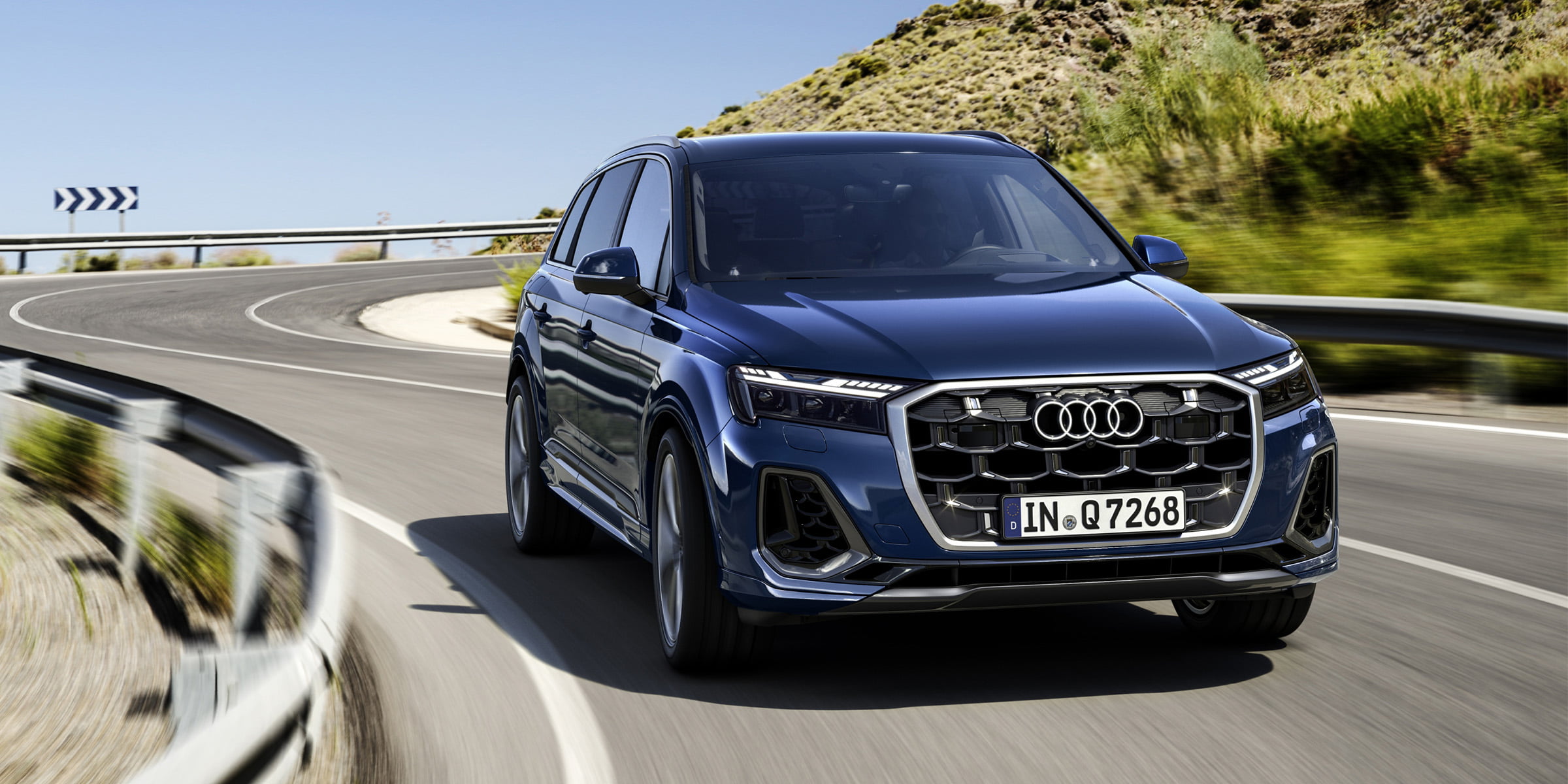
The long-standing second-generation Audi Q7 SUV has been given another facelift, which introduces several minor tweaks to the seven-seater model range.

This is the large SUV’s first update since its 2020 facelift, which included exterior styling tweaks, LED headlights as standard and Matrix LEDs for an extra fee, a new infotainment system, a range of mild-hybrid engine options and chassis upgrades.

This time around, the list of changes isn’t as large, and mainly focuses on the car’s exterior looks. The front and rear bumpers have had a subtle redesign, while the front grille now has a mesh pattern and thicker chrome surrounds.

The headlights are now Matrix LED as standard, and HD Matrix LED units featuring a laser high-beam (which increases the distance of the high-beam after 43mph) will be available. There are also new alloy wheel options, with sizes between 20- and 22-inches.

There are no significant changes to note in the cabin, but the infotainment screen has had a software update which adds some popular apps from third-party providers, like Spotify and Amazon Music.

The car’s ‘virtual cockpit’ digital instrument cluster has also been enhanced, and now displays a lane change warning, a distance warning, intersection assistance, and traffic light information in full HD quality.

As before, the standard model is all-wheel drive, and comes with air suspension tech, a rear view camera, leather upholstery, electrically-adjustable heated front seats, climate control and privacy glass. Engine options remain unchanged, with three petrol mild-hybrid variants to choose from.

Available from Audi dealerships from March onwards, pricing for the refreshed Q7 starts at around £67k for the lead-in ‘S Line’ trim, rising to £92k for the top-spec ‘Vorsprung’ trim with the most powerful engine choice.

The Audi Q7 currently holds a New Car Expert Rating score of C (61%) in our Expert Rating Index – a score hindered by concerning reliability and running cost figures.

Cheaper Smart #1 ‘Pro’ now available

0

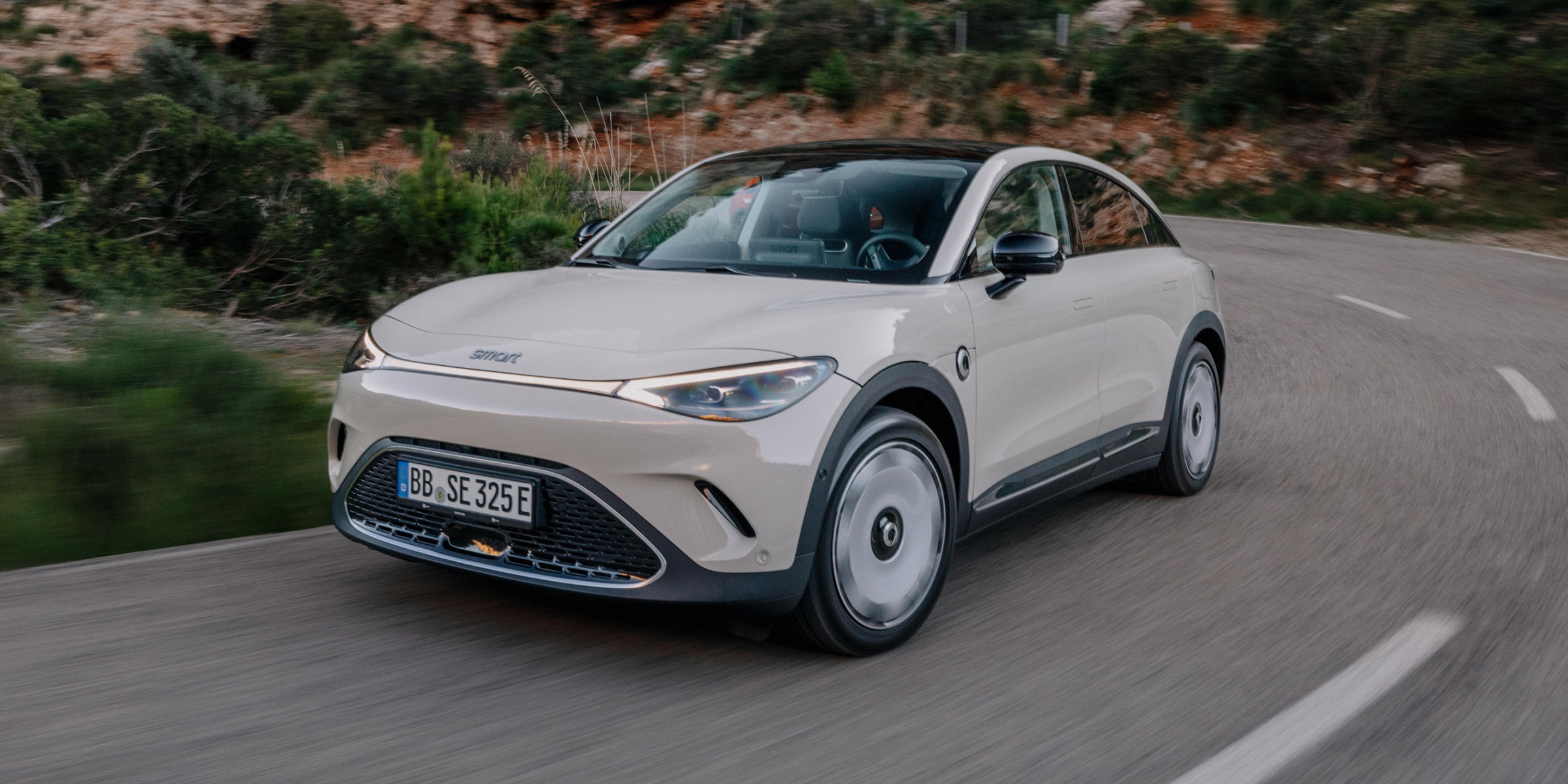
Smart has introduced a new trim level to its #1 crossover range. The ‘Pro’ is the new entry-level model, which will sit below the ‘Pro+’ and ‘Premium’ trims already available.

Smart stresses that this cheaper #1 guise “retains the same premium design and extensive range of standard equipment” as the ‘Pro+’, but has a smaller 49kWh battery which reduces customer costs. A smaller battery means a shorter range – 193 miles to be exact, 80 miles less than the ‘Pro+’ model.

The brand also reports that the car’s performance “remains compelling” despite this reduction in battery capacity. The ‘Pro’ can reportedly complete a 0-62mph sprint in 6.7 seconds, which is just as quick as the next trim level up. The car is compatible with charging speeds of up to 130kW , which can charge the battery from 10% to 80% in less than 30 minutes.

Now available here in the UK, pricing for the ‘Pro’ starts at just under £32k, which is £4k cheaper than the ‘Pro+’. While the lead-in price has dropped, features like adaptive cruise control, the panoramic sunroof, heated seats, 360-degree surround camera, motorised tailgate and the 13-inch infotainment screen are still included as standard.

The Smart #1 currently holds a New Car Expert Rating of A with a score of 79%, which is currently one of the more impressive scores in our Expert Rating Index.

New all-electric Porsche Macan debuts

0

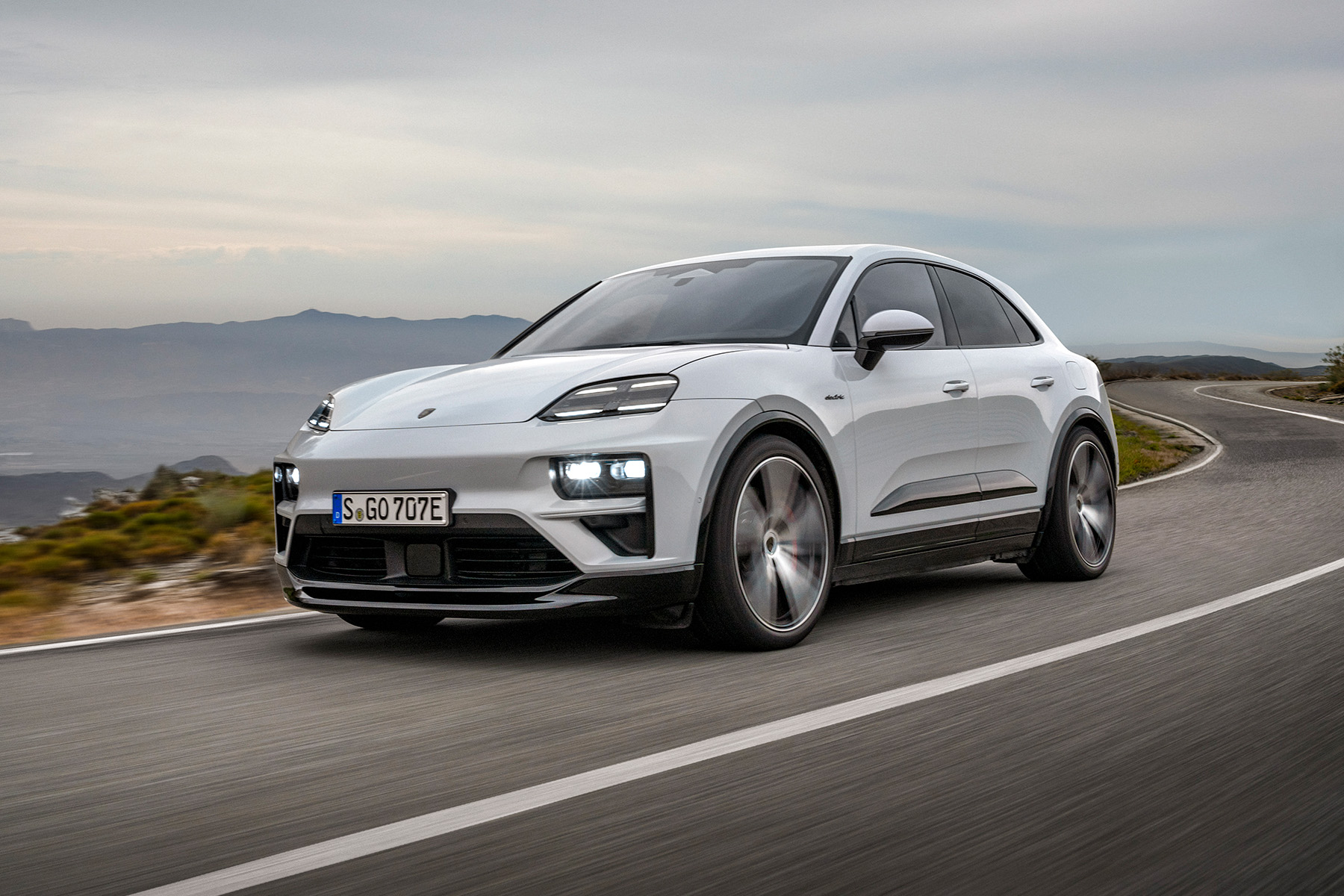
The second-generation Porsche Macan is now available to order at dealerships in the UK, and it’s Porsche’s second all-electric model, after the Taycan saloon.

Porsche will be hoping that this new battery-powered Macan iteration will be able to repeat the sales success of the original petrol-powered Macan, which is currently the brand’s best-selling model in Britain. Porsche says its aim is to offer “the sportiest model” in the mid-sized electric SUV segment, which includes the Audi Q4 e-tron, Ford Mustang Mach-E, Jaguar I-Pace and Tesla Model Y.

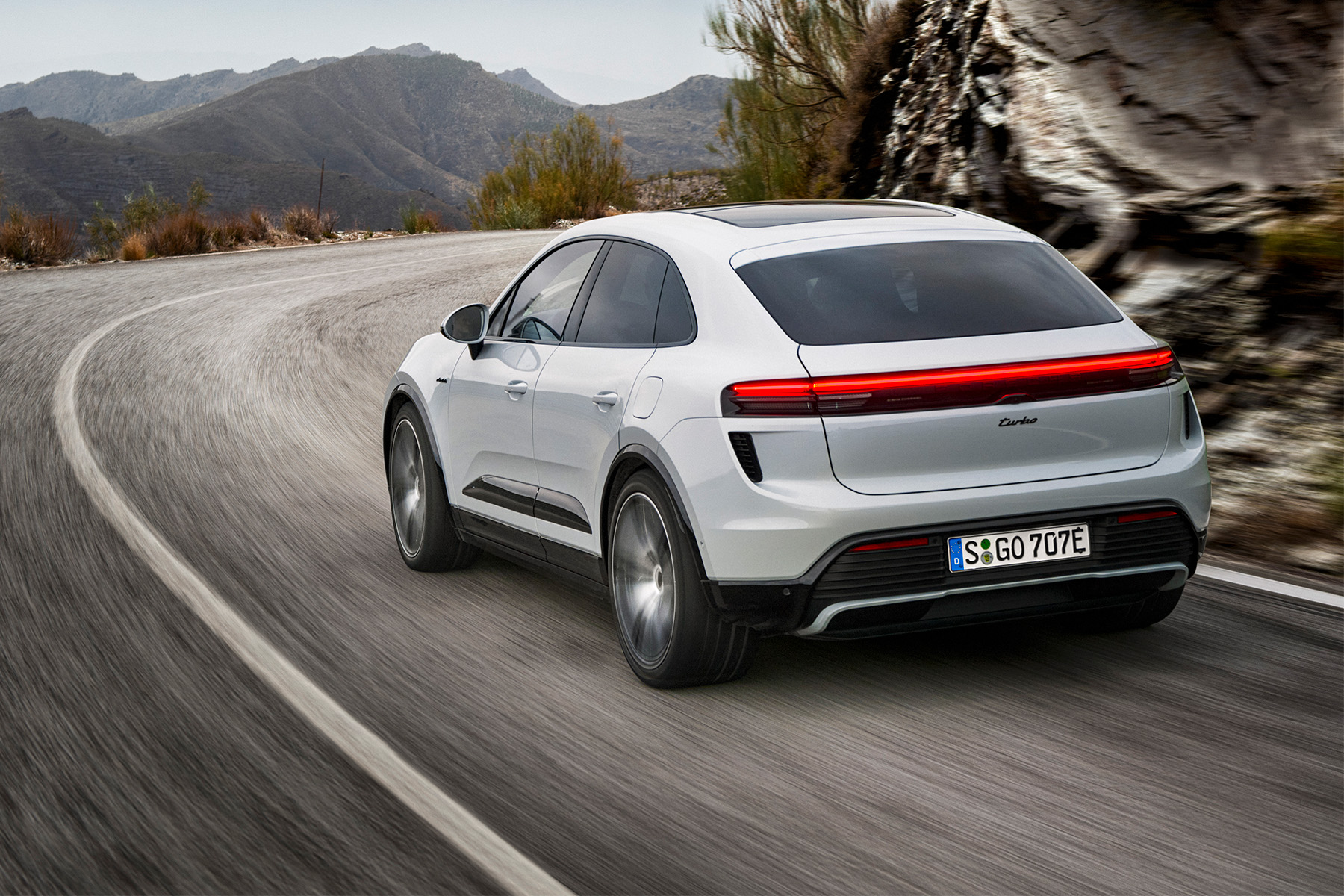
The Macan’s refreshed exterior looks include slim LED daytime running lights either side of the bonnet and square LED headlights installed lower down the body-coloured front bumper, a smaller front grille, chunkier wheel arches and a sleeker roofline leading to one continuous rear tail light that stretches across the SUV’s rear fascia.

This electric model is slightly bigger than its petrol predecessor too, with an extra nine centimetres of length in the cabin, which increases rear legroom. Porsche offers different wheel sizes from 19-inch to 22-inch alloy wheels, but as the wheel size goes up, the estimated electric range figure goes down. 

Speaking of range, the electric Macan can reportedly deliver up to 381 miles on a single charge in its entry-level 408hp ‘Macan 4’ guise. This lead-in version can complete a 0-62mph sprint in 5.2 seconds, which is over a second faster than the cheapest petrol-powered Macan. The range-topping 639hp ‘Macan Turbo’ takes just 3.3 seconds to complete the same sprint, the compromise being a lower battery range of 367 miles.

Both of these Macan variants are dual-motor all-wheel drive, and are powered by a 95kWh battery with a newly-developed 800V electrical system that can support charging speeds of up to 270kW, which can charge the battery from 10% to 80% in 21 minutes. 

Besides the powertrain, the Porsche engineers have introduced several other mechanical additions, including a more efficient regenerative braking system that can capture up to 240kW of power to feed back into the battery when braking, and an optional rear-wheel steering feature that can reduce the car’s turning circle to 11 metres.

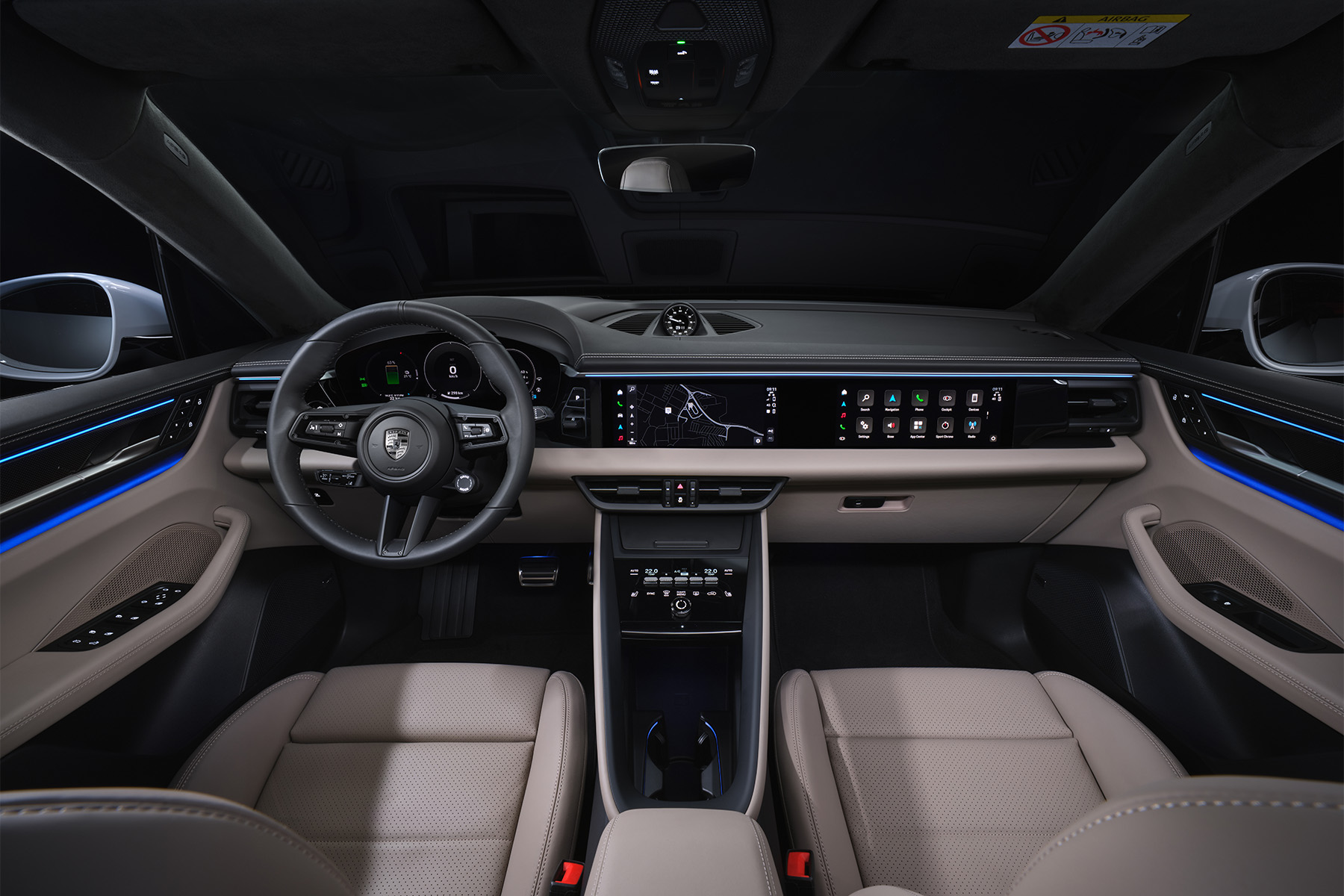
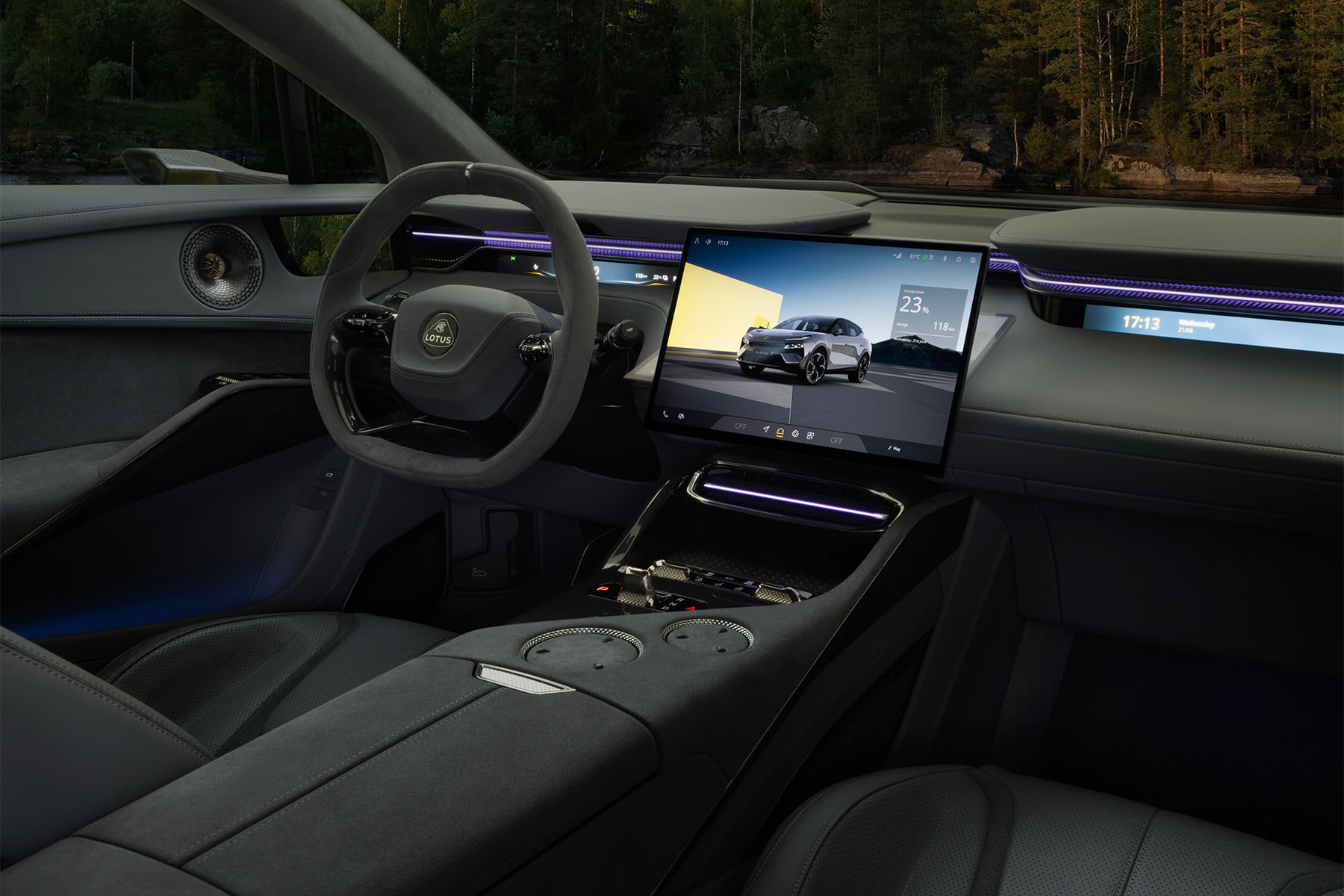
Inside, the SUV has a similar dashboard layout to its predecessor, with a three-spoke multi-function steering wheel sitting alongside an 11-inch central infotainment screen. However, the traditional gauges have now been replaced by a curved 13-inch digital instrument cluster, and customers can now spec their model with an 11-inch passenger side display that plays media for an additional fee.

The infotainment system is continuously connected to the internet, allowing the car to install over-the-air software updates from the manufacturer, and Android Auto and Apple CarPlay are both compatible.

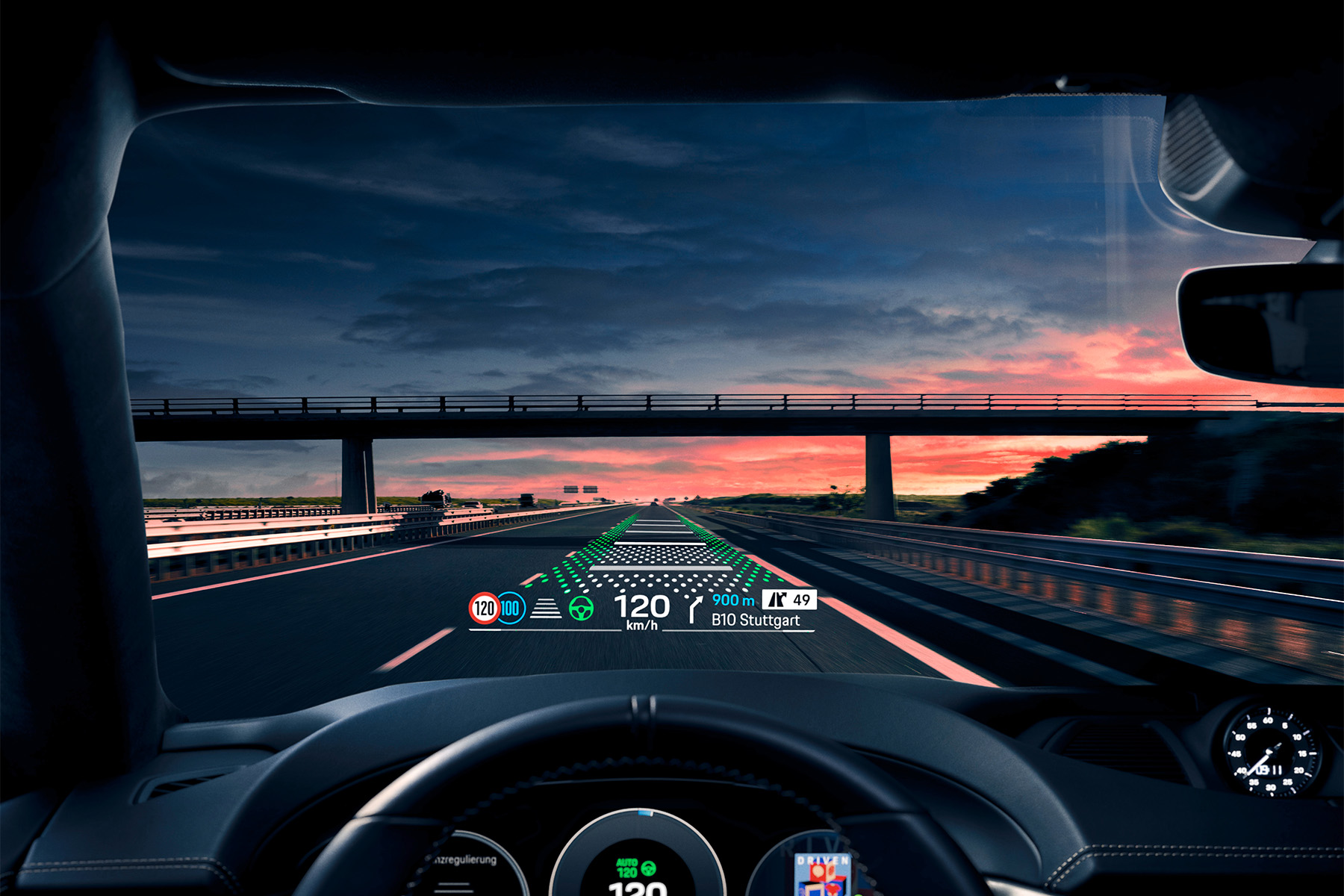
Appearing in the driver’s field of vision, the new Macan also comes with an 87-inch augmented reality head-up display that can project driving information and navigation arrows onto the windscreen. Climate control and media volume controls feature on the centre console, with a wireless smartphone charging pad underneath. 

The second-generation Porsche Macan is now available to order at UK dealerships from just under £70k, which is £16k more than the starting price of the former petrol-powered Macan but around £10k cheaper than the lead-in Taycan saloon model. Opting for the more powerful ‘Macan Turbo’ ups the price to £95k.

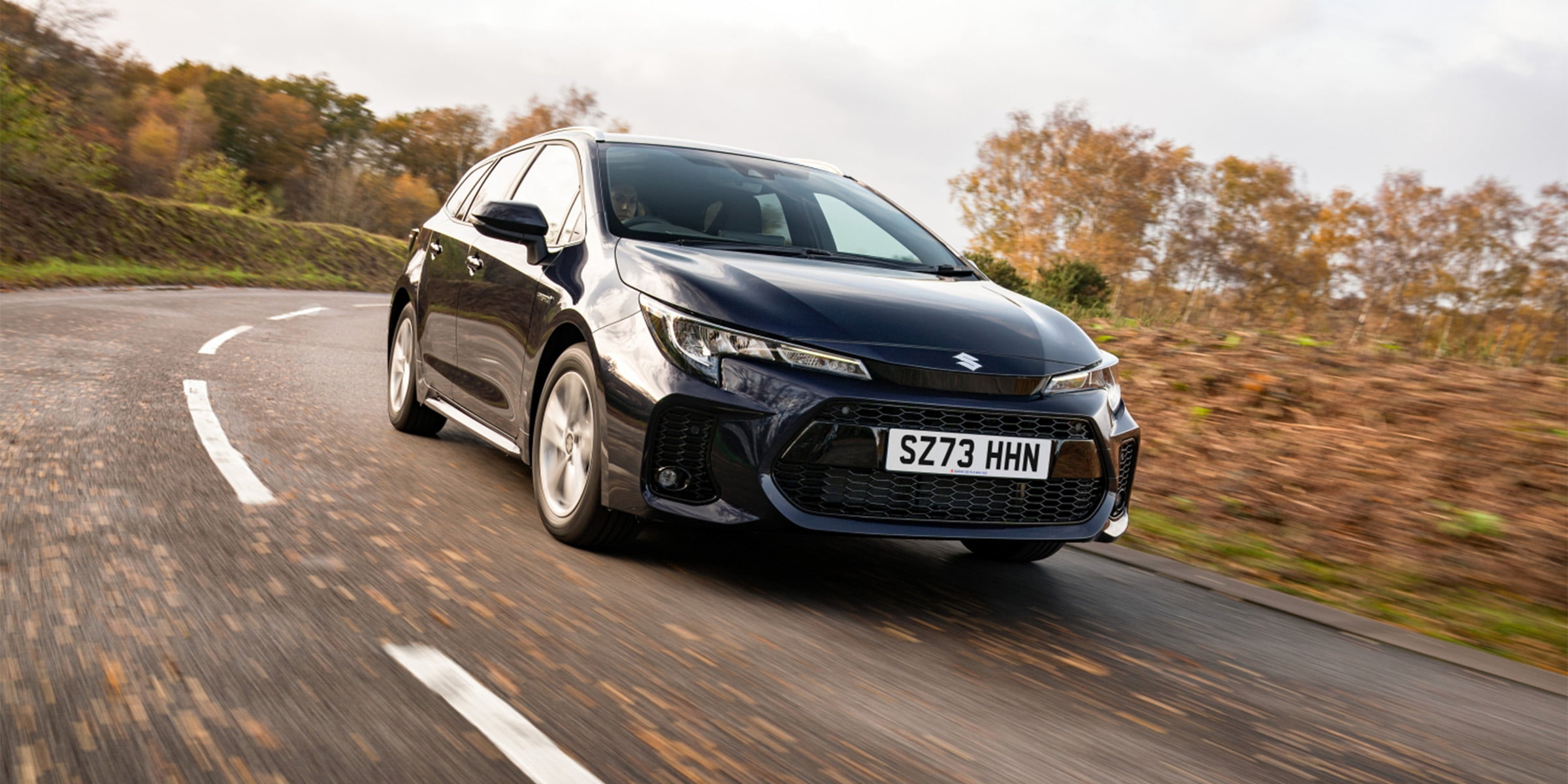
Suzuki Swace test drive

0

Make and model: Suzuki Swace
Description: Mid-sized estate
Price range: £29,599 – £31,399 (plus options)

Suzuki says: “Sporty meets functionally. The full hybrid Swace is both super stylish and practically brilliant.”

We say: The Swace is an impressively likeable estate that does what it says on the tin: practical, affordable and economical. 


Introduction

The Suzuki Swace was launched in 2020 and is basically identical to the Toyota Corolla Touring Sports. Built on the same production line in Derby, the cars were born of a partnership to minimise development costs.  

Although the Corolla is available as a hatchback, commercial vehicle and estate, the Swace is only available in the estate version. It was updated in 2023 to simplify the trim options and to add more power to the hybrid setup. 

As the Swace is a rebadged version of the Corolla, they both score quite closely in our Expert Rating Index. As of January 2024, media reviews of the Suzuki Swace have earned the car an overall New Car Expert Rating of C, with a score of 63%. For comparison, the Toyota Corolla gets an A-grade rating with a score of 71%. However, this includes the popular hatchback version, which isn’t available for the Swace, as well as more powerful engine options and a wider model range.

What is it?

The Suzuki Swace is a mid-sized estate which is, save for a few minor styling differences, a Toyota Corolla Touring Sports with Suzuki badges. Looking at the front of the car, the most obvious difference is the front bumper, which consists of a few cosmetic changes that make no significant difference to anything. Take a seat inside and the only difference is that the Toyota badges have been replaced by Suzuki badges, but the intention for this car was exactly that. 

Apart from its obvious competitor, this estate sits in the same category as the likes of the Skoda Octavia Estate, Kia Ceed Sportwagon and SEAT Leon Estate. Most of its rivals offer alternative body styles but, if boot space and a hybrid powertrain are must-haves, then the Swace is one to consider. Or if, for some reason, you want a Toyota but you don’t want it to be badged as a Toyota…

First impressions

Unsurprisingly, the Suzuki Swace looks very familiar. It’s not necessarily the sexiest car on sale, but that doesn’t mean it’s not practical and well equipped. From the entry level trim it has heated seats, a heated steering wheel and keyless entry. Features such as seat releases from the boot make it easy to fold the seats down and load large items without hassle. 

Although there’s lots of choice in the market for estates which encompasses used vehicles too, the hybrid engine in the Swace makes it a strong contender on fuel economy and performance, which we’ll delve into in more detail shortly.   

We like: Good equipment from base level upwards
We don’t like: Mundane exterior styling 

What do you get for your money?

The Swace range is separated into just two trim options: ‘Motion’ and ‘Ultra’. Starting at £29.6K, Motion comes with a reversing camera, an eight-inch touchscreen media display with Android Auto and Apple CarPlay, and heated seats and steering wheel. 

Ultra adds rear cross-traffic alert, blind spot monitoring, wireless phone charging and front and rear parking sensors. The top spec starts from £31.4K and both versions only have one engine option, a 1.8-litre petrol hybrid unit (unlike the Corolla, which also offers a more powerful 2.0-litre hybrid as well). White is the default paint option or, at a cost, pearlescent, metallic, black or blue paint colours are available.  

Euro NCAP is yet to give the Swace its own safety score or to confirm whether the vehicle can claim the same level of safety as the Corolla which it has tested, but given that there are no equipment or structural differences to the Corolla, it’s fair to suggest that the Toyota’s five-star rating applies here.

As standard the Swace comes with lane departure warning, a lane centering function and vehicle sway warning. 

Suzuki offers the Swace with a three-year, 60,000 mile warranty and a 12-year anti-perforation warranty. 

We like: Simple trim levels with good equipment
We don’t like: Short warranty period compared with some rivals 

What’s the Suzuki Swace like inside?

In the driver’s seat, it’s easy to get situated and visibility all round is good. Compared to the Corolla, the Swace gets an eight-inch touchscreen rather than a ten-inch screen but it doesn’t feel too small. Although the only real button to operate the system is for volume control, Apple CarPlay and Android Auto simplify the interface so it’s familiar to use. Neither trim option offers in-built navigation so connecting a phone is the only way to get sat-nav on the central screen. 

In the back seats, there’s plenty of legroom and the central hump on the floor isn’t huge – so the middle passenger won’t have their knees around their ears. Headroom is a bit limited for passengers over six foot but for children or shorter adults it should be comfortable enough. There are Isofix points on the two outer seats too. 

The rear seats fold down flat and can be released from the boot. There’s a luggage net that pulls up from behind the back seats to keep everything in the boot or it could be handy for dog owners too. The boot itself is very spacious, as you’d expect of an estate, and is only beaten in size by the Skoda Octavia. 

We like: Practical interior layout and space
We don’t like: Corolla gets a bigger screen 

What’s under the bonnet?

There’s just one engine option available in the Swace, a 1.8-litre petrol-electric hybrid engine. The electric system handles itself by charging off the engine and it can drive the car on just electric power for short periods of time. This helps to significantly improve fuel consumption, offering between 60 to 80mpg. Urban driving around town returns far more economical figures but 50 to 60mpg for motorway driving is still a respectable achievement for an estate. 

The Swace can tow braked trailers up to 750kg or unbraked trailers up to 450kg. If a large towing capacity is a must then competitors like the Skoda Octavia can tow anywhere from 1,300 to 2,000kg, depending on specification. The Swace is more than capable of towing a trailer full of supplies but it’s not necessarily suitable as a caravan pulling partner. 

Given its low emission figures at 102 g/km, the Swace could be a good company car pick. 

What’s the Suzuki Swace like to drive?

Thanks to the hybrid system, the Swace can be surprisingly spritely. The electric power smooths out any lag in the petrol engine and gets you to where you need to go. At higher speeds the electric power tails off and the engine takes over which can be a little noisy. For short trips around town it’s quiet, relaxed and very economical. 

The full hybrid system makes use of the electric power without the hassle of having to plug-in the vehicle at the end of the day. This makes it economical all the time, unlike a plug-in that needs regular charging to achieve the best fuel economy figures. 

The steering is light and gets heavier at higher speeds to help with controlled handling. It’s not particularly exciting to drive around twisty lanes and throw into bends but that’s not what it’s made for. The added electric system inspires confidence when joining a motorway or overtaking and makes sure the car can get up to speed quickly and safely.

We like: Electric power for getting up to speed 
We don’t like: Noisy engine on the motorway 

Verdict

If you’re looking for a new company car or a family wagon alternative to an SUV the Swace is a practical and versatile estate. In the UK, Suzuki has a smaller market share than competitors like Toyota and Skoda, but that shouldn’t be a reason to overlook it. 

It makes a great next car from a hatchback or small family car, and offers upmarket features like heated seats and steering wheel from the base trim level. The hybrid system smooths out the driving experience and gives the car enough power when it’s needed. 

Similar cars

If you’re looking at the Suzuki Swace, you might also be interested in these alternatives

Fiat Tipo SW | Ford Focus Estate | Hyundai i30 Tourer | Kia Ceed Sportswagon | Peugeot 308 SW | Renault Megane Sport Tourer | SEAT Leon Estate | Skoda Octavia Estate | Toyota Corolla Touring Sports | Vauxhall Astra Sports Tourer | Volkswagen Golf Estate

Key specifications

Model tested: Suzuki Swace Ultra
Price as tested: £31,999
Engine: 1.8-litre petrol full hybrid
Gearbox: CVT automatic

Power: 138bhp
Torque: 142 Nm

Top speed: 112 mph
0-62 mph: 9.4 seconds

CO2 emissions: 102 g/km
Euro NCAP safety rating: No rating
TCE Expert Rating: 63% (as of January 2024)

Buy a Suzuki Swace

If you’re looking to buy a new or used Suzuki Swace, The Car Expert’s partners can help you find the right car.

Motors.co.uk logo transparent 600x300

Find your next used car with Motors.co.uk. Find out more

Cazoo 600x300

Find your next used car with Cazoo. Find out more

Auto Trader logo 600x300

Find your next new or used car with Auto Trader. Find out more

Carwow logo 600x300

Find your next new or used car with Carwow. Find out more

Subscribe to a Suzuki Swace

If you’re interested in a car subscription, The Car Expert’s partners can help. (PS: What’s a car subscription?)

Mycardirect subscriptions – 600x300

Car subscriptions from Mycardirect.
Find out more

Wagonex logo 2023 600x300

Car subscriptions from Wagonex.
Find out more

Cocoon Vehicles logo 600x300

Car subscriptions from Cocoon.
Find out more

Drive Fuze logo 600x300

Car subscriptions from Drive Fuze.
Find out more

Driving in Poland – what are the rules?

0

Would you count driving and history as being among your interests or loves? Well, don’t miss out on the chance to visit Poland then.

Thought to have been a haven for civilisation thousands of years, it has a more ‘recent’ Medieval history from where it got its name, thanks to the Polan people.

There are castles to see – including the world’s most complete and comprehensive Medieval example, Malbork – forests, lakes, rural villages and sprawling cities. And despite being badly damaged during the Second World War it has recovered to become a stable and welcoming democracy.

Its major cities – including Warsaw, Krakow, Gdansk and Lodz – provide excellent opportunities for business and industry. To its west lies Germany, to the east are Ukraine and Belarus, while in the north there’s a beautiful coastline and the Baltic Sea.

It might not be top of your list for a holiday, but Poland is well worth a look if you love touring by car. While some of the more rural roads can be potholed and poorly maintained, Poland’s major routes are excellent for a car journey. One of its many scenic routes is called the 100 Bends Road – a must for drivers, surely!

If you are one of many UK motorists who is considering Polish shores for a vacation this year, you’ll need some careful organisation before visiting. Getting there by car will involve traversing the whole of Germany as you head east, but that’s a decent European drive to enjoy if you have the time. Flying in and hiring a vehicle is another option.

Driving in Poland is a completely different experience from doing so in the UK. And that isn’t just because the Poles drive on a different side of the road from us.

It’s much more than that and planning a driving holiday, or taking your car to Poland on business, requires careful planning and a good understanding of what you can, and can’t do behind the wheel while there.

This isn’t just for your safety and convenience. Getting on the wrong side of the Polish police can mean on-the-spot fines, starting with relatively small ones for minor indiscretions but rising to steep penalties and even driving licence confiscation. So it’s well worth spending some time planning your trip, and making sure you have everything in place for your Continental excursion.

Here The Car Expert looks at the most important elements to consider when planning to drive in Poland, and we’ve included a handy checklist. As each journey is unique, always check that you have everything covered for your particular visit.

Basic rules

You must be 18 years or over to drive in Poland and you should hold a full UK driving licence. Just the licence card will do, as the paper counterpart is no longer a requirement. An international driving permit is recognised by the authorities, but it’s not a requirement.

You’ll need to prove that you have car insurance cover so take your certificate with you (but you don’t need a European ‘green card’) and you must carry with you documents that show the identity of the car, such as a V5 ‘logbook’. Always carry your personal ID or passport with you too.

The vehicle’s ‘home country’ must be shown on it. Most people today have the ‘UK’ letters and the Union Flag incorporated into the vehicle’s number plates but if you don’t have these, you must affix a ‘UK’ sticker to the rear of the vehicle. The ‘GB’ badge is no longer allowed, even within European ‘golden stars’ and the same goes for country badges such as the English, Scottish or Welsh flags.

Speed limits

Speed limits are shown in kilometres (km/h) rather than miles (mph). It’s very slow in residential zones – 20km/h (12mph), while for built-up areas the speed limit varies according to the time: 50 km/h (31mph) between 5am and 11pm and 60km/h (37mph) between 11pm and 5am.

Moving out of built-up areas and onto more open roads the limit rises but again there are variations of between 90km/h (56mph) and 120km/h (75mph) so keep an eye out for local roadside signs. Motorways have a blanket 140km/h (87mph) top limit with a 40km/h (25mph) minimum regulation.

You’re not allowed any kind of speed camera or radar detection equipment when driving on Polish roads. Likewise, if your satnav unit shows where speed cameras are sited, you must de-activate this function as it’s illegal.

New speeding fines came into operation in Poland in 2022 and they were much steeper than before. If you are stopped for speeding you will likely get an on-the-spot fine, and police patrols who are out looking for speeders, have increased.

Fines vary depending on your speed and start at 50 Zloty or zl (£10) for a minor transgression of up to 10km/h over the speed limit and rise steadily in severity as the speed goes up. Get stopped at more than 40km/h over the limit and you could be looking at a 1000 zl (£180) fine, while 60km/h above the top end could mean a 2000 zl (£360) penalty.

Blood alcohol limits

We don’t recommend any drinking of alcohol if you are going to drive but it’s worth knowing the limits. The drink drive limit is 0.2 g/l (also shown as 0.2 milligrams or 0.02%). This is a very small amount and the police take a hard line on drink driving, so be careful even when you are getting behind the wheel ‘the next morning’. For comparison, the limit is 0.8 g/l (0.8 milligrams or 0.08%) in England and Wales, and 0.5g/l (0.5 milligrams or 0.05%) in Scotland.

The Polish police can ask you take a random breath test at any time, but you will certainly be tested if there has been a car accident or if you have committed a serious motoring offence.

What to carry in the car

There are several things you’ll need in your vehicle while motoring through Poland, both for your safety and to ensure you keep on the right side of the authorities. These include a warning triangle and a reflective jacket which you should wear if you break down on a major route outside of urban areas or when visibility is reduced. Failure to have these could result in on-the-spot fines.

You will also be required to have a fire extinguisher and, although it’s not compulsory, it’s worth investing in a first aid kit.

You don’t have to carry spare bulbs, but the police do insist that you have beam deflectors (or the ability to manually adjust your lights) to avoid dazzling other road users.

Specialist suppliers, such as motoring organisations, sell ‘European driving kits’ for around £25, which contain everything you are likely to need for a continental road trip, and it’s well worth buying one.

Seatbelt and other rules

Seatbelt rules are the same as in the UK: if your car has them, they must be worn. It’s the driver’s responsibility to make sure everyone is buckled up and there’s a 100 zl (£20) fine for not wearing one.

Children under 12 years old and less than 150 cm in height must be in an approved child seat in the front or back of the car. If your car has airbags in the front (and most do) it is forbidden to place a rear facing baby restraint on the front passenger seat.

Driving

Keep to the right-hand lane as much as possible but if you are overtaking do so on the left.

Overtake only when you are sure it is safe to do so, but never attempt to pass someone if you are at an intersection, by a bus or tram stop, approaching a railway crossing, a pedestrian crossing or a cycle crossing.

You may overtake trams but ensure that if another tram is approaching, your car is not driving over its rails. Never try to drive between a tram and its pedestrian island if passengers are getting on or off. Trams have priority over all other traffic. The same is not applicable for buses but watch carefully for them – they tend to pull out with little regard for cars. 

Traffic signals are red, amber and green and follow a similar pattern to the UK. However, a green light that shows at the same time as a red light means that you can turn into another street (shown by an arrow), but you must give way to pedestrians.

Horns should be used sparingly – indeed they are prohibited in towns, unless it’s an emergency.

Petrol, diesel, and LPG is widely available throughout the country, and there are many electric vehicle (EV) charging points in larger towns and cities. Most fuel stations are open from 8am to 7pm although in larger towns you will find 24-hour services.

Motorways in Poland are paid for with money collected through tolls. There is no electronic system controlling this, so be prepared to pay at toll booths along the way. Trucks and buses do have electronic devices however and the same applies if you are towing a caravan so check for this before you set off with a rig. Toll fees vary according to the road used, the length of journey and the emissions of your vehicle.

You can get to most places on more minor roads that avoid the M-ways, but these rural routes can be in poor condition with potholes and broken surfaces, so dial that into your journey considerations.

If you are towing a trailer or caravan ensure that your car and the rig don’t exceed 18.75 metres in length, 4 metres in height and 2.55 metres in width. Make sure you can see clearly behind you with the use of two wide rear-view mirrors. Carry with you a list of your caravan or trailer contents – this will assist customs officers and should ensure you a smoother passage.

Parking

Look for parking restriction signs before you pull up anywhere. Most cities will have restrictions and fees to pay before parking. Much of the payment is collected using parking meters although the bigger cities will often feature manned car parks with various ways to pay.

If you find somewhere to park for free that’s great – but don’t leave your car if it looks like you’re causing an obstruction or danger to others. Illegally parked cars may well be wheel clamped by the authorities but often, badly parked vehicles will simply be towed away. There will be a fine to pay for a vehicle’s release plus costs for the towing.

Emergency number

In Poland as with most of Europe, you can dial 112 and make contact with emergency services such as fire, ambulance or police, 24 hours a day. Operators will speak English, French and other European languages.

Checklist

Must haves:

  • Driving licence
  • Passport
  • Vehicle insurance
  • MOT certificate
  • V5 or vehicle ID
  • UK sticker or number plate markings
  • Warning triangle
  • Headlamp beam deflectors
  • Hi-viz jackets
  • Fire extinguisher

Options:

  • First aid kit
  • Spare bulb kit
  • Screen wash
  • Bottled water
  • Map or satnav
  • Phone power bank
  • Torch
  • Fuel can


Read more:

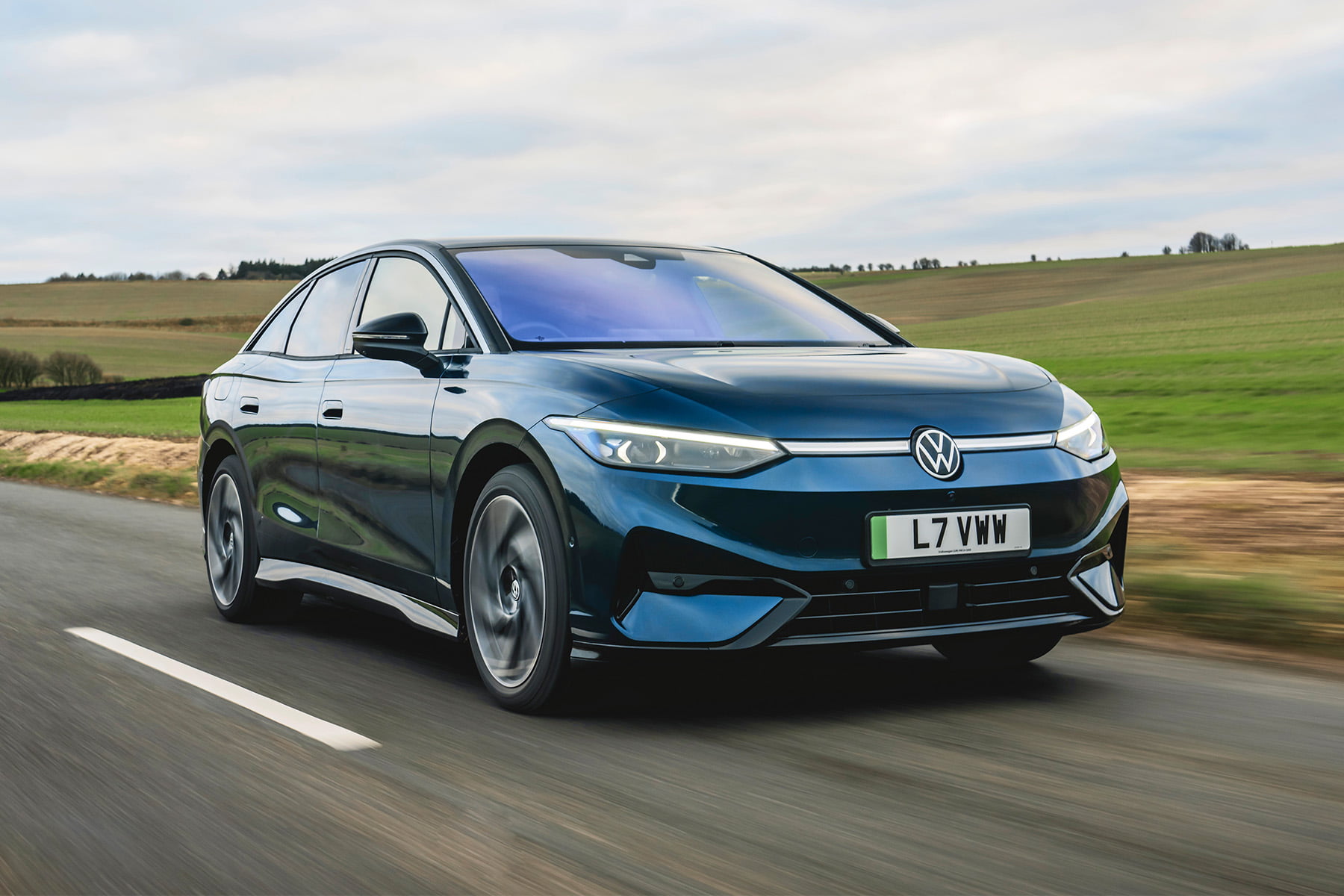
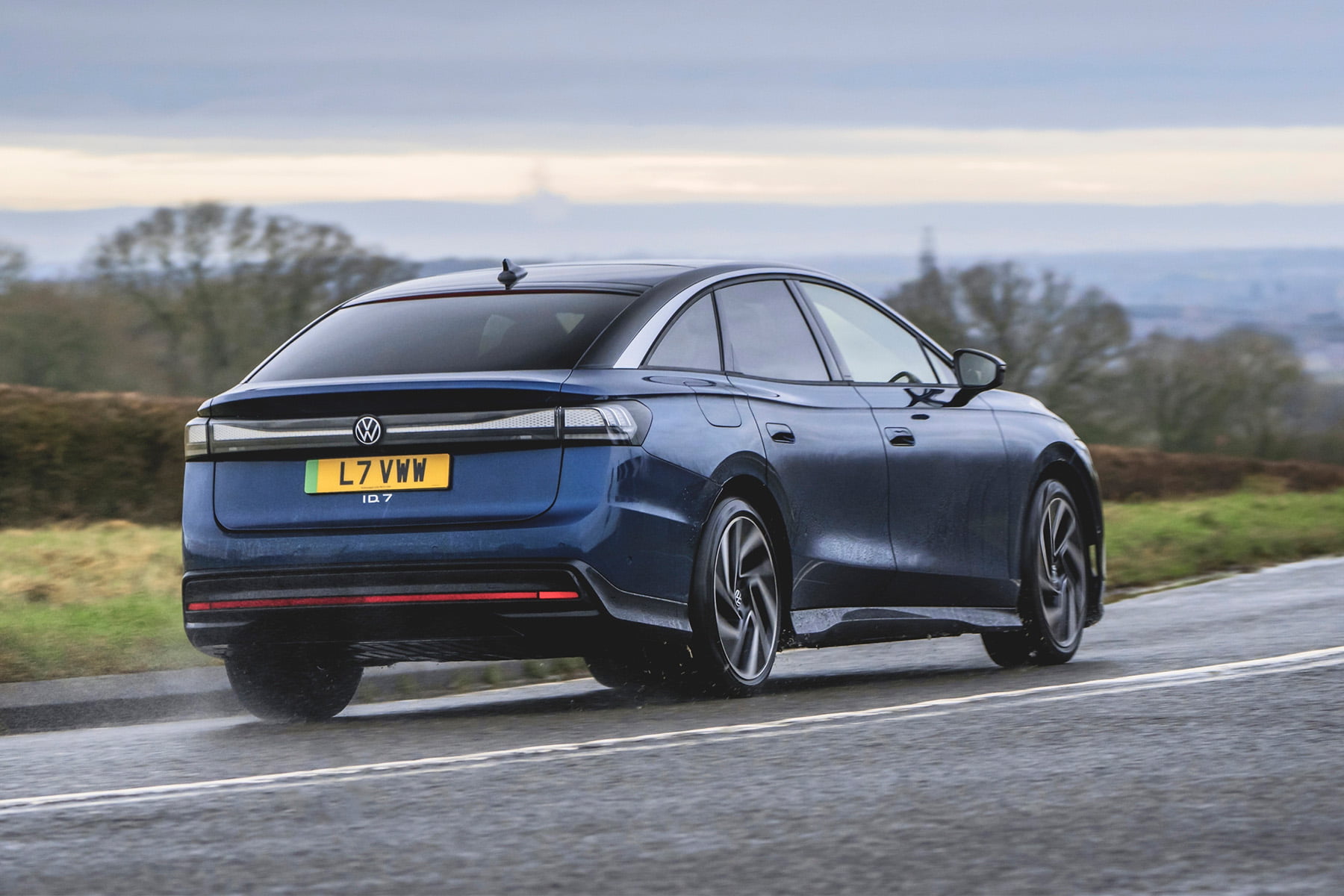
Volkswagen ID.7

Summary

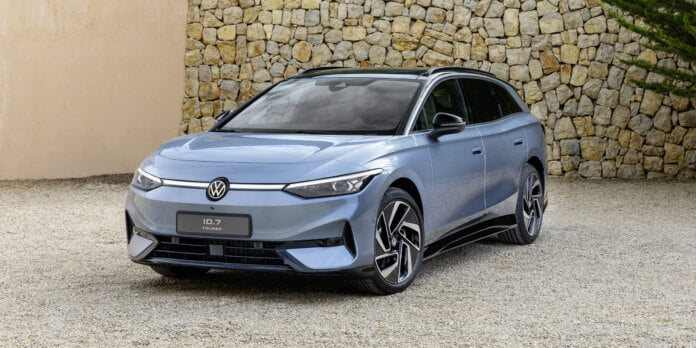
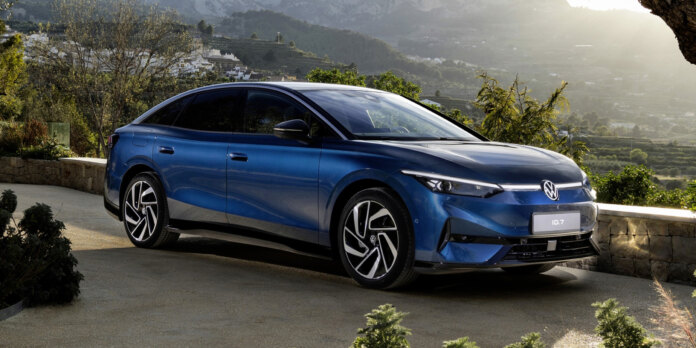
The Volkswagen ID.7 is a large all-electric saloon that arrived in the UK in late 2023, effectively an electric alternative to the company’s own Passat – just as the ID.3 is an electric alternative to the Golf.

The ID.7 has received a warm welcome from the British motoring media, mostly due to its comfortable ride, long range between charges and its well-mannered driving dynamics, as well as its five-star Euro NCAP safety rating.

Carbuyer’s Charlie Harvey notes that the ID.7 is comparable in terms of size to the BMW i5 and Mercedes-Benz EQE, and while those models “offer a much more premium package”, the ID.7 is considerably cheaper. In reality, its rivals are slightly smaller saloons like the Tesla Model 3, BMW i4 and Hyundai Ioniq 6.

The saloon’s most frequent criticism is a common theme across the ID range – fiddly touch-sensitive controls. “The ID.7 continues a concerning trend of making drivers spend more time using a touchscreen instead of buttons and knobs they can locate and twist without ever taking their eyes off the road”, says Dave Humphreys of The Sunday Times.

As of February 2026, the Volkswagen ID.7 holds a New Car Expert Rating of A with a score of 76%. It scores top marks for its strong media review scores, excellent safety rating and zero tailpipe emissions, while its overall running costs are also good. However, Volkswagen’s new car warranty cover is only average.

ID.7 highlights

  • Impressive battery range
  • Great safety rating
  • Relaxing long-distance cruiser
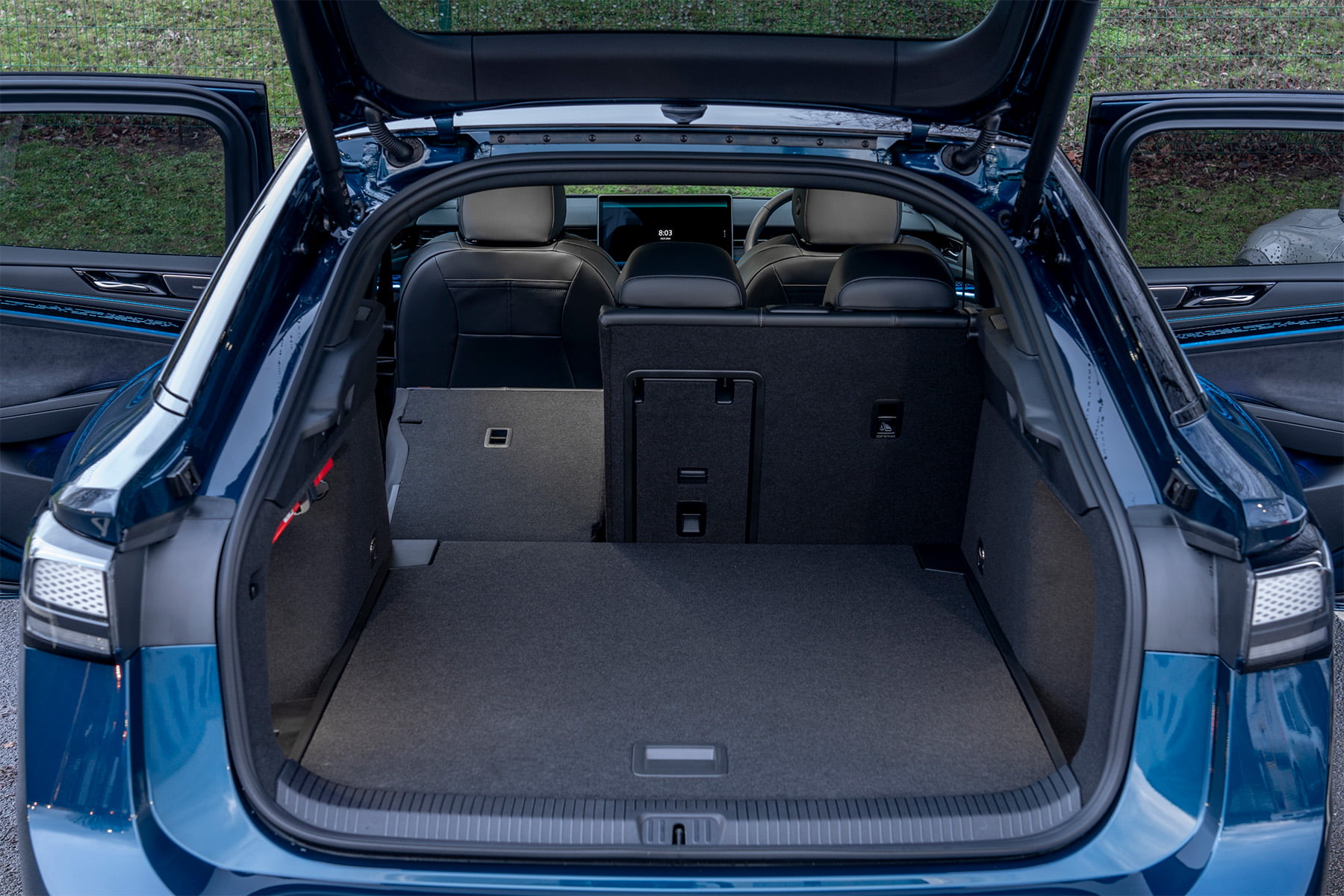
  • Spacious interior

ID.7 lowlights

  • Rather dull inside
  • Fiddly touch-sensitive controls
  • Not very fun to drive
  • Expensive to buy

Key specifications

Body style: Large saloon
Engines:
electric, battery-powered
Price:
From £55,870 on-road

Launched: Winter 2023/24
Last updated: N/A
Replacement due: TBA

Media reviews

Highlighted reviews and road tests from across the UK automotive media. Click any of the boxes to view.

Featured reviews

More reviews

Auto Express

Auto Trader

Car

Carbuyer

Carwow

Driving Electric

Electrifying.com

Evo

Green Car Guide

Heycar

Honest John

Parkers

The Sunday Times

The Telegraph

Top Gear

Safety rating

Independent crash test and safety ratings from Euro NCAP

Overall score: 5 stars
Date tested: December 2023
Read the full Euro NCAP review

Adult protection: 95%
Child protection: 88%
Vulnerable road users: 83%
Safety assist: 80%

Eco rating

Independent economy and emissions ratings from Green NCAP

Model tested: Pro rear-wheel drive

Overall score: 5 stars
Date tested: March 2024
Read the full Green NCAP review

Clean Air Index: 10 / 10
Energy Efficiency Index: 9.6 / 10
Greenhouse Gas Index: 9.8 / 10

Reliability rating

MotorEasy logo 600x167

Reliability data provided exclusively for The Car Expert by MotorEasy

No reliability rating

As of February 2026, we don’t have enough reliability data on the Volkswagen ID.7 to generate a reliability rating.

The Car Expert’s reliability information is provided exclusively to us using workshop and extended warranty data from our partner, MotorEasy, sourced from both official dealerships and independent workshops. 

As soon as MotorEasy has sufficient data on the ID.7, we’ll publish the results here.

Running cost rating

Clear Vehicle Data logo close crop

Monthly cost of ownership data provided exclusively for The Car Expert by Clear Vehicle Data

Battery rangeAverageScoreVariationScore
EV models396 milesA
Electrical efficiencyAverageScoreVariationScore
EV models4.6 m/KWhA
Insurance groupAverageScoreVariationScore
All models39D
Service and maintenanceCostScore
Year 1£248C
Year 2£508B
Year 3£762B
Year 4£998B
Year 5£1,277B
Overall£3,793B

The Volkswagen ID.7 should be a cost-effective car to run, according to whole life cost data provided exclusively to The Car Expert by our data partner, Clear Vehicle Data.

Electrical efficiency (the EV equivalent of miles per gallon in a petrol or diesel car) is excellent, which contributes to the ID.7’s excellent driving range between recharging stops.

Servicing costs for the first five years are very low for a car of this size and price, while the only poor result is the ID.7’s high insurance rating. However, this is likely to improve over time as insurers gather claims data from ID.7 customers.

Recalls

Official DVSA safety recalls that have been issued for the Volkswagen ID.7

Date: May 2024
Recall number: R/2024/221
Model types: All ID. 4 and ID.7 models
Build dates: 12/2023
Number of vehicles affected: 27
Defect: On VW ID.4 and ID.7 vehicles of a limited production period, the bolted connection of the front seats between backrest and seat pan may be incorrect. The restraint effect of the seat may be insufficient in the event of an accident. There is therefore an increased risk for occupants.
Remedy: On affected vehicles the bolts on both front seat backrests must be replaced.

As of September 2024 (our last data point), there has only been one DVSA vehicle safety recall on the Volkswagen ID.7, which covers a seat assembly issue.

Not all vehicles are affected by recalls. You can check to see if your car is included in any of the above recalls by visiting the DVLA website or contacting your local Volkswagen dealer.

If your car is affected by a recall, the vehicle must be repaired and you should not be charged for any work required. If you are buying a used ID.7, you should insist that any outstanding recall work is completed before you take delivery of the vehicle.

Similar cars

If you’re looking at the Volkswagen ID.7, you might also be interested in these alternatives.

BMW i4 | BYD SealHyundai Ioniq 6 | Kia EV6 | Polestar 2 | Tesla Model 3

More news, reviews and information about the Volkswagen ID.7 at The Car Expert

Everything you need to know about Volkswagen

Everything you need to know about Volkswagen

Volkswagen ID.7 review

Volkswagen ID.7 review

Volkswagen ID.7 range bolstered by new ‘Pro S’ and ‘GTX’ models

Volkswagen ID.7 range bolstered by new ‘Pro S’ and ‘GTX’ models

Volkswagen ID.7 Tourer estate now on sale

Volkswagen ID.7 Tourer estate now on sale

Volkswagen ID.7 now available to order

Volkswagen ID.7 now available to order

Buy a Volkswagen ID.7

If you’re looking to buy a new or used Volkswagen ID.7, The Car Expert’s partners can help you find the right car.

Motors 600x300

Find your next used car with Motors. Find out more

Auto Trader logo 600x300

Find your next new or used car with Auto Trader. Find out more

Carwow logo 600x300

Find your next new or used car with Carwow. Find out more

Lease a Volkswagen ID.7

If you’re looking to lease a new Volkswagen ID.7, The Car Expert’s partners can help you find a competitive deal.

Carparison 600x300

Personal contract hire deals from Carparison Leasing. Find out more

Leasing-com logo

Personal contract hire deals from Leasing.com. Find out more

Carwow logo 600x300

Personal contract hire deals from Carwow. Find out more

Subscribe to a Volkswagen ID.7

Subscriptions are becoming a very popular way for consumers to try an electric car for a few weeks or months to help decide whether it’s a suitable alternative to a petrol car. If you’re interested in a car subscription, The Car Expert’s partners can help. (PS: What’s a car subscription?)

Cocoon Vehicles logo 600x300

Car subscriptions from Cocoon.
Find out more

Just Vehicle Solutions logo 600x300

Car subscriptions from Just Vehicle Solutions.
Find out more

Flexible Vehicle Contracts logo 600x300px

Car subscriptions from Flexible Vehicle Contracts.
Find out more

Mazda MX-30 R-EV

Summary

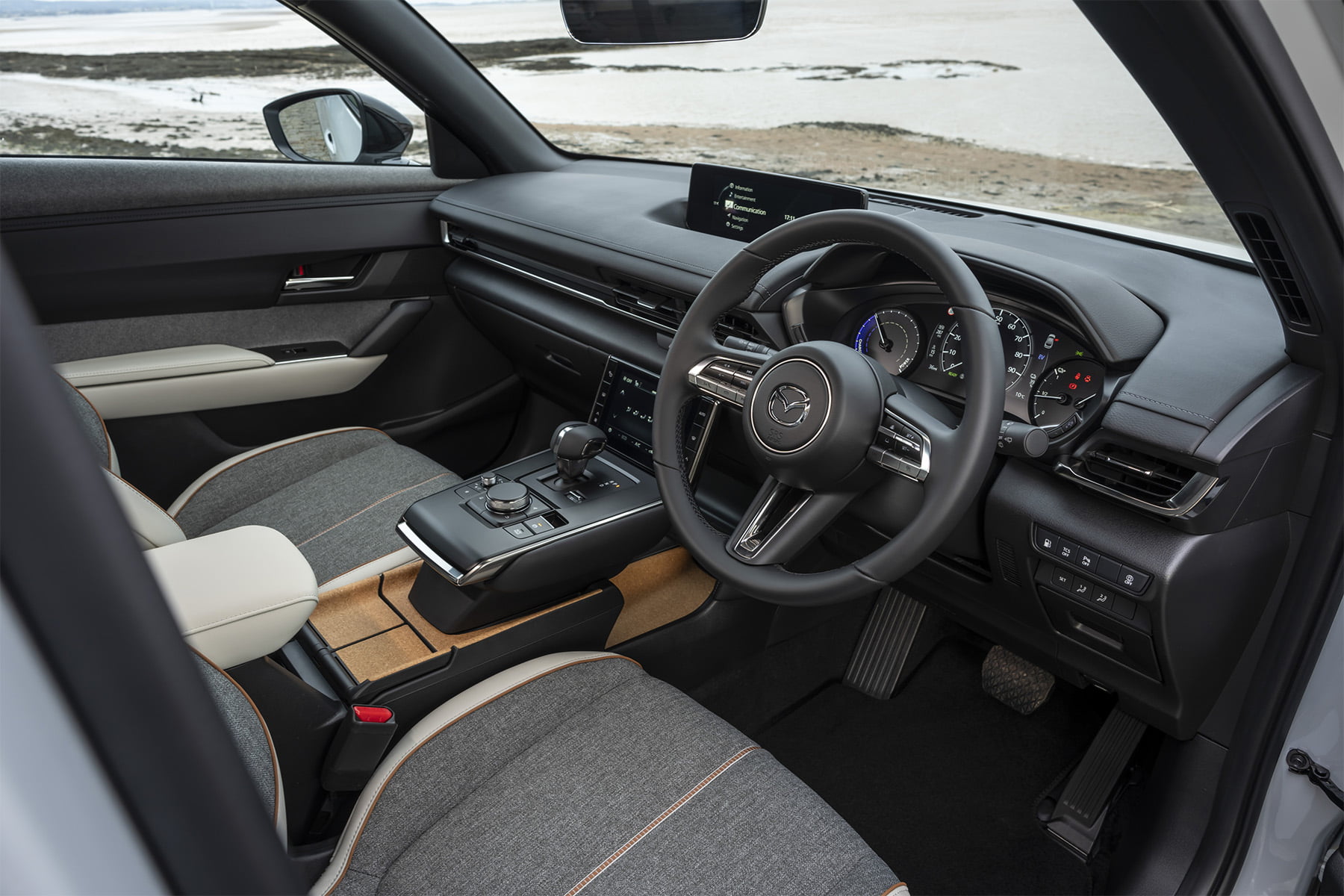
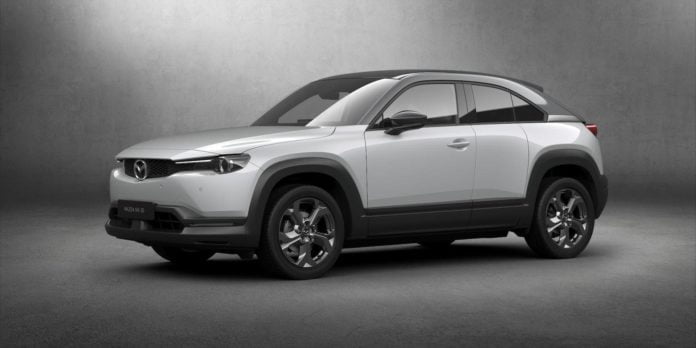
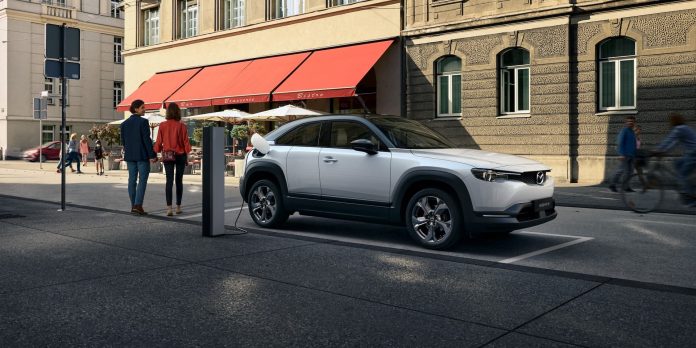
The Mazda MX-30 R-EV is a plug-in hybrid crossover, which is a sister car to the purely electric MX-30.

The MX-30 R-EV (the ‘R’ stands for ‘range extender’) was designed to address the underwhelming battery range of the original MX-30 – only 124 miles, and that’s the official UK/EU lab test figure. In the real world, you’re looking at less than 100 miles most of the time.

Despite Mazda’s protestations that most people don’t really need huge batteries and long driving ranges, neither media reviewers nor paying customers were impressed. So Mazda has come up with the R-EV version, which uses a petrol engine to charge the (now even smaller) battery and provide a total driving range of up to 400 miles.

Being Mazda, though, it’s not just any old petrol engine. The company uses a rotary engine, which is smaller than a regular engine but highly efficient. It also harks back to the company’s famous rotary-engines sports cars like the RX-7 and RX-8.

Despite the presence of the petrol engine, the MX-30 R-EV is technically still an electric vehicle, since only the electric motor is used to drive the wheels. The petrol engine is purely a generator to charge the battery. However, to all intents and purposes, it’s a plug-in hybrid.

Tom Barnard of Electrifying.com adds that this range-extender variant, while being more expensive, is still “decent value”, but adds that the car “has woeful efficiency when running on battery or petrol power.”

Eliis Hyde of Auto Express also points out that while the R-EV does alleviate issues with the MX-30’s range, the R-EV still has the same practicality flaws inside, including an “incredibly gloomy rear cabin.”

As of March 2026, the Mazda MX-30 R-EV holds a New Car Expert Rating of A, with a score of 72%. It scores top marks for its low running costs and low CO2 emissions, while its safety rating is also strong.

MX-30 R-EV highlights

  • Range-extender engine removes any range anxiety
  • Looks sporty for an SUV
  • Build quality
  • Versatile options for charging and using electric power

MX-30 R-EV lowlights

  • Cramped rear space
  • Rear doors can’t be opened without fronts
  • Adding engine cuts electric-only range in half
  • Average battery and fuel efficiency

Key specifications

Body style: Medium SUV/crossover
Engines:
plug-in hybrid
Price:
From £34,750 on-road

Launched: Autumn 2023
Last updated: N/A
Replacement due: TBA

Media reviews

Highlighted reviews and road tests from across the UK automotive media. Click any of the boxes to view.

Featured reviews

More reviews

Auto Trader

Car

Car Keys

Carbuyer

Carwow

Electrifying.com

Motoring Research

Regit

The Sunday Times

The Telegraph

Safety rating

Independent crash test and safety ratings from Euro NCAP

Overall score: 5 stars
Date tested: October 2020
Read the full Euro NCAP review

Adult protection: 91%
Child protection: 87%
Vulnerable road users: 68%
Safety assist: 73%

Notes on safety

The Mazda MX-30 R-EV shares its Euro NCAP safety rating with the electric MX-30 that was tested in 2020 and scored a five-star rating. In both side-impact tests it scored maximum points, and testers praised the standard-fit centre airbag that helps to prevent occupants from bouncing into each other in an accident.

Eco rating

Independent economy and emissions ratings from Green NCAP

Model tested: e-SkyActiv R-EV plug-in hybrid FWD automatic

Overall score: 3.5 stars
Date tested: December 2024
Read the full Green NCAP review

Clean Air Index: 7.8 / 10
Energy Efficiency Index: 5.9 / 10
Greenhouse Gas Index: 5.6 / 10

Reliability rating

MotorEasy logo 600x167

Reliability data provided exclusively for The Car Expert by MotorEasy

No reliability rating

As of March 2026, we don’t have enough reliability data on the Mazda MX-30 R-EV to generate a reliability rating.

The Car Expert’s reliability information is provided exclusively to us using workshop and extended warranty data from our partner, MotorEasy, sourced from both official dealerships and independent workshops. 

As soon as MotorEasy has sufficient data on the MX-30 R-EV, we’ll publish the results here.

Running cost rating

Clear Vehicle Data logo close crop

Monthly cost of ownership data provided exclusively for The Car Expert by Clear Vehicle Data

Fuel consumptionAverageScore
Plug-in hybrid models283 mpgA
CO₂ outputAverageScoreVariationScore
Plug-in hybrid models21 g/kmA
Battery rangeAverageScoreVariationScore
Plug-in hybrid models53 milesD
Insurance groupAverageScoreVariationScore
All models22B
Service and maintenanceCostScore
Year 1£127A
Year 2£359A
Year 3£573A
Year 4£755A
Year 5£1,045A
Overall£2,859A

The MX-30 R-EV should be a very economical car to own and run, according to five-year ownership cost data provided exclusively to The Car Expert by our technical partner, Clear Vehicle Data.

You can ignore the official fuel consumption figure of 283mpg, as that’s based on useless official EU/UK government lab tests. Your running costs will very much depend on how regularly you can keep the fairly small battery topped up, and where you’re charging from.

Servicing and insurance costs should be very competitive as well.

Awards

Trophies, prizes and awards that the Mazda MX-30 R-EV has received.

2023

  • Top Gear Awards – Innovation Award

Similar cars

If you’re looking at the Mazda MX-30 R-EV, you might also be interested in these alternatives.

Citroën C5 Aircross | Ford Kuga | Honda CR-V | Hyundai Tucson | Jeep Compass | Kia Sportage | MG HS | Mitsubishi Eclipse Cross | Nissan Qashqai | Peugeot 3008 | Renault Kadjar | SEAT Ateca | Skoda Karoq | SsangYong Korando | Subaru XV | Suzuki S-Cross | Toyota C-HR | Vauxhall Grandland X | Volkswagen Tiguan

More news, reviews and information about the Mazda MX-30 range at The Car Expert

Everything you need to know about Mazda

Everything you need to know about Mazda

Mazda MX-30 R-EV test drive

Mazda MX-30 R-EV test drive

Government ends electric car subsidy

Government ends electric car subsidy

Mazda updates MX-30 for 2022

Mazda updates MX-30 for 2022

Mazda MX-30

Mazda MX-30

Mazda MX-30 review

Mazda MX-30 review

Mazda MX-30 pricing and specification announced

Mazda MX-30 pricing and specification announced

Mazda MX-30 pricing confirmed

Mazda MX-30 pricing confirmed

Mazda shows off its first electric car

Mazda shows off its first electric car

Buy a Mazda MX-30 R-EV

If you’re looking to buy a new or used Mazda MX-30 R-EV, The Car Expert’s partners can help you find the right car.

Motors 600x300

Find your next used car with Motors. Find out more

Auto Trader logo 600x300

Find your next new or used car with Auto Trader. Find out more

Carwow logo 600x300

Find your next new or used car with Carwow. Find out more

Lease a Mazda MX-30 R-EV

If you’re looking to lease a new Mazda MX-30 R-EV, The Car Expert’s partners can help you find a competitive deal.

Leasing-com logo

Personal contract hire deals from Leasing.com. Find out more

Carparison 600x300

Personal contract hire deals from Carparison Leasing. Find out more

Carwow logo 600x300

Personal contract hire deals from Carwow. Find out more

Subscribe to a Mazda MX-30 R-EV

If you’re interested in a car subscription, The Car Expert’s partners can help. (PS: What’s a car subscription?)

Cocoon Vehicles logo 600x300

Car subscriptions from Cocoon.
Find out more

Just Vehicle Solutions logo 600x300

Car subscriptions from Just Vehicle Solutions.
Find out more

Flexible Vehicle Contracts logo 600x300px

Car subscriptions from Flexible Vehicle Contracts.
Find out more

New Volkswagen Passat estate now on sale

0

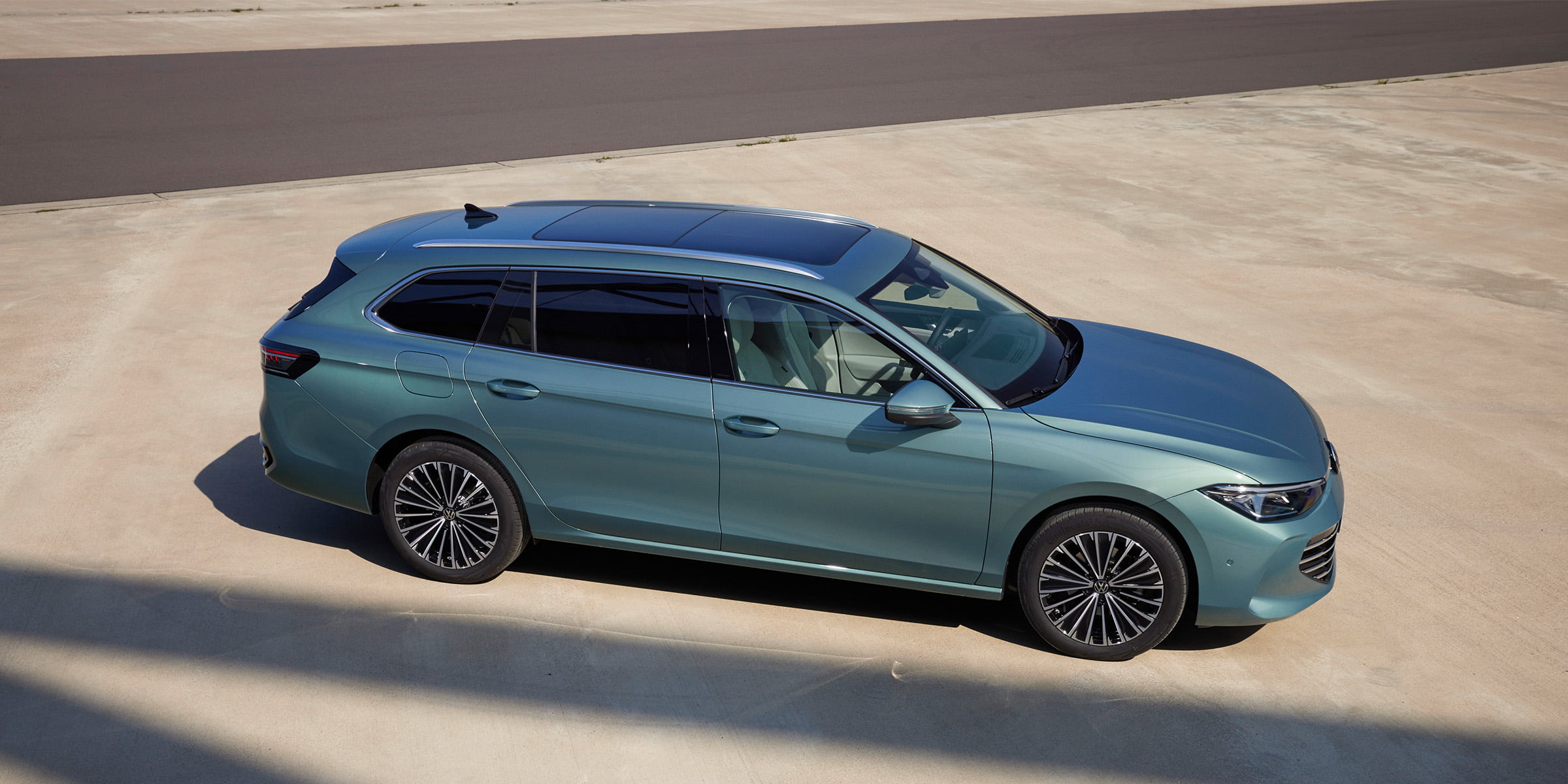
Volkswagen has announced that its new ninth-generation Passat estate-only family car can now be ordered in the UK, with either petrol mild-hybrid or plug-in hybrid power (eventually) available across three different trim levels.

Rivalling the Mercedes-Benz C-Class estate and BMW 3 Series Touring, the new Passat sits alongside the cheaper Golf estate and more expensive Arteon Shooting Brake. The previous Passat generation was available as a saloon when it first launched in 2015, but this saloon version was discontinued, and this next-generation range follows suit.

The estate made its public debut at the Munich motor show last September, with sharper body contours, slimmer LED headlights and taillights that stretch across the boot lid in the rear. It is reportedly more aerodynamic – which will marginally improve the estate’s fuel efficiency – and it is bigger too.

When compared to the recently-retired eighth-generation Passat, there is an extra five centimetres of length between the front and rear wheels, which increases legroom for passengers in the back. There is also an additional 40 litres of boot space when compared to the current eighth-generation – 690 litres in total.

The range begins with a new 150hp 2.0-litre petrol mild-hybrid option which allows the car to coast without using the combustion engine.

This will be followed by two plug-in hybrid models that use the same 1.5-litre turbocharged petrol engine and 20kW battery pairing, providing an output of 204hp and 272hp respectively. Both plug-in hybrids reportedly offer an all-electric range of up to 62 miles. All models are fitted with an automatic gearbox.

Inside, a 13-inch central touchscreen running Volkswagen’s latest infotainment software is paired with a ten-inch digital instrument cluster behind the steering wheel. A larger 15-inch infotainment console is also available on the options list.

The drive selector has been moved to the steering wheel column, freeing up more space for storage cubbies on the centre console. Matrix LED headlights and a semi-autonomous parking assistance feature that can park the car using the driver’s smartphone are also offered for an additional fee.

Key trim level features

Entry-level ‘Life’ (from £38,480)

  • 17-inch graphite alloy wheels
  • Rear-view camera
  • Volkswagen’s navigation software
  • Ten-inch digital instrument cluster
  • 13-inch infotainment display
  • LED headlights
  • Front massage seats
  • Leather-wrapped steering wheel with shift paddles
  • Three-zone climate control with rear air conditioning control panel
  • Adaptive cruise control
  • Electrically heated, adjustable and folding door mirrors
  • Keyless locking and starting system
  • Motorised tailgate

Mid-range ‘Elegance’ (from £41,580)

  • All ‘Life’ features that are not replaced
  • 17-inch metallic alloy wheels
  • Front sports comfort seats
  • Aluminium decorative inserts
  • Tilting and sliding panoramic sunroof

Top-spec ‘R-Line’ (from £42,830)

  • All lower trim features that are not replaced
  • 18-inch diamond turned alloy wheels 
  • Black Styling pack
  • ‘Karoso’ R-Line fabric seat inserts
  • Dynamic Chassis Control (DCC)
  • Interior Ambient lighting with 30 colour options
  • LED Matrix headlamps
  • Stainless steel pedals

Prices for the range start at over £38k for the mild-hybrid Passat in the lead-in ‘life’ guise. The mild-hybrid versions are now available to order, while the plug-in hybrid variants will join the range later this year.

Volkswagen Golf refreshed for 50th birthday

0

Coinciding with the family car’s 50th birthday, the Volkswagen Golf has been given a facelift to increase its consumer appeal, which includes cosmetic tweaks, an AI-assisted infotainment overhaul and revised engine options.

On sale now since 2020, this Mk8 Golf hatchback and estate range has gradually slipped down the UK sales charts in the last two years, and now that supply chain issues have eased somewhat, Volkswagen will be hoping that this minor facelift will reignite interest in the Golf before the launch of the all-electric Mk9 Golf in a few years time.

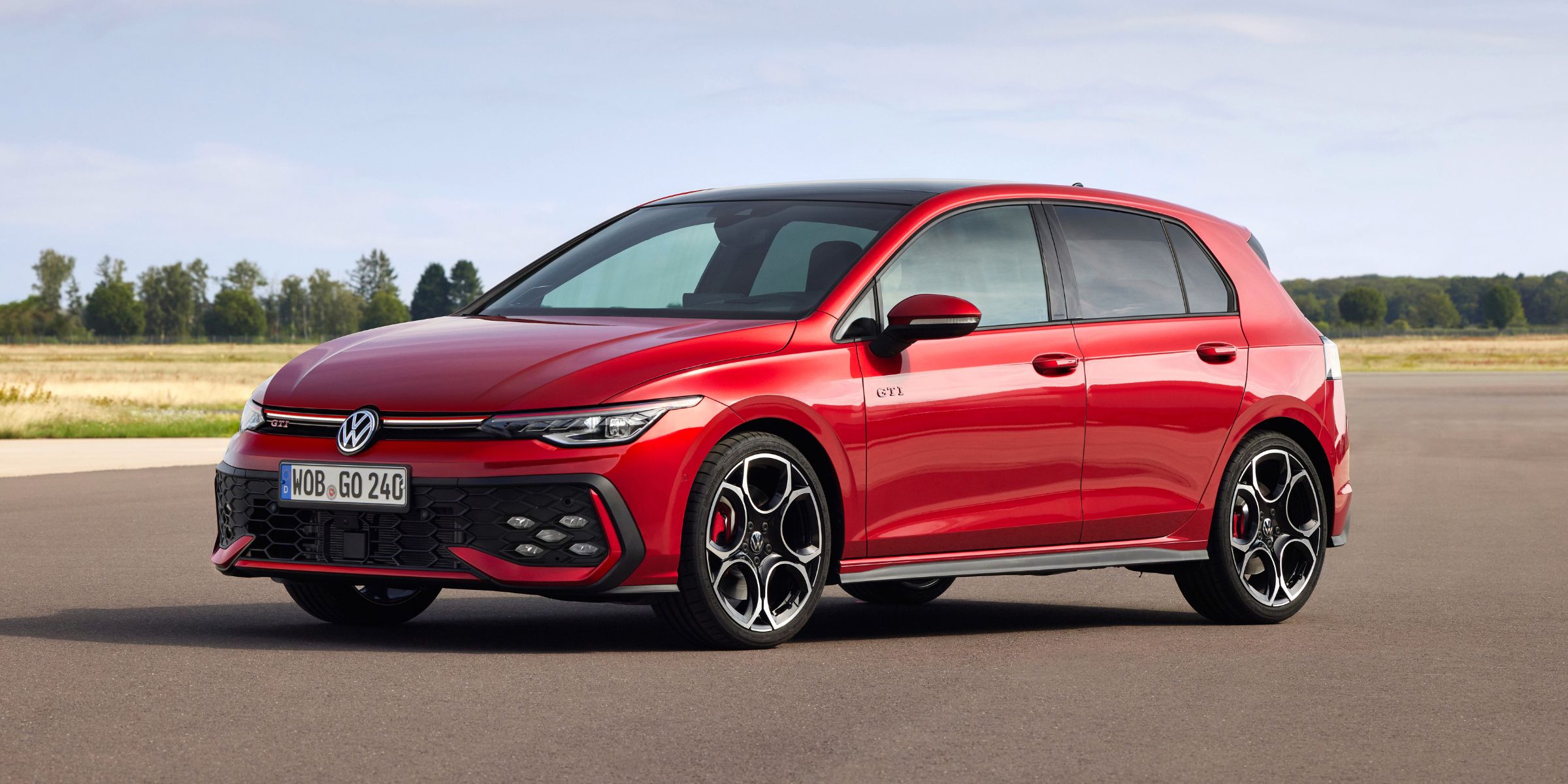
Volkswagen has kept exterior changes to a minimum, but the brand’s logo on the bonnet is now backlit for the first time, the updated model features a larger front grille and the angular LED headlights and tail lights have also been given a small redesign. GTI (pictured above), GTE and R-Line variants of the Golf will also be offered with a black roof option.

Inside, changes have been made to the steering wheel, as Volkswagen has decided to revert back to button controls, dropping the Golf’s widely-criticised touch-sensitive controls. The touch sliders for climate and volume control in the centre of the dash have also been illuminated.

Behind the steering wheel is a revised instrument display with new model-specific graphic skins, which can be selected using a new dial on the steering wheel.

The big ticket upgrade according to Volkswagen is the installation of the brand’s new ‘MIB4’ infotainment system, which has already been introduced to the brand’s Tiguan, Passat, ID.3 and ID.7 model ranges. This new tech is said to be slicker and more user-friendly, and comes with a voice assistant powered by ChatGPT AI.

This AI can be used to control the air conditioning, phone and navigation system and can read out researched answers to your questions while on the move. Volkswagen’s ‘Park Assist Plus’ and ‘Park Assist Pro’ packages will be added to the Golf options list for the first time too, which means that the car can be parked remotely using a smartphone.

The wide list of engine options has also seen some change as part of this facelift. The range still begins with two turbocharged 1.5-litre petrol units (115hp and 150hp) available with or without a mild-hybrid boost. The manufacturer says that the turbocharged 2.0-litre petrol engine has been reworked to boost the output by 13hp – now 201hp in total.

The Golf will still be available with diesel power, with two 2.0-litre units offering 115hp and 150hp respectively. The petrol-powered Golf GTI (which will no longer be available with a manual gearbox) sees the biggest performance boost, with an added 20hp for its (now 262hp) 2.0-litre engine.

Finally, the plug-in hybrid GTE models have been reworked. These plug-in hybrids can reportedly manage around 62 miles of all-electric driving, rising to 620 miles at cruising speeds with a full battery and fuel tank.

That sums up the Golf’s latest refresh. More details – such as confirmed UK pricing and trim specifications – will be announced closer to the facelift’s showroom arrival in April.

The Volkswagen Golf is currently one of the highest-ranked new cars in our Expert Rating Index, holding a New Car Expert Rating of A, with a score of 80%.

Car subscription services explained

Car subscription services have been steadily increasing in popularity over the last few years, the four-wheeled equivalent of pay-as-you go phones or online TV plans. They’re predicted to account for nearly 10% of all new car registrations in the US and Europe by 2025.

Subscription schemes go under many different and confusing names: flexible lease or rental; long-term rental, long-term hire or short-term leasing. The essential idea is that you have a car for as long as you like, from one month to several years. There’s either no fee or a small charge to sign up, and you can end the contract or swap the car when you feel like it (subject to conditions).

A standard monthly mileage allowance – typically 800 or 1,000 miles – is included, or you can pay for a higher mileage if you need it. Subscriptions promise freedom of choice, no commitment, and no unexpected bills.

What’s the difference to a lease?

Traditional leases like personal contract hire (PCH) are fixed for a set period time, usually for three or four years. You pay a fixed monthly fee, with a large upfront or initial payment that can amount to several months in advance. Insurance and servicing are not usually included but can be added. It’s very simple but very strict – you’re contractually locked into that car for the next three or four years, and there are enormous penalties if you want or need to end the contract early.

Car subscription services, on the other hand, often have no joining fees or a one-off charge which is less than a month’s hire. You sign up for a shorter period – maybe as little as a month. If you’re happy with the car, you can keep your contracting rolling along for as long as you like. If you need or want to end your contract or change to a different car, you can do so at very short notice.

Neither car subscriptions nor leases offer an option to own the car. When the term is up, you simply hand it back.

Nor is a subscription the same as a personal contract purchase (PCP), which is a fixed-term purchase agreement (like a mortgage) where you end up owning the car outright if you complete all your monthly payments as well as the final balloon payment.

Subscriptions usually include servicing, warranties, road tax and often insurance. Cars are collected and returned for servicing and to deal with any repairs. Some leases also offer this, although it’s usually at extra cost.

Subscription services reserve the right to swap your car for a similar model during the rental. For example, the car may have reached a certain mileage at which point the finance company will sell it on. If this happens, you should get a replacement car that’s the same as (or better than) the original.

Like a lease, the whole process of putting together the subscription package can be done online. Most providers will deliver the car to your door and collect when you decide to finish or swap. Subscriptions are predominantly managed by an app on your mobile phone.

The advantages of car subscription services

For many, the biggest positives are simple:

  • no long-term financial commitment
  • no large initial payment
  • change your car regularly
  • try a car for a few months before buying/leasing

You can start and stop a subscription quite easily – for example, if you don’t need a car for a few months. It’s difficult and expensive to end a fixed-term lease, PCH lease agreement or PCP finance agreement early.

Having all your motoring costs built into one monthly payment is appealing for many. If you’ve been used to having a company car and all the support that comes with it, a subscription offers pretty much the same experience. If you are given a company car allowance, you can use this on a car subscription.

The cars available on a subscription are usually new or up to a maximum of three years old. If you’re a car enthusiast or you just like a bit of variety, the ability to try a different car every few months might be hugely appealing.

If you’re thinking about making the switch to an electric car, a car subscription offers you the opportunity to try an EV for a few months to see if it suits your needs. If it doesn’t work out, you’ve only paid out for a couple of months instead of being stuck with the car for several years (or have to pay eye-watering penalties to end a lease early).

The disadvantages of car subscription services

The main negatives of car subscriptions are:

  • higher monthly payments
  • insurance can be expensive if not included
  • parking permits can be a pain
  • limited choice of vehicles

All schemes have age stipulations which vary according to the car. Some providers insist you must be at least 25 and have had a full UK licence for at least a year, while others are even stricter –  you won’t be getting into a Land Rover or a Jaguar under its Pivotal scheme unless you’re at least 30 years old.

You’ll need to check the car insurance provisions carefully, although that’s not really any different to leasing or buying a car. Some providers include insurance in the monthly fee and cover you under a fleet insurance policy. Others give you the option of a headline price without insurance but offer it at additional cost. There may be extra charges for additional drivers or for taking the car abroad and there can be large excesses for damages.

Most providers let you use your own insurance policy but it must be comprehensive and it will need to be approved by them. Also, if your provider has a fleet policy, you are not a named driver, so you won’t build up a no-claims bonus for any future insurance of your own.

If you park your car on the street with a residential parking permit, it can create a fair bit of hassle if you’re changing cars on a regular basis. The more often you swap your car, the more paperwork you’ll have to deal with to change the registration number and prove the car is attached to your address.

Although the terms tend to be shorter and more flexible than with traditional leasing, there will almost certainly be hefty cancellation fees if you want to end your agreement early. Make sure you check the T&Cs. Of course, the upside is that a shorter-term contract means you are more likely to be able to stick with it until the end rather than triggering early cancellation fees.

All schemes differ in their details, but the websites usually have exhaustive FAQs and they are open to questions.

What kind of subscriptions are on offer?

The offerings are changing all the time, but can be divided into those from car manufacturers, independents, fleet and rental companies.

We have a comprehensive guide to the UK’s top car subscription providers, which is updated on a regular basis. Have a look through and see if there’s a car and a price that suits you.

Is a subscription cheaper than leasing or buying?

Comparing the price to a lease or a PCP is not straightforward because they are quite different products and you can shop around for your own insurance. What’s crucial is the total cost of ownership (TCO) once you add in all the costs of running the car.

Although the monthly fee for usage may initially seem expensive versus traditional leasing and PCP rates, the total cost of running the car is generally comparable once you take into account the absence of any lump-sum deposit and the inclusion of insurance, charging and servicing costs.

Rather than a bargain, the value of a car subscription is the price you put on no long-term financial commitment and being able to drive and change new or recent-model cars when you like.

Is a subscription right for you?

Car subscription services have grown enormously in popularity over the last couple of year and they’re set to expand even further in 2024. Here are just some of the reasons you may benefit from a car subscription:

  • You don’t need a car (or a second car) all year round but you do need it for more than a week
  • You’ve ordered a new car but it won’t arrive for several months
  • Your job situation is uncertain so you don’t want to commit to a PCP or PCH agreement for the next three or four years
  • You’re interested in trying an electric car but you’re not sure if it’s going to work for you
  • You’d like the flexibility of changing your car on a regular basis
  • You’d rather spend a bit more each month instead of paying a large sum up-front
  • Your working environment is seasonal, so maybe you would benefit from having a van in summer and an SUV in winter
  • You don’t spend all year living in the UK so don’t want to pay for a car to sit on your driveway for months while you’re away

If any of the above sound like your situation, then it may be worth considering a car subscription. The Car Expert has commercial partnerships with several of the UK’s leading car subscription providers, so have a look at what they have to offer.

More car subscription information

The best car subscription providers

The best car subscription providers

Car subscriptions – here to stay?

Car subscriptions – here to stay?

What are the alternatives to PCP car finance?

What are the alternatives to PCP car finance?

Short-term leasing vs car subscription

Short-term leasing vs car subscription

Car manufacturer subscription programmes – 2023 round-up

Car manufacturer subscription programmes – 2023 round-up

Additional reporting by Stuart Masson. This article was originally published in April 2021, and most recently updated in January 2024.

The Car Expert has commercial partnerships with Cocoon, DriveFuze, Flexible Vehicle Contracts, Just Vehicle Solutions and Wagonex. If you click on any of the links on our site and go through to their sites, and/or take out a subscription, we may receive a small commission. This does not affect the price you pay.

MG and Skoda top leaderboard of world’s most sophisticated car rating tool  

0
  • The Car Expert’s new Expert Rating Index is the automotive industry’s most advanced tool for car buyers
  • Buyers to benefit from completely overhauled third-generation ratings system, which offers unmatched levels of sophistication
  • Incorporating millions of datapoints for every car manufacturer, the Expert Rating Index harnesses comprehensive data on key car-buying issues 
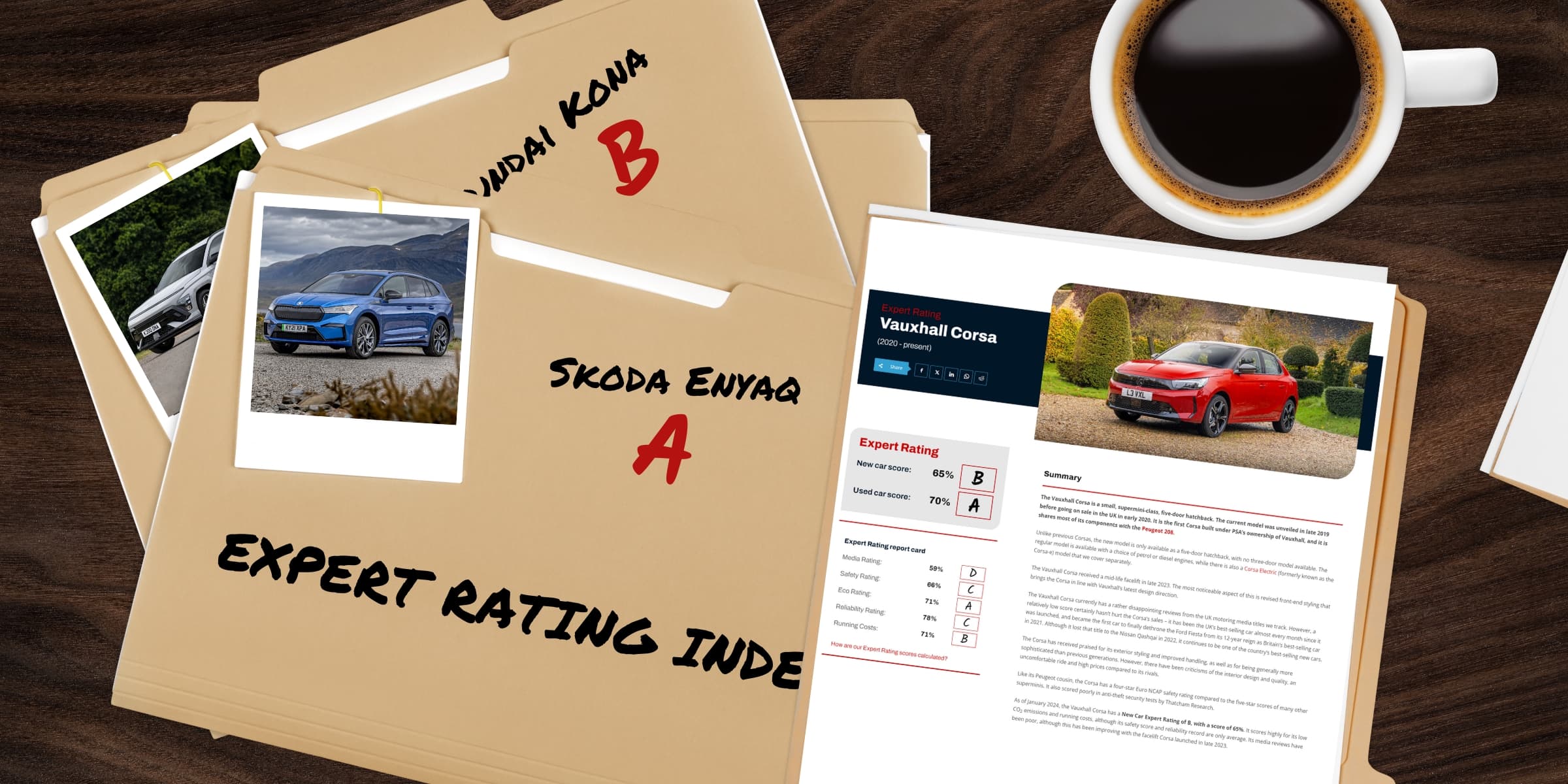
  • The MG 4 and Skoda Enyaq emerge as the best new cars, while the Volkswagen Golf tops the charts as the best used car
  • The new rating system arrives as the UK faces an ongoing cost of living squeeze, which makes choosing the right car more important than ever

The MG 4 and Skoda Enyaq are the best new cars on sale, according to The Car Expert’s new third-generation Expert Rating Index. 

The award-winning Expert Rating Index has been completely overhauled by The Car Expert to provide consumers with the world’s most sophisticated new and used car ratings system.

While the previous scorecard was unique in the sector, the Expert Rating Index is now significantly more advanced and incorporates gold-standard data covering all aspects of cars on sale in the UK. 

It uses cutting-edge techniques and algorithms to form an even more comprehensive rating, cementing The Car Expert’s reputation for independent and impartial buying advice. 

After crunching tens of millions of data points for every major car brand, the MG 4 and Skoda Enyaq emerged with identical scores in every key category.

The third-generation Expert Rating Index puts more emphasis on car ownership rather than just driving impressions. Extensive data covering safety, efficiency, reliability, future values and running costs are now factored in, alongside its unique media rating which the original Index used to generate an unbiased assessment of vehicles on sale in the UK. 

The additional data provides even more insight for used car buyers, who have historically had less information available to them when looking for a car. Using a brand-new, bespoke used car algorithm for vehicles up to five years old, The Car Expert has calculated that the best used car on the market in 2024 is the Volkswagen Golf.

The Car Expert helps hundreds of thousands of consumers to choose the right car every year. Using independently verified data sources from partner organisations, the new Index will help buyers to choose the right car for them – vital during a cost-of-living squeeze.

Stuart Masson, Editorial Director at The Car Expert, said: “The third-generation Expert Rating Index is the latest step of our ongoing mission to keep improving the world’s best car rating tool. We’re extremely proud to announce this massive upgrade.

“There is nothing else like it. Even outside of the automotive industry, I have not seen a ratings system that incorporates the level of detail and sophistication that we have delivered. 

“My team and I have had some very long nights over the last few months, working to ensure the Expert Rating Index is the very best it can be. We look forward to millions of UK car buyers benefitting from its recommendations.”

The previous generation of the Expert Rating Index analysed and aggregated car reviews from 35 of the UK’s top automotive websites, using an advanced algorithm to bring together an unbiased consensus on new and used vehicles.

While this unique element remains, the new rating system incorporates a vast quantity of high-quality data to give new levels of insight and a broader scorecard which consumers can use to choose their next new or used car. 

ENDS

The Car Expert

Founded in 2011, The Car Expert is the UK’s most comprehensive automotive consumer advice site. With an audience of over three million readers a year, The Car Expert provides independent and impartial advice on every aspect of buying, financing, owning, and selling a new or used car.

Pulling together key data that encompass dozens of decision-making factors, the third-generation Expert Rating Index brings together science and data analysis to rank new and used cars with a level of sophistication that is unmatched anywhere in the world.

Millions of data points from gold-standard sources are updated every week and processed by a sophisticated algorithm to generate up-to-date ratings for every new and used car in our database, producing the most comprehensive rating system ever seen for car buyers.

For all media enquiries, please contact:

Stuart Masson: editor@thecarexpert.co.uk

Volvo EX30

Summary

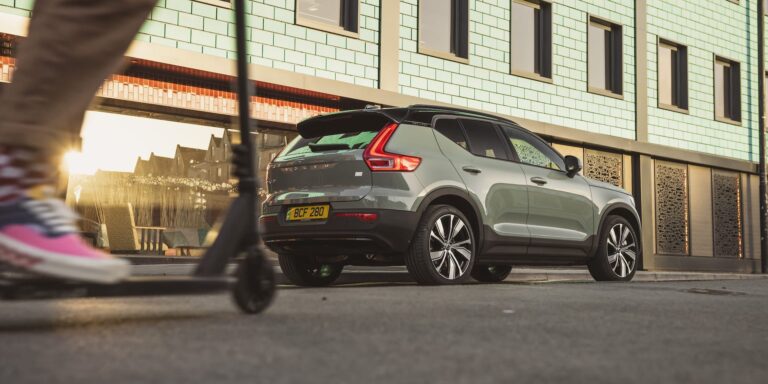
The Volvo EX30 is a small all-electric SUV/crossover that launched in the UK around the end of 2023, and arrived to consistent praise and acclaim from the British motoring media.

Already the winner of three separate ‘Car of the Year’ titles from British outlets, the Volvo EX30 has been widely commended for its stylish looks, its premium-feel interior, its comfortable ride quality and its competitive price tag.

“It’s absolutely brilliant”, says the Carwow team. “There aren’t many electric cars that even get close to the Volvo EX30’s comfort, especially at this low price.”

That said, the EX30 does come with a large practicality flaw that all reviewers mention, and some modify their review scores as a result. Volvo has opted to not install any physical buttons that are not required by law, and thus practically all of the cabin controls run through the central touchscreen.

Top Gear’s Paul Horrell explains that the EX30 is cramped in the rear. “The Volvo EX30 is a likeable and admirable car, unless you’re sat in the back of it or lost in the labyrinth that is the screen.”

As of January 2026, the Volvo EX30 holds a New Car Expert Rating of A, with a score of 77%. It scores top marks for its safety rating and zero tailpipe emissions, while its running costs are low and its media review scores are good. However, Volvo’s new car warranty coverage is only average.

EX30 highlights

  • Comfortable and balanced driving experience
  • Good value-for-money
  • Impressive performance considering price
  • Upmarket, tech-laden interior

EX30 lowlights

  • Tight rear seats and small boot
  • Entry-level battery range beaten by rivals
  • Alternatives are more battery efficient
  • All cabin controls run through a touchscreen

Key specifications

Body style: Small SUV/crossover
Engines:
electric, battery-powered
Price:
From £33,060 on-road

Launched: Winter 2023/24
Last updated: N/A
Replacement due: TBA

Media reviews

Highlighted reviews and road tests from across the UK automotive media. Click any of the boxes to view.

Featured reviews

More reviews

Auto Trader

Business Car

Car

Carbuyer

Daily Mail

Driving Electric

Electrifying.com

Green Car Guide

Heycar

Honest John

Parkers

Regit

The Independent

The Sunday Times

The Telegraph

Top Gear

Safety rating

Independent crash test and safety ratings from Euro NCAP

Overall score: 5 stars
Date tested: December 2024
Read the full Euro NCAP review

Adult protection: 88%
Child protection: 85%
Vulnerable road users: 79%
Safety assist: 80%

Eco rating

Independent economy and emissions ratings from Green NCAP

No eco rating

As of August 2025, the Volvo EX30 has not been assessed by Green NCAP.

The Green NCAP programme measures exhaust pollution (which is zero for an electric car) and energy efficiency. Electric cars are much more energy-efficient than combustion cars, so the EX30 is likely to score very highly in Green NCAP testing if and when it takes place. Check back again soon.

Running cost rating

Clear Vehicle Data logo close crop

Monthly cost of ownership data provided exclusively for The Car Expert by Clear Vehicle Data

Battery rangeAverageScoreVariationScore
EV models266 milesB
Electrical efficiencyAverageScoreVariationScore
EV models4.2 m/KWhC
Insurance groupAverageScoreVariationScore
All models37D
Service and maintenanceCostScore
Year 1£302D
Year 2£638C
Year 3£952C
Year 4£952B
Year 5£1,262B
Overall£4,106B

The Volvo EX30 is not the cheapest EV to own and run, according to whole-life cost data provided exclusively to The Car Expert by our technical partner, Clear Vehicle Data. However, if you can charge it at home then it should still be considerably cheaper to run than an equivalent petrol or diesel car.

Electrical efficiency (the EV equivalent of miles per gallon in a petrol or diesel car) is only average, although a decent battery size means that you still get nearly 300 miles range on the official UK/EU lab test cycle.

Servicing and maintenance costs seem to get better over time, which is good news if you’re looking at a used EX30 in coming years. The insurance rating is average, although there’s currently a lot of volatility in EV car insurance pricing so be sure to shop around for the best deals.

Warranty rating

New car warranty information for the Volvo EX30

Overall ratingC56%
New car warranty duration3 years
New car warranty mileage60,000 miles
Battery warranty duration8 years
Battery warranty mileage100,000 miles

Volvo’s new car warranty is pretty much the bare minimum offered in the UK, with a duration of three years and a limit of 60,000 miles. Other rivals in the price bracket do better (and in some cases, much better).

In addition to the standard new car warranty, the EX30 has an eight-year/100,000-mile warranty for the battery components.

Warranty on a used Volvo EX30

  • As of August 2025, any used Volvo EX30 should still be under its new car warranty. The earliest cars should run out of warranty cover in early 2027.

If you’re looking to buy a used car that is approaching the end of its warranty period, a used car warranty is usually a worthwhile investment. Check out The Car Expert’s guide to the best used car warranty providers, which will probably be cheaper than a warranty sold by a dealer.

Reliability rating

MotorEasy logo 600x167

Reliability data provided exclusively for The Car Expert by MotorEasy

No reliability rating

As of August 2025, we don’t have enough reliability data on the Volvo EX30 to generate a reliability rating.

The Car Expert’s reliability information is provided exclusively to us using workshop and extended warranty data from our partner, MotorEasy, sourced from both official dealerships and independent workshops. 

As soon as MotorEasy has sufficient data on the EX30, we’ll publish the score here.

Awards

Trophies, prizes and awards that the Volvo EX30 has received.

2024

  • Top Gear EV Awards – Best EV Crossover

2023

  • Carwow AwardsCar of the Year + Urban Living Award
  • Electifying.com AwardsCar of the Year + Best Small Family Car
  • News UK Motor Awards – Best Small SUV/Crossover
  • The Sun Motoring AwardsCar of the Year + Best Small SUV/Crossover

Similar cars

If you’re looking at a new or used Volvo EX30, you might also be interested in these alternatives.

Abarth 600e | Alfa Romeo Junior Elettrica | Alpine A390 | Audi Q4 e-tron | BMW iX1 | BMW iX2 | Cupra TavascanDS 3 E-Tense | Honda e:Ny1 | Jaecoo E5 | Jeep Avenger | Kia EV3 | Lexus UX ElectricMazda MX-30 | MG S5 EV | Mini AcemanPeugeot e-2008 | Renault Mégane E-Tech | Smart #3Volkswagen ID.4

More news, reviews and information about the Volvo EX30 at The Car Expert

Everything you need to know about Volvo

Everything you need to know about Volvo

Volvo EX30 Black Edition adds dark styling option

Volvo EX30 Black Edition adds dark styling option

Off-roading Volvo EX30 Cross Country unveiled

Off-roading Volvo EX30 Cross Country unveiled

Electric cars – what’s on sale and what’s coming in 2024?

Electric cars – what’s on sale and what’s coming in 2024?

Compact all-electric Volvo EX30 now on sale

Compact all-electric Volvo EX30 now on sale

Buy a Volvo EX30

If you’re looking to buy a new or used Volvo EX30, The Car Expert’s partners can help you find the right car.

Motors.co.uk logo transparent 600x300

Find your next used car with Motors. Find out more

Auto Trader logo 600x300

Find your next new or used car with Auto Trader. Find out more

Carwow logo 600x300

Find your next new or used car with Carwow. Find out more

Lease a Volvo EX30

If you’re looking to lease a new Volvo EX30, The Car Expert’s partners can help you find a competitive deal.

Carparison 600x300

Personal contract hire deals from Carparison Leasing. Find out more

Leasing dot com 600x300

Personal contract hire deals from Leasing.com. Find out more

Rivervale Leasing logo 2022

Personal contract hire deals from Rivervale Leasing. Find out more

Leasing-com logo

Personal contract hire deals from Leasing.com. Find out more

Carwow logo 600x300

Personal contract hire deals from Carwow. Find out more

Select Car Leasing logo

Personal contract hire deals from Select Car Leasing. Find out more

Subscribe to a Volvo EX30

Subscriptions are becoming a very popular way for consumers to try an electric car for a few weeks or months to help decide whether it’s a suitable alternative to a petrol car. If you’re interested in a car subscription, The Car Expert’s partners can help. (PS: What’s a car subscription?)

SelfDrive UK logo

Car subscriptions from SelfDrive.
Find out more

Drive Fuze logo 600x300

Car subscriptions from DriveFuze.
Find out more

Cocoon Vehicles logo 600x300

Car subscriptions from Cocoon.
Find out more

Britain’s best-selling cars of 2023

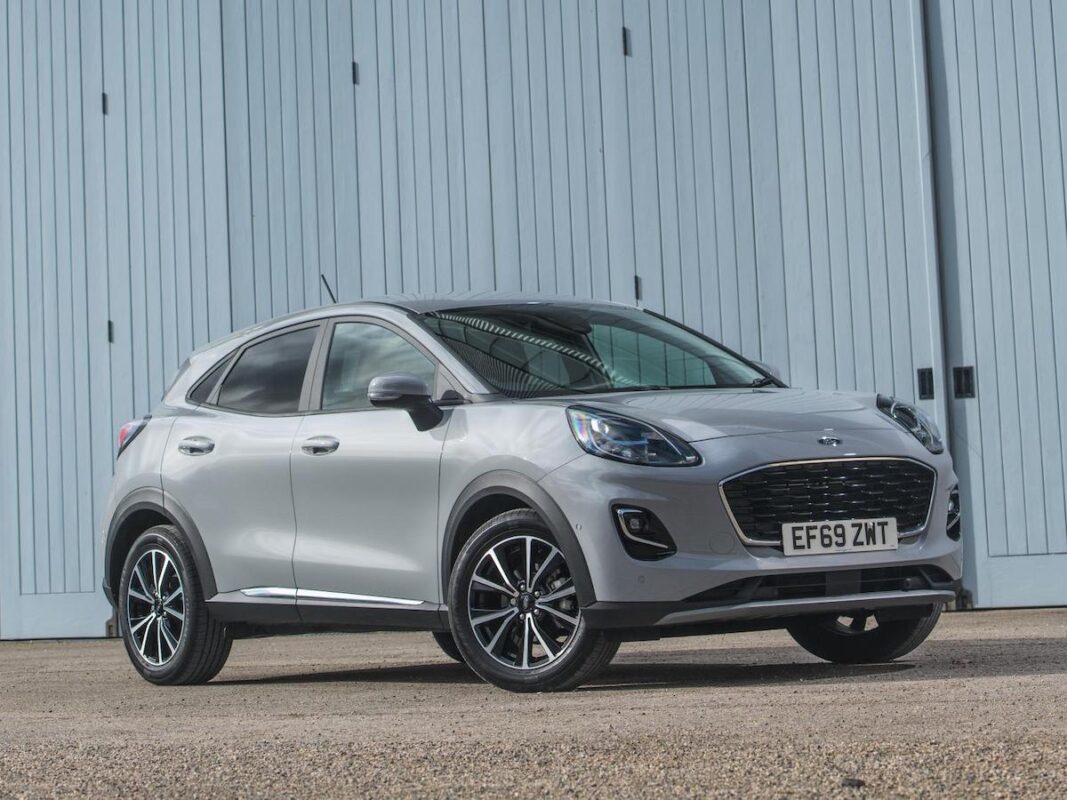
The compact Ford Puma crossover has officially been crowned the UK’s best-selling new car 2023, with over 6,000 more showroom sales than any other model last year.

According to new data published by the Society of Motor Manufacturers and Traders (SMMT) the overall new car market grew by 10% in December compared to the same month last year. However, this was driven by strong increases in the fleet sector, which was up by 33%. By comparison, private registrations fell by a disappointing 14% year-on-year, which is a rather sombre note to end the year on.

Following the final farewell of the popular Fiesta hatchback last Summer, Ford will be very pleased that its newer Puma crossover has followed in the Fiesta’s footsteps by securing a British best-seller accolade. Two former annual sales race winners round out the top three, with the Nissan Qashqai and Vauxhall Corsa finishing in second and third respectively.

While it did finally seal its best-seller status by a significant margin last month, the Puma only recorded rather modest sales returns in December, finishing fifth in the monthly ranking. December’s best performer has instead the Tesla Model Y, which is currently the best-selling electric car worldwide.

As a result, the Model Y took fifth place in the annual leaderboard from the absent Hyundai Tucson, and the Audi A3 also snatched ninth place from the Vauxhall Mokka in the final month.

Read our monthly sales report: Consumer new car sales crash in December

Top ten best-sellers chart, December 2023

RankBrandRegistrations
1Tesla Model Y4,816
2Nissan Qashqai4,253
3Mini hatch3,608
4MG HS3,362
5Ford Puma3,157
6Vauxhall Corsa2,990
7Volkswagen Golf2,555
8Nissan Juke2,473
9Volkswagen Polo2,415
10Ford Kuga2,353
Source: SMMT
Tesla Model Y - Expert Rating wallpaper 2023
Tesla Model Y

Top ten best-sellers chart, final 2023 standings

RankBrandRegistrations
1Ford Puma49,591
2Nissan Qashqai43,321
3Vauxhall Corsa40,816
4Kia Sportage36,135
5Tesla Model Y35,899
6Hyundai Tucson34,469
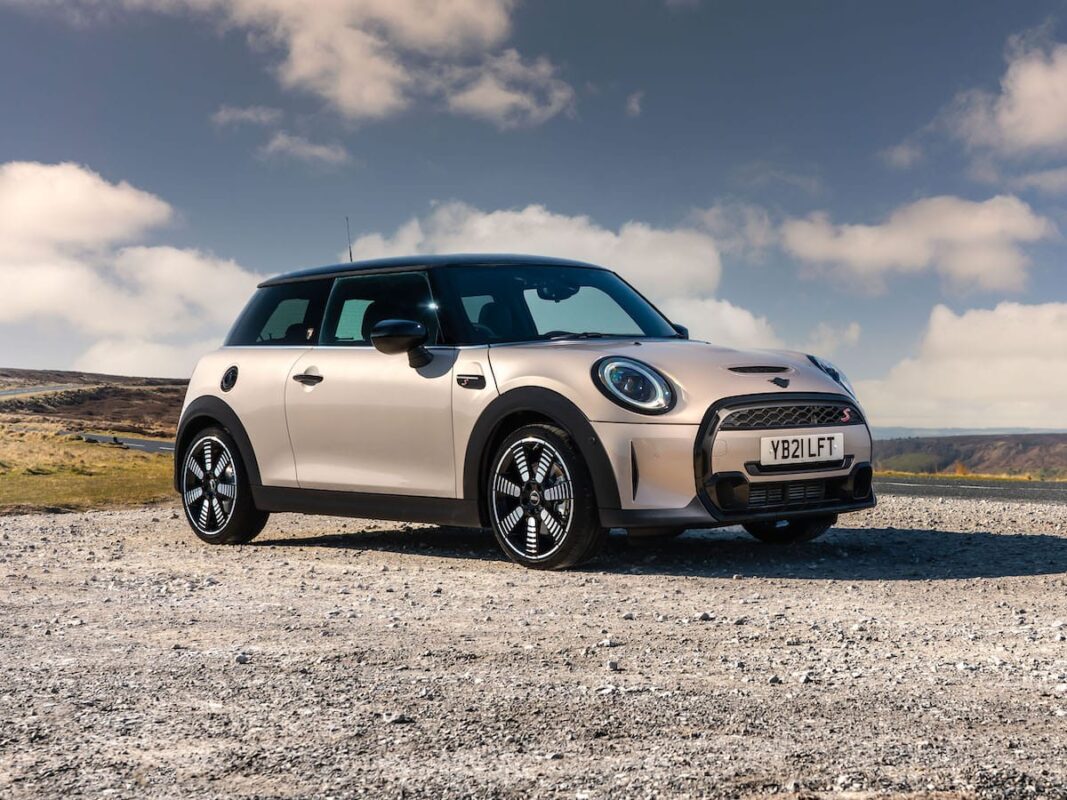
7Mini hatch33,385
8Nissan Juke31,745
9Audi A330,159
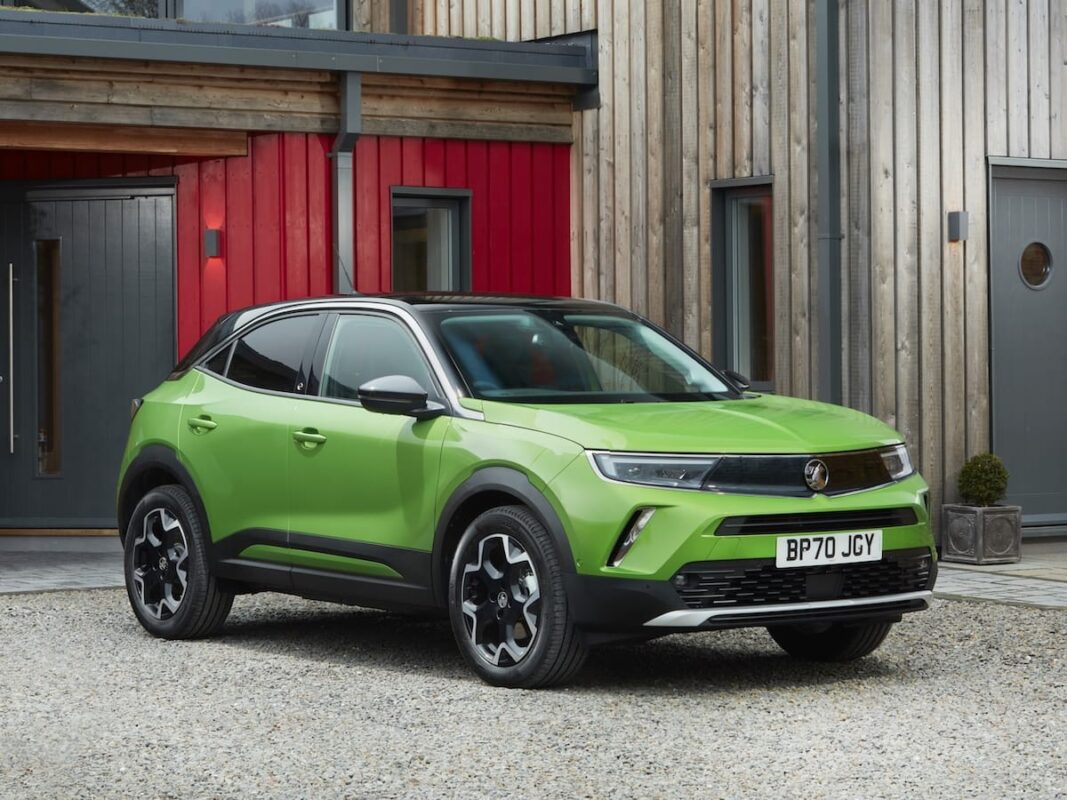
10Vauxhall Mokka29,984
Source: SMMT
Ford Puma Titanium – front
Ford Puma

Britain’s best-selling cars of 2023

1. Ford Puma

Best selling cars of 2022 – Ford Puma

The Ford Puma has been consistently popular with British buyers this year. It outsold cars of all shapes and sizes and has now been crowned Britain’s best-selling new car 2023. Currently Ford’s most popular offering by a country mile, the Puma has become the model to beat, and looks poised to be a strong contender in the 2024 best-seller’s race.

The Puma has received plenty of praise from the UK motoring media, and currently holds an Expert Rating of 76% on our unique Expert Rating Index. That puts it top of the charts for supermini-based SUVs.

2. Nissan Qashqai

The Nissan Qashqai started 2023 in a sales battle at the very top of the standings, but had fallen to fourth by August. A registration resurgency in September saw it retake second place, and second place is now secured as the Vauxhall Corsa couldn’t close the distance. The SUV is the current jewel in the crown of the British car manufacturing industry – designed in London, developed in the Midlands and built in Sunderland.

On sale since Autumn 2021, the Qashqai holds an Expert Rating of 69%, which is reasonable for a medium SUV but nothing to really shout about.

3. Vauxhall Corsa

Best-selling cars of 2022 – Vauxhall Corsa

The Vauxhall Corsa supermini recorded fairly consistent sales numbers throughout 2023, and while second place remained out of reach, a top three finish was never really in doubt. A former British best-seller in 2021, the Corsa remains the UK’s most popular supermini choice.

Despite its consistent sales success, the Corsa has received average reviews from the motoring media, with an Expert Rating of 62% for both fossil-fuel versions and the Corsa Electric model.

4. Kia Sportage

Best-selling new cars of 2022 – Kia Sportage

The Kia Sportage really picked up sales pace in the second half of 2023, with five straight months of commendable sales numbers seeing off challenges from the Tesla Model Y and Hyundai Tucson in the middle of the pack. The SUV holds on to fourth after December.

The new Kia Sportage currently holds an Expert Rating of 72% on our award-winning Expert Rating Index, which is a substantial improvement on the previous model.

5. Tesla Model Y

The Tesla Model Y’s appearances in the monthly top ten have been pretty sporadic throughout 2023. The electric SUV is usually absent from the top ten for several months at a time, before cropping up the month after with exceptional sales figures. Its December success sees the car jump up to fifth.

The Model Y currently holds an Expert Rating of 77%, which is a commendable score, but doesn’t place it at the top of its class.

6. Hyundai Tucson

Best-selling cars of 2022 – Hyundai Tucson

The current Hyundai Tucson has been a sales success since it was launched in 2021. The SUV has sat in the middle of the best-sellers pack throughout 2023, but was missing from the top ten in both November and December. As a consequence, the absent Tucson loses out to the resurgent Tesla Model Y in the final month, and falls one place to sixth.

The Tucson has received positive reviews from the motoring media, with a solid Expert Rating of 75% on our industry-leading Expert Rating Index.

7. Mini hatch

Best-selling cars of 2022 – Mini hatch

On sale since 2014, the Mini hatch has been one of the most consistent best-sellers in British motoring history. After dropping out of the monthly top ten for three consecutive months, the hatch surprised once again by finishing an impressive second in the October sales leaderboard. An impressive third place finish in December sees the hatch secure seventh place in the annual ranking.

The Mini hatch currently holds an Expert Rating of 71%. The all-electric version – the Mini Electric – is not as popular with reviewers, and holds an Expert Rating of 61%.

8. Nissan Juke

On sale since 2019, the UK-built Nissan Juke has established itself as a popular choice of British motorists since the turn of the year, as a cheaper and more compact alternative to its larger Qashqai sibling. Directly competing with the Qashqai sales figures in months prior, the Juke fell to eighth in the annual chart, after losing out to the Mini hatch in November.

The Juke currently holds an Expert Rating of 62%, and finds itself positioned squarely in the middle of a crowded compact SUV class.

9. Audi A3

Audi A3 saloon (2016 to 2020)

Hot on the heels of the Vauxhall Mokka for many months, the Audi A3 finally made its move in December – snatching ninth by a narrow margin as the race approached the finish line. This Audi has appeared several times in the monthly charts throughout the year, and a late surge in sales saw the A3 break into the top ten in the last few months of 2023.

The Audi A3 currently holds an Expert Rating of 70%, with good scores from most UK media sources.

10. Vauxhall Mokka

Best-selling cars of 2022 – Vauxhall Mokka

Rising to the giddy heights of eighth place before eventually falling back down to tenth, the Vauxhall Mokka has established itself as a consistent name at the foot of the top ten. While the SUV’s final 2023 sales total is commendable, its smaller Corsa sibling is still much more popular, with over 10,000 more new registrations last year.

The Mokka has received average reviews from the motoring media, with an Expert Rating of 67% for petrol-powered versions and 70% for the Mokka Electric.

Well, that brings an end to our coverage of the UK’s best-selling new car rankings for 2023. But, the car industry doesn’t rest, and we will be publishing January’s registration results in the first week of February as the 2024 best-seller’s race begins.

Will the Ford Puma and Nissan Qashqai remain table-topping sales contenders? Will the new 2024 EV mandate – which requires 22% of a manufacturer’s new cars sold to be all-electric in 2024 – cause a surge in EV entrants in the top ten? Check back soon!

Consumer new car sales crash in December

Private new car sales endured the worst result since 2008 – the middle of the great financial crisis – as customers stayed away from car showrooms over the Christmas period.

Consumer new car sales fell by a whopping 14% in December compared to the same month last year, with only 45,000 new cars registered for the month according to data published this morning by the Society of Motor Manufacturers and Traders (SMMT). By contrast, fleet registrations continued their year-long meteoric growth, up 33% on last December, which meant that the overall market was up 10% on the same month last year.

The poor December results meant that consumer new car sales for the whole year ended up flat, about 600 units less than in 2022. Fleet registrations were up 39% on last year, meaning that the overall market grew by 18% in 2023.

Overall, it was the best year for new car sales since before the Covid-19 pandemic, although still well down on 2019 results (the last year before Covid-19 arrived in the UK).

There were mixed messages for EV sales, with registrations up for the year in line with the overall market but no growth in market share, despite the addition of numerous excellent new vehicles over the last year.

New car registrations by buyer type – December

BuyerDecember 2023December 2022% changeMarket share 2023Market share 2022
Private45,08452,414-14.0%32.0%40.8%
Fleet92,66269,70132.9%65.7%54.3%
Business3,3466,347-47.3%2.4%4.9%
Total141,092128,4629.8%
Source: SMMT

2023 in total

Buyer20232022% changeMarket share 2023Market share 2022
Private817,673818,510-0.1%43.0%50.7%
Fleet1,041,350750,83838.7%54.7%46.5%
Business44,03144,715-1.5%2.3%2.8%
Total1,903,0541,614,06317.9%
Source: SMMT

Private new car sales slump shows no sign of recovery

December’s woeful consumer new car sales result follows a poor month in November (down 6% year-on-year) as rising new car costs, high interest rates and inflation, and squeezed household budgets continue to create a perfect storm for customers.

To add to those concerns, 2024 brings the misery of an election year here in the UK. Apart from the endless lies and empty promises that will be spouted by politicians of all stripes over the next few months, elections are toxic for car sales as the uncertainty tends to cause buyers to delay major purchases as much as possible.

New car registrations by fuel type – December

FuelDecember 2023December 2022% changeMarket share 2023Market share 2022
Petrol*75,07455,38335.6%53.2%43.1%
Electric27,84142,285-34.2%19.7%32.9%
Hybrid16,28713,74318.5%11.5%10.7%
Plug-in hybrid12,1628,36745.4%8.6%6.5%
Diesel*9,7288,68412.0%6.9%6.7%
Total141,092128,4629.8%

*includes mild hybrids
Source: SMMT

New car registrations by fuel type – 2023 in total

Fuel20232022% changeMarket share 2023Market share 2022
Petrol*1,065,680902,17318.1%56.0%55.9%
Electric314,687267,20417.8%16.5%16.6%
Hybrid238,942187,94827.1%12.6%11.6%
Diesel*142,434155,324-8.3%7.5%9.6%
Plug-in hybrid129,14993,04738.8%7.3%6.3%
Total1,761,9621,485,60118.6%

*includes mild hybrids
Source: SMMT

EV sales will get better in 2024 – because it’s now law

This year also sees the introduction of the government’s new Zero Emission Vehicle (ZEV) mandate, which stipulates that EVs must make up at least 22% of new car sales for each major car manufacturer. That means that EV sales have to increase by a third over 2023 levels to hit the 2024 target.

While that won’t be a problem for EV-only brands, like Tesla, or companies that are already successfully selling EVs (BMW announced this morning that 25% of its new car sales in the UK in 2023 were electric), other brands have almost no chance of hitting this target.

It’s entirely possible we could see some big-name brands stop selling petrol and diesel cars later in the year to avoid hefty fines (£15,000 per car) for missing the 22% target. Currently, Ford and Toyota look to be in bad shape, and others will also be struggling. The ZEV mandate is designed to limit horse trading of EV credits between manufacturers, so some brands may have no choice but to stop selling some fossil-fuel models before the end of the year.

We’ll have to wait and see how it plays out, but this is a concern for private new car sales as the SMMT says that only 9% of private new car buyers chose an EV in 2023. Car manufacturers will need to work out how to convince consumers to switch to an electric car as a matter of urgency to help them hit the government targets, as fleets won’t be able to shoulder all the responsibility for EV sales.

Percentage of new cars that must be EVs

Year2024202520262027202820292030
Target22%28%33%38%52%66%80%
Source: gov.uk

Good month, bad month

As always, we look at how car manufacturers have performed against the overall market in December. Although the overall market was up by 10% compared to last year, not everyone had a great month.

It was a good end to the year for Abarth, Alfa Romeo, Citroën, Cupra, Dacia, GWM Ora, Honda, Land Rover, Mercedes-Benz, MG, Peugeot, SEAT, Skoda, Smart, SsangYong, Subaru, Suzuki, Toyota and Vauxhall. All of these brands outperformed the market by at least 10%, so achieved growth of at least 20% compared to last December.

Meanwhile, there was little Christmas joy for Alpine, Bentley, DS Automobiles, Fiat, Genesis, Jeep, Lexus, Maserati, Mazda, Nissan, Polestar, Porsche, Renault, Tesla* and Volkswagen. All of these brands underachieved against the market by at least 10%, which means sales that were flat or in decline compared to the same month last year.

That means that the following brands performed more or less how you’d expect in December: Audi, BMW, Ford, Hyundai, Jaguar, Kia, Mini and Volvo.

*Tesla had a more realistic month in December 2023 – the Model Y still topped the sales charts, but the record numbers seen in December 2022 didn’t reappear.

It’s worth bearing in mind that there will have been quite a few games being played with registrations over the last couple of months, that will be distorting the market. With the ZEV mandate coming into force in 2024, many manufacturers will have chosen to hold back on delivering new EVs to customers in December, preferring to wait until January in order to help boost their mandated EV numbers. Conversely, they will have been pushing to get every new petrol or diesel car out the door before December 31st.

Volkswagen was the best-selling brand of the month and the year, while BMW finished the year strongly in second place. Ford still ended the year as runner-up, however.

We’ll have a ‘Good year, bad year’ feature on The Car Expert in coming days, looking at the sales results for every car company for 2023 and looking ahead to what they might have in store for 2024.

December

RankBrandRegistrationsMarket share
1Volkswagen12,2638.7%
2BMW10,3427.3%
3Audi9,6146.8%
4Ford8,8296.3%
5Nissan7,7125.4%
6Toyota7,6755.4%
7Mercedes-Benz7,2935.1%
8MG6,7654.8%
9Vauxhall5,9944.3%
10Tesla5,5173.9%

Source: SMMT

2023 overall

RankBrandRegistrationsMarket share
1Volkswagen149,8248.5%
2Ford135,2437.7%
3Audi127,8717.3%
4BMW104,1805.9%
5Toyota102,1895.8%
6Kia101,3925.8%
7Vauxhall94,4235.4%
8Nissan81,8784.7%
9Mercedes-Benz81,7484.6%
10Hyundai80,4894.6%

Source: SMMT

Tesla takes December battle but Ford Puma wins 2023 war

As expected, the Ford Puma was the best-selling new car of 2023, comfortably beating the Nissan Qashqai – 2022’s sales champ – and the Vauxhall Corsa. It was a return to the top of the charts for Ford, which dominated for half a century until 2020, after which the Fiesta fell from grace in 2021 and 2022 before being discontinued in 2023.

The Tesla Model Y took top honours in December, however, although with less than half the numbers it achieved 12 months previously when Tesla set an unexpected sales record. The Model Y ended the 2023 sales race in fifth place overall, and was comfortably the UK’s best-selling electric car.

It was a strong month for the MG HS mid-size SUV, placing fourth ahead of the Ford Puma, which had a relatively quiet month to close out the year as it cruised to the 2023 sales crown.

December

RankBrandRegistrations
1Tesla Model Y4,816
2Nissan Qashqai4,253
3Mini hatch3,608
4MG HS3,362
5Ford Puma3,157
6Vauxhall Corsa2,990
7Volkswagen Golf2,555
8Nissan Juke2,473
9Volkswagen Polo2,415
10Ford Kuga2,353

Source: SMMT

2023 overall

RankBrandRegistrations
1Ford Puma49,591
2Nissan Qashqai43,321
3Vauxhall Corsa40,816
4Kia Sportage36,135
5Tesla Model Y35,899
6Hyundai Tucson34,469
7Mini hatch33,385
8Nissan Juke31,745
9Audi A330,159
10Vauxhall Mokka29,984

Source: SMMT

Consumer new car sales flatline in 2023 as cost crunch hits home

5 January 2024

  • Consumer sales severely curtailed by cost-of-living crisis and mixed messages from government on EVs
  • Worst December for private new car sales since 2008
  • New car sales to fleets in 2023, however, approach pre-pandemic levels 
  • Worrying signs for EV sales as market share slips from level seen in 2022
  • The Car Expert calls for government education campaign to help consumers understand the benefits of EVs

Sales of new cars to consumers flatlined in 2023 due to the ongoing cost of living crisis, while sales to fleets enjoyed year-long growth, says The Car Expert.

Last month was the worst December for private new car sales since 2008, which was the middle of the great financial crisis. 

The new car sales data for December released today by the Society of Motor Manufacturers and Traders (SMMT) reveals that the UK market grew by 18% across 2023 compared to 2022.

The surge, however, is entirely driven by fleets rather than private customers. Sales to fleets made up two-thirds of all new car registrations in December, with growth of 33% while private new car sales slumped by 14% compared to the same month last year.  

Despite encouraging signs of an increase in demand compared to 2022, sales of EVs stalled in 2023, and their market share shrank slightly to 16.5%. 

The cost-of-living crisis and mixed messages from the UK government, alongside vocal anti-EV commentators, have dampened the UK’s appetite for electric cars. 

Stuart Masson, Editorial Director at The Car Expert, said: “2023 threw up two worrying trends for new car sales. Firstly, overall market growth was entirely down to fleet purchasing, while consumer sales flatlined. Private customers simply aren’t buying new cars, which will be creating big headaches for the car industry.

“Secondly, market share for electric vehicles also failed to spark, largely because consumers are clearly reluctant to make the switch to electric power. Both the government and the car industry need to see a big uplift in EV sales in 2024 with the introduction of the tough new ZEV mandate, but customer demand simply doesn’t appear to exist, which is a big concern.

“We’re calling for the government to get on the front foot by introducing a far-reaching education campaign to help consumers understand why EVs are a perfectly viable choice for the vast majority of UK households, and a better economic choice for the long term. This will help give buyers confidence and may cut through a lot of the nonsense from the naysayers.” 

The government ZEV mandate means that this year 22% of all new cars sold by car manufacturers must be zero emission. However, EV sales represent just 16.5% of the market in 2023 – below last year’s market share. To achieve the mandated goals, sales of EVs must increase by a third over 2023 levels.

Some manufacturers may decide to pause sales entirely rather than pay fines for missing the EV sales mandate. This would clearly be incredibly disruptive and could threaten the very survival of some brands. 

ENDS

The Car Expert

Founded in 2011, The Car Expert is the UK’s most comprehensive automotive consumer advice site. With an audience of over two million readers a year, The Car Expert provides independent and impartial advice on every aspect of buying, financing, owning, and selling new or used vehicles.

The Rotten Tomatoes equivalent for the automotive world, The Car Expert consolidates reviews from 35 of the UK’s top automotive websites to create the Expert Rating Index. Bringing together science and data analysis, the index calculates a weighted average to give an aggregated score – Expert Rating – that is comparable across different brands and models.

The Expert Rating Index factors in the age of each review, so that newer reviews carry more weight than older reviews. It also breaks down the complex web of different scoring systems that various websites use in their reviews.

The Car Expert has logged over 15,000 reviews covering more than 500 cars and over 50 manufacturers, with its Expert Rating Index now trusted as the gold standard for rating and ranking new cars in the UK.

For all media enquiries, please contact:

Stuart Masson: editor@thecarexpert.co.uk

Volkswagen T-Cross facelift now on sale

0

Announced back in July last year, the updated Volkswagen T-Cross small SUV is now available to order in the UK, featuring styling revisions, an infotainment update and some upgraded cabin materials to improve comfort.

Volkswagen will be hoping that this facelift helps the T-Cross attract more UK buyers away from consistent UK best-sellers like the Ford Puma and Nissan Juke.

Starting with the exterior, the refreshed Volkswagen T-Cross features a redesigned front bumper with new LED daytime running lights on either side, which sit below squarer headlights that are now LED as standard. At the rear are updated graphics across the full-width LED tail lights, while the rear bumper has been refreshed to match the alterations on the front.

The T-Cross also gets an interior rework, consisting of a new eight-inch infotainment screen with updated software (a nine-inch screen is also available) that now juts out of the dashboard, and the addition of softer materials for the dashboard and door trims to replace harder plastics on the original version.

The digital instrument cluster behind the steering wheel will also now come as standard – an eight inch screen on entry-level models, and a ten-inch display on higher spec models – to replace traditional analogue gauges.

Additionally, the optional removable towbar can take more weight than before – 75kg, up from 55kg – to provide better towing and bike carrying capabilities.

Pricing for the updated range now starts at just under £24k for the entry-level ‘Life’ trim with a five-speed manual 95hp engine configuration, rising to over £31k for the top-spec ‘R-Line’ model with a 150hp engine and seven-speed automatic gearbox.

Based on the Polo hatchback, the Volkswagen T-Cross has received particular praise for its comfort, practicality and driving dynamics. However, it has been marked down by reviewers for providing less value than some cheaper rivals, as well as being less economical as well.

This update has the potential to positively affect its current Expert Rating of 69%, as one of the model’s chief complaints has centred around the car’s comparatively disappointing interior quality.

Interested in a new or used Volkswagen T-Cross? The Car Expert’s partners can help

Carwow logo 600x300

Discover great deals available on both new and used cars. Find out more

Auto Trader logo 600x300

Search for your next new or used car with Auto Trader. Find out more

Cazoo 600x300

Buy a car online from your sofa. We’ll deliver it. Find out more

Motors 600x300

Search less, live more. We make finding the right car simple. Find out more

Carparison 600x300

Personal contract hire deals from Carparison Leasing. Find out more

Hippo Leasing 600x300

Personal contract hire deals from Hippo Leasing. Find out more

Moneyshake logo 600x300

Personal contract hire deals from Moneyshake. Find out more

LeaseLoco logo 600x300

Personal contract hire deals from LeaseLoco. Find out more

Ready2Lease logo

Personal contract hire deals from Ready2Lease. Find out more

Rivervale Leasing logo 2022

Personal contract hire deals from Rivervale Leasing. Find out more

SsangYong rebrands as KGM Motors

Korean brand SsangYong has rebranded as KGM Motors, following the brand’s rescue from bankruptcy by chemical and steel company KG Group last year.

Though it remained one of the UK’s more obscure automotive choices, SsangYong models have been sold in Britain for almost 30 years, and the company’s history stretches even further back to its origins in 1954. However, facing significant financial troubles during the Covid-19 pandemic, the brand filed for bankruptcy at the end of 2020, and a consortium led by KG Group then bought the controlling share in the struggling marque.

This KGM Motors re-launch has been in the works for a while now – the name change officially happening last month. The new branding is now being rolled out across the manufacturer’s 73 UK showrooms and will feature on all newly-launched car models.

Kevin Griffin, managing director of KGM Motor’s UK operations, comments that this rebrand is an “important and fundamental stepping stone” for the company, as it aims to become a “modern brand that is future-oriented, utilises new technologies, and ventures into electrification.”

KGM will expand its model line-up this year with the launch of the Torres compact SUV, which will be available with petrol and electric powertrain options. A new electric pick-up truck is also expected to arrive in 2025.

Who or what is Stellantis?

Visit enough car showrooms, or read any car websites or magazines, and you might occasionally hear the nmer Stellantis. Perhaps it’s one of the glut of new car brands currently charging into the UK? Actually, no.

In fact, Stellantis has only been around less than five years, so it’s not surprising that most people have never heard of it. Yet in 2022, it was the world’s largest automotive manufacturer in terms of global sales. The reason? Stellantis is the name applied to a massive conglomerate that has resulted from a host of mergers and takeovers.

The brands that have been snapped up in those mergers are some of the best known in the industry – think the likes of Vauxhall, Peugeot, Alfa Romeo… 

So who or what is Stellantis?

The industrial manoeuvrings that created Stellantis go back to 2019 when Fiat Chrysler Automobiles, itself a big group and one that has endured past struggles to remain profitable, tried to merge with French state brand Renault. The two reached a provisional agreement but then a combination of the French government and Renault’s partner Nissan scuppered the deal.

FCA then turned its attention to the other French automotive giant, PSA Group, owner of Peugeot, Citroën and – since 2017 – Vauxhall and Opel. The deal was completed in January 2021 and the new group was named Stellantis.     

When did Stellantis launch in the UK?

Stellantis effectively arrived in the UK in January 2021, as every brand listed below became part of the new giant group, the world’s fourth largest automotive manufacturer at the time.

But car buyers would not have noticed any differences as the various brands have continued to trade under their original names, the oldest being Vauxhall which stretches back to 1857.

What models does Stellantis have and what else is coming?

It’s easier to name the brands that now come under the Stellantis umbrella – listing all their models would require a lot of scrolling… Currently the Stellantis badges available in the UK comprise Fiat and its performance sub-brand Abarth, Vauxhall, sister brands Peugeot and Citroën along with the latter’s upmarket offspring DS AutomobilesAlfa Romeo, Maserati and Jeep.

Stellantis also owns Vauxhall’s European sister Opel, Lancia and US big names Chrysler, Dodge and the latter’s sub-brand Ram – and there’s an entire suite of commercial vehicle badges too… 

And the growth, it seems, has not stopped yet. It was reported in October 2023 that Stellantis has done a deal worth some £1.3 billion to launch yet another Chinese brand in Europe. Leapmotor is described as a fast-growing manufacturer focused on technology. We don’t know exactly what cars are likely to come to the UK, but industry sources say deliveries should start happening in the latter part of 2024.

Some might be surprised to hear that the current best-performing Stellantis brand is Fiat, which saw its global sales grow 10% in the first half of 2023. The electric version of the humble but trendy Fiat 500 has consistently been the top-selling model across Stellantis.

The group as a whole has big future plans, having in 2022 launched its ‘Dare 2030’ strategy which promises 100 new vehicles across its portfolio by 2030, including 75 battery-electric vehicles.  A new electric platform was unveiled in July 2023 and from 2024 is set to underpin new versions of such core models as the Alfa Romeo Giulia and Peugeot 3008.

Stellantis is also working with a Chinese manufacturer to set up a battery-making plant in Europe, with a goal to halve the weight of EV batteries by 2030.

Where can I try a Stellantis car?

Probably, just round the corner – the Stellantis roster includes some of the most familiar car brands on the market, with plenty of dealers right across the country. Mind you only three of them, Vauxhall, Peugeot and Citroën, regularly make the UK’s top 20 manufacturers in terms of sales, though the Vauxhall Corsa is a fixture in the top five best-selling cars with the Vauxhall Mokka and Peugeot 3008 also occasionally breaking into the top ten.

What’s particularly significant about this company?

Stellantis is a huge group, but also effectively a family company. The biggest shareholder is the Agnelli family – Giovanni Agnelli having founded Fiat in 1899 – while another significant shareholder in the group is the Peugeot family, who made salt and pepper shakers before building their first steam cars ten years before Agnelli. 

Where makes Stellantis different to the rest?

Merging car manufacturers with one another usually leads to the less well-performing ones being jettisoned as the new group consolidates what it has.

But not, it seems, Stellantis. In 2021, the company announced that every one of the 14 brands now under the group’s umbrella would be given ten years of funding to prove themselves, to either rebound from previous difficulties or grow. Only then will company bosses decide whether to shut down any of the brands.

Summary

It’s still early days for Stellantis, not even three full years old as these words are written, and many questions remain to be answered. The group includes several names that have had their difficulties – for example while Fiat seems to be currently growing sales it has been through a few relaunches and disappointments in the past, and many buyers still struggle to grasp exactly what DS Automobiles is all about.

Will these brands flourish as part of a huge group, or will their individual elements be drowned under economies of scale leading to a raft of near-identical cars with different badges? And will the group be able to beat its rivals in the biggest challenge facing the entire automotive industry – electrification? We can only wait and see…    

You may also like:

New Mercedes-AMG GT Coupé now available to order

0

The same raw power but with more practical space – the second-generation Mercedes-AMG GT Coupé is now available to order online, featuring all-wheel drive, a range of technical upgrades, fresh exterior looks and the brand’s latest infotainment software.

Sharing a platform with the latest iteration of the Mercedes-AMG SL, the new GT Coupé is 18cm longer and 4cm wider than its predecessor.

This added room has allowed for an extra two seats in the rear but, despite the larger size of this new model, the boot is actually 30 litres smaller than the first-generation model, down from 350 litres. That said, folding the new rear seats frees up 675 litres of space for luggage.

Customer feedback has also led to suspension revisions. The new GT Coupé comes with automatic suspension hydraulics and shock absorbers to compensate for rolling movements in high-speed corners, which Mercedes says makes the car’s steering more responsive and makes the Coupé more comfortable to drive.

The driver can choose their settings in terms of comfort or performance, the new GT also comes with a front-end lift to raise the nose by 3cm for tackling speed bumps.

The car’s exterior looks are very familiar, but with a few styling updates. The even larger front grille is flanked by new C-shaped air intakes carved into the front bumper.

More angular LED headlights feature above wider wheel arches that house 21-inch alloy wheels wrapped in Michelin Pilot Sport tyres, and a new electronically-adjustable spoiler has been installed above elongated LED tail lights that stretch across the car’s rear.

The body is made of aluminium with steel, magnesium and carbon fibre elements to make the Coupé rigid while keeping weight at a minimum. Rear wheel steering is also included, allowing for tighter turning circles at under 62mph.

Stepping inside, a heated steering wheel comes as standard, and Mercedes-AMG has equipped the new GT Coupé with a larger portrait-oriented 12-inch infotainment screen in the centre of the dashboard – the same touchscreen that features in the latest C-Class – which the brand says aids navigation and boosts “ergonomic freedom”.

This infotainment software comes with AMG-specific display styles, and displays track day data when prompted, like acceleration, torque, steering angle, brake pedal actuation and lap times. The ambient lighting (64 different colours available) can be set to signal whether you have achieved your best lap time.

The options list includes one- or two-tone Nappa leather upholstery, a seat massage function and a panoramic sunroof.

Under the long bonnet, the GT Coupé has been given a few engine upgrades but the power output remains about the same. Mercedes announced in August that the range will include two different versions – the ’55 4Matic+’ and the range-topping ’63 4Matic+’ – both powered by the same twin-turbocharged 4.0-litre V8 petrol engine.

The former provides 476hp and a 0-62mph sprint time of 3.9 seconds, while the latter offers 585hp and completes the same sprint in a reported 3.2 seconds. Both are paired with a nine-speed automatic gearbox.

In the UK, only the top-spec ’63 4Matic+’ is available to order at the moment, with prices starting at around £165k.

Kia Niro EV and EV6 now available in ‘Horizon’ trim

0

Kia has announced that its electric Niro EV and EV6 models are now available to order in a new special-edition ‘Horizon’ guise, which is positioned just above the entry-level ‘Air’ model.

Thos ‘Horizon’ package adds several additional features on top of the standard spec, which differ between Niro EV and EV6 versions. Starting with the cheaper SUV, the Niro EV ‘Horizon’ adds LED headlights and fog lights to the front fascia, as well as rear privacy glass and electrically-folding door mirrors to the exterior.

Inside, the interior is trimmed in black artificial leather and the front seats and steering wheel are heated. The spec sheet also includes rain-sensing windscreen wipers and a wireless smartphone charging pad, as well as front parking sensors and blind spot monitoring tech.

The standard EV6 comes with most of these features as standard, and so the EV6 ‘Horizon’ comes with a different set of additional features. The equipment list includes front parking sensors and wireless smartphone charging like the Niro EV ‘Horizon’, but also includes a solar glass windscreen, more advanced adaptive LED headlights, heated second row seats and a motorised boot lid.

These features aren’t new – they are already available on the more expensive ‘GT-Line’ and ‘GT-Line S’ models. The ‘Horizon’ is designed to offer some of the equipment available with these higher trims for a slightly cheaper fee, giving customers more buying options.

Pricing for the Niro EV ‘Horizon’ starts at £38k, while the EV6 ‘Horizon’ can now be ordered for £46k. The price also includes premium paint as standard, with a choice of three finishes for customers to choose from – black, grey, or blue. Available to order now in the UK, the Niro EV and EV6 ‘Horizon’ orders are scheduled to arrive from January onwards.

Kia EV9 test drive

0

Make and model: Kia EV9 GT-Line S
Description: Large, seven-seat SUV, electric
Price range: £75,995 (plus options)

Kia says: “An all-electric SUV designed and built for modern lifestyles in the electric era”

We say: Kia has followed up its superb EV6 with an equally talented large SUV in the EV9. It might sound like a lot of money for a Kia, but the EV9 is an electric car competing with even-more expensive rivals that still run on fossil fuels.


Introduction

This week we’re driving the all-new Kia EV9, which is the new flagship of the brand’s range. It’s a large seven-seat SUV – similar in size to a Land Rover Discovery – and is the second car in Kia’s dedicated EV line-up following the brilliant EV6 (The Car Expert’s Car of the Year 2022). It also sets a design template for more new models to come over the next few years.

The launch event was held in the Scottish highlands, whereas initial reviews of the Kia EV9 published in the UK media took place in Europe or Korea, so this was the first chance for everyone to experience the EV9 in UK spec and right-hand drive.

What is it?

The Kia EV9 is a large SUV, similar in size and price to the likes of the Land Rover Defender 110 and Discovery, Audi Q7 and so on. However, unlike those vehicles, the EV9 is all-electric. This is still a rarity for large SUVs, which are still dominated by diesels and a growing number of plug-in hybrids.

The similarly sized Tesla Model X is electric as well, but that has basically disappeared from the UK new car market now (it’s still available, but starting at £100K and only in left-hand drive, which rather limits its appeal).

Most versions of the EV9 have seven seats, but top-spec cars allow you to have one less seat for £1,000 more money. That gives you two ‘captain’s chairs’ in the middle row, which can swivel through 180 degrees to face the rear row, instead of the usual three-seat bench.

The EV9 is on sale now, with the first cars arriving in early 2024. These launch models will all be the top-spec GT-Line S, as driven here and shown in the images. The rest of the range will follow in subsequent months.

Who is this car aimed at?

Big SUVs remain big business, despite inflationary pressures and the oft-mentioned cost-of-living crisis. But this sector is also powered overwhelmingly by fossil fuels, usually diesel. There’s a growing number of hybrid and plug-in hybrid models, but basically nothing if you want a big seven-seat SUV that’s all-electric.

Tesla had the Model X, which proved surprisingly popular but has now basically excluded itself from the UK market as it’s now only available in left-hand drive. Mercedes and BMW have large electric SUVs, but they only offer five seats. There’ll also be an electric Range Rover unveiled shortly and likely to go on sale next year. But if you’re looking right now for a large SUV with seven seats and powered by electricity, the Kia EV9 is the only game in town.

This will change in time, of course, but for now Kia has a head start and the EV9 looks well placed to gather up sales before the rest of the car industry catches up.

Who won’t like it?

Most of the initial doubts since the EV9’s launch have been related to its price – can the Kia brand appeal when pitched directly against the likes of Land Rover, Mercedes-Benz, Audi and BMW?

If you simply can’t get your head around a Kia at this price point, and prefer the security blanket of a familiar premium brand from Germany, the EV9 probably won’t be on your radar. That’s a shame, because none of them have anything this good for the same money.

If it helps, imagine a BMW logo on the bonnet or a Mercedes-Benz logo on the steering wheel before making judgments. You’ll be pleasantly surprised, and may start wishing that those brands designed their cars more like this one.

Beyond that, there are certainly valid criticisms to be made of any three-tonne behemoth (which is what the EV9 weighs once you add a driver and a few passengers) that’s being used for local urban driving by a family of four. The same applies to any similarly sized cars, of course, regardless of power source.

First impressions

The Kia EV9 is bigger than the other seven-seat SUV in the family, the Sorento. It’s basically the same size as the Land Rover Discovery (which we reviewed last month). Plus its squared-off styling makes it look even bigger, much like a Land Rover Defender 110.

Despite the size, the EV9 looks quite attractive – better in the metal than it does in pictures. It manages to look bold and state-of-the-art without resorting to wackiness. In doing so, it looks far better resolved than a BMW iX and far more modern than a Land Rover Defender. It also manages to work well in bright colours, something that is rarely the case for big cars. It’s certainly bold and blocky, which won’t be appreciated by everyone, but we think it looks great.

Step inside and there’s loads of room in every direction. Many large cars tend to be quite poor in utilising space inside, so you step in and feel disappointed that there’s not more room – they relying on their size to provide adequate space, rather than being clever about it. Small cars are usually much more efficient at maximising every centimetre of space, and Kia seems to have applied small-car thinking to its biggest model. It’s a big car that feels even bigger inside.

The dashboard layout is clean and modern, with most functions controlled by a high-mounted central touchscreen and a few physical buttons for key functions.

What do you get for your money?

Once we’ve got the first impressions out of the way, it’s time to look a bit harder at exactly what you’re getting for your money with the Kia EV9.

There are three models in the EV9 range, starting with the ‘Air’ at £65K. This is powered by a single electric motor, which produces 200hp and drives through the rear wheels only. Next step up is the all-wheel drive ‘GT-Line’, starting at just over £73K, while top of the range is the ‘GT-Line S’ starting at £76K. These two models have two electric motors, producing 380hp across both front and rear wheels.

Equipment levels are good across all three models, and the only option for Air and GT-Line models is paint colour. The GT-Line S model also has the option of the six-seat layout as mentioned above. Pleasingly, Kia doesn’t charge you extra for safety features – they’re all standard, and we discuss safety in more detail further below.

As part of Kia’s sustainability efforts, the interiors on all models have swapped more traditional materials for eco-friendly alternatives. These include: polyurethane seats instead of leather; recycled plastic bottles used for sound deadening, carpets, stitching and headlining; eco-friendly paints throughout the cabin; recycled consumer plastics for door trims; and bioplastics from renewable sources for various interior trim pieces.

We like: Good equipment levels, all the safety kit is standard rather than optionalu
We don’t like: Is all the sustainability stuff anything more than a drop in the ocean?

What’s the Kia EV9 like inside?

The EV9 has a well-appointed and (mostly) thoughtfully laid-out cabin that is likely to work brilliantly for most families – whether you’re looking at a new one or a used example in a few years’ time.

Stepping into the cabin turned out to be perfectly suited to my height – rather than climbing up into the driver’s seat like in a Land Rover, or dropping down into the seat as in a saloon or estate car, I simply stepped in. Access to the second row was similarly easy, and getting into the third row was relatively simple in terms of pushing a button for the middle-row seat to slide and tilt forward out of the way. Like all third-row seats, it’s a bit of a faff and not that easy for full-size adults, but kids will jump in with no bother.

The driving position is good and the electrically adjustable seat is comfortable, although larger individuals may find the cushion a bit narrow. On GT-Line and GT-Line S models, the steering column also adjusts electrically, but we found its range of adjustment a bit lacking. The top models also get business class-style seats that recline back at the touch of a button, with a lower-leg rest whirring out at the same time, so you can relax in comfort during a charging break.

Visibility is good in all directions, helped by the squared-off and upright windscreen. Most of the controls fall easily to hand, although the far reaches of the central infotainment screen are quite a stretch unless you have unusually long arms. This is a common gripe of most cars with widescreen layouts like this.

There’s a row of ‘haptic controls’ under the screen, which are shortcut buttons to key functions. They work well enough, but are less functional than conventional buttons because you still have to look at them rather than relying on feel.

Like most cars with similar layouts, what looks like a seamless ultra-wide screen is actually separate screens side-by-side – one in front of the driver and one stretching across the centre of the dashboard. Most of the graphics are clear and easy to read, with the only real sour note being that the climate controls are almost entirely hidden by your left hand on the steering wheel, and still not easy to see when you take your hand off the wheel. That makes adjusting the setting while on the move more difficult and time-consuming than it should be. Fortunately, adjusting the temperature up or down is controlled by physical buttons under the screen.

The centre console contains two large cupholders and a decent-size storage bin, as well as a wireless charging plate for your phone. There are also plenty of USB-C ports for everyone to charge their devices throughout the cabin, even back in the third row of seats.

The second row of seats slides forward and backward, so if you’re not using the third row you can enjoy limousine-like legroom. For a little extra luxury, the outer middle seats are also heated and ventilated on the top-spec models. Second-row passengers can also adjust their air-con settings via an overhead control panel, along with overhead air vents. It all combines to give the impression of flying business class.

The third-row seats are comfortable enough for adults on shorter trips, but you’ll need the second-row passengers to move their seats all the way forward. You can even adjust the level of recline on the third-row seats to help you get comfortable.

Even with all seven seats in use, boot space remains decent at 333 litres. That’s a lot better than a Land Rover Discovery, for example. With the rear seats folded down, which is how many owners will use it most of the time, overall boot space is less than the Discovery. You also get a small frunk (front trunk) under the bonnet, which is handy for storing your charging cables but not much else.

We like: Comfortable seats, good driving position, plenty of room for seven people and some luggage
We don’t like: Climate controls impossible to see when driving

What’s the Kia EV9 like to drive?

Car journalists place great importance on a car’s driving characteristics, but the reality is that most car buyers simply want a car that is easy to drive, predictable and comfortable.

The Kia EV9, then, is fantastic for most car buyers and somewhat boring for journalists. It doesn’t do anything exciting, it’s not brilliantly fun to drive across winding B-roads and there’s no option for a manual gearbox or any kind of analogue driver interaction. But none of this should bother anyone who’s actually looking at dropping down their own money to buy or lease an EV9.

The big Kia simply gets you from A to B in relaxed comfort, with a surprisingly good ride quality given that it weighs nearly three tonnes and rides on big (21-inch) wheels. It’s relaxing to drive and entirely predictable in its behaviour, which is exactly what you want when you have three or four wailing kids in the back and you’re trying to find your way around an unfamiliar neighbourhood.

What was most pleasing was that the car remains quite flat at all times, without the level of rolling and swaying you often get in large SUVs. This makes it much more pleasant to drive, and also reduces the chance of back-seat passengers starting to feel car sick on windy roads.

Unsurprisingly, given its size, the EV9 is not very nimble when it comes to negotiating narrow streets or shopping centre car parks. That’s pretty much par for the course with any large SUV, but further reminds you that this vehicle is really too big for most family needs.

We drove the GT-Line S model (the only one available at the launch event), which has 380hp and all-wheel drive. Acceleration was strong, without feeling overwhelming like it can in top-spec Teslas. We’re yet to drive the entry-level Air, which has little more than half the power and exactly half the torque, but we guess that it may well feel rather underpowered in a car this size, especially when loaded up with people and/or luggage.

We like: Very comfortable ride, stays flat with minimal rolling and swaying
We don’t like: It’s awkward for shuffling into and out of car parking spaces

How safe is the Kia EV9?

Euro NCAP published the EV9’s safety testing results only last week, and it scored an excellent five-star rating. The car performed well in all categories – protecting both adult and child occupants in the event of an accident, doing its best to avoid and protect vulnerable road users (pedestrians and cyclists), and taking action to avoid an accident in the first place.

A lot of the active safety technology, like lane-keeping assist, driver awareness detection or speed limit warnings, can be turned off from the central touchscreen. However, the systems will all be reactivated the next time you start the car, so you have to disable them each time. That’s slightly annoying, but we can’t really complain since the systems are there to keep you safe.

All available safety equipment is standard on all UK models (other markets may vary), rather than being extra-cost options. Combined with its five-star Euro NCAP rating, that means it’s full marks for the EV9 on safety from us.

Kia EV9 economy, battery range and charging

All models in the EV9 family come with a huge 100kWh battery, which is located under the floor as in most new EVs. On the Air model, the official driving range is 349 miles. This drops to 313 miles on the all-wheel drive GT-Line and GT-Line S models. In real-world driving, this will likely be a bit less – call it about 300 miles in good weather, maybe 250 miles in mid-winter, and you should be about right.

In very cold highland Scotland, we found that the trip computer was predicting the remaining driving range quite accurately, so you should be able to trust what the car is telling you when planning your choice of charging stops on a long road trip.

Electrical efficiency (the EV equivalent of fuel economy) isn’t great, but that’s not surprising for a car this size. We saw results of about 2 miles per kWh in mixed driving through Scotland, whereas a smaller Nissan Ariya-style five-seat SUV would probably get about 4 miles/kWh for the same driving. Likewise, last month we struggled to get near 30mpg in a Land Rover Discovery on similar sorts of driving, whereas a smaller diesel SUV would be breezing past 50mpg. In other words, bigger and heavier cars use more energy, regardless of whether it’s petrol, diesel or electricity.

If you’re charging up the EV9 at home from a 7kW charger, which is the most common scenario, it would take about nine hours to charge from 10% to 100%. If you don’t have a wallbox and you’re relying on a three-pin plug, you’ll be waiting more than 40 hours for the same level of charge.

If you’re using public charging, the good news is that the EV9 can accept charging at up to 350kW if you can find a suitable charger. These are pretty rare (and usually expensive), but you can charge from 10% to 80% in less than half an hour. If you’re at a more common 50kW charger, you’re looking at closer to an hour and a half.

Verdict

Put simply, the Kia EV9 is an excellent car. If you’re looking at spending around £60-80K (or maybe more) on a large SUV, and you’re comfortable with it being an EV – which is obviously still a limiting factor for some customers – then you’d really have to dislike the Kia badge to not have this at the top of your shopping list.

There’s certainly a good argument to suggest that many people who buy very large SUVs don’t really need them, and a smaller vehicle would be better for them (and everyone else). The good news here is that the Kia EV5 and EV3 models will be coming along over the next two years, distilling the flagship EV9’s qualities into mid-size (EV5) and small (EV3) SUV forms.

You may not like the styling, and it’s certainly no shrinking violet in that regard, but the quality of the engineering underneath is equal to anything from so-called ‘premium’ brand names. It’s more comfortable to drive or be driven in, it’s almost entirely predictable in how it behaves, and it makes excellent use of its enormous size in a way that many other large cars don’t.

Finally, it’s well-equipped for the asking price and it comes with a seven-year warranty. Running costs are not going to be too cheap, because it’s a massive SUV so it uses more energy than a smaller vehicle, but the same applies to anything else of a similar size (and a petrol or diesel vehicle is likely to cost you more over a four-to-five-year ownership period).

Based on our initial drive, you’ll struggle to find a better large SUV than the Kia EV9.

Similar cars

If you’re looking at the Kia EV9, you might also be interested in these alternatives.

BMW iX | Jeep Grand Cherokee | Land Rover Defender | Land Rover DiscoveryMercedes-Benz EQS SUV | Range Rover plug-in hybrid | Tesla Model X | Volkswagen ID. Buzz | Volvo EX90

Key specifications

Model tested: Kia EV9 GT-Line S
Price (as tested): £76,720 (including £725 for premium paint)
Engine: two electric motors, all-wheel drive
Gearbox: 
Single-speed automatic

Power: 283 kW / 380 hp
Torque: 700 Nm
Top speed: 124 mph
0-60 mph: 5.3 seconds

Electric range: 313 miles
CO2 emissions: 0 g/km
Euro NCAP safety rating: Five stars (Dec 2023)
TCE Expert Rating: 78% (as of Dec 2023)

Buy a Kia EV9

If you’re looking to buy a new or used Kia EV9, The Car Expert’s partners can help you find the right car.

Motors.co.uk logo transparent 600x300

Find your next used car with Motors.co.uk. Find out more

Auto Trader logo 600x300

Find your next new or used car with Auto Trader. Find out more

Carwow logo 600x300

Find your next new or used car with Carwow. Find out more

Lease a Kia EV9

If you’re looking to lease a new Kia EV9, The Car Expert’s partners can help you find a competitive deal.

Carparison 600x300

Personal contract hire deals from Carparison Leasing. Find out more

Rivervale Leasing logo 2022

Personal contract hire deals from Rivervale Leasing. Find out more

LeaseLoco logo 600x300

Personal contract hire deals from LeaseLoco. Find out more

Subscribe to a Kia EV9

Subscriptions are becoming a very popular way for consumers to try an electric car for a few weeks or months to help decide whether it’s a suitable alternative to a petrol car. If you’re interested in a car subscription, The Car Expert’s partners can help. (PS: What’s a car subscription?)
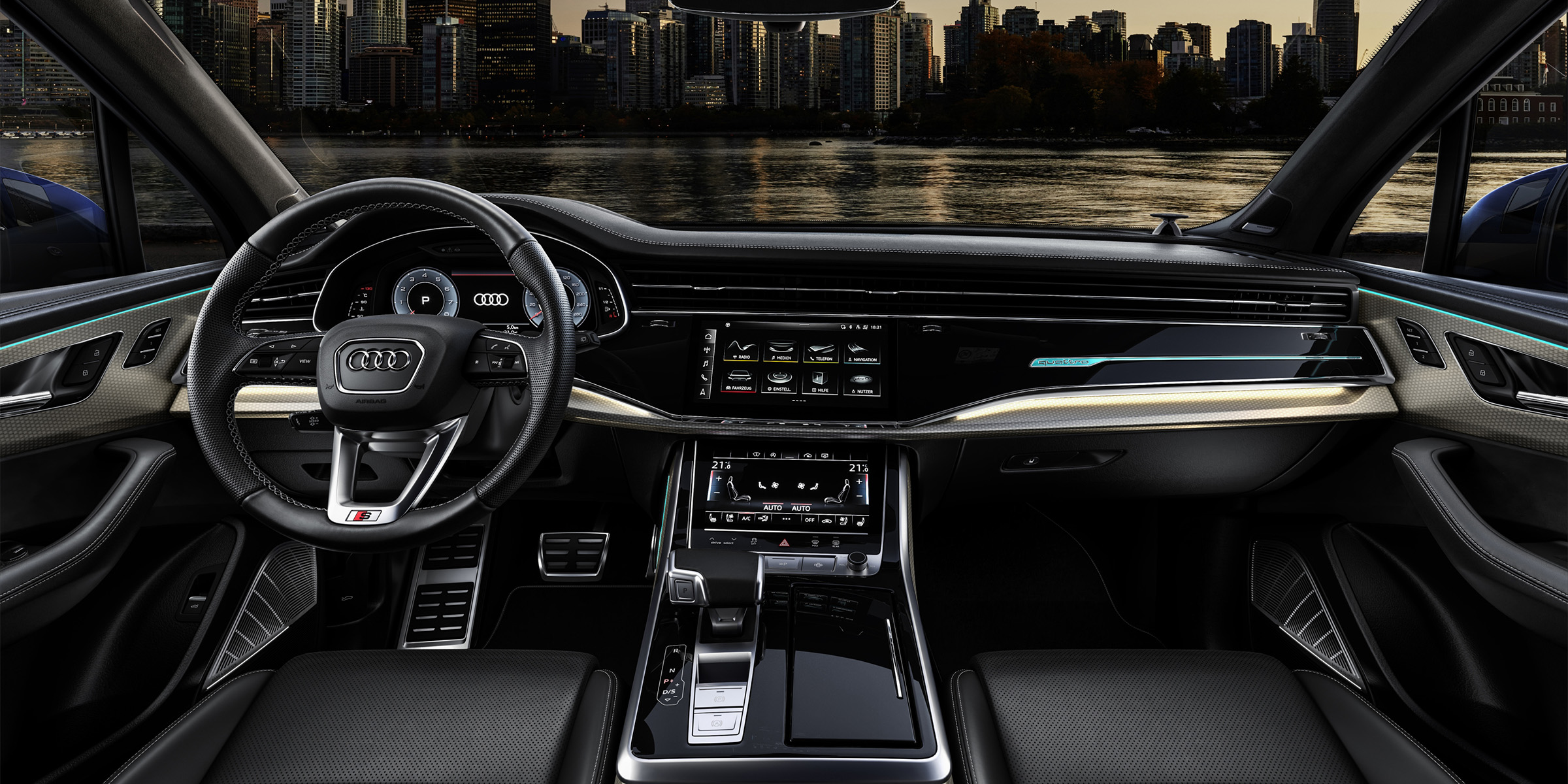
Mycardirect subscriptions – 600x300

Car subscriptions from Mycardirect.
Find out more

Wagonex logo 2023 600x300

Car subscriptions from Wagonex.
Find out more

Cocoon Vehicles logo 600x300

Car subscriptions from Cocoon.
Find out more

Vauxhall Corsa

Summary

The Vauxhall Corsa is a small, supermini-class, five-door hatchback. The current model was unveiled in late 2019 before going on sale in the UK in early 2020. It is the first Corsa built under PSA’s ownership of Vauxhall, and it is shares most of its components with the Peugeot 208.

Unlike previous Corsas, the new model is only available as a five-door hatchback, with no three-door model available. The regular model is available with a choice of petrol or diesel engines, while there is also a Corsa Electric (formerly known as the Corsa-e) model that we cover separately.

The Vauxhall Corsa received a mid-life facelift in late 2023. The most noticeable aspect of this is revised front-end styling that brings the Corsa in line with Vauxhall’s latest design direction.

The Vauxhall Corsa currently has rather disappointing reviews from the UK motoring media titles we track. However, a relatively low score certainly hasn’t hurt the Corsa’s sales – it has been the UK’s best-selling car almost every month since it was launched, and became the first car to finally dethrone the Ford Fiesta from its 12-year reign as Britain’s best-selling car in 2021. Although it lost that title to the Nissan Qashqai in 2022, it continues to be one of the country’s best-selling new cars.

The Corsa has received praised for its exterior styling and improved handling, as well as for being generally more sophisticated than previous generations. However, there have been criticisms of the interior design and quality, an uncomfortable ride and high prices compared to its rivals.

Like its Peugeot cousin, the Corsa has a four-star Euro NCAP safety rating compared to the five-star scores of many other superminis. It also scored poorly in anti-theft security tests by Thatcham Research.

As of March 2026, the Vauxhall Corsa has a New Car Expert Rating of C, with a score of 61%. It scores highly for its low running costs, while its reliability record and CO2 emissions are good. However, its safety score is now only average, its media review scores are below average and Vauxhall’s new car warranty coverage is poor.

Corsa highlights

  • Efficient engines
  • Comfortable driving experience
  • Well-equipped as standard

Corsa lowlights

  • Fiddly infotainment
  • Cramped rear seating
  • Interior trim is cheap in places

Key specifications

Body style: Small five-door hatch
Engines: petrol (and previously diesel)
Price: From £19,275 on-road

Launched: Autumn 2019
Last updated: Autumn 2023
Replacement due: TBA

Media reviews

Highlighted reviews and road tests from across the UK automotive media. Click any of the boxes to view.

Featured reviews

More reviews

The Car Expert

Auto Express

Auto Trader

Car

Car Keys

Carbuyer

Company Car Today

Daily Mail

Daily Mirror

Fleetworld

Heycar

Honest John

Motors

Parkers

The Sun

The Telegraph

Top Gear

Safety rating

Independent crash test and safety ratings from Euro NCAP

Overall score: 4 stars
Date tested: November 2019
Date expired: January 2026
Read the full Euro NCAP review

Adult protection: 84%
Child protection: 86%
Vulnerable road users: 66%
Safety assist: 69%

Eco rating

Independent economy and emissions ratings from Green NCAP

Model tested: 1.2-litre petrol automatic

Overall score: 2.5 stars
Date tested: February 2021
Read the full Green NCAP review

Clean Air Index: 3.7 / 10
Energy Efficiency Index: 5.9 / 10
Greenhouse Gas Index: 4.6 / 10

The Vauxhall Corsa 1.2-litre petrol automatic received a 2.5 star rating from Green NCAP in February 2021.

Green NCAP said: “The Corsa is tested here with a 1.2 litre turbocharged direct-injection petrol engine. In the past, such cars would have struggled to limit particulate emissions but, equipped as it is with a gasoline particulate filter (GPF), the Corsa does a fine job in this regard. Indeed, pollutant emissions are generally well controlled in most tests but the car struggles in the more demanding tests such as cold ambient temperature and, here, emissions of several gases are high.

“For such a small car, the Corsa does not excel in energy efficiency but its greenhouse gas emissions are generally low, especially those of the unregulated gases. Overall, the Corsa emerges from Green NCAP’s tests with a 2½ star rating.”

This rating only applies to the 1.2-litre petrol automatic version of the Vauxhall Corsa, and does not imply similar ratings for other engine and gearbox combinations in the range.

Reliability rating

MotorEasy logo 600x167

Reliability data provided exclusively for The Car Expert by MotorEasy

All data based on MotorEasy average workshop costs for extended car warranty claims

As of April 2025 (our most recent data point), the Vauxhall Corsa has a reliability score of 74%, which is slightly better than average according to workshop and warranty data provided exclusively to The Car Expert by our commercial partner, MotorEasy. This score applies to both the current Corsa and also to previous generations, which is important if you are considering a used Vauxhall Corsa.

The average overall repair costs are quite low for the Corsa family, with an average repair bill of less than £400.

Running cost rating

Clear Vehicle Data logo close crop

Monthly cost of ownership data provided exclusively for The Car Expert by Clear Vehicle Data

Fuel consumptionAverageScore
Petrol models51 mpgC
Diesel models71 mpgA
CO₂ outputAverageScoreVariationScore
Petrol models117 g/kmB
Diesel models107 g/kmA
Insurance groupAverageScoreVariationScore
All models20B
Service and maintenanceCostScore
Year 1£168B
Year 2£458B
Year 3£711B
Year 4£974B
Year 5£1,430C
Overall£3,741B

The Vauxhall Corsa should prove to be a very economical car to own and run, according to running cost data provided exclusively to The Car Expert by our commercial partner, Clear Vehicle Data.

The diesel models listed above have now been dropped from the range, but you can still find them from used car dealerships. Fuel consumption from the petrol models is good – although some other small cars are better.

In terms of servicing, road tax and insurance, the Corsa’s scores are exemplary.

Awards

Trophies, prizes and awards that the Vauxhall Corsa has received

2023

  • News UK Motoring Awards – Best Small/City Car

2022

  • Carbuyer Awards – Used Car of the Year + Best Used Small Car
  • Fleet World Awards – Best Fleet Supermini

2021

  • Fleet World Awards – Best Fleet Supermini
  • News UK Motoring Awards – Best Value Car

Similar cars

If you’re looking at the Vauxhall Corsa, you might also be interested in these alternatives

Citroën C3 | Dacia Sandero | Ford Fiesta | Honda Jazz | Hyundai i20 | Kia Rio | Mazda 2 | MG 3Mini hatch | Mitsubishi MirageNissan Micra | Peugeot 208 | Renault Clio | SEAT Ibiza | Skoda FabiaSuzuki Swift | Toyota Yaris | Volkswagen Polo

More news, reviews and information about the Vauxhall Corsa at The Car Expert

Electric car grant – all the EVs with discounts in 2026

Electric car grant – all the EVs with discounts in 2026

Britain’s best-selling cars of 2026

Britain’s best-selling cars of 2026

Britain’s best-selling cars of 2025

Britain’s best-selling cars of 2025

Vauxhall Corsa range bolstered by new ‘Yes’ edition

Vauxhall Corsa range bolstered by new ‘Yes’ edition

Everything you need to know about Vauxhall

Everything you need to know about Vauxhall

Britain’s best-selling cars of 2023

Britain’s best-selling cars of 2023

Facelifted Vauxhall Corsa now on sale

Facelifted Vauxhall Corsa now on sale

Britain’s best-selling cars of 2022

Britain’s best-selling cars of 2022

Vauxhall Corsa-e gets Anniversary Edition trim

Vauxhall Corsa-e gets Anniversary Edition trim

Government ends electric car subsidy

Government ends electric car subsidy

Major price cuts among Corsa and Mokka range changes

Major price cuts among Corsa and Mokka range changes

The ten best-selling electric cars of 2021

The ten best-selling electric cars of 2021

Buy a Vauxhall Corsa

If you’re looking to buy a Vauxhall Corsa, The Car Expert’s partners can help you find the right car

Motors 600x300

Find your next used car with Motors. Find out more

Auto Trader logo 600x300

Find your next new or used car with Auto Trader. Find out more

Carwow logo 600x300

Find your next new or used car with Carwow. Find out more

Lease a Vauxhall Corsa

If you’re looking to lease a new Vauxhall Corsa, The Car Expert’s partners can help you find a competitive deal

Leasing-com logo

Personal contract hire deals from Leasing.com. Find out more

Carwow logo 600x300

Personal contract hire deals from Carwow. Find out more

Select Car Leasing logo

Personal contract hire deals from Select Car Leasing. Find out more

Subscribe to a Vauxhall Corsa

If you’re interested in a car subscription, The Car Expert’s partners can help (PS: What’s a car subscription?)

Cocoon Vehicles logo 600x300

Car subscriptions from Cocoon.
Find out more

Just Vehicle Solutions logo 600x300

Car subscriptions from Just Vehicle Solutions.
Find out more

Flexible Vehicle Contracts logo 600x300px

Car subscriptions from Flexible Vehicle Contracts.
Find out more

Driving in Austria – what are the rules?

If you like driving through mountain passes but aren’t too bothered about coastal roads, then Austria could be your next touring destination. This landlocked state in central Europe is surrounded by mountains – indeed it lies in the eastern Alps region.

Completely surrounded by other countries, there’s not a coastline in sight. Germany lies to its north west, Italy is to the south while eastern European countries such as Hungary and Slovakia also border it.

It must feel like a safe haven, with its protected location, and this ‘security’ filters through – Austria is an especially safe place to live and visit, with low crime levels, polite people and good air quality.

There’s lots of business going on in Austria too, with its major cities such as Vienna, Salzburg and Graz offering huge opportunities for industry and commerce.

While Austria isn’t necessarily the first country on a touring holidaymaker’s list, it is certainly worth considering, and thousands of tourists from Europe take to the roads and drive there every year.

And if you are one of the UK motorists who does choose Austrian roads when it comes to planning a vacation, you’ll need some careful organisation before going there. Getting there by car will involve traversing the whole of Germany but that’s a decent European drive to enjoy if you have the time. Flying in and hiring a vehicle is another option.

Driving in Austria is a completely different experience from doing so in the UK. And that isn’t just because the Austrians drive on a different side of the road from us.

It’s much more than that and planning a driving holiday, or taking your car to Austria on business, requires careful planning and a good understanding of what you can, and can’t do behind the wheel while on Tyrolean (or other Austrian region) roads.

This isn’t just for your safety and convenience. Getting on the wrong side of the Austrian police can mean on-the-spot fines and even confiscation of your car and its contents. So it’s well worth spending some time planning your trip, and making sure you have everything in place for your Continental excursion.

Here The Car Expert looks at the most important elements to consider when planning to drive in Austria, and we’ve included a handy checklist. As each journey is unique, always check that you have everything covered for your particular visit.

Basic rules

You must be 18 years or over to drive in Austria and you should hold a full UK driving licence. Just the licence card will do, as the paper counterpart is no longer a requirement. An international driving permit is recognised by the authorities, but not necessary.

You’ll need to prove that you have car insurance cover so take your certificate with you (but you don’t need a European ‘green card’) and you must carry with you documents that show the identity of the car, such as a V5 ‘logbook’. Always carry your personal ID or passport with you too.

The vehicle’s ‘home country’ must be shown on it. A ‘UK’ sticker is one good way to do this but you can also show a small UK badge on both number plates if you wish. The ‘GB’ badge is no longer allowed, even within European ‘golden stars’ and the same goes for country badges such as the English, Scottish or Welsh flags.

Speed limits

Speed limits are shown in kilometres (km/h) rather than miles (mph). In built-up areas the speed limit varies between 30 km/h and 50 km/h so watch out for local roadside signs. Moving out of built-up areas and onto more open roads the limit rises to 100 km/h. These can also change though, according to local signs. Motorways have a blanket 130 km/h limit.

You are not allowed any kind of speed camera detection devices or equipment that could interfere with police cameras when driving on Austrian roads. The police will take these away and you could also be handed a 4000 Euro fine. However, you are allowed to use satnav units with the camera detection built-in.

If you are stopped for speeding in Austria you will likely get an on the spot fine. These vary depending on your speed and the road you were caught on. Fines start at 30 Euro for a minor transgression of less than 20 km/h over the speed limit and rise steadily in severity as the offence worsens. Get stopped at more than 40 km/h over the limit in a built-up area and you could be looking at a 2,180 Euro fine plus a driving licence suspension of six weeks.

Dashboard cameras (dashcams) are not permitted. And don’t use a mobile phone while driving unless it is ‘hands-free’.

Blood alcohol limits

We don’t recommend any drinking of alcohol if you are going to drive but it’s worth knowing the limits. The drink drive limit is 0.5 g/l (also shown as 0.05%) although for new drivers with less than two years’ experience, it’s 0.1 g/l (0.01%). By comparison, it’s 0.8 g/l (0.08%) in England and Wales.

If the police suspect you have been drinking you’ll be asked to take a breath test. There are fines for recording a positive test but if it’s more than 0.8 g/l your driving licence will be confiscated and you could be banned from driving in Austria.

What to carry in the car

There are several things you’ll need in your vehicle while motoring through Austria, to ensure you keep on the right side of the authorities. These include a reflective jacket or waistcoat which you must wear if you break down on a major route outside of urban areas. You will also be required to have a warning triangle and a first aid kit.

You don’t have to carry spare bulbs, but the police do insist that you have beam deflectors (or the ability to manually adjust your lights) to avoid dazzling other road users. If visibility is poor, the police will expect you to be driving with dipped beams. Failure to do this can attract a €30 fine.

Specialist suppliers, such as motoring organisations, sell ‘European driving kits’ for around £25, which contain everything you are likely to need for a Continental road trip, and it’s well worth investing in one.

Seatbelt and other rules

Seatbelt rules are the same as in the UK: if your car has them, they must be worn. It’s the driver’s responsibility to make sure everyone is buckled up and there’s a €35 fine for failing to wear one.

Children under 14 years old and less than 150 cm in height must be in an approved child seat in the front or back of the car. Under-14s who are over 150 cm tall may use adult seat belts.

Driving

Keep to the right-hand lane as much as possible but if you are overtaking do so on the left.

Austria’s capital, Vienna, has one of the largest tram systems in the world and its people are proud of the service, as they are with the rest of the public transport structure. You can overtake trams but do it at walking pace and only if you are not going to hinder passengers. Ensure also that there is at least 1.5 metres of space between you and the tram.

Trams and any vehicles on rails have priority on the road, as do emergency vehicles. Do not overtake anything that is moving near a pedestrian crossing and don’t be tempted to stray over a continuous solid white line. Drivers must stop at a pedestrian crossing if there is someone on it or it looks like they are about to use it.

Traffic signals are red, amber and green and follow a similar pattern to the UK. However, a flashing green light means that the ‘go’ phase is about to end so drivers should prepare to stop.

Horns should be used sparingly – indeed they are prohibited in Vienna and around any hospitals, unless in an emergency.

Petrol, diesel, and biofuel is widely available throughout the country, plus there are thousands of electric vehicle (EV) charging points. Austrian services do not have automatic petrol pumps.

Austria is a mountainous country with beautiful climbs and descents. If two cars meet on a narrow pass, both should stop and the one that can reverse more easily to a passing space should do so, as there is no firm priority ruling.

Motorways in Austria are paid for with money collected through tolls. Austria has a system called ‘Maut Vignette’ which features a sticker in the car’s windscreen to prove the toll has been paid. There is also an electronic version linked to the car’s number plate but as a foreign visitor you probably won’t have this.

It costs €9.90 for ten days of motorway use, €29 for two months and €96.40 for one year. If you are caught on an Austrian motorway without a Vignette you can expect an on the spot fine of €120. Failure to pay this will mean court proceedings where the fine is likely to rise to €300 or more. There are also additional tolls to use some of the big tunnels and alpine roads found throughout Austria.

If you are towing a trailer or caravan ensure that your car and the rig don’t exceed 18.75 metres in length, 4 metres in height and 2.55 metres in width. Make sure you can see clearly behind you with the use of two wide rear-view mirrors.

Parking

Look for parking restriction signs before you pull up anywhere. Most cities will have restrictions and fees to pay before parking. In many regions you can use your phone to pay while other areas use pre-paid parking vouchers. Parking for 15 minutes is usually free but you still have to fill in a ‘free of charge’ voucher.

There are areas where you can park for free, but don’t leave your car if it looks like you’re causing an obstruction and, if visibility is poor, you should leave your side lights on.

Illegally parked cars will be clamped by the authorities unless they are obstructing traffic – in which case they will be towed away. There will be a fine to pay for a vehicle’s release plus costs for the towing.

Emergency assistance in Austria

Austrian motorways have a system of emergency stopping places called ‘rettungsgasse’ (rescue lane) for cars in trouble. In Austria as with most of Europe, you can dial 112 and make contact with emergency services such as fire, ambulance or police, 24 hours a day. Operators will speak English, French and other European languages.

Checklist for driving in Austria

Must haves:

  • Driving licence
  • Passport
  • Vehicle insurance
  • MOT certificate
  • V5 or vehicle ID
  • UK sticker or number plate markings
  • Warning triangle
  • Headlamp beam deflectors
  • Hi-viz jackets
  • First aid kit

Options:

  • Spare bulb kit
  • Screen wash
  • Bottled water
  • Map or satnav
  • Phone power bank
  • Fire extinguisher
  • Torch
  • Fuel can

Lotus Eletre

Summary

The Lotus Eletre is a large luxury electric SUV with supercar levels of powerful performance that became available to order in the UK in Autumn 2023.

Described by its manufacturer as a ‘hyper-SUV’, the Eletre marks a brave step into the unfamiliar waters for Lotus – a marque that has exclusively focused on developing sports cars since the 1950s. “The Eletre is nothing like anything we’ve ever seen before from the British brand”, says Tom Jervis of Driving Electric, “but it’s a triumphant success regardless.”

Parker’s Georg Kacher remarks that the Eletre has joined the ranks of the super-fast, desirable electric SUVs available in the UK, and “it’s at or near the top of the class”, thanks to its well-built and “beautifully trimmed” interior, its “addictive” driving experience and it’s price bracket, which is still expensive but cheaper than many of it’s high-power competitors.

The Telegraph‘s Andrew English adds that the SUV’s “astounding level of performance and great handling” does not compromise the comfortable ride quality, while Carbuyer‘s Andy Goodwin says that the car’s infotainment system “looks absolutely fantastic.”

On the other hand, reviewers note that the price tag is still quite high and the running costs might be more expensive than you would expect. The car’s heavy weight and size will also make driving in tight urban spots more difficult.

As of March 2026, the Lotus Eletre holds a New Car Expert Rating of B, with a score of 69%. It scores top marks for its media review scores, zero tailpipe emissions and new car warranty. However, its running costs are high.

Eletre highlights

  • Thrilling performance
  • Responsive brakes and steering
  • Well-built, luxurious interior
  • Cheaper than ‘hyper-SUV’ rivals…

Eletre lowlights

  • Smaller boot in four-seat guise
  • Very heavy
  • ‘Sport’ mode almost too aggressive for some
  • …but still quite expensive

Key specifications

Body style: Large SUV
Engines:
electric, battery-powered
Price:
From £89,500 on-road

Launched: Autumn 2023
Last updated: N/A
Replacement due: TBA

Media reviews

Highlighted reviews and road tests from across the UK automotive media. Click any of the boxes to view.

Auto Express

Car

Carbuyer

Driving Electric

Electrifying.com

Motoring Research

Parkers

The Telegraph

Top Gear

Safety rating

Independent crash test and safety ratings from Euro NCAP

No safety rating

As of March 2026, the Lotus Eletre has not been crash tested by Euro NCAP. Due to its price and exclusivity, it’s not likely to happen in the near future either.

Eco rating

Independent economy and emissions ratings from Green NCAP

No eco rating

As of March 2026, the Lotus Eletre has not been lab tested by Green NCAP.

Reliability rating

MotorEasy logo 600x167

Reliability data provided exclusively for The Car Expert by MotorEasy

No reliability rating

As of March 2026, we don’t have enough reliability data on the Lotus Eletre to generate a reliability rating.

The Car Expert’s reliability information is provided exclusively to us using workshop and extended warranty data from our partner, MotorEasy, sourced from both official dealerships and independent workshops. 

As soon as MotorEasy has sufficient data on the Eletre, we’ll publish the score here.

Running cost rating

Clear Vehicle Data logo close crop

Monthly cost of ownership data provided exclusively for The Car Expert by Clear Vehicle Data

Battery rangeAverageScoreVariationScore
EV models345 milesA
Electrical efficiencyAverageScoreVariationScore
EV models2.9 m/KWhE
Insurance groupAverageScoreVariationScore
All models50F

The Lotus Eletre is going to be an expensive car to own, according to whole-life cost data provided exclusively to The Car Expert by our technical partner, Clear Vehicle Data.

Electrical efficiency (the EV equivalent of miles per gallon for a petrol or diesel car) is poor, and will be worse if you enjoy the incredible performance that the Eletre offers. However, a large battery pack means that you should get plenty of driving range if you behave sensibly…

We don’t have servicing and maintenance cost data at this time, but the insurance rating is in the highest bracket (Group 50), so it will be expensive to insure.

Awards

Trophies, prizes and awards that the Lotus Eletre has received.

2023

  • GQ Magazine Awards – Best SUV

Similar cars

If you’re looking at the Lotus Eletre, you might also be interested in these alternatives.

Aston Martin DBX | Audi RS Q8 | BMW iXMaserati Levante | Ferrari Purosangue | Kia EV9Porsche Cayenne | Porsche Taycan Cross Turismo

More news, reviews and information about the Lotus Eletre at The Car Expert

Everything you need to know about Lotus

Everything you need to know about Lotus

Lotus Eletre SUV pricing and specs revealed

Lotus Eletre SUV pricing and specs revealed

Lotus Eletre electric SUV revealed

Lotus Eletre electric SUV revealed

Buy a Lotus Eletre

If you’re looking to buy a new or used Lotus Eletre, The Car Expert’s partners can help you find the right car.

Motors 600x300

Find your next used car with Motors. Find out more

Auto Trader logo 600x300

Find your next new or used car with Auto Trader. Find out more

Carwow logo 600x300

Find your next new or used car with Carwow. Find out more

Lease a Lotus Eletre

If you’re looking to lease a new Lotus Eletre, The Car Expert’s partners can help you find a competitive deal.

Carparison 600x300

Personal contract hire deals from Carparison Leasing. Find out more

Leasing-com logo

Personal contract hire deals from Leasing.com. Find out more

Rivervale Leasing logo 2022

Personal contract hire deals from Rivervale Leasing. Find out more

Subscribe to a Lotus Eletre

Subscriptions are becoming a very popular way for consumers to try an electric car for a few weeks or months to help decide whether it’s a suitable alternative to a petrol car. If you’re interested in a car subscription, The Car Expert’s partners can help. (PS: What’s a car subscription?)
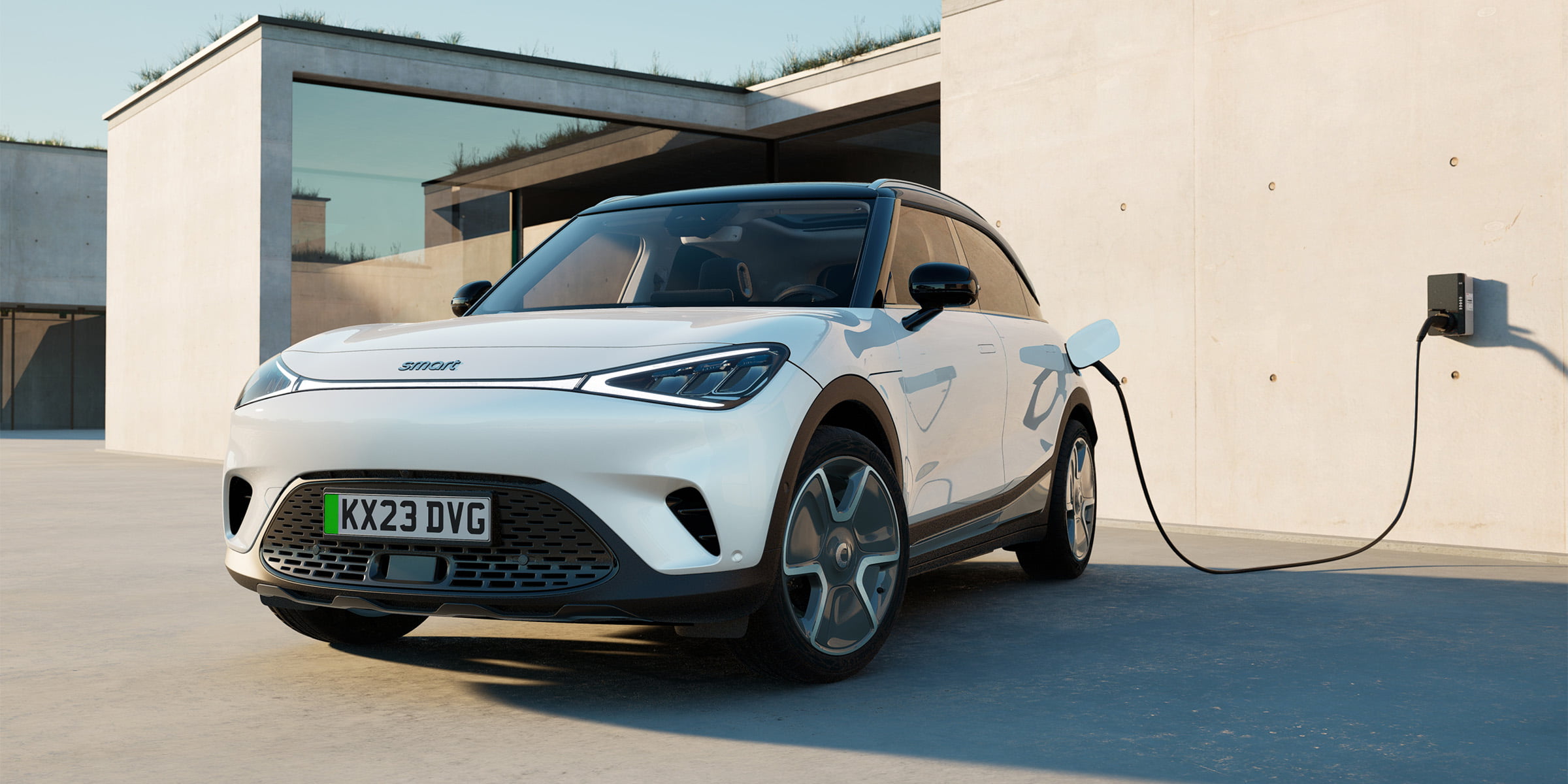
Cocoon Vehicles logo 600x300

Car subscriptions from Cocoon.
Find out more

Just Vehicle Solutions logo 600x300

Car subscriptions from Just Vehicle Solutions.
Find out more

Flexible Vehicle Contracts logo 600x300px

Car subscriptions from Flexible Vehicle Contracts.
Find out more

Eight five-star results in latest Euro NCAP tests

0

Safety body Euro NCAP has released its final batch of crash test ratings this year, including assessments of the Kia EV9, the latest iterations of Hyundai Kona and BMW 5 Series, and the Smart #3.

Eleven new cars were crash tested in total in this batch of assessments, with eight of them achieving full five-star safety scores.

The large Kia EV9 is one of these full-five star safety rating recipients. Euro NCAP comments that the SUV comes kitted out with a range of child safety equipment, and achieved top marks comfortably.

The smaller second-generation Hyundai Kona was instead given a four-star rating (which also stands for the Hyundai Kona Electric), which Euro NCAP called a “real disappointment”. The SUV was reportedly “lucky to avoid” a three-star rating, as safety testers concluded that the Hyundai has “sub-standard” driver assistance and crash avoidance technology.

This batch of Euro NCAP crash tests also included assessments of two saloon models – the Volkswagen ID.7 and the new BMW 5 Series (including the electric i5), which were both given five-star ratings.

The ID.7 was labelled an “excellent all-round performer” and given a 95% ‘Adult Protection’ score – one of the year’s best overall scores. The 5 Series was reportedly impressive too, but Euro NCAP adds that the saloon was not quite as good at protecting occupants in the frontal crash test.

Euro NCAP crash tests of the upcoming Smart #3 SUV resulted in another five-star rating, but only just. Safety testers comment that the Smart still has “some challenges” with improving side impact protection.

The electric Mercedes-Benz EQE was also given a full crash test assessment as part of this batch, and as you might guess was given top marks. The SUV is said to have the excellent safety assistance technologies to match its high price tag, but crash testers add that the car was “let down by the lack of robustness in the car’s centre airbag system, which showed potential head injury for occupants in the front.”

Now onto the Honda ZR-V hybrid, which was given four stars. Honda will be disappointed that the SUV just missed out on top marks – while it has solid safety scores across the board, the standard model is missing some of the safety tech usually included as standard on other models tested here, including the absence of a driver alertness monitoring system.

Well, that’s seven of the models – what about the rest? The final four are from Chinese or Vietnamese brands you might not have heard of. This batch included the BYD Seal U SUV (which is set for a UK arrival sometime in 2024) and the BYD Tang (which isn’t likely to go on sale in the UK in the foreseeable future), both of which achieved five stars.

The Chinese brand XPeng will launch in Britain next year, and its G9 SUV was given top marks, and Euro NCAP also put the Vietnamese Vinfast VF8 SUV through its paces, and gave the car a four-star rating.