Find an Expert Rating: 
Home Blog Page 50

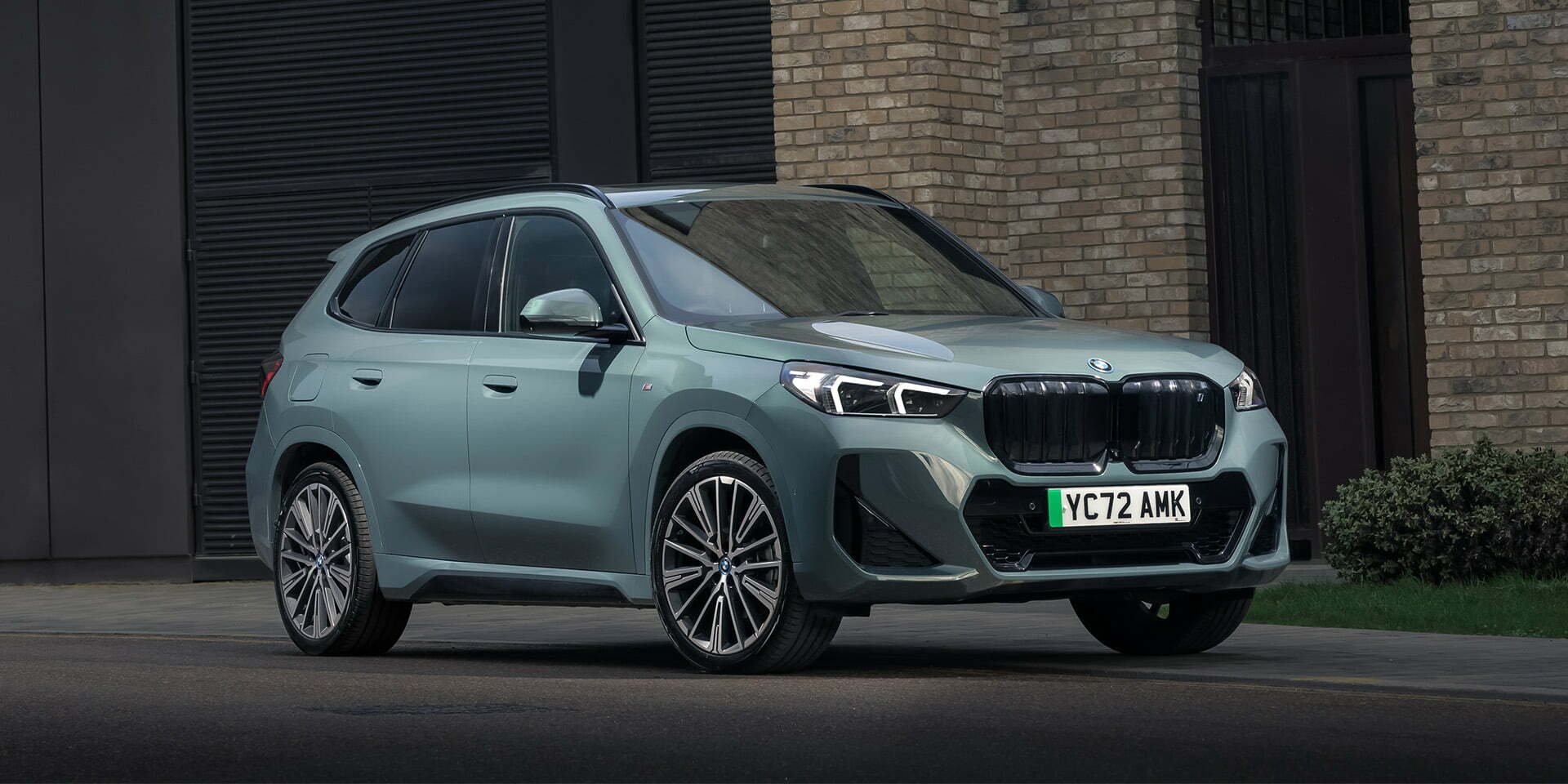
BMW iX1

Summary

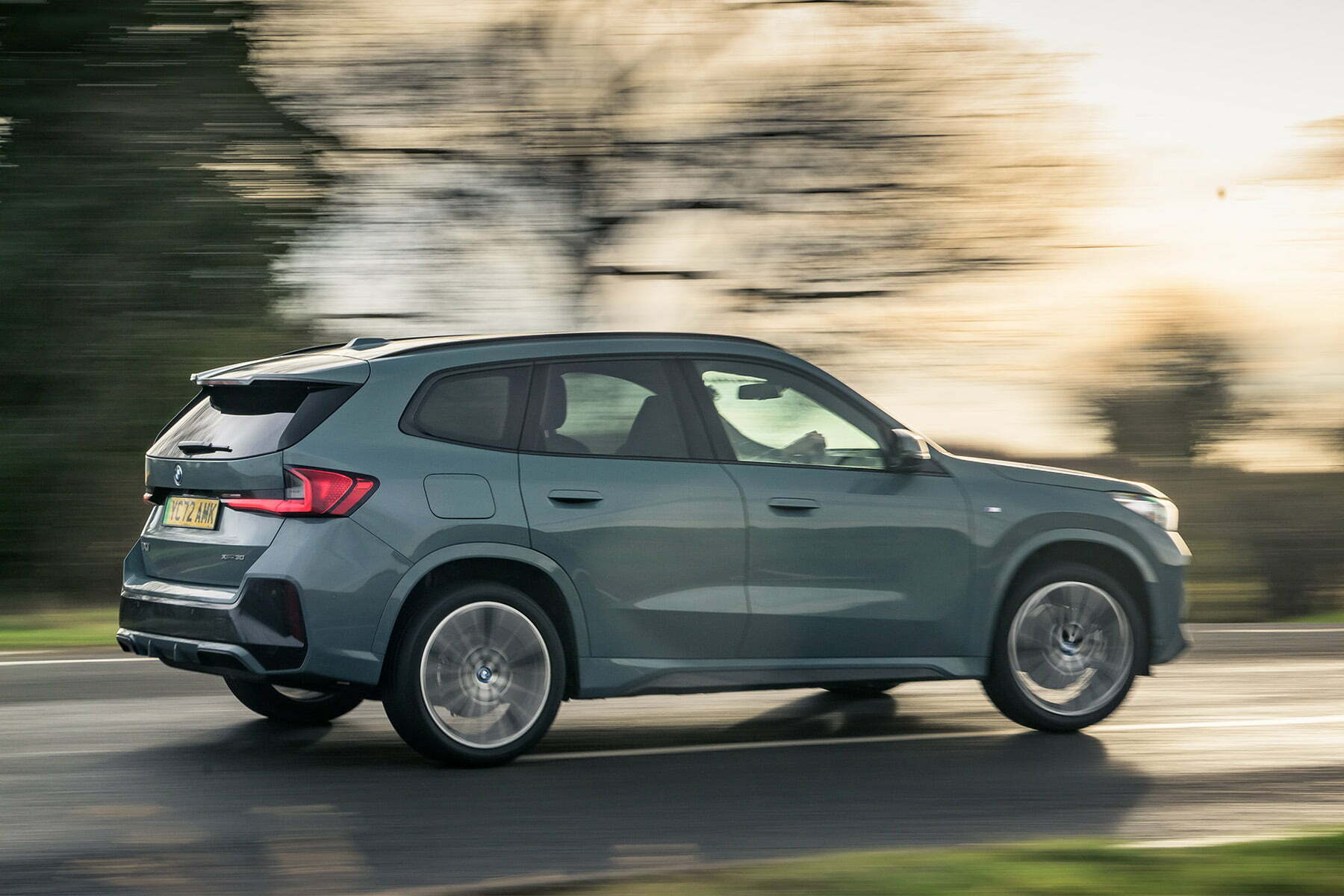
The BMW iX1 is a compact all-electric SUV and the new lead-in model in BMW’s electrified ‘i’ family, which became available to order in the UK in Autumn 2022.

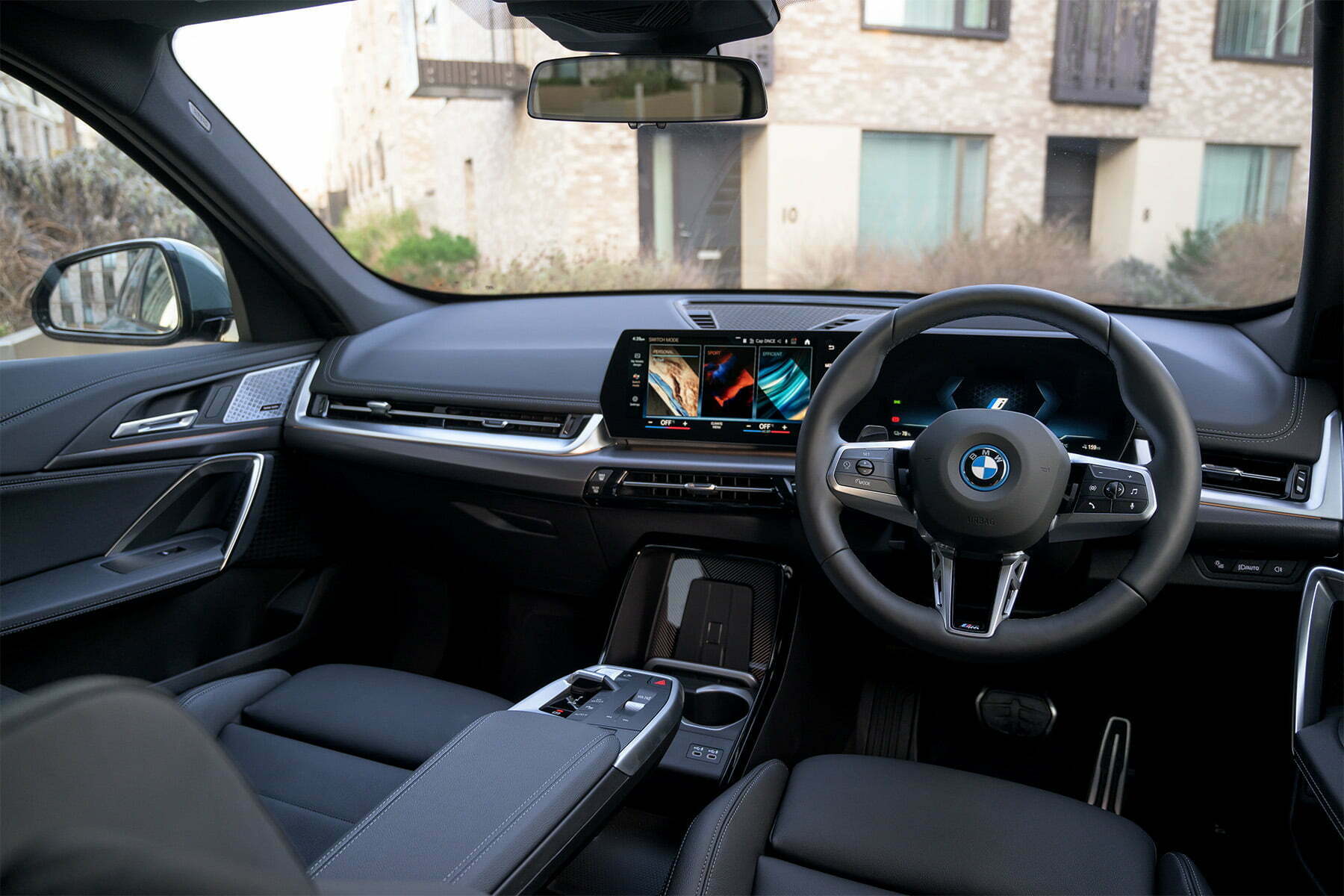
Built on the same basic platform as the current BMW 1 Series, many British reviewers have highlighted the iX1 as the best choice in the new third-generation X1 SUV range – praised for its pace and acceleration, as well as its spacious upmarket interior that is fitted with the brand’s latest user-friendly on-board tech.

“The BMW iX1 is perhaps the ultimate electric family SUV”, Heycar comments, pointing to the car’s “sharp” exterior looks and “stunning” interior design. Despite being the smallest SUV in BMW’s line-up, Carbuyer says that the iX1 is “surprisingly roomy”, with “enough space between the seats that kids might not be able to kick your seatbacks.”

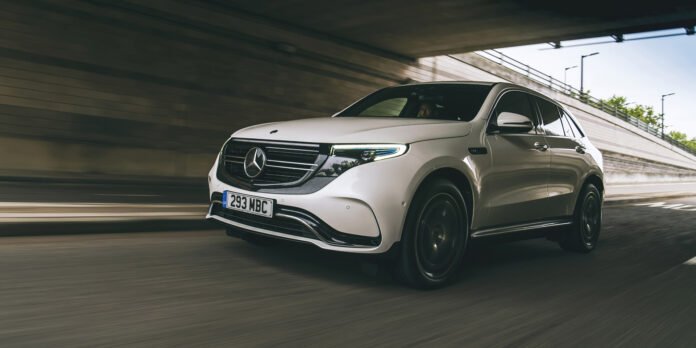
Driving Electric adds that the BMW has more boot space than bigger alternatives like the Nissan Ariya and Toyota bZ4X, but warns buyers that the iX1’s pricing is certainly steep. The electric SUV’s closest upmarket competitors are the Audi Q4 e-tron and Mercedes-Benz EQA, which are several thousand pounds cheaper and come with longer battery ranges.

As of April 2026, the BMW iX1 holds a New Car Expert Rating of A, with a score of 76%. It scores top marks for its zero tailpipe emissions and low running costs, while its safety score and media reviews are also good.

BMW iX1 highlights

  • Sharp performance
  • Spacious and well-equipped cabin
  • Quiet and easy to drive
  • Attractive exterior styling
  • Low running costs

BMW iX1 lowlights

  • Rather firm ride comfort
  • Heavy weight can be felt in the corners
  • Expensive, base price and up
  • Only one powertrain on offer
  • So-so battery range

Key specifications

Body style: Small SUV
Engines:
electric, battery-powered
Price:
From £46,205 on-road

Launched: Autumn 2022
Last updated: N/A
Replacement due: TBA

Media reviews

Reviews, road tests and comparisons from across the UK automotive media. Click any of the boxes to view.

Auto Express

Auto Trader

Business Car

Car

Carbuyer

Carwow

Driving Electric

Electrifying.com

Green Car Guide

Heycar

Honest John

Parkers

The Sun

The Telegraph

The Times

Top Gear

Safety rating

Independent crash test and safety ratings from Euro NCAP

Overall score: 5 stars
Date tested: October 2022
Read the full Euro NCAP review

Adult protection: 86%
Child protection: 89%
Vulnerable road users: 76%
Safety assist: 92%

Notes on safety rating

The BMW iX1 shares its safety rating with the regular BMW X1. This is not always the case with electric models, but Euro NCAP conducted additional tests on the iX1 and was satisfied that the iX1 performed to the same standards.

Eco rating

Independent economy and emissions ratings from Green NCAP

No eco rating

As of April 2026, the BMW iX1 has not been tested by Green NCAP.

The Green NCAP programme measures exhaust pollution (which is zero for an electric car) and energy efficiency. Electric cars are much more energy-efficient than combustion cars, so the iX1 is likely to score very highly in Green NCAP testing whenever it ever takes place. Check back again soon.

Reliability rating

MotorEasy logo 600x167

Reliability data provided exclusively for The Car Expert by MotorEasy

No reliability rating

As of April 2026, we don’t have enough reliability data on the BMW iX1 to generate a reliability rating.

The Car Expert’s reliability information is provided exclusively to us using workshop and extended warranty data from our partner, MotorEasy, sourced from both official dealerships and independent workshops. 

As soon as MotorEasy has sufficient data on the iX1, we’ll publish the results here.

Running cost rating

Clear Vehicle Data logo close crop

Monthly cost of ownership data provided exclusively for The Car Expert by Clear Vehicle Data

Battery rangeAverageScoreVariationScore
EV models279 milesB
Electrical efficiencyAverageScoreVariationScore
EV models4.2 m/KWhC
Insurance groupAverageScoreVariationScore
All models33D
Service and maintenanceCostScore
Year 1£249C
Year 2£453B
Year 3£703A
Year 4£957B
Year 5£1,195A
Overall£3,557B

The BMW iX1 has a great running cost rating, compiled using data exclusively provided by our partner Clear Vehicle Data. The compact SUV’s battery range is very competitive, and its electrical efficiency (the EV equivalent of miles per gallon for a petrol or diesel car) is excellent.

Its insurance premiums are fairly average when compared to other electric cars of this size. The even better news is that scheduled servicing costs for the iX1 are excellent.

Recalls

Official DVSA safety recalls that have been issued for the BMW iX1

Date: September 2023
Recall number: R/2023/270
Model types: All
Build dates: 11/2022 to 05/2023
Number of vehicles affected: 433
Defect: Front driveshaft may come loose from the eDrive motor under certain circumstances.
Remedy: Replace the affected driveshaft/s.

Date: August 2023
Recall number: R/2023/253
Model types: All
Build dates: 07/2023 only
Number of vehicles affected: 1
Defect: On affected vehicles the High voltage battery may suffer a low impedance short circuit within a cell module.
Remedy: Replace the defective cell module in the high voltage battery.

Date: May 2023
Recall number: R/2023/133
Model types: All
Build dates: 04/2023 only
Number of vehicles affected: 28
Defect: A cable bridge connection connecting two circuit boards within the cell supervision circuit (CSC) might not have been installed properly.
Remedy: On the affected vehicles the cell supervision circuit (CSC) inside the high-voltage battery will be replaced.

As of September 2024 (our most recent data point), there have been three DVSA vehicle safety recalls on the BMW iX1 addressing various different issues.

Not all vehicles are affected by recalls. You can check to see if your car is included in any of the above recalls by visiting the DVLA website or contacting your local BMW dealer.

If your car is affected by a recall, the vehicle must be repaired and you should not be charged for any work required. If you are buying a used iX1, you should insist that any outstanding recall work is completed before you take delivery of the vehicle.

Similar cars

If you’re looking at the BMW iX1, you might also be interested in these alternatives

Audi Q4 e-tron | BMW iX3 | DS 3 Crossback E-Tense | Hyundai Kona Electric | Kia Niro EV | Kia EV6 | Lexus UX Electric | Mazda MX-30 | Mercedes-Benz EQA | Nissan AriyaPeugeot e-2008 | Toyota bZ4XVolvo XC40 Recharge

Buy a BMW iX1

If you’re looking to buy a new or used BMW iX1, The Car Expert’s partners can help you find the right car

Motors 600x300

Find your next used car with Motors. Find out more

Auto Trader logo 600x300

Search for your next new or used car with Auto Trader. Find out more

Carwow logo 600x300

Discover great deals available on both new and used cars. Find out more

Lease a BMW iX1

If you’re looking to lease a new BMW iX1, The Car Expert’s partners can help you find a competitive deal

Carparison 600x300

Personal contract hire deals from Carparison Leasing. Find out more

Leasing-com logo

Personal contract hire deals from Leasing.com. Find out more

Select Car Leasing logo

Personal contract hire deals from Select Car Leasing. Find out more

Are you paying too much for GAP insurance?

0

As a precautionary measure, a GAP insurance policy certainly makes sense. Whether you bought your car outright or on a finance deal, the average new car’s value can depreciate by 40% within a year. Should your car be written off or stolen, you could lose a significant chunk of change.

Most car insurance policies will only match the car’s current market value at the time of a potential accident or theft, and GAP insurance pays out the ‘gap’ between the car’s current market value and what you paid for it (or the price of a replacement car), and pays off any outstanding finance or leasing payments.

If you have bought a new car from a dealership, it’s very likely you have already heard of GAP insurance, and considering the piece of mind it provides, it might seem like a no-brainer to tie one of these policies onto your car finance or lease deal while in the showroom.

However, make sure the price is right. Dealerships tend to overcharge for GAP insurance, and you will find a better deal by looking elsewhere online.

Would a GAP insurance policy benefit me?

Often for the cost of a few extra pounds a month, a GAP insurance policy essentially protects the investment you made in your car, and can save you plenty of time, money and worry if your car gets written off after an accident, or stolen by criminals.

That said, GAP cover won’t be all that beneficial in some scenarios. Keep in mind that your showroom salesman could still try to sell you GAP insurance, even when they know it will be of little benefit to you. You don’t really need this type of insurance if:

  • You have just bought your new car with a fully comprehensive insurance policy – most comprehensive car insurance policies come with a ‘new car replacement’ clause that is active for the first 12 or even 24 months. If you have an insurance policy like this, added GAP insurance is of no benefit to you for the time that this clause is active.
  • You don’t mind opting for a used replacement car – If you don’t want coverage for your car’s depreciation, and would be perfectly happy with a used replacement car the same age as your former car that was written off or stolen, you don’t need GAP insurance.
  • You are buying a used car – GAP insurance can be quite handy coverage for nearly-new used cars that are one or two years old, but GAP cover can be a bit of a waste of money when it comes to older cars. This is because a new car’s value will drop significantly in the first three years of ownership, but it will depreciate at a much slower rate beyond that point.

How much should I be paying for GAP insurance?

As you would expect, the newer and more expensive your car is, the more expensive your GAP insurance policy will be. That said, numerous consumer outlets report that if you opt for this type of cover from your local dealership, you will be paying over the odds.

GAP insurance can cost up to 61% more from a franchised dealer than online brokers. One of these brokers, our commercial partner ALA Insurance, claims that their policies could be up to 75% cheaper than the quote you got from the dealership.

The best way to find out how much you should actually be paying for GAP insurance is by visiting the MoneySuperMarket website, which after taking your details, will give you GAP cover quotes from several independent providers at once.

Dealerships often offer inflated GAP insurance prices in the hopes that the convenience of the offer convinces you that it isn’t worth looking for elsewhere. If you intend on opting for a GAP insurance cover from your dealer, please keep in mind:

  • There is a two-day cooling off period – in 2017, the Financial Conduct Authority (FCA) made it mandatory for dealerships to give car buyers a two-day cooling off period after informing them about products such as GAP. Even if you agree to buy, this means that you have two days to look online for a better price, and cancel your agreement with the salesman if you do find one.
  • You need to read the terms and conditions – I know, it’s pretty damn boring. But, as with any contract, you need to understand what you are signing up for. You could find better contract terms for a cheaper fee online – our partner ALA insurance offers policies that give you a longer time limit for making a claim than some dealers, and policies that allow you to transfer any unused premium to a new policy when you sell the car.
  • What the policy will not cover – keep in mind that a GAP insurance policy will not cover you if you have a third-party car insurance policy, and that GAP insurance only pays out in the event of an accident or theft, as judged by the insurance provider. Please also note that GAP insurance does not cover any modifications to your car, such as new alloys, spoilers and upholstery.

More GAP insurance information

The UK’s best GAP insurance providers

The UK’s best GAP insurance providers

Car finance jargon confuses UK drivers

Car finance jargon confuses UK drivers

Can you buy GAP insurance in 2024?

Can you buy GAP insurance in 2024?

What is GAP insurance and should you have it?

What is GAP insurance and should you have it?

Why you should consider car lease GAP insurance

Why you should consider car lease GAP insurance

Complaints about car finance soaring

The number of complaints about car finance has soared over the last year, according to new data published this week by the Financial Ombudsman Service (FOS).

The latest data, which covers Q3 2022 (July to September), shows a jump of almost 40% over the previous quarter (April to June). Complaints were also more than double than in the same period a year earlier.

The FOS categorises these under ‘hire purchase (motor)’, which includes the most popular form of car finance, the PCP – which is a form of hire purchase. Car finance is now the third most complained-about finance products, after current accounts and credit cards.

Source: Financial Ombudsman Service

Almost 3,000 new car finance complaints were lodged with the FOS in Q3 2022, and the chart above shows how dramatic this increase has been. The Ombudsman noted that 41% of complaints in Q3 were upheld (ie – the customer won). Of course, that means that the finance company won about 60% of the time, so it’s not great news…

The FOS said that the majority of the complaints in the last quarter were about “charges, fees and commission”, which have overtaken the previously more common complaints about returning goods. Unfortunately, the report does not go any further into detail about what aspects of charges, fees and commissions were generating these complaints.

Is there a link between cost of living squeeze and car finance complaints?

I’ve been asked by two national newspapers in recent days whether the increase in car finance complaints is linked to the current cost-of-living crisis, where rapidly increasing inflation has squeezed households budgets. This has raised concerns about the ability of millions of customers to continue to be able to afford their car finance payments.

We reported our concerns about this back in October, which gained national attention from major media outlets that don’t normally take any notice of car finance issues.

This week’s FOS data offers little detail about the nature of the complaints, other than that they are mostly for “charges, fees and commission”. Whether charges or fees to terminate agreements early or renegotiate payments form part of these complaints is not discussed.

This latest data runs up to September last year, while the cost-of-living crisis continued to accelerate all the way to the end of 2022 and into this year. It will be interesting to see if this trend for a growing number of car finance complaints continues, and what the nature of these complaints are.

The next set of data is due to be published in May, so we’ll report on the findings once we see the numbers.

Car insurance complaints remain high

The FOS reported a similar number of complaints for car and motorcycle insurance in Q3 2022, at just under 2,800. It was ranked fourth, behind car finance, on the Ombudsman’s list of most complained-about financial products. This is a fairly stable number, which has been more or less the same over the last few years, and car/motorcycle insurance is consistently in the top five financial products for complaints.

One of the common complaints for insurance was undervaluations when a car had been written off after an accident or theft. The Financial Conduct Authority issued a warning to insurance companies back in December about undervaluing cars when settling claims, so it will be interesting to see whether these complaints reduce during 2023.

Ferrari Purosangue

Summary

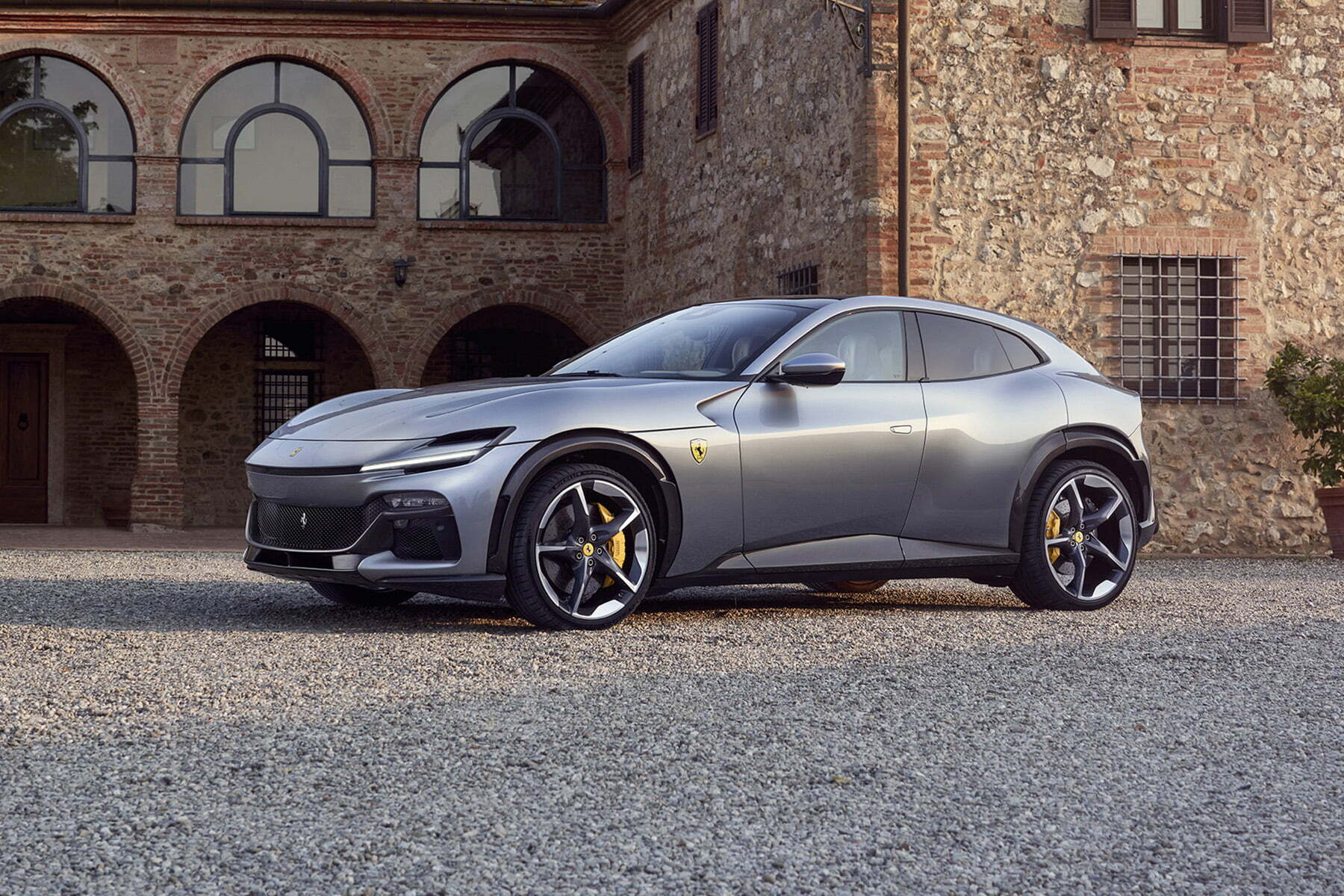
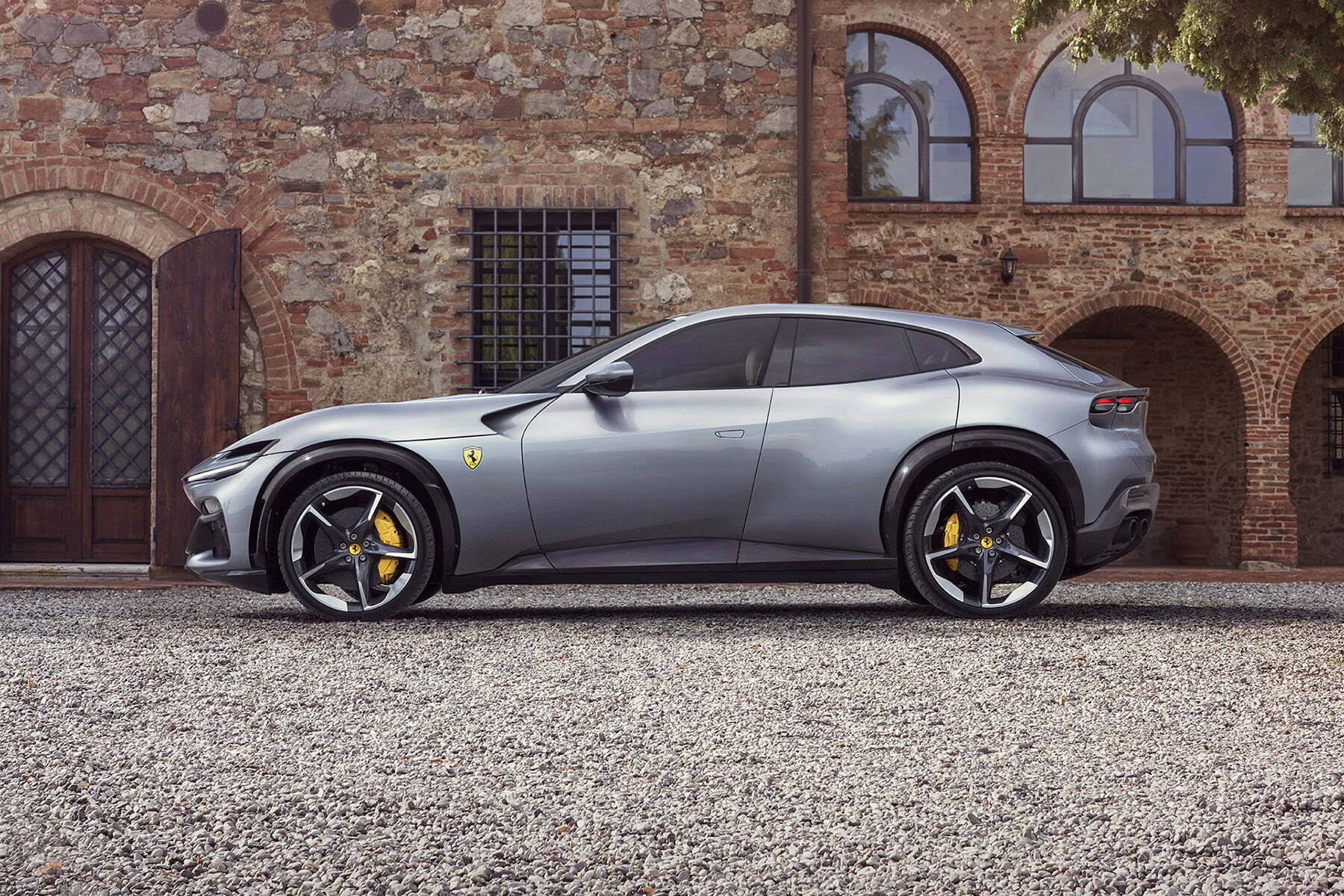
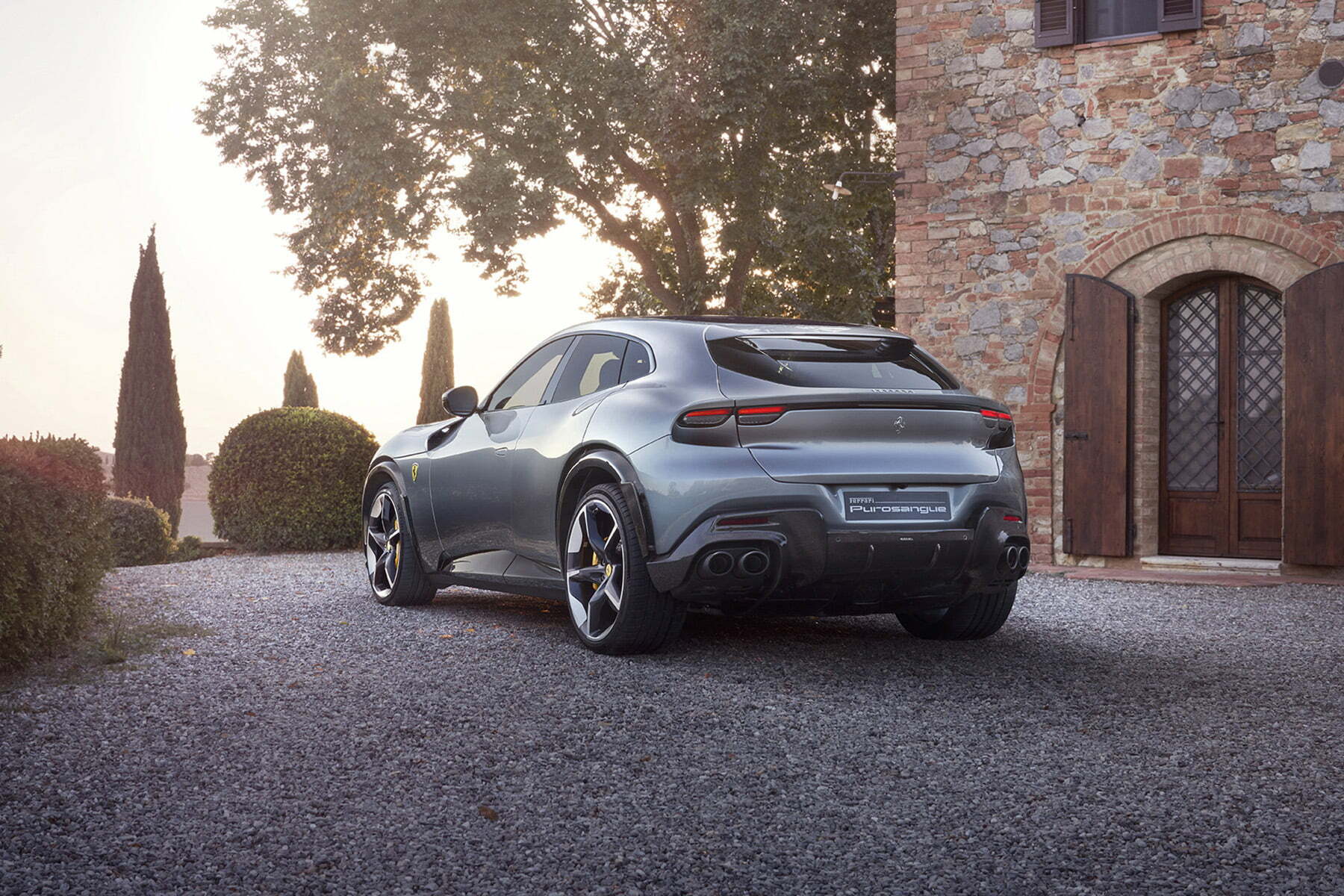
The Ferrari Purosangue is a performance SUV/crossover and the company’s first five-door production vehicle. It went on sale in the UK in Spring 2023, with the first customer deliveries expected later this year.

The Purosangue is Ferrari’s first SUV model, but the Italian brand prefers to call the car a “dynamic coupé” – and, to be fair, it would probably be rubbish off-road if any of its owners dared to try. But, as much as Ferrari might not like the tag, this car probably defines SUV – sports utility vehicle – better than any other car in the world.

It’s powered by a naturally aspirated 6.5-litre V12 petrol engine, which Parker‘s James Dennison remarks “delivers scarcely believable levels of speed.” Making use of 725hp, the SUV can reportedly muster a 0-62mph sprint time of 3.3 seconds.

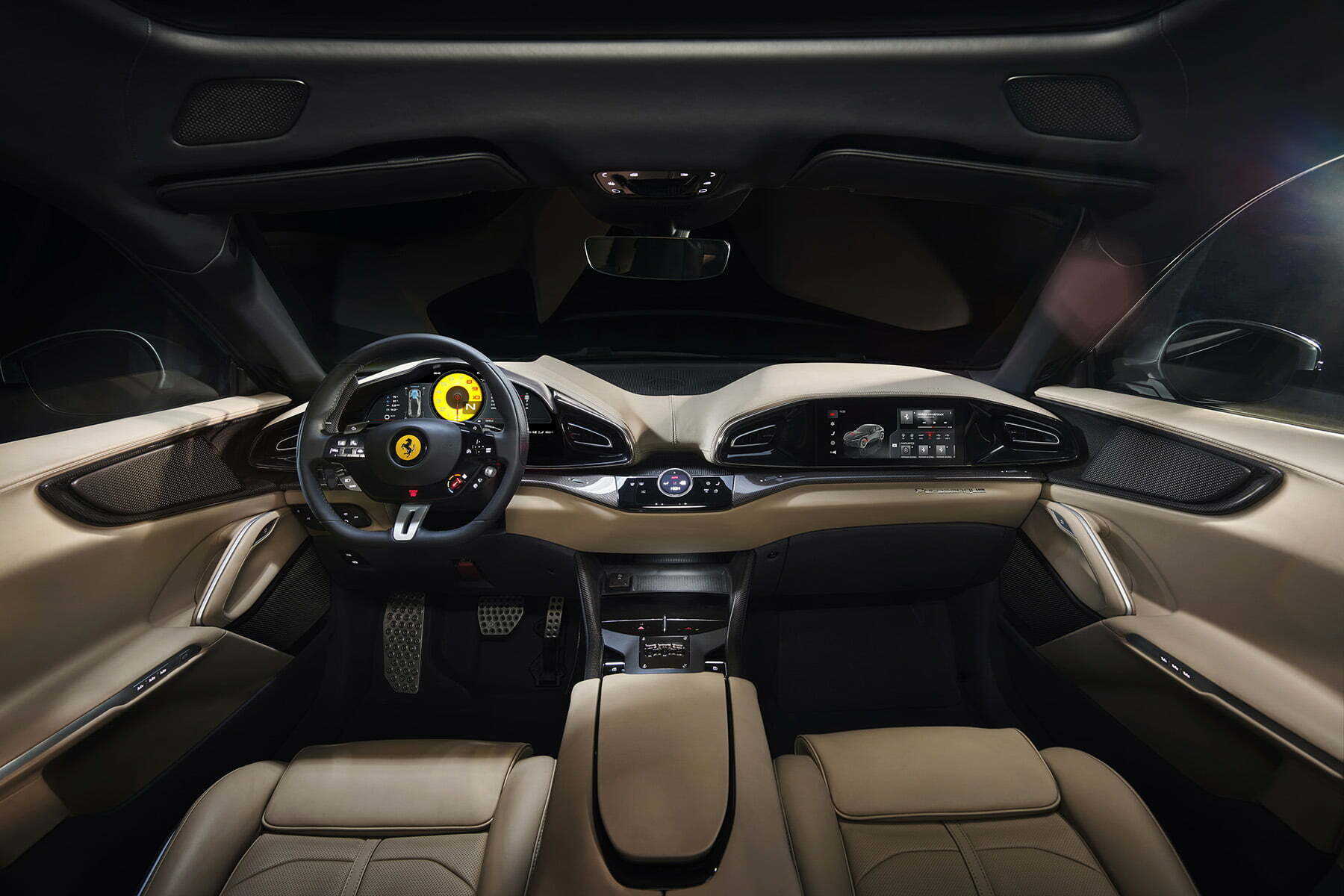
The SUV has been widely praised by the British motoring media for staying true to the typical Ferrari design brief – attractive sporty looks, thrilling sound, pace and handling, and a luxurious cabin finish – while offering the interior space of a mid-sized family car.

“You can comprehend what Ferrari was trying to do”, says Andrew English of The Telegraph, “but also how it has fallen short in a number of areas, which simply doesn’t cut it when you are charging almost a third of a million pounds.” That price is far more expensive than similar types of vehicles from other supercar brands, like the Lamborghini Urus and Aston Martin DBX.

Others question the car’s infotainment and boot space, but should the price tag be a non-issue, UK reviewers agree that these are small complaints that don’t overshadow what Steve Sutcliffe of Auto Express calls “one of the most exciting four-seat cars ever.”

As of March 2026, the Ferrari Purosangue holds a New Car Expert Rating of D with a score of 54%. Despite the car’s high review scores and Ferrari’s better-than-average new car warranty, the Purosangue’s rating is inevitably hampered by its high running costs and very poor CO2 emissions.

Purosangue highlights

  • Superb V12 engine
  • Sports car handling
  • Luxurious and refined interior

Purosangue lowlights

  • Frustrating infotainment
  • Relatively small boot
  • You probably can’t afford it and the waiting list is very long anyway

Key specifications

Body style: Medium five-door SUV/crossover
Engines:
petrol
Price:
From £313,120 on-road

Launched: Spring 2023
Last updated: N/A
Replacement due: TBA

Media reviews

Highlighted reviews and road tests from across the UK automotive media. Click any of the boxes to view.

Featured reviews

More reviews

Car

Parkers

The Sunday Times

The Telegraph

Top Gear

Safety rating

Independent crash test and safety ratings from Euro NCAP

No safety rating

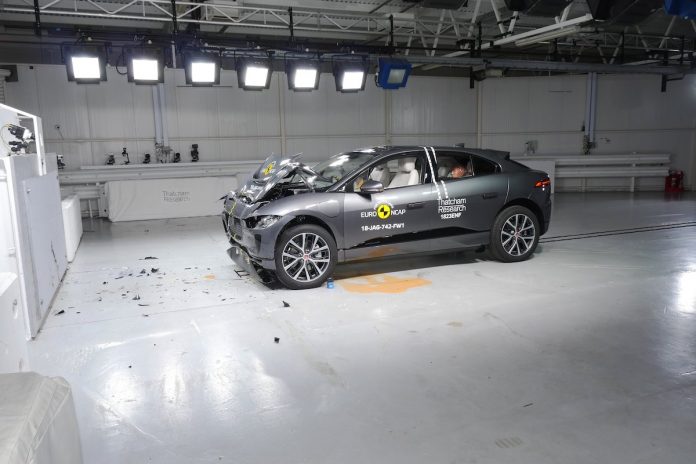
As of March 2026, the Ferrari Purosangue has not been tested by Euro NCAP. Due to its price and exclusivity, it’s unlikely that the Purosangue will ever be put through Euro NCAP’s test programme.

Eco rating

Independent economy and emissions ratings from Green NCAP

No eco rating

As of March 2026, the Ferrari Purosangue has not been assessed by Green NCAP. We’re not expecting it to ever happen, so you’ll just have to guess how eco-friendly a 6.5-litre petrol V12 SUV might be.

Reliability rating

MotorEasy logo 600x167

Reliability data provided exclusively for The Car Expert by MotorEasy

No reliability rating

As of March 2026, we don’t have enough reliability data on the Ferrari Purosangue to generate a reliability rating.

The Car Expert’s reliability information is provided exclusively to us using workshop and extended warranty data from our partner, MotorEasy, sourced from both official dealerships and independent workshops. 

As soon as MotorEasy has sufficient data on the Purosangue, we’ll publish the score here.

Running cost rating

Clear Vehicle Data logo close crop

Monthly cost of ownership data provided exclusively for The Car Expert by Clear Vehicle Data

Fuel consumptionAverageScore
Petrol models16 mpgE
CO₂ outputAverageScoreVariationScore
Petrol models393 g/kmE
Insurance groupAverageScoreVariationScore
All models50F
Service and maintenanceCostScore
Year 1£1A
Year 2£1A
Year 3£1A
Year 4£1A
Year 5£1A
Overall£5A

The Ferrari Purosangue is a very expensive car to own and run, according to whole-life cost numbers provided exclusively to The Car Expert by our data partner, Clear Vehicle Data.

The car’s fuel economy of 16 mpg is one of the worst fuel consumption stats in our Expert Rating Index, and insurance premiums are in the most expensive bracket too.

The good news is that all new Ferraris include seven years of scheduled servicing and maintenance, which means there’s no excuse for owners not to get their cars serviced on time, every time.

Warranty rating

New car warranty information for the Ferrari Purosangue

Overall ratingC55%
New car warranty duration4 years
New car warranty mileageUnlimited miles
Battery warranty duration0 years
Battery warranty mileage0 miles

Ferrari’s new car warranty is better than average, and comparable to other manufacturers operating in the same stratospheric levels of the new car market.

The duration is four years, with no limit on mileage – although, in reality, the mileage numbers are likely to be fairly irrelevant as most Ferraris cover far fewer miles per year than the average family car.

The Purosangue is a purely petrol-powered Ferrari, so it doesn’t get the enhanced new car warranty that plug-in hybrid models like the 296 and SF90 get.

Awards

Trophies, prizes and awards that the Ferrari Purosangue has received.

Ferrari Purosangue – Best Luxury SUV – The Car Expert Awards 2024

2023

  • The Car Expert Awards – Best Luxury SUV

Similar cars

If you’re looking at the Ferrari Purosangue, you might also be interested in these alternatives.

Current models: Aston Martin DBX | Audi RS Q8 | Bentley Bentayga | BMW X7 | Land Rover Range Rover Sport | Mercedes-AMG GLE 63 | Mercedes-AMG G 63 | Porsche Cayenne | Porsche Taycan Cross Turismo | Rolls-Royce Cullinan

Discontinued models: Maserati Levante | Range Rover Sport | Range Rover

More news, reviews and information about the Ferrari Purosangue at The Car Expert

Everything you need to know about Ferrari

Everything you need to know about Ferrari

Best Luxury SUV 2024

Best Luxury SUV 2024

All-new 725hp Ferrari Purosangue unveiled

All-new 725hp Ferrari Purosangue unveiled

Buy a Ferrari Purosangue

If you’re looking to buy a new or used Ferrari Purosangue, The Car Expert’s partners can help you find the right car.

Motors 600x300

Find your next used car with Motors. Find out more

Auto Trader logo 600x300

Find your next new or used car with Auto Trader. Find out more

Carwow logo 600x300

Find your next new or used car with Carwow. Find out more

How to store tyres correctly

Do you swap your tyres with the seasons, changing them over twice a year for winter and summer use? If you do – or are thinking of doing so – it’s worth knowing how to store any tyres that are not in use.

Many drivers have two sets of tyres that they change at different times of the year – winter tyres with chunkier tread patterns for the cold months and regular ‘summer’ tyres for the rest of the year. 

Having both sets of rubber is a good idea in terms of safety and performance, but making this investment is not cheap so you need to look after the tyres you take off your car in the correct manner while you’re storing them.

If they’re not stored properly, tyres can become damaged or perished and all the benefits of having both sets are lost.

Prepare first

Before putting tyres away for the season make sure they are clean and free of road dirt and brake dust. Scrub with a brush or use a pressure washer to get as much dirt off as possible. Water is fine but you can use a mild detergent too. However if you do, make sure it is thoroughly rinsed off. Tyres also need to be dry before being stored. Take as much water off them with a towel or cloth first and then allow them to air dry for a couple of days, out of direct sunlight.

Store tyres inside

Keep your tyres stored inside and in the kind of temperature that they would be used to if they were on your car. So if you’re storing winter tyres, make sure they are kept in a cool environment while, if it’s summer tyres that are going away, don’t leave them somewhere where it’s likely to become very cold. 

A house’s integral garage will provide suitable insulation from outside temperatures in most cases, but a garden shed can become icy cold in the winter and too hot in the summer.

Ideally, put each tyre in a plastic bag and squeeze all the air out, or use a vacuum cleaner to suck it out, before taping up the opening. Being airtight reduces the chances of evaporation of the natural oils in the tyre and helps prevent them drying out and cracking.

Tyres can get very hot wrapped up in a plastic bag so make sure they are kept covered or in the shade and definitely out of the way of any direct sunlight.

Stand or lie?

It doesn’t make a whole lot of difference whether you stack your tyres up or stand them next to each other although it’s widely accepted that tyres with wheels should be stacked, while tyres off their rims can be stood up. Never stack tyres too high as you risk them falling and damaging not only themselves but anything stored around them. A pile of tyres can be very heavy.

There is a third storage option – hanging tyres. However, this is not recommended for long periods as it can cause the tyre to miss-shape in a way that can not easily be rectified.

How long will they last?

Tyres are generally designed to last from three to ten years but that, of course, depends on how much they are used. Usually you can expect 20,000 to 40,000 miles of driving, depending on make and quality, not to mention driving style. But taken off a car, when they’re not even in contact with the road, you could get that magical decade of use out of them if they are well looked after.

Putting tyres back on

Even well-kept tyres can still dry and crack over time when they are being stored so always give each one a good inspection for signs of deterioration or damage each time you go to put stored tyres back on to your car. And if you spot anything that doesn’t look right, take the tyre to a specialist at a fitting station and ask for their advice. 

Hotel stay

Some drivers like the idea of rotating tyres seasonally and storing them, but simply don’t have the space to do it. There is an answer: the tyre hotel. Some professional organisations, such as tyre supply and fitting companies, offer this inexpensive and useful service. Kept in dry, ventilated warehouses, your tyres can be put away for the two different seasons for around £15 per set per year. And when you’re ready to swap from one set of tyres to the other, most suppliers will do that for you too, for a fitting fee.

Read more:

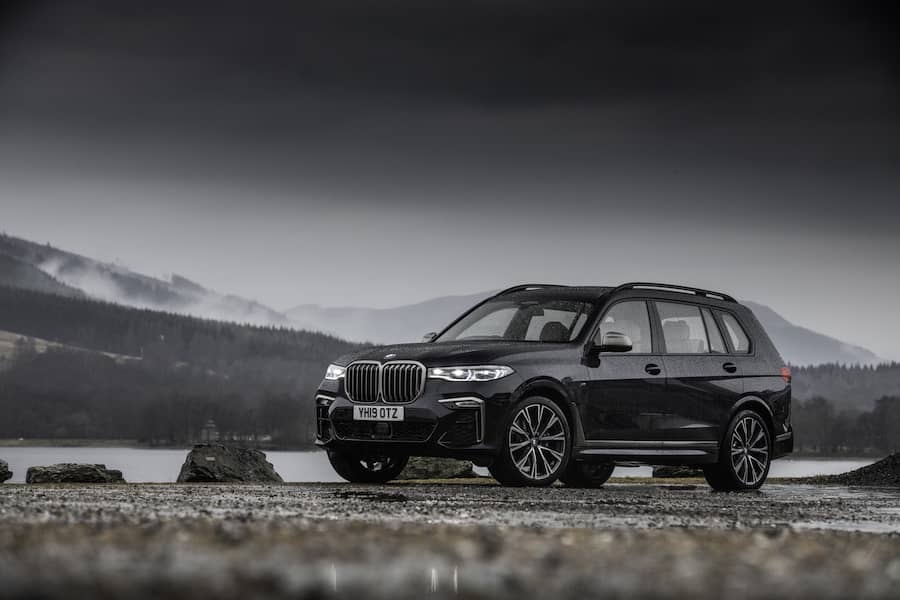
BMW X5 M

Summary

The BMW X5 M is a large SUV/crossover and the high-performance version of the current X5. It first arrived on UK roads in 2020, with a facelift in Spring 2023.

The X5 M gets some cosmetic changes over the regular X5, more safety tech and a 4.4-litre twin-turbocharged V8 engine with mild-hybrid assistance. Here in the UK, only the top-spec ‘Competition’ model is available, which produces 617hp and can complete a 0-62mph sprint in 3.8 seconds.

Described by the Top Gear team as “mad, bad and dangerously expensive”, the motoring media have widely commended the X5 M for its thrilling pace and acceleration, as well as its handling agility and body control, but many reviewers simply cannot overlook its steep six-figure pricing.

“It’s a hugely impressive piece of kit and highly effective, but it’s wildly expensive”, says Car‘s Georg Kacher, adding that the SUV is not a very practical choice for the daily commute, particularly when compared to the upper end of the regular X5 range.

As of February 2026, the BMW X5 M holds a lowly New Car Expert Rating of E, with a score of 45%. It doesn’t score well in any area other than safety, where it has a good rating. Although motoring journeys enjoy driving it, they don’t score it highly, while running costs are very expensive. The X5 also has a poor reliability record, which drags the overall rating down further.

X5 M highlights

  • Seriously powerful
  • Attractive exterior styling
  • High-quality interior
  • Class-leading infotainment
  • Responsive handling

X5 M lowlights

  • Thirsty V8 engine
  • Rather firm ride comfort
  • Regular X5 has a bigger boot
  • Expensive six-figure price tag
  • Not as practical as cheaper X5 models

Key specifications

Body style: Large SUV
Engines:
petrol, petrol mild-hybrid
Price:
From £126,610 on-road

Launched: Autumn 2020
Last updated: Spring 2023
Replacement due: TBA

Media reviews

Reviews, road tests and comparisons from across the UK automotive media. Click any of the boxes to view.

Auto Express

Car

Carbuyer

Carwow

Evo

The Sunday Times

Top Gear

Safety rating

Independent crash test and safety ratings from Euro NCAP

Overall score: 5 stars
Date tested: December 2018
Date expired: January 2025
Read the full Euro NCAP review

Adult protection: 89%
Child protection: 86%
Vulnerable road users: 75%
Safety assist: 75%

The BMW X5 M shares its safety score with the regular X5 range, which was awarded a five-star rating in 2018.

Eco rating

Independent economy and emissions ratings from Green NCAP

No eco rating

As of February 2026, the BMW X5 M has not been tested by Green NCAP.

Reliability rating

MotorEasy logo 600x167

Reliability data provided exclusively for The Car Expert by MotorEasy

All data based on MotorEasy average workshop costs for extended car warranty claims

The BMW X5 family (including the X5 M) has a very poor reliability record, with a score of just 15% as of April 2025 (our most recent data point). This applies to both the current-generation X5 models and previous generations.

More than a third of reported faults relate to suspension problems, with an average repair bill of about £950. But a significant number also relate to engine and gearbox issues, which have an average repair cost of more than £2,300.

Overall, average repair costs for the X5 family are higher than average. If you own a BMW X5 M or are interested in buying a used X5 of any flavour, make sure that any used car warranty you purchase covers you for all the potential problem areas shown above.

Running cost rating

Clear Vehicle Data logo close crop

Monthly cost of ownership data provided exclusively for The Car Expert by Clear Vehicle Data

Fuel consumptionAverageScore
Petrol models22 mpgE
CO₂ outputAverageScoreVariationScore
Petrol models293 g/kmE
Insurance groupAverageScoreVariationScore
All models50F
Service and maintenanceCostScore
Year 1£673E
Year 2£1,354E
Year 3£2,100E
Year 4£2,498E
Year 5£3,405E
Overall£10,030E

The BMW X5 M is a very expensive car to own and run, according to whole-life cost numbers provided exclusively to The Car Expert by our data partner, Clear Vehicle Data.

Fuel consumption is unsurprisingly poor, given than the X5 M is a big and heavy SUV powered by a twin-turbocharged, petrol V8 engine.

Servicing costs are also high while the X5 M inevitably falls into the top insurance group of 50, which is likely to mean expensive car insurance premiums.

Similar cars

If you’re looking at the BMW X5 M, you might also be interested in these alternatives.

Alfa Romeo Tonale | Audi RS Q3 | BMW X3 M | Cupra Ateca | Jaguar E-Pace | Mercedes-AMG GLE 63 | Porsche Macan S | Volkswagen Tiguan R

More news, reviews and information about the BMW X5 M at The Car Expert

Revised BMW iX SUV unveiled

Revised BMW iX SUV unveiled

Everything you need to know about BMW

Everything you need to know about BMW

BMW updates X5 M and X6 M Competition

BMW updates X5 M and X6 M Competition

BMW X5 and X6 given mid-life refresh

BMW X5 and X6 given mid-life refresh

BMW X5 (2014 to 2018)

BMW X5 (2014 to 2018)

The ten best-selling plug-in hybrid cars of 2021

The ten best-selling plug-in hybrid cars of 2021

BMW X5

BMW X5

BMW X5 test drive

BMW X5 test drive

Five-star safety ratings for seven new models

Five-star safety ratings for seven new models

BMW UK recalls 268,000 diesel cars over risk of fire

BMW UK recalls 268,000 diesel cars over risk of fire

Summer debut for new BMW X5 SUV

Summer debut for new BMW X5 SUV

Buy a BMW X5 M

If you’re looking to buy a new or used BMW X5 M, The Car Expert’s partners can help you find the right car.

Motors 600x300

Find your next used car with Motors. Find out more

Auto Trader logo 600x300

Find your next new or used car with Auto Trader. Find out more

Carwow logo 600x300

Find your next new or used car with Carwow. Find out more

Lease a BMW X5 M

If you’re looking to lease a new BMW X5 M, The Car Expert’s partners can help you find a competitive deal.

Leasing-com logo

Personal contract hire deals from Leasing.com. Find out more

Carparison 600x300

Personal contract hire deals from Carparison Leasing. Find out more

Select Car Leasing logo

Personal contract hire deals from Select Car Leasing. Find out more

Mini Clubman marked for retirement with ‘Final Edition’

0

Mini has announced that production of its compact Clubman estate car is coming to a close, and a limited-run ‘Final Edition’ version of the family car is now on sale.

As a final send off to the Clubman which has been on sale in the UK since 2015, Mini is now manufacturing close to 1,700 of these limited edition models, with only 100 destined for sale in the UK.

Powered by a 178hp 2.0-litre twin-turbocharged petrol engine – the same powertrain as the Mini Cooper S, the Clubman Final Edition can reportedly muster a 0-62mph sprint time of 7.2 seconds, with its top speed electronically limited at 142mph.

The Final Edition sits on unique two-tone 18-inch alloy wheels, and comes with several exterior styling tweaks, including copper-coloured grille surrounds and decals above the side skirts and on the boot lid.

‘Final Edition’ branding features on the rear fascia, and the car’s position on the production line (between ‘1’ and ‘1,969’) can be found on the rear window surround. Black, white and silver bodywork colours are available.

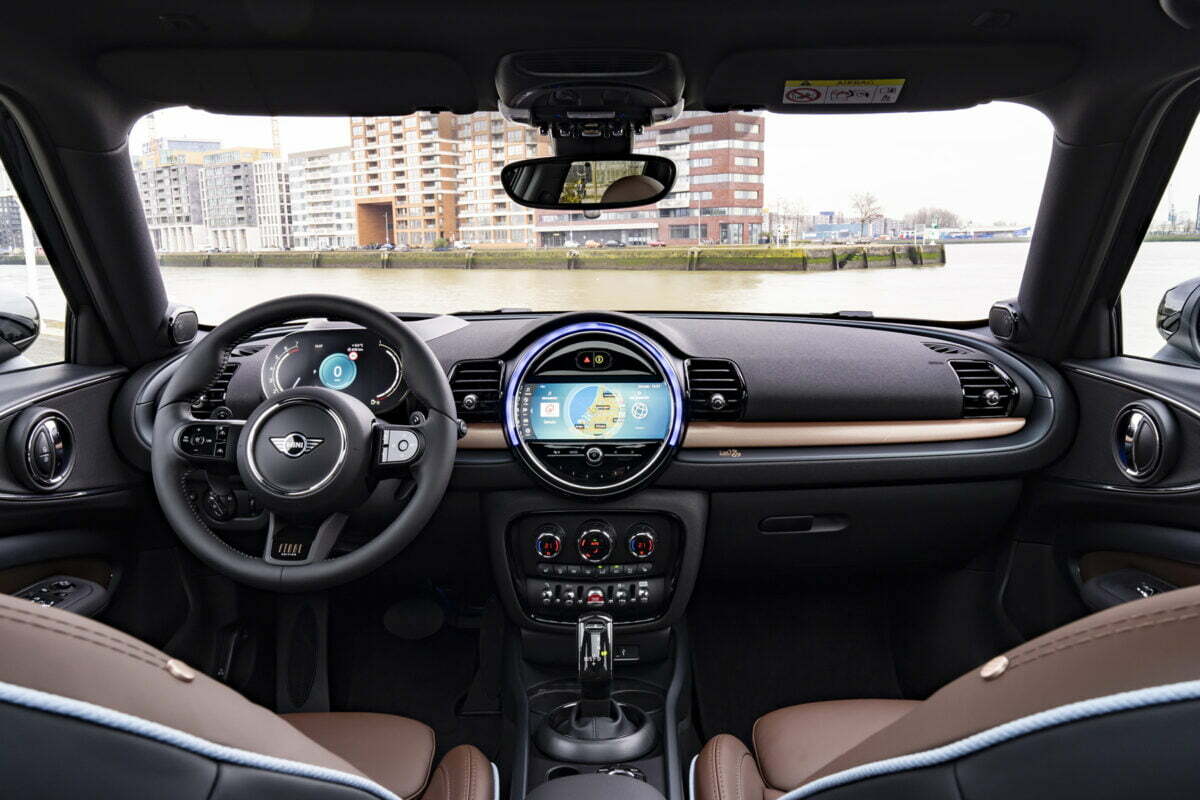
The limited-run Clubman comes with a panoramic glass sunroof and privacy glass in the rear. Inside, a nine-inch infotainment touchscreen sits in the centre of a black dashboard with a beige insert. The leather upholstery follows the same colour scheme, while the leather steering wheel is also finished with a ‘Final Edition’ emblem.

Standard equipment includes a rear view parking camera, parking sensors and a premium sound system, as well as heated seats.

The Clubman Final Edition is now on sale in the UK, with prices starting at £37k. The Clubman’s replacement – the all-electric Mini Aceman – is currently in testing, and is scheduled to launch alongside the next-generation Mini hatch in 2024.

Currently holding an Expert Rating of 65%, the Mini Clubman has received generally positive scores during its time on sale, receiving particular praise for its high level of personalisation and overall comfort. However, it has also been criticised for numerous styling clichés that compromise its functionality, as well as being relatively expensive.

Looking for a Mini Clubman? The Car Expert’s partners can help

Carwow logo 600x300

Discover great deals available on both new and used cars. Find out more

Auto Trader logo 600x300

Search for your next new or used car with Auto Trader. Find out more

Cazoo 600x300

Buy a car online from your sofa.
We’ll deliver it. Find out more

Motors 600x300

Search less, live more. We make finding the right car simple. Find out more

Carparison 600x300

Personal contract hire deals from Carparison Leasing. Find out more

Hippo Leasing 600x300

Personal contract hire deals from Hippo Leasing. Find out more

Moneyshake logo 600x300

Personal contract hire deals from Moneyshake. Find out more

LeaseLoco logo 600x300

Personal contract hire deals from LeaseLoco. Find out more

Ready2Lease logo

Personal contract hire deals from Ready2Lease. Find out more

Rivervale Leasing logo 2022

Personal contract hire deals from Rivervale Leasing. Find out more

‘Black Arrow’ signals end of Rolls-Royce Wraith production

0

Rolls-Royce has unveiled the final special collection of models in its Wraith ‘Black Badge’ range, which the brand says marks the end of the luxury V12 coupé’s decade-long production cycle.

Called the ‘Black Arrow’, this special model design is limited to just 12 examples worldwide and is the last V12-powered Rolls-Royce model to ever go into production.

Featuring a two-tone colour gradient that fades from silver in the front to black in the rear, the Black Arrow’s exterior looks are inspired by the Rolls-Royce Thunderbolt which set world land speed records in the 1930s.

Yellow bumper inserts and alloy wheel pinstripes are matched by yellow leather upholstery and yellow accents on the steering wheel, dashboard, air vents and clock bezel in the cabin. The door panels are finished with an open-pore black wood, an irregular surface that mimics the Bonneville Salt Flats that the Thunderbolt broke records on nearly 90 years ago.

Aluminium etchings of the Thunderbolt’s V12 design feature on the passenger side of the dashboard, and ‘arrow’ details feature on the car’s headrests and treadplates. The Black Arrow also gets the Rolls-Royce ‘starlight headliner’ treatment, which incorporates over two thousand fibre-optic ‘stars’ on the interior roof.

On sale since 2014, the Rolls-Royce Wraith has been warmly regarded by the British motoring media for almost a decade, praised for its luxurious cabin trim and its refined engine, although consumer-centric publications consistently mention that the Wraith is very expensive to run day-to-day. Now at the end of its lifespan, the high-end coupé currently holds an Expert Rating of 79%.

Looking for a Rolls-Royce Wraith? The Car Expert’s partners can help

Motors 600x300

Search less, live more. We make finding the right car simple. Find out more

Specialist Car Finance logo black 600x300

Specialist car finance solutions for the finest vehicles.
Find out more

Limited-run Polestar 2 BST edition 230 now on sale

0

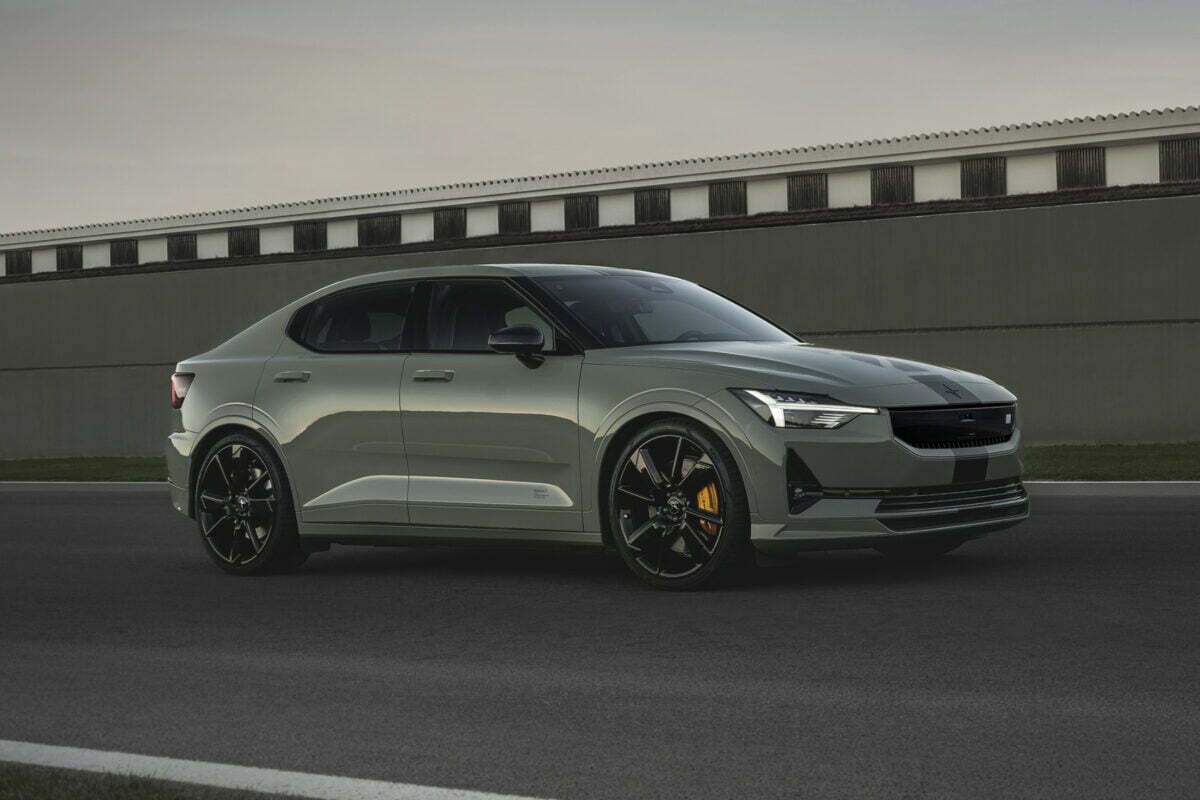
The second limited-run version of the all-electric Polestar 2 saloon has been announced. Called the ‘BST edition 230’, it comes with a few performance enhancements over standard models.

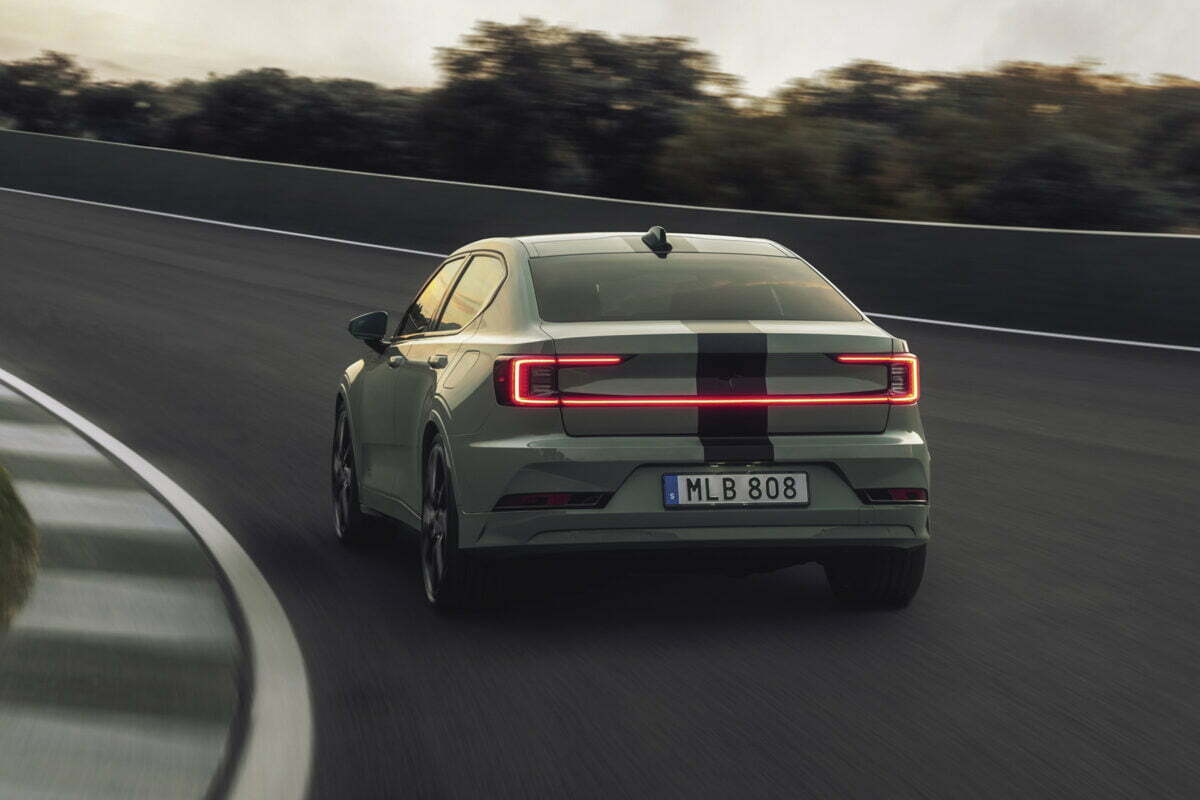
This limited-edition version also comes with some optional bodywork decals in the form of a centred stripe that runs from front to back. It is available in an exclusive ‘Nebula’ green exterior colour, which is matched by a microsuede interior finish.

Like the previous ‘BST edition 270’ special variant, the 230 has had its ride height lowered by two centimetres, been fitted with an adjustable suspension upgrade that stiffens the car’s ride, and sits on black 21-inch alloy wheels wrapped in Pirelli track tyres.

The car is powered by the same battery pack found in the ‘Long range Dual motor with Performance pack’ trim found at the top of the standard range, this unit producing 476hp and a 0-62mph sprint time of 4.4 seconds.

The BST edition 230 is now available to order, with prices starting at just under £74k (£75k when stripe decal included). If you are interested, you will have to order quickly – only 230 of these models will be sold worldwide. Polestar expects to deliver the first of these orders in Autumn this year.

The Polestar 2 has received many positive reviews from the UK motoring media, as it has been particularly praised for its design, both internal and external, as well as for its performance and outstanding Euro NCAP safety scores. It currently holds an Expert Rating of 75%.

Looking for a Polestar 2? The Car Expert’s partners can help

Carwow logo 600x300

Discover great deals available on both new and used cars. Find out more

Auto Trader logo 600x300

Search for your next new or used car with Auto Trader. Find out more

The UK’s automotive search engine. All the cars in one place. Find out more

Carparison 600x300

Personal contract hire deals from Carparison Leasing. Find out more

Moneyshake logo 600x300

Personal contract hire deals from Moneyshake. Find out more

Rivervale Leasing logo 2022

Personal contract hire deals from Rivervale Leasing. Find out more

LeaseLoco logo 600x300

Personal contract hire deals from LeaseLoco. Find out more

BYD Atto 3

Summary

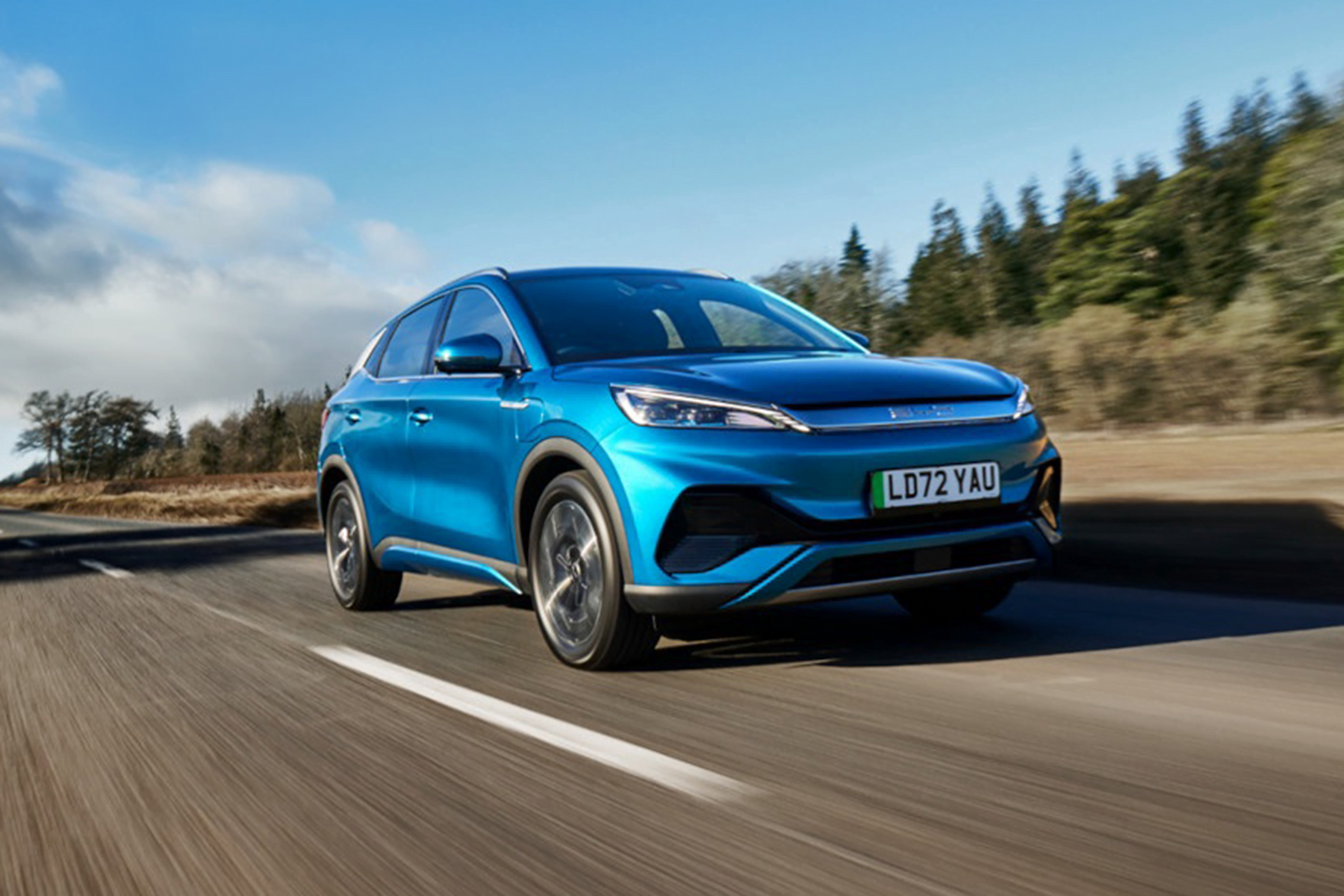
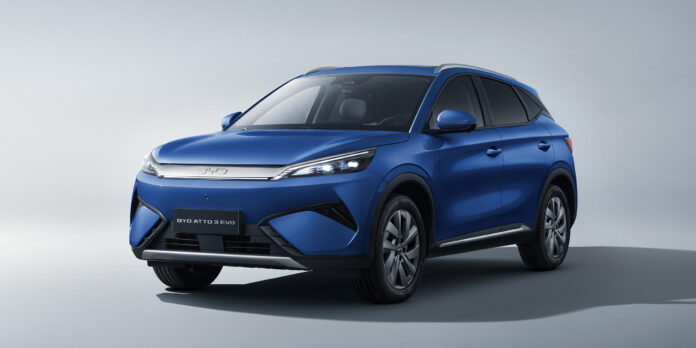
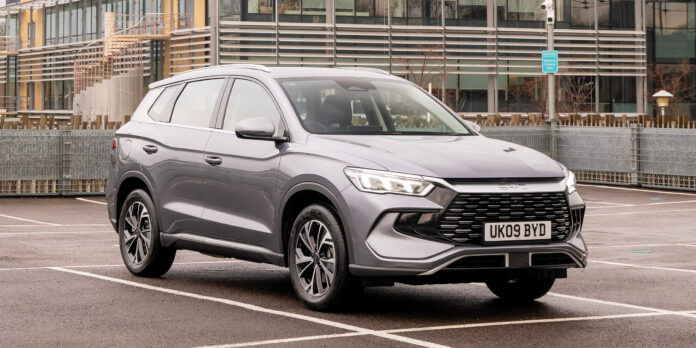
The BYD Atto 3 is a mid-sized all-electric SUV, and its Chinese manufacturer’s first foray into the UK market. The model became available to order in Spring 2023 and started hitting UK roads a few months later.

Arriving to challenge established family-sized EVs like the Kia Niro EV and Volkswagen ID.4, Car‘s Alan Taylor-Jones comments that the Atto 3 is “a solid start” for the BYD brand – a competitive performance package with a respectable battery range and plenty of on-board tech for a reasonable price tag. “It’s not as satisfying to drive as the best in class, but it’s comfier than most which goes a long way to make up for it.”

“The character of this car is off-putting in the end”, says Erin Baker of Auto Trader. “The brakes and steering lack the dynamic finesse of cars designed for European drivers.” Parkers concludes that the Atto 3’s rear headroom is “not great”. The Carbuyer team also points out that BYD is a new name with an unknown long-term reliability record.

Despite its drawbacks when compared to more expensive rivals, reviewers generally believe that the Chinese manufacturer has produced a credible contender in one of the fastest-growing and most competitive segments in the new car market, which bodes well for future models.

As of February 2026, the BYD Atto 3 holds a New Car Expert Rating of A, with a score of 73%. It scores top marks for its excellent safety rating and zero tailpipe emissions, although media reviews have been less complimentary so far. We don’t currently have a complete set of running costs, so this score could change once those are available, and it’s still too early to have any meaningful reliability data as the Atto 3 is a brand-new model.

Atto 3 highlights

  • Well-built, upmarket interior
  • Well-equipped as standard
  • Comfortable driving experience
  • Reasonably priced

Atto 3 lowlights

  • Long-term reliability unknown
  • Charging speeds could be quicker
  • Rivals are more fun to drive
  • Rear headroom is rather tight

Key specifications

Body style: Medium SUV/crossover
Engines:
electric, battery-powered
Price:
From £36,490 on-road

Launched: Spring 2023
Last updated: N/A
Replacement due: TBA

Media reviews

Highlighted reviews and road tests from across the UK automotive media. Click any of the boxes to view.

The Car Expert

Auto Express

Auto Trader

Business Car

Car

Carbuyer

Carwow

Driving Electric

Electrifying.com

Green Car Guide

Heycar

Honest John

Parkers

The Scotsman

The Sunday Times

The Telegraph

Top Gear

Safety rating

Independent crash test and safety ratings from Euro NCAP

Overall score: 5 stars
Date tested: October 2022
Read the full Euro NCAP review

Adult protection: 91%
Child protection: 89%
Vulnerable road users: 69%
Safety assist: 74%

Eco rating

Independent economy and emissions ratings from Green NCAP

No eco rating

As of February 2026, the BYD Atto 3 has not been tested by Green NCAP.

Reliability rating

MotorEasy logo 600x167

Reliability data provided exclusively for The Car Expert by MotorEasy

No reliability rating

As of February 2026, we don’t have enough reliability data on the BYD Atto 3 to generate a reliability rating.

The Car Expert’s reliability information is provided exclusively to us using workshop and extended warranty data from our partner, MotorEasy, sourced from both official dealerships and independent workshops. 

As soon as MotorEasy has sufficient data on the Atto 3, we’ll publish the results here.

Running cost rating

Clear Vehicle Data logo close crop

Monthly cost of ownership data provided exclusively for The Car Expert by Clear Vehicle Data

Battery rangeAverageScoreVariationScore
EV models260 milesB
Electrical efficiencyAverageScoreVariationScore
EV models4.3 m/KWhB

As of February 2026, we don’t have a complete summary of running costs for the BYD Atto 3. At this stage, all we can say is that the electrical efficiency (the equivalent of miles per gallon for a petrol or diesel car) is poor. However, BYD’s advanced battery tech means that the range is still good despite this.

We expect to get insurance and servicing cost data shortly, so check back soon.

Similar cars

If you’re looking at the BYD Atto 3, you might also be interested in these alternatives.

Audi Q4 e-tron | BMW iX1 | Ford Explorer | Hyundai Kona Electric | Kia Niro EV | Mercedes-Benz EQA | MG ZS EV | Tesla Model Y | Volkswagen ID.4 | Volvo XC40 Recharge

More news, reviews and information about BYD at The Car Expert

BYD Seal 6

BYD Seal 6

BYD Atto 3 Evo review – first UK drive

BYD Atto 3 Evo review – first UK drive

The UK is becoming a battleground for Chinese car brands

The UK is becoming a battleground for Chinese car brands

Seven-seat BYD Ti7 set for UK arrival

Seven-seat BYD Ti7 set for UK arrival

Why UK buyers need to start taking Chinese cars seriously

Why UK buyers need to start taking Chinese cars seriously

BYD Seal U review

BYD Seal U review

Pricing announced for BYD Atto 3 ‘Evo’

Pricing announced for BYD Atto 3 ‘Evo’

BYD Seal updated with more storage and added tech

BYD Seal updated with more storage and added tech

BYD Sealion 5 review – first UK drive

BYD Sealion 5 review – first UK drive

BYD Atto 3 SUV gets powertrain improvements

BYD Atto 3 SUV gets powertrain improvements

BYD Sealion 5

BYD Sealion 5

BYD bolsters UK line-up with new Sealion 5 DM-i SUV

BYD bolsters UK line-up with new Sealion 5 DM-i SUV

Buy a BYD Atto 3

If you’re looking to buy a new or used BYD Atto 3, The Car Expert’s partners can help you find the right car.

Motors.co.uk logo transparent 600x300

Find your next used car with Motors.co.uk. Find out more

Auto Trader logo 600x300

Search for your next new or used car with Auto Trader. Find out more

Carwow logo 600x300

Discover great deals available on both new and used cars. Find out more

Lease a BYD Atto 3

If you’re looking to lease a new BYD Atto 3, The Car Expert’s partners can help you find a competitive deal.

Carparison 600x300

Personal contract hire deals from Carparison Leasing. Find out more

Leasing-com logo

Personal contract hire deals from Leasing.com. Find out more

Carwow logo 600x300

Personal contract hire deals from Carwow. Find out more

Subscribe to a BYD Atto 3

Subscriptions are becoming a very popular way for consumers to try an electric car for a few weeks or months to help decide whether it’s a suitable alternative to a petrol car. If you’re interested in a car subscription, The Car Expert’s partners can help. (PS: What’s a car subscription?)

Cocoon Vehicles logo 600x300

Car subscriptions from Cocoon.
Find out more

Just Vehicle Solutions logo 600x300

Car subscriptions from Just Vehicle Solutions.
Find out more

Flexible Vehicle Contracts logo 600x300px

Car subscriptions from Flexible Vehicle Contracts.
Find out more

All-electric Ford Explorer unveiled

0

Ford has given us a first look at its next-generation Ford Explorer – an electric (EV) all-wheel drive SUV offering up to 340hp, built on the same foundations as the Volkswagen ID.4.

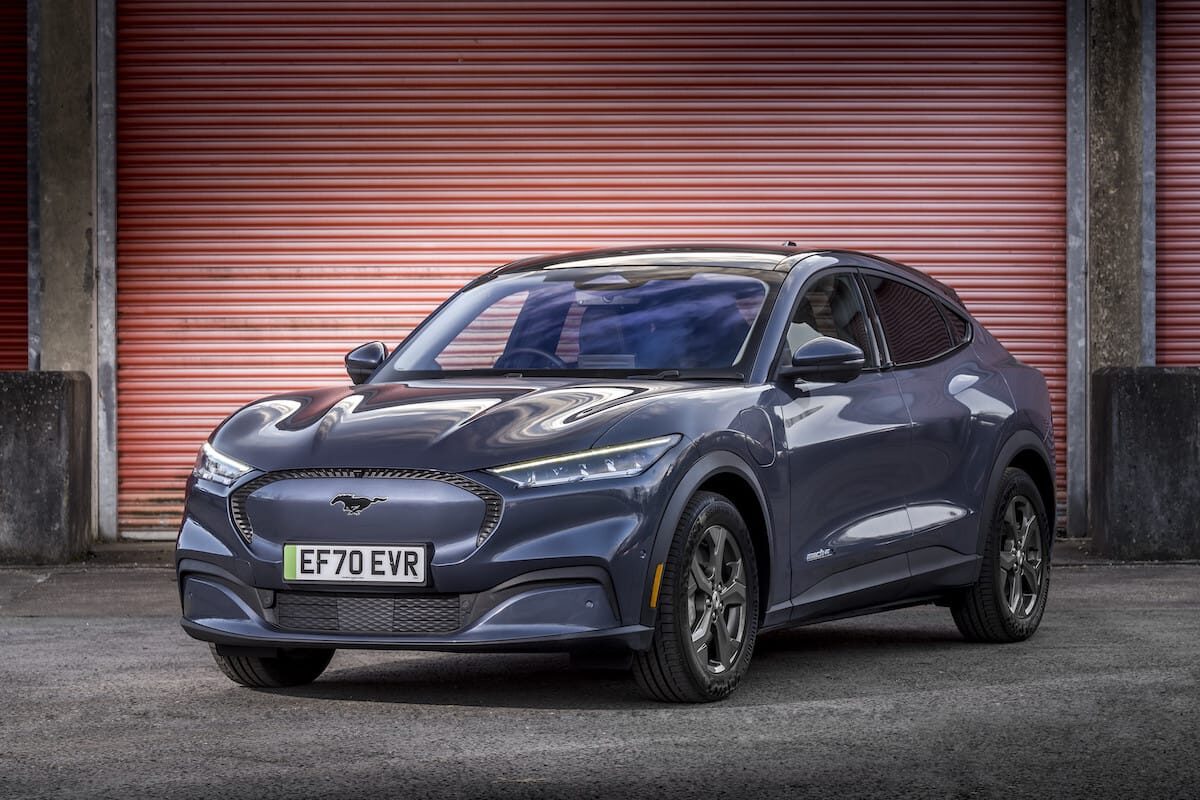
Soon to join Ford’s electric line-up alongside the sportier Mustang Mach-E SUV, the Explorer is the latest product of a partnership between Ford and Volkswagen that has already birthed pick-up and commercial van models.

Using the ‘Explorer’ moniker that has been very popular across the USA for over three decades, this new EV will be manufactured in Cologne, Germany. “Steeped in Ford’s American roots”, the brand says that the new Explorer is designed for European roads and customers.

Ford hasn’t released much about the SUV’s drivetrain as of yet, but the car will reportedly launch with two battery options available across two different trim levels, and Ford adds that the car is compatible with rapid charging stations, and can charge from 10% to 80% battery in 25 minutes.

The Explorer’s “futuristic” exterior looks are matched by “ultra-modern interior”, which features an adjustable portrait-oriented 15-inch infotainment screen below the centre of the dashboard that is compatible with Android Auto and Apple CarPlay, and conceals a small storage space for valuables.

Speaking of storage, the centre console opens to reveal 17 litres of space, enough to fit a laptop, and the SUV comes with 450 litres of boot space – more than the Mach-E.

A sound bar stretches across the dashboard, which shows off the car’s ambient lighting system, which also features on the car doors and centre console. The cabin is covered in soft-touch materials, and standard models come with heated front seats and a heated steering wheel, as well as keyless entry and an electronically-operated tailgate.

That sums up what we know about the 2023 Ford Explorer so far – more details, including UK pricing, are sure to follow in the coming months.

How EV battery range has improved over the years

The popularity of electric vehicles is growing rapidly each year as we head towards the end of new petrol and diesel cars from 2030. Back in 2017, about 4,000 new EVs were sold in the UK – this year, that number could exceed 300,000 cars.

But there are still many motorists who dismiss any thought of owning an EV, discouraged particularly by what has been dubbed ‘range anxiety’ – the fear that your car will run out of battery charge and you’ll be left stranded, many miles from the nearest charging point.

Certain sections of the tabloid media still trot out this view, with stories concerning EVs that routinely claim buyers are put off buying such vehicles by their limited range. And it’s certainly true that plenty of people still hold this perception.

But the reality is very different. Electric vehicles, their batteries and the charging infrastructure have all changed massively. Even in the last five years, things have evolved significantly and battery range continues to improve at a rapid rate. Which means that owners don’t need to charge their cars as often.

Range anxiety used to be a genuine problem

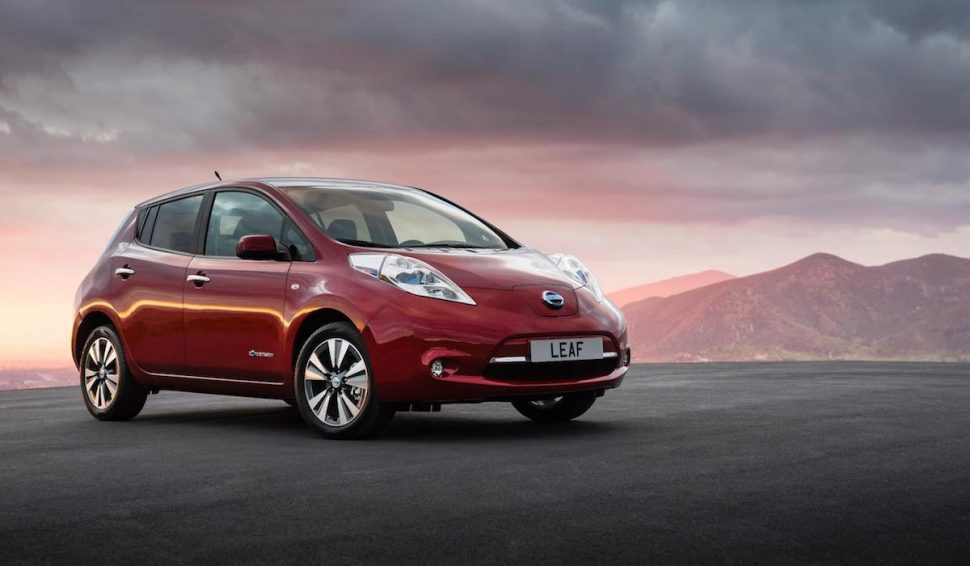
Around 15 years ago, EV pioneers had real range limitations. The first Nissan Leaf offered a battery range of about 100 miles, while the original Smart Fortwo Electric Drive struggled to see even 50 miles on a charge in real-world driving. It was from here that phrase ‘range anxiety’ evolved as a prime reason not to buy an electric car.

The first big step for EV driving range arrived in 2014 with Amercian brand Tesla and its large Model S saloon. With a claimed battery range of more than 300 miles, it was a massive leap forward.

Well, maybe not quite as massive as it sounded. It was quickly reported that the big Tesla didn’t get anywhere near its claimed battery range in real-world driving. Other new arrivals saw similar discrepancies between their official range figures and the real-world numbers. Hyundai and Kia launched the Kona Electric and e-Niro models, respectively, which achieved ranges closer to their lab numbers but still short. The Jaguar I-Pace was similar, too, and all of this was feeding more negative headlines about EVs.

Part of the problem was that the old EU official lab figures were hopelessly inaccurate, and in no way indicative of real-world driving. This was partially addressed with a new testing regime starting in 2017. Called WLTP (don’t ask), it saw more meaningful figures for all new cars – not just EVs but regular petrol or diesel cars as well as hybrids.

As an example, the Nissan Leaf recorded an official battery range of 235 miles on the old testing cycle. This dropped to 168 miles in the new WLTP format, reflecting the more stringent tests.

Unfortunately, some tabloid media outlets used this revision to the testing methodology as another stick with which to beat electric cars, by highlighting how the driving range figures had generally reduced by 20-30%. Strangely, they didn’t bother pointing out that fuel consumption and driving range for petrol and diesel cars were similarly worse under the new system…

The WLTP system isn’t perfect, and the lab figures are usually still in excess of what you will manage in normal driving. But nowhere near to the level we had previously. The other point that is often conveniently overlooked is that petrol, diesel and hybrid cars massively overestimated their fuel economy as well, but without the strident headlines.

Each new model shows improvements to driving range

The first Nissan Leaf claimed a battery range of 100 miles back in 2011, although there were several improvements to the battery during its production life that eked our extra mileage. When the second-generation Leaf launched in 2017, the claimed range was 235 miles. Both of these were on the old EU testing figures, but it still shows the significant improvement in only six years.

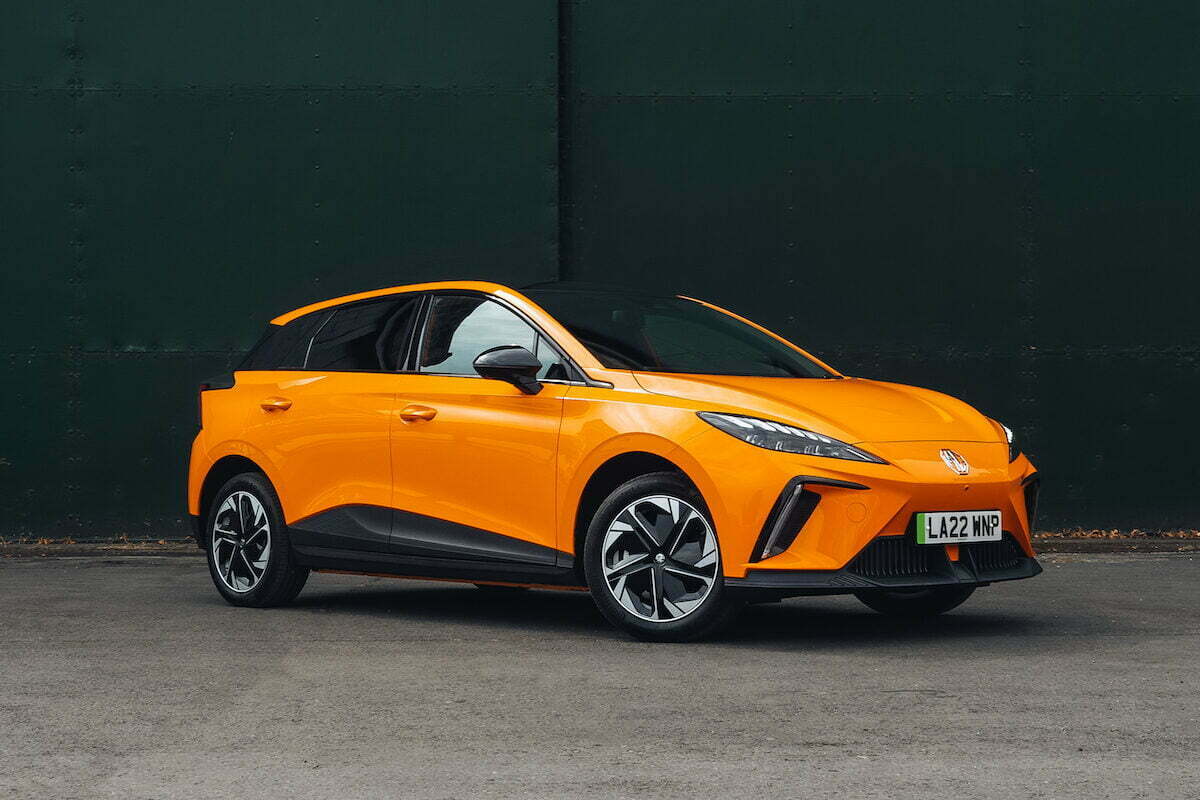
That 235-mile figure was revised to 168 miles under the new testing system. Now, six years later, the Leaf has been well and truly leapfrogged by many new cars that offer significantly longer driving ranges (although a longer-range model is now available that can do 239 miles). For example, the similarly sized MG 4 electric hatchback was launched last year, with a claimed driving range of up to 281 miles – another 115 miles of improvement over the Leaf in just five years.

Similarly, Kia launched its first electric model in 2015. The supermini-sized Soul EV claimed a battery range of 132 miles on the old cycle. The second-generation Soul EV arrived in 2019, boasting a range of 170 miles on the new WLTP testing regime, with a 280-mile long-range version also available.

Several EVs will go even further than many petrol cars – travelling some remarkable distances before you need to plug into a charger. Top-level models from the likes of Mercedes-Benz and Tesla offer official range figures in excess of 400 miles and, while they come with prices to match, a host of less expensive EVs are also turning in ranges of more than 300 miles.

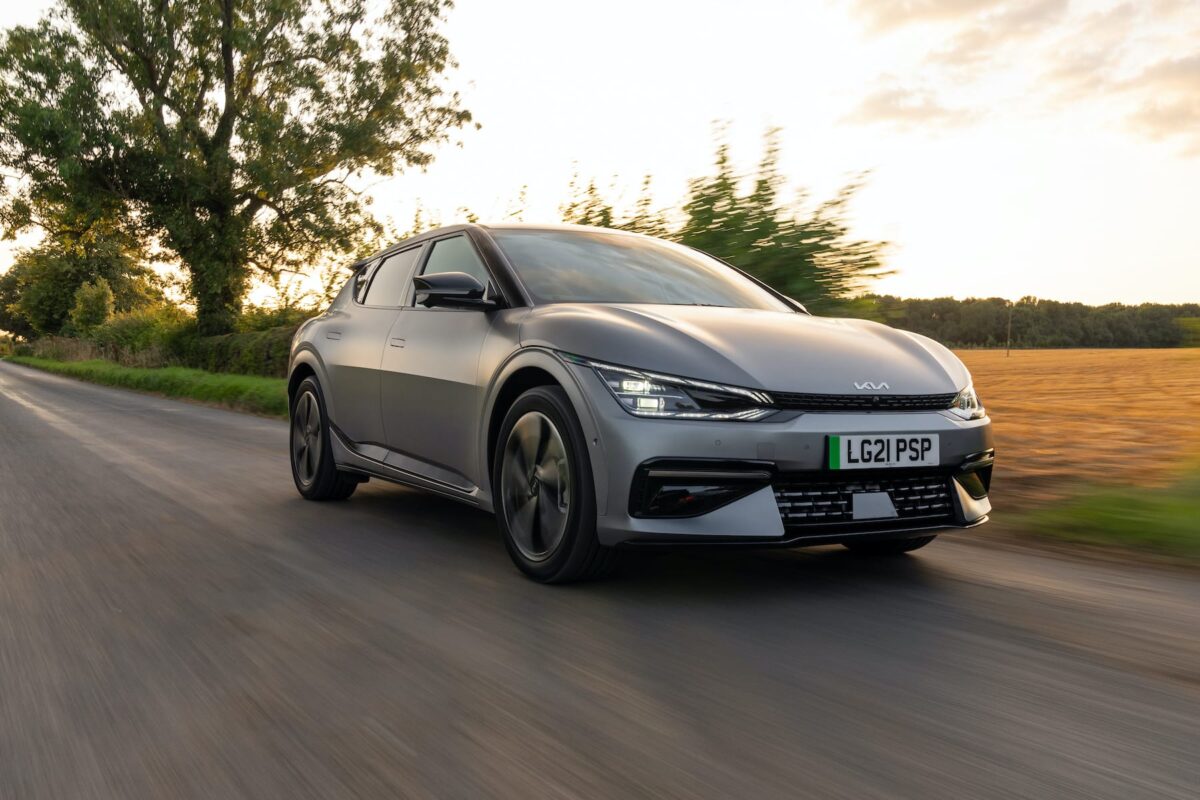
The most efficient version of the Ford Mustang Mach-E has an official range of 379 miles, as does the new Hyundai Ioniq 6 saloon. Meanwhile, the Volkswagen ID.3 and Cupra Born can offer 340 miles, and the Kia EV6 (The Car Expert’s 2022 Car of the Year) records 328 miles.

Battery ranges now exceed most household needs

Range anxiety is a phrase that has stuck despite the fact that most new EVs offer ranges comparable to traditional petrol cars. (Diesel cars still tend to be better, but almost no-one buys new diesel cars anymore). Recent studies have shown that in the real world, range anxiety is a concern very few EV owners have.

On today’s market you won’t find many mainstream EVs with official battery ranges of less than 250 miles. And that becomes very relevant when you consider that the average UK household only clocks up around 100-140 miles a week in their car (in other words, 20 miles a day). Which means that very many motorists would only need to charge a typical EV about once a week to have a car that rarely drops below half charge.

Many EV sales come with deals on home chargers included, so if you routinely plug in the car overnight at home, you’ll seldom have to even think about range in normal day-to-day driving.

Even if you don’t have the luxury of a home charger, relying on public chargers is far less daunting if it doesn’t have to be a daily chore. Despite well-documented issues with the UK’s public charging network, the number of chargers is steadily growing, with more than 20,000 public charging points across the UK.

Plug-in hybrid or full EV?

Another issue that colours judgments about EVs is the confusion between a purely electric car and its part-time electric cousin, the plug-in hybrid. These combine an electric motor and battery with a traditional engine, so you can be driving a petrol (or diesel) car, an electric car or both at the same time. But they have significant limitations.

The battery in a plug-in hybrid is much smaller than one in a fully electric car and, as a result, its driving range is usually only about 20 to 50 miles. The rest of the time, you’re driving a petrol car that has to lug around a few hundred kilos of dead battery and electric motor, which is obviously not very economical.

As a result, a plug-in hybrid has to be charged pretty much every day – or every time you drive anywhere – if you want to get the most out of the electric powertrain. This means that plug-in hybrid drivers are constantly looking out for charging points, which tends to reinforce the perception of range anxiety for all electric vehicles.

Downsides still need to be overcome

So it’s clear that EV driving is actually a viable option for the majority of UK households – at least in terms of being able to get them from A to B on a daily basis. But just because an EV might be a workable option doesn’t mean that it’s going to be the best choice. And there are two big hurdles that still need to be cleared for that to happen.

Costs

For most potential customers, the high price of new EVs is still a barrier. The cost of a new EV is substantially more than an equivalent petrol car, even though the gap has narrowed substantially over the last few years.

As an example, the Vauxhall Corsa Electric has a starting price of about £32K as of March 2023. A similarly-equipped petrol version, with similar performance, costs about £24K. But you can also get an entry-level Corsa for as little as £18K, albeit with less performance and fewer luxuries. The same story is repeated across the new car market.

There are ways of helping to close this gap further, such as financing an electric car by salary sacrifice for those buyers who are eligible, instead of using traditional car finance products like a PCP or lease.

The cost of electricity has also increased significantly in recent years, which has changed the equation for customers. Many people have been prepared to swallow a higher price for an electric car in return for lower running costs, as long as they ended up in roughly the same place overall each month.

The last year has been dominated by rapidly increasing energy costs, which has undoubtedly put a lot of people off switching from a petrol car to an electric one. It remains to be seen how electricity prices shift again over the next year, but it’s a concern that’s not going away in a hurry.

Charging

After costs, the other big concern is charging infrastructure and what will happen when millions more electric cars are added to our roads. As critics regularly point out, millions of households across the UK don’t have the luxury of their own charging point at home, meaning they have to rely on public charging infrastructure.

As of March 2023, there are more than 20,000 public charging points in the UK (by comparison, there are about 8,000 petrol stations), so the infrastructure is already better than most people realise. However, it still needs significant improvement.

Obviously, any car plugged into a charging point needs to stay connected for significantly longer than a car at a petrol station – maybe half an hour for a quick top-up or a few hours for a fuller charge at a slower charging point. Therefore, we will ultimately need millions of charging points to provide a seamless charging experience across the whole country once EVs become the default option for most households.

Technology is helping with charging concerns, both in terms of availability and costs. Smartphone apps and satnav systems can direct drivers to available chargers when out on the road, and can also manage charging at home so that the car is only charging overnight when electricity prices are at their lowest.

Conclusion

There are obviously issues to overcome if you are considering buying an electric car, such as the cost of the car in the first place. But in the new car market, at least, range anxiety should not be one of those concerns.

Choose the right EV for you and you’ll no more worry about running out of power than you did in your previous petrol or diesel car during normal day-to-day driving. There is certainly a change of mindset required for longer journeys, but the reality has tended to be far less problematic than the enduring perceptions.

Tabloid newspapers love to jump on any scare stories about EV ownership, but almost every ownership survey conducted over the years has shown that the vast majority of owners are happy to have made the switch, and very few ever switch back to a petrol or hybrid car.

For those who are not yet convinced, the good news is that EV technology continues to develop rapidly, so the numbers will continue to shift in favour of electricity over fossil fuels as we get closer to the end-of-decade cut-off for new petrol or diesel cars.

Additional reporting by Stuart Masson.

You may also like:

Ferrari Roma Spider convertible makes debut

0

Ferrari has unveiled a convertible ‘Spider’ variant of its 2+2 Roma coupé that the Italian brand calls “a contemporary take on the pleasure-seeking Italian lifestyle of the 1950s and 60s.”

The convertible’s Maranello-based manufacturer has confirmed that the Roma Spider is simply a soft-top version of the Roma coupé that first arrived on UK roads in 2020. It has the same dimensions, and is powered by the same 620hp twin-turbocharged V8 petrol engine, paired with an eight-speed automatic gearbox.

Despite the added weight of the soft-top roof mechanism, which weighs an added 84kg, the Spider can reportedly accelerate at the same pace as its coupé counterpart. The convertible can complete a 0-62mph sprint in 3.4 seconds, with a top speed of 199mph.

The electronically-controlled fabric roof can fold in around 14 seconds, and opening the tailgate lid reveals 255 litres of boot space. Ferrari adds that its engineers paid particular attention to road noise when designing the roof – its five-layer fabric composition designed to ensure a quiet driving experience at high speeds.

Stepping inside, the Roma Spider comes with a eight-inch portrait-oriented infotainment display in the centre of the dashboard, with further multimedia controls mounted on the passenger side. The engine start button is now also illuminated in red.

Ferrari is yet to announce the convertible’s pricing, or when it will become available to order in the UK for that matter. More details will follow in the coming months.

The Ferrari Roma currently holds an Expert Rating of 87%, and has been widely praised by the motoring media for its serious pace and acceleration, as well as its long-distance comfort.

Mercedes-Benz GLA and GLB set for mild facelift

0

Mercedes-Benz has announced that its compact crossover GLA and GLB models are set to receive a mid-life facelift, which includes several minor exterior design changes, mild-hybrid engines, and an infotainment upgrade.

These model updates come as Mercedes-Benz tries to keep its older combustion-powered models up to date with the technology and design ethos rolled out across its newer all-electric EQ range. The A-Class hatchback, CLA saloon and GLE SUV have been given similar updates in recent months.

Visual changes include a new-look grille design and minor modifications to the front bumper of both models. The cars will also be available with LED headlights as standard, and the GLA and GLB wheel arches are now finished in the same colour as the bodywork, replacing the black plastic SUV-style cladding that still features on the rear diffuser.

The range of petrol, diesel and plug-in hybrid engine options remains the same, but petrol and diesel engines will be fitted with an additional 48 volts of mild-hybrid assistance, providing a quieter engine startup, an extra 10hp of power for acceleration, and allowing the car to coast at the same speed with the combustion-powered engine off.

Mercedes-Benz has also slightly increased the power output and electric battery range of the plug-in hybrid GLA and GLB, which can now be charged at a quicker rate using an 11kW AC current.

Inside, both models will come with a seven-inch digital instrument cluster and ten-inch infotainment console pairing (two ten-inch screens available for an extra fee) that make use of the brand’s latest ‘MBUX’ infotainment software. This software upgrade adds new display graphics, Mercedes-Benz navigation and cloud services apps, illuminated USB-C ports and wireless Android Auto and Apple CarPlay smartphone compatibility.

UK specifications and pricing for these facelifted model lines are yet to be revealed – more information is sure to follow in the coming months.

The Mercedes-Benz GLA, which currently holds an Expert Rating of 64%, has been on sale in the UK since 2020, and has been praised by the British media for its driving characteristics and advanced technology.

Joining the Mercedes-Benz range in 2019, the GLB has also been praised for its sophisticated technology, as well as its comfort and safety. The SUV currently holds a higher Expert Rating of 68%.

Looking for a Mercedes-Benz GLA? The Car Expert’s partners can help

Carwow logo 600x300

Discover great deals available on both new and used cars. Find out more

Auto Trader logo 600x300

Search for your next new or used car with Auto Trader. Find out more

Cazoo 600x300

Buy a car online from your sofa.
We’ll deliver it. Find out more

Motors 600x300

Search less, live more. We make finding the right car simple. Find out more

Carparison 600x300

Personal contract hire deals from Carparison Leasing. Find out more

Hippo Leasing 600x300

Personal contract hire deals from Hippo Leasing. Find out more

Moneyshake logo 600x300

Personal contract hire deals from Moneyshake. Find out more

LeaseLoco logo 600x300

Personal contract hire deals from LeaseLoco. Find out more

Ready2Lease logo

Personal contract hire deals from Ready2Lease. Find out more

Rivervale Leasing logo 2022

Personal contract hire deals from Rivervale Leasing. Find out more

Lexus RX

Summary

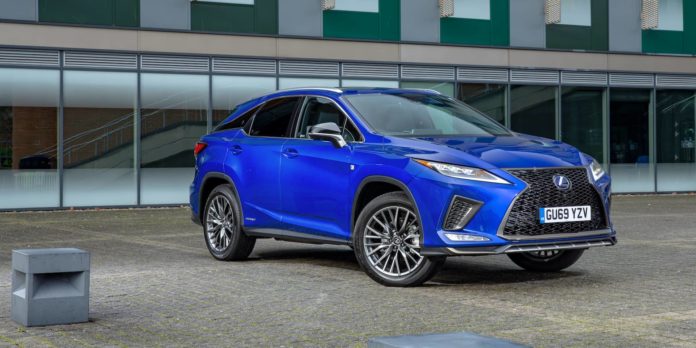
The Lexus RX is a large five-seat upmarket SUV, available with either a petrol-electric hybrid or plug-in hybrid powertrain. This is the fifth-generation model which arrived in the last months of 2022.

Described by the Carbuyer team as a “striking and efficient luxury SUV”, this latest iteration of the RX has been widely praised by the British media for its interior refinement, leisurely driving experience, and its efficient engine range that also offers strong performance.

“It feels suitably expensive”, concludes Car‘s Luke Wilkinson. “However, it’s a bit one-dimensional.” Despite the SUV’s luxurious nature, several reviewers comment that rival models like the BMW X5 or Land Rover Discovery Sport offer a broader range of abilities, particularly when it comes to driving dynamics.

For buyers focused on interior comfort however, UK outlets agree that the RX will certainly not disappoint. As The Telegraph‘s Andrew English sums up his review, “Comfortable, beautifully built and reasonably economical – this luxury SUV is not one to be dismissed.”

As of March 2026, the fifth-generation Lexus RX holds a New Car Expert Rating of B, with a score of 68%.

RX highlights

  • Intuitive infotainment
  • Spacious, well-built interior
  • Efficient engines provide strong performance

RX lowlights

  • Rivals are more engaging on the road
  • Range gets expensive
  • Small boot for large SUV class

Key specifications

Body style: Large SUV
Engines:
petrol-electric hybrid, plug-in hybrid
Price:
From £62,125 on-road

Launched: Winter 2022/23
Last updated: N/A
Replacement due: TBA

Media reviews

Highlighted reviews and road tests from across the UK automotive media. Click any of the boxes to view.

Featured reviews

More reviews

Auto Express

Auto Trader

Business Car

Car

Carbuyer

Carwow

Honest John

Parkers

The Telegraph

Top Gear

Safety rating

Independent crash test and safety ratings from Euro NCAP

Overall score: 5 stars
Date tested: December 2022
Read the full Euro NCAP review

Adult protection: 90%
Child protection: 87%
Vulnerable road users: 89%
Safety assist: 91%

Eco rating

Independent economy and emissions ratings from Green NCAP

No eco rating

As of March 2026, the Lexus RX has not been assessed by Green NCAP.

Reliability rating

Reliability data provided exclusively for The Car Expert by MotorEasy

All data based on MotorEasy average workshop costs for extended car warranty claims

The Lexus RX has an above-average reliability score, according to warranty claim data provided by our partner MotorEasy. This data refers to these fifth-generation models, and older (pre-2022) versions.

While MotorEasy warranty holders haven’t submitted many Lexus RX claims, it is clear to see that suspension and braking system issues are the most common (with the older generations). While braking system faults are likely to cost around £220 to correct, suspension issues are more expensive, costing just under £430 on average.

If you’re looking at a used Lexus RX, make sure any extended warranty cover you purchase covers all of these potential problem areas.

Running cost rating

Monthly cost of ownership data provided exclusively for The Car Expert by Clear Vehicle Data

Fuel consumptionAverageScore
Hybrid models42 mpgC
CO₂ outputAverageScoreVariationScore
Hybrid models152 g/kmC
Plug-in hybrid models25 g/kmA
Battery rangeAverageScoreVariationScore
Plug-in hybrid models42 milesD
Insurance groupAverageScoreVariationScore
All models44E
Service and maintenanceCostScore
Year 1£363D
Year 2£889D
Year 3£1,424D
Year 4£1,718D
Year 5£2,124D
Overall£6,518D

The Lexus RX is a reasonably expensive car to own and run, according to whole-life cost numbers provided exclusively to The Car Expert by our data partner, Clear Vehicle Data.

Despite its hybrid powertrain, the RX 350 still uses plenty of petrol. We don’t have verified fuel consumption data for the plug-in hybrid RX 450h, but it’s likely to only be a few mpg better. Amazing-looking results on paper are unrepresentative as the official EU/UK government lab tests are basically useless at assessing plug-in hybrids.

Insurance and servicing costs are also high, although interestingly the RX’s servicing costs are likely to become slightly more competitive after the car’s first three years – which is better news for those people looking at buying a used RX.

Awards

Trophies, prizes and awards that the Lexus RX has received.

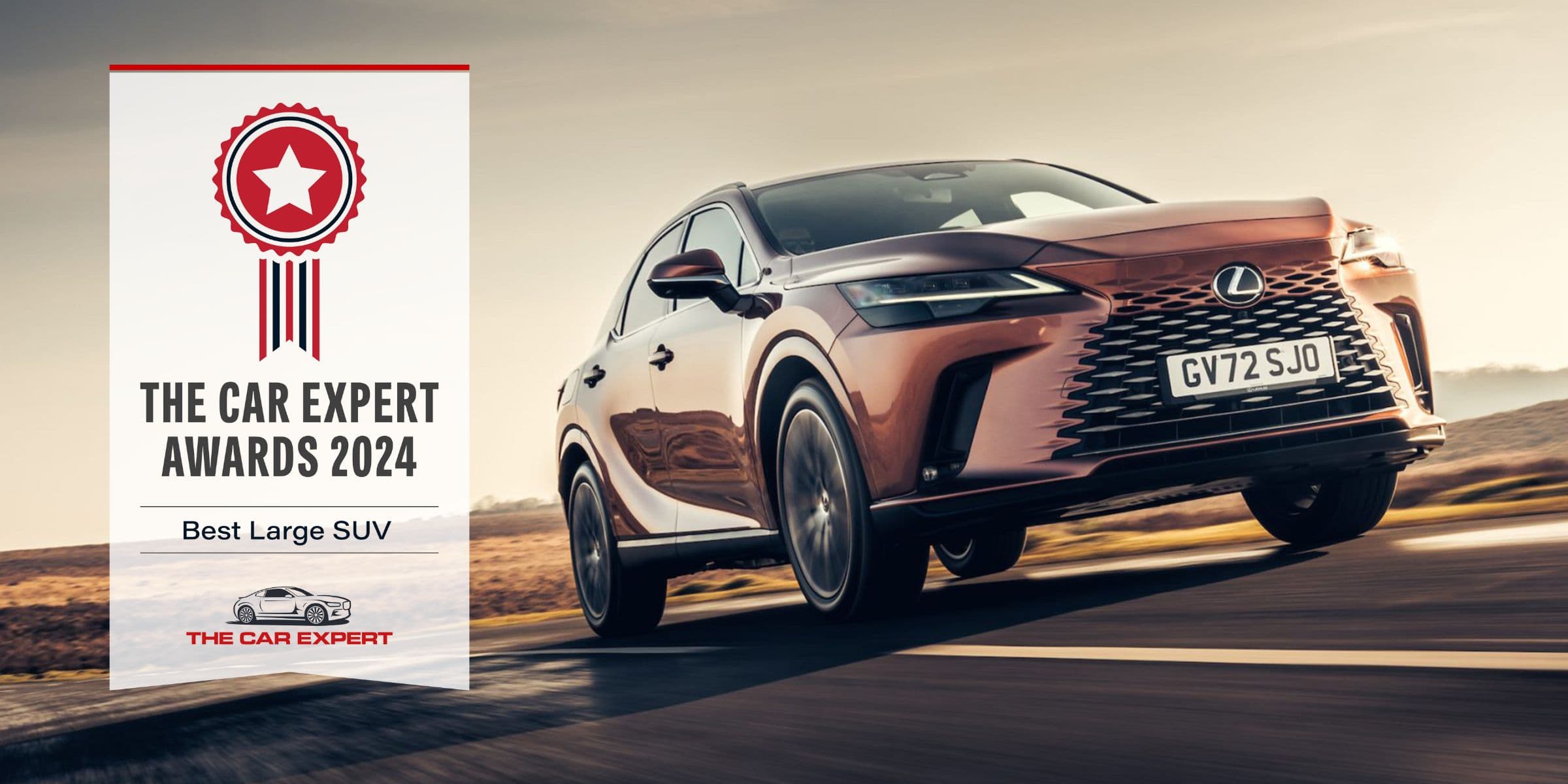
Lexus RX – Best Large SUV – The Car Expert Awards 2024

2023

  • The Car Expert Awards – Best Large SUV

Similar cars

If you’re looking at the Lexus RX, you might also be interested in these alternatives.

Audi Q7 | BMW X5 | Jeep Grand CherokeeLand Rover Discovery | Maserati Levante | Mercedes-Benz GLE | Porsche Cayenne | Range Rover Sport | Volkswagen Touareg | Volvo XC90

More news, reviews and information about the Lexus RX at The Car Expert

Lexus RX 450h+ test drive

Lexus RX 450h+ test drive

Everything you need to know about Lexus

Everything you need to know about Lexus

Best Large SUV 2024

Best Large SUV 2024

MG 4 achieves top marks in crash safety test

MG 4 achieves top marks in crash safety test

Lexus builds new RX from the ground up

Lexus builds new RX from the ground up

UK demand drives Lexus to 250,000 hybrid SUV sales in Europe

UK demand drives Lexus to 250,000 hybrid SUV sales in Europe

Lexus RX (2015 to 2022)

Lexus RX (2015 to 2022)

Updated Lexus RX breaks cover

Updated Lexus RX breaks cover

More equipment in updated Lexus RX range

More equipment in updated Lexus RX range

Lexus RX L test drive

Lexus RX L test drive

Lexus RX 450h review

Lexus RX 450h review

Lexus announces scrappage scheme

Lexus announces scrappage scheme

Buy a Lexus RX

If you’re looking to buy a new or used Lexus RX, The Car Expert’s partners can help you find the right car.

Motors 600x300

Search less, live more. We make finding the right car simple. Find out more

Auto Trader logo 600x300

Search for your next new or used car with Auto Trader. Find out more

Carwow logo 600x300

Discover great deals available on both new and used cars. Find out more

Lease a Lexus RX

If you’re looking to lease a new Lexus RX, The Car Expert’s partners can help you find a competitive deal.

Carparison 600x300

Personal contract hire deals from Carparison Leasing. Find out more

Leasing-com logo

Personal contract hire deals from Leasing.com. Find out more

Carwow logo 600x300

Personal contract hire deals from Carwow. Find out more

Subscribe to a Lexus RX

If you’re interested in a car subscription, The Car Expert’s partners can help. (PS: What’s a car subscription?)

Cocoon Vehicles logo 600x300

Car subscriptions from Cocoon.
Find out more

Just Vehicle Solutions logo 600x300

Car subscriptions from Just Vehicle Solutions.
Find out more

Flexible Vehicle Contracts logo 600x300px

Car subscriptions from Flexible Vehicle Contracts.
Find out more

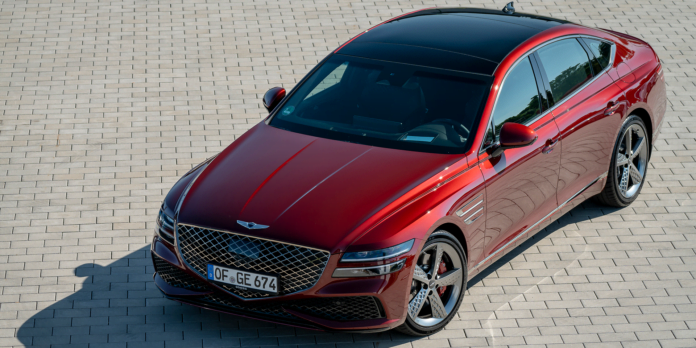
Genesis Electrified G80

Summary

Following on from the launch of the Genesis G80 large executive saloon in 2021, an all-electric version is now available at the top of the saloon range, the Electrified G80, which poses a leftfield challenge to the likes of the Mercedes-Benz EQE and Polestar 2.

Genesis is a spin-off upmarket brand owned by Hyundai, and the Electrified G80 – alongside the GV60 and Electrified GV70 SUVs – is part of its first batch of all-electric models released on the European automotive market after successes in Asia and the USA.

You won’t be able to buy a Genesis at a traditional dealership; orders are delivered to the customer, and cars are collected from the owner for servicing over a standard five-year care plan, as the brand looks to provide an attractive premium ownership experience.

Praised by Car‘s CJ Hubbard for its “first-class interior” and fast charging speeds, the Electrified G80 has been highlighted as something a little bit different in a sparse upmarket electric car class that generally tends to focus on sporty looks and performance over interior opulence.

That said, opting for this battery-powered saloon does come with some compromises over a petrol or diesel G80 model. The battery pack reduces boot space and rear seat space compared to the fossil-fuel versions.

As of February 2026, the Genesis Electrified G80 holds a New Car Expert Rating of A, with a score of 73%. It scores top marks for its zero tailpipe emissions and new car warranty cover, while its safety rating and media review scores are alsdo good. However, running costs are high.

Electrified G80 highlights

  • Competitive battery range and rapid charging
  • Luxury interior trim
  • Stylish exterior
  • Five years of free servicing

Electrified G80 lowlights

  • Rivals offer more boot space
  • Upmarket alternatives are more comfortable
  • Expensive, base price and up
  • Rear seats raised to accommodate battery

Key specifications

Body style: Large saloon
Engines:
electric, battery-powered
Price:
From £75,615 on-road

Launched: Autumn 2022
Last updated: Summer 2025
Replacement due: TBA

Media reviews

Highlighted reviews and road tests from across the UK automotive media. Click any of the boxes to view.

Auto Express

Business Car

Car

Carbuyer

Carwow

Driving Electric

Electrifying.com

Green Car Guide

Parkers

Which EV?

Safety rating

Independent crash test and safety ratings from Euro NCAP

Overall score: 5 stars
Date tested: May 2021
Read the full Euro NCAP review

Adult protection: 91%
Child protection: 87%
Vulnerable road users: 77%
Safety assist: 91%

Eco rating

Independent economy and emissions ratings from Green NCAP

No eco rating

As of February 2026, the Genesis Electrified G80 has not been assessed by Green NCAP.

The Green NCAP programme measures exhaust pollution (which is zero for an electric car) and energy efficiency. Electric cars are much more energy-efficient than combustion cars, so the Electrified G80 is likely to score very highly in Green NCAP testing whenever it ever takes place. Check back again soon.

Reliability rating

Reliability data provided exclusively for The Car Expert by MotorEasy

No reliability rating

As of February 2026, we don’t have enough reliability data on the Genesis G80 range to generate a reliability rating.

The Car Expert’s reliability information is provided exclusively to us using workshop and extended warranty data from our partner, MotorEasy, sourced from both official dealerships and independent workshops. 

As soon as MotorEasy has sufficient data on the Electrified G80, we’ll publish the results here.

Running cost rating

Monthly cost of ownership data provided exclusively for The Car Expert by Clear Vehicle Data

Battery rangeAverageScoreVariationScore
EV models323 milesA
Electrical efficiencyAverageScoreVariationScore
EV models3.7 m/KWhD
Insurance groupAverageScoreVariationScore
All models50F

The Genesis Electrified G80 has a mixed bag of running cost figures, according to whole-life cost numbers provided exclusively to The Car Expert by our data partner, Clear Vehicle Data.

The car’s competitive battery range means it will be able to handle a week’s worth of local commutes without recharging, but its electrical efficiency (the EV equivalent of miles per gallon for a petrol or diesel car) is lower than the market standard, and there are more efficient electric cars in this executive saloon bracket, like the Hyundai Ioniq 6 and Mercedes-Benz EQE. The G80’s insurance premiums are also in the highest bracket.

Similar cars

If you’re looking at the Genesis Electrified G80, you might also be interested in these alternatives.

Audi e-tron GT | BMW i4 | Hyundai Ioniq 6 | Kia EV6 | Mercedes-Benz E-Class | Mercedes-Benz EQE | Polestar 2 | Porsche Taycan | Tesla Model S

More news, reviews and information about the Genesis G80 range at The Car Expert

Everything you need to know about Genesis

Everything you need to know about Genesis

Genesis G80 gets sportier

Genesis G80 gets sportier

Genesis G80 (2021 to 2024)

Genesis G80 (2021 to 2024)

Can Genesis become a revelation?

Can Genesis become a revelation?

Buy a Genesis Electrified G80

If you’re looking to buy a new or used Genesis Electrified G80, The Car Expert’s partners can help you find the right car.

Motors 600x300

Find your next used car with Motors. Find out more

Auto Trader logo 600x300

Find your next new or used car with Auto Trader. Find out more

Carwow logo 600x300

Find your next new or used car with Carwow. Find out more

Lease a Genesis Electrified G80

If you’re looking to lease a new Genesis Electrified G80, The Car Expert’s partners can help you find a competitive deal.

Leasing-com logo

Personal contract hire deals from Leasing.com. Find out more

Carwow logo 600x300

Personal contract hire deals from Carwow. Find out more

Select Car Leasing logo

Personal contract hire deals from Select Car Leasing. Find out more

Subscribe to a Genesis Electrified G80

Subscriptions are becoming a very popular way for consumers to try an electric car for a few weeks or months to help decide whether it’s a suitable alternative to a petrol car. If you’re interested in a car subscription, The Car Expert’s partners can help. (PS: What’s a car subscription?)

Cocoon Vehicles logo 600x300

Car subscriptions from Cocoon.
Find out more

Just Vehicle Solutions logo 600x300

Car subscriptions from Just Vehicle Solutions.
Find out more

Flexible Vehicle Contracts logo 600x300px

Car subscriptions from Flexible Vehicle Contracts.
Find out more

Blind spot assist – how does it work?

Blind spot assistance is a recent technology to warn drivers when a vehicle is to their side and can’t be seen in the wing mirror, or fast approaching. Here’s what it does and how it works.

The term ‘blind spot’ describes the point in a wing mirror at which another moving vehicle momentarily can’t been seen. Blind spots can be large enough in size to easily block another car, motorbike, cyclist or pedestrian from your view. 

It’s drilled into us when we learn to drive to check the blind spot and on the emergency stop, you can be failed for not checking both the nearside and offside blind spot. But over time, when changing lanes, some of us will have jumped to find a vehicle to our side that we hadn’t seen, or much worse, had an accident. 

New laws require a minimum level of assistance technology

EU law requires lorries to be fitted with specific blind spot mirrors, but this doesn’t apply to cars. Stick-on blind spot mirrors are easy to find at your local automotive supply shop but results tend to vary.

However, since July 2022 all new designs of car introduced into the UK market follow the EU directive on advanced driver assistance systems. This means they must have items such as autonomous emergency braking (AEB) and lane-keeping warning/assistance.

This also includes systems variously called blind spot detection, blind spot assist, blind spot monitoring or side assist, depending on the manufacturer. Once only fitted to premium brands, many mainstream cars have added blind spot assist systems in recent years. Some companies now also offer to fit blind spot and lane assistance for older cars.

Typically, a blind spot assist system checks the area to the rear of the vehicle on both sides by signalling the presence of vehicles approaching from the rear in an adjacent lane, usually at 19mph or faster and notifies the driver by turning on a warning indicator light in the mirror and in the display ahead of the driver. If you move the indicator lever to signal a turn in the direction and the blind spot warning indicator light is showing while an approaching vehicle is detected, a warning sound is activated. 

How a blind spot assist system works

They work by using radar, typically in the rear corners, sometimes, all four corners of the vehicle hidden behind the bumpers. While front-facing radars used for automated emergency braking and adaptive cruise control may look up to 200 metres ahead, blind spot radars are shorter range, normally 50 to 100 metres. 

Thatcham Research, which is Euro NCAP’s UK member organisation and funded by the insurance industry has devised an Assisted Driving Grading, in addition to the Euro NCAP safety ratings putting today’s Assisted Driving systems through their paces to independently assess their strengths and weaknesses. 

Tom Leggett is Thatcham’s vehicle technology specialist. A former crash test engineer, he was Thatcham’s lead research engineer for automated driving and now follows the development of safety technology, looking to see what new assistance/safety technology is on the horizon and what that means, especially in the move to electrification.

Blind spot assist isn’t related to parking sensors, because they work best at very low speeds and use ultrasonics. Radars detect faster moving objects. “Particularly things like motorcyclists,” says Tom.

“They can be quite tricky to detect because they are quite small when compared to a big boxy vehicle. A corner radar can do a really good job of detecting where a motorcyclist is.” Because radars can be hidden behind body panels they are also shielded from dirt and parking knocks, but they can be affected by severe weather and will flash a warning if so.

The position of the radar sensors is carefully mapped to the dimensions of the vehicle, measuring the angle at which to point from the rear part of the front doors. These shorter-range radars have a very wide field of view rather than a narrow view down the road. This allows them to detect what objects are coming and where they’re moving. 

Some systems can look across two lanes or more in case a vehicle moves into the blind spot from across a motorway. However, Volkswagen’s Side Assist ignores vehicles which are more than one lane across, so users are not distracted with frequent warnings, it says.

It only works from speeds above 40mph and is primarily designed for motorway driving. It’s also worth noting that blind spot assist systems switch off if you are towing, and as yet can’t account for the length of a car plus trailer/caravan.

While reversing cameras and parking sensors have become essential on some cars styled with thick rear pillars so you can’t see where the corners are, Tom says this has not driven the fitment of blind spot assistance systems. “You wouldn’t really look over your shoulder anyway. I don’t think it’s necessarily driven by vehicle design, more driven by providing the driver with more information when they are making a decision to do something.”

Blind spot assist began through safety concerns but is essential – like other assistance systems – for future automated driving technology (self-driving cars) like automatic lane changing.

“Without knowing what’s in your blind spot, the car is never going to be able to change lane for you, or help you change lane,” says Tom Leggett.

“More advanced systems are able to actively prevent the driver from colliding with a vehicle hidden in their blind spot by steering the vehicle back into the lane, similar to lane keep assist.”

Lastly, like all assistance systems, blind spot assist should not be relied on entirely. It’s your responsibility to be aware of your surroundings at all times. The majority of systems don’t work when you are stationary (although some Mercedes systems will warn you if you open the door at the wrong time) so if you’re moving off from parked, check your mirrors and look over your right or left shoulder. 

Read more:

Focussing on safety: top tips to check your eyesight

Can you read a number plate from 20 metres in good daylight? Have you been suffering from headaches or eye strain? Is it getting more difficult to focus when you’re driving at night? Perhaps it’s time to check your sight.

Questions like those above are all ones that road safety campaigners say drivers should be asking themselves every time they get behind the wheel of their car.

More than 3000 fatal and serious injury collisions every year on the UK’s roads are blamed on drivers having poor eyesight, says safety organisation GEM Motoring Assist. And now they are calling for drivers to come clean about their sight and make sure they have good vision for their journeys.

The group has released a line-up of simple tips to help make sure your vision is up to scratch, saying it’s vital to reduce the number of people of all ages who drive with defective vision and contribute to the needless number of road accidents each year.

“We are concerned that there are too many people driving with defective eyesight which has deteriorated to a dangerous level,” says Neil Worth, GEM chief executive. “Figures suggest between two and three per cent of drivers are using the roads with vision that fails to meet the minimum standards.

“We urge everyone to prioritise safety and ensure they have a proper eye examination with an optician every two years. Eye tests allow professionals to identify and correct any problems, meaning the risks of driving are reduced and the road environment is safer.”

The current test requires a driver to be able to read a vehicle number plate at a distance of 20 metres (65 feet) in good daylight. But under the present regulations, it’s down to individual responsibility for drivers to declare themselves fit to drive – whether that’s a long distance delivery or a short town run to a customer.

“The problem is that we are unlikely to notice many of the changes to our vision,” adds Worth. “It takes a professional examination to reveal changes to our visual acuity, peripheral awareness, eye co-ordination, depth perception, ability to focus and colour vision.

“That’s why having an eye test every two years is a key part of being a responsible driver, whatever your age, just to ensure there are no safety concerns about your vision and to deal with any issues at an early stage.”

Eye tests are free to those aged 60 and over, under 16 years of age and anyone aged 16 to 18 and in full-time education. For others, an eye test typically costs less than £30.

Eye eye! Top tips for sight health

  1. It’s vital, as a driver, to ensure you have good vision to be as safe as possible on the road
  2. If your vision has deteriorated, take steps to ensure it is corrected by glasses or contact lenses as necessary
  3. Changes in vision can be so slow that you may not even notice at first. That’s why it’s important to let a professional optician give your eyes a thorough examination every two years
  4. Early signs that your sight may be changing include eye strain, unusual headaches and difficulty in seeing at night or when light conditions change
  5. It’s easy to get an eyesight test at your local optician – it’s inexpensive and you may even qualify for a free test

Kia unveils all-electric EV9 SUV

0

Kia has released the first details and pictures of its upcoming EV9 SUV, which will soon become the largest all-electric offering in the Korean brand’s line-up.

Built on the same foundations as the smaller Kia EV6 and Hyundai Ioniq 6, the EV9 is expected to be slightly larger than the combustion-powered Kia Sorento SUV, offering three rows of seats accommodating up to seven passengers.

Following the sales success of the Kia EV6, which won The Car Expert’s ‘Car of the Year‘ title in 2022, Kia will be hoping that the new EV9 will be able to pose a sales challenge to all-electric rivals like the BMW iX and Volvo EX90 when it arrives in the UK later this year.

Kia remarks that the SUV offers a “fresh EV perspective in the family SUV sector”, adding that the key focus of the car’s design was comfort, user-friendly technology and interior space, combined with “rugged capability for all conditions.”

The EV9’s boxy, straight-edged silhouette was designed with aerodynamic efficiency in mind. The car’s exterior features flush door handles and Kia’s “Futuristic” ‘Digital Tiger Face’ front fascia design, which includes a LED daytime running light that zig-zags down the front bumper.

Inside, the EV9 features a three-in-one display that juts out of the dashboard behind the steering wheel, combining a 12-inch digital instrument cluster with a 12-inch infotainment touchscreen that sits either side of a five-inch segment display that provides driving information.

Kia says it has tried to keep physical buttons to a minimum, with the large majority of vehicle functions controlled through the display. This has freed up room on the centre console for additional storage space.

In the rear, seats in the second row can be swivelled around to face the third row, and third row seats also come with cup holders and USB charging points for smartphones.

That sums up what we know about the EV9 so far – more details will be announced towards the end of March at the car’s global launch event.

The SUV’s UK pricing is unknown at the moment, but considering its size and electric powertrain, the EV9 is likely to be the most expensive Kia model ever sold. We will find out how it stacks up against its EV rivals later this month.

KGM Korando e-Motion (2022 to 2024)

Summary

Based on the petrol-powered KGM Korando SUV/crossover, the Korando e-Motion was SsangYong’s (now rebranded as KGM Motors) first all-electric model, which launched in the UK in 2022, rivalling the MG ZS EV and Kia e-Niro.

The Korando e-Motion is a rare sight on UK roads. Less than three months after going on sale in Spring 2022, it disappeared from KGM’s catalogue due to supply shortages – an issue that has vexed most manufacturers over the last couple of years. It returned in 2023, then disappeared for good in 2024.

British reviewers generally agree that the Korando e-Motion doesn’t excel when it comes to interior quality or driving experience, but its spacious cabin and generous standard equipment list means that it’s not without appeal.

“It’s refined, packed with equipment and very spacious inside”, says the Electrifying.com team. “The warranty is impressive too.”

While admitting that the car’s battery range puts it into the bottom half of the electric SUV pack, James Fossdyke of The Sunday Times concludes that would “make a spacious, refined and wallet-friendly family runabout that’s perfect for the school run or commuting – an ideal second car.”

As of February 2026, the KGM Korando e-Motion holds a Used Car Expert Rating of C with a score of 63%. This score is fairly competitive against other EVs in its price bracket, and matches the score held by the older petrol-powered version.

Korando e-Motion highlights

  • Practical and spacious
  • Generous standard equipment list
  • Value-for-money pricing
  • Seven-year warranty

Korando e-Motion lowlights

  • Currently a rarity in the UK
  • Odd exterior styling
  • Interior build quality could be better
  • Rivals offer a longer battery range

Key specifications

Body style: Medium SUV/crossover
Engines:
electric, battery-powered
Price when new:
From £31,995 on-road

Launched: Spring 2022
Discountined: Autumn 2024

Media reviews

Highlighted reviews and road tests from across the UK automotive media. Click any of the boxes to view.

Auto Express

Car Keys

Daily Mirror

Driving Electric

Electrifying.com

Parkers

Regit

The Sunday Times

The Telegraph

Safety rating

Independent crash test and safety ratings from Euro NCAP

No safety rating

The KGM Korando e-Motion was not assessed by Euro NCAP during its production life.

Eco rating

Independent economy and emissions ratings from Green NCAP

No eco rating

The KGM Korando e-Motion was not assessed by Green NCAP during its production life.

Running cost rating

Clear Vehicle Data logo close crop

Monthly cost of ownership data provided exclusively for The Car Expert by Clear Vehicle Data

Battery rangeAverageScoreVariationScore
EV models211 miles
Electrical efficiencyAverageScoreVariationScore
EV models3.4 m/KWh
Insurance groupAverageScoreVariationScore
All models41

It may be cheap to buy, but the KGM Korando e-Motion isn’t as cheap to run as some mainstream alternatives. This is according to data provided exclusively to The Car Expert by our commercial partner, Clear Vehicle Data.

An official battery range of 211 miles is quite good, but the e-Motion’s electrical efficiency (the EV equivalent of miles per gallon for a petrol or diesel car) is poor, and insurance costs are reportedly much more expensive than you would expect, considering this is a value-for-money electric car.

Reliability rating

MotorEasy logo 600x167

Reliability data provided exclusively for The Car Expert by MotorEasy

No reliability rating

As of February 2026, we don’t have enough reliability data on the KGM Korando e-Motion to generate a reliability rating.

The Car Expert’s reliability information is provided exclusively to us using extended warranty data from our partner, MotorEasy. As soon as MotorEasy has sufficient data on the Korando e-Motion, we’ll publish the score here.

Similar cars

If you’re looking at the KGM Korando e-Motion, you might also be interested in these alternatives.

Current models: BYD Atto 2 | Citroën ë-C4 | DS 3 E-Tense | Ford Puma Gen-E | Honda e:Ny1 | Hyundai Kona Electric | Jaecoo E5Jeep Avenger | Kia Niro EV Mazda MX-30 | MG S5 EV | Omoda E5Peugeot e-2008 | Skoda Elroq | Suzuki e Vitara | Toyota Urban Cruiser | Vauxhall Frontera Electric

Discontinued models: Hyundai Kona Electric (2018 to 2023) | Kia e-Niro (2019 to 2022) | MG ZS EV (2019 to 2025)

More news, reviews and information about the KGM/SsangYong range at The Car Expert

Everything you need to know about KGM

Everything you need to know about KGM

KGM Actyon

KGM Actyon

KGM Torres EVX

KGM Torres EVX

Electric KGM Torres EVX launches in UK

Electric KGM Torres EVX launches in UK

New KGM Torres SUV now available

New KGM Torres SUV now available

Electric cars – what’s on sale and what’s coming in 2024?

Electric cars – what’s on sale and what’s coming in 2024?

SsangYong rebrands as KGM Motors

SsangYong rebrands as KGM Motors

The 10 worst new cars on sale in 2023

The 10 worst new cars on sale in 2023

Plug-in hybrids – what’s on sale and what’s coming in 2023?

Plug-in hybrids – what’s on sale and what’s coming in 2023?

Electric cars – what’s on sale and what’s coming in 2023?

Electric cars – what’s on sale and what’s coming in 2023?

Ssangyong Rexton now available in ‘Ultimate Plus’ trim

Ssangyong Rexton now available in ‘Ultimate Plus’ trim

Which country produces the best new cars?

Which country produces the best new cars?

Buy a KGM Korando e-Motion

If you’re looking to buy a used KGM Korando e-Motion, The Car Expert’s partners can help you find the right car.

Motors 600x300

Find your next used car with Motors. Find out more

Auto Trader logo 600x300

Find your next new or used car with Auto Trader. Find out more

Carwow logo 600x300

Find your next new or used car with Carwow. Find out more

Mercedes-Benz adds coupé-SUV to new GLC range

0

Following the launch of the second-generation GLC SUV in October, Mercedes-Benz has now announced that the GLC will be available in a coupé-SUV body style in July, mirroring the previous GLC range.

As announced in October, this new line-up consists only of partially-electrified models. One petrol and two diesel engines fitted with 48V of mild-hybrid assistance are on offer, as well as a range-topping petrol plug-in hybrid variant.

The latest iteration of the SUV has a nearly identical silhouette to the previous generation, but the manufacturer says that it has refreshed the GLC’s front end with a headlight redesign and the introduction of a new-look radiator grille. The coupé-SUV body style distinguishes itself from the standard SUV thanks to its sloping roofline in the rear, which makes the model six centimetres longer than the SUV variant overall.

Mercedes-Benz says that the coupé-SUV is the more aerodynamic body style of the two on offer, which should in theory make the coupé-SUV slightly more fuel efficient. That said, the fuel consumption estimates Mercedes-Benz has provided for both body styles are identical for several engine options.

All models come with suspension upgrades in the front and rear that Mercedes-Benz says improve ride comfort, handling and driving enjoyment. The new GLC also comes with a ‘transparent bonnet’ camera feature that gives you a top-down view of the road ahead and the terrain underneath the front of the car on the infotainment screen, to assist off-road driving.

The Mercedes-Benz GLC Coupé will be available to order in the UK in July – the brand is yet to announce pricing for the model. On sale now, prices for the new GLC SUV start at under £52k for the diesel-powered ‘220 d’, rising to just over £72k for the ‘300 e’ plug-in hybrid.

The second-generation GLC has been reviewed by several British motoring outlets, which praise the model for its class-leading infotainment, its spacious and well-equipped interior, and the impressive battery range of the plug-in hybrid variants in the range.

Currently holding an Expert Rating of 72%, a few publications have raised concerns over the new car’s pricing, which is significantly more expensive than the outgoing GLC line-up.

Looking for a Mercedes-Benz GLC? The Car Expert’s partners can help

Carwow logo 600x300

Discover great deals available on both new and used cars. Find out more

Auto Trader logo 600x300

Search for your next new or used car with Auto Trader. Find out more

Cazoo 600x300

Buy a car online from your sofa. We’ll deliver it. Find out more

Motors 600x300

Search less, live more. We make finding the right car simple. Find out more

Carparison 600x300

Personal contract hire deals from Carparison Leasing. Find out more
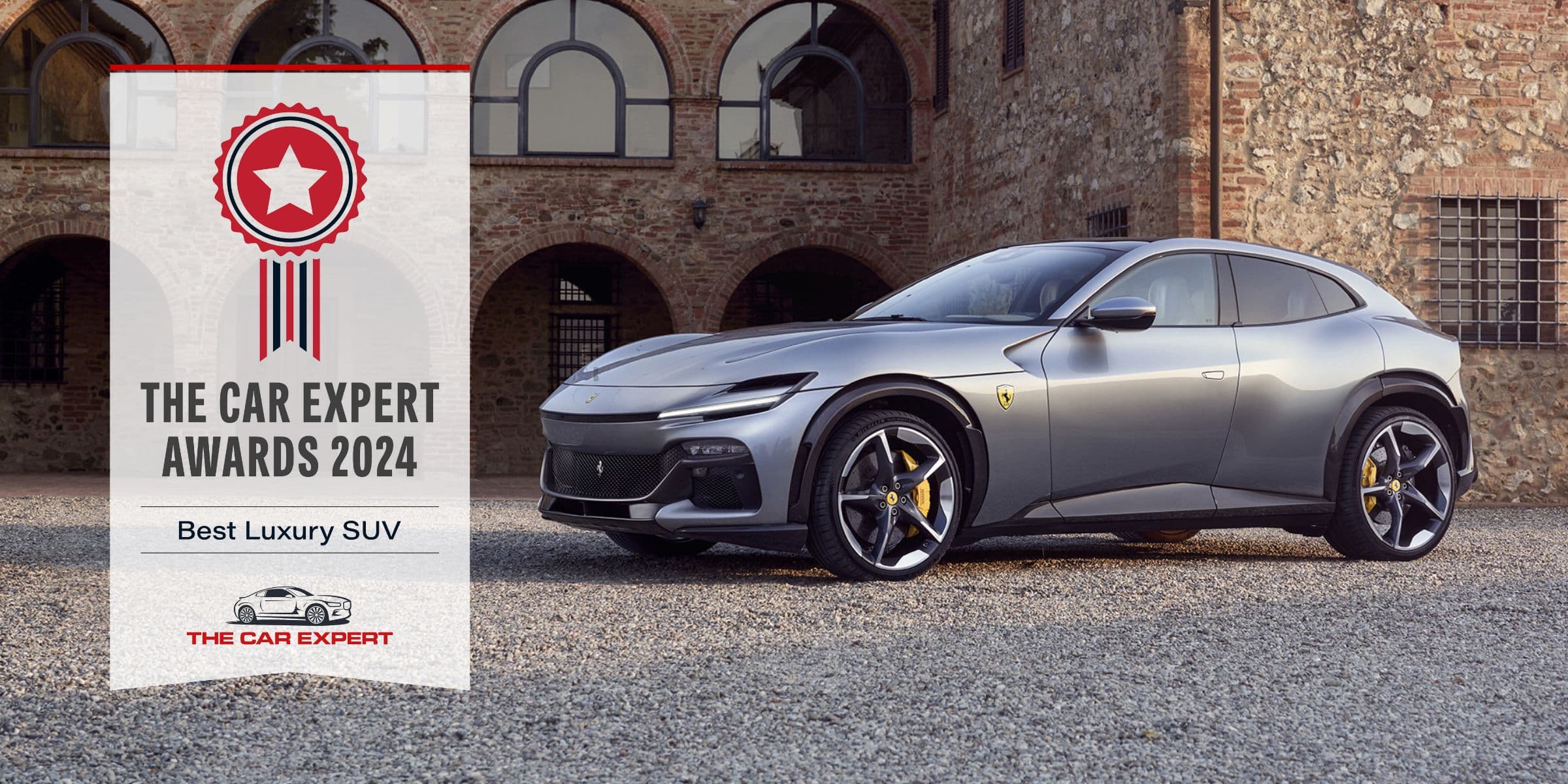
Moneyshake logo 600x300

Personal contract hire deals from Moneyshake. Find out more

Rivervale Leasing logo 2022

Personal contract hire deals from Rivervale Leasing. Find out more

LeaseLoco logo 600x300

Personal contract hire deals from LeaseLoco. Find out more

Genesis Electrified GV70 test drive

The Genesis GV60 has most clearly shown the dedicated electric future of the new Korean premium brand, but Hyundai’s upmarket sibling has also been unveiling electrified versions of two of its initial models. The chosen duo are the G80 saloon and the GV70 SUV, which was widely regarded as the most impressive of the first batch of Genesis-badged cars that launched the brand in 2021.

The Genesis Electrified GV70, on sale since October last year, swaps the 2.5-petrol or 2.2-litre diesel engine options of the launch models with a pair of electric motors, each of 180kw, giving total power of 490hp. Genesis claims a combined range of up to 283 miles from its 77kWh battery pack, and the ability to fast-charge the car in less than 20 minutes.

As of March 2023, media reviews of the Electrified GV70 have earned the car an overall Expert Rating of 73% on The Car Expert’s award-winning Expert Rating Index, which is 8% higher than the petrol version of the GV70. As more reviews come on stream this rating could well move up or down a few points.

What is the Genesis Electrified GV70, exactly?

Genesis pitches the GV70 as a ‘luxury do-it-all SUV’, highlighting a combination of design and performance. It’s not the biggest SUV in the line-up – that title is held by the GV80 – but a mid-sized model with its prime rivals including the Ford Mustang Mach-E and particularly the Audi Q4 e-tron, BMW iX3 and Mercedes-Benz EQC.

And it’s certainly the big and (primarily) German premium brands that Genesis is targeting. It offers itself up as an alternative to their long-established – and somewhat mainstream – appeal with purposeful looks and quality interiors, alongside the potent performance offered by the electric drivetrain.

First impressions

One thing Genesis cannot be accused of is producing boxy SUVs – the entire range makes an immediate positive impression with sleek exteriors sculpted to the brand’s so-called ‘Athletic Elegance’ design language.

That positive first impression continues the moment you set off in the Electrified GV70, particularly if you have previously tried the petrol or diesel models – the car’s smooth, silent drivetrain offers refinement levels that in the slightly coarser combustion-engined versions take the edge off the upmarket image.

Mind you your very first impression might be a negative, the plus £60,000 price of the Genesis. Currently the Electrified GV70 is only available as a dual-motor all-wheel-drive model, which on the surface makes it an expensive proposition. But read on…

We like: Combination of sleek looks and refinement
We don’t like: It appears less value for money than it is

What do you get for your money?

Genesis likes to be simple – there’s just one Electrified GV70 model, with a single trim level dubbed Sport. Standard equipment includes dual-zone climate control, electric front seat adjustment and LED headlamps. There is, however, an extensive options list that can soon mushroom the cost above the £63,600 base price – our test car had an eye-watering close to £15,000 worth of options on it including a £3,560 ‘Innovation Pack’, more on which shortly.

Yet while the base price is high, you do need to factor in the extras that come included as standard – in particular, the five-year care plan. This encompasses a warranty, roadside assistance and servicing up until the car has done 50,000 miles. And when your car goes in for service, a Genesis ‘personal assistant’ will collect it from you and leave a courtesy car for your use while your wheels are away.

A crucial extra for Electrified GV70 owners is a joint programme between Genesis and the Shell Recharge network. You get access to all Shell charge points and five years of discounted access to the Ionity charging network, with a payment rate around a third of what normal users will be charged. In these challenging times for energy costs, that’s a big plus in the GV70’s favour.

The Genesis Electrified GV70 include an extensive array of safety equipment, although it’s important to note that this electric version has not been tested by Euro NCAP.

Electric models do not automatically assume the same safety rating as their petrol/diesel equivalents, so we can’t assume that the Electrified GV70 will perform to the same standard as the five-star score attained by the petrol and diesel GV70 versions. This is because swapping out the engine/gearbox/fuel tank/exhaust system for an electric motor and battery can fundamentally change how a car performs in an emergency situation.

A particularly highlight of all GV70 models is the front centre airbag, which deploys in a side impact to stop the two front-seat passengers colliding with each other. The automated emergency braking system includes pedestrian detection, while other aids fitted as standard include lane-keeping and a rear cross-traffic alert, as well as smart cruise control.

You have, however, to buy the Innovation Pack to get some desirable further aids including a system that reacts to vehicles suddenly pulling out in front of you from a side road.

We like: Extensive aftersales package for no extra cost
We don’t like: Too many safety aids as options, not yet rated by Euro NCAP

What’s the Genesis Electrified GV70 like inside?

Genesis is emphasising the quality of its cars and this certainly shows in the interiors, which feel plush and very well put together. The Electrified GV70 maintains the impression with quality surfaces even where you wouldn’t expect to find them and a generally upmarket cabin environment.

A combination of a high seating position and thin windscreen pillars provide the driver with a very good view out front, and the controls fall naturally to hand and are easy to use. While the standard 15-inch infotainment screen stretches across the top of the centre console, it does not rely solely on touchscreen inputs with a big rotary control on the centre console adding some solidity. Mind you, this is mounted just in front of the similar-feeling gear selection knob.

The driver’s essential functions again depend on whether you buy that Innovation Pack. Select it and you get another 12 inches of digital screen with such niceties as dials that change into side-view cameras when indicating in that direction, and a curious 3D display. You also get a windscreen head-up display which is very effective and useful, and better matrix headlights that alter their beam shape depending on the oncoming traffic.

Front and rear occupants will find the seats very comfortable with loads of adjustment, and if you dip into the options list and specify the driver’s Comfort Seat pack, after an hour or so travelling it will start massaging your lower back to ensure you don’t stagger out of the car on reaching your destination.

Adding the big battery pack under the floor does take a chunk out of the rear boot space – close to 40 litres, in fact – which leaves you with a somewhat shallow 503-litre space, expanding to 1,678 litres with the rear seats lowered. Genesis does repurpose the room up front created by not having to put an engine in the car, and the 25-litre compartment is just right to put those irritating charge cables in, especially as you plug the car in through a neatly hidden port in the mesh of the front grille. But if lots of space is a priority, the BMW iX3 or Tesla Model Y will likely suit you better.

We like: Proper controls for infotainment functions
We don’t like: Restrictive boot space

What’s under the bonnet?

It’s not under the bonnet that counts but between the wheels, each axle housing a 180kW electric motor for combined power of 490hp. Each also delivers 350Nm of torque so the GV70 boasts all the get-out-of-trouble ability one expects of a proper 4×4. Especially as, for the first time in a Genesis EV, the electronic tech adds an e-Terrain function with mud, sand and snow options.

All this makes this one potent SUV – under normal conditions, accelerate hard and you will hit 62mph from rest in 4.8 seconds. But that’s not quite as simple as it looks because you will only be using less than 440 of the horses – the rest join in when you hit the ‘Boost’ button proactively placed in the lower right of the steering wheel. Do this and the car serves up up to ten seconds of extra punch that cuts more than half a second off that sprint time – along with adding some excitement as you feel the kick of the extra power.

With Boost engaged, the GV70 will leave most of its rivals trailing behind. More importantly, the function helps greatly with swift and decisive overtaking of slower traffic.

The official combined range of the Electrified GV70 is 283 miles, directly comparable to its prime rival the BMW iX3. In the real world, this will likely mean a typical drive of at least 230 miles before you’ll need to plug it in.

If you’re charging at home from a typical 11kW wallbox, a full charge will take 7 hours 20 mins (which balloons out to 34 hours if you’re using a domestic three-pin plug…). At a 50kW DC charger, which is about the performance of a typical fast charger in car parks and motorway services, you can go from 10% to 80% charge in 1 hour 10 minutes. And if you can find a 350kW rapid charger (which are rare in the UK at present), you can go from 10% to 80% in less than 20 minutes.

What’s the Genesis Electrified GV70 like to drive?

Like the GV60, which we reviewed last year, the process of driving the Electrified GV70 is very straightforward – press the button, select drive and it glides effortlessly and almost silently away. In fact any ‘noise’ is made by an artificially generated engine sound, which you can turn off on the instrument panel.

The car works at its best when cruising – smooth application of throttle and steering makes for very comfortable progress, even at motorway speeds. Adaptive suspension comes as standard on the Electrified GV70, and it includes technology that scans the road ahead and sets the car’s chassis to best cope with the surface. This works very well, even on the biggest 20-inch wheel option which is usually a route to some ride discomfort.

Be more ‘enthusiastic’ in your driving and not only do you get what are basically crazy levels of acceleration for this type of vehicle, but also a car that copes well in corners, gripping the road with confidence and offering precise steering on a par with the best rivals.

You won’t get a lot of feedback through the steering wheel but this is perhaps not a surprise as all the sophisticated electronics work hard to haul what is a very heavy vehicle through the twisty bits. But it’s all pretty competent with lots of grip aided by the all-wheel-drive, if a little more body lean than we’d like.

If one’s car is fitted with the optional Lexicon sound system, then the silence in the cabin persists even at the highest speeds. The pack includes Active Noise Cancelling, clever tech developed with sound specialist Silentium that uses the car’s audio system to broadcast sounds that cancel out such extraneous irritations as road and tyre noise. As a result progress in the GV70 is to a level of refinement that totally belies the potency of its powertrain.

Adding further to the tech is the brake regeneration, which can be set to a range of levels right up to effectively driving the car on one pedal, or can be left to work things out for itself by analysing traffic conditions and where the sat nav tells it you are heading.

We like: Overall progress is very refined indeed
We don’t like: More steering feedback when cornering would be nice

Verdict

With the Electrified GV70, Genesis has succeeded in adding a whole new level of attractiveness to a launch model that already ticked more boxes than any other car in the brand’s range. The car takes the attractive visuals, comfortable interior and extensive tech of the combustion-engined car and replaces the one iffy bit of refinement, the powertrains, with something a whole lot better.

The price will understandably put some potential buyers off, but the car is priced to reflect what’s on offer here. There’s no doubt that if you have the money to buy an Electrified GV70 you will get plenty for what you pay out. Mind you, Genesis has not denied that a single-motor Electrified GV70 might be in the brand’s future plans – we suggest that would be a very good idea…

Similar Cars

If you’re looking at the Genesis Electrified GV70, you might also be interested in these alternatives.

Audi Q4 e-tron | BMW iX3 | Ford Mustang Mach-E | Genesis GV60 | Hyundai Ioniq 5 | Jaguar I-Pace | Kia EV6 | Mercedes-Benz EQC | Polestar 2 | Polestar 3 | Skoda Enyaq | Subaru Solterra | Tesla Model Y | Toyota bZ4X | Volkswagen ID.4

Key specifications

Models tested: Genesis Electrified GV70 Sport 180 kW Dual Motor
Price as tested: £78,090
Engine: 2 x 180kW electric motor
Gearbox:
Automatic

Power: 490 hp
Torque: 350+350 Nm front/rear
Top speed: 146 mph
0-62 mph: 4.8 seconds (4.2 with boost)

Electric range: 283 miles
CO2 emissions: 0 g/km
Euro NCAP safety rating: Not yet tested (as of March 2023)
TCE Expert Rating: 73% (as of March 2023)

Smart motorways – anything but clever?

0

Smart motorways have been in the news again in the last few weeks, after a software failure in late February left broken-down drivers on multiple motorways marooned in live traffic lanes ‘like sitting ducks’, according to motoring groups.

The issue caused all signs and speed limits on overhead gantries to freeze and, crucially, disabled essential detection systems. These alert motorway authorities to stopped vehicles and close the lane that they are on. It affected stretches of the M1, M5, M6, M60 and M62 motorways.

It’s the latest setback for the smart motorway concept, which is facing a growing tide of anger from motorists who claim their lives are being put at risk by the supposedly congestion-easing technology.

Some fatal accidents have been directly blamed on the smart motorway system and, early in 2021, the government responded by promising no new smart motorways would be built until new safety technology was put in place. But worryingly there is now also evidence of the criteria for this technology being changed, with no commitment to the new tech working properly once it is installed.

It all sounds pretty grim for the smart motorway concept, so should we be avoiding them whenever possible? The Car Expert sets out to find answers…

Three kinds of smart motorway

Firstly, what exactly is a smart motorway?

The technology was born from the ever-growing issue of congestion on the UK’s motorway system – no matter how many extra lanes were added to major routes such as the M25, they quickly filled up with traffic, while drivers sitting in queues looked enviously at the empty hard shoulders bordering each road. The response has been to create what are three different types of ‘smart’ motorway.

All three are controlled by variable speed limits displayed on overhead gantries – these made their debut around the turn of the millennium, the concept being to slow traffic generally in times of high use, or when there was an incident so that traffic flow was managed more effectively, leading to less congestion.

Today, stretches of motorway that retain the hard shoulder as only somewhere to pull over onto in an emergency, are known as Controlled Motorways. You can usually tell you are entering one of these when you see a large blue sign alerting you that a ‘Variable Speed Limit begins’ and then the overhead gantries.

Having introduced the variable speed limits, the planners then focused on that strip of hard shoulder, which rarely had anything on it, as a greater opportunity. Strengthening said hard shoulder enabled it to be opened as a running lane in times of high congestion. This concept, known as a Dynamic Hard Shoulder system, was first trialled on an 11-mile stretch of the M42 in the West Midlands in 2006.

On this system drivers are informed that they can use the hard shoulder by the overhead gantry signs – when they display a red ‘X’ above the hard shoulder it is for emergency use only, when the X changes to a speed limit it’s available for use. Anyone breaking down in such periods has to try to get to a ‘refuge’ – in the first M42 trial these were built at 500-metre intervals, but once the schemes expanded to other motorways the distance between refuges was extended to – in some places – more than 2.5 miles.

From the Dynamic Hard Shoulder concept was soon developed the full-blown smart motorway, known today as All-Lane Running. On these all of the lanes, including the former hard shoulder, are routinely live, but they can all be closed via the overhead gantry if a vehicle suffers an issue and cannot make it to a refuge area.

Such lane closures are intended to be activated by technology that spots if a vehicle has suffered an issue and stopped in a running lane. The initial version of this technology, known as Stopped Vehicle Detection (SVD), was based on radar sensors. However, early smart motorways were not fitted with it, so stranded motorists relying on either being able to contact the motorway control centre or staff in the centre spotting them on the traffic-flow cameras and closing the lane that was blocked.

Issues reported

The amount of the UK motorway network made smart increased rapidly. By 2021, it totalled close to 500 miles with plans to extend this to 800 miles by 2025. And with this expansion grew a fear that such motorways are much more dangerous than traditional versions, following some fatal accidents highlighted in the national media and loudly-expressed concern from motoring bodies.

National Highways, which runs the motorway network, has mounted many a campaign to convince motorists that smart motorways are safe, educating drivers on the correct way to use them. It also claims that, since motorways were turned smart, accidents have been cut by more than half and journey times improved by around a quarter.

In 2020, however, a BBC Panorama programme claimed that 38 people had been killed on smart motorways in the previous five years but perhaps a more telling statistic was the number of near-misses – a Freedom of Information request to the then Highways England, since replaced by National Highways, revealed that on one stretch of the M25 outside London the number of near-misses had increased by 20 times since the hard shoulder was removed.

In the same year the then-chairman of the Police Federation, John Apter, told a conference that smart motorways were “death traps”, and claimed that the design and stopped car detection technology highlighted in the original M42 trial had not been replicated on schemes built elsewhere. “We’ve been misled, it’s inherently dangerous and putting lives at risk,” he said.

Meanwhile an All-Party Parliamentary Group of MPs condemned the continued introduction of smart motorways across the country, arguing that several did not have safety measures, basically the SVD, that “should have been in place before the rollout of these roads commenced”.

The Group argued that the safety of motorists and recovery crews was being put at risk due to the inadequacies of the system, stating that it took Highways England on average 17 minutes to detect a stranded car on a smart motorway and close its lane to other traffic. In 2022, a coroner ruled that Highways England needed to improve smart motorway safety after hearing about an accident on the M1 in 2018, in which a woman was killed when her car was hit 17 minutes after she had broken down in a live lane and been avoided by 153 other vehicles. 

The calls culminated in a government announcement in April 2021 that no new smart motorways would be built unless the SVD technology was installed, transport secretary Grant Schapps also promising that National Highways would complete the installation of the radar-based SVD on all operating all-lane running motorways by September 2022. Other measures would include increasing the number of refuge areas and painting them bright orange so they could be more easily spotted.

The issue also became a political football, with both Liz Truss and Rishi Sunak pledging action on smart motorways as part of their campaigns for the Conservative Party leadership, Sunak claiming in August 2022 that he would ban new smart motorways from being built and describing them as unsafe. In March 2023, as prime minister, he said that the rollout of smart motorways not already in construction had been paused “while we consider the data and next steps.”

Technology issues

Recent revelations have revealed, however, that the SVD technology being present does not necessarily make a smart motorway any safer to use. In January 2023, National Highways admitted to Highways magazine that no SVD system had been declared to be working properly on any section of all-lane running motorway, including on roads the government had pledged not to open without the technology.

Highways was told that none of the retrofit and new ALR schemes were meeting all of the core performance requirements, the NH spokesman adding that this was hoped to be achieved by June of this year.

It was also revealed that the government’s phrase “complete the installation” of SVD had been changed to describe the systems as “in place”, a definition which was still considered acceptable even if the technology was not working satisfactorily.

Highways also discovered that a more recent video version of the technology, that works with the closed-ciruit cameras that monitor stretches of motorway, had been shelved by National Highways, despite trials showing that it was much more efficient at detecting stranded vehicles than the radar-based system.

The radar SVD was claimed to be the “most effective solution” despite it only capturing 65% of incidents, well below National Highways’ own benchmark of 80%. A National Highways chief engineer even told a coroner in 2019 that the radar SVD was only capable of detecting stopped vehicles in low traffic-flow conditions, but other technologies were being explored to detect incidents in high traffic flows.

Drivers ignoring the signs

So technology has caused major issues for smart motorways, but another has been the actions of drivers themselves. The existence of lanes that are sometimes open and at other times not have encouraged some drivers to use them even when designated for emergency-use only with red ‘X’ symbols showing on the overhead gantries.

This had led to major campaigns to educate drivers not to ignore the ‘Red X’, alongside increasing enforcement (using the overhead cameras) and penalties for those that do ignore these signs. These penalties now start at a £100 fine and three points on your driver’s licence, but can increase up to a court appearance.

One of the concerns drivers have voiced over the variable speed limits on the overhead gantries is what happens if the displayed limit suddenly drops by 10mph or more as one approaches the gantry, making it impossible to adhere to the new speed without slamming on the brakes and risking an accident. National Highways insists that there is a slight lag between changes in maximum speed and the speed cameras recording cars travelling above the new speed, so drivers should have time to slow down safely, rather than suddenly, without risking getting a speeding ticket.

So what should you do if you break down on a smart motorway? Obviously, if you are able to, you should head for an emergency refuge – these are much wider than hard shoulder and fitted with phones to contact emergency services. If you are unable to reach a refuge but you are in the nearside lane, try to pull as far off onto the verge as possible, so long as it is safe to do so, then exit the car and get behind the barrier.

If you are forced to stop in anything but the nearside lane, stay in the car, with your seat belt on and dial 999. Motorway authorities will then close the lane using the red X symbols and get assistance to you. Remaining in the protective cell of the car is much safer than trying to cross a live motorway to get to the verge.

In all cases, make sure your car is drawing as much attention as possible to itself by having its hazard flashers on.

Smart motorways – use or avoid?

Taking all of the above into consideration, should drivers be steering clear of smart motorways as a safety risk?

It’s getting harder to avoid them, frankly. While only around 10% of the motorway network has been converted to date, that’s already close to 400 miles of motorway being ‘smart’ in some form – including large sections of some of the busiest motorways in the UK. It’s likely that there will be more to come, despite the various difficulties over the years.

If you’re confident that your car is properly maintained and unlikely to break down suddenly, then there is not a markedly greater risk in using smart motorways. Figures still show that driving on motorways is safer than driving on A-roads.

It’s notable that among those insisting they will never use smart motorways are the owners of classic cars. These, of course, are rather more likely to have a sudden, unexpected issue than are today’s modern cars.

Of course, the other issue with smart motorways isn’t just whether your own car breaks down, but what happens if another car breaks down in the lane ahead of you and the warning systems fail to activate to give you notice of a stranded car up ahead.

Ultimately, smart motorways are a flawed idea that will probably never work as originally intended and the implementation of them has been terrible, with political expediency taking priority over safety. Unfortunately that still leaves 400 miles of sub-par motorway systems that have been foisted on the British public with no satisfactory resolution in sight.

If the technology ever improves to be able to help manage the closing and opening of lanes immediately whenever problems occur and are then cleared, they could still eventually be a good idea. But don’t hold your breath. It’s tough to find anyone – other than National Highways – who thinks smart motorways have been a good idea for the UK.

Unfortunately, we don’t really have a choice. Trying to avoid using smart motorways can add significant distance and time to your journey, which for most drivers isn’t ideal. All we can suggest is to be careful, and pay close attention to what’s actually going on up ahead rather than just relying on the overhead signs.

Five of the safest new small cars on sale in 2023

Providing peace of mind and protection in the event of an accident, car safety features will always be an important factor when choosing your next car, particularly for those who are looking for a small family-friendly runaround.

Car manufacturers are well aware of this, and have spent the last few years fitting their new superminis with more on-board safety systems that even the most expensive luxury cars had a decade or so ago.

Constantly assessing this is independent crash tester Euro NCAP, which regularly tests new cars in every aspect of vehicle safety. Testing all body sizes from pint-sized city cars to chunky people carriers, Euro NCAP rates each car in four areas: adult occupant protection, child occupant protection, vulnerable road user protection (mainly cyclists and pedestrians) and safety assistance technology (accident avoidance and mitigation). The car is then given an overall star rating out of five.

So, with that in mind, which new small cars are the safest? We have listed our top five picks below, and we have also highlighted some small cars to avoid, as they have fallen well short of Euro NCAP’s benchmarks.

Read More:

Here at The Car Expert, we firmly believe that safety is a core component of any new car. Unlike most new car reviews that only report the headline score and don’t bother updating it over time, our unique Expert Rating Index includes the full Euro NCAP results for all cars tested and is kept up to date as ratings change or expire.

Five of the safest new small cars

All of our picks below have been given a five-star safety rating from Euro NCAP and are fitted with features to both help prevent collisions and protect ooccupants if a crash can’t be avoided. These include autonomous emergency braking, software to detect driver fatigue and a system to notify emergency services when a crash happens.

Small carYear testedAdult occupant protectionChild occupant protectionVunerable road user protectionSafety assistance technology
Volkswagen Polo202294%80%70%70%
Skoda Fabia202185%81%70%71%
Toyota Yaris202086%81%78%85%
Audi A1201995%85%73%80%
SEAT Ibiza201795%77%76%60%
Source: Euro NCAP

Volkswagen Polo

Volkswagen Polo (2021 facelift) – Expert Rating

The latest small car to go through rigorous Euro NCAP testing, the facelifted version of the Volkswagen Polo passed with flying colours, highlighted for its impressive driver and passenger protection in the event of a collision.

This is the second time the Polo has been awarded a five-star rating from Euro NCAP, after its first crash test in late 2017. While it’s not best-in-class in any of the four safety test scores, it’s a very good all-rounder with high scores in each category.

The Volkswagen Polo currently holds a very good Expert Rating of 74% in our industry-leading Expert Rating Index, which puts it right up near the top of the small car segment.

Skoda Fabia

Skoda Fabia (2021 onwards) – Expert Rating

Arriving on UK roads late last year, the current-generation Skoda Fabia was tested by Euro NCAP in December 2021. Despite Skoda being the budget brand of the Volkswagen Group, it still scored a five-star rating.

Like the Volkswagen Polo, the Fabia performed well in every category. That said, the Fabia was slightly behind the Polo in its adult occupant protection score.

The Skoda Fabia currently holds an excellent Expert Rating of 76%, and was awarded ‘Best New Small Car‘ at the The Car Expert Awards in 2021.

Toyota Yaris

The Toyota Yaris was the first car to be put through Euro NCAP’s tougher 2020 crash testing regime, and it performed exceptionally well.

The Yaris recorded very good protection scores for both adults and children, and also received outstanding scores for the protection of vulnerable road users like pedestrians and cyclists. Euro NCAP was also impressed by the long list of accident avoidance technology fitted to the Yaris as standard – giving the supermini a safety assistance rating that trumps most bigger and more expensive cars.

The Toyota Yaris currently holds an Expert Rating of 67% according to our Expert Rating Index. If you do most of your driving in busy urban streets, the excellent safety systems provided as standard in the Yaris will help reduce your chances of getting into an accident.

Audi A1

Audi A1 Sportback (2018 onwards) Expert Rating

The Audi A1 was tested by Euro NCAP at the end of 2019 and received some very favourable scores, which is not surprising as it’s built on the same platform as the Volkswagen Polo. Euro NCAP highlighted the A1 for its convincing protection against driver and passenger whiplash in the event of a crash, and for its effective accident avoidance technology.

In addition to an outstanding score for adult protection and very good scores for accident avoidance, the Audi has the highest score of the five cars on this list for child protection, which should be of considerable interest to parents when choosing a new car.

The Audi A1 currently holds an Expert Rating of 62%, which is the lowest of the five cars on this list. Mostly that stems from its higher price tag relative to a Volkswagen Polo or SEAT Ibiza.

SEAT Ibiza

SEAT Ibiza hatch (2018 onwards) – Expert Rating

The SEAT Ibiza’s five-star crash test rating was awarded in 2017, and while Euro NCAP has tightened its testing protocols since then, its scores are still competitive – including the equal-best score for adult protection score in this list.

One area that shows how standards have improved in the last five years is that the Ibiza isn’t as well equipped the other cars on this list for accident avoidance technology. This is crucial as – obviously – avoiding an accident altogether is better than surviving one.

The SEAT Ibiza currently holds an Expert Rating of 74%, which is right at the top of our small car rankings. Now that it has been around for five years, there are plenty of Ibizas around on the used-car market, meaning you can pick up a very safe small car at a reasonable price.

Superminis that miss the mark on safety

Unfortunately, not every car manufacturer places the same emphasis on safety that the brands above have shown. The following three cars performed poorly, with scores in every category that fall well short of similar vehicles.

In fact, two of these three vehicles are among the worst scorers ever tested by Euro NCAP. They offer far less protection for drivers, passengers, pedestrians and other vehicles in a collision, and are generally terrible at preventing collisions taking place at all.

Small carYear testedAdult occupant scoreChild occupant scoreVulnerable road user protectionSafety assistance technology
Renault Zoe202143%52%41%14%
Dacia Sandero202170%72%41%42%
Fiat Panda201845%16%47%7%
Source: Euro NCAP

Renault Zoe

Renault Zoe (2019 onwards) – Expert Rating

The Renault Zoe used to be a poster child for electric car adoption, but a woeful zero-star Euro NCAP rating means it can no longer be recommended to anyone.

If you like small Renaults and you want to be safe, the Renault Clio has a five-star Euro NCAP rating and stacks up well in all areas – even if it doesn’t quite make our top five list above. That makes it even more surprising that the similarly-sized (and far more expensive) Renault Zoe performed so very badly when it was crash tested in late 2021.

Renault decided to remove the head airbags on the current-generation Zoe (they were standard on the previous model), which has directly resulted in an adult occupant crash protection score of just 43% – a score that UK safety body Thatcham Research says is the “lowest we have seen in 11 years”.

The Zoe is not competent when it comes to avoiding an accident, either, as it misses out on most safety assistance features that are readily available on many other small cars.

Dacia Sandero

Dacia Sandero (2021 onwards) – Expert Rating

The Dacia Sandero does many things well and is very cheap compared to most other small cars, but it drops the ball on safety. After receiving a disappointing two-star safety rating from Euro NCAP in 2021, many motoring titles reduced their review scores and What Car? revoked its Car of the Year award, which was embarrassing for both Dacia and the magazine.

The Sandero actually performs reasonably in impact tests for both adults and children, especially for a budget car, which Euro NCAP described as being about a four-star level. But the Sandero is poor at avoiding a collision. Compared to other small cars, the Dacia’s emergency braking system is unable to properly detect vulnerable road users, increasing the risk of collisions with pedestrians and cyclists.

Fiat Panda

Fiat Panda mild hybrid (2020) – Expert Rating

The Fiat Panda was tested by Euro NCAP back in 2018 and received a dismal zero-star rating. While the smaller Fiat 500 city car achieved a more respectable three-star rating, the Panda was given the worst new car safety scores in Euro NCAP history, including a child protection score of 16% and an accident avoidance score of just 7%.

That said, the Panda is a reflection of how safety standards have increased over the last decade – the same model was tested by Euro NCAP when it launched in 2011 and received an acceptable four-star rating.

Seemingly unfazed by its woeful rating, Fiat has not given the Panda any safety-related upgrades since the model launched, and the car is still on sale four years later. This is one Panda that needs to become extinct.

This article was originally published in March 2022, and was updated in March 2023.

BMW X7

Summary

The BMW X7 is a large SUV model that was unveiled in late 2018 before going on sale in the UK in early 2019. It is a new addition to the range that sits above the X5 in the BMW SUV family, and is a rival for luxury SUVs like the Mercedes-Benz GLS and Range Rover.

The X7 has received consistently good scores from the UK motoring media in the first few months since it was launched, although many of these reviews took place at the European launch rather than in the UK. We will keep updating our results as more reviews on local roads are published.

The BMW X7 has received praise for its driving dynamics, refinement and the quality of its engineering. However, it has been widely criticised for its heavy-handed styling and for feeling very little different to the significantly cheaper X5.

A facelift for the X7 arrived in summer 2022, which brought revised styling and upgraded engines, along with BMW’s latest interior infotainment screens.

As of February 2026, the BMW X7 has a New Car Expert Rating of E, with a score of 54%. Its used car rating is even lower at 49%. This is largely due to its hefty price tag and eye-watering running costs.

X7 highlights

  • Quiet and comfortable
  • Spacious and practical high-quality interior
  • Class-leading infotainment
  • Refined driving experience

X7 lowlights

  • Polarising front-end styling
  • Very bulky
  • Rivals are cheaper
  • Expensive options list

Key specifications

Body style: Large SUV
Engines: petrol, diesel
Price: From £88,145 on-road

Launched: Spring 2019
Last updated: Summer 2022
Replacement due: TBA

Media reviews

Reviews, road tests and comparisons from across the UK automotive media. Click any of the boxes to view.

Featured reviews

More reviews

The Car Expert

Auto Express

Auto Trader

Car

Car Keys

Carbuyer

Company Car Today

Evo

Heycar

Honest John

Motoring Research

Motors

Parkers

The Sun

The Telegraph

Top Gear

Safety rating

Independent crash test and safety ratings from Euro NCAP

No safety rating

As of February 2026, the BMW X7 has not been crash tested by Euro NCAP. Based on its price and limited sales numbers, we don’t expect it to ever be assessed.

Eco rating

Independent emissions and efficiency ratings from Green NCAP

No eco rating

As of February 2026, the BMW X7 has not been lab tested by Green NCAP.

Reliability rating

Reliability data provided exclusively for The Car Expert by MotorEasy

No reliability rating

As of February 2026, we don’t have enough reliability data on the BMW X7 to generate a reliability rating.

The Car Expert’s reliability information is provided exclusively to us using workshop and warranty data from our partner, MotorEasy. As soon as MotorEasy has sufficient data on the X7, we’ll publish the score here.

Running cost rating

Monthly cost of ownership data provided exclusively for The Car Expert by Clear Vehicle Data

Fuel consumptionAverageScore
Petrol models26 mpgE
Diesel models36 mpgD
CO₂ outputAverageScoreVariationScore
Petrol models243 g/kmE
Diesel models207 g/kmD
Insurance groupAverageScoreVariationScore
All models50F
Service and maintenanceCostScore
Year 1£619E
Year 2£1,245E
Year 3£1,997E
Year 4£2,446E
Year 5£3,104E
Overall£9,411E

The BMW X7 is not a great choice for those looking for an economical vehicle, data exclusively provided by our partner Clear Vehicle Data suggests.

Petrol models have a rather terrible average fuel economy of 26 mpg, and diesel models are markedly more efficient, but still fall below the market standard. This is of no surprise though, considering the SUV’s large size.

The car’s insurance premiums will be very expensive, and the X7 is estimated to be quite expensive to service and maintain over five years of ownership.

Similar cars

If you’re looking at the BMW X7, you might also be interested in these alternatives

Aston Martin DBX | Audi Q7 | Audi Q8 | Bentley Bentayga | BMW XM | Lamborghini Urus | Mercedes-Benz GLS | Porsche Cayenne | Range Rover

Buy a BMW X7

If you’re looking to buy a new or used BMW X7, The Car Expert’s partners can help you find the right car

Motors 600x300

Find your next used car with Motors. Find out more

Auto Trader logo 600x300

Find your next new or used car with Auto Trader. Find out more

Carwow logo 600x300

Find your next new or used car with Carwow. Find out more

Lease a BMW X7

If you’re looking to lease a new BMW X7, The Car Expert’s partners can help you find a competitive deal

Leasing-com logo

Personal contract hire deals from Leasing.com. Find out more

Carparison 600x300

Personal contract hire deals from Carparison Leasing. Find out more
Select Car Leasing logo

Personal contract hire deals from Select Car Leasing. Find out more