Find an Expert Rating: 
Home Blog Page 64

BMW M5

Summary

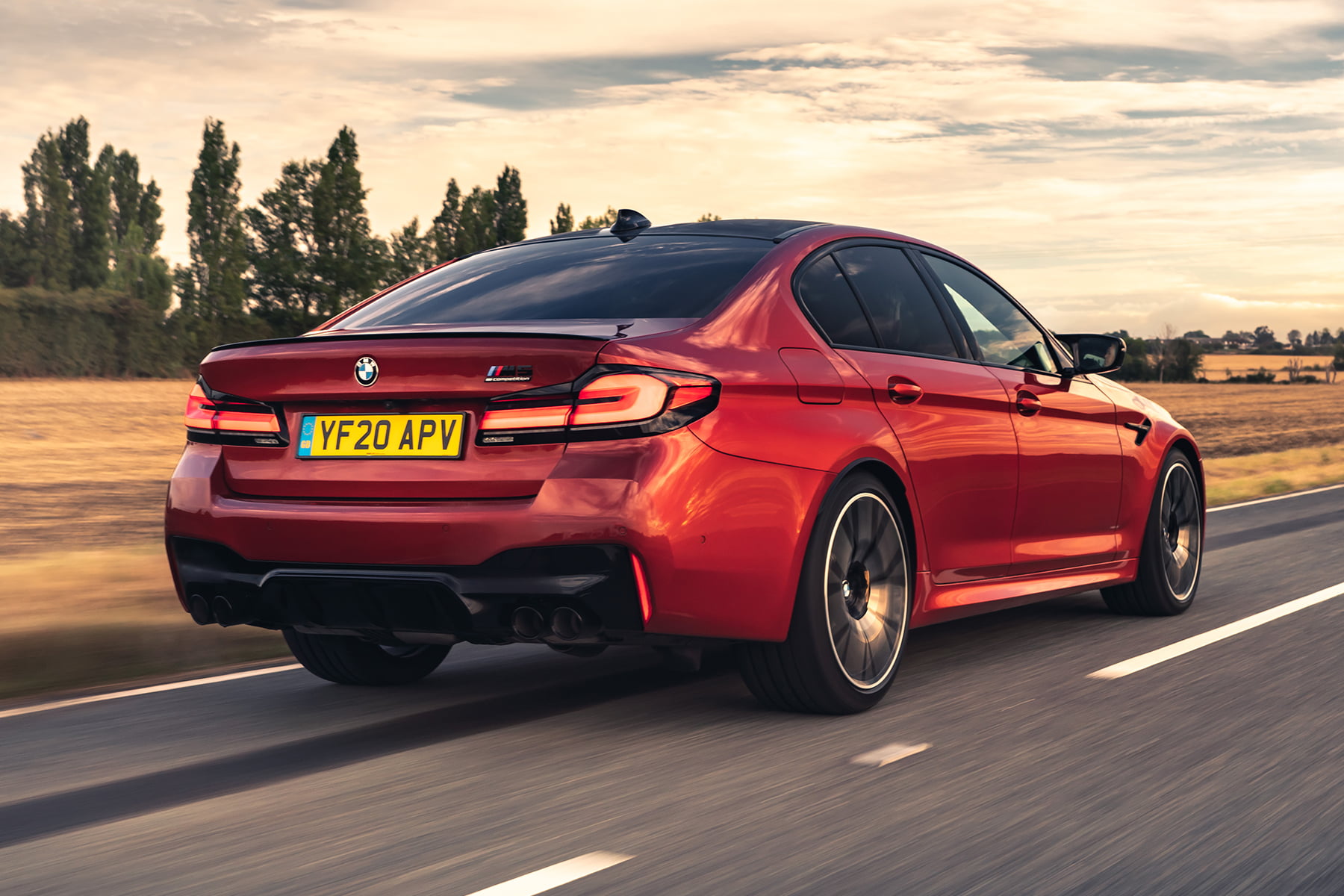
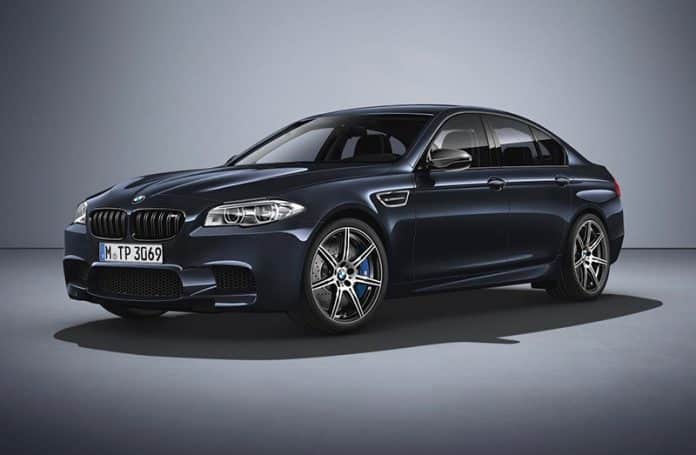
Described by Top Gear as “perhaps the most complete and composed super saloon of them all”, the BMW M5 was a four-door performance saloon – the ‘M’-tuned version of the 2017 to 2023 BMW 5 Series executive car.

This M5 was the sixth generation, launched back in 2018, ending production in 2023 ahead of an all-new model launching in 2024. It was a continuation of a long line of acclaimed BMW super saloons, which have all been hailed as benchmarks for their combination of performance, comfort and relative subtlety.

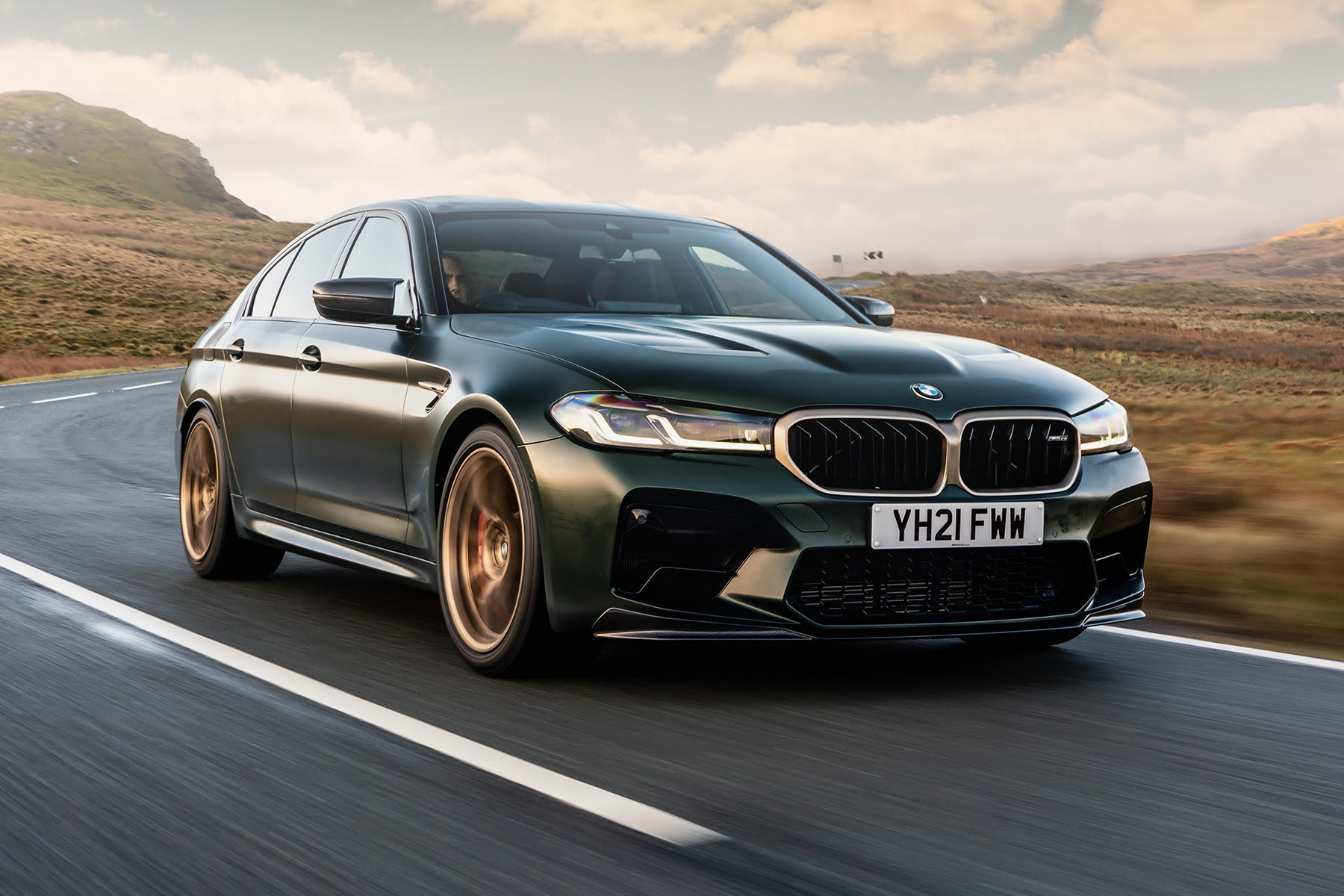
Here in the UK, we got the M5 Competition model, which was powered by a twin-turbocharged 4.4-litre V8 engine (a bit more powerful than the standard M5 in Europe) to produce 617hp. The range also included the limited edition M5 CS (Competition Sport), which BMW said was the fastest ‘M’ performance model ever produced due to its lighter bodywork and few extra horsepower.

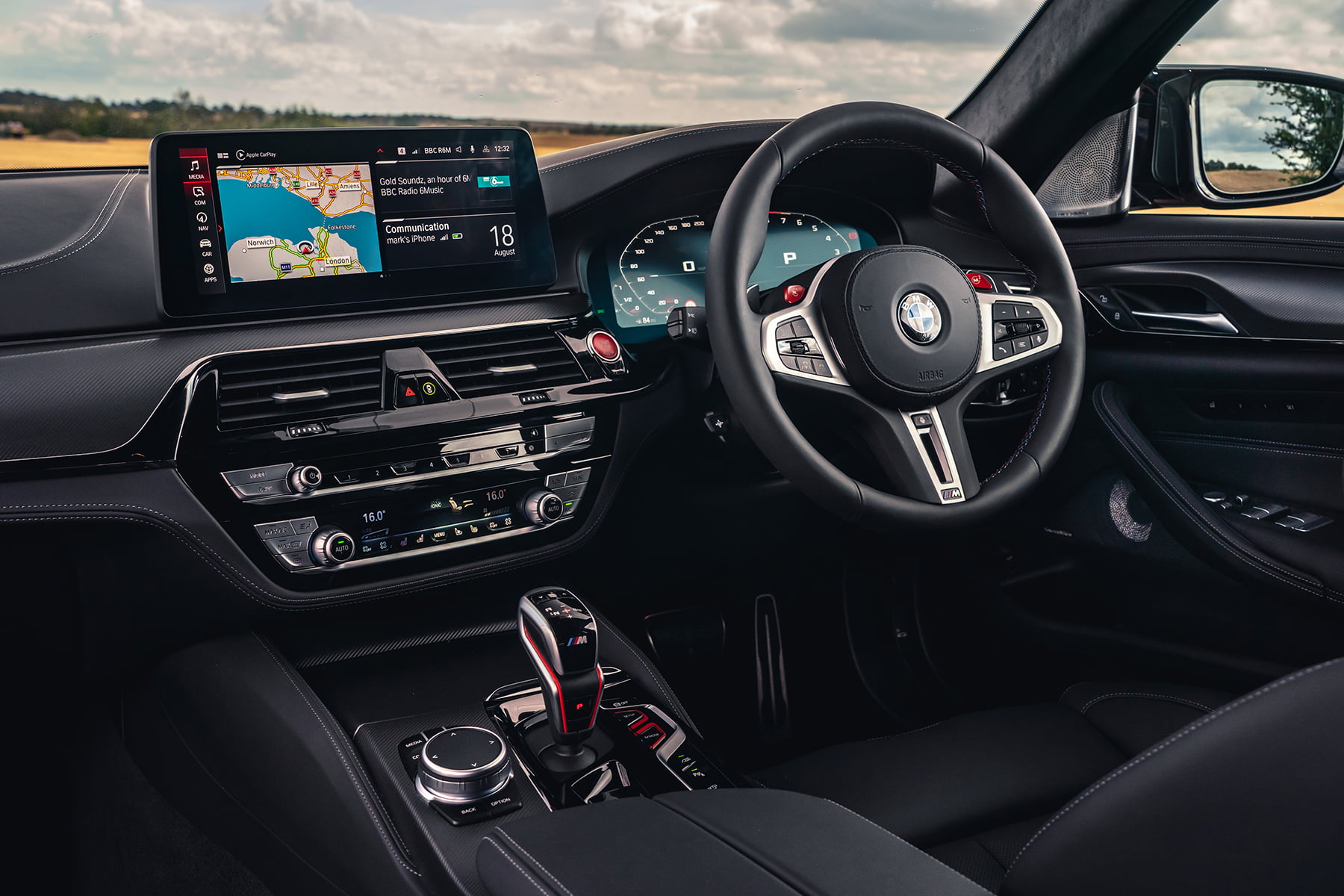
Carwow suggested that the M5 range was just as usable day-to-day as a regular 5 Series saloon, with the first-class interior build quality and finish that we have come to expect from a BMW executive car, while Evo said: “It has all the performance and dynamic ability of a supercar” and “supercars simply don’t come cheap, even when they’re clothed in a saloon body.”

One point to consider is that the 5 Series in general, and the M5 in particular, has had plenty of reliability concerns. In August 2022, the M5 was ranked tenth in a list of the least reliable used cars (up to ten year old) on sale in the UK by Warrantywise. The 5 Series range overall also has a very poor reliability score according to our own data. Full details in the ‘Reliabilty rating’ section below.

As of February 2026, the BMW M5 holds a Used Car Expert Rating of E, with a score of just 41%. Despite the high praise bestowed on the M5 by motoring journalists, the ownership data is somewhat less glowing. The safety score is only average, with a Euro NCAP rating that expired due to age, while reliability is historically poor and running costs are very expensive.

M5 highlights

  • First-class build quality
  • As practical as a standard 5 Series
  • Exceptional performance and driving dynamics
  • Comfortable cabin

M5 lowlights

  • Rival brands offer more practical estates
  • Expensive, entry-level and up
  • Rather subdued engine soundtrack
  • Uprated M5 CS is a strict four-seater

Key specifications

Body style: Four-door saloon
Engines: petrol
Price when new:
From £107,520

Launched: Summer 2018
Last updated: Spring 2021
Replacement due: 2024

Media reviews

Highlighted reviews and road tests from across the UK automotive media. Click any of the boxes to view.

Auto Express

Car

Carbuyer

Carwow

Evo

Heycar

Honest John

The Telegraph

Top Gear

Safety rating

Independent crash test and safety ratings from Euro NCAP

Overall score: 5 stars
Date tested: April 2017
Date expired: January 2024
Read the full Euro NCAP review

Adult protection: 91%
Child protection: 85%
Vulnerable road users: 81%
Safety assist: 59%

Notes on safety rating

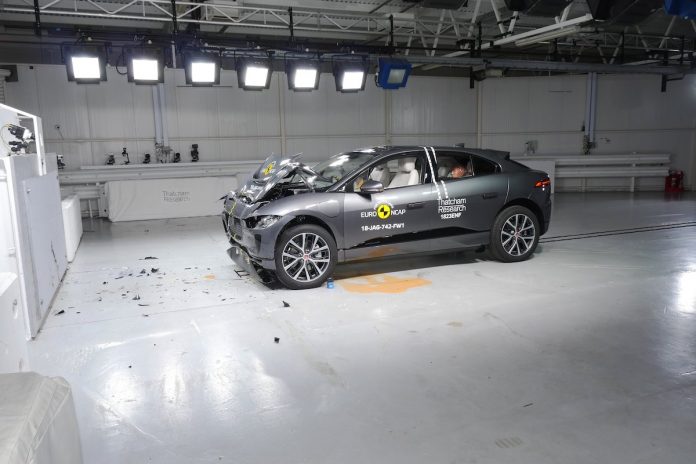
The BMW 5 Series was originally tested by Euro NCAP back in 2017 and awarded a five-star rating. The M5 shared this rating as it is structurally identical to the regular 5 Series models.

However, the rating expired in January 2024 and is no longer valid as the car no longer meets the standards required for such a rating. This is normal practice, as Euro NCAP reviews its ratings on most cars annually with most ratings expiring after about six or seven years.

However, if you are comparing a used M5 (or any 5 Series) to vehicles of similar age, whose ratings will have probably also expired, its safety rating score is still useful.

Eco rating

Independent economy and emissions ratings from Green NCAP

No eco rating

The BMW M5 was not tested by Green NCAP during its production life.

Reliability rating

Reliability data provided exclusively for The Car Expert by MotorEasy

All data based on MotorEasy average workshop costs for extended car warranty claims

The BMW 5 Series range (including the M5) has a poor reliability score of 28% as of April 2025, according to workshop and warranty data provided by our commercial partner, MotorEasy. This covers both the current (2017 onwards) model as well as earlier generations of 5 Series.

The most common problems reported for the 5 Series relate to the suspension, which account for nearly a third of all warranty repairs. It’s also worth noting that engine problems make up more than a quarter of all problems, and they’re expensive to fix with an average repair cost of nearly £1,500. Gearbox problems are even more expensive to fix, although they are somewhat less common.

So if you own or are considering buying a used BMW M5, it’s certainly worth considering a used car warranty that covers all of the potential trouble spots shown in the charts above.

Running cost rating

Monthly cost of ownership data provided exclusively for The Car Expert by Clear Vehicle Data

Fuel consumptionAverageScore
Petrol models25 mpgE
CO₂ outputAverageScoreVariationScore
Petrol models254 g/kmE
Insurance groupAverageScoreVariationScore
All models50F
Service and maintenanceCostScore
Year 1£669E
Year 2£1,587E
Year 3£3,244E
Year 4£4,090E
Year 5£5,435E
Overall£15,025E

As well as its £100K-plus price tag, the BMW M5 is an expensive car to run, according to data provided exclusively to The Car Expert by our commercial partner, Clear Vehicle Data.

It probably won’t come as any great surprise to know that fuel consumption and servicing costs are very poor, while the M5 automatically cops a maximum Group 50 rating for insurance from the UK assessors, Thatcham Research. That earns it the worst-possible insurance score of ‘F’ from us.

Awards

Trophies, prizes and awards that the BMW M5 has received

2018

  • iF Design Awards – Automotive Design Award
  • World Car Awards – Performance Car of the Year

Similar cars

If you’re looking at the BMW M5, you might also be interested in these alternatives

Alfa Romeo Giulia Quadrifoglio | Audi RS 7 | Bentley Flying SpurBMW M3 | Jaguar XE Project 8 | Mercedes-AMG E63 | Porsche Panamera Turbo

More news, reviews and information about the BMW M5 at The Car Expert

New BMW M5 Touring debuts

New BMW M5 Touring debuts

Range Rover named the UK’s most unreliable used car

Range Rover named the UK’s most unreliable used car

Most potent BMW M5 on sale in February

Most potent BMW M5 on sale in February

Competition Edition a potent M5 finale

Competition Edition a potent M5 finale

Buy a BMW M5

If you’re looking to buy a used BMW M5, The Car Expert’s partners can help you find the right car

Motors 600x300

Search less, live more. We make finding the right car simple. Find out more

Auto Trader logo 600x300

Search for your next new or used car with Auto Trader. Find out more

Carwow logo 600x300

Discover great deals available on both new and used cars. Find out more

Toyota RAV4 (2013 to 2019)

Summary

Arriving in UK showrooms in early 2013, the fourth-generation Toyota RAV4 was a mid-sized five-door SUV/crossover that was sold until 2019, including a mid-life facelift in 2016. It was replaced by the current RAV4.

The line-up consisted of a selection of four-cylinder petrol and diesel engines, as well as a range-topping petrol-electric hybrid powertrain.

Throughout its lifespan, the fourth-generation Toyota RAV4 received below average to very good reviews from the British motoring media during its production life. The Sunday Times described it as “a solid beast with better on-road handling than most of its rivals and lots of boot space”, while The Telegraph said that it was “cheap and nasty inside, and not very pleasant to drive”.

Though the car’s interior and exterior styling was rather dull for some, reviewers generally agreed that the RAV4 had a spacious cabin which was well-equipped with on-board tech as standard, and that the SUV was comfortable to drive over long distances.

That said, several outlets reported that the range of engines available were quite noisy, particularly on cold days, and that the hybrid version was not as efficient as hybrid variants of the Nissan Qashqai and Mazda CX-5.

As of March 2026, the fourth-generation Toyota RAV4 holds a Used Car Expert Rating of D with a score of 54%.

RAV4 highlights

  • Plenty of cabin and boot space
  • Well-equipped as standard
  • Reliability record and resale value
  • Comfortable ride and responsive handling

RAV4 lowlights

  • Dull interior design
  • Noisy engines
  • Not as fun to drive as rivals
  • Hybrid model not all that cheap to run

Key specifications

Body style: Five-door SUV/crossover
Engines:
petrol, diesel, petrol-electric hybrid
Price when new:
From £22,495

Launched: Spring 2013
Last updated: Winter 2015/16
Replaced: Winter 2018/19

Media reviews

Highlighted reviews and road tests from across the UK automotive media. Click any of the boxes to view.

Auto Express

Auto Trader

Car

Car Keys

Carbuyer

Carwow

Driving Electric

Fleetworld

Green Car Guide

Heycar

Honest John

Motoring Research

Motors

Parkers

The Sunday Times

The Telegraph

Top Gear

Safety rating

Independent crash test and safety ratings from Euro NCAP

Overall score: 5 stars
Date tested: March 2013
Date expired: January 2020
Read the full Euro NCAP review

Adult protection: 89%
Child protection: 82%
Vulnerable road users: 66%
Safety assist: 66%

No safety rating

The fourth-generation Toyota RAV4 was originally tested by Euro NCAP back in 2013 and awarded a five-star rating. However, this rating expired in January 2019 and is no longer valid as the car no longer meets the standards required for such a rating.

Eco rating

No eco rating

No variants of the previous-gen Toyota RAV4 were lab tested by Green NCAP.

Reliability rating

MotorEasy logo 600x167

Reliability data provided exclusively for The Car Expert by MotorEasy

All data based on MotorEasy average workshop costs for extended car warranty claims

As of March 2026, the Toyota RAV4 family has a better-than-average reliability score of 74%, according to workshop and extended warranty data provided exclusively to The Car Expert by our partner, MotorEasy.

Similar cars

If you’re looking at the Toyota RAV4, you might also be interested in these alternatives

Citroën C5 Aircross | Ford Kuga | Honda CR-V | Hyundai TucsonJeep Compass | Kia Sportage | Mazda CX-5 | MG HS | Mitsubishi Eclipse Cross | Nissan Qashqai | Peugeot 3008 | Renault Kadjar | SEAT Ateca | Skoda Karoq | SsangYong Korando | Subaru XV | Suzuki S-Cross | Toyota C-HR | Vauxhall Grandland X | Volkswagen Tiguan

Buy a Toyota RAV4

If you’re looking to buy a used Toyota RAV4, The Car Expert’s partners can help you find the right car

Motors 600x300

Find your next used car with Motors. Find out more

Auto Trader logo 600x300

Find your next new or used car with Auto Trader. Find out more

Carwow logo 600x300

Find your next new or used car with Carwow. Find out more

Car subscriptions – pausing and changing

If you want to stop and start a car subscription – perhaps while you’re out of the country – or switch between different types of vehicle, what do you need to know?

What is a car subscription?

A car subscription is halfway between a lease and long-term car rental. You can have a car from 28 days to 36 months, with the ability to get exactly the car you want, change it when you like – subject to conditions – and can have insurance included. Unlike a lease there is no major charge (such as nine months’ advance payment) to start but the monthly charges are higher than a fixed-term lease. There are short-term leases offered – between three and 12 months – but the choice of car may be limited.

Some rental companies offer long-term hires but if you choose a subscription for a specific car, that’s the one you’ll get, not one of the same size which happens to be available on the day. Subscriptions promise freedom of choice, no commitment, and no unexpected bills at less than the overall cost of a PCP payment as there’s usually only a small deposit (one month or less).

What’s the choice?

Currently (spring 2022) if you want a car subscription direct from a manufacturer in the UK there are slim pickings. Volvo’s Care by Volvo usually comes up top in a web search and is heavily promoted. Then comes Jaguar Land Rover’s Pivotal scheme. For more mainstream brands only Hyundai in the UK offers a subscription service, called Mocean (rhymes with ‘ocean’) with a minimum three-month term, but as this is a new venture operates from only six dealerships within London.

The good news is that if you want to jump between brands and types of cars – or vans – then there’s a good choice of car subscription providers in the UK, some of whom are partners with The Car Expert.

Pausing a subscription

Say you don’t spend all year living in the UK so don’t want to pay for a car to sit on your driveway for months while you’re away. How easy is to give notice and return a subscription, and how do you avoid having to set up a new account when you start your next subscription?

Notice periods are generally short, which is one of the selling points of a subscription. After you finish the initial agreed contract period – which depending on the provider can be As short as 28 days – the subscription automatically become a monthly rolling contract until you ask for a change of vehicle or to stop. However, be careful before you think of giving up a subscription before the minimum period had elapsed as there may be a penalty fee.

Looking at the two prestige brands, Care by Volvo requires three months’ notice to cancel or change your car and doesn’t specify if you can pause and leave a gap. Jaguar Land Rover Pivotal allows its users to pause a subscription at any time and reactivate when it’s convenient.

Mycardirect, also one of our partners, says it already has a number of members who have property here and abroad so only use their subscriptions when they are in the UK, and a number of businesses use the service when required.

Electric-only subscription provider Elmo says it is ‘totally flexible’ with no need to pause. The customer can hand the car back whenever they want with 30 days’ notice (after the minimum period) and then book another car whenever they need it. They can use the same account and Elmo will hold all the licence details, etc. for when they next want to book a car.

A car for all seasons or reasons

Aside from pausing you may want to change the type of vehicle according to your needs throughout the year. For example, for work you may need a van for a short period to cover a particular contract, or for pleasure it may be useful to have a people carrier for the summer holidays with your extended family or a four-wheel drive SUV over the winter for skiing holidays. You may just fancy a few months in something really posh, a two-seater sports car or a convertible, or you could have a spell in an electric car.

Depending on your age and insurance record, the monthly price of a different vehicle may differ from the headline price as insurance is tailor made in all subscriptions. And remember, there’s an assessment for any extra damage every time a vehicle goes back.

Mix-and-match should be easy to achieve, but it depends on stock availability. For example, Cazoo offered Mazda MX-5s from £539 month earlier in the year but now (May) there are no Mazdas but you can get a Mini convertible from £429 a month. Despite its sporty reputation, Jaguar doesn’t offer any sports cars on Pivotal.

If you want to jump from car to a small van, Mycardirect will see you into a Vauxhall Combo Cargo for £591 (with VAT) for six months including 1,600 miles. However, if you want a van for less than six months and aren’t fussy about the brand (only the size) a long-term rental from a traditional rental company would be worth exploring or there are a number of firms specialising in short-term van leases. A good yardstick to work from is if they are a member of the British Vehicle and Rental Leasing Association (BVRLA). Search the member directory for ‘flexible rental’. Remember though that there may be different damage charges for vans above what is considered normal wear and tear for a car when you return them.

Expat subscription?

What if you live abroad, are coming to the UK for a fixed period and want a subscription car? This can be difficult as you may not have a UK credit history or a UK driving licence. Equally, you could be in the UK for a fixed-term work contract and be stuck for the same reasons.

Again, there are specialists who can help. Search ‘expat car lease’ but as the name implies, they will be short-term leases, not subscriptions. For example, Expat Cars is a division of Cocoon Vehicles (another partner of The Car Expert), which offers subscriptions and leases, It says its underwriters will require to see a number of proofs, but acceptance rates are high. It uses employee references, credit reference agencies in their home countries and evidence to support the application to get them into a car rental or car lease. Advertised costs are similar to its other monthly rentals and it offers a meet and greet airport service.

Electric car jargon explained

Thinking of going electric? You’ve seen the cars, heard about the technology, and fancy some of the savings they can offer. You’ve got the buzz and now you’re getting ready to make the switch.

You’re not alone: thousands of car drivers in the UK are moving over to electric vehicles (EVs), and sales figures continue to soar. Indeed, more EVs were sold in 2021 than in the previous five years added together.

But a glance through the numerous websites, chat room forums and advice articles online can be more confusing than helpful. What does it all mean?

Every industry has its own jargon and terminology, and the car industry has more than most. Technology is constantly gathering pace and it’s often difficult to keep up – not only with established areas of the business, but with new developments and technology too.

Drill down even further into the world of electric vehicles and you’ll find an array of terms, expressions and acronyms as manufacturers, dealers and suppliers all try to map out this brave new world we are entering.

It’s all useful stuff, but you can end up feeling a bit left out because you simply don’t know what it all signifies. And who can blame you? There’s terminology in here that you may have never came across before.

Tusker, a company car and salary sacrifice scheme organisation, wants to help put an end to that. Tusker says there has never been a better time to drive an electric car and is campaigning constantly to help customers and businesses understand more about electric vehicles and their increasing advantages.

So to help you through the minefield of electric vehicle jargon, here is a list of some of the terms and phrases you might come across in your search for a new EV.

AFV

Alternative Fuel Vehicle: No fossil fuels here: these are vehicles that run on anything other than traditional petrol or diesel. If you don’t fill up at your local garage you probably have an AFV, which can include electric, solar, hydrogen and ethanol fuel sources.

BEV

Battery Electric Vehicle: There are many types of electric vehicle as we will see, but a BEV is a car or van that runs using power solely from a rechargeable battery. You plug it in, charge it up and go. Simple as that.

In practical terms, all fully electric cars (EVs) that you can buy today are powered by batteries, so the terms EV and BEV are used interchangeably.

HEV

Hybrid Electric Vehicle: Not ready for a full electric car yet? A hybrid or HEV has both a traditional combustion engine (usually petrol-powered but sometimes a diesel) and an electric motor powered by a battery. The battery is charged using energy gained when the car is coasting or braking, or by using the engine as a generator to charge it up, but it can’t be plugged into a socket to take electricity from the grid.

A hybrid can travel a short distance on electric power alone – maybe a few miles. The electric motor will get more use in stop-start city driving as the battery is regularly recharged whenever you coast or brake.

This type of car is sometimes referred to as a ‘self-charging hybrid’, but that is just marketing nonsense. All of the electricity in a hybrid car ultimately comes from petrol or diesel.

MHEV

Mild Hybrid Electric Vehicle: One of the HEV family, the mild hybrid uses a small electric motor and battery to support the conventional petrol or diesel engine. This helps to provide fuel-efficient, cleaner motoring.

Calling a mild hybrid a type of ‘electric vehicle’ is something of a misnomer because the electric motor cannot actually drive the car on its own. The fossil-fuel engine always needs to be running to drive the wheels, while the electric motor is used to give it a boost when required.

mpkWh

Miles per Kilowatt Hour: If you drive a petrol or diesel car, you should know what mpg or l/km mean – miles per gallon or litres per kilometre. That’s showing you how far your car goes per unit of fuel. Similarly, mpkWh tells you how far your EV will travel per kWh or unit of electricity. A kilowatt hour is how much energy is used in one hour.

PHEV

Plug-In Hybrid Electric Vehicle: Rather like a regular hybrid, these cars have a regular engine and a battery-powered electric motor. Also like a regular hybrid, the car can generate a bit of electricity for the battery every time you slow down or apply the brakes. But the main point is that the batteries in these cars can be plugged in and charged to store much more electricity: usually enough to run the electric motor for between 20 to 50 miles, depending on the vehicle.

That’s perfect for round-town, CO2-free driving where you may never end up relying on the petrol engine at all.

Range anxiety

Range anxiety refers to people’s fears that their EV will run out of electricity before they can find somewhere to charge it.

If this sounds familiar, you’re not alone. Lots of drivers have ‘range anxiety’, even those that have owned an electric car for years. But the latest crop of EVs can go much further than older models on a single charge, so the chances of you running our of juice are now thankfully slim as long as you remember to charge up your car every few days.

If you’re taking a long cross-country journey, you’ll still need to plan ahead to factor charging stops into your trip, but most cars now have satnav systems that can take this into account for you.

Regen

Regeneration: As mentioned earlier, hybrid and electric cars feature regenerative braking, which produces an amount of electricity simply by coasting or using your car’s brakes. The smart system converts kinetic energy from a moving car into electricity as the car slows down, which is sent to the car’s battery for storage and later use.

All hybrids, plug-in hybrids and fully electric cars have this ability, and on some cars you can adjust the level of regeneration – more regeneration means less coasting, so the car slows faster and reduces the amount of braking force provided by the regular brakes.

REx

Range extender: No worries about the aforementioned range anxiety here. REx cars use a petrol engine and an electric motor like a hybrid, but the petrol engine is generally only used to charge the battery rather than turn the wheels. The electric motor does the driving. Basically, you can think of it as a petrol-powered electric car.

Some range extenders can run purely on petrol power, but others have no physical connection between the petrol engine and the wheels. As a rule, this makes it more efficient than a conventional plug-in hybrid because the petrol engine is working in its most efficient rev range more of the time.

The new LEVC London cabs are range extenders, while BMW used to offer a REx version of the i3 city car.

RPH

Range per hour: This is a fairly new way to work out how much power your (or any) electric car charger is going to give you. It’s an estimation of how many miles you will have on your battery after a specific period of time recharging. So 100 RPH will give you 100 miles per hour of charging.

ULEV

Ultra Low Emission Vehicle: If you are going down the electric route because you want to do your bit for the environment, a ULEV is the car for you. It has been deemed to emit less than 75g/km of CO2 by an international assessment system called WLTP (World Harmonised Light-Vehicle Test Procedure). Great for the environment and your road tax bill.

Still not sure about what something means?

Ask the specialists – Tusker wants you to change over to EVs for the right reasons, based on goals that you understand and, if you’re still not sure what something means, you can contact its support team for help.

BMW unveils 3 Series refresh for 2022

0

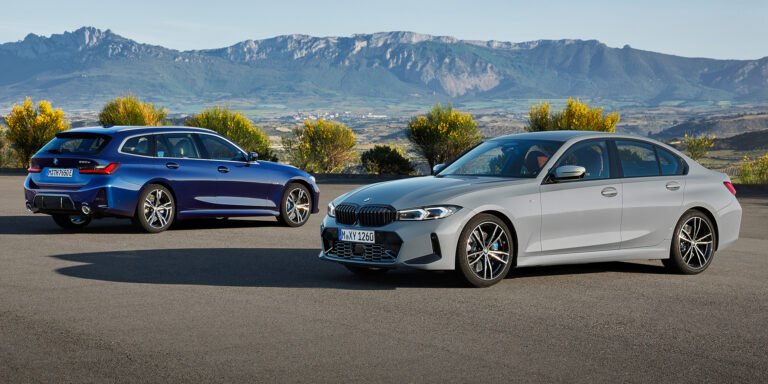
The BMW 3 Series saloon and Touring estate car have received a mid-life facelift, featuring revised exterior styling and upgraded infotainment.

After three years on sale in the UK, BMW will be hoping that this 2022 refresh, with its updates inside and out, will keep the popular 3 Series range in contention with newer upmarket rivals like the latest iteration of the Mercedes-Benz C-Class.

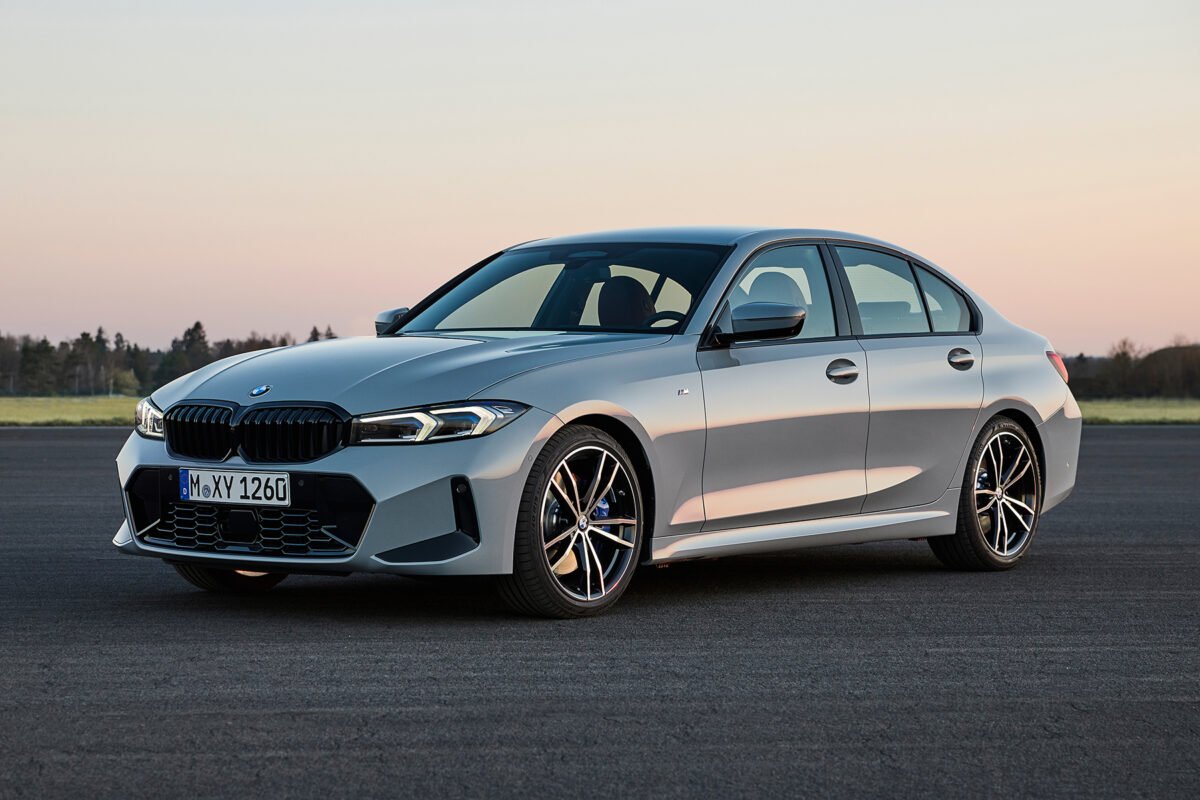
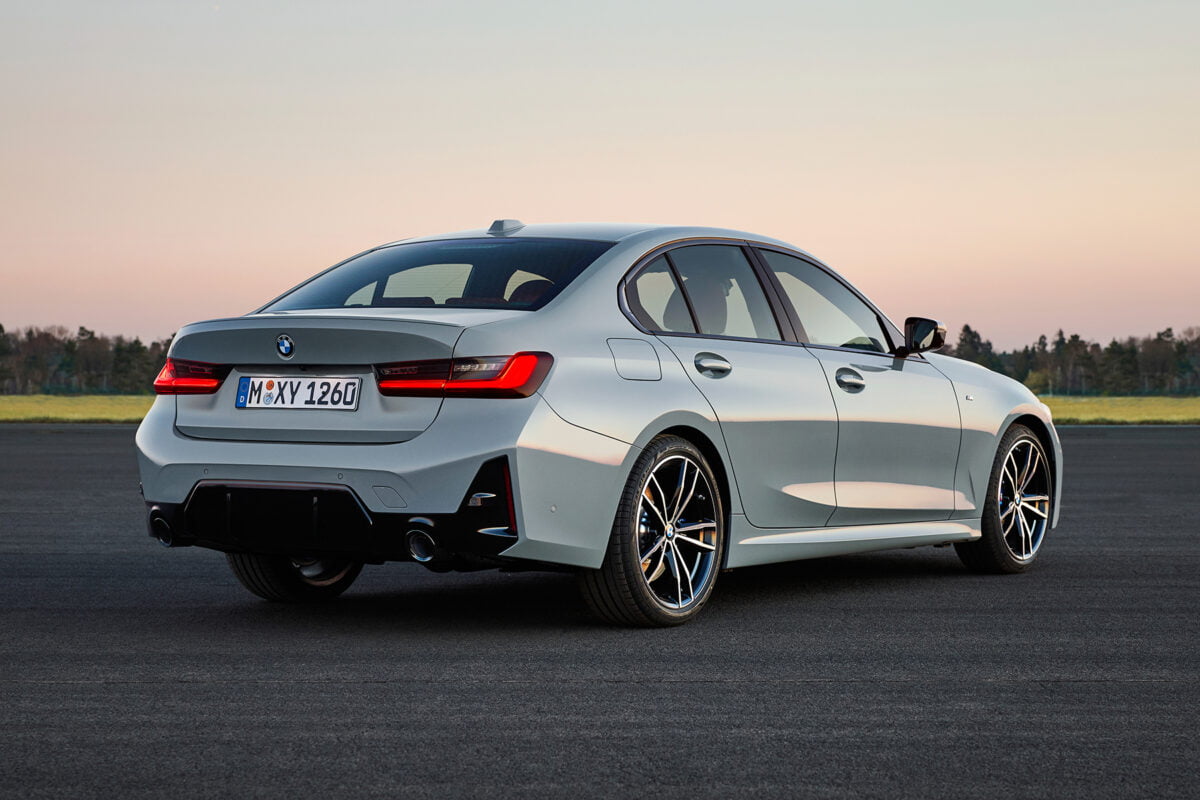
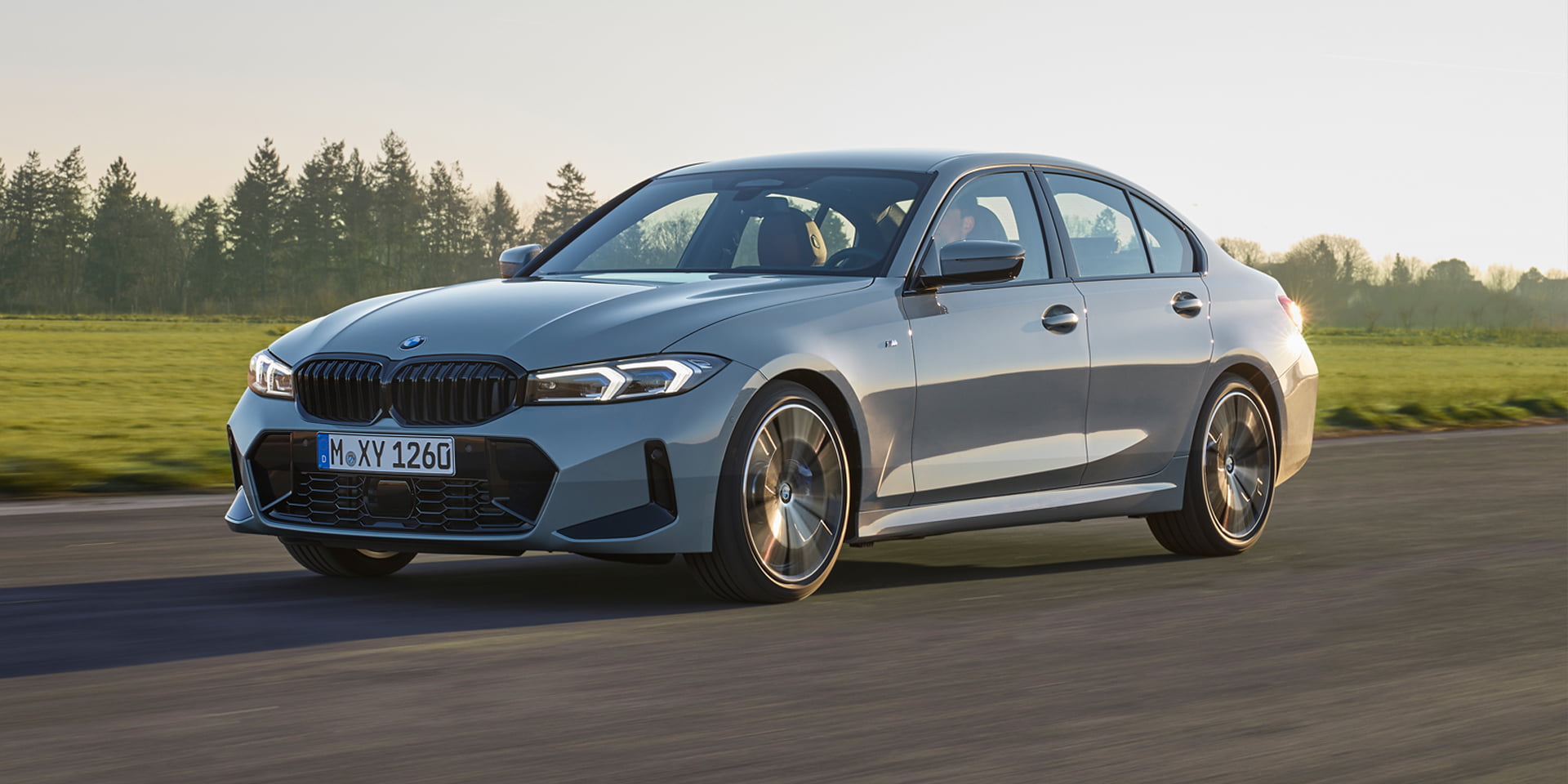
Deciding to redesign the car’s front end for the 2022 model year, BMW has opted for a slimmer headlight design and new L-shaped air intakes either side of the front bumper. The rear bumper has also been reshaped, now featuring a new sharp-edged diffuser design finished in black.

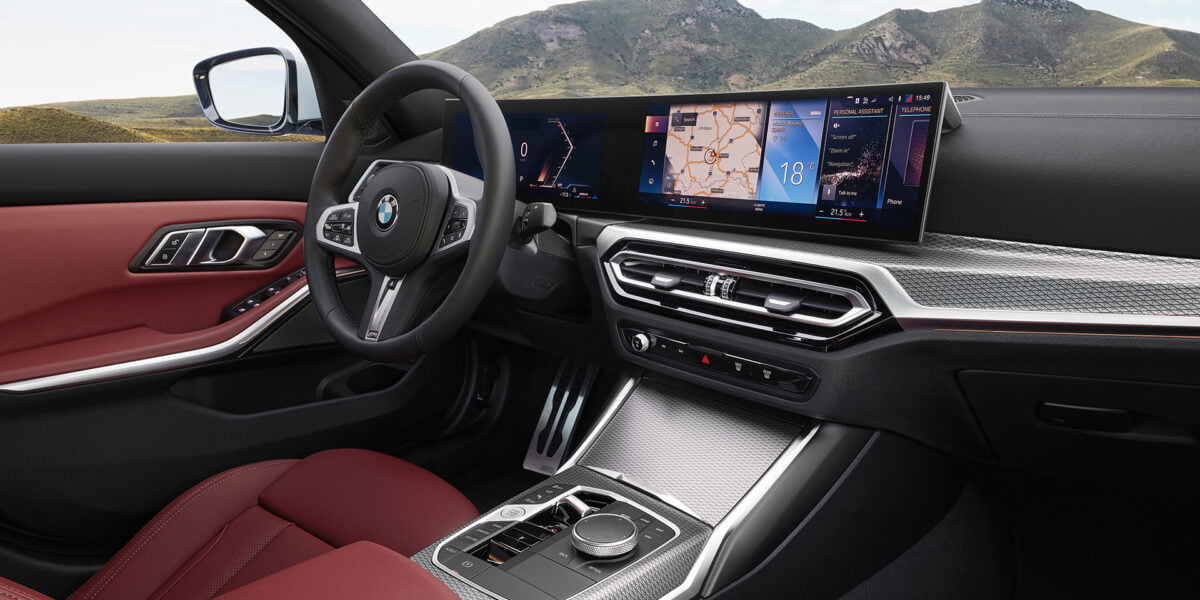
The 2022 BMW 3 Series has also received an interior overhaul, with the most prominent new fixture being the curved ‘iDrive’ display, which includes a 12-inch digital cluster and a 14-inch infotainment touchscreen – first seen on the recently released BMW iX SUV.

This new infotainment system adds a host of new features, including wireless smartphone charging, voice control through the brand’s ‘Personal Assistant’ function, real-time cloud-based navigation software, and other features will be added over time through over-the-air updates.

Gear shift paddles are now standard across the range, and there are new touch-sensitive buttons on the centre console to compliment the redesigned gear shifter.

While the list of engine options remains the same for the 3 Series after its facelift, which consists of petrol, diesel, and plug-in hybrid models, all models now come with an eight-speed automatic gearbox as standard. As before, the range also includes four-wheel drive options.

While prices for the pre-facelift range started at around £33,000, BMW has announced that the 2022 3 Series range will cost £36,670 and up. Although 2022 models are available to order now on the BMW website, the range is scheduled to enter production in July.

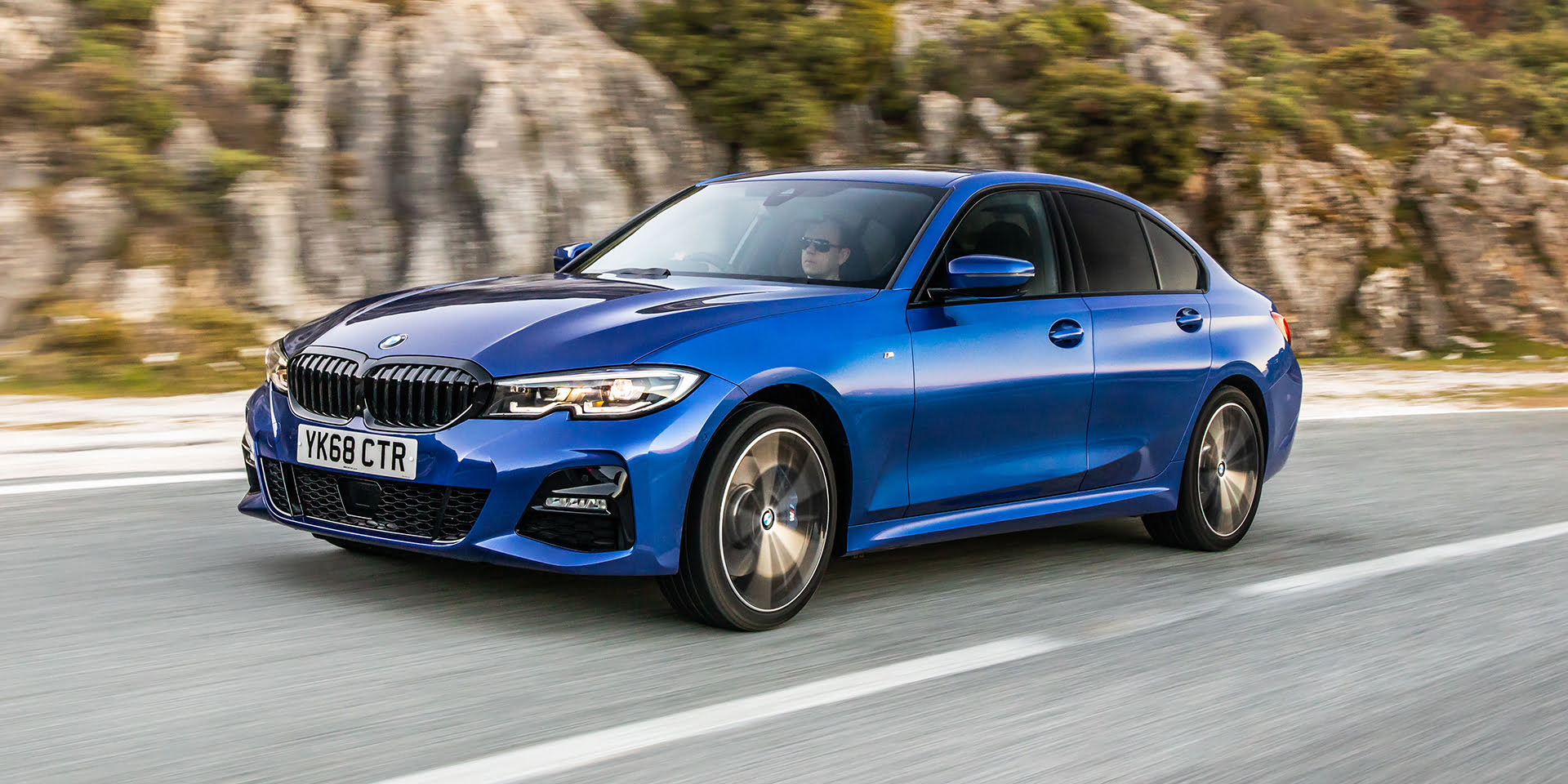
2019 BMW 3 Series vs. 2022 BMW 3 Series

The BMW 3 Series has received very high scores from the UK media since its initial arrival at the start of 2019, and is considered to be the benchmark for the compact executive saloon class. With a current Expert Rating of 85%, the 3 Series has been praised for its interior refinement and space, but has picked up some criticism for its divisive front end styling.

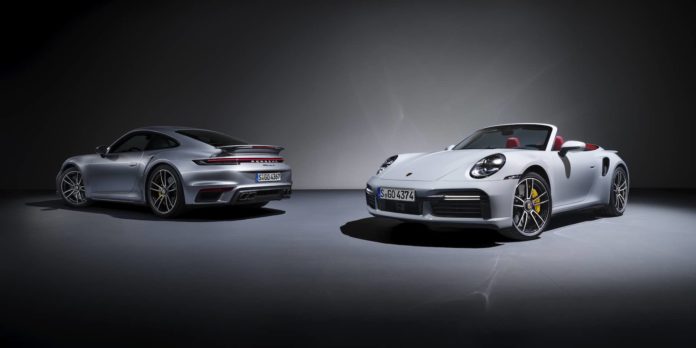
Porsche 911 Turbo

Summary

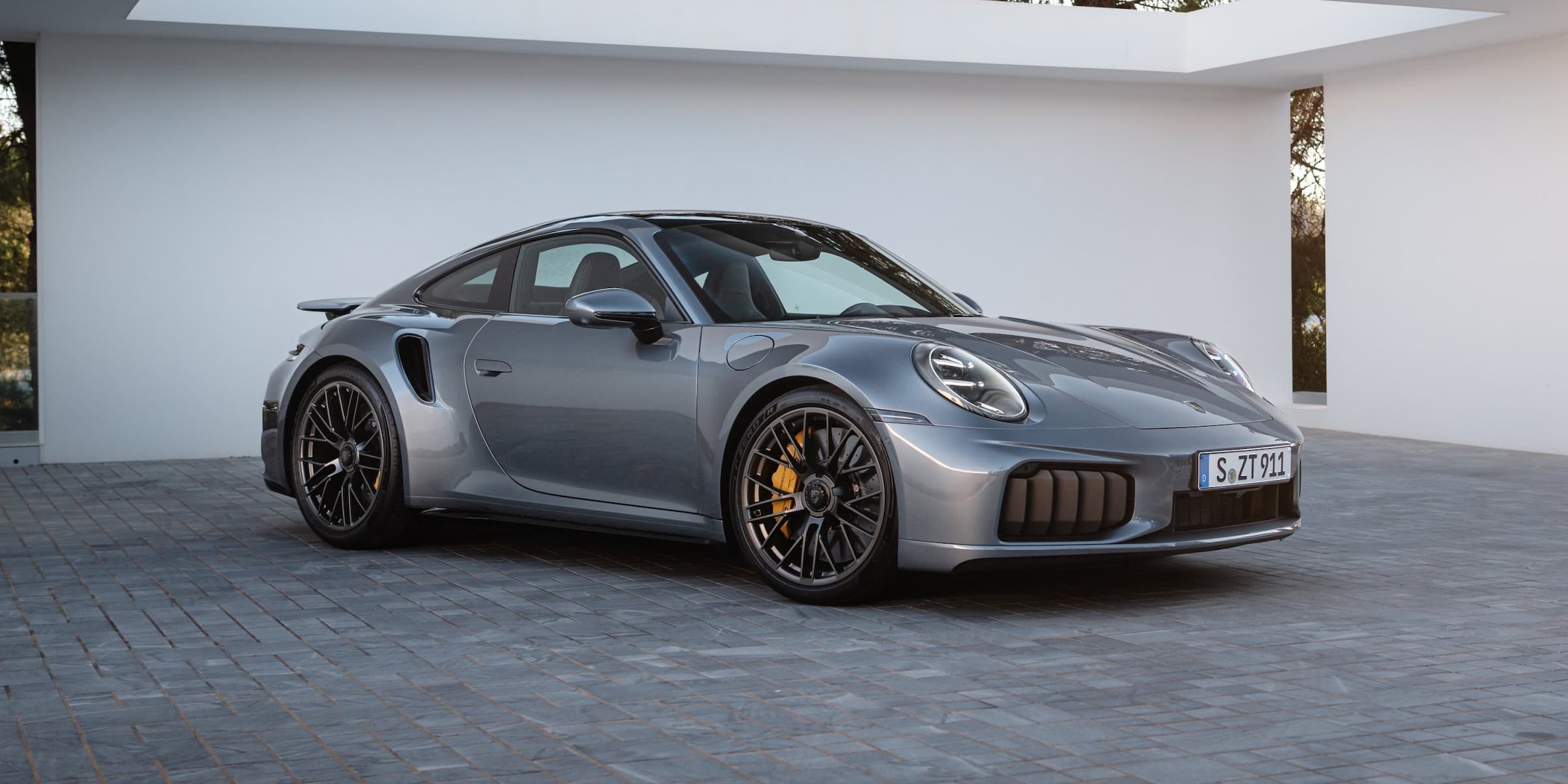
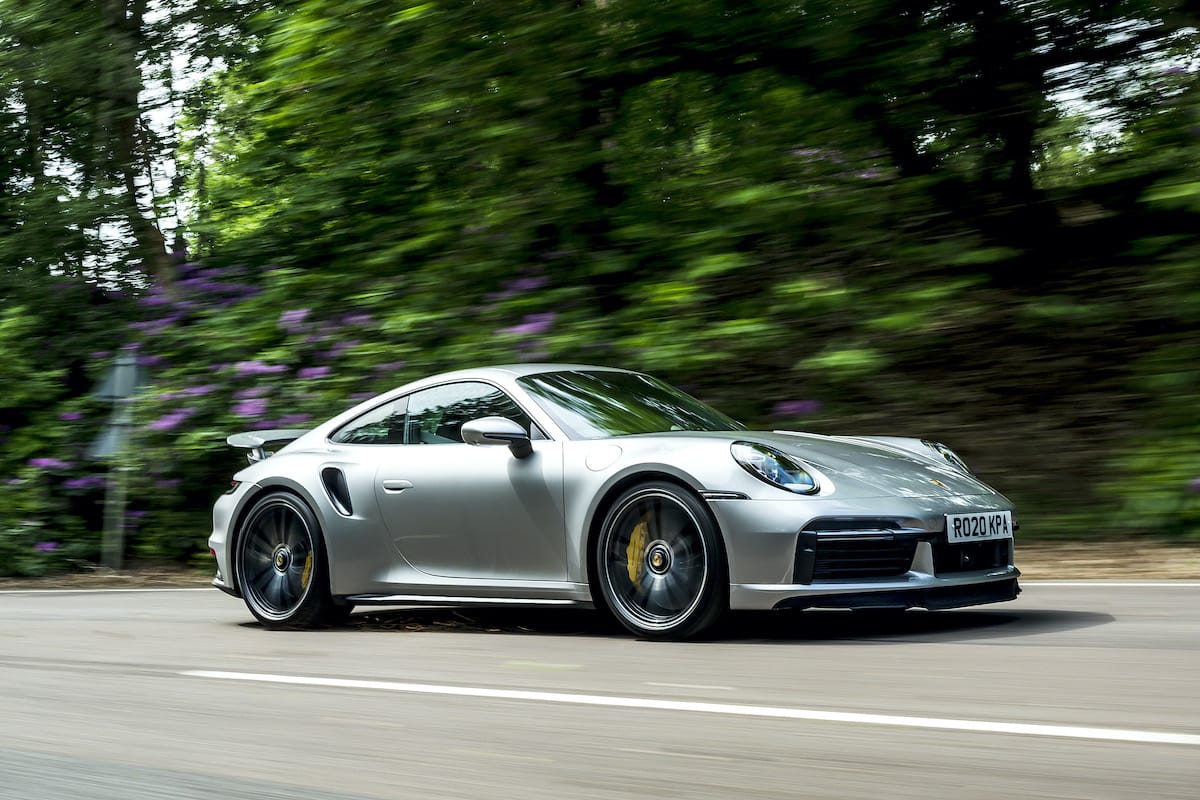
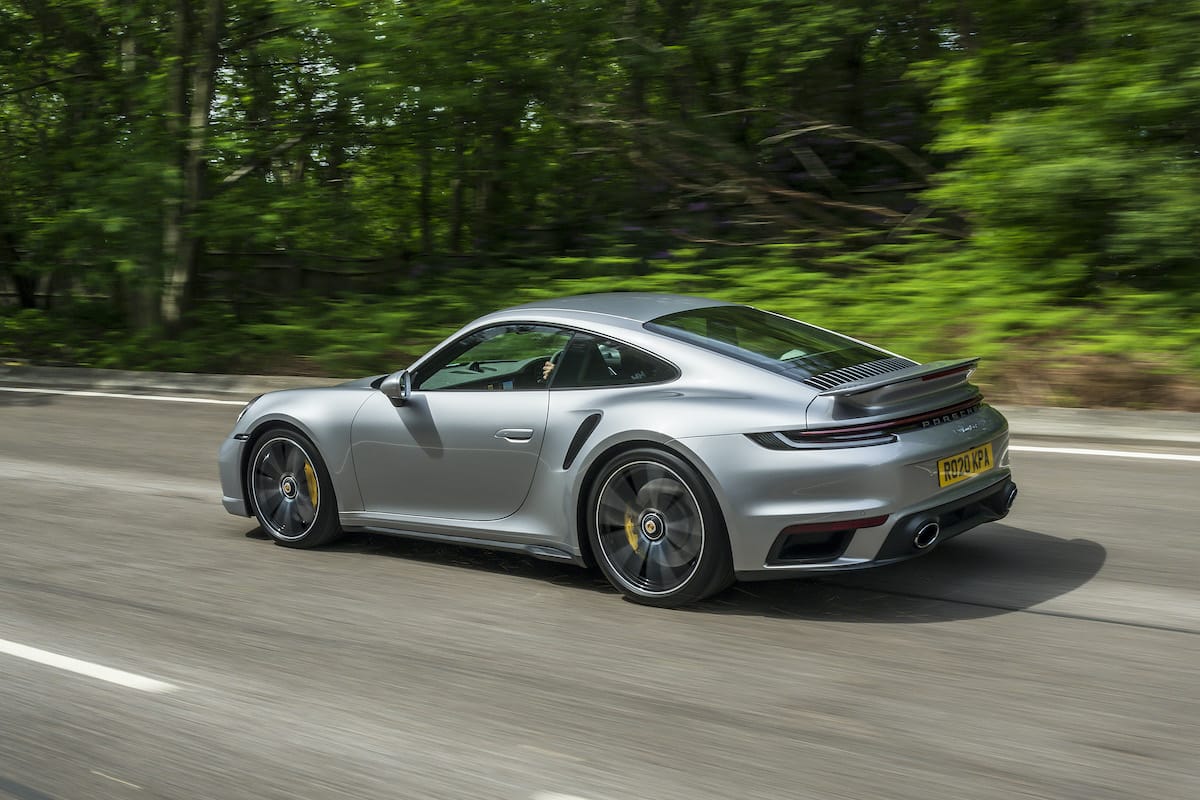
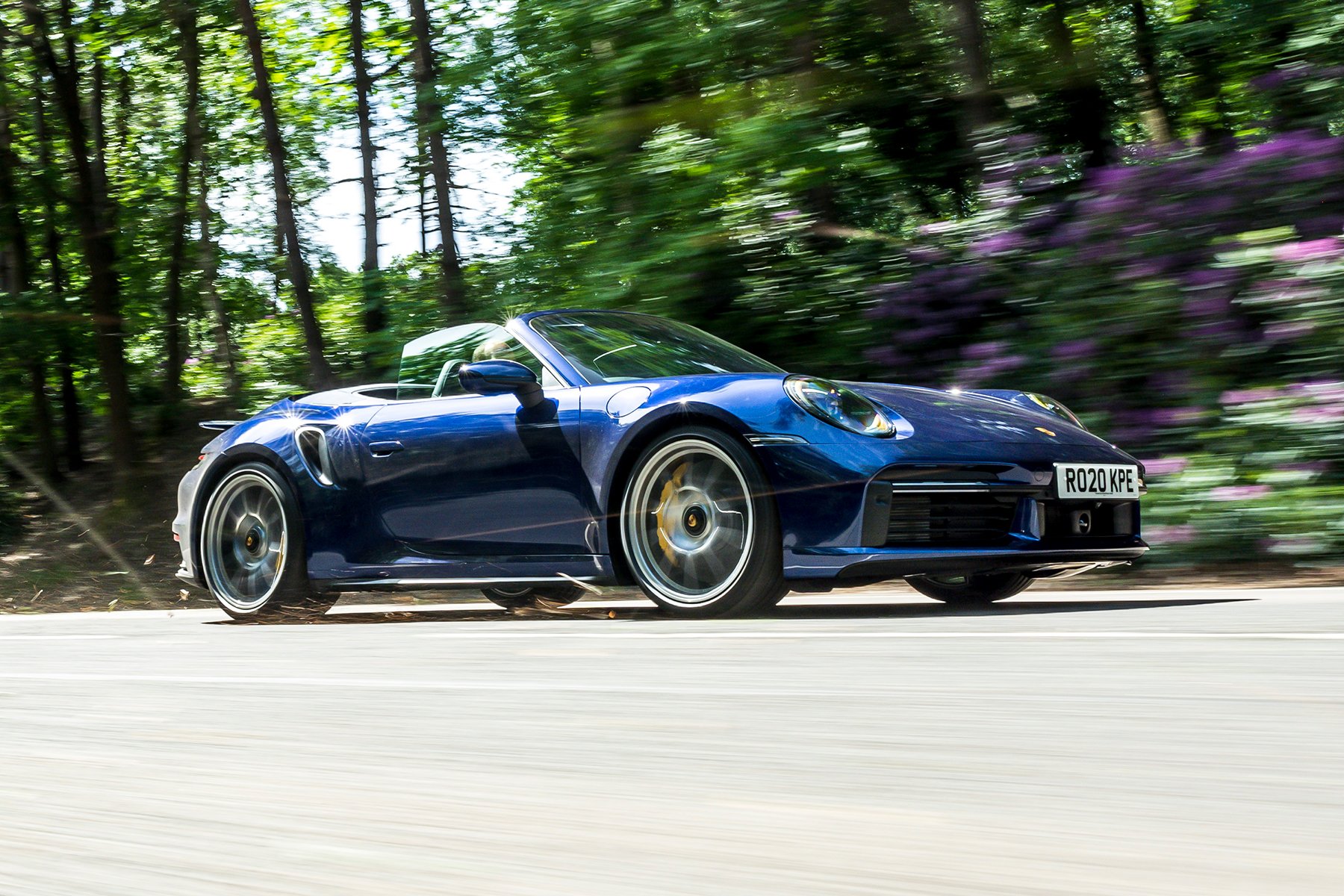
The Porsche 911 Turbo is an uprated performance-enhanced version of the standard 911 range, available as a coupé or a cabriolet.

This is the seventh-generation version of the 911 Turbo that arrived in the UK in 2020 (known as the 992 generation). The range consists of two powertrains – the entry-level ‘Turbo’ and the more powerful ‘Turbo S’ – which both use a 3.7-litre petrol engine to produce 580hp and 645hp respectively.

The current-generation 911 Turbo is also wider and longer than its predecessor, and all models come with an eight-speed automatic gearbox.

Most media reviews have agreed that the 992 generation is the best version of the 911 Turbo for many years, feelings which have only heightened with the latest 992.2 update in 2025. Top Gear proclaimed the 911 Turbo as its favourite performance car of 2020.

The majority of reviewers comment that the latest iteration of the 911 Turbo is faster, grippier and more involving than any 911 Turbo model that came before. “Simply put this model is more rounded than ever”, Car explains. “No 911 has ever been as disarmingly multi-talented as this Turbo.”

For the Daily Mirror, however, this powerful performance package is a bit too much to handle. “It’s too fast. Way too fast”, it explains. “In fact, it’s too everything. Wide, heavy, ­complicated, grippy and quite frankly, computer game-like. Oh, and expensive.”

Despite the high level of praise from dedicated motoring titles, most are still in agreement that the substantially cheaper standard 911 range is still the way to go if you’re in the market for 992-spec model – as it has been for most of the 911’s almost 60-year history.

As of November 2025, the Porsche 911 Turbo holds a New Car Expert Rating of E, with a score of 51%. While it has achieved top marks for its outstanding media review scores, it inevitably gets marked down harshly in more mundane, ownership-related categories like running costs, CO2 emissions and new car warranty coverage.

911 Turbo highlights

  • A well-rounded all-season supercar
  • Faster and grippier than its predecessors
  • Very agile cornering and responsive braking

911 Turbo lowlights

  • Very expensive, entry-level and up
  • Questionable ride comfort
  • Loud road noise in the cabin

Key specifications

Body style: Coupé and convertible
Engines:
petrol
Price:
From £199,100 on-road

Launched: Spring 2020
Last updated: Autumn 2025
Replacement due: TBA

Media reviews

Highlighted reviews and road tests from across the UK automotive media. Click any of the boxes to view.

Featured reviews

More reviews

Auto Express

Car

Daily Mirror

Honest John

The Sunday Times

The Telegraph

Top Gear

Safety rating

Independent crash test and safety ratings from Euro NCAP

No safety rating

As of November 2025, the Porsche 911 range has not been crash tested by Euro NCAP.

Given that previous generations of 911 have never been tested, we’re not expecting this one to be put through the Euro NCAP programme, either.

Eco rating

Independent economy and emissions ratings from Green NCAP

No eco rating

As of January 2025, the Porsche 911 Turbo has not been lab tested by Green NCAP. Due to its price and exclusivity, it is unlikely to have its emissions tested in the future.

Running cost rating

Clear Vehicle Data logo close crop

Monthly cost of ownership data provided exclusively for The Car Expert by Clear Vehicle Data

Fuel consumptionAverageScore
Petrol models24 mpgE
CO₂ outputAverageScoreVariationScore
Petrol models278 g/kmE
Insurance groupAverageScoreVariationScore
All models50F
Service and maintenanceCostScore
Year 1£656E
Year 2£1,531E
Year 3£2,377E
Year 4£2,883E
Year 5£3,650E
Overall£11,097E

The Porsche 911 Turbo is, unsurprisingly, a very expensive car to own and run, according to whole-life cost numbers provided exclusively to The Car Expert by our data partner, Clear Vehicle Data.

Reliability rating

MotorEasy logo 600x167

Reliability data provided exclusively for The Car Expert by MotorEasy

All data based on MotorEasy average workshop costs for extended car warranty claims

As of April 2025 (our most recent data point), the overall Porsche 911 family has a very poor reliability rating of 12%, according to workshop and warranty data provided exclusively to The Car Expert by our partner MotorEasy. This applies to both the current 911 range, including the Turbo models, and previous generations.

Also worth noting is the very high average repair cost for 911 repairs, at nearly £2,000. In most categories, the average repair bills are significantly higher than normal, but the most notable is engine repairs, which is the most common problem area and also the most expensive. The average repair bill for faults with the famed Porsche flat-six engine was about £3,500.

If you own a Porsche 911 Turbo or are interested in buying a used 911, make sure that any used car warranty covers all these critical areas.

Warranty rating

New car warranty information for the Porsche 911 Turbo

Overall ratingD37%
New car warranty duration3 years
New car warranty mileageUnlimited miles
Battery warranty duration0 years
Battery warranty mileage0 miles

Porsche’s new car warranty is pretty basic, with a duration of three years and no limit on mileage. This is pretty much par for the course with most premium car brands, although some do better.

Warranty on a used Porsche 911 Turbo

  • If you are buying an ‘Approved Pre-Owned’ 911 Turbo from an official Porsche dealership, you will get a minimum two-year warranty included.
  • If you are buying a used Porsche 911 Turbo from an independent dealership, any warranty offered will vary and will probably be managed by a third-party warranty company.
  • If you are buying a used Porsche 911 Turbo from a private seller, there are no warranty protections beyond any remaining portion of the original new car warranty.

If you’re looking to buy any used car that is approaching the end of its warranty period, a used car warranty is usually a worthwhile investment. Check out The Car Expert’s guide to the best used car warranty providers, which will probably be cheaper than a warranty sold by a dealer.

Recalls

Official DVSA safety recalls that have been issued for the Porsche 911 Turbo

Date: March 2021
Recall number: R/2021/090
Model types: All 992-generation models
Build dates: 10/2020 to 01/2021
Number of vehicles affected: 166
Defect: Individual threaded connections at the vehicle’s suspension might not be tightened to the specification due to insufficiently cut thread of locknuts.
Remedy: The affected screw joints must be replaced with a new nut and bolt and tightened to the original specification.

As of September 2024 (our most recent data point), there has been one DVSA vehicle safety recall that may affect some 911 Turbo models.

Not all vehicles are affected by recalls. You can check to see if your car is included in the above recall by visiting the DVLA website or contacting your local Porsche dealer.

If your car is affected by a recall, the vehicle must be repaired and you should not be charged for any work required. If you are buying a used 911 Turbo, you should insist that any outstanding recall work is completed before you take delivery of the vehicle.

Awards

Trophies, prizes and awards that the Porsche 911 Turbo has received

2025

  • Carwow Awards – Pleasure of Driving Award

2021

  • GQ Car Awards – Best Convertible (911 Turbo Cabriolet)
  • World Car Awards – Performance Car of the Year

2020

  • Top Gear Awards – Performance Car of the Year

Similar cars

If you’re looking at the Porsche 911 Turbo, you might also be interested in these alternatives

Current models: Aston Martin Vantage | BMW M8 | Ferrari 296 | Ferrari Amalfi | Ferrari Roma Spider | Lotus Emira | Maserati Granturismo | McLaren Artura | McLaren GTSMercedes-AMG GT | Mercedes-AMG SL | MG Cyberster

Discontinued models: Aston Martin Vantage (2018 to 2024) | Audi R8 (2015 to 2024) | Ferrari F8 (2019 to 2023)Ferrari Roma (2020 to 2025) | Jaguar F-Type (2013 to 2024) | Lexus LC (2017 to 2024) | Mercedes-AMG GT (2014 to 2023) | Nissan GT-R (2017 to 2023)

More news, reviews and information about the Porsche 911 family at The Car Expert

Everything you need to know about Porsche

Everything you need to know about Porsche

Porsche 911 GT3

Porsche 911 GT3

The best new convertibles for every budget

The best new convertibles for every budget

Porsche 911 Targa 4S test drive

Porsche 911 Targa 4S test drive

Porsche 911 Turbo S Cabriolet test drive

Porsche 911 Turbo S Cabriolet test drive

Porsche 911 Turbo S revealed with 650hp

Porsche 911 Turbo S revealed with 650hp

Entry-level Porsche Carrera to cost from £82.8K

Entry-level Porsche Carrera to cost from £82.8K

Porsche 911

Porsche 911

Porsche 911 Carrera S test drive

Porsche 911 Carrera S test drive

Porsche lifts the lid on drop-top 911 Cabriolet

Porsche lifts the lid on drop-top 911 Cabriolet

New cars to look forward to in 2019

New cars to look forward to in 2019

Eighth-generation Porsche 911 revealed

Eighth-generation Porsche 911 revealed

Buy a Porsche 911 Turbo

If you’re looking to buy a new or used Porsche 911 Turbo, The Car Expert’s partners can help you find the right car

Motors 600x300

Find your next used car with Motors. Find out more

Auto Trader logo 600x300

Find your next new or used car with Auto Trader. Find out more

Carwow logo 600x300

Find your next new or used car with Carwow. Find out more

Lease a Porsche 911 Turbo

If you’re looking to lease a new Porsche 911 Turbo, The Car Expert’s partners can help you find a competitive deal.

Leasing-com logo

Personal contract hire deals from Leasing.com. Find out more

Carwow logo 600x300

Personal contract hire deals from Carwow. Find out more

Select Car Leasing logo

Personal contract hire deals from Select Car Leasing. Find out more

Car subscriptions

If you’re interested in a car subscription, The Car Expert’s partners can help (PS: What’s a car subscription?)

SelfDrive UK logo

Car subscriptions from SelfDrive.
Find out more

Cocoon Vehicles logo 600x300

Car subscriptions from Cocoon.
Find out more

Just Vehicle Solutions logo 600x300

Car subscriptions from Just Vehicle Solutions.
Find out more
Mazda updates MX-30 for 2022

0

The compact Mazda MX-30 SUV has had a minor update for the 2022 model year – the main highlight being enhanced charging performance.

New 2022 models of all-electric MX-30, which has been on sale since early 2021, have an improved charging system that can now accept a 50kW DC charge, a modest improvement on the previous maximum of 40kW. By comparison, the similarly priced Hyundai Kona Electric and the class-leading Kia e-Niro can charge at a faster rate, both accepting a 77kW DC charge.

With this charging upgrade, Mazda says that the MX-30 can charge from 20% to 80% battery in 26 minutes. The powertrain remains the same – a 35kWh battery that works in tandem with an electric motor to produce 145hp and an official battery range of 124 miles.

Mazda has also tweaked the engine soundtrack that the driver hears in the cabin so that they can better recognise how much throttle power they are producing when they press the accelerator pedal.

There are no exterior styling changes to note, but the 2022 Mazda MX-30 is available with a few new interior and exterior colour schemes, depending on the trim level you choose.

Key trim level features

Entry-level ‘Prime-Line’ (£28,550)

  • LED headlights
  • Nine-inch infotainment screen with Mazda’s navigation software and Apple CarPlay/Android Auto
  • Front and rear parking sensors
  • Parking camera
  • Head-up display behind the steering wheel
  • Five single-tone exterior paint schemes

Mid-range ‘Exclusive-Line’ (£30,450)

  • All features in the ‘Prime-Line’ trim that have not been replaced
  • Leather interior accents
  • Electrically adjustable seats that are heated
  • Keyless entry
  • Three-tone exterior paint schemes

Top-spec ‘Makoto’ (£34,350)

  • All features in the ‘Prime-Line’ and ‘Exclusive-Line’ trims that have not been replaced
  • Upgraded speaker system
  • Heated steering wheel with brake regeneration paddles
  • Front wiper de-icer
  • Electric sunroof

The Mazda MX-30 has received generally average to good review scores so far, highlighted for its smart interior and exterior design. The compact SUV has also received widespread criticism for its electric battery range which is quite modest compared to rivals, although some comment that the MX-30’s smaller battery means lower energy use, and means that the car is fun to drive. It currently holds an Expert Rating of 61%.

The 2022 MX-30 range is now on sale in the UK, with prices starting from £28,550.

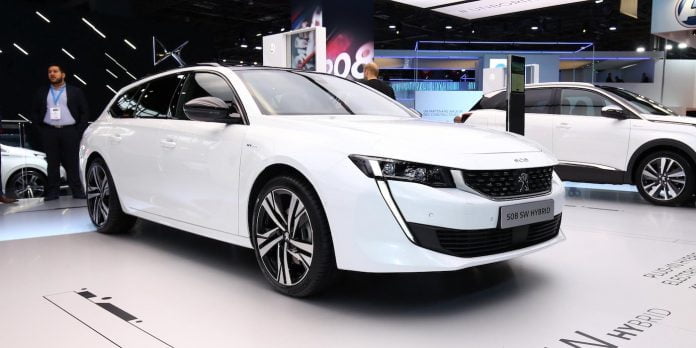
2022 Peugeot 308 range goes on sale in the UK

0

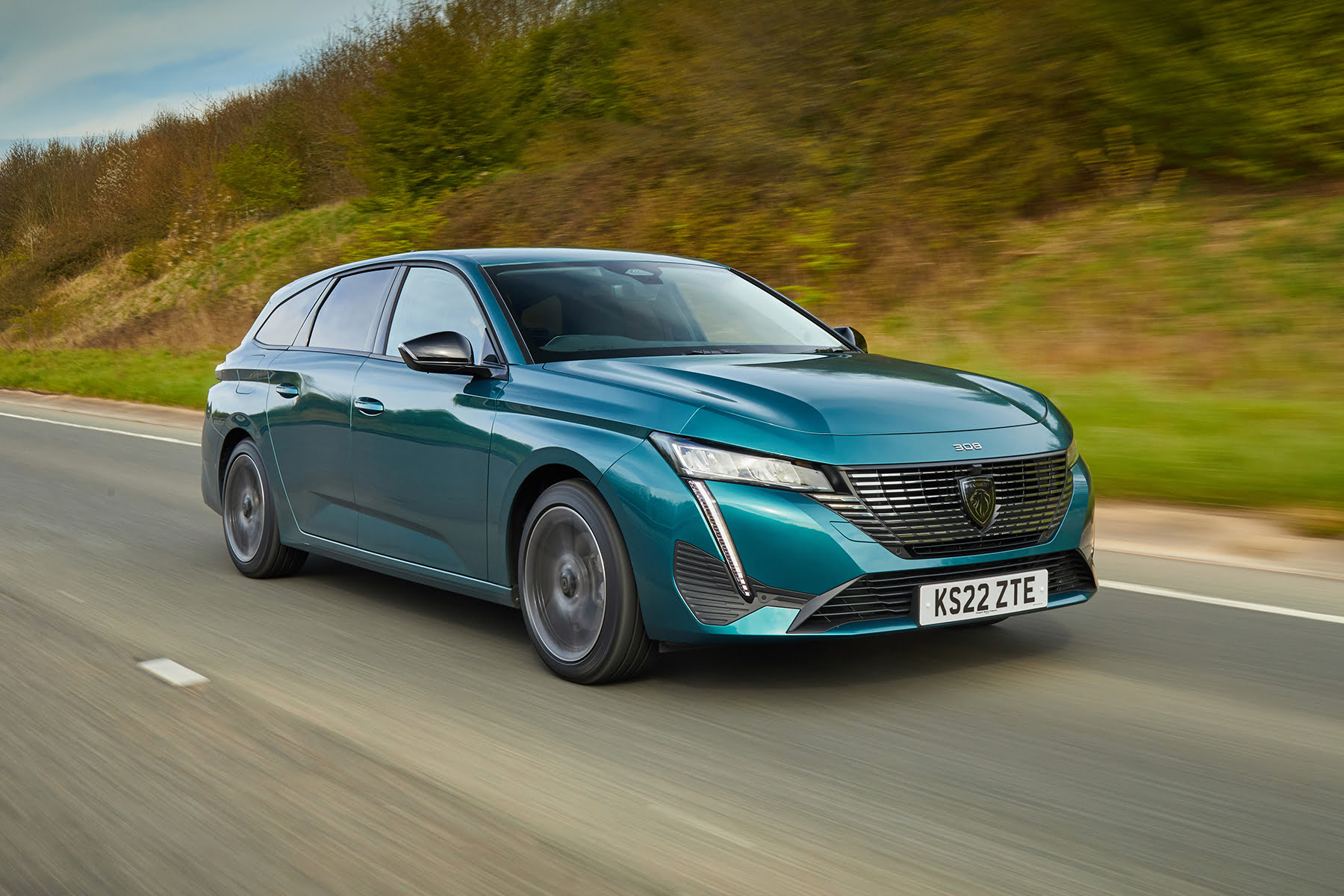
The Peugeot 308 hatchback and 308 SW estate car have now arrived on UK roads – including plug-in hybrid variants for the first time.

Although this new range is built on the same platform as the old second-generation 308, the 2022 range features broad design overhauls inside and out, as Peugeot attempts to target the private buyers and fleet customers of more upmarket brands.

Both the 308 hatchback and 308 SW estate can be specced with a 1.2-litre petrol engine or a 1.5-litre diesel engine, and the range also includes two plug-in hybrid powertrain options – which both use a 1.6-litre petrol engine connected to a 12kWh battery. Peugeot says that these plug-in hybrid models can travel a maximum of 37 miles on just electric power.

The brand also says that the cheaper ‘180’ plug-in hybrid model is eligible for a 8% Benefit-in-Kind tax rate, making it ideal for fleet customers.

All of these 308 options come fitted with an eight-speed automatic gearbox.

The new 308 range includes five trim levels. The all models are fitted with Peugeot’s ten-inch ‘i-Cockpit’ infotainment screen, while the Allure trim and up get customisable touchscreen buttons the brand calls ‘i-Toggles’, which allows the owner to set shortcuts for the car’s controls for ease of use.

Buyers that opt for the mid-range ‘Allure Premium’ trim will also get Peugeot’s Drive Assist Pack, which includes semi-autonomous driving technology that can automatically adapt the speed of the car around fast corners.

The hatchback model has 412 litres of boot space, while the boot of the longer estate model is significantly larger – at 608 litres. All models also come with 34 litres of storage space behind the centre console.

Key trim level features

Entry-level ‘Active Premium’ (from £25,270)

  • LED headlights
  • Peugeot’s ‘i-Cockpit’ ten-inch infotainment screen with Apple CarPlay and Android Auto
  • Leather steering wheel
  • Two USB sockets
  • 16-inch alloy wheels
  • Automatic rear windscreen wiper that activates in reverse
  • Centre console armrest
  • Push button start-up
  • Lane keeping assistance
  • Cruise control and speed limiter
  • Traffic sign recognition

‘Allure’ (from £27,120)

  • All lower trim features that are not replaced
  • ‘Leather-effect’ upholstery
  • Chrome detailing on the exhaust
  • 17-inch alloy wheels
  • A frameless rearview mirror that can block harsh light
  • Peugeot’s navigation software with TomTom updates
  • Customisable ‘i-toggles’ control buttons on the infotainment screen
  • Ambient lighting on the door panels
  • Front and rear parking sensors
  • 180-degree reversing camera

‘Allure Premium’ (from £28,020)

  • All lower trim features that are not replaced
  • Keyless entry
  • Rear cross traffic alert
  • Blind spot detection
  • Adaptive cruise control
  • Wireless smartphone charging

‘GT’ (from £29,920)

  • All lower trim features that are not replaced
  • Matrix LED headlights
  • 18-inch alloy wheels
  • Alcantara leather upholstery
  • A heated steering wheel
  • LED lighting in the glovebox
  • Chequered grille design

Range-topping ‘GT Premium’ (£31,520)

  • All lower trim features that are not replaced
  • Electrically-adjustable driver’s seat that is heated and has a massage function
  • Upgraded stereo system
  • Electric tailgate
  • 360-degree parking camera
  • semi-automated parking assistance

The Peugeot 308 has been winning awards even before its UK launch, as it has recently been awarded the accolade of Women’s World Car of the Year. Plenty of reviewers have got their hands on both the hatchback and estate model already too, and the Peugeot 308 currently holds an Expert Rating of 72%.

The 2022 range is available to purchase now from Peugeot’s UK dealerships and on the brand’s website, with prices for the 308 hatchback starting from £25,270, and £26,470 for the 308 SW estate.

New Range Rover Sport revealed

The third-generation Range Rover Sport has been unveiled, combining a minimalist design with a range of powertrains, including petrol, diesel and two plug-in hybrid (PHEV) versions.

Following the lead established by the all-new version of the flagship Range Rover, unveiled in October 2021, the new Range Rover Sport is built on the same platform. However, as with the sister model, you won’t be able to buy a fully electric version until 2024.

The plug-in hybrid models combine a 3.0-litre V6 petrol engine with electric motors powered by 38kWh battery packs. The most powerful variant will offer 510hp and 700Nm of torque, sending it through 62mph from rest in 5.4 seconds.

Land Rover says that the plug-in Sport will have a real-world driving range of up to 460 miles and be able to travel up to 70 miles on electric power alone. Official CO2 emissions of 18g/km will make the model attractive to buyers subject to benefit-in-kind tax.

The 2022 Range Rover Sport is larger than its predecessor, with its wheelbase increased by 8cm and freeing up major gains in interior room, along with boot space enlarged by 55 litres.

The exterior visuals follow a minimalist theme of smooth panels, with flush-fitting door handles and at the front a narrow grille framed by LED headlamps that are the slimmest yet fitted to any Land Rover product.

Conventional powertrains will also continue with the new model, ranging across one petrol and a pair of diesel six-cylinder engines, all mild-hybrid, plus a 4.4-litre V8 petrol with 530hp.

Major updates to the Sport chassis see the standard-fit air suspension system now including switchable-volume air springs – fitted for the first time on a Land Rover, these vary the pressure of each spring for the best combination of comfort and performance. All-wheel steering is also part of the handling package.

A 14-inch digital display provides driver information while a 13-inch infotainment touchscreen is mounted atop the centre console and separate from it.

Dealers are now taking orders for the Range Rover Sport at prices starting from just over £79,000.

The outgoing Range Rover Sport generation has been on sale since 2013 – with a current Expert Rating of 73%, it has received particular praise for its ability to combine on-road and off-road performance, as well as comfort and luxury. On the other hand, it has been criticised for a high number of reliability problems.

DS 3 (2010 to 2019)

Summary

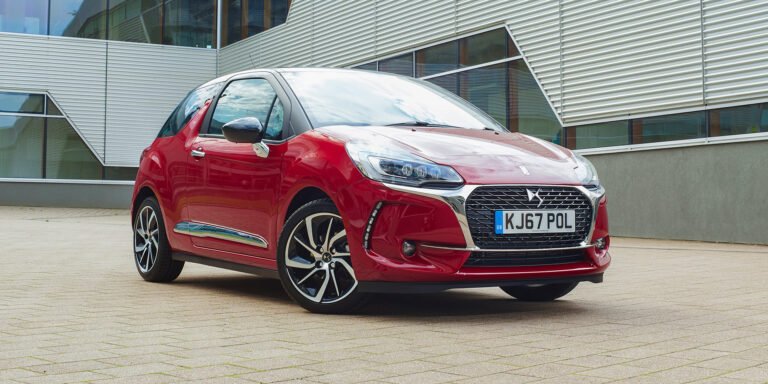
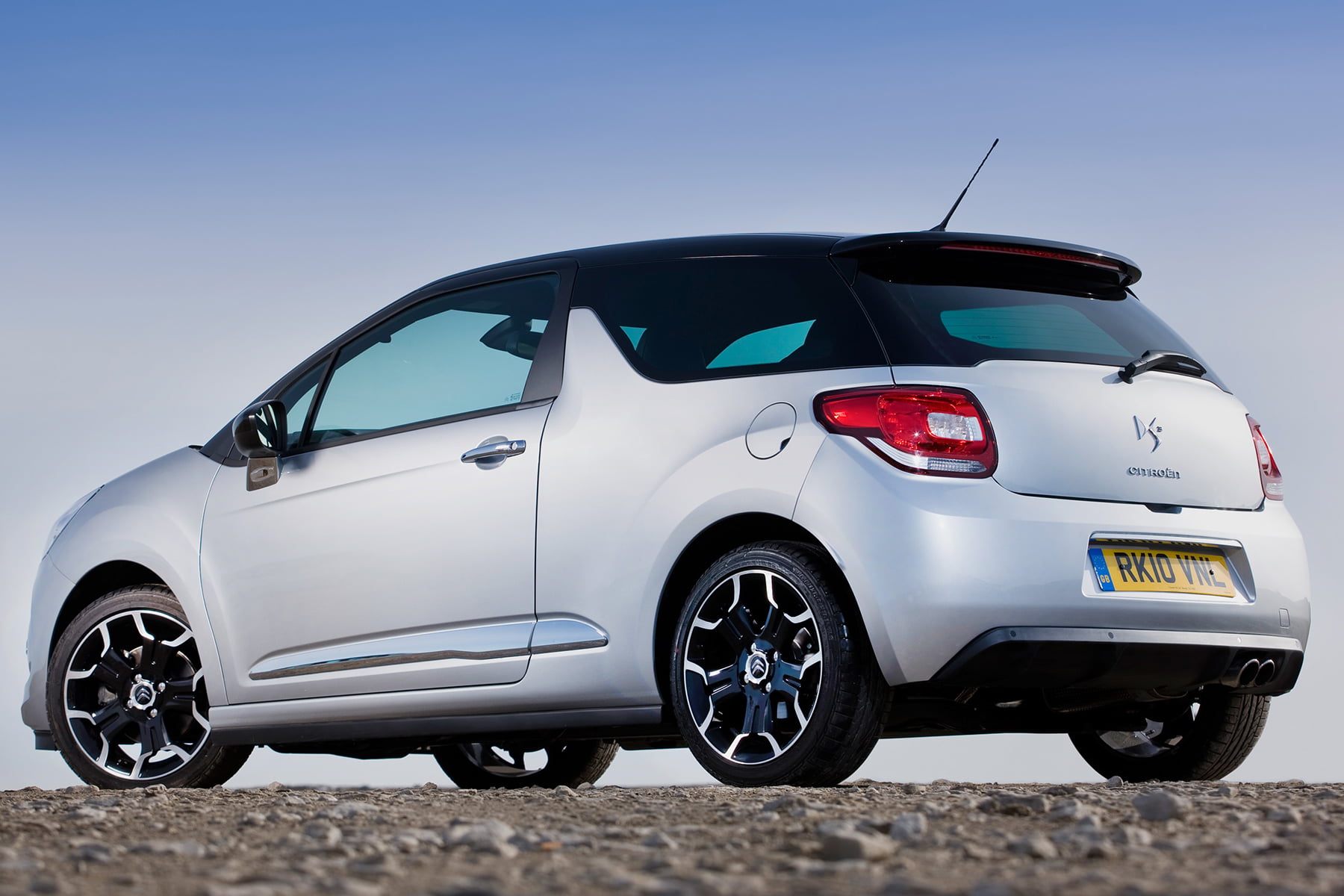
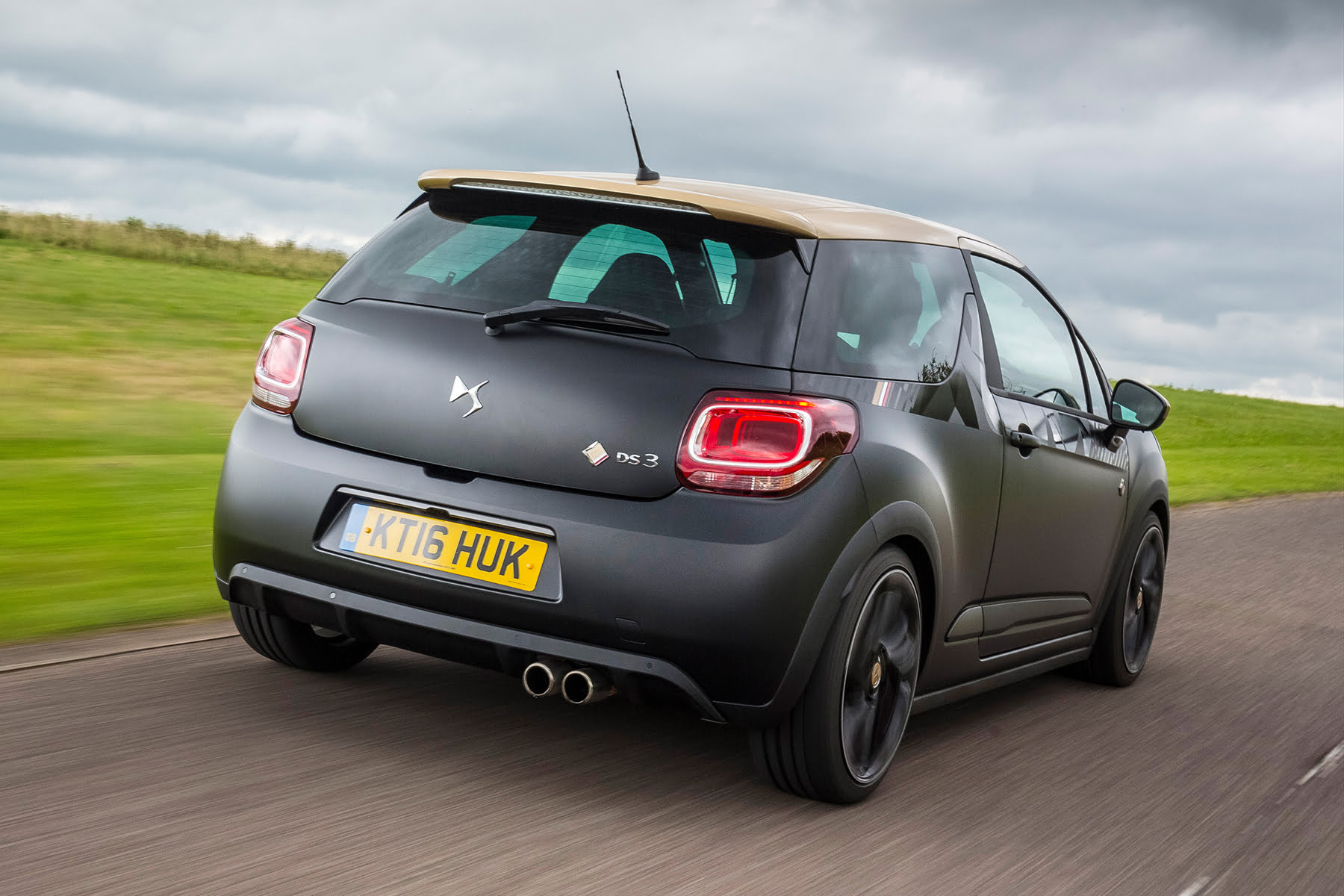
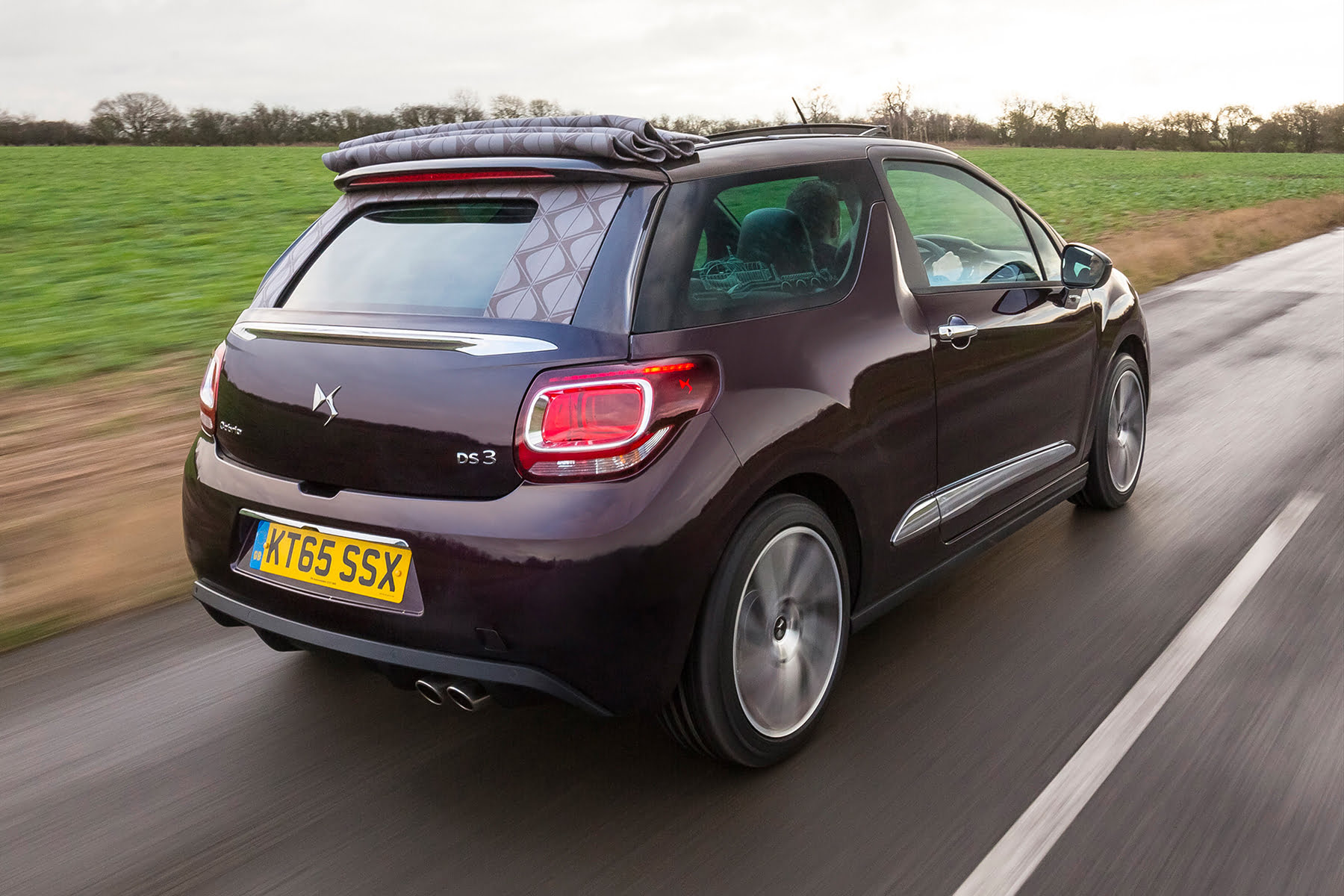
No longer in production, the DS 3 was a compact three-door hatchback and cabriolet model manufactured by DS Automobiles – a spin-off brand owned by Citroën.

Originally launched in 2010 as the Citroën DS3, the supermini-sized hatchback was part of a three-car family that was shifted across to become part of the new DS Automobiles line-up when it became a standalone brand in 2016.

The DS 3 range included a number of petrol and diesel engine options, available with either a manual or automatic gearbox, and the line-up also included an uprated Performance model. Like the Fiat 500, the Citroën DS3 (and then the DS 3) was offered with an optional roll-back fabric roof to form a cabriolet version.

In its early years, the Citroën DS3 received many positive review scores from the UK motoring media, described by many as a fun and interesting alternative to the popular Mini hatch. However, by the time it morphed into the more highly chromed DS 3 in 2016, Auto Express found that it was “starting to feel its age” against newer (and cheaper) contenders in the small car sector.

Carbuyer highlighted its “style, fun-to-drive character and well-built interior”, while Evo noted that the car’s wide range of personalisation options makes it stand out in a very populated small car market.

Towards the end of its production life, the DS 3 fell behind rivals in terms of interior design, infotainment and rather dated safety technology standards – highlighted by its unimpressive three-star Euro NCAP safety rating.

Parkers also argued that there were more practical options out there for the same price, as the DS 3 had a “laughably small” glovebox, and Carwow asserted that the hatchback had a boot opening that was too narrow and was is “too fidgety over poor road surfaces”.

Now replaced in the DS Automobiles line-up by the larger DS 3 Crossback, the DS 3 holds a Used Car Expert Rating of E, with a score of 53%. It gets good grades for its low running costs, but reliability has been sub-par and its safety rating has long expired.

DS 3 highlights

  • Distinctive exterior design
  • Early models very competitive against rivals
  • Agile handling
  • Punchy and economical engines
  • Plenty of personalisation options

DS 3 lowlights

  • DS 3 was no great improvement over original Citroën DS3
  • Not as practical as other superminis
  • Bumpy ride on poor roads
  • Dated interior and infotainment
  • Three-star crash test rating

Key specifications

Body style: Three-door hatchback and cabrio
Engines:
petrol, diesel
Price when new:
From £13,295 on-road

Launched: Summer 2010
Last updated: Spring 2018
Replaced: Summer 2019

Media reviews

Highlighted reviews and road tests from across the UK automotive media. Click any of the boxes to view.

The Car Expert

Auto Express

Auto Trader

Business Car

Car

Car Keys

Carbuyer

Carwow

Eurekar

Evo

Green Car Guide

Heycar

Honest John

Motoring Research

Motors

Parkers

The Sun

The Sunday Times

The Telegraph

Top Gear

Safety rating

Independent crash test and safety ratings from Euro NCAP

Overall score: 3 stars
Date tested: January 2017
Date expired: January 2024
Read the full Euro NCAP review

Adult protection: 69%
Child protection: 37%
Vulnerable road users: 55%
Safety assist: 29%

Notes on safety rating

The DS 3 was originally tested by Euro NCAP back in 2017 and achieved some below-average scores as part of its overall three-star safety rating. While its adult protection score was decent, its child occupant protection was quite poor, and its safety assistance score of 29% reflects that the car did not come with much technology to help avoid a crash in the first place.

This rating expired in January 2024 and is no longer valid as the car no longer meets the standards required for such a rating. This is normal practice, as Euro NCAP reviews its ratings on most cars annually with most ratings expiring after about six or seven years.

Although the rating has now expired, the score is still useful if you are comparing a used DS 3 to vehicles of similar age – whose ratings will have probably also expired.

Eco rating

Independent economy and emissions ratings from Green NCAP

No eco rating

The DS 3 was not assessed by Green NCAP. Its production life cycle almost completely pre-dated Green NCAP’s existence.

Reliability rating

MotorEasy logo 600x167

Reliability data provided exclusively for The Car Expert by MotorEasy

All data based on MotorEasy average workshop costs for extended car warranty claims

With an overall reliability score of 61% based on extended warranty repair costs, MotorEasy warranty data shows that the DS 3 is about average when it comes to reliability. This score only accounts for the later DS 3, rather than the original Citroën DS3 model.

The most expensive bills to date have come from engine repairs, with an average repair cost of more than £900. They’re also one of the most common problems on the DS 3. This is worth keeping in mind if you are looking at a used DS 3, or already own one.

Awards

Significant UK trophies and awards that the DS 3 and Citroën DS3 have received

2017

  • Diesel Car Magazine – Best Small Second-Hand Buy

2016

  • Diesel Car Magazine – Used Car of the Year + Best Small Second-Hand Buy

2011

  • Fleet World Awards – Best Design
  • Top Gear Awards Small Car of the Year

Similar cars

If you’re looking at the DS 3, you might also be interested in these alternatives

Alfa Romeo Mito | Audi A1 | Citroën C3 | Ford Fiesta | Mazda 2 | Mini hatchPeugeot 208 | Renault Clio | SEAT Ibiza | Skoda Fabia | Suzuki Swift | Toyota Yaris | Vauxhall Corsa Volkswagen Polo

More news, reviews and information about the DS 3 at The Car Expert

Electric car grant – all the EVs with discounts in 2026

Electric car grant – all the EVs with discounts in 2026

Everything you need to know about DS Automobiles

Everything you need to know about DS Automobiles

The 10 worst new cars on sale in 2024

The 10 worst new cars on sale in 2024

Facelifted DS 3 discards Crossback branding

Facelifted DS 3 discards Crossback branding

DS 3 E-Tense

DS 3 E-Tense

DS 3

DS 3

Limited Edition DS 3 Black Lézard

Limited Edition DS 3 Black Lézard

Zero-star Fiat shows the progress of safety standards

Zero-star Fiat shows the progress of safety standards

New finance offers across DS model range

New finance offers across DS model range

New Connected Chic trim level for DS 3

New Connected Chic trim level for DS 3

DS adds Performance Line for sporty drivers

DS adds Performance Line for sporty drivers

DS 3 review

DS 3 review

Buy a DS 3

If you’re looking to buy a used DS 3, The Car Expert’s partners can help you find the right car

Motors 600x300

Search less, live more. We make finding the right car simple. Find out more

Auto Trader logo 600x300

Find your next new or used car with Auto Trader. Find out more

Carwow logo 600x300

Find your next new or used car with Carwow. Find out more

Peugeot 308

Summary

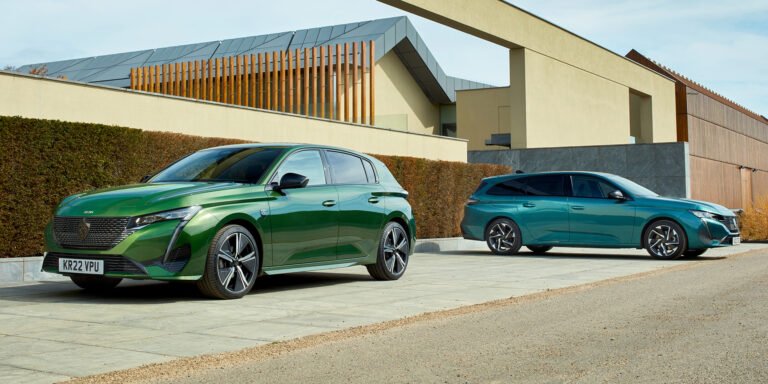
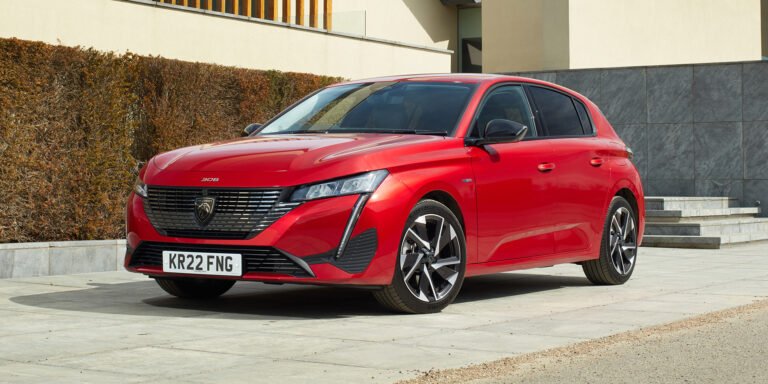
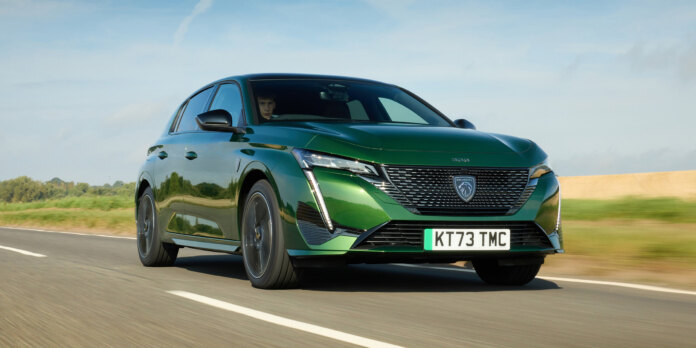
Now in its third generation, the Peugeot 308 is a mid-sized family hatchback and estate car. It was unveiled in late 2021 before arriving in the UK in early 2022.

Challenging mainstream rivals like the Volkswagen Golf and Toyota Corolla, the Peugeot 308 is structurally identical to the latest iteration of the DS 4 and is available as a petrol or plug-in hybrid model (there was also a diesel, which was discontinued). A battery-powered version, the E-308, is not included here – we have a separate page for that car.

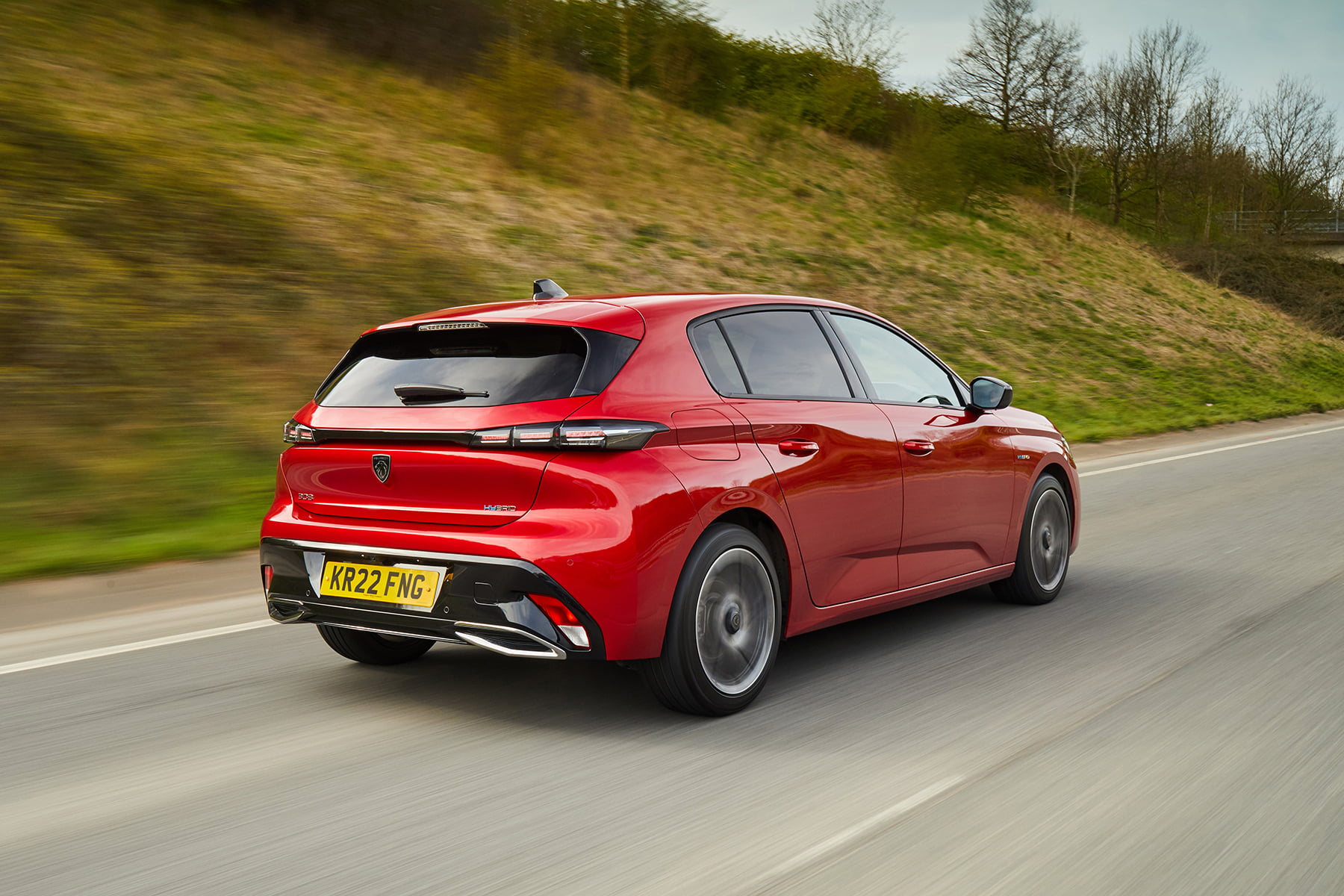
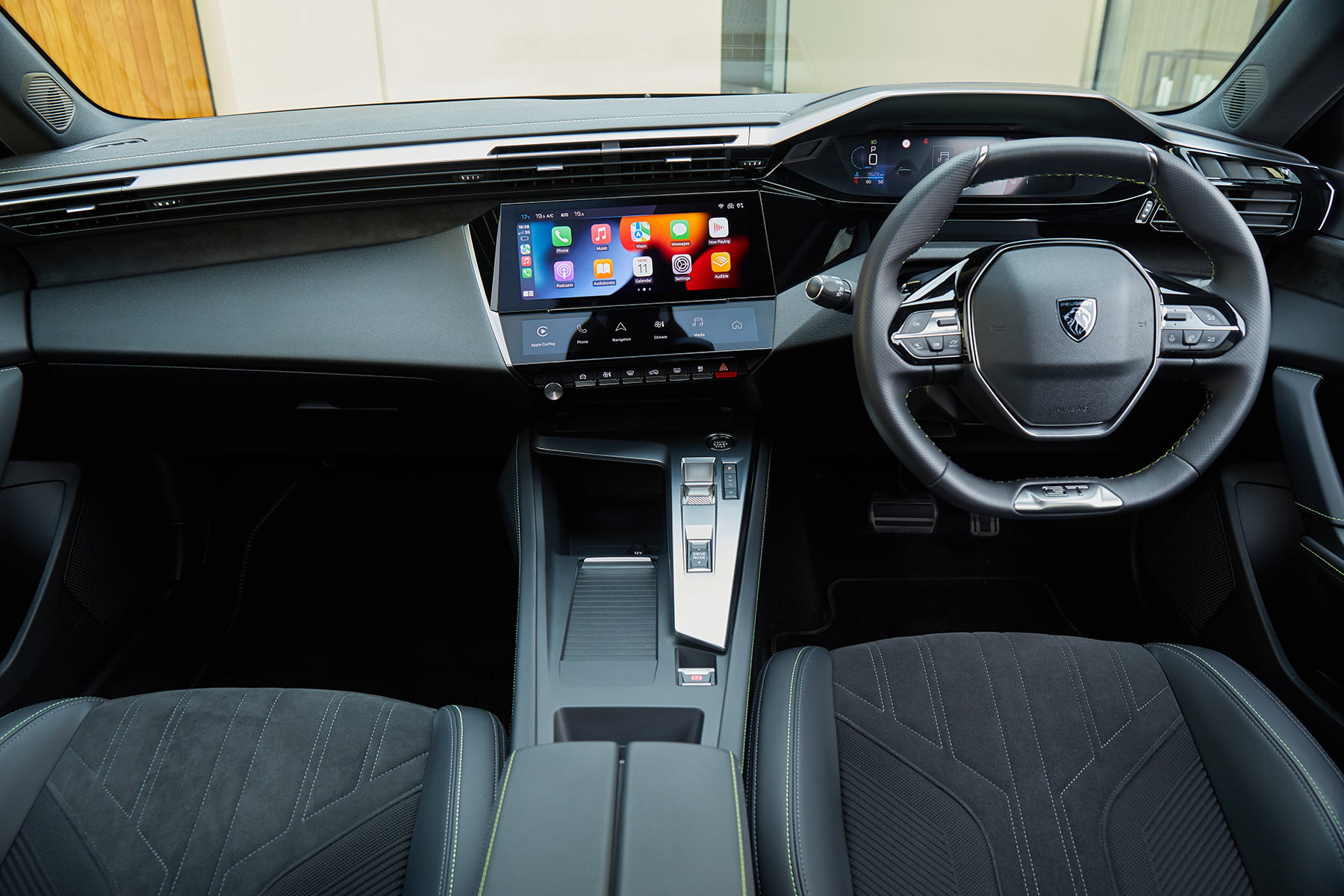
With sharper exterior styling and an upmarket interior trim fitted with Peugeot’s latest on-board tech features and infotainment, the third-generation 308 has received a positive reception from the UK media since its arrival in early 2022 – Business Car describes the new-look 308 as “a vast improvement over its predecessor”, while Auto Express calls it an “accomplished all-rounder with its sights set firmly on the best cars in this class”.

Reviewers often highlight the Peugeot 308 for its wide range of efficient engines and its comfortable and refined cabin. Auto Trader adds that a new 308 is a durable choice as well as a sensible one – thanks to the brand’s “strong reputation for reliability”.

Rivals offer more cabin space and better handling, with cars like the Ford Focus and SEAT Leon offering more driver appeal and more practicality in the rear. Car magazine also warns that Peugeot’s unique dashboard design “looks fab but can be a stressfest to use day-to-day”. Many UK publications are also not too impressed by the 308’s pricing – explaining that top-spec models don’t offer enough value-for-money – particularly the range-topping plug-in hybrid model.

A facelifted 308 range is expected to hit UK roads by the end of 2025 or early 2026, which will offer some light styling changes and tech upgrades.

As of September 2025, the Peugeot 308 holds a New Car Expert Rating of B, with a score of 67%. It scores top marks for its low running costs and CO2 emissions, but its safety score is only average and the 308’s reliability has historically been no better than average. On top of that, Peugeot’s new car warranty offering is poor.

Peugeot 308 highlights

  • Low running costs
  • Comfortable cabin
  • Agile handling
  • Plenty of on-board tech as standard
  • Intuitive infotainment

Peugeot 308 lowlights

  • Rear seats rather cramped
  • Rivals have more driver appeal
  • i-Cockpit dashboard not universally popular
  • Top-spec models get expensive

Key specifications

Body style: Medium hatchback and estate car
Engines: petrol, diesel, plug-in hybrid
Price: From £28,050 on-road

Launched: Winter 2021/22
Last updated: N/A
Replacement due: TBA

Media reviews

Reviews, road tests and comparisons from across the UK automotive media. Click any of the boxes to view.

Auto Express

Auto Trader

Business Car

Car

Carbuyer

Carwow

Company Car Today

Driving Electric

Electrifying.com

Evo

Heycar

Honest John

Parkers

The Telegraph

Top Gear

Safety rating

Independent crash test and safety ratings from Euro NCAP

Overall score: 4 stars
Date tested: May 2022
Read the full Euro NCAP review

Adult protection: 76%
Child protection: 84%
Vulnerable road users: 68%
Safety assist: 65%

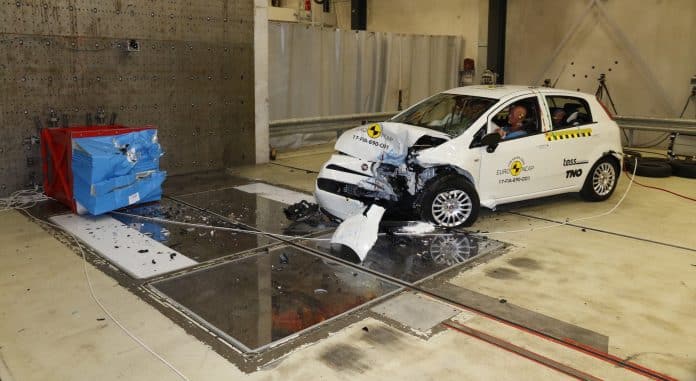
The Peugeot 308 has been given a four-star rating from Euro NCAP – the estate variant was the model crash tested but the safety body says that this rating applies to the hatchback variant too.

Shy of a full five-star rating, Euro NCAP comments that the 308 has “plenty of crash avoidance technology, but does not have some of the latest advancements introduced in the market”, and that the car was not “equipped with a centre airbag for far-side crash protection, a countermeasure which is increasingly common on modern cars”.

Eco rating

Independent economy and emissions ratings from Green NCAP

Model tested: 308 1.2-litre Petrol

Overall score: 2 stars
Date tested: July 2022
Read the full Green NCAP review

Clean Air Index: 3.8 / 10
Energy Efficiency Index: 4.7 / 10
Greenhouse Gas Index: 3.2 / 10

The 1.2-litre petrol version of the Peugeot 308 hatchback was tested by Green NCAP in Summer 2022, receiving a two star rating – a score that is common for combustion-powered models. This rating thus only applies to the petrol-powered 308, not diesel or plug-in hybrid variants.

“Like other smaller petrol engines, the three-cylinder power unit gets in trouble under constant high load where it emits very high amounts of carbon monoxide”, testers commented.

Running cost rating

Clear Vehicle Data logo close crop

Monthly cost of ownership data provided exclusively for The Car Expert by Clear Vehicle Data

CO₂ outputAverageScoreVariationScore
Petrol models130 g/kmB
Diesel models128 g/kmB
Plug-in hybrid models29 g/kmA
Battery rangeAverageScoreVariationScore
Plug-in hybrid models35 milesE
Insurance groupAverageScoreVariationScore
All models27C
Service and maintenanceCostScore
Year 1£180B
Year 2£501B
Year 3£774B
Year 4£969B
Year 5£1,288B
Overall£3,712B

The Peugeot 308 has very low running costs, according to data provided exclusively to The Car Expert by our commercial partner, Clear Vehicle Data. We don’t have fuel consumption data, but CO2 emissions are very low which suggests that fuel consumption will be similarly competitive.

Insurance costs are only average, but scheduled servicing and maintenance costs are good.

Reliability rating

MotorEasy logo 600x167

Reliability data provided exclusively for The Car Expert by MotorEasy

All data based on MotorEasy average workshop costs for extended car warranty claims

As of April 2025 (our most recent data point), the Peugeot 308 is only average when it comes to reliability with a score of 60%, according to extended warranty data provided by our commercial partner, MotorEasy. This covers both the current (2022 onwards) model and earlier generations.

The average repair cost is also about average at about £430.

The most common problems reported for the Peugeot 308 refer to the car’s engine, and unfortunately they are also the most expensive with an average repair bill of about £650.

Make sure that any used car warranty you are purchasing covers all of these potential problem areas.

Warranty rating

New car warranty information for the Peugeot 308

Overall ratingD31%
Petrol or diesel modelsE17%
Electric or hybrid modelsC56%
New car warranty duration3 years
New car warranty mileage60,000 miles
Battery warranty duration8 years
Battery warranty mileage100,000 miles

Peugeot’s new car warranty is pretty much the bare minimum offered in the UK, with a duration of three years and a limit of 60,000 miles. Other rivals in the price bracket do better (and in some cases, much better).

In addition to the standard new car warranty, hybrid versions of the 308 have an eight-year/100,000-mile warranty for the battery components.

Warranty on a used Peugeot 308

  • If you are purchasing an ‘Approved Used’ 308 from an official Peugeot dealership, you will get a minimum six-month warranty included.
  • If you are buying a used 308 from an independent dealership, any warranty offered will vary and will probably be managed by a third-party warranty company.
  • If you are buying a used 308 from a private seller, there are no warranty protections beyond any remaining portion of the original new car warranty.

If you’re looking to buy a used car that is approaching the end of its warranty period, a used car warranty is usually a worthwhile investment. Check out The Car Expert’s guide to the best used car warranty providers, which will probably be cheaper than a warranty sold by a dealer.

Recalls

Official DVSA safety recalls that have been issued for the Peugeot 308

Date: May 2024
Recall number: R/2024/237
Model types: All
Build dates: 06/2022 to 06/2023
Number of vehicles affected: 2
Defect: On affected vehicles equipped with E-call, the device may not function when trying to connect to E-Call (emergency call) and B-Call (breakdown call) due to incorrect BSRF (on-board radio communication transmitter) configuration and, as a result, does not comply with regulatory requirements.
Remedy: Check and replace the radio frequency connectivity box.

As of September 2024 (our most recent data point), there has been one DVSA vehicle recall on the current-generation Peugeot 308 – and that only affected two cars.

Not all vehicles are affected by recalls. You can check to see if your car is included in any of the above recalls by visiting the DVLA website or contacting your local Peugeot dealer.

If your car is affected by a recall, the vehicle must be repaired and you should not be charged for any work required. If you are buying a used 308, you should insist that any outstanding recall work is completed before you take delivery of the vehicle.

Awards

Trophies, prizes and awards that the Peugeot 308 has received

2023

  • EcoCar Electrified Top 50 – Best Plug-In Hybrid Medium Estate Car

2022

  • Red Dot Awards – Best Design Award
  • Women’s World Car of the Year AwardsCar of the Year + Best Urban Model

Similar cars

If you’re looking at the Peugeot 308, you might also be interested in these alternatives

Current models: Audi A3 | BMW 1 Series | Citroën C4 | DS Nº4Ford Focus | Honda Civic | Hyundai i30 | Kia Ceed | Mazda 3 | Mercedes-Benz A-Class | SEAT Leon | Skoda Scala | Skoda Octavia | Suzuki SwaceToyota Corolla | Vauxhall Astra | Volkswagen Golf

Discontinued models: Alfa Romeo Giulietta (2010 to 2021) | Citroën C4 Cactus (2014 to 2021) | DS 4 (2021 to 2025)Fiat Tipo (2016 to 2024) | Mini Clubman (2015 to 2024) | Renault Megane (2026 to 2022) 

More news, reviews and information about the Peugeot 308 at The Car Expert

Electric car grant – all the EVs with discounts in 2026

Electric car grant – all the EVs with discounts in 2026

Everything you need to know about Peugeot

Everything you need to know about Peugeot

Peugeot E-308

Peugeot E-308

Electric Peugeot e-308 hatchback now on sale

Electric Peugeot e-308 hatchback now on sale

All-electric Peugeot e-308 to arrive in 2023

All-electric Peugeot e-308 to arrive in 2023

Top marks for four brands in latest Euro NCAP tests

Top marks for four brands in latest Euro NCAP tests

2022 Peugeot 308 range goes on sale in the UK

2022 Peugeot 308 range goes on sale in the UK

New Peugeot 308 SW includes PHEV flagship

New Peugeot 308 SW includes PHEV flagship

Updated Peugeot 308 revealed

Updated Peugeot 308 revealed

Britain’s best-selling cars, April 2020

Britain’s best-selling cars, April 2020

Peugeot 308 (2014 to 2021)

Peugeot 308 (2014 to 2021)

Peugeot 308 GTi review

Peugeot 308 GTi review

Buy a Peugeot 308

If you’re looking to buy a new or used Peugeot 308, The Car Expert’s partners can help you find the right car.

Motors 600x300

Find your next used car with Motors. Find out more
Auto Trader logo 600x300

Find your next new or used car with Auto Trader. Find out more

Carwow logo 600x300

Find your next new or used car with Carwow. Find out more

Lease a Peugeot 308

If you’re looking to lease a new Peugeot 308, The Car Expert’s partners can help you find a competitive deal.

Carparison 600x300

Personal contract hire deals from Carparison Leasing. Find out more

Leasing-com logo

Personal contract hire deals from Leasing.com. Find out more

Carwow logo 600x300

Personal contract hire deals from Carwow. Find out more

Subscribe to a Peugeot 308

If you’re interested in a car subscription, The Car Expert’s partners can help. (PS: What’s a car subscription?)

SelfDrive UK logo

Car subscriptions from SelfDrive.
Find out more

Drive Fuze logo 600x300

Car subscriptions from DriveFuze.
Find out more

Cocoon Vehicles logo 600x300

Car subscriptions from Cocoon.
Find out more

Morgan Plus Six

Summary

First arriving on UK roads in 2019, the Morgan Plus Six is a luxury roadster, and the first turbocharged model that the Morgan Motor Company has ever produced.

Described by Evo as a “British brute with BMW power”, the Plus Six derives its name from its 335hp six-cylinder engine that is also used by the likes of the BMW Z4 and Toyota GR Supra. This powerful unit, combined with the car’s lightweight frame, means that this flagship Morgan model can complete a 0-62mph sprint time in 4.2 seconds.

“This is a seriously rapid car”, Auto Express explains, adding that the Plus Six has “decent body control, light but accurate power steering, fine brakes and surprisingly excellent traction”.

That said, Evo says that the lack of driver aids means that you probably shouldn’t investigate its top speed of 165mph – “the rears can, and do, spin up easily if your throttle inputs lack subtlety”. It also asserts that the Plus Six has “truly hopeless” seats that are not “shapely enough to hold you in place during the car’s wild cornering antics.”

While a few reviewers point to the fact there are more practical sports car options for the Morgan’s steep price tag, many enthusiast-focused titles give the Plus Six glowing reviews due to its potential as a weekend track toy. As Top Gear concludes, “This is a genuinely modern Morgan; a wild and wonderful sports car that’s more liveable than any of its forebears.”

As of March 2026, the Morgan Plus Six holds a New Car Expert Rating of C with a score of 59%.

Plus Six highlights

  • Seriously quick
  • Very unique styling
  • Sharp handling and body control
  • Exciting engine soundtrack

Plus Six lowlights

  • Very expensive
  • Other upmarket sports cars are more practical
  • Seats are not very supportive
  • Rather rigid ride comfort

Key specifications

Body style: Two-seat roadster
Engines:
petrol
Price:
From £84,995 on-road

Launched: Autumn 2019
Last updated: Summer 2021
Replacement due: TBA

Media reviews

Highlighted reviews and road tests from across the UK automotive media. Click any of the boxes to view.

Auto Express

Car

Daily Mirror

Evo

Heycar

Honest John

Motoring Research

The Telegraph

Top Gear

Safety rating

Independent crash test and safety ratings from Euro NCAP

No safety rating

As of March 2026, the Morgan Plus Six has not been crash tested by Euro NCAP. Due to its price and exclusivity, it is unlikely to be crash tested in the future.

Eco rating

Independent economy and emissions ratings from Green NCAP

No eco rating

As of March 2026, the Morgan Plus Six has not been lab tested by Green NCAP. Due to its price and exclusivity, it is unlikely to have its emissions tested.

Reliability rating

MotorEasy logo 600x167

Reliability data provided exclusively for The Car Expert by MotorEasy

No reliability rating

As of March 2026, we don’t have enough reliability data on the Morgan Plus Six to generate a reliability rating.

The Car Expert’s reliability information is provided exclusively to us using workshop and extended warranty data from our partner, MotorEasy, sourced from both official dealerships and independent workshops. 

As soon as MotorEasy has sufficient data on the Plus Six, we’ll publish the results here.

Running cost rating

Clear Vehicle Data logo close crop

Monthly cost of ownership data provided exclusively for The Car Expert by Clear Vehicle Data

CO₂ outputAverageScoreVariationScore
Petrol models180 g/kmD
Insurance groupAverageScoreVariationScore
All models50F

The Morgan Plus Six is a pretty rare sight on UK roads, and therefore we have little running cost data to display at the moment. However, we do know that its insurance premiums are predicted to be in the most expensive bracket.

Similar cars

If you’re looking at the Morgan Plus Six, you might also be interested in these alternatives

Alpine A110 | Audi TT | BMW Z4 | Caterham Seven 620 | Ford Mustang | Jaguar F-Type | Lotus Elise | Morgan Plus Four | Porsche 718 Cayman | Toyota GR Supra

Although there are luxury sports cars available at around the same price, there is almost nothing that can be directly compared to the Morgan Plus Six, apart from the less-powerful Plus Four, thanks to the car’s unique body composition and unparalleled retro exterior design.

Buy a Morgan Plus Six

If you’re looking to buy a new or used Morgan Plus Six, The Car Expert’s partners can help you find the right car

Motors 600x300

Find your next used car with Motors. Find out more

Auto Trader logo 600x300

Find your next new or used car with Auto Trader. Find out more

Carwow logo 600x300

Find your next new or used car with Carwow. Find out more
Tyre pressure: what you need to know

0

Whether you have just got home from a long day at work or the school run, or you are getting the caravan ready for a long weekend away, checking your car’s tyre pressure is likely to be the last thing on your mind.

However, making sure you have the correct tyre pressure is very important for safety, as well as providing your car with the best combination of performance and fuel economy. Keeping tabs on tyre pressure can also extend the life of your tyres, saving you the potential cost of replacing them.

In this article, we explain when and how to check your tyre pressure, how to find out what the correct tyre pressure reading should be for your car, as well as the drawbacks of driving with under-inflated or over-inflated tyres.

How to check what the correct tyre pressure reading should be for your car

More often than not, the owner’s manual will tell you what your tyre pressure should be – it will give you a figure in pounds per square inch (PSI). Most manufacturers recommend a tyre pressure of 32 to 35 PSI for the average passenger car.

The manual may also give you the recommended pressure reading in a BAR figure. If so, you can use this handy converter from Which? to get a PSI figure from the listed BAR recommendation.

If you can’t find the car’s manual, some passenger cars have tyre pressure information markings in the driver’s door pillar or inside the petrol flap. Still no luck? Not to worry – type your registration number into Kwik-Fit’s free tyre pressure search tool to get accurate tyre pressure recommendations for a number of different tyre sizes.

You can also contact the customer services team of your chosen car manufacturer to find out the correct tyre pressure for your car. For this, you will need the size of the tyres fitted to your car, which is marked on the sidewalls of your tyres, and your car’s registration number.

Please also note that if you are travelling with heavy luggage in the rear, or towing a trailer or caravan, it is wise to slightly increase the pressure in your rear tyres to avoid oversteer.

When and how often should you inspect your tyres

Recommended tyre pressure figures always refer to ‘cold’ tyres that haven’t been on the move for a few hours. Driving around town causes your tyres to heat up, which increases the pressure in your tyres, so checking your tyre pressure just after driving will give you a false reading.

Therefore, if you are driving to a garage or petrol station to inspect your tyres, it is best to choose a location that is only a short drive away.

Tyre manufacturers generally recommend that you check your tyre pressure on a monthly basis, as passenger cars typically lose around one PSI of pressure every month through natural causes, and even more in the winter months.

How to check your tyre pressure

Once you have found your recommended PSI reading, you are ready to check your tyre pressure.

Checking tyre pressure at a petrol station

Most petrol station forecourts have their own pressure gauge and air pump that you can use for a small fee. Some of these tyre pump machines allow you to pay with coins, and others require a token purchased from the petrol station counter.

It usually costs about 50p to use the pump for four minutes, which should give you enough time to check all four tyres. When safely parked in front of the machine:

  1. Find the valve caps on each of your tyres, which jut out between the spokes of the alloys, and remove them (but keep them safe!)
  2. Insert the payment or required token, and then select the tyre pressure in PSI you would like using the +/- buttons on the air pump
  3. Connect the pump’s air hose to the tyre valve where the valve cap used to sit, and the machine should then show you a current pressure reading for the tyre.
  4. The pump will then inflate or deflate the tyre to match your chosen PSI value, and will start beeping when it is done.
  5. Repeat these steps for the other three tyres
  6. Remember to screw the tyre valve caps back on before you set off

In some cases there will be a PSI reading marked on the tyre, but do not mistake this figure as the recommended tyre pressure for your car – this is usually the maximum pressure that the tyre can take before popping.

Checking tyre pressure at home

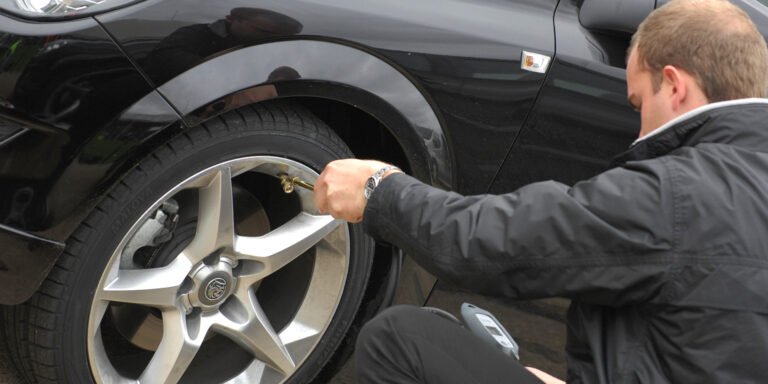
If you prefer to check your tyres at home, you will need a reliable pressure gauge, a screwdriver and tyre pump or air compressor. You can pick up a pressure gauge for around £10, while a quality tyre pump usually costs between £15 to £30. With your recommend PSI pressure reading in mind:

  1. Remove the valve cap from one tyre
  2. Press the pressure gauge onto the tyre valve until the hissing sound stops and the gauge gives you a reading
  3. If the tyre is over-inflated, press the small metal pin inside the valve with a screwdriver to let air out of the tyre
  4. If the tyre is underinflated, press the tyre pump or air compressor hose onto the valve and fill the tyre with air
  5. Check the tyre once again with the pressure gauge to see if you have the correct tyre pressure
  6. Repeat these steps for the other three tyres
  7. Remember to screw the tyre valve caps back on

Alternatively, you can take your car to a garage to ask a mechanic to check your tyre pressure – some garage chains, like Kwikfit, offer tyre pressure checks free of charge.

As well as the tyres you have fitted, remember to check the pressure of your spare tyre every once in a while – you never know when you might need it.

The benefits of having the correct tyre pressure

It will usually cost you 50p at most if you are checking your tyre pressure monthly at the petrol station, but that will save you £s every month at the petrol pumps – breakdown cover provider RAC asserts that driving with correctly-inflated tyres can improve your mileage per tank by up to 3%.

Getting your tyre pressure right will improve how quickly you can brake and how accurate your car is when steering. Keeping your tyres at the correct pressure can also greatly extend the lifespan of your tyres, and for the eco-conscious among us, it is better for the environment.

As properly-inflated tyres also help to reduce punctures, cuts and tire failures, checking your tyre pressure on a regular basis can make your car safer to drive, as you will read below…

The drawbacks and dangers of under-inflated tyres

It may seem more comfortable to drive with low-pressure tyres, but an under-inflated tyre is too flexible, which makes it uncontrollable. The centre of a low-pressure tyre does not make as much contact with the road as the outside edges, meaning at the edges of your tyre wear out faster, reducing the lifespan of your tyre and making your car more prone to breakdowns and road accidents.

Tyre manufacturer Michelin says that a difference of just seven PSI under or over your car’s recommended tyre pressure figure can reduce the life of your tyres by nearly 5,000 miles, and that tyres 14 PSI under the recommendation have an increased braking distance of 11 metres on wet roads.

Underinflated tyres are also prone to overheating, and make your car vulnerable to aquaplaning and other steering problems, which can cause you to start skidding or even spinning on wet surfaces due to a loss of control.

Driving a car with a heavy load while the tyres are under-inflated can also cause the sidewalls of the tyres to bulge and swell under the weight, leading to increased wear and tear, and making sudden tyre blowouts more likely.

The drawbacks and dangers of over-inflated tyres

If your tyres are over-inflated, the centre of the tyre makes more contact with the road than the edges, meaning that the centre of the tyre wears out faster.

This means that you will have to pay for new tyres to pass your MOT more often, as the lifespan of your tyres will be greatly decreased. Tyres with too much pressure also often cause a loss of traction with the road, increasing your stopping distances and making your car more prone to potential collisions.

And of course, the more inflated your tyre is, the more prone it is to rupture in high stress braking scenarios.

Read more:

Longer Bentley Bentayga to become brand flagship

Bentley has announced a stretched version of the Bentayga SUV, which will replace the Mulsanne saloon as the luxury brand’s flagship model.

The Bentayga Extended Wheelbase is almost 20cm longer than the standard version, the extra length placed entirely between the wheels and extending the rear cabin and doors by the same amount. For the first time power-closing can be specified for the rear doors.

According to its designers the extended SUV, which measures up at some 5.3 metres in length with a 3.2-metre wheelbase, is much more than just a stretched model. A “nine-figure investment” has been made to provide the best rear-seat travel experience in a Bentley since the Mulsanne, which ceased production in 2020.

Central to this is the new Airline Seat, claimed to be the most advanced seat ever fitted in a car. As well as 22 different forms of adjustment, the seats also feature ‘auto climate technology’ – this measures the temperature and humidity of an occupant and then applies heat, ventilation or both to keep them at the optimum temperature.

Meanwhile a ‘postural adjustment system’ automatically sets the seat based on the occupant’s pressure on it, making up to 177 individual changes across six pressure zones over a three-hour period. Bentley says this improves comfort and reduces fatigue during journeys.

Other luxury details in the car will include the first application of Bentley Diamond Illumination, which employs 12 LED lights in each front door and 22 in each rear door, shining through 1mm perforations in the leather trim.

Initially the Extended Wheelbase model will be available with a 4,0-litre 550hp V8 engine. Bentley claims it will offer driving dynamics comparable to a standard V8 model, helped by active suspension and a rear-steering system first seen in the Bentley Flying Spur.

First deliveries of the Bentayga Extended Wheelbase are set for the end of 2022 at prices yet to be announced. The stretched variant is expected to take almost half of all Bentayga sales, which is already the brand’s most popular model and accounts for one in three of all Bentleys sold.

Hyundai Ioniq (2016 to 2022)

Summary

The Hyundai Ioniq was a mid-sized five-door saloon and the Korean brand’s first attempt at building a car from the ground up. This Expert Rating covers the hybrid versions (regular and plug-in) of the Ioniq, while the Hyundai Ioniq Electric is covered on a separate page.

When the Ioniq first arrived in the UK in 2016, it was the manufacturer’s most fuel efficient model. UK reviews generally said that this fuel economy the saloon’s biggest strength. Carbuyer commended the Ioniq for its “super-low running costs”, while Auto Trader highlighted its “long warranty and genuine ease of ownership”.

The Telegraph added that the Ioniq’s “aggressive pricing” undercut its main rivals, including the more widespread Toyota Prius.

However, Carwow commented that the Ioniq did not match the Prius in the practicality department, and said that, while the Ioniq was “just about big enough for small families, it doesn’t look as stylish or feel quite as upmarket inside as alternatives.”

Despite its drawbacks, Which? concluded that the saloon “looks smart without being boring and it excels around town”, and was a good value-for-money proposition for buyers looking to switch from diesel to hybrid power motoring.

The name ‘Ioniq’ is now going to be used as a sub-brand, applied to all of Hyundai’s new range of dedicated electric vehicles (the first of which is the Ioniq 5), which means this particular model will probably not be succeeded by a new generation. Along with its electric counterpart, the Ioniq ended production in Summer 2022.

No longer on sale, the Hyundai Ioniq holds a Used Car Expert Rating of A, with a score of 72%. That’s the same score as the Ioniq Electric, but just a couple of points behind.

Ioniq highlights

  • Economical powertrains
  • Comfortable ride
  • Affordably priced
  • Well-equipped as standard

Ioniq lowlights

  • Rather cramped rear seating
  • Alternatives have more boot space
  • Noisy petrol engine
  • Pretty cheap interior design

Key specifications

Body style: Mid-size saloon
Engines:
petrol-electric hybrid, plug-in hybrid
Price when new:
From £24,405 on-road

Launched: Autumn 2016
Last updated: Summer 2019
Discontinued: Summer 2022

Media reviews

Highlighted reviews and road tests from across the UK automotive media. Click any of the boxes to view.

Featured reviews

More reviews

Auto Express

Auto Trader

Carbuyer

Carwow

Company Car Today

Evo

Fleetworld

Heycar

The Telegraph

Safety rating

Independent crash test and safety ratings from Euro NCAP

Overall score: 5 stars
Date tested: November 2016
Date expired: January 2023
Read the full Euro NCAP review

Adult protection: 91%
Child protection: 80%
Vulnerable road users: 70%
Safety assist: 82%

Notes on safety rating

The Hyundai Ioniq was originally crash tested by Euro NCAP back in 2016 and awarded a five-star rating. However, this rating expired in January 2023 and is no longer valid as the car no longer meets the standards required for such a rating. This is normal practice, as Euro NCAP reviews its ratings on most cars annually with most ratings expiring after about six or seven years.

Although the rating has now expired, the score is still useful if you are comparing a used Ioniq to vehicles of similar age – whose ratings will have probably also expired.

Eco rating

Independent economy and emissions ratings from Green NCAP

No eco rating

The hybrid and plug-in hybrid versions of the Hyundai Ioniq were not lab tested by Green NCAP during their production lives. The Ioniq Electric was tested, but its scores are not representative of the hybrid or plug-in hybrid versions.

Reliability rating

MotorEasy logo 600x167

Reliability data provided exclusively for The Car Expert by MotorEasy

No reliability rating

As of March 2026, we don’t have enough reliability data on the Hyundai Ioniq to generate a reliability rating.

The Car Expert’s reliability information is provided exclusively to us using workshop and extended warranty data from our partner, MotorEasy, sourced from both official dealerships and independent workshops. 

As soon as MotorEasy has sufficient data on the Ioniq, we’ll publish the results here.

Running cost rating

Clear Vehicle Data logo close crop

Monthly cost of ownership data provided exclusively for The Car Expert by Clear Vehicle Data

Fuel consumptionAverageScore
Hybrid models62 mpgA
Plug-in hybrid models257 mpgA
CO₂ outputAverageScoreVariationScore
Hybrid models103 g/kmA
Plug-in hybrid models26 g/kmA
Battery rangeAverageScoreVariationScore
Plug-in hybrid models39 milesE
Insurance groupAverageScoreVariationScore
All models12A

The Hyundai Ioniq is a very affordable car to own and run, according to whole-life cost numbers provided exclusively to The Car Expert by our data partner, Clear Vehicle Data.

Its fuel consumption and CO2 emissions figures are very good, although the official numbers for the plug-in hybrid models are ridiculous because the UK/EU government lab tests are hopelessly inadequate for assessing plug-in hybrid vehicles. The same applies to every other plug-in hybrid car on the market, rather than being specific to the Hyundai Ioniq.

Insurance costs should also be very competitive, although it should be noted that we don’t have data for servicing and maintenance costs.

Finally, the battery range for the plug-in hybrid might show a poor score, but that’s pretty normal for a plug-in hybrid when compared to a fully electric car with a much larger battery.

Awards

Trophies, prizes and awards that the Hyundai Ioniq has received

2019

  • Carbuyer Awards – Best Hybrid
  • Company Car Today Awards – Best Plug-In Hybrid

2017

  • BusinessCar Awards – Best Green Technology
  • Fleet News Awards – Best Plug-in Hybrid
  • Women’s World Car of the Year AwardsSupreme Award

2016

  • Next Green Car Awards – Car of the Year + Best Road-Tax-Exempt Car
  • Scottish Car of the Year Awards – Best Eco-friendly Car

Similar cars

If you’re looking at the Hyundai Ioniq, you might also be interested in these alternatives

BMW 3 Series | Ford KugaKia Niro | Mercedes-Benz C-Class | Nissan Leaf | Peugeot 508 | Renault Megane | SEAT Leon | Skoda Octavia | Toyota PriusToyota Prius Plug-in | Vauxhall AstraVolkswagen Golf | Volkswagen Passat | Volvo S60

More news, reviews and information about the Hyundai Ioniq range at The Car Expert

Everything you need to know about Hyundai

Everything you need to know about Hyundai

Hyundai Ioniq Electric (2016 to 2022)

Hyundai Ioniq Electric (2016 to 2022)

Hyundai Ioniq Electric test drive

Hyundai Ioniq Electric test drive

Hyundai Ioniq upgrades extend electric range

Hyundai Ioniq upgrades extend electric range

Toyota dominates list of best-value hybrids

Toyota dominates list of best-value hybrids

Hyundai expands scrappage offering

Hyundai expands scrappage offering

Hyundai Ioniq hybrid review

Hyundai Ioniq hybrid review

Hyundai announces scrappage and emissions offers

Hyundai announces scrappage and emissions offers

Plug-in hybrid completes Ioniq trio

Plug-in hybrid completes Ioniq trio

Crash testers name their best-performing cars of 2016

Crash testers name their best-performing cars of 2016

Hyundai prices Ioniq electric trio from £20K

Hyundai prices Ioniq electric trio from £20K

Buy a Hyundai Ioniq

If you’re looking to buy a used Hyundai Ioniq, The Car Expert’s partners can help you find the right car

Motors 600x300

Search less, live more. We make finding the right car simple. Find out more

Auto Trader logo 600x300

Find your next new or used car with Auto Trader. Find out more

Carwow logo 600x300

Find your next new or used car with Carwow. Find out more

Mercedes-AMG GT 4 Door

Summary

The Mercedes-AMG GT 4 Door is a luxury liftback that combines sports car performance with the cabin luxuries and practicalities of a high-end executive car – rivalling upmarket sports saloons like the Porsche Panamera.

While the GT 4 Door is marketed alongside the cheaper GT Coupé sports car, it is actually built on the same platform as the Mercedes-Benz E-Class executive saloon. While the definition of a coupé model usually boils down to a two-door car, Mercedes-AMG insists on calling this liftback model the GT 4 Door Coupé, due to its sporty sloping roofline.

First arriving on UK roads in the middle of 2018, the entry-level Mercedes-AMG GT 4 Door is powered by a supercharged V6 engine with mild-hybrid technology. The range also includes more powerful twin-turbocharged V8 models, and a flagship plug-in hybrid model, called the E-Performance.

The GT 4 Door has been warmly received by the British motoring media since its arrival, particularly enthusiast-focused titles who are impressed by the car’s exciting driving dynamics and pace, as well as its alluring looks. “It looks great and goes like hell”, says Top Gear.

That said, more consumer-centric motoring outlets don’t see the Mercedes-AMG GT 4 Door in the same light. For example, Carwow comments that the liftback’s interior “looks like an AMG greatest hits album”, with a heap of stylish touches taken from other models in the range.

The car’s six-figure price is another big sticking point for reviewers – which has led many journalists to recommend the Porsche Panamera over the GT 4 Door, as it is considered to be the better all-round choice, and for a cheaper upfront cost.

As of March 2026, the Mercedes-AMG GT 4 Door holds a New Car Expert Rating of E, with a score of 53%. Although it gets good grades from media reviews, it is hampered by very high running costs and poor CO2 emissions. It’s also worth noting that we don’t have safety or reliability data at this time.

GT 4 Door highlights

  • Alluring engine soundtrack
  • Powerful performance
  • Efficient plug-in hybrid powertrain
  • Spacious cabin and boot
  • Surprisingly agile for a car of this size

GT 4 Door lowlights

  • Plug-in hybrid’s small electric range
  • Firm suspension hinders comfort
  • Loud road noise
  • Exceptionally expensive
  • Porsche Panamera is a better all-rounder

Key specifications

Body style: Large five-door liftback
Engines:
petrol, plug-in hybrid
Price:
From £173,705 on-road

Launched: Summer 2018
Last updated: Winter 2018/19
Replacement due: TBA

Media reviews

Reviews, road tests and comparisons from across the UK automotive media. Click any of the boxes to view.

Featured reviews

More reviews

Auto Express

Auto Trader

Car

Carbuyer

Driving Electric

Evo

Heycar

Honest John

Parkers

The Sun

The Telegraph

Top Gear

Safety rating

Independent crash test and safety ratings from Euro NCAP

No safety rating

As of March 2026, the Mercedes-AMG GT 4 Door has not been assessed by Euro NCAP.

Eco rating

Independent economy and emissions ratings from Green NCAP

No eco rating

As of March 2026, the Mercedes-AMG GT 4 Door has not been assessed by Green NCAP.

Similar cars

If you’re looking at the Mercedes-AMG GT 4 Door, you might also be interested in these alternatives

Audi e-tron GT | Audi RS 7 Sportback | BMW M8 Gran Coupé | Mercedes-AMG CLS 53 | Porsche PanameraPorsche Taycan | Tesla Model S

Buy a Mercedes-AMG GT 4 Door

If you’re looking to buy a new or used Mercedes-AMG GT 4 Door, The Car Expert’s partners can help you find the right car

Motors 600x300

Find your next used car with Motors. Find out more

Auto Trader logo 600x300

Find your next new or used car with Auto Trader. Find out more
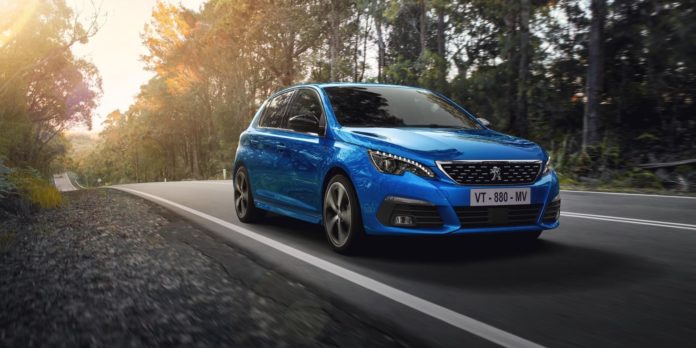
Carwow logo 600x300

Find your next new or used car with Carwow. Find out more

Lease a Mercedes-AMG GT 4 Door

If you’re looking to lease a new Mercedes-AMG 4 Door, The Car Expert’s partners can help you find a competitive deal.

Leasing-com logo

Personal contract hire deals from Leasing.com. Find out more

Carwow logo 600x300

Personal contract hire deals from Carwow. Find out more

Select Car Leasing logo

Personal contract hire deals from Select Car Leasing. Find out more

Subscribe to a Mercedes-AMG GT 4 Door

If you’re interested in a car subscription, The Car Expert’s partners can help (PS: What’s a car subscription?)

Cocoon Vehicles logo 600x300

Car subscriptions from Cocoon.
Find out more

Just Vehicle Solutions logo 600x300

Car subscriptions from Just Vehicle Solutions.
Find out more

Flexible Vehicle Contracts logo 600x300px

Car subscriptions from Flexible Vehicle Contracts.
Find out more

Abarth 695 line-up bolstered by new Rally-inspired trim

A new limited edition trim, called the Tributo 131 Rally, will feature at the top of the Abarth 695 range from late Spring 2022, which the manufacturer says pays homage to the championship-winning Fiat 131 Abarth Rally car, which completed its last competitive race over 40 years ago.

Abarth says that the Tributo 131 Rally trim gives the 695 hot hatch a “redefined look”, with a unique two-tone colour scheme inspired by the Rally car’s original blue livery from the 1970s, which contrasts the wheel arches, side skirts, and roof in a glossy black.

The most notable difference is the addition of a large roof spoiler in the rear which is branded with bold ‘Abarth’ lettering. The manufacturer says that this lip spoiler allows the driver to adjust the aerodynamics of the hatch, with 12 different angle settings between 0 and 60 degrees.

The 2022 Tributo 131 Rally is fitted with 17-inch alloy wheels like the standard hot hatch, but with a unique diamond cut design. Like the top-spec 695 Competizione trim, this new rally-inspired trim gets an uprated suspension system from specialists Koni, and more powerful Brembo brakes visible behind the alloys.

Abarth’s sportiest exhaust system is also present on this new trim. Called the ‘Record Monza Sovrapposto’, this four-pipe sports exhaust which can be made quieter or louder using a button on the dashboard.

Stepping inside, the interior trim of the Tributo 131 Rally is identical to the standard Abarth 695, apart from some blue accents and stitching on the seats.

This new limited edition uses the same 1.4-litre four-cylinder petrol engine as the rest of the 695 range, which has recently been updated for 2022. This engine is capable of producing 180hp and 250Nm of torque.

Abarth describes this limited run model as a collector’s edition – 695 models will be made for purchase worldwide, and some of these will reach the UK, with pricing starting at £32,325.

Although it has collected plenty of reviewer recommendations for its driver appeal, the 695 has faced the same issues since its arrival in 2016, many reviewers concluding that it was outdated and expensive when compared to newer hot hatch rivals. The Abarth 695 currently holds an Expert Rating of 49%.

Peugeot 508 PSE

Summary

A high-performance plug-in hybrid, the Peugeot 508 PSE (Peugeot Sport Engineered) is the flagship version of the Peugeot 508, offered in both liftback and estate body styles.

As well as the car’s sportier bodywork that the manufacturer says improves aerodynamics, the Peugeot 508 PSE produces more than double the power of the standard 508 saloon, thanks to its 355hp plug-in hybrid powertrain which combines a petrol engine with two electric motors.

Peugeot says that the 508 PSE can complete a 0-60mph sprint in 5.2 seconds, and travel a maximum of 26 miles on just electric power.

This is the most expensive model that Peugeot has ever sold, and by current plug-in hybrid standards, that all-electric range is middling. The cheaper Volvo V60 Recharge comparatively has an electric range of 54 miles.

Although its review scores have been quite poor compared to similarly priced cars from other brands, a number of outlets argue that the 508 PSE has some charms – Carwow explains that this sports saloon and estate is “extremely handsome, fast and comfortable”, while Auto Express says that this is “a versatile machine loaded with kit that also boasts strong efficiency”.

If you find this flagship performance model intriguing, you may be deterred by its price tag. Parkers comments that, “with a list price of more than £50,000, the 508 PSE is a tough sell for private buyers”.

A facelifted version of the 508 PSE arrived in the second half of 2023, and the model was discontinued in 2025. As of September 2025, you can still find new car stock at Peugeot dealers but you can’t order a new vehicle from the factory.

As of September 2025, the Peugeot 508 PSE holds a New Car Expert Rating of B, with a score of 64%. Being a plug-in hybrid, it has very low official CO2 emissions. Its safety rating and new car warranty score are only average, and its running costs are media review scores are poor.

508 PSE highlights

  • Impressive performance
  • Low running costs
  • Agile handling and body control
  • Comfortable on long cruises
  • Distinctive styling

508 PSE lowlights

  • Average interior quality
  • Small battery range
  • Unreasonably expensive to buy outright
  • Slightly cramped rear seating
  • Infotainment lags behind rivals

Key specifications

Body style: Mid-sized liftback and estate
Engines:
Plug-in hybrid
Price:
From £53,975 on-road

Launched: Autumn 2020
Last updated: Spring 2023
Replacement due: TBA

Media reviews

Highlighted reviews and road tests from across the UK automotive media. Click any of the boxes to view.

Featured reviews

More reviews

Auto Express

Car

Company Car Today

Driving Electric

Evo

Motoring Research

Parkers

The Sun

Top Gear

Safety rating

Independent crash test and safety ratings from Euro NCAP

Overall score: 5 stars
Date tested: December 2018
Date expired: January 2025
Read the full Euro NCAP review

Adult protection: 96%
Child protection: 86%
Vulnerable road users: 71%
Safety assist: 79%

Notes on safety rating

The Peugeot 508 range – including the 508 PSE – was tested by Euro NCAP back in 2018 and awarded a five-star rating. However, this rating expired in January 2025 and is no longer valid as the car no longer meets the standards required for such a rating. This is normal practice, as Euro NCAP reviews its ratings on most cars annually with most ratings expiring after about six or seven years.

Although the rating has now expired, the score is still useful if you are comparing a used 508 PSE to vehicles of similar age – whose ratings will have probably also expired.

Eco rating

Independent economy and emissions ratings from Green NCAP

No eco rating

As of September 2025, the Peugeot 508 PSE has not been lab tested by Green NCAP.

Running cost rating

Clear Vehicle Data logo close crop

Monthly cost of ownership data provided exclusively for The Car Expert by Clear Vehicle Data

Fuel consumptionAverageScore
Plug-in hybrid models159 mpgA
CO₂ outputAverageScoreVariationScore
Plug-in hybrid models43 g/kmA
Battery rangeAverageScoreVariationScore
Plug-in hybrid models32 milesE
Insurance groupAverageScoreVariationScore
All models42E
Service and maintenanceCostScore
Year 1£356D
Year 2£834D
Year 3£1,221D
Year 4£1,388D
Year 5£1,850D
Overall£5,649D

Running costs for the Peugeot 508 PSE are generally expensive, according to five-year cost data provided exclusively to The Car Expert by our technical partner, Clear Vehicle Data.

Being a plug-in hybrid, fuel economy and CO2 emissions look great on paper, but that’s due to the woeful EU/UK goverment lab tests that are completely useless at measuring a plug-in hybrid…

Battery range also looks woeful, but it’s fairly average for a plug-in hybrid. A fully electric car of similar size, by comparison, will usually have about 250-300 miles of range.

Insurance costs are expensive compared to the regular 508 models, while servicing and maintenance costs over the first five years are also worse than average.

Warranty rating

New car warranty information for the Peugeot 508 PSE

Overall ratingC56%
New car warranty duration3 years
New car warranty mileage60,000 miles
Battery warranty duration8 years
Battery warranty mileage100,000 miles

Peugeot’s new car warranty is pretty much the bare minimum offered in the UK, with a duration of three years and a limit of 60,000 miles. Other rivals in the price bracket do better (and in some cases, much better).

In addition to the standard new car warranty, the battery components of the 508 PSE have an eight-year/100,000-mile warranty for the battery components.

Warranty on a used Peugeot 508 PSE

  • If you are purchasing an ‘Approved Used’ 508 PSE from an official Peugeot dealership, you will get a minimum six-month warranty included.
  • If you are buying a used 508 PSE from an independent dealership, any warranty offered will vary and will probably be managed by a third-party warranty company.
  • If you are buying a used 508 PSE from a private seller, there are no warranty protections beyond any remaining portion of the original new car warranty.

If you’re looking to buy a used car that is approaching the end of its warranty period, a used car warranty is usually a worthwhile investment. Check out The Car Expert’s guide to the best used car warranty providers, which will probably be cheaper than a warranty sold by a dealer.

Recalls

Official DVSA safety recalls that have been issued for the Peugeot 508 range

Date: August 2021
Recall number: R/2021/275
Model types: All
Build dates: 01/2018 to 06/2021
Number of vehicles affected: 3,376
Defect: The accessory roof rack for the Peugeot 508 saloon could detach from the vehicle if used to carry items other than a roof box.
Remedy: A full refund will be offered by the selling retailer (return of the roof rack and receipt) and recommend the customer purchase another solution to transport bicycle(s).

Date: November 2020
Recall number: R/2020/331
Model types: All
Build dates: 04/2019 to 07/2019
Number of vehicles affected: 959
Defect: The filtering performance of the diesel particle filter (DPF) may not meet the required specification.
Remedy: Replace the DPF on affected vehicles.

Date: February 2020
Recall number: R/2020/052
Model types: All
Build dates: 10/2019 to 01/2020
Number of vehicles affected: 78
Defect: Certain rear suspension fixing bolts may not conform to specification, which could cause them to break.
Remedy: Replace the affected bolts.

As of September 2024 (our most recent data point), there have been three DVSA vehicle safety recalls on the current Peugeot 508 range to address different issues.

Not all vehicles are affected by recalls. You can check to see if your car is included in any of the above recalls by visiting the DVLA website or contacting your local Peugeot dealer.

If your car is affected by a recall, the vehicle must be repaired and you should not be charged for any work required. If you are buying a used Peugeot 508 PSE, you should insist that any outstanding recall work is completed before you take delivery of the vehicle.

Similar cars

If you’re looking at the Peugeot 508 PSE, you might also be interested in these alternatives

Current models: Alfa Romeo Giulia Quadrifoglio | Audi S5 | BMW 3 Series | BMW 4 Series Gran Coupé | BMW M3 | Cupra Leon Estate | Mercedes-AMG CLA 35 | Mercedes-AG CLA 45 | Mercedes-AMG C 63 | Porsche Taycan Cross Turismo | Skoda Octavia vRS | Volvo V60 Recharge

Discontinued models: Audi S4

More news, reviews and information about the Peugeot 508 family at The Car Expert

Everything you need to know about Peugeot

Everything you need to know about Peugeot

Peugeot 508 (2011 to 2018)

Peugeot 508 (2011 to 2018)

Peugeot offers up to £7K off 508 PSE models

Peugeot offers up to £7K off 508 PSE models

Peugeot 508 SW review

Peugeot 508 SW review

Peugeot 508

Peugeot 508

Geneva debut for potent Peugeot 508 hybrid

Geneva debut for potent Peugeot 508 hybrid

The ten safest new cars for 2019

The ten safest new cars for 2019

Five-star safety ratings for seven new models

Five-star safety ratings for seven new models

Peugeot 508 review

Peugeot 508 review

Peugeot reveals 508 SW estate in Paris

Peugeot reveals 508 SW estate in Paris

First look – the real Geneva show stars

Peugeot 508 shapes up to fight SUVs

Peugeot 508 shapes up to fight SUVs

Buy a Peugeot 508 PSE

If you’re looking to buy a new or used Peugeot 508 PSE, The Car Expert’s partners can help you find the right car

Motors 600x300

Find your next used car with Motors. Find out more

Auto Trader logo 600x300

Find your next new or used car with Auto Trader. Find out more

Carwow logo 600x300

Find your next new or used car with Carwow. Find out more

Lease a Peugeot 508 PSE

If you’re looking to lease a new Peugeot 508 PSE, The Car Expert’s partners can help you find a competitive deal

Leasing-com logo

Personal contract hire deals from Leasing.com. Find out more

Carwow logo 600x300

Personal contract hire deals from Carwow. Find out more

Select Car Leasing logo

Personal contract hire deals from Select Car Leasing. Find out more

Subscribe to a Peugeot 508 PSE

If you’re interested in a car subscription, The Car Expert’s partners can help (PS: What’s a car subscription?)

SelfDrive UK logo

Car subscriptions from SelfDrive.
Find out more

Drive Fuze logo 600x300

Car subscriptions from DriveFuze.
Find out more

Cocoon Vehicles logo 600x300

Car subscriptions from Cocoon.
Find out more

Genesis releases price list for all-electric GV60

Genesis has announced the full UK pricing and specification for the GV60, the sixth European but first all-electric model from Hyundai’s upmarket sister brand.

Pre-orders for the mid-sized crossover, built on the same underpinnings as the Kia EV6 and Hyundai Ioniq 5, are now being taken.

The entry-level GV60 employs a single 168kW motor mounted on the rear axle and is priced from £47,005.

The all-wheel-drive Sport version, which adds a second 74kW motor on the front axle, will cost from £53,605 and the range-topping Sport Plus, with 360kW all-wheel-drive, starts at £65,405.

Genesis claims a range of up to 321 miles between charges for the single-motor GV60, with the dual-motor Sport variants rated at 292 miles, just three miles more than the Sport Plus despite the extra power of the top model.

Charging options available for the car will include 350kW rapid charging taking 18 minutes to replenish the battery pack from 10 to 80%.

Standard equipment on all versions includes a range of active safety systems, dual 12-inch infotainment screens for front-seat passengers and wireless phone charging.

A range of six option packs will also be available for the car, ranging from an ‘Innovation Package’ for an extra £2K which includes additional active safety systems, parking aids and a head-up display, to comfort and leather seat packs and an ‘Outdoor Pack’ that adds a roof rack and plug sockets to power electrical equipment outside the car.

Further options available for the GV60 as part of the packages will include a panoramic sunroof and digital rear-view mirrors.

Genesis plans to quickly ramp up its electric range – the existing G80 saloon and GV70 SUV will be next to be offered in EV form, with the brand planning to launch only electric models from 2025.

The first GV60 customers are expected to receive their cars next month.

Ford Mustang Mach-E test drive

0

The choice of electric vehicles (EVs) is getting broader and broader as more manufacturers decarbonise existing models and create swanky new models. The Ford Mustang Mach-E is one model falling into the latter category here.

Built from the ground up to be nothing but pure electric, the fact Ford has called it a ‘Mustang’ tells you all you need to know about the kind of drivers they’re looking to attract with the Mach-E.

Not to be confused with any model of razor blade, the Mustang Mach-E has great kerb appeal. Sitting in the large SUV category, the design lines carry real elegance, mitigating the chunkiness that can often be associated with SUVs. It’s a car squarely aimed at taking on rival models like the Volkswagen ID.4, Jaguar I-Pace and anything in the Tesla range, but also luring petrol drivers of cars like the Hyundai Tucson, Nissan Qashqai and Kia Sportage over to the world of pure electric. 

The Mustang Mach-E has been well received by the motoring media, so we’re keen to find out more about what it’s like to live with and whether it should be on your new car shopping list.

What’s new?

Everything. Ford has taken what it knows about building cars – it turns out, quite a bit – and combined that knowledge with its comparatively fledgling progress in electric vehicle technology development. The Mustang Mach-E is Ford’s first all-electric car; but it’s not a pre-existing model that’s been turned electric, it’s brand spanking new.

How does it look?

Really smart. The body shape is big, but it’s more Captain America than Incredible Hulk. That is to say, it’s proportionate. The tail-lights with their three-stripe indicator and brake illumination feature the unmistakable modern Mustang flair and this design has been integrated into parts of the cabin display too.

The door handles aren’t your traditional pull handle, neither are they retractable ‘hidden’ ones featured in early versions of the Tesla Model S and current Jaguar i-Pace. There’s a circular button on the door near the B-pillar combined with a pull-lip immediately below it, which makes access to the car swift and easy, albeit not conventional. On the driver’s side, there’s also a keypad, giving you a way of accessing and driving the car using a PIN, completely key- and mobile-free.

How does it compare with rivals? Styling is always a subjective thing, but we think the Ford Mustang Mach-E looks better than the Tesla Model X, Hyundai Kona or MG ZS EV. But it’s not as good as the Jaguar i-Pace or Porsche Macan.

What’s the spec like?

Standard spec is generally very generous on Ford models, which continues with the Mustang Mach-E; the latest version of the company’s SYNC infotainment suite joins features such as dual-zone climate control, heated steering wheel and heated front seats, which are electronically adjustable.

The Pre-Collision Assist safety suite is partnered with the Technology Pack to earn a five-star safety Euro NCAP test score, where adult safety is an excellent 92%, child safety 86% and safety assist is assessed at a respectable 82%.

Red brake calipers peek cheekily from behind the 19” black alloys and design touches, such as the Mustang Logo puddle light projections, speak to the fancy sportiness of the marque – all as standard. The car looks sharp in the daytime and the dark.

Privacy glass and the optional ‘Carbonised Grey’ body colour, exclusive to the Mustang Mach-E, engender a sense of understated prestige, which transitions into the vehicle’s cabin too.

How does it compare with rivals? Equipment-wise, the Ford Mustang Mach-E is better kitted out than Citroen e-C4 but not as good as what Tesla offers in any of its models.

What’s the Mach-E like inside?

Stepping into the cabin, there’s an unmissable 15-inch iPad-like screen, reminiscent again of early Tesla Model S models. Tesla has since changed its highly controversial screen from portrait to landscape, to cater for the TV streaming services the brand has started offering. But Ford’s efforts here are more like a digital amalgamation of the climate control panel and a regular infotainment touchscreen. It looks clean and minimalist, particularly with the speaker integrated into the dash, but it’s not a perfect solution.

The home page of the central display offers all the selections for switching between FM radio, DAB, Bluetooth, telephone, navigation and other services. It’s a customisable experience, so you can ensure your home page is always configured for when you drive, if you share your car with other householders. It’ll remember your preferred seat position and your favourite radio stations too. Nothing innovative there, but it’s easier than many other cars to set it all up.

Trying to select anything on the move without voice control, though, just feels far too hazardous. Your eyes leave the road for a beat too long and there’s no buttons to develop any muscle memory, so there’s no way of seeing how this might improve over time. There is a reasonably responsive voice control, however.

A ten-inch digital instrument display sits directly in front of the driver. This works well since it only delivers the simplest information; clock, digital speed, navigation cues and safety alerts. Conversely, this display will be preferred by drivers who don’t like the lack of any driver display in the Tesla Model 3 and Model Y cabins.

Wireless Android Auto and Apple Carplay connectivity reduce the need for a clutch of cables littering the central console area, as does the wireless mobile charging pad, enabling drivers to arrive at their destination with juice. Notwithstanding, there are USB ports if you still need them.

There’s also cubby space on a non-slip mat for sunglasses, keys and other detritus. Practicalities such as cup holders, armrest storage and rear seat climate control complement the top-quality contrast-stitched fabric interior. The build quality and selected materials feel as impressive as the Mach-E looks.

And there’s a decent amount of space too. Rear seat passengers won’t feel cramped, even 39 weeks’ pregnant. While the boot of the Mach-E isn’t the biggest, compared with rivals, 502 litres (equivalent to over 220 four-pint milk cartons, so….a lot of space) provides enough convenience to throw your world into the back and get on the road pronto.

How does it compare with rivals? We rate the Ford Mustang Mach-E cabin as better than the Tesla Model 3, Peugeot 3008 and Volkswagen ID.4, though not as good as the Porsche Macan, Land Rover Discovery or Land Rover Defender

What’s under the bonnet?

Trick question – under the bonnet is a ‘frunk’, or front truck, as the Americanised portmanteau goes. Instead of a petrol engine mounted at the front of the car, everything to power the Mach-E is located between the axles (well, as close as humanly possible) to ensure perfect weight distribution.

When it comes to the choice of battery size and motoring configuration, however, that depends on how frequently you’re willing to stop to charge on longer journeys, how often you do longer journeys and whether you need all-wheel-drive (AWD), which requires an extra electric motor on the front axle in addition to the one found on the rear as standard.

Specifically, there’s a choice of five set-ups; RWD with Standard (68kW) or Long Range (88kW) battery, AWD with Standard or Extended Range. The Extended or Long Range option claims 379 miles. Unsurprisingly, the bigger the battery, the more expensive the car. A pricey GT option with the bigger battery tops the list of five, at £67,000.

Our test model was the AWD without extended range; it was noticeable. The claimed 248 miles was more like 200. A little more energy could be eked out with more conservative driving along more scenic roads, since regenerative braking technology (i.e. the tech capturing the energy lost in braking and putting it back in the batteries) doesn’t make a happy bedfellow with motorways, where the battery gauge drops almost before your eyes. Unlike a conventional petrol or diesel car, an EV tends to get best economy in stop-start urban driving rather than constant motorway speeds.

How does it compare with rivals? We rate the Ford Mustang Mach-E powertrain as better than BMW i4, Kia e-Niro, MG ZS EV and Citroën e-C4, but not as good as the Mercedes Benz EQC, BMW iX or any Teslas.

What’s the Ford Mustang Mach-E like to drive?

For the miles you do get from the batteries, the driving experience is spirited and the steering is light. Like all electric cars, the acceleration is instant, so the sizeable Mustang Mach-E makes easy work of getting off the line at traffic lights and roundabouts. There’s not a lot of body roll in corners either, which coupled with the comfortable ride height and great visibility makes it a reassuring car to drive.

Since it’s been given its own button, we were hoping for a bit of self-parking magic. Alas, the Park Assist feature is simply a reversing camera and sensors. Still, the Mustang Mach-E manouevred easily and the turning circle was relatively tight.

Initiating cruise control was straightforward and the digital menu gives you the option to select different cruise control modes; standard (you just want the car to maintain a constant speed), adaptive (you want the car to maintain a specified distance from the car in front) or intelligently adaptive (you want the car to cruise at the set speed, maintaining the distance with the car in front AND keep to the centre of the lane using Lane Keep Assist).

Of course, to mitigate distraction these preferences need setting before you start your journey, but it’s heartening for drivers, not buying into the new-fangled future of autonomous driving, to have the chance to opt out if they wish.

How does it compare with rivals? The Ford Mustang Mach-E is better to drive than the MG ZS EV but not as good as the BMW iX, Mercedes EQC or Tesla’s models.

What about charging it?

The charging experience was one of the best we’ve had in an EV. Ford claims it can go from 10% battery to 80% in just over 35 minutes, which we found to be an accurate gauge. In fact, it felt faster, but we did use rapid chargers to top up.

Impressively, Ford has integrated a button next to the plug port to force the charging to stop and release the plug from the car. This means if the charge point provider’s app is not communicating properly with the charging station, the situation can be managed by the driver. Since the alternative is a frustrating altercation with the charging device’s touchscreen, a unpredicable wait until all devices decide to disengage, or a call to the EV charging network provider for assistance which may never come, we really really liked this feature.

One charge a week should suffice for most drivers, though, it might push out to two, if you drive mid-week and run around at weekends. Our one longer charge cost £15 from a rapid Pod Point at Lidl, a figure that should halve using a home charger (despite rising energy bills).

Verdict

There is no hiding our enthusiasm for the Ford Mustang Mach-E, as it’s one of the best EVs we’ve driven in a while. From the sleek styling on the outside to the comfort, convenience and practicality on the inside, this car ticks a lot of boxes for busy drivers with lively family lifestyles or hectic outdoorsy hobbies.

Drivers who aren’t tech-savvy are going to be really put off by the unequivocal commitment to digitisation here. The centre screen is massive. While the menus seem intuitive, they’ll take a bit of time to get used to.

Similar cars

If you’re looking at the Ford Mustang Mach-E, you might also be interested in these alternatives

Audi e-tron | Audi Q4 e-tron | BMW iX3 | Hyundai Ioniq 5 | Jaguar I-Pace | Kia EV6 | Mercedes-Benz EQC | Nissan Ariya | Polestar 2 | Skoda Enyaq | Tesla Model Y | Volkswagen ID.4

Key specifications

Model tested: Ford Mustang Mach-E AWD Standard Range
Price (as tested): £52,000
Motor unit: Two electric motors
Gearbox:
Single-speed automatic
Power:
269hp
Torque:
580 Nm

Top speed: 111 mph
0-60 mph: 6.3 seconds
Battery size: 68 kWh
Battery range: 248 miles
Euro NCAP safety rating: Five stars (2020)
TCE Expert Rating: 77% (as of May 2022)

British-built cars top the sales charts in April

Although the new car registration results for April were something of a mixed bag for the car industry, there was good news for British car manufacturing as two of the three best-selling new cars were built here in the UK.

The April data, published this morning by the Society of Motor Manufacturers and Traders (SMMT), showed that private new car sales were slightly up compared to results for last April, but fleet registrations were down by a third. That ended up dragging down the overall results by 16% compared to the same month last year.

New car sales continue to be heavily limited by the supply of crucial components, particularly semiconductor chips that are used in many different areas of a car. Some manufacturers are now also being hampered the Russian invasion of Ukraine, which has affected supplies of other vehicle components that are produced in Ukrainian factories.

However, it’s not all doom and gloom for the car industry. The production problems of the last two years, firstly from Covid shutdowns and now through parts shortages, have led to dramatic changes in how car companies sell their cars. This is actually a much healthier position for the car industry to be in.

After decades of heavy discounting and financial incentives to artificially stimulate demand for new models, car companies currently enjoy the luxury of being able to sell their products at full price – meaning that most of them are actually making more money now than they have in a long time, despite building and selling far fewer cars.

For customers, unfortunately, this means that prices are significantly higher simply because there are simply fewer discounts available. This is particularly impacting fleet sales, as car companies are less inclined to offer massive discounts to fleet companies who purchase many thousands of cars – if you can’t supply the cars anyway, there’s no need to discount them.

Source: SMMT

Electric growth slows

After a buoyant start to the year for electric and plug-in hybrid car sales, April wasn’t quite as strong as expected; EV registrations were still up by 41% compared to the same month last year, but that’s less growth than we’ve seen in recent months. Plug-in hybrid sales were down 37%, but this is more likely to be a blip than a long-term trend.

For fully electric cars, the numbers are heavily influenced by Tesla, which operates very differently to most car manufacturers by not having a traditional dealer network. As such, its sales numbers fluctuate far more than other car companies. After holding the top two spots on the best-sellers list in March, Tesla pretty much vanished from the sales charts altogether in April with almost no reported sales whatsoever (after registering about 13,000 new car sales in March, it appears that Tesla sold no more than a few hundred in April).

Year-to-date, sales of electric cars are still up by nearly 90% as more and more new models enter the new car market. Plug-in hybrid sales are pretty flat compared to the same period for 2021, but renewed growth is likely in the second half of the year.

Source: SMMT

Good month, bad month

Ford powered back to the top of the sales charts for the first time in a long time in April, off the back of strong sales for its Puma and Kuga SUVs. Audi was close behind in second place, with Kia dropping to third after being the biggest-selling manufacturer in March. Ford also took the overall sales lead for 2022 as a result, although the margin to Kia is miniscule.

Despite the overall market being down 16% compared to April last year, there was considerable variation throughout the industry as car companies battled their supply chain demons.

It was a good month for Alfa Romeo, Alpine, Bentley, Cupra, Dacia, DS Automobiles, Fiat, Honda, Hyundai, Kia, Maserati, Mazda, MG, Mini, Nissan, Polestar, Renault, SsangYong and Suzuki. All of these outperformed the overall market by at least 10%.

Meanwhile, life wasn’t as rosy for Jaguar, Jeep, Land Rover, Lexus, Peugeot, SEAT, Skoda, Subaru, Vauxhall, Volkswagen and Volvo – all of whom underachieved against the market by at least 10%.

A notable ongoing absence from each month’s data is Tesla, which doesn’t report its overall numbers to the SMMT.

Qashqai and Mini fly the flag for Britain

Once again, the top ten chart in April was a bit of a mix-up and that pattern is only going to continue in coming months.

It was good news for workers in Sunderland as the Nissan Qashqai took the title of the UK’s best-selling new car in April. Meanwhile, their compatriots in Oxford enjoyed yet another good month for the Mini hatchback, which was the country’s third best-selling new car.

Ford enjoyed a strong performance from the Puma small SUV, while the Kuga mid-size SUV popped up again in tenth place. The Fiesta is still absent from the top ten charts, however.

There were two surprise entries in the top ten, as the Peugeot 208 popped up in sixth place while the Audi A3 was eighth.

In overall year-to-date registrations, the Vauxhall Corsa remains in the top spot ahead of the Ford Puma, while the Nissan Qashqai has surged from eighth place last month to third.

We’ll have our usual monthly analysis of the top ten out shortly.

Source: SMMT

Market correction continues as new car sales decline in April

  • Market correction continues as new car sales decline in April
  • However, car manufacturer profitability is strong as cars get more expensive for consumers

The release of the latest new car sales data from the Society of Motor Manufacturers and Traders (SMMT) reveals that sales in April fell by 16% compared to the same month last year. Electric car sales slipped compared to previous months; the notable absence of Tesla models in the top-10 sellers list for April reveals its impact on the market, affecting new car sales and the EV market share. 

Stuart Masson, Editorial Director at The Car Expert, is available for interview or to provide commentary and analysis on request. The Car Expert is the UK’s most comprehensive automotive consumer advice site.

Commenting on the state of industry, Stuart Masson said: “While many bemoan the downward trend in new car sales, the fact is that vehicle manufacturers are in a healthy state; profitability is strong – both BMW and Stellantis announced strong revenue growth today despite falling sales – and we are hopefully moving towards a more sustainable industry which is less focussed on heating up the market with oversupply of vehicles and heavy discounting.”

With fewer discounts available, Masson added: “More people are paying full price for their cars this year, fewer discounts are available as supply tightens and car companies focus their efforts on private sales rather than selling to large fleets, which almost always expect large reductions on price. The knock-on of this is that finance deals that were typically three years on average are now four years, or you simply don’t get a discount when paying up front.”

“What’s is also great to see, from a UK PLC point of view, is that two of the top three performing models in April (both in the top five YTD) are British built – the Nissan Qashqai was the country’s best-selling car in April and the Mini hatchback was third.”

Masson continued: “Telsa has a remarkable ability to affect the electric vehicle market, its sales fluctuate dramatically. Two of its cars, the Model 3 and the Model Y, have appeared at the top of the sales charts previously but this month they were notable for their absence. This is because Tesla’s sales strategy is completely different. It is direct, bypassing dealers, and its sales can fluctuate greatly from month to month. With the rise in demand for electric cars, it is in a very powerful position.”

The SMMT’s April report can be found here: https://www.smmt.co.uk/2022/05/april-new-car-market-declines-15-8-as-supply-constraints-see-2022-outlook-downgraded/

As well as looking more deeply into the data and the impact this has on the industry, analysis from The Car Expert focusses on the issues most likely to matter to consumers in the market for a new car.

ENDS

The Car Expert

Founded in 2011, The Car Expert is the UK’s most comprehensive automotive consumer advice site. With an audience of over two million readers a year, The Car Expert provides independent and impartial advice on every aspect of buying, financing, owning, and selling new or used vehicles.

The Rotten Tomatoes equivalent for the automotive world, The Car Expert consolidates reviews from 30 of the UK’s top automotive websites to create the Expert Rating Index. Bringing together science and data analysis, the index calculates a weighted average to give an aggregated score – Expert Rating – that is comparable across different brands and models.

The Expert Rating Index factors in the age of each review, so that newer reviews carry more weight than older reviews. It also breaks down the complex web of different scoring systems that various websites use in their reviews.

For media enquiries, please contact Performance Communications:

Melissa Lodge: melissa@performancecomms.com
Richard Tanner: richard@performancecomms.com

Audi RS 4 (2020 to 2025)

Summary

The Audi RS 4 was a performance-focused estate car based on the regular A4 range. This was the fourth generation of the Audi RS 4, which arrived in the UK in early 2020.

Available only as an eight-speed automatic, the RS 4 distinguished itself from the standard A4 Avant with its sportier styling and its powerful 2.9-litre V6 twin-turbo petrol engine, which was capable of producing 450hp and accelerating from 0-62mph in 3.9 seconds.

Unlike some earlier generations of the RS 4, this model was only available in an estate bodyshell. The Audi RS 5 Coupé and RS 5 Sportback were mechanically identical if you’re not keen on the estate styling.

Described by Carwow as “a practical car with ballistic-missile performance”, the Audi RS 4 was praised by many motoring journalists as an upmarket all-rounder, offering practical space for all the family in a cabin with great build-quality, all while providing supercar levels of pace and acceleration.

Carbuyer added that the RS 4 was easy to drive, explaining that the car “behaves in a benign way that gives even ‘normal’ drivers confidence”, while Car Keys commented that the estate car was quite comfortable on uneven road surfaces, thanks to its adaptive damper technology, and wind noise was minimal at high speeds too.

Despite its reputation as a great performance-tuned all-rounder, the RS 4 was criticised for not particularly standing out in any one area – Carwow preferred the exciting engine sounds and bolder exterior styling of the Mercedes-AMG C 63, while other reviewers argued that the Alfa Romeo Giulia Quadrifoglio had far superior handling and body control and the Porsche Taycan Cross Turismo was more comfortable on the road.

As of February 2026, the Audi RS 4 holds a Used Car Expert Rating of E with a score of 41%.

RS 4 highlights

  • Well-built and refined interior
  • Rapid straight-line speed
  • Class-leading infotainment
  • Comfortable ride
  • Spacious cabin with plenty of boot space

RS 4 lowlights

  • Expensive to run
  • Rivals have more responsive handling
  • Styling doesn’t match mighty performance
  • Optional extras get pricey
  • Alternatives offer more driver appeal

Key specifications

Body style: Five-door estate car
Engines:
petrol
Price:
From £66,465 on-road

Launched: Spring 2020
Last updated: Spring 2021
Replacement due: 2025?

Media reviews

Highlighted reviews and road tests from across the UK automotive media. Click any of the boxes to view.

Auto Express

Car

Car Keys

Carbuyer

Carwow

Evo

Heycar

Honest John

Motors

The Sunday Times

The Telegraph

Top Gear

Safety rating

Independent crash test and safety ratings from Euro NCAP

Overall score: 5 stars
Date tested: November 2016
Date expired: January 2022
Read the full Euro NCAP review

Adult protection: 89%
Child protection: 87%
Vulnerable road users: 75%
Safety assist: 75%

The Audi RS 4 has not specifically been assessed by Euro NCAP, but it shares its safety rating with the regular Audi A4 range which was awarded a five-star rating in 2015. However, this rating expired in January 2022 and is no longer valid as the car no longer meets the standards required for such a rating.

Eco rating

Independent economy and emissions ratings from Green NCAP

No eco rating

As of February 2026, the Audi RS 4 has not been tested by Green NCAP.

Reliability rating

MotorEasy logo 600x167

Reliability data provided exclusively for The Car Expert by MotorEasy

All data based on MotorEasy average workshop costs for extended car warranty claims

The Audi A4 range (including the RS 4) has a poor reliability score, according to workshop data from our commercial partner MotorEasy.

The most common problems reported for A4 owners relate to the engine – these are also expensive, with an average repair bill of more than £1,000. Suspension and braking problems are also quite common, although usually much cheaper to repair.

Most concerningly, there are plenty of reports of gearbox problems with an average repair bill of more than £1,600. If you own an Audi A4 or are looking at purchasing a used one, it’s certainly worth considering a used car warranty that covers all these problem areas.

Running cost rating

Clear Vehicle Data logo close crop

Monthly cost of ownership data provided exclusively for The Car Expert by Clear Vehicle Data

Fuel consumptionAverageScore
Petrol models29 mpgE
CO₂ outputAverageScoreVariationScore
Petrol models224 g/kmE
Insurance groupAverageScoreVariationScore
All models46E
Service and maintenanceCostScore
Year 1£551E
Year 2£1,291E
Year 3£2,081E
Year 4£2,366E
Year 5£3,256E
Overall£9,545E

The running costs for the Audi RS 4 can get quite expensive, according to full-life costings provided by our commercial partner Clear Vehicle Data.

Fuel consumption is poor and insurance costs can get quite expensive. Finally, scheduled servicing and maintenance costs over the first five years are predicted to be more expensive than the average car.

Similar cars

If you’re looking at the Audi RS 4, you might also be interested in these alternatives

Alfa Romeo Giulia QuadrifoglioAudi RS 5 | BMW B3 Alpina Touring | BMW M3BMW M4 | Cupra Leon Estate | Ford Mustang | Jaguar XE Project 8 | Lexus RC F | Mercedes-AMG C 63 | Porsche Taycan Cross Turismo

Buy an Audi RS 4

If you’re looking to buy a new or used Audi RS 4, The Car Expert’s partners can help you find the right car

Motors 600x300

Find your next used car with Motors. Find out more

Auto Trader logo 600x300

Find your next new or used car with Auto Trader. Find out more

Carwow logo 600x300

Find your next new or used car with Carwow. Find out more

Bentley Flying Spur hybrid plugs into electrified market

Bentley has started taking orders for the plug-in hybrid version of its Flying Spur saloon, describing the model as the ‘most efficient’ car the luxury manufacturer has yet produced.

The Flying Spur is the second Bentley hybrid model after the Bentayga SUV, with the brand intending to offer petrol-electric drivetrains across its entire range by 2024 ahead of the launch of its first fully electric car in 2025.

Under official government measurements, the Bentley Flying Spur Hybrid returns a combined emissions figure of 75g/km. While such a figure and official range of 500 miles (with up to 26 miles possible on electric power alone) is unlikely to be achieved in real-world driving, the Flying Spur will certainly go further between fill-ups than is typical for a Bentley.

More pertinently to potential buyers, the figures will make a major difference to tax bills. Some observers predicti that running a Flying Spur Hybrid as a company car could slash benefit-in-kind tax demands by as much as half.

The power is likely to appeal to the target market, too. With a combined 544hp and 750Nm of torque, the Flying Spur Hybrid is the most powerful hybrid unit so far offered in a production Bentley, just over 90hp more potent than that offered in the Bentayga.

The car’s drivetrain, similar to one used by Bentley’s sister Volkswagen-owned brand Porsche in the Panamera, combines a 2.9-litre V6 petrol engine with an electric motor. This is powered by a 18kWh battery which depending on charging source can, according to Bentley, be fully recharged in two and a half hours.

Visually, the only clues differentiating the hybrid are some discreet badging and an extra cap on the rear wing to access the battery charging port. The interior is to the same finish and offers no change in space over other Flying Spur models.

The Bentley Flying Spur Hybrid will go on sale alongside the existing V8, W12 and Mulliner versions of the car. The price is yet to be officially announced but is expected to be from around £170,000.

The existing petrol-powered Flying Spur saloon arrived in 2019 and is the third generation of this model. With an Expert Rating of 83%, the Bentley Flying Spur has received glowing reports from the UK media praising its luxury and driving dynamics, though consumer-focused titles have commented that the saloon is not a value for money proposition, and that it has poor fuel economy.

Hyundai unveils limited-edition i30 N

Hyundai has announced a new limited-run trim for its i30 N hot hatch range, featuring a number of cosmetic tweaks.

Called the Drive-N, this new trim subtly distinguishes itself from the rest of the i30 N range thanks to ‘Drive-N’ decals on the sides, front and rear, and Hyundai branding finished in black. There are two paint colours to choose from – white or black – and the Drive-N has its 19-inch alloy wheels trimmed in dark bronze.

Hyundai says that the badges on the Drive-N trim include the GPS coordinates for the Hyundai Motor Europe Test Centre at Nürburgring in Germany, where the i30 N was tested and developed – if you are ever interested in visiting.

Inside, the Hyundai i30N Drive-N interior is trimmed in Alcantara with red stitching, replacing the leather upholstery of the standard model. The seatbelts, the buttons on the steering wheel, and other dashboard accents are finished in red, and the trim gets Drive-N branded floor mats.

Only 75 Drive-N models are scheduled for a UK arrival, and each car gets a unique numbered badge, denoting its position within the trim’s limited run stock of 800 models worldwide.

Other than these cosmetic changes, the Drive-N is essentially the same as the standard ‘N-Performance’ trim. Equipped with a 2.0-litre petrol engine, the Hyundai i30 N has a maximum power output of 280hp. While the i30 N range does include a six-speed manual model, the ‘Drive-N’ can only be ordered with the eight-speed automatic gearbox.

Hyundai has not yet announced when the Drive-N will arrive, or what it will be priced at, but expect it to cost more than the standard automatic Hyundai i30 N, which currently costs £36,070.

Since arriving on UK roads in early 2018, the Hyundai i30 N hot hatch has been highlighted by the motoring media for being exciting to drive, but just as easy to live with, and currently holds an Expert Rating of 79%. That said, it is not as fast as some of its key rivals, and the entry-level models have some cheap interior plastics.