Find an Expert Rating: 
Home Blog Page 67

Czech cars proven to be the best, according to new analysis

  • Czech Republic revealed to be the country that produces the best cars
  • The study, focussing on vehicles available in the UK, uses The Car Expert’s advanced Expert Rating Index to rank the countries that have the strongest car brand pedigree
  • Despite its reputation as an automotive powerhouse, Germany comes in third
  • Britain is fifth in the ranking, with Rolls-Royce and McLaren producing the two most highly rated vehicles, whilst France resides at the bottom
  • For an in-depth breakdown of The Car Expert’s analysis, click here

29 March 2022: The Czech Republic produces the best cars, according to a detailed study of car brands conducted by The Car Expert.

The analysis, conducted by the UK’s most comprehensive automotive consumer advice site, The Car Expert, ranked countries from best to worst based on the cars and car brands that were originally created there.

The new study utilises The Car Expert’s unique, data-driven Expert Ranking Index and takes into account all cars currently available in the UK. The Expert Rating Index uses algorithms to accurately consolidate car reviews from 30 of the UK’s top automotive websites into a simple, easy to understand percentage score.

The Czech Republic, which scored an impressive 76% average in the data-driven rankings** – thanks to the high scoring all-rounder Škoda – was followed by Sweden in second place (74%).

Traditionally seen by many as among the best car-producing countries globally, automotive giant Germany came in third place. Despite its high-ranking, premium brands such as Porsche (82%), BMW (73%) and Audi (73%), Germany was impacted by a number of lower-performing models.

Most notably, Smart affected Germany’s score as the lowest performer of all brands within the analysis, resulting in a score of 43%, which is significantly below that of Japanese brand Subaru (51%) which was second from bottom.

Britain, known for creating some of the most upmarket vehicles in the world, came in fifth according to the Expert Rating Index. It is also home to the two most highly-rated cars on sale, the McLaren 765 LT and Rolls-Royce Phantom.

Brands such as Bentley, Land Rover and Jaguar bolstered Britain’s overall score, with journalists rating models such as the Continental GT, Defender and I-Pace particularly well. Vauxhall scored 62%, while MG averaged 53%, with two of its models, the MG 3 and ZS, among the bottom five cars after being critiqued for their Euro NCAP safety ratings.

The comprehensive research placed France at the foot of the leaderboard. DS Automobiles had low scores across all five models, averaging 57%, while Renault and Citroën were also towards the bottom of the rankings, mostly scoring average Expert Ratings across their ranges. However, both brands had a few notable stand-out models such as the Renault Clio and Citroën C5 Aircross.

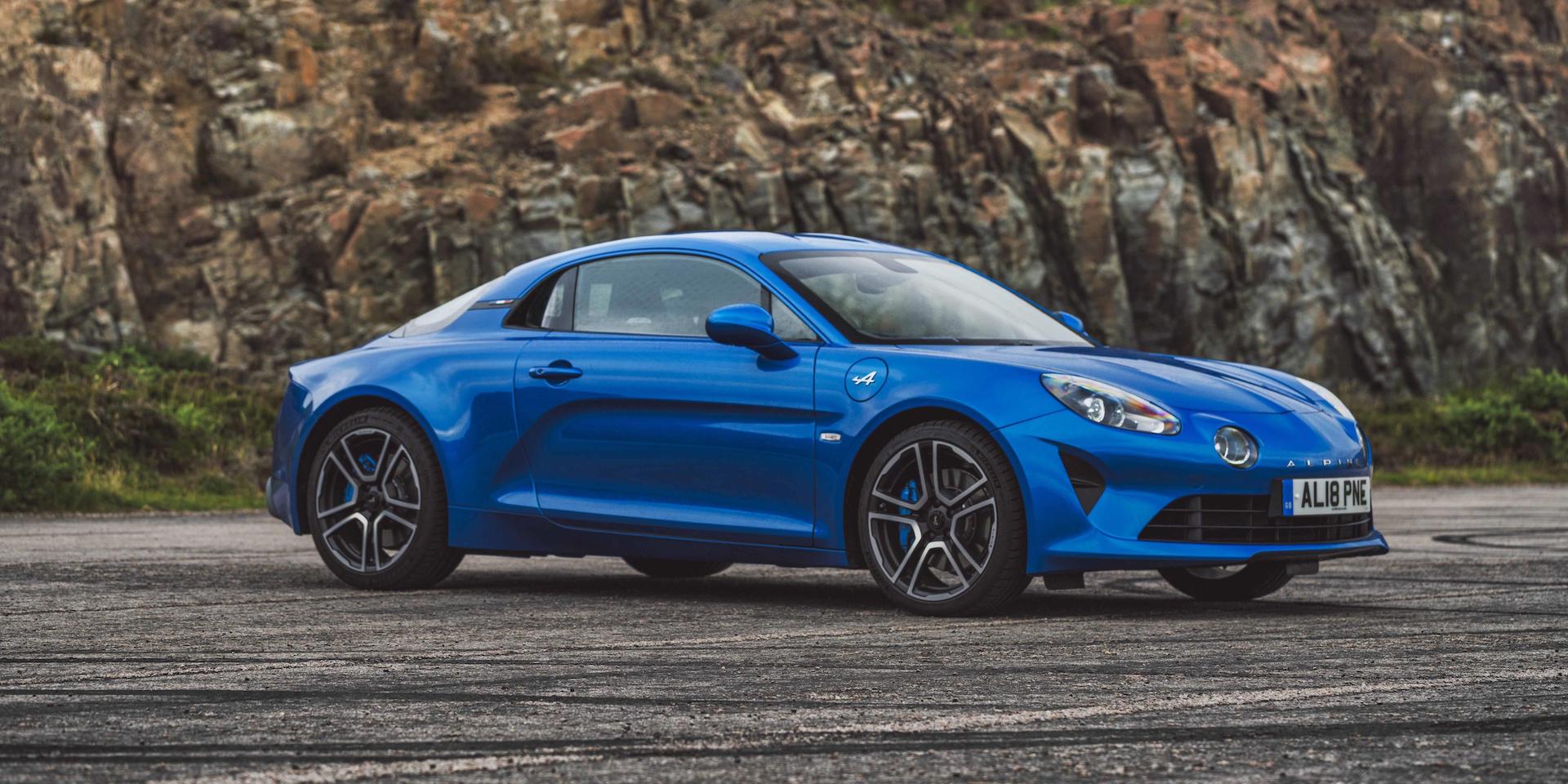
In contrast to this, French brand Alpine topped the charts with a score of 88%, landing the company the title of best overall brand. However, this score was made possible by Alpine currently only having a single model on sale in the UK, the well regarded Alpine A110 sports car.

With just one brand of Czech origin on sale in the UK, Škoda’s entire range performed well under the critical eye of motoring journalists. The Enyaq iV was the best performing vehicle in its range , while the Scala, its lowest performing car, still earned a satisfactory score within its class.

Stuart Masson, Editorial Director at The Car Expert, said: “Many will be surprised to find that Germany has not topped the charts, but also that the title belongs to the Czech Republic. Škoda has made huge strides over the years and has seen its line-up praised consistently in the eyes of automotive journalists and consumers alike. Overall, Škoda’s value for money and ability to deliver cars that outperform many more expensive models was the recurring praise of journalists’ reviews across the brand.

“Our Expert Rating Index is unique, drawing on a vast number of reviews from respected automotive titles and using our proprietary algorithm to assimilate this data into a percentage rating – it is effectively a meta-analysis for vehicles.”

He continued, “For a country that has a strong presence within the UK market, the Expert Ratings for French brands were surprisingly low. However, it was pleasing to see two British models coming out on top, proving that the UK knows how to design first-class vehicles.”

For a more in-depth breakdown of The Car Expert’s analysis across the globe, click here.

RankCountryRating
1Czech Republic76.4%
2Sweden74.1%
3Germany73.5%
4Spain72.2%
5United Kingdom71.5%
6United States69.1%
7Romania68.3%
8South Korea67.6%
9Italy67.5%
10Japan66.8%
11France65.9%

ENDS

Methodology

Harnessing the unique Expert Rating Index, The Car Expert has compiled a comprehensive report on how UK motoring journalists rate cars from each country. As the car industry’s manufacturing facilities are spread across the globe, the brands were grouped together by their country of origin, rather than where the factories may be based.

Over 340 new car models that were on sale in the UK as of 1 March 2022 were analysed in the study. To give a fair Expert Rating, high volume models needed a minimum of ten automotive reviews to be included within the study, while low volume models required a minimum of six automotive reviews. Therefore, brands such as Bugatti, Koenigsegg, Morgan and Caterham were not included due to a lack of scored review data.

**A separate calculation to that of the Expert Rating for the individual models, the scores for each brand and country were weighted according to volume of reviews, rather than a simple average of each model’s rating, ensuring that outliers did not unduly influence the overall result.

The Car Expert

Founded in 2011, The Car Expert is the UK’s most comprehensive automotive consumer advice site. With an audience of over two million readers a year, The Car Expert provides independent and impartial advice on every aspect of buying, financing, owning, and selling new or used vehicles.

The Rotten Tomatoes equivalent for the automotive world, The Car Expert consolidates reviews from 30 of the UK’s top automotive websites to create the Expert Rating Index. Bringing together science and data analysis, the index calculates a weighted average to give an aggregated score – Expert Rating – that is comparable across different brands and models.

The Expert Rating Index factors in the age of each review, so that newer reviews carry more weight than older reviews. It also breaks down the complex web of different scoring systems that various websites use in their reviews.

The Car Expert has logged more than 11,000 reviews covering more than 400 different cars and 50 car manufacturers, with its Expert Rating Index now trusted as the gold standard for rating and ranking new cars in the UK.

For media enquiries, please contact Performance Communications:

Melissa Lodge: melissa@performancecomms.com
Daniel Aron: daniel.a@performancecomms.com

A brief history of Škoda

Škoda’s journey from communist laughing stock to genuinely sophisticated family motoring is unmatched in automotive history. Its cars now receive high acclaim, they sell in enormous quantities and the brand is making strong inroads into the all-electric market to secure its future.

An indication of just how strong Skoda’s current product range is, The Car Expert recently ranked the Czech Republic as the country that produces the best new cars, thanks to its sole motoring manufacturer – Škoda.

Most British car buyers really only know Škoda as a budget brand in the enormous Volkswagen Group, but the company has more than 125 years of history that spans the Great Depression, Nazi occupation, communist nationalisation and now global success.

From two wheels to four

The company’s humble beginning took place before the turn of the 20th century with two men, coincidentally both named Václav. A 26-year-old Bohemian bookseller by the name of Václav Klement was struggling to fix his bicycle, and was frustrated by its German manufacturer’s lack of interest in helping him.

Despite a lack of any real mechanical knowledge, Klement decided to set up a bicycle repair shop in his hometown with a friend, Václav Laurin. Their shop became known as Laurin & Klement and the pair soon began designing and building their own bicycles, opening their first factory in 1896.

The pair soon became fascinated by the invention of the motorcycle, and debuted their Slavia motorcycle in 1898. After several further motorcycles, Laurin & Klement produced its first car in 1905 – the Voiturette A, which produced around 7hp and topped out at 25mph.

From here, things really started to take off, with the company exporting to the likes of New Zealand, Russia, Britain and Japan – until the Depression arrived…

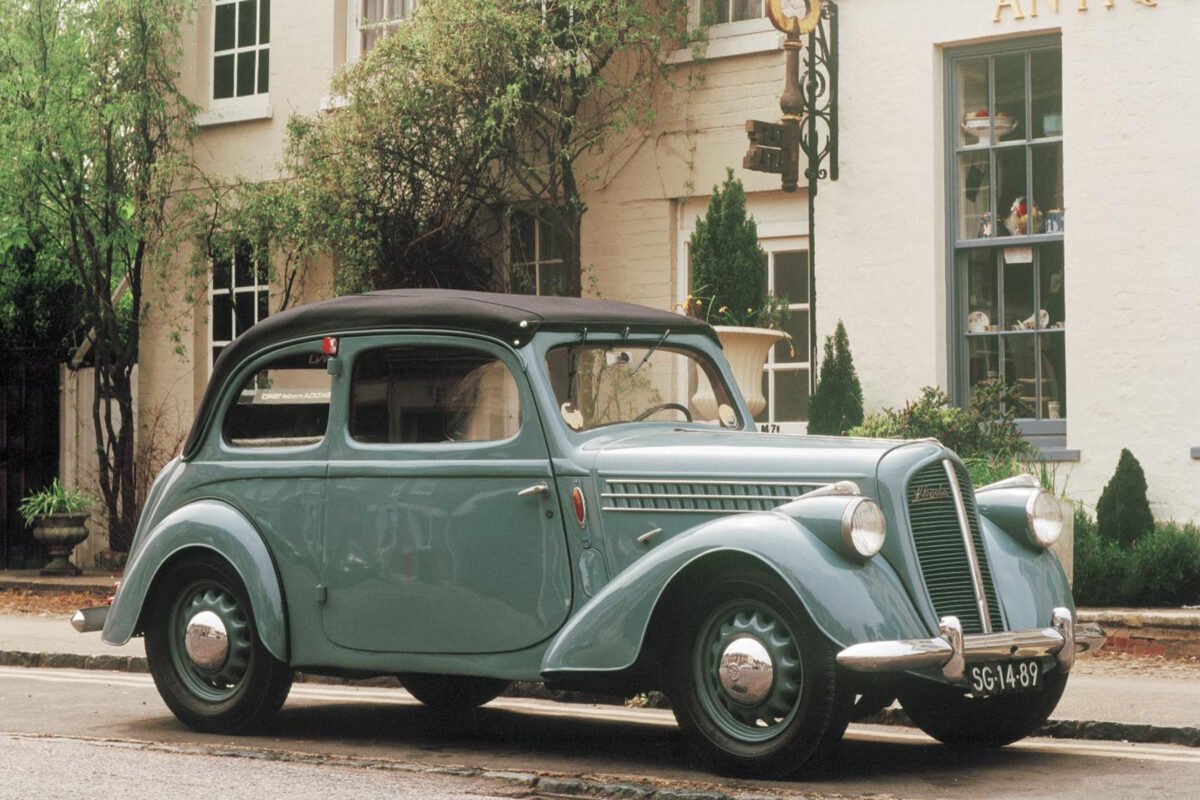
Laurin & Klement Voiturette A

Factory fires and fascism

Laurin & Klement made it through the first world war and was expanding rapidly, making motorcycles, luxury cars, military trucks and everything in between. The 1920s brought new challenges however, when a large fire partially destroyed the factory in 1925.

With things looking bleak, the company was acquired by Czech weapon manufacturer, Škoda Works, who would keep the name ‘Laurin & Klement’ for a little while longer, before changing the company name to Škoda Auto. By 1936, Škoda had overtaken Praga and Tatra to become the biggest car manufacturer in Czechoslovakia.

Reportedly inspired by the feathered headdress of Native Americans, Škoda Works founder Emil Škoda designed the company’s logo that is still present today. The arrow is said to represent speed, the wings progress and freedom, and the circle unity and world harmony.

Škoda Popular

Unfortunately for Škoda Auto, freedom and world harmony were in short supply over the next decade. By 1939, Nazi Germany had occupied both Bohemia and the Škoda factory, and swapped car manufacturing for aiding the German war effort, producing parts for trucks and planes, as well as weapon components.

Škoda’s compliance made it an Allied target. In 1945, one bombing run resulted in the near-complete destruction of its manufacturing facilities.

Life behind the iron curtain

The factory in Bohemia was rebuilt after the war, and while Škoda was no longer under Nazi control, it still wasn’t exactly free. Škoda’s life under socialism began in 1948, cut off from automotive developments in non-communist countries.

Despite the tight restrictions behind the iron curtain, Škoda was allowed to resume exporting its cars in 1959, when the Škoda Felicia coupé reached the Amercian market. However, the brand found little success overseas and earned an unwelcome reputation for poor reliability.

By the 1960s and 1970s, the lack of automotive progress in communist Central Europe was really starting to show, and nationalised Škoda had become the butt of many jokes in the west – which would continue to dog the brand for decades.

Having built some of the most expensive luxury cars in Europe in its early days, Škoda was now firmly operating in the budget end of the motoring market, becoming known for value-for-money as the brand tried to change its fortunes in the 1980s.

Škoda’s forte became the low-cost family car, and while its models were described as outdated, it did have some sales success in the UK with the compact Favorit hatchback – the Czech manufacturer’s first front-wheel drive car.

Skoda Favorit

The Velvet Revolution and Volkswagen investment

By the end of 1989, the Velvet Revolution in Czechoslovakia had brought a peaceful end to communism in the country. Privatisation was back on the table for the first time in 50 years, and Škoda was looking for a partner. Eight motoring giants recorded an interest, including BMW, General Motors and Ford, it ultimately boiled down to a choice between Renault and Volkswagen.

Volkswagen won out by guaranteeing the survival of the Škoda brand and bolstering its research and development. However, the sale to Volkswagen was not initially popular among the Czech public, as anti-German sentiment was still widespread after the second world war.

Skoda Fabia Mk1

Regardless of popular opinion, the design and engineering of Škoda models began to greatly improve as the 1990s progressed, as Skoda benefited from Volkswagen’s expertise and deep pockets.

Based on the Volkswagen Polo, the first iteration of the Škoda Fabia arrived in 1999 in the UK with some tongue-and-cheek marketing – “It is a Škoda, honest”.

The Škoda we know today

At the time of Volkswagen’s takeover in 1991, Škoda was building 172,000 cars a year. By 2018, after nearly three decades of guidance and support, Škoda produced more than 1.2 million vehicles in 2018, with its cars sold in 102 countries.

In 2015, Škoda was voted the most dependable car brand in the UK by 13,000 motorists that took part in the annual JD Power survey, marking an enormous leap from brand’s communist days. The current Superb has won, by our count, more than 60 UK awards since it was launched.

Each generation of its core Fabia, Octavia and Superb models has shown significant improvement. Like other brands, Škoda has expanded its range to several SUV models – including the all-electric Skoda Enyaq, which was named the ‘Best New Medium SUV’ at The Car Expert Awards in 2021.

Skoda Enyaq iV SportLine (2021 onwards) – front view
Skoda Enyaq iV

The current Skoda range

Skoda Kodiaq (2017 to 2024)

Skoda Kodiaq (2017 to 2024)

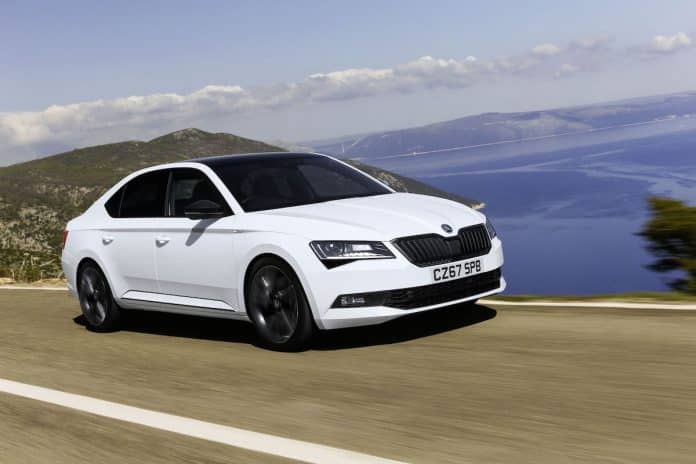
Skoda Superb (2015 to 2023)

Skoda Superb (2015 to 2023)

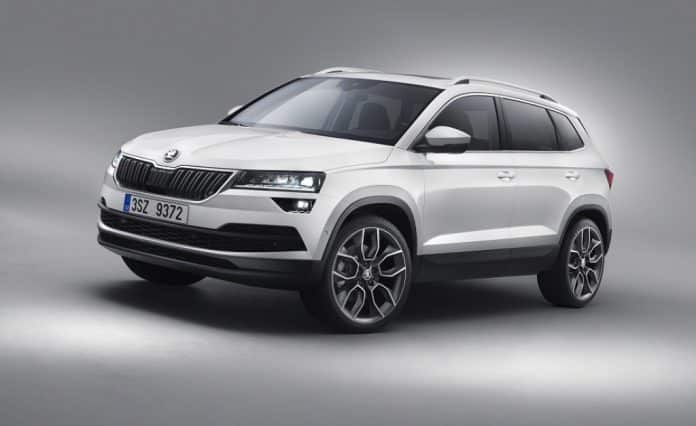
Skoda Karoq

Skoda Karoq

Skoda Enyaq

Skoda Enyaq

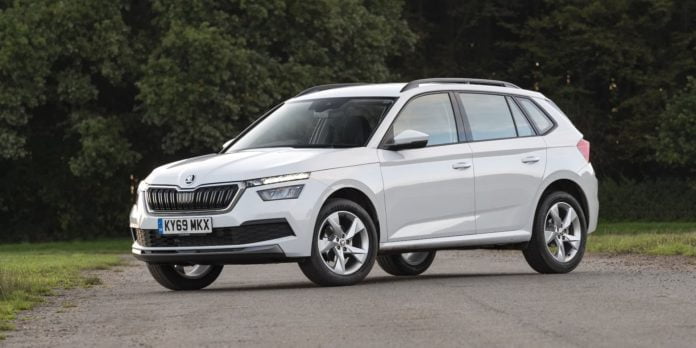
Skoda Kamiq

Skoda Kamiq

Skoda Fabia

Skoda Fabia

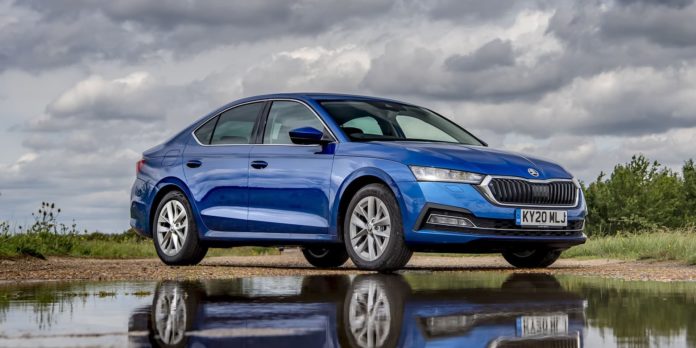
Skoda Octavia

Skoda Octavia

Which country produces the best new cars?

It’s an age-old argument, held around kitchen tables and bars all over the country. Which country produces the best cars? Well, The Car Expert has been able to pull together exclusive data to bring you the definitive results.

We’ve harnessed the power of The Car Expert’s unique Expert Rating Index to rank every passenger car brand that currently sells new cars in the UK and sort them by country of origin. By analysing more than 10,000 new car reviews for more than 400 new cars from 30 of the UK’s leading motoring websites, we’ve put together the most comprehensive report on how British motoring journalists rate cars from each country.

Because the car industry’s manufacturing facilities are spread all across the globe, we’ve grouped together brands by their country of origin rather than where the factories may be based. For example, many readers may not be aware that Germany’s most famous brand, Mercedes-Benz, builds many of its cars in countries like South Africa, Austria and the USA. Likewise, Japanese brands like Nissan and Toyota build hundreds of thousands of cars each year here in the UK, while British brands Vauxhall and MG no longer build any passenger cars here in Britain (although Vauxhall still builds vans here).

We’re only looking at car companies that sell new cars here in the UK as of March 2022, so there are no Russian or Chinese car brands. There are also relatively few American car brands, as they have largely abandoned Europe in recent years.

Car brands by country

Hover over each of the flags to see the brands from each country and their scores, as well as the overall country ratings.

Europe
4th: Spain (72%)
11th: France (66%)
5th: United Kingdom (71%)
2nd: Sweden (74%)
3rd: Germany (74%)
1st: Czech Republic (76%)
9th: Italy (68%)
7th: Romania (68%)
Asia
10th: Japan (67%)
8th: South Korea (68%)
North America
6th: United States of America (69%)

As you can see, most of the brands that sell cars in the UK are from Europe. The USA might still be a global powerhouse in the automotive industry, but very few American brands still sell new cars in the UK – there are no Cadillacs, Chevrolets, Chryslers, Dodges, Lincolns, RAMs or others officially sold on our shores.

Likewise, there are no Chinese brands who have expanded into the UK market just yet. Several are making plans to do so, but they are not likely to reach these shores until 2023 at the earliest.

Best car-producing countries
RankCountryRating
1Czech Republic76.4%
2Sweden74.1%
3Germany73.5%
4Spain72.2%
5United Kingdom71.5%
6United States69.1%
7Romania68.3%
8South Korea67.6%
9Italy67.5%
10Japan66.8%
11France65.9%

The Czech Republic tops the table, which is all thanks to Škoda (which is, in fact, the only car company from Czech Republic that still exists). Motoring journalists have long raved about the quality of cars that Skoda produces, especially given that they usually cost less than similar models from Skoda’s parent company, Volkswagen.

Sweden takes second place, thanks to the combined scores of Volvo and its performance EV offshoot, Polestar.

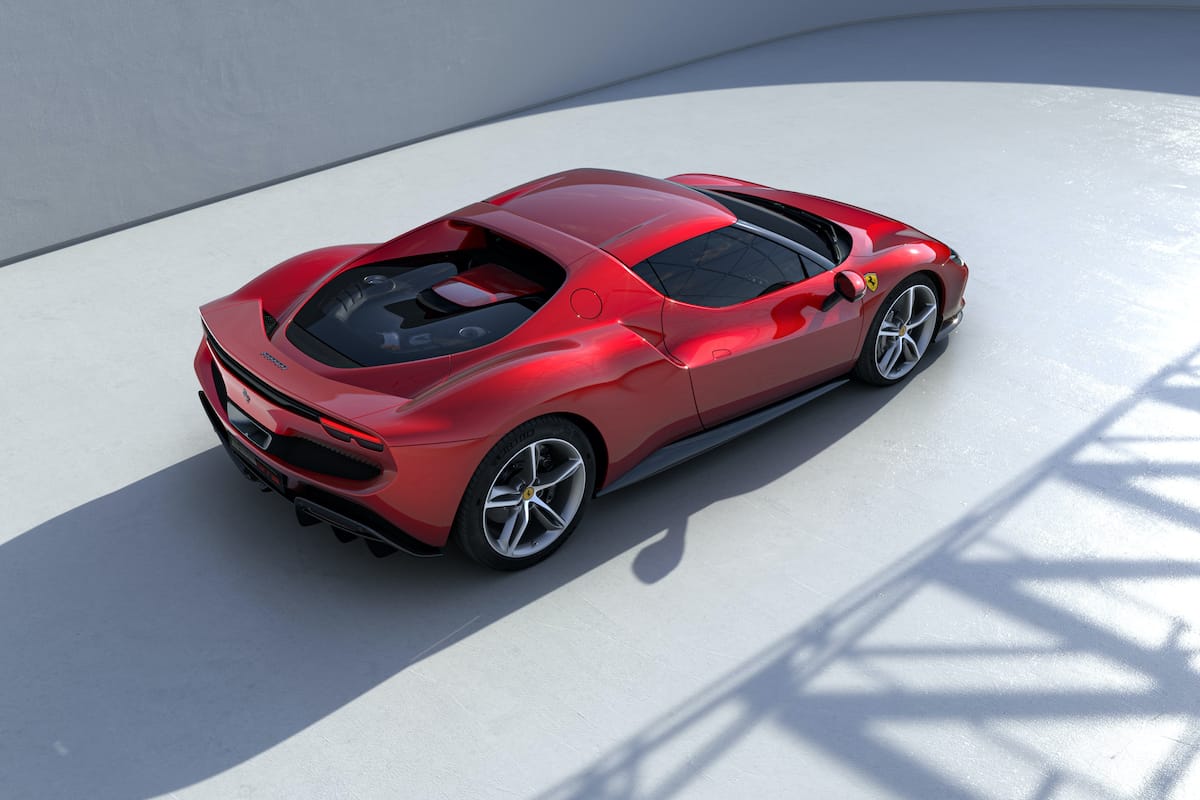
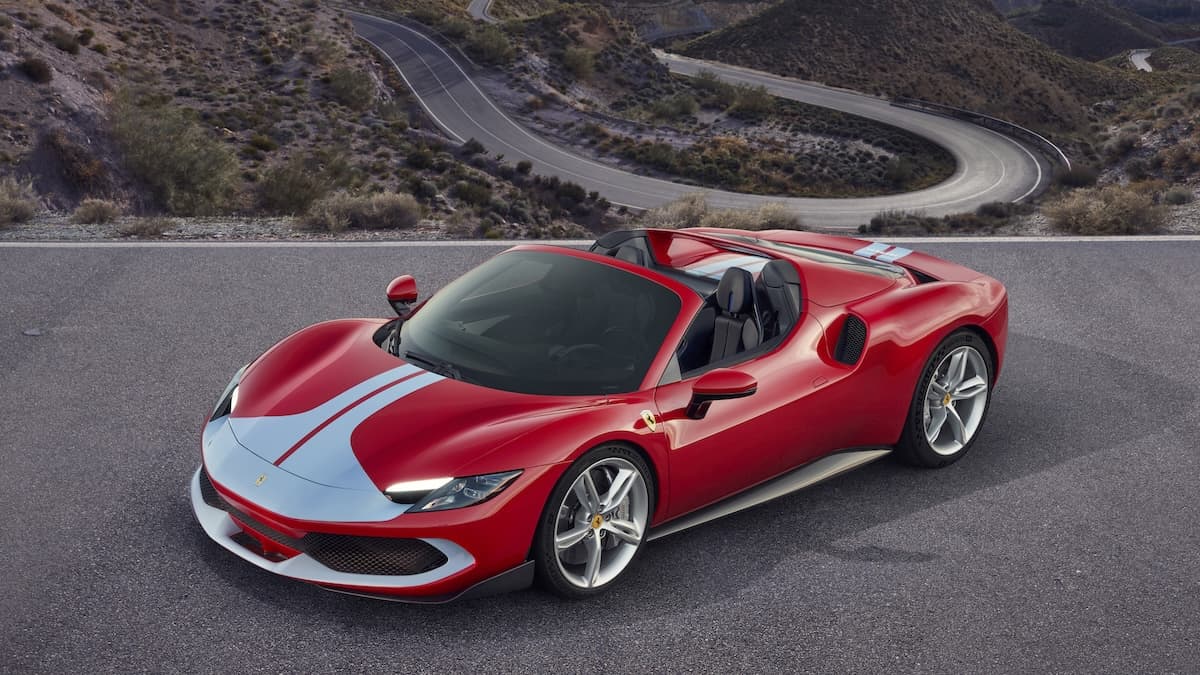
Results for the “big-name” countries like Germany, the UK, Italy, Japan and France all represent a wide range of scores. For example, Ferrari is the second-best rated brand in the UK, but Italy’s score is dragged down by Abarth, Fiat and Maserati, who all score poorly.

At the bottom of the table, France suffers because none of its big brands score well. Everyday French cars appear to be relatively unpopular with UK reviewers, and there are few star performers to lift the overall score.

The country scores are generally determined by the biggest-selling models, as these cars tend to get the highest number of reviews – which works well for our analysis, as it presents a good ‘real world’ picture of the cars that most consumers are likely to purchase.

We tend to think of countries like the UK as being powerhouses of the industry, thanks to the reputations of big-name brands like Rolls-Royce, McLaren and Bentley. But these brands only tend to have small numbers of models and their cars are not usually available to a wide pool of reviewers. As a result, these iconic brands tend to carry relatively little weight in our analysis. The flipside is that car manufacturers often don’t like journalists reviewing their worst models either, so those cars are often not readily available to the motoring media.

The ten best car brands

RankCar manufacturerCountryRating
1AlpineFrance88.3%
2FerrariItaly85.0%
3Rolls-RoyceUK82.7%
4McLarenUK82.6%
5PorscheGermany82.0%
6TeslaUSA81.3%
7Aston MartinUK78.1%
8LamborghiniItaly78.0%
9BentleyUK77.3%
10ŠkodaCzech Republic76.5%

Out of 46 car brands in this analysis, it’s no surprise that the top ten is filled with some of the most presitigious names in the automotive world.

It might seem amazing the the lowest-ranked country is home to the top-ranked car brand, but there’s a reason. Alpine currently only offers one car – the superb A110 sports car. The brand, owned by Renault, is set to expand its offerings in coming years, so it will be difficult to maintain that score across more mainstream models.

Ferrari and Rolls-Royce are predictably right there at the top as well, while Tesla shows that the technology of its all-electric line-up matches the social media hype that has accompanied it for the last decade.

It’s not really suprising that the top ten car companies are dominated by luxury brands – after all, you’d hope that a £300,000 Rolls-Royce would be better than a £30,000 Renault. What’s probably most interesting is that budget brand Škoda cracks the top ten, ahead of prestigious brands like Mercedes-Benz and Land Rover, and well ahead of anything else in the same price bracket.

The ten worst car brands

RankCar manufacturerCountryRating
1SmartGermany43.2%
2SubaruJapan50.8%
3AbarthItaly51.0%
4JeepUSA52.9%
5MGUK53.2%
6SsangYongSouth Korea54.7%
7FiatItaly56.4%
8DS AutomobilesFrance57.3%
9GenesisSouth Korea58.3%
10MaseratiItaly58.8%

Down at the bottom of the brand charts, it’s not as rosy for a number of brands.

Smart, owned by Mercedes-Benz and manufacturer of small electric city cars, is comfortably the lowest-rated brand on sale in 2022.

Subaru does poorly in the UK, both in sales numbers and critical reception.

Abarth struggles with what is now a very old product line-up that is basically two go-faster versions of the old Fiat 500.

Jeep drags the USA’s score down, while MG does the same for the UK.

Next page: All brands ranked from best to worst

Volkswagen rolls out software update for ID. models

0

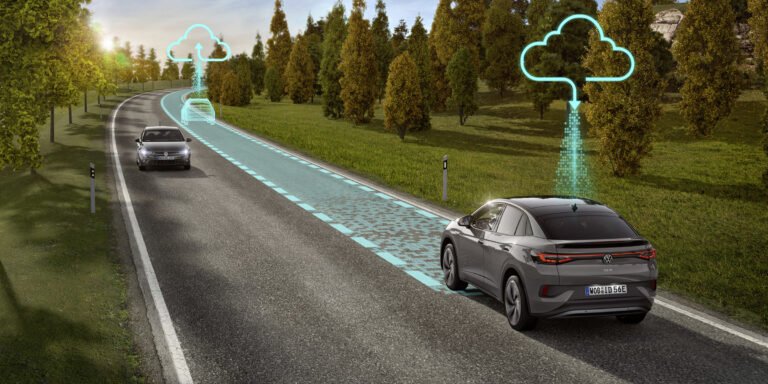
A new software update has been announced for Volkswagen ID.3 and ID.4 models, including new driver assistance features, improvements to battery charging capacity, and upgrades to the voice control feature.

New models that have been ordered by UK customers will have this ‘generation 3.0’ update already installed when the car arrives, while customers who have had their ID.3 or ID.4 model delivered already will receive these improvements as an over-the-air update which the car automatically downloads sometime in Spring 2022.

Starting with battery-related changes, the range-topping 77kWh can now charge at a fast rate – currently this battery size is only available on ID.4 models. These select ID.4 models can now charge at a maximum of 135kW, instead of the 125kW pre-date maximum. To benefit from this update however, you will need a sufficiently powerful DC charging station.

All ID. models get a new ‘Battery Care’ charging mode though, which when selected attempts to extend the lifespan of the battery by stopping the battery from charging past 80% capacity. In addition, a symbol showing how much charge is left in the battery is now a permanent fixture on the driver’s display.

Volkswagen has also improved the voice control function already present in ID. models – a feature that faced plenty of reviewer criticism when the ID.3 first launched. Volkswagen claims that, after the 3.0 update, your ID.3 or ID.4 will recognise and understand your voice faster when you give it a command.

Activated either by using a touch button on the steering wheel or saying “Hello ID”, the brand says that this voice control software can now, on average, understand around 95% of the requests it receives.

Finally, the 3.0 update introduces a number of new driver assistance features for ID. models, including what Volkswagen calls “Travel Assist with Swarm Data”. Using radar and ultrasound technology, this system accurately keeps the car in the centre of a motorway lane, and can change lane at high speed on its own when prompted.

With the cruise control function on, all you have to do is indicate and the car will change lane, once the car’s computer deems it is safe for the manoeuvre. The driver can take control of the steering at any time.

This new update also includes “Park Assist Plus with Memory Function” – software that can perform basic parking manoeuvres on its own, and learn more complex ones that it can reproduce on its own once you have given it a few examples.

For ID. customers that opted for the augmented reality head-up display, that projects important driving information on to the windscreen, will also find some new head-up display changes after the update, including a new screen that works in tandem with the “Travel Assist” to show an upcoming lane change, a new symbol to denote a roundabout ahead, and a new graphic displaying the distance from the destination set in the sat-nav.

The 3.0 update will be rolled out across all new ID. models, including the ID.5 SUV-coupé which is now available to order. The ID.3 and ID.4 have had a very positive reception since their arrival in the UK – both considered to be leading examples of the new wave of electric cars arriving on our roads.

The Volkswagen ID.3 currently holds an Expert Rating of 76%, while the larger ID.4 holds an Expert Rating of 70% in ourExpert Rating Index.

Abarth tweaks hot hatch ranges for 2022

0

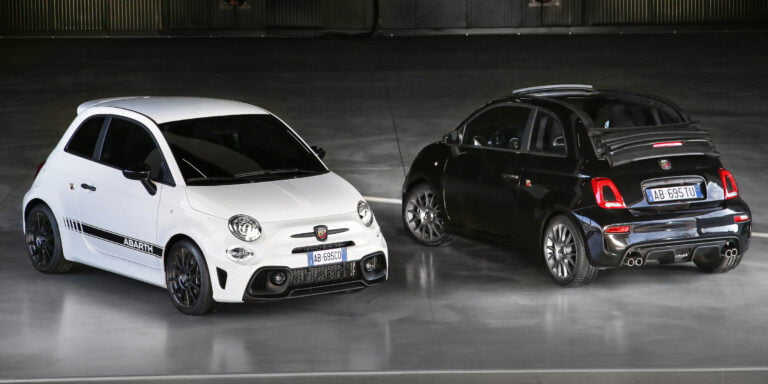
Giving its hot hatch range a refresh for the 2022 model year, Abarth is set to update the 595 and 695 model lines, featuring a simplified engine range and some styling tweaks.

Abarth has been producing hot hatch models based on the Fiat 500 city car since 2008. These latest versions of the 595 and 695 are expected to be the last of their kind as Abarth looks ahead to the arrival of an all-electric hot hatch based on the Fiat 500 Electric.

To start, Abarth has dropped the cheapest 145hp engine from the 595 line-up moving into 2022, meaning that only one engine will be available across the whole 595 range – a 1.4-litre petrol engine that produces 165hp of power. Each trim in the range will be available as either a hatchback or a cabriolet.

Beyond the standard model, the Abarth 595 can be specced as the style-focused 595 Turismo or the performance-focused F595. Both editions get 17-inch alloy wheels, an inch larger than the standard 595. The Turismo has chrome mirror caps and unique leather upholstered seats, while the F595 is distinct thanks to its four-pipe sports exhaust which can be made quieter or louder using a button on the dashboard.

Abarth 595 range for 2022

Trim levelPower outputOn-the-road price
595 (hatchback)165hp£21,295
595C (cabriolet)165hp£23,945
595 Turismo (hatchback)165hp£22,295
595C Turismo (cabriolet)165hp£24,945
F595 (hatchback)165hp£22,295
F595C (cabriolet)165hp£24,945

This sports exhaust system is also fitted to all models in the more-powerful 695 range, which also gets upgraded suspension and brakes over the 595. The 695 uses the same 1.4-litre petrol unit, but Abarth engineers have tuned the engine to produce 180hp. Inside the cabin, the 695 is trimmed with alcantara suede as standard.

The previous top-spec 695 trims will be replaced entirely. The 695 Anniversario, launched in 2019 to mark Abarth’s 70th birthday, will be swapped out for the new 695 Turismo, while the range-topping 695 Esseesse which joined the range last year is soon to be replaced by the 695 Competizione.

The Cometizione will be the most expensive trim in the Abarth family, which the brand says “turns a basic model into a vehicle for expert drivers”. The trim stands out from the rest thanks to its fabric sport seats built on a carbon fibre frame which offer more support through fast corners. A sequential gearbox is an optional extra, allowing the driver to change gears faster by using paddle shifters fitted to the steering wheel rather than the standard gear stick.

While prices for the 2022 595 range will start at £21,295, Abarth will charge just over £3,000 more for the entry-level 695. In its new Competizione guise, the 695 will cost £27,295 – reasonably expensive when you consider that larger and newer hot hatches like the Ford Fiesta ST and Hyundai i20N are available for less.

Abarth 695 range for 2022

Trim levelPower outputOn-the-road price
695 (hatchback)180hp£24,495
695C (cabriolet)180hp£27,145
695 Turismo (hatchback)180hp£25,295
695C Turismo (cabriolet)180hp£27,945
695 Competizione (hatchback)180hp£27,295
695C Competizione (cabriolet)180hp£29,945

Abarth has not announced when the new 595 and 695 ranges will be available to order. For now, the 145hp 595 is still available, as is the limited edition 695 Aniiversario and 695 Esseesse.

Updated several times in its lifespan, this current generation of 595 stretches back to 2015 – praised for its exterior styling and punchy range of engines, but criticised for sub-par practicality and its expensive price tag. The Abarth 595 currently holds an Expert Rating of 54%.

While upping the driver appeal, the 695 has faced the same issues since its arrival in 2016, many reviewers concluding that it was outdated and expensive when compared to newer hot hatch rivals. The Abarth 695 currently holds an Expert Rating of 48%.

All-new Honda Civic revealed

0

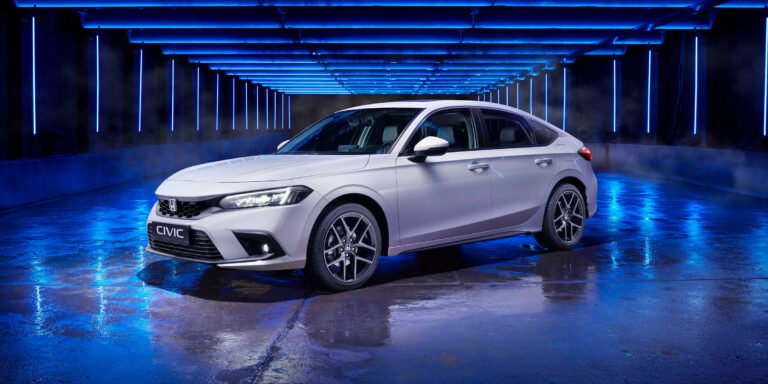
Honda has unveiled the 11th generation version of its Civic family car ahead of its UK launch later this year, ditching regular petrol engines to only offer petrol-electric hybrid versions.

The new car will also be the first Civic for many years not to be built in Britain, after Honda’s factory at Swindon closed in July 2021.

The Honda Civic e-HEV adopts a new and (according to its creators) cleaner look, with a lower bonnet line and a larger glass area, plus a fastback-style rear end replacing the distinctive wing of its predecessor. The body door pillars are an inch further back while innovations include a tailgate made from resin, which saves weight over the previous Civic and makes it easier to open and close.

A slightly longer wheelbase helps free up more space within the car. Inside, the design follows the example of recent Honda models such as the HR-V and Jazz, with few buttons and a large central touchscreen.

The hybrid powertrain combines a lithium-ion battery with two electric motors and the 2.0-litre petrol engine, which has also been newly developed. Combined power output is 183hp with 315Nm of torque. Honda is yet to release performance and economy figures for the engine, but says that it expects CO2 emissions levels of under 110g/km.

A fixed-gear automatic transmission is controlled by an ‘Intelligent Power Unit’ mounted under the rear seats, which matches the engine and motor output to the driving situation. The driver can also select from four modes, Eco, Normal, Sport and an individual mode that allows bespoke control of the engine and transmission.

The new Civic is expected to go on sale in the Autumn of 2022, with UK specifications and prices yet to be announced. Honda also announced that three new models are set for launch in 2023 – an all-electric small SUV which is described as “the centre of Honda’s product line-up”, a hybrid compact SUV and the next-generation CR-V, which will be available with both plug-in hybrid and regular hybrid powertrains.

The current tenth-generation Honda Civic has been on sale since early 2017 in the UK – praised for its practicality and generous levels of standard equipment. It currently holds an Expert Rating of 69% in our Expert Rating Index, meaning that it isn’t rated quite as highly as the leading vehicles in its class, but it is still considered a good car.

BMW 2 Series Active Tourer

Summary

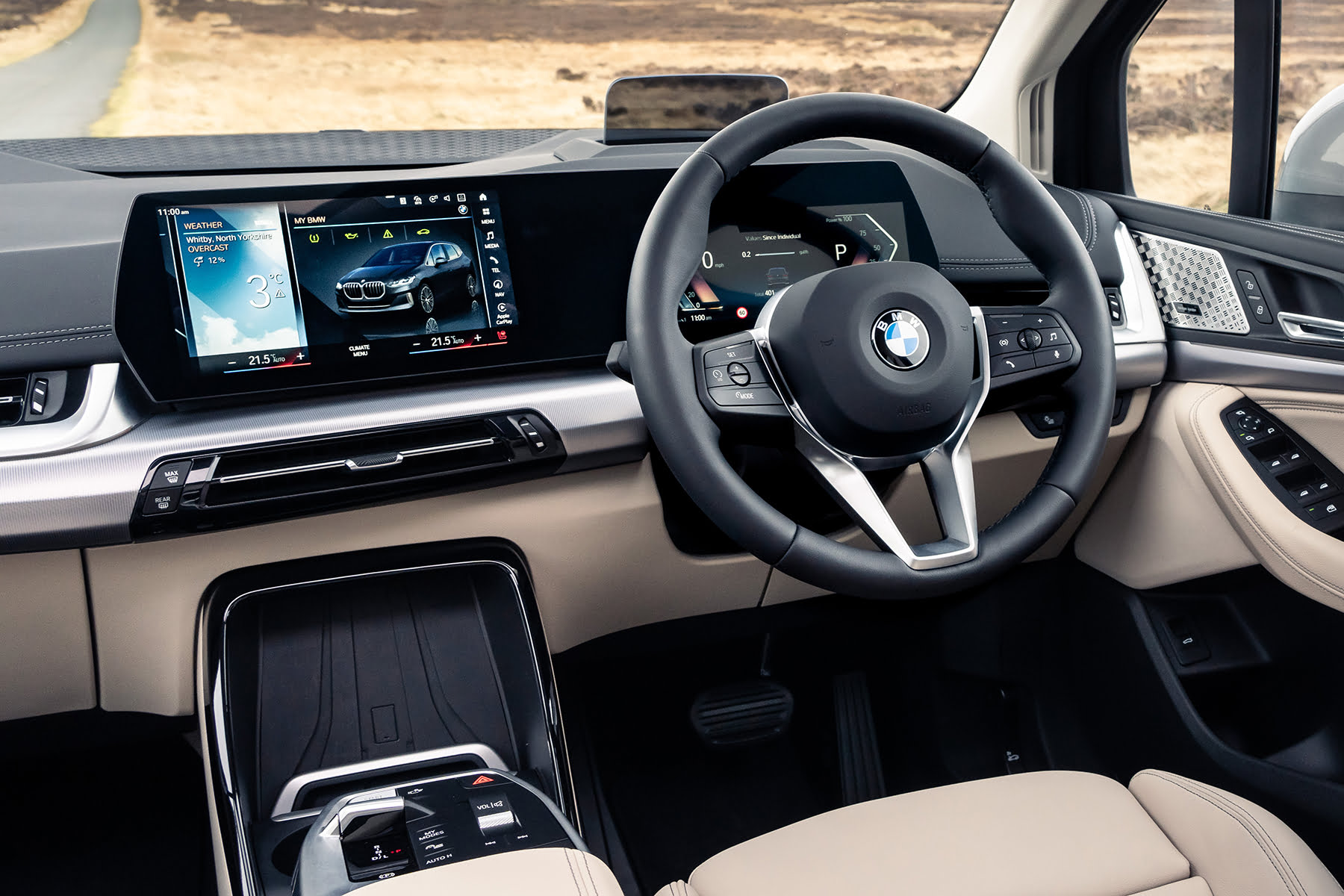
Now in its second generation, the BMW 2 Series Active Tourer is a mid-sized people carrier built on the same platform as the BMW 1 Series hatchback and BMW X1 SUV.

On UK roads since early 2022, the 2 Series Active Tourer is available with a range of petrol and diesel engine options, as well as a plug-in hybrid powertrain. All models are fitted with an automatic gearbox.

Reviewer reaction to the latest iteration of the Active Tourer has been mixed – with review scores ranging from average to exceptional. The majority of the criticism it has received to date is in relation to its exterior styling, which Car calls “very bulbous and round”.

Despite its “chunky disposition”, Honest John comments that the BMW 2 Series Active Tourer drives well, with surprisingly agile handling, although other titles are not impressed with the firm ride that compromises comfort. The Active Tourer has received plenty of praise for its interior trim, which Top Gear describes as “roomy and well-appointed”, and its infotainment system.

Many journalists have found the pricing questionable, as there are more spacious people carriers available for far less. Auto Express questions the Active Tourer’s existence entirely, its reviewer puzzled by BMW’s commitment to an people carrier class that is “dwindling in importance”, when the brand already has a wide range of capable SUVs.

Conversely, the Sunday Times asserts that the Active Tourer does appeal to an audience – those who need the practicality of a people carrier without wanting to compromise on cabin quality and performance. “If you prefer to enjoy the finer things in life, including a car that drives with genuine quality, then this BMW is unlikely to disappoint.”

As of July 2025, the BMW 2 Series Active Tourer holds a New Car Expert Rating of A, with a score of 72%. It scores top marks for its safety rating and low CO2 emissions, while its media review scores are also good. However, like most BMW models, reliability and running costs are only average.

2 Series Active Tourer highlights

  • Plenty of legroom and headroom
  • High quality interior trim
  • Responsive handling by MPV standards
  • Class-leading infotainment

2 Series Active Tourer lowlights

  • Polarising looks
  • Noisy at motorway speeds
  • Other MPVs offer more value-for-money
  • Rather rigid ride comfort

Key specifications

Body style: Compact MPV
Engines: petrol, diesel
Price: From £34,040 on-road

Launched: Spring 2022
Last updated: N/A
Replacement due: TBA

Media reviews

Highlighted reviews and road tests from across the UK automotive media. Click any of the boxes to view.

Featured reviews

More reviews

Auto Express

Auto Trader

Business Car

Car

Car Keys

Carbuyer

Heycar

Honest John

Parkers

The Sunday Times

Top Gear

Safety rating

Independent crash test and safety ratings from Euro NCAP

Overall score: 5 stars
Date tested: October 2022
Read the full Euro NCAP review

Adult protection: 88%
Child protection: 81%
Vulnerable road users: 79%
Safety assist: 92%

Eco rating

Independent economy and emissions ratings from Green NCAP

Model tested: 220i Petrol FWD Automatic

Overall score: 3 stars
Date tested: February 2024
Read the full Green NCAP review

Clean Air Index: 7.5 / 10
Energy Efficiency Index: 4.7 / 10
Greenhouse Gas Index: 3.1 / 10

Reliability rating

MotorEasy logo 600x167

Reliability data provided exclusively for The Car Expert by MotorEasy

All data based on MotorEasy average workshop costs for extended car warranty claims

The wider BMW 2 Series family has a middling good reliability rating of 64%, according to workshop data provided exclusively to The Car Expert by our partner, MotorEasy. This score covers all versions of the 2 Series (Coupé, Convertible, Gran Coupé, Active Tourer and Grand Tourer) for both the current generation and previous models.

The most expensive repair bills tend to be gearbox-related, and those are expensive with an average bill of more than £1,400. Fortunately, they’re not too common. Fuel system faults have an average repair cost of about £1,100, so look out for those as well. The most frequently reported issues to date relate to the electrical system, with an average repair bill of approximately £550.

If you own a BMW 2 Series, or are interested in buying a used 2 Series model of any sort, make sure that any used car warranty you buy covers these problem areas.

Running cost rating

Clear Vehicle Data logo close crop

Monthly cost of ownership data provided exclusively for The Car Expert by Clear Vehicle Data

Fuel consumptionAverageScore
Petrol models47 mpgC
Diesel models58 mpgB
Plug-in hybrid models345 mpgA
CO₂ outputAverageScoreVariationScore
Petrol models136 g/kmA
Diesel models128 g/kmA
Plug-in hybrid models19 g/kmA
Battery rangeAverageScoreVariationScore
Plug-in hybrid models54 milesD
Insurance groupAverageScoreVariationScore
All models28B
Service and maintenanceCostScore
Year 1£227B
Year 2£534B
Year 3£870B
Year 4£1,138B
Year 5£1,503B
Overall£4,272B

The running costs for a BMW 2 Series Active Tourer should be pretty affordable, according to data exclusively provided by our partner Clear Vehicle Data.

The fuel efficiency of petrol models is average when compared to the market as a whole, but is higher than average when compared to other people carriers of its size. The diesel variant is one of the most economical ICE-powered people carriers on the market, offering 58 mpg.

Insurance premiums are cheaper than average, and service and maintenance costs should be quite affordable over the course of five years of ownership.

Warranty rating

New car warranty information for the BMW 2 Series Active Tourer

Overall ratingB68%
Petrol or diesel modelsC41%
Hybrid or plug-in hybrid modelsA82%
New car warranty duration3 years
New car warranty mileageUnlimited miles
Battery warranty duration8 years
Battery warranty mileage100,000 miles

BMW’s new car warranty is only average, and not as attractive as some other cars in a similar price bracket as the 2 Series.

The duration is three years, with no limit on mileage – although, in reality, the mileage numbers are likely to be fairly irrelevant as most cars only cover about 10,000 miles each year.

In addition to the standard new car warranty, the 2 Series plug-in hybrid models have an eight-year/100,000-mile warranty for the battery components. The overall rating above is a mix of the different models.

Recalls

Official DVSA safety recalls that have been issued for the BMW 2 Series Active Tourer

Date: May 2023
Model types: All
Build dates: 11/2021 to 03/2023
Number of vehicles affected: 1,963
Defect: In rare cases, the lower section of the outer seat belts may have been trapped behind the lower part of the C-pillar interior trim panels.
Remedy: Check the fitment of the rear seat belts and if applicable release any trapped components.

Date: October 2022
Model types: All
Build dates: 03/2021 to 07/2022
Number of vehicles affected: 4,313
Defect: In the event of a restraint system fault the airbag warning light or warning message is not displayed to the driver due to a software error.
Remedy: On the affected vehicles the Airbag control unit (ACSM6) will be reprogrammed with new software.

Date: May 2022
Model types: All
Build dates: 03/2021 to 04/2022
Number of vehicles affected: 3,023
Defect: If a failure is detected by the control unit the airbag warning light and check control message would not to be illuminated and activated.
Remedy: The Airbag control unit (ACSM6) will be reprogrammed with new software.

As of September 2024 (our most recent data point), there have been three DVSA vehicle safety recalls on the BMW 2 Series Active Tourer. The recalls cover seat belts and airbags on all models.

Not all vehicles are affected by recalls. You can check to see if your car is included in any of the above recalls by visiting the DVLA website or contacting your local Audi dealer.

If your car is affected by a recall, the vehicle must be repaired and you should not be charged for any work required. If you are buying a used 2 Series Active Tourer, you should insist that any outstanding recall work is completed before you take delivery of the vehicle.

Similar cars

If you’re looking at the BMW 2 Series Active Tourer, you might also be interested in these alternatives

Citroën Berlingo | Mercedes-Benz B-Class | Peugeot Rifter | Vauxhall Combo Life | Volkswagen Touran

More news, reviews and information about the BMW 2 Series family at The Car Expert

Revised BMW iX SUV unveiled

Revised BMW iX SUV unveiled

New BMW 2 Series Gran Coupé now available to order

New BMW 2 Series Gran Coupé now available to order

Everything you need to know about BMW

Everything you need to know about BMW

Best performance cars of 2022

Best performance cars of 2022

BMW opens UK ordering for new 2 Series Coupé

BMW opens UK ordering for new 2 Series Coupé

Top safety scores for Lexus, Renault and Volkswagen

Top safety scores for Lexus, Renault and Volkswagen

New tech for Mk2 BMW 2 Series Active Tourer

New tech for Mk2 BMW 2 Series Active Tourer

BMW 2 Series Active Tourer (2014 to 2021)

BMW 2 Series Active Tourer (2014 to 2021)

BMW 2 Series Gran Tourer (2015 to 2021)

BMW 2 Series Gran Tourer (2015 to 2021)

BMW 2 Series Gran Coupé

BMW 2 Series Gran Coupé

All-new BMW 2 Series Active Tourer unveiled

All-new BMW 2 Series Active Tourer unveiled

BMW 2 Series Gran Coupé test drive

BMW 2 Series Gran Coupé test drive

Buy a BMW 2 Series Active Tourer

If you’re looking to buy a new or used BMW 2 Series Active Tourer, The Car Expert’s partners can help you find the right car

Motors 600x300

Find your next used car with Motors. Find out more

Auto Trader logo 600x300

Find your next new or used car with Auto Trader. Find out more

Carwow logo 600x300

Find your next new or used car with Carwow. Find out more

Lease a BMW 2 Series Active Tourer

If you’re looking to lease a new 2 Series Active Tourer, The Car Expert’s partners can help you find a competitive deal

Leasing-com logo
Personal contract hire deals from Leasing.com. Find out more

Carwow logo 600x300

Personal contract hire deals from Carwow. Find out more

Select Car Leasing logo

Personal contract hire deals from Select Car Leasing. Find out more

Subscribe to a BMW 2 Series Active Tourer

If you’re interested in a car subscription, The Car Expert’s partners can help (What’s a car subscription?)

SelfDrive UK logo

Car subscriptions from SelfDrive.
Find out more

Drive Fuze logo 600x300

Car subscriptions from DriveFuze.
Find out more

Cocoon Vehicles logo 600x300

Car subscriptions from Cocoon.
Find out more

Dacia Jogger

Summary

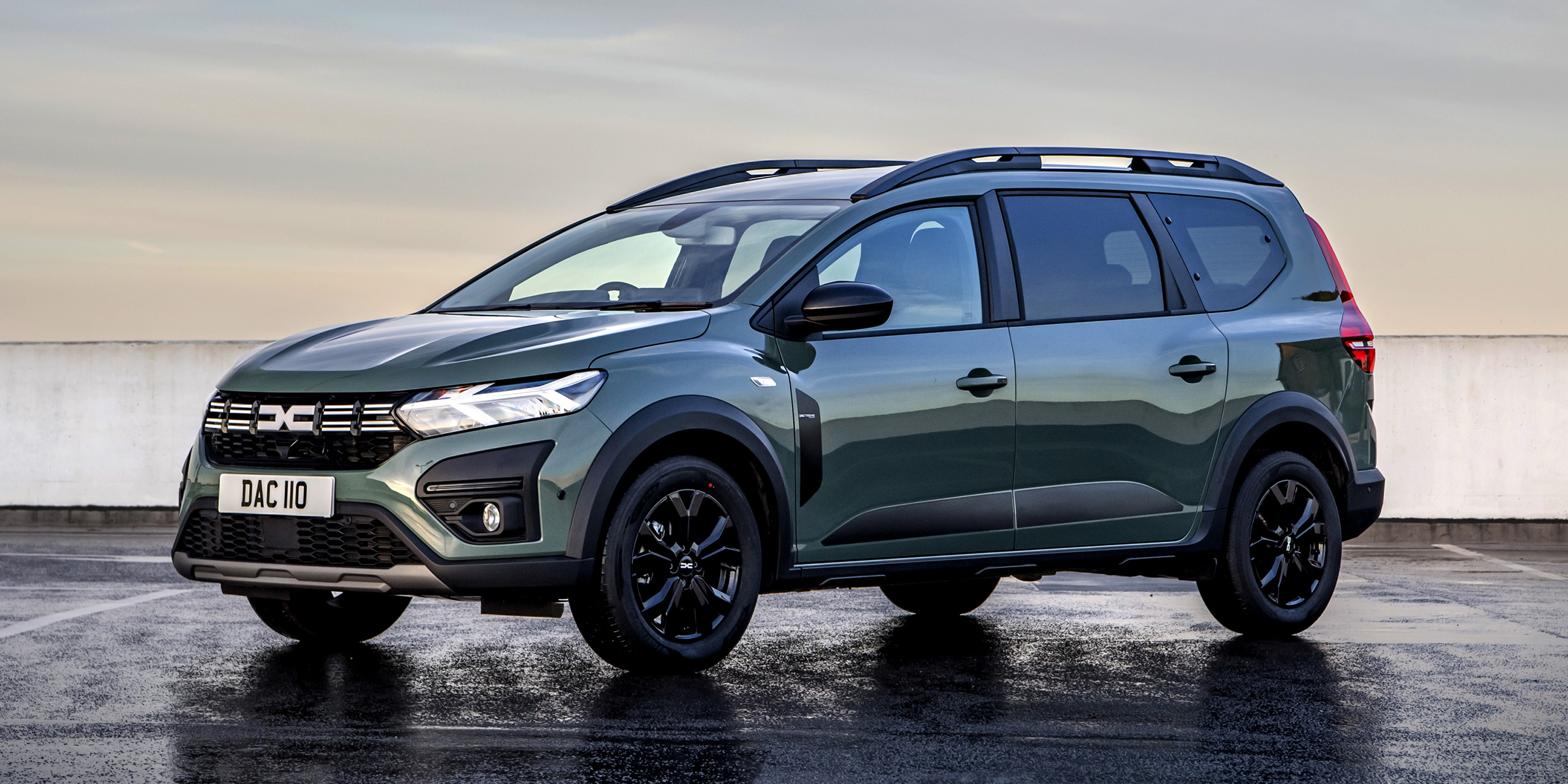
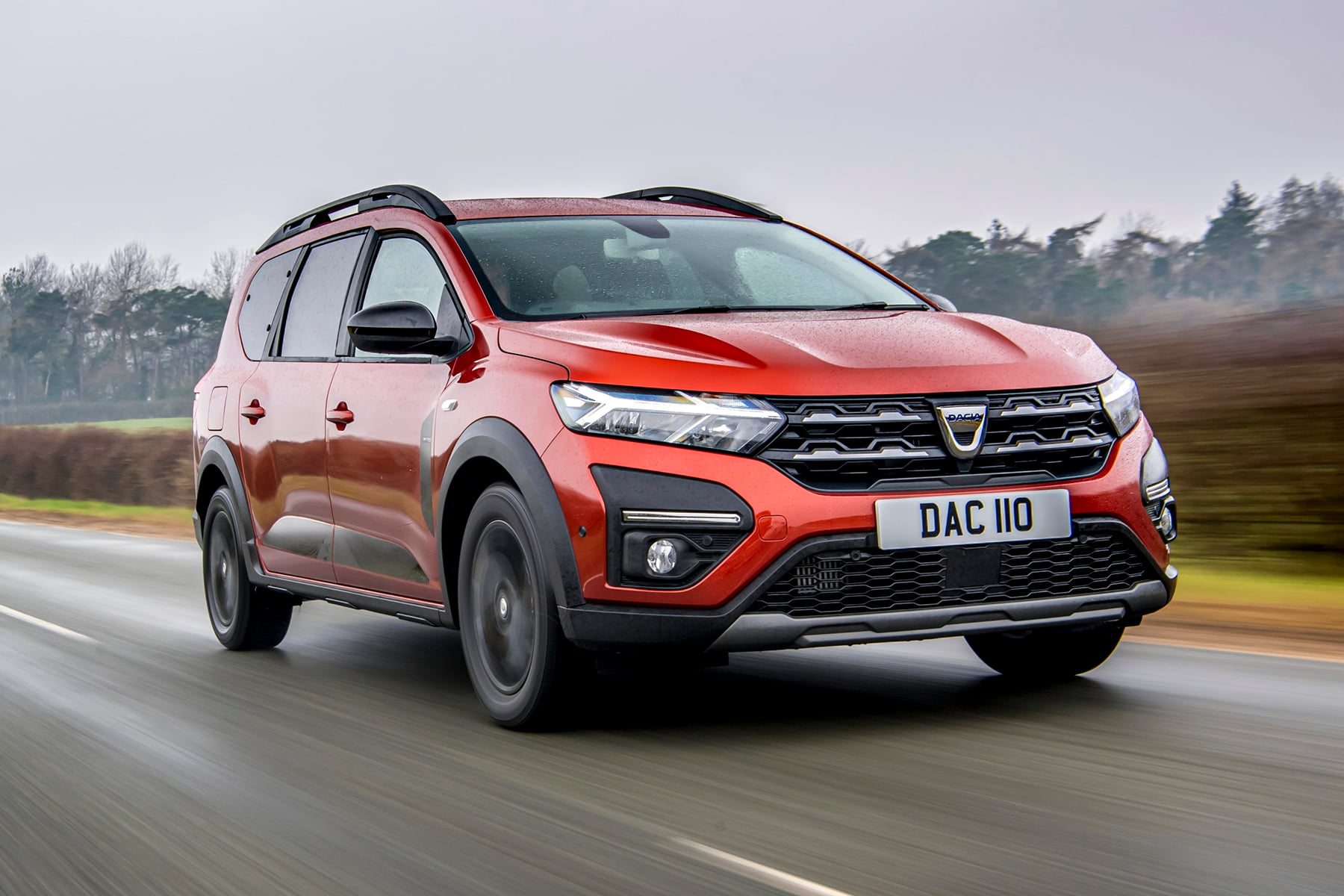
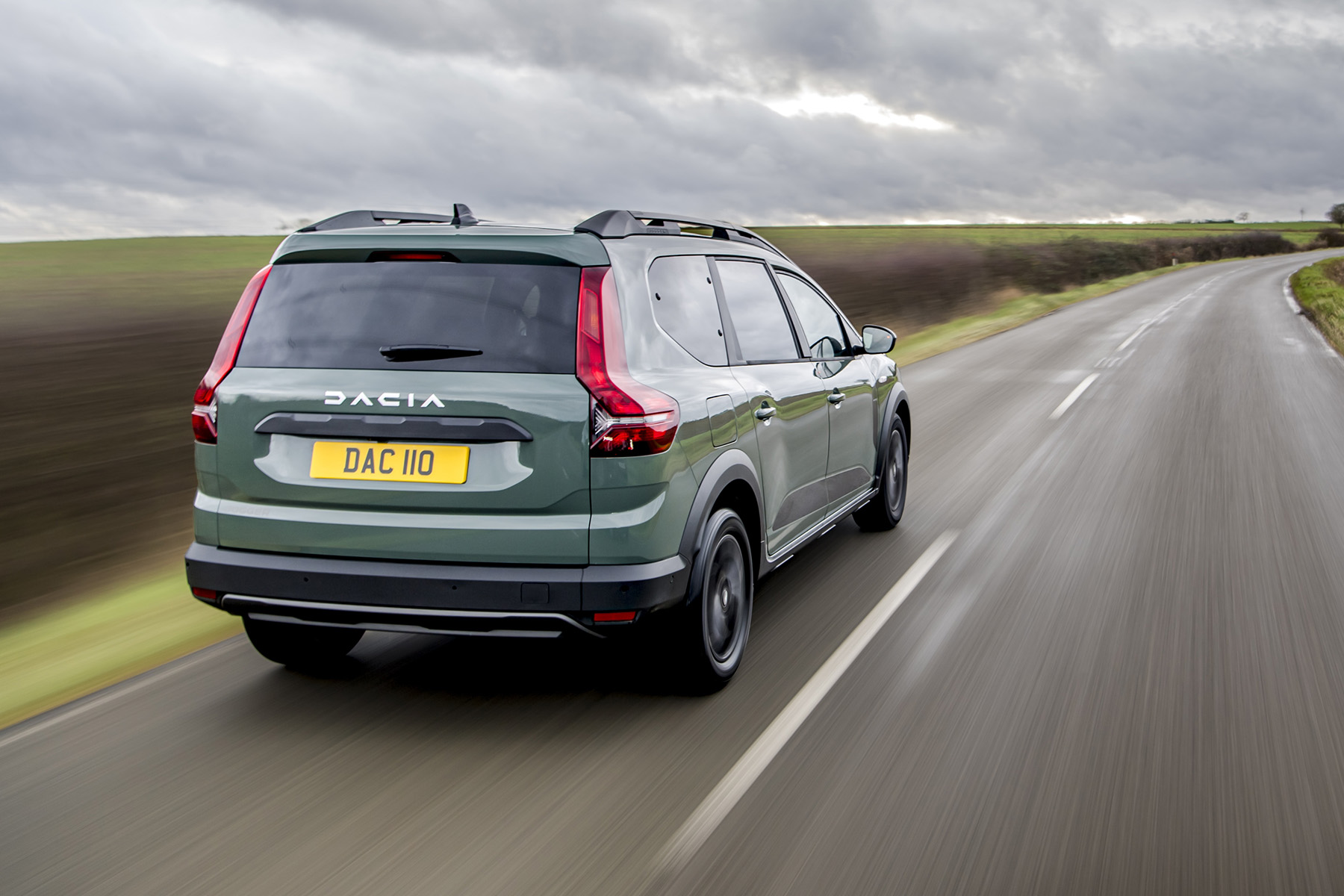
The Dacia Jogger is a compact people carrier that arrived in the UK in Spring 2022, and currently the cheapest seven-seater on sale by a considerable margin.

Only available from launch with a petrol engine and manual gearbox, the Jogger is the successor to the Dacia Lodgy MPV, which never reached the UK in its lifespan. A petrol-electric hybrid version of the Jogger arrived in 2023, which pairs two electric motors with the petrol engine to increase the people carrier’s fuel efficiency.

A stand-out model thanks to its value-for-money, the Dacia Jogger is highly regarded by motoring journalists because its affordable price point effectively puts the MPV in a class of its own. “Consider the staggering versatility it offers for such a low price and no other new car even comes close”, Auto Express explains. The Jogger’s closest competitor is currently the Citroën Grand C4 SpaceTourer, which is twice as expensive.

Beyond the price, the Sunday Times is enthused by the Jogger’s “roomy” interior with “no-frills practicality”. Although the Jogger’s cabin is trimmed in cheap plastics, a compromise expected at this price point, the third-row seats can be removed, allowing the Jogger to operate like a large estate car should that be the customer’s preference.

The widespread praise has been somewhat tempered, however, after the Jogger was given a woeful one-star safety rating by independent safety body Euro NCAP. This also led to several titles downgrading their review scores for the Jogger.

Unfortunately, poor safety ratings have become a regular occurrence for Dacia in its current model range, and the Jogger is yet another sub-standard performer. Which? was quick to slap a “Don’t Buy” tag on the Jogger on the day that the Euro NCAP results were announced, matching its recommendation for the Sandero range.

As of January 2026, the Dacia Jogger holds a New Car Expert Rating of D with a score of 56%. It gets good grades for its low running costs and CO2 emissions, but its media review scores are only average and its safety rating is very poor.

Jogger highlights

  • Very competitive pricing
  • Spacious seven-seat cabin
  • Easy driving experience
  • Energetic petrol engine

Jogger lowlights

  • Woeful safety rating
  • Limited powertrain range
  • Cheap interior materials
  • Loud wind noise at higher speeds

Key specifications

Body style: Seven-seat MPV
Engines: petrol, petrol-electric hybrid
Price: From £18,295 on-road

Launched: Spring 2022
Last updated: N/A
Replacement due: TBA

Media reviews

Highlighted reviews and road tests from across the UK automotive media. Click any of the boxes to view.

Featured reviews

More reviews

Auto Express

Auto Trader

Business Car

Car

Car Keys

Carbuyer

Heycar

Honest John

Parkers

Regit

The Sun

The Sunday Times

The Telegraph

Top Gear

Safety rating

Independent crash test and safety ratings from Euro NCAP

Overall score: 1 stars
Date tested: April 2022
Read the full Euro NCAP review

Adult protection: 70%
Child protection: 69%
Vulnerable road users: 41%
Safety assist: 39%

Notes on safety rating

The Dacia Jogger was given a one-star rating by Euro NCAP in April 2022, which was yet another woeful result for Dacia and the overall Renault Group. The Jogger is essentially a larger version of the Dacia Sandero Stepway, which was rated as two stars in April 2021.

Euro NCAP was particularly critical of the Jogger’s third-row seats, which don’t benefit from head airbags and don’t have seatbelt reminders. That was enough to drop it a whole star compared to the Sandero range.

The Jogger remains fully legal despite such a poor safety rating, as Euro NCAP testing goes above and beyond the bare minimun legal requirements set out by the EU and UK. But potential customers should be aware that the third row of seats in particular (which is, of course, one of the main selling points of the vehicle) offers less safety protection than almost any other new car on the market.

Eco rating

Independent economy and emissions ratings from Green NCAP

No eco rating

As of January 2026, the Dacia Jogger has not been assessed by Green NCAP.

Running cost rating

Clear Vehicle Data logo close crop

Monthly cost of ownership data provided exclusively for The Car Expert by Clear Vehicle Data

Fuel consumptionAverageScore
Petrol models48 mpgC
Hybrid models58 mpgB
CO₂ outputAverageScoreVariationScore
Petrol models132 g/kmB
Hybrid models109 g/kmA
Insurance groupAverageScoreVariationScore
All models14A
Service and maintenanceCostScore
Year 1£153A
Year 2£400A
Year 3£674A
Year 4£906A
Year 5£1,317B
Overall£3,450A

The Dacia Jogger is an affordable car to own and run, according to whole-life cost numbers provided exclusively to The Car Expert by our data partner, Clear Vehicle Data.

Fuel consumption figure for petrol and diesel models sit at around and slightly above the market average, which is good for a seven-seat vehicle of this size, and its insurance premiums are very affordable too. In addition, the people carrier’s service and maintenance costs over the course of five years of ownership are excellent.

Reliability rating

MotorEasy logo 600x167

Reliability data provided exclusively for The Car Expert by MotorEasy

No reliability rating

As of January 2026, we don’t have enough reliability data on the Dacia Jogger to generate a reliability rating.

The Car Expert’s reliability information is provided exclusively to us using extended warranty data from our partner, MotorEasy. As soon as MotorEasy has sufficient data on the Jogger, we’ll publish the score here.

Recalls

Official DVSA safety recalls that have been issued for the Dacia Jogger

As of January 2026, we are not aware of any DVSA vehicle safety recalls affecting the Dacia Jogger. However, recall information is updated regularly, so this may have changed.

You can check to see if your car has any outstanding recalls by visiting the DVLA website or contacting your local Dacia dealer.

Awards

Trophies, prizes and awards that the Dacia Jogger has received

2023

  • Auto Express Awards – Best Family Car
  • Carbuyer Awards – Best Family Car
  • UK Car of the Year Awards – Best Large Family Car

2022

  • News UK Motor Awards – Best Value Car
  • Parkers New Car Awards – Best Value Car
  • Top Gear Awards – Reader’s Choice

Similar cars

If you’re looking at the Dacia Jogger, you might also be interested in these alternatives

BMW 2 Series Gran Tourer | Citroën Grand C4 SpaceTourer |  Ford Galaxy | Ford S-Max | Volkswagen Sharan

Buy a Dacia Jogger

If you’re looking to buy a new or used Dacia Jogger, The Car Expert’s partners can help you find the right car

Motors 600x300

Find your next used car with Motors. Find out more

Auto Trader logo 600x300

Find your next new or used car with Auto Trader. Find out more

Carwow logo 600x300

Find your next new or used car with Carwow. Find out more

Lease a Dacia Jogger

If you’re looking to lease a new Dacia Jogger, The Car Expert’s partners can help you find a competitive deal

Leasing-com logo

Personal contract hire deals from Leasing.com. Find out more

Carwow logo 600x300

Personal contract hire deals from Carwow. Find out more

Select Car Leasing logo

Personal contract hire deals from Select Car Leasing. Find out more

Subscribe to a Dacia Jogger

If you’re interested in a car subscription, The Car Expert’s partners can help (PS: What’s a car subscription?)

SelfDrive UK logo

Car subscriptions from SelfDrive.
Find out more

Cocoon Vehicles logo 600x300

Car subscriptions from Cocoon.
Find out more

Just Vehicle Solutions logo 600x300

Car subscriptions from Just Vehicle Solutions.
Find out more

How Russia’s invasion of Ukraine has disrupted the used car market

Over the last couple of years, the used car market has been battered by multiple forces, with a yet another disruptive force now making its presence felt.

Nationwide lockdowns forced physical dealerships to close on multiple occasions through 2020 and into 2021, which helped online sellers to grow significantly. Demand for used cars then soared as lockdowns ended, with many people preferring to buy a used car than return to public transport. Then the car industry was hit by a global shortage of semiconductor chips in 2021, decimating new car production and leading hundreds of thousands of new car customers to turn to the used car market.

Car manufacturers started to believe that the problems were peaking towards the end of last year, and hoped that 2022 would be the year when vehicle production starting return to pre-crisis levels. But, of course, that hasn’t happened.

Production schedules have been thrown into disarray by Russia’s invasion of Ukraine. In addition to the terrible loss of life and enormous damage inflicted by this war, there has also been a global industrial impact that leaves the automotive industry facing an even bigger crisis that could be even harder to solve.

Matas Buzelis, head of communications at automotive data company (and commercial partner of The Car Expert) carVertical, has shared his insights on the situation with us.

Damaged supply chains

Buzelis points out that although Russia’s new car market is not particularly large, the country plays a significant role in the global automotive supply chain.

Russia exports valuable components to the automotive industry. Germany, for example, relies heavily on Russia’s titanium, iron, and palladium. With 108 million tonnes of iron ore produced in 2021, Russia is the world’s fifth-largest iron ore producer, supplying European steel makers who are now facing higher prices and possible difficulties obtaining their raw materials elsewhere. 

Russia’s invasion has also had an impact on the automotive industry in Ukraine. For example, German car makers such as BMW and Volkswagen use a large Ukrainian supplier of wire harnesses. Furthermore, Ukraine is the world’s third-largest producer of nickel and aluminum, two highly valuable resources required in battery and EV components.

Finally, Ukraine produces nearly 70% of the world’s neon gas required for building components such as microchips, which are already in short supply.

More difficult to get a good used car

Buying a used vehicle was already difficult and expensive in 2021, and by the looks of things, it will continue to be difficult throughout the rest of 2022. While demand from car buyers keeps growing, used car dealers are facing a shortage of vehicles. 

The current situation is being driven by the crisis in the new car market. Car factories are running at far below normal pace – and some are not even running at all. This then slows down the flow of cars into the used car market. This firstly affects ‘nearly new’ cars like demonstrators, dealer loan vehicles, press cars, head office employee cars and ex-rental cars. That then has a knock-on effect for slightly older cars, which impacts on even older cars and so on, all the way down the line to the oldest used cars on the market.

“Those interested in buying a second-hand car are now choosing from the most limited and also the most expensive offers in the used vehicle market,” says Buzelis.

“However, the limited supply of used cars doesn’t mean buyers should forgo procedures protecting them from scams. On the contrary, buyers should inspect the history of each used vehicle since the selection is very limited.”

Scarce supply and higher prices are exactly the right conditions for bringing shadier sellers out of the woodwork, trying to make a quick buck flogging sub-standard cars. For buyers, the risk of purchasing a used car in poor condition may be much higher than it was a year or two ago.

Buyers should inspect the history of each used vehicle, since the selection is very limited.

Matas Buzelis, head of communications at carVertical

The influence of fuel prices

Fuel prices are rapidly climbing towards £2 per litre here in the UK and have surpassed €2 per litre mark in many European countries, which is leading to car owners changing their driving habits. 

“Rising fuel prices will cause some drivers to commute less,” says Buzelis. “People may shorten their annual mileage by choosing public transport or other alternative means of transportation. Fewer kilometers would translate to fewer accidents, leading to savings in running costs.”

This would decrease the number of vehicles on the road, but higher fuel prices also increase the interest in fuel-efficient vehicles. 

We are already seeing that increased fuel prices are driving demand for used electric vehicles. Despite rising energy prices, the total cost of powering an EV is getting even cheaper relative to a petrol or diesel car with current pump prices. A small reduction in stamp duty as announced by the chancellor in this week’s Spring Statement is unlikely to alter this balance.

However, EVs remain in short supply in the used car market because new EV sales were very low up until a couple of years ago. There are simply very few 3-5 year-old electric cars for sale, which is driving up prices. This will obviosuly improve in coming years, but ongoing new car production shortages are likely to delay wider adoption of electric cars for some time to come.

New Maserati Grecale includes first electric SUV

0

Maserati has unveiled an all-new SUV range dubbed the Grecale, which will include the Italian luxury brand’s first electric model.

The Grecale will slot into the Maserati range below the existing and successful Levante large SUV and will line up against mid-sized rivals like the Porsche Macan and Jaguar F-Pace. The newcomer is expected to become Maserati’s best-selling model.

The car’s creators promise a sporty look and performance befitting the brand image while also offering plenty of space inside. While the Grecale’s appearance is clearly closely related to the larger Levante, it has a low, bold grille similar to that of the MC20.

Three versions of the Grecale will initially be available. The GT will be powered by a four-cylinder mild-hybrid petrol engine of 300hp, the Modena will be similar but with 330hp, while the range-topping Trofeo will use the 3.0-litre V6 engine of the MC20 supercar, putting out 530hp to produce a 3.8-second 0-62mph time.

All three will be combined as standard with an eight-speed automatic transmission and all-wheel drive.

These will be followed later by the Grecale Folgore, Maserati’s first electric model. Full details of this version are yet to be released – Maserati states that it will make use of ‘400-volt technology’ via a 105kWh battery and will be capable of delivering up to 800Nm of torque.

Further evidence of the Grecale’s sporting potential sees air suspension offered as standard on the Trofeo and as an option on the other two models. This will have six level adjustments, from 3cm lower than standard in ‘Park’ to 3cm above standard in ‘Off-road’. The car’s electronic control system will also offer five driving modes, dubbed Comfort, GT, Sport, Corsa and Off-road.

Grecale sales are expected to begin in the second half of 2022 at prices yet to be announced. Maserati has already announced that it intends to only launch electric cars after 2025.

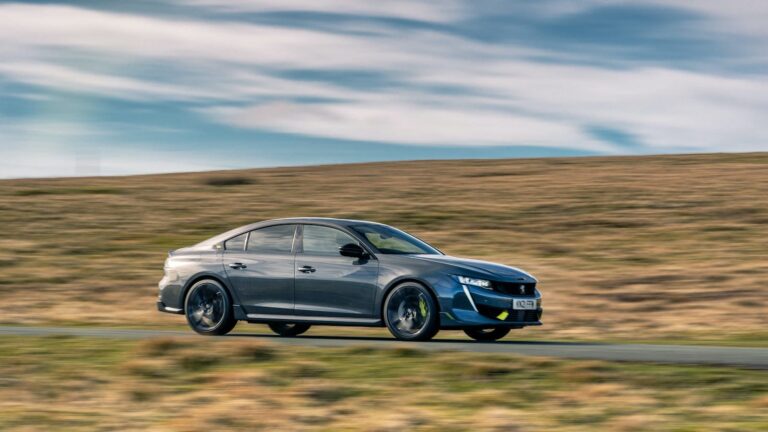
Peugeot offers up to £7K off 508 PSE models

Peugeot has announced an offer on its performance-focused 508 PSE models, with savings of up to £7,100 for a limited time.

The Peugeot 508 PSE liftback and 508 SW PSE estate sit above the regular 508 range, the acronym standing for Peugeot Sport Engineered. The on-road price for the liftback starts at just over £54K, with the estate costing an additional £1,800.

The new offer consists of a £4K discount on the car itself, bringing the starting price down to £50K (£49,995, to be precise). There is an additional £3K of deposit contribution if you take out a PCP finance agreement with PSA Finance UK (a deposit contribution is basically a discount for taking the company’s finance offer, rather than borring the money elsewhere).

Peugeot is advertising monthly payments of £599, but it’s important to note that this is based on a four-year PCP with you putting in just under £7,000 cash up front, plus a mileage limit of just 6,000 miles per year. If you put in less money up front, do more miles each year or want a three-year term, the monthly price could be significantly higher.

The APR is 5.9% – although the example says that this is a representative APR (which means that only 51% of customers need to be offered this rate, while the rest might be offered a higher rate), Peugeot has confirmed to The Car Expert that this is the rate that all applicants will be offered.

The Peugeot 508 PSE is powered by a plug-in hybrid powertrain, pairs a 1.6-litre petrol engine producing 200hp with two electric motors for a combined maximum power output of 360hp. It also comes with styling changes and additional equipment over the regular 508 range.

Now in its second generation, the standard Peugeot 508 range has received a wide range of review scores from the UK media since its arrival in 2018, ranging from average to outstanding. Praiseworthy features include the family car’s comfort and safety levels, although many reviewers also conclude that its rivals are more practical overall. The Peugeot 508 currently holds an Expert Rating of 70% in our Expert Rating Index, although this doesn’t include the 508 PSE models.

Finance offer details

Peugeot 508 FSE liftback finance example
Finance productPCP
Duration48 months (47 monthly payments + balloon)
Vehicle cash price (including £4,035 discount)£49,995
Customer deposit£6,834.89
Peugeot deposit contribution£3,100.00
Total deposit£9,934.89
47 monthly payments£599.00
Final balloon payment£18,745.00
Total amount of credit£40,060.11
Total charge for credit£6,837.89
Total amount payable£56,832.89
APR representative5.9%
Rate of interest5.90% fixed
Annual mileage allowance6,000
Excess mileage (per mile)10.8p
Source: Peugeot UK

The table shown is one example of how Peugeot’s finance offer for the 508 PSE could work.

To get to a monthly payment of £599, you need to be taking a four-year term (47 payments of £599 plus a final balloon of £18,745) with an up-front payment of £6,834.89. You are also limited to driving no more than 6,000 miles a year.

You can vary the term, deposit and mileage, but this will affect the monthly payment. Similarly, if you add any options to the vehicle, it will push the payments up.

For more information about how a PCP works, we have a whole information hub devoted to PCP car finance.

What’s in the fine print?

  • These offers are for selected new Peugeot models that are currently in stock.
  • There are two separate offers that can be combined. The first is a £4,035 discount on the price of the vehicle, while the second is an additional finance offer.
  • The finance offer is only available on a personal contract purchase (PCP) finance product from PSA Finance UK. If you want any other type of finance, like a hire purchase, you won’t be eligible for the same terms like the £3,100 deposit contribution or 5.9% interest rate.
  • The finance offers listed on the Peugeot website are only examples, and you are entitled to adjust the vehicle specification, deposit, term and annual mileage to suit your own needs (within limits).
  • The 5.9% APR is shown as a ‘Representative APR’ but all successful finance applicants should be entitled to this interest rate.
  • Cars have to be ordered and registered by 4 April 2022 unless sold out sooner.
  • The finance offer is provided through Peugeot dealers by PSA Finance UK. If a dealer offers you a finance deal that does not match these details or from another lender, it is not part of this offer.

Pricing and specs for new Lotus Emira First Edition

0

Lotus has announced that the high-spec first editions of its Emira Coupé will soon be able to order, with entry-level models planned for early 2023.

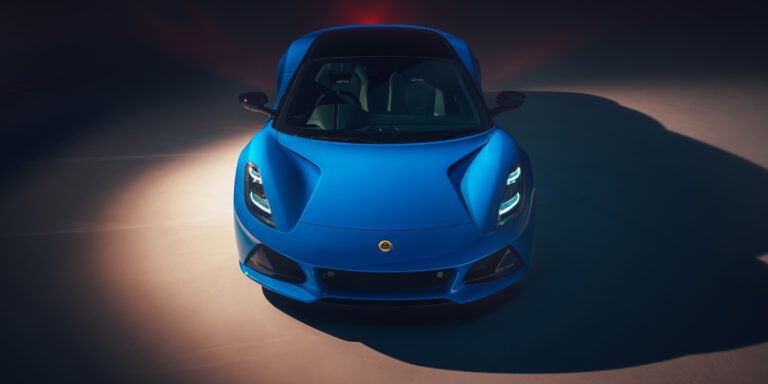
The Lotus Emira will be the last petrol-powered sports car and the end of an era for its British manufacturer, which contrasts with a brand-new all-electric model called the Type 132, which will be revealed at the end of March.

Lotus has two Emira First Edition engine options on offer – the cheaper four-cylinder automatic first available in Winter 2022, and the more expensive six-cylinder manual which customers will be able to order earlier in Spring 2022. First deliveries are expected by the end of the year.

Using the same engine as the Mercedes-AMG A 45 hot hatch, the 2.0-litre four-cylinder Emira is capable of producing 365hp. Lotus notes that the engine produces more than 400hp in other uses, which suggests the possibility of a higher-performance version down the line.

The Lotus Emira First Edition is rear-wheel drive, and Lotus says it worked in collaboration with Mercedes-AMG to develop the eight-speed automatic gearbox used in the 2.0-litre model, which is exclusive to the Emira range. The First Edition models distinguish themselves from subsequent models with a unique engine bay cover and ‘First Edition’ branding on the window surrounds.

Riding on 20-inch diamond-cut or gloss black alloy wheels, the Lotus Emira First Edition range has six exterior colours to choose from. Included with the First Edition as standard are heated and adjustable seats, rear parking sensors, keyless entry and cruise control.

The coupé comes with a ten-inch infotainment screen compatible with Android Auto and Apple CarPlay, and a 12-inch digital instrument cluster behind the steering wheel.

The First Edition also throw includes equipment packs that will be optional on subsequent models. The Driver’s Pack allows customers to choose between suspension and tyre options, the Convenience Pack adds a reversing camera, rain-sensing wipers and auto-dimming mirrors, while the Design Pack adds alcantara suede headlining and branded mats in the cabin, and a number of brake calliper colours to choose from outside.

Joining the Emira range alongside the more powerful £75,995 V6 Emira, the four-cylinder Emira First Edition will cost £71,995.

By comparison, the Porsche 718 Cayman S, which is also rear-wheel drive and almost as powerful, has a much shorter list of features available as standard, but also costs far less, with prices starting from £56,300.

The specification list for the Emira is likely to match what the 718 Cayman S offers as standard when the First Edition models make way for the cheaper entry-level models in early 2023, with prices for the four-cylinder and six-cylinder models starting from £59,995 and £64,995 respectively.

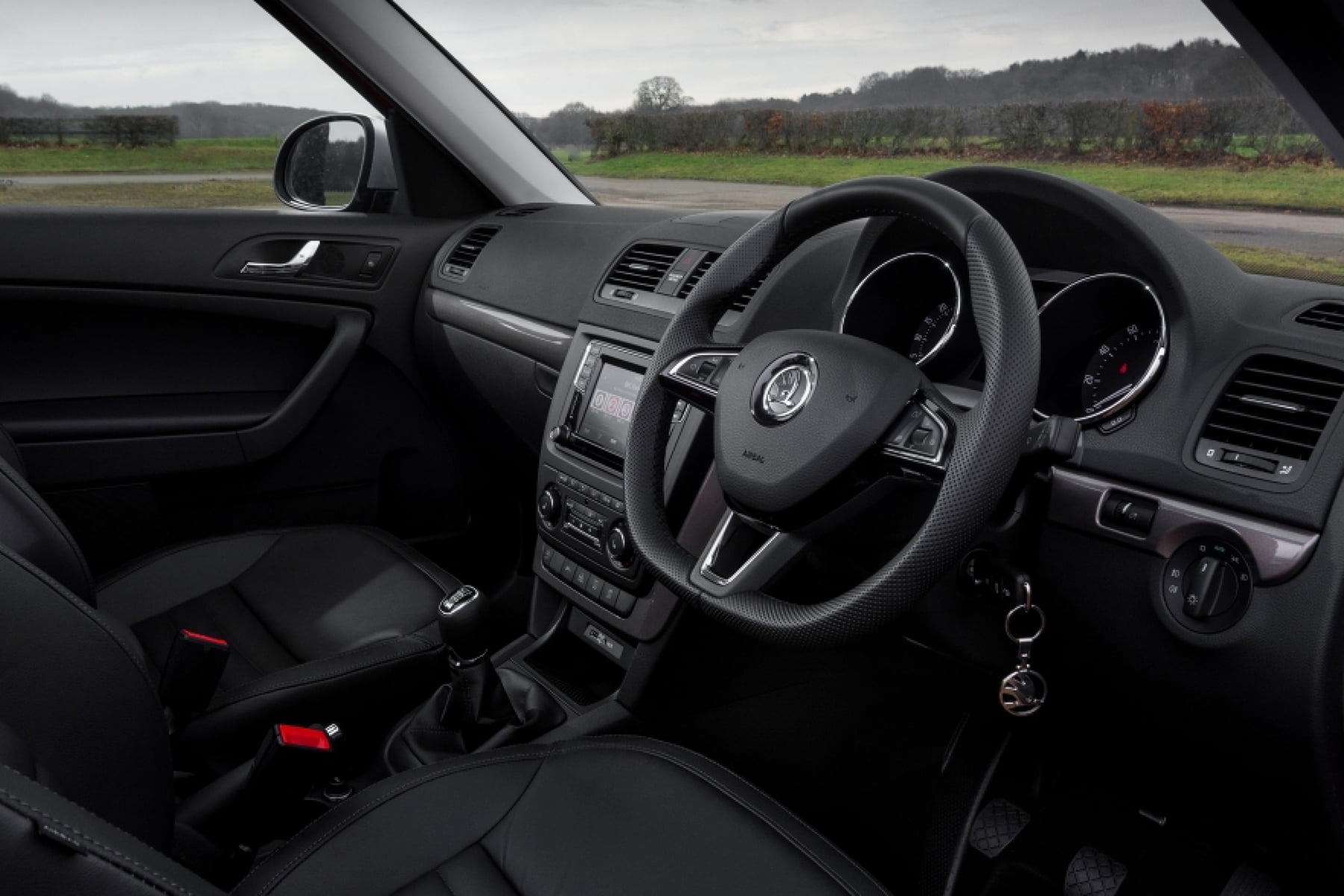
Skoda Yeti (2009 to 2017)

Summary

The Skoda Yeti is a compact five-door SUV/crossover that first arrived on UK roads in late 2009, and was Skoda’s first attempt at competing in the SUV market. The Yeti was replaced in late 2017 by the Skoda Karoq SUV, which has more in common with the larger Kodiaq SUV than the outgoing Yeti range.

The Yeti range consisted of a wide range of petrol and diesel engine options, with both manual and automatic gearboxes. They all gained the favour of motoring journalists from the outset, highlighted for being both frugal and energetic.

Many reviewers also comment that the Yeti is a perfect example of Skoda’s interior ingenuity, fitting the compact SUV with an interior that is not only spacious, but uses that space efficiently.

“The Skoda Yeti is also one of the first Skodas that really demonstrated the extra thought going into how people use the space”, Heycar explained. “You can move the rear seats forwards and backwards independently and even remove the central seat and push the outer two closer together.” That said, Top Gear noted in its review that these removable seats are hard to remove.

Another topic that divided reviewer opinion was the Yeti’s styling. While Parkers called the crossover’s looks “distinctive”, Top Gear commented that the Yeti’s 2013 facelift, which consisted of cosmetic changes and tech upgrades, actually made the Yeti less aesthetically pleasing. During its eight-year lifespan, the Yeti also faced criticism for the short list of entry-level equipment, and the rather steep pricing of the top-spec all-wheel drive models.

No longer on sale, the Skoda Yeti holds a Used Car Expert Rating of D, with a score of 58%. Its rating is inevitably dragged down by a safety rating that is long out of date due to the car’s age.

Yeti highlights

  • Efficient use of cabin space
  • Capable off-roader
  • User-friendly driving experience
  • Peppy range of petrol engines

Yeti lowlights

  • Questionable ride comfort
  • Marmite exterior styling
  • Loud engine at high speeds
  • Entry-level models rather basic

Key specifications

Body style: Compact SUV/crossover
Engines: petrol, diesel
Price when new: From £17,210 on-road

Launched: Autumn 2009
Last updated: Winter 2013/14
Replaced: Autumn 2017

Media reviews

Highlighted reviews and road tests from across the UK automotive media. Click any of the boxes to view.

The Car Expert

Auto Express

Car

Car Keys

Carbuyer

Daily Mirror

Eurekar

Evo

Fleetworld

Green Car Guide

Heycar

Honest John

Motors

Parkers

The Sun

The Sunday Times

The Telegraph

Top Gear

Safety rating

Independent crash test and safety ratings from Euro NCAP

Overall score: 5 stars
Date tested: August 2009
Date expired: January 2016
Read the full Euro NCAP review

Adult protection: 92%
Child protection: 78%
Vulnerable road users: 46%
Safety assist: 71%

The Skoda Yeti was originally crash tested by Euro NCAP way back in 2009 and awarded a five-star rating. However, this rating expired in January 2016 and is no longer valid as the car no longer meets the standards required for such a rating. This is normal practice, as Euro NCAP reviews its ratings on most cars annually with most ratings expiring after about six or seven years.

Although the rating has now expired, the score is still useful if you are comparing a used Yeti to vehicles of similar age – whose ratings will have probably also expired.

Eco rating

Independent economy and emissions ratings from Green NCAP

No eco rating

The Skoda Yeti was not lab tested by Green NCAP during its production cycle as it pre-dated the creation of Green NCAP in 2018.

Reliability rating

MotorEasy logo 600x167

Reliability data provided exclusively for The Car Expert by MotorEasy

All data based on MotorEasy average workshop costs for extended car warranty claims

The Skoda Yeti has a very good reliability record, according to exclusive extended warranty data provided by our partners at MotorEasy.

As well as being a generally reliable car, the average repair bill of just over £300 to date is better than most cars. Even repairs for engine and gearbox have been significantly cheaper than most vehicles, which is a good sign if you’re looking to buy a used Yeti.

Awards

Trophies, prizes and awards that the Skoda Yeti has received

2017

  • Auto Trader Awards – Best Value New Car

2015

  • Auto Express Awards – Used Car of the Year + Best Used Crossover

2014

  • BusinessCar Awards – Best Crossover

2013

  • Total 4×4 Awards Best Small SUV + Best Value 4×4

2012

  • Honest John Awards – Best Crossover + Most Rated Car
  • Total 4×4 Awards 4×4 of the Year + Best Value 4×4
  • Towcar of the Year AwardsBest All-Wheel Drive under 1,800kg

2011

  • Honest John Awards – Car of the Year + Best Crossover
  • The Green Organisation AwardsInternational Green Apple Environment Award
  • Total 4×4 Awards 4×4 of the Year + Best Crossover

2010

  • Auto Express Awards – Car of the Year
  • Total 4×4 Awards Best Small SUV + Best Value 4×4

2009

  • Top Gear Awards – Best Family Car

Similar cars

If you’re looking at the Skoda Yeti, you might also be interested in these alternatives

Ford Kuga | Honda CR-V | Hyundai Tucson | Jeep Compass | Kia Sportage | Mazda CX-5 | MG HS | Mitsubishi Eclipse Cross | Nissan QashqaiPeugeot 3008 | Renault Kadjar | SEAT Ateca | Skoda Karoq | SsangYong Korando | Subaru XV | Suzuki S-Cross | Toyota C-HR | Vauxhall Grandland X | Volkswagen Tiguan

More news, reviews and information about the Skoda Yeti at The Car Expert

New Skoda finance offers

New Skoda finance offers

Skoda Karoq replaces Yeti and targets Qashqai

Skoda Karoq replaces Yeti and targets Qashqai

Skoda extends Yeti Monte Carlo line

Skoda extends Yeti Monte Carlo line

Skoda Yeti review

Skoda Yeti review

Buy a Skoda Yeti

If you’re looking to buy a new or used Skoda Yeti, The Car Expert’s partners can help you find the right car.

Motors 600x300

Search less, live more. We make finding the right car simple. Find out more

Auto Trader logo 600x300

Search for your next new or used car with Auto Trader. Find out more

Carwow logo 600x300

Discover great deals available on both new and used cars. Find out more

Final Aston Martin V12 Vantage sold out before launch

Aston Martin has revealed the second generation of its V12 Vantage model, and announced that the 333 examples that will be built are already all sold.

The company first installed a V12 engine in the previous Vantage back in 2007, three years after the V8 model was launched. Similarly, it’s taken a while for Aston Martin to get around to offering its biggest engine in the second version of its smallest model.

Production is limited to 333 vehicles, which have already been sold. Aston Martin says that this is the final V12 version of the Vantage, with the next generation of models expected to be either plug-in hybrid or fully electric.

The 12-cylinder engine in the Vantage range will the be the most powerful version yet. It’s a 5.2-litre twin-turbo unit, produces 700hp and 753Nm of torque – enough to complete a 0-62mph sprint in 3.4 seconds and go on to a top speed of 200mph.

Extensive use of weight-saving measures, including many panels made from carbon-fibre composite, gives the car a power-to-weight ratio of 390hp per tonne, 20% more than the equivalent V8 Vantage.

The body has been widened by 4cm to allow an increase in width between the wheels while the aerodynamic package generates 204kg of downforce at maximum speed. The front grille is also 25% larger to improve engine cooling.

Much work has also been carried out on the chassis in a bid to ensure the driving experience matches the potency. Spring rates are stiffer at both front and rear, combined with stiffer mounts and anti-roll bars. A second and softer ‘tender spring’ has been added at the rear to maintain driver comfort without sacrificing handling performance.

Other changes over the stock Vantage include improved steering and a carbon-ceramic braking package as standard. As well as maintaining performance at high temperatures, these brakes also save 23% in weight compared to normal steel versions.

Aston Martin will start building the new model shortly with first deliveries before summer. An apparent price tag of £265,000, more than double the cost of the previous V12 Vantage range-topper, has not deterred buyers – every example available was snapped up shortly after Aston Martin first confirmed in December 2021 that it intended to build the car.

New plug-in hybrid model joins the Kia Sportage range

0

Kia has announced a new plug-in hybrid powertrain (PHEV) for its fifth-generation Kia Sportage SUV range, which already includes petrol, diesel, hybrid and mild-hybrid options.

Thanks to its 14kWh battery pack working in tandem with a 67kW electric motor, Kia promises that this new plug-in hybrid Sportage can travel 43 miles on just electric power from full charge.

By comparison, this new Sportage powertrain has more battery range than mainstream PHEV rivals like the Peugeot 3008 and Volkswagen Tiguan, which can travel 36 and 30 miles on a full battery respectively. That said, the similarly-sized Toyota RAV4 plug-in hybrid offers a slightly better 46-mile all-electric range for a higher starting price.

The Kia Sportage PHEV uses the same turbocharged 1.6-litre petrol engine as the mild-hybrid variant, providing a power output of 265hp and a combined petrol-electric fuel consumption of 252mpg. All plug-in models are fitted with a six-speed automatic gearbox.

The mild-hybrid version of the Sportage, which usually costs around £2,000 cheaper than the plug-in hybrid, cannot travel on electric power alone, instead allowing the petrol engine to switch off when the SUV is coasting, braking or stopping.

Kia says that this is its fastest-charging PHEV model to date – customers will be able to charge the battery from empty to full in one hour and 45 minutes. Kia also offers plug-in hybrid versions of its smaller Niro SUV, its larger Sorento SUV, and its XCeed hatchback.

Now available to order in the UK, this new plug-in hybrid engine is an option for every trim apart from the entry-level ‘2’ trim, which is only available with petrol and diesel powertrains.

Trims levels that offer the new plug-in hybrid powertrain

Trim levelPetrol version pricePlug-in hybrid version priceAdditional features added at this trim level
Sportage GT-Line£29,745£38,3954-inch head-up display
Smart cruise control
Lane keeping assistance
Leather suede seats
Sportage 3£30,945£39,59512-inch head-up display
Cloth & leather seats
Heated steering wheel
Heated seats
Sportage 4N/A£41,795LED adaptive headlights
Adjustable seats
Ambient cabin lighting
Panoramic sunroof
Blind-spot monitoring
Wireless smartphone charging
Sportage GT-Line SN/A£43,795Suede upholstery
Ventilated seats
Electric tailgate
Two-tone roof

Prices for the Sportage PHEV models start at £38,395, while the cheapest model remains the petrol-powered Sportage ‘2’, which is priced at £26,745.

Since its arrival in early 2022, the current fifth-generation Kia Sportage has impressed reviewers with its generous seven-year warranty and bold exterior styling. However, many conclude that the closely-related Hyundai Tucson SUV is a better value-for-money proposition. The Kia Sportage currently holds an Expert Rating of 71%.

Maserati MCPura

Summary

The Maserati MCPura is a two-seat mid-engined sports car which poses direct competition to exotic rivals like the Ferrari F8 and 296 GTB, Lamborghini Huracán and McLaren 720S.

The MCPura is a lightly facelifted version of the original Maserati MC20, which arrived on UK streets in early 2022. There were no significant mechanical upgrades other than some revised suspension settings, with most of the changes limited to cosmetic and trim updates.

Like the MC20, the MCPura is available in both coupé and open-top (Cielo) versions, and is powered by a 620hp, twin-turbocharged V6 engine.

Media reviews have been very positive, with most titles praising the performance in both models. The minimalist interior hasn’t been quite so well-received, especially given that various features are optional extras rather than standard equipment.

Despite plenty of glowing review scores, the Maserati MC20 holds a New Car Expert Rating of E with a score of 53% as of March 2026 – a rating hindered by the supercar’s high running costs.

MCPura highlights

  • Stunning exterior styling
  • Agile body control and handling
  • A rapid supercar and a composed long-distance cruiser

MCPura lowlights

  • Rivals have more interior flair
  • Gearbox occasionally a little rough
  • Change of name brought no significant improvements

Key specifications

Body style: Coupé and roadster
Engines: petrol
Price: From £187,230 on-road

Launched: Winter 2021/22
Last updated: Autumn 2022
Replacement due: TBA

Media reviews

Highlighted reviews and road tests from across the UK automotive media. Click any of the boxes to view.

Featured reviews

More reviews

Auto Express

Auto Trader

Car

Carbuyer

Evo

Motoring Research

Parkers

The Sunday Times

The Telegraph

Top Gear

Safety rating

Independent crash test and safety ratings from Euro NCAP

No safety rating

As of March 2026, the Maserati MCPura/Maserati MC20 has not been tested by Euro NCAP. Due to its price and exclusivity, it is unlikely to be crash tested in the future.

Eco rating

Independent economy and emissions ratings from Green NCAP

No eco rating

As of March 2026, the Maserati MCPura/Maserati MC20 has not been lab tested by Green NCAP. Again, we’re not expecting it to ever happen.

Reliability rating

Reliability data provided exclusively for The Car Expert by MotorEasy

No reliability rating

As of March 2026, we don’t have enough reliability data on the Maserati MCPura/Maserati MC20 to generate a reliability rating.

The Car Expert’s reliability information is provided exclusively to us using extended warranty data from our partner, MotorEasy. As soon as MotorEasy has sufficient data on the MCPura/MC20, we’ll publish the score here.

Running cost rating

Monthly cost of ownership data provided exclusively for The Car Expert by Clear Vehicle Data

Fuel consumptionAverageScore
Petrol models24 mpgE
CO₂ outputAverageScoreVariationScore
Petrol models263 g/kmE
Insurance groupAverageScoreVariationScore
All models50F
Service and maintenanceCostScore
Year 1£598E
Year 2£1,469E
Year 3£2,209E
Year 4£2,622E
Year 5£3,502E
Overall£10,400E

The Maserati MCPura/Maserati MC20 is an unsurprisingly expensive car to own and run, according to whole-life cost numbers provided exclusively to The Car Expert by our data partner, Clear Vehicle Data.

The insurance rating is an automatic F as all versions of the MC20 are a group 50 – the highest possible category.

The numbers above are unlikely to come as a shock to anyone considering a new or used MCPura/MC20.

Awards

Trophies, prizes and awards that the Maserati MC20 has received

2023

  • News UK Motoring Awards – Best Car Design

2022

  • Evo Awards Car of the Year

2021

  • European Product Design Awards – Product Design of the Year

Similar cars

If you’re looking at the Maserati MCPura/Maserati MC20, you might also be interested in these alternatives

Current models: Aston Martin Vantage | BMW M8 | Chevrolet Corvette Stingray | Ferrari 296 GTB | Lamborghini Temarario | McLaren Artura | McLaren GTS | McLaren 750S | Mercedes-AMG GT | Mercedes-AMG SL | Porsche 911 Turbo

Previous models: Aston Martin Vantage (2018 to 2024) | Audi R8 (2015 to 2024) | Ferrari F8 (2019 to 2023) | Lamborghini Huracán (2014 to 2024)Lexus LC (2017 to 2025) | McLaren 720S (2017 to 2022)Mercedes-AMG GT (2015 to 2023) |

More news, reviews and information about the Maserati MCPura and MC20 at The Car Expert

All the new cars launched at Goodwood 2025

All the new cars launched at Goodwood 2025

Everything you need to know about Maserati

Everything you need to know about Maserati

Maserati unveils open-top MC20

Maserati unveils open-top MC20

Maserati MC20 supercar marks ‘new era’

Maserati MC20 supercar marks ‘new era’

Buy a Maserati MCPura

If you’re looking to buy a new or used Maserati MCPura or MC20, The Car Expert’s partners can help you find the right car.

Motors 600x300

Find your next used car with Motors. Find out more

Auto Trader logo 600x300

Find your next new or used car with Auto Trader. Find out more

Carwow logo 600x300

Find your next new or used car with Carwow. Find out more

Subscribe to a Maserati MCPura

If you’re interested in a car subscription, The Car Expert’s partners can help. (PS: What’s a car subscription?)

Cocoon Vehicles logo 600x300

Car subscriptions from Cocoon.
Find out more

Just Vehicle Solutions logo 600x300

Car subscriptions from Just Vehicle Solutions.
Find out more

Flexible Vehicle Contracts logo 600x300px

Car subscriptions from Flexible Vehicle Contracts.
Find out more

Audi A3 Cabriolet (2014 to 2020)

Summary

The Audi A3 Cabriolet is a compact two-door convertible, derived from the third-generation A3 hatchback. This model was launched in the UK in 2014 and continued until the end of its production life in 2020. It was not replaced when Audi launched the current A3 range.

After two years on sale, the A3 Cabriolet received a mid-life facelift in 2016, consisting of cosmetic updates and new on-board tech additions. Throughout its lifespan the Cabriolet was available with a selection of petrol and diesel engines, and with either a six-speed manual or seven-speed automatic gearbox. The top-spec model was the S3 Cabriolet.

Many motoring outlets preferred the manual gearbox to the auto transmission, while several also took issue with the rather loud tyre and wind noise with the soft-top fabric roof closed. Other reviewers also warned potential buyers of the A3 Cabriolet’s steep pricing, as optional extras could easily push the price past £40,000.

That said, the Audi A3 Cabriolet had a very positive media reception during its life cycle, predominantly thanks to its “classy interior, good driving manners and a useful amount of (storage) space”, The Telegraph explained. While practicality was not the A3 Cabriolet’s speciality, it did come with a larger boot than the previous model – totalling 320-litres of boot space.

Impressed by the convertible’s exterior styling, Car commented that the A3 Cabriolet was a far more elegant proposition than its “slightly humpbacked” predecessor, while others praised the overall execution and efficient engines, which provided stronger performance and fuel economy than the previous A3 Cabriolet model.

Despite the performance upgrade, Car described the Cabriolet as “easygoing-if-not-spectacular drive”, while others recommended checking out the BMW 2 Series Convertible or Audi TT roadster instead if driving experience was a priority.

As of January 2025, the Audi A3 Cabriolet holds a Used Car Expert Rating of D, with a score of 61%.

A3 Cabriolet highlights

  • Comfortable and refined cabin
  • Efficient range of engines
  • Attractive exterior styling
  • Plenty of on-board tech as standard

A3 Cabriolet lowlights

  • Strong brand image inflates used model price
  • Rivals offer more value-for-money
  • Reliability of the automatic gearbox is questionable
  • Larger alloys mean a firmer ride

Key specifications

Body style: Four-seat convertible
Engines: petrol, diesel
Price when new: From £26,370

Launched: Spring 2014
Ended production: Spring 2020

Media reviews

Highlighted reviews and road tests from across the UK automotive media. Click any of the boxes to view.

The Car Expert

+

Auto Express

+

Auto Trader

+

Business Car

+

Car

+

Car Keys

+

Carbuyer

+

Carwow

+

Daily Mirror

+

Evo

+

Green Car Guide

+

Heycar

+

Honest John

+

Parkers

+

The Sunday Times

+

The Telegraph

+

Safety rating

Independent crash test and safety ratings from Euro NCAP

No safety rating

The Audi A3 Cabriolet was not tested by Euro NCAP during its production life. The hatchback version of the A3 was tested in 2012 and awarded a five-star rating, but this did not apply to the Cabriolet version due to the significant structural changes resulting from removing the roof.

Eco rating

Independent economy and emissions ratings from Green NCAP

No eco rating

The Audi A3 Cabriolet was not tested by Green NCAP during its production life.

Reliability rating

MotorEasy logo 600x167

Reliability data provided exclusively for The Car Expert by MotorEasy

All data based on MotorEasy average workshop costs for extended car warranty claims

As of October 2024, the Audi A3 range – including the A3 Cabriolet – has a poor reliability rating of 59%, according to warranty data provided exclusively to us by our commercial partner, MotorEasy. This score applies to both this generation A3 family and the previous (pre-2014) generation.

The average repair bill for claims is about £650, which is more than the cost of a used car warranty so that’s certainly worth considering if you are looking at a used A3.

Most repair bills to date seem to be pretty average in terms of cost. Gearbox problems are the most expensive to fix, which is not unusual, so make sure any used car warranty you purchase covers you for this.

Running cost rating

Clear Vehicle Data logo close crop

Monthly cost of ownership data provided exclusively for The Car Expert by Clear Vehicle Data

Fuel consumptionAverageScoreVariationScore
Petrol models40 mpgD33 – 43 mpgC – E
CO₂ outputAverageScoreVariationScore
Petrol models162 g/kmC149 – 193 g/kmB – D
Insurance groupAverageScoreVariationScore
All models34C29 – 46C – D

The Audi A3 Cabriolet is a relatively expensive car to own and run, according to whole-life cost numbers provided exclusively to The Car Expert by our data partner, Clear Vehicle Data.

Fuel consumption is poor for a fairly small car, while insurance is only average. We don’t have five-year servicing cost data as the A3 Cabriolet is now long out of production, but Audi dealers are more expensive than average across the board.

Awards

Trophies, prizes and awards that the Audi A3 Cabriolet has received

2016

  • Carbuyer Awards – Best Convertible

2015

  • Auto Express Awards – Best Convertible
  • Carbuyer Awards – Best Convertible

2014

  • Auto Express Awards – Best Convertible
  • Scottish Car of the Year Awards – Best Drop-Top

Similar cars

If you’re looking at the Audi A3 Cabriolet, you might also be interested in these alternatives

Abarth 124 Spider | Audi TT Roadster | BMW 2 Series Convertible | Fiat 124 Spider |  Range Rover Evoque Convertible | Mazda MX-5 | Mercedes-Benz SLC | Mini Convertible | Volkswagen Eos | Volkswagen Golf Cabriolet | Volkswagen T-Roc Cabriolet

Buy an Audi A3 Cabriolet

If you’re looking to buy a used Audi A3 Cabriolet, The Car Expert’s partners can help you find the right car

Motors 600x300

Search less, live more. We make finding the right car simple. Find out more

Auto Trader logo 600x300

Search for your next new or used car with Auto Trader. Find out more

Carwow logo 600x300

Discover great deals available on both new and used cars. Find out more

Audi A3 (2013 to 2020)

Summary

The third-generation Audi A3 first arrived in the UK as a three-door hatchback in early 2013, before the range was expanded to include the four-door saloon and five-door ‘Sportback’ hatchback. it was sold here in the UK until early 2020, when it was replaced by the current, fourth-generation, A3 range.

The range included a plug-in hybrid, called the ‘Sportback e-tron’. More performance-focused S3 models were also available in all three body styles, while the hottest of hot hatches was the RS 3 model, which is not covered here. There was also a convertible version, called the A3 Cabriolet, which is covered on a separate page.

The A3 range was given a mid-life facelift in early 2016, which included various cosmetic changes and tech upgrades inside and out, but no major alterations.

Popular throughout its tenure, the third-generation Audi A3 received global acclaim from the outset, being crowned World Car of the Year in 2014. Reviewers continued to give the A3 range high marks after its mid-life facelift – Auto Trader concluded, “the Audi A3 is one of the best cars of its type, and well worthy of anyone’s consideration.”

Most motoring outlets were impressed by the A3’s premium-feel interior trim and the generous levels of equipment included as standard, as well as the car’s post-facelift exterior styling, its agile driving dynamics and the range of efficient engines available. Many reviewers who were given a test drive in the Sportback model also praised the five-door version’s improved practicality when compared to the original three-door model.

Facing off against upmarket rivals like the BMW 1 Series, the third-generation A3 received one consistent criticism during its lifespan – that the range was too expensive. Although entry-level models were reasonably affordable when new, top-spec models were much more expensive, leading to a few journalists wondering if paying the Audi premium was worth it. “A Volkswagen Golf does almost everything just as well for less money”, Carbuyer explained, “but the A3’s upmarket image will appeal to plenty of potential buyers.”

As of January 2025, the third-generation Audi A3 holds a Used Car Expert Rating of A, with a score of 74%. It gets good grades for its media review scores, but its reliability record is poor and its safety rating has long expired.

A3 highlights

  • Comfortable and refined cabin
  • Quality range of engines
  • Attractive exterior styling
  • Plenty of on-board tech as standard
  • Low running costs

A3 lowlights

  • Strong brand image inflates used model price
  • Rivals offer more value-for-money
  • Reliability of the automatic gearbox is questionable
  • Larger alloys mean a firmer ride
  • BMW 1 Series has more driver’s appeal

Key specifications

Body style: Medium hatchback and saloon
Engines: petrol, diesel, plug-in hybrid
Price when new: From £19,365 on-road

Launched: Winter 2012/13
Last updated: Spring 2016
Replaced: Spring 2020

Media reviews

Highlighted reviews and road tests from across the UK automotive media. Click any of the boxes to view.

The Car Expert

+

Auto Express

+

Auto Trader

+

Car

+

Car Keys

+

Carbuyer

+

Carwow

+

Company Car Today

+

Daily Mirror

+

Eurekar

+

Evo

+

Fleetworld

+

Green Car Guide

+

Heycar

+

Honest John

+

Motoring Research

+

Motors

+

Parkers

+

The Sun

+

The Sunday Times

+

The Telegraph

+

Top Gear

+

Safety rating

Independent crash test and safety ratings from Euro NCAP

Overall score: 5 stars
Date tested: August 2012
Date expired: January 2019
Read the full Euro NCAP review

Adult protection: 95%
Child protection: 87%
Vulnerable road users: 74%
Safety assist: 86%

Notes on safety rating

The Audi A3 was originally crash tested by Euro NCAP back in 2012 and awarded a five-star rating. However, this rating expired in January 2019 and is no longer valid as the car no longer meets the standards required for such a rating. This is normal practice, as Euro NCAP reviews its ratings on most cars annually with most ratings expiring after about six or seven years.

However, if you are comparing a used Audi A3 to vehicles of similar age, whose ratings will have probably also expired, its safety rating score is still useful.

Eco rating

Independent economy and emissions ratings from Green NCAP

No eco rating

The third-generation Audi A3 was not tested by Green NCAP during its production life.

Reliability rating

MotorEasy logo 600x167

Reliability data provided exclusively for The Car Expert by MotorEasy

All data based on MotorEasy average workshop costs for extended car warranty claims

As of October 2024, the Audi A3 has a below-average reliability rating of 59%, according to warranty data provided exclusively to us by our commercial partner, MotorEasy. This score applies to both this generation A3 and also to both newer (2020 onwards) and previous (pre-2013) generations.

The average repair bill for claims is about £650, which is more than the cost of a used car warranty. That’s certainly worth considering if you are looking at a used A3.

Most repair bills to date seem to be pretty average in terms of cost. Gearbox problems are the most expensive to fix, which is not unusual, so make sure any used car warranty you purchase covers you for this.

Running cost rating

Clear Vehicle Data logo close crop

Monthly cost of ownership data provided exclusively for The Car Expert by Clear Vehicle Data

No data yet

Due to its age, we don’t have five-year ownership costs for this generation of the Audi A3.

Recalls

Official DVSA safety recalls issued for the Audi A3

Date: August 2019
Model types: All
Build dates: 1/2014 to 09/2014
Number of vehicles affected: 133
Defect: The belt pulley for the camshaft adjuster may break or the bolts for the camshaft adjuster housing may come loose.
Remedy: The camshaft adjuster must be replaced on the affected vehicles.

Date: February 2019
Model types: All
Build dates: 04/2018 to 06/2018
Number of vehicles affected: 1,573
Defect: The centre rear head restraint may not be to specification.
Remedy: Check the head restraint and replace if necessary.

Date: November 2018
Model types: All
Build dates: 05/2018 to 09/2018
Number of vehicles affected: 147
Defect: The rear back rest head restraint mounting is not correctly welded.
Remedy: Check and replace rear back rest frame if required.

Date: February 2018
Model types: All
Build dates: 07/2014 to 11/2014
Number of vehicles affected: 6
Defect: There is a possibility of a faulty weld on the gas generator. If the airbag is deployed there is a risk that parts could be projected into the cabin with risk of injury to the occupants.
Remedy: On affected vehicles replace the front passenger airbag module with a correctly manufactured version.

Date: November 2017
Model types: All
Build dates: 08/2017
Number of vehicles affected: 30
Defect: The hardening process for the rear wheel bearing housings may not have been correctly performed. In the worst case, this could lead to a fractured housing. Should a fractured housing occur, there would be abnormal noises, bad tyre wear, and a theoretical possibility of wheel loss.
Remedy: Recall the vehicles that are likely to be affected and replace the right and left rear wheel bearing housings.

As of September 2024, there have been five DVSA vehicle safety recalls on this generation of the Audi A3. These cover sunroof motors, tyre size data, software and different battery issues.

Not all vehicles are affected by recalls. You can check to see if your car is included in any of the above recalls by visiting the DVLA website or contacting your local Audi dealer.

If your car is affected by a recall, the vehicle must be repaired and you should not be charged for any work required. If you are buying a used A3, you should insist that any outstanding recall work is completed before you take delivery of the vehicle.

Awards

Trophies, prizes and awards that the Audi A3 received

2017

  • Business Car Awards – Best Compact Premium Car
  • Fleet News Awards – Best Compact Premium Car

2016

  • SME Company Car Awards – Best Green Car (Sportback e-tron)

2015

  • Business Car Awards – Best Mainstream Segment Car
  • Carbuyer Awards – Best Small Luxury Car (Sportback)

2014

  • World Car AwardsWorld Car of the Year + Best Small Hatchback
  • carwow Awards – Best Hybrid (Sportback e-tron)

2013

  • iF Design Awards – Gold Award
  • Scottish Car of the Year Awards – Best Executive Car (saloon)

Similar cars

If you’re looking at the Audi A3, you might also be interested in these alternatives

Alfa Romeo Giulietta | BMW 1 Series | Citroën C4 | Fiat Tipo | Ford Focus | Honda Civic | Hyundai i30 | Kia Ceed | Mazda 3 | Mercedes-Benz A-Class | Mini Countryman | Peugeot 308 | Renault Megane | SEAT Leon | Skoda Scala | Skoda Octavia | Toyota Corolla | Vauxhall Astra | Volkswagen Golf

More information

More news, reviews and information about the Audi A3 at The Car Expert

Everything you need to know about Audi

Everything you need to know about Audi

Audi RS 3

Audi RS 3

Audi A3

Audi A3

Britain’s best-selling cars, October 2020

Britain’s best-selling cars, October 2020

Britain’s best-selling cars, November 2020

Britain’s best-selling cars, November 2020

Britain’s best-selling new cars, July 2021

Britain’s best-selling new cars, July 2021

Britain’s best-selling cars, May 2021

Britain’s best-selling cars, May 2021

Britain’s best-selling cars, April 2021

Britain’s best-selling cars, April 2021

Britain’s best-selling cars of 2024

Britain’s best-selling cars of 2024

Audi A3 Cabriolet (2014 to 2020)

Audi A3 Cabriolet (2014 to 2020)

Subtle exterior refresh for Audi A3

Subtle exterior refresh for Audi A3

Britain’s best-selling cars of 2023

Britain’s best-selling cars of 2023

Buy an Audi A3

If you’re looking to buy a used Audi A3, The Car Expert’s partners can help you find the right car

Motors 600x300

Search less, live more. We make finding the right car simple. Find out more

Auto Trader logo 600x300

Search for your next new or used car with Auto Trader. Find out more

Carwow logo 600x300

Discover great deals available on both new and used cars. Find out more

Suzuki Vitara hybrid review

The current version of the Suzuki Vitara was launched in 2015 and has always traded on the fact that while being a road-friendly compact SUV, it also offers the all-wheel-drive flexibility that most of its rivals no longer do. And Suzuki hopes that an updated version with the brand’s first proper hybrid powertrain will further increase the appeal of a car that is already the brand’s best seller.

The Vitara competes in what is now the most competitive part of the UK market – when launched the Suzuki had around 14 rivals, now there are around 25 but almost all of them are only available in front-wheel-drive form.

Suzuki has appeared to be playing catch-up with regard to the trend to electrification, but with EU legislation now imposing heavy fines on manufacturers exceeding pre-determined average levels of CO2 emissions across their range, the brand needs to catch up quickly.

So far, the two-pronged efforts have seen mild hybrid units added across the model range, and new models in the Across and Swace that are little more than rebadged Toyotas, employing the giant brand’s proven hybrid technology. But this new unit in the Vitara is the first hybrid system created by Suzuki itself.

Suzuki refers to this system as a “full hybrid”, which is really just very optimistic marketing spin. Although the hybrid Vitara can travel under purely electric power for “short distances”, the company refrains from putting any kind of number on what actually constitutes a “short distance”. In real terms, this new setup sits somewhere between a mild hybrid (where the electric motor purely assists the petrol engine) and a conventional hybrid (which can travel for a few miles on electric power only).

The Vitara has received mixed reviews over the years – quite positive back when it was first launched way back in 2015, but declining over time as newer rivals have arrived on the scene. Our Expert Rating score of 61% (as of March 2022) is based mainly on its practicality and value for money, with strong equipment levels, but reviewers are less impressed by the quality of the interior fittings.

What’s new about the Suzuki Vitara Full Hybrid?

In short, the new hybrid engine and that’s it. The current Vitara has been around since 2015 and underwent a mid-life refresh in early 2019. It has since gained several specification updates, including the addition of mild hybrid assistance across the range, so there’s not much to tell here apart from the new hybrid drivetrain option.

The new hybrid model effectively replaces the previous automatic-gearbox Vitaras. It will be sold alongside the existing mild hybrid versions of the Vitara with manual gearboxes, while the auto versions of those cars will be phased out. Thus the range will be simplified to mild hybrids with a manual gearbox and this new “full hybrid” unit with an automatic.

How does it look?

There have been no styling updates to accompany the new engine. The Vitara has a purposeful presence, while elements such as the large clamshell-style bonnet add a sense of solidity.

Detailed styling updates were made as recently as 2020, including the addition of LED headlamps and they followed a front-end update a year earlier. On looks, the Vitara certainly holds its own against more recently launched rivals.

What’s the spec like?

The Vitara Full Hybrid is offered in three versions, dubbed SZ-T, SZ5 and the all-wheel-drive SZ5 Allgrip. Standard specification is impressive, especially in terms of safety with all versions including an extensive selection of driver assistance electronics, including a blind-spot alert and adaptive cruise control which tend to be options on many rivals.

The Vitara was awarded a five-star safety rating when tested by EuroNCAP in 2015, although this rating has now expired as the car no longer meets the current criteria for a five-star car.

All versions of the hybrid model also get climate control, smartphone connectivity with Apple CarPlay or Android Auto, navigation, a rear parking camera and keyless entry and start as standard.

Paying extra for the SZ5 version (which you have to if you want all-wheel-drive) replaces the painted alloy wheels with polished versions and adds suede seat upholstery, a panoramic sunroof and front and rear parking sensors.   

What’s the Suzuki Vitara Full Hybrid like inside?

The Vitara has always earned plaudits for its interior space, with plenty of room in front and back and a good-sized boot. However the hybrid battery pack does slice into the cargo area, reducing its capacity by some 86 litres to 289 litres with the rear seats in place.

The dash is generally well laid out with the driver getting a digital display alongside the touchscreen infotainment system in the centre console. This includes sat nav as standard, Suzuki’s system which requires a bit of working through menus – however most people will simply plug in their smartphones and use their mapping software. The screen is also a bit low on the console compared to rivals, with air vents mounted above it.

Vitaras are promoted as a value-for-money option but this does mean that some of the interior plastics are not quite as supple as in some rivals. Generally, however, it’s a comfortable interior.

What’s under the bonnet?

Suzuki’s hybrid unit pairs a new 1.5-litre petrol engine with a 24kW electric motor – this is fed by a 140-volt lithium-ion battery pack and gives a combined output of 115hp.

As well as generating electrical power, the electric motor acts as a starter and provides extra torque to the petrol engine on getaway (like a mild hybrid unit). It continues to do this whenever the driver accelerates, filling the gap in torque delivery between gear shifts that is normally a drawback on auto-manual gearboxes, and when the car is slowing turns the engine off, extending the time of all-electric propulsion.

The hybrid system can be set in Eco or Standard mode through a button on the dash, prioritising either fuel-efficiency or power – in Standard mode it assists the petrol engine more frequently for “more spirited driving”… In Eco mode the driver also has three settings for the air conditioning system, either standard, emphasising the comfort of those travelling in the car or having the least drain on fuel economy.  

As is typical with hybrids the system is only available with an auto transmission. In this case it’s a six-speed unit, though it does offer a manual mode via paddles behind the steering wheel. 

All of this does add up to improvements in economy and emissions over the standard Vitara, but not to enormous levels. WLTP-certified fuel economy for the 2WD hybrid is 53mpg, dropping to 48.4mpg on the all-wheel-drive version, with CO2 emissions levels of 121 and 132g/km respectively. 

These figures are around 4mpg and 8g/km better than the mild hybrid variants of the Vitara, which doesn’t sound much, but they are competitive for a typical compact SUV. Suzuki adds that a Vitara buyer doing 10,000 miles a year will use 61 litres less in fuel, saving at least £10 a month, and also save 129kg in CO2 emissions.  

What’s the Suzuki Vitara Full Hybrid like to drive?

Test cars available on the launch event were the Allgrip all-wheel drive versions. These offer a range of driving modes, either Auto, Sport, Snow or a setting that locks the differential for tackling more challenging off-road situations. Note, however that these are only usable with the hybrid system in its Standard setting – in Eco the car defaults to Auto mode.  

The Suzuki hybrid system is said to be lighter than rival traditional hybrids, but the extra weight over the standard combustion-engined Vitara is a bonus. In driving the car feels more planted on the road than previous Vitaras we’ve driven, especially when cornering when the steering gives more feedback. This makes for generally more comfortable progress.

With the hybrid not contributing as much to the overall output as some rivals, this is not a particularly swift SUV – taking almost 13 seconds to get to 62mph. But the electric system does play its part, particularly at low power and low speeds the engine is often at rest.

The car is at its best in these lower power situations, especially in Eco mode – be more aggressive and the powertrain’s audio note lets you know it’s working hard, while showing up the limitations of the auto transmission.

Suzuki claims that the electrics help to fill the torque gap between shifts in the six-speed unit, making for smoother progress through the gears. In our experience, however, the transmission is a significant weak point of the car, tending to surging under acceleration and routinely sounding as if it is racing ahead of the car. Curiously, this surging effect is less intrusive in Sport mode, which feels generally more comfortable.

Verdict

Vitara Full Hybrid prices start at £25.5K for the SZT in two-wheel-drive form, which is a £1,750 step over the mild hybrid manual. Choosing the extra equipment of the SZ5 adds another £2K, it priced at £27.5K, while the all-wheel-drive version is £29.2K. The only options available are paint finishes.

When considered alongside the equipment levels, these prices make the Suzuki Vitara Full Hybrid a value-for-money proposition. You’re buying a car that has no significant vices – once one masters the slightly odd gearbox.

Suzuki’s first ‘proper’ hybrid is not a massive step forward in the new eco environment, but it is a useful one.

Similar cars

Citroën C3 Aircross | Dacia Duster | Fiat 500X | Ford EcoSport | Honda HR-V | Hyundai BayonHyundai Kona | Jeep Renegade | Kia Stonic | Mazda CX-3MG ZS | Mitsubishi ASXNissan Juke | Peugeot 2008 | Renault Captur | SEAT Arona | Skoda Kamiq | SsangYong Tivoli | Toyota Yaris Cross | Vauxhall Crossland | Vauxhall Mokka | Volkswagen T-Cross | Volkswagen T-Cross | Volkswagen T-Roc

Key specifications

Model tested: Suzuki Full Hybrid Vitara 2022 Allgrip
Price (as tested): £30,134
Engine: 1.5-litre petrol-electric hybrid
Gearbox: Six-speed automatic, all-wheel-drive

Power: 115 hp
Torque: 138 Nm
Top speed: 111 mph
0-62 mph: 13.5 seconds

Fuel economy (combined): 48.4 mpg
CO2 emissions: 132 g/km
Euro NCAP safety rating: Five stars (2015)
TCE Expert Rating: 61% (as of March 2022)

Toyota Auris (2013 to 2019)

Summary

The Toyota Auris was a compact family hatchback that first arrived in the UK in 2013, and was replaced by the Toyota Corolla in early 2019. There was also an estate version called the Auris Touring Sport.

Originally available with a choice of petrol, diesel and hybrid engine options, the diesel models were discontinued not long after the model’s facelift in 2015. This mid-life facelift included exterior design tweaks, an interior trim and tech overhaul, some suspension tuning and new engines.

Offering practical, fuss-free transport at an affordable price, the Toyota Auris was the first family hatchback and estate car to offer a petrol-electric hybrid option on the UK market, and many reviewers commented that the facelifted model was starting to show its age as the model headed towards the end of its life. Carbuyer explained that, while the Auris had generous levels of equipment as standard, the interior looked “a little old-fashioned and incohesive”.

Many motoring outlets described the Auris’s exterior design as “dull”, even after its mid-life makeover, and not many were fans of the car’s performance or driving dynamics, either. “In terms of handling abilities and outright desirability”, Parkers commented, “it’s still behind plenty of other five-door family hatchbacks for kerb appeal and outright value.”

That said, the Auris did manage to stand out from the crowd during its tenure. While not being particularly sporty in any sense, the Auris Touring Sports was one of the only hybrid estate car options available in the UK – rivals like Vauxhall, Ford, SEAT and Volkswagen did not offer a direct competitor.

While the Auris lacked the flair of mainstream rivals like the Ford Focus, SEAT Leon and Volkswagen Golf, reviewers agreed that it was an inoffensive value-for-money proposition and a dependable, well-built family car – no doubt helped by Toyota’s reputation for reliability.

As Car Keys concluded, “if you expect nothing more of your car than you would of your washing machine, then the Toyota Auris is a perfectly sensible option.”

As of March 2026, the Toyota Auris holds a Used Car Expert Rating of D with a score of 56%. It scores top marks for its excellent reliability record, but the rest of its scores are poor.

Auris highlights

  • Spacious and practical interior
  • Affordable range of trims
  • Toyota’s outstanding reliability record
  • Economical engines
  • Generous levels of standard kit

Auris lowlights

  • Dull to drive and look at
  • Dated when compared to newer alternatives
  • Downmarket interior
  • So-so performance
  • Noisy automatic powertrain

Key specifications

Body style: Medium hatchback and estate car
Engines: petrol, diesel, hybrid
Price when new: From £15,295

Launched: Spring 2013
Last updated: Summer 2015
Replaced: Spring 2019

Media reviews

Highlighted reviews and road tests from across the UK automotive media. Click any of the boxes to view.

The Car Expert

Auto Express

Auto Trader

Business Car

Car

Car Keys

Carbuyer

Carwow

Driving Electric

Eurekar

Fleetworld

Green Car Guide

Heycar

Honest John

Motors

Parkers

The Sunday Times

The Telegraph

Top Gear

Safety rating

Independent crash test and safety ratings from Euro NCAP

No safety rating

The Toyota Auris was tested by Euro NCAP back in 2013 and awarded a five-star rating. However, this rating expired in January 2019 and is no longer valid as the car no longer meets the standards required for such a rating.

Eco rating

Independent economy and emissions ratings from Green NCAP

No eco rating

The Toyota Auris was not lab tested by Green NCAP during its production lifetime.

Reliability rating

MotorEasy logo 600x167

Reliability data provided exclusively for The Car Expert by MotorEasy

All data based on MotorEasy average workshop costs for extended car warranty claims

As of April 2025 (our most recent data point), the Toyota Auris has a very good reliability score of 85%, according to workshop and extended warranty data provided exclusively to The Car Expert by our partner, MotorEasy.

Similar cars

If you’re looking at the Toyota Auris, you might also be interested in these alternatives

Alfa Romeo Giulietta | Citroën C4 | Citroën C4 Cactus | Fiat Tipo | Ford Focus | Honda Civic | Hyundai i30 | Kia Ceed | Mazda 3 | Mini Countryman | Peugeot 308 | Renault Megane | SEAT Leon | Skoda Scala | Skoda Octavia | Suzuki Swace | Toyota Corolla | Vauxhall Astra | Volkswagen Golf

Buy a used Toyota Auris

If you’re looking to buy a Toyota Auris, The Car Expert’s partners can help you find the right car

Motors 600x300

Find your next used car with Motors. Find out more

Auto Trader logo 600x300

Find your next new or used car with Auto Trader. Find out more

Carwow logo 600x300

Find your next new or used car with Carwow. Find out more

Why are used car prices so high and when will they come back down?

For all of the attention that the motoring media lavishes upon new cars, it’s quite removed from what actually goes on in the real world. Just one in five cars bought today is new, while the remainder of car buyers are buying a used car.

With car companies struggling to build new cars at the moment (a situation that’s unlikely to improve for the rest of this year), many new car buyers are now unable to replace their current vehicles with another new car. As a result, they’re now looking at the used car market for an alternative – and that’s driving up prices.

The outlook for new machinery doesn’t appear any better for at least the rest of this year, either. The global shortage of semiconductors, the microchips used in cars to run infotainment displays and safety control systems, has led to huge cuts in production. Many car manufacturers are quoting months-long waits for almost any new car.

It could get even worse. Now the car industry is starting to be affected by parts and materials supplied from Ukraine and/or Russia as a result of the Russian invasion and the associated sanctions on Russian companies.

New cars are stalling

With online car sales gaining far greater consumer confidence, ongoing new car production shortages and people’s driving needs significantly changing as a result of the pandemic, there has been a notable shift of new car buyers turning to the used car market.

Last year, the number of used cars changing hands grew by more than 11% over 2020 figures. That’s more than 7.5 million second-hand cars, according the Society of Motor Manufacturers and Traders (SMMT).

That has carried into 2022 and, as the electric vehicle (EV) revolution continues to gain pace, there was a record demand for used battery-powered cars – they rose 119% with more than 40,000 transactions.

Of course, a used car can be anything from an old banger that has been passed down within a family for free, to a near-new luxury car that’s barely a few weeks old, so it’s a very wide spectrum of vehicles and values.

New car sales figures, on the other hand, ended up at a bit over 1.6 million registrations in 2021. That was up very slightly on 2020 – a year that was decimated by Covid forcing the car industry to shut down for months on end – but nearly 30% down on the years immediately prior to the Covid pandemic.

Car sales, looking at 2021 as a whole year:

Used car transactions 7,530,956
New car registrations1,647,181
Total car sales9,178,137
New car percentage of all transactions17.9%
Source: SMMT

The car leasing industry, which is almost entirely reliant on new car business, is certainly feeling the effects of the current production shortages, but personal contract hire (PCH), a form of leasing, is only used in just over a tenth of new car deals anyway. Most consumers purchase new cars using PCP car finance (see below).

“In the current climate, you have to consider availability – someone who may ordinarily have opted to lease a new car could ultimately have chosen a different product in the used car market because that was the pragmatic choice at a time when supply issues would have delayed delivery of a brand new vehicle,” says Adrian Dally, director of motor finance at the Finance and Leasing Association (FLA).

“Supply issues aside, leasing accounts for around 11%-13% of point of sale finance in the new car market, and has remained at this level for some time, whereas PCP accounts for around 80% and has even eclipsed hire purchase as the product of choice in the used car market.

“The PCH/PCP split may change over time as customers embrace the next generation of EVs, but for now, PCP’s flexibility is what underpins its popularity.” 

A shortage caused by forced turnover

The vast majority of consumer car purchases are financed by a type of car finance called a personal contract purchase (PCP). It accounts for about 80% of new car sales and about half of new car sales.

The key feature of PCP car finance is that it consists of low monthly payments followed by a massive final balloon payment. Since most people don’t have thousands of pounds available to make the final payment, they are effectively forced to give the car back or part-exchange it, and take out another PCP on another car.

So despite a shortage of cars, there are still millions of customers who basically have to change their cars – simply deciding to keep their current car for another six months isn’t an option for them. This factor alone is what’s keeping sales turnover up across the country, despite a lack of available new cars.

With no new cars in stock, car buyers are effectively being forced to pay vastly inflated prices for a used car just so they can keep driving. Great news for car dealer profit margins, but bad news for the customer.

Knock-on shortages for the used car market

Shortages for new car supplies have a knock-on effect in the used car market. A lack of new cars right right now inevitably means a lack of near-new used car stock for the next year, and shortages of 1-3 year-old cars for the next few years.

Most used car retailers are reporting a combination of high demand and low stock, which is pushing used car prices to record levels. Car companies have spent the last two years with factories regularly being shut down, firstly due to Covid and then due to supply shortages, so that’s two years of relatively few new cars hitting the marketplace.

If new car production doesn’t return to near-normal levels until the end of this year, which is what appears likely, we’re looking at nearly three years of reduced new car production. That, in turn, will mean used car prices remain high – although maybe not as high as we’re seeing right now – well into 2023.

Stock shortages mean no discounting

Most people are wearily familiar with the pricing games playes by car manufacturers and car dealers. There always seem to be discounts, “exclusive” offers, finance incentives, freebies and other tactics to lure customers into showrooms.

But car pricing is driven by supply and demand. If dealers have too many cars and not enough customers, they start dropping their prices to get rid of them, and the car industry has been oversupplying the market with new vehicles for years, leading to perpetual discounting. This discounting can be in the form of a reduction in the price of the vehicle and/or a reduction in the interest rate to finance the car.

With high demand and no supply, there’s no incentive to reduce prices. If a dealer doesn’t have enough cars to meet customer demand, why would they offer any discounts? So car prices are higher, interest rates are higher and there’s no discounting – if you got your last car on a PCP with a decent discount and a low interest rate a few years ago, you’re going to get a major shock when you see how much an equivalent model is going to cost you each month in 2022.

Inevitably, there are still some deals around, but they are fewer, further between and less generous than you’d normally expect to see on new and near-new cars.

Are car dealers profiteering?

Car dealers certainly have little incentive to discount their cars at the moment, but that doesn’t necessarily mean they’re ripping you off (some certainly might try it, but that’s nothing new).

Other than a lack of discounting, the main reason you’re paying more for a used car right now is that the dealer is having to pay more to buy that car in the first place. Trade auctions have become feeding frenzies for car dealers, desperate to secure enough vehicles to meet customer demand.

Thanks to the internet, used car pricing across the country is highly transparent. You can check the pricing on any make and model of car on sale from Edinburgh to Eastbourne to Enniskillen right from your phone in a matter of seconds, so there’s no need to ever pay over market value for a car – it’s just that market values are currently very high.

Shop around: Check used car prices from The Car Expert’s commercial partners to make sure you’re getting a good deal

A bumper year ahead for used car retailers

As the swing towards second-hand cars looks set to continue, used vehicle specialists are gearing up for a bumper year ahead. Experts at online used car retailer Cazoo said used car sales increased by 17% between January 2021 and January 2022. The average price of a used car leapt by 44% to just under £17,000 as consumers surged to replace their cars, according to Cazoo Data Services.

“Part of the improved demand is due to the lack of new car supply, but with used car sales volumes for 2021 at an unexpected 7.5 million units, there have clearly been other factors at play that have helped boost sales,” says Rupert Pontin, Head of Data Communications at Cazoo.

“The pandemic has been a large motivator to increased used car demand. Many people have been unable to take holidays in the way they had done before the pandemic and chose to spend the surplus cash on a replacement car.

Equally there has been a significant boost in the number of older cars being bought as second or third vehicles that have been used as commuter vehicles with consumers seeking to avoid travelling on public transport.

“With new car supply still being hurt by a lack of semiconductors for some car makers and used car supply directly affected as a result, the pressure on used car prices looks set to continue for the foreseeable future.”

The flipside – your current car is worth more now

If you’re considering selling your current car, the good news is that you’re likely to get more money for it today than you would have a year ago. This sort of situation is very rare, so there’s no reason you shouldn’t take advantage of it if the circumstances are right.

As we mention above, dealers are paying more for cars now, so if you don’t need your car (or maybe a second car), now is a good time to sell it.

How do I avoid paying too much for a used car in 2022?

The simple reality is that used car pricing is significantly higher right now than it was a year ago, and it’s not going to return to normal anytime soon – in fact, probably not this year. That may mean you need to revise your expectations of what sort of car you can afford.

With pricing so high right now, it’s important not to overspend. Used car prices will start falling again over the next year, so paying more money now just means you’ll have lost more in three or four years’ time when you next change your car.

However, the same principles of buying a used car apply now just as much as they always have. Plan ahead, so you’re not forced into buying a car that’s outside your budget. Shop around for both car prices and finance rates. Get insurance quotes before you choose a car, not after you’ve bought it.

The good news is that your current car will be worth more as a part-exchange, so make sure you get quotes from online car buyers like our partners below rather than just accepting a dealer’s valuation at face value.

As we’ve always advised, paying full price for the right car is better than getting a ‘great deal’ on the wrong car. Take your time, work out what you really need and then what you’d ideally like to have, then see what’s available within your budget.

Selling your car: Get quotes from online car buyers to make sure you’re getting the best price for your car
Used car finance: The best websites for used car finance

All-new Mazda CX-60 revealed and on sale

0

Mazda has revealed the CX-60 plug-in hybrid (PHEV), the brand’s all-new flagship SUV, and announced UK pricing and specifications.

The most powerful production model that Mazda has ever produced, the new Mazda CX-60 is now the largest SUV in the Mazda family. It sits above the existing Mazda CX-5 and will target established upmarket rivals like the Audi Q5, BMW X3 and Mercedes-Benz GLC.

The CX-60 range consists of three trim levels – the entry-level ‘Exclusive-Line’, the mid-range ‘Homura’ and the range-topping ‘Takumi’. Inside, the Exclusive-Line and Homura trims come with a black interior colour scheme, while the top-spec Takumi is trimmed with white Nappa leather, and includes a cloth trimming on the dashboard and wooden fixtures on the centre console.

The CX-60 comes with 18-inch alloy wheels as standard, and a panoramic roof is available as an optional extra. Eight exterior colours are available.

The list of on-board tech available as standard includes a 12-inch infotainment console with Apple CarPlay and Android Auto, an eight-speaker sound system, rain-sensing windscreen wipers, an auto-dimming rearview mirror, heated door mirrors, cruise control, climate control, a reversing camera, front and rear parking sensors and keyless entry.

The standard model also has a heated steering wheel, and the entry-level trim also includes several safety features, including lane-keeping assistance, blindspot monitoring and traffic sign recognition.

The 2022 Mazda CX-60 Takumi interior trim

In addition to the standard spec, the Homura trim adds ambient lighting in the cabin and a facial recognition system that automatically adjusts front seats, door mirrors and steering wheel to suit the driver. The Homura also increases the number of surround-sound speakers from eight to 12, and includes 20-inch alloy wheels.

The top-of-the-range Takumi trim does not add any further tech upgrades. Additional packages are available which add adaptive cruise control, adaptive LED headlights and wireless smartphone charging.

Trim levelOn-the-road price
Exclusive-Line£43,950
Homura£46,700
Takumi£48,050

The same powertrain setup is available across the entire range – a 2.5-litre four-cylinder petrol engine paired with a 18kWh battery, producing a maximum output of 327hp, a fuel consumption of 188mpg and an official electric-only range of 37 miles.

With prices starting from £44K, the Mazda CX-60 PHEV is now available to order in the UK, with the first orders expected to be delivered in Autumn 2022. Mazda has also confirmed that more powertrains will be added to the CX-60 line-up in the near future, including a 3.3-litre diesel with mild hybrid technology and a 3.0-litre petrol model.

Volvo EC40

Summary

The Volvo EC40, formerly known as the C40 or the C40 Recharge, is the coupé-SUV version of the EX40 SUV, and the first model range in the Swedish brand’s line-up to debut as a purely electric model.

The five-door EC40 range consists of two power levels, the single-motor version with a smaller 69kWh battery and a dual-motor variant with a 78kWh battery – the same powertrain options available with the EX40 SUV. Volvo claims that the EC40 in dual-motor form can travel a maximum of 273 miles on a full battery.

The Volvo EC40 has received mixed review scores from the British motoring media, with many reviewers critical of the the price tag for the dual-motor version, which was the only version available to order at launch.

Volvo has since added the cheaper single-motor models to the EC40 range, but the general consensus among journalists is that, even at entry-level price, the EC40 does not make much financial sense.

“Looks aside, there’s nothing really to recommend it over the cheaper EX40”, Car comments, while Top Gear adds, “If you want a wilfully different electric crossover where practicality takes a slight backseat, Sweden already does a wholly convincing one of those, and priced from under £40,000 too. It’s called the Polestar 2.”

Auto Trader recommends that UK buyers consider rivals like the Audi Q4 e-tron and Hyundai Ioniq 5 instead, as those models are more affordable and have a longer battery range, while Parkers conclude that better performance can be found in the Tesla range for the same price.

That said, reviewers conclusively agree that the EC40 has considerable driver’s appeal – a strong performance package that can travel from 0-60mph in 4.7 seconds – slightly faster than its SUV brother thanks to its more aerodynamic sloping roofline. A majority of UK outlets were also enthused by the EC40’s interior quality, generous levels of on-board tech available as standard, and practical cabin features.

As of March 2026, the Volvo EC40 holds an Expert Rating of A, with a score of 71%. It scores top marks for its zero tailpipe emissions and low running costs, while its safety rating is also good. However, its media review scores and Volvo’s new car warranty cover are only average.

EC40 highlights

  • Generous levels of on-board tech as standard
  • Attractive exterior styling
  • Strong performance
  • Comfortable and refined interior
  • Low running costs

EC40 lowlights

  • Undercut by a number of talented rivals
  • Limited rear visibility
  • So-so battery range
  • No traditional PCP finance
  • XC40 Recharge is cheaper and more practical

Key specifications

Body style: Small coupé-SUV
Engines: electric, battery-powered
Price: From £46,860 on-road

Launched: Spring 2022
Last updated: N/A
Replacement due: TBA

Media reviews

Highlighted reviews and road tests from across the UK automotive media. Click any of the boxes to view.

Auto Express

Auto Trader

Car

Car Keys

Carbuyer

Carwow

Daily Mirror

Discover EV

Driving Electric

Evo

Green Car Guide

Heycar

Honest John

Parkers

The Sun

Top Gear

Which EV?

Safety rating

Independent crash test and safety ratings from Euro NCAP

Overall score: 5 stars
Date tested: May 2022
Read the full Euro NCAP review

Adult protection: 92%
Child protection: 89%
Vulnerable road users: 70%
Safety assist: 89%

Eco rating

Independent economy and emissions ratings from Green NCAP

No eco rating

As of March 2026, the Volvo EC40 has not been lab tested by Green NCAP.

The Green NCAP programme measures exhaust pollution (which is zero for an electric car) and energy efficiency. Electric cars are much more energy-efficient than combustion cars, so the EC40 is likely to score very highly in Green NCAP testing whenever it ever takes place. Check back again soon.

Reliability rating

MotorEasy logo 600x167

Reliability data provided exclusively for The Car Expert by MotorEasy

No reliability rating

As of March 2026, we don’t have enough reliability data on the Volvo EC40 to generate a reliability rating.

The Car Expert’s reliability information is provided exclusively to us using workshop and extended warranty data from our partner, MotorEasy, sourced from both official dealerships and independent workshops. 

As soon as MotorEasy has sufficient data on the EC40, we’ll publish the score here.

Running cost rating

Clear Vehicle Data logo close crop

Monthly cost of ownership data provided exclusively for The Car Expert by Clear Vehicle Data

Battery rangeAverageScoreVariationScore
EV models335 milesA
Electrical efficiencyAverageScoreVariationScore
EV models4.3 m/KWhB
Insurance groupAverageScoreVariationScore
All models30C
Service and maintenanceCostScore
Year 1£263C
Year 2£575C
Year 3£924C
Year 4£927B
Year 5£1,199A
Overall£3,888B

The Volvo EC40 is cheap to run on a daily basis, but its insurance costs could be much higher than you would be expecting, according to whole-life running cost data provided exclusively to The Car Expert by our commercial partner Clear Vehicle Data.

Its long battery range is quite competitive and the SUV’s electrical efficiency (the EV equivalent of miles per gallon for a petrol or diesel car) is good. The even better news is that scheduled servicing costs for the C40 are excellent.

That said, the Volvo’s insurance premiums is estimated to be in the highest bracket.

Similar cars

If you’re looking at the Volvo EC40, you might also be interested in these alternatives

Audi Q4 e-tron | Citroën ë-C4 | DS 3 Crossback E-Tense | Hyundai Ioniq 5 | Kia e-Niro | Kia EV6 | Lexus UX Electric | Mazda MX-30 | Mercedes-Benz EQAMG ZS EV | Peugeot e-2008 | Polestar 2 | Skoda Enyaq | Vauxhall Mokka-e | Volkswagen ID.4

Buy a new or used Volvo EC40

If you’re looking to buy a Volvo EC40, The Car Expert’s partners can help you find the right car.

Motors 600x300

Find your next used car with Motors. Find out more

Auto Trader logo 600x300

Find your next new or used car with Auto Trader. Find out more

Carwow logo 600x300

Find your next new or used car with Carwow. Find out more

Lease a new Volvo EC40

If you’re looking to lease a new Volvo EC40, The Car Expert’s partners can help you find a competitive deal.

Leasing-com logo

Personal contract hire deals from Leasing.com. Find out more

Carwow logo 600x300

Personal contract hire deals from Carwow. Find out more

Select Car Leasing logo

Personal contract hire deals from Select Car Leasing. Find out more

Subscribe to a Volvo EC40

Subscriptions are becoming a very popular way for consumers to try an electric car for a few weeks or months to help decide whether it’s a suitable alternative to a petrol car. If you’re interested in a car subscription, The Car Expert’s partners can help. (PS: What’s a car subscription?)

Cocoon Vehicles logo 600x300

Car subscriptions from Cocoon.
Find out more

Just Vehicle Solutions logo 600x300

Car subscriptions from Just Vehicle Solutions.
Find out more

Flexible Vehicle Contracts logo 600x300px

Car subscriptions from Flexible Vehicle Contracts.
Find out more

Volkswagen ID. Buzz recalls original Type 2 Microbus

0

Volkswagen has finally unveiled its production version of the ID. Buzz people-carrier, after decades of concepts that have paid homage to the company’s beloved Beetle-based Type 2 van from the 1950s.

The retro-inspired ID. Buzz hopes to evoke the same enthusiasm that made the launched original Type 2 a cult classic, particularly among the hippy movement of the 1960s.

It will be built in both passenger and van forms, in a Volkswagen commercial vehicle plant in Hanover, Germany.

The first versions on sale will be rear-wheel-drive, using the company’s established EV platform that already underpins the ID.3 hatchback and ID.4 SUV models. A 150kW electric motor is powered by a 77kWh battery built into in the vehicle’s floor, for the lowest centre of gravity and maximum space inside the car.

The MPV variant offers seating for five, in what is described as a lounge-like atmosphere aided by a very long wheelbase and accessed by sliding doors. There is also space for 1,121 litres of luggage, increasing to 2,205 litres with the rear seats folded down.

No range between charges is yet being quoted for the model but Volkswagen adds that onboard charging capability will allow replenishment of the battery to 80% capacity in only 30 minutes. Despite the boxy look, Volkswagen claims that the ID. Buzz is as aerodynamic as a conventional car to help increase the battery range.

Volkswagen also plans a longer, seven-seat version of the ID. Buzz, as well as a California camper version that will be inspired by the classic T2 Camper Van. This is expected to launch in 2024, while more powerful dual-motored variants are also said to be planned.

Volkswagen will start taking orders for the ID. Buzz in May with first UK deliveries expected in October. The company hasn’t revealed any pricing or specification details, but expect a starting price of around £50K.

Ferrari 296

Summary

Proof that not even luxury supercar brands can escape the surge in automotive electrification, the Ferrari 296 is a mid-engined V6 super-coupé GTB or targa-roofed GTS that also happens to be a plug-in hybrid.

The 296 is the second Ferrari series production model to arrive in the UK that can travel on electric power alone, after the SF90 Stradale. It’s also the first road-going V6 model that Ferrari has produced since the Dino 246 GTB ended production in 1974.

However, having fewer cylinders doesn’t mean that the 296 is any less powerful than the V8 models in the Ferrari arsenal. The 3.0-litre twin-turbocharged engine is capable of producing more than 650hp and works in tandem with a 165hp electric motor. That produces a combined output of more than 800hp, almost 100hp more than the combustion-powered Ferrari F8 which the 296 replaced. Plus it has an official electric range of around 16 miles.

Described by Top Gear as the supercar that will give McLaren “sleepless nights”, the Ferrari 296 GTB has had an overwhelmingly positive reception from British reviewers, universally highlighted for what Car calls “accessible high performance, mind-blowing dynamics and style crammed with real substance.” Journalists have also shared their enthusiasm for the coupé’s exterior design, which Ferrari says is inspired by the 250 LM sports car from the 1960s.

While the majority of reviewers were impressed by the Ferrari’s ability to cruise in near silence, others are not as impressed by the electrified evolution of modern Ferrari models. The Telegraph comments that “the hybrid system is adding performance far more than it’s saving the planet.” Some reviews also reported that the battery drains quickly, meaning that the car is mostly operating purely on petrol power.

Some motoring outlets also found the 296’s touch-sensitive steering wheel controls to be rather irritating; however, from mid-2025, these can be replaced by conventional buttons. Limited boot space means there isn’t much room to accommodate shopping bags or travel luggage. The price is also steep, with optional extra packages that cost more than a full Ford Focus.

The Ferrari 296 GTS was launched several months after the GTB coupé, but has scored similarly high praise from critics. The driving experience is almost unchanged despite losing the roof, while adding an open-top experience to further enhance summer driving.

As of March 2026, the Ferrari 296 range (including both GTB coupé and GTS targa versions) holds a New Car Expert Rating of A with a score of 71%, making it the highest-scoring Ferrari in our Expert Rating Index. It has outstanding media review scores – even by Ferrari’s usual high standards – and Ferrari’s warranty offering is second to none. The plug-in hybrid aspect of the 296 also means it gets good grades for its low CO2 emissions, but it will inevitably be an expensive car to own and run.

Ferrari 296 highlights

  • Enormous performance from hybrid powertrain
  • Agile handling and body control
  • More appealing styling than many recent Ferraris
  • Able to coast in eco-friendly silence

Ferrari 296 lowlights

  • Very expensive base price with many pricey options
  • Touch-sensitive switchgear is irritating
  • Not particularly practical for day-to-day use

Key specifications

Body style: Two-door, mid-engined coupé
Engines: petrol/electric plug-in hybrid
Price: From £241,550 on-road

Launched: Spring 2022
Last updated: N/A
Replacement due: TBA

Media reviews

Highlighted reviews and road tests from across the UK automotive media. Click any of the boxes to view.

Featured reviews

More reviews

Auto Express

Car

Daily Mail

Driving Electric

Evo

The Sun

The Sunday Times

The Telegraph

Top Gear

Safety rating

Independent crash test and safety ratings from Euro NCAP

No safety rating

As of March 2026, the Ferrari 296 has not been tested by Euro NCAP. Due to its price and exclusivity, it is unlikely to undergo crash testing.

Eco rating

Independent economy and emissions ratings from Green NCAP

No eco rating

As of March 2026, the Ferrari 296 has not been assessed by Green NCAP. Again, we’re not expecting it to happen anytime soon – so you’ll just have to imagine how eco-friendly an 800hp supercar (albeit a plug-in hybrid) is likely to be.

Reliability rating

MotorEasy logo 600x167

Reliability data provided exclusively for The Car Expert by MotorEasy

No reliability rating

As of March 2026, we don’t have enough reliability data on the Ferrari 296 to generate a reliability rating.

The Car Expert’s reliability information is provided exclusively to us using workshop and extended warranty data from our partner, MotorEasy, sourced from both official dealerships and independent workshops.

As soon as MotorEasy has sufficient data on the 296, we’ll publish the score here.

Running cost rating

Clear Vehicle Data logo close crop

Monthly cost of ownership data provided exclusively for The Car Expert by Clear Vehicle Data

Fuel consumptionAverageScore
Plug-in hybrid models44 mpgC
CO₂ outputAverageScoreVariationScore
Plug-in hybrid models151 g/kmC
Insurance groupAverageScoreVariationScore
All models50F
Service and maintenanceCostScore
Year 1£1A
Year 2£1A
Year 3£1A
Year 4£1A
Year 5£1A
Overall£5A

There’s good and bad news on running costs for the Ferrari 296. All new Ferraris include seven years of scheduled servicing and maintenance, which means there’s no excuse for owners not to get their cars serviced on time, every time. We have only listed the cost as £1 a year here becvause our system can’t currently cope with a zero figure in this category.

Being a plug-in hybrid, the official CO2 emissions score is very low. Over time, this may prove to be valuable as governments start to regulate cars more heavily based on their emissions outputs.

Of course, insurance bills are going to be exactly as expensive as you’d expect on a mid-engined Ferrari with a price tag exceeding a quarter of a million pounds. Meanwhile, if you drive the 296 nicely then fuel economy is likely to be reasonable (again, helped by the plug-in hybrid system as long as you have electricity in the battery). But if you have any plans to unleash its considerable performance, that fuel economy will deteriorate quickly.

Warranty Rating

New car warranty information for the Ferrari 296 GTB and 296 GTS

Overall ratingA100%
New car warranty duration4 years
New car warranty mileageUnlimited miles
Battery warranty duration16 years
Battery warranty mileageUnlimited miles

For a plug-in hybrid model, Ferrari’s new car warranty is the best in the business. In addition to the usual four-year/unlimited-mileage warranty that is offered on Ferrari’s pure petrol models, the battery component of the Ferrari 296 gets up to 16 years of coverage from Ferrari, again without any mileage restrictions.

Ferrari will replace the 296’s battery after eight years with a brand-new battery, and will do the same again after 16 years. No other manufacturer offers this level of support for its batteries.

Awards

Trophies, prizes and awards that the Ferrari 296 has received

2022

  • News UK Motor Awards – Best Dream Car
  • Top Gear Awards – Best Supercar

Similar cars

If you’re looking at the Ferrari 296, you might also be interested in these alternatives

Current models: Aston Martin Vantage | Bentley Continental GT | Chevrolet Corvette E-Ray | Ferrari SF90 Stradale | Lamborghini TemararioMaserati MC20McLaren Artura | McLaren 750S | Mercedes-AMG GT | Porsche 911 Turbo

Discontinued models: Aston Martin DBS | Aston Martin Vantage | Audi R8 | Ferrari F8 TributoFerrari Portofino | Honda NSX | Lamborghini Huracan | McLaren 720S McLaren 765LT | Mercedes-AMG GT

More news, reviews and information about Ferrari at The Car Expert

New cars – what’s coming in 2026

New cars – what’s coming in 2026

Everything you need to know about Ferrari

Everything you need to know about Ferrari

All the new cars launched at Goodwood 2025

All the new cars launched at Goodwood 2025

Plug-in hybrid cars – what’s on sale and what’s coming in 2025?

Plug-in hybrid cars – what’s on sale and what’s coming in 2025?

Best Luxury Sports Car 2025

Best Luxury Sports Car 2025

The best new cars of this year are set to be revealed…

The best new cars of this year are set to be revealed…

Ferrari 12Cilindri

Ferrari 12Cilindri

V6-hybrid Ferrari F80 debuts

V6-hybrid Ferrari F80 debuts

Plug-in hybrid cars – what’s on sale and what’s coming in 2024?

Plug-in hybrid cars – what’s on sale and what’s coming in 2024?

Best Luxury SUV 2024

Best Luxury SUV 2024

Ferrari Purosangue

Ferrari Purosangue

Ferrari Roma Spider convertible makes debut

Ferrari Roma Spider convertible makes debut

Buy a Ferrari 296

If you’re looking to buy a new or used Ferrari 296, The Car Expert’s partners can help you find the right car.

Motors 600x300

Find your next used car with Motors. Find out more

Auto Trader logo 600x300

Find your next new or used car with Auto Trader. Find out more

Carwow logo 600x300

Find your next new or used car with Carwow. Find out more