Find an Expert Rating: 
Home Blog Page 61

Skoda Fabia

Summary

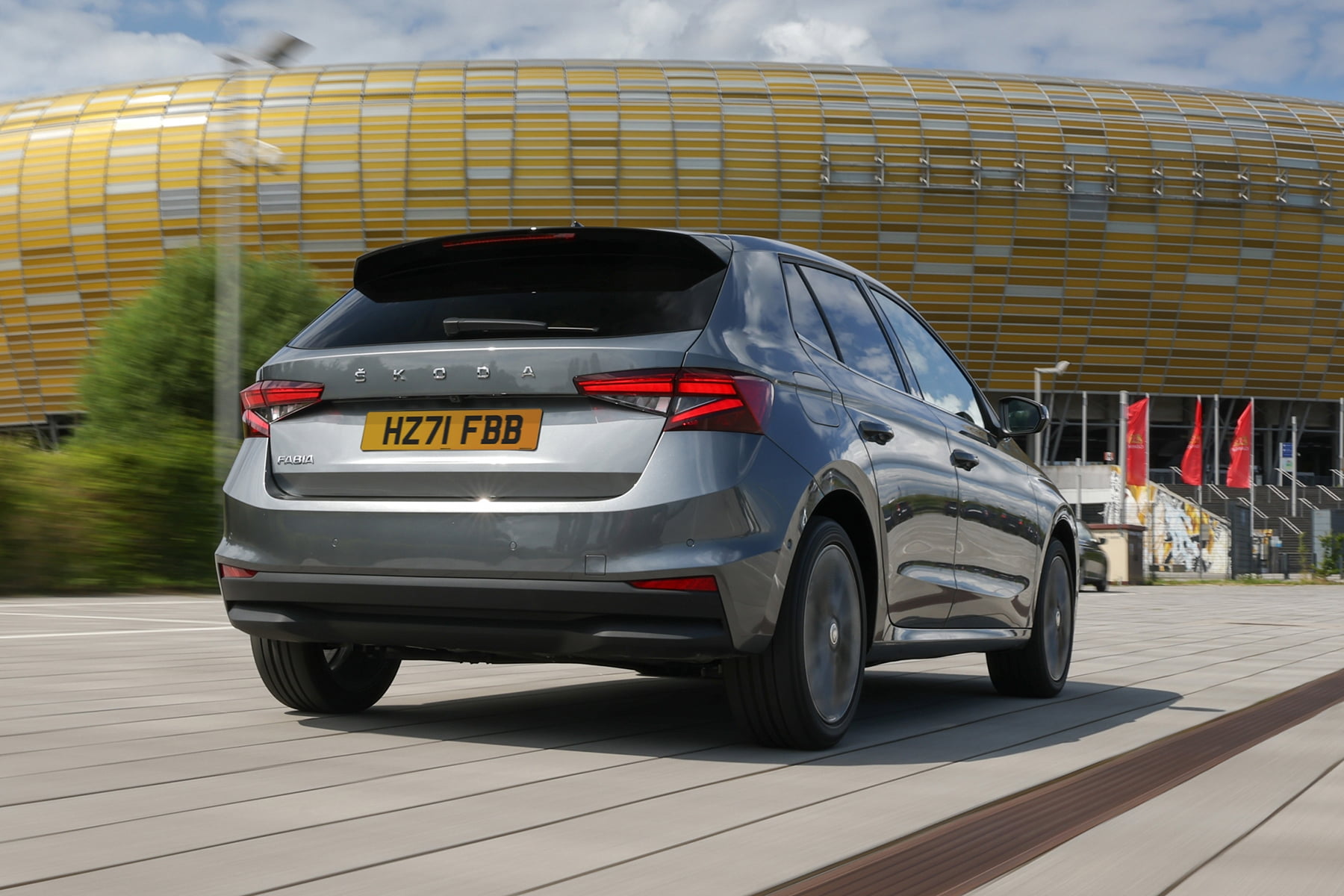
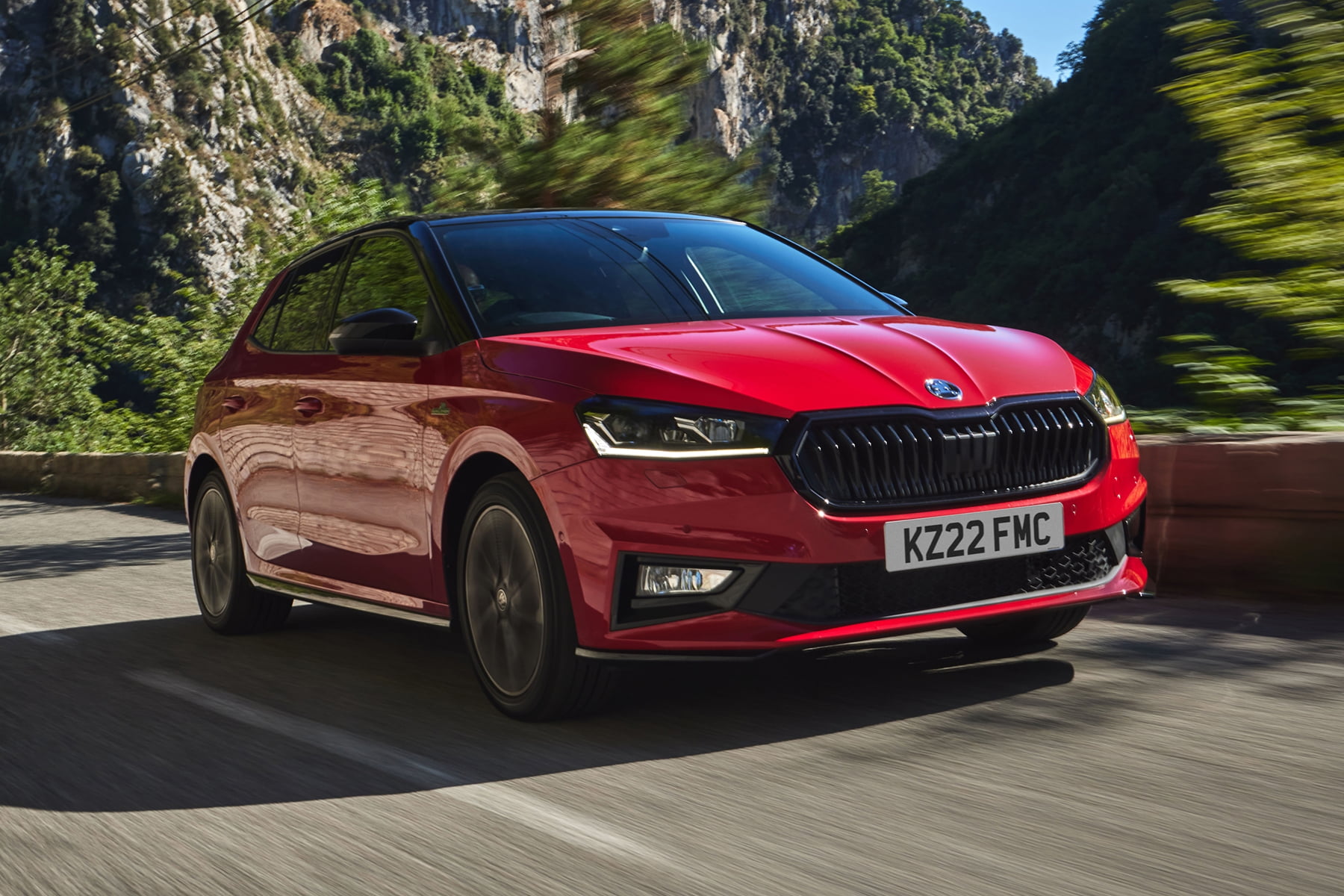
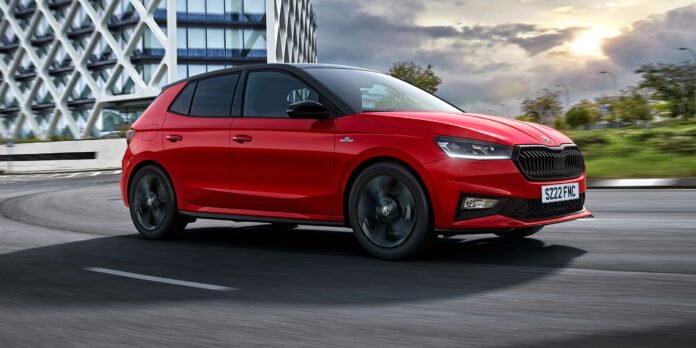
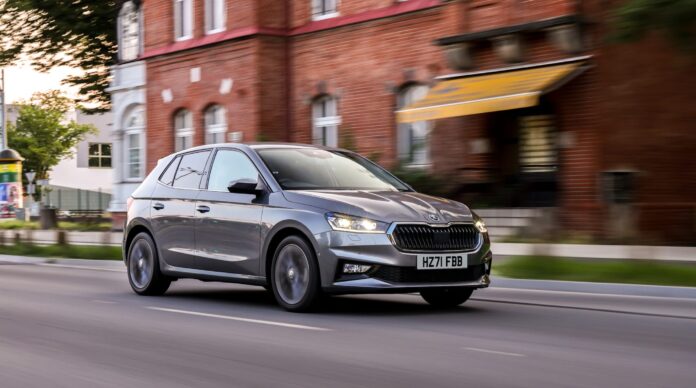
The Skoda Fabia is a small five-door supermini-class hatchback, with the current model launched in the UK in late 2021. Like prior generations of the hatchback, the Fabia Monte Carlo trim sits at the top of the range, which offers sportier exterior styling.

The previous generation also included an estate version of the Fabia, called the Fabia Combi, but Skoda decided to scrap plans to renew the estate version due to concerns that it would not pass European emissions standards.

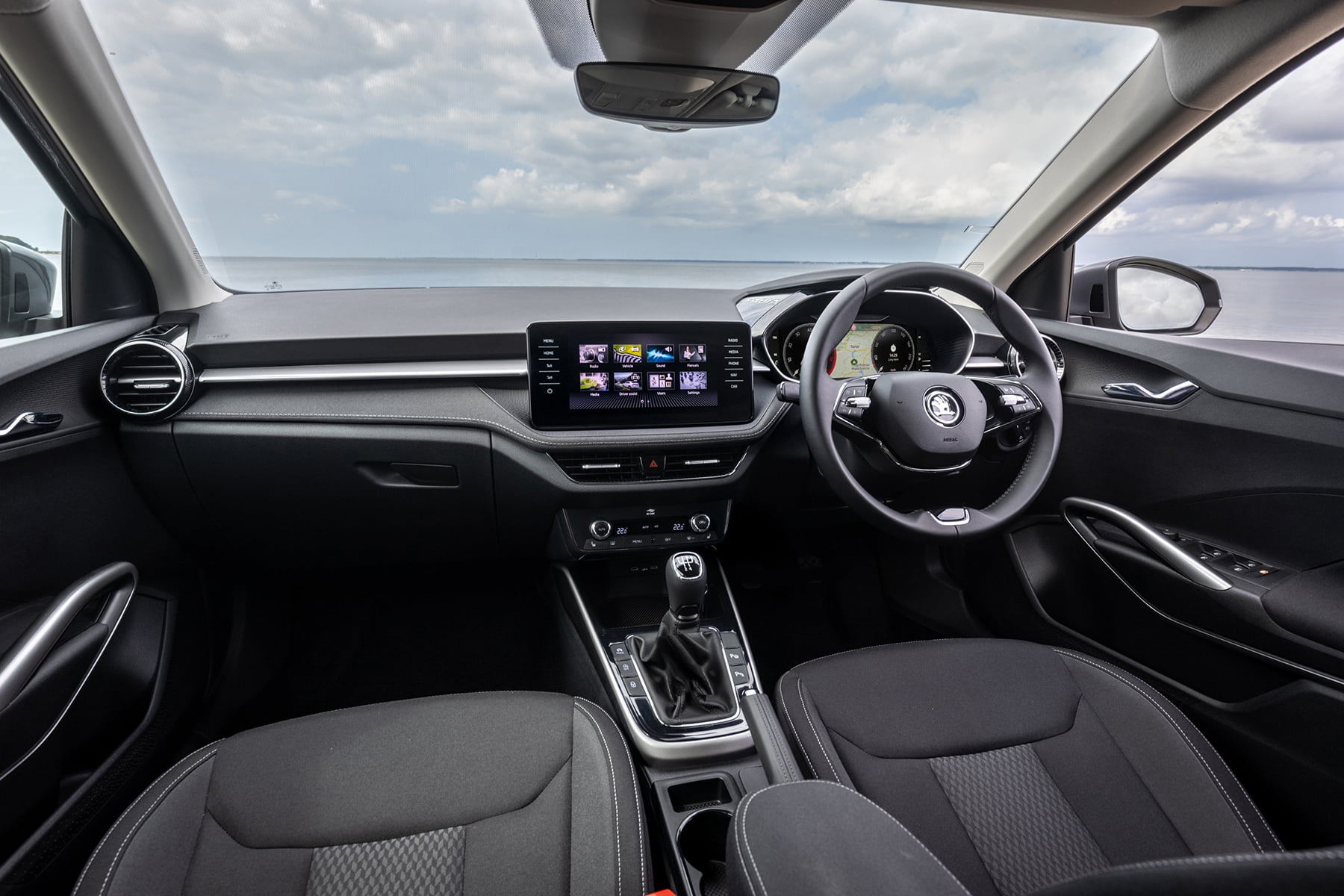
For this current generation of Fabia, Skoda has updated the exterior design to match its line-up of newer models, extended the wheelbase to allow for more legroom in the cabin, and has updated the interior with more practical features and updated on-board tech.

The Skoda Fabia shares parts with other similarly-sized hatchbacks in the Volkswagen group family, including its range of engine options which are also found fitted to the SEAT Ibiza and Volkswagen Polo.

“It’s a shame there’s no electric version”, says Carwow. The Skoda Fabia has a petrol-only range, with no hybrid, plug-in hybrid or electric models.

However, if electrification is not a necessity for your next hatchback, it is hard to ignore the value-for-money that the Fabia offers. Car concludes: “The latest Fabia is another Skoda which beats its Volkswagen and SEAT stablemates at their own game. It’s roomy, handsome, well-built, easy to use and should be cheap to run.”

Despite their structural and mechanical similarities, the entry-level Fabia starts around £3,000 cheaper than either the Ibiza or Polo.

With these prices, an improved practical interior, good levels of on-board tech available as standard and more boot space, Auto Express affirms that the fourth generation of Skoda Fabia “has all the credentials to challenge the very best in the supermini class.”

As of August 2025, the Skoda Fabia holds a New Car Expert Rating of B, with a score of 69%. It scores top marks for its media review scores, while it also gets good grades for its safety rating, low CO2 emissions and running costs. However, Skoda’s new car warranty coverage is poor.

Fabia highlights

  • Impressive levels of standard equipment
  • Spacious and practical cabin
  • Plenty of boot space
  • Good fuel economy
  • Cheaper than supermini rivals

Fabia lowlights

  • Interior cheap in places
  • No electrification across range
  • Rather buggy infotainment
  • Rivals are more fun to drive
  • Road noise at higher speeds

Key specifications

Body style: Small five-door hatchback
Engines: petrol
Price: From £17,990 on-road

Launched: Winter 2021/22
Last updated: N/A
Replacement due: TBA

Media reviews

Highlighted reviews and road tests from across the UK automotive media. Click any of the boxes to view.

Featured reviews

More reviews

The Car Expert

Auto Express

Auto Trader

Car

Car Keys

Carbuyer

Daily Mail

Daily Mirror

Eurekar

Heycar

Honest John

Parkers

The Telegraph

Top Gear

Safety rating

Independent crash test and safety ratings from Euro NCAP

Overall score: 5 stars
Date tested: December 2021
Read the full Euro NCAP review

Adult protection: 85%
Child protection: 81%
Vulnerable road users: 70%
Safety assist: 71%

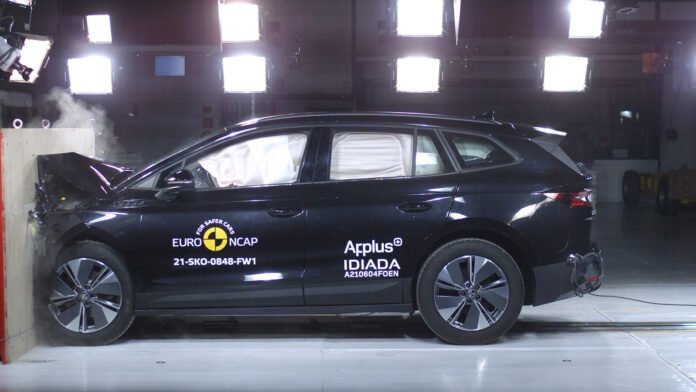
The Skoda Fabia was crash tested by Euro NCAP at the end of 2021, achieving a five-star rating. Its list of standard safety equipment includes automatic emergency braking with pedestrian and cyclist detection, and lane-keeping assistance.

Eco rating

Independent economy and emissions ratings from Green NCAP

Model tested: 1.0-litre MPI Petrol FWD Manual

Overall score: 3 stars
Date tested: October 2022
Read the full Green NCAP review

Clean Air Index: 5.8 / 10
Energy Efficiency Index: 6 / 10
Greenhouse Gas Index: 4.9 / 10

Running cost rating

Clear Vehicle Data logo close crop

Monthly cost of ownership data provided exclusively for The Car Expert by Clear Vehicle Data

Fuel consumptionAverageScore
Petrol models54 mpgB
CO₂ outputAverageScoreVariationScore
Petrol models118 g/kmB
Insurance groupAverageScoreVariationScore
All models14A
Service and maintenanceCostScore
Year 1£142A
Year 2£409A
Year 3£660A
Year 4£878A
Year 5£1,181A
Overall£3,270A

The Skoda Fabia is a very affordable car to own and run, according to whole-life cost numbers provided exclusively to The Car Expert by our data partner, Clear Vehicle Data.

The Fabia is one of the most economical models in the small hatchback class, and its insurance premiums are low too. When it comes to service costs, the Skoda is predicted to be cheap to maintain over five years of ownership.

Reliability rating

MotorEasy logo 600x167

Reliability data provided exclusively for The Car Expert by MotorEasy

All data based on MotorEasy average workshop costs for extended car warranty claims

The Skoda Fabia has a reliability rating of 61%, which is about average. This covers both the current model and older (pre-2022) generations.

The average repair cost of just over £600 is fairly high for this segment of car, and certainly more than the cost of a used car warranty. The most common problems relate to the engine, which are also the most expensive with an average repair bill of £1,200.

Warranty rating

New car warranty information for the Skoda Fabia

Overall ratingE17%
New car warranty duration3 years
New car warranty mileage60,000 miles

Skoda’s new car warranty is pretty much the bare minimum offered in the UK, with a duration of three years and a limit of 60,000 miles. Other rivals in the price bracket do better (and in some cases, much better).

If you’re looking to buy a used car that is approaching the end of its warranty period, a used car warranty is usually a worthwhile investment. Check out The Car Expert’s guide to the best used car warranty providers, which will probably be cheaper than a warranty sold by a dealer.

Buying a used Skoda Fabia

  • If you are purchasing an ‘Approved Used’ Skoda Fabia from an official Skoda dealership, you will get a minimum 12-month warranty included.
  • If you are buying a used Skoda Fabia from an independent dealership, any warranty offered will vary and will probably be managed by a third-party warranty company.
  • If you are buying a used Skoda Fabia from a private seller, there are no warranty protections beyond any remaining portion of the original new car warranty.

If you’re looking to buy a used car that is approaching the end of its warranty period, a used car warranty is usually a worthwhile investment. Check out The Car Expert’s guide to the best used car warranty providers, which will probably be cheaper than a warranty sold by a dealer.

Awards

Trophies, prizes and awards that the Skoda Fabia has received

2022

  • Carbuyer Awards – Best Small Car

2022

  • UK Car of the Year Awards – Best Supermini
  • Scottish Car of the Year Awards – Best Small Car
  • Carbuyer Awards – Best Small Car
  • Parkers New Car Awards – Best First Car

2021

Similar cars

If you’re looking at the Fabia, you might also be interested in these alternatives

Audi A1 | Citroën C3 | Dacia Sandero | Ford Fiesta | Honda Jazz | Hyundai i20 | Kia Rio | Mazda 2 | MG 3 | Mini hatch | Nissan Micra | Peugeot 208 | Renault Clio | SEAT Ibiza | Suzuki Swift | Toyota Yaris | Vauxhall Corsa | Volkswagen Polo

More news, reviews and information about the Skoda Fabia at The Car Expert

Everything you need to know about Skoda

Everything you need to know about Skoda

Five of the safest new small cars on sale in 2024

Five of the safest new small cars on sale in 2024

Range revisions for Skoda Fabia and Karoq

Range revisions for Skoda Fabia and Karoq

Skoda Fabia test drive

Skoda Fabia test drive

Five of the safest new small cars on sale in 2023

Five of the safest new small cars on sale in 2023

The UK’s most underappreciated small cars

The UK’s most underappreciated small cars

The best new family cars for every budget in 2022

The best new family cars for every budget in 2022

Skoda unveils new Fabia Monte Carlo

Skoda unveils new Fabia Monte Carlo

The five safest cars of 2021

The five safest cars of 2021

Best small cars of 2021

Best small cars of 2021

Five-star safety for seven new cars – but none for Renault

Five-star safety for seven new cars – but none for Renault

Skoda announces pricing and specs for all-new Fabia

Skoda announces pricing and specs for all-new Fabia

Buy a Skoda Fabia

If you’re looking to buy a new or used Skoda Fabia, The Car Expert’s partners can help you find the right car

Motors 600x300

Find your next used car with Motors. Find out more

Auto Trader logo 600x300

Find your next new or used car with Auto Trader. Find out more

Carwow logo 600x300

Find your next new or used car with Carwow. Find out more

Lease a Skoda Fabia

If you’re looking to lease a new Skoda Fabia, The Car Expert’s partners can help you find a competitive deal

Leasing-com logo

Personal contract hire deals from Leasing.com. Find out more

Carwow logo 600x300

Personal contract hire deals from Carwow. Find out more

Select Car Leasing logo

Personal contract hire deals from Select Car Leasing. Find out more

Subscribe to a Skoda Fabia

If you’re interested in a car subscription, The Car Expert’s partners can help (PS: What’s a car subscription?)

SelfDrive UK logo

Car subscriptions from SelfDrive.
Find out more

Drive Fuze logo 600x300

Car subscriptions from DriveFuze.
Find out more

Cocoon Vehicles logo 600x300

Car subscriptions from Cocoon.
Find out more
Toyota Land Cruiser (2018 to 2023)

Summary

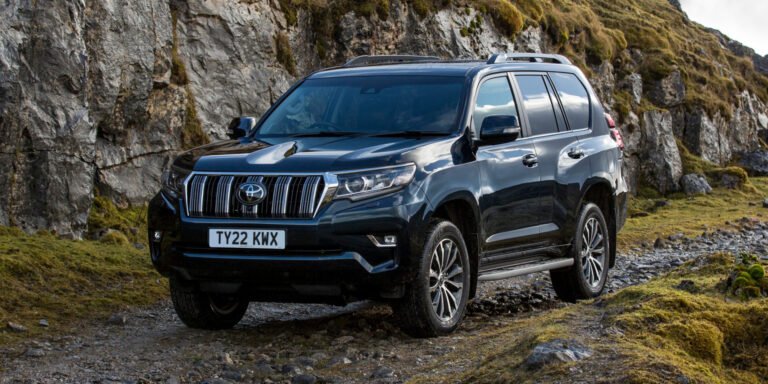
The twice-facelifted Toyota Land Cruiser was a large seven-seat 4×4 that was on sale for over a decade in the UK, and was essentially Toyota’s answer to upmarket off-roaders like the Land Rover Discovery. With a new Land Cruiser model announced for 2024, this Land Cruiser range was removed from sale in 2023.

The Land Cruiser had its last major update in 2017, and a large majority of the reviews below assess that version of the SUV, though some of these reviews do cover pre-facelift models.

The Land Cruiser received a mixed bag of review scores from its 2010 launch, highlighted for its impressive off-road ability, practicality, and excellent reliability track record, and criticised for its expensive running costs and price tag.

Parkers said the Land Cruiser had the off-road talents to match any model in the more expensive Land Rover range. That said, if you are looking for a seven-seat family runaround, it’s harder to recommend.

“While it’s large and practical for a family it’s also bulky, expensive, unsophisticated”, Parkers explained, adding that “it’s not quite as good to drive on tarmac” as its rivals either.

Carbuyer commented that the Land Cruiser, with its noisy combustion-powered engine options and dated interior, “feels a little like a dinosaur in today’s increasingly electrified car market”, particularly as the more road-focused Toyota Highlander is now available as a hybrid. Nevertheless, as Motoring Research concluded, for “all-weather talents and a never-say-die attitude, the Land Cruiser is still top of its class.”

As of March 2026, the Toyota Land Cruiser holds a Used Car Expert Rating of E with a score of 49%.

Land Cruiser highlights

  • Tough and dependable
  • Impressive off-roader with a big tow capacity
  • Cabin space for seven adults
  • Well-built interior
  • Long ten-year warranty

Land Cruiser lowlights

  • Top-spec models get pretty expensive
  • High running costs
  • Noisy range of engines
  • SUV rivals are more comfortable on tarmac
  • Rather small boot with seven seats up

Key specifications

Body style: Large SUV
Engines:
petrol, diesel
Price when new:
From £46,235

Launched: Spring 2010
Last updated: Autumn 2017
Replacement due: 2024

Media reviews

Highlighted reviews and road tests from across the UK automotive media. Click any of the boxes to view.

Auto Express

Auto Trader

Business Car

Car

Car Keys

Carbuyer

Carwow

Eurekar

Honest John

Motoring Research

Motors

Parkers

The Sun

The Sunday Times

Top Gear

Safety rating

Independent crash test and safety ratings from Euro NCAP

No safety rating

Despite being on sale in the UK for over a decade, the Toyota Land Cruiser was never crash tested by Euro NCAP.

Eco rating

Independent economy and emissions ratings from Green NCAP

No eco rating

The Toyota Land Cruiser was never lab tested by Green NCAP.

Reliability rating

MotorEasy logo 600x167

Reliability data provided exclusively for The Car Expert by MotorEasy

No reliability rating

As of March 2026, we don’t have enough reliability data on the Toyota Land Cruiser to generate a reliability rating.

The Car Expert’s reliability information is provided exclusively for us using warranty data from our partner, MotorEasy. As soon as MotorEasy has sufficient data on the new Land Cruiser, we’ll publish the score here.

Running cost rating

Clear Vehicle Data logo close crop

Monthly cost of ownership data provided exclusively for The Car Expert by Clear Vehicle Data

Fuel consumptionAverageScore
Diesel models30 mpgD
CO₂ outputAverageScoreVariationScore
Diesel models247 g/kmE
Insurance groupAverageScoreVariationScore
All models38D
Service and maintenanceCostScore
Year 1£255C
Year 2£656D
Year 3£1,044C
Year 4£1,270C
Year 5£1,606C
Overall£4,831C

Unsurprisingly, a big, heavy 4×4 like the Toyota Land Cruiser will cost you quite a chunk of change to run, according to whole-life cost data provided exclusively to The Car Expert by our data partner, Clear Vehicle Data.

Fuel consumption is very poor, so you’ll be stopping for diesel on a regular basis. The good news is that servicing and insurance costs are reasonable for such a big vehicle.

Awards

Trophies, prizes and awards that the Toyota Land Cruiser has received

2021

  • 4×4 of the Year Awards – Most Sustainable SUV

Similar cars

If you’re looking at the Toyota Land Cruiser, you might also be interested in these alternatives

Audi Q7 | BMW X5 | Land Rover Defender | Land Rover DiscoveryLexus RX | Mercedes-Benz GLE | Range Rover Sport | SsangYong RextonVolkswagen Touareg | Volvo XC90

Buy a Toyota Land Cruiser

If you’re looking to buy a used Toyota Land Cruiser, The Car Expert’s partners can help you find the right car

Motors 600x300

Find your next used car with Motors. Find out more

Auto Trader logo 600x300

Find your next new or used car with Auto Trader. Find out more

Carwow logo 600x300

Find your next new or used car with Carwow. Find out more

Skoda rolls out minor Enyaq update

0

The Skoda Enyaq has been updated with a few software upgrades, and Skoda has re-organised the SUV’s optional extra list into four packages, all of which are included as standard on top-spec models.

Like the Enyaq’s last update in December last year, which added rapid charging capabilities of up to 125kW for new models, this minor refresh focuses on software upgrades once again, with a particular focus on improving the car’s infotainment and battery efficiency.

The revised models introduce over-the-air updates for the Enyaq range – a feature that rivals like the Volvo XC40 Recharge have had for several months now, and Tesla has offered for years.

This means that new Enyaq models do not have to be taken to a dealer for tech updates, as they can download future software updates from the manufacturer’s cloud-based server while sitting on the driveway.

Skoda says that the car’s navigation software (accessed through the infotainment console) has been upgraded, and also says it has made revisions to the SUV’s head-up display (only included with range-topping ‘SportLine Plus’ trim) which displays travel information on to the windscreen, but the brand hasn’t exactly explained what these upgrades entail.

Graphical changes have also been made to the heating and ventilation settings screens on the infotainment console, in an effort to make them more user-friendly.

Every model in the updated range comes with a free three-year subscription to the Skoda Connect app’s ‘Remote Access’ bundle, allowing the driver to control the car’s charging, climate control and route planning remotely from their smartphone.

This app and this feature bundle were available before the update, but buyers had to pay an annual subcription fee to use these app features from the get go. Once the free three-years are up, customers will have to start paying to continue using it.

Moving from tech to performance, the manufacturer says that its engineers have tweaked the SUV’s battery to ‘reduce electrical losses’, so in theory drivers will benefit from having a slightly longer battery range between charges.

Finally, Skoda says it has ‘simplified’ the Enyaq’s optional extras list by sorting it into four different packages that customers can add to their order on top of the trim that they choose. If you opt for the range-topping ‘SportLine Plus’ grade, all of these features will already be included.

Each package builds on the features of the cheaper package below it, meaning that the most expensive ‘Maxx’ package includes all the optional features available.

Optional packageCan be added toPriceKey features
CleverThe ’60’ and ’80’ trims£2,755Keyless entry
Wireless phone charging
Rear privacy glass
Tow bar
Driver seat armrest
Three-zone climate control
Heated front seats
Leather steering wheel
Adaptive cruise control
Blind spot monitoring
PlusThe ’60’ and ’80’ trims£4,830All features above
Electric tailgate
LED Matrix headlights
Headlight washers
LED rear lights
Electrically-adjustable driver’s seat
Lane-keeping assistance
AdvancedThe ’80’ trim£6,980All features above
Head-up display
Heated rear seats
Heated windscreen
Upgraded Canton sound system
MaxxThe ’80’ trim£9,375All features above
Electrically-adjustable passenger’s seat
Parking camera
Semi-autonomous parking assistance
Rear side airbags

Please note that the features listed above are not new – Skoda has decided to package existing optional extras into a tiered package system.

Originally launched at £35k and up (a price that once qualified the Enyaq for the now discontinued government plug-in grant), Skoda has been gradually hiking the price of its flagship EV over the past year. Prices for the new range now start at over £38k.

Regarded as one of the best all-electric SUV options on the market at the moment, the Skoda Enyaq currently holds an Expert Rating of 83% – praised for its competitive battery range and easy driving experience.

Cupra Born

Summary

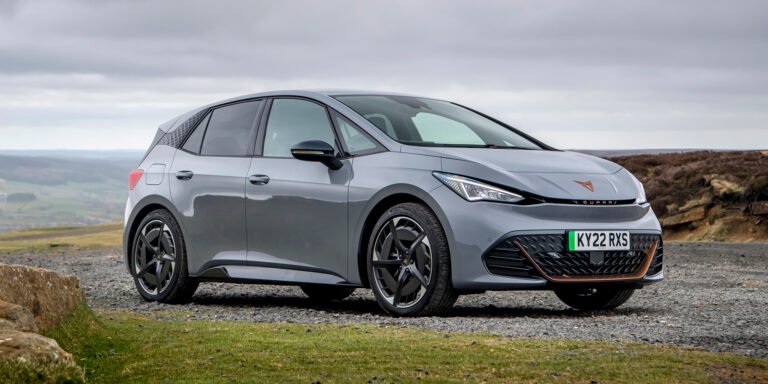
The Cupra Born is an all-electric family-sized hatchback based on the Volkswagen ID.3, and the first EV to go on sale from SEAT’s performance-focused spin-off brand, Cupra.

With two different powertrains available – an entry-level 58kWh version and a top-spec 77kWh model – the Born’s review scores have improved markedly since its UK arrival, after initial reviews questioned the car’s credentials as a performance package.

Some titles like Top Gear maintain that Cupra’s performance-orientated ethos is not too present in its first electric model, while Carwow praises the hatchback for its “strong performance”, and Honest John comments that the Born’s fun driving experience makes it one of the best choices across all the models in the Volkswagen Group family.

“The Born must be one of the most fun-to-drive EVs around, with a sophisticated, sporty feel that the ID.3 doesn’t get near to”, Business Car says – one of the many publications to praise the hatchback for its well-built and practical interior. Like its ID.3 stablemate, however, the Born has collected some criticism directed at its infotainment system, which reviewers have described as very distracting to use while driving.

Dismissing the Cupra Born’s ID.3 roots, The Sun points out out that this five-door hatchback offers a much cheaper all-electric alternative to the popular Tesla Model 3, and The Sunday Times concludes that, should you not be too bothered by performance, the Cupra Born is a “superb electric car with a useful real-world driving range”.

Reviewers collectively agree that the all-electric Born is an impressive family car, but for drivers expecting hot hatch performance rivalling the similarly-priced Cupra Leon, it is likely to disappoint.

As of January 2026, the Cupra Born holds a New Car Expert Rating of A, with a score of 81%. It has excellent results in every category, with A grades for every score apart from new car warranty, which scores a B, and reliability because it’s still too new to have enough data.

Born highlights

  • Competitive battery range
  • Spacious and practical interior
  • Attractive exterior looks
  • Low running costs
  • Good levels of equipment as standard

Born lowlights

  • Performance does not match the sporty looks
  • Fiddly touch-sensitive buttons
  • No four-wheel drive models
  • Not as fun to drive as the Cupra Leon
  • Hard to recommend over the Volkswagen ID.3

Key specifications

Body style: Medium hatchback
Engines: electric motor, battery-powered
Price: From £36,475 on-road

Launched: Spring 2022
Last updated: N/A
Replacement due: TBA

Media reviews

Highlighted reviews and road tests from across the UK automotive media. Click any of the boxes to view.

Featured reviews

More reviews

Auto Express

Auto Trader

Business Car

Car

Car Keys

Carbuyer

Discover EV

Driving Electric

Electrifying.com

Evo

Green Car Guide

Heycar

Honest John

Motoring Research

Parkers

The Sun

The Sunday Times

The Telegraph

Top Gear

Which EV?

Safety rating

Independent crash test and safety ratings from Euro NCAP

Overall score: 5 stars
Date tested: July 2022
Read the full Euro NCAP review

Adult protection: 93%
Child protection: 89%
Vulnerable road users: 73%
Safety assist: 80%

The Cupra Born was tested by Euro NCAP in Summer 2022. Its collision tests resulted in impressive adult and child occupant protection scores when compared to the rest of the compact hatchback class.

Eco rating

Independent economy and emissions ratings from Green NCAP

Model tested: 60/63 E-BOOST 170 KW ELECTRIC RWD AUTOMATIC

Overall score: 4.5 stars
Date tested: December 2025
Read the full Green NCAP review

Clean Air Index: 8.9 / 10
Energy Efficiency Index: 7.7 / 10
Greenhouse Gas Index: 9.2 / 10

Running cost rating

Clear Vehicle Data logo close crop

Monthly cost of ownership data provided exclusively for The Car Expert by Clear Vehicle Data

Battery rangeAverageScoreVariationScore
EV models285 milesB
Electrical efficiencyAverageScoreVariationScore
EV models4.4 m/KWhB
Insurance groupAverageScoreVariationScore
All models27C
Service and maintenanceCostScore
Year 1£288D
Year 2£535C
Year 3£856B
Year 4£1,047B
Year 5£1,361B
Overall£4,087B

The Cupra Born is a relatively cheap car to run, according to data provided exclusively to The Car Expert by our partners at Clear Vehicle Data.

Electrical efficiency (the EV equivalent of miles per gallon for petrol and diesel cars) is very good, which helps the Born to achieve a very good driving range of 285 miles, according to the official government lab tests. This varies from 261 miles to 341 miles, depending on which model you choose.

Insurance costs should also be good, while scheduled servicing and maintenance costs are generally good for the car’s first five years.

Reliability rating

MotorEasy logo 600x167

Reliability data provided exclusively for The Car Expert by MotorEasy

No reliability rating

As of January 2026, we don’t have enough reliability data on the Cupra Born to generate a reliability rating.

The Car Expert’s reliability information is provided exclusively to us using extended warranty data from our partner, MotorEasy. As soon as MotorEasy has sufficient data on the Born, we’ll publish the score here.

Warranty rating

New car warranty information for the Cupra Born

Overall ratingB78%
New car warranty duration5 years
New car warranty mileage90,000 miles
Battery warranty duration8 years
Battery warranty mileage100,000 miles

Cupra’s new car warranty is better than average, and better than some other brands in a similar price bracket as the Born.

The duration is five years, with a limit of 90,000 miles. Interestingly, that’s significantly better than the Volkswagen ID.3 on which the Born is based, which only gets a three-year/60,000-mile warranty.

In addition to the overall warranty, the Born has an eight-year/100,000-mile warranty for the battery components.

If you are purchasing an ‘Approved Used’ Cupra Born from an official Cupra dealership, you should get a minimum 12-month/20,000-mile warranty included. If you are buying a used Born from an independent dealership, any warranty offered will probably be managed by a third-party warranty company and the terms may vary. If you are buying a used Born from a private seller, there are no warranty protections beyond anything that may be left on the original new car warranty.

If you’re looking to buy a used car that is approaching the end of its warranty period, a used car warranty is usually a worthwhile investment. Check out The Car Expert’s guide to the best used car warranty providers, which will probably be cheaper than a warranty sold by a dealer.

Awards

Trophies, prizes and awards that the Cupra Born has received

2025

  • Business Car Awards – Best Family Car

2024

  • Carbuyer Awards – Best Small Company Car

2023

  • Carbuyer Awards – Best Small Company Car
  • EcoCar Electrified Top 50 – Best Electric Hot Hatch

2022

Similar cars

If you’re looking at the Cupra Born, you might also be interested in these alternatives

Abarth 600e | Alpine A290 | Citroën ë-C4 | DS Nº4 E-Tense | Fiat 600e | Ford Puma Gen-E | Hyundai Ioniq 3 | Kia EV4 | Kia EV4 GT | Mazda MX-30 | MG 4 | Mini Cooper ElectricNissan Micra | Peugeot e-208 | Renault 5 | Smart #1 | Vauxhall Corsa Electric | Volkswagen ID.3

More news, reviews and information about the Cupra Born at The Car Expert

Electric car grant – all the EVs with discounts in 2026

Electric car grant – all the EVs with discounts in 2026

The best new electric cars for every budget 2023

The best new electric cars for every budget 2023

Everything you need to know about Cupra

Everything you need to know about Cupra

Don’t like your new Cupra EV? Just hand it back.

Don’t like your new Cupra EV? Just hand it back.

Cupra Born VZ now available to order

Cupra Born VZ now available to order

The best new electric cars for every budget 2024

The best new electric cars for every budget 2024

Cupra Born VZ to arrive in Autumn

Cupra Born VZ to arrive in Autumn

Best hot hatches of 2022

Best hot hatches of 2022

Best small cars of 2022

Best small cars of 2022

Cupra Born EV now available to order

Cupra Born EV now available to order

The first Cupra electric vehicle is Born

The first Cupra electric vehicle is Born

Buy a Cupra Born

If you’re looking to buy a new or used Cupra Born, The Car Expert’s partners can help you find the right car

Motors 600x300

Find your next used car with Motors. Find out more

Auto Trader logo 600x300

Find your next new or used car with Auto Trader. Find out more

Carwow logo 600x300

Find your next new or used car with Carwow. Find out more

Lease a Cupra Born

If you’re looking to lease a new Cupra Born, The Car Expert’s partners can help you find a competitive deal

Octopus vertical 600x300

EV leasing deals from Octopus Electric Vehicles. Find out more

Leasing-com logo

Personal contract hire deals from Leasing.com. Find out more

Carwow logo 600x300

Personal contract hire deals from Carwow. Find out more

Leasing-com logo

Personal contract hire deals from Leasing.com. Find out more

Carwow logo 600x300

Personal contract hire deals from Carwow. Find out more

Select Car Leasing logo

Personal contract hire deals from Select Car Leasing. Find out more

Car subscriptions

Subscriptions are becoming a very popular way for consumers to try an electric car for a few weeks or months to help decide whether it’s a suitable alternative to a petrol car. If you’re interested in a car subscription, The Car Expert’s partners can help. (PS: What’s a car subscription?)

SelfDrive UK logo

Car subscriptions from SelfDrive.
Find out more

Cocoon Vehicles logo 600x300

Car subscriptions from Cocoon.
Find out more

Just Vehicle Solutions logo 600x300

Car subscriptions from Just Vehicle Solutions.
Find out more

MG 4 EV pricing and specs revealed

0

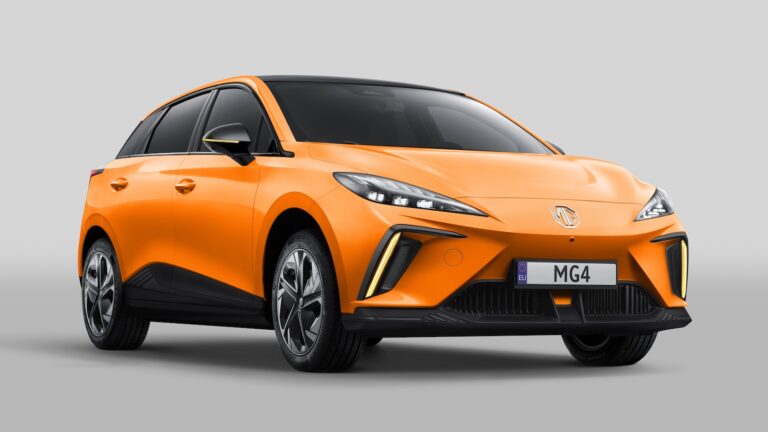
Ahead of the family hatchback’s official UK launch in September, MG Motors has released pricing and trim level specification details for its brand-new MG 4 EV.

As The Car Expert reported back in July, customers interested in the new MG 4 EV range will have two different powertrain options to choose from – an entry-level 51kWh battery pack and a more powerful 64kWh unit, which MG says have a range of 218 and 281 miles respectively.

The manufacturer has since announced that this entry-level ‘Standard’ powertrain will only be available with lead-in ‘SE’ trim grade (sold as the ‘SE Standard’). The larger ‘Long Range’ battery pack option will be available with both the ‘SE’ trim (‘SE Long Range’) and the top-spec ‘Trophy’ trim (‘Trophy Long Range’).

Despite using the larger battery pack, this top-spec ‘Trophy Long Range’ model has a shorter official all-electric range of 270 miles – something that MG is yet to properly explain. We will have to wait until September for the new EV’s performance figures too.

The brand says that the battery technology the MG 4 uses is just 11cm thick in either configuration, which increases boot space in the rear, as well as improving the car’s grip on the road.

Designed on a new platform, the MG 4 looks like nothing else in MG’s current arsenal, and with its grille-less front end and SUV-style bumper cladding, it marks a turning point for the brand’s design ethos. Six different exterior colours will be available from launch.

The MG 4 EV comes with LED headlights and 17-inch alloy wheels as standard, and stepping inside, every model is fitted with a seven-inch driver’s display behind the steering wheel, and a ten-inch ‘floating’ infotainment screen that is compatible with Android Auto and Apple CarPlay. Every car also comes with a seven-year warranty.

‘SE’ models also come with rear parking sensors, and a rather rudimentary version of the Brand’s ‘MG Pilot’ tech bundle, which includes an adaptive cruise control function.

We now know that the initial render art of the MG 4 EV released a few months ago was of the top-spec ‘Trophy’ trim – distinguished from standard models by its two-tone roof and rear spoiler. The trim also comes with a number of added interior features, including a heated and electrically-adjustable driver’s seat trimmed in leather, wireless phone charging, and the brand’s own navigation software that provides live traffic updates while on the move.

Key trim level features

Entry-level ‘SE’ (from £25,995)

  • Automatic LED headlights
  • 17-inch alloy wheels
  • Seven-inch driver’s display
  • Ten-inch infotainment screen
  • Automatic climate control
  • Rear parking sensors
  • Adaptive cruise control
  • Seven-year warranty

Top-spec ‘Trophy’ (from £31,495)

  • Two-tone roof
  • Rear spoiler
  • Rear window privacy glass
  • Leather interior trim
  • Wireless phone charging
  • Electrically-adjustable driver’s seat
  • Heated front seats
  • Heated steering wheel
  • Live infotainment navigation software
  • 360-degree parking camera
  • Blind spot detection
  • Lane keeping assistance
  • Rear traffic alert

With pricing starting at £26K, the new MG 4 EV is set to become one of the cheapest new electric cars on the market, undercutting family car rivals like the Volkswagen ID.3 by over £10K. MG says it has more details to follow in September, before the car’s official launch event.

Do electric cars need special tyres?

0

There are many things to learn about living with an electric car, but surely that doesn’t extend to the tyres? Shouldn’t the round black lumps of rubber be the same whether fitted to a petrol/diesel car or an electric vehicle (EV)?

Well, there is nothing legally that states you have to use specific tyres on an electric car compared to an equivalent combustion-engined car. But there are practical reasons to choose tyres designed with an electric car in mind.

In recent times tyre manufacturers have started producing such rubber, though they don’t generally like to state they are only for EVs, and car manufacturers are not keen to suggest you should use EV-specific tyres either.

What’s different about tyres for EVs?

Tyres fitted to both fully-electric cars and plug-in hybrids (and even regular hybrids) have to cope with a range of different forces compared to those of a combustion car. The most obvious is weight – EVs carry around heavy battery packs, so significantly more weight bears on each tyre.

The new breed of EV-friendly tyres are constructed in a way, in particular with stiffer sidewalls, to better cope with this weight, which in simple terms means they won’t wear so quickly and there will be less risk of punctures and all the cost and inconvenience such failures cause.

There is evidence that suggests using tyres not specifically designed to carry the weight of an electric car could be asking for trouble. In December 2021, recovery specialist Britannia Rescue claimed that more than a third of the EV breakdown calls it attends are for wheel and tyre issues – double the percentage of petrol or diesel cars suffering similar problems.

Quoting data collected over three years, Britannia added that EV drivers were three times more likely to suffer a tyre issue than be stranded by a lack of battery power. However, it did qualify its findings by stating that tyre issues would generate a higher percentage of EV issues because there are not as many other things to go wrong on an electric car than on a combustion-engined car.

It’s not just about more weight, however. The manner in which EVs deliver their power also affects the tyres. An electric motor offers up all its available torque – ‘pulling power’ – instantly, rather than building it up as engine speed rises, so the tyres have to cope with all this power being put through them at once.

At the other end of the scale is deceleration, which again, EVs like to do differently – a traditional car is typically significantly slowed by pressing the brake pedal, whereas EVs benefit from consistent slowing allowing plenty of ‘regeneration’, passing kinetic energy back into the battery, especially if one drives the car to encourage this as described in our ‘how to drive an electric car‘ feature. And all that extra weight also means more inertia to arrest, so under deceleration there is again more demand on the tyres.

Even the basic compounds, the mix of rubber and silica, of tyres aimed at being EV-friendly is different to those on combustion vehicles. All tyres have to overcome a certain ‘pull’ from the ground they are travelling over, known as ‘rolling resistance’, and the compounds of tyres recommended for electric cars are designed to minimise this rolling resistance as much as possible, in order to increase the car’s range between battery charges.

Several tyre manufacturers also claim that their products designed for electric vehicles are specially ‘low noise’ items. With EVs not making much in the way of other sounds, tyre noise can become more noticeable and even irritating to the car’s occupants.

Why don’t car manufacturers tell you this?

So bespoke EV tyres sound like a good idea but it’s not one that is heavily promoted by either car or tyre manufacturers.

Looking at the spec sheets of mainstream cars available in both combustion and electric form – to give just three examples, the Vauxhall Corsa, the Peugeot 2008 and MG ZS – shows quoted tyre size and ratings the same no matter which form of propulsion. And a spokesman for Hyundai told The Car Expert that the electric versions of the brand’s Kona use the same tyres as do the petrol models, though the Ioniq 5, which is an electric-only car, does come with tyres described as particularly suitable for EVs, in this case the Michelin Pilot Sport EV.

At the upper end of the market, the Pilot Sport is rare amongst tyres in that it is blatantly described as being for EVs. Michelin states that it has been “specifically developed to meet the technical demands of electric cars and is tailor-made for each electrical vehicle to reach car enthusiast expectations,” adding that the EV tyres offer the attributes we’ve described above – low rolling resistance, grip levels to cope with the immediate electrical torque and low noise levels.

Michelin also, however, offers the e-Primacy range, which it describes as “an eco-designed tyre, made to last” and states that it is suitable for “fuel, hybrid and electric vehicles.” It’s also substantially cheaper to buy than the Pilot Sport EV equivalents.

Other manufacturers are similarly unspecific. A spokesperson for Continental Tyres told The Car Expert that “Continental does not have a dedicated EV tyre range. We have developed our range of tyres in conjunction with OEMs to meet their specific requirements for electric but also combustion engine vehicles.”

Continental says that its EcoContact 6 range offers all the attributes that EV users need – but adds that “our other premium tyre lines with their state-of-the-art tyre technologies already meet the tyre requirements that arise for today’s electric vehicles.”

So there are tyres suited to, but not necessarily exclusively for, electric cars, and there are good reasons to fit them. Are there any drawbacks?

Cost could be one, and difficult to quantify – the tyre market is immensely complex with every outlet, from franchised dealer to the big independents such as Kwik-Fit and smaller retailers seemingly offering different prices to one another.

Browsing online price lists suggests, however, that an EV-suitable tyre will routinely cost more than a ‘normal’ one. But not by that much, unless one goes for upmarket items such as the Michelin Pilot Sport EV. And of course some of this cost will be recovered by the tyres likely lasting longer before needing replacement, as well as the noise and range-enhancing qualities.

There could be other implications too – electric-pitched car tyres are still a minority in the market, so when you need new tyres and go to your local supplier, you may find they won’t simply be able to pull your required rubber off the racks and fit it to your car, they may well have to order the tyres in, adding at the least an irritating delay.

So summing up? You don’t need to fit specific electric-friendly tyres to your EV, and choosing them may require spending a bit more and having to order ahead. But they do offer qualities that make them well worth considering.

BMW 4 Series Convertible (2014 to 2020)

Summary

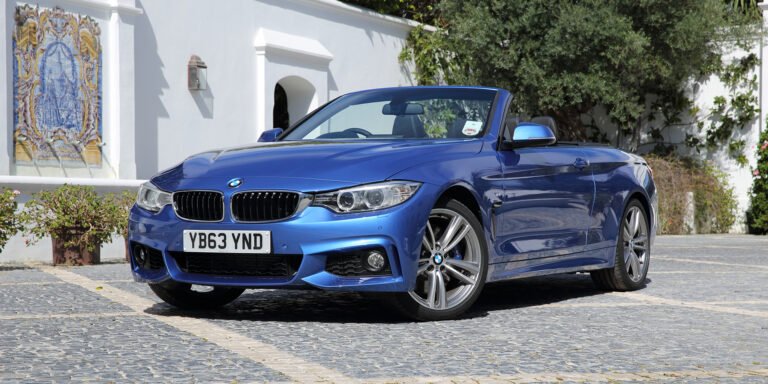
The BMW 4 Series Convertible was the drop-top version of the 4 Series Coupé. This was the first-generation model, which first arrived in the UK in early 2014 to replace previous models badged 3 Series Convertible, and ended production when the latest iteration of the 4 Series launched in 2020.

Reviewers agreed that the 4 Series Convertible was a capable top-down cruiser that could provide a quiet and relaxing driving experience, as well as high-speed wind-in-the-hair thrills on request.

“It’s a quick and comfortable luxury car for rolling up a sun-drenched coast”, Auto Trader concluded, after praising the drop-top for its metal folding roof, which takes around 20 seconds to raise or lower. Incidentally, the latest 4 Series has ditched the folding hard top in favour of a traditional soft top.

However, the addition of this roof mechanism adds weight to the car, which in turn affects the convertible’s performance and driving dynamics. “It feels heavier than the coupé”, Parkers says, also commenting that the roof reduces the boot space. Carwow argues that, due to this added weight, the convertible is slower than its coupé counterpart, as well as being more expensive.

The 4 Series was well-equipped as standard and compared very favourably against its major rival, the original Audi A5 Cabriolet. However, later in its life, the 4 Series Convertible had to face against much tougher competition in the form of the second-generation A5 and also the Mercedes-Benz C-Class Cabriolet.

As of February 2026, the first-generation BMW 4 Series Convertible holds a Used Car Expert Rating of D, with a score of 58%.

4 Series Convertible highlights

  • Comfortable and well-built interior
  • Well-equipped
  • Nicely-insulated metal roof
  • Punchy performance

4 Series Convertible lowlights

  • On-board tech is now rather dated
  • Cramped rear seats
  • Roof makes it heavier than the Coupé
  • Small boot

Key specifications

Body style: Convertible
Engines:
petrol, diesel
Price when new:
From £34,030 on-road

Launched: Spring 2014
Last updated: Summer 2017
Replaced: Autumn 2020

Media reviews

Highlighted reviews and road tests from across the UK automotive media. Click any of the boxes to view.

Auto Express

Auto Trader

Business Car

Car

Car Keys

Carbuyer

Carwow

Eurekar

Evo

Heycar

Honest John

Parkers

The Sunday Times

Top Gear

Safety rating

Independent crash test and safety ratings from Euro NCAP

No safety rating

The first-generation BMW 4 Series Convertible was not tested by Euro NCAP during its production life.

Eco rating

Independent economy and emissions ratings from Green NCAP

No eco rating

The first-generation BMW 4 Series Convertible was not tested by Green NCAP during its production life.

Running cost rating

Clear Vehicle Data logo close crop

Monthly cost of ownership data provided exclusively for The Car Expert by Clear Vehicle Data

Fuel consumptionAverageScore
Petrol models37 mpg
Diesel models47 mpg
CO₂ outputAverageScoreVariationScore
Petrol models175 g/km
Diesel models160 g/km
Insurance groupAverageScoreVariationScore
All models35

The BMW 4 Series Convertible is a relatively expensive car to own and run, according to whole-life cost numbers provided exclusively to The Car Expert by our data partner, Clear Vehicle Data.

Fuel consumption for petrol models is fairly poor, while diesels are only average. Other similarly sized cars are better. Insurance costs should be about average for the overall market, which is quite good for a convertible.

Due to the model’s age, we don’t have five-year servicing and maintenance costs. By now, these will vary significantly from car to car depending on age, condition and mileage.

Reliability rating

MotorEasy logo 600x167

Reliability data provided exclusively for The Car Expert by MotorEasy

All data based on MotorEasy average workshop costs for extended car warranty claims

The BMW 4 Series has a reliability score that’s about average, according to exclusive extended warranty data provided by our partners at MotorEasy. This score covers coupé models as well as convertibles – from this generation (pre-2020) version as well as the current (2021 onwards) version.

Almost a quarter of all reported problems with the 4 Series relate to its engine, with an average bill to date of an eye-watering £2,000. Gearbox problems are even more expensive, although they seem to be less common to date. Suspension and braking problems are also common, although the repair bills are much more reasonable.

If you’re looking at a used BMW 4 Series, make sure any extended warranty cover you purchase covers all of these potential problem areas shown above.

Awards

Trophies, prizes and awards that the BMW 4 Series Convertible has received

2019

  • Honest John Awards – Best Convertible

2014

  • Red Dot Awards – Red Dot Design Award

Similar cars

If you’re looking at the BMW 4 Series Convertible, you might also be interested in these alternatives

Audi A5 Cabriolet | Ford Mustang convertible | Mercedes-Benz C-Class CabrioletMercedes-Benz E-Class Cabriolet

More news, reviews and information about the BMW 4 Series at The Car Expert

Everything you need to know about BMW

Everything you need to know about BMW

Updated BMW 4 Series range unveiled

Updated BMW 4 Series range unveiled

BMW 4 Series Coupé (2013 to 2020)

BMW 4 Series Coupé (2013 to 2020)

BMW 4 Series Convertible

BMW 4 Series Convertible

Best convertibles of 2021

Best convertibles of 2021

BMW 4 Series Coupé

BMW 4 Series Coupé

A quick history of the BMW M3

A quick history of the BMW M3

BMW unveils new 4 Series Convertible

BMW unveils new 4 Series Convertible

BMW unveils eye-catching new 4 Series Coupé

BMW unveils eye-catching new 4 Series Coupé

Radical concept hints at next BMW 4 Series

Radical concept hints at next BMW 4 Series

BMW UK recalls 268,000 diesel cars over risk of fire

BMW UK recalls 268,000 diesel cars over risk of fire

Limited edition BMW M4 Convertible

Limited edition BMW M4 Convertible

Buy a BMW 4 Series

If you’re looking to buy a used BMW 4 Series, The Car Expert’s partners can help you find the right car

Motors 600x300

Search less, live more. We make finding the right car simple. Find out more

Auto Trader logo 600x300

Search for your next new or used car with Auto Trader. Find out more

Carwow logo 600x300

Discover great deals available on both new and used cars. Find out more

Vauxhall Astra

Summary

Now in its eighth generation, the Vauxhall Astra is a family-sized hatchback and estate car that poses direct competition to the likes of the Ford Focus, SEAT Leon, and Volkswagen Golf.

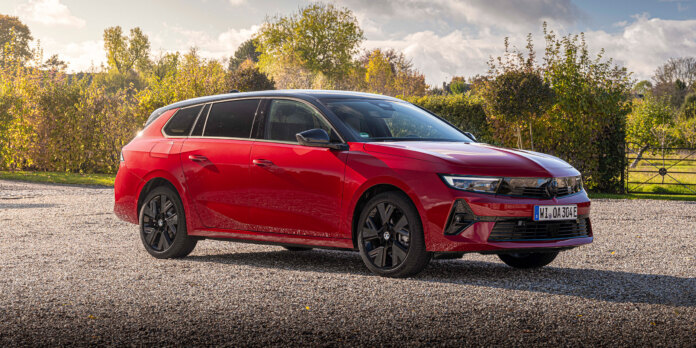
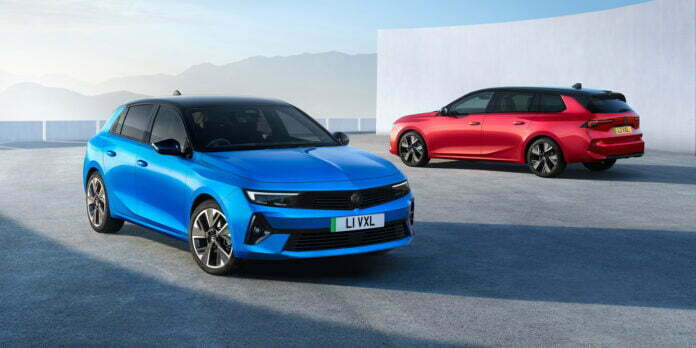
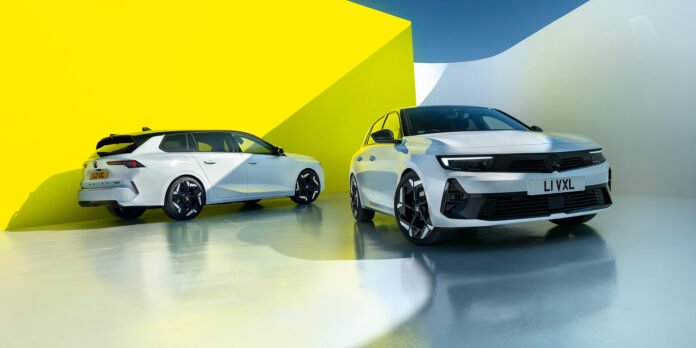
The Astra hatchback range became available for order in late Autumn 2021 while the estate version, named the Astra Sports Tourer, joined the range in Summer 2022. The whole range was updated in early 2026 with a mid-life facelift.

As well as being completely redesigned, the new Astra is larger than the old model and is closely related to the Peugeot 308, with the same range of petrol and diesel engine options and a range-topping plug-in hybrid. Both manual and automatic transmissions are available across the range. An all-electric version was released in 2023.

Plenty of reviewers have expressed their enthusiasm after their test drive in the Astra, first and foremost due to the car’s bold exterior styling that Car Keys calls “properly eye-catching”. Motoring Research comments, “this new Astra makes the anonymous old car seem like something from another era. It looks fantastic.”

Many journalists have made similar comparisons to the last-generation Astra in their reviews, but not all are favourable. While some argue that the latest Astra iteration has sharper driving dynamics, they add that the Astra models of old had more rear headroom and legroom, and were notably cheaper when new.

That said, most motoring outlets praise the Vauxhall Astra for its competitive pricing, particularly as the family car is available with a generous list of on-board tech as standard. Parkers points out that “performance is good without being great” however, and that if you are after a family car with particularly punchy acceleration, it is best to look elsewhere.

As Top Gear concludes, “the Astra is not a car to set your heart on fire, or your pants, but it feels satisfyingly well sorted.”

As of March 2026, the eighth-generation Vauxhall Astra holds a New Car Expert Rating of B, with a score of 65%. It scores highly for its low running costs and low average CO2 emissions (both helped by having a plug-in hybrid model), while questionable reliability stops the Astra from scoring an A.

Vauxhall Astra highlights

  • Stylish exterior looks
  • Competitive battery range
  • Relaxing driving experience
  • Generous equipment list as standard
  • Refined and efficient powertrain line-up

Vauxhall Astra lowlights

  • Rivals are more spacious in the rear
  • Interior trim cheap in places
  • Class leaders offer more powerful performance
  • Plug-in hybrid’s brakes are rather stiff
  • Question marks over reliability

Key specifications

Body style: Five-door hatch and estate
Engines: petrol, diesel, plug-in hybrid
Price: From £26,610 on-road

Launched: Spring 2022
Last updated: Spring 2026
Replacement due: TBA

Media reviews

Highlighted reviews and road tests from across the UK automotive media. Click any of the boxes to view.

Featured reviews

More reviews

Auto Express

Auto Trader

Business Car

Car

Car Keys

Carbuyer

Carwow

Driving Electric

Electrifying.com

Heycar

Honest John

Motoring Research

Parkers

The Sun

The Sunday Times

The Telegraph

Top Gear

Safety rating

Independent crash test and safety ratings from Euro NCAP

Overall score: 4 stars
Date tested: May 2022
Read the full Euro NCAP review

Adult protection: 80%
Child protection: 82%
Vulnerable road users: 67%
Safety assist: 66%

The Vauxhall Astra has been given a four-star rating from Euro NCAP.

Shy of a full five-star rating, Euro NCAP comments that the Astra has “plenty of crash avoidance technology, but does not have some of the latest advancements introduced in the market”, and that the car was not “equipped with a centre airbag for far-side crash protection, a countermeasure which is increasingly common on modern cars”.

Eco rating

Independent economy and emissions ratings from Green NCAP

Model tested: 1.5-litre diesel automatic

Overall score: 3 stars
Date tested: March 2024
Read the full Green NCAP review

Clean Air Index: 7.9 / 10
Energy Efficiency Index: 4.6 / 10
Greenhouse Gas Index: 2.9 / 10

Reliability rating

Reliability data provided exclusively for The Car Expert by MotorEasy

All data based on MotorEasy average workshop costs for extended car warranty claims

The Vauxhall Astra has a below-average reliability score of 40% as of March 2026, according to workshop and warranty data provided exclusively to The Car Expert by our partners at MotorEasy. This applies to both the current model Astra (2022 onwards) and previous models.

The most common faults with the Astra have been engine-related. Unfortunately, these have also been the most expensive, with an average repair bill of more than £1,000. Gearbox faults are almost as expensive to fix, although not as common.

Running cost rating

Monthly cost of ownership data provided exclusively for The Car Expert by Clear Vehicle Data

Fuel consumptionAverageScore
Plug-in hybrid models223 mpgA
CO₂ outputAverageScoreVariationScore
Petrol models122 g/kmB
Diesel models122 g/kmB
Plug-in hybrid models29 g/kmA
Battery rangeAverageScoreVariationScore
Plug-in hybrid models35 milesE
Insurance groupAverageScoreVariationScore
All models24B
Service and maintenanceCostScore
Year 1£184B
Year 2£521B
Year 3£794B
Year 4£1,074C
Year 5£1,464C
Overall£4,037B

The Vauxhall Astra is a very affordable car to own and run, according to whole-life cost numbers provided exclusively to The Car Expert by our data partner, Clear Vehicle Data.

We don’t have independently verified fuel economy figures for the petrol and diesel models, but the CO2 emissions (which are closely related) are excellent, so they should be good. The plug-in hybrid model looks fantastic on paper, but this is largely a result of the poorly designed EU/UK government lab testing process, which is completely useless for measuring plug-in hybrids.

The battery range on the plug-in hybrid may only score a D, but this is actually a good result for a plug-in hybrid. If you can charge the battery each day, you could easily do most or all of your day-to-day driving on electric power only.

Insurance and servicing costs are also very competitive, so overall the Astra is likely to be one of the cheapest cars in its class to own.

Awards

Trophies, prizes and awards that the Vauxhall Astra has received

2022

  • Top Gear Awards – Best Family Hatch

Similar cars

If you’re looking at the Vauxhall Astra, you might also be interested in these alternatives

Audi A3 | BMW 1 Series | Citroën C4 | Fiat Tipo | Ford Focus | Honda Civic | Hyundai i30 | Kia Ceed | Mazda 3 | Mercedes-Benz A-Class | Mini Countryman | Peugeot 308 |  Renault Megane | SEAT Leon | Skoda Scala | Skoda Octavia | Suzuki Swace | Toyota Corolla | Volkswagen Golf

More news, reviews and information about the Vauxhall Astra at The Car Expert

Electric car grant – all the EVs with discounts in 2026

Electric car grant – all the EVs with discounts in 2026

Vauxhall Astra Electric review – first drive

Vauxhall Astra Electric review – first drive

Vauxhall flips the script on EV pricing

Vauxhall flips the script on EV pricing

Clever new pricing structure for updated Vauxhall Astra

Clever new pricing structure for updated Vauxhall Astra

Everything you need to know about Vauxhall

Everything you need to know about Vauxhall

Vauxhall Astra range now includes mild-hybrid option

Vauxhall Astra range now includes mild-hybrid option

Full Vauxhall Astra Electric range now on sale

Full Vauxhall Astra Electric range now on sale

Vauxhall Astra Electric

Vauxhall Astra Electric

Electrified Vauxhall GSe range now available to order

Electrified Vauxhall GSe range now available to order

New Vauxhall Astra Electric to go on sale in 2023

New Vauxhall Astra Electric to go on sale in 2023

Vauxhall Astra range first to get GSe treatment

Vauxhall Astra range first to get GSe treatment

Top marks for four brands in latest Euro NCAP tests

Top marks for four brands in latest Euro NCAP tests

Buy a Vauxhall Astra

If you’re looking for a new or used Astra, The Car Expert’s partners can help you find the right car or a competitive finance deal

Motors 600x300

Find your next used car with Motors. Find out more

Auto Trader logo 600x300

Find your next new or used car with Auto Trader. Find out more

Carwow logo 600x300

Find your next new or used car with Carwow. Find out more

Lease a Vauxhall Astra

If you’re looking to lease a new Vauxhall Astra, The Car Expert’s partners can help you find a competitive deal

Leasing-com logo

Personal contract hire deals from Leasing.com. Find out more

Carwow logo 600x300

Personal contract hire deals from Carwow. Find out more

Select Car Leasing logo

Personal contract hire deals from Select Car Leasing. Find out more

Subscribe to a Vauxhall Astra

If you’re interested in a car subscription, The Car Expert’s partners can help (PS: What’s a car subscription?)

Cocoon Vehicles logo 600x300

Car subscriptions from Cocoon.
Find out more

Just Vehicle Solutions logo 600x300

Car subscriptions from Just Vehicle Solutions.
Find out more

Flexible Vehicle Contracts logo 600x300px

Car subscriptions from Flexible Vehicle Contracts.
Find out more

Qashqai and Mini hatch fly the flag in July sales

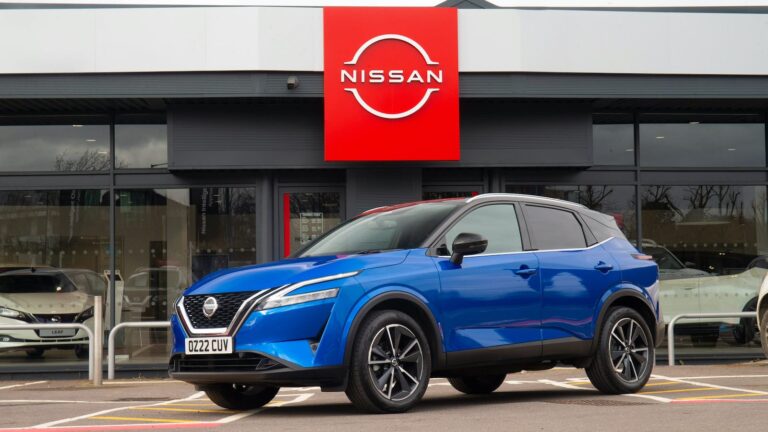
The UK’s two best-selling new cars for July were both built in Britain, as the Nissan Qashqai topped the new car registration charts ahead of the Mini hatch.

Private new car sales were steady in July, according to monthly registration data published this morning by the Society of Motor Manufacturers and Traders (SMMT), although overall results were down 9% thanks to continuing poor results for fleet registrations.

The ongoing downturn in new car registrations is still largely due to global supply problems, although there have been various reports to suggest that things are now starting to improve for several car companies. The SMMT has revised its overall 2022 forecast down, which was expected after a slow first half of the year, but predicts that the last few months could see better news.

Source: SMMT

Plug-in hybrids falling flat

While fully electric cars and regular hybrids continue to grow their market share, sales of plug-in hybrids were off the pace again in July. This has been an emerging trend of 2022, as market share of plug-in hybrids has fallen drastically.

Regular hybrids (which can’t be plugged in) and full EVs continue to be in high demand, which suggests that customers want to either go all-in on electric power or they want some electrification benefits without having to change their driving habits at all. So it appears that the halfway-house option of a plug-in hybrid is being left behind.

It’s also worth pointing out that while EV market share continues to grow every month, there are considerable fluctuations in results because the largest EV car company operates very differently to every other car company. Tesla doesn’t have normal dealerships for selling cars to consumers, so it has months of huge sales (like March, where it claimed about 13,000 sales), whereas in July it officially registered… three cars.

As you can imagine, this makes it impossible to read too much into month-by-month results. However, at least it is becoming more transparent as the SMMT finally now appears to be publishing Tesla’s complete registration data.

Source: SMMT

Good month, bad month

Despite the ongoing challenges facing the car companies and a market that was down 9% overall, there are always some companies performing better than others.

Volkswagen topped the overall sales charts in July, ahead of Audi, Toyota, BMW, Ford, Kia, Hyundai and Mercedes-Benz.

Relative to the overall market, it was a good month for Alfa Romeo, Alpine, Bentley, Cupra, Dacia, DS Automobiles, Genesis, Hyundai, Land Rover, MG, Nissan, Porsche and Renault – all of these brands outperformed the overall market by at least 10%

Meanwhile, it wasn’t quite as exciting for Abarth, Citroën, Honda, Jeep, Lexus, Mazda, Polestar, SEAT, Skoda, Smart, Subaru, Suzuki, Vauxhall, Volkswagen and Volvo – all of these underperformed against the overal market by at least 10%.

Qashqai qashes in

For the second time this year, the British-built Nissan Qashqai topped the monthly sales charts in July, beating the venerable Mini hatch by about 100 units. Great news for all of the workers in Sunderland and Oxford, as well as for all of the companies that supply those two factories.

Despite it being one of the oldest models on sale (the current model was launched way back in 2014), the Mini shows no sign of slowing down as it heads towards its expected replacement next year sometime.

The rest of the top ten was yet another mixed bunch as car companies struggle to maintain supply of vehicles. Interestingly, it was probably the most evenly distributed top ten we’ve seen in a long time, with small margins between almost every position on the leaderboard. There were two debutants this month, with both the Audi A1 and new Toyota Aygo X appearing for the first time.

In terms of year-to-date sales, the Vauxhall Corsa remains on top and actually increased its lead over the second-placed Ford Puma, which was absent from the top ten after a solid few months. It looks like the Corsa is well on its way to successfully defending its 2021 sales crown.

We’ll update our running top ten report in the next day or so. Next month will inevitably be a quiet one, as August is one of the two slowest months of the year ahead of the bi-annual number plate change in September.

Source: SMMT

Retail car sales and EV demand hold firm despite economic headwinds

4 August 2022

  • Private new car sales remain static in July versus the same month in 2021
  • Rise in interest rates to 1.75% could increase the cost of car finance
  • Two best selling cars in July, the Nissan Qashqai and Mini hatch, both built in Britain
  • Demand for EVs unaffected despite withdrawal of the electric car grant
  • Sales of plug-in hybrid vehicles suffering as buyers opt for fully electric vehicles or stick with familiar petrol models
  • Trend for cheaper, greener and smaller vehicles continues with strong demand for Dacia and MG

Private new car sales remained robust in July despite economic headwinds says The Car Expert following the publication of the latest market data from the Society of Motor Manufacturers (SMMT).

While retail sales have held up relatively well throughout the year, the interest rate hike announced today jumping to 1.75% is likely to impact the cost of car finance deals.

The data reveals that homegrown vehicles are proving popular, with the top two best selling vehicles, Nissan Qashqai and Mini hatch, built in Sunderland and Oxford respectively.

Strong results for British brands in July also saw Land Rover and MG log impressive figures, with year-to-date sales data showing 49% and 28% improvements respectively compared to the same month last year.

The challenging economic environment and withdrawal of the plug-in grant have not dented demand for electric vehicles, after recording a 50% year-to-date improvement compared to 2021.

However, sales of plug-in hybrid vehicles (PHEVs) are suffering as buyers embrace fully electric vehicles or stick with more familiar internal combustion engine models. Registrations for PHEVs are down 15% so far this year compared to 2021.

Stuart Masson, Editorial Director at The Car Expert, the UK’s most comprehensive automotive consumer advice site, said: “We’ve seen a solid enough year so far in terms of retail sales; it is a brighter picture than some might suggest despite the fleet market taking a bit of a hit this year as car companies focus on private sales.

“It is great to see British built vehicles performing so well. Whether this is a patriotic impulse or just a coincidence is hard to say, but elsewhere British brands are doing well too, with both MG and Land Rover recording excellent results in July.

It is also interesting to note that the trend for smaller, cheaper and greener cars generally is still very much present. We expect this shift will continue while consumers have to tighten their belts. This pattern could be exacerbated by the news of today’s interest rate hike, forcing buyers to choose more affordable options as finance deals get pricier.”

ENDS

The Car Expert

Founded in 2011, The Car Expert is the UK’s most comprehensive automotive consumer advice site. With an audience of over two million readers a year, The Car Expert provides independent and impartial advice on every aspect of buying, financing, owning, and selling new or used vehicles.

The Rotten Tomatoes equivalent for the automotive world, The Car Expert consolidates reviews from 30 of the UK’s top automotive websites to create the Expert Rating Index. Bringing together science and data analysis, the index calculates a weighted average to give an aggregated score – Expert Rating – that is comparable across different brands and models.

The Expert Rating Index factors in the age of each review, so that newer reviews carry more weight than older reviews. It also breaks down the complex web of different scoring systems that various websites use in their reviews.

The Car Expert has logged over 13,000 reviews covering more than 400 cars and over 50 manufacturers, with its Expert Rating Index now trusted as the gold standard for rating and ranking new cars in the UK.

For media enquiries, please contact Performance Communications:

Melissa Lodge: melissa@performancecomms.com
Richard Tanner: richard@performancecomms.com

New Jeep Grand Cherokee available to order

0

The fifth-generation Jeep Grand Cherokee SUV is now available to order in the UK – with four trim grades to choose from, the first models will arrive in British showrooms at the start of next year.

As The Car Expert reported back in February, this latest iteration of the Grand Cherokee will only be available as a plug-in hybrid (PHEV). Officially known as the ‘Grand Cherokee 4xe’, the SUV is powered by a 2.0-litre petrol engine with two electric motors, one on each axle, which produces a total power output of 380hp.

A 17kWh battery can provide up to 31 miles of electric range according to official lab tests, and all models come with an eight-speed automatic gearbox.

Jeep says that its new SUV is designed to “deliver unmatched off-road capability”. The two electric motors provide near-instantaneous torque, and a rear-mounted limited slip differential (‘Trailhawk’ models and up) works to prevent slippage and spinouts when the engine is being strained.

When off the beaten track, the Grand Cherokee can make use of technology that can automatically shift power to the wheel with the most traction, so that the driver does not have to rely on the brakes to tackle wheel-slip. For added traction, this fifth-generation model is slightly wider than its predecessor too.

The SUV’s suspension can also raise or lower automatically on the move to match the terrain ahead, and the car has different driving settings that can be selected that optimise driving in snowy, muddy or sandy conditions. For trailer or caravan owners, the Grand Cherokee can tow up to 2,300kg.

Moving off the trail and on to the open road, Jeep promises that this new plug-in hybrid can complete a 0-62mph sprint in 6.3 seconds, made possible by a number of weight reductions across the SUV, and the car’s “aerodynamic body style” which displays a fresh approach to Jeep’s familiar design language.

Jeep’s approach to this SUV’s interior layout and design is a first for the brand too. Besides the leather trimming and ambient lighting, Jeep has stated its upmarket intentions by fitting the dash with three separate screens. The ten-inch digital instrument cluster and ten-inch central infotainment screen come as standard, while an additional ten-inch interactive display for the front passenger is included with the top-spec ‘Summit Reserve’ trim.

The Grand Cherokee can also be specced with interactive displays for the rear passengers too, but Jeep does not specify whether this feature is part of a trim package or an optional extra.

Four different trim grades are available, starting with the lead-in ‘Limited’ model. Next in the price list is the mid-range ‘Trailhawk’, which Jeep says is designed for “uncompromised off-road capability”.

The range is topped by the ‘Summit Reserve’ model, which the manufacturer says “offers unmatched comfort”, while the slightly cheaper ‘Overland’ trim is said to offer the best of both worlds.

Key trim level features

Entry-level ‘Limited’ (from £69,900)

  • 20-inch alloy wheels
  • LED headlights and tail lights
  • 10-inch digital instrument cluster
  • 10-inch central infotainment console with wireless Android Auto/Apple CarPlay connectivity
  • 4G hotspot for eight devices
  • Ventilated front and rear seats that are 16-way adjustable
  • Traffic sign recognition
  • Adaptive cruise control with lane keeping assistance
  • Blind spot monitoring
  • Rear view parking camera

Mid-range ‘Trailhawk’ (from £73,900)

  • All prior trim features that are not replaced
  • 18-inch alloy wheels with all-terrain tyres
  • Electronic limited slip differential
  • Front disconnect anti-roll bar
  • Black roof
  • Suede upholstery with blue stitching

High-spec ‘Overland’ (from £75,900)

  • All prior trim features that are not replaced
  • 20-inch alloy wheels
  • Dual exhaust system
  • Panoramic sunroof
  • Five-colour ambient lighting
  • Nappa leather upholstery

Range-topping ‘Summit Reserve’ (from £82,900)

  • All prior trim features that are not replaced
  • 21-inch alloy wheels
  • Wooden interior accents
  • 19-speaker McIntosh sound system
  • 10-inch passenger display screen
  • Palermo leather upholstery and door panels

In addition to the safety features the Grand Cherokee gets as standard – a list that includes traffic sign recognition, blind spot monitoring and lane keeping assistance – the SUV can specced with a few optional assistance features, such as a 360-degree parking camera which is available with night vision for pedestrian and animal detection when it is dark.

The Car Expert reported in February that the price list for the new Jeep Grand Cherokee was expected to start at around the £50k mark, challenging plug-in hybrid versions of such rivals as the BMW X3 and Land Rover Discovery Sport.

Instead, Jeep has decided to price the SUV at £70k, in the same price range as PHEV versions of the Land Rover Defender 110 and Mercedes-Benz GLE. UK buyers can now order from the new range, which is manufactured in Detroit, USA.

BMW M8

Summary

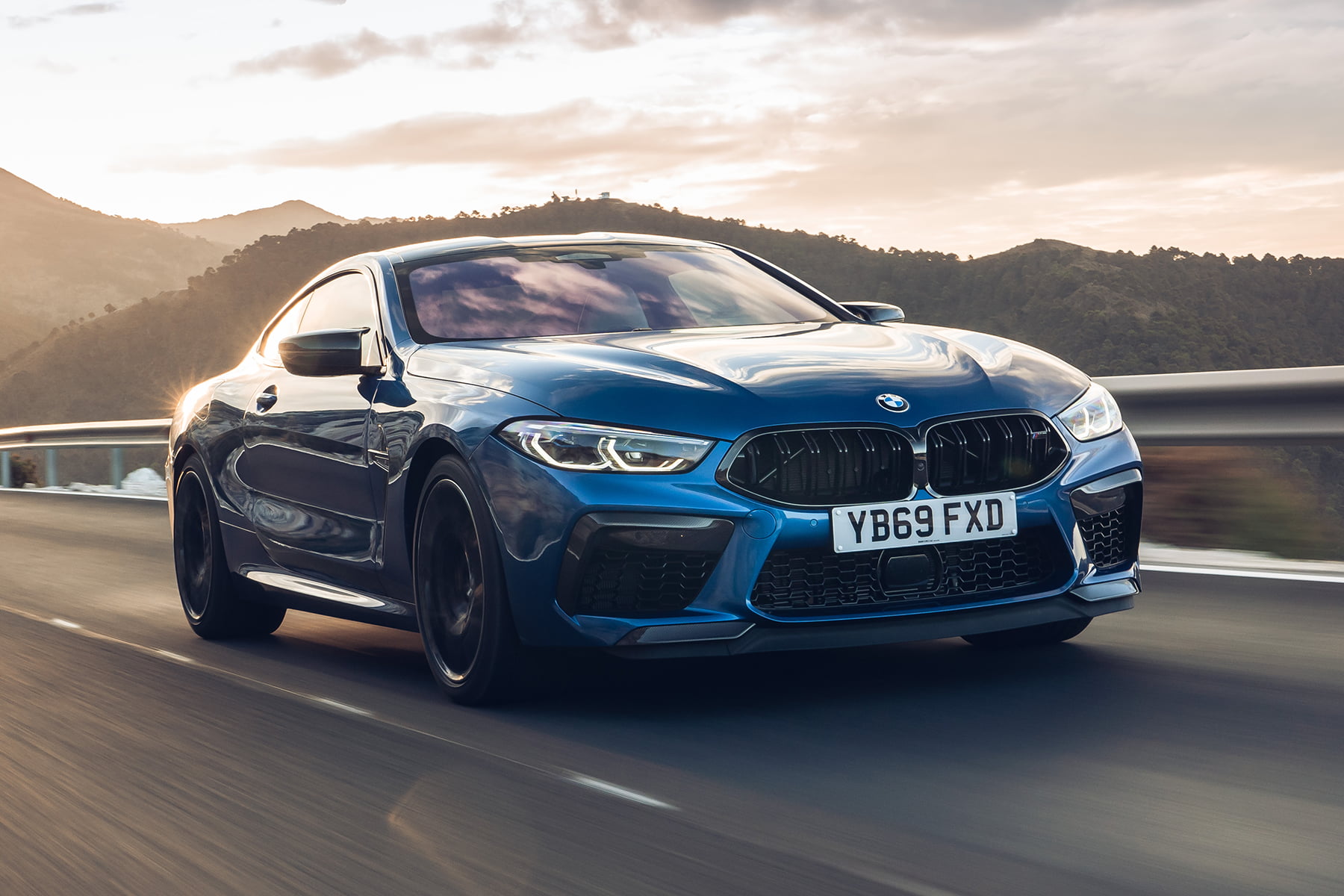
The BMW M8 is the performance-enhanced version of the 8 Series, available as a two-door coupé or convertible and powered by a 617hp twin-turbocharged V8 petrol engine. There is also a four-door executive car variant, called the M8 Gran Coupé, but we will have a separate page for this model, coming soon.

The M8 range is limited to one engine/trim choice here in the UK, as only the top-spec M8 Competition is available. While there is not much choice on offer, the M8 has been warmly received by the British motoring media – described by Auto Express as “a deeply effective car that delivers monstrous performance allied to a depth of sophistication that’s hard not to be impressed by.”

Carwow states its enthusiasm for the car’s “great looks”, and calls the M8 Competition “the absolute peak of BMW M engineering”.

Advantages aside, the car comes with a steep price tag. Reviewers question if it is really worth paying £130k for the M8 Competition when the BMW M850i model at the top of the 8 Series range is almost as quick and just as luxurious for £25k less.

As of February 2026, the BMW M8 holds a lowly New Car Expert Rating of E, with a score of 48%. It gets poor scores in every category we currently have data for, especially its running costs. We don’t have reliability data yet, nor safety data (which we’re not likely to ever get, as the M8 is unlikely to be assessed by Euro NCAP).

M8 highlights

  • Impressive performance and handling
  • Refined and well-built interior
  • Attractive exterior styling
  • Packed with useful on-board tech

M8 lowlights

  • Cramped rear seats
  • 911 and DB11 are more engaging on the road
  • S-Class Coupé is more comfortable
  • Very expensive to buy and own

Key specifications

Body style: Coupé and convertible
Engines:
petrol
Price:
From £133,020 on-road

Launched: Autumn 2019
Last updated: Spring 2022
Replacement due: TBA

Media reviews

Reviews, road tests and comparisons from across the UK automotive media. Click any of the boxes to view.

Auto Express

Auto Trader

Car

Carbuyer

Carwow

Evo

Parkers

The Sunday Times

Top Gear

Safety rating

Independent crash test and safety ratings from Euro NCAP

No safety rating

As of February 2026, the BMW M8 has not been assessed by Euro NCAP. Due to its price and exclusivity, it is unlikely to be tested in the future.

Eco rating

Independent economy and emissions ratings from Green NCAP

No eco rating

As of February 2026, the BMW M8 has not been assessed by Green NCAP.

Due to its price and exclusivity, it is unlikely to have its emissions tested in the future.

Reliability rating

Reliability data provided exclusively for The Car Expert by MotorEasy

All data based on MotorEasy average workshop costs for extended car warranty claims

As of April 2025 (our most recent data point), the BMW 8 Series family – which includes the M8 – has a poor reliability score of 41%, according to workshop and extended warranty data provided by our partner, MotorEasy.

However, it must be noted that this score is currently based on a relatively small number of vehicle records, so this score may fluctuate more than normal as more data becomes available.

Similar cars

If you’re looking at the BMW M8, you might also be interested in these alternatives

Aston Martin DB11 | Bentley Continental GT | Bentley Continental GT Convertible | Lexus LC | Mercedes-AMG GTPolestar 1 | Porsche 911

Buy a BMW M8

If you’re looking to buy a BMW M8, The Car Expert’s partners can help you find the right car

Motors 600x300

Find your next used car with Motors. Find out more

Auto Trader logo 600x300

Find your next new or used car with Auto Trader. Find out more

Carwow logo 600x300

Find your next new or used car with Carwow. Find out more

Lease a BMW M8

If you’re looking to lease a new BMW M8, The Car Expert’s partners can help you find a competitive deal

Leasing-com logo

Personal contract hire deals from Leasing.com. Find out more

Carparison 600x300

Personal contract hire deals from Carparison Leasing. Find out more

Select Car Leasing logo

Personal contract hire deals from Select Car Leasing. Find out more

BMW 4 Series Coupé (2013 to 2020)

Summary

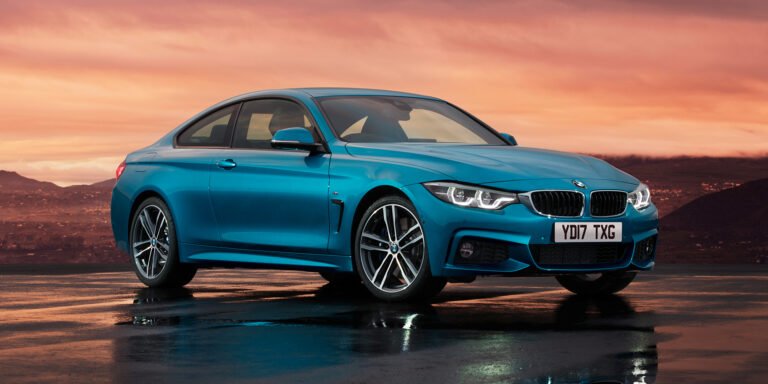
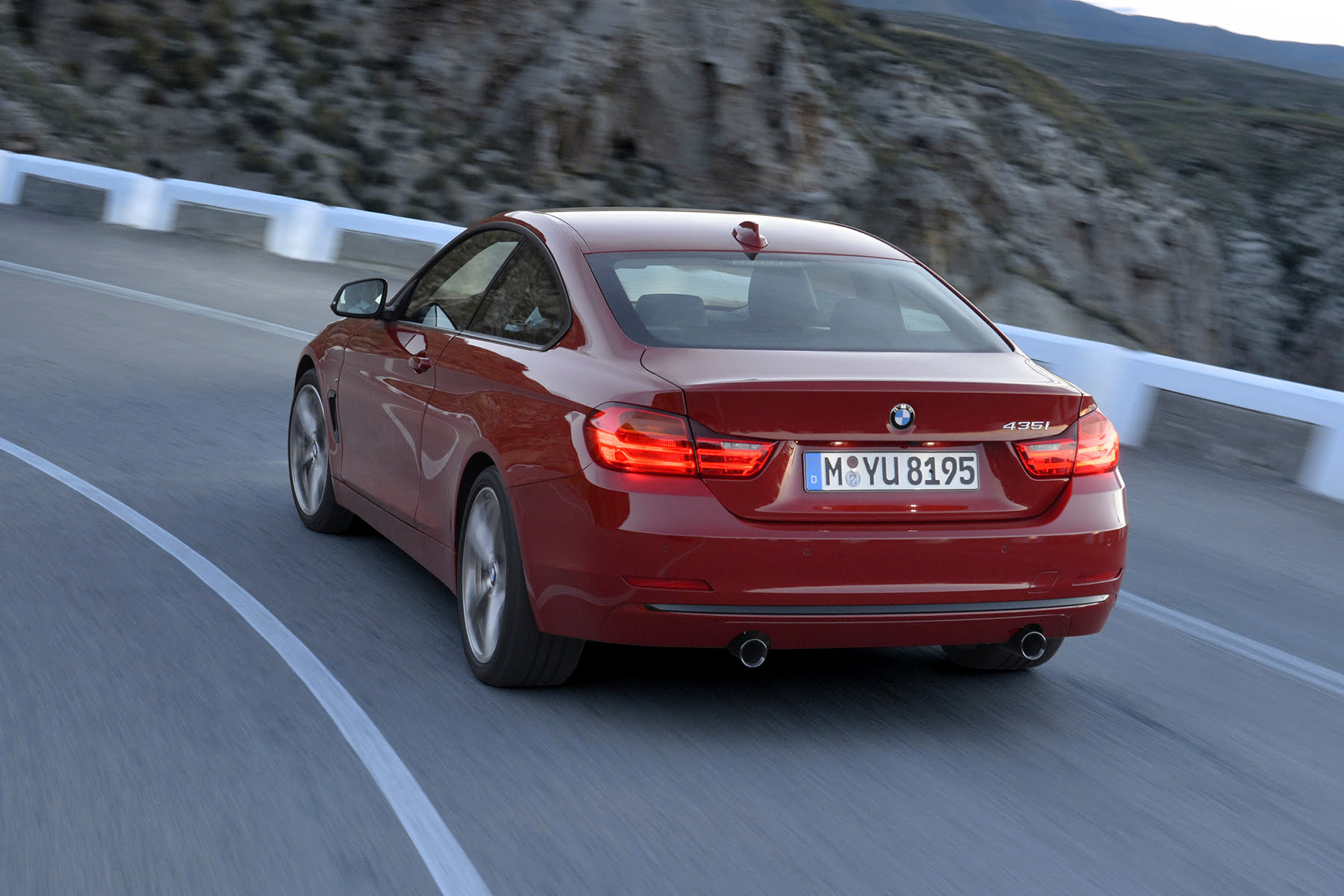
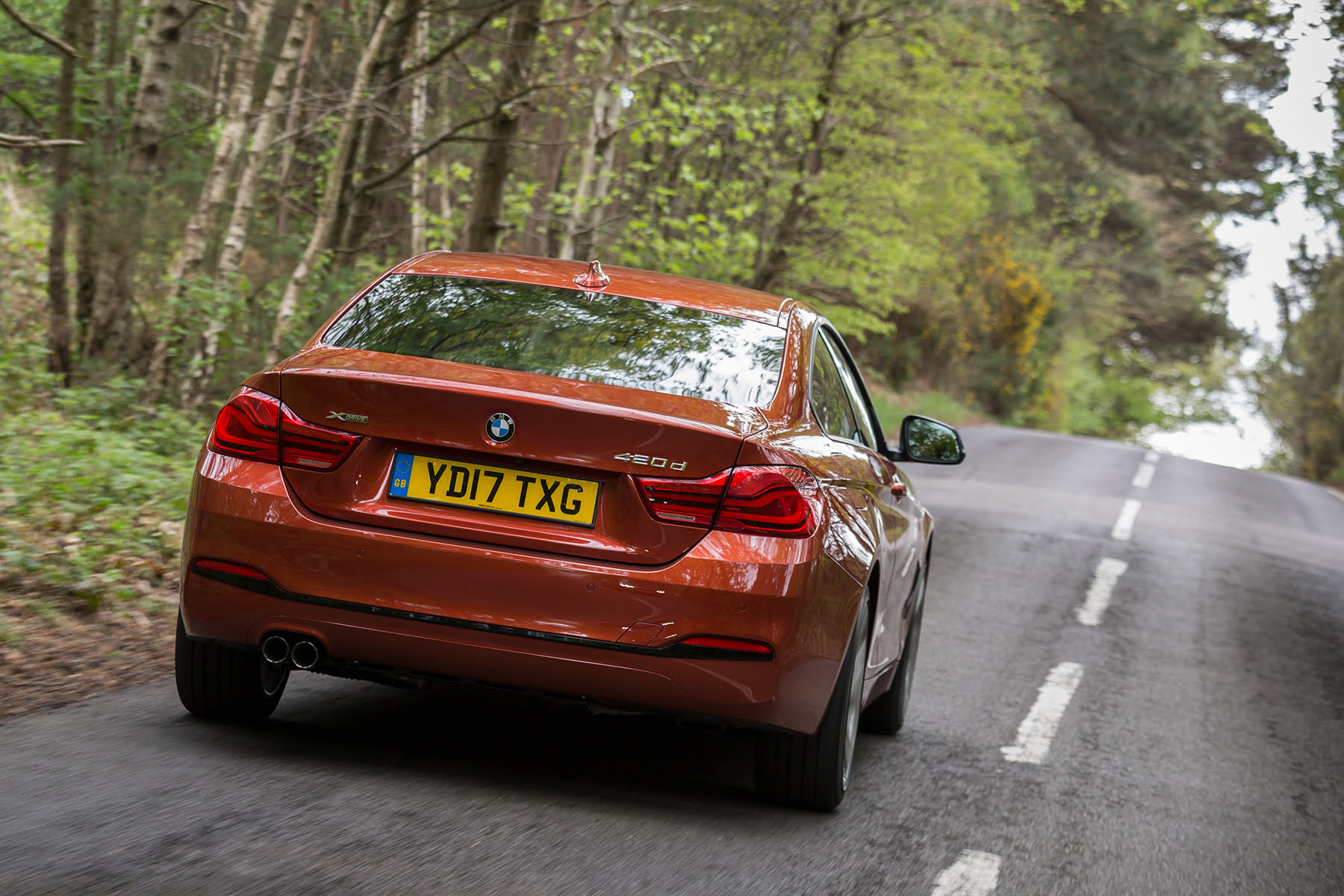
The first-generation BMW 4 Series Coupé was a compact executive car – essentially the two-door coupé version of the previous-generation BMW 3 Series saloon.

The 4 Series joined the German upmarket brand’s range for the first time in 2013, – except that it didn’t really. Before then, the two-door version of the mass-selling 3 Series was called the 3 Series Coupé. Now it’s the 4 Series Coupé – and just to confuse matters there was a four-door 4 Series called the Gran Coupé, but that is not covered here.

A car widely praised for its attractive exterior styling, The Sunday Times said that the first iteration of the 4 Series was “a coupé that’s as good to drive as it looks”, with a wide range of strong engine options and driving dynamics that Parkers explained offered “fun and frugality in equal measure”.

Reviewers also approved of the car’s interior technology and ambience. That said, the infotainment and other on-board tech features are now rather dated when compared to more modern alternatives, including the current-generation 4 Series model.

Being a coupé, reviewers also frequently commented that the car was not very spacious in the rear, and that customers looking for family-car practicality should consider the cheaper 3 Series instead.

As of February 2026, the BMW 4 Series Coupé holds a Used Car Expert Rating of C, with a score of 61%.

4 Series Coupé highlights

  • Attractive exterior styling
  • Wide range of strong engines on offer
  • Comfortable and well-built interior
  • Sharp driving dynamics

4 Series Coupé lowlights

  • Not as practical as a 3 Series
  • On-board tech is now rather dated
  • Can be pricey on the used market
  • M Sport models have firm suspension

Key specifications

Body style: 2+2 coupé
Engines:
petrol, diesel
Price when new:
From £29,280 on-road

Launched: Winter 2013
Last updated: Summer 2017
Replaced: Autumn 2020

Media reviews

Highlighted reviews and road tests from across the UK automotive media. Click any of the boxes to view.

Auto Express

Auto Trader

Business Car

Car

Car Keys

Carbuyer

Evo

Green Car Guide

Heycar

Honest John

Motoring Research

Motors

Parkers

The Sunday Times

The Telegraph

Safety rating

Independent crash test and safety ratings from Euro NCAP

No safety rating

The BMW 4 Series Coupé was not tested by Euro NCAP during its production life.

Eco rating

Independent economy and emissions ratings from Green NCAP

No eco rating

The BMW 4 Series Coupé was not assessed by Green NCAP during its production life.

Running cost rating

Clear Vehicle Data logo close crop

Monthly cost of ownership data provided exclusively for The Car Expert by Clear Vehicle Data

Fuel consumptionAverageScore
Petrol models37 mpg
Diesel models46 mpg
CO₂ outputAverageScoreVariationScore
Petrol models176 g/km
Diesel models163 g/km
Insurance groupAverageScoreVariationScore
All models33

The first-generation BMW 4 Series is a relatively expensive car to own and run, according to whole-life cost numbers provided exclusively to The Car Expert by our data partner, Clear Vehicle Data.

Average fuel consumption for the petrol models was poor and only average for the diesel-engined versions. Insurance premiums should also be about average for the overall car market.

We don’t have servicing and maintenance cost data for this version of the 4 Series due to its age. By now, average servicing costs will vary significantly from car to car depending on age, condition and mileage.

Reliability rating

MotorEasy logo 600x167

Reliability data provided exclusively for The Car Expert by MotorEasy

All data based on MotorEasy average workshop costs for extended car warranty claims

As of April 2025 (our most reecent data point), the BMW 4 Series has a reliability score that’s about average, according to exclusive extended warranty data provided by our partners at MotorEasy. This score covers coupé models as well as convertibles – from this generation (pre-2020) version as well as the current (2021 onwards) version.

Almost a quarter of all reported problems with the 4 Series relate to its engine. The average bill for these to date is an eye-watering £2,000. Gearbox problems are similarly expensive, although they seem to less common to date. Suspension and braking problems are also common, although the repair bills are much more reasonable.

If you’re looking at a used BMW 4 Series, make sure any extended warranty cover you purchase covers all of these potential problem areas shown above.

Similar cars

If you’re looking at the BMW 4 Series Coupé, you might also be interested in these alternatives

Audi A5 | Ford Mustang | Lexus RC | Mercedes-Benz C-Class Coupé

Buy a BMW 4 Series Coupé

If you’re looking to buy a used BMW 4 Series Coupé, The Car Expert’s partners can help you find the right car

Motors 600x300

Search less, live more. We make finding the right car simple. Find out more

Auto Trader logo 600x300

Search for your next new or used car with Auto Trader. Find out more

Carwow logo 600x300

Discover great deals available on both new and used cars. Find out more

Car subscriptions

If you’re interested in a car subscription, The Car Expert’s partners can help (PS: What’s a car subscription?)

Cocoon Vehicles logo 600x300

Car subscriptions from Cocoon.
Find out more

Just Vehicle Solutions logo 600x300

Car subscriptions from Just Vehicle Solutions.
Find out more

Flexible Vehicle Contracts logo 600x300px

Car subscriptions from Flexible Vehicle Contracts.
Find out more

Trim level upgrades for Peugeot 208 and 2008

0

Peugeot has rolled out some minor updates to its its 208 hatchback and 2008 SUV model lines, including electric e-208 and e-2008 models. Essentially, entry-level and mid-range models receive a few additional features.

This small update brings changes to the entry-level ‘Active Premium’ and mid-range ‘Allure Premium’ trim grades, which are now called ‘Active Premium+’ and ‘Allure Premium+’.

The introduction of ‘Active Premium+’ means that 208 models now come with dark tinted rear and rear side windows, automatic air conditioning and automatic windscreen wipers as standard. The 2008 ‘Active Premium+’ SUV now comes with gloss black roof rails.

The updated mid-range trim gets the same infotainment console on the dashboard as cheaper models, but with Peugeot’s 3D navigation software, which offers live traffic updates as well as fuel station and parking space information, and can be controlled by giving voice commands.

The ‘Allure Premium+’ trim also includes the brand’s ‘Aluminium Pack’ – a subtle set of interior styling changes that adds an aluminium finish to the front door sills and the foot pedals.

That sums up this minor model refresh – there are no exterior styling or powertrain changes, and top-spec ‘GT’ and ‘GT Premium’ models remain the same.

Peugeot says this update is now live, and customers can now order the ‘Active Premium+’ or ‘Allure Premium+’ at UK dealerships or online using its website. Entry-level 208 models cost just over £19k, while the cheapest all-electric e-208 model is priced at just over £30k. A lead-in 2008 model will set you back around £23k, while opting for the electric version of the SUV will cost close to £34k.

Praised for its design inside and out, the Peugeot 208 currently holds an Expert Rating of 72% – a score hindered by the hatchback’s firm ride comfort. Its e-208 twin has received the same plaudits, but with its lower running costs it holds a higher Expert Rating of 76%.

The Peugoet 2008 has received similar parise for its interior and exterior styling, and holds an Expert Rating of 72%. The all-electric e-2008 holds the exact same Expert Rating score as its combustion-powered twin, with reviewers commenting that the e-SUV can’t match the battery range of class leaders.

The Car Expert scoops ‘Best Automotive Website’ honour at annual Newspress Awards

28 July 2022

  • ‘Best Automotive Website’ award for UK’s most comprehensive consumer advice site
  • Awards held at Bicester Heritage covered twenty-two categories across automotive journalism and PR
  • The Car Expert was recognised for its comprehensive consumer advice and innovative Expert Rating Index
Newspress Awards 2022 – Best automotive website winner

The Car Expert has taken home the ‘Best Automotive Website’ prize at the annual Newspress Awards.  

Twenty-two winners from automotive journalism and PR were announced at the sixth Newspress Awards, held this year at Bicester Heritage.

The awards, now established as among the most coveted and competitive in the industry, were held at the popular Oxfordshire automotive campus and hosted by the voice of the National Lottery, Alan Dedicoat.

Voted as the UK’s ‘Best Automotive Website’, The Car Expert was recognised for its comprehensive consumer advice and innovative Expert Rating Index.

The judging panel commented: “The Car Expert, with its informative and factual offering, did the business this year. Its extremely comprehensive menu covers all the bases, is easy to search and is bang up to date, particularly on electrification.

“The Expert Rating Index is that rarest of things – a good new idea that has genuine potential. The website is easy on the eye and user-friendly and that’s what tipped the balance.”

The latest honour helps The Car Expert to deliver even more value for its commercial partners, providing a platform to give consumers access to offers and savings to reduce the cost of motoring. 

Stuart Masson, Editorial Director at The Car Expert, said: “It’s a great honour to be recognised as the UK’s best automotive website, and a fantastic reward for all of the work the team has put in to develop our unique Expert Rating Index

“The last two years have been a period of great growth for us. We’re still working hard on future developments, with even more additions to the Expert Rating Index coming this year to further enhance its value to car buyers. We’re also in the process of bringing the same high-quality advice and rating data to our sister site, The Van Expert, to provide crucial guidance for SMEs running vans and pick-ups.

“Many thanks to the judging panel for their recognition and to Newspress for supporting the automotive media with these awards.”

ENDS

The Car Expert
Founded in 2011, The Car Expert is the UK’s most comprehensive automotive consumer advice site. With an audience of over two million readers a year, The Car Expert provides independent and impartial advice on every aspect of buying, financing, owning, and selling new or used vehicles.

The Rotten Tomatoes equivalent for the automotive world, The Car Expert consolidates reviews from 30 of the UK’s top automotive websites to create the Expert Rating Index. Bringing together science and data analysis, the index calculates a weighted average to give an aggregated score – Expert Rating – that is comparable across different brands and models.

Winner of the ‘Best Automotive Website’ at the 2022 Newspress Awards, The Expert Rating Index factors in the age of each review, so that newer reviews carry more weight than older reviews. It also breaks down the complex web of different scoring systems that various websites use in their reviews.

The Car Expert has logged over 13,000 reviews covering more than 400 cars and over 50 manufacturers, with its Expert Rating Index now trusted as the gold standard for rating and ranking new cars in the UK.

For media enquiries, please contact Performance Communications:
Melissa Lodge: melissa@performancecomms.com
Richard Tanner: richard@performancecomms.com

15% of UK road deaths caused by drunk drivers

0

A Department for Transport (DfT) report says that drunk drivers are responsible for 15% of road deaths in the UK, and there are suggestions that this figure could in fact be even higher.

This government report of road casualties in 2020 (the latest data available) estimates that road deaths and injuries caused by drink-driving incidents reached a total of 6,480, with between 200 and 240 of these being fatal.

While this indicates that drink driving is still clearly an issue in Britain, the report concludes that these statistics are broadly in line with the last few years.

Fatalities in reported drink-drive collisions, 2010 to 2020

Source: UK Department for Transport (DfT)

The 2020 data display a 17% reduction in drunk-driving injury and death when compared to the 2019 stats, although this is not surprising.

“The fall in overall drink drive casualties needs to be viewed in the context of Covid”, comments Hunter Abbott, managing director of breathalyser firm AlcoSense. The Coronavirus pandemic caused traffic levels to shrink by around a quarter in 2020, perhaps explaining the decrease in fatalities.

While the latest government figures indicate that 15% of UK road deaths are caused by drunk drivers according to the road laws, Abbott suggests that this percentage could be higher in real terms.

“What these figures don’t tell you is how many more casualties were caused by ‘lethal but legal’ drivers – those who were above the point of intoxication where effects on cognitive function occur, but below the official drink-drive limit.”

While European countries such as Ireland, Germany and Spain have a drink drive limit of 0.05% blood alcohol limit (BAC) in place, the limit in England, Wales and Northern Ireland is 0.08% BAC, which is the highest in Europe – and one of the highest in the world.

Percentage of casualties occurring in drink-drive collisions by country and English region, 2020

Source: UK Department for Transport (DfT)

The report also breaks down these drink-drive collision casualties by region, displaying that Wales has the highest frequency of drunk driving casualties when compared to other home nations. Scotland conversely has the lowest percentage of drunk driving injury and death – where the limit is a stricter 0.05% BAC.

In England, the East Midlands has the highest percentage of casualties, while Greater London has the lowest.

Casualties in drink-drive collisions and all reported collisions by age group, 2020

Source: UK Department for Transport (DfT)

Looking at the age of offending drink-drivers, the report concludes that 65% of the drunk drivers that caused road injuries and deaths in 2020 were aged between 25 and 59 years old, while underage illegal drivers who were 15 years old or younger accounted for 4% of these casualties.

The 2020 figures also report that 78% of these drunk drivers were male.

While these figures do make for grim reading, and highlight that drink driving is still an issue, these types of collisions are down 79% compared to 1979 – suggesting that some government drink-drive initiatives have been effective over the years.

Four money-saving electric car lease tips 

This article is brought to you by

Carparison 600x300

As fuel prices continue to rise and the cost of living continues to skyrocket, we are all looking at ways to tighten the purse strings as we head into the summer. 

Motorists are among those feeling the pinch, with pump prices reaching dizzying heights in recent months.  

While fuel prices rise, electric cars continue to cement themselves as a more efficient and cost-effective form of motoring.

If you’re considering an electric car lease deal, here are four money-saving tips to make your cash work harder. 

Consider monthly charger subscription services 

It is no secret that the cost of charging can be hugely advantageous when compared to pump prices. However, something that can be overlooked are the huge upfront fees for the home chargers themselves. 

The average cost of a home charger is believed to be over £1,000 once you factor in the installation fees.  

There are now a number of subscription-based electric car charger providers, which allow you to include the overall cost of your charger into your monthly outgoings. The drastically reduced rate allows for greater flexibility as you spread the cost over your car lease term. 

Forget badge snobbery  

With so many incredibly efficient electric cars now on the market, you don’t need to pursue a premium German brand to experience some of the best EVs.  

Mercedes-Benz EQC lease comes with a whole of host of benefits and perks, but also a substantial monthly cost.  

Tempting offers like an MG ZS EV lease deal can offer you a competitive claimed range of up to 273 miles, or even a Nissan Leaf, which will give you up to 239 miles.  

Alternative manufacturers allow you to get some serious bang for buck in the EV world, with frugal models creating huge potential to save month on month as you charge. 

Shop around for free-charging stations 

Although electric prices have risen over recent months, there are still plenty of opportunities to take advantage of free charging stations.  

These can often be found in supermarkets, park and rides and other local amenities. Use electric charger apps like Zap Map to filter through free charging stations in your local area. 

While demand for these free chargers is always likely to be high, you can make a huge saving if you do have them nearby.  

Change energy tariffs 

Your current energy provider might not be the most cost-effective option for charging an electric car at home. 

More and more energy suppliers are creating bespoke packages and offers aimed at electric car drivers, which often including reduced overnight rates. 

Two-rate tariffs – as the name suggests – create two different energy rates. Your standard day-time running chargers, but also a reduced overnight rate.   It has been well documented that charging an electric vehicle overnight can often be the best way to make your money work harder, but as more energy suppliers adapt to the growing demand for EVs, this is another area for huge potential savings.

Carparison’s best car lease deals can suit your every need. Contact their leasing specialists at www.carparisonleasing.co.uk for more information.

More car leasing information

The best websites for leasing a new car

The best websites for leasing a new car

The best websites for leasing a used car

The best websites for leasing a used car

Your 3-minute guide to car leasing

Your 3-minute guide to car leasing

Are you eligible for a Motability car?

Are you eligible for a Motability car?

The best websites for short-term car leasing

The best websites for short-term car leasing

Mercedes-Benz SLC (2011 to 2020)

Summary

The Mercedes-Benz SLC (originally known as the SLK) was a two-door retractable hard-top roadster that rivalled the likes of the Audi TT and BMW Z4.

The third-generation SLK was launched in 2011, before being renamed as the SLC as part of its mid-life facelift in 2016. The car ended production in 2020 and has not been replaced in the Mercedes-Benz range.

As part of the mid-lift update and name change, the SLC gained some exterior styling tweaks, a new nine-speed automatic transmission, updated interior tech and a few mechanical additions.

“The standard nine-speed automatic gearbox ensures smooth and effortless acceleration”, Carwow explained, while also pointing out that the SLC had sharper steering than the outgoing SLK “thanks to adaptive dampers with selectable settings.”

While the majority of reviewers agreed that the SLC was an improvement over its predecessor, several outlets found it hard to recommend the Mercedes-Benz over its rivals. While the interior was well-built – a hallmark of Mercedes-Benz models – many reviewers also commented that the design and tech was quite dated inside, even at launch.

It might have not been all that engaging on the road, nor all that practical day-to-day, but as Top Gear concluded, “the SLC works well as an easy-going 24/7 roadster.”

No longer on sale, the Mercedes-Benz SLC and SLK hold a Used Car Expert Rating of D, with a score of 56%. Its CO2 emissions are average, but high running costs and poor media review scores drag the overall rating down.

SLC highlights

  • Attractive exterior looks
  • Well-built inside and out
  • Efficient diesel engine
  • Capable long-distance cruiser

SLC lowlights

  • Rivals are more engaging on the road
  • Small boot
  • Dated interior
  • SLK’s top-spec V8 engine not available

Key specifications

Body style: Two-seat roadster
Engines:
petrol, diesel
Price when new:
From £31,170 on-road

Launched: Summer 2011
Last updated: Winter 2019/2020
Replaced: Spring 2020

Media reviews

Highlighted reviews and road tests from across the UK automotive media. Click any of the boxes to view.

Featured reviews

More reviews

Auto Express

Auto Trader

Business Car

Car

Car Keys

Carbuyer

Daily Mirror

Fleetworld

Green Car Guide

Heycar

Honest John

Motoring Research

Parkers

The Sun

The Sunday Times

The Telegraph

Top Gear

Safety rating

No safety rating

The Mercedes-Benz SLC was not crash tested by Euro NCAP during its production life.

Eco rating

No eco rating

The Mercedes-Benz SLC was not lab tested by Green NCAP during its production life.

Reliability rating

MotorEasy logo 600x167

Reliability data provided exclusively for The Car Expert by MotorEasy

All data based on MotorEasy average workshop costs for extended car warranty claims

Similar cars

If you’re looking at the Mercedes-Benz SLC or SLK, you might also be interested in these alternatives

Alpine A110 | Audi TTBMW Z4 | Mazda MX-5Porsche 718 Boxster | Porsche 718 Cayman | Subaru BRZ | Toyota GT86

Buy a used Mercedes-Benz SLC

If you’re looking to buy a Mercedes-Benz SLC or SLK, The Car Expert’s partners can help you find the right car

Motors 600x300

Search less, live more. We make finding the right car simple. Find out more

Auto Trader logo 600x300

Find your next new or used car with Auto Trader. Find out more

Carwow logo 600x300

Find your next new or used car with Carwow. Find out more

Kia Niro

Summary

The Kia Niro is a compact hybrid crossover/SUV that sits between the smaller Stonic and larger Sportage in the Kia family. This is the second-generation Niro, which arrived in the UK in the middle of 2022.

The Niro family includes hybrid, plug-in hybrid and all-electric models, but the electric variant has its own separate Expert Rating, called the Niro EV. Some of the reviews below group all of these Niro models together, but most outlets have reviewed the Niro EV separately.

Built from the ground up on a new platform, the latest iteration of the Niro has received a warm reception from the British motoring media, who regard the SUV as an improvement over the first-generation – with stand-out exterior styling that Parkers calls “stylish”, and an interior that looks quite similar to the inside of the highly-regarded Kia EV6 crossover.

“It feels fairly upmarket and infinitely more interesting than before”, Heycar comments, while also praising the Niro for its “exceptionally low running costs”.

That said, Heycar also concludes that the Niro is unfortuately no longer “a true budget option”, referencing the noticable price hike from the old generation to the new, and several journalists reported feeling rather underwhelmed by the SUV’s performance.

Both the standard petrol-hybrid and the more expensive plug-in hybrid models use the same 1.6-litre petrol engine, which Parkers says has a pretty “raucous” soundtrack under acceleration, and a few reviewers argue that there are better compact SUV options on the market that have sharper handling and punchier performance.

As of July 2025, the Kia Niro holds a New Car Expert Rating of A, with a score of 74%. That’s a few points short of its all-electric twin – the Kia Niro EV. It scores tyop marks for its low CO2 emissions, competitive running costs and seven-year new car warranty, while its safety rating is also good.

Niro highlights

  • Attractive exterior looks
  • Improved practicality
  • Plenty of impressive on-board tech
  • Spacious and well-built interior
  • Low running costs

Niro lowlights

  • Model line-up gets expensive
  • PHEV version has smaller boot
  • Underwhelming performance
  • Rivals have sharper handling
  • Noisy petrol engine

Key specifications

Body style: Compact SUV/crossover
Engines:
hybrid, plug-in hybrid
Price:
From £27,745 on-road

Launched: Summer 2022
Last updated: N/A
Replacement due: TBA

Media reviews

Highlighted reviews and road tests from across the UK automotive media. Click any of the boxes to view.

Featured reviews

More reviews

Auto Express

Auto Trader

Business Car

Car

Car Keys

Carbuyer

Driving Electric

Electrifying.com

Heycar

Honest John

Parkers

The Telegraph

Top Gear

Safety rating

Independent crash test and safety ratings from Euro NCAP

Overall score: 4 stars
Date tested: September 2022
Read the full Euro NCAP review

Adult protection: 91%
Child protection: 84%
Vulnerable road users: 75%
Safety assist: 60%

The current-generation Kia Niro was assessed by Euro NCAP in October 2022, achieving a four-star safety rating. This rating stands for the hybrid and plug-in hybrid variants of the SUV, as well as the all-electric Kia Niro EV.

Eco rating

Independent economy and emissions ratings from Green NCAP

No eco rating

As of July 2025, the second-generation Kia Niro has not been assessed by Green NCAP.

Reliability rating

MotorEasy logo 600x167

Reliability data provided exclusively for The Car Expert by MotorEasy

No reliability rating

As of July 2025, we don’t have enough reliability data on the latest iteration of the Kia Niro to generate a reliability rating.

The Car Expert’s reliability information is provided exclusively to us using extended warranty data from our partner, MotorEasy. As soon as MotorEasy has sufficient data on the second-generation Niro, we’ll publish the score here.

Running cost rating

Clear Vehicle Data logo close crop

Monthly cost of ownership data provided exclusively for The Car Expert by Clear Vehicle Data

Fuel consumptionAverageScore
Hybrid models62 mpgA
Plug-in hybrid models317 mpgA
CO₂ outputAverageScoreVariationScore
Hybrid models104 g/kmA
Plug-in hybrid models20 g/kmA
Battery rangeAverageScoreVariationScore
Plug-in hybrid models38 milesD
Insurance groupAverageScoreVariationScore
All models22A
Service and maintenanceCostScore
Year 1£190A
Year 2£492A
Year 3£788A
Year 4£990A
Year 5£1,303A
Overall£3,763A

The Kia Niro is a very cheap car to run, according to data provided exclusively to The Car Expert by our partner, Clear Vehicle Data. The Niro scores an A in every category – fuel consumption, CO2 emissions (which determines your road tax), insurance group and servicing costs.

It’s important to note that the fuel consumption figures for the plug-in hybrid Niro’s are completely unrealistic, but that’s a fault of the EU/UK testing requirements, rather than Kia being misleading. The battery range of the plug-in hybrid also looks poor, but it’s about average for a plug-in hybrid vehicle compared to a fully electric car (the all-electric Kia Niro EV has a battery range of 285 miles, for comparison).

Whichever model you choose, you can be confident that the Kia Niro will be cheaper to run than most similar vehicles.

Warranty rating

New car warranty information for the Kia Niro

Overall ratingA91%
Petrol or diesel modelsA85%
Electric or hybrid modelsA99%
New car warranty duration7 years
New car warranty mileage100,000 miles
Battery warranty duration8 years
Battery warranty mileage100,000 miles

Kia’s new car warranty is one of the best in the new car market, and better than pretty much any rival brands in a similar price bracket to the Niro.

The duration is seven years, with a limit of 100,000 miles. This is good news for both new and used car buyers, as it helps the residual value of the Niro for new car buyers when they come to sell the car, and it gives near-new car buyers confidence that they are covered for years to come.

In addition to the overall new car warranty, battery components on the hybrid and plug-in hybrid models benefit from an additional eight-year/100,000-mile warranty, which is why they get a better score than the standard petrol and diesel models.

If you’re looking to buy a used car that is approaching the end of its warranty period, a used car warranty is usually a worthwhile investment. Check out The Car Expert’s guide to the best used car warranty providers, which will probably be cheaper than a warranty sold by a dealer.

Awards

Significant UK trophies and awards that the Kia Niro has received

2024

  • Business Motoring Awards – Best Small Car + Best Hybrid
  • Fleet News Awards – Best Lower Medium Car

2023

  • EcoCar Electrified Top 50 – Electrified Car of the Year + Best Hybrid Medium SUV and Best Plug-In Hybrid Medium SUV
  • Fleet World Awards – Best Fleet Small SUV
  • UK Car of the Year Awards – Best Crossover

2022

  • Auto Express Awards – Best Small SUV
  • Carbuyer Awards – Car of the Year + Best Small Family Car + Best Hybrid
  • DrivingElectric Awards – Best Hybrid Family Car
  • News UK Motor Awards – The Sun Car of the Year

Similar cars

If you’re looking at the Kia Niro, you might also be interested in these alternatives

Citroën C5 Aircross | Ford Kuga | Honda CR-V | Hyundai Tucson | Jeep Compass | Kia Sportage | Mazda CX-5 | MG HS | Peugeot 3008 | Renault Kadjar | SEAT Ateca | Skoda Kamiq | Skoda Karoq | SsangYong Korando | Subaru XV | Suzuki S-Cross | Toyota C-HR | Vauxhall GrandlandVauxhall Mokka | Volkswagen Tiguan

Buy a Kia Niro

If you’re looking to buy a new or used Kia Niro, The Car Expert’s partners can help you find the right car

Motors 600x300

Find your next used car with Motors. Find out more

Auto Trader logo 600x300

Search for your next new or used car with Auto Trader. Find out more

Carwow logo 600x300

Discover great deals available on both new and used cars. Find out more

Lease a Kia Niro

If you’re looking to lease a new Kia Niro, The Car Expert’s partners can help you find a competitive deal

Carwow logo 600x300

Personal contract hire deals from Carwow. Find out more

Leasing-com logo

Personal contract hire deals from Leasing.com. Find out more

Select Car Leasing logo

Personal contract hire deals from Select Car Leasing. Find out more

Subscribe to a Kia Niro

If you’re interested in a car subscription, The Car Expert’s partners can help (PS: What’s a car subscription?)

SelfDrive UK logo

Car subscriptions from SelfDrive.
Find out more

Drive Fuze logo 600x300

Car subscriptions from DriveFuze.
Find out more

Cocoon Vehicles logo 600x300

Car subscriptions from Cocoon.
Find out more

All-new Honda Civic Type R unveiled

0

Following the launch of the 11th-generation Honda Civic, the next iteration of the hot hatch Civic Type R has been revealed, which the manufacturer says will be the most powerful Type R model it has ever produced.

This new model has been unveiled to celebrate 25 years of Civic Type R hot hatches – set to arrive in the UK in early 2023 with sportier exterior styling, unique interior touches and some mechanical upgrades over the standard Civic range.

While its predecessor had pretty polarising dramatic exterior looks, Honda has decided on a slightly more conservative approach this time around. Besides sporty front and rear bumpers, a large rear wing features once again to provide more downforce on the road, but sits lower but wider than the previous model.

While the standard Civic comes with 17-inch alloy wheels, larger 19-inch alloy wheels feature on the new Civic Type R, fitted with track-focused Michelin tyres.

Honda says that improving aerodynamics has been a key focus – redesigned rear doors and wheel arches are reported to bring aerodynamic benefits, and a larger lower front grille works in tandem with a bonnet vent to improve airflow, and provide more cool air to the engine.

Speaking of the engine, the new Honda Civic Type R is not a petrol-electric hybrid like the latest version of the standard Civic range. Instead, the hot hatch is fitted with a conventional turbocharged petrol engine – a revised version of the 2.0-litre unit found in the old Type R model.

As most of Honda’s European model range has become electrified as standard, this could be the last combustion-powered Honda to ever launch in the UK.

While the previous generation could muster 306hp and a top speed of 169mph, Honda says that turbocharger tweaks and reduced curb weight makes this new model the most powerful Type R to ever go into production. However, the company has not released any detailed performance stats just yet, so we’ll have to wait a bit longer to find out exactly how much power the new model has.

The car’s brakes and exhaust system have also been upgraded. Like its predecessor, it comes with a six-speed manual gearbox.

The interior will be a familiar sight if you have seen pictures of the inside of the standard Civic, but the Civic Type R comes with a few unique design elements – most notably the suede-like upholstery and floor mats trimmed in a rich red, the same red that features on the Honda badge on the car’s exterior and steering wheel.

The seats themselves are designed to hold occupants tighter in high-speed corners, and sit lower than those found in the previous Type R model, which Honda says improves visibility of the bonnet and minimises blind spots.

The driver can switch through various performance settings and drive modes using a bespoke digital instrument cluster behind the steering wheel, and like the last generation, the car comes with a data logger feature than can be accessed through the ten-inch infotainment screen or your smartphone to provide detailed performance stats and tips for how to improve your lap times.

The new Civic Type R will go on sale next year, with first deliveries to customers beginning in Europe from early 2023. The outgoing model it replaces ended production in 2021, but is still regarded as one of the best performance packages on the used market. According to our award-winning Expert Rating Index, it currently holds an impressive Expert Rating of 88%.

Volvo update adds Apple CarPlay

0

Volvo has rolled out an over-the-air update for its Google-powered infotainment system in the UK, which allows iPhone owners to finally use Apple CarPlay.

This update comes more than a year after the brand switched its latest models to an Android Automotive-powered infotainment system for its new cars, which alienated iPhone users who would prefer to use Apple applications to power their Volvo’s navigation and music.

This update, which compatible Volvo cars can download remotely while sitting in the driveway, adds Apple CarPlay to the infotainment system’s functions – allowing customers to connect their iPhone to the central console via a USB cable.

Volvo says that its last over-the-air update that was released back in April, which added new navigation, charging and parking assistance apps to the infotainment’s Google Play catalogue, was downloaded by around 197,000 Volvo cars worldwide.

Further infotainment updates are planned for this year, including the addition of a Google-powered video streaming feature.

How to drive an electric car

Readers might find the title to this piece confusing and slightly worrying – while an electric car might be very different to a combustion-engined car in many ways, surely driving an electric vehicle (EV) is a similar experience, not some journey into the unknown?

Well yes, it is – or at least it can be. You can quite happily live with an EV by jumping into it, pushing the start button, selecting drive (electric cars don’t have conventional gearboxes), pressing the accelerator pedal and gliding away. It’s basically just like driving any modern petrol or diesel car with an automatic gearbox.

But there are few things about driving an electric car that are a bit different from a conventional petrol or diesel car, so here are a couple of things to bear in mind.

Is this thing on?

One of the differences to get used to with an EV is that nothing seems to happen when you start it – press the power button and the dashboard screens will light up but there’s no engine sound.

Accelerate away from rest and you may hear a low whine as the car starts to move. And the noise doesn’t get significantly louder, either inside or outside so, as a result, regulations now require new EVs to emit a warning noise of some sort to alert pedestrians and cyclists who otherwise wouldn’t hear you coming.

Instant performance

An electric car will accelerate quite swiftly from a standstill compared to petrol and diesel cars. Electric motors generate all of their torque (pulling power) instantly, so EVs are highly responsive if you stand on the accelerator. A petrol or diesel engine, by comparison, needs to rev up to its optimal working range, which is why you are always changing gears up and down to keep it in the right zone.

An EV doesn’t have a traditional gearbox, so the more you push down on the accelerator, the faster the engine spins and the faster the wheels turn.

Drive your EV this way and you won’t have any problems – but you also won’t be getting the best from it, and you won’t be getting anywhere near the range between battery charges manufacturers quote. Yes, we all know that in the real world you are not going to achieve the miles stated in the glossy brochures before you have to plug in (just as petrol cars pretty much never get near their claimed mpg figures), but you can get a lot closer to the official numbers just by doing some simple things and changing a few ways in which you drive.

(Re)generating miles

The buzzword here is regeneration (knows as regen). While it might sound like a phrase extracted from an episode of Star Trek, it’s actually a crucial part of the design of electric vehicles (and hybrids).

The clever thing about an electric motor is that it works two ways. Pass electricity through it and it will rotate to generate propulsion, which drives your wheels. But if you reverse the process, using the momentum of the moving car (kinetic energy) to turn the motor, it will generate its own electricity which is then sent to the battery.

Virtually all electric cars (and hybrids/plug-in hybrids) regenerate energy at all times when not accelerating – so whenever you lift off and coast towards the next set of traffic lights, or when you hit the brakes. How you can make use of this feature can significantly affect your range – it will only add a tiny amount of electricity each time, but add those times up and it means you have to plug in a little less frequently.

The key to maximising this regeneration is a smooth driving style. Instead of heavily accelerating and then heavily braking, you accelerate to your desired speed smoothly and then coast whenever possible, such as when descending hills. This will not only waste less electricity to start with, but will also aid the regen process to recover a bit of the electricity you’ve used. As a bonus, it’s also kinder to your car in not wearing your brakes so quickly.

Single-pedal driving

Most EVs allow you to increase the amount of regeneration. Cheaper models are likely to have a simple eco or ‘regen’ button – press this and as soon as you lift off the accelerator you will feel the car slow, like you’re applying the brakes. This is caused by increased friction of the motor turning and regenerating more electricity.

Once you get used to this, you can drive the car in almost a ‘single-pedal’ manner, using regeneration to slow the car in most driving situations. You only really need to use the brakes to actually bring the car to a halt or in an emergency situation where more rapid slowing is required.

More expensive EVs have multi-level regeneration, often selected from steering wheel paddles. This enables you to set a more precise level of regeneration according to the type of roads you are driving on. While full regen (where the car slows significantly every time you lift off the accelerator) is fine around a busy town, when at speed on a motorway you don’t want to lift off the pedal and start suddenly slowing – it is better to choose a lower level that allows the car to coast and maintain a reasonable speed.

Many factors affect the usefulness of regenerative braking but the driving environment is the most significant. A couple of years ago, your author road-tested an electric Volkswagen e-Golf on two 45-minute routes, the first involving a stretch of motorway and the second the constant stop-start urban environment of Bicester. After the first, the car’s range had dropped as expected – on completing the second it actually had more indicated range than had been present when setting off, solely due to the regenerative energy produced when slowing for junctions and traffic lights.

Terms and pre-conditions

One useful way to boost your driving range in an EV is by what is called pre-conditioning.

The majority of EVs today are linked to an app you download for your smartphone and it’s worth getting to know it. It can be used for various things like loading a journey into the car’s navigation and finding out where charging stations are available, but perhaps the most useful are the various things you can set the car to do even before you get into it in the morning.

Through the app you can ‘pre-condition’ the car for your journey before you even step outside your front door. This includes heating or cooling the interior to your preferred temperature, switching on your heated seats and such, so it’s perfectly ready for you when you get in it.

While your car is plugged into a charging point in your driveway or work parking space, it means that your heater or air-con are using electricity from the mains supply rather than from your battery. That saves you using crucial battery supply to heat or cool the car once your on the move, helping to maximise your battery range.

Pre-conditioning is good for your car’s battery, too. The lithium-ion batteries used in EVs work best at an optimal temperature range, which means you usually get less driving range in the middle of winter than in the middle of summer. When you set up a pre-conditioning programme on your smartphone app, it doesn’t just warm up the cabin for your benefit but also warms up the batteries so that they’re at their ideal temperature before you start off. This gives you more range and also helps protect the battery over the longer term of your ownership.

Other factors

There are a few more things to consider to make living with an EV a totally happy experience – none of these are essential but all useful.

Once you’re on the move, any electrical item activated in the car will be drawing off the battery and affecting your driving range. So turn off the heated seats as soon as you are warm enough and be sparing with the air conditioning where practical.

There are other things you can do to keep your EV’s range at its best, but they mirror what you should do in a petrol or diesel car to prevent wasting fuel, such as ensuring your tyres are at the optimum pressure, and not leaving lots of heavy items in your boot to be lugged around on every journey.

So yes, driving an electric car doesn’t have to be any different to driving any other type of vehicle – but there are a few simple things you can do to get the very best out of it.

More electric car content at The Car Expert

Electric car grant – all the EVs with discounts in 2026

Electric car grant – all the EVs with discounts in 2026

Peugeot E-408 review – first drive

Peugeot E-408 review – first drive

Electric Mercedes-Benz GLC range expanded with new GLC 250

Electric Mercedes-Benz GLC range expanded with new GLC 250

What is destination charging?

What is destination charging?

All-electric Leapmotor B05 hatchback arriving in July

All-electric Leapmotor B05 hatchback arriving in July

Citroën C5 X

Summary

Arriving in the UK in Spring 2022, the Citroën C5 X is a five-door liftback which sits somewhere between a conventional car and a crossover/SUV vehicle.

The successor to the long-gone Citroën C5 and C6 large car models, the C5 X is only available with an eight-speed automatic gearbox. A selection of petrol engines are available, as is a range-topping plug-in hybrid model that uses the same technology as the Peugeot 508 plug-in hybrid saloon.

Reviewers have been in disagreement over how to classify the C5 X, with some labelling it a crossover estate and others an SUV. Like an increasing number of new cars, it sits taller than a conventional saloon or estate but lower than a regular SUV, in much the same way as the smaller Citroën C4.

The Citroën C5 X has received very consistent review scores from its international launch, with every review concluding that it is a very good addition to the Citroën range, and that it offers an interesting alternative to the crowded crossover market.

“Whatever it is, it’s the best Citroën we’ve driven in years”, Heycar comments, highlighting the C5 X for its practical and refined interior. The Telegraph agrees, and adds that the C5 X’s combination of distinctive looks, generous equipment levels and long-distance comfort make the keenly-priced entry-level petrol model an attractive proposition.

That said, many reviewers, including The Telegraph, state that the cheapest model is the best option. While journalists welcome the addition of a plug-in hybrid to the range, a majority of the reviews criticise this top-of-the-range model for its expensive price tag and its fairly average electric range of 34 miles.

While admitting that conventional plug-in hybrid rivals like the Skoda Octavia, Seat Leon and Peugeot 3008 offer a longer battery range, Car asserts that the C5 X is “a breath of fresh air – a calming, spacious and supremely comfortable vehicle”.

As of February 2026, the Citroën C5 X holds a New Car Expert Rating of B, with a score of 67%. It earns top marks for its low running costs and CO2 emissions, while its safety score and media reviews are also good. However, it’s worth noting that we don’t currently have reliability data for the C5 X, so check back again soon.

C5 X highlights

  • Affordable entry-level pricing
  • Cabin refinement
  • Spacious interior
  • Distinctive exterior looks

C5 X lowlights

  • SUV alternatives offer more boot space
  • Lethargic handling
  • Plug-in hybrid is expensive
  • Awkward automatic gearbox

Key specifications

Body style: Large five-door liftback
Engines: petrol, plug-in hybrid
Price: From £28,695 on-road

Launched: Spring 2022
Last updated: N/A
Replacement due: TBA

Media reviews

Highlighted reviews and road tests from across the UK automotive media. Click any of the boxes to view.

Featured reviews

More reviews

Auto Express

Auto Trader

Business Car

Car

Car Keys

Carbuyer

Driving Electric

Electrifying.com

Heycar

Honest John

Parkers

The Sun

The Telegraph

Top Gear

Safety rating

Independent crash test and safety ratings from Euro NCAP

Overall score: 4 stars
Date tested: September 2022
Read the full Euro NCAP review

Adult protection: 82%
Child protection: 87%
Vulnerable road users: 69%
Safety assist: 66%

Eco rating

Independent economy and emissions ratings from Green NCAP

No eco rating

As of February 2026, the Citroën C5 X has not been tested by Green NCAP.

Reliability rating

Reliability data provided exclusively for The Car Expert by MotorEasy

No reliability rating

As of February 2026, we don’t have enough reliability data on the Citroën C5 X to generate a reliability rating.

The Car Expert’s reliability information is provided exclusively to us using workshop and extended warranty data from our partner, MotorEasy, sourced from both official dealerships and independent workshops. 

As soon as MotorEasy has sufficient data on the C5 X, we’ll publish the results here.

Running cost rating

Monthly cost of ownership data provided exclusively for The Car Expert by Clear Vehicle Data

Fuel consumptionAverageScore
Petrol models45 mpgC
Hybrid models53 mpgB
Plug-in hybrid models211 mpgA
CO₂ outputAverageScoreVariationScore
Petrol models147 g/kmC
Hybrid models125 g/kmB
Plug-in hybrid models32 g/kmA
Battery rangeAverageScoreVariationScore
Plug-in hybrid models34 milesE
Insurance groupAverageScoreVariationScore
All models26C
Service and maintenanceCostScore
Year 1£210B
Year 2£611C
Year 3£970C
Year 4£1,224C
Year 5£1,658C
Overall£4,673C

The Citroën C5 X should be a relatively affordable car to own and run, according to whole-life cost data provided exclusively to The Car Expert by our technical partner, Clear Vehicle Data.

Fuel economy for the petrol models is good, and even better for the hybrid versions. The plug-in hybrid looks great on paper, but that’s due to the woeful EU/UK government lab tests that are completely useless at measuring a plug-in hybrid…

The plug-in hybrid battery range looks poor, but it’s fairly average for this sort of car. A fully electric car of similar size, by comparison, will usually have about 250-300 miles of range.

Insurance costs are very good, as are servicing and maintenance over the first five years.

Awards

Trophies, prizes and awards that the Citroën C5 X has received

2023

  • Company Car and Van Awards – Best Large Car

2022

Similar cars

If you’re looking at the Citroën C5 X, you might also be interested in these alternatives

Alfa Romeo Stelvio | Audi A5 Sportback | BMW 3 SeriesBMW X3 | BMW X4 | Citroën ë-C4 | DS 7 Crossback | Genesis G70 | Genesis GV70 | Jaguar F-Pace | Lexus NX | Mercedes-Benz GLC | Polestar 2 | Peugeot 408 | Skoda Octavia | Subaru LevorgVolkswagen Tiguan | Volvo V60 | Volvo XC60

More news, reviews and information about the Citroën C5 X at The Car Expert

Citroën C5 X review

Citroën C5 X review

Best large cars of 2022

Best large cars of 2022

Citroën ups electric range of C5 X and C5 Aircross

Citroën ups electric range of C5 X and C5 Aircross

New Citroën C5 X available to order

New Citroën C5 X available to order

Buy a Citroën C5 X

If you’re looking to buy a new or used Citroën C5 X, The Car Expert’s partners can help you find the right car

Motors 600x300

Find your next used car with Motors. Find out more

Auto Trader logo 600x300

Find your next new or used car with Auto Trader. Find out more

Carwow logo 600x300

Find your next new or used car with Carwow. Find out more

Lease a Citroën C5 X

If you’re looking to lease a new Citroën C5 X, The Car Expert’s partners can help you find a competitive deal

Leasing-com logo

Personal contract hire deals from Leasing.com. Find out more

Carwow logo 600x300

Personal contract hire deals from Carwow. Find out more

Select Car Leasing logo

Personal contract hire deals from Select Car Leasing. Find out more

Subscribe to a Citroën C5 X

If you’re interested in a car subscription, The Car Expert’s partners can help (PS: What’s a car subscription?)

Cocoon Vehicles logo 600x300

Car subscriptions from Cocoon.
Find out more

Just Vehicle Solutions logo 600x300

Car subscriptions from Just Vehicle Solutions.
Find out more

Flexible Vehicle Contracts logo 600x300px

Car subscriptions from Flexible Vehicle Contracts.
Find out more

Power your car buying decisions with Expert Ratings

If you’re looking to buy a new car (or near-new car), then car reviews are a great way to help you understand which car might be right for you. But there are literally tens of thousands of car reviews – just from UK sources – on the internet. So which reviews should you trust?

Every website will tell you that their reviews are the best in the business but, at the end of the day, they all have their good and bad points.

Each review will be one website’s (well, usually one person’s) opinion of that car. Some motoring journalists drive lots of cars each year, and have been doing so for decades. Others might review a few cars here and there along with various other roles.

Each website will have its own methods for reviewing cars, as well as its own way of measuring and scoring cars. Some sites update their reviews on a regular basis to account for changes to each model and the overall marketplace, while others don’t. And most websites don’t review every car available, or they use a number of different journalists to review different cars, so it all gets a bit hit-and-miss very quickly.

We built a better solution

The Car Expert has been bringing real-world, practical advice to car buyers and car owners for more than a decade. There’s no car industry spin and no favouritism; just honest, independent and impartial consumer advice on every aspect of buying, financing, owning and selling your car.

Now, we’ve applied our expert guidance to not just how to buy a car, but which car to buy. Our unique Expert Rating Index is the new gold standard for ranking new cars for consumers.

Pieces of a puzzle

All those thousands of car reviews on the internet and in car magazines are like individual pieces of a jigsaw puzzle. To really work out what the best car in your price range is, you need to put all the pieces of that puzzle together. So if you’re only relying on one or two sources, you’re not getting the full picture.

To help you do that, The Car Expert has created our Expert Rating Index.

We compile and analyse new car reviews from 30 of the UK’s leading automotive websites. As of July 2022, we have indexed more than 13,000 new car reviews and we’ve published comprehensive Expert Ratings on more than 400 new cars – including all the biggest-selling cars in every price bracket.
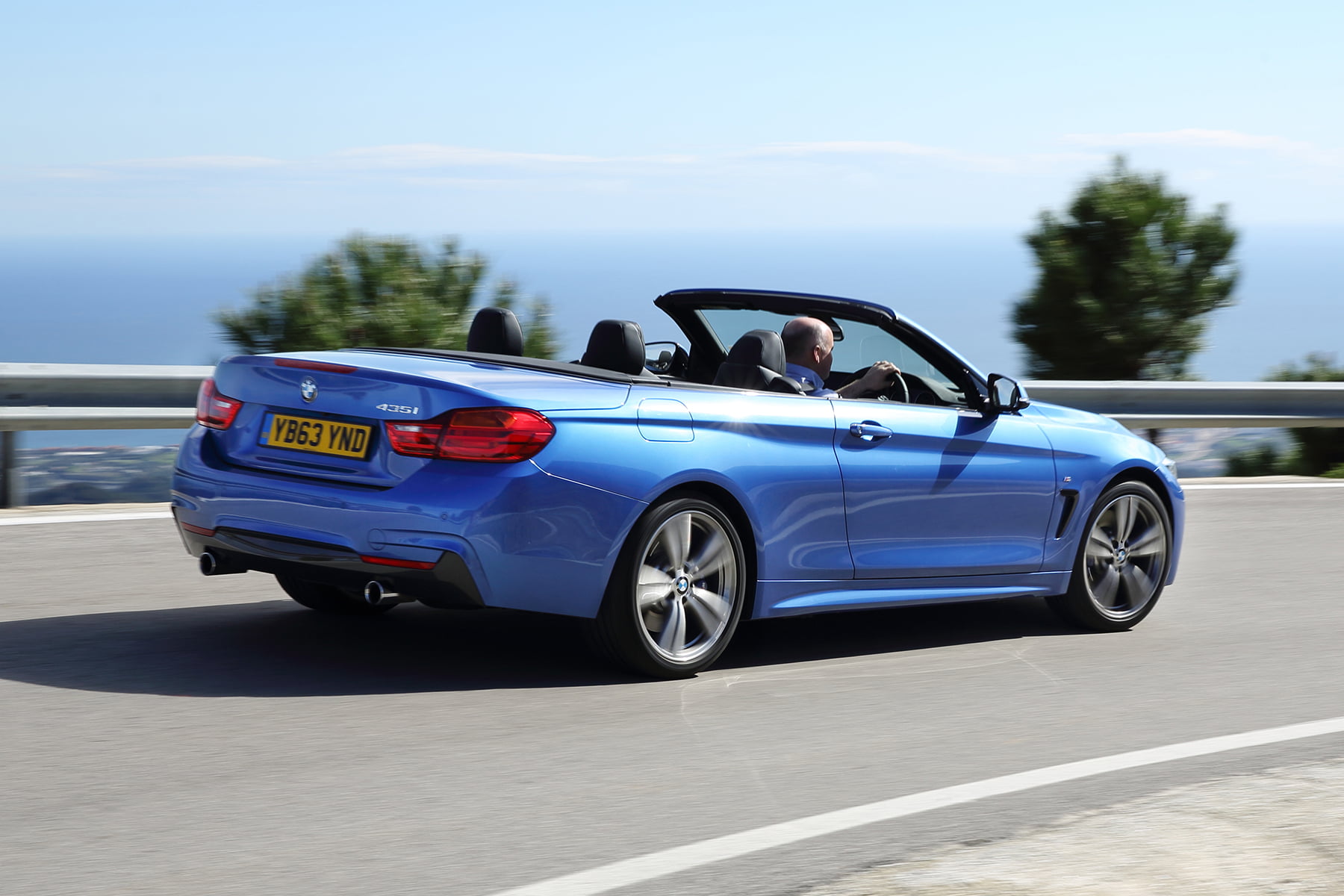
Rather than reading one or two reviews of a couple of different cars in your price range, you can see every review published from the 30 sources we monitor at a single glance.

We pull together dozens of reviews for every car on the market and use an advanced algorithm to analyse all those reviews, compare different scoring systems and adjust for the age of each review. It’s a complex process, but all of this effort produces a definitive score for each car.

Bringing science and data to your car buying choices

Think of our Expert Rating Index as “the Rotten Tomatoes of new car reviews”. By aggregating dozens of reviews for each car, you get a consensus of expert opinion, not just one journalist’s thoughts.

The Expert Rating Index brings a level of sophistication never before seen in ranking the best and worst new cars in the UK. It’s the most accurate and reliable method ever developed to rate and rank every new car on sale.

We’re bringing science and data analysis to the subjective and old-fashioned world of reviewing new cars, using established aggregating principles in a similar fashion to sites like Rotten Tomatoes or Metacritic.

As well as media reviews, we also show you complete safety ratings from Euro NCAP (not just the headline score) and eco data from Green NCAP. Where applicable, we also have security ratings from Thatcham Research and reliability data from MotorEasy. And we’re currently working on bringing even more data to help build an even better overall picture for each car.

If you like what you see for a particular car, we can then link you straight to some of the top sales sites in the UK, like Cazoo, Carwow and Motors.co.uk so that you can check out prices.

If you’d like a lease quote, we have links to all the latest deals on offer from industry-leading leasing providers like Carparison, Hippo Leasing, Moneyshake and more.

If you’re interested in the rapidly-growing world of car subscriptions, we have partnerships with industry leaders , Elmo and Wagonex.

In other words, we give you the most reliable information on every new car, then put you in touch with the best people to help you put one on your driveway.

The Car Expert’s aggregated ratings technology is already generating excitement within the car industry. Leasing.com, one of the UK’s top car leasing websites, is now using a custom algorithm and bespoke integration from The Car Expert to power its new car rating scores. More sites will be adding this functionality in coming months.

No spin, no favouritism. Just the answers you need

Check out our latest analysis of the following new car sectors:

… with more categories coming soon.
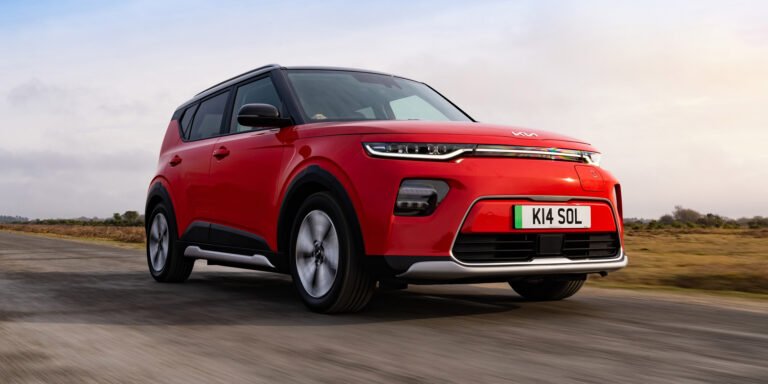
So if you really want to know whether Car A is better or worse than Car B, we have the definitive answer. Whatever sort of car you’re looking for, you can use our Expert Ratings to help you choose.

This article was originally written in October 2021. Last updated July 2022.

Renault Arkana gets price hike and trim changes

0

Despite having only been on sale for a short time, the Renault Arkana coupé-SUV has already received a price hike and revised specifications.

The entry-level ‘Iconic’ trim has been replaced by the very similar ‘Evolution’ trim, while the mid-spec ‘S Edition’ grade has been replaced by ‘Tecno’. ‘R.S Line’ trim continues on unchanged, while a new ‘E-Tech engineered’ trim now sites at the top of the tree – but only if you choose the 1.6-litre hybrid powertrain.

The new Iconic and Tecno models have had some minor specification changes compared to the previous versions, but nothing particularly significant. There are no changes to the R.S Line specification.

The new E-Tech engineered trim is recognisable thanks to different 18-inch alloy wheel design and gold accents on the car’s bumpers and side skirts. Inside, there’s a semi-autonomous parking function and adaptive cruise control over and above the R.S Line specification.

The E-Tech engineered trim is also being added to the Clio hatchback and Captur crossover model lines, replacing the R.S Line trim for hybrid and plug-in hybrid models. These top-spec models come with the same gold exterior accents, revised front and rear bumpers, and black and gold interior colour scheme.

With this minor update for the Arkana comes a price hike. Entry-level models now cost nearly £27k – an increase of more than £1k since last year.

It is fair to say that the Arkana has received a rather mixed bag of reviews after being on sale for around a year now, praised for its looks and efficient hybrid models, but criticised for its bumpy ride comfort at low speeds, and its unimpressive lead-in petrol models. As of July 2022, it holds an Expert Rating of 59%, which puts it well down the order in our ranking of Best Small SUVs based on new car reviews from 30 of the UK’s top motoring sites.