Find an Expert Rating: 
Home Blog Page 12

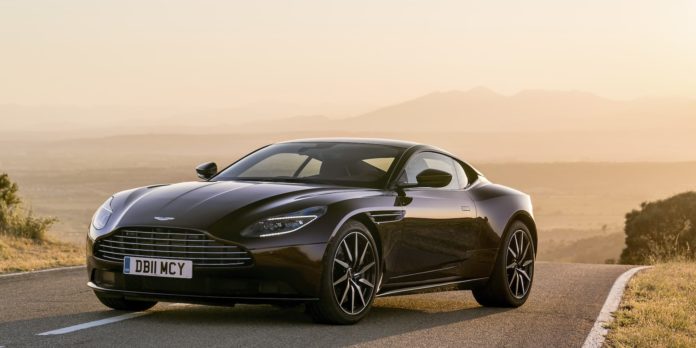
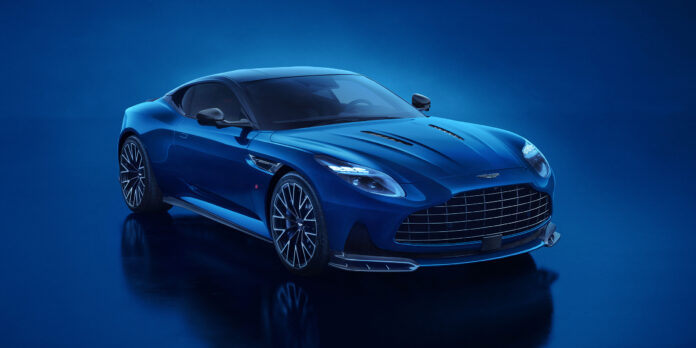
Aston Martin Vanquish

Summary

The Aston Martin Vanquish is The Car Expert’s Best Luxury Sports Car 2026!

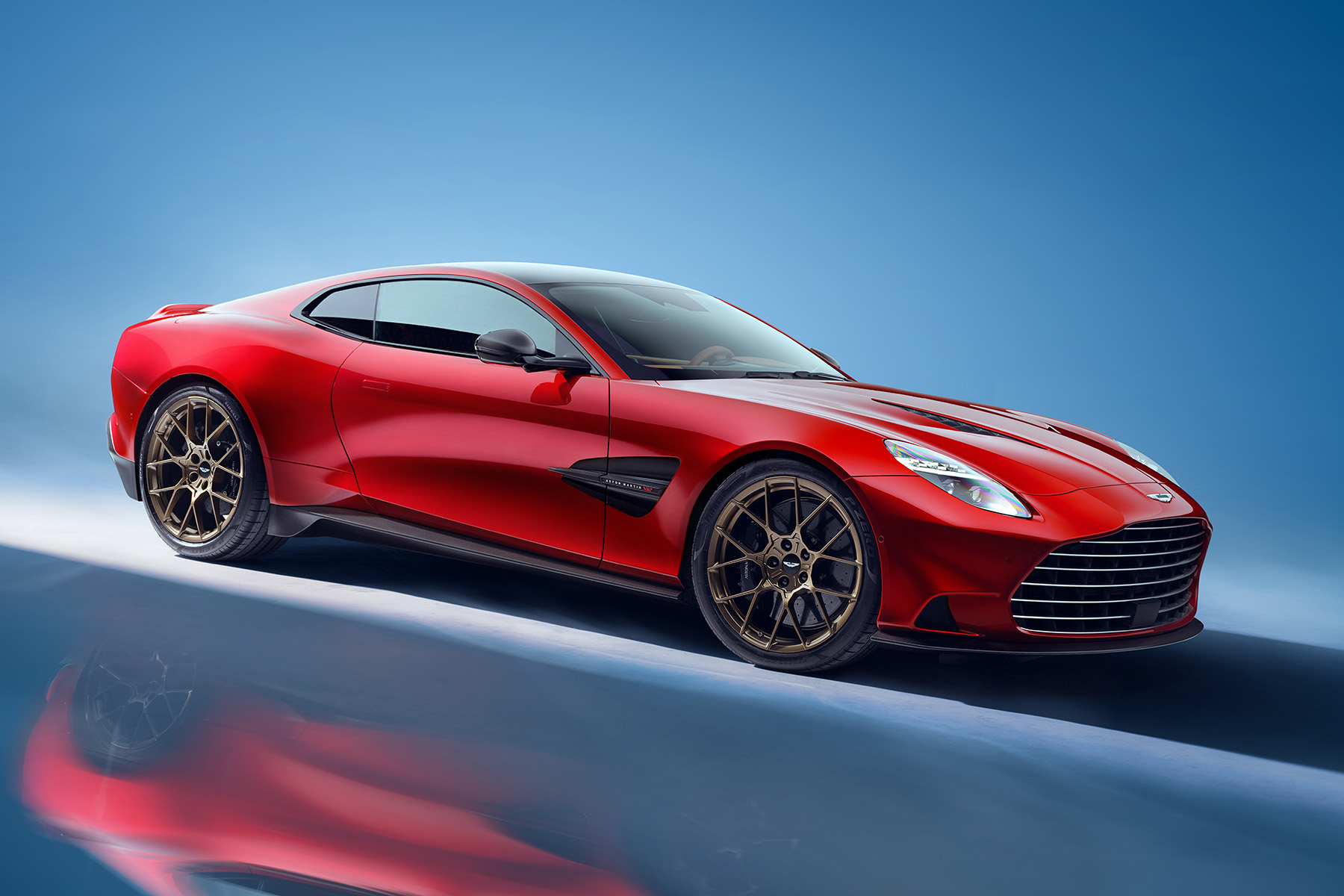
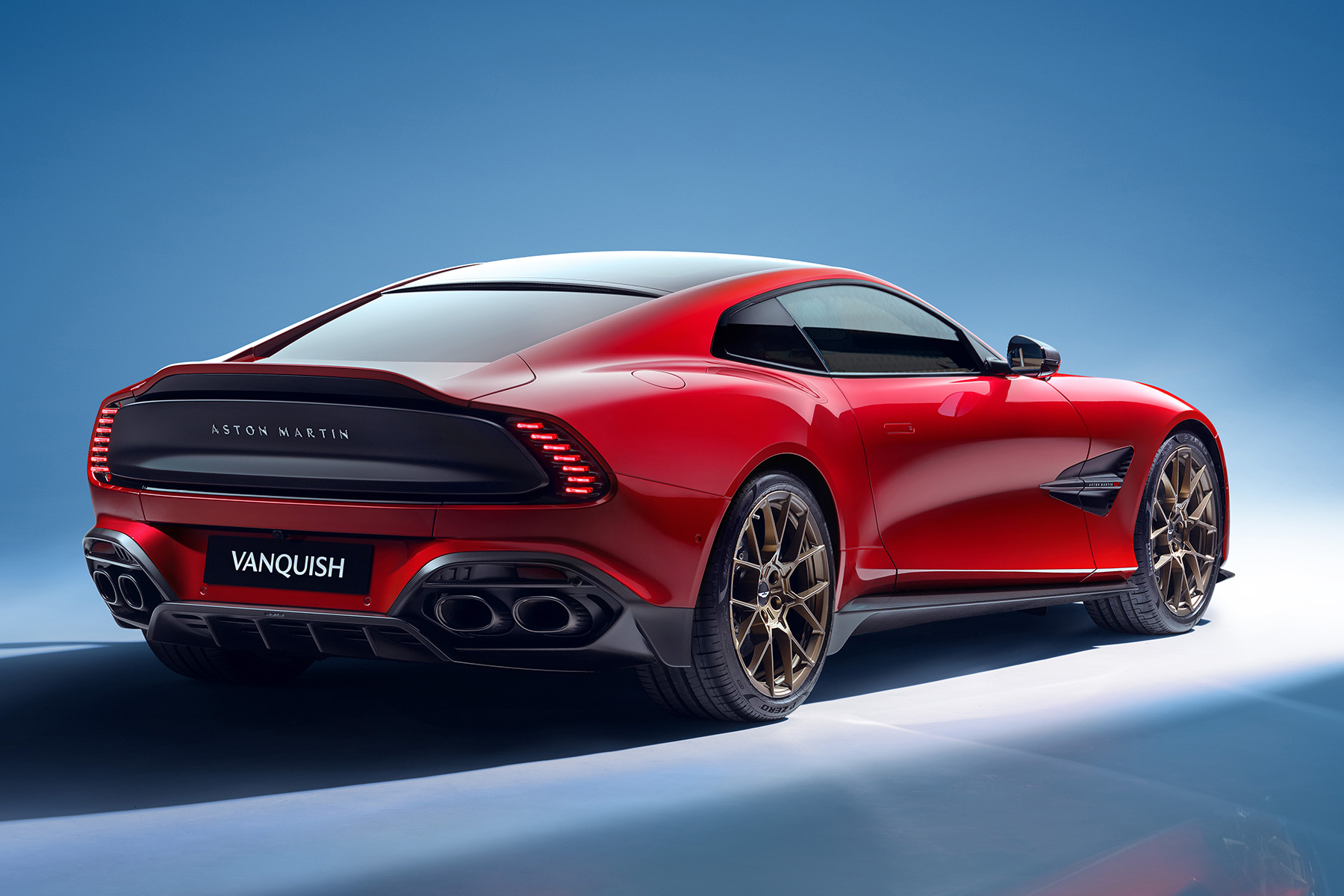
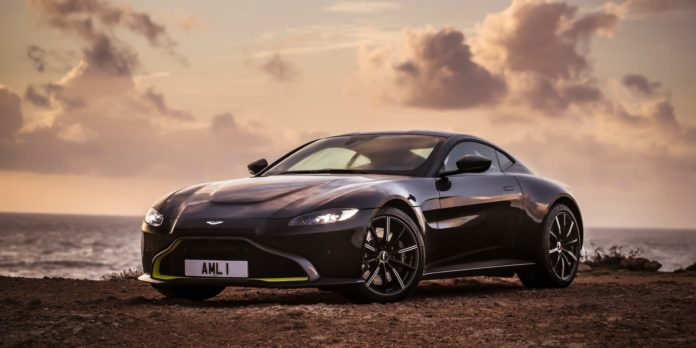
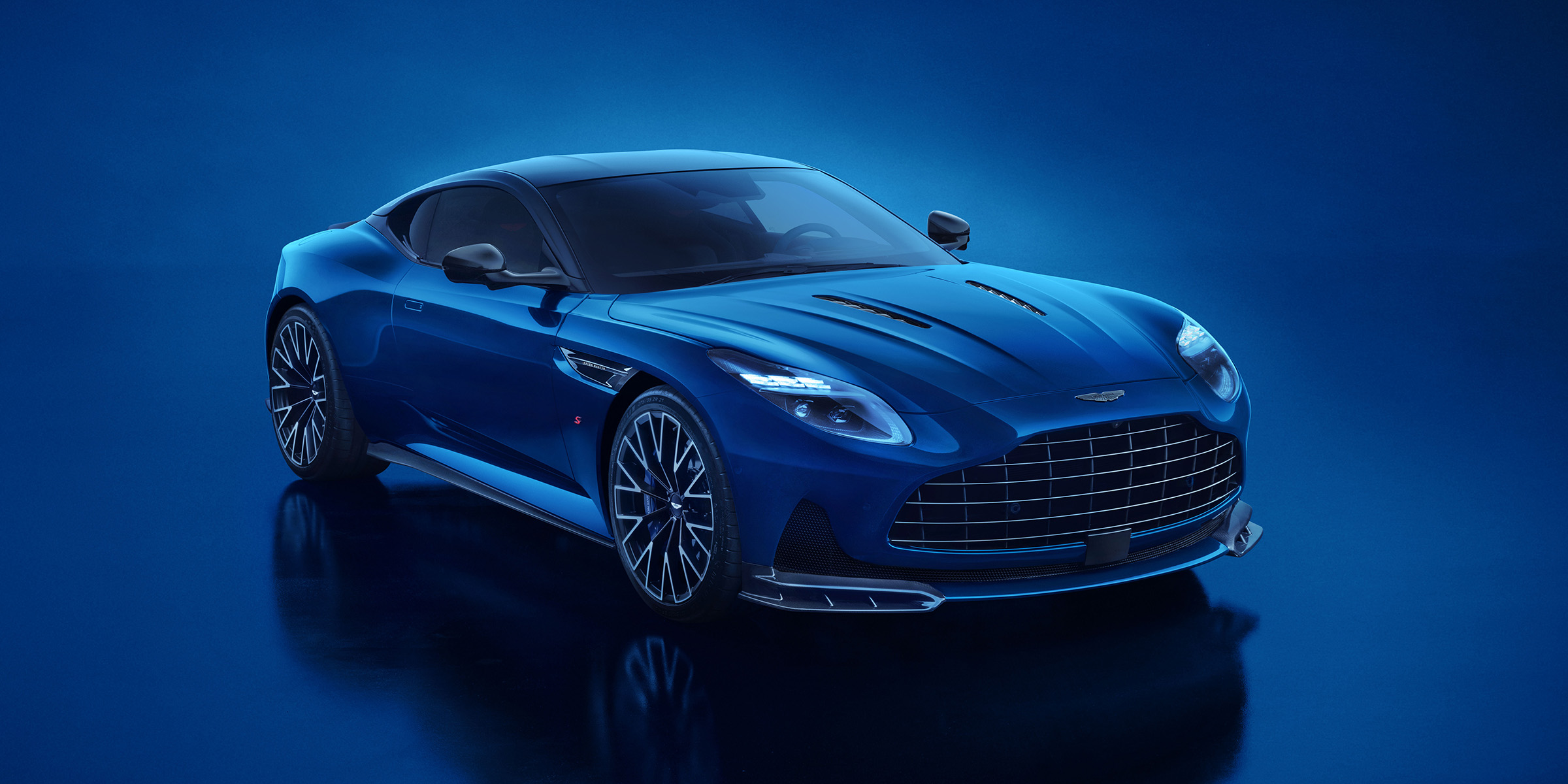
The Aston Martin Vanquish is a petrol-powered luxury grand tourer. This is the latest third-generation range, which includes coupé and ‘Volante’ convertible body styles.

First arriving on UK roads towards the end of 2024, with the Volante arriving a few months later, the Vanquish has been given an overwhelmingly positive reception by the British motoring media, collecting an abundance of reviewer praise for its potent V12 engine and its interior comfort and quality.

As Aston’s answer to the Ferrari 12Cilindri, Top Gear’s Tom Ford argues that the third-generation Vanquish has “the poise and performance to trouble even the most aggressive supercars”, with “big power, ferocious delivery, but now with Grand Touring ability and enough handling nous to be exciting and fun in the twisty bits when you get there.” He adds however that the car “drinks like a sinkhole.”

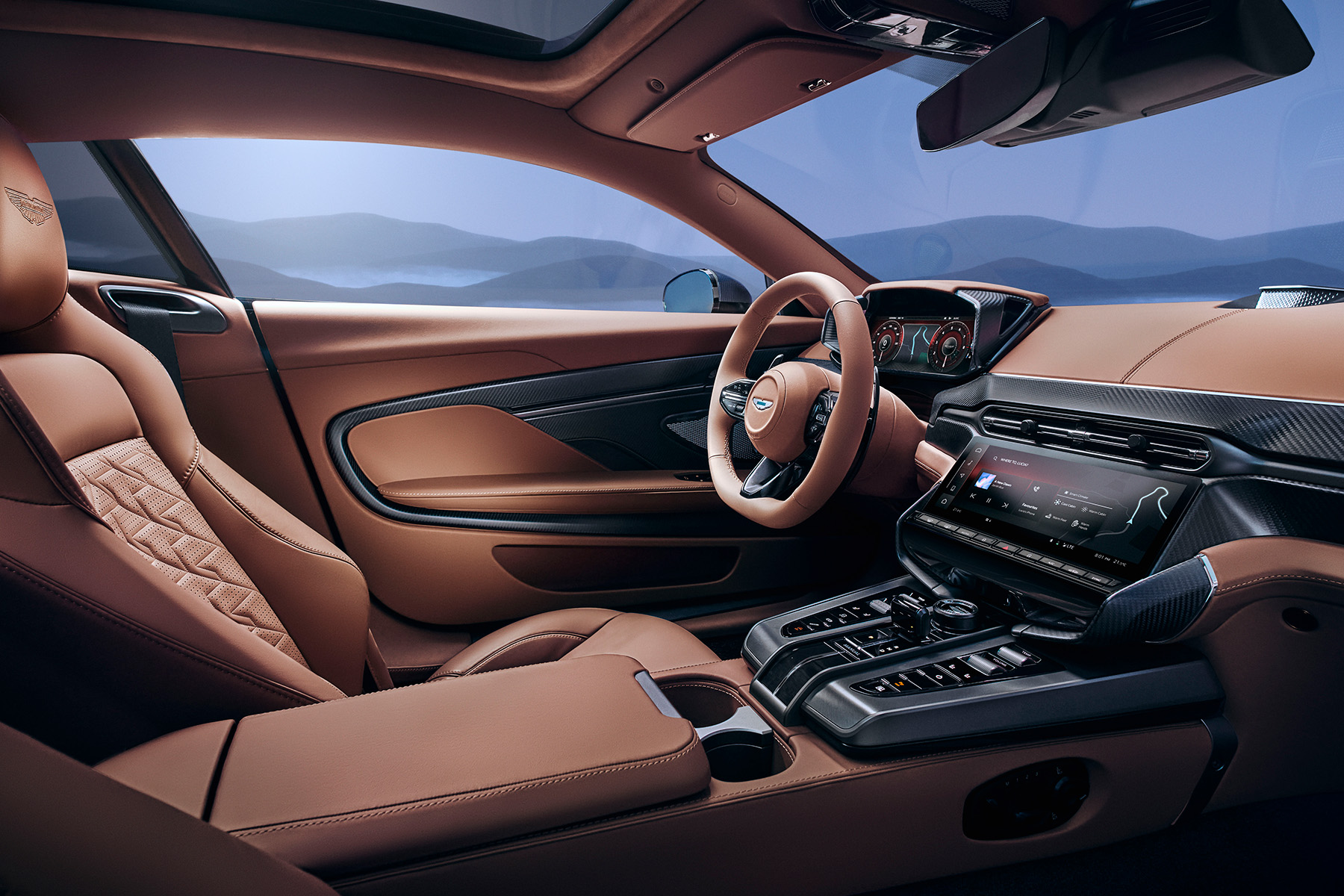
The Motoring Research team also commends the Aston for its “effortlessly comfortable” long-distance cruising ability, but also points out that the Vanquish is considerably more expensive than the brand’s DB12 grand tourer. “While the Vanquish appeals on an emotional level”, adds Parker’s Alan-Taylor Jones, “the cheaper DB12 offers two extra seats, just as much comfort and better handling.”

As of December 2025, the Aston Martin Vanquish holds a New Car Expert Rating of D, with a score of 56%. While the grand tourer is a reviewer favourite, the Vanquish scores poorly in the running costs category to no-one’s surprise, and this hinders its overall score – although we’re sure that very few potential Aston Martin customers are going to be too concerned…

Vanquish highlights

  • Potent V12 provides thrilling pace and acceleration
  • Comfortable long-distance cruiser
  • Luxurious interior fit and finish

Vanquish lowlights

  • Much more expensive than the more practical DB12
  • Very high running costs
  • Slight delay in throttle response

Key specifications

Body style: Coupé and convertible
Engines:
petrol
Price:
From £330,000 (est.) on-road

Launched: Winter 2024/25
Last updated: N/A
Replacement due: TBA

Media reviews

Highlighted reviews and road tests from across the UK automotive media. Click any of the boxes to view.

Featured reviews

More reviews

Auto Express

Auto Trader

Car

Evo

Motoring Research

Parkers

The Telegraph

Top Gear

Safety rating

Independent crash test and safety ratings from Euro NCAP

No safety rating

As of December 2025, the Aston Martin Vanquish has not been assessed by Euro NCAP.

Eco rating

Independent economy and emissions ratings from Green NCAP

No eco rating

As of December 2025, the Aston Martin Vanquish has not been assessed by Green NCAP.

Running cost rating

Clear Vehicle Data logo close crop

Monthly cost of ownership data provided exclusively for The Car Expert by Clear Vehicle Data

Fuel consumptionAverageScore
Petrol models21 mpgE
CO₂ outputAverageScoreVariationScore
Petrol models317 g/kmE
Insurance groupAverageScoreVariationScore
All models50F

The Aston Martin Vanquish is a very expensive car to own and run, according to data supplied by our partner Clear Vehicle Data.

The luxurious grand tourer has a very thirsty average fuel economy of 21mpg, and its insurance premiums are predicted to sit in the highest bracket possible. But this is a potent V12-powered supercar with a six-figure price tag – high running costs come with the territory.

Reliability rating

MotorEasy logo 600x167

Reliability data provided exclusively for The Car Expert by MotorEasy

No reliability rating

As of December 2025, we don’t have enough reliability data on the Aston Martin Vanquish to generate a reliability rating.

The Car Expert’s reliability information is provided exclusively to us using workshop and extended warranty data from our partner, MotorEasy, sourced from both official dealerships and independent workshops. 

As soon as MotorEasy has sufficient data on the Vanquish, we’ll publish the results here.

Warranty rating

New car warranty information for the Aston Martin Vanquish

Overall ratingD37%
New car warranty duration3 years
New car warranty mileageUnlimited miles
Battery warranty duration0 years
Battery warranty mileage0 miles

Aston Martin’s new car warranty is worse than average, and worse than rival brands in a similar price bracket as the Vanquish. The duration is three years.

Warranty on a used Aston Martin Vanquish

  • If you are buying an ‘Approved Used’ Aston Martin Vanquish from an official Vanquish dealership, you will get a minimum one-year warranty included.
  • If you are buying a used Aston Martin Vanquish from an independent dealership, any warranty offered will vary and will probably be managed by a third-party warranty company.
  • If you are buying a used Aston Martin Vanquish from a private seller, there are no warranty protections beyond any remaining portion of the original new car warranty.

If you’re looking to buy any used car that is approaching the end of its warranty period, a used car warranty is usually a worthwhile investment. Check out The Car Expert’s guide to the best used car warranty providers, which will probably be cheaper than a warranty sold by a dealer.

Recalls

Official DVSA safety recalls that have been issued for the Aston Martin Vanquish

As of December 2025, we are not aware of any DVSA vehicle safety recalls affecting the Aston Martin Vanquish. However, recall information is updated very regularly, so this may have changed.

You can check to see if your car has any outstanding recalls by visiting the DVLA website or contacting your local Vanquish dealer.

Awards

Significant UK trophies and awards that the Aston Martin Vanquish has received

Awards 2026 Luxury Sports Car ER Aston Martin Vanquish

2025

Similar cars

If you’re looking at a new or used Aston Martin Vanquish, you might also be interested in these alternatives

Current models: Bentley Continental GT | Ferrari 12CilindriFerrari SF90 Stradale | Lamborghini Revuelto | McLaren GTSPorsche 911 Turbo

Discontinued models: Aston Martin DBS | Ferrari 812 Superfast | Lamborghini Aventador

More information

More news, reviews and information about the Aston Martin range at The Car Expert

Everything you need to know about Aston Martin

Everything you need to know about Aston Martin

Aston Martin Vantage (2018 to 2024)

Aston Martin Vantage (2018 to 2024)

Aston Martin DBS (2018 to 2023)

Aston Martin DBS (2018 to 2023)

Aston Martin DB11 (2016 to 2023)

Aston Martin DB11 (2016 to 2023)

Building the Best of British

Building the Best of British

New cars – what’s coming in 2026

New cars – what’s coming in 2026

Best Luxury Sports Car 2026

Best Luxury Sports Car 2026

It’s time to reveal the best cars of the year…

It’s time to reveal the best cars of the year…

Flagship Aston Martin DB12 S now available to order

Flagship Aston Martin DB12 S now available to order

All the new cars launched at Goodwood 2025

All the new cars launched at Goodwood 2025

Aston Martin DBX

Aston Martin DBX

Aston Martin DB12

Aston Martin DB12

Buy an Aston Martin Vanquish

If you’re looking to buy a new or used Aston Martin Vanquish, The Car Expert’s partners can help you find the right car.

Motors 600x300

Find your next used car with Motors. Find out more

Auto Trader logo 600x300

Find your next new or used car with Auto Trader. Find out more

Carwow logo 600x300

Find your next new or used car with Carwow. Find out more

Subscribe to an Aston Martin Vanquish

If you’re interested in a car subscription, The Car Expert’s partners can help. (PS: What’s a car subscription?)

SelfDrive UK logo

Car subscriptions from SelfDrive.
Find out more

Cocoon Vehicles logo 600x300

Car subscriptions from Cocoon.
Find out more

Just Vehicle Solutions logo 600x300

Car subscriptions from Just Vehicle Solutions.
Find out more

New ‘GT Premium’ trim for Peugeot 3008 and 5008

0

Peugeot has added an additional top-spec ‘GT Premium’ trim grade to its 3008 and 5008 SUV line-ups, which introduces cosmetic tweaks and a new electric powertrain option.

This new top-spec trim is offered across the full range of drivetrain options, and sits on 19-inch diamond-cut alloys should you opt for the lead-in hybrid version, and 20-inch alloys if you choose the plug-in hybrid or electric variants.

Inside, the grade is also trimmed in black Alcantara upholstery with green contrast stitching, and comes with heated seats – the front seats being ten-way electrically adjustable with a massage function and lumbar support.

An expanded driver-assistance technology suite is also included, with a surround-view parking camera, ‘long range’ blind-spot monitoring, lane keeping assistance, semi-automatic lane changing and speed limit detection.

This model update also includes a new range-topping all-wheel drive dual-motor powertrain for the all-electric E-3008 and E-5008. Combining the standard 213hp front electric motor with an additional 112hp e-motor on the rear axle for a combined output of 325hp. This ‘Dual Motor Electric 325’ powertrain also comes with a heat pump with the ‘GT Premium’ spec.

Five of the safest new small cars on sale in 2025

Looking for a new compact family-friendly runaround? There is plenty of buyer choice in the small car category, including a whole host of new budget electric cars that have arrived on UK roads in the last 12 months. But which cars have stand-out safety credentials?

Car safety features will always be an important factor when choosing your next family car, as strong safety credentials provide peace of mind and protection in the event of an accident.

Small cars aren’t traditionally associated with strong safety, with many car buyers simply assuming that “bigger is better”. Thankfully, that attitude is changing as car brands now tend to fit their smallest models with on-board safety systems that even the most expensive luxury cars didn’t have a decade or so ago.

The organisation we consult to find out a car’s safety credentials in the UK is Euro NCAP, which independently tests new cars in every aspect of vehicle safety, over and above the bare minimum legal requirements. Though it may take a few months or years after the car’s official arrival, the organisation’s goal is to assess the safety of all new mainstream cars. Euro NCAP rates each car in four areas: adult occupant protection, child occupant protection, vulnerable road user protection (mainly cyclists and pedestrians) and safety assistance technology (accident avoidance and mitigation). The car is then given an overall star rating out of five.

Since we published our picks for the safest small cars last year, a handful of new small cars have been put through their paces by Euro NCAP, some faring better than others. For example, the compact Dacia Spring EV arrived this year but only has a one-star safety rating.

Also missing out on this list are the new Renault 4 and Renault 5 models, which were awarded four stars out of five. Our top five picks below, which include both petrol and electric models, have all been awarded a full five-star rating.

Euro NCAP regularly updates its test standards to reflect ongoing technology developments. Because of this, we’ve only included models assessed over the past three years, as a five-star model assessed in 2020 might not necessarily be a five-star car today.

Read more:

Here at The Car Expert, we firmly believe that safety is a core component of any new car. Our unique Expert Rating Index includes the full Euro NCAP results for all cars tested and keeps them up to date, as well as incorporating these safety credentials into the car’s overall score.

Five of the safest new small cars

All of our picks below are fitted with features to both help prevent collisions and protect occupants if a crash can’t be avoided. These include autonomous emergency braking, software to detect driver fatigue and a system to notify emergency services when a crash happens.

Keep in mind that, while older models on this list tested at an earlier date may have higher scores across the categories, five-star safety credentials are tougher to achieve in 2025 as Euro NCAP toughens its assessment scoring year-on-year.

Small carYear testedAdult occupant protectionChild occupant protectionVulnerable road user protectionSafety assistance technology
Mini Cooper Electric202589%87%77%79%
SEAT Ibiza202282%82%66%70%
Volkswagen Polo202294%80%70%70%
GWM Ora 03202292%83%74%93%
BYD Dolphin202489%87%85%79%
Source: Euro NCAP

Mini Cooper Electric

Safety rating

Independent crash test and safety ratings from Euro NCAP

Overall score: 5 stars
Date tested: March 2025
Read the full Euro NCAP review

Adult protection: 89%
Child protection: 87%
Vulnerable road users: 77%
Safety assist: 79%

Although the Mini Cooper may look the same, regardless of whether its powered by petrol or electricity, the two cars are actually completely different under the skin. The petrol-powered Cooper is an extensive update over the previous Mini hatchback, which dates all the way back to 2014, while the Mini Cooper Electric is an all-new car. Unsurprisingly, this means that the electric version has a better safety rating than the petrol version.

The Mini Cooper was awarded five-star safety credentials by Euro NCAP in March 2025, with strong scores across all four categories. The car demonstrated good protection against whiplash injuries in multiple crash scenarios and has an ‘active bonnet’ system that lifts the bonnet in a collision to reduce injury to a pedestrian.

The Mini Cooper Electric currently holds a New Car Expert Rating of A in our industry-leading Expert Rating Index, with a score of 82%.

SEAT Ibiza

SEAT Ibiza FR (2021 - present) front view | Expert Rating

Safety rating

Independent crash test and safety ratings from Euro NCAP

Overall score: 5 stars
Date tested: October 2022
Read the full Euro NCAP review

Adult protection: 82%
Child protection: 82%
Vulnerable road users: 66%
Safety assist: 70%

On sale since 2017, the long-standing SEAT Ibiza sat at the top of the small car category in our Expert Rating index due to its combination of driving comfort, refined interior and competitive pricing.

The hatchback was re-tested by Euro NCAP after its 2022 facelift, and while the Ibiza doesn’t hold the best score in any of Euro NCAP’s categories, the SEAT performed well in every test, with no notable points of concern. That said, the Ibiza doesn’t have the centre airbag countermeasures that the Mini has.

The SEAT Ibiza currently holds a New Car Expert Rating of A with a score of 74% in our Expert Rating Index, which puts it near the top of the small car segment.

Volkswagen Polo

Volkswagen Polo (2021 facelift) - front view

Safety rating

Independent crash test and safety ratings from Euro NCAP

Overall score: 5 stars
Date tested: March 2022
Read the full Euro NCAP review

Adult protection: 94%
Child protection: 80%
Vulnerable road users: 70%
Safety assist: 70%

Passing its Euro NCAP tests with flying colours back in early 2022, the facelifted version of the Volkswagen Polo was highlighted for its impressive driver and passenger protection in the event of a collision.

This was the second time the Polo has been awarded a five-star rating from Euro NCAP, after its first crash test in late 2017. The German supermini has the best adult occupant protection score of any car on this list – meaning it offers the best crash protection for the driver and adult passengers – and it’s a very good all-rounder with high scores in the other categories.

The Volkswagen Polo currently holds a very good New Car Expert Rating of A with a score of 75% in our Expert Rating Index, which puts it at the top of the small car segment.

GWM Ora 03

Ora Funky Cat front view | Expert Rating

Safety rating

Independent crash test and safety ratings from Euro NCAP

Overall score: 5 stars
Date tested: September 2022
Read the full Euro NCAP review

Adult protection: 92%
Child protection: 83%
Vulnerable road users: 74%
Safety assist: 93%

You may not have heard of the GWM Ora 03 – you might even know it by its old name, the ‘Funky Cat’ – but this electric Chinese hatchback is Euro NCAP’s recommended small family car, as it excelled during its crash test assessments in late 2022.

Besides its strong adult occupant protection score, the supermini has a much better safety assistance technology score (that helps to avoid the crash before it happens) than any other car in this bracket – a score that many much larger cars cannot beat.

The GWM Ora 03 currently holds a New Car Expert Rating of A with a score of 73% in our Expert Rating Index – a commendable score that puts it towards the top of the small car segment.

BYD Dolphin

BYD Dolphin front view | Expert Rating

Safety rating

Independent crash test and safety ratings from Euro NCAP

Overall score: 5 stars
Date tested: October 2023
Read the full Euro NCAP review

Adult protection: 89%
Child protection: 87%
Vulnerable road users: 85%
Safety assist: 79%

Another electric supermini from a Chinese brand, the BYD Dolphin is the latest small car to be assessed by Euro NCAP, and for families, it is perhaps the most impressive battery-powered choice.

The Dolphin has the highest child occupant protection and vulnerable road user protection (pedestrians and cyclists) scores of any car on this list, and it performed well in the adult protection and safety tech categories too.

The BYD Dolphin currently holds a New Car Expert Rating of A with a score of 76%, a fraction behind the segment-leading Volkswagen Polo in our Expert Rating Index.

In addition to these five outstanding cars, many other compact options have commendable five-star safety credentials, including but not limited to:

Read more:

Everything you need to know about Ferrari

There are very few car names that just about everyone will immediately recognise – but Ferrari is certainly one of them. 

The story of Ferrari is one of two separate businesses – the racing team and the production car operation – joined at the hip but operating quite independently of one another for most of the company’s history.

The racing team came first, created by Enzo Ferrari in 1929 to run Alfa Romeos in competitions all over Europe. The road car business didn’t come along for another 20 years, after the second world war, and was originally little more than a means for Enzo to fund his racing programme.

Over its almost-100-year history, Ferrari has become not only the most revered name in world motorsport, but the most exclusive of sports car manufacturers. In Italy, Ferrari is not merely a car maker but almost a religion. Its most fanatical fans even have their own name – the tifosi.

How did a failed racing driver from a working-class family in the 1920s achieve all this? Read on…     

So who or what is Ferrari?

The foundation of Ferrari is built on motor racing. In founder Enzo Ferrari’s lifetime, the road car business basically only existed to pay for his motor racing exploits.

Enzo started competing in 1919 at the age of 21. He managed to get a seat driving for Alfa Romeo, Italy’s premier post-war racing team, but his managerial skills turned out to be significantly better than his driving and he eventually became Alfa’s team manager.

He founded his own team in 1929, called Scuderia Ferrari, and purchased a few Alfa Romeos to race. Alfa then decided to shut down its own racing team and handed everything over to Scuderia Ferrari to become the company’s unofficial racing department. In 1937, Alfa bought it all back again at a handsome profit for Enzo, but he became disillusioned and left in 1939 to set up on his own again.

War then intervened before Enzo had even started making his own cars and, like pretty much every other car company in the world, his manufacturing operations were turned over to the production of war materials. As soon as the war was over, Enzo returned to his ambition to manufacture his own racing cars.

To help fund his ambitions, Ferrari planned to sell racing cars to wealthy amateur drivers. This inevitably led to the idea of selling road cars to similarly wealthy customers, and the Ferrari car company was officially born in 1947.

For many years, Ferrari’s road vehicles were little more than barely detuned racing cars with number plates. Enzo Ferrari himself had little interest in the road car division – it existed solely to fund his racing team.

The early road cars were typically two-seat models with V12 engines and bodies designed by various Italian coachbuilders. Eventually, Ferrari settled on Turin firm Pininfarina to design his cars, a relationship that would last for 60 hugely successful years until styling was taken in-house in 2012.

As the 1950s progressed, Ferrari road cars became increasingly desirable. Hollywood stars considered they’d really made it if they drove one, or even were seen in one, and the company developed a mystique unlike any other brand. By 1960, however, the demands of running the car company and the racing team were taking their toll, and Enzo began looking for an alliance to help with road car production. Talks with Ford proceeded a long way, but Enzo abruptly ended them to the fury of Henry Ford II, who resolved to beat Ferrari at Le Mans, leading to a fierce on-track rivalry between the two brands in the late 1960s.

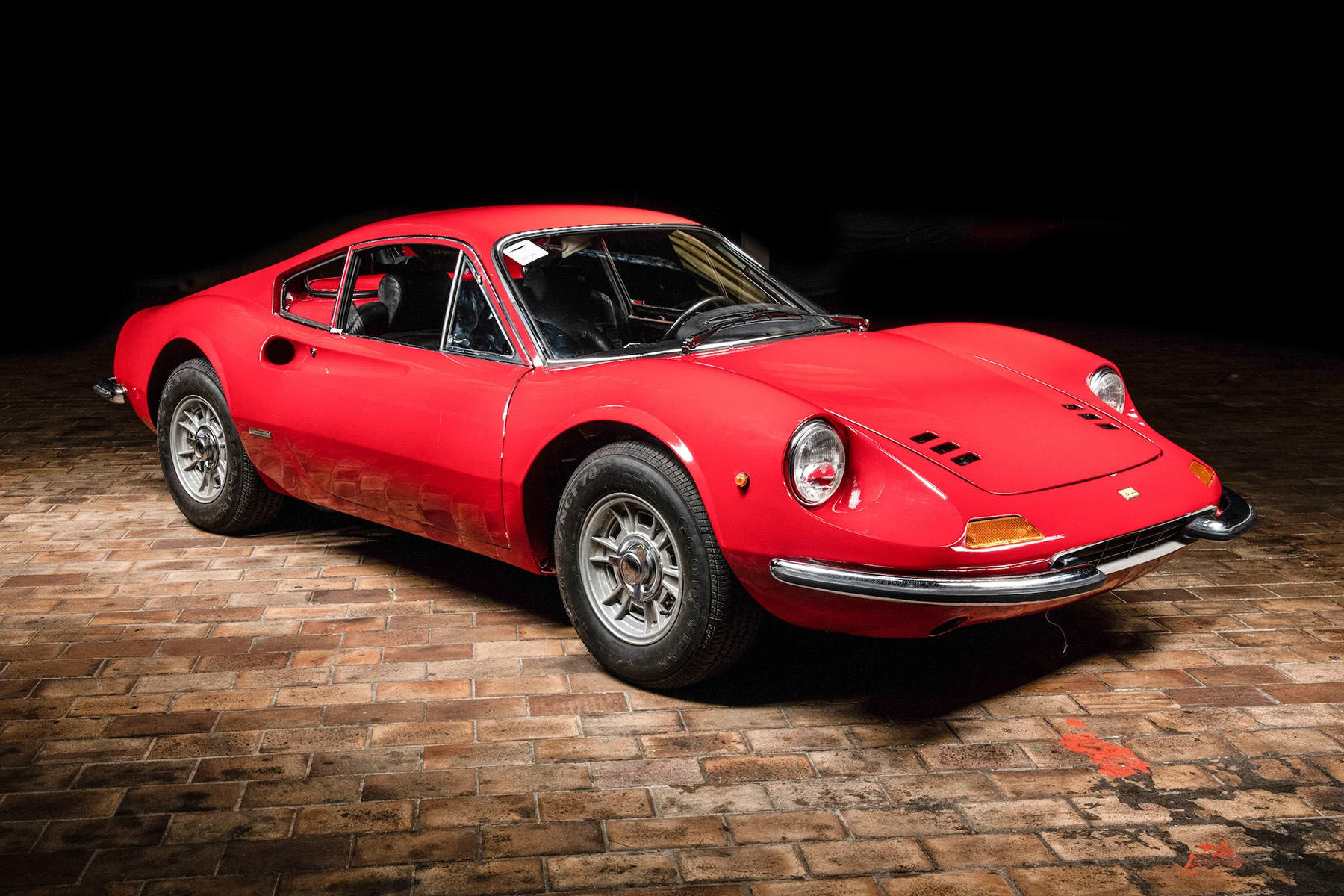
Ferrari finally found its partner in Fiat, which took a 50% stake in the company in 1969. Enzo had just launched the Dino 206, named after his son who had died as a young man. Fiat’s help was essential to get the Dino up and running, followed by other decisive models such as the sharply styled Daytona and a range of new cars throughout the 1970s.  

In the 1980s, Ferrari launched its first supercar, the 288 GTO, which was followed by the F40, Enzo’s last car before he died in 1988.

Upon Enzo’s death, Fiat’s stake in Ferrari increased to 90%, with the remaining 10% going to Enzo’s second son, Piero. After a tumultuous period of transition and some dark financial periods that would have almost certainly buried the company without Fiat’s benevolence, Ferrari stabilised and then began to improve. Over the next three decades, the road car division blossomed like never before, with a succession of outstanding new production models and limited-edition flagship models like the F50, Enzo Ferrari, LaFerrari and now the new F80.

Ferrari became an independent company once again in 2016, separated from Fiat after nearly 50 years of ownership, and has flourished on its own. It sells less than 14,000 cars a year, but is considered one of the most valuable car manufacturers in the world, worth around $85 billion in 2023.  

The company is still largely defined by its performance on the race track, having become the most renowned team in international motorsport. To date, it has won 15 F1 World Drivers’ Championships, 16 F1 World Constructors’ Championships and 12 overall victories in the Le Mans 24 Hours, as well as thousands of race victories in many categories of GT racing on tracks all over the world.

What models does Ferrari have and what else is coming?

Today, the cheapest Ferrari starts at around £180,000 and prices escalate quickly up to around half a million – and even further if you want one of the company’s limited-run specials that pop up from time to time. Yet Ferrari supercars sell out virtually as they are announced and even getting on the waiting list is by no means guaranteed.

Ferrari’s cars are always produced in limited numbers, with demand consistently outstripping supply and maintaining the image of exclusivity. Each new model tends to earn rave reviews for its performance and driving dynamics. Typically, the cars are expensive to own and have limited environmental credentials, but these factors seldom concern their owners. As such, they all tend to struggle in The Car Expert’s unique Expert Rating Index, but this will be unlikely to bother too many current or prospective customers.

Even Ferrari has to have a starting point for its model range, a position currently filled by the Roma, priced from £178,000 as a coupe, £213,000 in convertible form. Reviewers describe it as mixing performance with as much practicality as one might expect from a Ferrari. 

The Roma is about to be replaced by a new model called the Amalfi. The newcomer uses the same chassis as its predecessor, although with revised styling and various technical improvements. For now, the drop-top Roma Spider will remain on sale, with a convertible version of the Amalfi not due for another year or so. 

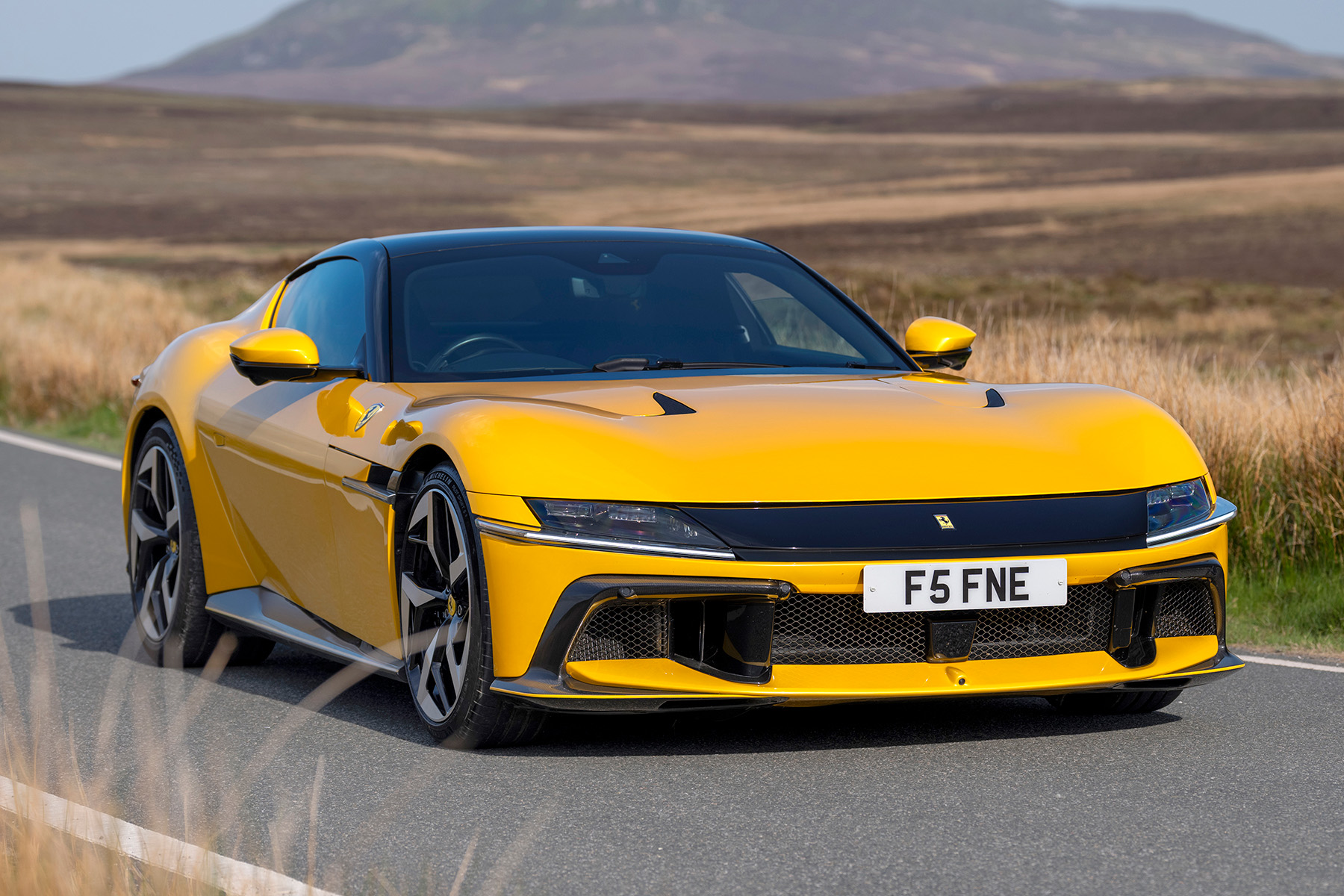
The Roma’s big brother is the Ferrari 12Cilindri, launched in 2024 as the latest in a long line of large GT models powered by the V12 engines that were always the favourites of founder Enzo Ferrari. Anyone wealthy enough to pay the £340,000 starting price (for the coupe, the convertible adding another £30,000) will enjoy the 12Cilindri’s on-road performance, universally praised by reviewers.

Current Ferrari range on our Expert Rating Index

Ferrari 12Cilindri

Ferrari 12Cilindri

Ferrari 296

Ferrari 296

Ferrari Purosangue

Ferrari Purosangue

Ferrari Roma

Ferrari Roma

Ferrari SF90 Stradale (2019 to 2025)

Ferrari SF90 Stradale (2019 to 2025)

Ferrari has not ignored recent trends in the luxury market and in a move regarded as sacrilege to some, has followed the likes of Lamborghini and Maserati by launching an SUV. The Purosangue went on sale in 2023 at prices starting from £361,000. Yet while it may be Ferrari’s first five-door model, this car is nothing like a typical SUV, with a 6.5-litre V12 petrol engine and a body shape closer to a sports car. 

Ferrari doesn’t like the phrase SUV, calling the Purosangue a ‘dynamic coupe’, and reviewers have agreed that it drives like pretty much no other SUV on sale.

Owning a Ferrari might be a petrolhead’s ultimate dream, but the marque cannot ignore the march of electrification. You can’t buy a fully electric Ferrari yet, although that will change in 2026. Meanwhile, two plug-in hybrid models have emerged from Maranello.

The Ferrari 296 is mid-engined with a plug-in hybrid 3.0-litre V6 unit, offered as either a GTB coupe from £260,000 or as the GTS, which has a targa top and starts at £280,000. Reviewers praised its style, performance and road dynamics, but were less impressed with the electric system and the touch-sensitive driving controls. 

In the same way that the Roma has a big brother in the 12Cilindri, the 296 has a bigger, faster sibling called the SF90 Stradale – again, available in coupe and cabriolet format and with an even more powerful plug-in hybrid powertrain. The car was launched in 2019 to mark the 90th anniversary of the race team, although it’s now out of production and about to be replaced by an upgraded model called the 849 Testarossa.

Next year will be a big one for the company. As well as introducing the new Amalfi and Testarossa models, Ferrari will unveil its first fully electric model. It has already shown off some of the technical features of its new EV, but we have yet to see the car itself and we don’t even know what its name will be.

Where can I try a Ferrari car?

You will not find a Ferrari outlet on your average high street or industrial estate – there are a mere 18 official showrooms around the UK, with the highest concentration located in the Home Counties around London.

As one might expect, each centre is more of a plush boutique than a run-of-the-mill car dealership, and not the kind of place one might while away an hour or two kicking tyres on a Saturday afternoon…

What makes Ferrari different to the rest?

In today’s market, there are more than a few manufacturers of top-level desirable supercars – but only one is Ferrari. The Italian manufacturer has built up a mystique that no amount of promotion can ever replicate.

Part of this stems from Ferrari being a manufacturer that never lets production of its cars overtake demand. It is also said that you can’t simply go out and buy a new Ferrari – the company considers the merit of all of its customers, ranking their desirability, and in some cases, the most exclusive models are only sold to those who have already owned several Ferraris.

Ferrari also monitors what owners do with their cars; modifications are not allowed unless carried out by the factory, and owners not treating their cars with suitable respect can be blacklisted – some have even been sued by the company. All of this helps to maintain the most exclusive brand image in the car market. 

Many of those lucky enough to own a Ferrari probably don’t care how it ranks against rivals – it’s a Ferrari, that’s all that matters to them, and the reason all those rivals will always come second to the cars with the prancing horse badge.        

A Ferrari fact to impress your friends

With a brand as romantic as Ferrari, it should come as no surprise to learn that the company’s famous prancing horse logo has a famous and complex story behind it as well.

The logo was previously used by Italian WWI flying ace, Count Francesco Baracca. His mother asked Ferrari to carry the prancing horse on his cars for luck, and so Baracca’s logo became the basis for Ferrari’s famous cavallino rampante.

What is less well known is that Baracca apparently adopted the horse as his logo after shooting down a German pilot, who was carrying the prancing horse logo on his plane as it was the emblem of his home town of Stuttgart. Many years later, Stuttgart would become the home of Porsche, which contains the city’s emblem in the centre of its own company logo – the very same prancing horse…

Buy a Ferrari

If you’re looking to buy a new or used Ferrari, The Car Expert’s partners can help you find the right car.

Motors 600x300

Find a used Ferrari with Motors. Find out more

Auto Trader logo 600x300

Find a new or used Ferrari with Auto Trader. Find out more

Carwow logo 600x300

Find a new or used Ferrari with Carwow. Find out more

Chery Tiggo 9 hybrid SUV arrives in UK

0

Chinese motoring giant Chery has launched its large flagship Tiggo 9 SUV in the UK, with the first customer orders to arrive before the end of the year.

Sitting above the Tiggo 7 and Tiggo 8, this upmarket seven-seat family hauler is the third Chery model to arrive on British roads since the Chinese manufacturer’s introduction to British buyers this Summer.

Following the sales success of sister brands Omoda and Jaecoo – the Jaecoo 7 in particular now regularly appearing in the monthly best-seller charts – parent marque Chery is now rolling out its models in rather rapid succession as it attempts to become an established brand in the UK, with pricing that undercuts its European and Asian rivals.

Closely related to the upcoming Jaecoo 8 SUV, the Tiggo 9 is limited to one powertrain choice and trim at launch. It is an all-wheel drive plug-in hybrid, or ‘Super Hybrid’ model, powered by a 1.5-litre turbocharged petrol engine and two electric motors, which combine to provide a total power output of 428hp.

Chery adds that the large SUV can complete a 0-62mph sprint in 5.4 seconds, making it one of the quickest models off the line in the large SUV class, and that the car can muster up to a reported 91 miles of electric-only driving, which is the longest electric range of any hybrid currently on sale.

Charging at DC speeds of up to 71kW, a 30% to 80% battery top up takes around 18 minutes. The car also has a vehicle-to-load (V2L) port, allowing the owner to charge external electric devices like laptops, kettles and even other cars using the SUV’s battery.

Buyers can only opt for the high-spec ‘Summit’ trim grade, which includes a large 16-inch central touchscreen and ten-inch digital instrument cluster display on the dashboard, a premium 14-speaker Sony sound system, heated and ventilated seats in the front and back, dual-zone climate control, ambient lighting and a wireless smartphone charging pad. The car sits on 20-inch alloy wheels.

UK pricing begins at just over £43k, making the Tiggo 9 around £4k cheaper than the entry-level Kia Sorento plug-in hybrid which comes with less equipment.

Toyota bZ4X gets battery range upgrade

0

Toyota has given its mid-sized all-electric bZ4X SUV a facelift that will become available to order in early November, including cosmetic changes, a longer standard equipment list and improved powertrain tech.

Starting with the exterior looks, Toyota has given the SUV a few minor front end design changes, including a more angular daytime running light shape and a new ‘Hammerhead’ LED headlight signature. The car’s alloy wheel design is also new.

Inside, Toyota has revised the dashboard layout and design, introducing a larger 14-inch infotainment touchscreen (replacing the old 12-inch screen) included as standard, above a new ‘digital island’ centre console that incorporates twin wireless smartphone chargers. Buyers will also be able to spec their model with a large panoramic sunroof, which is an optional extra.

Toyota adds that its engineers have also re-tuned the bZ4X’s suspension “for increased ride comfort and improved handling”, and the manufacturer has also been able to further reduce noise and vibration when driving.

The headline change however is the powertrain upgrade. One of the key criticisms levelled against the bZ4X since launch has been its rather uncompetitive maximum battery range, which is bested by several close competitors.

The post-facelift range includes both entry-level 58kWh and top-spec 73kWh battery choices. The latter can reportedly muster up to 352 miles on a single charge – around 39 miles more than the current top-spec bZ4X model can handle. Range-topping ‘Excel’ grade models also come with a 22kW built-in AC charger, instead of the standard 11kW AC charger.

UK pricing will begin at just under £40k for the front-wheel drive 58kWh ‘Icon’ model, rising to over £51k for the all-wheel drive 73kWh ‘Excel’. Orders open on 3rd November, with the first customer deliveries expected to arrive in January.

The Toyota bZ4X holds a New Car Expert Rating of A, with a score of 79%. It gets top marks for its excellent safety rating, zero tailpipe emissions and strong media reviews. Running costs are also good.

Mazda 6e

Summary

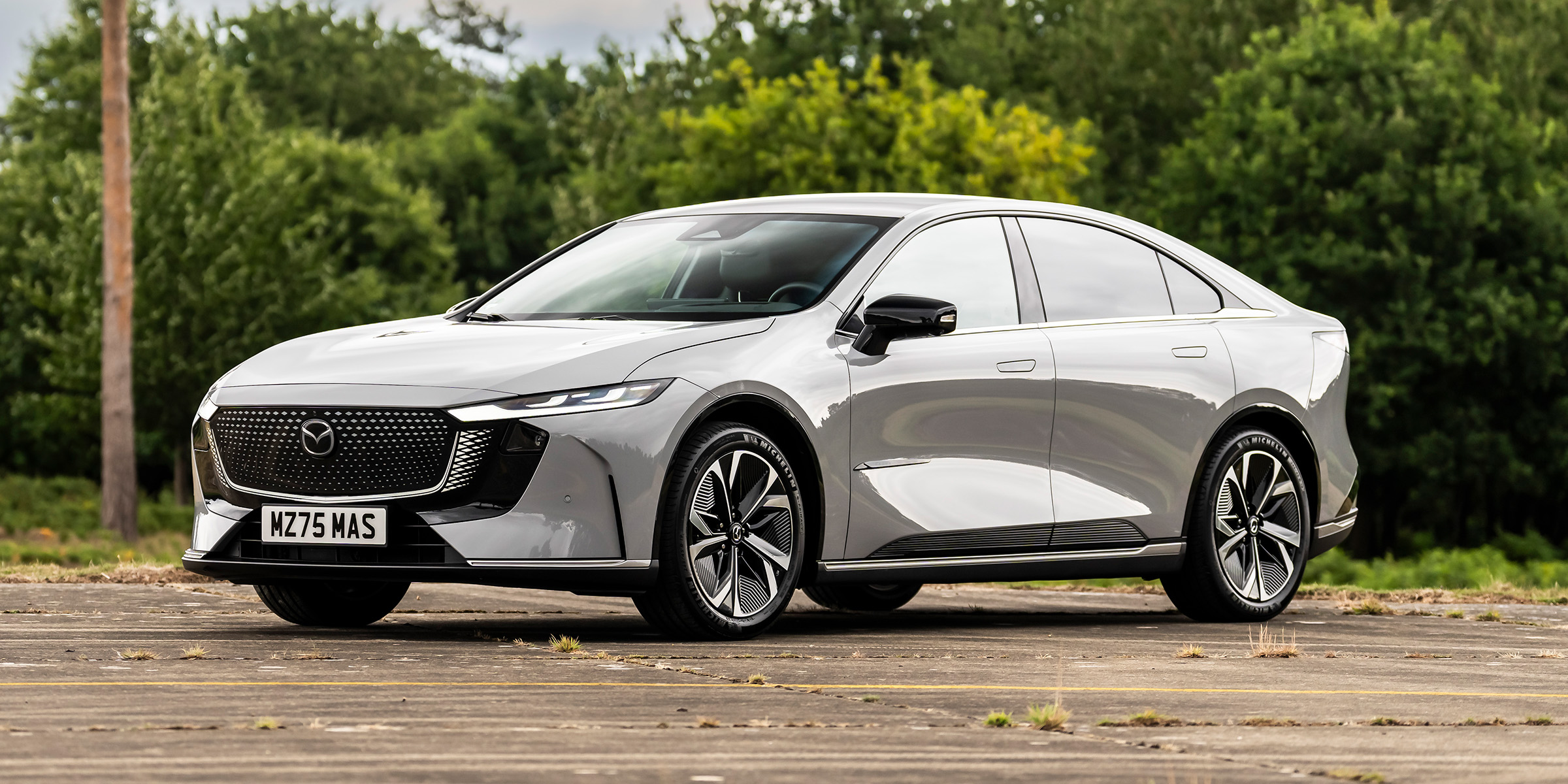
The all-electric successor to the petrol-powered Mazda 6, the 6e is a large battery-powered saloon that is set to go on sale in the UK in early 2026.

Already on sale in Asia, the Mazda 6e was designed in collaboration with Chinese automaker Changan, and shares its foundations with the similarly-sized Changan Deepal L07 liftback.

Concluding that the saloon “lacks the unique magic we’ve come to know from Mazda”, Autotrader’s Catherine King explains that “the Chinese influence is overwhelmingly apparent, with fiddly touchscreen controls and overzealous driver aids.”

Despite a “firm ride” and an “irksome” infotainment system, Car’s Ben Whitworth argues nevertheless that “the Mazda should prove attractive to buyers by its combination of its sleek looks, decent range and generous specification levels.”

Not yet on sale in the UK at the time of writing, we are yet to give the Mazda 6e an Expert Rating score. Beyond the car’s middling review scores, the saloon has also been put through its paces by Euro NCAP, which awarded the Mazda a full five-star safety rating.

6e highlights

  • Spacious and stylish interior
  • Large boot
  • Sharp steering
  • Well-equipped as standard

6e lowlights

  • Frustrating infotainment system and safety tech
  • Slow maximum charging speed
  • Rather firm ride quality
  • Rivals offer more battery range

Key specifications

Body style: Large saloon
Engines:
electric, battery-powered
Price:
TBA

Launching: Spring 2026
Last updated: N/A
Replacement due: TBA

Media reviews

Highlighted reviews and road tests from across the UK automotive media. Click any of the boxes to view.

Featured reviews

More reviews

Auto Trader

Car

Electrifying.com

Heycar

Parkers

The Telegraph

Safety rating

Independent crash test and safety ratings from Euro NCAP

Overall score: 5 stars
Date tested: October 2025
Read the full Euro NCAP review

Adult protection: 93%
Child protection: 93%
Vulnerable road users: 74%
Safety assist: 77%

Eco rating

Independent economy and emissions ratings from Green NCAP

No eco rating

As of October 2025, the Mazda 6e has not been assessed by Green NCAP.

The Green NCAP programme measures exhaust pollution (which is zero for an electric car) and energy efficiency. Electric cars are much more energy-efficient than combustion cars, so the 6e is likely to score very highly in Green NCAP testing if and when it takes place. Check back again soon.

Running cost rating

Clear Vehicle Data logo close crop

Monthly cost of ownership data provided exclusively for The Car Expert by Clear Vehicle Data

No data yet

As of October 2025, we don’t have independently verified data available for the Mazda 6e. Check back again soon.

Reliability rating

MotorEasy logo 600x167

Reliability data provided exclusively for The Car Expert by MotorEasy

No reliability rating

As of October 2025, we don’t have enough reliability data on the Mazda 6e to generate a reliability rating.

The Car Expert’s reliability information is provided exclusively to us using workshop and extended warranty data from our partner, MotorEasy, sourced from both official dealerships and independent workshops. 

As soon as MotorEasy has sufficient data on the 6e, we’ll publish the results here.

Warranty rating

New car warranty information for the Mazda 6e

Overall ratingA89%
New car warranty duration6 years
New car warranty mileage100,000 miles
Battery warranty duration8 years
Battery warranty mileage100,000 miles

Mazda has improved its warranty offering in 2025, extending its new car coverage from a bog-standard three years to a far more impressive six years. That’s now better than rival brands in a similar price bracket as the 6e.

From September 2025 onwards, the duration is six years, with a limit of 100,000 miles (up from three years/60,000 miles). In addition to the standard new car warranty, there’s an eight-year/100,000-mile warranty for the battery components.

Warranty on a used Mazda 6e

  • If you are buying an ‘Approved Used’ Mazda 6e from an official Mazda dealership, you will get a minimum one-year warranty included.
  • If you are buying a used Mazda 6e from an independent dealership, any warranty offered will vary and will probably be managed by a third-party warranty company.
  • If you are buying a used Mazda 6e from a private seller, there are no warranty protections beyond any remaining portion of the original new car warranty.

If you’re looking to buy any used car that is approaching the end of its warranty period, a used car warranty is usually a worthwhile investment. Check out The Car Expert’s guide to the best used car warranty providers, which will probably be cheaper than a warranty sold by a dealer.

Recalls

Official DVSA safety recalls that have been issued for the Mazda 6e

As of October 2025, we are not aware of any DVSA vehicle safety recalls affecting the Mazda 6e. However, recall information is updated very regularly, so this may have changed.

You can check to see if your car has any outstanding recalls by visiting the DVLA website or contacting your local Mazda dealer.

Similar cars

If you’re looking at a new or used Mazda 6e, you might also be interested in these alternatives

Audi A6 e-tron | BMW i5 | Citroën ë-C4 | Genesis Electrified G80 | Hyundai Ioniq 6 | Kia EV6 | Mercedes-Benz EQE | Polestar 2 | Tesla Model 3 | Volkswagen ID.7

More information

More news, reviews and information about the Mazda 6e at The Car Expert

Mazda 6 (2013 to 2022)

Mazda 6 (2013 to 2022)

Everything you need to know about Mazda

Everything you need to know about Mazda

New battery-powered Mazda 6e range debuts

New battery-powered Mazda 6e range debuts

Mazda 6 review (2015 – 2017)

Mazda 6 review (2015 – 2017)

Mazda celebrates centenary with special edition models

Mazda celebrates centenary with special edition models

Mazda 6 review

Mazda 6 review

New Mazda 6 prices announced

New Mazda 6 prices announced

Mazda gets on the scrappage scheme bandwagon

Mazda gets on the scrappage scheme bandwagon

Buy a Mazda 6e

If you’re looking to buy a new or used Mazda 6e, The Car Expert’s partners can help you find the right car.

Motors 600x300

Find your next used car with Motors. Find out more

Auto Trader logo 600x300

Find your next new or used car with Auto Trader. Find out more

Carwow logo 600x300

Find your next new or used car with Carwow. Find out more

Subscribe to a Mazda 6e

Subscriptions are becoming a very popular way for consumers to try an electric car for a few weeks or months to help decide whether it’s a suitable alternative to a petrol car. If you’re interested in a car subscription, The Car Expert’s partners can help. (PS: What’s a car subscription?)

SelfDrive UK logo

Car subscriptions from SelfDrive.
Find out more

Cocoon Vehicles logo 600x300

Car subscriptions from Cocoon.
Find out more

Just Vehicle Solutions logo 600x300

Car subscriptions from Just Vehicle Solutions.
Find out more

Volkswagen Touareg to be pulled from sale after ‘Final Edition’

0

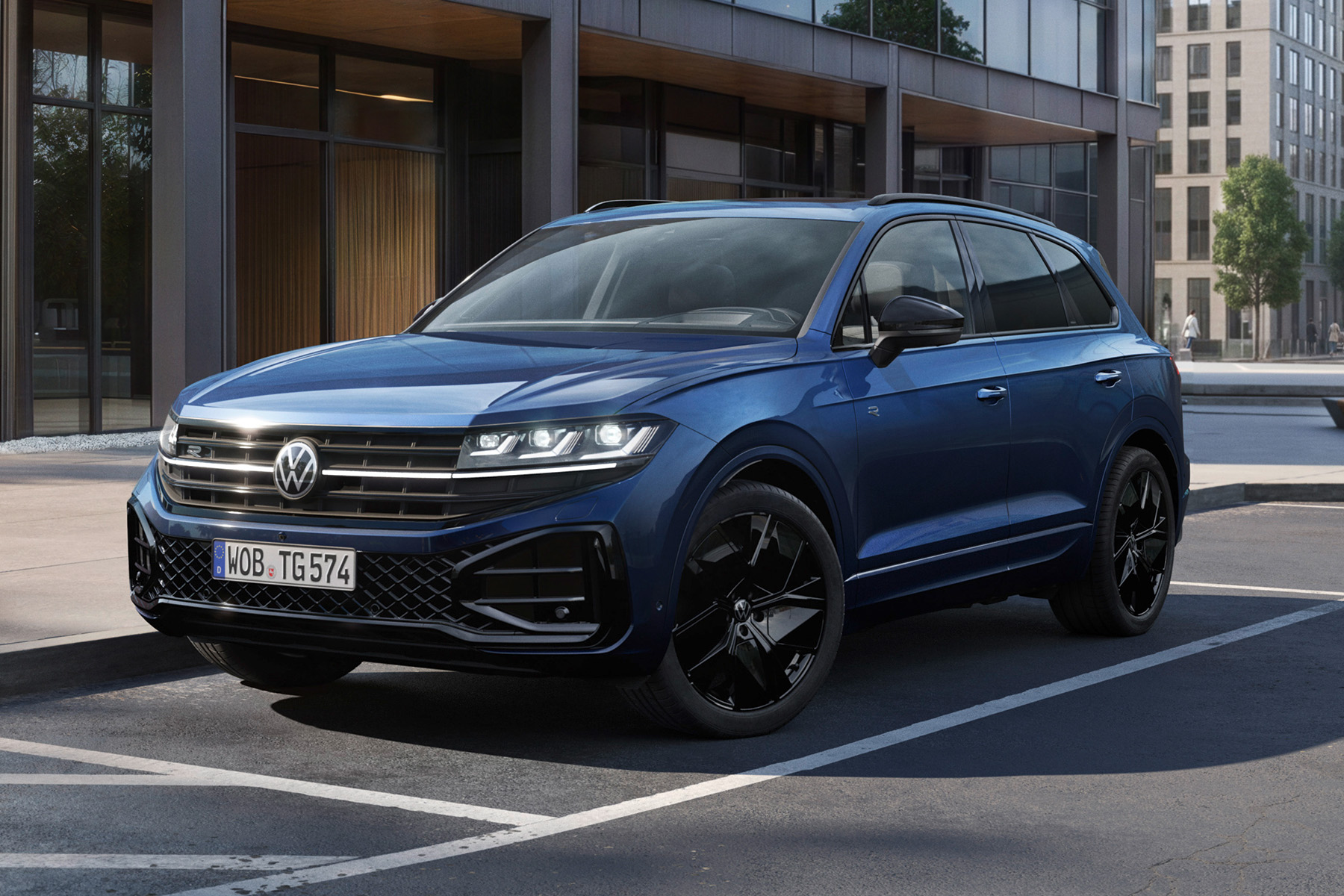
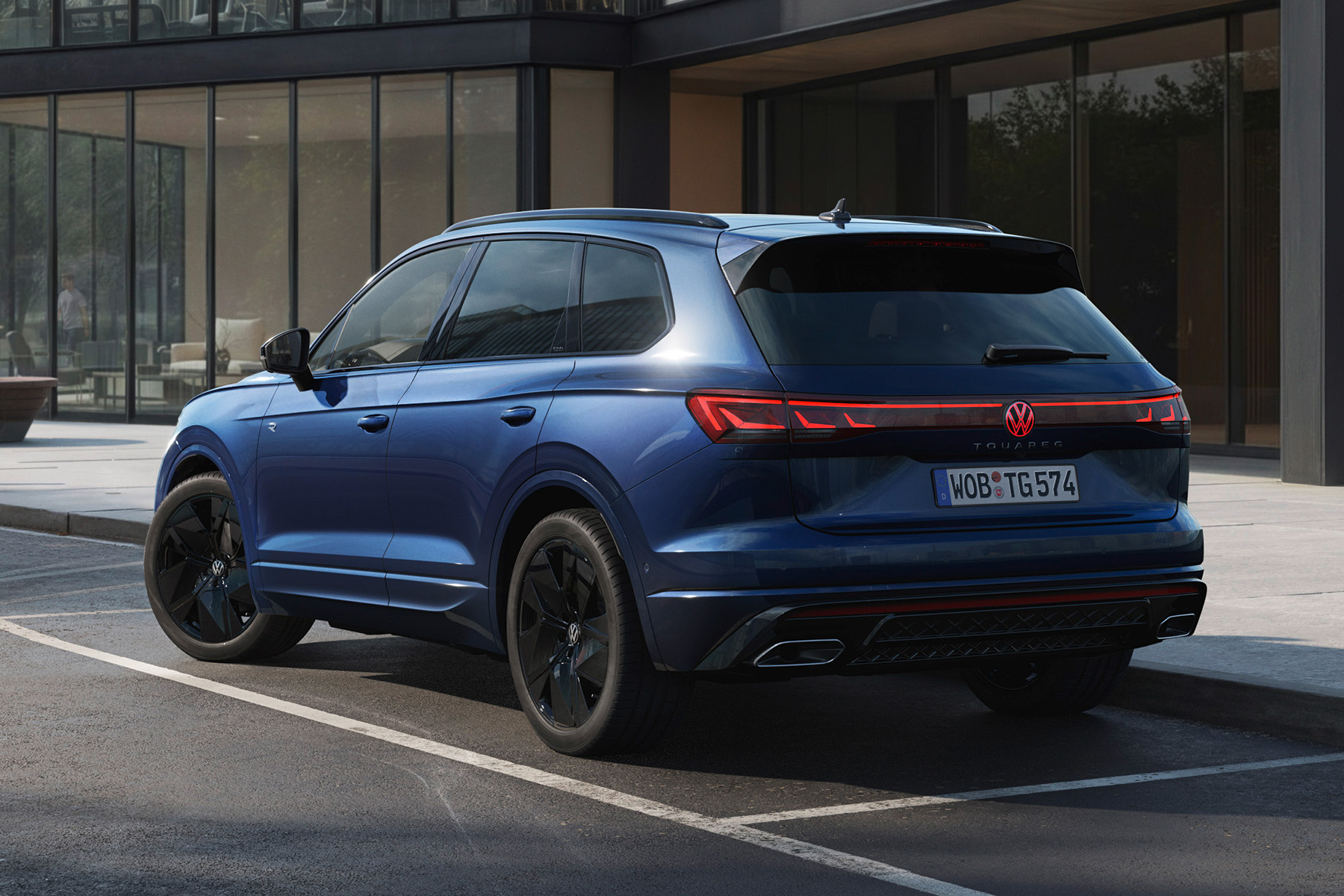
Volkswagen has announced that it will be retiring its large ICE-powered Touareg SUV sometime in 2027, following the arrival of a top-spec ‘Final Edition’ model.

Capping off nearly 25 years of Touareg sales – the large SUV has been sold in the UK over three models generations since 2002 – this ‘Final Edition’ version is essentially a range-topping cosmetic pack that introduces minor design changes, sitting above the ‘Black Edition’ trim.

On the outside, ‘Final Edition’ lettering is laser-engraved on the window surrounds of the rear doors.

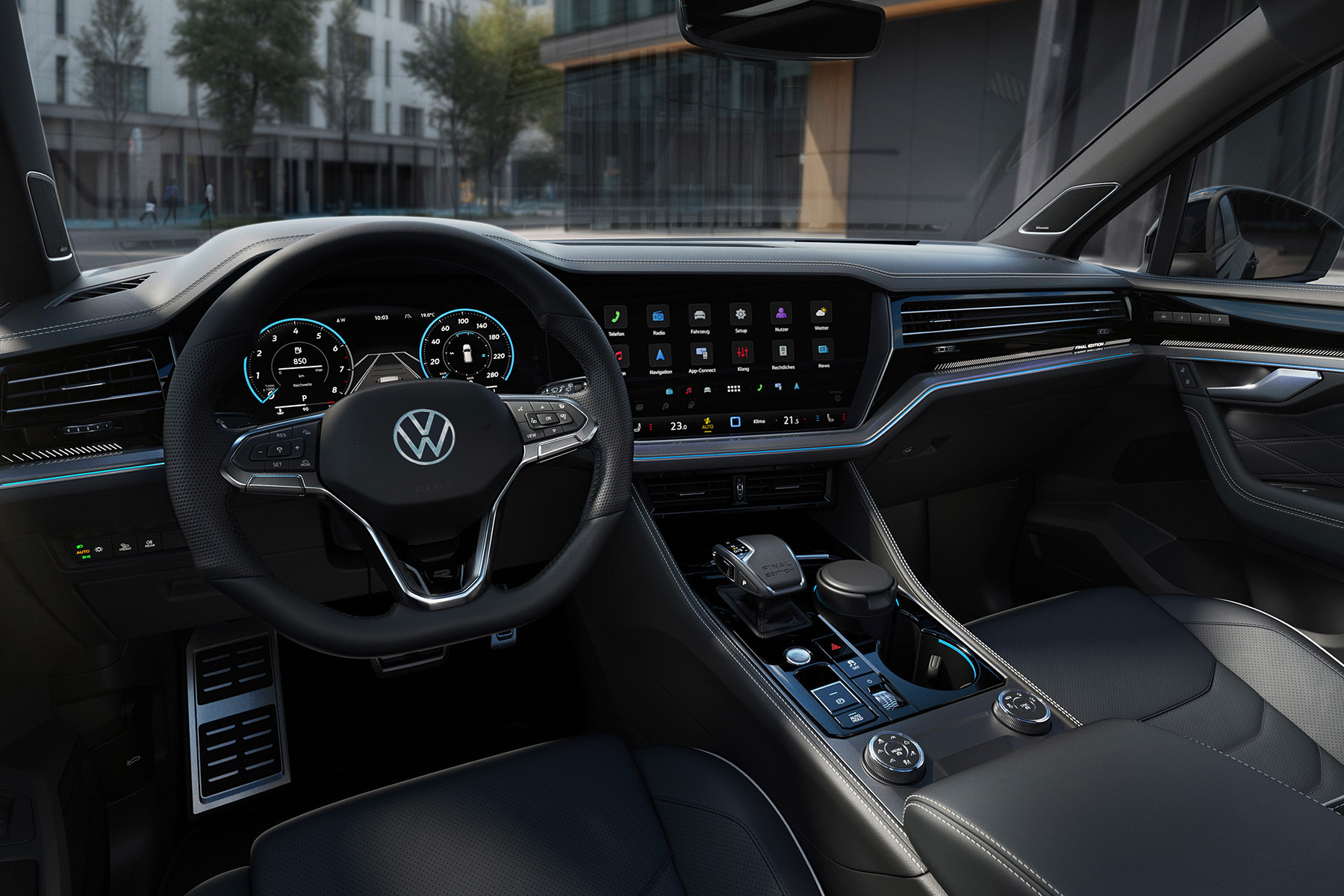
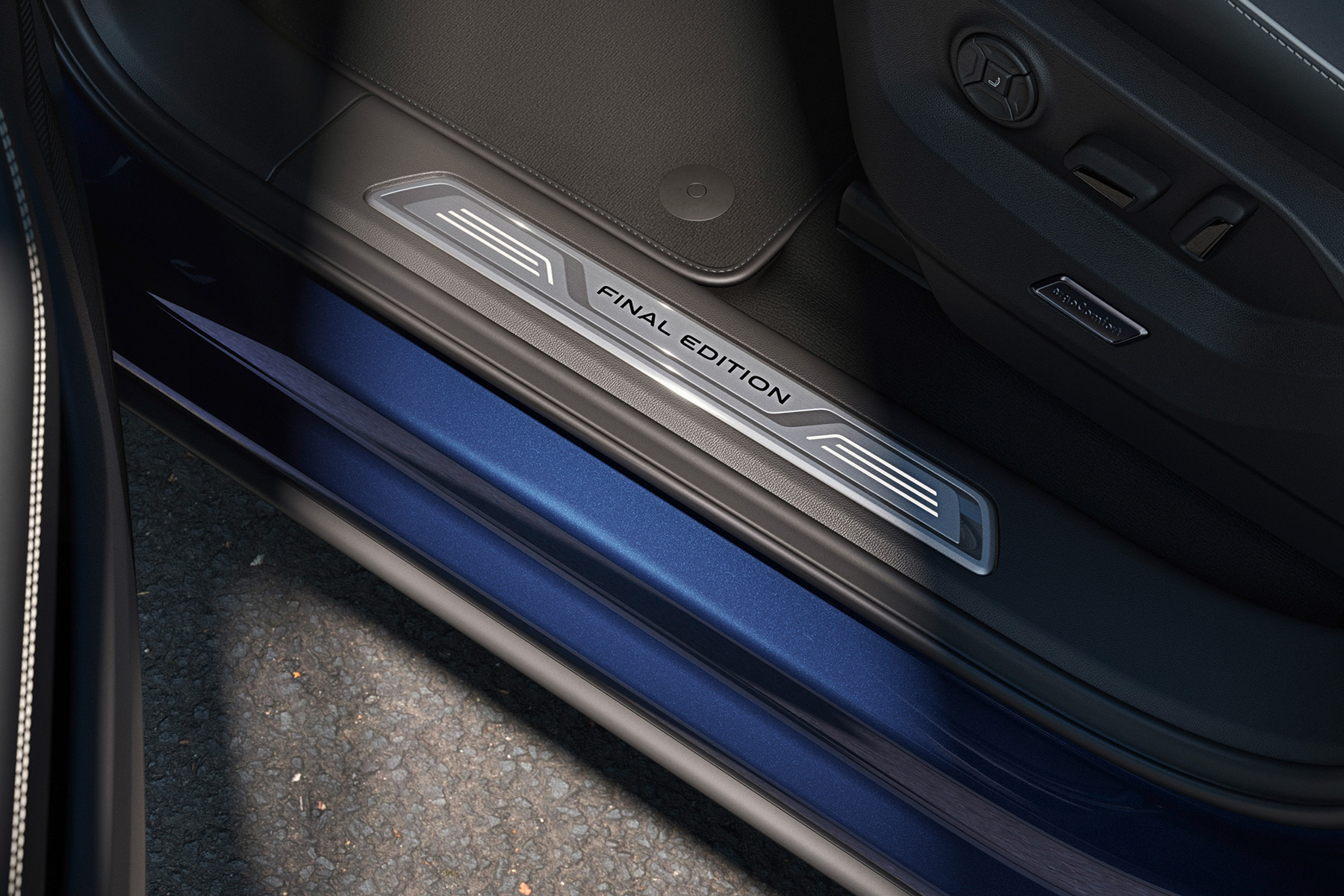
Inside, this special edition comes with the dashboard illumination and interior ambient lighting of the ‘Black Edition’, but with illuminated ‘Final Edition’ door sill mouldings and the same lettering embossed into the leather gear selector.

That just about sums up the ‘Final Edition’. The top-spec end-of-an-era model has the same interior layout, same tech and the same powertrain options that you can find elsewhere in the Touareg range.

Volkswagen is yet to announce pricing for the trim, but the brand says that the price list, alongside the full specification list, will be announced fairly soon.

As of October 2025, the Volkswagen Touareg holds a New Car Expert Rating of E, with a score of 52%. Its best scores are only average, with C grades for its safety rating and media reviews. However, its CO2 emissions and reliability record are poor, while its running costs are very high and Volkswagen’s new car warranty offering is one of the worst in the UK new car market.

New Omoda 4 crossover unveiled

0

Omoda has unveiled a new crossover model at an event in China, which is planned to arrive on UK roads next year.

The Omoda 4 – which the manufacturer says has been designed to “offer drivers a sense of safety, security and space” – will be the new entry-level model in the Omoda range, targeting younger buyers with a price tag presumably cheaper than the £24k Omoda 5.

Not much has been announced about the model just yet, including exactly what powertrains the small SUV will be offered with. That said, Omoda say the 4 is “part of its expanding line-up of ICE cars and EVs”, suggesting that the crossover will be offered with both petrol and electric drivetrains at launch.

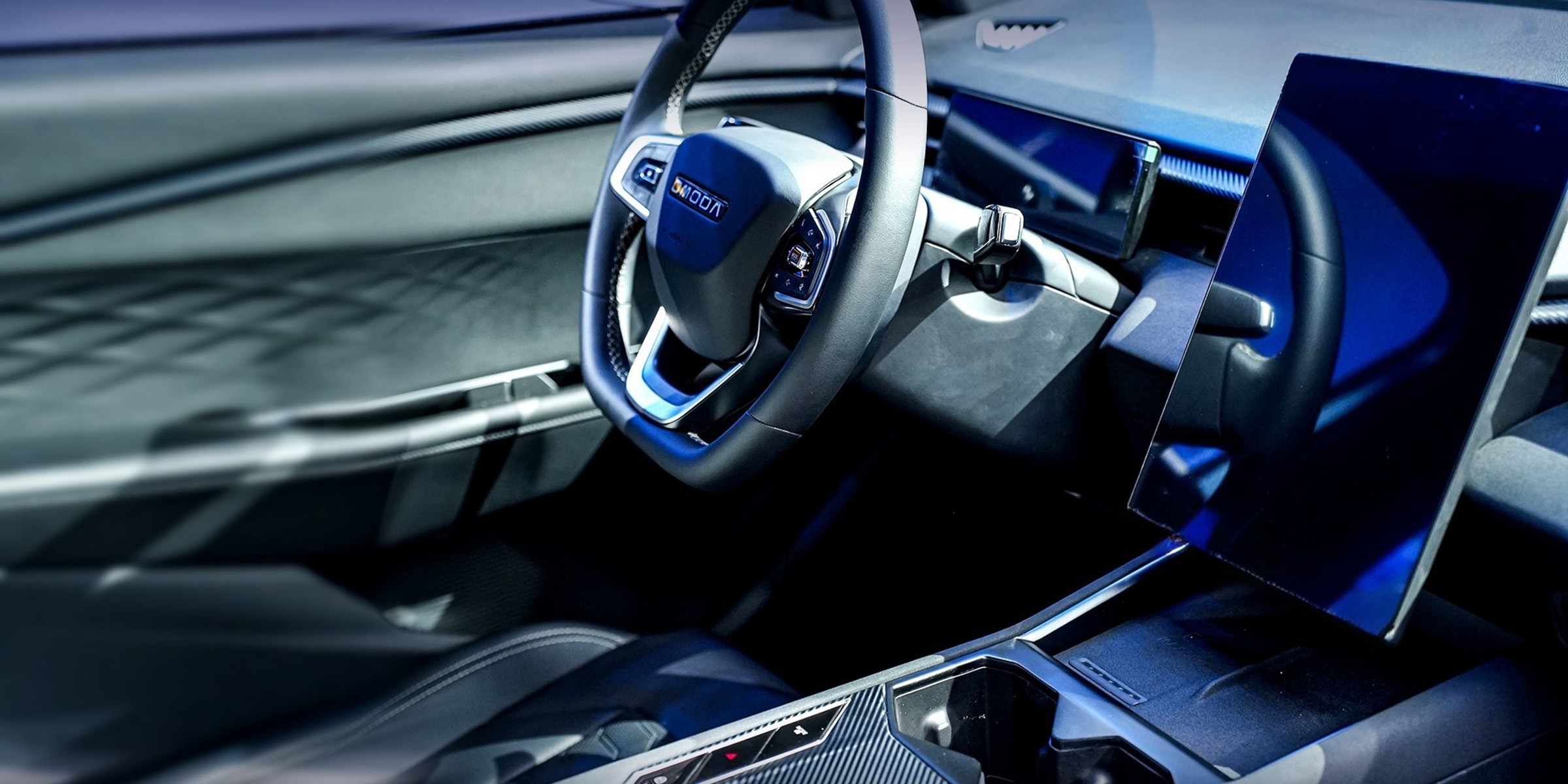
The car’s exterior design includes plenty of sharp contour lines, lighting bolt-shaped LED light signatures and black SUV-style bumper cladding. Omoda says the car’s looks are “Cyber Mecha” – inspired by a Japanese sci-fi literary genre – and the car’s cabin layout is said to be inspired by a spaceship cockpit.

A narrow digital instrument cluster and portrait-oriented infotainment touchscreen hover above the dashboard, with the latter powered by Snapdragon processor, much like a gaming monitor. Simply put, that should mean that its very snappy and responsive.

That just about sums up what we know about the Omoda 4 so far. More information about powertrains, trim grades and price lists won’t arrive until next year, but Omoda has confirmed that the crossover will be available with the brand’s seven-year/100,000-mile warranty.

DS Nº8

Summary

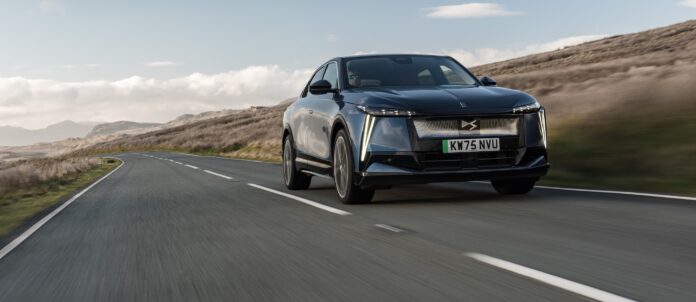
The DS Nº8 is a medium-large electric liftback, announced at late 2024 as the new flagship of the DS Automobile model range. The first cars arrived in the UK in the autumn of 2025.

The Nº8 is available in three trim levels in the UK – Pallas, Étoile and Jules Verne – with three powertrain and battery combinations. These are:

  • 230hp, front-wheel drive, 74kWh battery, Pallas or Étoile trims
  • 245hp, front-wheel drive, 97kWh battery, Pallas, Étoile and Jules Verne trims
  • 350hp, all-wheel drive, 97kWh battery, Étoile and Jules Verne trims

In the entry-level Pallas version, with the 245hp motor and larger battery, DS claims that the Nº8 will be able to deliver a driving range of 446 miles on the official government lab tests. Even the smaller battery versions offer an official range of 328 miles, which is comfortably more than most households will need in day-to-day driving.

The car’s interior is a minimalist

Prices range from just under £51K for the Pallas trim with the entry-level powertrain to about £69K for the Jules Verne model with the top-spec powertrain. Inevitably, this puts into direct competition with the dominant premium German troika of Audi, BMW and Mercedes-Benz, so – as with every other challenger brand – the Nº8 will have its work cut out to create a viable niche for itself.

Initial reviews of the Nº8 have been positive from most of the motoring media on the European launch, although the actual scores are only average. There are also a couple of negative reviews that pull the overall score down. We’ll continue updating as we get local reviews starting to filter in over the next few months.

As of October 2025, the DS Nº8 has a New Car Expert Rating of A, with a score of 70%. It achieves top marks for its zero tailpipe emissions, while its running costs and safety rating are also good. However, DS Automobiles’ new car warranty offering is only average, while the generally positive media review scores have been dragged down by a couple of poor scores.

Key specifications

Body style: Mid-sized liftback
Engines:
electric, front-wheel drive or all-wheel drive
Price:
From £50,780

Launched: Winter 2024/25
Last updated: N/A
Replacement due: TBA

Media reviews

Highlighted reviews and road tests from across the UK automotive media. Click any of the boxes to view.

Auto Express

Auto Trader

Car

Carwow

Electrifying.com

Heycar

Honest John

Parkers

Regit

The Independent

The Telegraph

Top Gear

Safety rating

Independent crash test and safety ratings from Euro NCAP

Overall score: 4 stars
Date tested: October 2025
Read the full Euro NCAP review

Adult protection: 76%
Child protection: 85%
Vulnerable road users: 80%
Safety assist: 65%

Eco rating

No eco rating

As of October 2025, the DS Nº8 has not been assessed by Green NCAP.

The Green NCAP programme measures exhaust pollution (which is zero for an electric car) and energy efficiency. Electric cars are much more energy-efficient than combustion cars, so the Nº8 is likely to score very highly in Green NCAP testing if and when it takes place. Check back again soon.

Running cost rating

Clear Vehicle Data logo close crop

Monthly cost of ownership data provided exclusively for The Car Expert by Clear Vehicle Data

Battery rangeAverageScoreVariationScore
EV models397 milesA
Electrical efficiencyAverageScoreVariationScore
EV models3.7 m/KWhD
Insurance groupAverageScoreVariationScore
All models40D

As of October 2025, we don’t have servicing and maintenance cost data for the DS Nº8.

Despite its electricial efficiency (the EV equivalent of fuel consumption in a petrol or diesel car) being below average, it will still be cheaper to run if you are able to charge it at home or work. If you are relying on fast changing in public charging stations, it will be fairly expensive to run.

Reliability rating

MotorEasy logo 600x167

Reliability data provided exclusively for The Car Expert by MotorEasy

No reliability rating

The DS Nº8 is a brand-new model so we won’t have any meaningful reliability data for years to come.

The Car Expert’s reliability information is provided exclusively to us using workshop and extended warranty data from our partner, MotorEasy, sourced from both official dealerships and independent workshops. 

As soon as MotorEasy has sufficient data on the Nº8, we’ll publish the results here.

Recalls

Official DVSA safety recalls that have been issued for the DS Nº8

The DS Nº8 has not yet been launched in the UK, so no recalls have yet been issued for this model.

You can check to see if your car has any outstanding recalls by visiting the DVLA website or contacting your local DS Automobiles dealer.

Similar cars

If you’re looking at the DS Nº8, you might also be interested in these alternatives.

BMW i4 | BYD Seal | Citroën ë-C4 | Ford Capri | Genesis GV60 | Hyundai Ioniq 5 | Hyundai Ioniq 6 | Kia EV6 | Mercedes-Benz CLA Electric | MG IM6 | Peugeot e-408 | Polestar 2 | Polestar 4 | Tesla Model 3 | Tesla Model Y | Volkswagen ID.7

The premium EV market is expanding rapidly, and the lines between saloons, liftbacks, crossovers and SUVs are becoming ever-more blurred. Around the £50K mark, there’s a growing number of different vehicles that could be compared to the DS Nº8.

More news, reviews and information about the DS Nº8 at The Car Expert

DS Nº8 review – first UK drive

DS Nº8 review – first UK drive

Everything you need to know about DS Automobiles

Everything you need to know about DS Automobiles

Electric DS No 8 coupé-SUV now on sale

Electric DS No 8 coupé-SUV now on sale

New DS No 8 coupe-SUV debuts

New DS No 8 coupe-SUV debuts

Buy a DS Nº8

If you’re looking to buy a new or used DS Nº8, The Car Expert’s partners can help you find the right car.

Motors 600x300

Find your next used car with Motors. Find out more

Auto Trader logo 600x300

Find your next new or used car with Auto Trader. Find out more

Carwow logo 600x300

Find your next new or used car with Carwow. Find out more

Lease a DS Nº8

If you’re looking to lease a new DS Nº8, The Car Expert’s partners can help you find a competitive deal.

Leasing-com logo

Personal contract hire deals from Leasing.com. Find out more

Carwow logo 600x300

Personal contract hire deals from Carwow. Find out more

Select Car Leasing logo

Personal contract hire deals from Select Car Leasing. Find out more

Subscribe to a DS Nº8

Subscriptions are becoming a very popular way for consumers to try an electric car for a few weeks or months to help decide whether it’s a suitable alternative to a petrol car. If you’re interested in a car subscription, The Car Expert’s partners can help. (PS: What’s a car subscription?)

SelfDrive UK logo

Car subscriptions from SelfDrive.
Find out more

Cocoon Vehicles logo 600x300

Car subscriptions from Cocoon.
Find out more

Just Vehicle Solutions logo 600x300

Car subscriptions from Just Vehicle Solutions.
Find out more

Changan Deepal S07 test drive

0

Make and model: Changan Deepal S07
Description: Mid-sized electric SUV
Price range: £39,990

Changan says: “The Changan Deepal S07 is designed to make electric driving accessible, enjoyable, and practical for UK consumers. It combines sleek design, advanced technology, and real-world range with a price point that makes sense.”

We say: How much the European slant to the Deepal S07’s creation will matter will be up to the individual buyer, but this is another well-built electric SUV with plenty of equipment at a competitive price, only slightly let down by merely adequate on-the-road dynamics.


Introduction

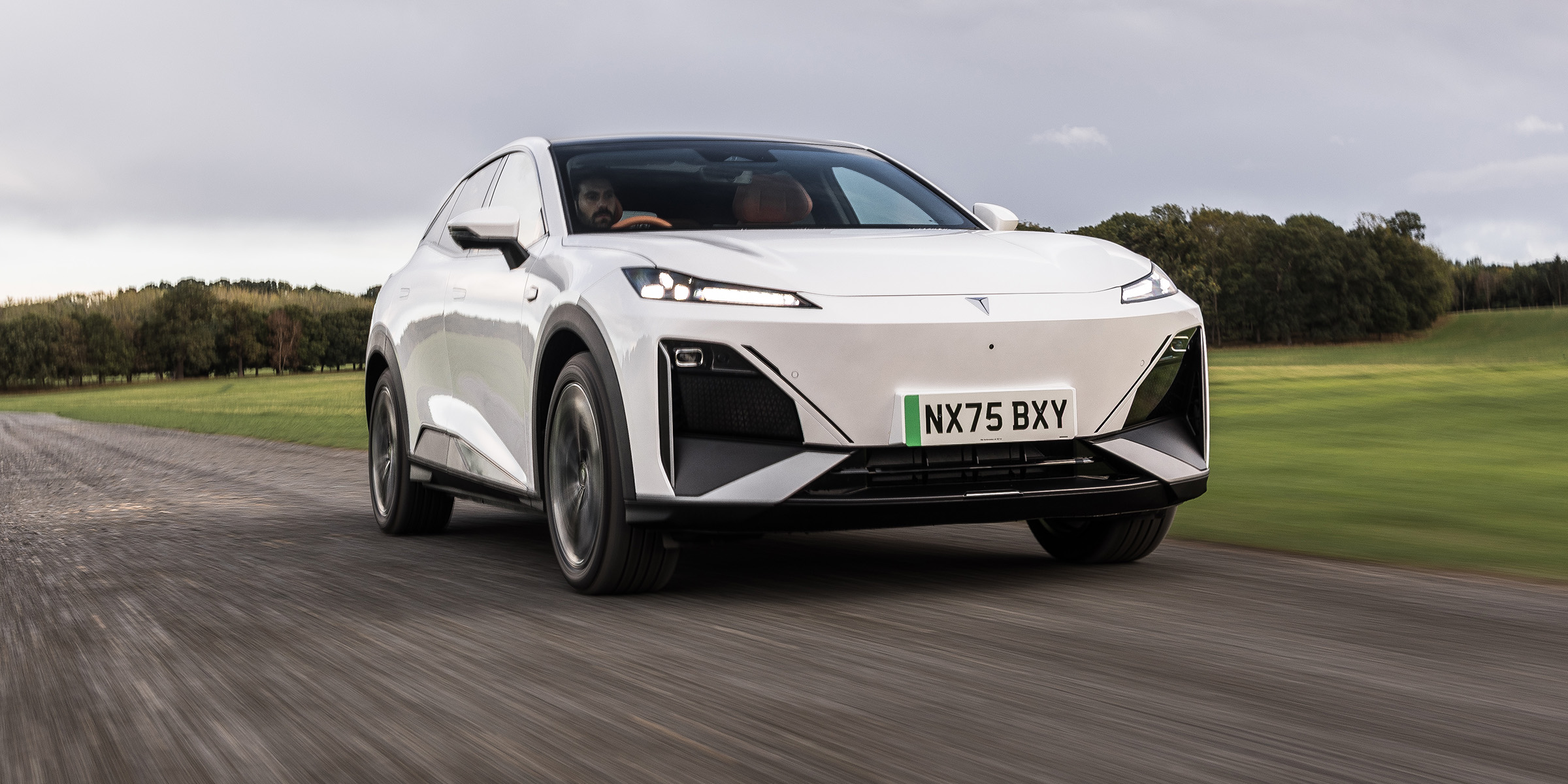
Yet another new electric SUV, from yet another brand new Chinese brand, goes on UK sale but as you can read here, Changan, maker of the Deepal S07, claims to be not just another Chinese brand but effectively the daddy of Chinese brands.

The producers of the Deepal S07 also argue that their car is very European, designed at a studio established close to 25 years ago in Italy, because that’s where all the great car styling houses are, and developed by the finest UK engineers at their base in Birmingham.

That might count for something amongst UK buyers faced with an ever more bewildering choice of cars in this sector, from an equally bewildering choice of makers. What will count for more will be quality, equipment levels and value for money, and on first glance the Deepal S07 seems to tick those boxes.

It’s immediately apparent that this is a well-built new contender with some stylish interior treatment. The fact that there is but one option indicates that the car comes with plenty of kit, while the £39,990 price – the only price – sits crucially just below the level where the expensive ‘luxury car supplement’ tax hike gets applied.

What is the Changan Deepal S07?

Changan’s first European launch is an SUV to sit in the ‘D segment’, which basically means larger mid-sized vehicles – for core rivals one can look at the Hyundai Ioniq 5, Skoda Enyaq, Tesla Model Y and – perhaps closer to home – the BYD Sealion 7.

The S07 comes with just one powertrain option, which is a single electric motor driving the rear wheels. However, we understand a range-extender variant with a small petrol engine generating energy for the battery is in the works for launch at some future date.

The car comes with a single specification too, and a price that should make potential buyers take a look, if Changan can make its created in Europe message sufficiently heard. 

First impressions

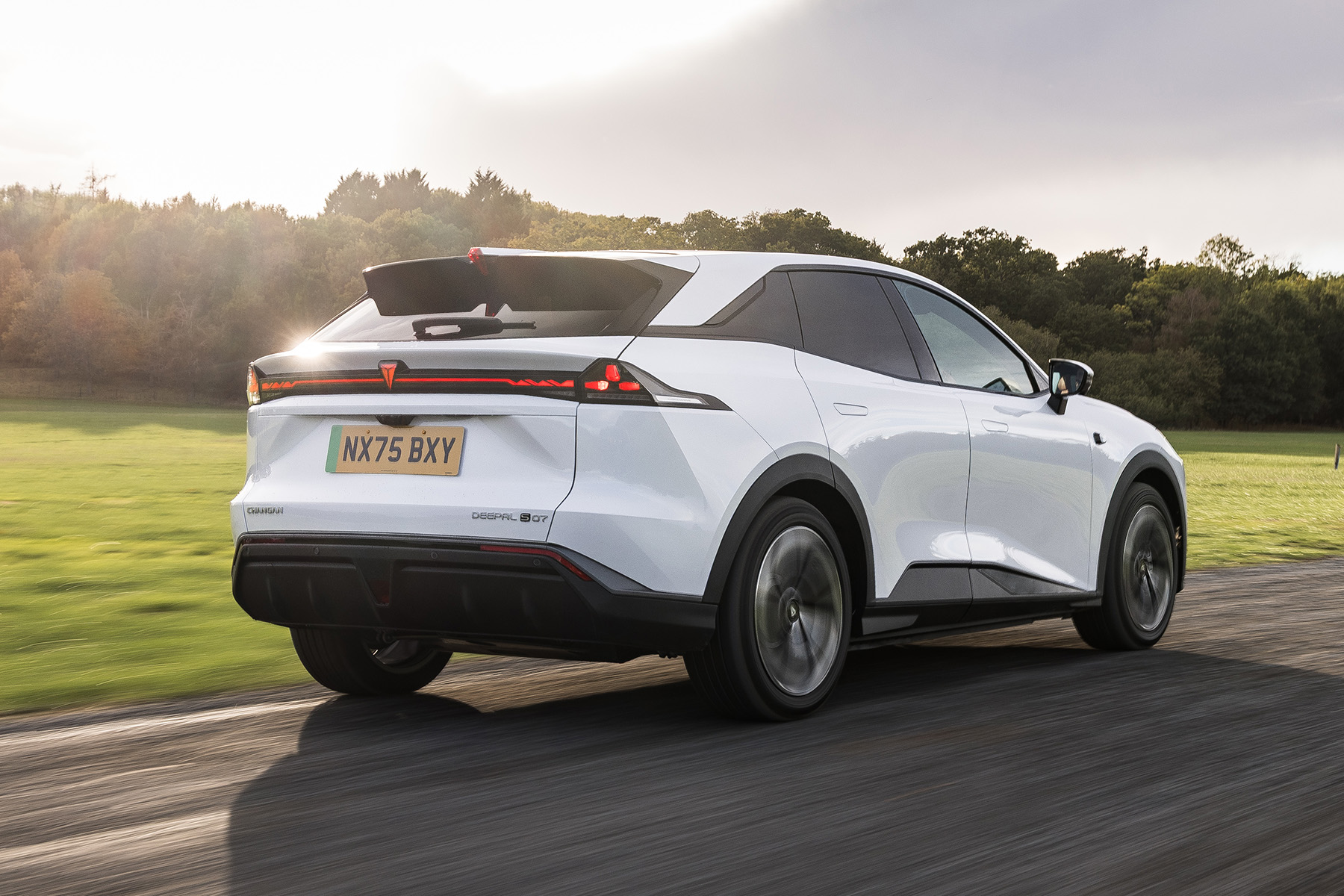
On first viewing, the Changan Deepal S07 looks… well… just like any other of the new breed of electric SUVs. While the car’s Italian styling has been much promoted by its makers, it has to be said there’s nothing that really makes it stand out from the crowd. That’s not necessarily a bad thing if mainstream-level looks indicate mainstream-level quality – and in this case, it generally does.

Look closer and one can see the details that mark this out as a Changan vehicle, such as the ‘crystal sculpture’ LED light signature on front and back, but if you see one on the road then this is an SUV that is entirely unassuming.

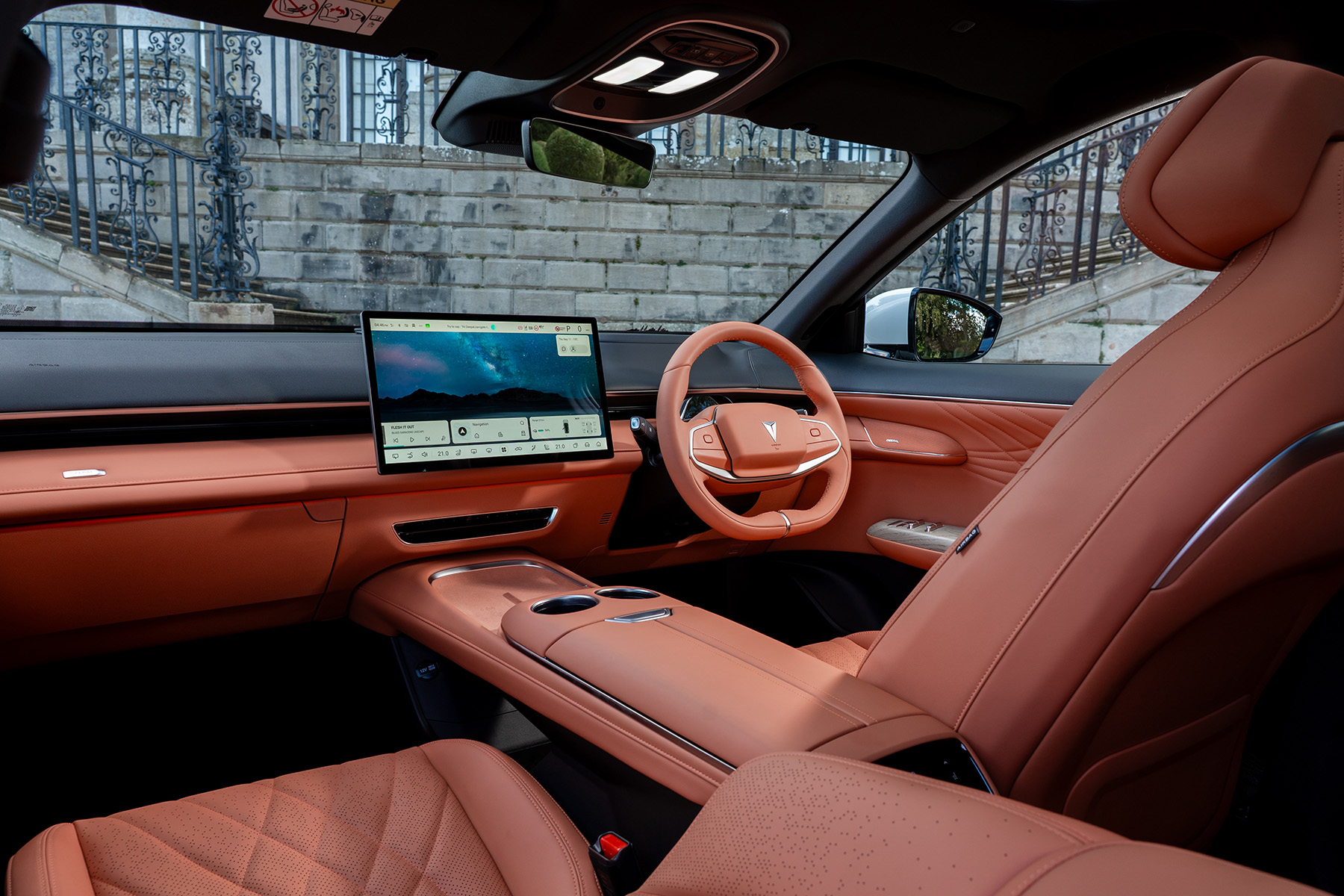
The same is true once one gets inside the car; the completely minimalist look is one that has been done by rivals. But both the exterior and interior of the S07 do give an immediate impression of quality.

We like: Inside and out immediately indicates quality
We don’t like: Difficult to differentiate from rivals

What do you get for your money?

If ever there was a demonstration of simplicity, it’s the Changan price list. The Deepal S07 costs £39,990 on the road – no starting price plus options, just one amount for every version, and whichever one of the five exterior colours (including metallic shades) or three interior combinations one chooses.

Within that price comes a lot of equipment, Changan following the current trend of supplying everything one might want as standard. So the minimalist interior is dominated by a 17-inch touchscreen with Apple CarPlay and Android Auto wireless connectivity and voice control – the latter is quite clever, for example, lowering individual windows according to which of the front-seat occupants is asking it to.

There’s a head-up display projected on the windscreen and wireless phone charging with a cooling vent to prevent overheating. There’s an audio system with 14 speakers, including one in the driver’s headrest which will also transmit conversations from the hands-free phone or navigation instructions.  

Other niceties include front seats that are heated and ventilated, a panoramic sunroof, parking cameras with a 360-degree surround mode and a ‘transparent chassis’ function helping to show what the car is travelling over.    

Changan is also weirdly proud of its ‘Easter eggs’ such as the seasonal modes available on the infotainment screen that can, for example, show fireworks or indulge in conversations with snowmen – we kid you not, there’s even a ‘dog mode’… Various functions in the car can also be activated by means of gestures by the occupants, but certainly more useful than all these is the built-in dashcam, with a 128GB memory.

The Deepal ticks the boxes on safety – it was crash-tested by Euro NCAP in 2024 and secured a top-level five-star ranking, aided by a full set of accident-avoidance systems, controlled by 16 sensors – six of which are radar-activated.

Alongside the competitive price comes a good warranty – seven years or 100,000 miles on the car, and eight years/120,000 miles on the battery.  

There is an option – yes, just one. Costing £800, it’s an electrically deployable towbar, as the S07 has a towing capacity of 1,500kg, so if you want to haul a caravan with it… Note, however, that specifying one will take the overall cost over that £40,000 luxury car supplement limit, so in reality it will cost you about £2,000 more than the £800 list price as you’ll have to pay an extra £425 a year for your road tax for five years.   

We like: Good equipment levels including dashcam
We don’t like: ‘Easter eggs’ seem a bit gimmicky

What’s the Changan Deepal S07 like inside?

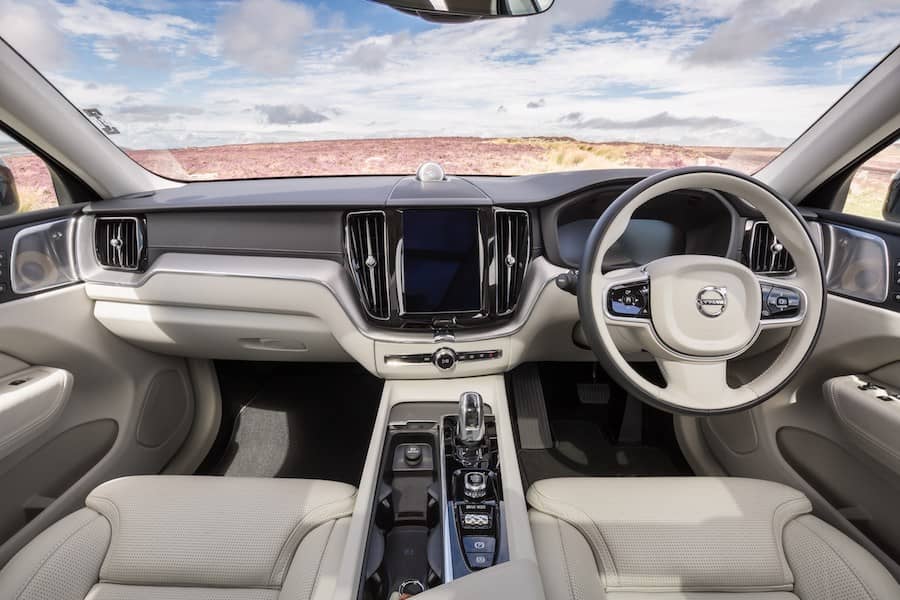
On stepping into the DeepalS07, the surroundings immediately feel plush, with the quality of fit and finish around the leatherette upholstery and trim obvious. The surroundings give off an airy presence, no doubt helped by the standard fit and huge panoramic sunroof.

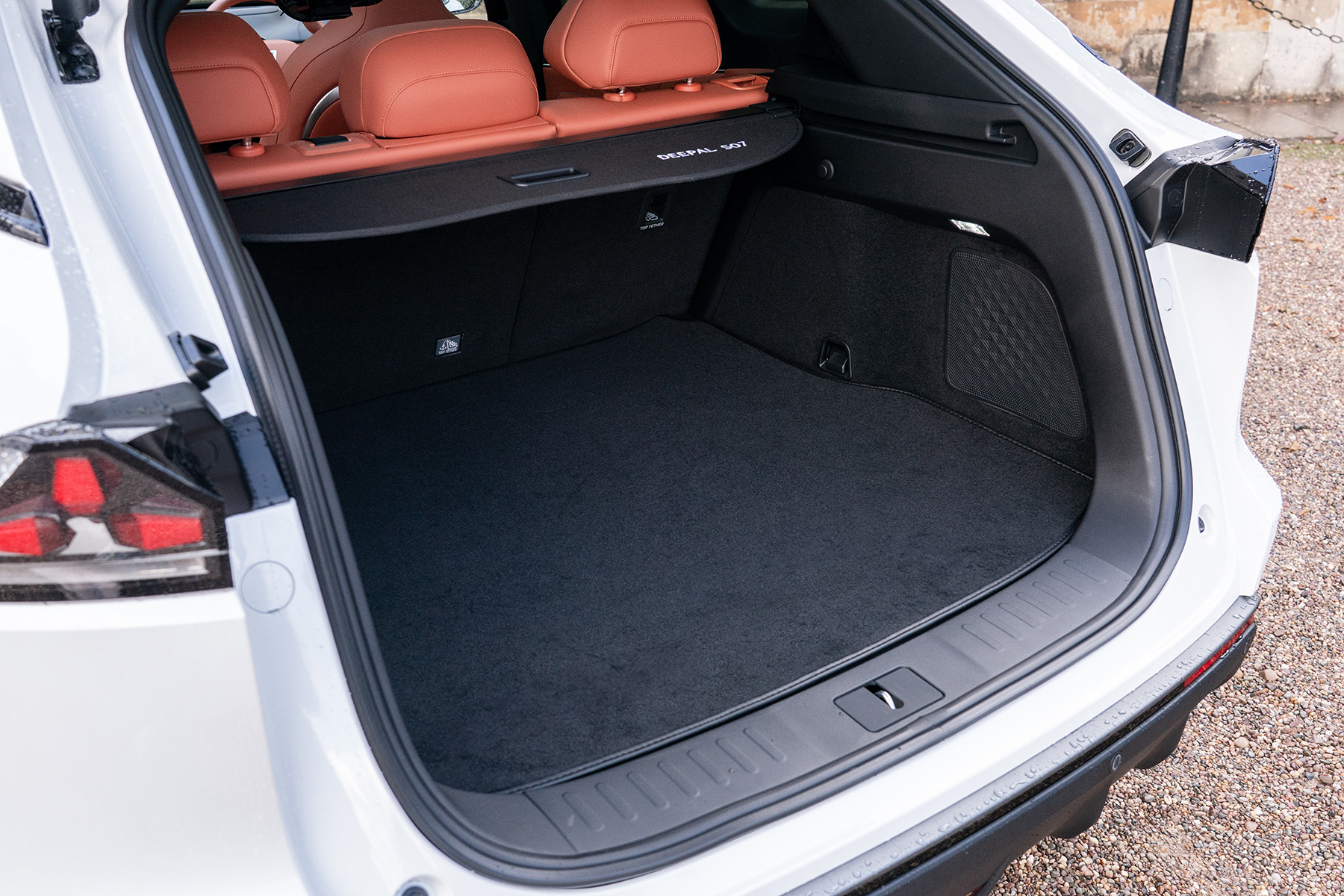
It feels roomy too, in front or back, and this is matched by a reasonable amount of luggage space. While the 445 litres in the boot is less than offered by rivals, another 125 litres – or, in English, big enough for a carry-on suitcase – is available in a ‘frunk’ under the bonnet where traditional cars have their engines.

The design follows the current trend to minimalisation – there are almost no buttons for the driver to control, everything is contained on the huge landscape format central touchscreen. An oddity of this is that it can pivot from being angled towards the driver to the traditional central position or to the passenger.

Again typical in electric vehicles, the drive, park and reverse functions are activated by the right-hand steering wheel stalk, but unlike other EVs, the wipers and lights functions do not transfer to the left stalk, contained instead on a ‘shortcut menu’ which appears with a swipe to the right side of the touchscreen.

Activating such functions this way is not difficult and they remain close to hand, but it’s not as intuitive as using the stalk either and we feel this is a major failing, especially with the likes of Euro NCAP promising an increasingly strict tone on the distraction factor of wading through touchscreen menus instead of merely pressing a button.

Having said that, the general action of the touchscreen is good – it’s rapid acting and easy to select, helped by being able to be configured to one’s personal preferences in similar fashion to arranging apps on one’s phone. As an example, the S07 gets the same host of driver warnings that have become an irritating norm with new cars, but one can easily switch them off by choosing to put a cancel button on the shortcut swipe screen.

Another oddity is that the driver does not get their own digital display. Instead, the essential information – speed, navigation instructions and battery range – is all projected onto the windscreen as part of the head-up display. While initially unnerving, it soon becomes second nature to use the information this way.   

We like: Touchscreen is fast-acting and easy to use
We don’t like: Lack of windscreen/light controls on stalk

What’s under the bonnet?

Lift the bonnet of the Deepal S07 and you’ll find a big hole – as mentioned, being an EV, the car makes the most of its under-the-floor powertrain by using the traditional engine space for a ‘frunk’ – extra luggage space.

The drivetrain is typical for an EV, with a single motor at the back and the battery pack under the floor. The 80 kWh battery promises up to 295 miles of range and, according to Changan, has been optimised for the sort of lower-temperature environments that are typical in the UK. A heat pump also comes as standard, which is a plus in helping to maintain range in colder conditions.

The electric motor delivers 160kW (218hp) to the rear wheels, along with 320 Nm of torque. This produces a 0-62mph time of just under eight seconds, which is fine for most day-to-day uses but not particularly swift for the average EV.

As for charging times, Changan quotes 48 minutes for a recharge from 10 to 80% at a public charging point – somewhat slow in today’s market. It does offer a vehicle-to-load function, being able to power external equipment, which is not yet common across all EVs.

What’s the Changan Deepal S07 like to drive?

The S07 unlocks itself automatically as you approach, assuming you have the key. A benefit from a year working with security specialist Thatcham has seen the use of a Bluetooth system, rather than a radar-activated key, which is much harder to clone. The car can also be unlocked by means of a smartphone app. 

As soon as you sit in the driver’s seat, the car adjusts the seat and steering wheel to your preferred setting. Pressing the brake pedal brings it to life so you can drive away. Drive functions are controlled by the right-hand steering wheel stalk and, like most EVs, it moves off silently and without fuss.

On the road, the S07 is generally comfortable to travel in, though while the flush-fit door handles help to cut wind noise (and marginally improve range too), we can’t help but think the frameless windows may have the opposite effect, as there is some noise noticeable at speed.

The powertrain is very smooth, again as one expects of today’s EVs, and while the 62mph sprint is not that fast, the car provides enough instant go for swift overtaking to satisfy most drivers.

If you enjoy driving for driving’s sake, however, you’re not likely to be too excited. As well as the steering having a complete lack of feel, the suspension is a little too soft and can become fidgety over poor quality road surfaces. Changan claims that its UK R&D department spent three months optimising the car’s ride quality for UK roads – we would suggest they need to spend at least another three…

The head-up display works well, meanwhile, in keeping one’s eye on the road. It shows only the information needed – principally speed, whether the indicators are activated and navigation instructions – in an easy-to-read format.

While on the move, you rarely need to use the central touchscreen, and then only the swipe-left shortcut for functions like the wipers or lights – effectively it transfers the left stalk onto the screen. Of course, both lights and wipers are controlled by automatic functions, but for instant activation, for example, if a passing tractor throws a lot of muck on the screen, the swipe screen is reasonably fast, but still not as swift as using a stalk.

One limited aspect of the Deepal S07 functions is regenerative braking – there are no paddles, and the modes don’t seem to do a lot. There’s certainly no one-pedal driving of this car, whioch may or may not be of importance to you.

We like: Generally comfortable to travel in
We don’t like: Suspension too soft and fidgety, lack of steering feel

Verdict

There’s a lot to like about the Changan Deepal S07, and it provides a credible debut for the company’s UK ambitions. What you get for the money, the fact that the price charged keeps it clear of expensive extra taxes, and the general quality of the car are all plus points.

The gripes are mainly minor – too much on the touchscreen, rapid charging that isn’t very rapid and primarily ride quality that can be a little too easily unsettled by poor surfaces. But having tried out a S07, many buyers might be tempted by it – Changan’s big challenge will be getting them to try it out in the first place.

Similar cars

BYD Sealion 7 | Hyundai Ioniq 5 | Leapmotor C10 | Peugeot 3008 | Skoda Enyaq | Tesla Model Y

Key specifications

Model tested: Changan Deepal S07
Price: £39,990
Engine: single electric motor, rear-wheel drive
Gearbox: 
Automatic

Power: 160 kW / 218 hp
Torque: 320 Nm
Top speed: 112 mph
0-60 mph: 7.9 seconds

Range: 295 miles (WLTP)
CO2 emissions: 0 g/km
Euro NCAP safety rating: Five stars (2025)
TCE Expert Rating: Not yet rated (September 2025)

Buy a Changan Deepal S07

If you’re looking to buy a new or used Changan Deepal S07, The Car Expert’s partners can help you find the right car.

Motors 600x300

Find your next used car with Motors. Find out more

Auto Trader logo 600x300

Find your next new or used car with Auto Trader. Find out more

Carwow logo 600x300

Find your next new or used car with Carwow. Find out more

Volvo XC60

Summary

The Volvo XC60 is a medium-sized premium SUV/crossover, built on the same platform as its 60-series siblings, the S60 saloon and V60 estate. The current model is the second generation of XC60, and was launched in the summer of 2017.

The long-standing XC60 has received generally good to very good reviews from the UK motoring media, and has won many awards since it was launched – including 2018 World Car of the Year.

Since then, the mid-sized SUV has been updated several times – most recently with an infotainment tech refresh in 2025 – and remains Volvo’s best-selling model in the UK.

Originally available with pure petrol or diesel power at launch, a pair of plug-in hybrid powertrains arrived later into the car’s lifespan. If you are buying new from the showroom floor, these plug-in hybrid are now the only XC60 drivetrains you can choose, and this has raised the SUV’s entry-level price tag significantly.

These plug-in hybrid options have received higher scores than the regular petrol and diesel versions of the Volvo XC60 since joining the range. As of October 2025, the XC60 holds a New Car Expert Rating of B, with a score of 67%.

The Volvo XC60 range has been particularly praised for its exterior and interior design, class-leading safety standards and comfort. However, its driving experience is not considered as enjoyable as some rivals.

Key specifications

Body style: Medium SUV/crossover
Engines: petrol, diesel, plug-in hybrid
Price: From £55,360 on-road

Launched: Summer 2017
Last updated: Spring 2025
Replacement due: TBA

Media reviews

Highlighted reviews and road tests from across the UK automotive media. Click any of the boxes to view.

Featured reviews

More reviews

Auto Express

Auto Trader

Business Car

Car

Car Keys

Carbuyer

Carwow

Company Car Today

Daily Mail

Daily Mirror

Discover EV

Evo

Heycar

Honest John

Motors

Parkers

The Sun

The Telegraph

Top Gear

Safety rating

Independent crash test and safety ratings from Euro NCAP

Overall score: 5 stars
Date tested: November 2017
Date expired: November 2023
Read the full Euro NCAP review

Adult protection: 98%
Child protection: 87%
Vulnerable road users: 76%
Safety assist: 95%

Notes on safety rating

The Volvo XC60 was tested by Euro NCAP back in 2017 and awarded a full five-star rating. However, this rating expired in November 2023 and is no longer valid as the car no longer meets the standards required for such a rating. This is normal practice, as Euro NCAP reviews its ratings on most cars annually with most ratings expiring after about six or seven years.

Although the rating has now expired, the score is still useful if you are comparing a used XC60 to vehicles of similar age – whose ratings will have probably also expired.

Eco rating

Independent economy and emissions ratings from Green NCAP

Model tested: XC60 B4 Diesel 4X4 Automatic

Overall score: 2 stars
Date tested: February 2021
Read the full Green NCAP review

Clean Air Index: 6.7 / 10
Energy Efficiency Index: 2.5 / 10

The Volvo XC60 2.0-litre diesel automatic B4 received a two-star rating from Green NCAP in February 2021. Green NCAP said: “The XC60 is tested here with the 2.0-litre turbodiesel engine. Its exhaust after-treatment does an excellent job of controlling pollutant emissions. Particulate number is very low for a vehicle of this type and low emissions of other pollutants lead to an impressive 6.7/10 in this part of the assessment.

“Sadly, this level of performance is not repeated in in energy efficiency or emissions of greenhouse gases. The car’s size and weight count against it and it gets 2.5/10 for Energy Efficiency. But it is in the area of greenhouse gases that the XC60 B4 really performs poorly, with values of N2O sufficiently high that the car scores nothing in this part of the assessment.

“Overall, the Volvo’s average index only just puts it into the two-star band.”

This rating only applies to the 2.0-litre diesel automatic B4 version of the Volvo XC60, and does not imply similar ratings for other engine and gearbox combinations in the range.

Keep in mind that this diesel variant is no longer available new, with the current XC60 line-up consisting of only plug-in hybrid models. Again, the score is still useful if you are comparing a used diesel XC60 to vehicles of fuel type.

Running cost rating

Clear Vehicle Data logo close crop

Monthly cost of ownership data provided exclusively for The Car Expert by Clear Vehicle Data

CO₂ outputAverageScoreVariationScore
Petrol models179 g/kmD
Diesel models165 g/kmD
Plug-in hybrid models24 g/kmA
Battery rangeAverageScoreVariationScore
Plug-in hybrid models48 milesD
Insurance groupAverageScoreVariationScore
All models40D
Service and maintenanceCostScore
Year 1£361D
Year 2£899D
Year 3£1,344D
Year 4£1,615D
Year 5£2,080D
Overall£6,299D

The Volvo XC60 is a can be expensive to own and run, according to whole-life cost numbers provided exclusively to The Car Expert by our data partner, Clear Vehicle Data.

While we currently don’t have the fuel consumption data for the various models in the XC60 range, we do know that the electric-only range of plug-in hybrids is lower than the PHEV range average, and the car’s insurance premiums also sit at around the market average.

The SUV’s service and maintenance costs are unlikely to surprise either, as the accumulated cost over the course of five years of ownership (from new) is neither cheap nor overly expensive.

Reliability rating

MotorEasy logo 600x167

Reliability data provided exclusively for The Car Expert by MotorEasy

All data based on MotorEasy average workshop costs for extended car warranty claims

The Volvo XC60 has a higher-than-average overall reliability score, according to exclusive extended warranty data provided by our partners at MotorEasy. However, this applies to all Golf models in MotorEasy’s database, so will be a combination of the current model and the previous generation.

The majority of problems with the XC60 relate to its engine, which is unfortunately the most expensive repair cost of about £910 on average. Other more common problem areas like the electrical system and suspension are much cheaper to fix with average repair prices of £245 and £250 respectively.

If you’re looking at a used XC60, make sure any extended warranty cover you purchase covers all of these potential problem areas.

Warranty rating

New car warranty information for the Volvo XC60

Overall ratingD28%
Petrol or diesel modelsE15%
Electric or hybrid modelsC50%
New car warranty duration3 years
New car warranty mileage60,000 miles
Battery warranty duration8 years
Battery warranty mileage100,000 miles

Volvo’s new car warranty is fairly average – typically no better or worse than rival brands in a similar price bracket as the XC60.

The duration is three years, with a limit of 60,000 miles. In addition to the standard new car warranty, the plug-in hybrid SUV has an eight-year/100,000-mile warranty for the battery components.

Warranty on a used Volvo XC60

  • If you are buying an ‘Approved Used’ Volvo XC60 from an official Volvo dealership, you will get a minimum one-year warranty included.
  • If you are buying a used Volvo XC60 from an independent dealership, any warranty offered will vary and will probably be managed by a third-party warranty company.
  • If you are buying a used Volvo XC60 from a private seller, there are no warranty protections beyond any remaining portion of the original new car warranty.

If you’re looking to buy any used car that is approaching the end of its warranty period, a used car warranty is usually a worthwhile investment. Check out The Car Expert’s guide to the best used car warranty providers, which will probably be cheaper than a warranty sold by a dealer.

Recalls

Official DVSA safety recalls that have been issued for the Volvo XC60

Date: January 2023
Recall number: R/2023/025
Model types: All
Build dates: 11/2022 to 01/2023
Number of vehicles affected: 10,197
Defect: There may be a potential software error in the brake control module.
Remedy: Update the brake control module software.

Date: October 2022
Recall number: R/2022/313
Model types: All
Build dates: 03/2021 to 10/2022
Number of vehicles affected: 4,755
Defect: The Engine Control Module (ECM) may prevent the combustion engine from starting.
Remedy: Download updated software.

Date: October 2021
Recall number: R/2021/360
Model types: All
Build dates: 02/2019 to 10/2019
Number of vehicles affected: 2,083
Defect: The thrust bearing in the turbo charger may not be robust enough.
Remedy: Replace turbocharger with a modified version which has an improved thrust bearing.

Date: September 2021
Recall number: R/2021/331
Model types: All
Build dates: 06/2019 to 03/2021
Number of vehicles affected: 28
Defect: There may be an insufficient or missing welding connection in the Hydraulic Unit of the Brake System.
Remedy: Replace the Hydraulic Unit.

Date: June 2021
Recall number: R/2021/205
Model types: All
Build dates: 11/2018 to 03/2020
Number of vehicles affected: 14,380
Defect: There is a risk that the 15amp fuse could blow which will prevent the low pressure fuel pump operating.
Remedy: Replace the 15A fuse with a 20A fuse which can withstand this peak.

Date: January 2021
Recall number: R/2021/205
Model types: All
Build dates: 09/2020 to 09/2020
Number of vehicles affected: 704
Defect: Vehicles may have the Supplementary Restraint System (SRS) control unit incorrectly tightened to the car body.
Remedy: Inspect and tighten the SRS control unit.

Date: August 2020
Recall number: R/2020/246
Model types: All
Build dates: 05/2017 to 05/2020
Number of vehicles affected: 31,778
Defect: Vehicles may have incorrectly tightened front wiper arm securing nuts.
Remedy: Check and tighten the nuts to an increased torque setting.

Date: March 2020
Recall number: R/2020/073
Model types: All
Build dates: 09/2019 to 03/2020
Number of vehicles affected: 56,385
Defect: The Automatic Emergency Brake System a function of the IntelliSafe system may not always engage increasing the risk of a collision.
Remedy: Affected vehicles must have new software downloaded.

Date: December 2019
Recall number: R/2019/452
Model types: All
Build dates: 11/2019 to 11/2019
Number of vehicles affected: 53
Defect: Possible loss of power whilst driving.
Remedy: Vehicles must have updated software downloaded.

Date: January 2019
Recall number: R/2019/023
Model types: All
Build dates: 01/2017 to 10/2018
Number of vehicles affected: 13,273
Defect: Under certain conditions in cold climates the tailgate lifting arms may freeze and separate.
Remedy: Replace both lifting arms on the tailgate.

Date: November 2018
Recall number: R/2018/314
Model types: All
Build dates: 03/2017 to 10/2018
Number of vehicles affected: 7,322
Defect: There may be a software issue in the Vehicle Connectivity Module.
Remedy: Upgrade software in the Vehicle Connectivity Module.

As of September 2024 (our most recent data point), there have been 11 DVSA vehicle safety recalls on the Volvo XC60 to address different issues.

Not all vehicles are affected by recalls. You can check to see if your car is included in any of the above recalls by visiting the DVLA website or contacting your local Volvo dealer.

If your car is affected by a recall, the vehicle must be repaired and you should not be charged for any work required. If you are buying a used XC60, you should insist that any outstanding recall work is completed before you take delivery of the vehicle.

Awards

Trophies, prizes and awards that the Volvo XC60 has received

2022

  • Company Car Today CCT100 Awards – Best Premium SUV

2021

2020

  • Auto Express Driver Power – Best Premium Mid-Size SUV
  • Auto Trader Awards – Best Car for Families

2019

  • Auto Express Driver Power – Best Premium Mid-Size SUV + Safety Features Award
  • Auto Trader Awards – Best Car for Long Distances

2018

  • World Car of the Year
  • UK Car of the Year Awards – Car of the Year + Best Medium Crossover
  • AM Awards – New Car of the Year
  • Auto Express Awards – Best Premium Hybrid Car (XC60 T8)
  • Auto Trader Awards – Best Car Launched in the Last Year
  • DrivingElectric Awards – Best Large Plug-In Hybrid
  • Fleet World Honours – Best Large SUV
  • Towcar of the Year Awards – Towcar of the Year + Best Family Towcar + Best Towcar 1,500-1,700kg category

2017

  • Auto Express Awards – Best Premium SUV
  • Professional Driver Car of the Year Awards – Best Luxury SUV

Similar cars

If you’re looking at the Volvo XC60, you might also be interested in these alternatives

Alfa Romeo Stelvio | Audi Q5 | BMW X3 | BMW X4DS 7 Crossback | Genesis GV70 | Jaguar F-Pace | Lexus NX | Mercedes-Benz GLC | Porsche Macan | Range Rover Velar

Buy a new or used Volvo XC60

If you’re looking to buy a Volvo XC60, The Car Expert’s partners can help you find the right car

Motors 600x300

Find your next used car with Motors. Find out more

Auto Trader logo 600x300

Find your next new or used car with Auto Trader. Find out more

Carwow logo 600x300

Find your next new or used car with Carwow. Find out more

Lease a new Volvo XC60

If you’re looking to lease a new Volvo XC60, The Car Expert’s partners can help you find a competitive deal

Leasing-com logo

Personal contract hire deals from Leasing.com. Find out more

Carwow logo 600x300

Personal contract hire deals from Carwow. Find out more

Select Car Leasing logo

Personal contract hire deals from Select Car Leasing. Find out more

Subscribe to a Volvo XC60

If you’re interested in a car subscription, The Car Expert’s partners can help. (PS: What’s a car subscription?)

SelfDrive UK logo

Car subscriptions from SelfDrive.
Find out more

Cocoon Vehicles logo 600x300

Car subscriptions from Cocoon.
Find out more

Just Vehicle Solutions logo 600x300

Car subscriptions from Just Vehicle Solutions.
Find out more

One-off Maserati Grecale ‘Tributo Il Bruciato’ debuts

0

Maserati has unveiled a one-off special edition version of its Grecale SUV created in collaboration with a prominent Italian wine-making family.

With ‘Il Bruciato’ referring to a renowned wine from Bolgheri in Tuscany, this model is a creation of Maserati’s ‘Fuoriserie’ personalisation programme, which allows buyers to create one-of-a-kind Maserati cars.

Based on the mid-range ‘Modena’ trim grade – which is powered by a 2.0-litre turbocharged petrol engine aided by 48V of mild-hybrid assistance – this special edition features cosmetic changes only. Most notable at first glance is the unique bodywork colour inspired by red wine in motion in a glass that changes colour from chrome copper to ‘dark raspberry’ throughout the day depending on light.

The window surrounds, tips of the exhaust, large 21-inch alloy wheels and brake calipers are finished in black.

The same wine-inspired colour scheme continues inside with a two-tone red and saddle-tan leather upholstery trim with stitching inspired by the shape of cannelloni pasta. The car also comes fitted with a 14-speaker Sonus faber premium audio system and a panoramic sunroof.

Maserati hasn’t announced the pricing of the ‘Tributo Il Bruciato’, nor is the model going on sale as a standalone trim. Instead, the car is an example of how the Grecale can be customised through the Fuoriserie programme. Buyers interested in this particular trim specification can request something very similar through the same Maserati workshop, which opened its doors for the first time in March.

KGM Torres Hybrid now available to order

0

First launching as a pure petrol and all-electric SUV range in 2024, the KGM Torres is now available to order as a petrol-electric hybrid.

Pairing a 1.5-litre turbocharged petrol engine with two electric motors, this all-wheel drive hybrid has an overall power output of 175hp and is mated to a six-speed automatic gearbox. That’s around 12hp more than the entry-level 1.5-litre petrol can muster. Top speed is electronically capped at 112mph, with a 0-62mph sprint taking nine seconds.

KGM claims that this Torres Hybrid can do 95% of city driving on electric power alone, with electric-only driving possible at speeds of up to 62mph.

KGM hasn’t stated how far the SUV can go on electric power alone, but reports that the hybrid has an average fuel consumption of 46mpg, which means it isn’t quite as efficient as hybridised rivals like the Nissan Qashqai e-Power, Honda ZR-V and Toyota RAV4.

Available only with the Torres’ top-spec ‘K40’ trim grade – which includes front and rear parking sensors, a complete package of LED exterior lights, a 12-inch digital instrument cluster and 12-inch infotainment screen dashboard pairing and heated and ventilated front seats – pricing for KGM’s first ever hybrid model now begins at just under £36k, making it the cheapest model option in the range.

By comparison, the lead-in front-wheel drive petrol in the lesser ‘K30’ guise currently costs £800 more.

Smart #5

Summary

The Smart #5 is a large upmarket electric SUV, and the third model to join the refreshed Smart line-up, sitting above the smaller #1 and #3 SUVs.

Smart’s largest model yet, the #5 – pronounced as ‘Hashtag Five’ – has received a warm initial reception from the British motoring media, and has been earmarked by a number of reviewers who highlight the car’s pricing which undercuts premium brand rivals and its high-quality interior trim.

Slightly bigger than mid-sized electric SUVs like the Skoda Enyaq and Tesla Model Y, but smaller than premium rivals like the Mercedes-Benz EQS SUV, electrifying.com’s Thomas Geiger argues that the #5 “could be the new ‘one to beat’ in the family electric SUV class”, as the car’s tech, styling and price tag stack up well when compared to other upmarket large EVs.

That said, reviewers share a collective disappointment with the car’s battery efficiency and range which Ellis Hyde of Auto Express calls “woefully inefficient”. Top Gear’s Greg Potts also takes issue with the top-spec Brabus model, which he says is too fast and “hardly that fun to drive”, explaining that owners will “tire of a throttle pedal that acts like an on-off switch for warp speed.”

Keep in mind that these reviews are based on foreign test drives of the Brabus edition – instead of the standard #5 – and reviewer opinion could change somewhat when the SUV is tested in the UK. While we have several published reviews listed here, alongside the car’s five-star Euro NCAP safety rating, we don’t have enough information to give the Smart #5 an Expert Rating just yet. Check back soon!

#5 highlights

  • Agile handling for an SUV this size
  • Comfortable, high-quality cabin fit and finish
  • Intuitive on-board tech
  • Competitively priced

#5 lowlights

  • Rivals offer a longer battery range
  • Not much ‘frunk’ storage space
  • Not many physical buttons and switches inside
  • Top-spec ‘Brabus’ not very fun to drive

Key specifications

Body style: Large SUV
Engines:
electric, battery-powered
Price:
From £39,800 on-road

Launching: Winter 2025/26
Last updated: N/A
Replacement due: TBA

Media reviews

Highlighted reviews and road tests from across the UK automotive media. Click any of the boxes to view.

Featured reviews

More reviews

Auto Trader

Car

Electrifying.com

Parkers

The Independent

Top Gear

Safety rating

Independent crash test and safety ratings from Euro NCAP

Overall score: 5 stars
Date tested: September 2025
Read the full Euro NCAP review

Adult protection: 88%
Child protection: 93%
Vulnerable road users: 84%
Safety assist: 92%

Eco rating

Independent economy and emissions ratings from Green NCAP

No eco rating

As of October 2025, the Smart #5 has not been assessed by Green NCAP.

The Green NCAP programme measures exhaust pollution (which is zero for an electric car) and energy efficiency. Electric cars are much more energy-efficient than combustion cars, so the #5 is likely to score very highly in Green NCAP testing if and when it takes place. Check back again soon.

Running cost rating

Clear Vehicle Data logo close crop

Monthly cost of ownership data provided exclusively for The Car Expert by Clear Vehicle Data

No data yet

As of October 2025, we don’t have independently verified data available for the Smart #5. Check back again soon.

Reliability rating

MotorEasy logo 600x167

Reliability data provided exclusively for The Car Expert by MotorEasy

No reliability rating

As of October 2025, we don’t have enough reliability data on the Smart #5 to generate a reliability rating.

The Car Expert’s reliability information is provided exclusively to us using workshop and extended warranty data from our partner, MotorEasy, sourced from both official dealerships and independent workshops. 

As soon as MotorEasy has sufficient data on the #5, we’ll publish the results here.

Warranty rating

New car warranty information for the Smart #5

Overall ratingB76%
New car warranty duration3 years
New car warranty mileageUnlimited miles
Battery warranty duration8 years
Battery warranty mileage100,000 miles

Smart’s new car warranty is better than average, and better than rival brands in a similar price bracket as the #5.

The duration is three years, with no limit on mileage. In addition to the standard new car warranty, the electric car has an eight-year/unlimited-mile warranty for the battery components.

Warranty on a used Smart #5

  • If you are buying an ‘Approved Used’ Smart #5 from an official Smart dealership, you will get a minimum twelve-month/100,000-mile warranty included.
  • If you are buying a used Smart #5 from an independent dealership, any warranty offered will vary and will probably be managed by a third-party warranty company.
  • If you are buying a used Smart #5 from a private seller, there are no warranty protections beyond any remaining portion of the original new car warranty.

If you’re looking to buy any used car that is approaching the end of its warranty period, a used car warranty is usually a worthwhile investment. Check out The Car Expert’s guide to the best used car warranty providers, which will probably be cheaper than a warranty sold by a dealer.

Recalls

Official DVSA safety recalls that have been issued for the Smart #5

As of October 2025, we are not aware of any DVSA vehicle safety recalls affecting the Smart #5. However, recall information is updated very regularly, so this may have changed.

You can check to see if your car has any outstanding recalls by visiting the DVLA website or contacting your local Smart dealer.

Awards

Significant UK trophies and awards that the Smart #5 has received

2025

  • Red Dot Design Award

Similar cars

If you’re looking at a new or used Smart #5, you might also be interested in these alternatives

BMW iX | Ford ExplorerHyundai Ioniq 9 | Kia EV9 Leapmotor C10 | Mercedes-Benz EQS SUV | Mini Countryman Electric | Nissan AriyaPolestar 3 | Renault Scenic E-Tech | Skoda Enyaq | Tesla Model Y | Toyota bZ4X Volkswagen ID. Buzz | Volvo EX90 | XPeng G6

More information

More news, reviews and information about the Smart #5 at The Car Expert

Everything you need to know about Smart

Everything you need to know about Smart

New Smart #5 Brabus to arrive by the end of the year

New Smart #5 Brabus to arrive by the end of the year

Electric Smart #5 SUV unveiled

Electric Smart #5 SUV unveiled

Buy a Smart #5

If you’re looking to buy a new or used Smart #5, The Car Expert’s partners can help you find the right car.

Motors 600x300

Find your next used car with Motors. Find out more

Auto Trader logo 600x300

Find your next new or used car with Auto Trader. Find out more

Carwow logo 600x300

Find your next new or used car with Carwow. Find out more

Lease a Smart #5

If you’re looking to lease a new Smart #5, The Car Expert’s partners can help you find a competitive deal.

Leasing-com logo

Personal contract hire deals from Leasing.com. Find out more

Carwow logo 600x300

Personal contract hire deals from Carwow. Find out more

Select Car Leasing logo

Personal contract hire deals from Select Car Leasing. Find out more

Subscribe to a Smart #5

Subscriptions are becoming a very popular way for consumers to try an electric car for a few weeks or months to help decide whether it’s a suitable alternative to a petrol car. If you’re interested in a car subscription, The Car Expert’s partners can help. (PS: What’s a car subscription?)

SelfDrive UK logo

Car subscriptions from SelfDrive.
Find out more

Cocoon Vehicles logo 600x300

Car subscriptions from Cocoon.
Find out more

Just Vehicle Solutions logo 600x300

Car subscriptions from Just Vehicle Solutions.
Find out more
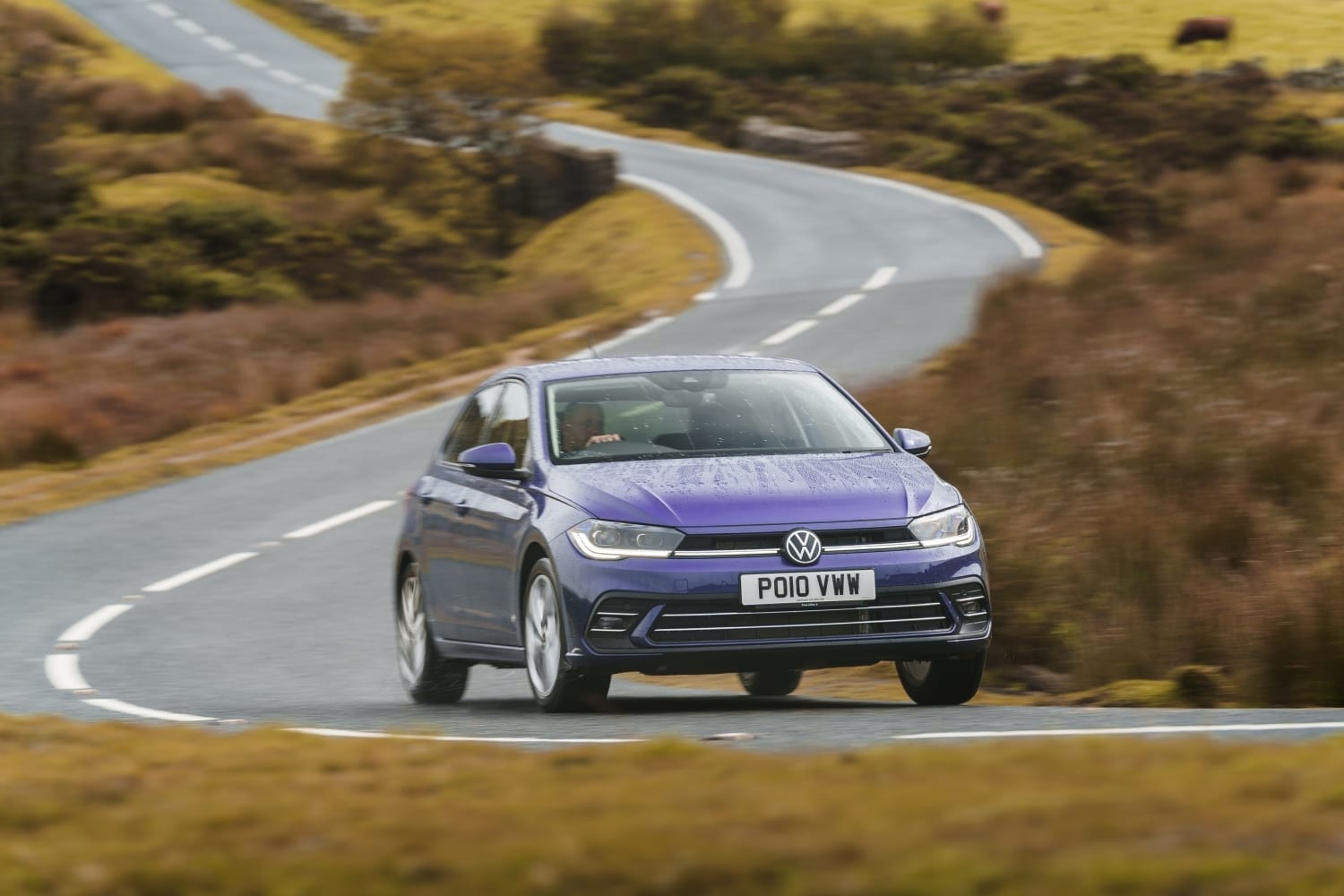
Who or what is Denza?

The latest addition to the ever-growing list of Chinese car brands heading for the UK is Denza – and of all the new names, this is likely one to take notice of.

The reason? After early years as a joint project with Mercedes-Benz, Denza is today completely owned by the globally significant Chinese automotive group BYD. And of all the new entrants to the UK market over the past couple of years, BYD has certainly made the most impact.

Launched just two and a half years ago, BYD already has 100 dealers selling six different models and a bigger slice of the UK market than the likes of Dacia, Honda and Mazda – it is rapidly overhauling even electric standard-bearer Tesla.

Now, BYD wants to make the same big dent in the premium market with Denza, described by its creators as “the premium technology-oriented automotive brand of the BYD Group,” and already long-established in its home market of China.

So while cracking the UK market has proven challenging to the likes of Lexus and Genesis, and a step too far for Infiniti, BYD’s strong track record bodes well for Denza – no doubt, lessons learnt in the UK over the past couple of years will be used to good effect establishing the new brand.

Denza personnel describe its relationship to BYD in similar vein to what Audi is to Volkswagen. While many details of the new brand are still emerging, we know it will have its own standalone dealer network and intends to launch a range of new vehicles targeting all of the premium marques – from Audi, BMW and Mercedes-Benz to the likes of Land Rover and Porsche. Watch this space…

So who or what is Denza?

The Denza story begins in 2010, when BYD began a joint venture with Mercedes-Benz parent Daimler to produce high-end electric vehicles – BYD would supply its expertise in EVs and the Chinese market, and Daimler its experience in producing cars for the premium sector.

The first Denza concept car was displayed at the Shanghai Auto Show in 2012 and went on sale in China at the end of 2014 as the Denza EV. In 2018 it was restyled, also being renamed the Denza 500 and joined by a second model, an SUV called the Denza X.

In 2021, however, rumours began surfacing that Daimler was unhappy with the venture, with sales of Denza vehicles lower than expected. While the Germans denied the stories the partnership was restructured at the end of that year, the Denza X dropped and the Daimler stake reduced from 50% to 10%.

Denza launched the D9 SUV in 2022, in both full-electric and plug-in hybrid versions, followed by the N7 and N8 SUVs in 2023. In the following year Denza’s first store outside mainland China was opened in Hong Kong, like the UK a right-hand drive market.

Daimler’s role in the brand ended in September 2024 with the sale of its final shares to BYD, which then, in April 2025, announced Denza’s arrival in Europe, with Britain set to be one of the first markets.

When did Denza launch in the UK?

For ‘did launch’ substitute ‘is launching’ – the Denza name only made its UK debut at Britain’s substitute motor show, the Goodwood Festival of Speed, in July 2025, where three new models were displayed to curious onlookers.

At the time of writing, details of Denza’s UK sales network have not been revealed, but with the first cars expected on sale early in 2026, we can expect the kind of aggressive moves to sign up dealers already seen with BYD.

The company has confirmed that Denza outlets will be separate from BYD ones, while plenty more new Denza models are planned to follow the initial trio.   

What models does Denza have and what else is coming?

Leading Denza’s arrival on the UK market will be the three cars which made their debut at the Goodwood Festival of Speed.

First on sale, early in 2026, is expected to be the Z9 GT – this is an upmarket electric vehicle that some have compared to the Porsche Taycan. It’s already sold in China in two body styles, but with saloons historically not massive sellers on the UK market, even in the premium sector, we will only get the ‘shooting brake’ variant – car manufacturer speak for a vaguely estate profile styled to look more sporty.    

By summer 2026 the Z9 GT will be joined by the D9; an interesting direction for Denza as it is a people-carrier, or MPV – a type of vehicle that has virtually disappeared from the UK over the past decade, killed off by the rise of the SUV.

The D9 is sold in China in both full-electric and plug-in hybrid form, but it appears that initially at least we will only get the hybrid, which of course allows many motorway miles to be racked up without range concerns. Denza no doubt hopes that its very plush MPV will appeal to such end-users as high-end chauffeur travel providers.

The B5 is likely to arrive before the end of 2026 – this is a 4×4 with close to 700hp on tap and will clearly target the Land Rover Defender. It is also already on sale in China, under another newly-launched BYD badge, Fangchengbao, where it is known as the Bao 5.

Details of future Denza models beyond these three are scarce, but we do know there will be plenty – Stella Li has been quoted as saying the unveilings will run at a rate of one every six months or so.

Early additions are likely to include the B8 large SUV, a plug-in hybrid of similar vein to the Toyota Land Cruiser, while a large lifestyle SUV sold in China as the BYD N9 could also come to Britain as a Denza, pitching itself as a rival to the electric offerings of a Range Rover.

Where can I try a Denza car?

There are no Denza dealers to go and check out the new line-up at just yet, but they are certainly on the way – and the cars won’t be sold from existing BYD outlets.

The company is keen to promote Denza as a separate brand, and not a sub-brand of BYD – again per the Audi to Volkswagen analogy – and so Denza will have a standalone network and a distinctive identity to its showrooms. Apparently, they will be “crystal-like” structures with lots of glass, emphasising the upmarket pitch of the brand.

How many showrooms there will be is still to be revealed – we don’t expect as many as BYD already has, but we can expect them to be established quickly.   

What’s particularly significant about this company?

While the management of Denza is keen to present the new brand as a sister to BYD and not a subsidiary, it is clear that the newcomer will greatly benefit from the size and reach of its parent.

Denza products employ the same technology that BYD is known for, especially in terms of electric technology – BYD is the world’s largest producer of rechargeable batteries and if, for example you have an iPhone, it’s more than likely to have a BYD battery in it.

All this expertise has resulted in the Blade battery for car use, already renowned for having all the range and charging capability of any rival while also being an inherently safer unit, demonstrated by the infamous ‘nail test’ where nails were hammered through a pack without issue.

As well as the technology, Denza will benefit from the business model that has seen BYD so quickly become a prominent player in its new markets, particularly the UK. Simply because it’s part of BYD, it’s hard to see Denza failing.  

What makes Denza different to the rest?

Denza officials are convinced that they can take the fight to the long-established European premium brands, claiming that their cars will be supplied with technology that is “ten times better” than typical offerings from the German heavyweights. 

This technology includes potentially game-changing 1,000kW ultra-rapid chargers developed by BYD, which allows a range boost of close to 250 miles in only five minutes. These have already been introduced in China and BYD hopes to roll them out across the UK. 

Summary

Convincing premium-market buyers who have driven the products of Audi, BMW or Mercedes-Benz for decades is a tough ask, especially when presenting an unknown new Chinese brand as the alternative.

With Denza arriving as the second wave of an expansion programme orchestrated by BYD, however, it’s not difficult to see the newcomer quickly establishing a solid place in the UK market. The more Chinese brands that go on UK sale, the harder it will be to rise above the masses, but you get the impression Denza will quickly become one of the more prominent players.

More in our series ‘Spotlight on China’:

Genesis Electrified GV70 review

0

Make and model: Genesis Electrified GV70
Description: Mid-sized electric SUV
Price range: £65,915 to £74,915

Genesis says: “The new Electrified GV70 signifies Genesis’ commitment to elegant design and cutting edge technologies”.

We say: It appears costly but in terms of quality, equipment and performance the GV70 can make its case against the mainstream upmarket electric SUV contenders.


Introduction

The GV70 was one of the two initial models that launched Genesis into the UK in 2021 as the upmarket sister brand to Hyundai. Initially, it was offered with petrol and diesel engines, with an electric version – using two motors and boasting all-wheel drive – joining the range in 2022.

Since then, the Genesis brand has had a mildly chequered history in the UK, such novel aspects as running everything from car sales to their servicing at a central office without traditional dealerships are currently in the process of being diluted by the setting up of a select group of ‘retail partners’. But the brand is steadily establishing itself and has boldly stated that its future will focus on solely electric vehicles.

As part of this, all three EVs in the Genesis range are being updated and the GV70 has now undergone what has traditionally been regarded as a mid-life facelift, though rather sooner than is typical for the average model.

The changes are not at all obvious when first looking at the Electrified GV70, but they are quite wide-ranging – rather more than the usual styling nips and tucks and slight massaging of equipment levels. The driver’s surroundings, in particular, have undergone a complete reworking and an amount of new technology has been added, while the battery pack has also been upgraded, adding an extra 15 miles of driving range.  

What is the Genesis Electrified GV70?

The GV70 was originally launched in electric form as a mid-sized SUV taking on a growing range of rivals in the premium market and the updated car faces many a rival – such as the Audi Q6 e-tron, BMW iX3, Mercedes-Benz EQE, Porsche Macan and the Tesla Model Y, with the likelihood of more challenges emerging from the new brands coming from China.

The updated version of the Genesis is only being offered in EV form, with the petrol and diesel versions ditched as part of the brand’s stated move to an all-electric future.

First impressions

On first viewing the new Electrified GV70, any owner of the previous version will struggle to believe much has changed on this car. The exterior looks almost exactly the same, maybe with slight tweaks to the alloy wheels but that’s it.

Not that this is a bad thing – when we tested the previous version, we stated that Genesis could not be accused of producing boxy SUVs, the brand’s so-called ‘Athletic Elegance’ design language resulting in profiles that are both sculpted and sleek. The GV70 is among the most attractive vehicles in its class and certainly an appealing alternative to both the mainstream and often less than exciting German offerings.  

Put that existing owner in the new car and he will immediately notice many more differences, particularly in the driver’s environment – this has undergone fundamental change as we detail below. But the one aspect that remains is a high level of quality, justifying the GV70’s place as a premium SUV.

That owner might also be impressed with the extension of the car’s range thanks to a new battery pack, though it is by only 15 miles and the car’s official driving range still fails to break 300 miles. In this market and at this price point, some rivals are exceeding 350 miles.

We like: Looks, quality and equipment justify its premium market status
We don’t like: Lacks the battery range of comparatively priced rivals

What do you get for your money?

While it was previously only available in a single Sport trim, the updated Electrified GV70 comes in a choice of three grades dubbed Pure, Dynamic and Luxury. Starting at £67K, the Pure version tested by The Car Expert comes with a pleasing amount of standard equipment, including heating on the front seats, steering wheel and mirrors, entry by reading the owner’s fingerprint, wireless phone charging (along with wireless Apple CarPlay and Android Auto compatibility) and a powered tailgate.

A £3,800 price jump moves the buyer into Dynamic territory, with bigger wheels (20-inch diameter instead of the Pure’s 19s), a head-up display and some extra safety features, including blind-spot monitoring, parking collision avoidance and remote smart parking.

On which note, the GV70 carries a top-level five-star rating from safety body Euro NCAP. While the testing was performed on the combustion-engined GV70 back in 2021, Euro NCAP carried out additional tests in 2023 to confirm that the Electrified model was worthy of the same rating.  

Range-topping trim is the Luxury, costing from £75K. This pays for such niceties as a panoramic sunroof, heating on the rear seats and ventilation on the fronts, and an upmarket 15-speaker Bang & Olufsen audio system featuring active noise cancellation – this clever technology emits a sound, undetectable by the human ear, that drowns out extraneous noise.

Like many EVs, the GV70 offers a vehicle-to-load function, enabling the car’s battery to be used to power external equipment such as camping lights or stoves. However, it only comes as an option on the Pure model, fitted to our car at a cost of £890.

Another notable on the options list is a digital rear-view mirror, making use of the view from the rear camera and offering a clearer and more effective view than a traditional mirror, even in poor weather.

One aspect where the GV70 certainly leaves rivals in the shade is in the Genesis aftercare plan, which consists of a warranty, complimentary servicing (with delivery and collection from home, along with a courtesy car) and roadside assistance, all for five years. It also offers Electrified buyers a free home wallbox with subsidised charging rates.  

We like: Aftercare plan is a valuable feature
We don’t like: Some options are standard on other EVs

What’s the Genesis Electrified GV70 like inside?

Inside the car is where the most obvious changes have taken place, the control panels now completely different to what has gone before. The previous format of infotainment screen mounted atop the centre console and binnacle-style driver’s screen has made way for a digital screen some 27 inches long, running right across the cockpit.

This unit combines the driver information and connected infotainment features on one screen. It gives the front of the cabin a much more airy feel, due to moving the digital displays lower and closer to the occupants, and improving the view out of the windscreen. And thanks to the high seating position and thin front pillars, this was already effective.

Genesis has also added a wider range of connected services to the system. The inputs now available to the infotainment screen include YouTube, Netflix, Disney+ and more, along with a live news feed, all of which are available by voice commands.

While obviously when driving the screen doesn’t broadcast the latest streaming blockbuster, when delivered the test car was remarkably displaying constantly updated scores from a European Golf Tour event, in the left side of the driver’s display! It was somewhat distracting but soon cancelled.

On the plus side, Genesis has not followed the rush to everything on a touchscreen – while one can use the screen to issue commands, the large rotary control on the centre console remains, as does a neat panel of physical dials and buttons for such functions as the climate control.

One issue that remains, however, is the gear selector – rather than the EV norm of placing it on a stalk, Genesis uses a second rotary control just behind the infotainment system, and yes, it is very easy to operate the wrong one… 

Genesis interior quality has been much praised and the new car maintains the trend, the fit and finish feeling as premium as the car’s price would suggest. But the drawbacks remain too, not least the battery pack taking up rather a lot of boot space and leaving one with a somewhat shallow compartment of just 503 litres – below all of the car’s perceived rivals.

There is a front ‘frunk’ offering a bit of extra space (22 litres), and this is handy to put the charge cables in, particularly as the charge point is mounted in the front grille. When you find it that is… The door is very cleverly hidden and electrically opened from inside the car or on the keyfob.          

We like: New dash arrangement looks better and is more practical
We don’t like: Poor placement of gear selector control

What’s under the bonnet?

The GV70 only comes in all-wheel drive form, which means a pair of motors, both rated at 185kW/245hp, unchanged from the previous version. When working together, they normally offer a combined maximum output of 435hp. You can get the full 490hp output, however, by pressing the ‘Boost’ button prominently mounted on the steering wheel, and then for a maximum of ten seconds at a time.

Even without using the boost button, the combined torque figure of 700Nm ensures plenty of pulling power and swift overtaking. The car’s 0-62mph time is rated at 4.4 seconds (without boost), while it will go from 50 to 75mph in just 2.2 seconds.

As mentioned, the battery is mounted under the boot, but it has been upgraded to 84kWh, which adds 15 miles to the official driving range, extending it to 298 miles. In the real world, you’ll likely be travelling 230 to 250 miles before a recharge is necessary, and the car does come with both a heat pump and battery condition to help maintain range in colder conditions.  

In terms of charging, the Genesis boasts 800-volt technology, which means if you can find a 350 kW ultra-rapid charger, you can replenish the battery from 10 to 80% in a mere 19 minutes. On a 50 kW rapid charger, it will take 76 minutes, and using an 11kW home wallbox, you are looking at just under eight hours.

One extra oddity is the addition to the new model of the Genesis ‘Virtual Gear Shift’ feature already seen on the GV60 and also the Ioniq 5 N and EV6 GT from sister brands Hyundai and Kia. In both feel and sound, this gives an impression of driving a car with a manual six-speed gearbox – a sort of faux performance mode. It’s novel but seems oddly out of place in the target market for this car, which is all about premium travel.  

More traditional in EV terms is the brake regeneration. A range of levels can be selected, from gentle regeneration to one-pedal driving, and there is also a setting that allows the system to determine what’s needed for itself.

What’s the Genesis Electrified GV70 like to drive?

While perhaps not created from the start as an EV, the GV70 is as easy to drive and live with as any of its electrically powered rivals. It’s also plenty potent enough, even without resorting to such gimmicks as the boost button.

Our Pure-trim version sits on the standard 19-inch wheels, on which the car rides well, soaking up bumps and lumps – helped by the standard-fit technology called ‘Road View’, which apparently scans the road ahead, setting the chassis to absorb such obstructions as potholes.

Occupants are wafted along in suitable comfort, the interior feeling particularly quiet, thanks to double-glazed windows and even without the clever active noise cancellation technology of the top Luxury trim.

The steering is suitably weighted, especially for the EV market, where steering feel does not seem to be the norm, though the large bodyshell does roll a bit if cornered hard, even if one selects the Sport option in the driving modes.

The alternatives to Sport are Comfort or Eco, while there are also various off-road modes, Snow, Mud, Sand and a new ‘Auto-Terrain’ which uses AI to analyse the surface below and set the car accordingly. Somehow, we can’t see these electronics being an oft-used feature in the Genesis.     

Go for the upper Dynamic or Luxury grades and the wheels grow in size, to 20 inches – we haven’t tried a car with these fitted but one should expect a slight loss of ride comfort.

We like: Combination of well-behaved driving dynamics and potency
We don’t like: Can’t see the point of the performance gimmicks

Verdict

Mid-life facelifts are seldom worth writing about, but in the case of the new Electrified Genesis GV70, this is a major update – especially the effective total reworking of the driving environment.

A wide range of changes have been made to the GV70, and crucially, they add value to a car that was already an impressive proposition. While at first glance the GV70 might seem expensive, it is both as well-built and equal in its on-the-road performance to its rivals, while offering a much more individual option. Factor in the considerable extra bonus of the five-year aftercare package and the Genesis becomes worthy of serious consideration.

Similar cars

Audi Q4 e-tron | BMW iX3 | Ford Mustang Mach-E | Genesis GV60 | Hyundai Ioniq 5 | Jaguar I-Pace | Kia EV6 | Mercedes-Benz EQC | Polestar 2 | Polestar 3 | Skoda Enyaq | Subaru Solterra Tesla Model Y | Toyota bZ4X | Volkswagen ID.4

Key specifications

Model tested: Genesis New Electrified GV70 Pure MY25
Price as tested: £67,615
Powertrain: 
Two electric motors, all-wheel drive
Gearbox: 
Automatic

Power: 365 kW / 490 hp
Torque: 700 Nm
Top speed: 146 mph
0-60 mph: 4.4 seconds

Range: 298 miles
CO2 emissions: 0 g/km
Euro NCAP safety rating: Five stars (December 2021)
TCE Expert Rating: A, 74% (September 2025)

Buy a Genesis Electrified GV70

If you’re looking to buy a new or used Genesis Electrified GV70, The Car Expert’s partners can help you find the right car.

Motors 600x300

Find your next used car with Motors. Find out more

Auto Trader logo 600x300

Find your next new or used car with Auto Trader. Find out more

Carwow logo 600x300

Find your next new or used car with Carwow. Find out more

Lease a Genesis Electrified GV70

If you’re looking to lease a new Genesis Electrified GV70, The Car Expert’s partners can help you find a competitive deal.

Leasing-com logo

Personal contract hire deals from Leasing.com. Find out more

Carwow logo 600x300

Personal contract hire deals from Carwow. Find out more

Select Car Leasing logo

Personal contract hire deals from Select Car Leasing. Find out more

Car finance compensation update

The Financial Conduct Authority (FCA), which is the UK government’s independent regulator of finance companies, has published its plans for a compensation scheme for unfair car finance agreements.

Up to 14 million agreements over a 17-year period from 2007 to 2024 have been deemed ‘unfair’ by the FCA, meaning that customers should be entitled to compensation to rectify that unfairness. The estimated bill for this is about £8 billion, meaning an average payment of about £700 per claim (although individual payments may vary considerably).

The FCA plans are now out for consultation for the industry to check its numbers and raise any objections. Assuming that all goes smoothly, lenders should be able to start paying compensation to customers in early 2026.

What exactly is an unfair contract?

The FCA has settled on three definitions for what makes a contract unfair for the purposes of this scheme. Contracts only have to fulfil one of the three conditions, although some may tick two or even all three boxes.

  1. A discretionary credit arrangement (DCA). This is where the dealership had the ability to increase the interest rate payable by the customer over and above what the finance company had already approved. By increasing the rate and making the finance agreement more expensive for customers, they earned extra commission.
  2. Excessive commission. This is where the commission paid by a lenders to a dealer was considered excessive, usually as a result of interest rates being set unreasonably high and making the loans unnecessarily expensive for customers.
  3. Inadequate disclosure of relationships. This is where the dealer did not tell the customer that it had an exclusive or near-exclusive relationship with a particular lender, so the dealer wasn’t checking multiple lenders for the best possible deal.

The first one, discretionary credit arrangements, are pretty much a slam dunk. To avoid paying out any compensation, the lenders have to prove that dealers did not ratchet up interest rates to increase their own commission – essentially saying that they’re guilty until proven innocent.

When it comes to defining “excessive” interest and commissions, the FCA has come up with a formula based on how much money was borrowed and the overall cost of borrowing. Many of the customers who would fall into this category would be sub-prime customers, who didn’t have a lot of options to shop around for better deals and were borrowing relatively small amounts for used cars.

Inadequate disclosure addresses one of the concerns brought before the Supreme Court in July. Although the Court ruled that not clearly disclosing commissions was not unfair in itself, the FCA has made a point of highlighting exclusive relationships between dealers and lenders, which were kept secret from customers.

How will I know if I’m eligible for car finance compensation?

The FCA’s plans place responsibility firmly on the lenders to contact any eligible customers to invite them to make a claim. So if you haven’t moved house or changed phone numbers since you had a car finance agreement, they should be writing to you or calling you if you’re eligible. Also, if you’ve already lodged a complaint or enquiry with your finance company since this whole saga began, they’ll have your details to get in touch.

If your contact details have changed, the finance company may still be able to track you down as the FCA expects them to make a concerted effort to do so. They will contact the dealership and any other third-party data sources available to try and identify you. However, you can also contact the finance company yourself, and all of them will have dedicated pages on their websites for you to ask to be included for consideration in the compensation scheme.

Should I sign up for the schemes being advertised?

No. There should be no need for customers to pursue separate legal cases or join class actions. The FCA has published clear guidelines on how compensation payments should be calculated to adequately compensate the loss incurred, and its official scheme should be easy, free and fair. 

While there is nothing to stop you from signing up with one of the many claims management companies advertising extensively on TV, radio and social media, there is not likely to be any advantage in doing so. Individual claims and class actions would be slower, more expensive, and far less predictable. 

Beware of scammers

Unfortunately, but inevitably, we’ve already seen criminals trying to take advantage of this. People have reported getting phone calls from scammers claiming to be from finance companies, ringing with “good news” that you have been awarded compensation for your car loan. All you need to do is hand over your bank details…

Of course, none of this is true. Your finance company may call you, but they won’t be asking for your bank details. They will also formally write to you with relevant information, so you will be able to verify anything they tell you. If you have any doubt as to whether any contact is legitimate, look up the website for the finance company, get their phone number and contact them yourself.

So what happens next?

The FCA’s plan is out for consultation with the industry, which should take until about mid-November. Assuming that no problems are identified, the FCA plans to publish the final rules by early 2026.

The consultation isn’t about whether there should be a compensation scheme – the FCA has already made clear that this is the path it wants to take – but the nuts and bolts of how the scheme is going to work. So the lenders won’t be arguing about the scheme itself, but rather about whether the FCA’s calculations are flawed and require further work.

One the scheme is finally signed off, the FCA expects finance companies to start immediately and work quickly in executing it. The first people to be contacted should be those who have already lodged a complaint with their finance companies, followed by those who have not yet complained.

If you don’t hear from your finance company and you think that your agreement might be considered unfair based on the descriptions above, you will have 12 months from the scheme’s start date to make contact with your lender and lodge a complaint.

If you have already received a payment from your lender for unfair treatment as defined by this scheme, you won’t be able to claim again. If you have already taken your complaint to the Motor Ombudsman Service, you can’t participate in this scheme and your case will be heard by the Ombudsman instead. If the Ombudsman has already rejected your case, you also can’t join this scheme.

If you join a class action or engage a law firm to represent you, that will also mean you can’t be part of this scheme. You can choose to withdraw from any class actions, but you will quite probably have to pay hefty fees to do so, which may mean that it’s not worth it.

Three Dacia models given mid-life update

0

Budget-end brand Dacia has rolled out a mid-life update for three of its models – the Sandero hatchback, Sandero Stepway crossover and Jogger people carrier – which consists of minor revisions to exterior styling, a few interior tweaks and the introduction of a hybrid engine option.

Starting with exterior looks, the most notable difference at first glance is the new LED headlight light signature – a straight line of pixels replacing the Y-shaped light signature design that still features on the compact electric Dacia Spring and flagship Dacia Bigster SUV.

In order to freshen up the model’s looks Dacia has also added a matt black strip with the brand’s lettering across the boot lid of the Sandero Stepway, and all three have been given a new rear tail light design that makes a significant difference to the rear looks of the taller Jogger.

The Sandero and Sandero Stepway exterior colour options list gains a new metallic ‘Amber Yellow’, while the Jogger will be offered with ‘Sandstone’ exterior paintwork.

Inside, all three models will come with a new three-spoke steering wheel and a new ten-inch central infotainment screen wirelessly compatible with Android Auto and Apple CarPlay that juts out of the dashboard. Both features are already offered as standard on the larger Duster.

The display cars also feature a seven-inch digital instrument cluster with a new interface design behind the steering wheel, which is reserved for range-topping models. Dacia has also redesigned the dashboard air vents and adds that the dashboard and front doors gain a ‘blue cloth’ trim with the ‘Expression’ grade and ‘blue denim’ with the ‘Journey’ model.

Perhaps the biggest change is the introduction of a 155hp petrol-electric hybrid engine for the Sandero Stepway and Jogger. This engine option is already available in the Bigster range, and set to arrive sometime next year. While the cheaper Sandero hatchback won’t be offered as a hybrid, its single 1.0-litre petrol engine has been given a 10hp boost, now mustering 100hp in total.

Marked down for their safety credentials and lack of refinement, these Dacia models aren’t ranked very high in our Expert Rating index, but are nevertheless highlighted for their unparalleled affordability by the British motoring media.

The Dacia Sandero currently holds a New Car Expert Rating of D, with a score of 60%, while its Sandero Stepway sister model holds a New Car Expert Rating of C with a score of 61%. The larger Jogger instead holds the best New Car Expert Rating of D with a score of 69%.

Improved battery tech for Polestar 3

0

New versions of the large electric Polestar 3 SUV now come with more advanced battery technology that boosts power output and charging times.

In what is the model’s second tech update of the year – following the 3’s minor software update in February that made the car compatible with the brand’s smartphone digital key app – the SUV is moving to more advanced 800V powertrain architecture, much like the Volvo EX90 that made the same switch last month.

To be clear, this isn’t an ‘over-the-air’ update that can be remotely installed by current Polestar 3 owners, this change has been made for news cars rolling off the production line now.

Faster and more powerful 800V architecture is fast becoming the industry benchmark that mainstream manufacturers are slowly rolling out across their model line-ups as electronic components steadily become cheaper to manufacture. Rivals like the Kia EV9 and Hyundai Ioniq 9 are already powered by this architecture, while competitors like the Volkswagen ID. Buzz are powered by older 400V architecture.

The SUV’s battery charging times are now 25% faster, provided a 350kW charging station is available (310kW charging maximum for entry-level rear-wheel drive model), with a 10% to 80% battery top-up now taking around 22 minutes.

Polestar adds that the car is now slightly more efficient and powerful across a revised trim line-up. The front motor now features automatic disconnect functionality when not needed, just as on Dual motor versions of Polestar 2.

The lead-in 333hp ‘Rear motor’ can muster up to 375 miles of travel on a single charge, the mid-range 544hp ‘Dual motor’ can handle 394 miles, and the top-spec 680hp ‘Performance’ 368 miles without recharging. The latter can complete a 0-62mph sprint in a reported 3.9 seconds.

The car’s computer has also been given an upgrade to make it more responsive, by swapping out its processor. This new Nvidia processor is reportedly eight times faster at processing information than the pervious unit, which gives the driver faster feedback on the car’s active safety systems, battery performance, and sensor data.

Prices for the revised range now start at just under £70k for the ‘Rear motor’, rising to £92k for the ‘Performance’. Several optional packs can be specced on top, including a particularly pricey ‘Prime’ package, which adds a Bower & Wilkins stereo system, a heated steering wheel, soft-close doors, a head-up display and more for £6,500.

This update has the potential to positively impact the Polestar 3’s current New Car Expert Rating of A with a score of 74%. It scores top marks for its excellent safety rating and zero tailpipe emissions, while its media review scores are also good. However, its running costs are high, largely because it’s not the most efficient user of electricity.

Jeep Avenger

Summary

The Jeep Avenger is a compact five-door SUV designed with the European market in mind. This compact petrol family car hit UK roads towards the end of 2023, following the all-electric version that arrived six months earlier.

The smallest option in Jeep’s line-up, this new electric SUV shares its foundations with the Peugeot 2008 and Vauxhall Mokka. However, the Avenger is more compact – at just over four metres long, the SUV is around the same length as a Volkswagen Polo.

The small SUV has been given a commendable set of review scores from the British motoring media, ranging from above average to good, with reviewers highlighting the Avenger’s off-road ability, smart styling and on-road comfort.

“The petrol Avenger might not set the world on fire”, comments Parker’s Luke Wilkinson, “but it’s decent enough to drive and quite efficient – even if you do sacrifice a lot of space in the back over an equivalent Skoda Kamiq.”

The Carbuyer team adds that these petrol and mild-hybrid versions of the Avenger have a “significantly lower starting price” than the electric version, with the caveat that petrol models have “higher running costs than the EV.”

As of May 2026, the Jeep Avenger holds a New Car Expert Rating of D, with a score of 57%. It gets good grades for its low CO2 emissions, but its media review and safety scores are only average, while its running costs are high and Jeep’s new car warranty offering is one of the stingiest in the UK market.

Avenger highlights

  • Decent off-road credentials
  • Comfortable and easy driving experience
  • Cheaper than electric version…

Avenger lowlights

  • Rivals are more affordable
  • Other Jeep models are better off-roaders
  • …but higher running costs

Key specifications

Body style: Small SUV
Engines:
petrol, petrol mild-hybrid
Price:
From £29,999 on-road

Launched: Winter 202
Last updated: N/A
Replacement due: TBA

Media reviews

Highlighted reviews and road tests from across the UK automotive media. Click any of the boxes to view.

Featured reviews

More reviews

Auto Express

Auto Trader

Business Car

Car

Carbuyer

Heycar

Parkers

The Times

Top Gear

Safety rating

Independent crash test and safety ratings from Euro NCAP

Overall score: 3 stars
Date tested: September 2024
Read the full Euro NCAP review

Adult protection: 79%
Child protection: 70%
Vulnerable road users: 59%
Safety assist: 53%

The Jeep Avenger range was awarded a three-star Euro NCAP safety rating in September 2024, with a lower-than-average score for vulnerable road users and safety assistance tech. Keep in mind that safety tests were conducted on the heavier Avenger Electric, and not the pure petrol and mild-hybrid ‘e-Hybrid’ versions.

Eco rating

Independent economy and emissions ratings from Green NCAP

No eco rating

As of May 2026, the Jeep Avenger (petrol) has not been assessed by Green NCAP.

Running cost rating

Clear Vehicle Data logo close crop

Monthly cost of ownership data provided exclusively for The Car Expert by Clear Vehicle Data

Fuel consumptionAverageScore
Petrol models50 mpgC
CO₂ outputAverageScoreVariationScore
Petrol models120 g/kmB
Service and maintenanceCostScore
Year 1£180B
Year 2£505B
Year 3£807B
Year 4£1,014B
Year 5£1,363B
Overall£3,869B

The Jeep Avenger is a relatively affordable car to own and run, according to whole-life cost numbers provided exclusively to The Car Expert by our data partner, Clear Vehicle Data.

While the average fuel consumption of 50mpg is rather ordinary, particularly for a car of this size, the Avenger’s estimated servicing and maintenance costs over the course of the first five years of ownership are cheaper than the average new car, totalling a predicted £4k of costs over that period.

That said our estimates suggest that the Jeep Avenger Electric is cosiderably cheaper to run and maintain.

Reliability rating

MotorEasy logo 600x167

Reliability data provided exclusively for The Car Expert by MotorEasy

No reliability rating

As of May 2026, we don’t have enough reliability data on the Jeep Avenger to generate a reliability rating.

The Car Expert’s reliability information is provided exclusively to us using workshop and extended warranty data from our partner, MotorEasy, sourced from both official dealerships and independent workshops. 

As soon as MotorEasy has sufficient data on the Avenger, we’ll publish the results here.

Warranty rating

New car warranty information for the Jeep Avenger

Overall ratingE2%
New car warranty duration3 years
New car warranty mileage36,000 miles
Battery warranty duration0 years
Battery warranty mileage0 miles

Jeep’s new car warranty is basic, and worse than rival brands in a similar price bracket as the Avenger. The duration is three years, with a limit of 36,000 miles.

Warranty on a used Jeep Avenger

  • If you are buying an ‘Approved Used’ Jeep Avenger from an official Jeep dealership, you will get a minimum one-year warranty included.
  • If you are buying a used Jeep Avenger from an independent dealership, any warranty offered will vary and will probably be managed by a third-party warranty company.
  • If you are buying a used Jeep Avenger from a private seller, there are no warranty protections beyond any remaining portion of the original new car warranty.

If you’re looking to buy any used car that is approaching the end of its warranty period, a used car warranty is usually a worthwhile investment. Check out The Car Expert’s guide to the best used car warranty providers, which will probably be cheaper than a warranty sold by a dealer.

Recalls

Official DVSA safety recalls that have been issued for the Jeep Avenger

As of May 2026, we are not aware of any DVSA vehicle safety recalls affecting the Jeep Avenger. However, recall information is updated very regularly, so this may have changed.

You can check to see if your car has any outstanding recalls by visiting the DVLA website or contacting your local Jeep dealer.

Similar cars

If you’re looking at a new or used Jeep Avenger, you might also be interested in these alternatives

Audi Q2 | Citroën C3 Origin | Dacia Duster | Ford PumaHonda HR-V | Hyundai Bayon | Hyundai Kona | Jeep Renegade | Kia Stonic | MG ZS | Nissan Juke | Peugeot 2008 | Renault Captur | SEAT Arona | Skoda Kamiq | Suzuki Vitara | Toyota Yaris Cross | Vauxhall Frontera | Vauxhall Mokka | Volkswagen T-Cross | Volkswagen T-Roc

More information

More news, reviews and information about the Jeep Avenger at The Car Expert

Electric car grant – all the EVs with discounts in 2026

Electric car grant – all the EVs with discounts in 2026

Jeep Avenger Electric

Jeep Avenger Electric

Electric cars – what’s on sale and what’s coming in 2024?

Electric cars – what’s on sale and what’s coming in 2024?

Everything you need to know about Jeep

Everything you need to know about Jeep

Price cuts for electric Jeep Avenger

Price cuts for electric Jeep Avenger

Off-roading Jeep Avenger 4xe now available to order

Off-roading Jeep Avenger 4xe now available to order

Jeep Avenger soon available with petrol power

Jeep Avenger soon available with petrol power

Jeep reveals all-electric Avenger SUV

Jeep reveals all-electric Avenger SUV

Buy a Jeep Avenger

If you’re looking to buy a new or used Jeep Avenger, The Car Expert’s partners can help you find the right car.

Motors 600x300

Find your next used car with Motors. Find out more

Auto Trader logo 600x300

Find your next new or used car with Auto Trader. Find out more

Carwow logo 600x300

Find your next new or used car with Carwow. Find out more

Lease a Jeep Avenger

If you’re looking to lease a new Jeep Avenger, The Car Expert’s partners can help you find a competitive deal.

Leasing-com logo

Personal contract hire deals from Leasing.com. Find out more

Carwow logo 600x300

Personal contract hire deals from Carwow. Find out more

Select Car Leasing logo

Personal contract hire deals from Select Car Leasing. Find out more

Subscribe to a Jeep Avenger

If you’re interested in a car subscription, The Car Expert’s partners can help. (PS: What’s a car subscription?)

Cocoon Vehicles logo 600x300

Car subscriptions from Cocoon.
Find out more

Just Vehicle Solutions logo 600x300

Car subscriptions from Just Vehicle Solutions.
Find out more
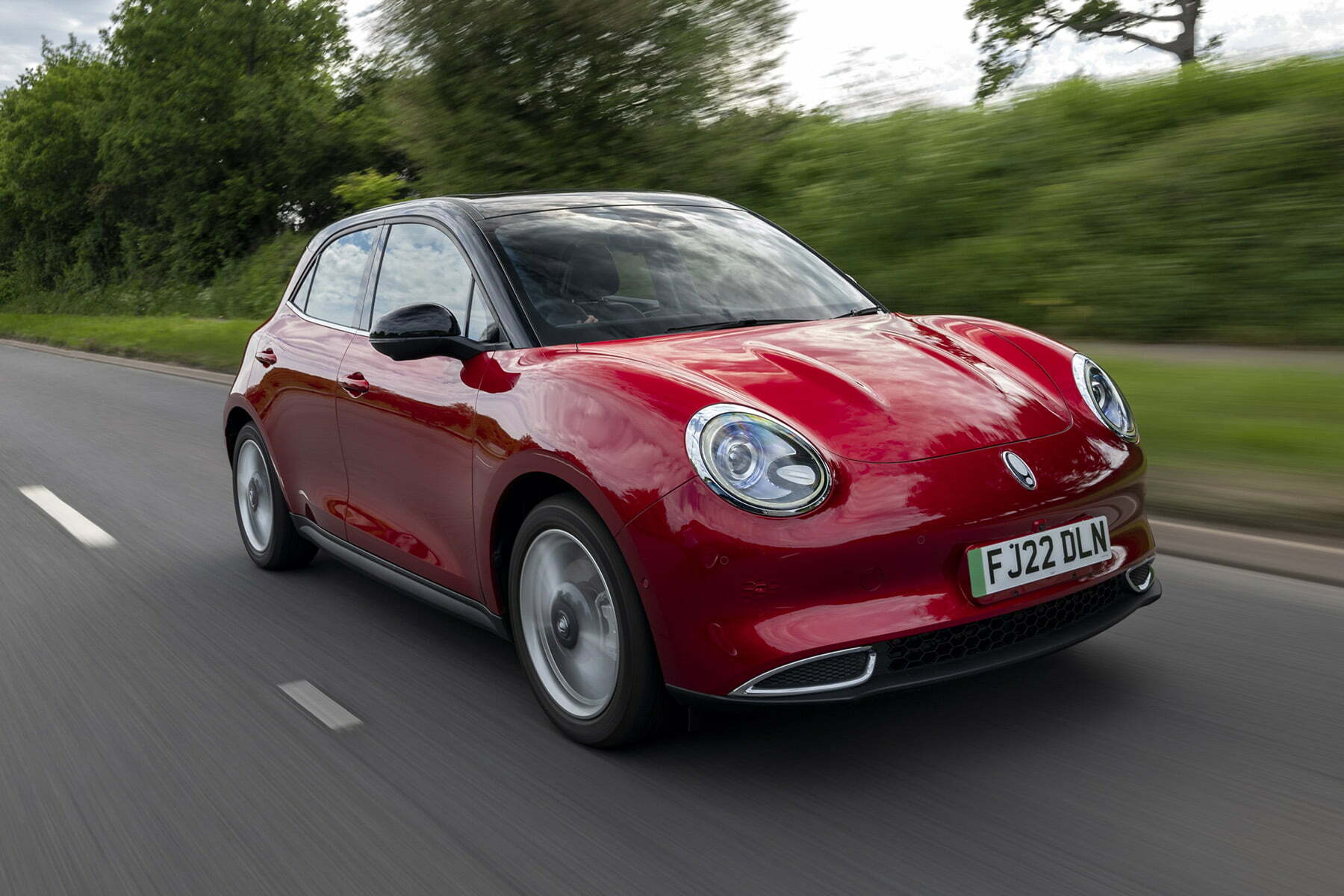
Flexible Vehicle Contracts logo 600x300px

Car subscriptions from Flexible Vehicle Contracts.
Find out more

Flagship Aston Martin DB12 S now available to order

0

Aston Martin has announced that a new flagship ‘S’ variants of its DB12 grand tourer is now on sale in the UK, which features “more power and even greater dynamic prowess”.

The large DB12 coupé and convertible range – on sale since 2023 – is the third current Aston Martin export to get a range-topping ‘S’ model this year, following the arrival of the DBX S and Vantage S in prior months. Aston Martin’s has applied the ‘S’ suffix to higher-performance versions of its models for around two decades now.

Opting for this ‘S’ model comes with a few cosmetic changes over the lead-in DB12, including new front and rear bumper splitters, gloss black or carbon fibre bonnet louvres, a two-tone exterior colour scheme with the roof and window surrounds finished in black, gloss black door sills and red ‘S’ badges near the front wheel arches.

Aston Martin has also given the ‘S’ a new stainless steel quad tailpipe exhaust, which the brand says reduces the grand tourer’s weight by 12kg (27kg weight reduction across the car in total) and has been “tuned to accentuate the engine frequencies throughout the rev range for added depth and potency.”

The British brand adds that its engineers have also tweaked the car’s throttle response and reduced the automatic transmission’s gearshift times by more than 50%. Further attention has been applied to the suspension, with re-tuned Bilstein DTX damper software said to improve “front-end confidence and overall agility feel.” Carbon Ceramic Brakes also comes as standard to improve the car’s stopping power.

Inside, the DB12 S is offered with a choice of three interior trim ‘environments’; all being different configurations of leather upholstery and panel trimmings. The car also comes with 16-way electrically-adjustable front seats as standard.

Available as either a coupé or ‘Volante’ soft-top convertible, the DB12 S is powered by the same 4.0-Litre twin-turbocharged petrol V8 as the standard DB12, but with a 20hp boost, raising power output to 700hp. This “even more potent” engine cuts the car’s 0-62mph sprint time down to 3.4 seconds. Top speed is caps out at 202mph.

The Aston Martin DB12 currently holds a New Car Expert Rating of D, with a score of 56%. It might be a fantastic car to drive, but it’s also a very expensive car to live with – not that this will come as any surprise to potential customers.

New car sales rise in stronger September

New car registrations saw an improvement of about 14% in the busy month of September compared to the same month last year, according to data published this week – although it wasn’t quite all as it seemed.

About 38,000 more cars were registered in September 2025 than in the same month for 2024, according to monthly numbers published by the Society of Motor Manufacturers and Traders (SMMT). Private new car sales were up by 9%, while fleet registrations grew by 17%.

September is generally the second-busiest month in the year for new car sales, after March, with number plates making their twice-a-year change. From September 2024 to the end of February 2026, all new cars will have a ’75-reg’ number plate.

Source: SMMT

Electrified cars make up half of sales

Another milestone was reached on the long journey from fossil fuels to electric cars in September, with more than half of all new cars registered being ‘electrified’ (full EVs, plug-in hybrids, basic hybrids) for the first time. Electric cars were up by 29%, plug-in hybrids by 56% and regular hybrids by 24%, and together they took just over 50% of all new registrations in September.

Source: SMMT

Petrol car numbers still increased by 2% compared to the same month last year, although market share fell because the overall growth was 14%. Diesel numbers fell to yet another new low, down by 28% to only 4% of total sales.

The much-trumpeted (by industry lobbyists) growth in EV registrations is basically inevitable if manufacturers want to hit their mandated 2025 sales targets. What the SMMT release doesn’t mention is how many of those cars were sold to real customers, and how hard some manufacturers are having to discount to achieve these numbers (equally, some car brands are sitting pretty on their EV targets). So there’s not a lot of point getting too caught up in ‘record EV sales’ headlines, as they’ll keep coming every month.

Chinese growth, not European

The big story from the impressive-looking growth figures in September is not yet another record month for EVs and hybrids, but the stunning growth for big Chinese car brands.

Of the 38,000 additional cars sold this September over last September, about 27,000 came from just three Chinese car manufacturers: BYD, Chery Group (through its conjoined Chery, Jaecoo and Omoda brands) and MG. Most European and Japanese brands underachieved in September, losing market share rather than gaining it.

To give you a sense of scale, the growth (not total sales) from those three Chinese companies is more than the total September sales for the UK’s biggest-selling car brand, Volkswagen. That represents an existential threat to a number of struggling European and Japanese car brands, and there’s a lot more to come from Chinese car companies over the next 12 months.

Conflating EV growth with China’s growth in the UK car market is a mistake. If the UK and EU bow to populist pressure to water down EV targets, China would simply send more petrol and hybrid cars. Their capacity for production growth vastly exceeds Europe’s.

Good month, bad month

So, despite a 14% increase in new car registrations, it wasn’t all beer and skittles for every car company and many big names performed poorly.

It was a good month for Alfa Romeo, Alpine, Bentley, BMW, BYD, Cupra, GWM, MG, Omoda, Peugeot and Vauxhall. All of these brands outperformed the overall market by at least 10%, meaning they saw growth of at least 24% over last September.

Meanwhile, things were not so good for Abarth, Audi, Citroën, Dacia, DS Automobiles, Fiat, Ford, Genesis, Honda, Hyundai, Ineos, Kia, Land Rover, Lexus, Maserati, Mazda, Mercedes-Benz, Nissan, SEAT, Smart, Subaru, Suzuki and Toyota. All of these brands underachieved against the overall market by at least 10%, meaning that they saw growth of less than 4% and – in many cases – significant falls.

That means that the following brands ended up about where you’d expect: Jeep, KGM, Mini, Polestar, Porsche, Renault, Skoda, Tesla, Volkswagen and Volvo. All of these brands were within +/-10% of the overall market.

The largest absolute improver was BYD, which catapulted from just over 1,000 cars last September to 11,000 cars this September. Going in the other direction, Land Rover dropped 2,500 units over the same month last year as deliveries fell by 30%.

Land Rover’s slump was heavily influenced by the company’s well-publicised recent cyberattack, which meant that all JLR’s factories in the UK and abroad were closed from mid-August until early October. That, in turn, restricted sales in September and is likely to make things even worse in October and November before we’re likely to see any sign of improvement.

As usual, Volkswagen was the UK’s biggest-selling car brand, ahead of Kia, BMW, Audi and Ford.

Sportage closes the gap

The race for 2025’s best-selling car title closed up a bit in September, as the Kia Sportage topped the charts to narrow the gap to the Ford Puma. With three months to go for this year, the Puma still holds a lead of nearly 3,000 vehicles and remains the favourite to retain its title as the UK’s most popular new car.

The most notable results in September were from the Jaecoo 7, which placed fourth and improved on last month’s sixth-place result, and the BYD Seal U, which finished sixth this month. It’s almost guaranteed that we’ll see a lot more of both brands before the end of this year.

We’ll have our usual run-down of the top ten shortly.

Chevrolet Corvette Stingray

Summary

The Chevrolet Corvette is a V8-powered mid-engined American supercar. Available as either a coupé or hard-top convertible, these Stingray versions are the lead-in models of the eighth-generation (C8) Corvette range, below the E-Ray hybrid and range-topping Z06.

Although Chevrolet decided to pull the plug on its UK operations over a decade ago, the brand has offered limited numbers of its Corvette in right-hand drive to British supercar enthusiasts for a few years now, selling versions of the sports car through third party dealers Lumen Automotive and Arnold Clark.

Described by The Car Expert’s own Stuart Masson as a “genuinely impressive sports car” that is “enormously fun to drive at any speed”, the British motoring media has given the Stingray a warm reception, particularly due to its more value-for-money pricing when compared to high-performance alternatives from European brands.

“Pricing has risen significantly from when it first reached showrooms”, Car’s Yousuf Ashraf points out, “but that still puts the C8 usefully cheaper than a basic Porsche 911.”

The Top Gear team also praises the eighth-generation Corvette for its improvements over the previous iteration. “Where the C7 rips and snorts its way down the road, the C8 is a pool of quiet – almost silent – calm. When you speed up, the C7’s brutish, sometimes wayward, mix of under and oversteer is replaced in the C8 by a delicate mix of clear, swift and linear responses.”

As of October 2025, the Chevrolet Corvette Stingray holds a New Car Expert Rating of D, with a score of 54%. Despite the sports car’s positive set of review scores, this overall rating is hindered by very high running costs, high emissions and rather basic warranty cover.

Corvette Stingray highlights

  • Exhilarating V8 performance and nimble handling
  • Both comfortable and very quick
  • Cheaper to buy than European equivalents

Corvette Stingray lowlights

  • Limited availablity
  • Hit-and-miss interior ergonomics
  • High running costs

Key specifications

Body style: Mid-engined coupé and hard-top convertible
Engines:
petrol
Price:
From £74,200 on-road

Launched (UK): Winter 2021/22
Last updated: N/A
Replacement due: TBA

Media reviews

Highlighted reviews and road tests from across the UK automotive media. Click any of the boxes to view.

Featured reviews

More reviews

Auto Express

Car

Daily Mirror

Parkers

The Telegraph

Top Gear

Safety rating

Independent crash test and safety ratings from Euro NCAP

No safety rating

As of October 2025, the Chevrolet Corvette Stingray has not been assessed by Euro NCAP. Due to its price and exclusivity, it is unlikely to undergo crash testing.

Eco rating

Independent economy and emissions ratings from Green NCAP

No eco rating

As of October 2025, the Chevrolet Corvette Stingray has not been assessed by Green NCAP. Again, we’re not expecting it to happen anytime soon – so you’ll just have to imagine how eco-friendly an 6.2-litre V8 petrol sports car (albeit a ‘E-Ray’ plug-in hybrid) is likely to be.

Running cost rating

Clear Vehicle Data logo close crop

Monthly cost of ownership data provided exclusively for The Car Expert by Clear Vehicle Data

Fuel consumptionAverageScore
Petrol models24 mpgE
CO₂ outputAverageScoreVariationScore
Petrol models277 g/kmE
Insurance groupAverageScoreVariationScore
All models50F

The Chevrolet Corvette Stingray is understandably a very expensive car to own and run, according to whole-life cost numbers provided exclusively to The Car Expert by our data partner, Clear Vehicle Data.

While we are yet to receive servicing and maintenance cost estimations for the sports car, the Corvette’s thirsty 6.2-litre V8 engine has average fuel consumption of 24mpg. The car’s insurance premiums are also in the most expensive bracket, which is to be expected of a sports car with a steep price tag and limited availablity.

Reliability rating

MotorEasy logo 600x167

Reliability data provided exclusively for The Car Expert by MotorEasy

No reliability rating

As of October 2025, we don’t have enough reliability data on the Chevrolet Corvette Stingray to generate a reliability rating.

The Car Expert’s reliability information is provided exclusively to us using workshop and extended warranty data from our partner, MotorEasy, sourced from both official dealerships and independent workshops. 

As soon as MotorEasy has sufficient data on the Chevrolet, we’ll publish the results here.

Warranty rating

New car warranty information for the Chevrolet Corvette

Overall ratingE17%
New car warranty duration3 years
New car warranty mileage60,000 miles

Chevrolet’s new car warranty (provided by third party dealerships) is lower than average, and worse than rival brands in a similar price bracket as the Corvette. The duration is three years, with a limit of 60,000 miles.

Warranty on a used Chevrolet Corvette

  • If you are buying an ‘Approved Used’ Chevrolet Corvette Stingray from one of Chevrolet’s chosen third-party dealerships in the UK, you are likely to get a minimum 12-month warranty included. This may vary however.
  • If you are buying a used Chevrolet Corvette from a private seller, there are no warranty protections beyond any remaining portion of the original new car warranty.

If you’re looking to buy any used car that is approaching the end of its warranty period, a used car warranty is usually a worthwhile investment. Check out The Car Expert’s guide to the best used car warranty providers, which will probably be cheaper than a warranty sold by a dealer.

Recalls

Official DVSA safety recalls that have been issued for the Chevrolet Corvette

As of October 2025, we are not aware of any DVSA vehicle safety recalls affecting the Chevrolet Corvette. However, recall information is updated very regularly so this may have changed.

You can check to see if your car has any outstanding recalls by visiting the DVLA website or contacting your local third-party Chevrolet dealer.

Similar cars

If you’re looking at a new or used Chevrolet Corvette, you might also be interested in these alternatives.

Aston Martin Vantage | Bentley Continental GTFerrari SF90 Stradale | Lamborghini Temarario | Maserati MC20 | McLaren Artura | McLaren 750S | Mercedes-AMG GT | Porsche 911 Turbo

More information

More news, reviews and information about the Chevrolet brand at The Car Expert

Everything you need to know about Chevrolet

Everything you need to know about Chevrolet

Cadillac and Chevrolet models returning to UK

Cadillac and Chevrolet models returning to UK

It’s time to reveal the best cars of the year…

It’s time to reveal the best cars of the year…

All the new cars launched at Goodwood 2025

All the new cars launched at Goodwood 2025

Chevrolet Corvette E-Ray makes UK debut

Chevrolet Corvette E-Ray makes UK debut

Chevrolet Corvette Stingray review

Chevrolet Corvette Stingray review

Chevrolet Corvette Z06 now available in UK

Chevrolet Corvette Z06 now available in UK

GM to axe Chevrolet brand in Europe

GM to axe Chevrolet brand in Europe

Chevrolet Corvette changes to middle lane

Chevrolet Corvette changes to middle lane

Buy a Chevrolet Corvette

If you’re looking to buy a new or used Chevrolet Corvette, The Car Expert’s partners can help you find the right car.

Motors 600x300

Find your next used car with Motors. Find out more

Auto Trader logo 600x300

Find your next new or used car with Auto Trader. Find out more

Carwow logo 600x300

Find your next new or used car with Carwow. Find out more

Subscribe to a Chevrolet Corvette

If you’re interested in a car subscription, The Car Expert’s partners can help. (PS: What’s a car subscription?)

SelfDrive UK logo

Car subscriptions from SelfDrive.
Find out more

Cocoon Vehicles logo 600x300

Car subscriptions from Cocoon.
Find out more

Just Vehicle Solutions logo 600x300

Car subscriptions from Just Vehicle Solutions.
Find out more
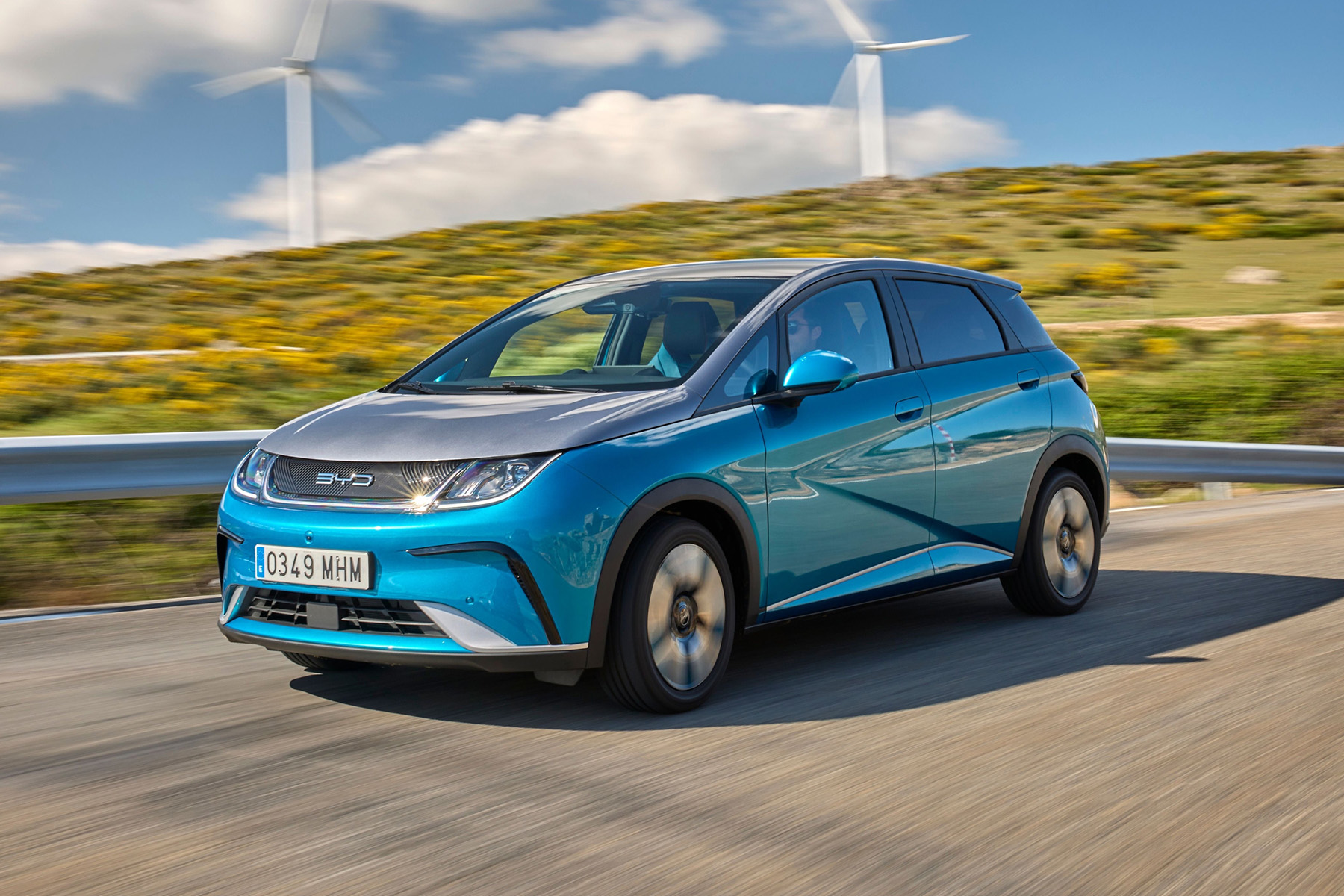
Skoda Enyaq range expanded with ‘SE L 85’ trim

0

Skoda has introduced an additional ‘SE L 85’ trim grade to its all-electric Skoda Enyaq range, reducing the lead-in price of SUV’s larger 77kWh powertrain.

This 77kWh battery option, which sits about the entry-level 58kWh ‘SE L 60’ and ‘Edition 60’ variants, already powers the higher spec ‘Edition 85’, ‘SportLine 85’ and ‘SportLine 85x’ models in the Enyaq range.

Essentially, the ‘SE L 85’ offers buyers the more powerful powertrain set-up – which can reportedly complete a 0-62mph sprint in 6.7 seconds – with the cheaper entry-level equipment list of the lead-in ‘SE L 60’ model, including heated front seats and a heated steering wheel, keyless entry, a motorised boot lid, three-zone climate control and adaptive cruise control.

This new trim grade is now priced at just under £42k – more than £2k cheaper than the ‘Edition 85’ package which comes with Matrix LED headlights and a driver’s seat massage function – and is eligible for the UK government’s £1,500 electric car grant discount.
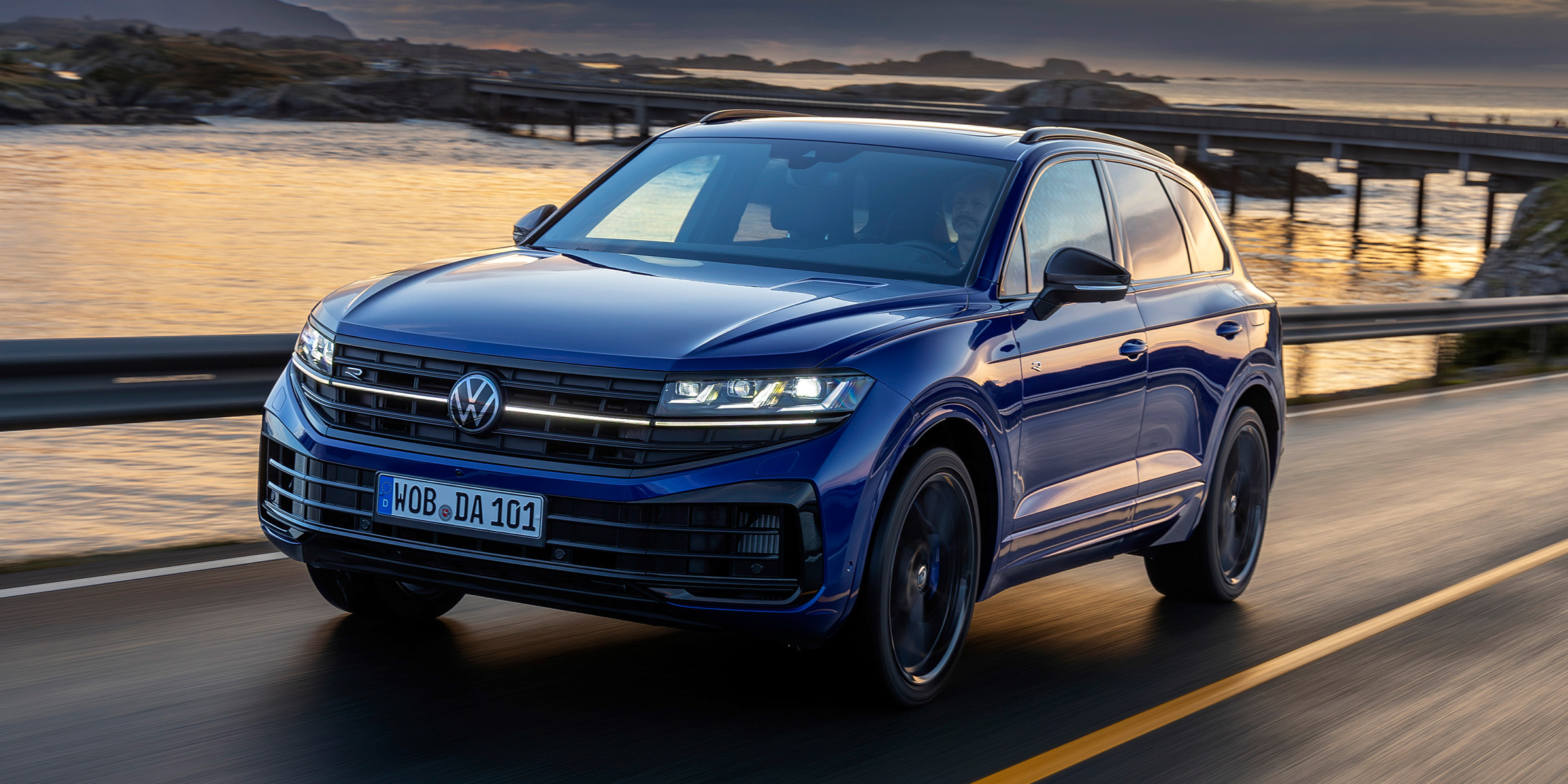
One of the most highly-regarded mid-sized SUVs in our Expert Rating index, the Skoda Enyaq currently holds a New Car Expert Rating of A, with a score of 77%.