Find an Expert Rating: 
Home Blog Page 32

Should I buy a new or used car?

About 10 million cars and vans are sold in the UK every year, with about 8 million of these being used vehicles and about 2 million being new. For most car buyers, choosing between a new or used car is a purely economic decision, but are there other factors you should be considering?

Offering the latest on-board tech, advanced safety features, interior comfort and refined engines, the allure of a brand-new car straight from the dealership floor is strong. But used cars are often just as capable at handling your daily commute, and come with compelling financial incentives.

This article dissects the various costs associated with buying new and used, examining how each choice impacts the buyer’s wallet over time so that you can make a more informed decision.

Value for money

New cars carry a heftier price tag – a reflection of their unblemished state and the premiums that come with new technology and comfort features. You’re also paying VAT on a new car, so that forms part of the price.

Used cars attract buyers with typically lower asking prices, providing significant upfront savings. The price tag will reflect the vehicle’s age, condition and mileage, as well as the relative popularity and desirability of that model.

Depreciation

Depreciation is the greatest financial burden faced by new car buyers, although it’s a deferred cost that only affects you when you come to sell the car. It hits hardest in the first year of ownership, where a new car might lose up to 20-30% of its value, an accelerated depreciation that lessens somewhat with each passing year. Over five years, a new vehicle could see its worth diminish by over 50%, although this means that annual rate of depreciation has reduced to only about 10% a year on average.

A used vehicle loses value at a markedly slower pace. Already past its primary years of depreciation, a buyer avoids the sharpest drops in car value. This means that the car should keep most of its value should you look to sell it a few years down the line.

If you buy a new car and then sell it again within a couple of years, you’re going to take a much bigger hit on depreciation than if you buy a used car instead. And if you keep your car for longer, you reduce the average depreciation compared to changing your car more frequently.

Car finance

However, the car’s price tag and depreciation are not the only indicators of value for money. Very few new car buyers pay cash for their cars anymore, with almost all customers buying or leasing the vehicle on some sort of finance package. This can significantly affect the value equation.

The interest rate you pay on your car finance is likely to be much less on a new car than on a used car. Car companies and their associated finance companies use car finance as a means of discounting, in addition to – or instead of – taking money off the car’s price tag. The car company will always be more interested in selling you a new car instead of one they built a few years ago, so that’s where the best deals are.

With a combination of discounting (usually through what’s known as a deposit contribution) and better interest rates, the monthly cost between a new car and a near-new used car might be a lot less than the price tags suggest. In some – admittedly rare – cases, a new car can actually work out cheaper than a low-mileage used car.

For electric cars, there’s also the possibility of salary sacrificing a new car if you’re eligible. This can save you hundreds of pounds a month compared to financing a new EV using a PCP or other financing method, and can make it cheaper than buying a used electric car (or cheaper than an equivalent new petrol/diesel/hybrid car).

If you’re only planning to keep the car for a relatively short period of time, or you don’t need a car all-year round, a short-term lease or a car subscription may be more cost-effective than buying either a new or used car.

Reliability and maintenance

New vehicles, with their untarnished mechanical history, tend to perform better in terms of reliability. Car manufacturers ensure that new cars meet stringent quality checks before they leave the production line, plus they have to provide a warranty on the vehicle so it’s in their interests to ensure that their cars don’t break down.

Used cars, while initially affordable, can sometimes harbour hidden complications due to past usage or neglect which aren’t always apparent even to vigilant buyers. More luxurious or tech-laden models could have very high repair costs if things go wrong.

Once the new car warranty expires (which could be anywhere from three to seven years from new), repairs can get very expensive very quickly. If you’re looking at buying a used car, it’s certainly worth factoring in the purchase of a used car warranty to help protect your wallet from nasty shocks. Be sure to obtain a detailed vehicle history from the seller, and consider paying for an inspection by a certified mechanic to avoid significant unforeseen expenses.

Using data exclusively provided to us by our technical partner MotorEasy, our Expert Rating Index grades new and used cars on their reliability, and new models tend to get much higher scores, especially from brands known for durability and low-cost maintenance.

Modern cars are engineered with advanced materials and technologies that push efficiency boundaries and diminish regular wear-and-tear, which is likely to save you several hundred pounds in the first few years of ownership.

According to another of our key partners, Clear Vehicle Data, servicing and maintenance costs are cheaper for new cars than for used ones. Average new car servicing bills are between £500 and £700 annually for a new car from year one to year three of ownership, and between £1,000 and £1,400 for years three to five. Opting for an electric model is usually cheaper when it comes to servicing, as we discuss here.

So, why are older models more expensive to maintain? Well, older vehicles with higher mileage might require frequent crucial interventions like timing belt replacements, brake jobs, and suspension overhauls which inflate upkeep budgets over time.

New cars also generally benefit from a healthy supply of parts and more predictable pricing, while finding parts for older, perhaps discontinued models can turn into a quest – often an expensive one if the only fix available comes from aftermarket solutions or rare part dealerships.

Overall, anyone weighing up whether to opt for a used model rather than buying new needs to weigh potential long-term maintenance costs against the attractiveness of a used car’s lower price tag.

Insurance and other annual expenses

Insurance costs for vehicles can vary based on factors including vehicle age, overall value, and built-in safety features.

Newer vehicles, while equipped with advanced safety measures and technology, command higher insurance premiums due to higher replacement car costs and the higher cost of parts required for repairs. Insurers also consider the higher likelihood of theft for newer, more attractive models.

Used cars benefit from more modest insurance rates due to their diminished market value following depreciation.

However, this advantage can be offset if the vehicle lacks modern safety features, as insurers evaluate the potential payout risk associated with injuries in vehicles less equipped to handle crash impacts effectively. Owners of older vehicles potentially face steeper medical bill claims, influencing insurance rates upwards.

Beyond insurance, other ownership expenses like annual taxes and registration fees also tilt the scale when contemplating the purchase of a new versus a used car. These costs typically dwindle as the vehicle ages.

New cars, with their higher valuations, tend to lead to higher taxes and fees at the time of purchase and over the initial few years of ownership.

Summary

There’s no ‘right’ or ‘wrong’ choice when deciding whether to buy buy new or used. What’s important is that you understand what the relative costs are likely to be, and make sure you’re comfortable with your decision.

For some buyers, there’s nothing to beat a new car and they’re prepared to spend a bit more to have one. Others will look the up-front savings of buying a used car and think of what else they could do with extra money they’re not spending.

But keep in mind that a car will cost you money now and pretty much every day you own it over the next few years, so it’s crucial to be aware of both the up-front costs as well as the likely costs each month and year that you own the car.

Read more:

New compact Alfa Romeo Junior unveiled

0

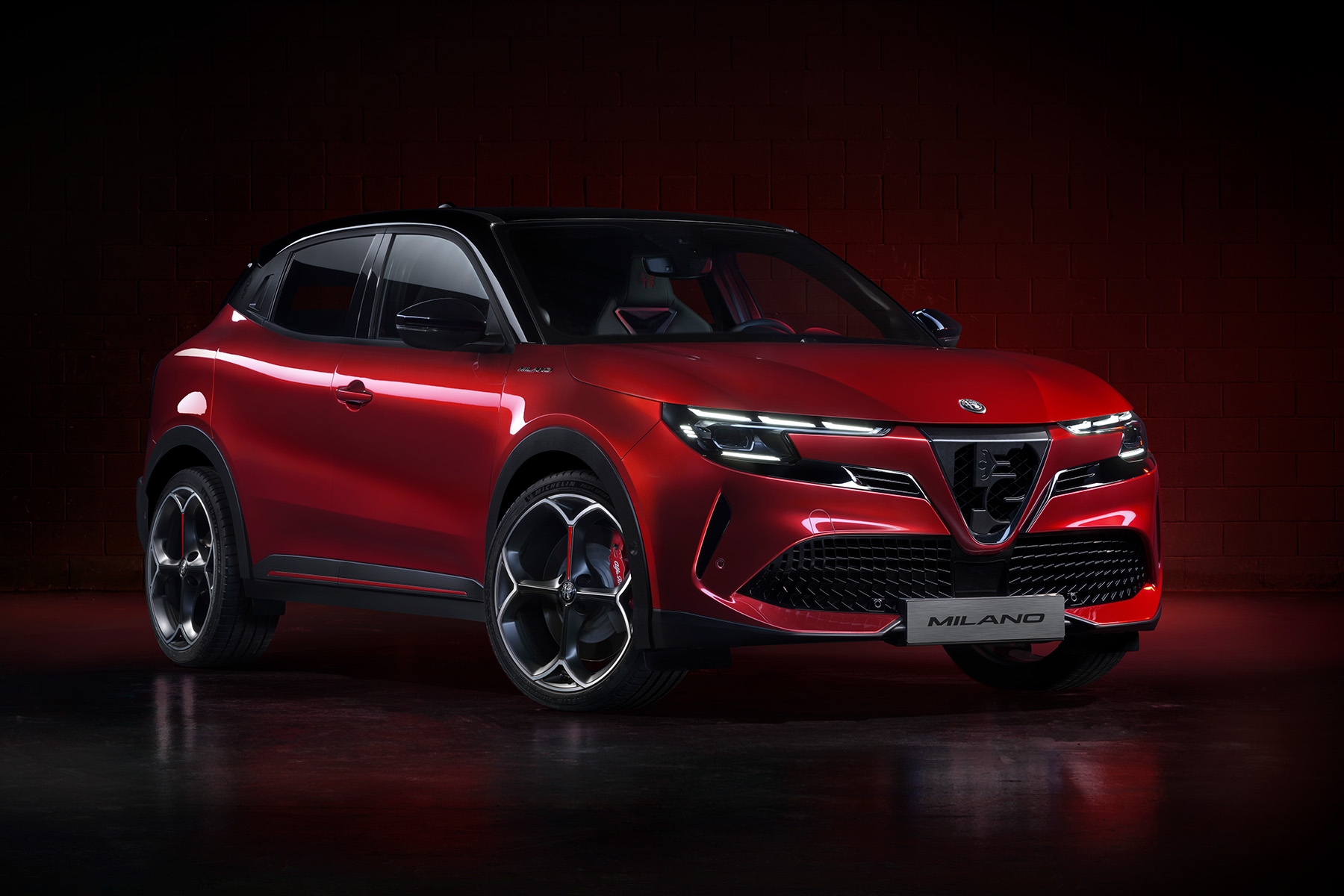
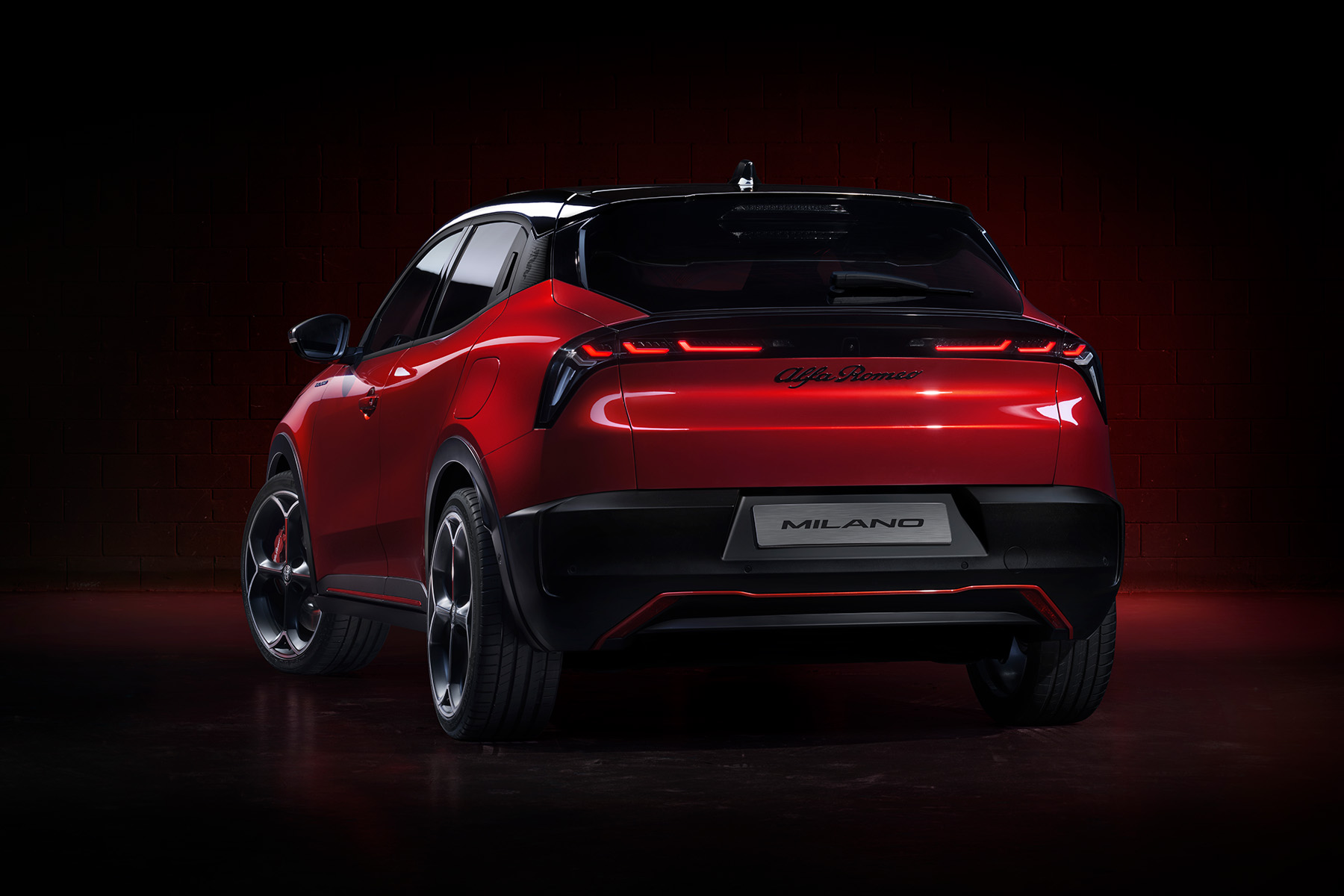
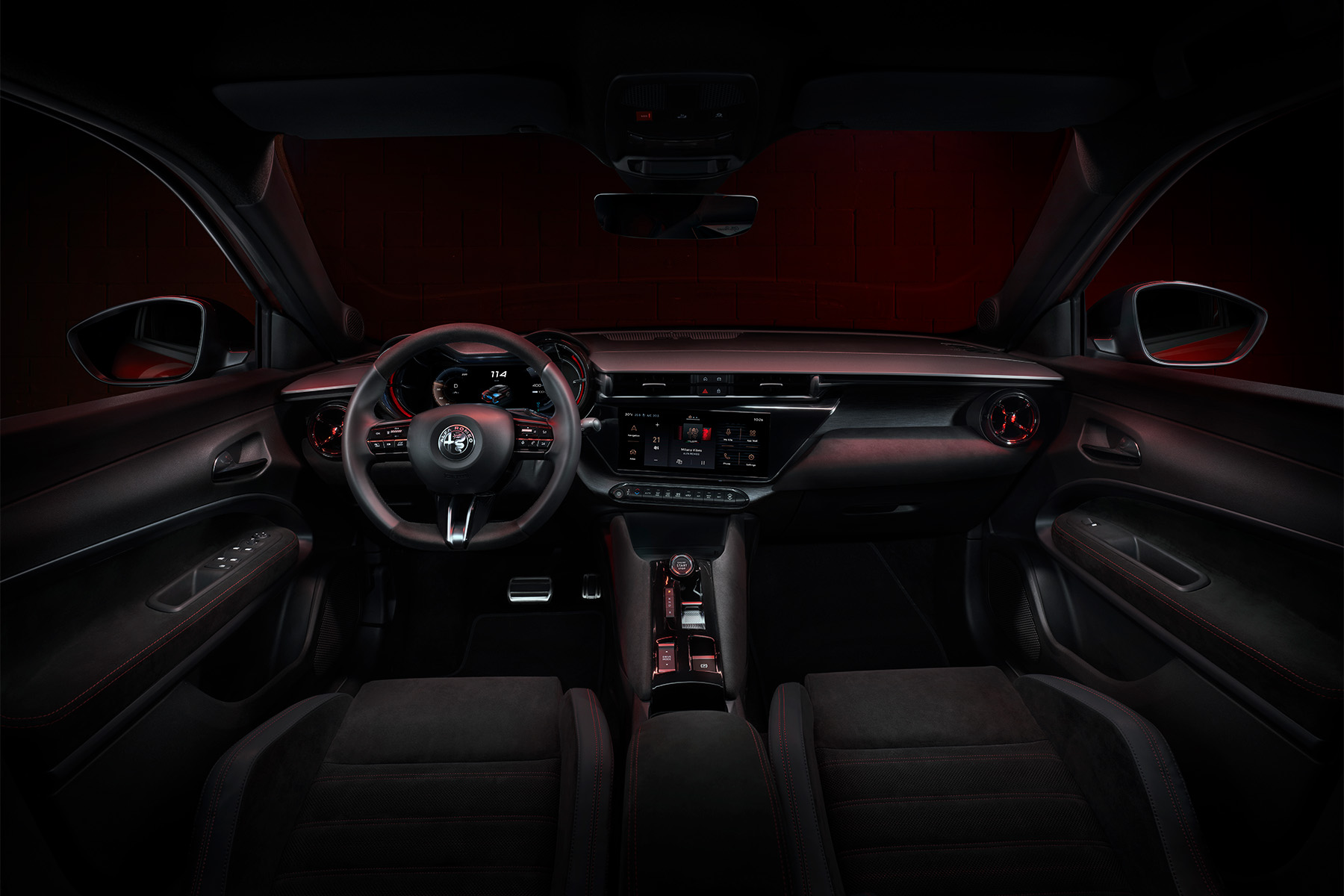
Alfa Romeo has shown off its new compact Junior crossover range that will include petrol-electric hybrid and all-electric models, and will battle for sales with other Stellantis stablemates like the Jeep Avenger.

As the model pictures show, the car was originally named the ‘Milano’ – that moniker has now been scrapped due to issues raised by Italian politicians. The ‘Milano’ would have no direct relation to Italy’s Milan, instead being built in Poland, and Politicians argue that this is illegal by Italian law.

Instead, Alfa Romeo has opted to avoid potential controversy and call the new crossover the Junior – a model name that harpers back to the marque’s sporting history in the 1960s. Taking the entry-level place of the small Mito and Giulietta models that have been retired in recent years, the Junior will sit below the Tonale and Stelvio SUV’s in Alfa’s range.

The range in Europe will include both petrol-electric hybrid ‘Ibrida’ and electric ‘Elettrica’ variants, but Alfa is yet to announce if the ‘Ibrida’ will be coming to the UK. At the moment, we understand that the brand has only expressed British launch plans for the ‘Elettrica’ range.

Like the Jeep Avenger, the Junior Elettrica will be powered by a 54kWh battery that can charge at speeds up to 100kW. Two different variants will be offered – the standard 156hp ‘Elettrica’ and the top-spec 240hp ‘Elettrica Veloce’. The former can complete a 0-62mph sprint in nine seconds flat, while the later reduces this sprint time to seven seconds. Alfa adds that the car’s electric range is 255 miles on a single charge.

At around 4.2 metres long, the Junior is a bit bigger than the Jeep Avenger, and near the same size as the Fiat 600e. The boot has space for up to 400 litres of luggage, impressive for a car of this size, though it’s not clear if this stands for the ‘Ibrida’ or ‘Elettrica’ and whether these different powertrains have different boot sizes.

LED headlights and daytime running lights come as standard, as does a pair of ten-inch displays inside – one for the digital instrument panel and the other a infotainment touchscreen.

This infotainment system is customisable and can download over-the-air updates, which means that the car can download further software upgrades and features after sale remotely while sitting in the driveway. Like other brands, Alfa has also introduced an AI-powered voice assistant that can be used to control various settings and respond to queries.

That sums up the broad strokes of this new model announcement. The Junior’s UK pricing is yet to be revealed, but the manufacturer says that the crossover will become available to order in the Summer.

Should I rotate my tyres?

Want to prolong the life of your tyres, keep a check on their condition and stay safe all in one go? Of course you do, so have your tyres rotated periodically. It’s an easy task that very few drivers ever undertake, but one that you really should.

Depending on the type of car you own and your driving circumstances, you can expect your tyres to last for a few years or tens of thousands of miles. But the four tyres on your car don’t usually wear evenly – the front tyres may wear faster than the rear tyres, or vice versa.

Changing the tyres’ positioning on your car can help them last longer and wear more evenly, while also improving the vehicle’s handling and safety. 

Tyre rotation is a simple job and should be done every 5,000 to 6,000 miles. This should be brought forward though, if you do regular long distance or high speed journeys or carry heavy loads.

As part of a car’s regularly servicing schedule it should be done by the dealer or workshop but if you do your own maintenance, tyre rotation is definitely something that you should have on your ‘to do’ list.

Why is tyre rotation important?

Firstly, removing the wheels from the car gives you a chance to have a look at the inside of the tyre that you don’t normally see. That allows you make sure they’re in good condition, without any bulges, cuts or gouges in the tread or sidewalls. You can also check for any uneven tread wear on each tyre – this is another issue that rotation can help address.

It’s also a good time to check the air pressure in each tyre and ensure the tread depth is within legal limits. Remember that once a tyre’s tread has gone below the minimum 1.6mm level, it must be replaced. Rotating your tyres can spread that wear more evenly, so they’re likely to last longer. 

Over a longer term, rotation allows you to share the load each tyre carries in its position because front tyres have a different job to do than rear ones. The front tyres obviously do all the steering, and also take most of the load under braking. As a result, they usually wear faster than the rear tyres on most cars.

Then there are stresses and wear than come from acceleration forces. If your car is front-wheel drive, the front tyres have to cope with both turning and accelerating, so they will wear even faster than the rear tyres. In a rear-wheel-drive car, the rear tyres take on the acceleration duties, while four-wheel-drive cars can send drive to any or all of the wheels at once.

If you regularly carry tools, equipment or cargo in the car, this can increase wear on the rear tyres. This also applies if you tow regularly, as the weight of the trailer or caravan loads up and drags on the rear wheels more than the front.

For four-wheel drive vehicles, you may expect the wear to be more evenly distributed by design. But usually, the front wheels will still wear faster because they’re turning as well as driving – and front tyres always tend to take more braking load than rears on any car. So it’s still important to rotate tyres because a more even wear across all four corners of the car will reduce stresses on the drivetrain and suspension.

Directional tyre
This is a directional tyre, so can only be fitted one way around.

Different types of rotation

Manufacturers’ guides will give advice but generally for front-wheel-drive cars, the front tyres are swapped straight to the back while the rears go to the front and are crossed over.

The reverse usually applies for rear-wheel-drive cars, where the rear tyres are rotated straight to the front while the front tyres are moved to the back and crossed over.

Four-wheel drive cars usually benefit from having front and rear tyres swapped and crossed over so that, for example, the left-front tyre becomes the right-rear.

However, there are situations when this doesn’t apply. And in some cases, tyres can’t be rotated at all.

Not every car has the same sized wheels and tyres for both front and rear, so you can’t move them backwards and forwards. This often applies to performance cars (usually with rear-wheel drive), where the rear tyres may be wider and/or taller than the fronts.

Likewise, some tyres have ‘directional’ tread patterns, meaning they can only run in one direction (as shown in the image above). If you swap the tyre across to the other side of the car, it will effectively be running backwards and won’t perform in the same way – especially in wet weather.

There will be arrow marking on the sidewalls of directional tyres to denote which way the tyres should be pointing. If your tyres are the same size front and rear, you can still swap them on the same side of the car (eg – left-front to left-rear) Again, this will usually only apply to some high-performance tyres rather than the tyres you see on most everyday cars.

If you are not sure about whether the tyres on your vehicle are able to be rotated, check your owner’s manual or consult a professional tyre fitter before changing anything. 

You may also like:

Several revisions for Nissan Qashqai

0

Nissan has decided to give its popular Qashqai SUV a fresh facelift, introducing new front end looks and on-board tech updates to draw consumer attention away from the likes of the Hyundai Tucson and Kia Sportage.

The Japanese brand says that the refreshed model “exudes a sharp and modern dynamism” – the most notable change at first glance being the car’s revised front grille design that Nissan says is inspired by “patterns of ancient Japanese armour scales.”

The altered grille is flanked by narrower LED daytime running lights with small lenses that mimic the shape of grille design. The main headlight now features an adaptive high-beam module, and the shape of the tail lights has also been revised. The rear bumper has been reshaped to give the car a wider stance too.

Stepping inside, the SUV’s interior layout is more or less the same as the pre-facelift model, but there are new finishes for the dashboard and centre console, the addition of ambient lighting and higher trims come with some Alcantara leather elements. Nissan adds that the car’s side windows are also thicker to reduce external noise in the cabin.

Front and centre on the dashboard is a 12-inch infotainment screen with improved graphics that runs new infotainment software powered by Google. Apps like Google Maps come pre-installed, with over 70 other apps available on the Google Play store.

This infotainment software comes with a Google voice assistant that can be used to control a wide range of functions, including media playback, navigation settings and climate control. This system is also compatible with over-the-air updates, meaning future infotainment upgrades and features can be remotely installed by the car while parked on the driveway.

Nissan has also added to the Qashqai’s standard equipment list, including a driver drowsiness alert and emergency lane-keeping assistance. The picture quality of the optional surround-view parking camera has been improved and can provide an ‘invisible-hood view’ to help prevent drivers kerbing the wheels and a ‘side-vision view’ that is particularly handy for T-Junctions with poor visibility.

That sums up this Qashqai refresh – the engine options remain unchanged, with both mild-hybrid petrol and the brand’s unique ‘e-Power’ hybrid variants available. The facelifted range is set to go on sale this Summer, with prices starting just north of £27k.

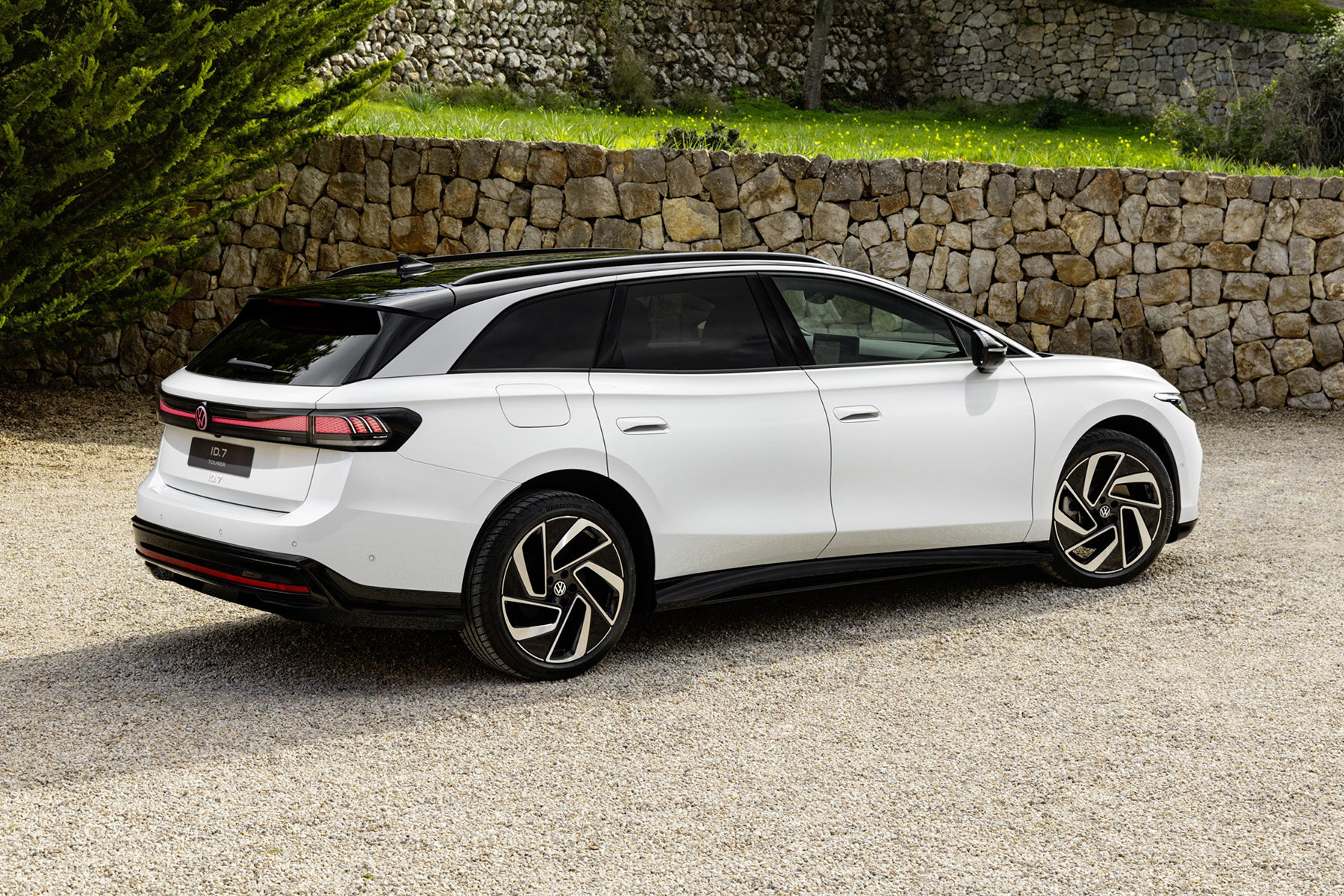
Volkswagen ID.7 Tourer estate now on sale

0

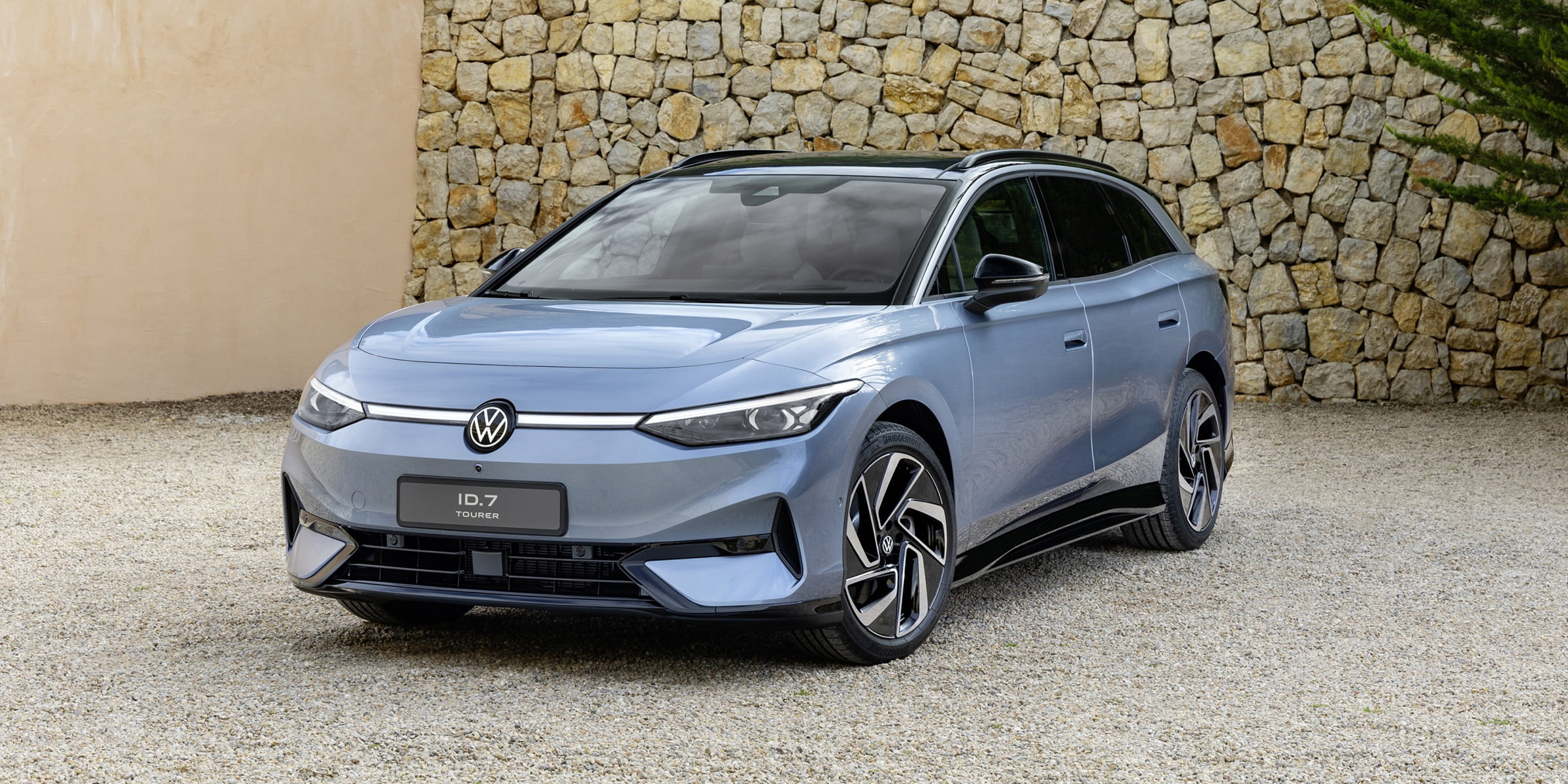
Expanding its new large electric ID.7 line-up, Volkswagen has now launched its ID.7 Touring estate, which offers more boot space than the standard ID.7 with a slight reduction in battery range.

Volkswagen points out that the Touring is “one of the first electric estate cars to debut in Europe”, joining the likes of the cheaper MG 5 and more luxurious Porsche Taycan Cross Turismo, as well as the new BMW i5 Touring which is now available to order. More battery-powered estates are on the way though, including the Audi A6 Avant e-tron which is expected to arrive this year.

As you might expect, the Touring is nearly identical to the ID.7 saloon, apart from the back end, which offers around 70 litres more boot space – 605 litres in total, rising to 1,714 litres with the rear seats folded. This is 35 litres more than the i5 Touring, but Volkswagen’s latest petrol-powered Passat estate is still the more spacious option, offering 700 litres for luggage room.

The Touring comes with a black contrast-coloured roof like the saloon, but with the addition of roof rails and a rear spoiler above a steeper rear window.

Inside, the estate features the same “Ready 2 Discover” 15-inch infotainment display, complete with freely assignable favourites buttons and – in response to feedback from customers – illuminated sliders to control cabin temperature. It also comes with the brand’s navigation software installed.

Wireless smartphone charging is included, as is a voice assistant for controlling the phone call and navigation system. This voice assistant can also open the panoramic sunroof, which can be switched between opaque and transparent. Ambient cabin lighting, keyless start and entry, three-zone climate control and an auto-dimming rear-view mirror also come as standard.

As for the powertrains, the Touring has the same lead-in 77kWh battery and electric motor pairing that the brand says can muster 372 miles of range on a single charge – eight miles less than the saloon. The range is topped by a more powerful 86kWh option, which has a reported 426-mile range. Both versions can top up the battery from 10% to 80% in around 30 minutes using a 200kW charger.

A tow bar features on the option list, and with it equipped, the Touring has a towing capacity of 1,200kg.

One trim level is now available that uses the smaller 77kWh battery – the ID.7 ‘Pro Match’. Pricing begins at just north of £52k. A ‘Tourer Pro S’ model with the larger 86kWh unit will go on sale in the Summer, and a all-wheel drive high-performance ‘GTX’ version (that uses the 77kWh battery) is also on the way.

The Volkswagen ID.7 currently holds a New Car Expert Rating of A with a score of 77%. This score places the car towards the top of our Expert Rating Index.

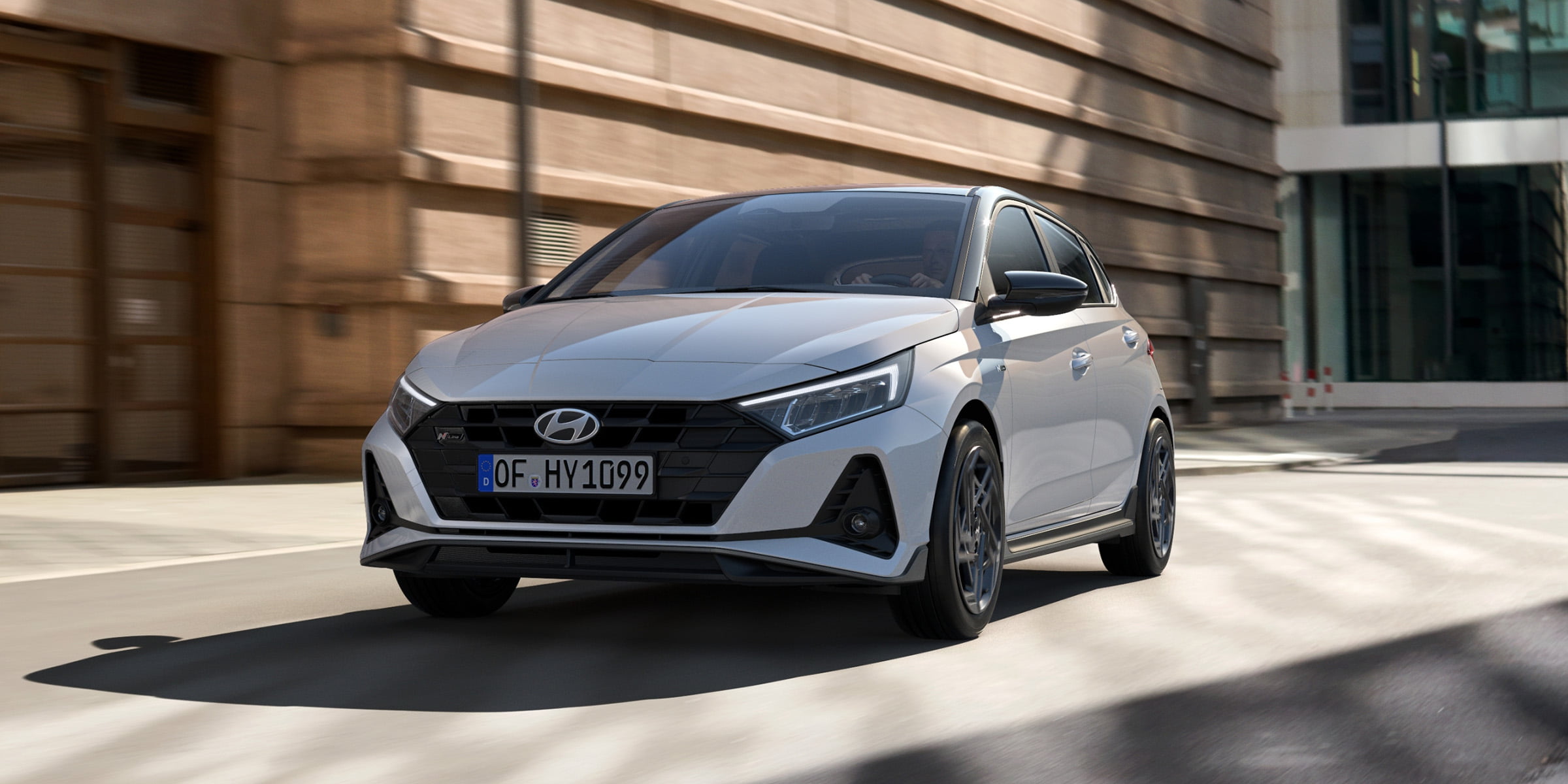
Hyundai i20 ‘N Line S’ trim now available

0

Hyundai has launched a new range-topping trim for its compact i20 hatchback, which includes several additional tech features and a premium sound system.

Not to be comfused with the high-performance i20 N hot hatch, the ‘N Line S’ replaces the previous ‘N Line’ grade, and features that trim’s exterior and interior design package, rear spoiler, leather wrapped steering wheel and gear knob, and cloth upholstery with red stitch detailing.

The model also comes with LED daytime running lights, headlights and taillights, as well as keyless entry, a ten-inch digital instrument cluster and a ten-inch infotainment touchscreen with live ‘Mapcare’ navigation and compatibility with Apple CarPlay and Android Auto.

Over the previous ‘N Line’, the ‘N Line S’ adds new-look 17-inch alloy wheels finished in black, interior ambient lighting, heating for the front seats and steering wheel, front and rear parking sensors and a wireless smartphone charging pad.

This grade also includes a premium Bose sound system and is available, like the ‘Premium’ trim, with the full range of bodywork colour options, including two-tone paint jobs.

Available with either a manual or automatic gearbox, the top-spec ‘N Line S’ can now be ordered from just over £24k – around £2k more than the standard i20 ‘Advance’. A sunroof is also available as an option extra, for an extra £550, while adding smart cruise control and blind spot monitoring costs an extra £800.

The Hyundai i20 currently holds a New Car Expert Rating of A, with a score of 76%. It scores highly in media reviews and has low CO2 emissions, while running costs are decent and the i20 range tends to be very reliable.

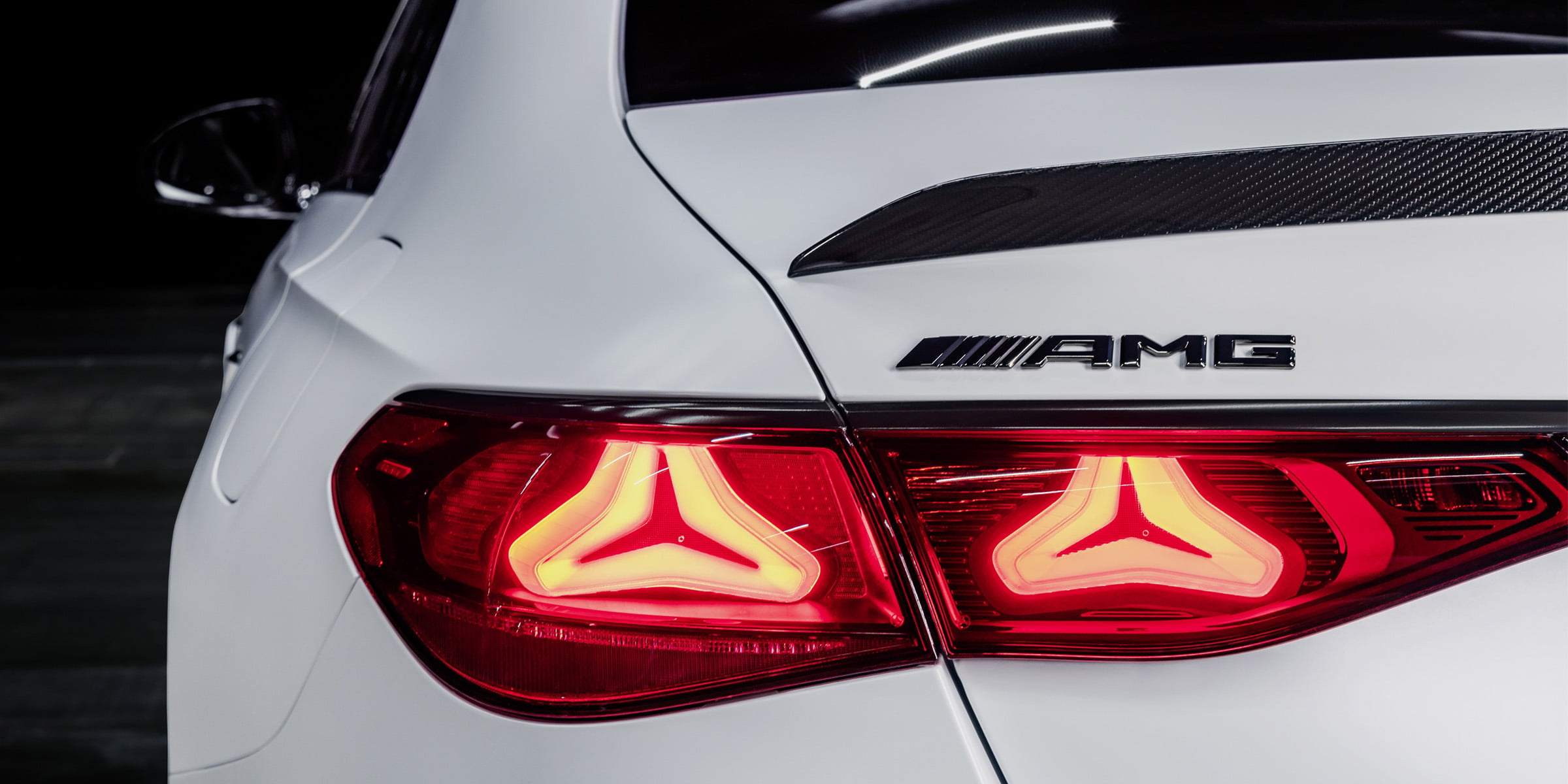
Everything you need to know about Mercedes-AMG

Anyone with a basic knowledge of car matters might think that AMG is to Mercedes-Benz what GTI is to Volkswagen, RS to Ford – the badge hung on the back of the more potent versions of the cars.

Ask a motorsport fan, however, and you’ll get a very different answer. From its track debut at the end of the 1960s, AMG formed its own fearsome reputation on the motorsport circuit, choosing to work its magic on Mercedes models and engines, and its success encouraging the three-pointed star to first accept AMG, then encourage it and eventually take it over.

Mercedes has since fully incorporated AMG into its mainstream range while ensuring the racing pedigree is not diluted – a pedigree that extends all the way up to the pinnacle of Formula One.

So who or what is Mercedes-AMG?

The three letters that make up AMG refer to “two men and a village”. The company was founded as a racing engine business in 1967 by former Mercedes-Benz engineers Hans Werner Aufrect and Erhard Melcher, and the name represents their surnames plus Großaspach, the town where Aufrecht was born and where the two men began working together. Hence Aufrecht-Melcher-Großaspach, or AMG.

AMG first offered engine upgrades to Mercedes-Benz cars, which quickly expanded to include handling and styling packages and alloy wheels. Over the next 25 years, the firm became renowned as a producer of high-performance versions of Mercedes-Benz product, as well as continuing with racing engine production. In the mid 1980s AMG was credited with offering the fastest saloon car on the road market – its version of the E-Class, known as the Hammer.

In 1993, Mercedes-Benz and AMG signed a formal co-operation agreement which led to AMG cars being officially sold by Mercedes dealers and the two companies producing joint cars, the first of these being the Mercedes-Benz C36 AMG, launched in 1993.

Six years later, Mercedes-AMG was created when DaimlerChrysler (at that time owner of the Mercedes-Benz brand) took a 51% controlling stake in AMG. The racing engine business was hived off to become HWA (after Hans Werner Aufrecht), and in 2005 the takeover was complete when Aufrect sold his remaining shares to DaimlerChrysler.

Since then, AMG has been the performance arm of Mercedes-Benz. Almost every Mercedes model can have styling parts fitted to give it the AMG look, but you will only find the full engine and chassis packages in models designated as Mercedes-AMG.

AMG has also developed its own bespoke models for Mercedes-Benz, rather than just modifying regular models. The SLS (pictured below) was AMG’s first complete car, followed by the SLS’s successor, the AMG GT. There’s also been a GT 4-Door – in reality, a modified E-Class saloon, and the AMG One supercar.

What models does Mercedes-AMG have and what else is coming?

In short, Mercedes-AMG has a high-performance version of almost every Mercedes-Benz model, including the electric EQE and EQS models. Choices range from the little A-Class hatch or saloon right up to the in-your-face G-Class SUV (pictured above) with most models in between, usually with all-wheel drive.

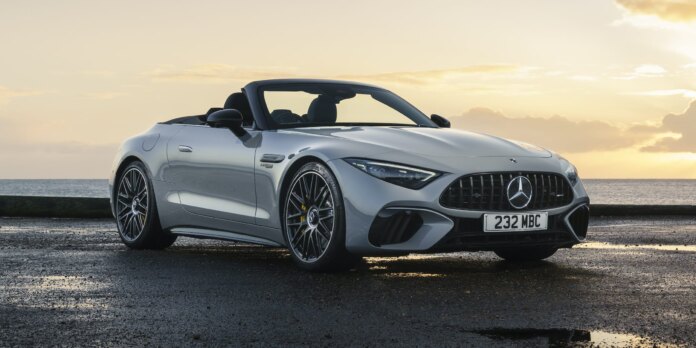
Among the most highly regarded is the Mercedes-AMG SL, as AMG was given the job of developing the latest version of the famous Mercedes roadster and it shares most of its underpinnings with the new Mercedes-AMG GT coupé and roadster, which are due to arrive in UK showrooms shortly. Then there are the ‘core’ AMG variants of the C-Class and E-Class ranges, which are the most common models you’ll see on the streets.

Mercedes-AMG has also produced a very special hypercar. The AMG One (pictured below) is a sports car with a dual plug-in hybrid powertrain and is designed to showcase the brand’s Formula One technology, with the Mercedes F1 team contributing to the car’s development. The first of just 275 planned production cars was delivered in January 2023.

Next on the agenda for Mercedes-AMG are expected to be potent versions of the CLE coupe – the CLE 53 has more than 450hp while the output of the CLE 63 is yet to be revealed but expected, with the aid of a plug-in hybrid powertrain, to close in on 700hp. Plug-in hybrids are also set to be the power behind new AMG variants of the GLC and E-Class.

Current Mercedes-AMG range on our Expert Rating Index

Mercedes-AMG EQE 53 saloon

Mercedes-AMG EQE 53 saloon

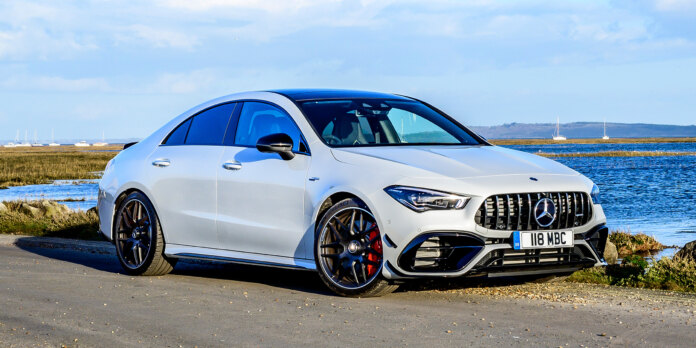
Mercedes-AMG CLA 45

Mercedes-AMG CLA 45

Mercedes-AMG SL

Mercedes-AMG SL

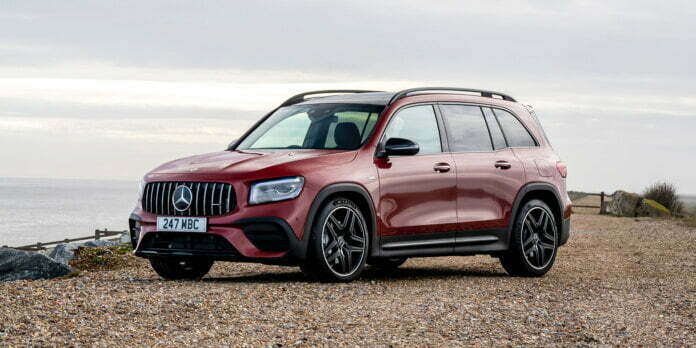
Mercedes-AMG GLB 35

Mercedes-AMG GLB 35

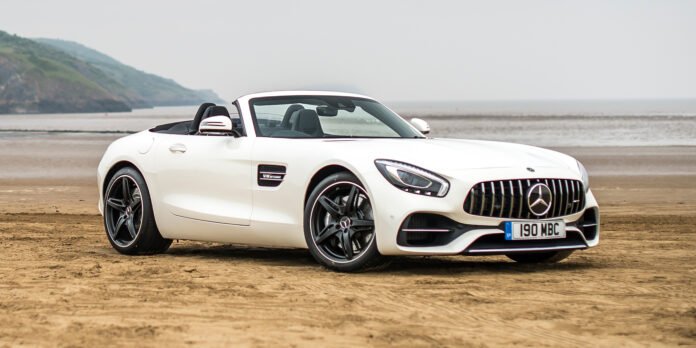
Mercedes-AMG GT Roadster

Mercedes-AMG GT Roadster

Mercedes-AMG GT 4 Door

Mercedes-AMG GT 4 Door

Mercedes-AMG GT Coupé

Mercedes-AMG GT Coupé

Mercedes-AMG A 45

Mercedes-AMG A 45

Mercedes-AMG A 35

Mercedes-AMG A 35

Where can I try a Mercedes-AMG car?

AMG is these days fully integrated into the Mercedes-Benz line-up and therefore you don’t need to seek out specialist dealers – any one of the brand’s close to 140 UK outlets will gladly sell you an AMG model, directing you to their ‘AMG Performance Centre’.

The flagship location is Mercedes-Benz World, opened in 2006 on the famed pre-war banked race track of Brooklands in Surrey.

The centre is designed to appeal to the whole family but a core element of it is to let potential owners experience the performance and handling of Mercedes-AMG in the relatively safe surroundings of a closed circuit.

What makes Mercedes-AMG different to the rest?

AMG certainly has a unique heritage – two former Mercedes employees starting their race shop, leading to a privateer vehicle modification business for Mercedes-Benz cars that ultimately ended up being bought by the company to become its official performance and racing division.

While most of the models in the AMG range have little real motorsport pedigree, the company focuses very keenly on giving its cars plenty of emotion and feeling – far in excess of any regular Mercedes-Benz model. Whether it can continue to achieve the same results with its all-electric models remains to be seen, although the AMG EQE and EQS models have been praised by the motoring media.

A Mercedes-AMG fact to impress your friends

AMG might be considered a totally Mercedes-Benz operation but you will find its badge in cars of other marques.

The Lotus Emira uses an AMG four-cylinder engine, while Mercedes has been steadily increasing its stake in Aston Martin, with the British sports car maker using AMG engines and other Mercedes technology. And you can find AMG engines in a real supercar – the Pagani models (Zonda, Huayra and Utopia all feature Mercedes-AMG V8 motors).

Summary 

Manufacturers like to designate their performance models with bespoke badges and try to build some kudos around them, but Mercedes doesn’t have to work at it with AMG as the racing reputation came with the brand.

You can buy AMG parts to add to your Mercedes, but only if it is a proper performance model will that car wear on its boot  the much-desired and hugely regarded three letters of AMG.  

Buy a Mercedes-AMG

If you’re looking to buy a new or used Mercedes-Benz, The Car Expert’s partners can help you find the right car.

Motors 600x300

Find a used Mercedes-Benz with Motors. Find out more

Auto Trader logo 600x300

Find a new or used Mercedes-Benz with Auto Trader. Find out more

Carwow logo 600x300

Find a new or used Mercedes-Benz with Carwow. Find out more

Lease a Mercedes-AMG

If you’re looking to lease a new Mercedes-Benz, The Car Expert’s partners can help you find a competitive deal.

Leasing-com logo

Personal contract hire deals from Leasing.com. Find out more

Carparison 600x300

Personal contract hire deals from Carparison Leasing. Find out more

Rivervale Leasing logo 2022

Personal contract hire deals from Rivervale Leasing. Find out more

Battery range boost for Mercedes-Benz EQS

0

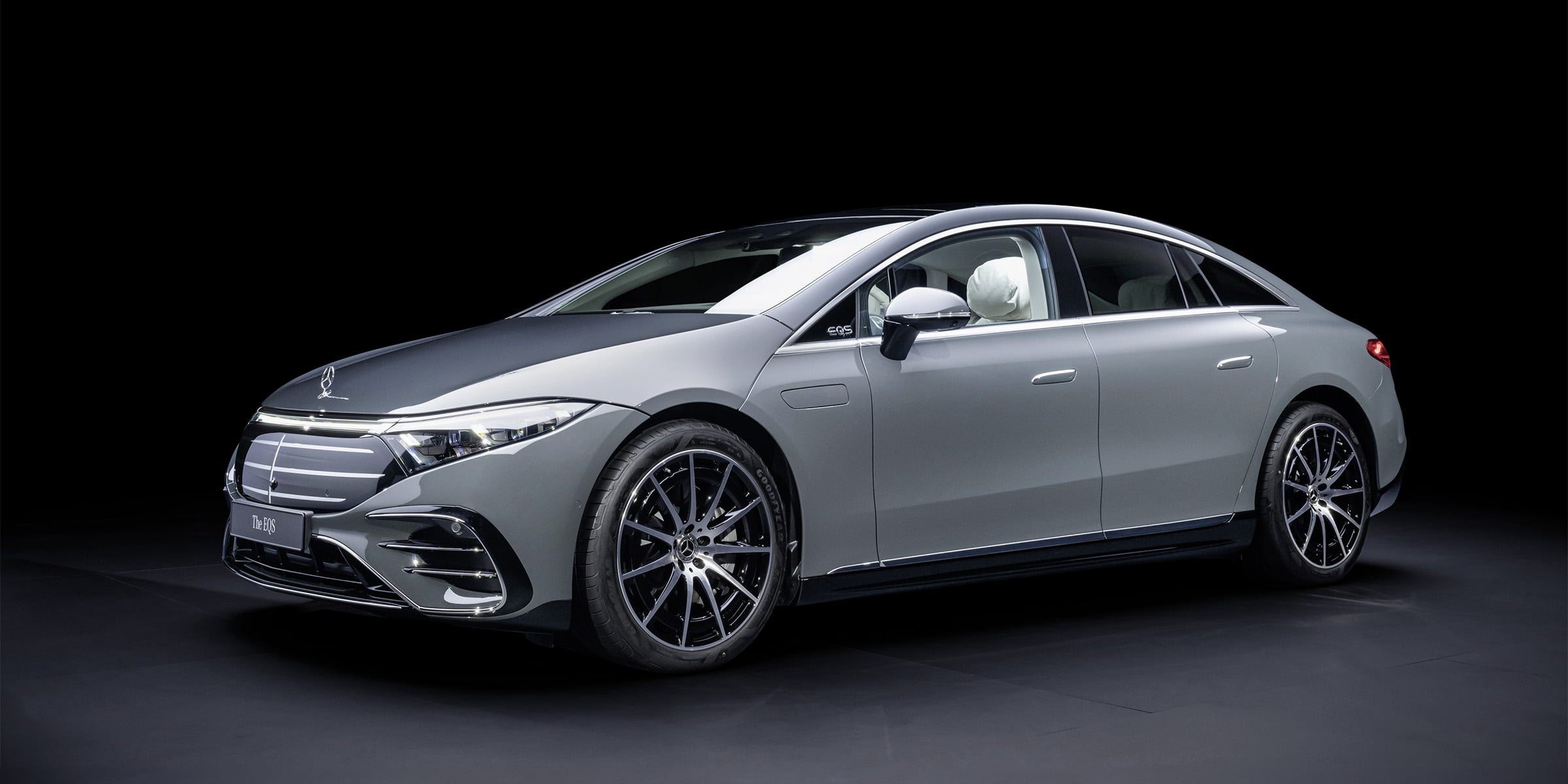
The all-electric upmarket Mercedes-Benz EQS saloon has been given a significant battery range boost and a refreshed front-end which also introduces the brand’s upright star hood ornament.

The BMW i7 competitor was The Car Expert’s ‘Car of the Year’ in 2021, and is the electric alternative and eventual successor of the high-class combustion-powered S-Class saloon.

This update exterior styling changes are an optional extra – an additional package that includes a new chrome-finished grille and front bumper, as well as the brand’s three-pointed star hood ornament – a Mercedes-Benz specialty that is also currently available with the S-Class.

As this package is optional, entry-level models in the UK will retain the existing ‘AMG Line’ design.

Inside, the saloon has also more luxurious rear upholstery options and now comes with the brand’s top-spec ‘MBUX’ hyperscreen infotainment as standard. The rear seats can also now recline at a higher angle.

Now on to the technical changes. The EQS has gained an extra 51 miles of electric range – the total from full charge now a reported 497 miles for the dual-motor 450 4Matic, and 511 miles for the single-motor 450+ (UK-specific battery stats not currently confirmed).

Towing capacity has also been increased from 750kg to 1,700kg, which is 100kg less than its EQS SUV sibling.

This has been achieved by swapping out the old battery entirely. In place of the current 108kWh unit sits a larger 118kWh battery with several tweaks to optimise the max range. A heat pump is now standard, all-wheel-drive models can disconnect the front motor when not required, and Mercedes-Benz has also improved the energy recuperation while braking.

The updated EQS will be available to order in Germany later this month – the model’s UK arrival is yet to be announced. Mercedes-Benz says that base pricing will remain unchanged, with the current model priced from around £113k.

The Mercedes-Benz EQS currently holds a New Car Expert Rating of A, with a score of 79%. It gets points for its excellent safety rating, zero tailpipe emissions and outstanding media reviews. The only poor score is for running costs, which is not surprising for a £100K luxury saloon.

Petrol vs. electric: which is cheaper to service in 2024?

Switching from a fossil-fuel car to an electric vehicle means that many of your usual motoring bills will change – sometimes for better, sometimes for worse.

Today, we’re looking at the specific cost differences for servicing electric cars compared to petrol, diesel and hybrid cars.

Thanks to servicing cost data exclusively supplied to The Car Expert by our technical partner Clear Vehicle Data, based on official manufacturer servicing charges, we’ve pulled together the most comprehensive analysis of scheduled servicing costs you’ll find anywhere.

Our data set compares official servicing costs for some of the UK’s most popular fossil fuel and electric models over the first five years of ownership. We’ve then grouped these into costs over 1-3 years (relevant for new car buyers) and 3-5 years (more relevant for used car buyers).

The data is enormously detailed, covering tens of thousands of individual results. Every model of new car on sale is actually a collection of different vehicles with different running costs. We have aggregated data across model ranges to cover all the different versions of each model (eg – petrol/diesel/hybrid/electric motor, manual/automatic gearbox, different trim levels, etc), while also allowing for both time-based and mileage-based (based on average costs for 5,000, 10,000, 15,000 and 20,000 miles a year) servicing.

The data only covers scheduled servicing and maintenance, which means every job that the manufacturer requires to be done at each service. It includes any parts required (filters, oils and lubricants, etc) as well as labour. It doesn’t include wear-and-tear items, like brake pads or tyres, because these will wear faster or slower depending on how you drive.

Clear Vehicle Data provides a thorough overview of running costs on every new car, as well as many near-new used cars, for a number of UK fleet companies to help them make purchasing decisions. We use their data here at The Car Expert for fuel consumption, CO2 emissions, insurance groups and servicing costs – using our own custom algorithm to generate specific running costs ratings for new and used cars. These scores then feed into our overall new and used car ratings for our award-winning Expert Rating Index to help you choose the best car for your needs.

Petrol vs. electric servicing – overall market

After analysing the manufacturer servicing costs for the entire new and nearly-new car market in the UK – totalling more than 600 different cars, as featured in our Expert Rating Index – we can reveal that electric cars are about 30% cheaper to service over the first five years of ownership.

Average servicing costsPetrol/diesel/hybrid carsElectric cars 
Year 1£295£232
Year 2£730£508
Year 3£1,169£814
Year 4£1,169£984
Year 5£1,905£1,318
Total after 5 years£5,514£3,857
Year 1 to 3 average£733£518
Year 3 to 5 average£1,497£1,039
© Clear Vehicle Data and The Car Expert

The average annual servicing costs from year 1 to year 3 of ownership – a useful number for those buying a new car – are 29% cheaper if you opt for an electric car. EVs are also 31% cheaper on average to service from year 3 to year 5, which bodes well for anyone interested in a used electric car.

Electric cars generally have fewer moving parts that are likely to need repairs or wear down over time, which reduces their upkeep costs compared to a combustion-engined car. Most of the servicing costs are taken up by jobs that are not specific to the electric powertrain – things like tyres and brakes, windscreen wipers, lights and so on.

So, any electric car is very likely to be cheaper to service than its combustion-powered counterpart, but there are exceptions to this general rule, as we display below.

Petrol vs. Electric servicing – like-for-like model comparisons

While the overall market picture is broadly useful, it’s even better to have data that directly compares like-for-like models to give a more detailed picture.

There are far more choices for electric cars today than there were five years ago, but it’s still a much smaller number than for petrol, diesel and hybrid models. And in some areas like sports cars, which tend to have very high servicing costs, there are still almost no EV options.

So we went through the data, pulling out every model that has a choice between fossil-fuel and electric options (like the Vauxhall Corsa and Corsa Electric) as well as examples where car manufacturers offered two different cars in the same model category (like the Volkswagen Golf and Volkswagen ID.3).

This gave us 48 like-for-like comparisons where we could compare similar cars from the same brand, allowing an even more accurate analysis of the cost differences. In 45 of those cases, the electric model was cheaper to service, often by a substantial amount.

On average, we found that like-for-like electric models were about 24% cheaper to service over the first five years – 23% in years 1 to 3, and 25% in years 3 to 5.

Direct comparisons

Firstly, we have some examples where the same basic car is offered in both fossil-fuel and electric versions. Manufacturers like BMW and Stellantis (Peugeot, Vauxhall, Citroën, etc.) are generally in favour of this approach.

There were 26 cases where we had a full set of five-year servicing cost data, and in 24 cases the electric car was cheaper – the only outliers were the Kia Niro EV and the Vauxhall Vivaro Life Electric, which were slightly dearer than their fossil-fuel siblings.

We haven’t displayed every single model below, but tried to cover a range of different vehicle types.

Vauxhall Corsa (2020 onwards)

Vauxhall Corsa (2023 onwards) | Expert Rating
AgeAverage annual servicing costs
Year 1 to 3£449
Year 3 to 5£1,024

Vauxhall Corsa Electric (2020 onwards)

Vauxhall Corsa Electric (2023 onwards) | Expert Rating
AgeAverage annual servicing costs
Year 1 to 3£304
Year 3 to 5£680

The sixth-generation Vauxhall Corsa has been on sale with pure-petrol and electric powertrain options since 2020, and is a perfect servicing comparison case study. From year 1 to 3 of ownership, the Corsa Electric is 32% cheaper to maintain on average. From year 3 to 5, the electric version of the hatchback is 34% cheaper.

BMW 5 Series (2023 onwards)

AgeAverage annual servicing costs
Year 1 to 3£851
Year 3 to 5£1,716
  • Expert Rating coming soon!

BMW i5 (2023 onwards)

BMW i5 | Expert Rating
AgeAverage annual servicing costs
Year 1 to 3£701
Year 3 to 5£1,328

The new BMW 5 Series range arrived in the UK towards the end of last year, which includes a battery-powered i5 model for the first time. Clear Vehicle Data’s numbers predict that the electric model will be 18% cheaper than petrol and plug-in hybrid versions of the BMW 5 Series to service annually from year 1 to 3, and is 23% cheaper from year 3 to 5.

MG ZS (2017 onwards)

MG ZS (2017 onwards) – Expert Rating
AgeAverage annual servicing costs
Year 1 to 3£470
Year 3 to 5£1,002

MG ZS EV (2019 onwards)

MG ZS EV (2021 facelift) – Expert Rating
AgeAverage annual servicing costs
Year 1 to 3£360
Year 3 to 5£763

One of the older models on this list, the mid-sized MG ZS SUV has been offered with petrol power since 2017, with an all-electric model joining the range in 2019. Already fairly cheap to service, a new ZS EV is still 23% cheaper to maintain for the first three years than the petrol model. If you’re looking at a used model, the electric version is 24% cheaper from year 3 to 5.

Volvo XC40 (2018 onwards)

Volvo XC40 – Small SUV Class Champion of 2021
AgeAverage annual servicing costs
Year 1 to 3£629
Year 3 to 5£1,276

Volvo EX40 (2021 onwards)

AgeAverage annual servicing costs
Year 1 to 3£497
Year 3 to 5£892

The more upmarket Volvo XC40 also has fairly reasonable upkeep costs. That said, the recently-renamed electric EX40 (formerly the XC40 Recharge) is 21% cheaper than its petrol and plug-in hybrid counterpart to service annually from year 1 to 3. From year 3 to 5, the EX40 is 30% cheaper.

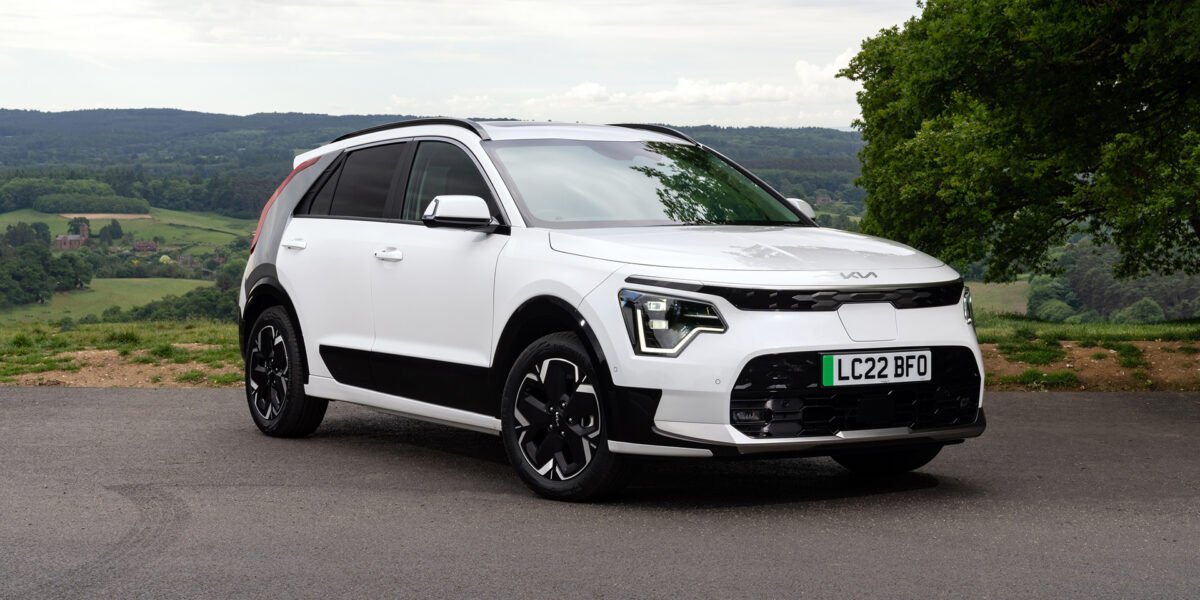
Kia Niro (2022 onwards)

Kia Niro (2022) | Expert Rating
AgeAverage annual servicing costs
Year 1 to 3£483
Year 3 to 5£1,012

Kia Niro EV (2022 onwards)

Kia Niro EV | Expert Rating
AgeAverage annual servicing costs
Year 1 to 3£491
Year 3 to 5£1,022

Clear Vehicle Data’s numbers estimate that the hybrid and plug-in hybrid versions of the second-generation Kia Niro are actually 2% cheaper to service than the electric Niro EV from years 1 to 3. For years 3 to 5, the regular Niro range is 1% cheaper to maintain.

This is an interesting result, as it suggests that not all electric cars offer cheaper servicing costs than petrol-powered models. It’s also surprising, as the fundamentally similar Hyundai Kona range has much cheaper servicing for electric versions – the Kona Electric is a huge 52% cheaper to service from year 1 to 3 than the petrol version, which makes the Kia costs rather curious.

Similar size models from the same manufacturer

In many cases, car manufacturers will offer specific EV models in a certain segment alongside their existing fossil-fuel cars, rather than developing one car that can be configured to run on petrol/diesel or electricity. Manufacturers like Mercedes-Benz and Volkswagen tend to favour this approach.

Arguably, this creates a better result for both the electric car and the fossil-fuel version, as there are fewer compromises on either side to get the best result for each. But in practice, it’s less important than other factors in determining a vehicle’s overall quality and suitability.

Out of 22 examples where we ave full five-year servicing costs, 21 showed a significant cost advantage for the electric model. The only exception was the Mercedes EQE SUV, which was dearer than the fossil-fuel equivalent Mercedes GLE. While there are plenty of differences between the two models that make a direct comparison more difficult, it’s an outlier even within the Mercedes-Benz family, where the EQA, EQB, EQC and EQS SUV models are all cheaper to service than their GLA, GLB, GLC and GLS equivalents.

Again we’ve only shown a few examples below to cover a range of popular vehicles rather than every pair of cars we compared.

Fiat 500 (2015 onwards)

Fiat 500 hatch (2015 onward) Expert Rating
AgeAverage annual servicing costs
Year 1 to 3£451
Year 3 to 5£966

Fiat 500 Electric (2021 onwards)

Fiat 500 electric charging
AgeAverage annual servicing costs
Year 1 to 3£331
Year 3 to 5£707

The pint-sized Fiat 500 and its 500 Electric sibling might look very similar, but the EV model was a brand-new car in 2021, while the petrol 500 dates back to 2007 and is very different underneath the retro skin.

The 500 Electric is notably cheaper to service, being 27% cheaper on average in the first three years. For used models, the 500 Electric is also 27% cheaper from years 3 to 5.

Audi Q5 (2017 onwards)

Audi Q5 (2017 onwards) – Expert Rating
AgeAverage annual servicing costs
Year 1 to 3£795
Year 3 to 5£1,668

Audi Q4 e-tron (2021 onwards)

Audi Q4 e-tron (2021 onwards) | Expert Rating
AgeAverage annual servicing costs
Year 1 to 3£562
Year 3 to 5£1,139

While they don’t belong to the same model range, the petrol/diesel/hybrid Audi Q5 and electric Q4 e-tron are a similar size. The electric Q4 e-tron is 29% cheaper to maintain annually than the petrol or diesel Q5 from year 1 to 3, and is 32% cheaper from year 3 to 5.

Nissan Qashqai (2021 onwards)

2021 Nissan Qashqai | Expert Rating
AgeAverage annual servicing costs
Year 1 to 3£533
Year 3 to 5£1,083

Nissan Ariya (2022 onwards)

Nissan Ariya price reduction
AgeAverage annual servicing costs
Year 1 to 3£453
Year 3 to 5£899

The Nissan Qashqai is one of the UK’s best-selling vehicles, while the all-electric Nissan Ariya is one of our favourite EV family cars. They’ll take up a similar size on your driveway, although the Ariya is more expensive to buy or lease.

In terms of servicing costs, the Ariya is 15% cheaper over the first three years, and 17% cheaper in years 3 to 5.

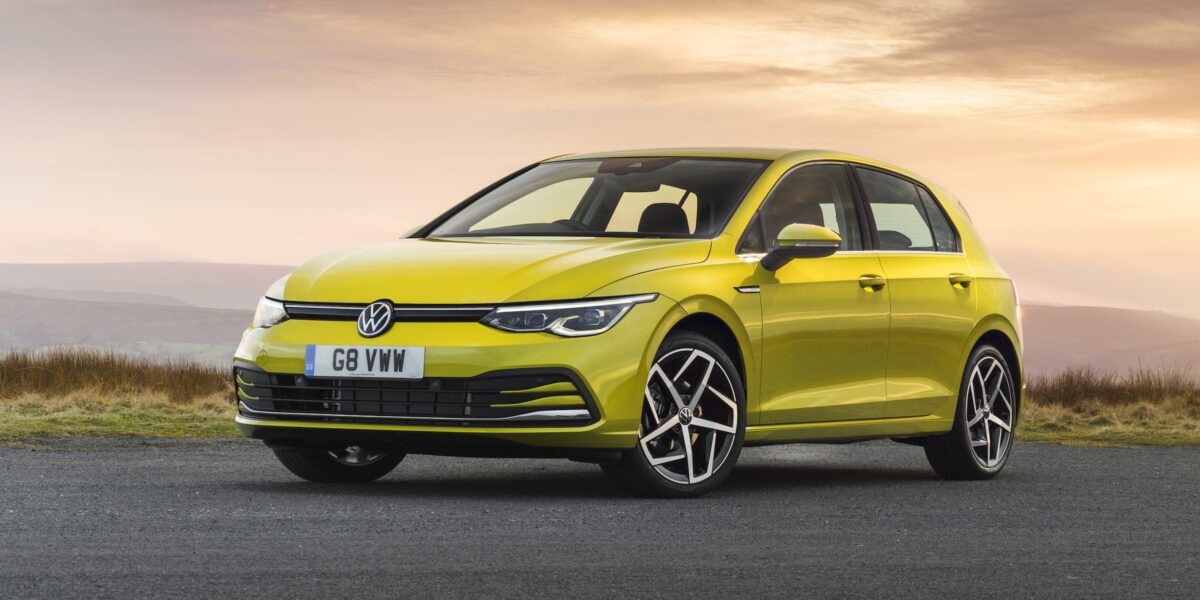
Volkswagen Golf Mk8 (2020 onwards)

Volkswagen Golf Style (2020 onwards) Expert Rating
AgeAverage annual servicing costs
Year 1 to 3£420
Year 3 to 5£964

Volkswagen ID.3 (2020 onwards)

Volkswagen ID.3 (2023 onwards) – Costa Azule blue paint
AgeAverage annual servicing costs
Year 1 to 3£384
Year 3 to 5£812

Last but not least, Volkswagen launched its ID.3 hatchback in 2020 as an all-electric alternative to its popular Mk8 Golf. The ID.3 is 9% cheaper than the petrol and plug-in hybrid Golf range from year 1 to 3, and 16% cheaper from year 3 to 5.

Summary

There are lots of expenses in running a car, and servicing is just one of them. But it is one where we can make direct comparisons across different makes and models, as well as across similar versions of the same models.

Servicing costs form a key component of our recently upgraded Expert Rating Index, along with other running costs like fuel consumption, CO2 emissions and insurance groups. If you’re looking for a new car, or a near-new used car, make sure you look through the data carefully so you know what to expect when your car is due for its next service.

Additional reporting by Stuart Masson

Read more:

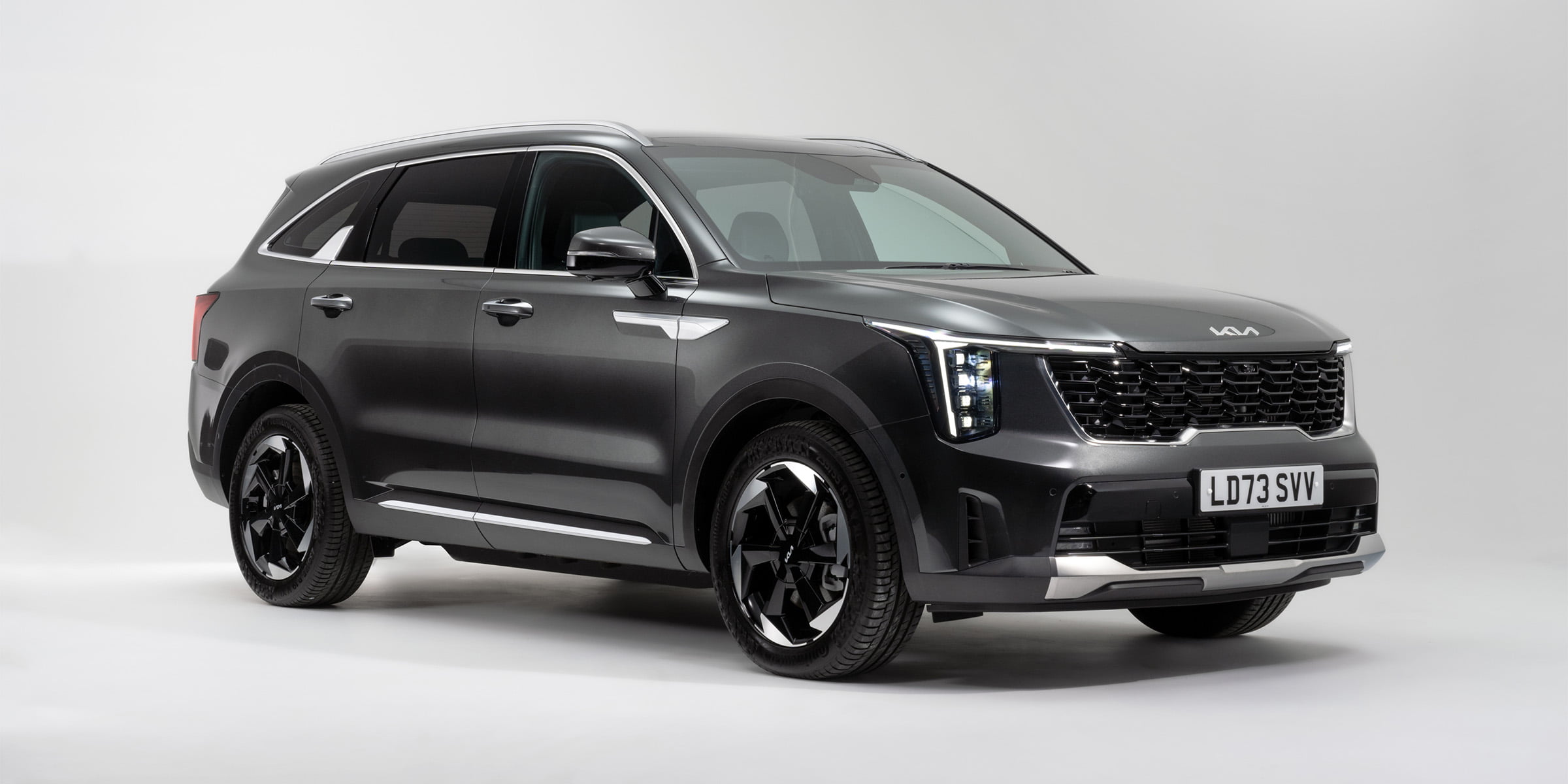
Refreshed Kia Sorento available to order

0

The large Kia Sorento SUV has been given a mid-life facelift which includes refreshed exterior looks and a cheaper entry-level price.

This fourth-generation model launched back in 2021, offering plug-in hybrid power alongside conventional diesel and petrol hybrid engine options. All of these options remain, all models being four-wheel drive with an automatic gearbox.

The most notable change that this update introduces is the SUV’s new front end, which Kia says is inspired by the brand’s flagship electric EV9 SUV. Flanking the larger gloss black grille are slim ‘star map’ daytime running lights and vertical headlights on either side of the front fascia, and Kia has also altered the bonnet and alloy wheel design.

Three trim levels are on offer – the lead-in ‘2’, the mid-range ‘3’ and top-spec ‘4’. A 12-inch infotainment display, electric and heated wing mirrors, three-zone climate control, heated front seats, heated steering wheel, cruise control and smart entry system with a stop/start button all come as standard, as well as rain-sensing wipers, front and rear parking sensors, and a rear view parking camera.

The ‘3’ adds a motorised tailgate, ambient lighting in the cabin, a larger 12-inch digital instrument cluster behind the steering wheel, a wireless smartphone charging pad and a better Bose sound system. This grade also introduces a host of safety features, including blind spot monitoring and collision-avoidance assistance for parking scenarios.

The ‘4’ comes with a panoramic sunroof, electronically-adjustable front seats and Nappa leather upholstery. The steering column is also electronically adjustable with this trim level, and also includes a head-up display that projects driving information onto the windscreen and fingerprint infotainment access so drivers can set their own personal preferences.

The refreshed Sorento is now on sale from just under £42k – a £3k price drop when compared to the pre-facelift entry-level Sorento.

The Kia Sorento currently holds a New Car Expert Rating of B, with a score of 67%. It scores highly for its low CO2 emissions (thanks largely to the plug-in hybrid model), but running costs are high and the Sorento has historically poor reliability.

Driving in Denmark – what are the rules?

Thinking of a driving holiday in Denmark? The Scandinavian country is known for its persistent rain with no recognised ‘dry’ periods. but that doesn’t mean it’s not a great place to see by car. Here’s what to check, for you and your vehicle, before you drive there.

Denmark’s weather is generally wet, with around 25 inches of rain falling on average each year. Its grey skies and foreboding cloud cover might be among the reasons why you must always have your headlights on when driving on Danish roads. Ironically, the most rain falls in the summer months and into autumn – September to November.

But don’t let a bit of precipitation put you off visiting and enjoying this beautiful country by car. Its roads are good, there are lots of interesting places to visit on the mainland and across its many islands and the Danes are friendly (and speak very good English).

A high standard of living, low crime rates and a general feeling of well-being and equality (known as ‘hygge’ in Denmark) make the country a happy and pleasurable place to be. There are thousands of coffee shops and restaurants across the nation, many of which have covered outside areas so that you can enjoy the scenery – but stay out of the rain!

Flying in and hiring a car there is easy and all the major rental companies have offices and depots at major entry points such as Copenhagen Airport. The capital city is a great place to start your trip and from there you can go straight to the island of Zealand which, by the way, was not where the name New Zealand came from.

Copenhagen itself boasts museums, restaurants, a castle, churches and other attractions such as the Little Mermaid statue and the Tivoli Gardens. The city is busy with expensive public parking and a speed limit in the centre, of just 40 km/h (24 mph), so it’s not the greatest place to take a car.

Cyclists have the upper hand there too – Copenhagen has been voted the most bike-friendly city in the world and there are cycle-only bridges and car-free areas to be aware of.

Everywhere in Denmark there are reminders of the Viking era and many of these will be seen in other great Danish cities including Aalborg, Odense and Grenaa, which has a shark aquarium.

Away from city life, Denmark offers some wonderful roads to tour on. These can take you to sandy beaches, forest roads and enchanting hill routes, but you won’t find many mountainous regions in Denmark: the nation is pretty flat.

Driving in Denmark is a different experience from doing so in the UK – starting with the fact that the Danes use the right side of the road to drive on. But it’s more than that and planning a driving holiday or using a car on business while in the country, requires careful planning and a good understanding of what you can and can’t do there.

To get the most out of your visit it’s well worth spending some time planning your trip to ensure you have everything in place.

Here TheCarExpert looks at the most important elements to consider when planning to drive in Denmark, and we’ve included a handy checklist. As each journey is unique, always check that you have everything covered for your particular visit.

Basic rules

You must be 18 years or over to drive in Denmark and you should hold a full UK driving licence. Just the licence card will do, as the paper counterpart is no longer a requirement.

You’ll need to prove that you have minimum third party insurance cover if you are driving your own car in Denmark as well as documents that show the identity of your car, such as a V5C ‘logbook’.

The vehicle’s ‘home country’ must be shown on it by way of ‘UK’ letters and the Union Flag incorporated into your vehicle’s number plates. If you don’t have these on your plates, you must affix a ‘UK’ sticker to its rear. The ‘GB’ badge is no longer allowed, even within European ‘golden stars’ and the same goes for country badges such as the English, Scottish or Welsh flags.

If you’re hiring a vehicle, you must be at least 21 years old. Young or new drivers might be charged a higher rate by the rental companies, so check carefully before you book anything.

Always make sure you carry the rental company’s paperwork with you to prove you are entitled to drive. Whether you are renting or using your own vehicle, you should always have your personal ID or passport with you.

As in the UK, using a mobile phone is not allowed unless it’s completely hands-free.

Speed limits

Speed limits are shown in kilometres (km/h) rather than miles (mph). In built-up areas, the limit is 50km/h (31mph). Venture outside of the suburbs and on to major A-roads and the limit rises to 80km/h (50mph).

The speed limit on motorways will vary according to the region, so keep a close eye on local signage. The maximum will be between 110 km/h (68 mph) and 130 km/h (80 mph).

Police take a hard line on speeders and will issue on-the-spot fines for this and other minor road offences. The minimum speeding fine is likely to be 1200 kroner (£138) for a small breach of limit, rising to several thousand kroner for more serious offences.

There are only a small number of speed and traffic-enforcement cameras on Danish roads compared with the UK but there are no warning signs for them, and none are shown on maps or guides. You might come across a police van with a mobile camera in it. A bright flash will tell you that you have been caught, so best to slow down and avoid that…

Do not use any kind of police camera detection equipment in your car as it’s forbidden.

Blood alcohol limits

We don’t recommend any drinking of alcohol if you are going to drive but it’s worth knowing the limits. The drink drive limit is 0.5 g/l (also shown as 0.5 milligrams or 0.05%). For comparison, the limit is 0.8 g/l (0.8 milligrams, 0.08%) in England, Wales and Northern Ireland, while Scotland is the same as Denmark at 0.5g/l.

Danish traffic police can demand a random breath test at any time, even if there is no reason or grounds for suspicion.

What to carry in the car

As well as your documentation, while motoring through Denmark it’s compulsory that you have a warning triangle in the car in case you have to get out of the vehicle by the roadside. You should also consider taking a reflective jacket, fire extinguisher and a first aid kit but these are not enforced rules.

Make sure your lights don’t dazzle oncoming drivers. You must have beam deflectors fitted (or the ability to manually adjust your lights) and you must switch dipped lights on all the time, day or night, summer and winter. You can be stopped and fined for not showing dipped beams.

A tow rope, spare bulbs and jump leads are also useful additions if you are planning any sort of road trip. Specialist suppliers, such as motoring organisations, sell ‘European driving kits’ for around £25, which contain most things you are likely to need for a holiday driving trip.

Winter tyres are not compulsory in Denmark, but it can get very cold in the winter months, and they are recommended by the authorities.

Seatbelts

Seatbelt rules are the same as in the UK: if your car has them, they must be worn. Children under three years old and less than 135cm in height must use an appropriate car child seat for their size and infants must be in a correct baby seat. If it’s rear-facing and on the front passenger seat, you should switch the airbag off.

Driving

Keep to the right-hand lane as much as possible but if you are overtaking do so on the left. Priority is usually given to vehicles approaching you from the right unless advised otherwise. The same goes for emergency vehicles and trams, of which there are a few.

Aarhus has a tram system called Letbane connecting the city centre with outer suburbs while Copenhagen is rebuilding its tram system which is scheduled to open next year (2025).

There are plenty of buses everywhere and if one signals to pull away, you must let it out.

Don’t use your horn in built-up areas unless absolutely necessary, for example to prevent an accident.

Traffic signals are red, amber and green and follow a similar pattern to the UK although you might see a green arrow rather than a light which means you can go in the direction it’s pointing. Don’t enter a junction unless you can get right across it without blocking other traffic.

Copenhagen’s traffic light system is ‘smart’ and allows waves of traffic to continue unheeded as the lights change green in sequence to allow a freer flow. However, the lights in the capital city are designed to allow faster movement for the legions of cyclists there, plus public transport vehicles, so keep a wary eye out for both.

Across the country there are lanes reserved specifically for certain vehicles, such as goods vehicles or slow movers. These will be sign-posted, and drivers should use the lane specified for their use. If you see a queue ahead you must switch on your ‘hazard’ lights to warn other road users.

If you are towing a trailer or caravan, ensure that your car and the rig don’t exceed 18.75 metres in length, 4 metres in height and 2.55 metres in width. Make sure you can see clearly behind you with the use of two wide rear-view mirrors.

When towing a trailer, the speed limit is 80km/h (50 mph) on motorways and 70 km/h (44 mph) on normal A-roads. On some stretches of motorway, you are not allowed to overtake between 6am and 6pm if you are towing.

Road signs

Warning signs are mostly triangular with a red outline, apart from the stop sign which is an octagon in red with the word ‘Stop’ written in English. Mandatory instructions are given on round blue signs, usually with pictures for ease of understanding, while signs prohibiting you from actions are mostly in red circles.

Directional signs are yellow or white, in Danish and with distances shown in kilometres. General information signs are usually blue, with some exceptions.

Fuel availability

Petrol and diesel are widely available throughout the country from service areas called ‘benzinstation’ or ‘servicestation’. Many are self-service and some don’t even have a shop attached. Almost all take internationally recognised credit cards, but you will find some that accept cash. There’s no change given though – so be sure on how much fuel you are hoping to take.

Toll roads

There are no toll roads in Denmark and but there are fees to use the Storebaelt and Oresund bridges. The latter links Denmark with Sweden.

Parking

Parking is permitted on minor roads, but you must leave your car facing the direction of travel. In some areas you can park with two wheels on the pavement but check that local police regulations permit it. Parking is not allowed on main roads.

Car parking is strictly controlled and there can be on-the-spot fines for violations. The length of permitted stay will be marked on signposts. In Copenhagen parking is permitted only in marked bays.

Park badly, or for too long and your car could be towed away. There will be a fine to pay for a vehicle’s release plus costs for the towing. Never stop and leave your engine idling for more than three minutes.

Do not park closer than five metres from a pedestrian or bicycle crossing, 10 metres from an intersection, or 12 metres from a bus stop. The kerb will be painted yellow in this case.

Emergency number

In Denmark as with most of Europe, you can dial 112 and make contact with emergency services such as fire, ambulance or police, 24 hours a day. Operators will speak English, French and other European languages.

Checklist

Must haves:

  • Driving licence
  • Vehicle insurance
  • MOT certificate (if relevant)
  • V5C or vehicle ID
  • UK sticker or number plate markings
  • Rental firm agreement (if hiring)
  • Passport
  • Warning triangle
  • Headlamp beam deflectors

Options:

  • Hi-viz jacket
  • First aid kit
  • Fire extinguisher
  • Spare bulb kit
  • Winter tyres (some months)
  • Screen wash
  • Bottled water
  • Map or satnav
  • Phone power bank
  • Torch
  • Fuel can

Read more:

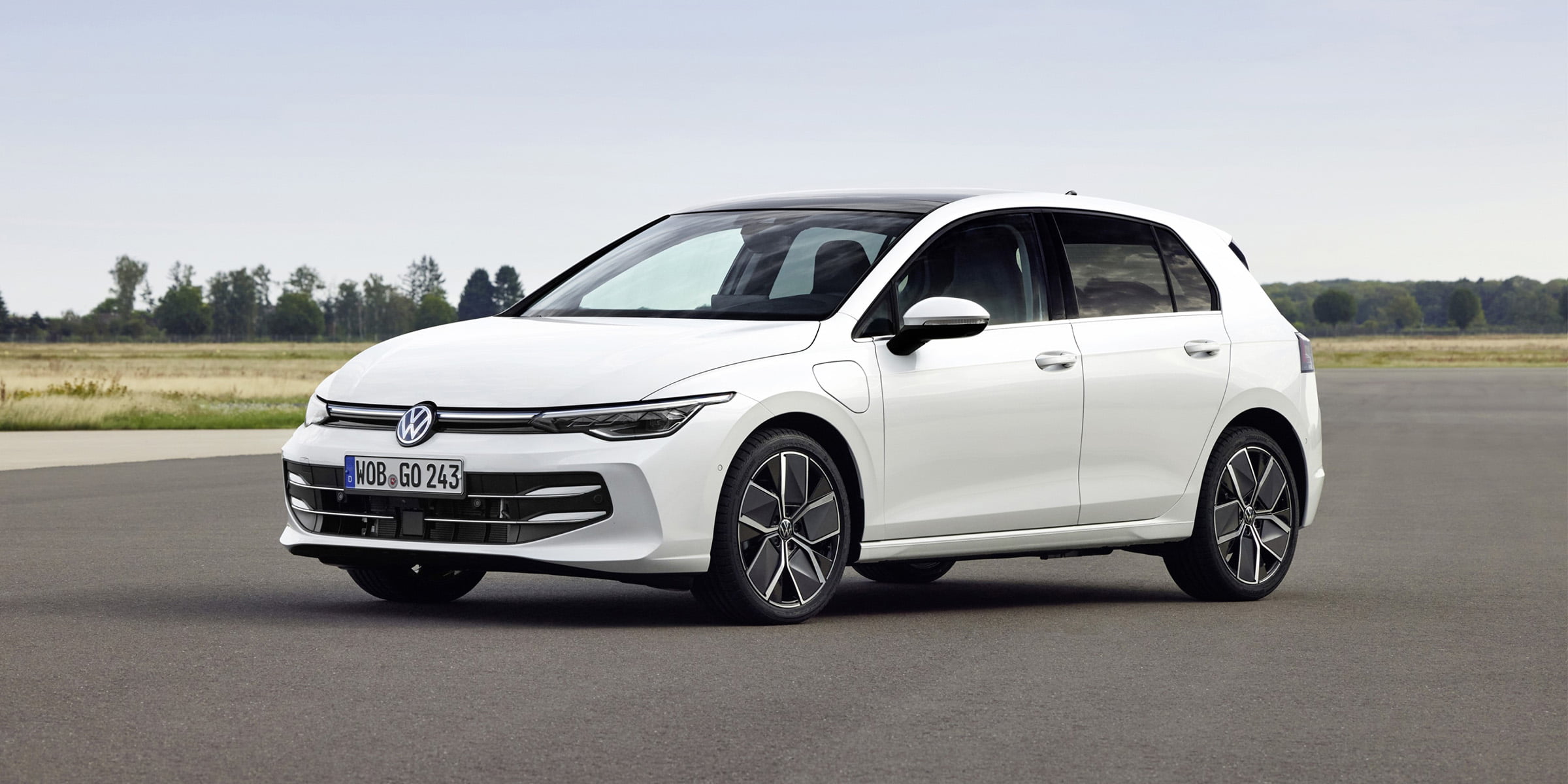
Mild update for the Volkswagen Golf

0

Volkswagen’s popular Golf family car has been given a minor facelift, which includes interior and exterior design tweaks, AI infotainment and a boost to electric range for hybrid models.

This update coincides with the Golf’s 50th year on sale. The hatchback and estate has been selling in impressive numbers so far this year, as the Volkswagen is currently ranked in the UK’s top ten best-sellers, and the German manufacturer will be hoping that this mild refresh increases consumer demand further.

Starting with the car’s exterior looks, Volkswagen has altered the car’s LED headlight design, which can be optionally specified with the brand’s ‘IQ Light HD matrix’ tech. The model also comes with an illuminated Volkswagen badge and new-look air vents in the front, as well as slight alterations to the rear bumper and tail light designs.

In addition to the 11 paint colour options already offered there are also four new metallic colours, and a black roof will be available for the first time as an option for ‘GTI’, ‘GTE’ and ‘R-Line’ models. The high-power GTI, which comes with an updated rear spoiler, can also be ordered with carbon fibre bodywork accents for the first time.

Stepping inside, the refreshed Golf once again features button controls on the multi-function steering wheel, replacing the pre-facelift model’s touch-sensitive controls that didn’t prove to be very popular with reviewers and customers alike. There are also higher-quality materials installed throughout the cabin to help lift perceived quality.

The key interior change is the infotainment software upgrade – a new ‘MIB4’ system that reportedly has a higher resolution, quicker processing times and new menu designs, as well as a new ChatGPT-powered AI voice assistant, which can be used to access the internet, change climate control settings, make calls and set navigation routes. The standard model comes with a ten-inch infotainment display, while a larger 13-inch screen can be selected on the options list.

The touch slider for the temperature and volume control below the infotainment screen is now backlit as a response to criticism, Volkswagen adding that this slider is also quicker to respond to input after this update. ‘Park Assist Plus’ and ‘Park Assist Pro’ software packages also feature on the Golf’s options list for the first time, which means that the hatchback and estate can be parked remotely using a smartphone app.

Now onto the engines. The updated Golf will be available with a range of 1.5-litre four-cylinder petrol engine options, replacing the 1.4-litre engine options previously sold. 115hp and 150hp turbocharged options will be available with or without a 48V mild-hybrid boost. Both manual and automatic gearboxes are offered, depending on the powertrain you choose.

This is followed by a 150hp 1.5-litre plug-in hybrid Golf that makes use of a larger 20kWh battery which ups electric-only range to 62 miles. Volkswagen also estimates that this model can muster up to 620 miles on a full tank and on full charge and that it can charge at faster speeds of up to 50kW.

That sums up this model update – the refreshed Golf range will go on sale from 11th April, with higher-spec ‘R-Line’ models following on the 25th. ‘Life’, ‘Match’ and ‘Style’ trim grades will be available from launch, with prices beginning at just over £27k for the hatchback, and over £28k for the estate. The range-topping Golf R is due later this year. 

Pricing confirmed for new Skoda Kodiaq SUV

0

Skoda has announced the UK price list for its second-generation large Kodiaq SUV, which will become available to order this month.

Set to rival the latest iteration of the Volkswagen Tiguan, the new Kodiaq is built on the same foundations as its Volkswagen counterpart, and is fitted with several of the same tech features. The new SUV shows off Skoda’s new logo and sports more rugged exterior looks, including squared-off wheel arches, a larger grille outlined with chrome accents, and prominent bonnet contours.

To increase interior and boot space, Skoda has made the Kodiaq six centimetres longer and claims that passengers sitting in the optional third row of seats in the back will see an increase in headroom. Boot space stands at 340 litres with the third row of seats up, and at 910 litres in a five-seat configuration.

Despite its larger size, Skoda also claims that the new Kodiaq is more aerodynamic, which in turn should make it slightly more fuel efficient than the current model. The manufacturer says that the new SUV introduces some “major aerodynamic advancements”, pointing to the sloping roofline, active engine cooling shutters on the front bumper, and the new wing mirror design.

Stepping inside, a 13-inch infotainment screen juts out of the dashboard (depending on trim) and a head-up display that projects driving information onto the windscreen is optionally available for the first time. The gear selector has been moved to the steering wheel column, freeing up some space on the centre console for an extra storage cubby.

Five different powertrain options will be available at launch, starting with a 150hp 1.5-litre petrol with a mild-hybrid boost. A more powerful 204hp 2.0-litre petrol unit will also be offered, as well as two 2.0-litre diesel options, offering 150hp and 193hp respectively.

The range-topper is a 204hp 1.5-litre petrol plug-in hybrid model – the first PHEV version of the Kodiaq – which can muster a maximum of 62 miles of electric-only driving. The top-spec petrol and diesel models come with all-wheel drive as standard, and all models are fitted with an automatic gearbox – manual models will not be offered.

Two different trim levels can be ordered at launch – the entry-level ‘SE’ and top-spec ‘SE L’. Both five- and seven-seat configurations will be available.

Key trim level features

Lead-in ‘SE’ (from £36,645)

  • 18-inch alloy wheels
  • LED headlights and tail lights
  • Heated front seats
  • Keyless start/stop
  • 13-inch infotainment touchscreen
  • Ten-inch digital instrument cluster
  • Three-zone climate control
  • Blind spot monitoring
  • Variable boot floor

Top-spec ‘SE L’ (from £40,205)

  • All ‘SE’ features that are not replaced
  • 19-inch alloy wheels
  • LED matrix headlights
  • Perforated black artificial leather and real leather upholstery
  • Electronically-adjustable driver’s seat
  • Motorised boot lid
  • Keyless entry

Orders open in the UK on 10th April, with pricing starting south of £37k. Skoda adds that a new ‘SportLine’ variant will join the line-up later in the year. The brand has not released much about this vRS version as of yet, but we do know that it will be a pure-petrol model.

What to look for in a family car

Are you on the lookout for your next family car? With the wide array of options of all shapes and sizes available, finding the best new or used car for your needs can pose quite the challenge.

There are plenty of capable family cars in the hatchback, saloon, estate, SUV and people carrier categories, but before you choose a body style there are some important things to consider first.

This article navigates you through the essential aspects that make a car ideal for families, including interior space and comfort, safety features, running costs and on-board entertainment.

Space and comfort

Opting for a car that is spacious enough for you and your family is the most immediate and obvious consideration. Ensure that your chosen car has ample headroom and legroom so that passengers can sit comfortably without feeling cramped on long journeys.

It’s not just about stretching out – cabin storage space, including cup and bottle holders, storage nets and compartments for gadgets, waste bins and interior hooks, help you stay organised while on the move, and other in-built practical features like sun blinds and ice scrapers can make day-to-day driving more convenient.

When considering if the boot space is enough for you, you should judge whether your family gear like prams, sports equipment, and suitcases can comfortably fit.

The more boot space, the merrier. A generous boot means less compromise between what you want to take with you and what you can. Also consider how versatile the rear seats are – flexible seating configurations, such as foldable rear seats or sliding middle rows, allow families to balance passenger and cargo space based on their specific needs at any time.

Comfort features are also important, with climate control systems allowing separate temperature zones for the driver and passengers avoiding any disputes over it being too hot or too cold. Seats that provide good back support and adjustable settings are a lifesaver on long journeys, reducing the chances of aches and pains.

When on a test drive, pay attention to road noise. A continuous droning from the engine could get pretty annoying, particularly on road trips. Good soundproofing reduces noise so that the engine can’t interrupt conversation or music.

Safety features

Modern family cars come packed with safety features designed to keep passengers safe during their travels. Airbags are an absolute must, but multiple airbag systems that provide protection in frontal impacts and side swipes are almost certain to be included as standard.

All new cars also come with autonomous emergency braking (AEB) as standard – a system that can detect a potential collision before it occurs and automatically apply the brakes if the driver has not reacted in time.

If your family commute often takes you on to the motorway, it’s also a good idea to check if the car has lane-keeping assistance technology, which nudges the car back into its lane if it begins to drift without signalling, acting as a gentle reminder to stay between the lines.

Many new family cars also come with blind spot monitoring, traffic sign recognition and a drowsy driver alert, which can all improve safety and convenience. Adaptive cruise control is also a handy consideration – a system that helps vehicles maintain a safe following distance and stay within the speed limit.

Hill start assist gives you a second or two off the brakes to take off on an incline, adaptive headlights automatically turn on when needed and switch between high and low beam depending on how dark the road is ahead, and parking sensors and cameras can be really helpful when it comes to parking large cars.

Finally, some new cars can be specced with a rear occupant alert, which sounds when it detects breathing or motion in the rear of the cabin when you park up and open the driver door, making sure that you don’t leave anyone important on the back seats.

If you aren’t too sure which safety features your chosen family car has as standard, the Euro NCAP website can tell you more. The organisation’s safety rating identifies how safe a vehicle really is, and can be viewed on our Expert Rating pages, depending on whether the model has been assessed.

Fuel efficiency and running costs

The best family car options blend space and safety with impressive miles per gallon (mpg) figures or an excellent electric range and efficiency.

When it comes to combustion-powered cars, hybrids and plug-in hybrids generally offer the best fuel efficiency while lowering CO2 emissions. Owners typically enjoy reduced tax rates, as well as saving a few pounds a year on fuel costs.

Miles per gallon (mpg) comparison

Hyundai Kona petrol

Average consumption: 46mpg

Hyundai Kona Hybrid

Average consumption: 60mpg

Hyundai Kona Electric

Average consumption: up to 300 miles on a single charge

Opting instead for an electric car (EV) can lead to substantial running cost savings, depending on how you run the vehicle. One of buyers’ biggest concerns about electric cars is the battery range – how far you can go on a full battery before you need to stop and charge.

The car’s battery range should be able to comfortably accommodate your daily commute from full charge. Keep in mind that, due to traffic and weather conditions, the car’s real-world battery range is likely to be less than the official range given by the manufacturer.

Like hybrids, electric cars also have reduced tax rates when compared to your average petrol car, and generally have lower servicing and maintenance costs long term.

Don’t forget to check your chosen car’s insurance bracket too. Opting for a more economical vehicle to save on fuel costs doesn’t make much financial sense if the new car has significantly higher insurance premiums.

Thanks to our commercial partner Clear Vehicle Data, our Expert Rating Index provides a full breakdown of a car’s running costs – fuel consumption, CO2 emissions, insurance group rating and servicing costs for the first five years – so you can make a more informed decision about your next family car purchase.

Technology and entertainment

In-car technology and entertainment rank high on the list of priorities for family car buyers. Smartphone compatibility certainly makes any family car proposition more appealing, particularly for those who take long family road trips or handle the daily school run.

Apple CarPlay and Android Auto both allow for easy access to music, maps, contacts, and apps without the need to divert much attention from the road.

In recent years, infotainment touchscreens have become a standard tech addition on the dashboard – multi-functional hubs that serve as the control centre for navigation, media playback, and other driver settings. The ability to connect multiple devices simultaneously ensures no family member is left out, allowing both front and rear passengers to play DJ or navigate the journey.

Rear-seat entertainment systems take on new importance when it comes to keeping peace in the backseat. Though these are on the pricier end of any spec sheet, drop-down screens or headrest monitors allow passengers to watch films, play games, or stream content without disturbing the driver.

Voice recognition technology is increasingly becoming a standard tech feature, which can change the music, set a destination in the navigation system, or make a phone call through voice commands.

Some brands also offer WiFi hotspots, which are usually an optional extra. With a vehicle-based WiFi hotspot, passengers can connect their own devices to the internet, which aids any media streaming or search engine browsing.

With smartphones and tablets in mind, it is also a good idea to check the number of USB ports your chosen car has, and the type of connection. Most modern cars come with multiple USB ports, and some come with fast-charging USB-C options spread throughout the cabin. A USB port isn’t always necessary to charge your phone though – some models come with a wireless smartphone charging pad as standard.

Other practical considerations include head-up displays that can project driving information onto the windscreen, child safety locks for the doors and windows and motorised tailgates that can open the boot lid from a single touch or kick, improving boot access.

Read more:

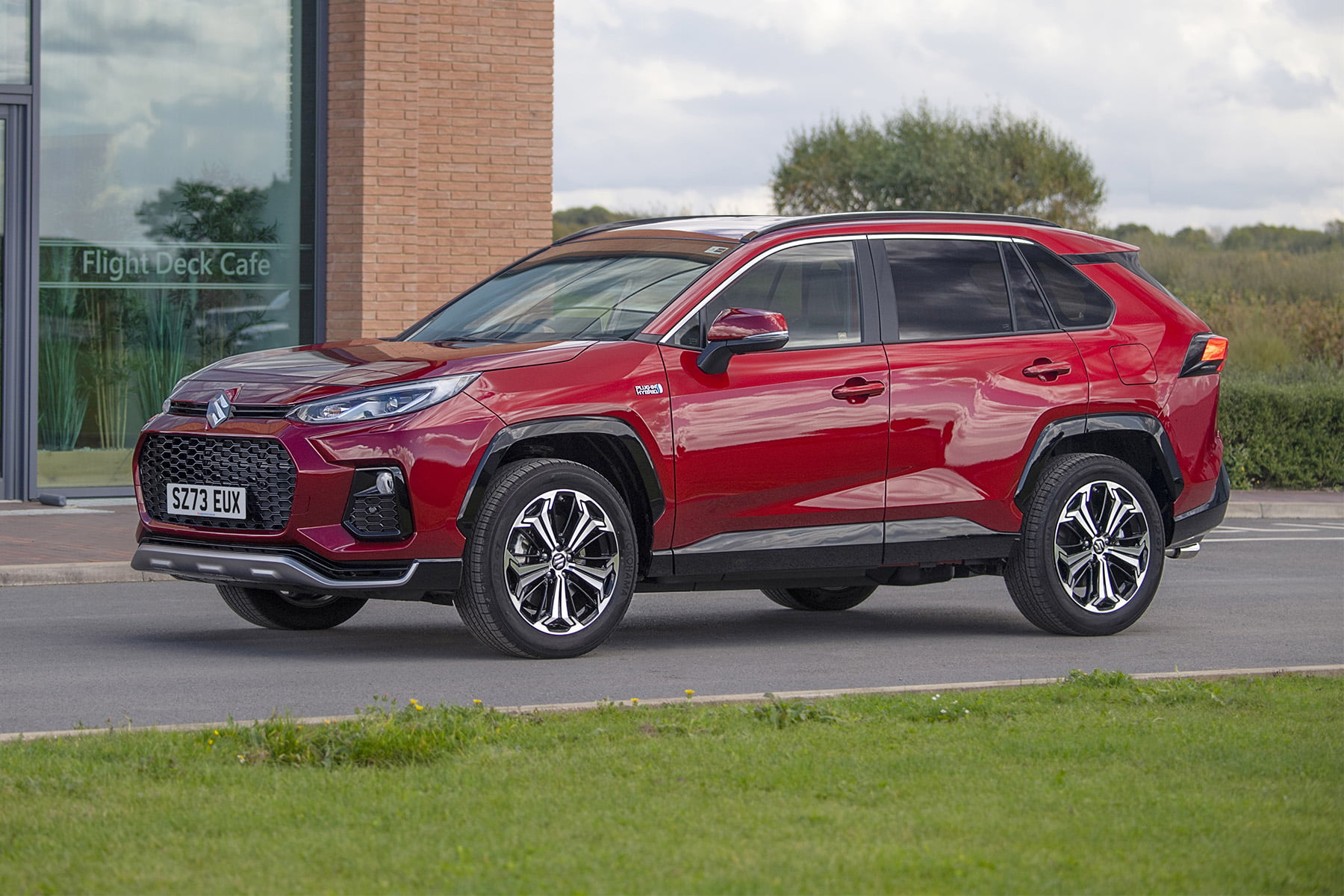
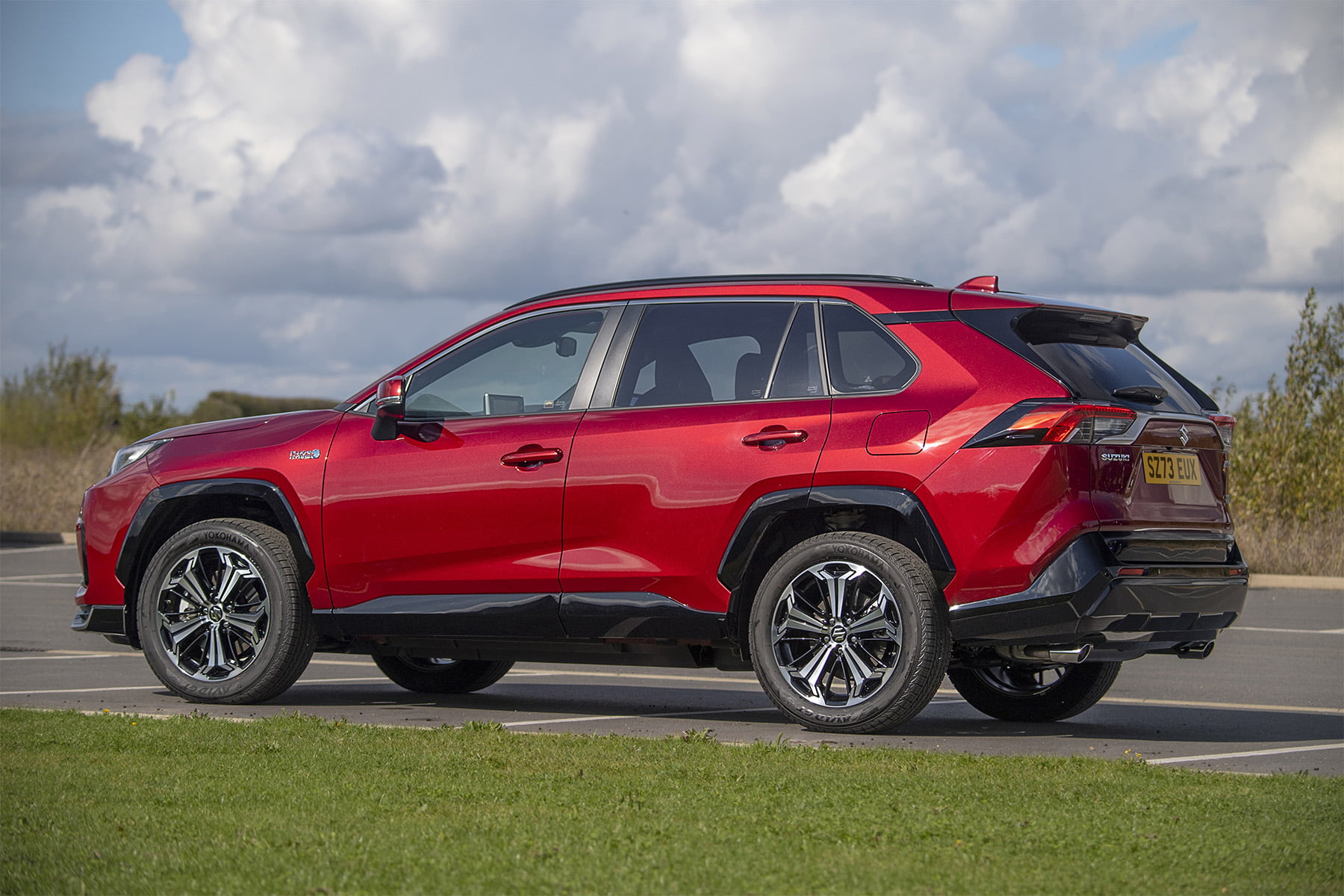
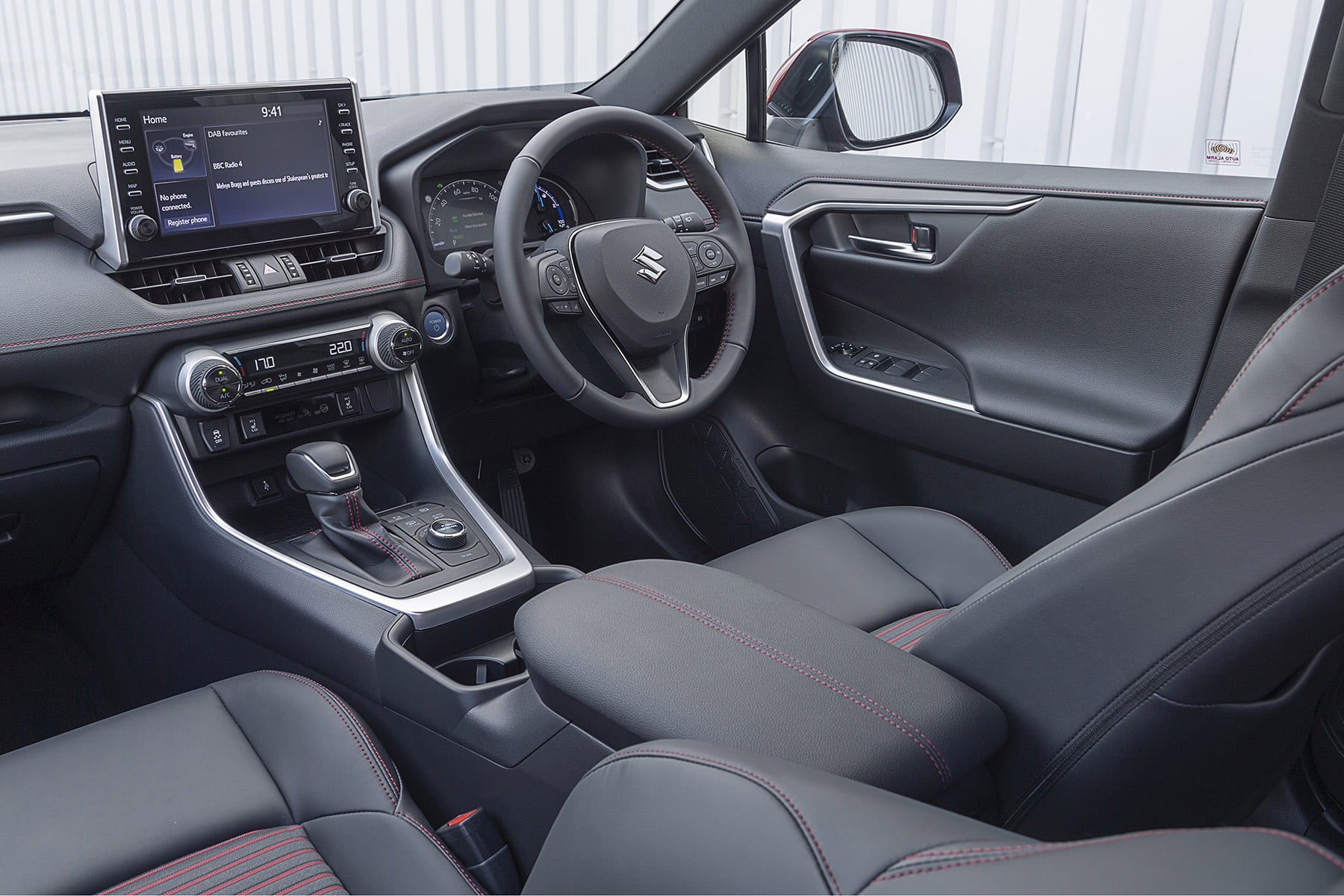
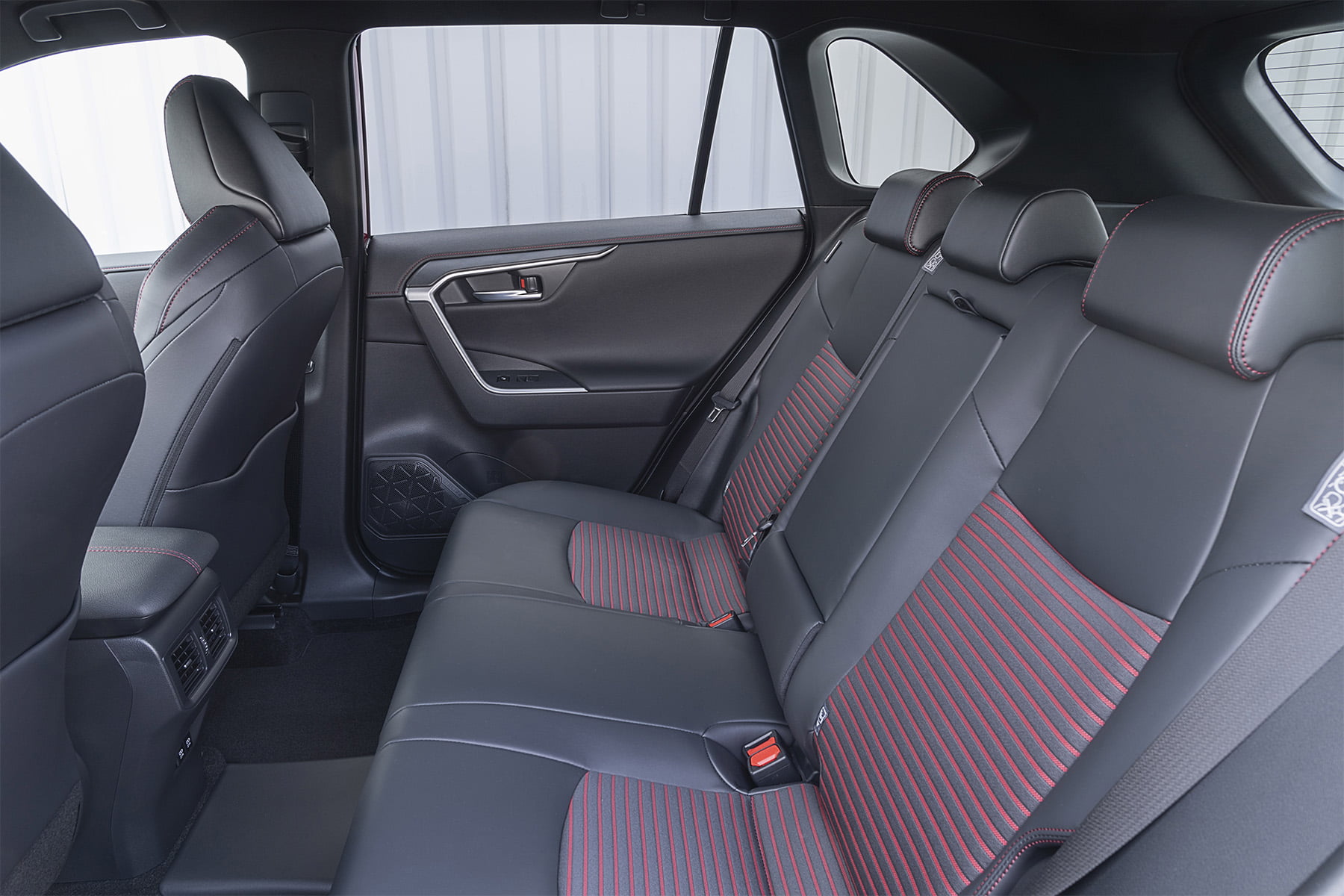
Suzuki Across test drive

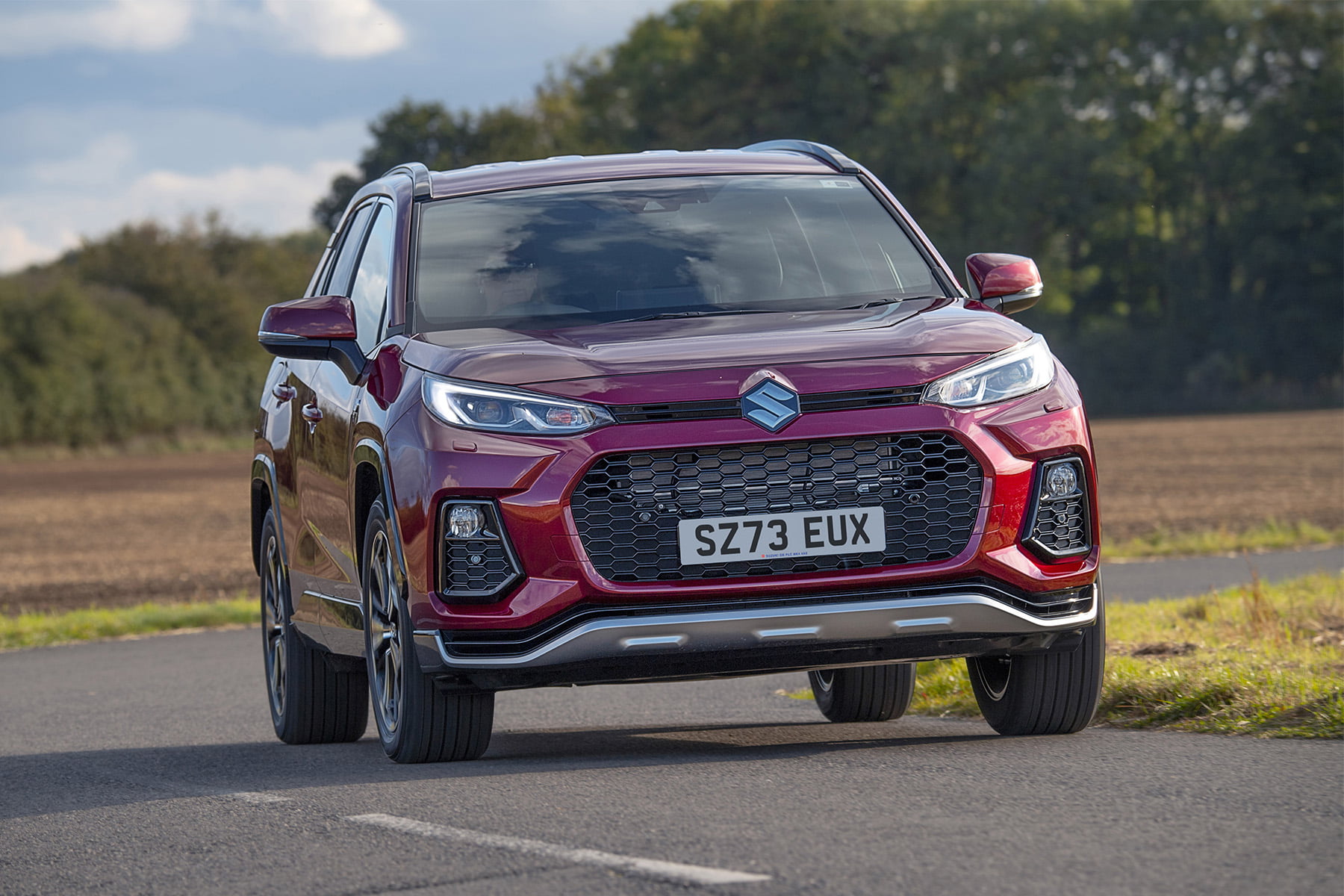
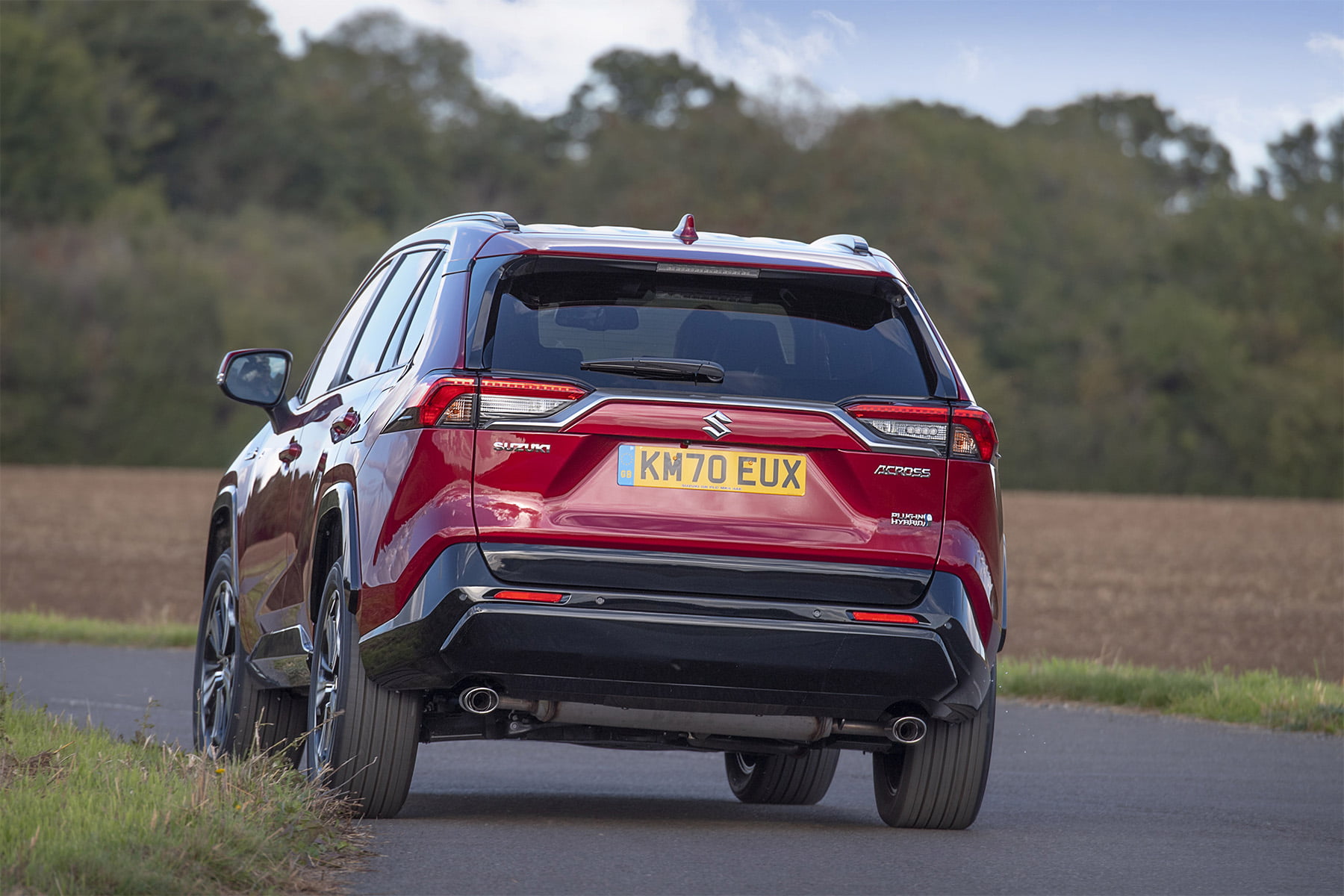
Make and model: Suzuki Across
Description: Medium SUV/crossover
Price range: from £48,729

Suzuki says: “Sophisticated plug-in hybrid technology meets genuine 4×4 SUV freedom to give you ultimate efficiency, confidence and driving pleasure.”

We say: It might be less well known than the Toyota RAV4, but the Across is paving the way for the Suzuki brand of the future.


Introduction

Released in 2020, the Across is the Suzuki version of the Toyota RAV4. The two companies have been working together on different models across the Suzuki lineup so it’s not the first time we’ve seen a rebadged Toyota on offer from the Japanese company. 

The Toyota range offers more trim and engine options than the Across which comes in just one plug-in hybrid version. As the RAV4 receives updates throughout this model generation, the Across follows suit, recently receiving updated hybrid technology for faster charging. As the two cars are nearly identical, they score closely in our Expert Rating Index. As of January 2024, the Suzuki Across holds a New Car Expert Rating of B with a score of 68% and the RAV4 ranks higher with a score of 70%.

What is it?

Suzuki has formed a partnership agreement with Toyota to badge a number of Toyota cars as Suzuki vehicles. This means the models are essentially the same, save some branding alterations inside and out as well as a few minor styling differences. The Across is available with one of the RAV4’s engines, the plug-in hybrid version. 

This five-seater mid-sized SUV is up against competitors like the Ford Kuga and Citroën C5 Aircross, both of which are available as plug-in hybrids. Also in this segment are cars like the Skoda Karoq, Seat Ateca and the Volkswagen Tiguan. The Across is Suzuki’s largest SUV so for those looking for a hybrid seven-seater the Kia Sorento or Hyundai Santa Fe could be worth considering. 

First impressions

The Across is larger in real life than it appears in pictures which means it’s a very practical SUV. Its stature doesn’t mean that it’s unmanageable or intimidating to drive though. Given there’s just one trim level, the way to make it stand out, apart from being one of the few on the road, is to opt for an attractive colour. The Across is available in white pearl crystal shine, silver metallic, grey metallic, sensual red mica, attitude black mica or dark blue mica paint colours. 

Over the past few years, competition in the SUV market has taken off so every manufacturer has at least one model with this body type on offer. In the UK, Suzuki has a smaller market share compared to the likes of Toyota, Ford and Skoda but that doesn’t mean its line up is to be overlooked. The company’s collaboration with Toyota means its cars are well worth considering.

We like: Well-equipped specification
We don’t like: Limited trim and customisation options

What do you get for your money?

There’s just one trim level and one engine option for the Across so there’s not a lot of choice. This means compared to rivals like the Kia Sportage, the Suzuki Across is quite pricey considering there’s no entry level model that’s available at a lower cost. In its base form with a mild hybrid petrol engine, the Sportage starts from just over £29,000, whilst the Across starts from £48,729. 

However, that does mean it’s very well equipped with front and rear parking sensors, reversing camera, kick operation tailgate opening, 10.5-inch multimedia touchscreen, wireless Apple CarPlay and wired Android Auto, heated steering wheel, heated seats in the front and back, heated door mirrors and keyless entry. 

Safety equipment includes blind spot monitoring, lane departure alert, rear cross traffic alert and tyre pressure monitoring. Euro NCAP is yet to test the Across as a standalone model but the RAV4 it’s based on scored five stars out of a possible five in 2019. The rating was also revisited in 2020 to ensure its validity for the plug-in hybrid variant which is the same as the Across offering. 

Suzuki sells the Across with a three-year, 60,000 mile warranty and a 12-year anti-perforation warranty. 

We like: Lots of useful and luxury equipment
We don’t like: Pricey starting point compared to rivals

What’s the Suzuki Across like inside?

It’s easy to find the right position in the electrically adjustable driver’s seat and the stance of the car gives a good view of the road. The big media screen has shortcut buttons which make it straightforward to navigate but most of the time Apple CarPlay or Android Auto will simplify the functionality further. Apple CarPlay can be connected wirelessly or a wire is needed to hook up Android Auto. 

Chunky dials are used to operate climate control settings and the thick gear stick feels high quality. In the back there’s plenty of room and the vehicle is a convenient height to help children in and out of car seats. It’s also wide enough to fit three adults across with plenty of legroom too. 

The rear seats fold down flat to reveal a huge space for large items and the seat backs can be positioned to recline too. The boot has a flat floor with no lip to get over so loading luggage in and out is seamless. 

We like: Spacious well laid out space
We don’t like: No built-in sat nav option

What’s under the bonnet?

The single engine option is a 2.5-litre petrol plug-in hybrid. In electric only mode, official range figures state it’s capable of up to about 46 miles. Although it’s a plug-in hybrid, the battery can be charged by the engine on the move if the charging mode is selected but this increases fuel consumption for the duration of the charge. 

With the hybrid powertrain, fuel economy is rated at up to 43mpg. For short commutes and regular charging at home, this can increase significantly. To get the most out of a plug-in hybrid, it needs to be consistently charged to be the most efficient and cost effective. 

For family holidays the Across could be a good option for towing as it can tow a braked trailer up to 1,500kg and an unbraked trailer up to 750kg. Some larger caravans might be a bit too heavy but for most towing needs the Across should be more than capable. 

What’s the Suzuki Across like to drive?

On the road, the Across is calm at low speeds and in EV mode. When the engine kicks in, it can be a little noisy until the automatic gearbox decides how to control the revs. Most of the time this car won’t be driven with a lead foot, so smooth acceleration and slowing down gradually with plenty of time elicits a settled driving experience. 

The electric motors give a boost of acceleration power when needed so overtaking or joining a motorway isn’t stressful. It has quite light steering so it’s easy to navigate tight spaces without it becoming an arm workout. The Across comes with four-wheel drive as standard so over slippery or loose surfaces it shouldn’t get in trouble. 

All round visibility is very good and is aided by blind-spot monitoring. For longer journeys relying on the engine after the battery is depleted means fuel economy drops a little but for most journeys under 50 miles the electric system takes over for the most part to make it a quiet and settled experience. 

We like: Electric system smooths out ride
We don’t like: Can be noisy without EV power

Verdict

The Across is a capable, spacious and economical SUV. The range is limited to one variant so a plug-in hybrid has to be a must and regular charging is needed to get the best from it. It’s a very relaxed car to drive around town and always has plenty of room in the boot for spontaneous shopping sprees. 

Compared to other rivals in this segment, the Across is priced quite high so if the budget doesn’t stretch to it there are cheaper, just as well equipped alternatives. However, it’s an usual pick that comes with a host of additional features that make it feel very upmarket and luxurious.

Similar cars

If you’re looking at the Suzuki Across, you might also be interested in these alternatives

Citroën C5 Aircross | Hyundai Santa Fe | Kia SorentoLand Rover Discovery Sport | Mitsubishi Shogun Sport | Nissan X-Trail | Peugeot 5008 | SEAT Tarraco | Skoda Kodiaq | SsangYong Rexton | Subaru Forester | Toyota RAV4 | Volkswagen Tiguan Allspace

Key specifications

Model tested: Suzuki Across
Price as tested: £48,729
Engine: 2.5-litre petrol full hybrid
Gearbox: CVT automatic

Power: 302 bhp
Torque: 227 Nm

Top speed: 112 mph
0-62 mph: 6.0 seconds

CO2 emissions: 22 g/km
Euro NCAP safety rating: No rating
TCE Expert Rating: 68% (as of January 2024)

Buy a Suzuki Across

If you’re looking to buy a new or used Suzuki Across, The Car Expert’s partners can help you find the right car.

Motors 600x300

Find your next used car with Motors. Find out more

Carwow logo 600x300

Discover great deals available on both new and used cars. Find out more

Auto Trader logo 600x300

Search for your next new or used car with Auto Trader. Find out more

Lease a Suzuki Across

If you’re looking to lease a new Suzuki Across, The Car Expert’s partners can help you find a competitive deal.

Carparison 600x300

Personal contract hire deals from Carparison Leasing. Find out more

Leasing-com logo

Personal contract hire deals from Leasing.com. Find out more

Rivervale Leasing logo 2022

Personal contract hire deals from Rivervale Leasing. Find out more

Subscribe to a Suzuki Across

If you’re interested in a car subscription, The Car Expert’s partners can help. (PS: What’s a car subscription?)

Mycardirect subscriptions – 600x300

Car subscriptions from Mycardirect.
Find out more

Wagonex logo 2023 600x300

Car subscriptions from Wagonex.
Find out more

Cocoon Vehicles logo 600x300

Car subscriptions from Cocoon.
Find out more

Everything you need to know about Citroën

Citroën might be one of the more familiar names on the UK car market, but many probably don’t realise just how innovative the French manufacturer has been over its more than 100-year history.

Many features taken for granted in today’s cars were popularised on Citroëns, among them disc brakes, front-wheel drive and diesel engines.

Citroën was also renowned for the look of its cars, not least the DS of the 1950s, its aerodynamic body and innovative self-levelling suspension earning it third place in a vote for the ‘Car of the Century’.  Hydro-pneumatic suspension, providing a far more comfortable ride, would be a distinctive feature of Citroën cars for many years.

Citroën profits never matched the level of its innovation which led to a merger with French state brand Peugeot in the mid-1970s. In the years that followed the distinctive aspects of Citroën were diluted, but in more recent times the brand has tried to recover some of that reputation – particularly in terms of styling.    

While perhaps the most famous Citroën model remains the extremely basic, underpowered 2CV, it is by no means indicative of what Citroën has been all about.

So who or what is Citroën?

Like many car manufacturers, Citroën started off making something very different – in this case, it was armaments for the French military in the first world war. But company founder André Citroën already had some automotive experience with early manufacturer Mors, and he realised that when the war ended he would own an up-to-date factory with nothing to make.

The result was the Citroën Type A. Unveiled in March 1919, it was a 10hp car designed to be better but cheaper than any rival, and André began selling them from a showroom on the Champs-Élysées in Paris, the building still used by Citroën today.

André Citroën was an innovator. He introduced the first all-steel body on a European car in 1927, thanks to a relationship with American Edward Budd, who made stainless-steel bodies for Pullman cars on the railways.

The first diesel-powered passenger car followed in 1933, while the Traction Avant of a year later was a three-time innovator – the first car without a separate chassis, with independent suspension all round and with front-wheel drive.

However, Citroën’s insistence on selling his cars cheaper than those of rivals led to major losses. In 1934 the company faced bankruptcy and was bought out by tyre manufacturer Michelin. André Citroën died in the following year.

Citroën had also began building half-track military vehicles – these so impressed the US Army that it acquired a licence to produce them and eventually made some 41,000 during the second world war. Ironically, Citroën’s own vehicles were taken over by the Nazi occupiers of France in 1940 and used by the German army, two opposing nations facing each other with the same hardware.

Straight after the second world war, Citroën launched one of its most famous cars – the very basic and dirt-cheap 2CV. Intended to allow French farmers to replace their horses with cars, it became a cult phenomenon and would stay on sale until 1990 with 9 million made.

It was the DS of 1955 that had a more significant effect, however. Not only was it highly aerodynamic compared to rivals, it introduced self-levelling hydro-pneumatic suspension. On turning the key, the car would raise itself to its travelling height, which could be adjusted by the driver. The system would be fitted to more than 9 million Citroën cars over the next few decades.

Citroën also tried to develop more powerful cars in novel ways, not least by buying Italian sports car maker Maserati in 1968, only to sell it again in 1975. While it led to some innovative and impressive cars, the company was never far from financial trouble.

Fiat took a 49% stake from Michelin in 1968, only to sell it back again five years later, and shortly after Citroën again faced bankruptcy. At this point the French government, fearing huge job losses, stepped in and Citroën was merged with its great rival Peugeot.

After this Peugeot and Citroën cars became increasingly similar to one another, the innovative nature of the latter diluted. This was partly addressed in 2009 with the launch of sub-brand DS Automobiles – recalling the classic DS of the early 1950s and boasting a slogan ‘Spirit of Avant Garde’.

DS Automobiles has since been spun off as a standalone brand but remains closely connected to Citroën, which with sister brand Peugeot is now part of the giant Stellantis Group, encompassing brands as diverse as Alfa Romeo, Fiat, Jeep and Vauxhall. And in recent times Citroën has again been trying to build more distinction into its cars, especially in their styling.

What models does Citroën have and what else is coming?

The Citroën model range has been rationalised somewhat in recent years while adopting the move to electric travel – eight of the currently available nine model line-ups are electrified in some way, either fully electric or hybrid.

Core of the range have long been the ‘three Cs’, the C3, C4 and C5 which started life as traditional cars of increasing size. The C3 remains as a supermini-sized five-door hatch but now is generally overshadowed by its SUV sister, the C3 Aircross – recently facelifted, this shares much of its build with the Peugeot 2008 and the Vauxhall Crossland.

Likely to bring the C3 badge back to prominence is the all-new ë-C3. Launching in late 2024, this latest-generation all-electric C3 will also debut Citroën’s latest design language. Rumours suggest the ë-C3 will also be one of the cheapest EVs on the market, and it will be followed by what Citroën calls “a proper B-segment SUV” in an all-new C3 Aircross.

The C4 went on sale in 2021 as the latest offering from Citroën in the five-door family car market, competing against the likes of the Ford Focus and Vauxhall Astra. However, the Citroën looks different and has a higher ride height compared to its rivals, sort of halfway to SUV status.

The C4 is offered in electric form, called the ë-C4, and in early 2023 this gained a sister model, the ë-C4 X. This is a four-door saloon again sitting in the grey area between normal car and SUV, and considered to be of somewhat limited appeal compared to the hatch.

With Citroën’s traditional large offerings, the C5 and C6, consigned like their market to history, the big car choice was filled by the C5 Aircross, an SUV that went on sale early in 2019. This is now considered rather conservative alongside the C5 X, effectively a bigger version of the C4. Launched in 2022, it has been enthusiastically received with some calling it the best Citroën in years.

Citroën has enjoyed great success with its van-based people-carriers, particularly the Berlingo. The combustion-engine version has recently been discontinued leaving only the ë-Berlingo. Similarly, the much larger SpaceTourer is only now offered in electric form – based on the Dispatch van, it is able to seat nine.

And if you want quirky… Citroën offers the Ami, effectively an electric quadricycle with a roof, seating two and going no further than around 40 miles before you have to plug it in.

Where can I try a Citroën car?

Citroën has 130 dealerships across the UK, many of them in joint outlets with Peugeot – a postcode finder on the Citroen UK website will help locate the nearest outlet to you.

A much smaller number of outlets also sell cars from spin-off brand DS in what are known as ‘DS Salons’, though DS favours sales through its website.

The largest Citroën dealer group is actually owned by the manufacturer’s owner – called ‘Stellantis & You’, it has 18 sites across the country.

What makes Citroën different to the rest?

It’s fair to say that being ‘different to the rest’ is a trait much more appropriate to the Citroën of earlier years than it is today.

The merger with Peugeot robbed Citroën of much of its individuality as the two makes indulged in such economies as platform-sharing and that has only increased since they joined with such brands as Vauxhall in the giant Stellantis group.

In recent times however, as well as launching the spin-off DS brand (which admittedly some buyers still struggle to fully understand) Citroën has tried to revive some of its individuality in the look of its cars, with novel body shapes in itsC4 and C5 X, styling touches as the ‘air bubbles’ applied to the side of some models and more stylish interiors.

Today’s Citroën cars certainly look more distinctive than those of sister maker Peugeot and the brand enjoys a generally positive reputation amongst buyers.

A Citroën fact to impress your friends

Citroën has a place in the famous Guinness Book of World Records, for the world’s largest advertising sign.

Between 1925 and 1934, the company name and its double chevron logo were illuminated on three sides of the Eiffel Tower in Paris.

It took 250,000 light bulbs and almost 400 miles of cable to make the letters, which were each 30 metres high.

The advertising programme ended in 1934 when Citroën fell into bankruptcy.

Summary

The Citroën of today is a major mainstream manufacturer with a similar appeal to other big names such as its sister Peugeot, Ford and Vauxhall.

But the brand has tried hard to revive some of the distinctive elements of its earlier years and its models can polarise some opinions – in turn making them appeal more to those who want all the practicality of a mainstream car without driving something as bland as the next car in the traffic light queue. 

Buy a Citroën

If you’re looking to buy a new or used Citroën, The Car Expert’s partners can help you find the right car.

Motors 600x300

Find a used Citroën with Motors. Find out more

Auto Trader logo 600x300

Find a new or used Citroën with Auto Trader. Find out more

Carwow logo 600x300

Find a new or used Citroën with Carwow. Find out more

Lease a Citroën

If you’re looking to lease a new Citroën, The Car Expert’s partners can help you find a competitive deal.

Leasing-com logo

Personal contract hire deals from Leasing.com. Find out more

Carparison 600x300

Personal contract hire deals from Carparison Leasing. Find out more

Rivervale Leasing logo 2022

Personal contract hire deals from Rivervale Leasing. Find out more

Peugeot E-308

Summary

The Peugeot E-308 is the all-electric version of the third-generation 308 hatchback and estate. The mid-sized EV arrived in the UK in late 2023.

Sharing its foundations with the Vauxhall Astra Electric, the E-308 has accumulated a decent set of UK review scores since its arrival, with verdicts ranging from average to very good. Reviewers like the Peugeot’s comfortable ride and plush interior trim, but many outlets find it hard to recommend the car over rivals in the very competitive medium electric class.

Electrifying.com’s Nicola Hume comments that the EV is “crazily expensive for a car with its limited performance and a non-prestige badge.”

That said, the Auto Trader team concludes that the E-308 is “the best version of the 308 family” as it’s “quick, quiet, cheap to run, has decent battery range, and is every bit as practical as a petrol version.”

An upgraded version of the 308 family, including the E-308, is set to hit the UK by the end of 2025. It includes some light styling changes and interior updates, as well as some upgrades to the electric drivetrain to boost both perfomance and battery range.

As of September 2025, the Peugeot E-308 holds a New Car Expert Rating of B with a score of 67%. It scores top marks for its low running costs and zero tailpipe emissions, which somewhat make up for its rather mediocre review scores. Peugeot’s new car warranty offering is also barely average.

E-308 highlights

  • Comfortable and controlled driving experience
  • High-quality interior
  • Well-equipped as standard

E-308 lowlights

  • Many rivals are cheaper
  • Battery range isn’t that competitive
  • Fiddly touchscreen controls

Key specifications

Body style: Medium hatchback and estate car
Engines:
electric, battery-powered
Price:
From £34,960 on-road

Launched: Autumn 2023
Last updated: N/A
Replacement due: TBA

Media reviews

Highlighted reviews and road tests from across the UK automotive media. Click any of the boxes to view.

Featured reviews

More reviews

Auto Express

Auto Trader

Car

Carbuyer

Driving Electric

Electrifying.com

Heycar

Honest John

Parkers

The Sunday Times

Top Gear

Safety rating

Independent crash test and safety ratings from Euro NCAP

No safety rating

As of September 2025, the Peugeot E-308 has not been assessed by Euro NCAP. The safety body has tested the petrol-powered 308, giving it a four-star rating in 2022, but Euro NCAP is yet to announce whether that assessment can also stand for the E-308.

Eco rating

Independent economy and emissions ratings from Green NCAP

No eco rating

As of January 2025, the Peugeot E-308 has not been lab tested by Green NCAP.

The Green NCAP programme measures exhaust pollution (which is zero for an electric car) and energy efficiency. Electric cars are much more energy-efficient than combustion cars, so the E-308 is likely to score very highly in Green NCAP testing whenever it ever takes place. Check back again soon.

Running cost rating

Clear Vehicle Data logo close crop

Monthly cost of ownership data provided exclusively for The Car Expert by Clear Vehicle Data

Battery rangeAverageScoreVariationScore
EV models255 milesB
Electrical efficiencyAverageScoreVariationScore
EV models4.6 m/KWhA
Insurance groupAverageScoreVariationScore
All models27C
Service and maintenanceCostScore
Year 1£145A
Year 2£349A
Year 3£546A
Year 4£707A
Year 5£969A
Overall£2,716A

Running costs for the Peugeot E-308 are excellent, according to five-year cost data provided exclusively to The Car Expert by our technical partner, Clear Vehicle Data.

Electrical efficiency (the equivalent of miles per gallon for a petrol or diesel car) is very good, which means that overall driving range (model range average of 255 miles) is good despite a relatively small battery.

Scheduled servicing costs for the first five years are excellent, although insurance premiums are not likely to be as cheap as some other family EVs.

Reliability rating

MotorEasy logo 600x167

Reliability data provided exclusively for The Car Expert by MotorEasy

No reliability rating

As of September 2025, we don’t have enough reliability data on the Peugeot E-308 to generate a reliability rating.

The Car Expert’s reliability information is provided exclusively to us using workshop and extended warranty data from our partner, MotorEasy, sourced from both official dealerships and independent workshops. 

As soon as MotorEasy has sufficient data on the E-308, we’ll publish the results here.

Warranty rating

New car warranty information for the Peugeot E-308

Overall ratingC56%
New car warranty duration3 years
New car warranty mileage60,000 miles
Battery warranty duration8 years
Battery warranty mileage100,000 miles

Peugeot’s new car warranty is pretty much the bare minimum offered in the UK, with a duration of three years and a limit of 60,000 miles. Other rivals in the price bracket do better (and in some cases, much better).

In addition to the standard new car warranty, the E-308 has an eight-year/100,000-mile warranty for the battery components.

Warranty on a used Peugeot E-308

  • The Peugeot E-308 was launched in the UK in late 2023, which means that the first cars will reach the end of their new car warranty in late 2026 (unless they hit the 60,000-mile limit before then).
  • If you are purchasing an ‘Approved Used’ E-308 from an official Peugeot dealership, you will get a minimum six-month warranty included if there is less than six months remaining on the new car warranty.
  • If you are buying a used E-308 from an independent dealership, any warranty offered will vary and will probably be managed by a third-party warranty company.
  • If you are buying a used E-308 from a private seller, there are no warranty protections beyond any remaining portion of the original new car warranty.

If you’re looking to buy a used car that is approaching the end of its warranty period, a used car warranty is usually a worthwhile investment. Check out The Car Expert’s guide to the best used car warranty providers, which will probably be cheaper than a warranty sold by a dealer.

Recalls

Official DVSA safety recalls that have been issued for the Peugeot E-308

Date: October 2023
Recall number: R/2023/290
Model types: All
Build dates: 03/2023 to 08/2023
Number of vehicles affected: 76
Defect: Due to a potential lack of electric parking brake application when the driver presses the throttle pedal to start driving from a parking position on a slope, the vehicle could move in the opposite direction until the driver pushes the brakes and stops the vehicle.
Remedy: Update the MCU (motor control unit) with modified software.

As of September 2024 (our most recent data point), there has been one DVSA vehicle safety recall on the Peugeot E-308 to address a parking brake fault.

Not all vehicles are affected by recalls. You can check to see if your car is included in any of the above recalls by visiting the DVLA website or contacting your local Peugeot dealer.

If your car is affected by a recall, the vehicle must be repaired and you should not be charged for any work required. If you are buying a used Peugeot E-308, you should insist that any outstanding recall work is completed before you take delivery of the vehicle.

Similar cars

If you’re looking at the Peugeot E-308, you might also be interested in these alternatives.

Current models: Citroën ë-C4 | Cupra Born | Fiat 600eFord Explorer | Hyundai Kona Electric | Kia EV4 | Mercedes-Benz CLA Electric | MG 4 | Mini Aceman | Nissan Leaf | Renault Mégane E-Tech | Smart #3Vauxhall Astra Electric | Volkswagen ID.3

Discontinued models: MG 5 (2020 to 2025) | Nissan Leaf (2018 to 2024)

More news, reviews and information about the Peugeot E-308 at The Car Expert

Electric car grant – all the EVs with discounts in 2026

Electric car grant – all the EVs with discounts in 2026

Everything you need to know about Peugeot

Everything you need to know about Peugeot

Electric Peugeot e-308 hatchback now on sale

Electric Peugeot e-308 hatchback now on sale

All-electric Peugeot e-308 to arrive in 2023

All-electric Peugeot e-308 to arrive in 2023

Buy a Peugeot E-308

If you’re looking to buy a new or used Peugeot E-308, The Car Expert’s partners can help you find the right car.

Motors 600x300

Find your next used car with Motors. Find out more

Auto Trader logo 600x300

Find your next new or used car with Auto Trader. Find out more

Carwow logo 600x300

Find your next new or used car with Carwow. Find out more

Lease a Peugeot E-308

If you’re looking to lease a new Peugeot E-308, The Car Expert’s partners can help you find a competitive deal.

Carparison 600x300

Personal contract hire deals from Carparison Leasing. Find out more

Leasing-com logo

Personal contract hire deals from Leasing.com. Find out more

Carwow logo 600x300

Personal contract hire deals from Carwow. Find out more

Subscribe to a Peugeot E-308

Subscriptions are becoming a very popular way for consumers to try an electric car for a few weeks or months to help decide whether it’s a suitable alternative to a petrol car. If you’re interested in a car subscription, The Car Expert’s partners can help. (PS: What’s a car subscription?)

SelfDrive UK logo

Car subscriptions from SelfDrive.
Find out more

Drive Fuze logo 600x300

Car subscriptions from DriveFuze.
Find out more

Cocoon Vehicles logo 600x300

Car subscriptions from Cocoon.
Find out more

Another terrible month for consumer new car sales in March

Private new car sales results seem to be going from bad to worse, with some pretty awful results for the important month of March – traditionally the biggest month of the year for new car sales.

Sifting through historic data from the Society of Motor Manufacturers and Traders (SMMT), it looks like this was the worst March result since the current twice-yearly number plate change system came into effect in 1999 – with the exception of 2021, when showrooms across most of the UK were closed due to Covid (and even that wasn’t much worse than this year’s numbers…).

According to the SMMT, approximately 128,000 new cars were registered to private customers in March. That’s down 8% on the same month last year (which wasn’t a great month anyway), and 40%-50% down on the numbers we routinely saw pre-pandemic, where 250,000+ private new car sales was a common result.

Fleet sales continued their strong showing of the last year, up 30% on last year at about 181,000 registrations. But this still pales in comparison to pre-pandemic March results, which were again routinely 220-270,000.

Does this mean that car buyers have lost interest in having the latest number plates?

Private new car sales slump continues

Consumer new car sales have been sliding since about halfway through the last decade (peaked in 2015/2016), but the slowdown seems to be accelerating in recent months. It affects all types of new cars, and certainly not just EVs as certain national newspapers would love you to believe.

Unless anything radical changes (even more radical than a rout of the current government at the coming election), this trend is going to continue. New car prices are very high, and interest rates are higher than they’ve been for the last 15 years. Inflation on most consumer bills is squeezing household budgets, so buying a new car is getting harder for many people. Car finance terms are getting longer, so people are changing their cars less often. And so sales keep on falling.

Fleet sales are doing well, continuing their recovery from the depths of Covid. Whether this continues in the longer term remains to be seen.

EV sales slowing, although there are reasons for it

EV market share was disappointing, given that the industry has tough sales targets to hit this year. But there are extenuating circumstances that affected the results.

EV registrations were up 4% (about 1,700 cars) compared to overall market growth of 10%, meaning that market share dropped from 16% to 15%. But Tesla sales alone were down by about 3,500 vehicles after the company battled two factory closures in the last three months and the introduction of an updated model (which usually slows sales as production rates slow during model changeovers).

Tesla’s sales also fluctuate far more than other brands so single-month analysis can be quite misleading, and the company is the largest player in the EV market so those fluctuations have a significant influence on the overall sector results. If we look at the year-to-date results, EV market share is at 15%, same as last year and growing in line with overall market growth – but is still a long way short of hitting the 22% required by the government.

The two top-performing brands in March, Volkswagen and Nissan, are also behind on their EV sales targets, so it’s unlikely that they will be able to sustain their March success over the rest of the year as the government’s EV sales mandate begins to bite.

As the year progresses, we expect to see fiercer discounting on electric cars as car manufacturers scramble to hit their mandate targets and avoid large government fines. It’s a good bet that fleet customers, in particular, will be content to wait a bit longer where possible to get better deals before committing to large EV orders.

Good month, bad month

The overall market was up 10% on last March, but there was significant variation between the manufacturers’ performances.

It was a strong month for Abarth, Alpine, BMW, BYD, Cupra, Dacia, GWM Ora, Honda, Jaguar, Jeep, KGM (nee SsangYong), Lexus, Mercedes-Benz, Nissan, Peugeot, Renault, SEAT, Skoda, Smart, Subaru, Vauxhall and Volvo. All of these brands outperformed the overall market by at least 10%, which means they grew their sales by at least 20% over the same month last year.

The news wasn’t so good for Alfa Romeo, Audi, Bentley, Citroën, DS Automobiles, Ford, Genesis, Hyundai, Kia, Maserati, Mazda, Mini, Polestar, Porsche, Tesla or Toyota, who were all at least 10% below the overall market – meaning they sold the same or fewer cars than last March.

That leaves Fiat, Land Rover, MG, Suzuki and Volkswagen who all pretty much held steady, being within plus or minus 10% of the overall new car market.

BMW and Renault were the stand-out performers among the volume manufacturers, each increasing their sales by more than 5,000 units over the same month last year. Going in the other direction, both Ford and Tesla sold about 3,500 fewer cars than they did a year ago.

Volkswagen continued to be the UK’s best-selling car brand in March, ahead of Nissan, BMW, Mercedes-Benz and Kia.

Qashqai cashes in to top the charts

The UK-built Nissan Qashqai topped the sales charts, just pipping the 2024 sales leader (and 2023’s best-selling car), the Ford Puma. There was further good news for the local workforce in Sunderland, with the Nissan Juke taking fourth place.

The Mini hatch normally performs very well in March, but was absent from the top ten this year as the model is currently a changeover period as production of the all-new model (which is now called the Mini Cooper) begins.

We’ll have our usual detailed look at the top ten in coming days.

New Toyota Land Cruiser ‘250-series’ coming to UK

0

Toyota has revealed a few more details about its new fifth-generation Land Cruiser SUV, which will soon go on sale here in the UK in ‘250-series’ guise.

We first covered the new Land Cruiser when it was first unveiled back in August last year. Back then, Toyota announced that the car would go on sale in the first half of 2024, and the Japanese brand has remained tight-lipped about its latest large SUV model since then.

The new model will replace the ageing Land Cruiser that has now been removed from sale here in the UK. The discontinued model – called the Land Cruiser Prado in other countries – had been on sale since 2010, and while it was known for its tough and dependable nature, its interior had become dated, and newer rugged SUV rivals were more comfortable on tarmac.

We now know that the only Land Cruiser variants coming to the UK will be from the latest ‘Light Duty’ (or ‘Prado’) range which has been specifically designed for European customers. The key offering in this range will be the new ‘250-series’ model, but that’s all we know when it comes to UK model specifications so far. Toyota promises that more trim grade details are on the way imminently.

The slightly larger ‘Station Wagon’ version, or ‘300-series’, will only be sold in Africa, the Middle East, Asia and the US.

Set to challenge the likes of the Land Rover Defender and BMW X5, the new Land Cruiser takes design inspiration from the FJ62 Land Cruiser of the mid-80s, including a boxy silhouette, square headlights, a rectangular grille and bulky front and rear bumpers.

While the car’s looks are a gentle nod to the Land Cruiser’s heavy-duty off-roading past, Toyota has moved the SUV to its latest ‘Global Architecture’ design platform, which makes the car larger than its predecessor and more rigid, which the manufacturer says has led to “improved responsiveness, handling and ride comfort.”

These newer foundations have also allowed Toyota’s engineers to improve the suspension and install an electric power steering system which “reduces the amount of kickback that can occur when driving over rough surfaces and provides smoother, more direct steering.”

The brand says that the SUV’s bumper corners are easy to replace if damaged and the front fog lights are deeply recessed in the bumper corners, with a view to avoiding damage. Toyota adds that the flat bonnet design allows the driver to easily see the vehicle’s corners, increasing general visibility and reducing the blind spot immediately in front of the car.

At close to five metres long, the new Land Cruiser is ten centimetres longer than the previous generation, and six of these centimetres sit between the front and rear wheels, which likely means more legroom in the cabin.

A first for Toyota – the new Land Cruiser also comes with a ‘disconnecting front anti-roll bar’, which allows the driver to change the anti-roll bar settings via a switch on the dashboard to reportedly make the SUV more capable when tackling rough roads. The SUV will sit on 18-inch alloy wheels as standard, with 20-inch alloys available for an extra fee. The options list will also include roof rails, side steps and an opening rear hatch.

Inside, both five- and seven-seat configurations will be available with optional extending cushions that provide extra thigh support. The dashboard and door panels are lower, allowing for deeper side windows, and key driving settings can be changed using switches “that are shaped for easy operation.”

A nine-inch digital instrument cluster and eight-inch infotainment display sit side-by-side on the dashboard as standard. Both of these displays can be upgraded to 12-inch versions, these presumably being reserved for higher trim levels.

Toyota has released provisional specs for a single turbocharged diesel engine option so far, but is yet to confirm whether the ‘250-series’ will use this engine. There has been no word about the petrol engine that was available in the previous range either, which has likely been discontinued.

Nevertheless, this 2.8-litre four-cylinder diesel provides 200hp, and is paired with an eight speed automatic transmission. Towing capacity stands at a maximum of 3,500kg. One other powertrain is in the works for release in early 2025 – it uses the same engine, but comes with an added 48V of mild-hybrid assistance.

That sums up what we know about the new Toyota Land Cruiser range – more details will follow in the coming weeks as the SUV nears its official launch.

Honda e:Ny1 range gets price cut

0

Honda has decided to revise the pricing of its e:Ny1 to make the crossover a more affordable proposition in the highly competitive compact EV category.

This small electric family car was launched back in Autumn last year with a retail price of just under £45k – a price tag that was a great deal higher than rivals like the Jeep Avenger, Hyundai Kona Electric, BYD Dolphin and Smart #1.

Honda’s explanation for higher pricing at the time was the car’s high-quality engineering, as it has been designed to provide “exceptional” comfort and quietness.

Six months after the car’s first arrival, the e:Ny1’s entry-level price has been cut by £5k – from £45k to just south of £40k. This does bring the Honda closer to the pricing of its electric crossover rivals, but alternatives are still cheaper. By comparison, the new Hyundai Kona Electric costs £35k as standard and the Smart #1 can currently be purchased for £32k.

Key trim level features

Lead-in ‘Elegance’ (from £39,995)

  • 15-inch infotainment touchscreen
  • 10-inch digital instrument cluster
  • Front and rear parking sensors
  • Rear view parking camera
  • Blind spot monitoring
  • Lane keeping assistance
  • Traffic sign recognition
  • Heated and electrically-adjustable driver seat
  • Synthetic leather upholstery
  • Dual zone air conditioning
  • Rear privacy glass
  • Wireless smartphone charging

Top-spec ‘Advance’ (from £42,195)

  • All ‘Elegance’ features that are not replaced
  • Semi-autonomous parking assistance
  • Multi-view parking camera
  • Panoramic sunroof
  • Heated leather steering wheel
  • Powered tailgate

The range-topping ‘Advance’ trim grade has also been given the same £5k price reduction. That said, larger EVs like the Skoda Enyaq SUV are cheaper than this. The current benchmark electric model when it comes to value for money is the MG 4, which is priced at just under £27k.

Orders of the e:Ny1 with this revised pricing will re-open on the 23rd April, and customers can book a test drive in person at their local dealership or on the Honda website.

The Honda e:Ny1 currently holds a New Car Expert Rating of C with a score of 62%. Pricing has been a key issue for UK reviewers, while others remark that rivals offer more battery range, but otherwise outlets agree that this Honda is a capable EV with refined driving dynamics and good performance.

Hyundai Tucson facelift announced

0

Hyundai has announced that it has given its mid-sized Tucson SUV a mild mid-life refresh that includes minor exterior styling changes and more on-board tech.

This update comes three years after this fourth-generation model’s initial arrival, as Hyundai looks to increase consumer demand for its most popular car in Europe. It comes at an ideal time for the brand too, as the SUV has recently fallen out of Britain’s best-selling top ten leaderboard, while its closest rival the Kia Sportage sits in the top three.

Starting with the SUV’s exterior looks, Hyundai has given the Tucson a revised bumper designs in the front and back with new skid plates, larger daytime running lights and new-look alloy wheels.

Inside, Hyundai says it has entirely redesigned the interior, starting from scratch to design the updated car’s dashboard, centre fascia, steering wheel, and centre armrest. The seats also get a new pattern and additional cloth and leather material upholstery options.

A 12-inch central infotainment screen and 12-inch digital instrument cluster are included as standard, and the infotainment touchscreen has a new display screen that houses controls for the automatic dual-zone climate control. The infotainment is also compatible with over-the-air updates for the first time, which allows the car to remotely download future software improvements and features while on the driveway.

A 12-inch head-up display that projects driving information onto the windscreen also features on the options list, and the updated car has keyless entry and start-up. Hyundai has also added a rear occupant alert, that detects motion or breathing around the rear seats when the car doors are opened.

That sums up this minor mid-life facelift. Hyundai is yet to confirm the refreshed Tucson’s UK specs and pricing, as well as exactly when we can expect updated models to arrive in showrooms.

Omoda E5

Summary

The Omoda E5 is a medium-sized SUV/crossover and the first model to be launched by new Chinese brand Omoda. There is also an Omoda 5 petrol version, which we cover separately.

The 5 and E5 arrived in the UK in late 2024, with about 80 Omoda dealers added to the network in the first year on sale.

The Omoda E5 is a Nissan Qashqai-sized vehicle, so Omoda is aiming right at the heart of the family car market. This model has already been on sale in China and some other international markets for a couple of years, where it’s usually called a Chery Omoda C5.

Reviewers generally prefer the electric E5 to its petrol-powered sibling. Our own editor at The Car Expert, Stuart Masson, says it has “a much better driving experience and nicer interior”, while CJ Hubbard at Car agrees that “there’s a general sense of additional polish”.

However, the overall feeling is that the E5 belies its budget background a little too much. Darren Cassey at Carwow laments that “alternatives outshine it in almost every other measure”.

As of September 2025, the Omoda E5 holds a New Car Expert Rating of A, with a score of 71%. It achieves top marks for its five-star safety rating, zero tailpipe emissions and Omoda’s excellent new car warranty coverage. Running costs should be good as well, but poor media review scores drag the overall rating down dramatically.

Key specifications

Body style: Medium SUV
Powertrain:
single electric motor, front-wheel drive

Price: Approx. £35,000 (pricing and specs TBC)
UK launch: May 2024

Media reviews

Highlighted reviews and road tests from across the UK automotive media. Click any of the boxes to view.

Featured reviews

More reviews

Auto Express

Auto Trader

Business Car

Car

Driving Electric

Electrifying.com

Green Car Guide

Parkers

Regit

The Sunday Times

Top Gear

Safety rating

Independent crash test and safety ratings from Euro NCAP

Overall score: 5 stars
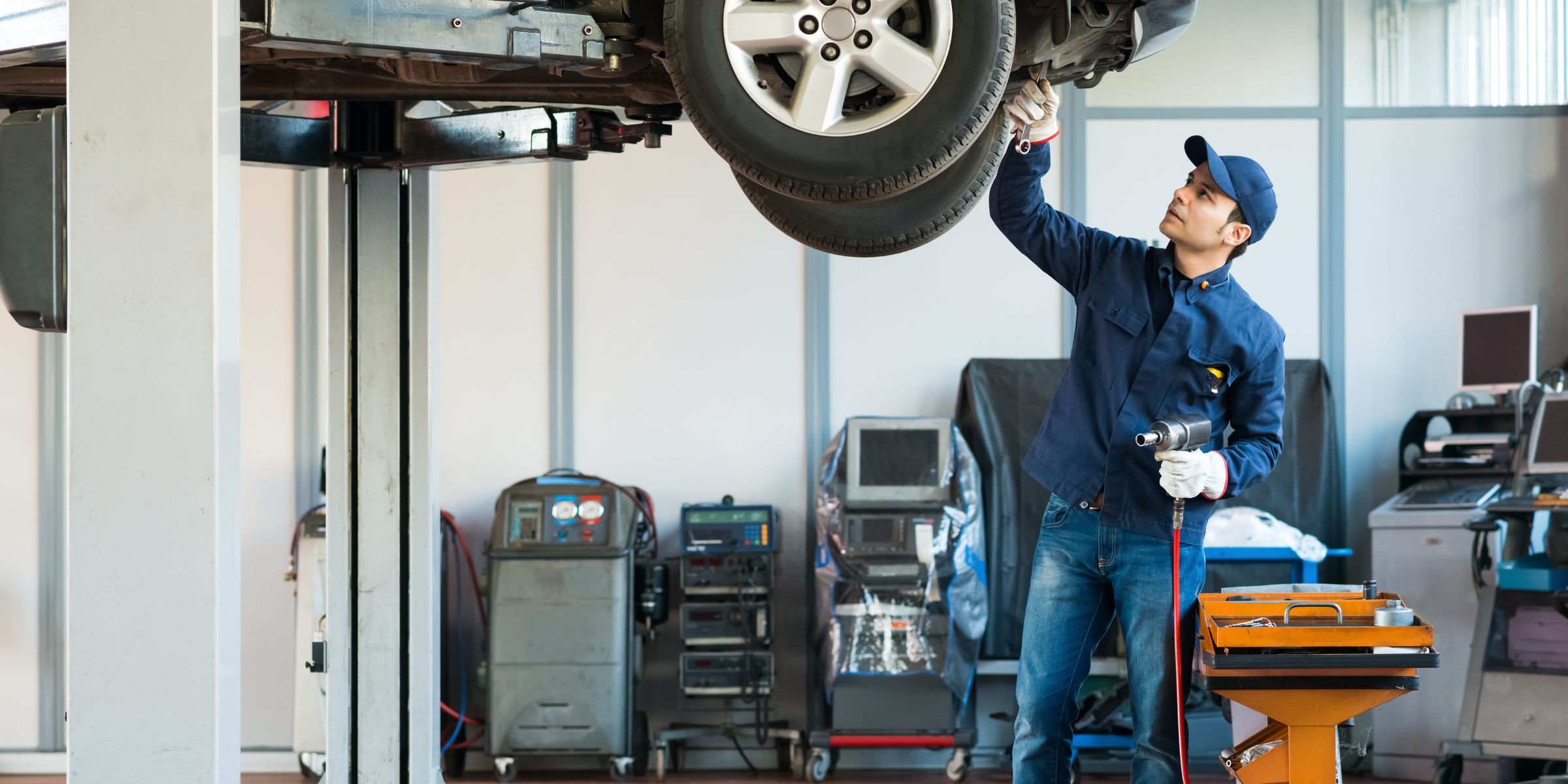
Date tested: November 2024
Read the full Euro NCAP review

Adult protection: 87%
Child protection: 87%
Vulnerable road users: 68%
Safety assist: 88%

Independent crash test and safety ratings from Euro NCAP

The petrol Omoda 5 (known as the Chery Omoda 5 at the time) was originally crash tested by Euro NCAP back in 2022 and awarded a five-star rating. This rating was extended to the electric Omoda E5 in November 2024 as Euro NCAP was satisfied that it performed equally well in every emergency situation.

Eco rating

Independent economy and emissions ratings from Green NCAP

No eco rating

As of September 2025, the Omoda E5 has not been tested by Green NCAP.

The Green NCAP programme measures exhaust pollution (which is zero for an electric car) and energy efficiency. Electric cars are much more energy-efficient than combustion cars, so the Omoda E5 is likely to score very highly in Green NCAP testing if and when it takes place. Check back again soon.

Running cost rating

Clear Vehicle Data logo close crop

Monthly cost of ownership data provided exclusively for The Car Expert by Clear Vehicle Data

Battery rangeAverageScoreVariationScore
EV models257 milesB
Electrical efficiencyAverageScoreVariationScore
EV models4.2 m/KWhC
Insurance groupAverageScoreVariationScore
All models35D

Based on the limited data we currently have available, the Omoda E5 should be a reasonably affordable car to own and run. Electrical efficiency (the EV equivalent of miles per gallon in a petrol or diesel car) is good, which helps give the E5 a decent battery range. As with any electric car, the energy cost very much depends on whether you can chearge the car at home or work, or if you are relying on public charging.

We’ll update this further once we have full five-year servicing and maintenance costs.

Reliability rating

MotorEasy logo 600x167

Reliability data provided exclusively for The Car Expert by MotorEasy

No reliability rating

As of September 2025, we don’t have enough reliability data on the Omoda E5 to generate a reliability rating.

The Car Expert’s reliability information is provided exclusively to us using workshop and extended warranty data from our partner, MotorEasy, sourced from both official dealerships and independent workshops. 

As soon as MotorEasy has sufficient data on the Omoda E5, we’ll publish the results here.

Warranty rating

New car warranty information for the Omoda E5

Overall ratingA99%
New car warranty duration7 years
New car warranty mileage100,000 miles
Battery warranty duration8 years
Battery warranty mileage100,000 miles

Omoda’s new car warranty is one of the best available from any car manufacturer in the UK, and better than rival brands in a similar price bracket as the E5.

The duration is seven years, with a limit of 100,000 miles. Additionally, there’s an eight-year/100,000-mile warranty for the battery components.

Warranty on a used Omoda E5

  • As of September 2025, all used Omoda E5s should still be under their new car warranty. The first cars arrived in late 2024, meaning that they will still be under new car warranty until late 2031 – unless they hit their 100,000-mile limit before then.

If you’re looking to buy any used car that is approaching the end of its warranty period, a used car warranty is usually a worthwhile investment. Check out The Car Expert’s guide to the best used car warranty providers, which will probably be cheaper than a warranty sold by a dealer.

Recalls

Official DVSA safety recalls that have been issued for the Omoda E5

As of September 2025, we are not aware of any DVSA vehicle safety recalls affecting the Omoda E5. However, recall information is updated very regularly so this may have changed.

You can check to see if your car has any outstanding recalls by visiting the DVLA website or contacting your local Omoda dealer.

Similar cars

If you’re looking at the Omoda E5, you might also be interested in these alternatives.

BYD Atto 2 | Citroën ë-C4 | DS 3 E-Tense | Ford Puma Gen-EHonda e:Ny1 | Hyundai Kona Electric | Jaecoo E5 | Jeep Avenger | Kia Niro EV Mazda MX-30 | MG S5 EV | Peugeot e-2008 | Skoda Elroq | Suzuki e Vitara | Toyota Urban Cruiser | Vauxhall Frontera Electric

More news, reviews and information about Omoda at The Car Expert

Omoda 7

Omoda 7

Omoda 7 review – first UK drive

Omoda 7 review – first UK drive

Omoda 9 review

Omoda 9 review

Omoda 4

Omoda 4

Omoda 5 line-up bolstered by hybrid model

Omoda 5 line-up bolstered by hybrid model

New cars – what’s coming in 2026

New cars – what’s coming in 2026

Best Family Plug-In Hybrid Car 2026

Best Family Plug-In Hybrid Car 2026

It’s time to reveal the best cars of the year…

It’s time to reveal the best cars of the year…

Omoda 7 SUV prepares to launch in UK

Omoda 7 SUV prepares to launch in UK

New Omoda 4 crossover unveiled

New Omoda 4 crossover unveiled

Omoda 5 and E5 get updates

Omoda 5 and E5 get updates

Omoda 9

Omoda 9

Buy an Omoda E5

If you’re looking to buy a new or used Omoda E5, The Car Expert’s partners can help you find the right car.

Motors 600x300

Find your next used car with Motors. Find out more

Auto Trader logo 600x300

Find your next new or used car with Auto Trader. Find out more

Carwow logo 600x300

Find your next new or used car with Carwow. Find out more

Lease an Omoda E5

If you’re looking to lease a new Omoda E5, The Car Expert’s partners can help you find a competitive deal.

Leasing-com logo

Personal contract hire deals from Leasing.com. Find out more

Octopus vertical 600x300

EV leasing deals from Octopus Electric Vehicles. Find out more

Select Car Leasing logo

Personal contract hire deals from Select Car Leasing. Find out more

Subscribe to an Omoda E5

Subscriptions are becoming a very popular way for consumers to try an electric car for a few weeks or months to help decide whether it’s a suitable alternative to a petrol car. If you’re interested in a car subscription, The Car Expert’s partners can help. (PS: What’s a car subscription?)

SelfDrive UK logo

Car subscriptions from SelfDrive.
Find out more

Cocoon Vehicles logo 600x300

Car subscriptions from Cocoon.
Find out more

Just Vehicle Solutions logo 600x300

Car subscriptions from Just Vehicle Solutions.
Find out more

Omoda 5

Summary

The Omoda 5 is a medium-sized SUV/crossover and the first model to be launched by new Chinese brand Omoda. There is also an E5 electric version, which we cover separately.

The 5 and E5 arrived in the UK in the second half of 2024, with about 80 Omoda dealers now in place across the UK as of the summer of 2025.

The Omoda 5 was launched with a 1.6-litre petrol engine, with a hybrid model expected to join the range in late 2025. It’s a Nissan Qashqai-sized vehicle, so Omoda is aiming right at the heart of the family car market. This model has already been on sale in China and some other international markets for a couple of years, where it’s usually called a Chery Omoda C5. It has been tested by Euro NCAP and holds a five-star safety rating.

Unfortunately, early media reviews of the Omoda 5 have been less than complimentary, with poor review scores. Our own editor at The Car Expert, Stuart Masson, says that “the Omoda 5 is competent enough”, but that it “lacks the polish of more expensive rivals”.

The company has responded quickly to criticisms, with an upgraded model set to arrive in the UK in the autumn of 2025. It features changes to suspension to improve ride and handling, as well as a higher-quality interior from its electric sibling, the E5. We’ll continue to update this page as reviews of the revised model are published.

As of September 2025, the Omoda 5 has a New Car Expert Rating of D, with a score of 56%. It scores top marks for its five-star safety rating and new car warranty, but CO2 emissions are only average, running costs are high compared to other small SUVs and media review scores are very poor. It’s still a new car, so this rating may improve as more media reviews are published in coming months.

Key specifications

Body style: Medium SUV
Engines:
petrol

Price: From £25,235
UK launch: Autumn 2024

Media reviews

Highlighted reviews and road tests from across the UK automotive media. Click any of the boxes to view.

Featured reviews

More reviews

Auto Trader

Business Car

Car

Heycar

Parkers

The Independent

The Sunday Times

Safety rating

Independent crash test and safety ratings from Euro NCAP

Overall score: 5 stars
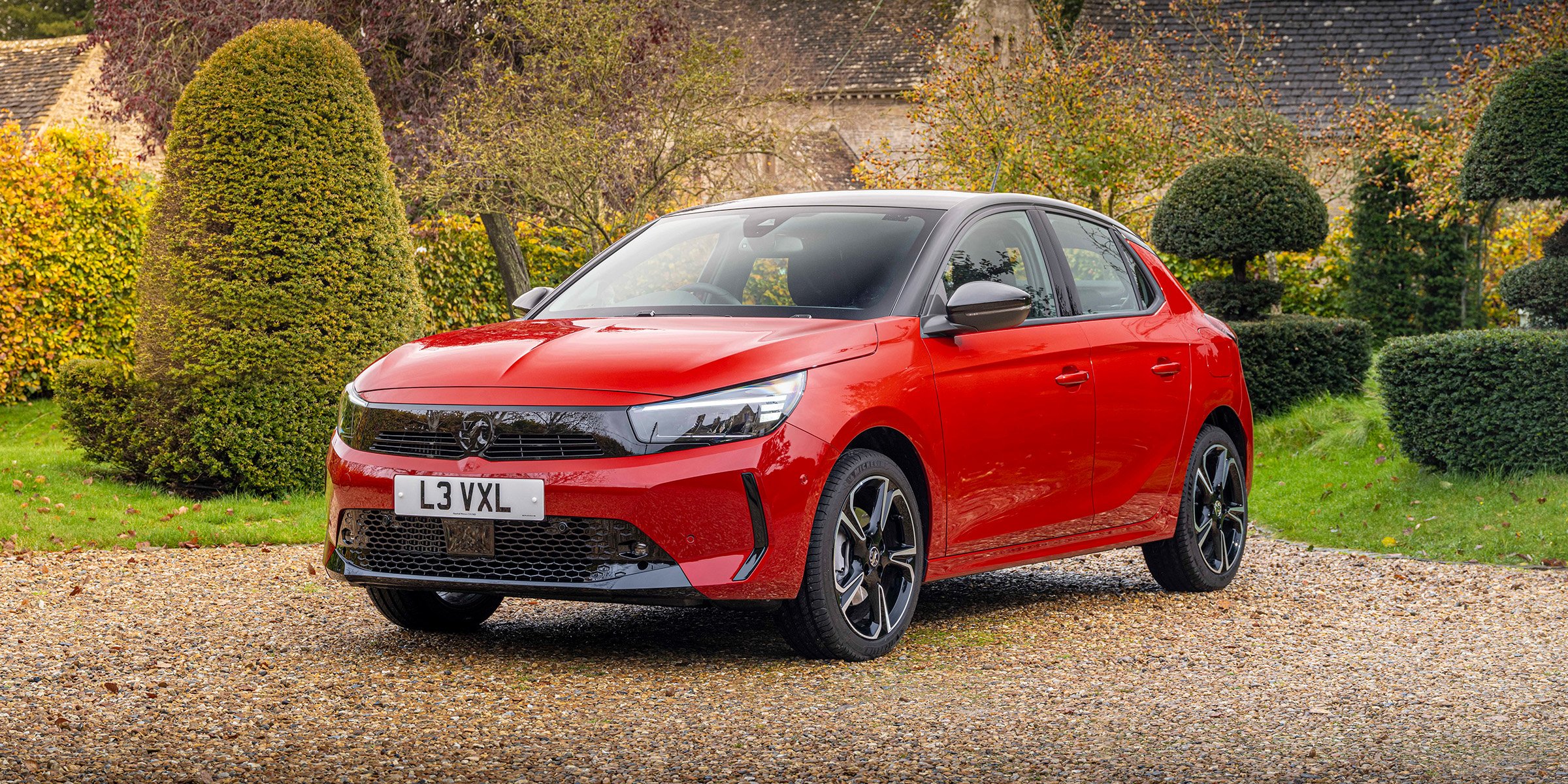
Date tested: December 2022
Read the full Euro NCAP review

Adult protection: 87%
Child protection: 87%
Vulnerable road users: 68%
Safety assist: 88%

Eco rating

Independent economy and emissions ratings from Green NCAP

No eco rating

As of September 2025, the Omoda 5 has not been tested by Green NCAP. Check back again soon.

Running cost rating

Clear Vehicle Data logo close crop

Monthly cost of ownership data provided exclusively for The Car Expert by Clear Vehicle Data

Fuel consumptionAverageScore
Petrol models31 mpgE
CO₂ outputAverageScoreVariationScore
Petrol models170 g/kmC
Insurance groupAverageScoreVariationScore
All models33C

Based on the limited data we currently have available, the Omoda 5 is not likely to be as cheap to own and run as many other similar cars. Fuel consumption is particularly poor compared to other small and mid-sized crossovers, which will concern potential customers.

We’ll update this further once we have full five-year servicing and maintenance costs.

Reliability rating

MotorEasy logo 600x167

Reliability data provided exclusively for The Car Expert by MotorEasy

No reliability rating

As of September 2025, we don’t have enough reliability data on the Omoda 5 to generate a reliability rating.

The Car Expert’s reliability information is provided exclusively to us using workshop and extended warranty data from our partner, MotorEasy, sourced from both official dealerships and independent workshops. 

As soon as MotorEasy has sufficient data on the Omoda 5, we’ll publish the results here.

Warranty rating

New car warranty information for the Omoda 5

Overall ratingA85%
New car warranty duration7 years
New car warranty mileage100,000 miles

Omoda’s new car warranty is one of the best in the new car market, and better than most other cars in a similar price bracket to the Omoda 5.

The duration is seven years, with a limit of 100,000 miles. This is good news for both new and used car buyers, as it will help the residual value of the Omoda 5 for new car buyers when they come to sell the car, and it gives near-new car buyers confidence that they are covered for years to come.

If you’re looking to buy a used car that is approaching the end of its warranty period, a used car warranty is usually a worthwhile investment. Check out The Car Expert’s guide to the best used car warranty providers, which will probably be cheaper than a warranty sold by a dealer.

Recalls

Official DVSA safety recalls that have been issued for the Omoda 5

As of September 2025, we are not aware of any DVSA vehicle safety recalls affecting the Omoda 5. However, recall information is updated very regularly so this may have changed.

You can check to see if your car has any outstanding recalls by visiting the DVLA website or contacting your local Omoda dealer.

Awards

Significant UK trophies and awards that the Omoda 5 has received.

2025

  • Autotrader Awards – Best value new car

Similar cars

If you’re looking at the Omoda 5, you might also be interested in these alternatives.

Citroën C3 Aircross | Dacia Duster | Ford Puma | Honda HR-V | Hyundai Bayon | Jeep Renegade | Hyundai KonaKGM (SsangYong) Tivoli | Kia Niro | MG ZS | Nissan Juke | Peugeot 2008 | Renault Captur | SEAT Arona | Skoda Kamiq | Suzuki Vitara | Toyota Yaris Cross | Vauxhall Frontera | Volkswagen T-Cross

More news, reviews and information about Omoda at The Car Expert

Omoda 7

Omoda 7

Omoda 7 review – first UK drive

Omoda 7 review – first UK drive

Omoda 9 review

Omoda 9 review

Omoda 4

Omoda 4

Omoda 5 line-up bolstered by hybrid model

Omoda 5 line-up bolstered by hybrid model

New cars – what’s coming in 2026

New cars – what’s coming in 2026

Best Family Plug-In Hybrid Car 2026

Best Family Plug-In Hybrid Car 2026

It’s time to reveal the best cars of the year…

It’s time to reveal the best cars of the year…

Omoda 7 SUV prepares to launch in UK

Omoda 7 SUV prepares to launch in UK

New Omoda 4 crossover unveiled

New Omoda 4 crossover unveiled

Omoda 5 and E5 get updates

Omoda 5 and E5 get updates

Omoda 9

Omoda 9

Buy an Omoda 5

If you’re looking to buy a new or used Omoda 5, The Car Expert’s partners can help you find the right car.

Motors 600x300

Find your next used car with Motors. Find out more

Auto Trader logo 600x300

Find your next new or used car with Auto Trader. Find out more

Carwow logo 600x300

Find your next new or used car with Carwow. Find out more

Lease an Omoda 5

If you’re looking to lease a new Omoda 5, The Car Expert’s partners can help you find a competitive deal.

Leasing-com logo

Personal contract hire deals from Leasing.com. Find out more

Carwow logo 600x300

Personal contract hire deals from Carwow. Find out more

Select Car Leasing logo

Personal contract hire deals from Select Car Leasing. Find out more

Subscribe to an Omoda 5

If you’re interested in a car subscription, The Car Expert’s partners can help. (PS: What’s a car subscription?)

SelfDrive UK logo

Car subscriptions from SelfDrive.
Find out more

Cocoon Vehicles logo 600x300

Car subscriptions from Cocoon.
Find out more

Just Vehicle Solutions logo 600x300

Car subscriptions from Just Vehicle Solutions.
Find out more

The best new electric cars for every budget 2024

The electric car market is more competitive than ever, with a vast and growing selection of battery-powered cars now battling for consumer attention.

New government mandates came into force at the start of 2024, which stipulate that manufacturers now have a minimum electric car sales quota to meet. This has started to slowly lower the barrier to EV ownership, as more mainstream manufacturers look to undercut their rivals by launching cheaper electric models.

While there are several new compact EVs on the way that are all vying to dominate the emerging budget EV market, all-electric options priced below £30k are currently sparse, at least for now.

Going by new sales alone, one EV really stands above the competition. The Tesla Model Y SUV is not only the best-selling electric car by some margin, but is also the world’s most popular car of any fuel type right now, and frequently appears towards the top of the UK’s monthly sales charts.

However, there are several all-electric models that are just as worthy of your attention, and some of them have a cheaper price tag too.

Now starting with new models available for under £30k, we’ve analysed all the electric cars available at key price points in the new car market, and consulted our industry-leading Expert Rating Index to see which models have the highest review scores from across the UK motoring media.

With comprehensive review data backing our recommendations, you can be confident that this is the definitive guide to the best new electric cars for every budget that are on sale in the UK right now.

Best EV under £30,000: MG 4

MG 4 Trophy Extended Range

This under £30k bracket will soon be bolstered by several new budget EVs that will drive down the entry-level electric car prices. For now though, only one battery-powered family car is recommended at this price point by our Expert Rating Index – and it’s also our 2024 Car of the Year.

The appealing MG 4’s low price point makes it an attractive gateway to EV ownership, and in addition to five-star Euro NCAP safety rating, British reviewers also commend the family car for its competitive battery range and its comfortable and rewarding driving experience.

While many manufacturers have now set their sights on competing with this benchmark budget EV in the near future, offering more value-for-money than the MG 4 will be a tough challenge. The hatchback also comes with a generous seven-year warranty, and its running costs are pretty low too.

As of March 2024, the MG 4 has an impressive New Car Expert Rating of A with a score of 81%. That said, the hatchback has been criticised for some cheap interior plastics and its rather poor rear visibility.

Even cheaper than the MG 4 is the brand-new Dacia Spring. While it is available to order now, it can’t match the MG’s range and performance, and we are yet to publish the car’s Expert Rating – coming soon! If you would prefer to wait until next year, small but cheap EVs like the Citroën ë-C3, Renault 5 and Skoda Epiq could also be capable alternatives.

Best EV under £35,000: Smart #1

Smart #1 | Expert Rating

Spearheading Smart’s re-birth as a stylish and spacious upmarket EV builder, the #1 (pronounced ‘Hashtag One’) is the best pick in the sub-£35k bracket according to our Expert Rating Index.

Beyond its attractive exterior, the hatchback offers a generous on-board tech package as standard, plenty of interior practicality and refinement, and competitive performance and battery range. The car also has an excellent safety rating, and will be cheap to run on a daily basis too.

On the other hand, if you would prefer a car with physical buttons for its controls this may not be the car for you, and in its standard form it’s not that fun to drive. As of March 2024, the Smart #1 holds a New Car Expert Rating of A with a score of 79%.

This price point is a lot more competitive, with plenty of EVs priced just north of the £30k mark. Our best-of-the-rest choice is currently the compact Renault Mégane E-Tech crossover, which is equally stylish and comfortable. It isn’t as practical though, with limited rear headroom and a relatively short boot.

Best EV under £40,000: Cupra Born

Cupra Born | Expert Rating

Should you have around £40k to spend, this is where your range of new EV choices really starts to expand. Our Expert Rating Index suggests that the Cupra Born is certainly worthy of a test drive.

The Born stands out from the rest of the mainstream EV crowd when it comes to driving fun, and has been described by the motoring media as more sophisticated and sporty than the Volkswagen ID.3 hatch that it is based on. The car’s interior space and practicality also highlight its great family car credentials and, again, it should be cheap to run and service.

As of March 2024, the Cupra Born holds a New Car Expert Rating of A with a score of 81% – a score that is slightly hindered by fiddly touch-sensitive controls.

If you are looking for a higher driving position and more interior space, the Nissan Ariya SUV just squeezes into this price bracket. Its cabin is spacious, refined and well-built, and it’s just as eye-catching on the road, but the SUV’s driving experience isn’t as engaging.

Best EV under £50,000: Kia EV6 or Hyundai Ioniq 5

Upping your budget to £50k brings access to some of the best electric cars on the market, and the best choice in this price range is a tie between two sister models with excellent Expert Ratings.

Our 2022 Car of the Year, the Kia EV6 is the first of a new breed of all-electric Kia cars – and judging by its review scores, this family-sized crossover fits the bill and then some.

The EV6 arrived in the UK last year to universally positive media reception. It has received high praise for its sharp driving dynamics and impressive design inside and out, as well as its battery range and charging capabilities which set the benchmark for EVs in this price range.

Recognised for its retro-futuristic design, the Ioniq 5 has become a fan favourite among the media, commended for its spacious and practical interior and its impressive infotainment, as well as its battery range. On the other hand, both the EV6 and Ioniq 5 have pretty firm suspension that makes riding over larger potholes an uncomfortable experience.

As of March 2024, the Kia EV6 and Hyundai Ioniq 5 both hold a New Car Expert Rating of A with a score of 81%, which means that, alongside the aforementioned MG 4 and Cupra Born, they currently sit at the top of our Expert Rating Index.

We can’t move on from this section without mentioning the highly-regarded Skoda Enyaq though, which holds the same Expert Rating score. The SUV has a huge boot, offers excellent battery range and its pretty easy to drive. The Skoda is also packed with safety tech, and comes with the brand’s practical ‘Simply Clever’ niceties throughout the cabin.

Best EV under £75,000: Volkswagen ID. Buzz

Volkswagen ID. Buzz | Expert Rating

A modern retelling of the classic of the Type 2 Microbus of the 1960s, the electric Volkswagen ID. Buzz is a fantastic zero-emission choice for larger families, provided you have around £75k to spend.

The people carrier is cheaper than that of course – around £15k cheaper as standard to be more exact – but more room in your budget allows you to explore the car’s optional interior comfort, infotainment and safety tech packages with more freedom.

Currently available in a five-seat configuration with a longer seven-seat ‘LWB’ version on the way this year, reviewers comment that the ID. Buzz is one of the most practical EVs currently on sale. It’s battery range is impressive, it will certainly turn heads when driving through town, and its resale values are sure to remain strong too.

That said, some outlets have called the car’s infotainment ‘confusing’, and its price remains a contentious reviewer issue – there are other new premium battery-powered people carriers available for less. As of March 2024, the Volkswagen ID. Buzz holds a New Car Expert Rating of A with a score of 81%.

Is this Volkswagen too bulky for your taste? The new BMW i5 saloon has also been earmarked by UK reviewers as a compelling class leader that blends agile handling and impressive performance with interior class and comfort.

Best EV under £100,000: Tesla Model S

Tesla Model S – Expert Rating 2024

Our Expert Rating Index has chosen the accomplished Tesla Model S saloon as the best choice in the under £100k bracket. This is the oldest model on this list – launched in the UK back in 2014 – but don’t let its age deceive you.

The Model S has been a pioneering vehicle for the image of electric cars, almost single-handedly changing the perception of electric vehicles having poor performance and range. Reviewers still commend this Tesla for its sleek attractive looks, as well as its engaging performance and driving dynamics.

Tesla is keen to keep the model up to date with newer competitors too – its latest 2021 update including substantial on-board tech and battery upgrades. As of 2024, this flagship model is now only available in left-hand drive and in ultra-fast Plaid trim.

As of March 2024, the Tesla Model S holds a New Car Expert Rating of A with a score of 81%. The car’s long-term reliability remains an issue, though Tesla has made improvements in this area in recent years. Reviewers also comment that German rivals still offer higher interior quality.

One such German rival is the Porsche Taycan – an electric saloon that embodies all that we have come to love about Porsche performance with excellent ride quality, pace, battery range and handsome looks.

Money no object: Mercedes-Benz EQS

Mercedes-Benz EQS | Expert Rating

If you are looking for a luxurious family car and your budget can easily stretch beyond the six figure mark, our Expert Rating Index recommends that you take the Mercedes-Benz EQS for a test drive. This high-end saloon is as sophisticated as all-electric motoring gets, featuring unparalleled interior opulence, loads of on-board tech and a class-leading battery range.

The flagship model in the Mercedes-Benz EQ family and The Car Expert‘s ‘Car of the Year’ in 2021, the EQS currently holds a New Car Expert Rating of A with a score of 79% – a score slightly hindered by reports of rigid ride comfort, high running costs and complaints about the car’s eye-watering price tag.

The luxurious BMW i7 has also been widely praised for its spacious and refined cabin filled with cutting-edge technology, but its exterior styling has divided reviewer opinion.

What else has arrived in the last year?

The electric car market has been growing rapidly over the last 12 months, with brand-new EVs arriving from almost every manufacturer.

Starting with the compact crossovers, the Dacia Spring has now arrived in the UK with very affordable pricing, and Hyundai has replaced its original Kona Electric with an all-new model, which reviewers agree is a significant improvement over its well-regarded predecessor. The Honda e:Ny1 is also now available in the UK, with some less than flattering review scores.

The electric hot hatch market has become more competitive as the Abarth 500e and MG 4 XPower have now been challenged by the larger Hyundai Ioniq 5 N, which has picked up overwhelming media praise.

The electric SUV sector has become even more crowded with the arrival of the Lexus RZ, Fiat 600e, Volvo EX30 and BMW iX2, though the latter has also faced rather heavy reviewer criticism and thus sits at the bottom of our electric car rankings.

Newcomer Fisker also launched its flagship Ocean SUV, and there have been three key additions to the large SUV market – the Kia EV9, Mercedes-Benz EQS SUV and Volvo EX90. Those looking for high performance could also be intrigued by the arrival of the Lotus Eletre.

Finally, three new electric saloons are now on offer – the BMW i5, BYD Seal and Volkswagen ID.7.

Coming soon

There are plenty more EVs at every price point on their way before the end of 2024 and into next year. Here’s some of the most newsworthy new models planned for launch over the next 12 months.

While the pricing for the new BYD Dolphin has been raised above £30k, there are a host of new budget EVs looking to fill the void, such as the Citroën ë-C3, Renault 5, Skoda Epiq and the new electric Fiat Panda.

Car enthusiasts will see another increase in the number of EV models specifically tuned for performance. Alpine’s first hot hatch – the A290 – is set to arrive this year, and more expensive coupés like the MG Cyberster, Maserati GranCabrio Folgore and Lotus Emeya are arriving in the next 12 months.

The already extremely competitive electric SUV category will be bolstered by the likes of the Alfa Romeo Milano, Audi Q6 e-tron, BYD Seal U, Cupra Tavascan, Ford Explorer, Hyundai Ioniq 7, Polestar 3, Renault Scenic E-Tech and Smart #3 in the near future.

There are also new electric versions of the Mini Countryman and Porsche Macan, and that’s before we even get to the new brands without much name recognition that are looking to make an impact on the UK market.

Alongside its Ocean, Fisker is planning the release of its smaller Pear crossover, and KGM – the new name for refreshed brand SsangYong – will be launching its Torres EVX SUV as well.

Omoda has recently outlined its plans for the UK, including the imminent release of its E5 SUV, and other Chinese brands like Aiways, Nio and Xpeng are all looking to launch in Britain by the end of the year. Keep an eye out for American brand Lucid too, which is launching its upmarket Air executive saloon in the UK sometime next year.

For the definitive rankings of the best new electric cars for every budget, we’ve used The Car Expert’s industry-leading Expert Rating Index. The index analyses new car reviews from 35 of the top UK motoring websites, using an advanced algorithm that we have developed specifically to compare review scores.

It constantly recalculates and updates the Expert Rating score for every single car in real time to make sure you’re getting the most accurate and reliable ratings for every new car.

Toyota C-HR

Summary

The Toyota C-HR is a medium-sized SUV/crossover. This is the second-generation model, which arrived in the UK towards the end of 2023 and is only available as a hybrid. Plug-in hybrid versions are set to arrive in the near future.

Reviewers agree that the new C-HR is an improvement over the original model – a frugal family car that is both comfortable and rather fun to drive.

“If you’re after a distinctive but efficient SUV with a raised driving position and an easy drive, it’s well worth a look”, says Parker‘s Alan Taylor-Jones, who adds that those in need of a “properly practical family wagon” should look elsewhere – referring to the car’s rather cramped rear seats and limited seating flexibility.

As of July 2025, the Toyota C-HR holds a New Car Expert Rating of A with a score of 73%. It scores top marks for its excellent safety rating and low CO2 emissions, while its running costs are also low. However, Toyota’s warranty rating is only average and the C-HR’s media review scores to date have been poor.

C-HR highlights

  • Efficient hybrid engines
  • Comfortable driving experience
  • Appealing exterior looks

C-HR lowlights

  • Rivals are more practical
  • Alternatives are cheaper
  • A bit noisy on the move

Key specifications

Body style: Small SUV/crossover
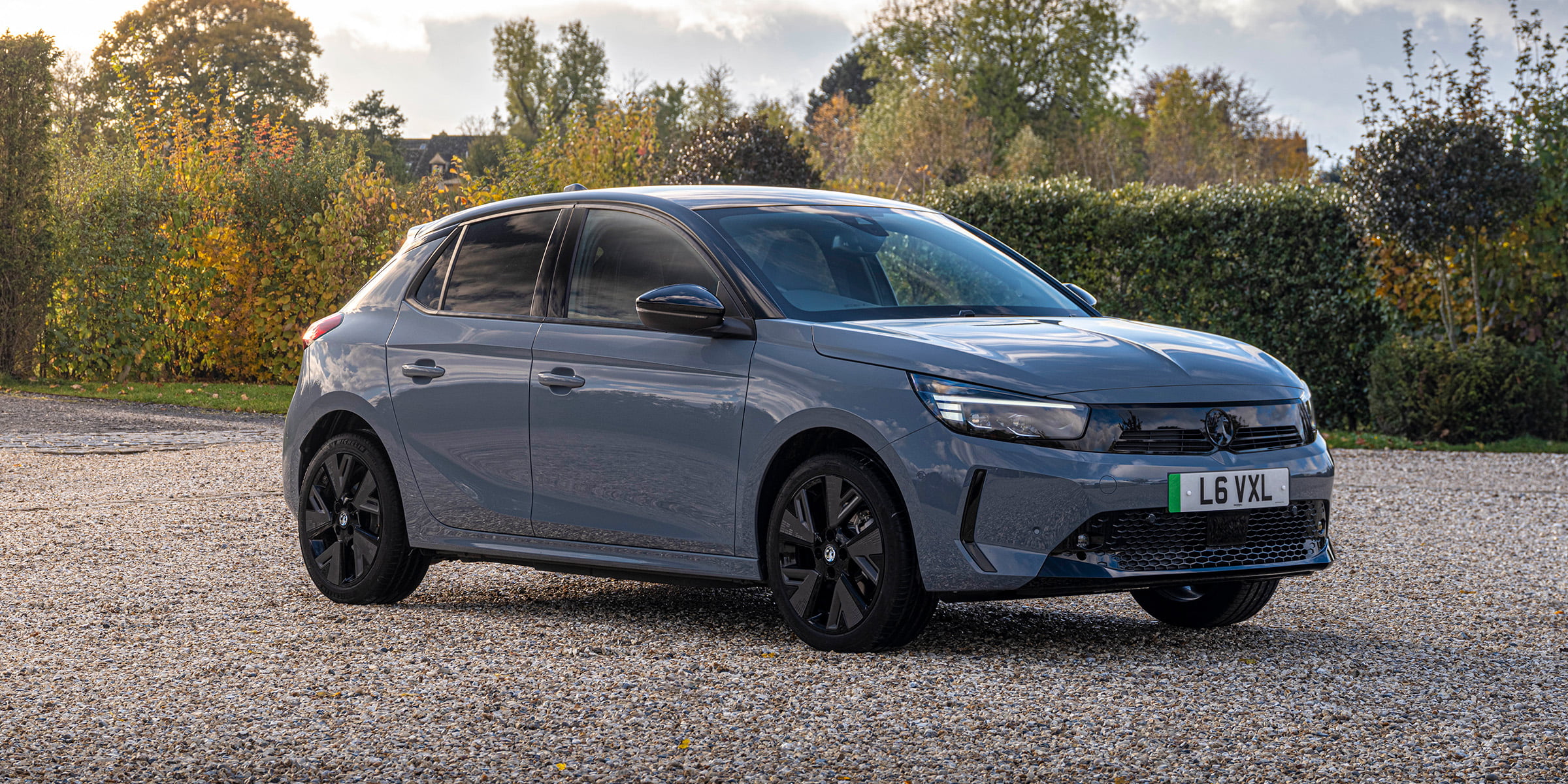
Engines:
petrol-electric hybrid
Price:
From £31,290 on-road

Launched: Winter 2023/24
Last updated: N/A
Replacement due: TBA

Media reviews

Highlighted reviews and road tests from across the UK automotive media. Click any of the boxes to view.

Featured reviews

More reviews

Auto Express

Auto Trader

Car

Carbuyer

Electrifying.com

Heycar

Honest John

Parkers

The Telegraph

Top Gear

Safety rating

Independent crash test and safety ratings from Euro NCAP

Overall score: 5 stars
Date tested: April 2024
Read the full Euro NCAP review

Adult protection: 85%
Child protection: 86%
Vulnerable road users: 86%
Safety assist: 79%

Eco rating

Independent economy and emissions ratings from Green NCAP

No eco rating

As of July 2025, the Toyota C-HR has not been lab tested by Green NCAP.

Running cost rating

Clear Vehicle Data logo close crop

Monthly cost of ownership data provided exclusively for The Car Expert by Clear Vehicle Data

Fuel consumptionAverageScore
Hybrid models58 mpgB
Plug-in hybrid models325 mpgA
CO₂ outputAverageScoreVariationScore
Hybrid models109 g/kmA
Plug-in hybrid models19 g/kmA
Battery rangeAverageScoreVariationScore
Plug-in hybrid models41 milesD
Insurance groupAverageScoreVariationScore
All models25B
Service and maintenanceCostScore
Year 1£204A
Year 2£516A
Year 3£828A
Year 4£1,008A
Year 5£1,322A
Overall£3,878A

The Toyota C-HR is a relatively affordable car to own and run, according to whole-life cost numbers provided exclusively to The Car Expert by our data partner, Clear Vehicle Data.

The hybrid’s fuel economy sits above the market average, and its battery range is decent for a hybrid too. Insurance premiums are comparatively low and service and maintenance costs over the course of five years of ownership should be pretty affordable.

Reliability rating

MotorEasy logo 600x167

Reliability data provided exclusively for The Car Expert by MotorEasy

No reliability rating

As of July 2025, we don’t have enough reliability data on the Toyota C-HR to generate a reliability rating.

The Car Expert’s reliability information is provided exclusively to us using workshop and extended warranty data from our partner, MotorEasy, sourced from both official dealerships and independent workshops. 

As soon as MotorEasy has sufficient data on the C-HR, we’ll publish the results here.

Warranty rating

New car warranty information for the Toyota C-HR

Overall ratingC56%
New car warranty duration3 years
New car warranty mileage60,000 miles
Battery warranty duration8 years
Battery warranty mileage100,000 miles

Toyota’s new car warranty is pretty much the bare minimum offered in the UK, with a duration of three years and a limit of 60,000 miles. Other rivals in the price bracket do better (and in some cases, much better). Additionally, the battery components are covered by a separate eight-year/100,000-mile warranty.

Toyota does offer a conditional warranty extension programme for up to seven years beyond the end of the original new car warranty, with an overall limit of 100,000 miles (including mileage already accumulated in the first three years). However, this requires the car to be serviced by an official Toyota dealership every year, whereas your new car warranty is not restricted. Other restrictions also apply, so check with your Toyota dealer for full terms and conditions.

If you are purchasing an ‘Approved Used’ Toyota C-HR from an official Toyota dealership, you will get a minimum 12-month/10,000-mile warranty included, and you can avail yourself of the extended warranty program described above until the car is ten years old.

If you are buying a used C-HR from an independent dealership, any warranty offered will vary and will probably be managed by a third-party warranty company. If you are buying a used C-HR from a private seller, there are no warranty protections beyond anything that may be left on the original new car warranty.

If you’re looking to buy a used car that is approaching the end of its warranty period, a used car warranty is usually a worthwhile investment. Check out The Car Expert’s guide to the best used car warranty providers, which will probably be cheaper than a warranty sold by a dealer.

Similar cars

If you’re looking at the Toyota C-HR, you might also be interested in these alternatives.

Citroën C5 Aircross | Ford Kuga | Honda ZR-V | Hyundai Tucson | Jeep Compass | Kia Niro | Mazda CX-30 | MG HS | Nissan Qashqai | Peugeot 3008 | Renault Arkana | SEAT AtecaSkoda Karoq | Subaru Crosstrek | Suzuki S-Cross | Vauxhall Grandland | Volkswagen Tiguan

More news, reviews and information about the Toyota C-HR at The Car Expert

Toyota C-HR test drive

Toyota C-HR test drive

Everything you need to know about Toyota

Everything you need to know about Toyota

New Toyota C-HR crossover revealed

New Toyota C-HR crossover revealed

Toyota C-HR test drive

Toyota C-HR test drive

Pricing and specs for refreshed Toyota C-HR range

Pricing and specs for refreshed Toyota C-HR range

Toyota C-HR (2016 to 2023)

Toyota C-HR (2016 to 2023)

Updated Toyota C-HR gets new hybrid engine and more equipment

Updated Toyota C-HR gets new hybrid engine and more equipment

Toyota boosts its scrappage scheme offer

Toyota boosts its scrappage scheme offer

Toyota dominates list of best-value hybrids

Toyota dominates list of best-value hybrids

Best value cars to stop depreciation

Best value cars to stop depreciation

Toyota C-HR review

Toyota C-HR review

Crash test issues for Fiat and Ford

Crash test issues for Fiat and Ford

Buy a Toyota C-HR

If you’re looking to buy a new or used Toyota C-HR, The Car Expert’s partners can help you find the right car.

Motors 600x300

Find your next used car with Motors. Find out more

Auto Trader logo 600x300

Find your next new or used car with Auto Trader. Find out more

Carwow logo 600x300

Find your next new or used car with Carwow. Find out more

Lease a Toyota C-HR

If you’re looking to lease a new Toyota C-HR, The Car Expert’s partners can help you find a competitive deal.

Leasing-com logo

Personal contract hire deals from Leasing.com. Find out more

Carwow logo 600x300

Personal contract hire deals from Carwow. Find out more

Select Car Leasing logo

Personal contract hire deals from Select Car Leasing. Find out more

Subscribe to a Toyota C-HR

If you’re interested in a car subscription, The Car Expert’s partners can help. (PS: What’s a car subscription?)

SelfDrive UK logo

Car subscriptions from SelfDrive.
Find out more

Drive Fuze logo 600x300

Car subscriptions from DriveFuze.
Find out more

Cocoon Vehicles logo 600x300

Car subscriptions from Cocoon.
Find out more