Find an Expert Rating: 
Home Blog Page 3

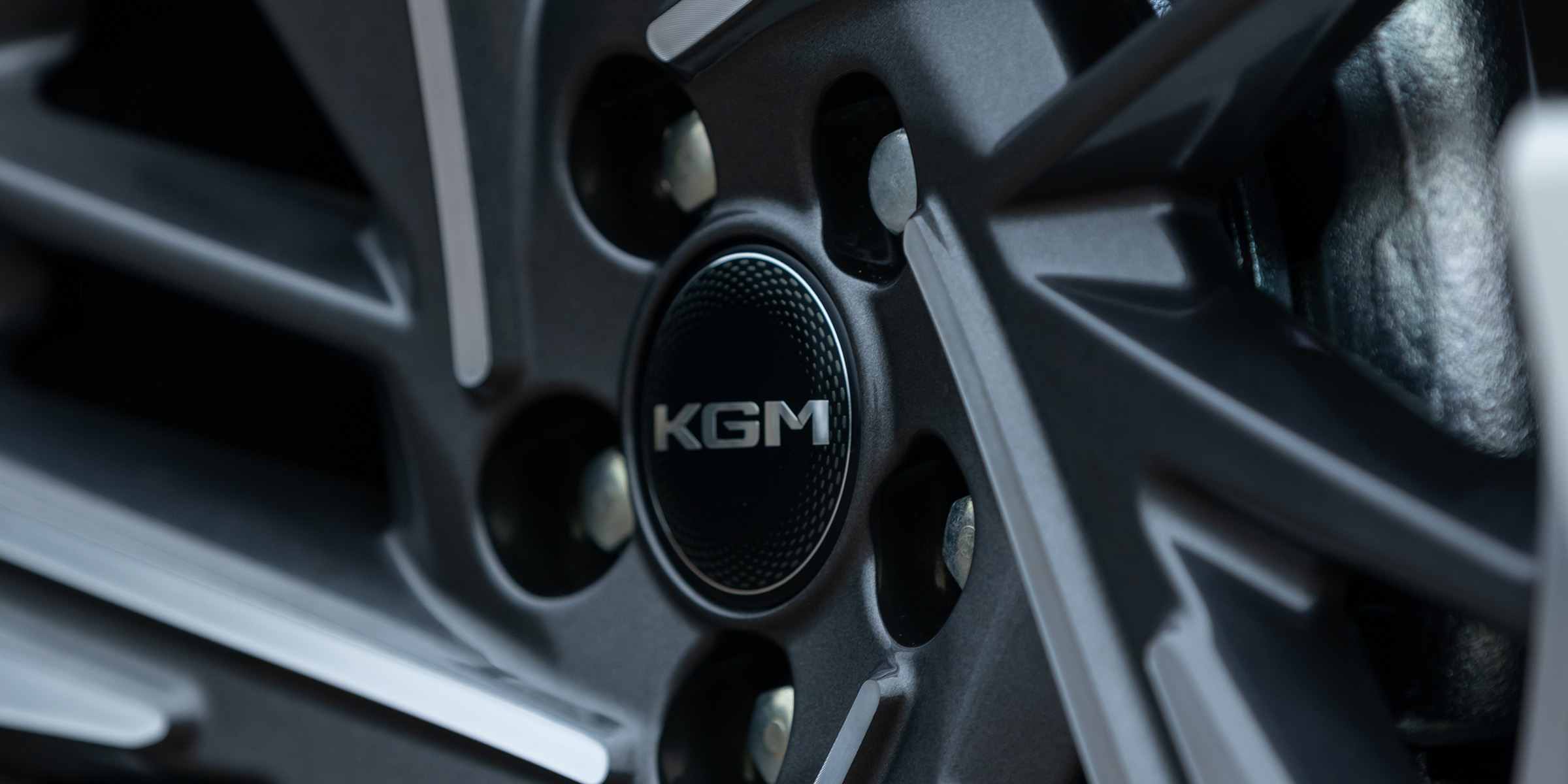
Everything you need to know about KGM

Many buyers will not recognise the brand of KGM Motors, perhaps because it only launched in late 2023. But in fact the cars of KGM have been around a lot longer, wearing SsangYong badges.

While on sale for almost four decades, SsangYong remained the least-known and – many might say – least successful Korean automotive brand, with the clumsiest name to pronounce. While Kia and Hyundai have mushroomed in size, profile and popularity with buyers, SsangYong has lurched from buy-out to virtual collapse, twice filing for receivership.

Yet the brand values of SsangYong, the oldest car manufacturer in Korea, make a lot of sense and have been retained by KGM. It’s unashamedly a budget brand, specialising in utility vehicles with all-wheel-drive chassis. It makes SUVs and pick-ups for buyers who need real workhorses.

The latest almost collapse of SsangYong happened in December 2020 and after a painful 18 months, Korean giant KG Group paid the equivalent of £620 million for SsangYong in mid-2022. In 2024 the company was relaunched under the name of KGM Motors.

So who or what is KGM?

Back in 1954, a company called Ha Dong-Hwan Motor Workshop was established in South Korea, making trucks, buses, and ‘special-purpose vehicles’ (basically 4x4s). Many were exported.

In 1974, the company co-founded a new outlet, called Shinjin Jeep, and as its name suggests producing versions of the famed American utility vehicle. Three years later, the Ha Dong-Hwan name was dropped in favour of Dong-A-Motor – this lasted until 1988 when the maker was acquired by industrial group SsangYong, whose name was applied to all its vehicles. The name means ‘double dragon’.

The next big move was in 1991 when a technical partnership was formed with Mercedes-Benz. New models were launched with proven Mercedes engines and other hardware under the bonnet, which helped raise the brand’s profile across Europe. 

When did KGM launch in the UK?

While KGM-badged cars have only been on sale since 2024, the company has effectively been in the UK a lot longer – SsangYong arrived in 1994 with its first new model with Mercedes input, the Musso SUV.

The larger Rexton followed in 2001 but, during this period, SsangYong also went through several changes of ownership. It was first taken over by rival Korean brand Daewoo in 1997 and, for a while, all SsangYong vehicles were badged as Daewoos. SAIC Motor, the Chinese state-owned car company which now owns MG, took a 51% stake in 2004 but then ran into controversy, even accused of stealing SsangYong tech for its own vehicles.

Amid violent worker strikes, SsangYong went into receivership in 2009 and was then taken over by Indian giant Mahindra & Mahinda. SsangYong’s chequered history continued and in December 2020, the company again filed for receivership. While seeking a buyer, a deal was signed with Chinese maker BYD Auto to develop the batteries for electric vehicles, with a view to SsangYong plotting a whole electric future.

A takeover bid by electric bus and truck maker Edison Motors followed but failed and, in June 2022, Korean giant the KG Group took the reins, setting up KG Mobility a year later. The UK operation relaunched as KGM Motors in 2024, retaining the dragon-themed logo of its predecessor.

Even the switch to KGM has not gone smoothly – Korea’s Intellectual Property Office objected to the registration of the trademark believing it was part of a trolling operation, registering trademarks with no intention of using them. Further objections came from the Turkish Government’s highways office, because it uses the same three letters, and even Austrian motorcycle maker KTM argued that the names would be too similar to each other!

Amongst all this, KGM has continued its future plans by signing a partnership agreement with Chinese giant Chery Automobile to jointly develop future cars.     

What models does KGM have and what else is coming?

The core of the KGM range dates back to its predecessor, with four of the current six models once sold as SsangYongs. The target market of budget buyers shows in the reviews from the UK motoring media – reviewers generally praise the price, robustness and equipment levels of KGM vehicles but mark them down on comfort and quality.

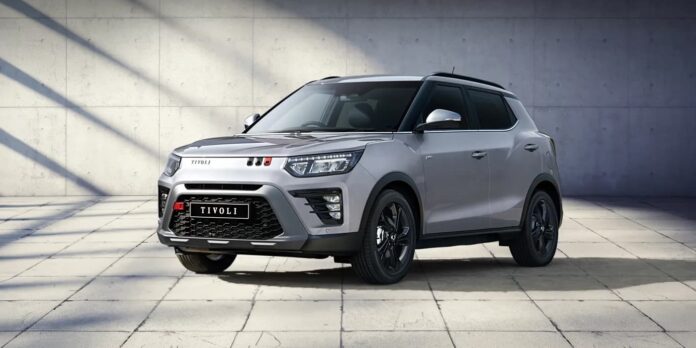
Most indicative of this is the Tivoli small crossover, launched back in 2015 and most recently updated in 2023. Today it’s only available in one length – the XLV with its extended body but awkward styling has been dropped. But the car still only earns a paltry New Car Expert Rating of E, with a score of 51% in The Car Expert’s industry-leading Expert Rating register, for the reasons stated above.

Mind you the first all-new model launched since the KGM takeover, the Torres, has done no better. Designed to fit between the mid-sized Korando and larger Rexton SUVs, the Torres was criticised for its fuel consumption and unusually for the brand, a price seen as too high – KGM has since tackled the first problem with a hybrid powerplant. Electric sister the Torres EVX, KGM’s first EV, has earned a little more praise with a New Car Expert Rating of C, its low running costs countered by soggy ride quality.    

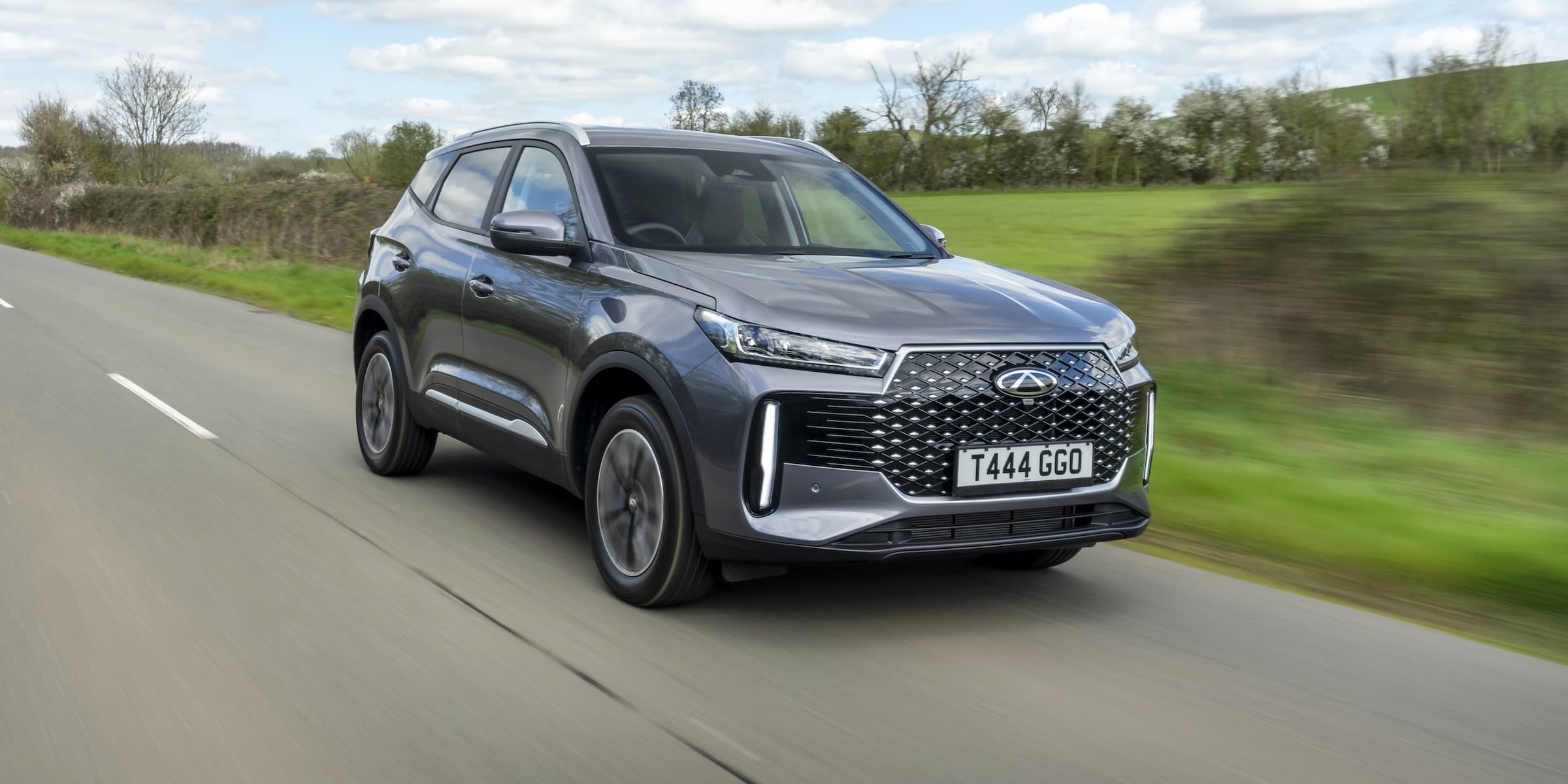
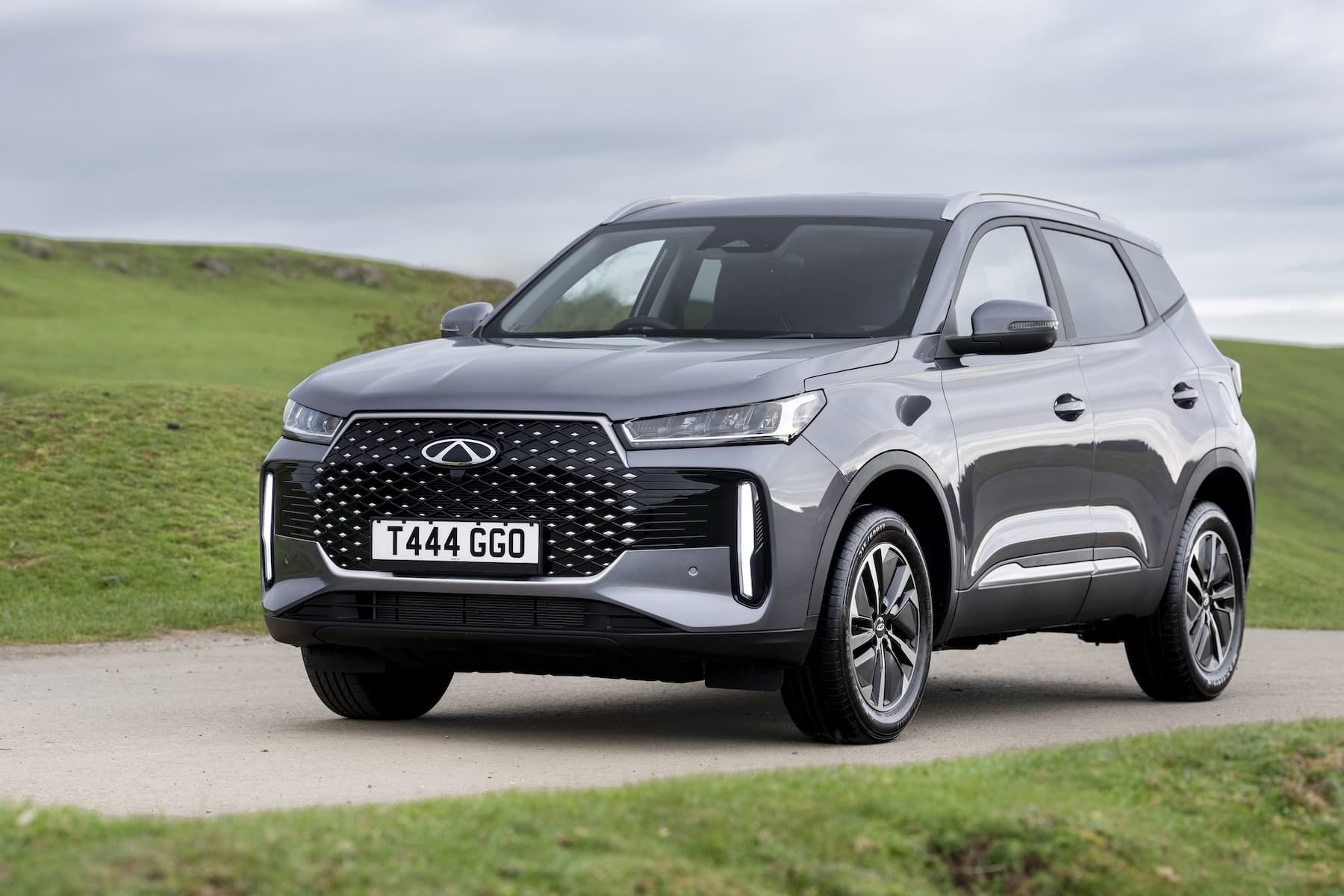
KGM then produced what is effectively a larger Torres to take on the most competitive mid-sized SUV market, the Actyon designed to rival the likes of the Kia Sportage and Nissan Qashqai. Launched in mid 2025 with a petrol engine that earned criticism for its running costs, it’s since gained a more fuel-efficient hybrid model.

The Korando is another great survivor – the latest generation of this mid-sized SUV appeared in 2019 and was widely praised as being a big step-up on its predecessor, earning the brand’s first five-star safety rating. But it was also significantly more expensive than the previous generation and its appeal has been dulled by the appearance of more low-priced rivals – as of May 2026 it too has a New Car Expert Rating of C.  

The Korando was also the first SsangYong to go electric, with an EV version called the Korando e-Motion launched in 2022. But consistent supplies could never be guaranteed and it was dropped in 2024. 

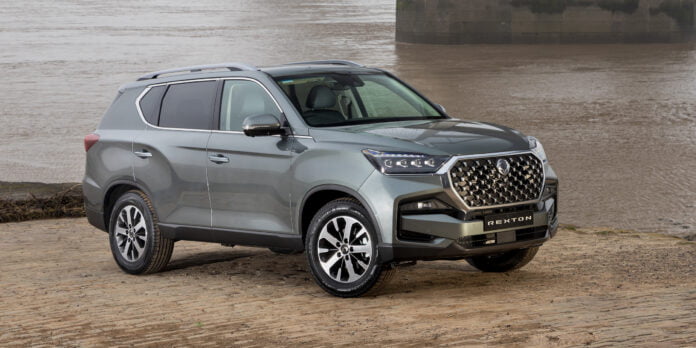
Longest-lived of all is the Rexton large SUV – it first appeared in 2001 and is today in its fourth generation. Launched in 2017 and lightly updated in 2021, it’s the biggest model in the line-up, with a 3.5-tonne towing capacity and space for seven occupants. It’s a proper off-road SUV, built on the same ladder chassis as the Musso pick-up.

The Musso was once an SUV, last sold in the UK back in 2005. The current pick-up was launched in 2018 and the model has remained popular with buyers who want a tough, powerful workhorse, but don’t have much to pay for one. It’s also spawned KGM’s newest model, the Musso EV, but this rare example of an electrically-powered pick-up, just going on sale in 2026, shares only its name with the diesel version, being based on KGM’s other recent launch, the Torres SUV.

Coming next from KGM, potentially in 2026, is expected to be an electric replacement for the Rexton, based on the F100 concept shown in 2024 and jointly developed with Chery.

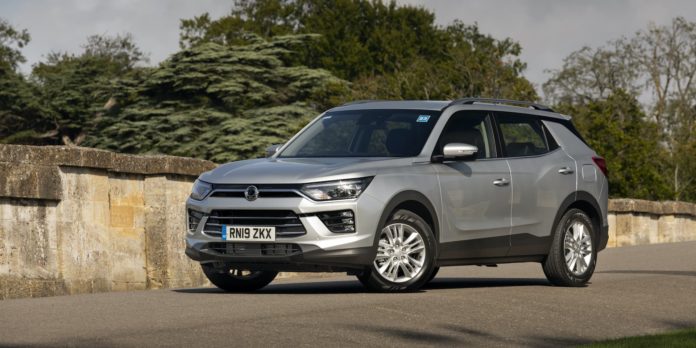
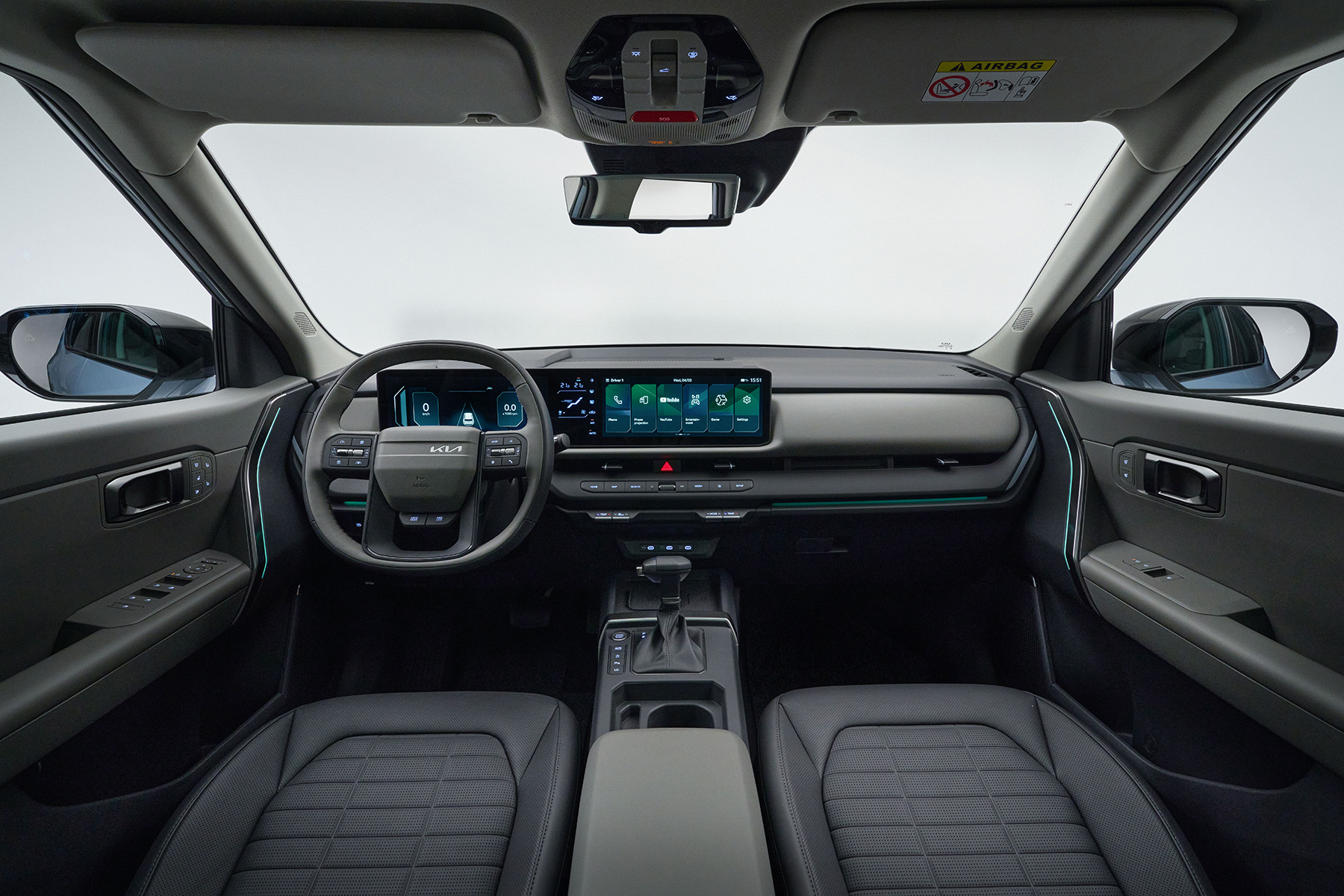
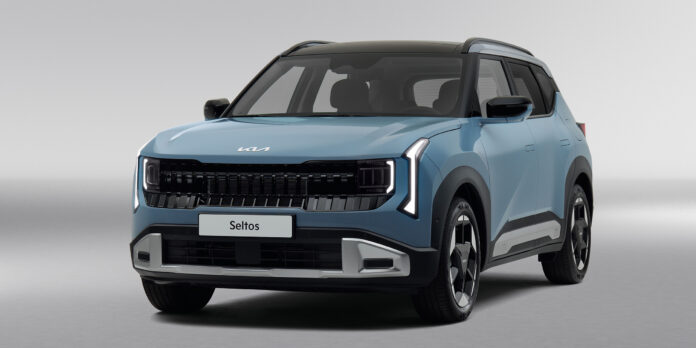
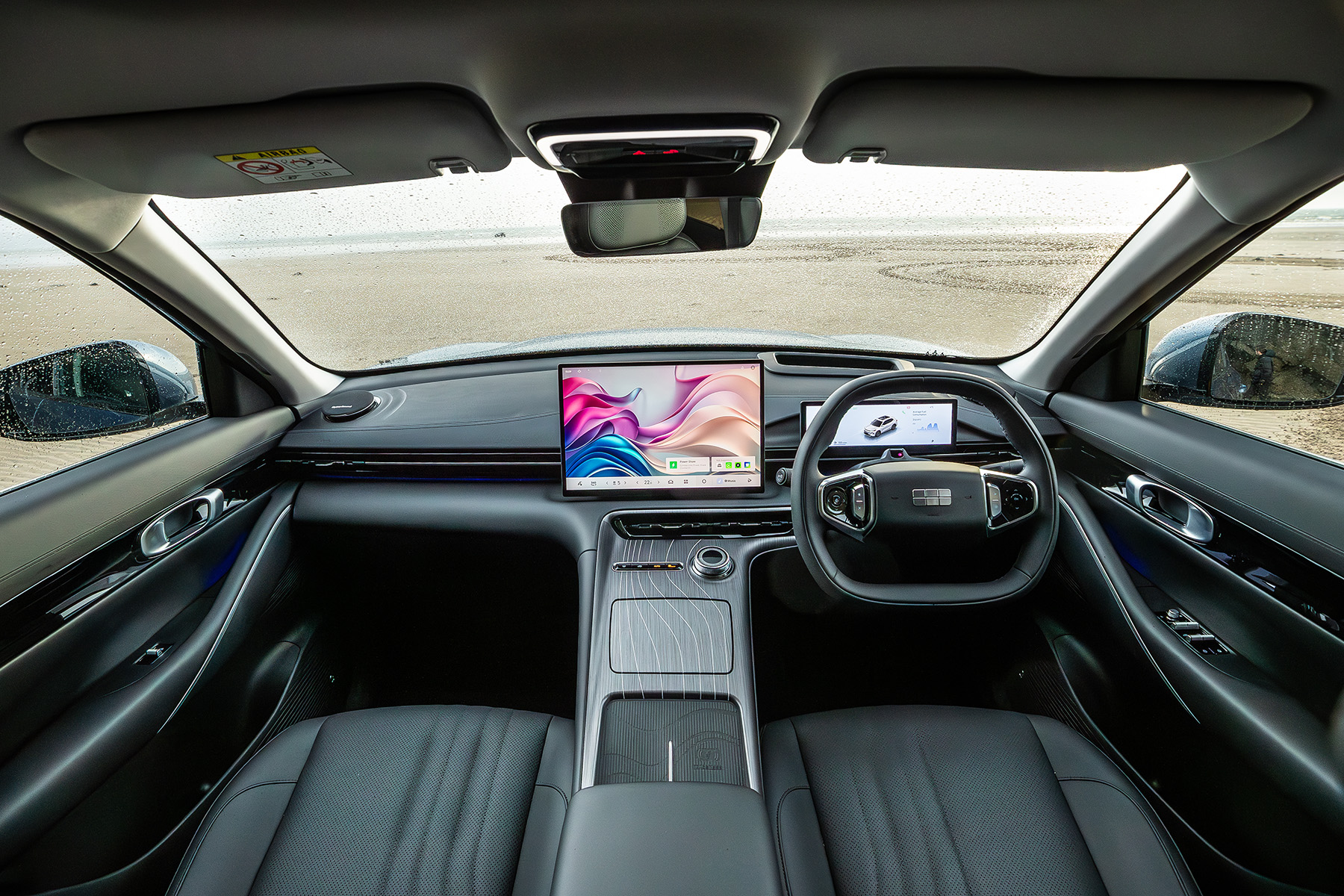
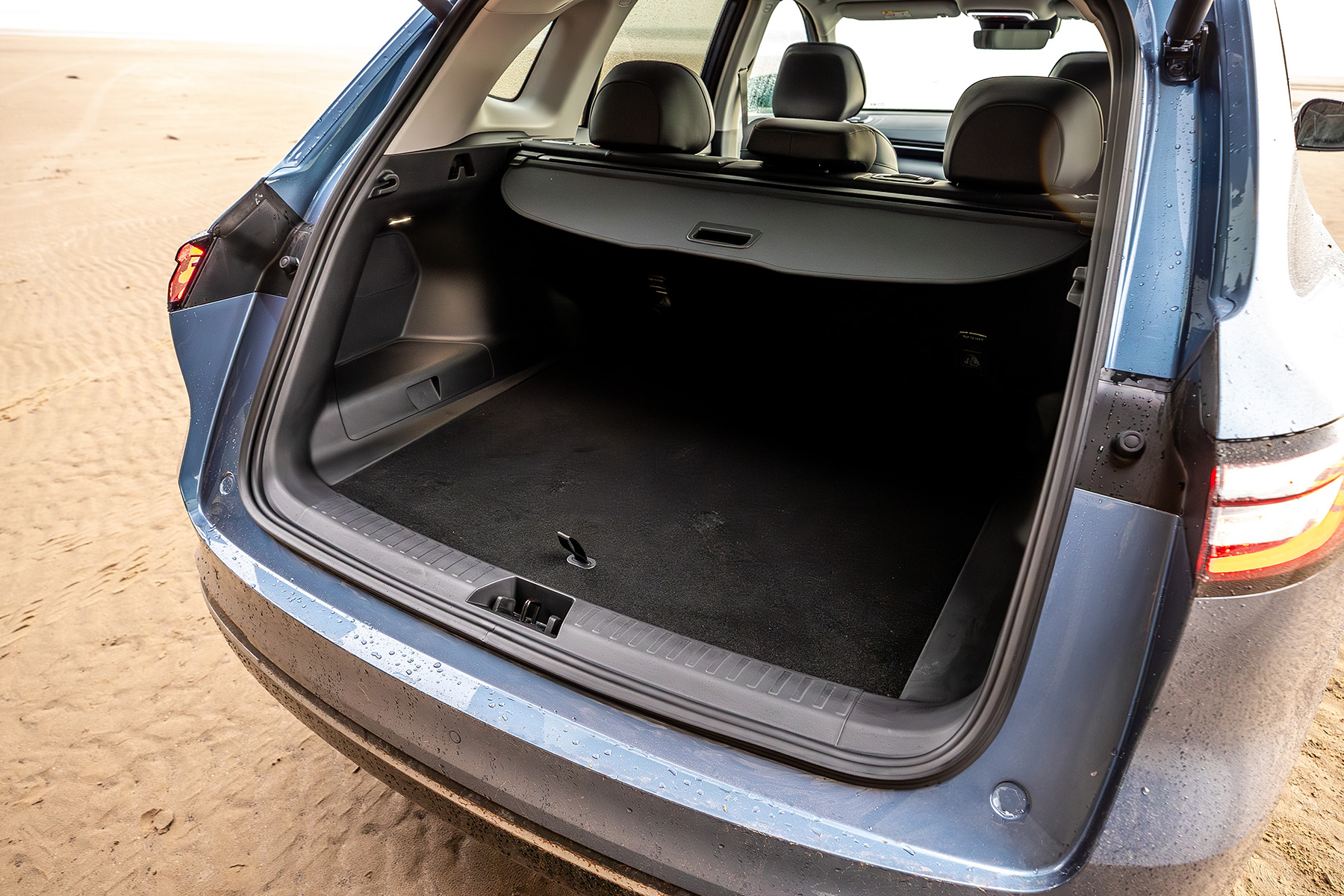
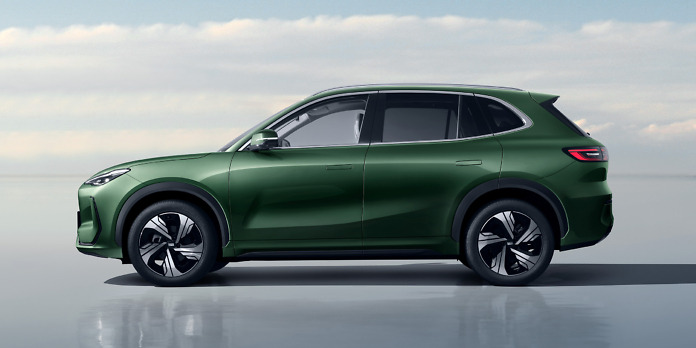
KGM Actyon

KGM Actyon

KGM Korando

KGM Korando

KGM Rexton

KGM Rexton

KGM Tivoli

KGM Tivoli

KGM Torres EVX

KGM Torres EVX

Where can I try a KGM car?

KGM inherited an established SsangYong dealer network when it relaunched the brand and has been working to add outlets since, despite years of bouncing from one crisis to another tempting some dealers to the new options coming onto the market, especially the expanding Chinese brands.

Having said that, KGM is continuing to open new outlets, bringing its network closer to a planned 80 locations across the UK.

Where makes KGM different to the rest?

It may not have anything like the reputation, or the size of other makes from Korea, but KGM beats them all in one respect – with a history that in SsangYong terms stretches back to 1954, this is Korea’s oldest automotive manufacturer.

KGM today still firmly embraces a market that the bigger Korean names, Hyundai and Kia, have left behind – basic budget motoring. While the latest models are definitely much improved on predecessors, the KGM target buyer is still one with not a lot of money to spend. However Hyundai and Kia have benefited massively from moving upmarket – it will be interesting to see if KGM continues to embrace its budget market or also seeks a more upmarket future.

A KGM fact to impress your friends

KGM’s predecessor SsangYong celebrated its takeover by Mahinda & Mahindra at the turn of the millennium by designing a new people carrier that it determined must be distinctive. Freelance designer Ken Greenley, whose CV included work for Bentley and Aston Martin, was taken on to produce the new model and apparently turned to the world of luxury yachts for his inspiration.

Apparently? The Rodius, launched in 2011, was widely regarded as one of the ugliest cars ever built, with a strange rear body which looked as if an extra section had been dropped on top of the tailgate. However under the very questionable looks was a highly practical seven-seat MPV, and among the most popular of the 14,000 European buyers that kept the car in production for some eight years were taxi drivers.

Summary

With the chequered history and history of crises of its predecessor SsangYong, KGM might appreciate a period of making not too many headlines and focusing on the appeal it has to buyers on a budget. True, these SUVs don’t have the refinement and quality of fit and finish that is typical of the majority of today’s market, but you do get a lot for your money in terms of equipment.

KGM vehicles are built to withstand all you can throw at them – true, go-anywhere off-roaders that particularly rural buyers will appreciate.

This article was originally published in September 2023 and updated in May 2026.

Explore other lesser-known car brands with The Car Expert:
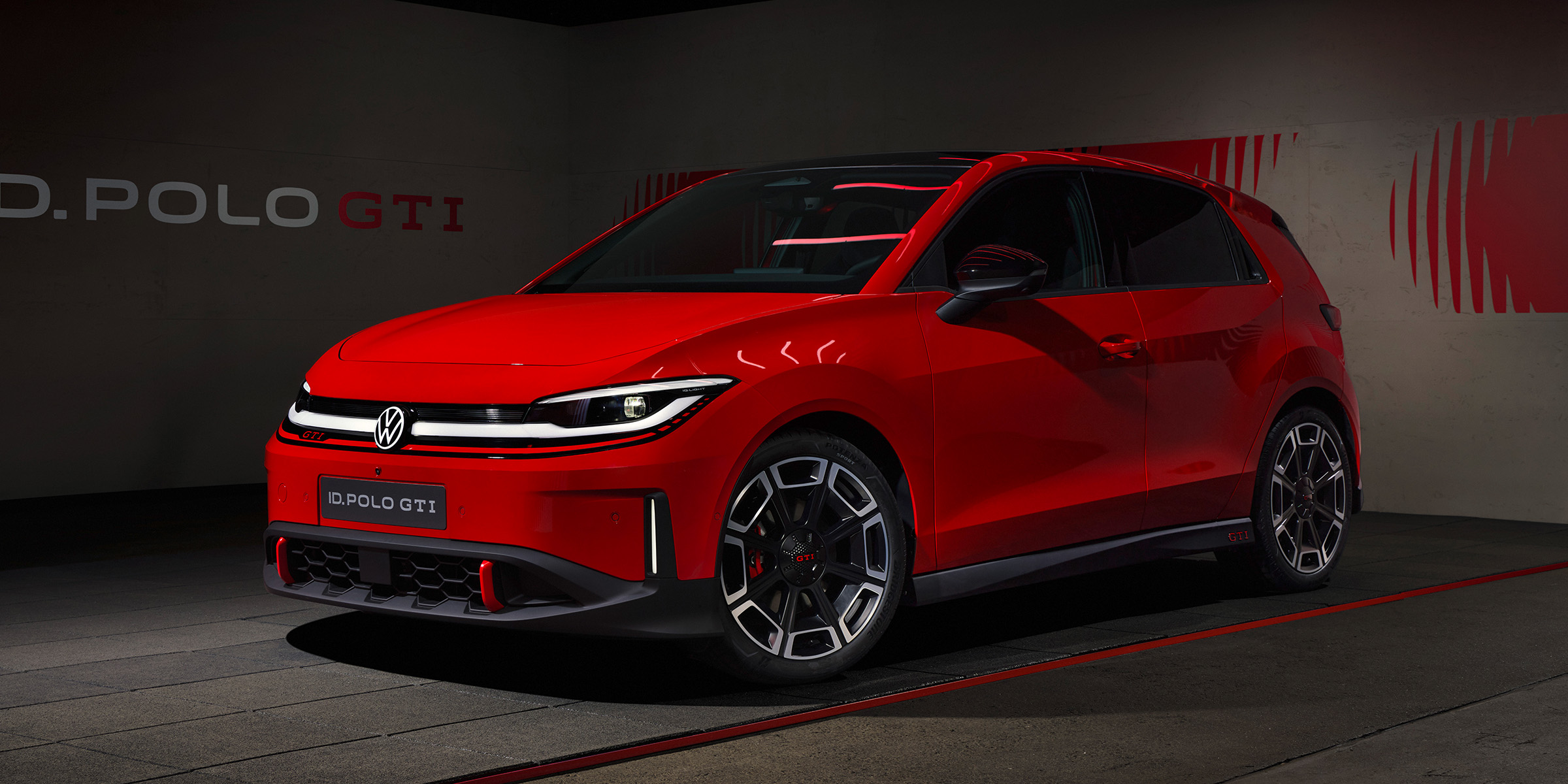
All-electric Volkswagen ID. Polo GTI revealed

0

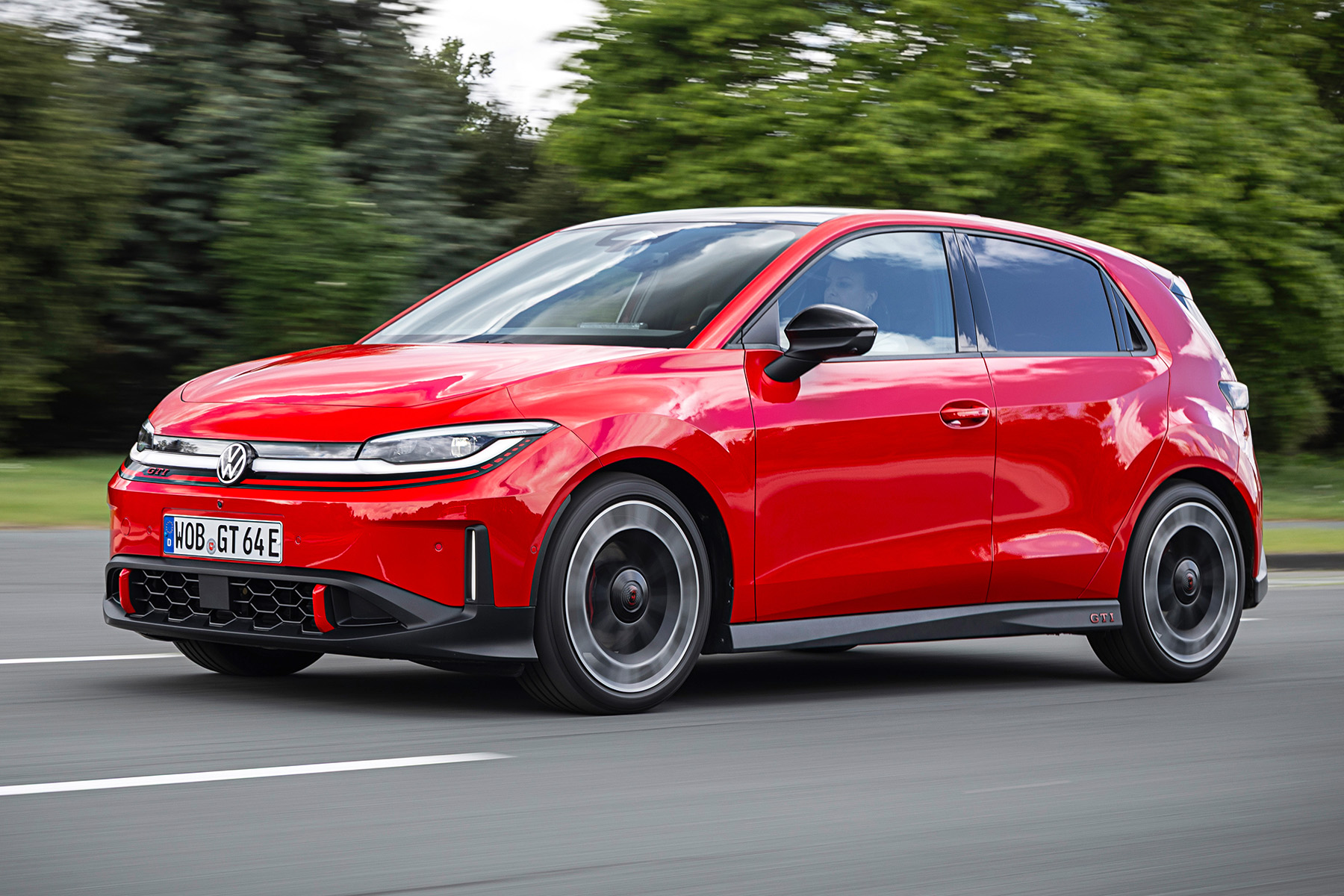
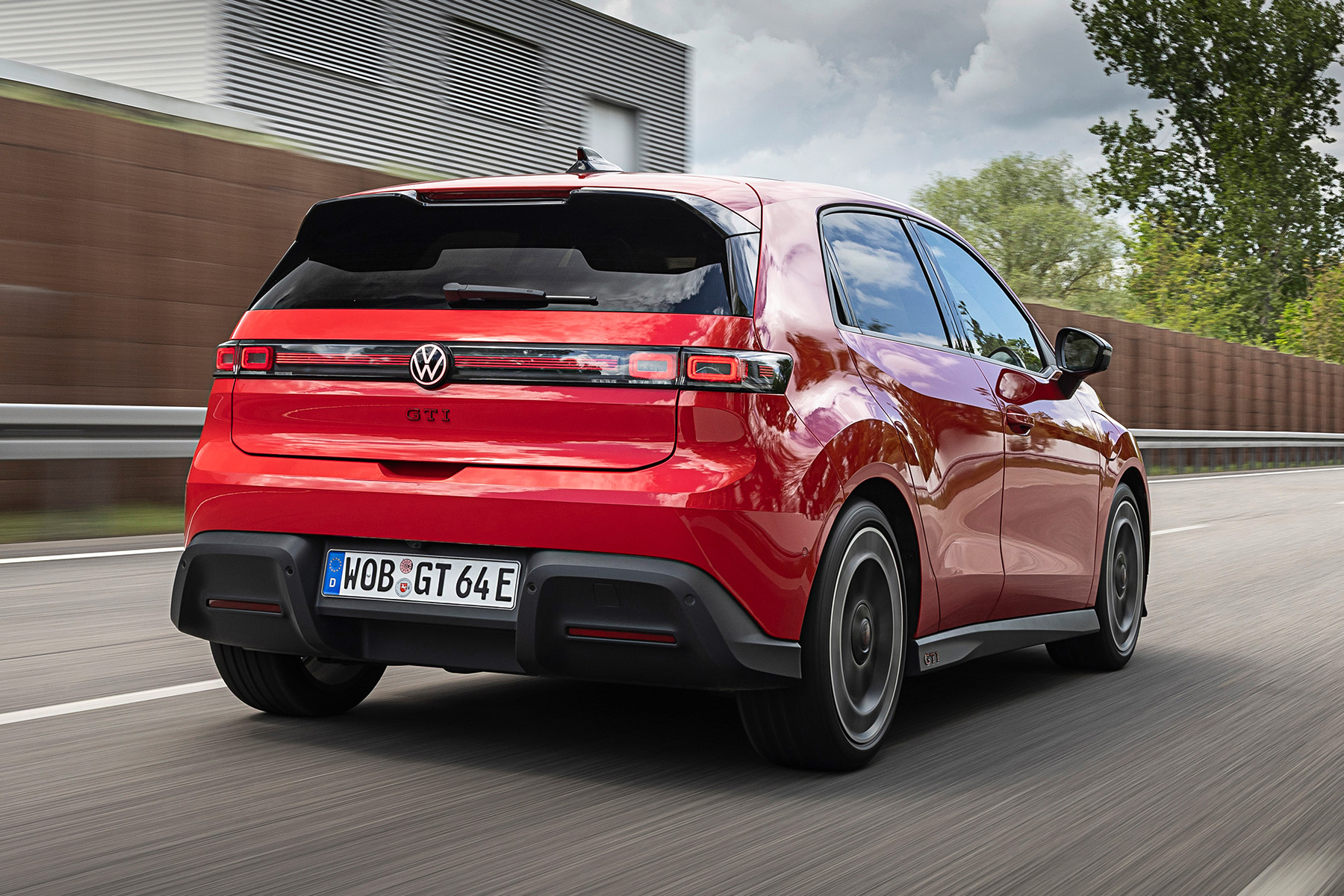
Volkswagen has revealed the all-new ID. Polo GTI, marking the first fully electric GTI model in the badge’s 50-year history.

Unveiled at the Nürburgring 24 Hours race, the ID. Polo GTI is set to join a small but growing field of battery-powered hot hatches that already includes the Alpine A290 and Abarth 500e. This model reveal comes two weeks after the unveiling of the Volkswagen ID. Polo range – you can read more about the standard ID. Polo range here.

The GTI will sit at the top of the upcoming ID. Polo range and is due to go on sale in Germany later this year, with UK pricing and specifications still to be confirmed.

Powertrain and performance

Power comes from a front-mounted electric motor producing 226hp, enabling the ID. Polo GTI to accelerate from 0-62mph in 6.8 seconds before reaching a top speed of 109mph.

Volkswagen says maintaining front-wheel drive was crucial to preserving the GTI’s traditional driving feel. To help put the power down effectively, the ID. Polo GTI comes fitted as standard with:

  • An electronically controlled front differential lock
  • Adaptive DCC sports suspension
  • Progressive steering

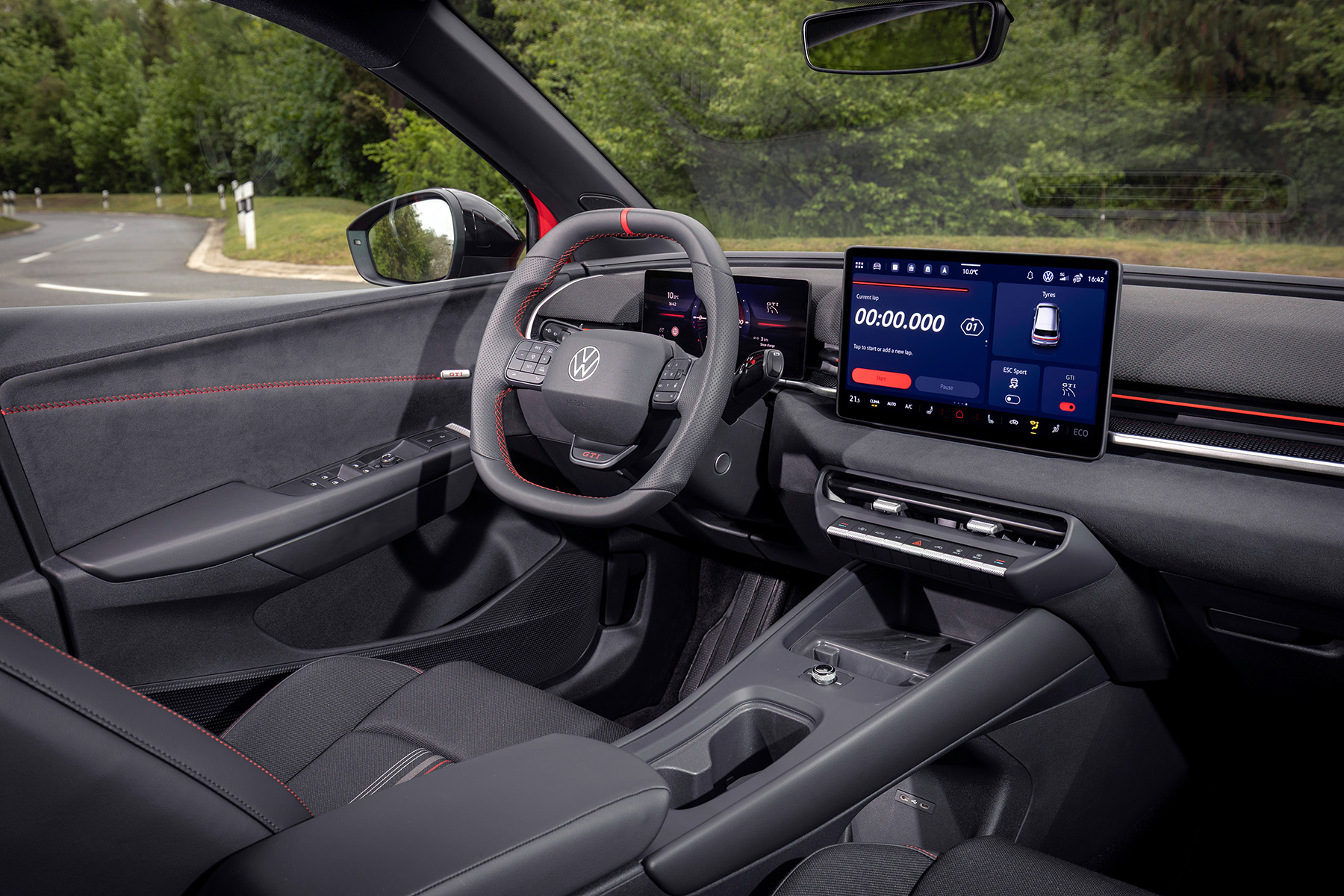
A new ‘GTI’ driving mode sharpens throttle response, steering and chassis settings at the press of a button, while also changing the cockpit graphics and ambient lighting to a more aggressive red-themed display.

The ID. Polo GTI uses a 52kWh battery and offers a claimed WLTP range of up to 263 miles, giving it considerably more usability than many traditional petrol hot hatches.

DC rapid charging at up to 105kW allows the battery to charge from 10% to 80% in around 24 minutes.

Volkswagen also claims the charging curve remains particularly stable during fast charging, helping to maintain strong charging speeds for longer.

Exterior looks and interior design

At the front, a familiar GTI stripe stretches across the nose above a honeycomb lower grille, joined by illuminated VW badges and ‘IQ.LIGHT’ Matrix LED headlights, which are included as standard. In the rear, the GTI gains a unique split roof spoiler and illuminated LED light bar.

Inside, the cabin continues the GTI theme with:

  • Red contrast stitching
  • Sports seats with tartan-inspired upholstery
  • A flat-bottom GTI steering wheel with a 12 o’clock marker
  • Illuminated GTI logos

Volkswagen has also added a retro-inspired display mode that transforms the digital instruments into graphics inspired by the original Mk1 Golf GTI.

More practical than the petrol Polo GTI

Despite being an electric performance hatchback, Volkswagen says the ID. Polo GTI is also more spacious than the current petrol-powered Polo GTI.

Boot capacity increases from 351 litres to 441 litres, while folding the rear seats expands luggage space to 1,240 litres.

The model can also tow up to 1,200kg, while an optional removable tow bar supports bike carriers carrying up to two e-bikes.

Technology and equipment

The ID. Polo GTI’s entry-level equipment list includes:

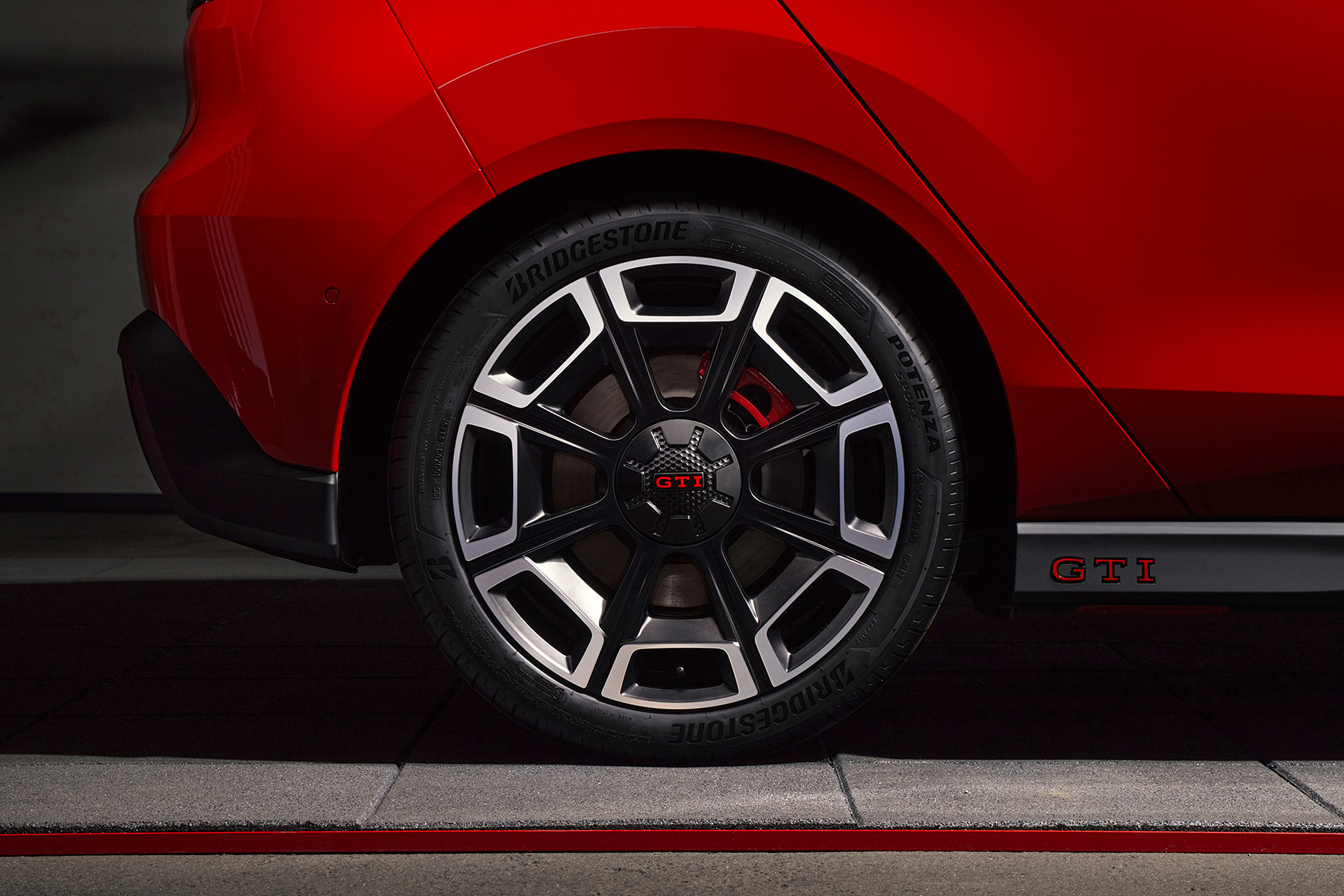
  • 19-inch alloy wheels
  • Matrix LED headlights
  • Adaptive suspension
  • A ten-inch digital driver display
  • A 13-inch infotainment touchscreen

Optional extras include:

  • Harman Kardon premium audio
  • Panoramic glass roof
  • Massage front seats
  • Special Bridgestone Potenza Sport tyres developed specifically for the car

Volkswagen’s latest ‘Connected Travel Assist’ system will also be available, adding features such as automatic traffic light recognition and assisted braking.

Price and UK arrival

Volkswagen says German pricing will start at just under €39k, which converts to roughly £33k to £34k. However, official UK pricing has not yet been confirmed and could differ once specifications are finalised.

Pre-orders in Germany are scheduled to open this autumn, while UK launch timing is still to be announced.

Cupra Raval

Summary

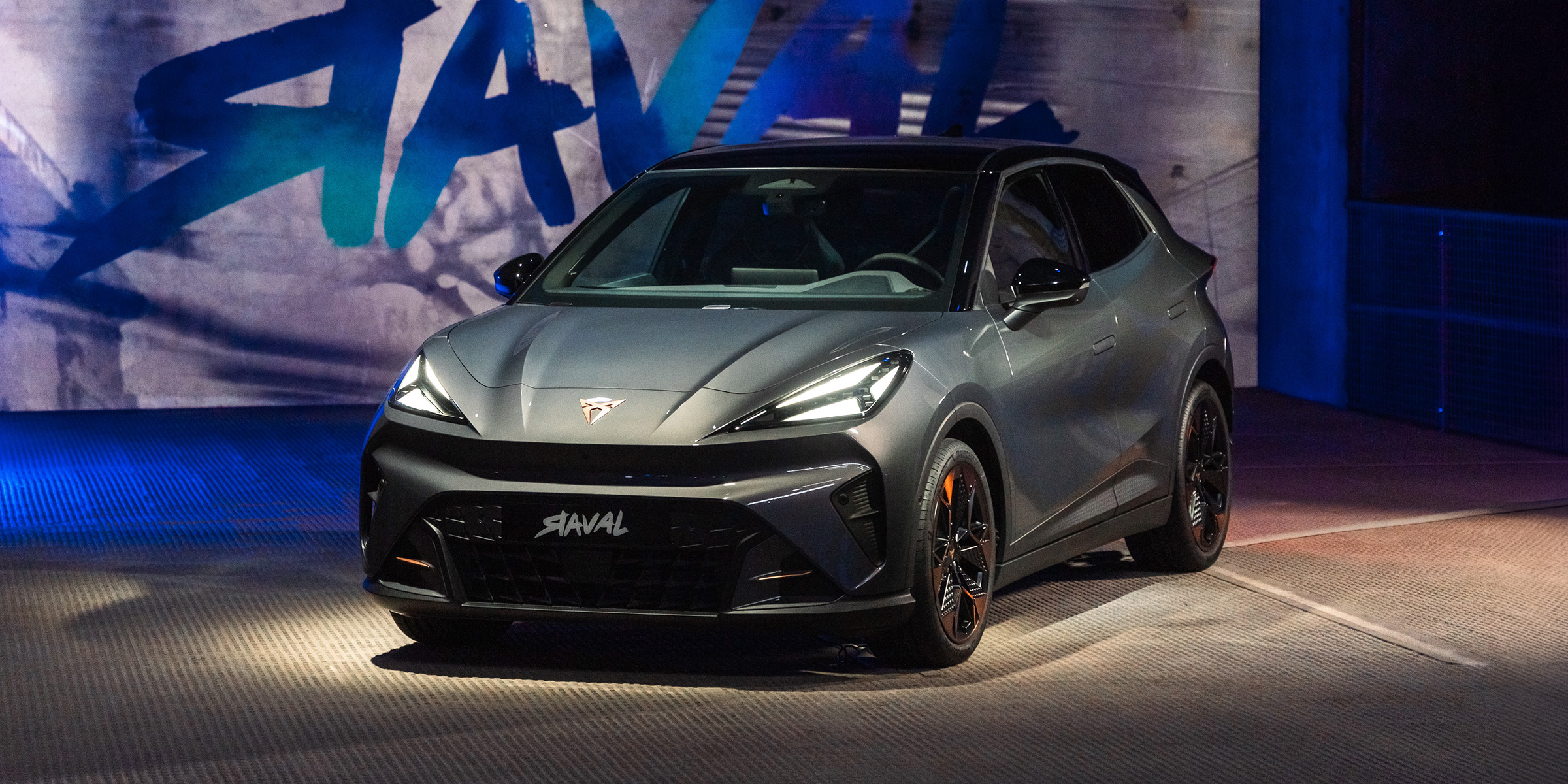
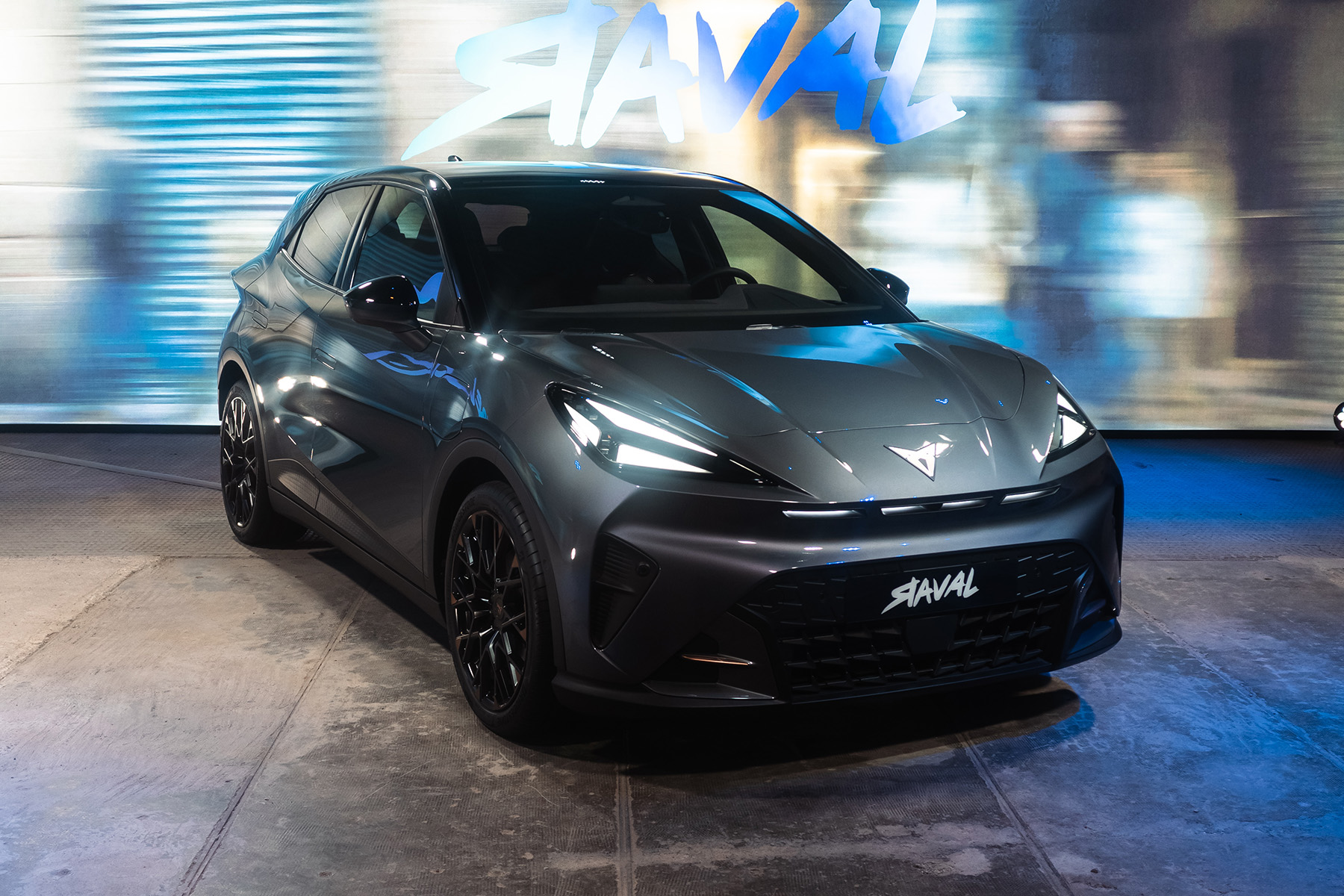
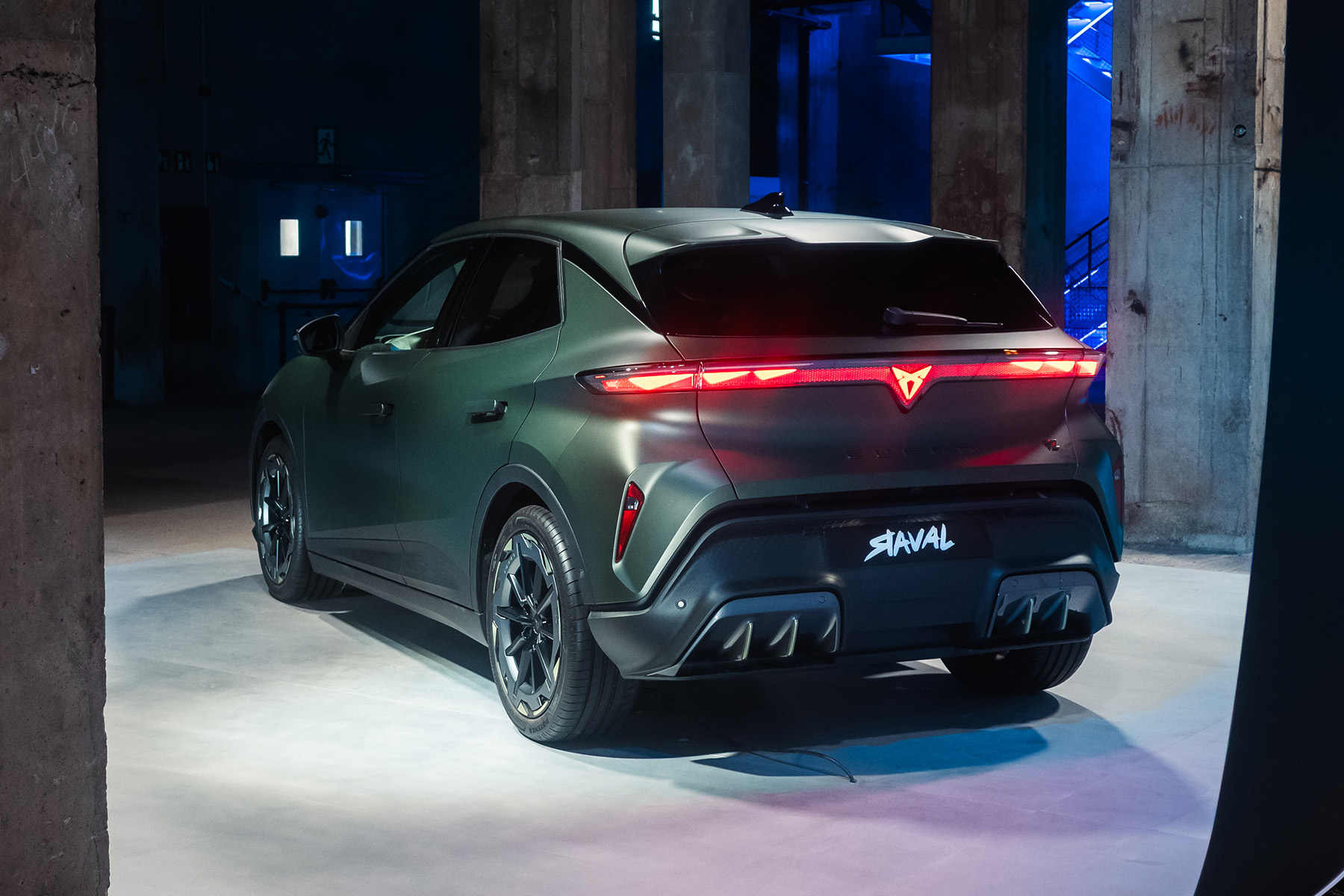
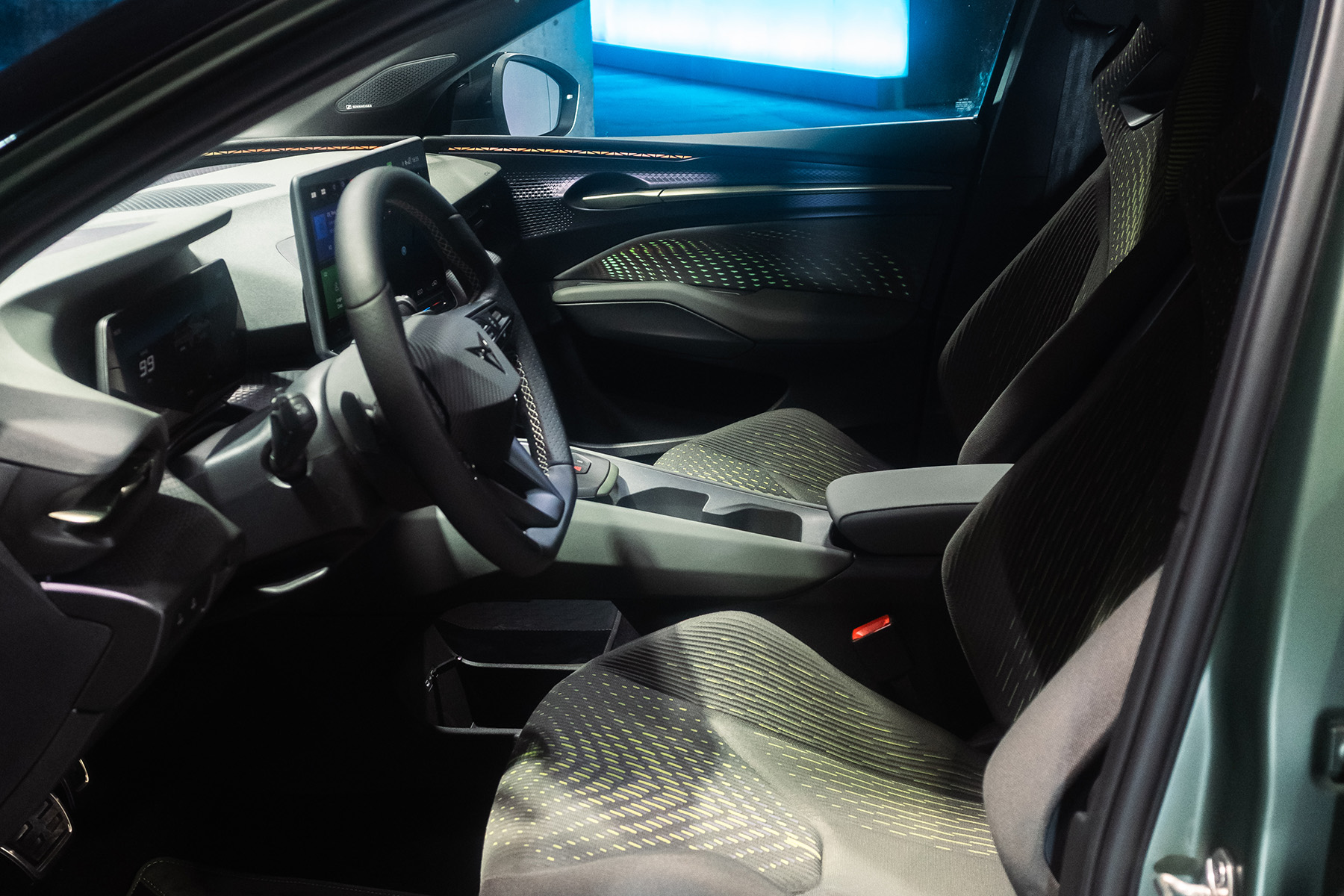
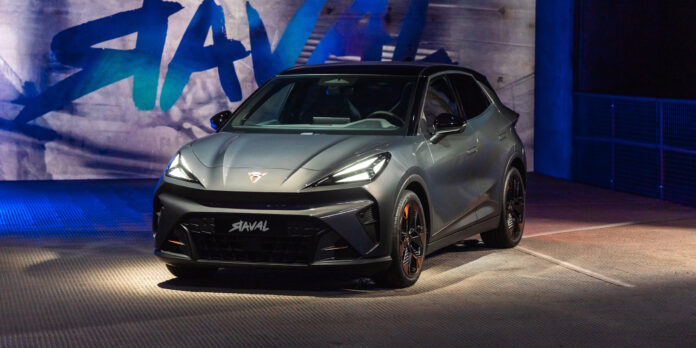
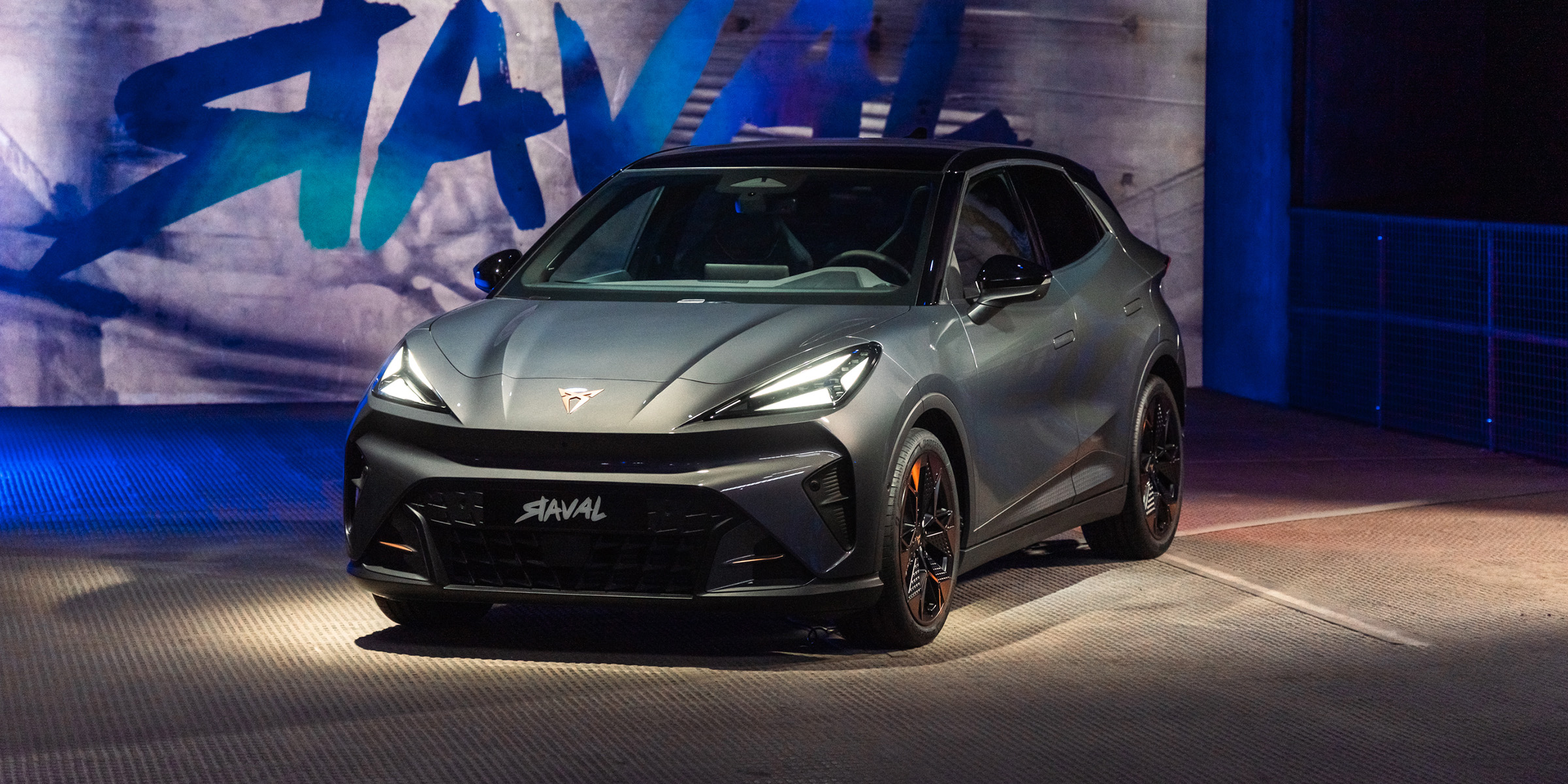
The Cupra Raval is a small all-electric hatchback that is set to arrive in UK showrooms this Summer, rivalling conventional small battery-powered cars like the Renault 5 E-Tech, as well as sporty electric hot hatches like the Alpine A290, depending on the trim chosen.

Part of Volkswagen Group’s next generation of electric superminis that includes the Skoda Epiq and Volkswagen ID. Polo, the Raval is named after a neighbourhood in Barcelona and is based on the Spanish brand’s ‘UrbanRebel’ concept car from 2021.

The hatchback’s initial reviewer reception from foreign test drives has been overwhelmingly positive, though keep in mind that these reviews are of the top-spec sporty ‘VZ’ version, which carries a considerable price premium over the standard Raval model.

Describing the hatchback as a “proper little pocket rocket”, Richard Ingram of Auto Express says the Raval’s “sporty styling disguises a small car that is efficient, practical and genuinely fun to drive.” Autotrader’s Catherine Kent adds that the supermini is “roomy and well-built”, and when compared to other VW group electric hatches, the Cupra has a distinct “personality of its own.”

Carwow’s Mario Christou caviats his high-scoring review with criticisms of the car’s rear visibility and fiddly touch-sensitive climate controls, as well as the fact that alternatives are more comfortable around town – conclusions largely agreed upon by the motoring media at large.

“This is still a warm hatch with plenty of ability and appeal”, says Evo’s Yousuf Asraf, “enough to give the Alpine A290 something to think about.”

We will update this page with a full Expert Rating breakdown once the car has a sufficient set of UK review scores – which cover both the standard Raval range and VZ model – and when we have safety, running costs and warranty data to report. Check back soon!

Raval highlights

  • Handsome exterior looks
  • Spacious and well-equipped cabin
  • VZ model offers an exciting driving experience

Raval lowlights

  • Steeping pricing for VZ model
  • Nervous driver assistance tech
  • Rivals are more comfortable around town

Key specifications

Body style: Small hatchback
Engines:
electric, battery-powered
Price:
From £23,785

Launched: Summer 2026
Last updated: N/A
Replacement due: TBA

Media reviews

Highlighted reviews and road tests from across the UK automotive media. Click any of the boxes to view.

Featured reviews

More reviews

Auto Trader

Car

Electrifying.com

Evo

Parkers

The Times

Top Gear

Safety rating

Independent crash test and safety ratings from Euro NCAP

No safety rating

As of May 2026, the Cupra Raval has not been assessed by Euro NCAP.

Eco rating

Independent economy and emissions ratings from Green NCAP

No eco rating

As of May 2026, the Cupra Raval has not been assessed by Green NCAP.

The Green NCAP programme measures exhaust pollution (which is zero for an electric car) and energy efficiency. Electric cars are much more energy-efficient than combustion cars, so the Raval is likely to score very highly in Green NCAP testing if and when it takes place. Check back again soon.

Running cost rating

Clear Vehicle Data logo close crop

Monthly cost of ownership data provided exclusively for The Car Expert by Clear Vehicle Data

No data yet

As of May 2026, we don’t have independently verified data available for the Cupra Raval. Check back again soon.

Reliability rating

MotorEasy logo 600x167

Reliability data provided exclusively for The Car Expert by MotorEasy

No reliability rating

As of May 2026, we don’t have enough reliability data on the Cupra Raval to generate a reliability rating.

The Car Expert’s reliability information is provided exclusively to us using workshop and extended warranty data from our partner, MotorEasy, sourced from both official dealerships and independent workshops. 

As soon as MotorEasy has sufficient data on the Raval, we’ll publish the results here.

Warranty rating

New car warranty information for the Cupra Raval

Overall ratingB78%
New car warranty duration5 years
New car warranty mileage90,000 miles
Battery warranty duration8 years
Battery warranty mileage100,000 miles

Cupra’s new car warranty is better than average, and better than rival brands in a similar price bracket as the Raval.

The duration is five years, with a limit of 90,000 miles. In addition to the standard new car warranty, the Raval has an eight-year/100,000-mile warranty for the battery components.

Recalls

Official DVSA safety recalls that have been issued for the Cupra Raval

As of May 2026, we are not aware of any DVSA vehicle safety recalls affecting the Cupra Raval. However, recall information is updated regularly, so this may have changed.

You can check to see if your car has any outstanding recalls by visiting the DVLA website or contacting your local Cupra dealer.

Awards

Significant UK trophies and awards that the Cupra Raval has received

2026

  • Red Dot Design Award

Similar cars

If you’re looking at a new or used Cupra Raval, you might also be interested in these alternatives

Alpine A290 | BYD Dolphin | Citroën ë-C3 | Fiat Grande Panda Electric | Hyundai Inster | Jaecoo E5 | Kia EV2Mini Cooper Electric | Renault 5 E-Tech | Skoda Epiq | Volkswagen ID.2 | Volkswagen ID. Polo | Volkswagen ID. Polo GTI

More information

More news, reviews and information about the Cupra Raval at The Car Expert

Pricing announced for Cupra Raval hatchback

Pricing announced for Cupra Raval hatchback

Buy a Cupra Raval

If you’re looking to buy a new or used Cupra Raval, The Car Expert’s partners can help you find the right car.

Cazoo 600x300

Find your next used car with Cazoo. Find out more

Auto Trader logo 600x300

Find your next new or used car with Auto Trader. Find out more

Carwow logo 600x300

Find your next new or used car with Carwow. Find out more

Lease a Cupra Raval

If you’re looking to lease a new Cupra Raval, The Car Expert’s partners can help you find a competitive deal.

Leasing-com logo

Personal contract hire deals from Leasing.com. Find out more

Carwow logo 600x300

Personal contract hire deals from Carwow. Find out more

Select Car Leasing logo

Personal contract hire deals from Select Car Leasing. Find out more

Subscribe to a Cupra Raval

Subscriptions are becoming a very popular way for consumers to try an electric car for a few weeks or months to help decide whether it’s a suitable alternative to a petrol car. If you’re interested in a car subscription, The Car Expert’s partners can help. (PS: What’s a car subscription?)

Cocoon Vehicles logo 600x300

Car subscriptions from Cocoon.
Find out more

Just Vehicle Solutions logo 600x300

Car subscriptions from Just Vehicle Solutions.
Find out more

Flexible Vehicle Contracts logo 600x300px

Car subscriptions from Flexible Vehicle Contracts.
Find out more

Why UK buyers need to start taking Chinese cars seriously

Chinese car brands are no longer something happening in the background of the UK new car market. They are becoming part of the mainstream very quickly, and a recent visit to the Beijing motor show made clear just how fast things are moving.

For plenty of UK buyers, Chinese cars are still viewed with a degree of suspicion – and that’s understandable. For years, the perception was that Chinese cars were cheap, poorly built copies of European models, often with unfamiliar badges and uncertain long-term prospects. Some of that reputation was earned, but it is also becoming increasingly out of date.

The biggest impression from Beijing was not simply that the Chinese car industry is huge, although it definitely is. It was how quickly the products are maturing. Compared with last year’s Shanghai motor show, the latest Chinese models looked calmer, more polished and more confident. There was less wacky styling, less obvious copying and a clearer sense that some brands are beginning to understand what they want to be.

Chinese cars are not suddenly perfect – far from it. But for UK buyers, the more useful question is whether they are now good enough in the areas that most people actually care about.

The old assumptions are starting to fail

The UK car market has already changed dramatically over the last two years. While MG has been selling Chinese-built cars here for years, the bigger recent shift has come from new names like BYD, Omoda and Jaecoo.

These brands have not taken decades to build momentum. They have arrived quickly, opened large dealer networks, offered strong value and started taking sales from established European brands.

This staggering pace has challenged one of the long-held assumptions about new car brands: that buyers take a long time to trust them. In the past, that was often true. Korean brands like Hyundai and Kia took decades to reach the position they hold today. Even Tesla, with its huge fan base, took years to achieve mainstream acceptance. Chinese brands are moving much faster, and it’s known within the car industry as ‘China speed’.

Part of that comes from scale. China is now comfortably the largest car-producing country in the world, building more than one in every three motor vehicles sold globally. Its manufacturers have enormous domestic competition, large production volumes and the ability to develop new products at a speed that many European companies are simply unable to match.

But scale alone does not guarantee success. What matters for UK buyers is whether that speed is turning into better cars. Increasingly, the answer appears to be yes.

Better design, fewer gimmicks

One of the clearest changes in Beijing was design maturity. Last year in Shanghai, there were still plenty of cars that looked like obvious copies of better-known Western models. Tesla was the most common influence, with several Chinese brands showing cars that looked like Model 3 and Model Y knock-offs. There was also quite a lot of overdone detailing: unusual lighting signatures, busy surfaces and styling features that seemed to shout for attention rather than create a coherent car.

This year, the overall impression was different. There were still influences from European brands, and some were more obvious than others. But across several Chinese groups, including Chery and Changan, there was a noticeable move towards cleaner surfaces, calmer proportions and a more consistent sense of identity.

Design has been one of the barriers for UK buyers. People may be prepared to try an unfamiliar badge if the car looks mature and well-judged. They are less likely to do so if it looks like a novelty product or an obvious imitation.

The latest models suggest that Chinese brands are becoming more confident. They do not all have strong identities yet, and some of the brand and model names still feel unfamiliar or sound awkward to Western ears, but the products are starting to look less like experiments and more like serious mainstream alternatives.

Value is still the big advantage

For most buyers, the strongest argument for Chinese cars is not design, but value. Brands like BYD, Omoda, Jaecoo and MG have made an obvious impact by offering high equipment levels, long warranties and electrified powertrains at prices that make many established rivals look expensive.

That doesn’t necessarily mean they are cheap in absolute terms. New cars are expensive across the board. But Chinese brands often include features as standard that many European brands still reserve for higher trim levels or expensive option packs.

Ventilated seats, panoramic roofs, large screens, wireless phone charging and long warranties all help create a strong showroom impression. For many buyers, that will be more persuasive than a badge with decades of history behind it.

Auto Express’s Jordan Katsianis recently wrote a thoughtful piece arguing that many Chinese cars still lack originality and authenticity, and that they will need both to become truly desirable. He makes a fair argument, particularly for people who care deeply about cars, brand character and driving feel.

But that’s not how most ordinary people choose their cars. For a lot of buyers, the questions are more practical. How much is it? What does it cost per month? What equipment do I get? How long is the warranty? Is there a dealer nearby? Will it be comfortable on the school run, commute or family holiday?

Within the European car industry, it’s a similar playbook to how Skoda rose from being a communist-era joke to one of the most admired car brands in the UK. Customers are less bothered with the nuances of steering wheel feedback, and are more interested in whether that steering wheel is heated.

Chinese cars don’t need to win over every enthusiast to become a major force in the UK. They need to win over ordinary buyers, and those customers tend to judge cars very differently.

Jaecoo’s success has not gone unnoticed

Jaecoo grabbed a lot of headlines here in the UK last month when it was revealed that the Jaecoo 7 had been the UK’s most popular new car in March, with a massive number of new registrations. At the Beijing show and throughout my week in China, the Chery Group presentations repeatedly referenced this result with pride.

At the show, I spoke to a UK-based PR manager for another Chinese brand already operating in Britain. He said Jaecoo’s huge March result had also drawn the attention of executives at several other Chinese manufacturers. It’s not hard to imagine how conversations are now playing out in those boardrooms – if Jaecoo can come from nowhere and top the UK sales charts within a year, why can’t our UK operations do the same?

Chery Group and BYD have already shown how quickly Chinese brands can build momentum here. Others have been more cautious so far, including Changan, Geely, GWM, Leapmotor, Skywell and Xpeng, but Jaecoo’s success may encourage them to push harder with dealers, marketing, pricing and product.

For UK buyers, that should mean more choice and potentially better value. For established European, Japanese and Korean brands, it means the pressure is likely to keep building.

Driving appeal is still a weak point

None of this means the enthusiast criticisms are wrong. Many Chinese cars still lag behind the best European models for driving dynamics. Steering feel, ride-and-handling balance and overall driving polish are often not as convincing as they should be. Some cars feel competent but uninvolving, while others still struggle to combine comfort and control in the way the best-in-class models manage.

For keen drivers, that remains a real issue. But for many buyers, it matters less than the motoring media often assumes. Most people are not looking for precise handling on the school run. They want a car that is quiet, comfortable, easy to drive, well-equipped and affordable to run.

This is not unique to Chinese cars. Years ago, when I worked in car sales, UK car magazines regularly criticised the harsh ride quality of Audi S line and BMW M Sport models, which rolled on big alloy wheels with lowered suspension. And they were right – those cars rode terribly. But customers bought them by the boatload anyway, because they liked the way they looked and were not judging them by the same criteria as road testers.

The same principle applies here. Chinese brands still have work to do if they want to win over enthusiasts, but they don’t need to do that to succeed with the wider market.

Touchscreens are a bigger problem

The obsession with touchscreens is a different issue, however, because it affects everyone. Most Chinese cars place far too many everyday controls inside huge central screens. Heating, ventilation, seat controls, drive modes and even basic functions can require too much tapping and swiping.

This appears to reflect a genuine cultural difference. At a presentation of yet another new Chery brand, Lepas, I asked the brand’s head of design, Ivan Dulanovic, about whether we will continue to see more reliance on touchscreens. His response – depressingly – was that “customers want touchscreens”.

That may well be true in China, where buyers appear more comfortable with screen-led interiors and smartphone-like controls, but it does not automatically follow that buyers in the rest of the world want the same thing. A huge screen might look impressive in a showroom, but it can become irritating very quickly when you are trying to adjust the cabin temperature or demist the windscreen on a wet winter’s morning in the UK.

European brands are not blameless here either, but Chinese brands seem particularly committed to the idea that almost every function belongs on a screen. If Chinese manufacturers are serious about adapting cars for the UK and Europe, this is one area where they may need to listen more carefully to local buyers.

EVs and plug-in hybrids are central to the strategy

Another major difference between Chinese and traditional European manufacturers is how naturally electrified cars fit into the product strategy.

At Beijing, pure petrol and diesel cars barely featured. Almost everything new was either fully electric or a plug-in hybrid of some form. While EVs remain a major focus, plug-in hybrids seem to have become the alternative for those customers not willing to go all-in on electric power.

And it’s the Chinese brands that are driving a major resurgence for plug-in hybrid models in the UK. Five years ago, sales of plug-in hybrids were disappearing as buyers either stuck with fossil-fuel power or jumped straight to EVs. The plug-in hybrid was seen as the worst of both worlds – a battery that was too small to do day-to-day driving, and a petrol engine that spent most of its time lugging around a dead battery.

Latest-generation plug-in hybrids have moved on in leaps and bounds, and are now doing what buyers always wanted them to do – allowing you to spend your weekday driving around town on electric power, but with the reassurance of a petrol engine for longer trips.

The Chinese brands are pragmatic about electrification. If a market wants EVs, Chinese brands offer some of the world’s best battery technology. If buyers want plug-in hybrids, they’re raising the bar for that technology as well. And if regulations change around EV mandates, they’re likely to adapt faster than European manufacturers.

What should UK buyers watch for?

The main point is not that UK buyers should rush out and buy a Chinese car. It is that they should no longer dismiss one because of the badge.

The products are improving quickly, the value proposition is strong and the dealer networks are growing. Long warranties also help reduce some of the perceived risk, particularly for buyers who usually change cars every three or four years anyway.

There are still sensible questions to ask. Insurance costs can vary significantly, especially for unfamiliar brands. Parts supply and repair times are still worth checking, especially for brands that are growing their sales faster than their service departments can keep up.

Residual values are not yet as predictable as they are for established brands. Dealer coverage is improving, but it is not equally strong everywhere. Buyers should also spend proper time testing the infotainment system, because living with a touchscreen-heavy car can be very different from being impressed by it in a showroom.

Driving dynamics are worth assessing honestly as well. If you enjoy driving and care about steering feel, ride quality and handling balance, some Chinese cars may still disappoint. If you mostly want comfort, equipment, warranty cover and low running costs, they may make far more sense.

The buyer verdict

Chinese cars are not simply better-value versions of European cars. They’re different products, shaped by different cultural attitudes, developed in a very different market and targeting different customer expectations. That has led to a different range of strengths and weaknesses to what we expect from European cars.

The strengths are what you’d expect from new challengers in an established marketplace: better value, lots of technology, comprehensive warranty cover and rapid improvement. The weaknesses are still there: patchy brand identity, limited driving appeal in some models, touchscreen-heavy interiors and unanswered questions around long-term ownership.

But the direction of travel is clear. Chinese cars are becoming more credible, more polished and more relevant to UK buyers very quickly. And with the pace of development, the weaknesses are being polished out while the strengths are becoming ever more compelling.

Many people mistakenly assumed Chinese brands would remain cheap outsiders trying to catch up for years to come. After visiting Beijing, that assumption feels even more outdated than it was a year ago. The better question now is not whether UK buyers should take Chinese cars seriously, but whether the rest of the market can respond before being squeezed out of business.

What are connected services and do I need them?

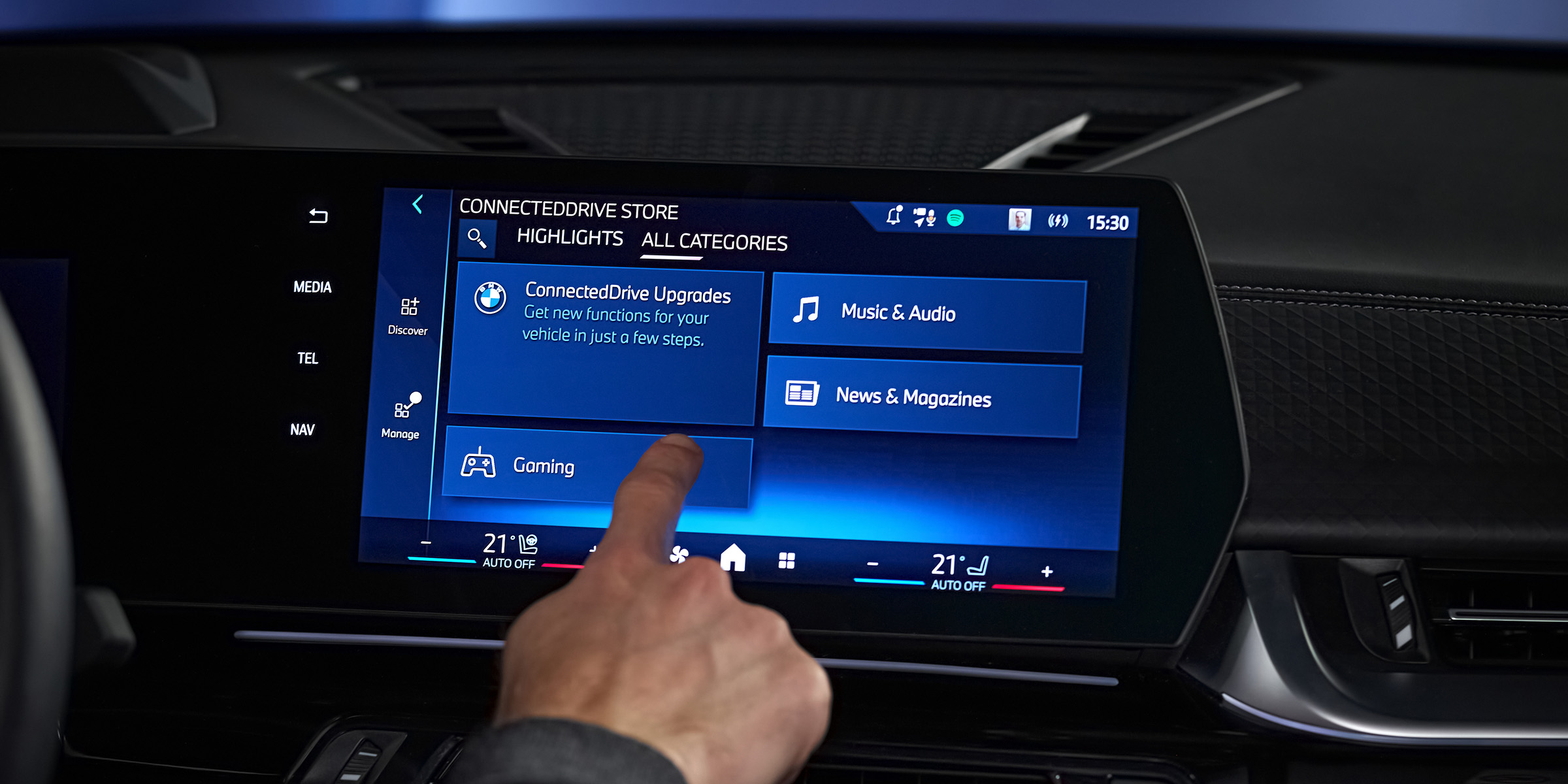
Modern cars don’t just have basic stereos and satnav systems anymore. Most new models now include far more sophisticated ‘infotainment systems’ that consist of internet-connected software that links the car to your phone, online services and the manufacturer itself.

Car companies usually package these connected services under names like ‘BMW ConnectedDrive’, ‘FordPass’ or ‘Mercedes me’. They promise extra convenience, remote access and live information, but they also increasingly come with ongoing subscription fees.

Some connected services can be genuinely useful, particularly when it comes to remote access and electric vehicle features. But many drivers will find that Apple CarPlay and Android Auto already cover most everyday tasks without any extra cost.

That leaves many buyers wondering whether connected services are actually worth paying for.

What are connected services?

Connected services are features that rely on your car having an internet connection, usually through a built-in SIM card.

This allows the car to send and receive data in real time, communicate with a smartphone app and access online services that go beyond basic radio or offline navigation.

In effect, this means your car’s touchscreen display becomes a connected device, more like a smartphone or tablet than a traditional dashboard display.

What do connected services actually do?

The details vary between brands, but most connected services fall into a few broad categories.

One of the most useful is remote vehicle access via a smartphone app. This allows you to check information about your car and control certain functions remotely. For example, you can lock or unlock the doors, check fuel or battery levels, and pre-heat or cool the cabin before a journey.

There’s also live data built into the car’s navigation system, such as real-time traffic updates and route planning. In electric cars, this can extend to charging station information and planning routes around charging stops.

Many connected services subscriptions also include safety and security features like emergency call functions, breakdown assistance or vehicle tracking. However, some of these services are now standard on new cars anyway.

Finally, connected services can allow over-the-air software updates, meaning the manufacturer can fix bugs or occasionally add features without the car visiting a dealership.

How is this different from Apple CarPlay and Android Auto?

Apple CarPlay and Android Auto essentially mirror your phone onto the car’s screen. They use apps you already know – like Google Maps, Waze and Spotify – run off your phone’s data, and are usually included at no extra cost. Because they rely on your phone, they’re also regularly updated and tend to be more responsive.

Connected services, by contrast, use the car’s own software and internet connection. While they can sometimes feel less polished, they can also control functions your phone cannot, particularly remote vehicle settings.

Are connected services worth paying for?

This largely comes down to how you use your car. If you regularly use remote features, such as checking battery charge, scheduling charging or pre-heating the cabin on cold mornings, connected services can add genuine convenience. This is particularly true for electric car owners, where remotely managing charging and cabin temperature can also help preserve driving range in colder weather.

On the other hand, many drivers already rely on Apple CarPlay or Android Auto for navigation, music and communication. In those cases, the manufacturer’s own connected services may end up being used very little.

This becomes more relevant once the free trial period ends. Most manufacturers include connected services for between one and three years when the car is new, after which drivers are often asked to pay a monthly or annual subscription.

That can create an awkward situation where features built into the car suddenly become ongoing costs. Some buyers are increasingly questioning whether they should be paying extra for services when their smartphone already performs many of the same tasks.

There’s also a growing sense among buyers that they’re being charged twice: once for the car itself, and again for features that rely on technology already built into it.

What should you check before buying?

Rather than focusing on the branding, it’s worth checking exactly what is included.

In particular, find out:

  • Which features are included permanently
  • Which ones require an ongoing subscription
  • Whether remote smartphone app access is included
  • How well the built-in navigation and software work compared with your phone

A system that sounds impressive on paper may offer limited real-world value if you end up defaulting to Apple CarPlay or Android Auto most of the time anyway.

Read more:

Everything you need to know about Chevrolet

The name Chevrolet is one of the oldest in the car world, but it means very different things on opposite sides of the Atlantic.

In the USA, Chevrolet is one of the best-known brands within General Motors (GM), responsible for models such as the Camaro and Corvette that have become part of American car culture.

In Europe and specifically the UK, Chevrolet’s history has been far less successful. Attempts to sell both Chevrolet and its more upmarket sister brand Cadillac have come and gone over the years, often with little lasting impact.

GM’s decision to rebadge Korean-built Daewoo models as Chevrolets briefly gave the brand a higher profile in Britain during the 2000s, but sales never really took off and Chevrolet withdrew from Europe in 2015.

Now the company is trying again, although in a very different way. A new UK arm of GM Specialty Vehicles (GMSV) has been created to import selected Chevrolet and Cadillac models, while Chevrolet Corvette Europe continues to sell the latest Corvette through a small network of specialist dealers.

So who or what is Chevrolet?

Chevrolet’s history goes back to 1911, named after one of its founders, racing driver Louis Chevrolet. GM acquired Chevrolet in 1918 and the brand quickly became central to the company’s growth in the United States.

Through much of the 20th century, Chevrolet occupied the more affordable end of the GM range. Models such as the Corvette sports car and Camaro helped give the brand a much stronger identity in the post-war years, while the brand expanded globally during the late 20th century.

The UK story was more complicated. GM already had Vauxhall as its mainstream British brand, so Chevrolet never established a major official presence here. Cars such as the Camaro and Corvette were available through specialist importers, but mostly in left-hand drive.

That changed after GM took over the struggling Korean car company Daewoo. From 2005 onwards, Daewoo models sold in Europe were rebranded as Chevrolets. Cars such as the Lacetti and Cruze briefly gave Chevrolet a larger presence in the UK market, but sales remained modest and GM withdrew the brand from Europe in 2015.

Chevrolet never entirely disappeared from the UK, however. Corvette sales continued through specialist dealer groups and, in 2026, GM launched GMSV UK to import selected Chevrolet, Cadillac and GMC models for British customers.

When did Chevrolet launch in the UK?

The latest version of Chevrolet’s UK return is only just beginning.

London-based importer Clive Sutton has been appointed to oversee the launch of GMSV UK and establish a dealer network. The company has imported American vehicles into Britain for decades, but now operates as an official GM partner rather than an independent importer.

That means vehicles sold through GMSV UK come with full manufacturer backing, including a three-year unlimited-mileage new car warranty, servicing support and access to genuine GM parts and accessories.

At the time of writing, Clive Sutton’s own London showroom is the only confirmed GMSV UK outlet, although the company plans to appoint additional dealer groups around the country.

Somewhat confusingly, Corvette sales are handled separately through Chevrolet Corvette Europe, which already works with established dealer groups in several parts of the UK.

What models does Chevrolet have and what else is coming?

The initial GMSV UK line-up focuses on large American SUVs and pick-ups rather than mainstream family cars.

The Chevrolet Suburban is a seven-seat SUV measuring more than 5.7 metres long and powered by a 6.2-litre V8 petrol engine producing 420hp. Prices start at around £100K.

Sitting just below it is the slightly smaller Chevrolet Tahoe, also available with the same V8 engine and seven seats. Prices start at around £86K.

Chevrolet also offers the Silverado pick-up, available in several versions and priced from around £66K.

Meanwhile, Corvette buyers have a choice of three versions of Chevrolet’s sports car. The standard Corvette Stingray uses a mid-mounted V8 engine producing 482hp and is available as either a coupe or convertible. Above it sits the hybrid-assisted E-Ray, while the track-focused Z06 delivers 646hp from a 5.5-litre V8 engine. Unlike the SUVs and pick-ups, all Corvette models are now available in right-hand drive.

Future UK Chevrolet plans are expected to continue focusing on specialist American models rather than mainstream European-style family cars.

Where can I try a Chevrolet car?

At present, Chevrolet’s UK dealer network is still very small. As of April 2026, Clive Sutton’s showroom in St John’s Wood, London, is the only confirmed GMSV UK outlet. The company says it plans to appoint additional dealer groups around the country.

Corvette buyers currently have a wider choice, with official dealers located in Manchester, Birmingham, Colchester, Glasgow and Shrewsbury, through groups including Arnold Clark, Lookers, Grange and Greenhous.

What makes Chevrolet different to the rest?

Chevrolet’s current UK strategy is built around large, unapologetically American vehicles. These are big SUVs, pick-ups and V8-powered sports cars aimed at buyers who actively want something different from the European mainstream.

That also means high running costs. Most of the larger Chevrolet and Cadillac models currently being imported are heavy vehicles with large petrol engines, so fuel economy and CO2 emissions are unlikely to appeal to cost-conscious buyers.

A fascinating Chevrolet fact to tell your friends

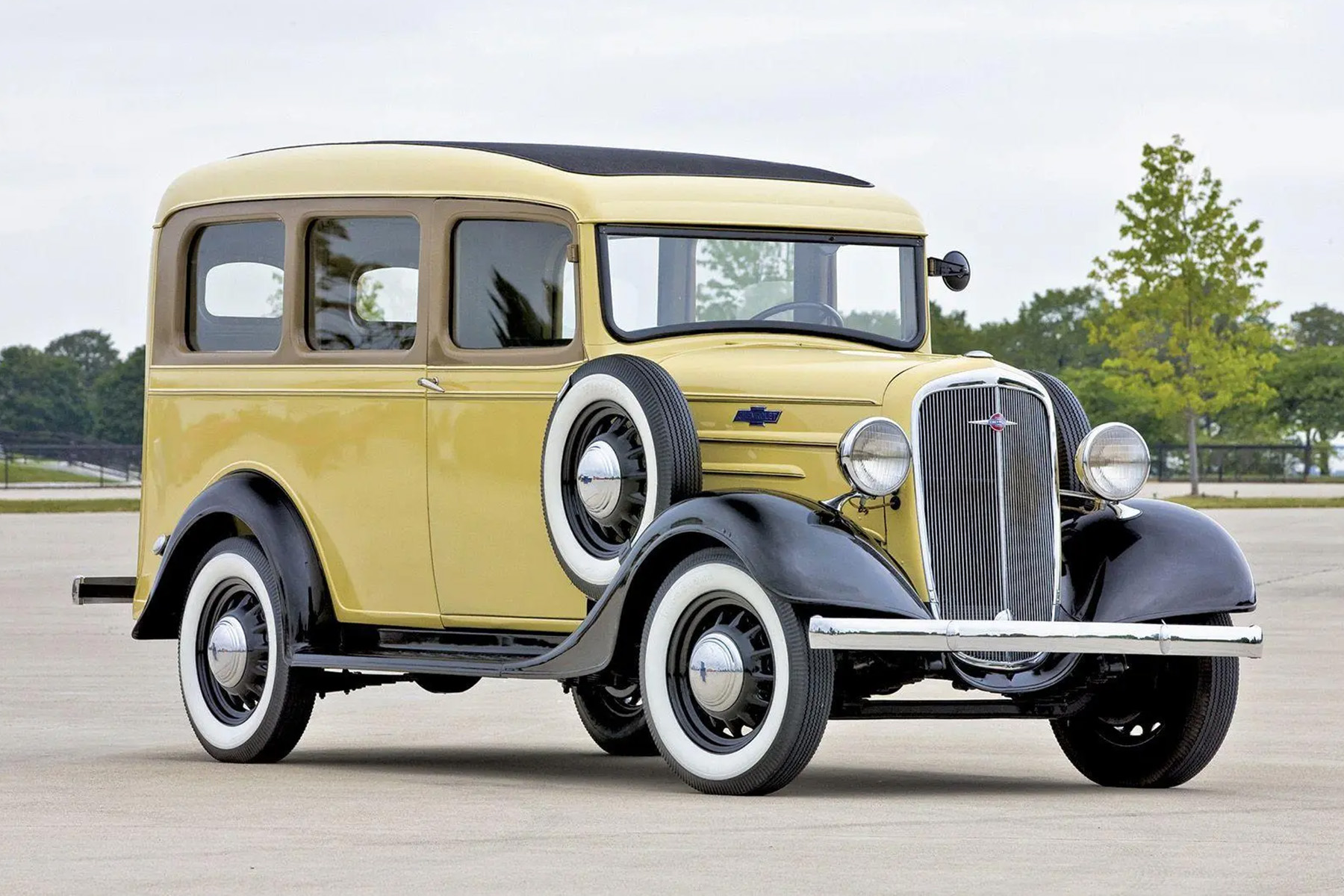
The Chevrolet Suburban has been on sale continuously since 1935, making it one of the longest-running model names in automotive history.

The current model now on sale in the UK is the 12th generation, which was launched in 2021.

1935 Chevrolet Suburban

Summary

Chevrolet and its various related GM brands have tried and failed to crack the UK market before, mainly by trying to offer cars that were just like those of their rivals. Now the company is going down the route of emphasising all of the very American aspects it’s renowned for.

This latest attempt is very different from the Daewoo-era strategy of competing directly with mainstream family hatchbacks and saloons. Instead, Chevrolet is leaning heavily into large SUVs, pick-ups and V8-powered sports cars that stand apart from most European rivals.

Chevrolet is unlikely to become a mainstream UK brand any time soon. But for buyers who actively want something American, that may be precisely the point.

Buy a Chevrolet

If you’re looking to buy a new or used Chevrolet, The Car Expert’s partners can help you find the right car.

Motors 600x300

Find a used Chevrolet with Motors. Find out more

Auto Trader logo 600x300

Find a new or used Chevrolet with Auto Trader. Find out more

Carwow logo 600x300

Find a new or used Chevrolet with Carwow. Find out more

EV sales surge as petrol prices rise

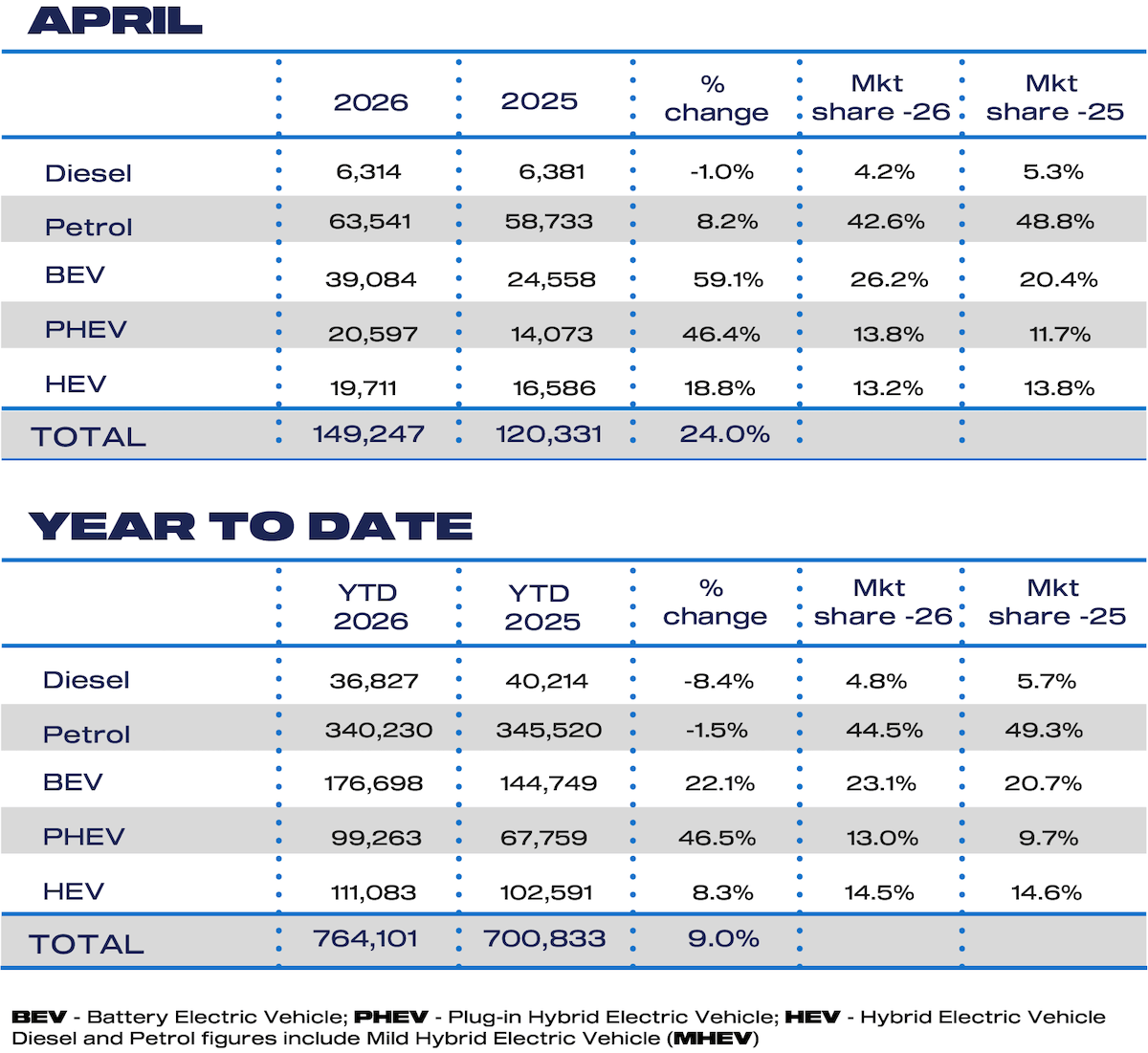
Electric car registrations grew by 60% in April compared to the same month last year, as demand skyrocketed in the face of ever-increasing fuel prices.

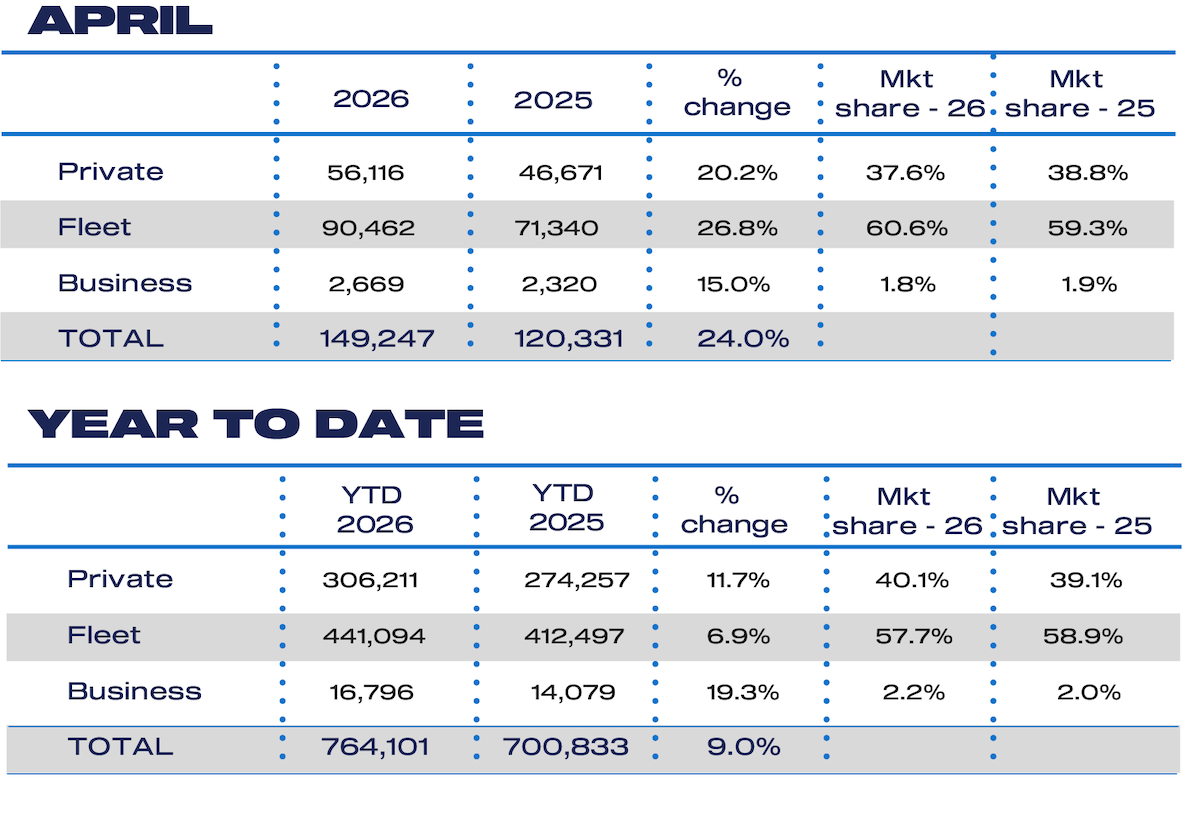
According to numbers published this morning by the Society of Motor Manufacturers and Traders (SMMT), the overall car market grew by 24% over last April, with strong growth from both private and fleet customers. But it was only EVs and plug-in hybrids that grew their market share, with petrol, diesel and basic (no plug) hybrids losing ground.

The impressive overall numbers need to be tempered somewhat by noting that last April was a particularly poor month, down 10% on the year before, so things weren’t quite as dramatic as they seemed.

Source: SMMT

Sky-high petrol prices fuelling EV demand

Not long after Donald Trump decided to invade Iran and send oil prices skyrocketing, we wrote that this oil crisis could be a catalyst for driving more customers to switch from fossil-fuel cars to EVs. We’re only two months into the war, with potentially months of petrol pricing pain still to come, but March and April have both seen sharp increases in new EV sales.

Combined with other industry data, like used EV sales and dealer time-to-sell information, and it’s clear that customers want EVs right now. Whether this shift continues or recedes once oil prices eventually come back down remains to be seen, but the longer the current situation in the Middle East drags on, the more likely it is that we will see permanent changes in customer car-buying behaviour.

This is also benefiting the sales of plug-in hybrids, particularly those that offer plenty of battery range. In what we believe to be a first, plug-in hybrids saw more registrations than standard (no plug) hybrids.

Source: SMMT

Good month, bad month

Even with an overall market growth of 24%, it wasn’t good news for all car brands in April.

It was a good month for Abarth, Alpine, BYD, Chevrolet, Citroën, Cupra, Fiat, Genesis, Jaecoo, Leapmotor, Lotus, Maserati, MG, Mini, Omoda, Skywell, Smart, Tesla and Xpeng. All of these brands outperformed the overall market by at least 10% – and this list includes about ten brands that make all or most of their cars in China.

Meanwhile, things weren’t so rosy for Alfa Romeo, Audi, BMW, Dacia, DS Automobiles, GWM, Honda, Hyundai, Ineos, Jeep, Kia, Land Rover, Lexus, Mazda, Nissan, Peugeot, Polestar, Renault, SEAT, Škoda, Subaru, Toyota and Volkswagen. All of these brands underachieved against the overall market by at least 10%

That meant that the following brands were about where we’d expect them to be: Ford, KGM, Mercedes-Benz, Porsche, Suzuki, Vauxhall and Volvo. These brands were within +/-10% of the overall market result.

Volkswagen remained the UK’s best-selling car brand, as usual, comfortably clear of Kia, BMW, Ford and Audi. However, if you include Chery Group’s three brands – Chery, Jaecoo and Omoda – under one umbrella (since they essentially operate as one brand for the moment), it would place second on the list.

MG had the largest absolute increase in sales volume, more than 3,000 cars up on the same month last year. Going in the other direction, SEAT sold 1,000 fewer cars – down 57% in a market that was up 24%.

Puma back on top and extending its lead

Source: SMMT

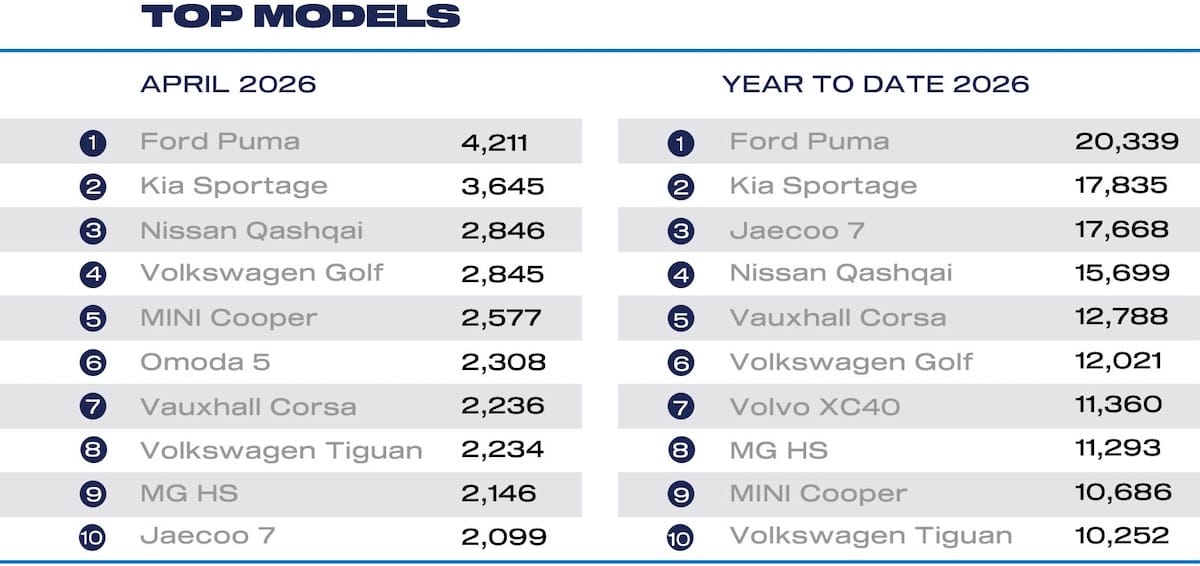
The Ford Puma was back atop the sales charts in April, after being deposed by the Jaecoo 7 in March. That means it continues to edge away from its usual sales sparring partner, the Kia Sportage.

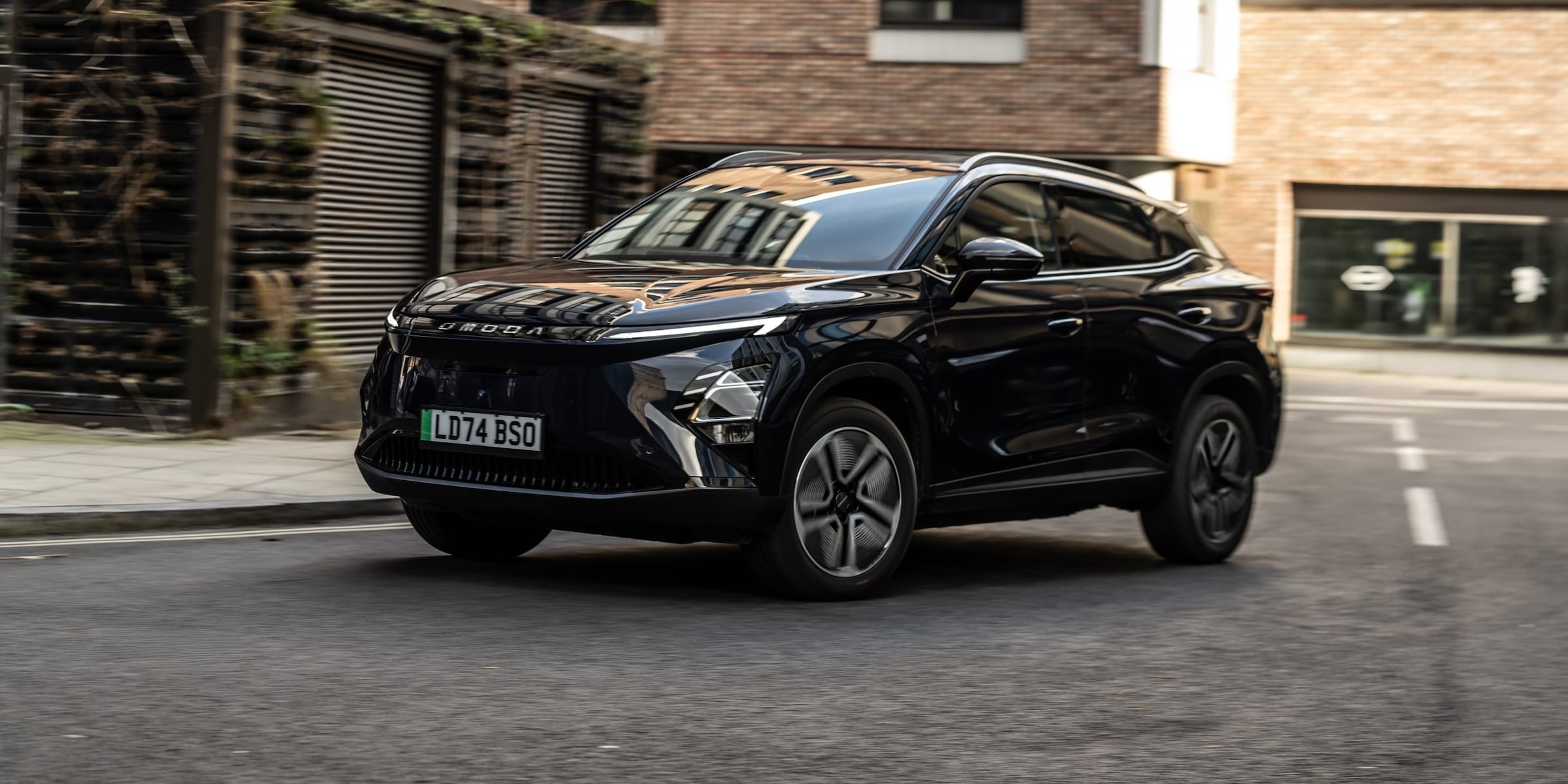
Last month’s star performer, the Jaecoo 7, slid back to tenth place in April, which also meant it slipped back to third place in year-to-date registrations. Its smaller cousin, the Omoda 5, popped up in sixth place, marking its first appearance in the top ten.

We’ll have our usual look at the top ten in coming days.

Everything you need to know about Leapmotor

Leapmotor is one of many new Chinese car brands to have launched in the UK over the last couple of years – but this one is a little different to its rivals.

The company has been on a strong growth curve since launching its first car in 2019, from 1,000 global sales in its first year to nearly 300,000 just five years later. This has been helped by having the significant clout of Stellantis as a major partner – the automotive giant that owns 14 major brands, including Vauxhall, Peugeot, Citroën, Alfa Romeo, Jeep, Maserati and others.

Leapmotor launched as an EV-only brand in the UK just over a year ago and is planning to accelerate in 2026. It is already the third-largest Chinese EV brand in the UK, behind BYD and MG, despite only having two models on sale for most of that first year. With a third model now on sale and a fourth arriving over the summer, plus some plug-in hybrid versions of existing models, the company expects rapid growth over the next 12 months.

One of Leapmotor’s key advantages is its integration into the existing Stellantis dealer network. It had more than 40 dealers on board at launch last spring, which has now doubled a year later. As well as providing 80 showrooms and service centres around the country, it also means integrating into the Stellantis parts network to ensure customers and dealers have access to all the parts they need as quickly as possible. That’s something some other new Chinese brands have struggled with.

There has been a lot of talk from Stellantis about how it can help Leapmotor get off the ground in Europe, but the same works in reverse. Stellantis has been struggling with sales and profitability, especially with its electric models, for the last few years. Having a budget Chinese EV brand as part of the family will be very useful for boosting overall group EV sales in markets like the UK, which has a mandate for minimum EV sales numbers, and in the EU, which launched a similar programme last year.

So who or what is Leapmotor?

Leapmotor is one of the newest car brands in the world, having been founded just over ten years ago. It was established in China in 2015, and its first vehicles entered production four years later.

The Leapmotor brand was officially launched in 2017, and the first vehicle, a mid-sized electric coupe called the Leapmotor S01, started production in 2019. Two more models followed in the next 18 months, a small city car called the T03 and a larger crossover called the C11.

The company’s big move, however, came in 2023 when Stellantis Group acquired 20% of Leapmotor for €1.5 billion. A new Leapmotor International division was launched, with ownership split 51 to 49% in favour of Stellantis and ambitions to sell Leapmotor vehicles in global markets outside China.

When did Leapmotor launch in the UK?

Leapmotor models went on sale in the UK with two models in March 2025 as part of an expansion throughout Europe.

By the summer of 2026, the company expects to have more than 80 dealers operating around the country. All of them are currently Stellantis dealers, so will be co-located with familiar brands like Vauxhall, Fiat, Citroën or Peugeot.

As the company enters its second year, we’ll start to see the first examples of used vehicles entering the marketplace. This will again be done through the existing Stellantis network, called Spoticar. More details are likely to follow in coming weeks.

What models does Leapmotor have and what else is coming?

Leapmotor B10

Leapmotor B10

Leapmotor C10

Leapmotor C10

Leapmotor T03

Leapmotor T03

Leapmotor made its UK debut with two electric models, the C10 family SUV and the T03 small car, while the smaller B10 compact SUV joined the family in late 2025.

The T03 is of similar size to the Fiat 500e and is currently the cheapest new car on sale in the UK. This and a lot of space has earned the T03 plaudits from reviewers, though they’ve been less impressed by the driving experience – especially the issue that affects many Chinese cars, over-intrusive driver warning systems.

The C10 is an electric SUV sized to rival the likes of the Skoda Enyaq and Nissan Ariya. It is about to gain an extra model going the range-extender route, which is technically a plug-in hybrid but one where the engine only works to generate power for the battery, which then provides electricity for an electric motor to drive the car.

The B10 joined these two in late 2025. As with the larger C10, this was launched as an electric model, but a range-extender model is also expected later this year. It competes with the likes of the MG S5, Kia EV3 and more than a dozen other small electric SUVs.

Joining these in the summer of 2026 will be an electric family hatchback called the B05, which is similar in size to a Volkswagen ID.3 or MG 4. This will be followed by an even smaller SUV model called the B03X, which will compete against the likes of the Citroën ë-C3 Aircross and BYD Atto 2.

At the Beijing motor show in April 2026, Leapmotor revealed a new large SUV called the D19. At this stage, it has not been decided whether this car will come to the UK. We hope it does, as it looks to be a step forward over the current model range, and would provide some competition for the likes of the Kia EV9 and Hyundai Ioniq 9.

Although Leapmotor will offer at least two range-extender models, the main focus for the brand will continue to be fully electric cars, with more than 90% of sales expected to be full EVs.

Where can I try a Leapmotor car?

As of May 2026, there are about 80 Leapmotor outlets in the UK, and all of them will be found alongside existing Stellantis franchises. In many cases, Leapmotor showrooms are replacing Vauxhall showrooms that have closed in recent years, and the network already includes some of the biggest dealer groups in the UK market. 

The company claims that 95% of its customers are from outside the Stellantis family, which will help allay concerns within the organisation that Leapmotor will cannibalise existing brands like Vauxhall and Fiat. It also says that a large proportion of Leapmotor customers are buying their first EV.

What’s particularly significant about this company?

While Leapmotor has been among a raft of new Chinese start-ups in the UK, it does claim to offer the cheapest new car in the UK in the T03, which is priced at under £16,000 (including the government’s electric car grant). With cost being pitched as one of the prime factors preventing drivers from going electric, such value-pitched pricing could give the company a significant advantage over rivals.   

What makes Leapmotor different to the rest?

Much about Leapmotor is a familiar tale seen across the Chinese electric vehicle market – high technology companies looking to sell their products on a global stage. But it is the Stellantis link that sets this new brand apart.

While Stellantis has been keen to talk up its role in bringing a new brand to market, it’s important to remember that the French-Italian giant is doing this for a good reason. Stellantis needs Leapmotor as much as Leapmotor needs Stellantis right now, as every car company looks to ramp up EV sales while still trying to turn a profit.

Summary

Leapmotor is quietly building a solid presence in the UK. It may not have the headline-grabbing sales results of fellow new Chinese brands like BYD and Omoda-Jaecoo, but the company claims that it exceeded its targets for its first year and is building an economically sustainable business that will continue to grow steadily.

Although the company is not saying anything yet, it seems inevitable that there will be closer integration between future Leapmotor models and future models from other Stellantis brands. We’ll keep you posted as this new brand continues its UK expansion.

Additional reporting by Andrew Charman. This article was originally published in May 2025 and was most recently updated in May 2026.

More in our series ‘Spotlight on China’:

One-pedal driving: what is it and how does it work?

If you’ve driven a newer electric car, you may have noticed a strange driving mode which allows you to slow down – and sometimes even come to a complete stop – without touching the brake pedal.

This is known as one-pedal driving, and it’s becoming increasingly common in electric cars and some plug-in hybrids. For some drivers, it quickly becomes second nature. For others, it feels completely unnatural. It won’t transform how a car drives, but it can make everyday driving smoother and slightly more efficient.

So what exactly is one-pedal driving, how does it work, and is it something you should actually use?

What is one-pedal driving?

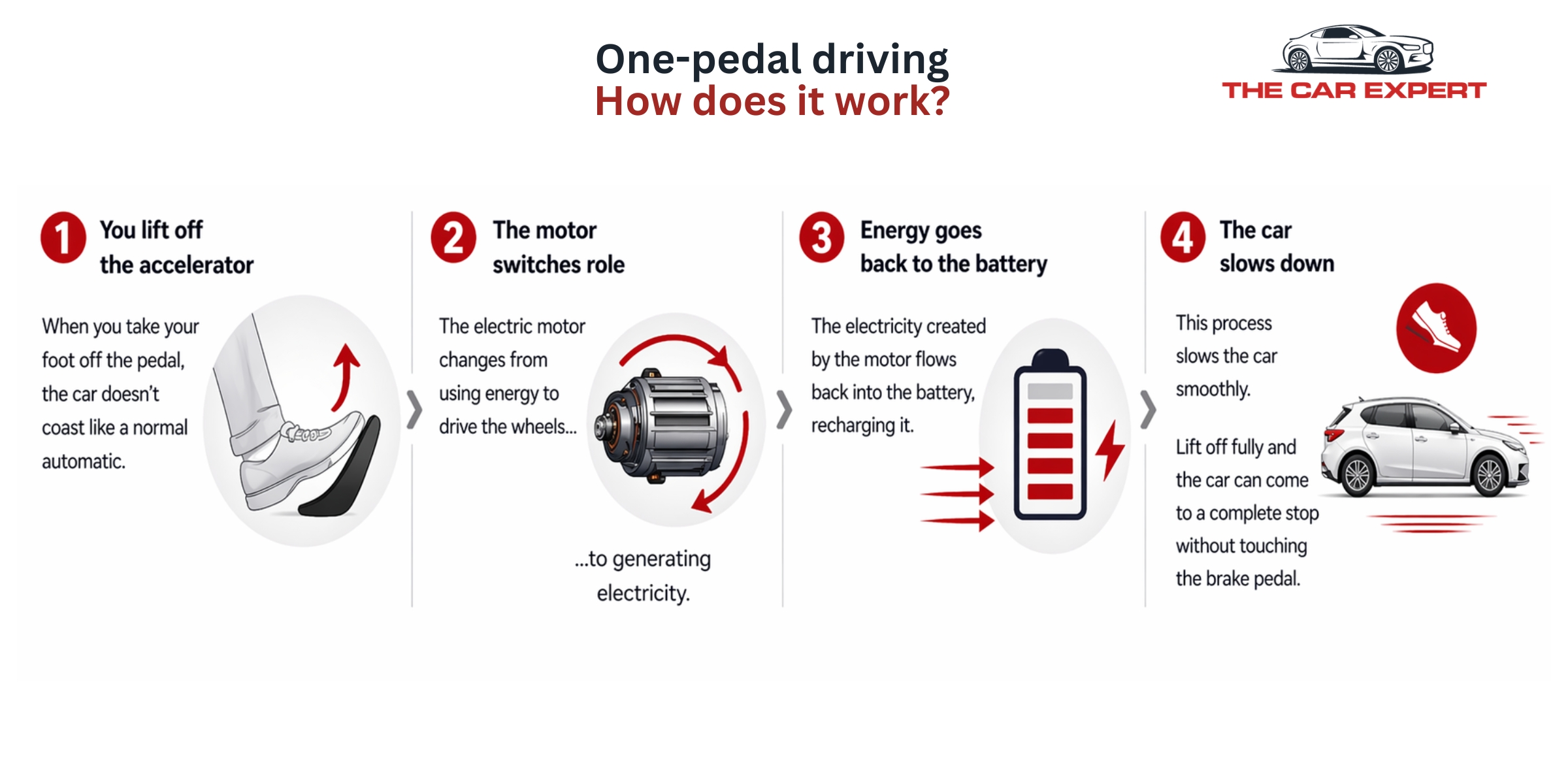
One-pedal driving is a mode that allows you to control both acceleration and braking using just the accelerator pedal.

Press the pedal and the car speeds up, lift off the pedal and the car slows down – its as simple as that. In many cars, lifting off fully will bring the car to a complete stop without needing to use the brake pedal at all.

How does one-pedal driving work?

At its core, one-pedal driving relies on something called regenerative braking.

When you lift off the accelerator, the car’s electric motor runs in reverse and instead of using energy, it generates electricity that is fed back into the battery. At the same time, this process slows the car down—sometimes quite strongly.

One-pedal driving is more energy efficient, as it helps recover energy that would otherwise be lost as heat through braking. However, the overall efficiency gain depends on how you drive. In steady motorway cruising, the benefit is minimal. In urban driving, it can make a noticeable difference.

What does it feel like to drive?

It can take a bit of brain training to get used to. With one-pedal driving turned on, the car slows down as soon as you lift your foot and therefore you need to be more precise with your pedal control.

At first, many drivers find themselves slowing down too quickly or too early. But after a few days, most adapt and some prefer it, particularly those drivers that spend plenty of time in bumper-to-bumper traffic.

The pros and cons

Pros

More efficient driving

By maximising regenerative braking, the car recovers more energy, which can help improve efficiency – especially in stop-start traffic.

Less use of the brake pedal

In everyday driving, particularly in town, you may rarely need to touch the brakes.

Smoother driving in traffic

Once you get used to one-pedal driving, it can make stop-start driving feel more controlled and less tiring.

Reduced brake wear

Because the physical brakes are used less often, they may last longer over time.

Cons

Takes time to get used to

It feels unnatural at first, particularly if you’re used to coasting.

Can jerk the car back and forth if not used properly

Small movements of your foot can lead to noticeable changes in speed.

Not always ideal at higher speeds

On motorways or fast roads, some drivers prefer traditional coasting for smoother progress.

Which cars offer one-pedal driving?

One-pedal driving is most commonly found in electric vehicles (EVs). Even where it’s available, it’s usually optional – you can switch it off or adjust the strength of the regenerative braking. This drive mode is widely available in new EVs, such as:

Some plug-in hybrid models with powerful electric motors have one-pedal driving, like the Volvo XC60 and BMW X5 PHEVs, but it is generally less common.

Read more:

Electric Volkswagen ID. Polo debuts

0

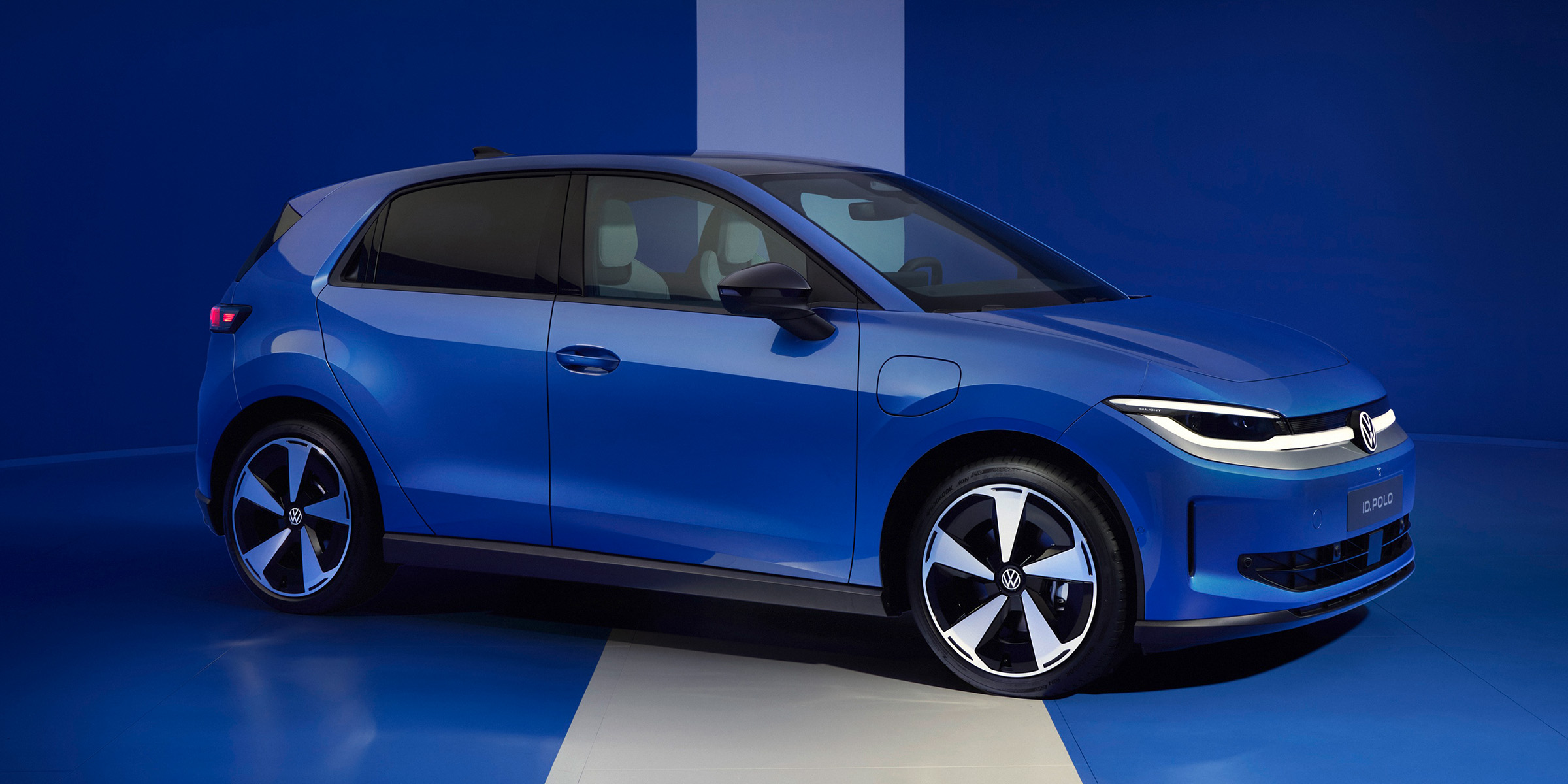
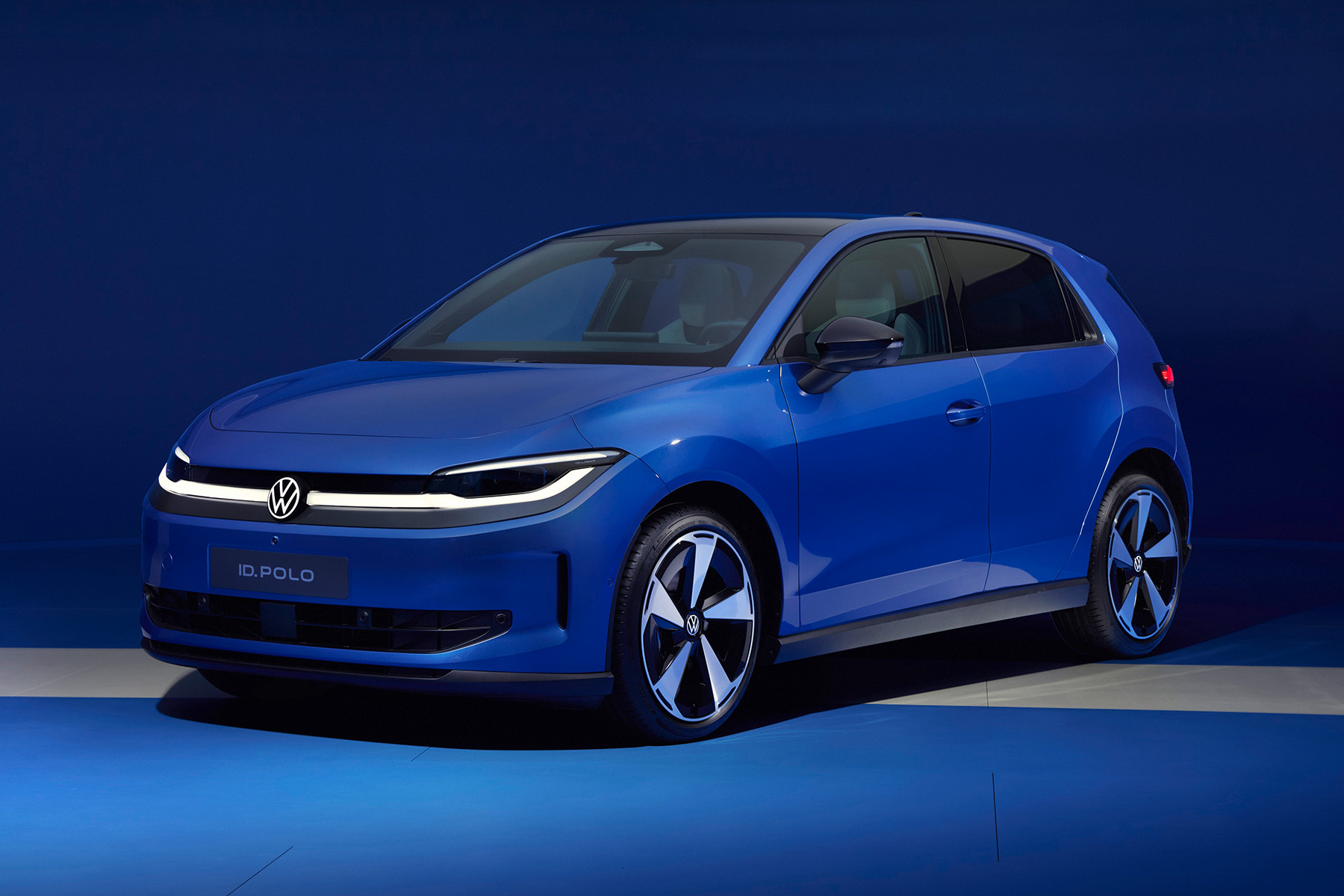
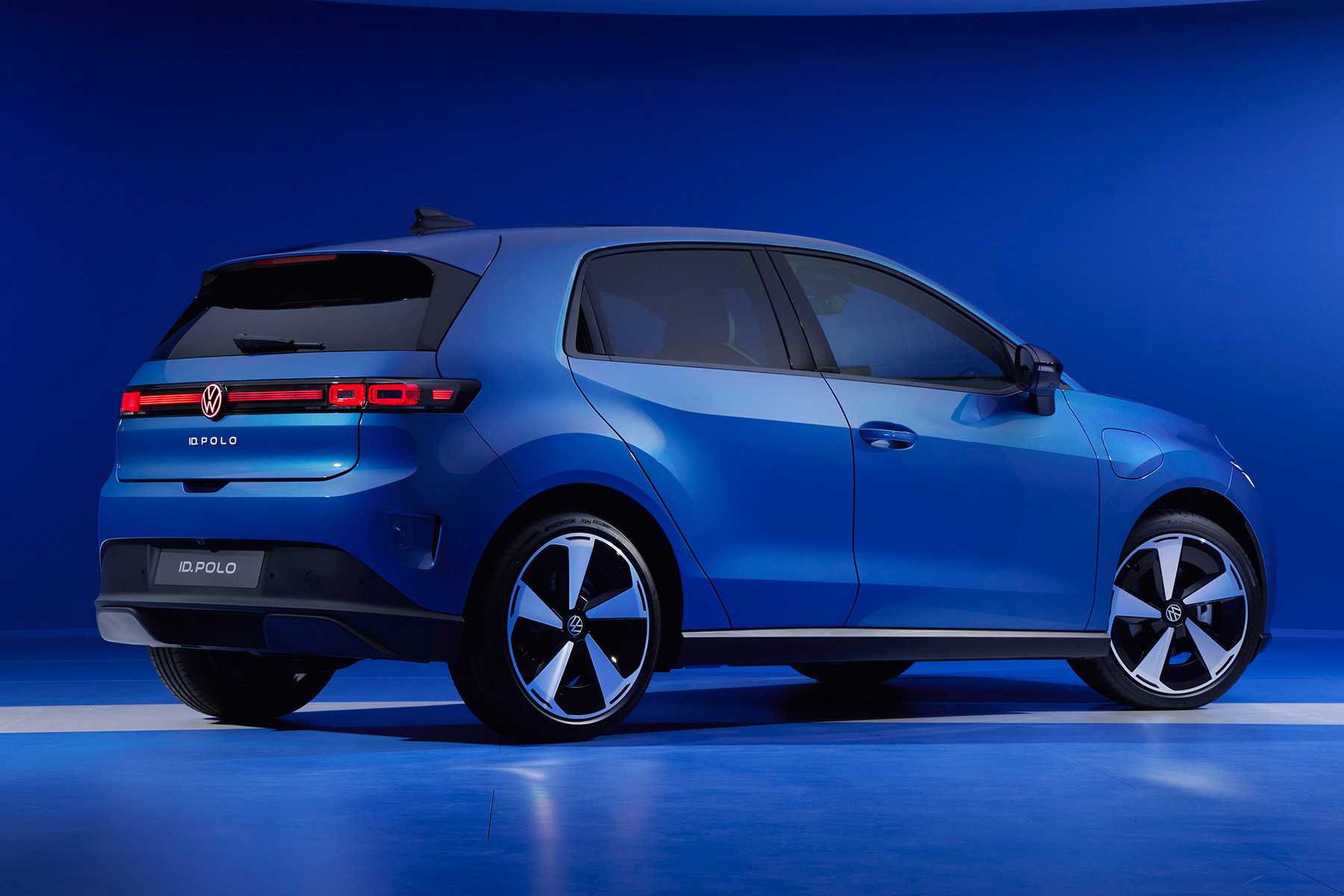
Volkswagen has revealed its new ID. Polo hatchback, an all-electric alternative to its popular petrol-powered Polo supermini, which is expected to arrive in the UK towards the end of this year.

The ID. Polo will be Volkswagen’s first offering in the all-electric supermini category, sitting below the larger Volkswagen ID.3 in the brand’s battery-powered range, and will rival cars like the Renault 5 E-Tech, Peugeot E-208 and Vauxhall Corsa Electric, as well as Volkswagen Group stablemates like the Cupra Raval and Skoda Epiq, while offering more interior space than many of them.

Powertrain and battery range

The ID. Polo will be offered with a choice of three power outputs and two battery sizes. Entry-level models use a 37kWh battery, paired with either a 116hp electric motor or a 135hp electric motor.

These versions offer up to around 204 miles of range on a single charge, with fast DC charging from 10% to 80% taking roughly 23 minutes.

At the top of the range, a more powerful 211hp version uses a larger 52kWh battery, increasing maximum range to around 282 miles. Charging times remain similar, at around 24 minutes for a rapid top-up.

All of these variants are front-wheel drive, and all models support one-pedal driving and vehicle-to-load (V2L) functionality (charging external devices like laptops and e-bikes).

Size, space and practicality

Despite still sitting in the supermini class, the ID. Polo is actually more spacious inside when compared to the petrol-powered Polo.

Like the Polo, the ID. Polo measures in at just over four metres long, but benefits from a longer wheelbase and interior layout improvements. That increases passenger legroom and boot space.

Boot capacity stands at 441 litres, which is 90 litres more than the petrol Polo and competitive with cars from the medium hatchback class above. Fold the rear seats down and that expands to 1,240 litres.

Interior and technology

Inside, a ten-inch digital instrument cluster sits behind the steering wheel, paired with a 13-inch central touchscreen running Volkswagen’s latest infotainment system. Volkswagen has also reintroduced physical controls for key functions, addressing criticism of earlier touch-only setups.

Higher-spec models add features such as:

  • Adaptive cruise control
  • Wireless Apple CarPlay and Android Auto
  • Heated seats and steering wheel
  • Matrix LED headlights

The car’s safety tech suite includes lane keeping assistance, traffic sign recognition, blind spot monitoring and parking sensors.

There’s also optional equipment rarely seen in this class, including massage seats, a Harman Kardon sound system, and a panoramic roof.

Pricing and availability

In Germany, prices are expected to start from the equivalent of around £21k to £22k, with higher-spec versions priced closer to £30k.

Volkswagen has not yet confirmed UK pricing or specifications, but the ID. Polo is expected to sit as one of the brand’s most affordable electric models when it arrives.

The official arrival date of the hatchback is also yet to be announced, but the Volkswagen is expected to arrive towards the end of 2026 earliest, possibly early 2027.

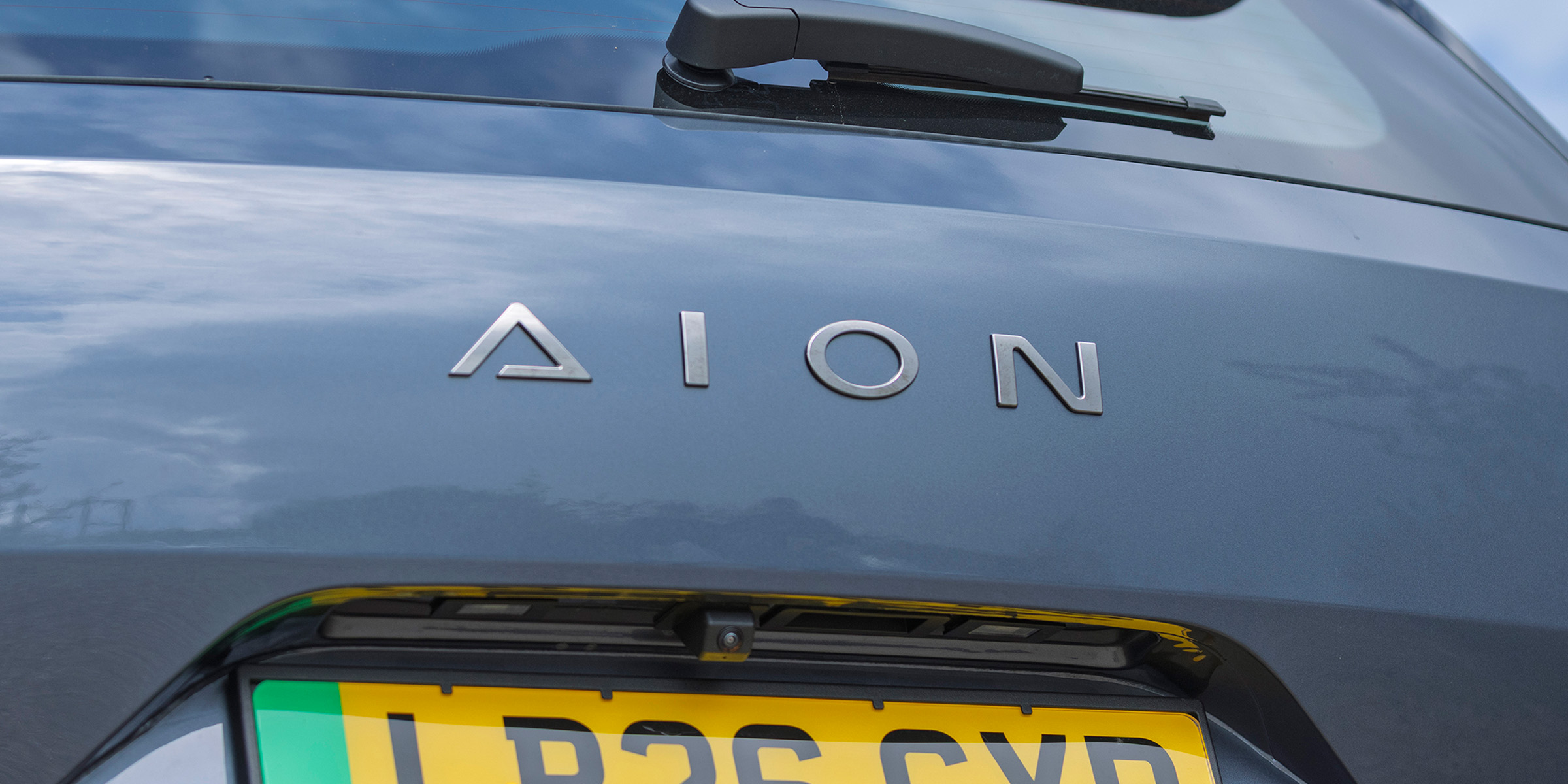
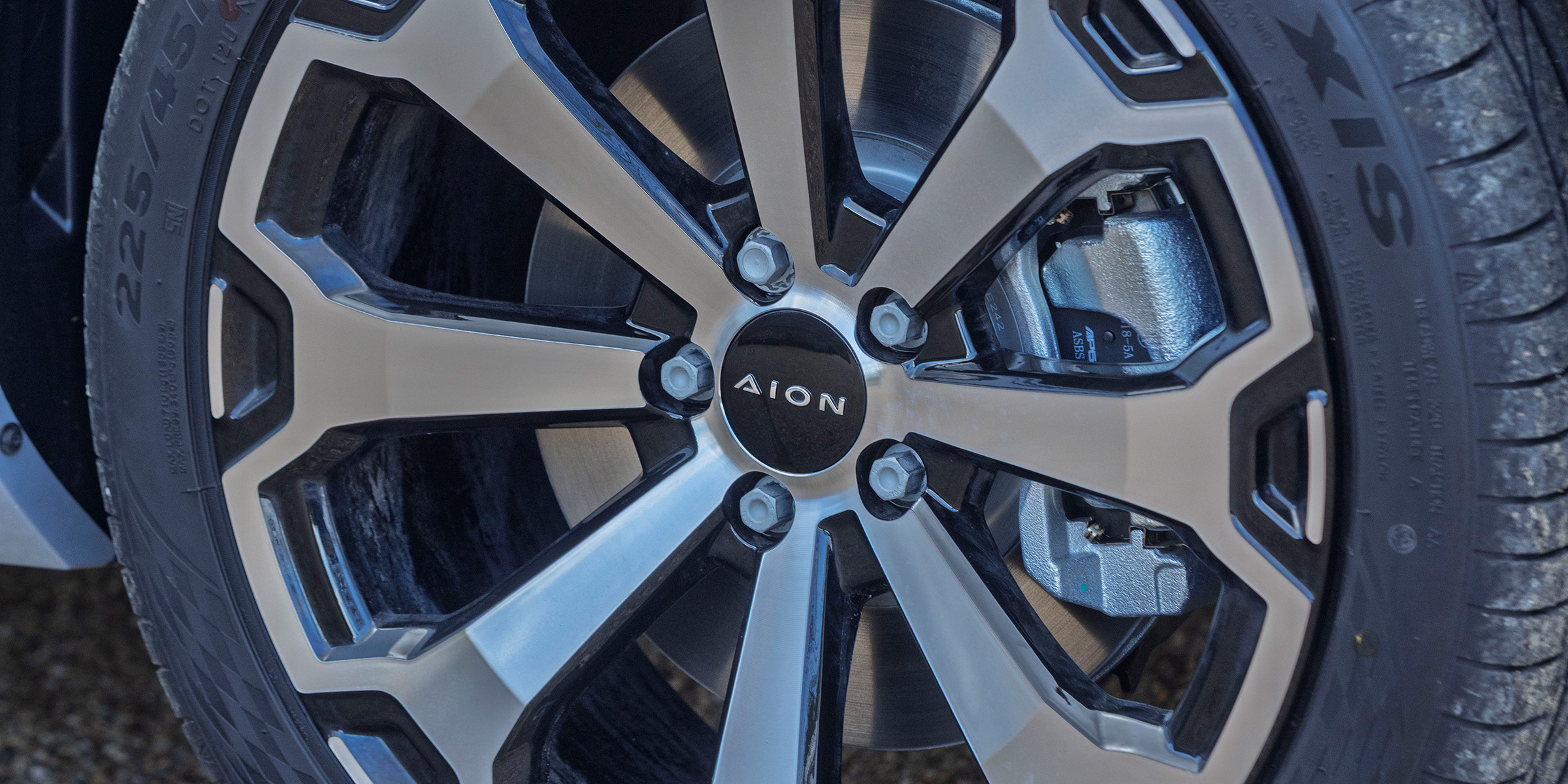
Everything you need to know about Aion

Never heard of Aion? Arriving in the UK in April 2026, this is of course yet another Chinese brand, and in the world of ‘new energy vehicles’ (in English – electric vehicles or EVs) it’s no bit player – this is the third-largest electric vehicle brand in the world, beaten only by Tesla and BYD.

In China, Aion creates a swathe of positive headlines – it was the first Chinese brand to reach one million EV sales, and has topped the Chinese version of the annual J.D.Power customer satisfaction survey for nine consecutive years.

Parent company GAC Aion is renowned for its pursuit of technology, particularly in battery charging. In China, a graphene battery has been developed for the Aion V, technology that can permit a 0 to 80% charge in a mere eight minutes, and GAC Aion has also developed 480kW charging stations that add 30% to 80% charges in less than five minutes.

Aion says that not being among the first wave of new Chinese brands in the UK has been an advantage, as it’s been able to quiz potential customers on the good and bad points of buying from an unknown name. And it’s used this information to shape its offering, not least with a warranty that will make rivals sit up and take notice.     

So who or what is Aion?

Aion is a sub-brand of GAC, the fifth-largest automotive manufacturer in China and long established – its output has included joint programmes over many years with Honda and Toyota, among others, including building the European versions of the Honda Jazz.

The company that became Aion was established in 2017, initially as GAC New Energy Automobile. As the title suggests, its brief was to develop ‘new energy’ vehicles, primarily electric vehicles (EVs), and it launched Aion as a brand in 2018 – the first model being the Aion S, a mid-sized electric saloon. The Aion V electric SUV, the company’s first car in the UK, was among some 12 new models unveiled in 2019.

In 2020, the ‘New Energy’ bit was dropped, and the company was renamed GAC Aion, being separated from the rest of the GAC operation. Progress was swift and, by the end of 2023, GAC Aion had become the world’s third-largest electric vehicle brand, beaten only by Tesla and BYD.

GAC Aion’s first right-hand drive vehicle was launched in Thailand in 2023, and a factory opened there in 2024. GAC Aion expanded throughout the Far East and then set its sights on Europe, with the UK a prime initial market.

When did Aion launch in the UK?

As of April 2026, Aion is in the process of arriving in the UK, unveiling its first car and appointing its initial dealers. Distributor Jameel Motors has been signed up to bring the Chinese brand to customers – the company has a long history with Honda, especially in Asian markets, and has recently launched the Chinese van brand Farizon in the UK.

What models does Aion have and what else is coming?

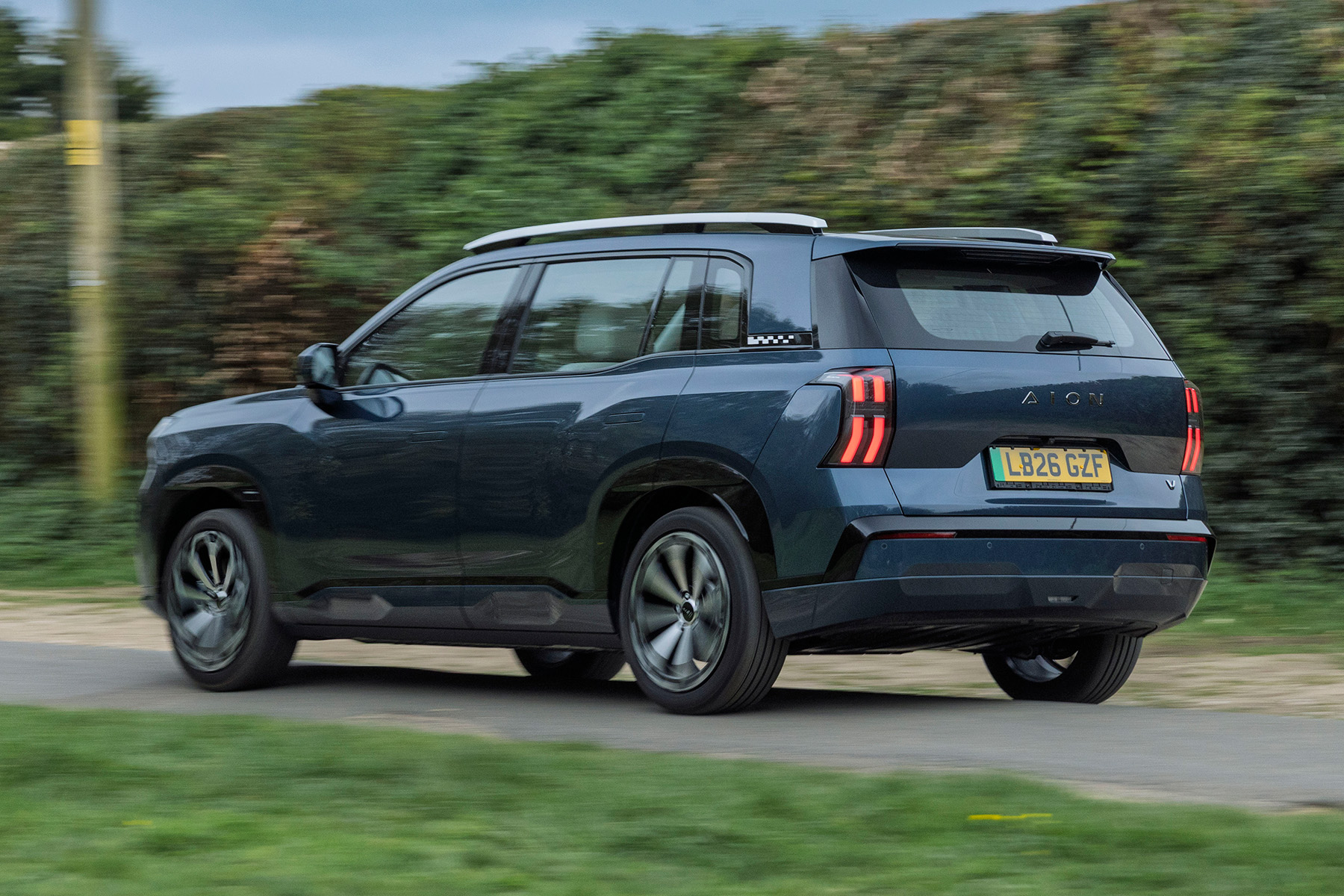
Aion arrives on the UK market with the V (pronounced ‘vee’, not five), a mid-sized electric SUV which the brand is promoting on its interior space, quality of build and a market-leading ‘Great 8’ warranty (see below). It comes with just one battery size, claiming an official range of 317 miles which puts it ahead of most of its direct rivals.

The Aion V will be joined by the UT, a smaller sister SUV, before the end of 2026. A larger SUV will then follow in 2027 – it’s called the S7 in China but apparently is unlikely to carry this name into UK showrooms. It will have a plug-in hybrid drivetrain and Aion is also considering offering range-extenders among the seven car lines it expects to have on sale by the end of 2027.     

Where can I try an Aion car?

The first and flagship Aion outlet has opened in Slough to coincide with the launch of the Aion V, operated by distributor Jameel Motors with the brand’s UK headquarters above it.

Aion is now recruiting dealers, initially targeting major regional groups, both those who already market one of the emerging Asian brands and others who according to Aion retail boss Duncan Johnston “missed out” when the first swathe of new brands arrived in the UK.

The intention is to have 15 outlets by summer 2026, expanding to 25 by the end of the year and then to around 100 by 2030.    

What makes Aion different to the rest?

While Aion is yet to prove its credentials in the UK, the company insists it will be different to the mainstream, because before bringing a car to market it has seriously listened to potential customers and acted on what they are looking for.

A prime example was the seven-year warranty offered by Kia, which customers reportedly described as a “game-changer”. As a direct result, all Aion cars will come with the ‘Great 8’ – eight years warranty (or 100,000 miles), eight years servicing, eight years of MOTs and eight years of roadside assistance through a partnership with the AA.

This warranty has had a knock-on effect of boosting the predicted resale value of the Aion V, with the three-year predicted value by industry specialists Cap HPI placing the Aion at more than £17,000, matching the significantly more expensive Volkswagen ID.4 and more than £3,000 ahead of Chinese rivals such as the Omoda E5 and BYD Atto 3.      

Summary

Aion argues that by not being the first of the new Chinese brands on the UK market, it has been able to talk to consumers and do right what the others might have got wrong.

This company believes that it has a strong product and that the Aion V will tick many boxes for the EV buyer, while plus points such as the Great 8 warranty will boost resale values and help the brand stand above the mainstream. Only time will tell…

Read more:

The UK’s best GAP insurance providers

The GAP insurance market was upended in 2024, when the Financial Conduct Authority (FCA) began tackling concerns over how Guaranteed Asset Protection (GAP) was being sold by car dealers.

As a result, almost every showroom in the UK had to stop selling GAP insurance in February 2024, and their return to the market was fairly slow. Before this time, there were around 2.4 million GAP policies in force in the UK.

The FCA began granting permission for companies to recommence sales in May that year and more followed later, but with lower levels of commission charged, giving consumers a better deal.

GAP insurance covers the shortfall between the original price of your car and the insurance pay-out if your vehicle was totally written off by your insurer – or in other words, the vehicle’s current market value versus the cost of a replacement car. The difference between these two figures can often be quite large.

Research has shown that a third of UK motorists has written off a car at least once, illustrating how important this kind of insurance can be to some drivers, especially those with newer cars. However, if you have bought your car outright and have no finance outstanding, you might not need the cover.

Online providers were not the target of the FCA actions, although some were affected as they used the same insurance underwriters as the dealer groups. Other online GAP providers were able to continue trading as normal.

The Car Expert has long recommended that you don’t buy GAP insurance from a car dealer anyway, since you can usually get the same policy (or better) from online providers for much less money.

Specialist GAP insurers have also always offered a far wider range of GAP products than car dealers, so you can tailor the cover to meet your precise needs.

For more information, have a read of our guide to GAP insurance terminology.

The Car Expert has rounded up some of the UK’s top GAP providers here.

ALA Insurance*

The UK's best GAP insurance providers – ALA Insurance

URL: ala.co.uk/gap-insurance

ALA is one of the best-known GAP insurers around. They have a very good reputation across both Vehicle Replacement and Return-to-Invoice policy types (for more info, read our guide to GAP insurance terminology).

Go to the ALA landing page and you will see GAP Insurance listed first across the top. The drop down menu gives you the chance to discover the different kinds of GAP insurance, including Agreed Value, Fleet, and Commercial arrangements.

There’s an interesting ‘shortfall calculator’ offering you the chance to enter your car’s value and age and ‘see how much you could be short’.

Though not always the cheapest, their coverage is fair, with no mileage restrictions, a claim period of 120 days and a free-of-charge transfer option to place your previous policy against a new set of wheels if you change cars during your policy term. 

The site is full of interesting and useful advice on GAP, its value and what is and isn’t covered. An easy ‘retrieve a quote’ tab will get you some costings.

MotorEasy*

URL: motoreasy.com/gap-insurance

GAP insurance is just one of the motoring services that MotorEasy offers its customers, with the company aiming to be a one-stop-shop for all your car ownership needs – ‘the easy way to manage, protect and maintain your car’ it says.

It even supports commercial vehicles, provided they’re not over 3,500kg. And cars must be less than eight years old and with fewer than 100,000 miles on the clock.

MotorEasy has found itself a loyal customer base with a simple quote feature on its website: you select which service you want from the drop down box, in this case ‘GAP Insurance’, type in your car’s registration number and press ‘Get a quote’.

There’s no transfer option on the policy, meaning that the cover ends if you sell the car. But you do get a refund if you cancel outside the first 30 days.

The website offers an honest appraisal of GAP insurance with its plusses and minuses so that you can make a balanced judgement on whether you need it. There’s also lots of useful tips and advice.

Direct GAP

URL: directgap.co.uk

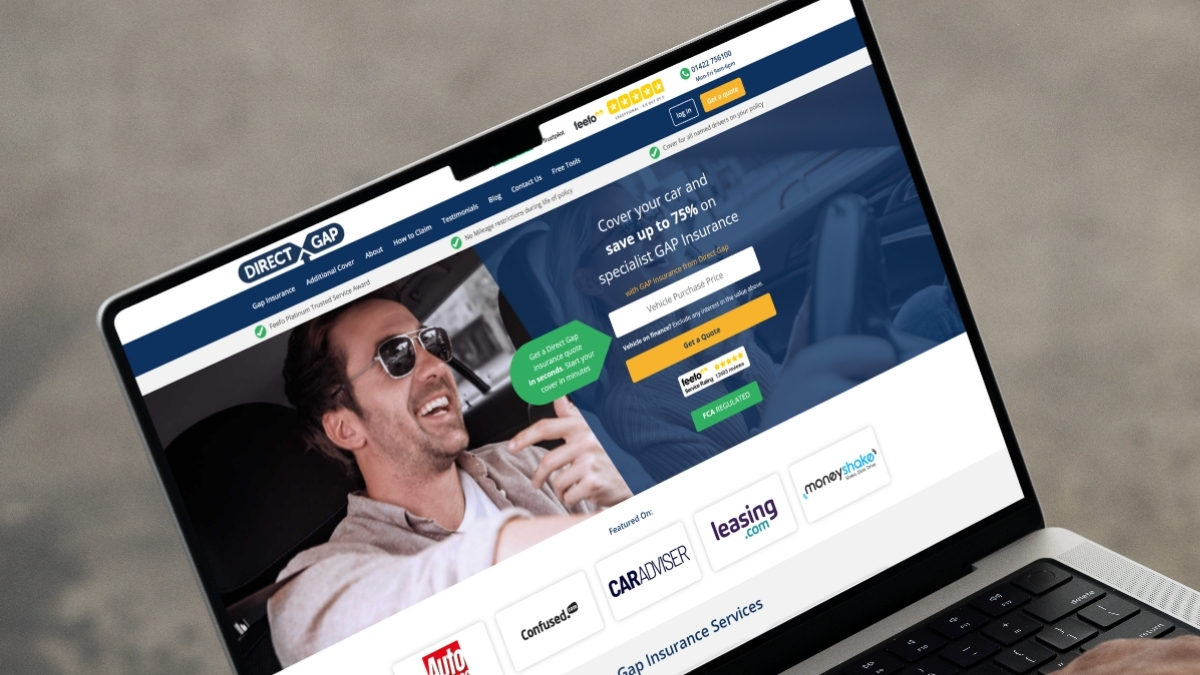
Direct GAP offers a full range of GAP insurance products and has a few add-ons too, such as scratch and dent cover and alloy wheel insurance. They also promise to settle all claims within 10 days.

It’s an attractive, simple to navigate website with lots of helpful advice including an insurance calculator. A 30 day money back guarantee is offered along with unlimited claims on vehicles up to 50,000 miles on the odometer. All named drivers can be covered and there’s no mileage restrictions once you have started the policy.

On Return-to-Invoice and Vehicle Replacement GAP policies, you can transfer your cover to another vehicle or claim a refund on any unused portion of the policy if you sell the car.

More than 100,000 customers have taken GAP insurance with Direct Gap – a simple ‘Get a quote’ tab will get you started.

Sura

URL: sura.co.uk

Sura is the new name that has brought Platinum GAP and Direct Car Warranty into one brand. It’s part of the same overall company that includes Direct GAP. It offers a wide range of GAP insurance products and similar conditions to the former Platinum set up.

The move was made to offer a wider range of products and a ‘simpler experience’. Anyone who had GAP insurance under Platinum can carry on with their policy as before.

On Return-to-Invoice and Vehicle Replacement GAP policies, you can transfer your cover to another vehicle or claim a refund on any unused portion of the policy if you sell the car. There are no mileage limits and no ceiling on claims on vehicles up to £50,000 in value.

The simple site explains GAP insurance well, and has a section comparing the different types of policy available.

Total Loss GAP

URL: totallossgap.co.uk

Total Loss GAP offers a range of insurance products, beyond just GAP. There’s scratch and dent cover, alloy wheel insurance, tyre insurance and more.

But the company is well known for GAP cover, and its site offers a full suite of policies, so you should be able to find something that fits your needs. Your car needs to be less than 10 years old and covered fewer than 100,000 miles to qualify.

Everything you need to know about GAP in its various forms, including a section asking whether you actually need the cover or not, is there all featured on a simple and effective website.

Prices start at £77.89 and there’s a ‘Get a quote’ tab to find out more for your particular vehicle.

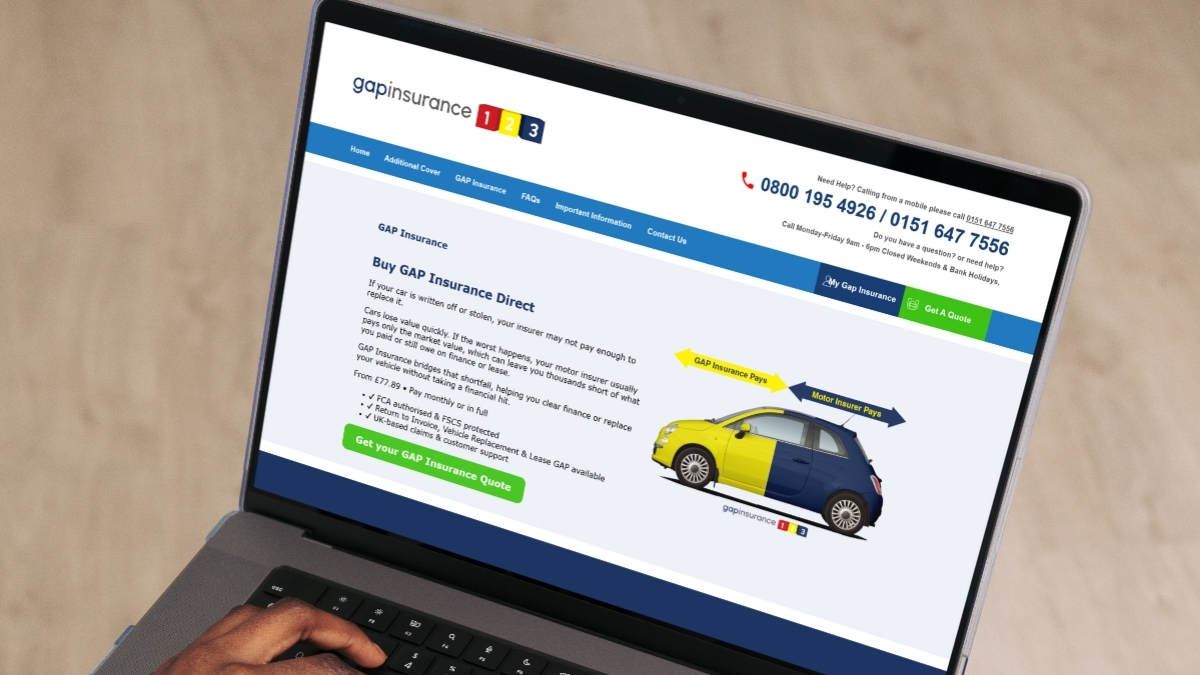
GAP Insurance 123

URL: gapinsurance123.co.uk

GAP Insurance 123 is a sister company to Total Loss GAP and consequently, it’s starting price for cover is the same: £77.89. It offers a similar range of GAP policies as its sibling, along with other insurance products including tyre, alloy wheel and scratch and dent cover. The terms and conditions are much the same.

It’s ‘Combined Return to Invoice’ insurance is for cars up to eight years old and priced under £100,000. They must have been bought in the previous 180 days.

The site is not as slick as some but there are plenty of lengthy explanations about the insurance cover offered and what their benefits are. You should be able to find answers to any questions you might have.

There are some real life examples of pay outs and testimonials from customers to consider.

Gapinsurance.co.uk

URL: gapinsurance.co.uk

As the name suggests, GAPInsurance.co.uk is a company completely devoted to providing every kind of GAP to customers.

It must be pleased with its customer service as the first thing you see on the landing page is ‘Reviews’ from clients. Other drop down sections include Contract Hire GAP, Invoice GAP and Replacement Gap – with all of these come lengthy explanations and advice.

There’s lots to read and even downloadable files, but the idea is to educate visitors to the site, and it certainly does that. GAPinsurance has set out to be a dedicated online provider of GAP insurance and concentrates on best-selling and family vehicles.

Maximum value of a vehicle to be covered is £100,000 and the maximum claim limit is £75,000. Cars must be less than 10 years old.

More GAP insurance information

Are you paying too much for GAP insurance?

Car finance jargon confuses UK drivers

Car finance jargon confuses UK drivers

Can you buy GAP insurance in 2024?

Can you buy GAP insurance in 2024?

What is GAP insurance and should you have it?

What is GAP insurance and should you have it?

Why you should consider car lease GAP insurance

Why you should consider car lease GAP insurance

*The Car Expert has commercial partnerships with ALA Insurance and MotorEasy. If you click through to their websites and proceed to purchase a used car warranty, we may receive a small commission. This does not affect the price you pay.

Additional reporting by Cat Dow. This list was originally compiled in 2022, and was comprehensively updated in April 2026 to reflect the changes in the GAP insurance market.

Kia K4

Summary

The Kia K4 is a petrol-powered hatchback and ‘Sportswagon’ estate car range that is now available to order in the UK, as the successor for the retired Kia Ceed.

The K4 range is now on sale in the UK, with several foreign and UK-based test drive reviews of the hatchback published online so far. The longer ‘Sportswagon’ estate is yet to undergo any reviewer scrutiny at the time of writing.

That said, the British motoring media have given the K4 a warm reception so far, Car’s James Dennison describing the hatchback as a “safe, well-equipped, spacious” family car that performs its intended role “in a highly convincing manner.”

Top Gear’s Alex Kalogiannis argues that the K4 is a modern and stylish family car that is “more vibrant and pleasant to be around than other cars at the sub-30k price point, which overwhelm with mediocrity.”

While the standard petrol-manual model offers good value-for-money, the Carwow team adds that “prices increase drastically up the range” and the trim list on offer gets rather confusing. Reviewers also found the car’s performance to be rather reserved but not underwhelming, and some argue that the car’s ride quality is rather firm.

As of April 2026, the Kia K4 holds a New Car Expert Rating of B with a score of 65%.

K4 highlights

  • Competitive entry-level model pricing
  • Spacious interior and boot
  • Well-equipped as standard

K4 lowlights

  • Pricing gets steep moving up the range
  • Rather firm ride quality
  • Not all that fun to drive

Key specifications

Body style: Medium hatchback and estate
Engines:
petrol, petrol mild-hybrid
Price:
From £26,045 on-road

Launched: Winter 2025/26
Last updated: N/A
Replacement due: TBA

Media reviews

Highlighted reviews and road tests from across the UK automotive media. Click any of the boxes to view.

Featured reviews

More reviews

Auto Express

Car

Evo

Honest John

Parkers

Top Gear

Safety rating

Independent crash test and safety ratings from Euro NCAP

No safety rating

As of April 2026, the Kia K4 has not been assessed by Euro NCAP.

Eco rating

Independent economy and emissions ratings from Green NCAP

No eco rating

As of April 2026, the Kia K4 has not been assessed by Green NCAP.

Running cost rating

Clear Vehicle Data logo close crop

Monthly cost of ownership data provided exclusively for The Car Expert by Clear Vehicle Data

Fuel consumptionAverageScore
Petrol models47 mpgC
CO₂ outputAverageScoreVariationScore
Petrol models137 g/kmC
Insurance groupAverageScoreVariationScore
All models20B

The Kia K4 is a relatively affordable car to own and run, according to whole-life cost numbers provided exclusively to The Car Expert by our data partner, Clear Vehicle Data.

Our running cost picture for the K4 is rather light at the moment, but we can report that the average fuel consumption of petrol versions of the hatchback is 47mpg, which is fairly average for a pure petrol family car of his size.

The car’s estimated insurance premiums bracket is also on the cheaper side of average.

Reliability rating

MotorEasy logo 600x167

Reliability data provided exclusively for The Car Expert by MotorEasy

No reliability rating

As of April 2026, we don’t have enough reliability data on the Kia K4 to generate a reliability rating.

The Car Expert’s reliability information is provided exclusively to us using workshop and extended warranty data from our partner, MotorEasy, sourced from both official dealerships and independent workshops. 

As soon as MotorEasy has sufficient data on the K4, we’ll publish the results here.

Warranty rating

Overall ratingA81%
New car warranty duration7 years
New car warranty mileage100,000 miles
Battery warranty duration0 years
Battery warranty mileage0 miles

Kia’s new car warranty is better than average, and better than rival brands in a similar price bracket as the K4.

The duration is seven years, with a limit of 100,000 miles.

Warranty on a used Kia K4

  • If you are buying an ‘Approved Used’ Kia K4 from an official Kia dealership, you will get a minimum 12-month warranty included.
  • If you are buying a used Kia K4 from an independent dealership, any warranty offered will vary and will probably be managed by a third-party warranty company.
  • If you are buying a used Kia K4 from a private seller, there are no warranty protections beyond any remaining portion of the original new car warranty.

If you’re looking to buy any used car that is approaching the end of its warranty period, a used car warranty is usually a worthwhile investment. Check out The Car Expert’s guide to the best used car warranty providers, which will probably be cheaper than a warranty sold by a dealer.

Recalls

Official DVSA safety recalls that have been issued for the Kia K4

As of April 2026, we are not aware of any DVSA vehicle safety recalls affecting the Kia K4. However, recall information is updated regularly, so this may have changed.

You can check to see if your car has any outstanding recalls by visiting the DVLA website or contacting your local Kia dealer.

Similar cars

If you’re looking at a new or used Kia K4, you might also be interested in these alternatives

Audi A3 | Citroën C4 | Ford Focus | Honda Civic | Hyundai i30 | Mazda 3 | Mini Cooper 5-Door | Peugeot 308 | SEAT Leon | Skoda Scala | Skoda Octavia | Toyota Corolla | Vauxhall Astra | Volkswagen Golf

More information

More news, reviews and information about the Kia K4 at The Car Expert

Kia K4 review – first UK drive

Kia K4 review – first UK drive

Kia K4 range expanded with new estate model

Kia K4 range expanded with new estate model

New Kia K4 hatchback arriving this year

New Kia K4 hatchback arriving this year

Buy a Kia K4

If you’re looking to buy a new or used Kia K4, The Car Expert’s partners can help you find the right car.

Motors 600x300

Find your next used car with Motors. Find out more

Auto Trader logo 600x300

Find your next new or used car with Auto Trader. Find out more

Carwow logo 600x300

Find your next new or used car with Carwow. Find out more

Lease a Kia K4

If you’re looking to lease a new Kia K4, The Car Expert’s partners can help you find a competitive deal.

Leasing-com logo

Personal contract hire deals from Leasing.com. Find out more

Carwow logo 600x300

Personal contract hire deals from Carwow. Find out more

Select Car Leasing logo

Personal contract hire deals from Select Car Leasing. Find out more

Subscribe to a Kia K4

If you’re interested in a car subscription, The Car Expert’s partners can help. (PS: What’s a car subscription?)

SelfDrive UK logo

Car subscriptions from SelfDrive.
Find out more

Cocoon Vehicles logo 600x300

Car subscriptions from Cocoon.
Find out more

Just Vehicle Solutions logo 600x300

Car subscriptions from Just Vehicle Solutions.
Find out more

Tech updates for Audi Q4 e-tron SUV

0

Audi has introduced an updated versions of its Q4 e-tron SUV and Q4 e-tron Sportback coupé-SUV, featuring battery range and charging speed upgrades, and on-board tech updates.

Powertrain changes

Audi says improvements to the electric motor and software have increased range, with the Q4 e-tron Sprt now capable of up to around 367 miles in certain configurations. Charging speeds have also been increased slightly, with a peak of up to 185kW on higher-spec ‘quattro’ models, allowing a 10% to 80% charge in around 27 minutes.

The Q4 e-tron also gains bidirectional charging, meaning it can power external devices (vehicle-to-load) and, in some markets, feed energy back into a home (vehicle-to-home). This is a first for an Audi model.

Interior and tech updates

Inside, the layout has been updated with a new ‘digital stage’, combining an 12-inch driver display and 13-inch central touchscreen. An optional passenger display will also be available.

Audi has introduced a new infotainment system with:

  • Built-in apps and an app store
  • Voice control with ChatGPT AI integration
  • Wireless charging for multiple devices

Material quality and cabin design have also been revised, while practicality remains unchanged, with a 520-litre boot (up to 1,490 litres with seats folded).

Design and practicality

Exterior changes are relatively minor, consisting off updated lights and small styling tweaks. The Q4 remains available in both SUV and Sportback body styles, with two battery options (63kWh and 82kWh).

Practical upgrades include:

  • Increased towing capacity of up to 1,800kg (‘quattro’ models)
  • Motorised boot lid included as standard
  • Improved driver assistance systems

Pricing and availability

The updated range will become available to order in June, with first deliveries expected towards the end of Summer. Pricing will start at just over £46k for the SUV, with the Sportback coupé-SUV bodystyle costing £2k more across the range of available trims.

At the top end, the range extends to around £69k for the highest-spec ‘Vorsprung quattro’ model.

Kia Seltos

Summary

The Kia Seltos is a mid-sized hybrid SUV arriving in the second half of 2026 that will rival the Nissan Qashqai and Hyundai Tucson.

While the Seltos range will include both petrol and hybrid options in other markets, the SUV will be only offered with a petrol-electric hybrid powertrain in the UK. The system pairs a petrol engine with an electric motor, producing 154hp in front-wheel-drive form or 178hp with all-wheel drive.

This puts it broadly in line with key rivals, but a key difference is that the Seltos introduces ‘e-AWD’ electrified all-wheel drive, which allows torque to be distributed between axles electronically to improve cornering stability. It’s also the first hybrid Hyundai to offer vehicle-to-load (V2L), allowing the car to power external devices—something not currently offered on most hybrid rivals.

We are a few months away from the first UK-based Kia Seltos reviews. Once a variety of them have been published, and we are able to collect safety and running cost data, we will update this page with an Expert Rating score.

Key specifications

Body style: Medium SUV
Engines:
petrol-electric hybrid
Price:
TBA

Launching: Autumn 2026
Last updated: N/A
Replacement due: TBA

Media reviews

Highlighted reviews and road tests from across the UK automotive media. Click any of the boxes to view.

There are no reviews on the Kia Seltos – foreign or UK-based test drives – to display here currently. Once reviews from the UK automotive media are published, we will update this section.

Safety rating

Independent crash test and safety ratings from Euro NCAP

No safety rating

As of April 2026, the Kia Seltos has not been assessed by Euro NCAP.

Eco rating

Independent economy and emissions ratings from Green NCAP

No eco rating

As of April 2026, the Kia Seltos has not been assessed by Green NCAP.

The Green NCAP programme measures exhaust pollution (which is zero for an electric car) and energy efficiency. Electric cars are much more energy-efficient than combustion cars, so the [Model] is likely to score very highly in Green NCAP testing if and when it takes place. Check back again soon.

Running cost rating

Clear Vehicle Data logo close crop

Monthly cost of ownership data provided exclusively for The Car Expert by Clear Vehicle Data

No data yet

As of April 2026, we don’t have independently verified data available for the Kia Seltos. Check back again soon.

Reliability rating

MotorEasy logo 600x167

Reliability data provided exclusively for The Car Expert by MotorEasy

No reliability rating

As of April 2026, we don’t have enough reliability data on the Kia Seltos to generate a reliability rating.

The Car Expert’s reliability information is provided exclusively to us using workshop and extended warranty data from our partner, MotorEasy, sourced from both official dealerships and independent workshops. 

As soon as MotorEasy has sufficient data on the Seltos, we’ll publish the results here.

Recalls

Official DVSA safety recalls that have been issued for the Kia Seltos

As of April 2026, we are not aware of any DVSA vehicle safety recalls affecting the Kia Seltos. However, recall information is updated regularly, so this may have changed.

You can check to see if your car has any outstanding recalls by visiting the DVLA website or contacting your local Kia dealer.

Similar cars

If you’re looking at a new or used Kia Seltos, you might also be interested in these alternatives

Alfa Romeo Giulietta | Citroën C4 | Audi A3 | BMW 1 SeriesCitroën C4 Cactus | Fiat Tipo | Ford Focus | Honda Civic | Hyundai i30 | Kia Ceed | Mazda 3 | Mercedes-Benz A-Class | Mini Countryman | Peugeot 308 | Renault MeganeSEAT Leon | Skoda Scala | Skoda Octavia | Suzuki SwaceToyota Corolla | Vauxhall Astra

  • More Kia ratings, reviews, news and features

More information

More news, reviews and information about the Kia Seltos at The Car Expert

New Kia Seltos SUV set for UK arrival

New Kia Seltos SUV set for UK arrival

Buy a Kia Seltos

If you’re looking to buy a new or used Kia Seltos, The Car Expert’s partners can help you find the right car.

Motors 600x300

Find your next used car with Motors. Find out more

Auto Trader logo 600x300

Find your next new or used car with Auto Trader. Find out more

Carwow logo 600x300

Find your next new or used car with Carwow. Find out more

Subscribe to a Kia Seltos

If you’re interested in a car subscription, The Car Expert’s partners can help. (PS: What’s a car subscription?)

Cocoon Vehicles logo 600x300

Car subscriptions from Cocoon.
Find out more

Just Vehicle Solutions logo 600x300

Car subscriptions from Just Vehicle Solutions.
Find out more

Flexible Vehicle Contracts logo 600x300px

Car subscriptions from Flexible Vehicle Contracts.
Find out more

Geely EX5 range expanded with new Ultra model

0

Geely has expanded its EX5 range with the introduction of a new range-topping Ultra model, which has a longer battery range.

The Ultra sits at the top of the EX5 range and is distinguished primarily by a larger battery. It uses a 68kWh pack, delivering a range of up to 280 miles, which is 13 miles more than the standard EX5. That added range does come with a trade-off – the ‘Ultra’ has the slowest 0-62mph sprint time across the EX5 range at 7.6 seconds, seven tenths of a second slower than the entry-level 60kWh ‘SE’ model.

One of the more notable additions is towing capability, which has not previously been offered on the EX5. The Ultra introduces a 750kg braked towing limit, supported by trailer stability systems.

The Ultra effectively builds on the specification of the existing mid-level ‘Max’ trim, adding the larger battery while retaining features such as:

  • A head-up display
  • A panoramic sunroof
  • A 16-speaker sound system
  • Heated, ventilated and massage front seats

The wider EX5 range already includes a strong level of standard equipment from entry-level ‘SE’ models, including a large central touchscreen, digital instrument display and an extensive suite of driver assistance systems.

The Geely EX5 Ultra is priced from £39k, making it the most expensive variant of the EX5. For context, the EX5 line-up starts from £32k, meaning the Ultra carries a premium of £7k over the entry-level model.

The new variant is on sale now, with cars expected in UK dealerships from May and first customer deliveries scheduled to begin shortly after.

The Geely EX5 holds an overall New Car Expert Rating of A, with a score of 75% in our Expert Rating Index. It earns top marks for its five-star Euro NCAP safety rating, its zero tailpipe emissions and eight-year new-car warranty, while its running costs are also good. However, its initial media review scores have been below average.

Everything you need to know about Toyota

The superlatives come easily when discussing the subject of Toyota. It built its first vehicle in 1935 and has, for many years, been the largest automotive manufacturer in the world. 

Toyota is also the 14th largest company of any type in the world according to the Forbes Global 500. It turns out more than ten million vehicles a year, becoming the first automotive maker to achieve this milestone in 2012. In that year, total Toyota production passed 200 million vehicles and it only took another 11 years to hit 300 million, in 2023. Oh, and the often-maligned Corolla is also the world’s biggest-selling car by name (not a single model, obviously, but over a number of generations).

The headlines around Toyota don’t just concern quantity, however. The company was a pioneer of hybrid engines – the first Prius hybrid appeared in 1997 and in following years the phrase ‘Prius’ became a watchword for environmentally-conscious motoring. Mind you, this reputation has been diluted in more recent times by Toyota’s slow adoption of full-electric propulsion in favour of investing in hydrogen fuel-cell research, technology that still faces challenges as a car powertrain.      

Yet while Toyota may be late to the EV party, its management will still presumably be content to look at the company’s sales figures…

So who or what is Toyota?

Many car manufacturers started off making something else and, in Toyota’s case, it was textile looms. In 1933, Kiichiro Toyoda started an automotive division within the loom manufacturing company established by his father nine years earlier. The first Toyota engine appeared in 1934, followed by a truck in 1935 and the first car, called the AA, in 1936. 

In 1937 the automotive division became the Toyota Motor Company – taking the name reputedly because writing ‘Toyota’ rather than ‘Toyoda’ in Japanese took eight brush strokes, considered a lucky number. 

Toyota made trucks for the Japanese army during the second world war, and following Japan’s surrender was allowed by the occupying US forces to continue truck production to help rebuild the nation, but not to make cars. This lasted until 1949 and almost saw Toyota go bankrupt as a result.

Things changed quickly – the outbreak of the Korean War resulted in an order from the US military for 1,000 Toyota trucks. Meanwhile, the company’s executives went to America to learn all about car production. They returned home with lots of knowledge, resulting in management philosophies ‘The Toyota Way’ and ‘Toyota Production System’, which would quickly take the company to the very top of the automotive industry.

In the 1950s, Toyota tried to sell its Crown model in the US. It flopped because it was designed for the poor roads then prevalent in Japan and was too unrefined for the better quality US highway system.

The company had rather more success in exporting another model, the Land Cruiser 4×4 utility vehicle. One of its first and most important export markets was Australia, where it quickly found favour with companies and farmers who were fed up with their unreliable Land Rover vehicles. Over the last 70-odd years, Toyota has sold more than a million Land Cruisers in Australia alone, and the country has a well-known saying: “If you want to go Outback, take a Land Rover. If you want to come back, take a Toyota.”

By the early 1960s, a booming Japanese economy not only allowed Toyota to build affordable cars for local customers but one designed specifically to finally crack the US market. Launched in 1965, the Corona proved a big hit with American buyers.

An even bigger, and global, success followed in 1966 – the Corolla. By 1974, it was the best-selling vehicle in the world and three years later it overtook the Volkswagen Beetle for total numbers sold. The Corolla is still a core part of Toyota’s line-up today –  in Europe and Japan the company tried renaming it Auris in 2006, but by 2018 went back to calling it Corolla.

Toyota Corolla through the years

In the 1980s, as nations started worrying about the large influx of imported Japanese cars flooding their markets, Toyota and other Japanese brands responded by setting up factories to build their cars in their largest export markets. Britain was among these, with Toyota opening an engine factory in Deeside, Wales in 1990 and a car factory in Burnaston, Derbyshire in 1992. Today, the company builds the latest Corolla hatch and estate models in Burnaston.

In 1989, Toyota launched an upmarket brand called Lexus, which we explored last week. Through the 1990s, Toyota expanded its model range to include sports cars such as the Celica, MR2 and much-admired Supra, and SUVs, building on the success of its famous Land Cruiser and expanding to the highly popular RAV4, which was the first lifestyle SUV-style vehicle that is the default family car style today. 

The dawn of the new millennium saw the first exports of a new petrol-electric hybrid model called the Prius. While rival Honda had been first company to put a hybrid car on sale, it was Toyota that really ran with the technology. The Prius was first choice for those drivers who wanted to feel they were saving the planet and Toyota has promoted hybrid technology ever since.

Toyota also heavily invested in hydrogen fuel cell technology, which has not been anywhere near as successful. The technology – a way of powering electric vehicles instead of conventional batteries – has had almost no support from the rest of the car industry or governments around the world. In the eyes of many, Toyota has allowed rivals steal a march on the global shift to battery-electric vehicles. The first fully-electric Toyota, a joint effort with Subaru, only went on UK sale in 2022.

By 2008, Toyota was the biggest global vehicle manufacturer in terms of sales, though its reputation was dented that year by a massive recall of nine million vehicles to fix a fault that threatened to make them to accelerate without warning. The issue was blamed for at least 37 fatal injuries in crashes and cost Toyota more than $2 billion in compensation in America alone.

Further challenges followed, including earthquakes and a tsunami in Japan in 2011, but by 2020 Toyota had reclaimed its position at the top of the world automotive market, unseating great rival Volkswagen Group with 9.5 million global sales despite the Covid pandemic. 

Toyota remains at the top today, selling a record 10.5 million vehicles in 2025 compared to the 9 million of Volkswagen, and the Japanese company also holds stakes in other car makers – 20% of Subaru, 5% of Mazda, almost 5% of Suzuki and Isuzu, and close to 4% of Yamaha. Toyota also produces vehicles in China through joint programmes with the state-owned FAW Group and GAC Group – truly an automotive giant…        

What models does Toyota have and what else is coming?

For much of its history, Toyota has been famed for its small, thoroughly competent if not often over-exciting cars. Today, its model is line-up dominated by SUVs and petrol-electric hybrid powertrains.

The oldest nameplate of all is the Corolla, though the current version of the mid-sized car dates back to just 2019 when it replaced the Auris, which 13 years earlier had replaced – the Corolla. The current version comes in five-door hatch or estate form and is a completely British car – it’s built in Derbyshire and its hybrid engines in north Wales. Despite being somewhat dated amongst a host of new rivals it still earns a B-level score on The Car Expert’s industry-leading Expert Rating index.

Second longest-lasting model name in the mainstream line-up is the Yaris. The first version of the supermini appeared in 1999 and the current one is the fourth generation, launched in 2020. Again it only comes as a hybrid and is popular for its low running costs and reliability, with a New Car Expert Rating of A.

The Aygo X (‘Aygo Cross’) is the cheapest Toyota on sale – it launched in 2022 as one of the few models in the range only fitted with a petrol engine rather than a hybrid unit, but in early 2026 was replaced with the new version, only available as a hybrid, but still with a New Car Expert Rating of A.

After a couple of years off sale Toyota’s original hybrid returned in 2024, the fifth-generation Prius now only offered as a plug-in model. Toyota did not plan to sell the car in the UK, but it proved useful to meet the terms of the Government’s zero-emissions vehicle mandate. It’s been well-received too, with a New Car Expert Rating of A.    

The larger SUV range starts with the RAV4, a mainstay of the Toyota line-up for quarter of a century and arguably the car that started the industry move towards SUVs that had more car-like road manners. The current fifth-generation version launched in 2019 with hybrid engines while a plug-in hybrid has since been added, and the model will be replaced in 2026 by an all-new version only using plug-in hybrid engines. Low running costs and durability help it earn a New Car Expert Rating of B, some surveys naming it the most reliable SUV on the market.

Toyota’s ‘old school’ 4×4 SUV, the Land Cruiser, reached its seventh generation in 2024, with traditional diesel and mild-hybrid diesel power. The update also saw a pitch upmarket but while reviewers praised its dependability the ensuring price hike and running costs marked it down, with a D-level Expert Rating score.

Much more recent and indicative of the latest trend of family SUVs is the C-HR. The original launched in 2016 and was completely renewed in 2023. Again with its hybrid engines it’s famed for low running costs with yet another Expert Rating A score, especially since plug-in hybrids were added to the range.

Also awarded an New Car Expert Rating of A is Toyota’s first fully-electric model, the oddly named bZ4X. It arrived in showrooms in 2022 and was updated in late 2025 with major improvements to battery life. It has similar proportions to the RAV4 and is pretty much identical to the Subaru Solterra. It comes with either single or dual electric motors.

Toyota’s belated chase of EV sales continued in 2025 with the launch of the Urban Cruiser, a small SUV. While easy to drive and with a strong set of safety kit, it’s failed to excite against ever increasing numbers of better rivals, putting it down at C-level in the Expert Rating index.

SUVs are so popular that Toyota has tried to create them from its cars. The Yaris Cross does have many elements of the supermini in its build, but is a ‘proper’ small SUV. It’s not an off-roader, but unlike most rivals it can be had with all-wheel drive. It’s strongly rated too, with an A-level Expert Rating score for both new and used.

Current Toyota range in our Expert Rating Index

Toyota Aygo X Hybrid

Toyota Aygo X Hybrid

Toyota bZ4X

Toyota bZ4X

Toyota C-HR

Toyota C-HR

Toyota Corolla

Toyota Corolla

Toyota GR Yaris

Toyota GR Yaris

Toyota RAV4

Toyota RAV4

Toyota Urban Cruiser

Toyota Urban Cruiser

Toyota Yaris

Toyota Yaris

Toyota Yaris Cross

Toyota Yaris Cross

In recent years, Toyota has made more of an effort to build out its performance car offering, starting with the GR Yaris – the GR stands for Gazoo Racing, which is Toyota’s motorsport division. The car is much more closely related to a stillborn rally car project than its supermini namesake. Its tiny three-cylinder engine pushes out 206hp – it’s fast, loud and has excellent handling.

Sadly both of Toyota’s two proper sports cars were dropped in 2024. The GR86 was a 2+2 coupe jointly built with Subaru, and the GR Supra, the latest generation of an iconic performance name in Toyota’s history, the latest version based on the BMW Z4.

Aside from the new RAV4, Toyota’s next big launch, arriving in showrooms in the first half of 2026, is being dubbed the brand’s best electric effort yet. The C-HR+ draws on the image and proportions of the C-HR, Toyota’s third-best seller, but is a totally different car, effectively a more compact bZ4X.

Also expected soon is the next and 13th generation of Toyota’s longest-selling model, the Corolla. A concept shown at the Tokyo Motor Show in October 2025 hinted at the look of the new car, which insiders suggest will be available with multiple powertrains to suit its varied customer base. The production version could be revealed before the end of 2026.     

Where can I try a Toyota car?

You won’t have too far to go to find a Toyota dealer. The brand has always had plenty of UK outlets and as some other manufacturers have shrunk their operations, Toyota has become one of the most prolific brands on motor alleys, currently offering more than 180 locations.

What makes Toyota different to the rest?

Toyota has achieved its massive global status not by doing anything outlandish but by ensuring its cars are among the most dependable on the market. Toyotas have always been cheap to run, well-built and very reliable, consistently topping customer satisfaction surveys. 

If anything marks Toyota out as different, it is the marque’s investment and faith in the hybrid engine, faith some might argue has been a little blind as the maker is now playing catch-up against both old and new rivals who already have wide ranges of all-electric models. 

A Toyota fact to impress your friends

A British company was directly responsible for the establishment of the firm that became the world’s biggest automotive manufacturer. Toyota founder Kiichiro Toyoda’s father Sakichi Toyoda had in 1924 invented an automatic loom for his textile works. 

In 1929 Sakichi sold a patent to make the loom to the British textile machinery manufacturer Platt Brothers, and the money generated was used by Kiichiro to establish the automotive division of the Toyota Automatic Loom Works in 1933 – the rest, as they say…    

Summary 

The vast majority of owners don’t want a car that’s going to excite them every time they get in it – they want a machine that will be comfortable, remain well-built and never let them down. These qualities have always been core to the Toyota philosophy and the reasons why today this Japanese brand sells more cars than any other.

Buy a Toyota

If you’re looking to buy a new or used Toyota, The Car Expert’s partners can help you find the right car.

Motors 600x300

Find a used Toyota with Motors. Find out more

Auto Trader logo 600x300

Find a new or used Toyota with Auto Trader. Find out more

Carwow logo 600x300

Find a new or used Toyota with Carwow. Find out more

Lease a Toyota

If you’re looking to lease a new Toyota, The Car Expert’s partners can help you find a competitive deal.

Leasing-com logo

Personal contract hire deals from Leasing.com. Find out more

Carparison 600x300

Personal contract hire deals from Carparison Leasing. Find out more

Rivervale Leasing logo 2022

Personal contract hire deals from Rivervale Leasing. Find out more

This article was first published in July 2024 and updated in April 2026.

Geely Starray

Summary

The Geely Starray is a mid-sized plug-in hybrid SUV that is now available to order in the UK. It is the second model from Chinese brand Geely to arrive in UK showrooms, after the all-electric EX5 SUV.

You might not have heard of Geely, but one in every 14 electrified cars currently sold in the UK comes from a brand within the Geely group, as the brand holds significant stakes in the likes of Volvo, Polestar and Lotus.

The Starray – or the Starray EM-i Super Hybrid given its full name – is Geely’s answer to established mainstream best-sellers like the Kia Sportage and Volkswagen Tiguan, as well as Chinese newcomers like the Chery Tiggo 7. Reviewers generally conclude that the SUV is a competent family-ferrying workhorse that is both spacious and competitively priced, but key rivals are more comfortable and more enjoyable to drive.

Electrifying.com’s Vicky Parott explains that the Starray is “one of those ‘it’ll do’ cars”, which offers good value and a generous standard equipment list, but “rivals like the Citroen C5 Aircross have nicer interiors and comfier ride.” Alistair Crooks of Auto Express adds that close price rivals feel more “polished”, instead recommending the MG HS plug-in hybrid.

We are yet to give the Geely Starray a full-fat Expert Rating score, as we are waiting for running cost data on the SUV to display here. Interested? Check back in the coming weeks!

Starray highlights

  • Competitive price and long warranty
  • Five star Euro NCAP safety credentials
  • Spacious interior

Starray lowlights

  • Geely’s short reliability track record
  • Dull driving experience
  • Alternatives offer better comfort and infotainment

Key specifications

Body style: Medium SUV/crossover
Engines:
petrol plug-in hybrid
Price:
From £29,990

Launched: Spring 2026
Last updated: N/A
Replacement due: TBA

Media reviews

Highlighted reviews and road tests from across the UK automotive media. Click any of the boxes to view.

Featured reviews

More reviews

Auto Trader

Car

Electrifying.com

Parkers

The Telegraph

Safety rating

Independent crash test and safety ratings from Euro NCAP

Overall score: 5 stars
Date tested: December 2025
Read the full Euro NCAP review

Adult protection: 90%
Child protection: 87%
Vulnerable road users: 86%
Safety assist: 77%
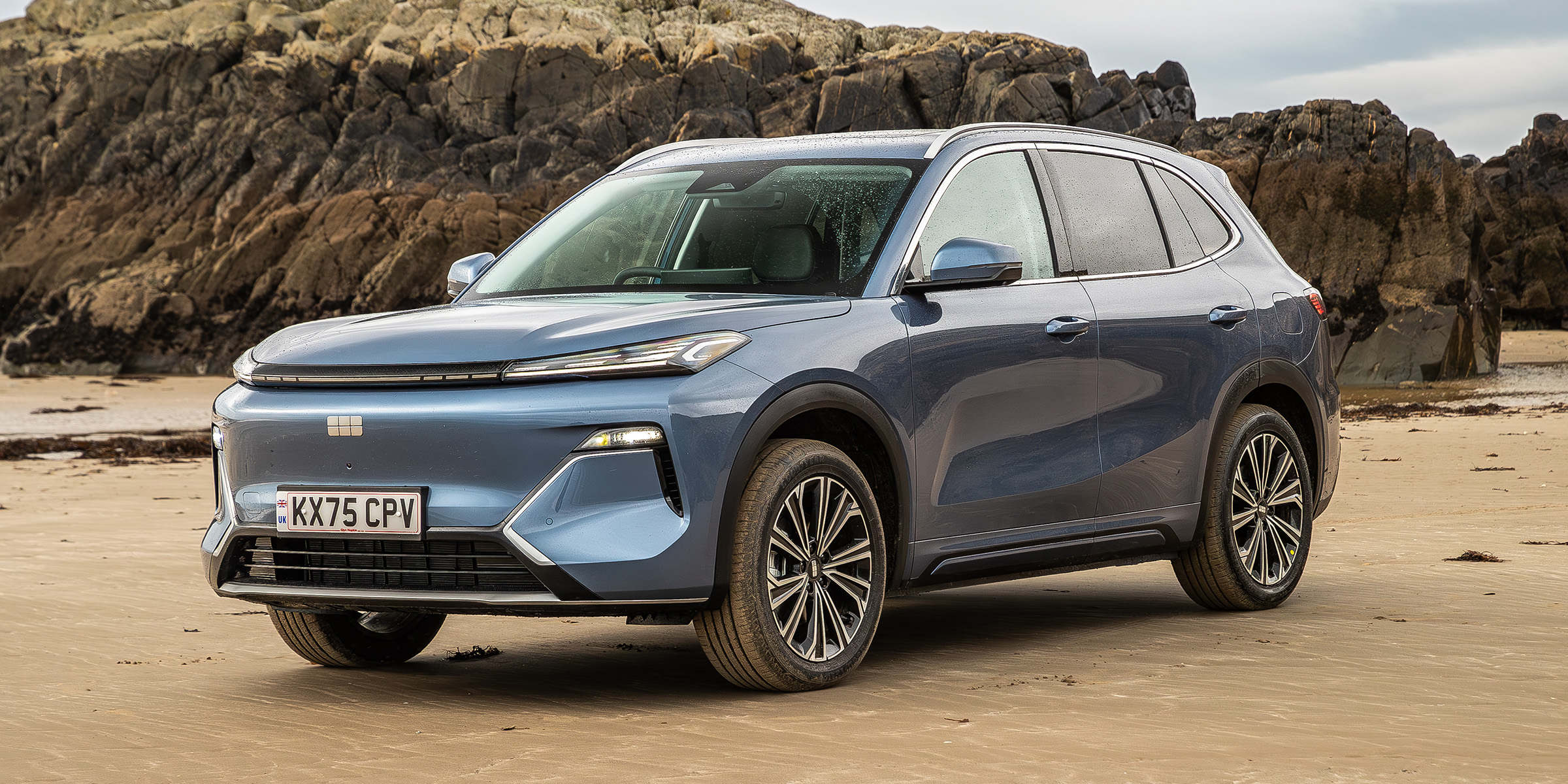
Eco rating

Independent economy and emissions ratings from Green NCAP

No eco rating

As of April 2026, the Geely Starray has not been assessed by Green NCAP.

The Green NCAP programme measures exhaust pollution (which is zero for an electric car) and energy efficiency. Electric cars are much more energy-efficient than combustion cars, so the Starray is likely to score very highly in Green NCAP testing if and when it takes place. Check back again soon.

Running cost rating

Clear Vehicle Data logo close crop

Monthly cost of ownership data provided exclusively for The Car Expert by Clear Vehicle Data

No data yet

As of April 2026, we don’t have independently verified data available for the Geely Starray. Check back again soon.

Reliability rating

MotorEasy logo 600x167

Reliability data provided exclusively for The Car Expert by MotorEasy

No reliability rating

As of April 2026, we don’t have enough reliability data on the Geely Starray to generate a reliability rating.

The Car Expert’s reliability information is provided exclusively to us using workshop and extended warranty data from our partner, MotorEasy, sourced from both official dealerships and independent workshops. 

As soon as MotorEasy has sufficient data on the Starray, we’ll publish the results here.

Warranty rating

New car warranty information for the Geely Starray

Overall ratingA91%
New car warranty duration6 years
New car warranty mileage100,000 miles
Battery warranty duration8 years
Battery warranty mileage125,000 miles

Geely’s new car warranty is better than average, and better than rival brands in a similar price bracket as the Starray.

The duration is six years, with a limit of 100,000 miles. In addition to the standard new car warranty, the Starray plug-in hybrid has an eight-year/100,000-mile warranty for the battery components.

Recalls

Official DVSA safety recalls that have been issued for the Geely Starray

As of April 2026, we are not aware of any DVSA vehicle safety recalls affecting the Geely Starray. However, recall information is updated regularly, so this may have changed.

You can check to see if your car has any outstanding recalls by visiting the DVLA website or contacting your local Geely dealer.

Similar cars

If you’re looking at a new or used Geely Starray, you might also be interested in these alternatives

Citroën C5 Aircross | Chery Tiggo 7 | Dacia Bigster | Ford Kuga | Honda ZR-V | Hyundai Tucson | Jeep Compass | KGM Korando | Kia Sportage | Mazda CX-5 | MG HS | Nissan Qashqai | Peugeot 3008 | Renault Austral | SEAT Ateca | Skoda Kamiq | Skoda Karoq | Subaru Crosstrek | Suzuki S-Cross | Toyota C-HR | Vauxhall Grandland | Volkswagen Tiguan

More information

More news, reviews and information about the Geely range at The Car Expert

Everything you need to know about Geely

Everything you need to know about Geely

The UK is becoming a battleground for Chinese car brands

The UK is becoming a battleground for Chinese car brands

Geely EX5

Geely EX5

Geely EX5 range expanded with new Ultra model

Geely EX5 range expanded with new Ultra model

Everything you need to know about Polestar

Everything you need to know about Polestar

New cars – what’s coming in 2026

New cars – what’s coming in 2026

Three more Chinese car brands coming to the UK this year

Three more Chinese car brands coming to the UK this year

China – the world’s new automotive superpower

China – the world’s new automotive superpower

Volvo and Lotus set to be sister brands

Volvo and Lotus set to be sister brands

Buy a Geely Starray

If you’re looking to buy a new or used Geely Starray, The Car Expert’s partners can help you find the right car.

Motors 600x300

Find your next used car with Motors. Find out more

Auto Trader logo 600x300

Find your next new or used car with Auto Trader. Find out more

Carwow logo 600x300

Find your next new or used car with Carwow. Find out more

Lease a Geely Starray

If you’re looking to lease a new Geely Starray, The Car Expert’s partners can help you find a competitive deal.

Leasing-com logo

Personal contract hire deals from Leasing.com. Find out more

Carwow logo 600x300

Personal contract hire deals from Carwow. Find out more

Select Car Leasing logo

Personal contract hire deals from Select Car Leasing. Find out more

Subscribe to a Geely Starray

If you’re interested in a car subscription, The Car Expert’s partners can help. (PS: What’s a car subscription?)
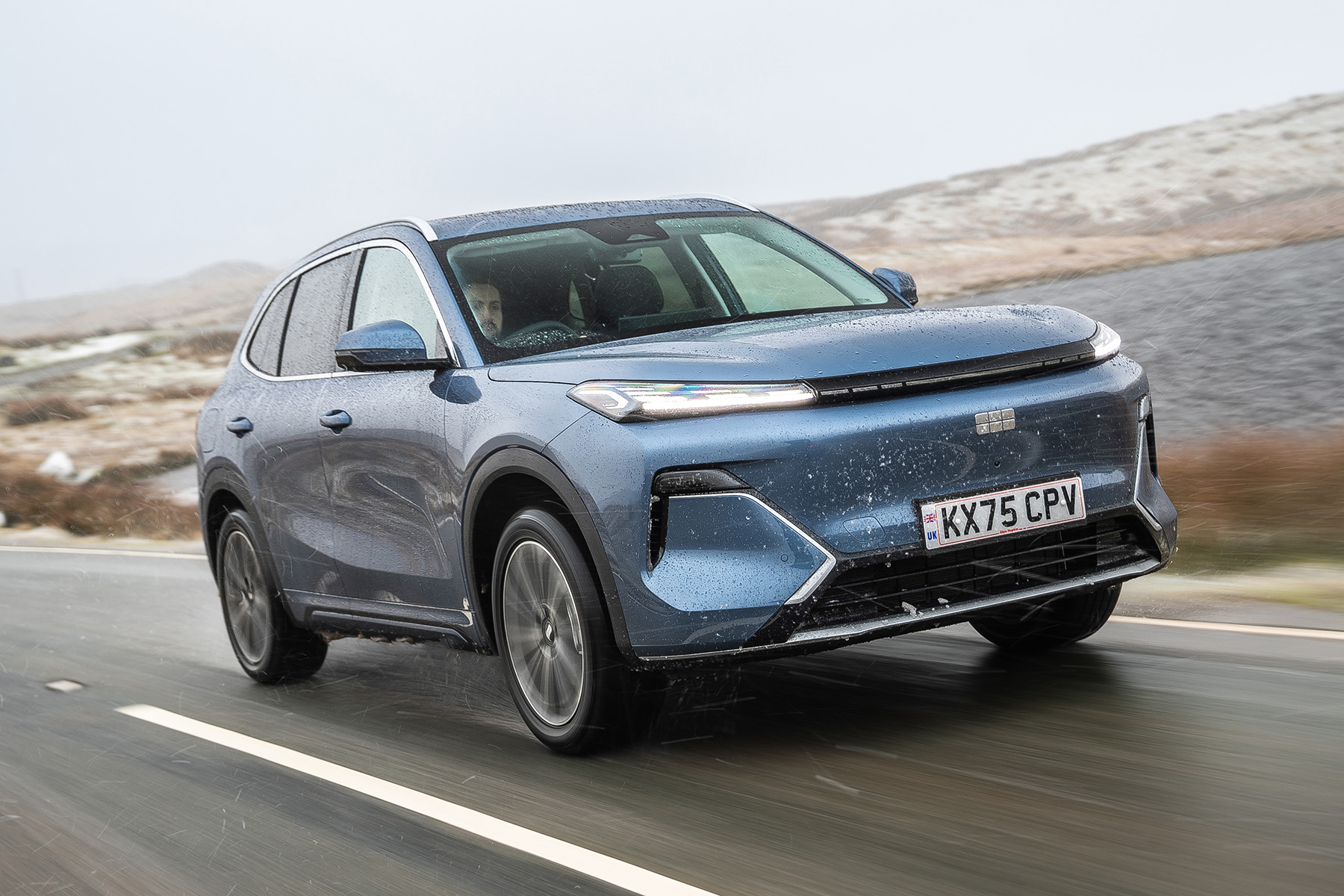
Cocoon Vehicles logo 600x300

Car subscriptions from Cocoon.
Find out more

Just Vehicle Solutions logo 600x300

Car subscriptions from Just Vehicle Solutions.
Find out more

Flexible Vehicle Contracts logo 600x300px

Car subscriptions from Flexible Vehicle Contracts.
Find out more

MG 4 Urban

Summary

The MG 4 Urban is a small all-electric hatchback and the cheapest option in MG’s battery-powered model line-up.

At the time of writing, the MG 4 Urban has only just arrived in the UK, with reviewers just beginning to publish their thoughts about the compact family car. The initial reception has been largely positive, Ellis Hyde of Auto Express even suggesting that the Urban makes its bigger brother, the MG 4, feel “a bit redundant – unless you really need its longer range.”

While they share a similar nameplate, the Urban is built on newer but less sophisticated front-wheel drive foundations, as opposed to the rear-wheel drive MG 4, in order to lower the hatchback’s price tag.

Car’s Luke Wilkinson argues that the Urban isn’t good enough to draw buyer attention away from the similarly-priced Renault 5 E-Tech, as it’s “nowhere near cool enough”, but “it might just be good enough (and cheap enough) to convince EV agnostics to make the switch.”

Nevertheless, Electrifying.com’s Vicky Parrott concludes that the Urban is hard to ignore due to its “space, range, safety and equipment at the price.” The MG has a bigger boot than its Renault counterparts, and comes with impressive full five-star Euro NCAP safety credentials.

As of May 2026, the MG 4 Urban holds a New Car Expert Rating of A, with a score of 79%. While its media review scores are rather average overall, this Expert Rating score is bolstered by solid safety credentials and low predicted running costs.

MG 4 Urban highlights

  • Unparalleled pricing that undercuts rivals
  • Roomier than its key rivals
  • Impressive safety credentials
  • Generous warranty

MG 4 Urban lowlights

  • Rather dull styling
  • No driving excitement to be found here
  • Headlights are controlled through the touchscreen
  • Rivals offer a longer battery range

Key specifications

Body style: Small hatchback
Engines:
electric, battery-powered
Price:
From £23,495

Launched: Spring 2026
Last updated: N/A
Replacement due: TBA

Media reviews

Highlighted reviews and road tests from across the UK automotive media. Click any of the boxes to view.

Featured reviews

More reviews

Auto Express

Auto Trader

Car

Electrifying.com

Honest John

Parkers

RAC

Top Gear

Safety rating

Independent crash test and safety ratings from Euro NCAP

Overall score: 5 stars
Date tested: February 2026
Read the full Euro NCAP review

Adult protection: 87%
Child protection: 85%
Vulnerable road users: 85%
Safety assist: 80%

Eco rating

Independent economy and emissions ratings from Green NCAP

No eco rating

As of May 2026, the MG 4 Urban has not been assessed by Green NCAP.

The Green NCAP programme measures exhaust pollution (which is zero for an electric car) and energy efficiency. Electric cars are much more energy-efficient than combustion cars, so the MG 4 Urban is likely to score very highly in Green NCAP testing if and when it takes place. Check back again soon.

Running cost rating

Clear Vehicle Data logo close crop

Monthly cost of ownership data provided exclusively for The Car Expert by Clear Vehicle Data

Battery rangeAverageScoreVariationScore
EV models237 milesC
Electrical efficiencyAverageScoreVariationScore
EV models4 m/KWhC
Insurance groupAverageScoreVariationScore
All models23B

The MG 4 Urban is a relatively affordable car to own and run, according to whole-life cost numbers provided exclusively to The Car Expert by our data partner, Clear Vehicle Data.

The car’s average battery range of 237 miles is competitive in the compact EV category, as its electrical efficiency of 4 m/KWh (the electric car equivalent of miles per gallon). The car’s insurance bracket is also cheaper than the market average.

We are yet to receive any data regarding the car’s predicted maintenance and servicing costs.

Reliability rating

MotorEasy logo 600x167

Reliability data provided exclusively for The Car Expert by MotorEasy

No reliability rating

As of May 2026, we don’t have enough reliability data on the MG 4 Urban to generate a reliability rating.

The Car Expert’s reliability information is provided exclusively to us using workshop and extended warranty data from our partner, MotorEasy, sourced from both official dealerships and independent workshops. 

As soon as MotorEasy has sufficient data on the MG 4 Urban, we’ll publish the results here.

Warranty rating

New car warranty information for the MG 4 Urban

Overall ratingA96%
New car warranty duration7 years
New car warranty mileage80,000 miles
Battery warranty duration8 years
Battery warranty mileage100,000 miles

MG’s new car warranty is one of the best in the new car market, and better than pretty much any rival brands in a similar price bracket to the MG 4 Urban.

The duration is seven years, with a limit of 80,000 miles. This is good news for both new and used car buyers, as it helps the residual value of the MG 4 Urban for new car buyers when they come to sell the car, and it gives near-new car buyers confidence that they are covered for years to come.

In addition to the overall new car warranty, battery components benefit from an additional eight-year/100,000-mile warranty. This is pretty much standard for all new EVs on sale in the UK, but is an extra reassurance that petrol and diesel cars don’t get.

If you’re looking to buy a used car that is approaching the end of its warranty period, a used car warranty is usually a worthwhile investment. Check out The Car Expert’s guide to the best used car warranty providers, which will probably be cheaper than a warranty sold by a dealer.

Recalls

Official DVSA safety recalls that have been issued for the MG 4 Urban

As of May 2026, we are not aware of any DVSA vehicle safety recalls affecting the MG 4 Urban. However, recall information is updated regularly, so this may have changed.

You can check to see if your car has any outstanding recalls by visiting the DVLA website or contacting your local MG dealer.

Similar cars

If you’re looking at a new or used MG 4 Urban, you might also be interested in these alternatives

BYD Dolphin | Citroën ë-C3 | Dacia SpringFiat 500e | Fiat Grande Panda ElectricGWM Ora 03 | Mini Cooper Electric | Peugeot e-208 | Renault 4 E-TechRenault 5 E-Tech | Vauxhall Corsa Electric

More information

More news, reviews and information about the MG 4 Urban at The Car Expert

Five of the safest small cars on sale in 2026

Five of the safest small cars on sale in 2026

Budget-end MG 4 Urban hatchback debuts

Budget-end MG 4 Urban hatchback debuts

Buy a MG 4 Urban

If you’re looking to buy a new or used MG 4 Urban, The Car Expert’s partners can help you find the right car.

Auto Trader logo 600x300

Find your next new or used car with Auto Trader. Find out more

Carwow logo 600x300

Find your next new or used car with Carwow. Find out more

Lease a MG 4 Urban

If you’re looking to lease a new MG 4 Urban, The Car Expert’s partners can help you find a competitive deal.

Leasing-com logo

Personal contract hire deals from Leasing.com. Find out more

Carwow logo 600x300

Personal contract hire deals from Carwow. Find out more

Select Car Leasing logo

Personal contract hire deals from Select Car Leasing. Find out more

Subscribe to a MG 4 Urban

Subscriptions are becoming a very popular way for consumers to try an electric car for a few weeks or months to help decide whether it’s a suitable alternative to a petrol car. If you’re interested in a car subscription, The Car Expert’s partners can help. (PS: What’s a car subscription?)

Cocoon Vehicles logo 600x300

Car subscriptions from Cocoon.
Find out more

Just Vehicle Solutions logo 600x300

Car subscriptions from Just Vehicle Solutions.
Find out more

Flexible Vehicle Contracts logo 600x300px

Car subscriptions from Flexible Vehicle Contracts.
Find out more

Pricing announced for Cupra Raval hatchback

0

Cupra has revealed the UK pricing about its long-awaited Raval, a small electric hatchback that will sit at the entry point of the brand’s EV line-up.

The model is due to arrive in the UK this summer and is based on the Volkswagen Group’s new ‘MEB+’ foundations, which will underpin a range of upcoming small electric cars including the Volkswagen ID. Polo and Skoda Epiq.

Trims and battery options

A compact city car that is set to rival the likes of the BYD Dolphin Surf and Fiat 500 Electric, the Raval will be offered with a choice four different trim levels, with specific powertrains locked to each trim grade.

  • Entry-level ‘Origin‘ – 37kWh battery producing 115hp
  • Mid-range ‘V1‘ and ‘V2‘ – available with either a 37kWh battery producing 135hp, or a 52kWh battery producing 210hp
  • Range-topping ‘VZ‘ 52kWh battery only, with 225PS

Cupra quotes a battery range of around 280 miles for the 52kWh versions, while the ‘VZ’ performance model has a slightly lower range of around 250 miles. Rapid charging from 10% to 80% is claimed to take around 23 minutes.

In addition to the added power, the ‘VZ’ adds features aimed at improving handling, including an electronic limited-slip differential and ‘Dynamic Chassis Control’ tech. These features are typically found on larger or more performance-focused models, rather than small electric hatchbacks.

Interior and technology

Inside, the Raval features a digital dashboard layout with a ten-inch digital instrument cluster behind the steering wheel and a 13-inch central infotainment screen.

The steering wheel includes physical controls, along with buttons for driving modes and regenerative braking settings.

Pricing and availability

UK pricing for the new electric hatchback starting from under £24k for the entry-level ‘Origin’ model.

At the other end of the range, the ‘VZ Extreme’ tops the line-up at over £36k, meaning there’s a price gap of over £12k between the cheapest and most expensive versions. Switching from the smaller 37kWh battery to the larger 52kWh version typically adds around £3k, bringing increased range and a boost in performance.

The Raval isn’t available to order in the UK just yet – order books are expected to open this Summer.

Nissan Leaf

Summary

The third-generation Nissan Leaf is a compact all-electric family car that is set to arrive in the UK later this year. It replaces the electric Leaf hatchback that was removed from sale in 2024.

Set to challenge the sales of compact family-friendly EVs like the Kia EV3 and Volkswagen ID.3, the new Leaf is a very important high-sales model for Nissan. It is now in production at the brand’s factory in Sunderland, the manufacturer hoping that the crossover will soon become “a British-built electric car icon.”

The Car team notes that the latest iteration of the Leaf is a “complete departure from its predecessor, but in a good way”, describing the SUV/crossover as “sensible, practical and polished.”

The independent’s Steve Fowler adds that the car’s driving experience is “nicely judged” and “comfortable”. He adds that, while the car’s cabin design is a bit “dull” and the “charging speeds aren’t cutting edge”, the EV’s battery range and on-board tech more than make up for that, particularly when you consider the car’s “attractive pricing”.

Carwow’s Mario Christou largely agrees, concluding that the Nissan is a “stylish and excellent-to-drive little electric SUV”, but adds that the rear seating and boot could be more spacious, when compared to rivals in the same category.

As of April 2026, the Nissan Leaf holds a New Car Expert Rating of A, with a score of 70%.

Leaf highlights

  • Comfortable and refined on the road
  • Competitive battery range
  • Intuitive on-board tech

Leaf lowlights

  • Alternatives offer more cabin and boot space
  • Not very exciting
  • Some rivals can charge at higher speeds
The Car Expert Best of British horizontal banner

Key specifications

Body style: Small SUV/crossover
Engines:
electric, battery-powered
Price:
From £32,249 (with £3,750 EV grant included)

Launched: Autumn/Winter 2025
Last updated: N/A
Replacement due: TBA

Media reviews

Highlighted reviews and road tests from across the UK automotive media. Click any of the boxes to view.

Featured reviews

More reviews

Auto Trader

Car

Electrifying.com

Green Car Guide

Heycar

Parkers

RAC

The Independent

Top Gear

Safety rating

Independent crash test and safety ratings from Euro NCAP

No safety rating

As of April 2026, the third-generation Nissan Leaf has not been assessed by Euro NCAP.

Eco rating

Independent economy and emissions ratings from Green NCAP

No eco rating

As of April 2026, the Nissan Leaf has not been assessed by Green NCAP.

The Green NCAP programme measures exhaust pollution (which is zero for an electric car) and energy efficiency. Electric cars are much more energy-efficient than combustion cars, so the Leaf is likely to score very highly in Green NCAP testing if and when it takes place. Check back again soon.

Running cost rating

Clear Vehicle Data logo close crop

Monthly cost of ownership data provided exclusively for The Car Expert by Clear Vehicle Data

Battery rangeAverageScoreVariationScore
EV models329 milesA
Electrical efficiencyAverageScoreVariationScore
EV models5.2 m/KWhA

The Nissan Leaf is a relatively affordable car to own and run, according to whole-life cost numbers provided exclusively to The Car Expert by our data partner, Clear Vehicle Data.

We don’t have the full running cost picture for the new Leaf just yet, but the EV’s average battery range of 329 miles is competitive in the mid-sized SUV category, and its electrical efficiency (the electric car equivalent of miles per gallon) is excellent.

Reliability rating

MotorEasy logo 600x167

Reliability data provided exclusively for The Car Expert by MotorEasy

No reliability rating

As of April 2026, we don’t have enough reliability data on the Nissan Leaf to generate a reliability rating.

The Car Expert’s reliability information is provided exclusively to us using workshop and extended warranty data from our partner, MotorEasy, sourced from both official dealerships and independent workshops. 

As soon as MotorEasy has sufficient data on the Leaf, we’ll publish the results here.

Warranty rating

New car warranty information for the Nissan Leaf

Overall ratingC50%
New car warranty duration3 years
New car warranty mileage60,000 miles
Battery warranty duration8 years
Battery warranty mileage100,000 miles

Nissan’s new car warranty is lower than average, and worse than rival brands in a similar price bracket as the Leaf.

The duration is three years, with a limit of 60,000 miles, which is pretty basic cover. In addition to the standard new car warranty, there’s an eight-year/100,000-mile warranty for the battery components.

If you’re looking to buy any used car that is approaching the end of its warranty period, a used car warranty is usually a worthwhile investment. Check out The Car Expert’s guide to the best used car warranty providers, which will probably be cheaper than a warranty sold by a dealer.

Recalls

Official DVSA safety recalls that have been issued for the Nissan Leaf

As of April 2026, we are not aware of any DVSA vehicle safety recalls affecting the Nissan Leaf. However, this information is updated very regularly so this may have changed.

You can check to see if your car has any outstanding recalls by visiting the DVLA website or contacting your local Nissan dealer.

Awards

Significant UK trophies and awards that the Nissan Leaf has received.

2026

  • Women’s Worldwide Car of the Year Awards – Car of the Year

2025

  • News UK Motor Awards – The Sun Car of the Year

Similar cars

If you’re looking at the Nissan Leaf, you might also be interested in these alternatives.

Alfa Romeo Junior Elettrica | BMW iX1 | BYD Atto 2 | Citroën ë-C3 AircrossCupra Born | DS 3 E-Tense | Fiat 600e | Ford Puma Gen-E | Honda e:Ny1 | Hyundai Kona Electric Jeep Avenger | Kia EV3 | Mazda MX-30 | Mercedes-Benz EQA MG ZS EV | Omoda E5 | Peugeot e-2008 | Renault Mégane E-Tech | Smart #1 | Suzuki e VitaraToyota Urban Cruiser | Vauxhall Mokka Electric | Volkswagen ID.3 | Volkswagen ID.4 | Volvo EX30

More news, reviews and information about the Nissan Leaf at The Car Expert

Electric car grant – all the EVs with discounts in 2026

Electric car grant – all the EVs with discounts in 2026

Nissan Leaf (2018 to 2024)

Nissan Leaf (2018 to 2024)

Britain’s best-selling cars, April 2020

Britain’s best-selling cars, April 2020

New Nissan Leaf crossover debuts

New Nissan Leaf crossover debuts

The best used family cars for every budget in 2025

The best used family cars for every budget in 2025

New Nissan Leaf and Micra unveiled

New Nissan Leaf and Micra unveiled

The ten safest new cars for 2019

The ten safest new cars for 2019

Nissan subscription programme launches in UK

Nissan subscription programme launches in UK

Nissan launches cheaper Leaf Shiro trim

Nissan launches cheaper Leaf Shiro trim

The UK’s best-selling electric cars of 2022

The UK’s best-selling electric cars of 2022

The best new electric cars for every budget 2022

The best new electric cars for every budget 2022

The ten best-selling electric cars of 2021

The ten best-selling electric cars of 2021

Buy a Nissan Leaf

If you’re looking to buy a new or used Nissan Leaf, The Car Expert’s partners can help you find the right car.

Motors 600x300

Find your next used car with Motors. Find out more

Auto Trader logo 600x300

Find your next new or used car with Auto Trader. Find out more

Carwow logo 600x300

Find your next new or used car with Carwow. Find out more

Lease a Nissan Leaf

If you’re looking to lease a new Nissan Leaf, The Car Expert’s partners can help you find a competitive deal.

Leasing-com logo

Personal contract hire deals from Leasing.com. Find out more

Carwow logo 600x300

Personal contract hire deals from Carwow. Find out more

Select Car Leasing logo

Personal contract hire deals from Select Car Leasing. Find out more

Subscribe to a Nissan Leaf

Subscriptions are becoming a very popular way for consumers to try an electric car for a few weeks or months to help decide whether it’s a suitable alternative to a petrol car. If you’re interested in a car subscription, The Car Expert’s partners can help. (PS: What’s a car subscription?)

Cocoon Vehicles logo 600x300

Car subscriptions from Cocoon.
Find out more

Just Vehicle Solutions logo 600x300

Car subscriptions from Just Vehicle Solutions.
Find out more

Flexible Vehicle Contracts logo 600x300px

Car subscriptions from Flexible Vehicle Contracts.
Find out more

The best websites for selling your car

Selling your car used to be a pain. You could take it to a dealer who would be most interested in you trading it in against one of their cars for sale. They would offer as low a price as possible to ensure they could turn a good profit when they put the car on their forecourt.

You could advertise it in the local paper or a sales weekly such as Exchange & Mart. That meant steeling yourself for time-wasting phone calls from buyers trying to knock you down to a ridiculously low price. Or you could park the car outside your house with a ‘For Sale’ notice in the windscreen and hope for a buyer to magically appear.

Thankfully, the internet has changed all that. Today there are a host of ways to sell your car online, all of which market it to a much wider audience than the traditional methods ever could. The best-known of these is We Buy Any Car, which has been around for many years, but today there are plenty of excellent alternatives that could offer you more money or more convenience – or both.

The various online options also allow you to be as involved with the sale as you wish. If you’re up for the challenge, you can deal directly with buyers and manage everything yourself. If you have better things to do with your time, you can now simply spend a few minutes entering your car’s details on a website, then accept a payment from a specialist car buying firm and have them collect the car from your home.

So among all these sites, which are the best? Well, that depends on what you want to achieve. Let’s look at the choices – it’s a round-up rather than a ranking, so we’ve included nine sites we think are worth looking at.

Selling your car to a car buying service

Specialist car buying services have become very popular in recent years. They make selling your car simple and convenient, which is great for getting rid of it quickly and easily. They’re also great if you don’t like the idea of haggling over the price of your pride and joy, or you’re worried about strangers coming to your house.

Using an online offer site may not get you as much money as selling the car yourself directly to the end buyer, whether online or in person. Just as with trading the car in at a dealer, any business putting in an online offer needs to make a profit by selling the car on to someone else. What you do get from any of them are reassurance and security – the money you get won’t be laundered or counterfeit, and you won’t have strangers showing up to your house to take your car for a drive.

Selling your car via a traditional ad

If you’re comfortable with the business of haggling over a price, you may do better by selling your car directly to a buyer through an ad site like Auto Trader or Gumtree. But beware – when you do this you must follow the golden rules about selling a used car to ensure you don’t end up getting ripped off, or worse.

Chief among these is the payment – many sites merely bring you and the seller together and leave it to the pair of you to sort out the actual sale and payment.

Private sellers may be wary of handing their bank details to buyers, but you should be even more wary about accepting cash. Most car dealers stopped accepting cash payments years ago, so private sellers have now become a prime target for money launderers. Have a look at our feature to ensure you don’t get left with no car and a load of useless fake money

So, let’s look through some of the best websites for selling your car.

The best websites for selling your car in 2026

Motorway*

The Car Expert's best sites in the UK for selling your car - Motorway

URL: motorway.co.uk

Motorway is one of the most effective and quickest ways to sell your car to a dealer, and has become one of the most popular alternatives to Webuyanycar. You simply enter the car’s registration and mileage and your contact details, and press the button. Motorway then gathers offers from its network of participating dealerships before coming back to you with the best offer for your vehicle.

Assuming you’re happy, the winning dealer will usually collect your car from your home or ask you to take it to a local collection point. Once the car is handed over, the money is transferred into your bank account on the same day.

Motorway works out offers based on your location, and works with many of the major car-buying sites now on the internet. It also includes scrap merchants and recyclers for those wanting to dispose of a non-runner, so it doesn’t matter if your car is worth £100 or £100,000.

Remember that any offer on an online site are subject to seeing the car in the metal, so bear that in mind when looking at the prices being offered. Motorway surveys all owners who sell through the site to find out what they were finally paid for their car, and also collects final selling prices from the dealerships it works with. This data is then used to make the valuations of cars entered into the site more accurate.

Carwow*

Carwow selling page 2023 1200x800

URL: carwow.co.uk/sell-my-car

Carwow is better known for helping you to buy a new car from a dealership at a discount, but these days it’s just as keen to buy your current car as it is to sell you a new one. The company has built a reputation for helping customers get the best price on a new car from multiple dealers who bid for your business, and now it’s applying the same principle for getting dealers to bid for your car.

The process works in a very similar way to Motorway, where you enter all your car’s details online and it’s then offered up to Carwow’s network of used car dealers to make you an offer. You then pick the best offer and the dealer will arrange to collect your car (and pay you for it, obviously). Once again, the final price you receive depends on how accurately and honestly you’ve described your car.

Auto Trader*

URL: autotrader.co.uk

Once known as the magazine everyone bought when looking for a used car, Auto Trader is now an online-only service. However, it’s one that is still very widely used. Anyone looking for a used car online will generally check Auto Trader first, while scanning the site is a daily task for used car managers at dealerships. So use this site and you are putting your car in front of a potentially big audience.

But Auto Trader has now moved beyond just classified ads, and now offers a car buying service similar to Motorway/Carwow/We Buy Any Car. For private sellers, this is quickly becoming a more popular option than a traditional classified advert. The valuation feature asks lots of questions about your car’s condition, which we found produced the highest value of all the sites we checked on a couple of different vehicles and was similar to its main rivals for a couple of other cars.

If you prefer the traditional stye of classified ads, then Auto Trader is still the biggest and best-known. Like most classifieds sites, it leaves the mechanics of the sale – such as viewing and payment – for you to sort with the buyer. However the site does offer comprehensive advice to help you, with lots of information on preparing your car, creating your advert, taking payment and avoiding scammers.

There are four levels of fees for putting your car on the site, from a basic ad for two weeks at £37 up to an ‘Ultimate’ level at £75 that keeps the car on the site until it’s sold, and allows you to include 20 photos and even a video of your car.

Exchange My Car*

Exchange My Car mock-up 2024

URL: exchangemycar.co.uk

As with the sites above, Exchange My Car can pull together an offer for your car in no time at all. All you need is your registration number and current mileage (and obviously your contact details) to get started.

The best bids from dealers are collated and presented to you – however, like all the other sites listed here, you’ll need to provide more information about the car’s condition, service history and any modifications to firm up the final offer price.

Once you’ve accepted an offer, the company will then arrange for your car to be collected from your driveway, so you don’t even have to leave the house, and you will receive the money via instant bank transfer.

As usual, the final price you receive is subject to the inspector seeing your car in the metal. But if you’ve described it accurately, you should be fine.

We Buy Any Car*

URL: webuyanycar.com

We Buy Any Car (styled by the company as Webuyanycar) is the UK’s best-known online car buying site, mainly due to its extensive radio and TV advertising. Like Motorway, you enter your car’s registration and mileage into the site to start the ball rolling. You are also asked for the number of previous owners and whether the car has a full service history, which are factored into the offer price.

As well as being the best-known service, We Buy Any Car has been operating the longest. It has long had a reputation for its assessors chipping buyers down on price, knocking hundreds of pounds off the online valuation for minor cosmetic issues. However, the company has had to up its game in recent years as more and more rivals have arrived in the market.

There is no free car collection service, so you have to take it to the company’s nearest outlet. They say this is usually no more than about 15 minutes away but it can sometimes be a fair bit more than, that so it’s worth checking. The final price offered is subject to a personal inspection once you get to the outlet, so also bear that in mind and be prepared for attempts to beat you down on the original offer.

We Buy Any Car also charges a transaction fee on almost every sale (unless your car’s worth less than £100). This ranges from £50, for cars valued between £100 and £3,999, to £75 for cars valued at £5,000 or more (which will be most cars). You get your money within four working days, unless you are willing to pay yet another fee. This costs £25 for next working day, or £30 for payment within 30 minutes of dropping off the car.  

All these little things can add up to a fair chunk of money, especially if you have to make arrangements to get home again once you’ve handed over your car. If your car isn’t worth that much to begin with, or is looking a bit battered, you might not have much money left by the time you get home.

eBay Motors

URL: ebay.co.uk/motors

Unless you’ve been living under a rock for the last 25 years, you’re probably familiar with eBay. The vehicle section, eBay Motors, works much the same way as the rest of the site for selling your stuff – you post details of your car with a picture and then set an auction over a length of time you choose. You can set a starting bid price and reserve price if you wish, or you can set a ‘buy it now’ price which allows a buyer to secure the car immediately.

eBay takes care of one major headache – payment – so you know you’ll get the money before you release the car. But, like other classified sites, arranging viewing and collection is between you and the buyer. There’s also a fee to pay – a minimum of £15 to list the car (with extras such as Buy it Now increasing the fee) and then a ‘final value fee’ of 1% of the price paid, up to a maximum of £45.

While online selling takes some risk as to who you are really dealing with, eBay does give you some means of checking through its feedback ratings – a high feedback score suggests your buyer is a safe bet. If you sell through eBay, you should ensure you leave feedback on your buyer and encourage them to post feedback on you – it will help the next time you come to sell.   

Gumtree

URL: gumtree.com

When it comes to general classified sites, it might seem obvious to go straight to eBay. But Gumtree has a major advantage over its better-known big brother (Gumtree is owned by eBay) – its ads are free to private sellers. Fees are only payable if you boost your ad with extra features. For lower-priced cars, which is the majority of cars sold on Gumtree, that can be a significant advantage.

Creating your ad is simple. Entering your registration brings up the vehicle’s key details, while the site offers advice on putting the rest of your ad together. This includes tips on adding photos and such, as well as a video guide on preparing your car for sale. There’s also specialist advice on selling a van, motorcycle or caravan.   

Gumtree also has a deal with vehicle data specialist HPI Check – every car on the site is provided with a basic vehicle history check and, if it passes, a note appears next to the ad confirming the car has not been reported stolen, written off, scrapped or exported.

There is one potential disadvantage compared to eBay – Gumtree has no online payment facility. It merely brings buyers and sellers together in similar fashion to the likes of Auto Trader. So if you find a buyer for your car, you then have to conduct all the negotiation and money changing directly with them.

Facebook Marketplace

URL: facebook.com/marketplace/vehicles

While Facebook is a very familiar part of every day for so many people, chances are that far fewer regard the social media site as a place to sell your car. However the Marketplace section, launched in 2016, is steadily growing in popularity.

It’s particularly popular with those trying to offload cars at the cheaper end of the market and who don’t want to spend money doing so – Marketplace listings are free. It works like any other classified ad site – you simply click on Marketplace in your newsfeed and open the selling section. There, you can choose a vehicle-specific button and enter details of your car, including photos.

Once uploaded, your car can be seen by any Facebook user who looks on Marketplace. Potential buyers can narrow down their search to types of car, mileage and location, helping to guide likely buyers to your ad.

All sale negotiations are between buyer and seller – Facebook simply makes your ad visible. If things go wrong, you have no comeback against the site. However as the buyer will be another Facebook user, you can at least have a look at their profile and get a feel for the kind of person you are dealing with. 

Car Converter/Car TakeBack

These are two sites where you can go if you have a car you simply want rid of. They specialise in buying cars that are either significantly damaged or fit only for the scrap yard. As a result, they’ll make offers when many other car buying sites won’t.

Prices are generally competitive for this end of the market. You won’t get much money for your car, but you’re likely to get a better price here than from your local scrap merchant. Both firms also collect cars right across the UK – so if your car is damaged or an MOT failure, you won’t even have to drive it to the scrapyard… 

Additional reporting by Stuart Masson and Tom Johnston. Originally published in May 2022, last updated April 2026.

*Auto Trader, Carwow, Exchange My Car, Motorway and We Buy Any Car are commercial partners of The Car Expert. If you click on one of the links above and end up selling your car via their platforms, we may receive a commission. This does not affect the price you receive for the car.

Jaecoo 5 range bolstered by new hybrid model

0

Jaecoo has expanded its UK line-up with the introduction of a new petrol-electric hybrid version of its smaller 5 SUV, adding a third powertrain option alongside the existing petrol and electric models.

The new Jaecoo 5 ‘SHS-H’ uses a petrol-electric hybrid system, combining a 1.5-litre turbocharged engine with an electric motor and a small 2kWh battery. Unlike a plug-in hybrid, you can’t plug it in and charge it, instead relying on regenerative braking and the petrol engine to maintain charge.

Total system output is quoted at 221hp, with a claimed 0–62mph time of 7.9 seconds. Jaecoo also quotes a total driving range of more than 650 miles and fuel economy of up to 53mpg.

Where it fits in the range

The ‘SHS-H’ sits alongside the standard petrol and fully electric Jaecoo 5 models, giving buyers a wider choice of powertrains without changing the overall design or layout of the car. It remains a front-wheel-drive model and uses the same foundations, exterior looks and interior design as the existing versions.

Trim specs

As with the rest of the Jaecoo 5 range, the hybrid will be offered in two trims:

  • ‘Pure’ – includes a 13-inch touchscreen, Sony audio system, wireless Apple CarPlay and Android Auto, and a suite of driver assistance features
  • ‘Luxury’ – adds features such as a panoramic sunroof, dual-zone climate control, upgraded audio system, ambient lighting, and heated and ventilated front seats

Pricing and availability

The Jaecoo 5 SHS-H is priced from just over £26k for the ‘Pure’ trim and close to £30k for the ‘Luxury’ model. It will be available to order through Jaecoo’s UK dealer network, with first customer deliveries expected in the second half of 2026.

BMW 7 Series gets major Neue Klasse update

BMW has revealed the updated 7 Series, which will make its premiere at this week’s Beijing motor show, describing it as the most extensive model update the BMW Group has ever carried out.

The updated flagship saloon introduces a range of technologies from BMW’s Neue Klasse programme into the existing model range, although it’s not a complete clean-sheet design like the new i3 and iX3 models.

Three all-electric i7 variants will launch in the UK from September, with two plug-in hybrid models following in November. Pricing has not yet been announced.

Electric range and powertrain

The updated i7 range will consist of three variants at launch. The i7 50 xDrive produces 455hp and claims up to 452 miles of driving range – an increase of around 73 miles over the outgoing rear-wheel-drive model, achieved through a new battery cell design. The i7 60 xDrive produces 544hp and claims up to 451 miles. The range-topping i7 M70 xDrive produces 680hp and 1,015Nm of torque, with 0-62mph in 3.8 seconds and up to 426 miles of claimed range.

All three electric models support charging at up to 250kW at a suitable public fast charger, taking the battery from 10% to 80% in about half an hour. On a home wallbox at 22kW, a full charge takes around six hours – most homes only have 7kW wallboxes, so expect a full charge to be an overnight job.

The two plug-in hybrid variants – the 750e xDrive and M760e xDrive – will arrive in November. Both use an updated petrol engine paired with an electric motor producing 197hp, drawing from a 19kWh battery with up to 50 miles of claimed electric range. The 750e produces a combined 489hp; the M760e produces 612hp.

Design and interior

The exterior update introduces BMW’s Neue Klasse design language to the 7 Series, with a revised kidney grille in slimmer, more vertical proportions, new slim LED daytime running lights and redesigned tail lights spanning the full width of the rear. The changes are evolutionary rather than revolutionary – the 7 Series remains recognisably itself.

Inside, the update is more significant. BMW Panoramic iDrive – the display and operating system introduced on the new iX3 – arrives in the 7 Series for the first time, bringing a full-width Panoramic Vision display at the base of the windscreen and an 18-inch central touchscreen. A new 15-inch passenger screen is fitted as standard across the range – a first for BMW – giving the front passenger their own dedicated display for entertainment and video calls.

The optional Theatre Screen gains an upgrade to 8K resolution with Dolby Atmos audio and, for the first time, an integrated camera for video conferencing. Audio is handled by a Bowers & Wilkins surround sound system; an upgraded Diamond system with up to 35 speakers is available as an option.

Personalisation options are extensive. BMW Individual offers over 500 exterior colour combinations, including a new Dual-Finish paint option that pairs a matt lower body with a hand-applied metallic upper section – a process that takes more than 75 hours per vehicle.

First look: Impressions from an exclusive sneak preview

BMW invited a small number of UK journalists to a static preview of the updated 7 Series in Munich ahead of its official world premiere in Beijing – so these impressions are based on seeing and sitting in the car rather than driving it.

The exterior changes are subtle but better resolved than the rather awkward original version of the car launched nearly four years ago, and take in elements of the new Neue Klasse design language seen on the iX3 and i3 models. The revised kidney grille remains huge, but it sits a little more comfortably within the overall design than it did on the outgoing model. It’s still a very square car and certainly not subtle, but BMW hasn’t done design subtlety for more than 25 years now…

The interior is where the improvements are most noticeable, and most valuable to potential customers. The previous 7 Series already had one of the best cabins in the luxury saloon class, and the updated model takes it a step further. The materials, the detailing and the overall sense of quality feel genuinely exceptional – not just competitive with the best in class but ahead of it. The Panoramic iDrive system, familiar from the new iX3, is well integrated here, and the addition of the standard passenger screen gives the front cabin a notably more sophisticated feel than before. There’s a lot going on across the dashboard, and again it’s not subtle, but it works logically.

The engineering changes beneath the surface – updated air suspension, revised steering, new battery technology – are more substantial than the relatively restrained styling updates might suggest. On the basis of this preview, the updated 7 Series looks like a significant step forward rather than a cosmetic refresh.

Chery Tiggo 4 hybrid review – first UK drive

0

Make and model: Chery Tiggo 4 CSH
Description: Small SUV, petrol-electric hybrid
Price range: £19,995 to £21,995

Summary: The Chery Tiggo 4 is a hybrid SUV with twin screens, seven-year warranty and full safety tech from under £20,000 – probably the best value new car on sale in the UK right now.

For a broader ownership picture, see our Chery Tiggo 4 Expert Rating, which combines media reviews, safety data, reliability, running costs and warranty cover.


Chery Tiggo 4 hybrid review 2026 – first drive | The Car Expert

The Chery Tiggo 4 arrives as the smallest model in the burgeoning brand’s UK range – a compact hybrid SUV that sits below the Tiggos 7, 8 and 9 in the line-up, and well below them on price. At £19,995 for the entry-level Aspire and £21,995 for the top-spec Summit, it costs roughly the same as a petrol manual Vauxhall Corsa – but offers considerably more car.

That comparison sounds like marketing copy, but it’s fair. The Tiggo 4 is a five-seat SUV with dual 12-inch screens, a proper hybrid powertrain (not a mild hybrid), automatic transmission, seven-year warranty and a comprehensive safety technology suite as standard. It’s probably the best value new car on sale in the UK right now.

Price and equipment

The entry-level Aspire at £19,995 is well equipped for the money. Standard kit includes the dual-screen display, wireless Apple CarPlay and Android Auto, dual-zone climate control, keyless entry, a rear-view camera, rear parking sensors, heated mirrors and a full suite of driver assistance technology. Fabric seats and a four-speaker audio system come as standard at this level.

The Summit at £21,995 adds faux-leather upholstery, a heated steering wheel, heated front seats, a 360-degree camera, front parking sensors, electrically adjustable driver’s seat, wireless charging and privacy glass. It’s a meaningful step up and represents the better value of the two given the relatively small price gap – though the Aspire is far from stripped out.

One colour – Arctic White – is included in the base price. The five remaining colours cost an additional £500 each.

Inside the car

The cabin is a typical 2020s layout – a central touchscreen handles most functions, with the driver’s display screen sitting in a conventional position behind the steering wheel. After spending time in a Peugeot E-3008 with its unusual elevated instrument panel, the Tiggo 4’s conventional arrangement was a welcome relief.

The dual-screen setup looks smart and the screens are large and clear, though as with many Chinese manufacturers, the driver’s display shows too much information in a relatively small space. It would benefit from a simpler, cleaner layout.

Air conditioning controls are handled through a separate haptic panel rather than the main touchscreen, which is the right idea – keeping climate controls accessible without diving through menus – though proper buttons would be preferable.

The seats are comfortable enough for everyday use and rear space is reasonable for a car of this size – the Tiggo 4 measures 4.3 metres long, which is compact but not cramped. The boot offers 430 litres with the seats up, which is a decent result for the class. One note of caution: the cabin has a slightly boomy, tinny quality to it, but it’s no worse than most competitors at this price and better than many.

On the road

The hybrid powertrain combines a 1.5-litre petrol engine with a small electric motor and a 2kWh battery. In Chery-speak, this is called CSH, for Chery Super Hybrid. The system produces a combined 204hp between the petrol engine and electric motor, although it doesn’t feel like it when you put your foot down. Around town, where the electric motor can assist at low speeds, the car feels responsive and easy to drive. But on open roads and hills, where the petrol engine carries more of the load, the performance is less convincing.

For the vast majority of buyers who will use this primarily as an urban or suburban commuter car, that’s unlikely to be a problem in practice. The hybrid system handles itself unobtrusively, the automatic transmission shifts smoothly, and the overall experience is more refined than the price would suggest.

The 0-62mph time of nine seconds is perfectly adequate for everyday driving, and the official fuel economy figure of around 53mpg seems to be realistic. CO2 emissions of 120g/km keep it out of the higher company car tax bands.

The driver assistance warnings are intrusive. Lane-keeping, speed limit alerts and forward collision warnings all announce themselves frequently in ways that quickly become irritating. This is a common trait among many new cars, especially from Chinese brands, so the Tiggo 4 has plenty of company in this respect. It doesn’t undermine the car, but it’s worth knowing before you buy. Hopefully a future over-the-air update will improve this.

There were no particular highlights and no particular lowlights from the driving experience – and in this class, at this price, that’s actually a compliment. You don’t feel like you’re driving a budget car, and the Tiggo 4 does everything it needs to do without drawing attention to itself.

Ownership

The Chery Tiggo 4 has not yet been assessed by Euro NCAP, and we don’t want to pre-judge the results. Chery’s previous UK models have achieved five-star ratings, and the Tiggo 4’s comprehensive standard safety equipment should put it in reasonable standing when testing takes place.

The seven-year/100,000-mile new car warranty is one of the strongest offers available at any price, and the battery is covered for eight years or 100,000 miles. At under £20,000, this level of warranty cover is class-leading.

For a full ownership picture, including safety data and running costs as they become available, check out our Chery Tiggo 4 Expert Rating.

Verdict

The Chery Tiggo 4 is not a car that does anything amazingly well. The driving experience is adequate rather than engaging, the cabin has a few rough edges, and the driver assistance warnings need improving. But none of that matters much at £19,995.

For the money, this is a genuinely compelling offer – a five-seat hybrid SUV with a long warranty, full safety technology suite, two large screens and automatic transmission, at a price that most competitors can’t match with a smaller, less well-equipped car. Chery has form for this in the UK market, and the Tiggo 4 continues the pattern. It will sell well.

We like:

  • Extraordinary value for money – a well-equipped hybrid SUV for the price of a basic petrol supermini
  • Seven-year warranty is exceptional at this price point
  • Hybrid system is smooth and unobtrusive in everyday urban driving
  • Decent boot and practical interior for the class

We don’t like:

  • Performance is limited on open roads and hills – this is a city car at heart
  • Driver assistance warnings are intrusive and annoying
  • Driver’s display tries to show too much information in a small screen
  • Cabin has a slightly boomy, tinny character compared with more expensive rivals

Similar cars

Alfa Romeo Junior Ibrida | Audi Q2 | BYD Atto 2 DM-i | Citroën C3 AircrcossDacia Duster | Fiat Grande Panda | Ford PumaGWM Haval Jolion Pro | Honda HR-V | Hyundai Bayon | Jaecoo 5 | Jeep Renegade | KGM Tivoli | Kia Stonic | Mazda CX-30MG ZS | Nissan Juke | Omoda 5 | Peugeot 2008 | Renault Captur | SEAT Arona | Skoda Kamiq | Suzuki Vitara | Toyota Yaris Cross | Vauxhall Frontera | Volkswagen T-Cross

Key specifications

Models tested: Chery Tiggo 4 Summit
Price as tested: £21,995
Powertrain: 1.5-litre petrol/electric hybrid
Gearbox: Automatic, dedicated hybrid transmission

Power: 204 hp
Torque: 310 Nm
Top speed: 93 mph
0-62mph: 8.9 seconds

Fuel consumption: 53.2 mpg
CO2 emissions: 120 g/km
Euro NCAP safety rating: Not yet tested, as of April 2026
TCE Expert rating: Not yet rated, as of April 2026