Find an Expert Rating: 
Home Blog Page 6

Leapmotor B10

Summary

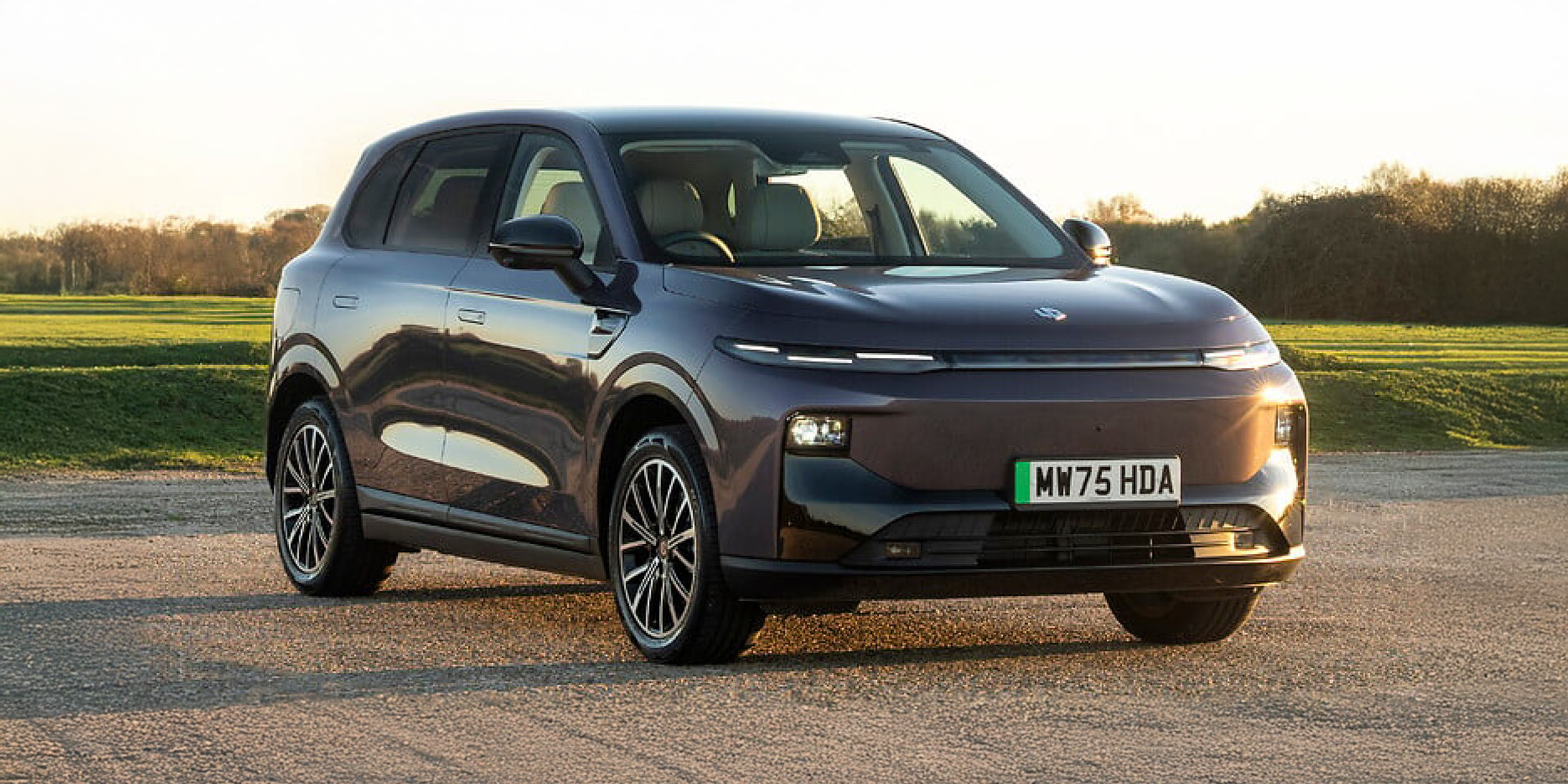
The Leapmotor B10 is a compact all-electric SUV/crossover, and the third model from Chinese marque Leapmotor to arrive on UK roads.

Posing a leftfield challenge to the likes of the Skoda Elroq and MG S5 EV, the B10 has received a rather poor set of review scores from the British motoring media, described by Top Gear’s Greg Potts as “boring” and “bland”, and “likeable” but with “rough edges”, by Parker’s Keith Adams.

“The Leapmotor isn’t as polished as its rivals from more established car brands”, says Richard Aucock of Motoring Research, “it’s anonymous to look at, forgettable to drive and some of its tech can be frustrating.” Despite its flaws, reviewers have praised the car’s competitive battery range and value-for-money credentials. “The price is the only reason that you’d choose it over its rivals”, says Electrifying.com’s Vicky Parrott.

While the B10 is hard to recommend in a very competitive small EV class, it’s arrival does mark a significant shift in driving quality for Leapmotor. “It’s comfortably the best Leapmotor yet”, says The Car Expert’s own Stuart Masson. “It’s well-priced, well-equipped and much nicer to drive than the larger C10.”

As of February 2026, the Leapmotor B10 holds a New Car Expert Rating of A, with a score of 75%. Beyond the SUV’s rather poor set of review scores, this overall rating is bolstered by the car’s full five-star Euro NCAP safety credentials, low running cost estimations and Leapmotor’s longer-than-average four-year warranty.

B10 highlights

  • Well-equipped and attractively priced
  • Spacious cabin
  • Competitive battery range
  • Comfortable driving experience

B10 lowlights

  • Rather annoying driver aids
  • No driving thrills to be found here
  • Bland interior fit and finish
  • Rivals offer more boot space

Key specifications

Body style: Small SUV/crossover
Engines:
electric, battery-powered
Price:
From £31,495​ (£1,500 EV grant available)

Launched: Summer 2025
Last updated: N/A
Replacement due: TBA

Media reviews

Highlighted reviews and road tests from across the UK automotive media. Click any of the boxes to view.

Featured reviews

More reviews

Auto Express

Auto Trader

Business Car

Car

Electrifying.com

Honest John

Motoring Research

Parkers

The Sun

The Telegraph

Top Gear

Safety rating

Independent crash test and safety ratings from Euro NCAP

Overall score: 5 stars
Date tested: November 2025
Read the full Euro NCAP review

Adult protection: 93%
Child protection: 93%
Vulnerable road users: 84%
Safety assist: 85%

Eco rating

Independent economy and emissions ratings from Green NCAP

No eco rating

As of February 2026, the Leapmotor B10 has not been assessed by Green NCAP.

The Green NCAP programme measures exhaust pollution (which is zero for an electric car) and energy efficiency. Electric cars are much more energy-efficient than combustion cars, so the B10 is likely to score very highly in Green NCAP testing if and when it takes place. Check back again soon.

Running cost rating

Clear Vehicle Data logo close crop

Monthly cost of ownership data provided exclusively for The Car Expert by Clear Vehicle Data

Battery rangeAverageScoreVariationScore
EV models261 milesB
Electrical efficiencyAverageScoreVariationScore
EV models3.8 m/KWhD
Insurance groupAverageScoreVariationScore
All models32C

The Leapmotor B10 is a relatively affordable car to own and run, according to whole-life cost numbers provided exclusively to The Car Expert by our data partner, Clear Vehicle Data.

The car’s average battery range of 261 miles is competitive in the small electric SUV category, but not class-leading. Its electrical efificiency (the battery-powered equivalent of miles per gallon) is also bested by similarly sized and priced models like the Skoda Elroq and Kia EV3. The SUV’s predicted insurance bracket grouping is slightly higher than the market average.

Reliability rating

MotorEasy logo 600x167

Reliability data provided exclusively for The Car Expert by MotorEasy

No reliability rating

As of February 2026, we don’t have enough reliability data on the Leapmotor B10 to generate a reliability rating.

The Car Expert’s reliability information is provided exclusively to us using workshop and extended warranty data from our partner, MotorEasy, sourced from both official dealerships and independent workshops. 

As soon as MotorEasy has sufficient data on the B10, we’ll publish the results here.

Warranty rating

New car warranty information for the Leapmotor B10

Overall ratingB62%
New car warranty duration4 years
New car warranty mileage60,000 miles
Battery warranty duration8 years
Battery warranty mileage100,000 miles

Leapmotor’s new car warranty is better/worse than average, and better/worse than rival brands in a similar price bracket as the B10.

The duration is four years, with a limit of 60,000 miles. In addition to the standard new car warranty, this all-electric SUV has an eight-year/100,000-mile warranty for the battery components.

Warranty on a used Leapmotor B10

  • If you are buying an ‘Approved Used’ Leapmotor B10 from an official Leapmotor dealership, you will get the remainder of the car’s four-year new car warranty included.
  • If you are buying a used Leapmotor B10 from an independent dealership, any warranty offered will vary and will probably be managed by a third-party warranty company.
  • If you are buying a used Leapmotor B10 from a private seller, there are no warranty protections beyond any remaining portion of the original new car warranty.

If you’re looking to buy any used car that is approaching the end of its warranty period, a used car warranty is usually a worthwhile investment. Check out The Car Expert’s guide to the best used car warranty providers, which will probably be cheaper than a warranty sold by a dealer.

Recalls

Official DVSA safety recalls that have been issued for the Leapmotor B10

As of February 2026, we are not aware of any DVSA vehicle safety recalls affecting the Leapmotor B10. However, recall information is updated regularly, so this may have changed.

You can check to see if your car has any outstanding recalls by visiting the DVLA website or contacting your local Leapmotor dealer.

Similar cars

If you’re looking at a new or used Leapmotor B10, you might also be interested in these alternatives

Audi Q4 e-tron | Citroën ë-C4 | DS 3 E-Tense | Honda e:Ny1 | Hyundai Ioniq 5 | Hyundai Kona Electric | Jeep Avenger | Kia Niro EV Kia EV6 | Mazda MX-30 | MG ZS EV | Nissan Leaf | Peugeot e-2008 | Renault Mégane E-Tech | Skoda ElroqVauxhall Mokka Electric | Volkswagen ID.4 | Volvo EX30

More information

More news, reviews and information about the Leapmotor B10 at The Car Expert
Electric car grant – all the EVs with discounts in 2026

Electric car grant – all the EVs with discounts in 2026

Everything you need to know about Leapmotor

Everything you need to know about Leapmotor

Leapmotor B10 review – first UK drive

Leapmotor B10 review – first UK drive

New Leapmotor B10 crossover unveiled

New Leapmotor B10 crossover unveiled

Buy a Leapmotor B10

If you’re looking to buy a new or used Leapmotor B10, The Car Expert’s partners can help you find the right car.

Motors 600x300

Find your next used car with Motors. Find out more

Auto Trader logo 600x300

Find your next new or used car with Auto Trader. Find out more

Carwow logo 600x300

Find your next new or used car with Carwow. Find out more

Lease a Leapmotor B10

If you’re looking to lease a new Leapmotor B10, The Car Expert’s partners can help you find a competitive deal.

Leasing-com logo

Personal contract hire deals from Leasing.com. Find out more

Carwow logo 600x300

Personal contract hire deals from Carwow. Find out more

Select Car Leasing logo

Personal contract hire deals from Select Car Leasing. Find out more

Subscribe to a Leapmotor B10

Subscriptions are becoming a very popular way for consumers to try an electric car for a few weeks or months to help decide whether it’s a suitable alternative to a petrol car. If you’re interested in a car subscription, The Car Expert’s partners can help. (PS: What’s a car subscription?)

SelfDrive UK logo

Car subscriptions from SelfDrive.
Find out more

Cocoon Vehicles logo 600x300

Car subscriptions from Cocoon.
Find out more

Just Vehicle Solutions logo 600x300

Car subscriptions from Just Vehicle Solutions.
Find out more
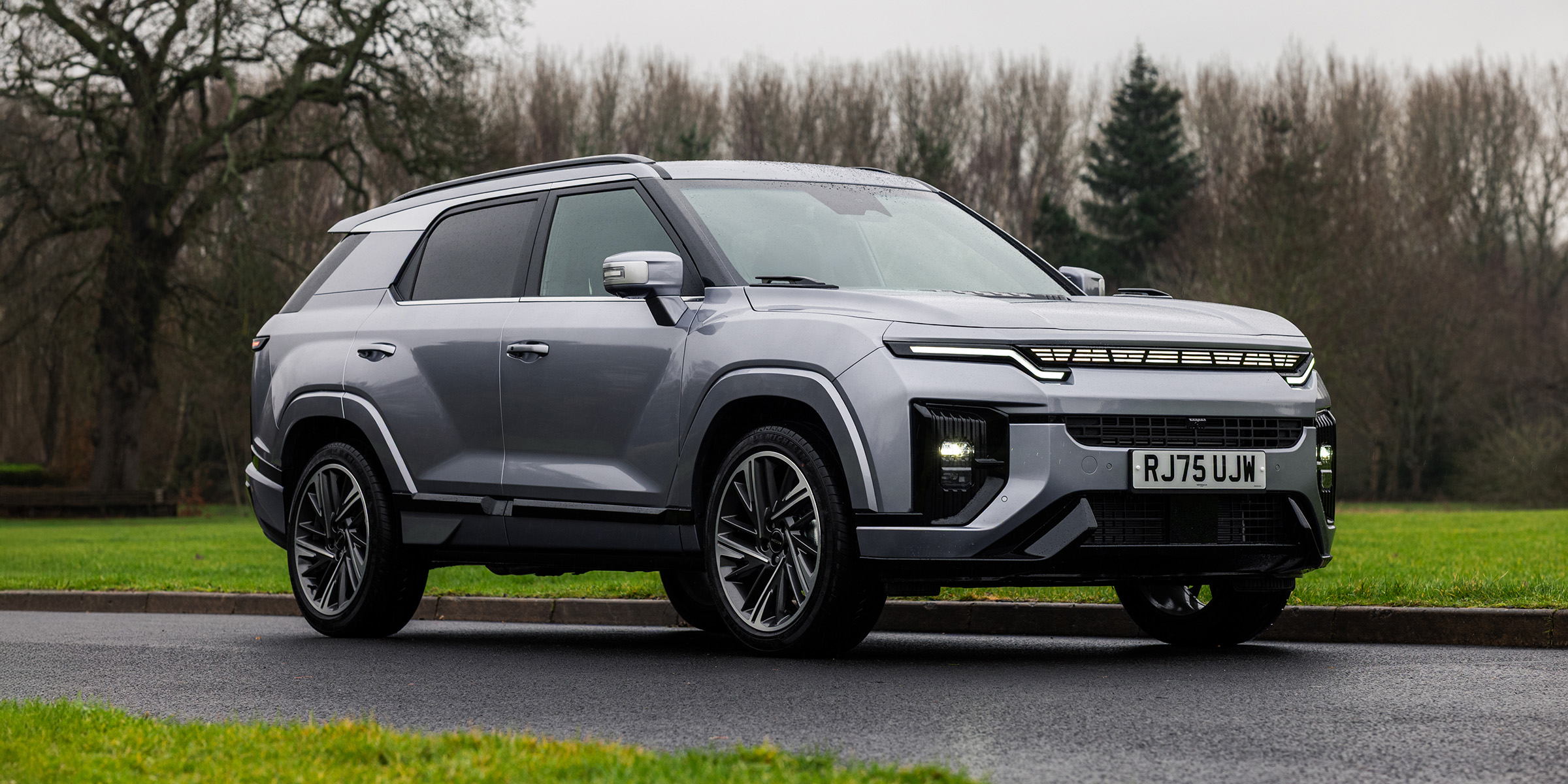
KGM Actyon

Summary

The KGM Actyon is a mid-size petrol-powered SUV that arrived on UK roads in the second half of 2025, as KGM’s answer to the likes of the Kia Sportage, Nissan Qashqai and Volkswagen Tiguan.

Built on the same foundations as the slightly smaller Torres SUV, and sharing its name with a previous SsangYong SUV from the noughties which is an amalgam of the words “action” and “young”, the Actyon has been given a rather cold reception by the British motoring media, who criticise the car for its rather uncomfortable ride and poor fuel economy.

“KGM has done an excellent job of modernising SsangYong with the Actyon”, says Parker’s Steve Percy Lawman, “but its material quality disappoints, and its ride quality swings between irritating and downright uncomfortable.”

Reviewers still find several areas of the Actyon to praise. Heycar’s Richard Aucock commends the SUV for its keen pricing and “upmarket looks”, as well as its “extra-large interior with a surprisingly premium feel”, but adds that “the poor fuel economy from the petrol engine is a real let-down.” The Actyon does have a more fuel efficient hybrid version, but that is not currently on sale in the UK at the time of writing.

“The Actyon is a step in the right direction for KGM”, says the Auto Express team, “but there’s still plenty of room for improvement.”

As of February 2026, the KGM Actyon holds a New Car Expert Rating of D, with a score of 57%. Beyond the car’s middling set of review scores, this overall rating is hindered by high running cost estimations and helped by KGM’s generous five-year new car warranty.

Actyon highlights

  • Spacious cabin and cavernous boot
  • Unique upmarket exterior looks
  • Well-priced and well-equipped

Actyon lowlights

  • Disappointing fuel economy
  • Rather uncomfortable ride quality
  • Unknown reliability record

Key specifications

Body style: Medium SUV
Engines:
petrol
Price:
From £38,649

Launched: Autumn 2025
Last updated: N/A
Replacement due: TBA

Media reviews

Highlighted reviews and road tests from across the UK automotive media. Click any of the boxes to view.

Featured reviews

More reviews

Auto Trader

Business Car

Car

Carbuyer

Carwow

Heycar

Honest John

Parkers

Safety rating

Independent crash test and safety ratings from Euro NCAP

No safety rating

As of February 2026, the KGM Actyon has not been assessed by Euro NCAP.

Eco rating

Independent economy and emissions ratings from Green NCAP

No eco rating

As of February 2026, the KGM Actyon has not been assessed by Green NCAP.

Running cost rating

Clear Vehicle Data logo close crop

Monthly cost of ownership data provided exclusively for The Car Expert by Clear Vehicle Data

Fuel consumptionAverageScore
Petrol models33 mpgD
CO₂ outputAverageScoreVariationScore
Petrol models194 g/kmD
Insurance groupAverageScoreVariationScore
All models25B

The KGM Actyon is a rather expensive car to own and run, according to whole-life cost numbers provided exclusively to The Car Expert by our data partner, Clear Vehicle Data.

The car’s average fuel economy of 33 mpg is poor when compared to the rest of the mid-size SUV class, even pure petrol equivalents like the Kia Sportage ‘Pure’ that can muster up to 44 mpg. That said, the Actyon’s insurance premiums are predicted to be on the cheaper side of the market average.

Reliability rating

MotorEasy logo 600x167

Reliability data provided exclusively for The Car Expert by MotorEasy

No reliability rating

As of February 2026, we don’t have enough reliability data on the KGM Actyon to generate a reliability rating.

The Car Expert’s reliability information is provided exclusively to us using workshop and extended warranty data from our partner, MotorEasy, sourced from both official dealerships and independent workshops. 

As soon as MotorEasy has sufficient data on the Actyon, we’ll publish the results here.

Warranty rating

New car warranty information for the KGM Actyon

Overall ratingA95%
New car warranty duration5 years
New car warranty mileageUnlimited miles
Battery warranty duration8 years
Battery warranty mileage100,000 miles

KGM’s new car warranty is better than average, and better than rival brands in a similar price bracket as the Actyon.

The duration is five years, with no limit on mileage.

Warranty on a used KGM Actyon

  • If you are buying an ‘Approved Used’ KGM Actyon from an official KGM dealership, you will get a minimum three-month warranty included – that’s if the original five-year new car warranty has expired.
  • If you are buying a used KGM Actyon from an independent dealership, any warranty offered will vary and will probably be managed by a third-party warranty company.
  • If you are buying a used KGM Actyon from a private seller, there are no warranty protections beyond any remaining portion of the original new car warranty.

If you’re looking to buy any used car that is approaching the end of its warranty period, a used car warranty is usually a worthwhile investment. Check out The Car Expert’s guide to the best used car warranty providers, which will probably be cheaper than a warranty sold by a dealer.

Recalls

Official DVSA safety recalls that have been issued for the KGM Actyon

As of February 2026, we are not aware of any DVSA vehicle safety recalls affecting the KGM Actyon. However, recall information is updated regularly, so this may have changed.

You can check to see if your car has any outstanding recalls by visiting the DVLA website or contacting your local KGM dealer.

Similar cars

If you’re looking at a new or used KGM Actyon, you might also be interested in these alternatives

Dacia Bigster | Chery Tiggo 8Ford Kuga | Honda ZR-V | Hyundai Tucson | Jeep Compass | KGM Korando | Kia Sportage | Mazda CX-5 | MG HS | Nissan Qashqai | Peugeot 3008 | Renault Austral | SEAT Ateca | Skoda Kamiq | Skoda Karoq | Subaru Crosstrek | Suzuki S-Cross | Toyota C-HR | Vauxhall Grandland | Volkswagen Tiguan

More information

More news, reviews and information about the KGM Motors range at The Car Expert

Everything you need to know about KGM

Everything you need to know about KGM

KGM Korando

KGM Korando

KGM Torres EVX

KGM Torres EVX

KGM Korando e-Motion (2022 to 2024)

KGM Korando e-Motion (2022 to 2024)

KGM Torres

KGM Torres

It’s time to reveal the best cars of the year…

It’s time to reveal the best cars of the year…

The best new cars of this year are set to be revealed…

The best new cars of this year are set to be revealed…

KGM Torres Hybrid now available to order

KGM Torres Hybrid now available to order

The ten worst new cars on sale in 2025

The ten worst new cars on sale in 2025

The 10 worst new cars on sale in 2024

The 10 worst new cars on sale in 2024

Electric cars – what’s on sale and what’s coming in 2024?

Electric cars – what’s on sale and what’s coming in 2024?

2024 half-year report – who’s up and who’s down?

2024 half-year report – who’s up and who’s down?

Buy a KGM Actyon

If you’re looking to buy a new or used KGM Actyon, The Car Expert’s partners can help you find the right car.

Motors 600x300

Find your next used car with Motors. Find out more

Auto Trader logo 600x300

Find your next new or used car with Auto Trader. Find out more

Carwow logo 600x300

Find your next new or used car with Carwow. Find out more

Lease a KGM Actyon

If you’re looking to lease a new KGM Actyon, The Car Expert’s partners can help you find a competitive deal.

Leasing-com logo

Personal contract hire deals from Leasing.com. Find out more

Carwow logo 600x300

Personal contract hire deals from Carwow. Find out more

Select Car Leasing logo

Personal contract hire deals from Select Car Leasing. Find out more

Subscribe to a KGM Actyon

If you’re interested in a car subscription, The Car Expert’s partners can help. (PS: What’s a car subscription?)

SelfDrive UK logo

Car subscriptions from SelfDrive.
Find out more

Cocoon Vehicles logo 600x300

Car subscriptions from Cocoon.
Find out more

Just Vehicle Solutions logo 600x300

Car subscriptions from Just Vehicle Solutions.
Find out more

BYD Seal updated with more storage and added tech

0

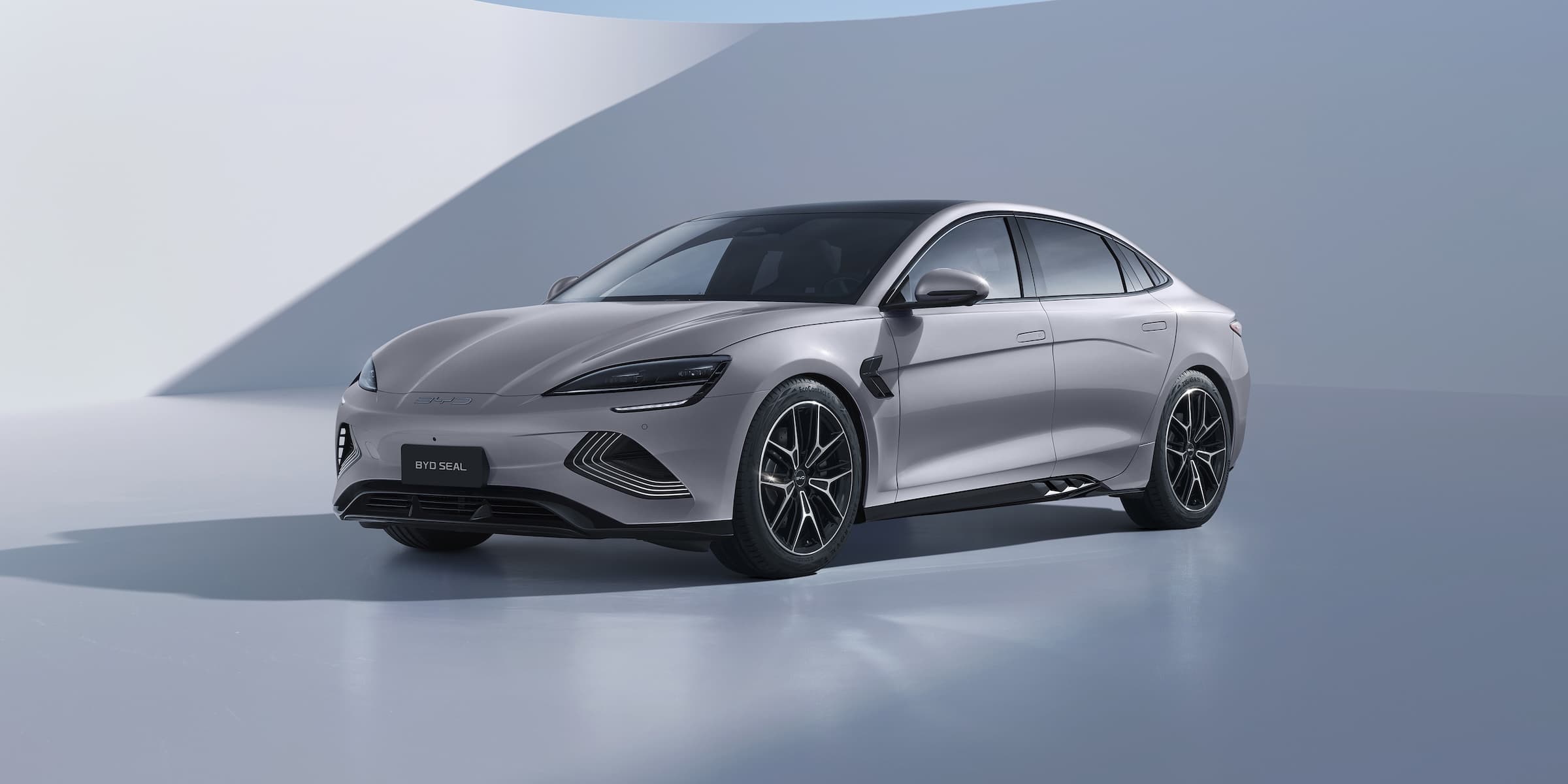
BYD has announced a series of updates for the Seal electric saloon, adding extra storage space, new technology features and additional paint choices while keeping prices unchanged.

Minor styling tweaks, more practicality

Externally, the changes are subtle and are limited to a new design of 19-inch alloy wheels and three additional paint colours. The BYD badge has also been repositioned more prominently on the boot lid.

The more meaningful update is a significant increase in storage space. BYD says the boot has grown from 400 to 485 litres, although it has not detailed what changes were made to free up the extra space. Under the bonnet, the front storage compartment (known as a ‘frunk’) also increases to 72 litres, making it more practical for stowing charging cables or small bags.

Inside, the layout remains largely the same. The seats are still trimmed in Nappa leather, although the branding stitched into the headrests has been removed for a cleaner look.

Additional technology as standard

BYD has added a driver monitoring system, using an in-car camera to monitor driver attention. This is in line with latest EU/UK and Euro NCAP safety standards and is becoming common across new models. Hopefully BYD’s system proves less intrusive than many others we’ve experienced recently.

A new Bluetooth key function allows drivers to use their smartphone as a digital key. This should also allow drivers to share digital access with other users, although BYD has not detailed the full functionality yet.

Other interior specifications remain largely the same, although the central 16-inch touchscreen is now fixed in landscape format and no longer rotates to a portrait layout as before.

Performance and range unchanged

Mechanically, the Seal remains the same. The Design model uses a single rear-mounted motor producing 310bhp, while the Excellence adds a second motor for a combined 525hp and a 0–62mph time of 3.8 seconds.

Both versions use BYD’s 82kWh lithium iron phosphate battery. Official driving range figures remain at 354 miles for the Design and 323 miles for the Excellence. Peak rapid charging speed is 150kW, allowing a 10% to 80% charge in a claimed 37 minutes.

Prices held steady

Prices remain unchanged from before, with the Design model starting at £45.7K and the Excellence priced at £48.7K.

The Seal continues to be covered by BYD’s six-year, 93,750-mile warranty, with the battery covered for up to eight years or 155,350 miles.

The updated Seal is available to order now, with first cars expected within weeks.

For a broader ownership picture — including safety, running costs and warranty cover — see our full BYD Seal Expert Rating.

Toyota Urban Cruiser review – first drive

0

Make and model: Toyota Urban Cruiser
Description: Small SUV/crossover, single electric motor
Price range: £29,995 to £35,745 (plus options)

Summary: The Toyota Urban Cruiser is quiet and well equipped, but slow charging and an unremarkable driving experience leave it behind many similarly priced small EVs.


Introduction

While many brands now offer half a dozen electric models or more, Toyota’s EV range is still small. The Urban Cruiser is only its second fully electric car for the UK.

Rather than being developed entirely in-house, it’s a joint project with Suzuki and built in India. That helps Toyota expand quickly into the small electric SUV market — but it also means this isn’t quite the same as the brand’s newer, more ambitious EV efforts.

We drove the Urban Cruiser at its European launch in Florence, where the roads are smoother and traffic flows more politely than back home. As ever with a launch event, that context matters. A car that feels settled on freshly surfaced Tuscan tarmac may not feel quite so composed on a damp B-road in Surrey.

The question, then, is simple: does the Urban Cruiser feel like a serious contender in a crowded small EV class?

For a broader ownership picture, see our full Toyota Urban Cruiser Expert Rating.

Price and positioning

The Urban Cruiser sits in the heart of the small electric SUV market, alongside cars like the Hyundai Kona Electric, Jeep Avenger and various Stellantis cousins. On paper, pricing is broadly mid-table.

However, there’s a catch. Because the car is built in India, it doesn’t qualify for the UK government’s electric car subsidy. That means some rivals can undercut it by £1,500 or even £3,750 depending on eligibility. Once that’s factored in, the Urban Cruiser starts to look less competitive than its headline price suggests.

There are two motor outputs, although we only drove the more powerful 128kW (174hp) version. A lower-output 106kW model will also be offered in the UK.

Inside the car

Step inside and the Urban Cruiser feels functional rather than fashionable. The cabin is dominated by grey plastics — lots of them — and while nothing appears poorly assembled, it doesn’t feel especially warm or inviting either. It’s more durable than delightful.

The layout follows the now-familiar twin-screen template. Both displays measure ten inches, with the central touchscreen handling most functions. There are a few physical controls for basic air-conditioning adjustments, which is welcome, but much of the interaction still relies on the screen.

Neither display is class-leading. The driver’s screen is clear enough, though slightly plain. The central touchscreen works, but it’s not particularly quick to respond and the menus don’t feel especially slick. Wireless Apple CarPlay and Android Auto are standard, which helps — and many drivers will likely default to that rather than Toyota’s native system.

Seat comfort is broadly average for the class. They’re comfortable enough for everyday driving but don’t offer much in the way of support. On the smooth Italian roads we sampled, that wasn’t a problem, but it’s something we’d want to revisit on a longer UK test.

Boot space is on the small side, and there’s no front storage compartment for charging cables. They’ll have to live under the boot floor, which isn’t ideal if you’re fully loaded for a family trip.

Driving range and charging

The Urban Cruiser’s maximum charging speed is one of its weaker points. The larger-battery version can charge at up to 67kW, while the smaller-battery model tops out at 53kW. In 2026, those figures are modest. Many rivals can charge significantly faster, which matters if you regularly rely on public charging.

The charging port is located just behind the left front wheel, which makes it easy enough to plug in whether you park nose-in or reverse into a bay.

We didn’t conduct a full range test during the launch event, so we’ll reserve judgement on real-world efficiency until a longer UK drive.

On the road

Around town, the Urban Cruiser is pleasant and easy to manage. The 174hp motor provides brisk acceleration from low speeds, and it feels perfectly at home in busy urban traffic. As is typical of electric cars, response is immediate and smooth.

However, that urgency fades at higher speeds. Once you’re out on open roads, acceleration trails off more noticeably than in many rival EVs. It’s not slow, but it doesn’t feel especially energetic either.

The steering is very light and offers little feedback about what the front wheels are doing. That’s not unusual in modern cars, but here it feels particularly detached. Through corners, there’s more body lean than you might expect from an electric vehicle, which usually benefits from a low centre of gravity. The Urban Cruiser feels slightly floaty rather than planted.

Ride comfort is relatively soft, which helps over smoother roads, but because the car is short, it can feel unsettled over uneven surfaces. On the Tuscan launch route, it was just about acceptable. On rougher UK roads, we suspect that movement may be more noticeable.

Braking performance is reassuringly strong, with good pedal feel — something not all EVs manage well. There’s no one-pedal driving mode, which some drivers will miss. Personally, I don’t mind its absence, but it’s worth noting.

Refinement is mixed. Around town it’s impressively quiet, and the lack of engine noise makes it feel calm and civilised. At higher speeds, however, road noise becomes more intrusive than in some competitors.

Verdict

The Toyota Urban Cruiser is likely to be easy to live with. It’s quiet and smooth around town, the controls are simple enough, and there’s nothing here that would make daily driving stressful or complicated. For short journeys and routine family duties, it would slot into life without much fuss.

But this is not Toyota’s strongest work.

The cabin feels built to a budget, charging speeds are well behind much of the competition, and the driving experience lacks the quality and composure you might expect from the badge. It leans more than most electric cars, the steering feels distant, and once you’re out of town the sense of refinement isn’t quite there either.

None of that makes it a bad car. It just makes it a fairly ordinary one in a class that is moving on quickly. And when some rivals are both better to drive and eligible for government incentives that this car misses out on, the Urban Cruiser ends up feeling like a stopgap rather than a standout.

Toyota has shown with the larger bZ4X that it can do electric cars with much more polish. The Urban Cruiser feels more like Toyota covering a space in its line-up than setting a new standard.

For a broader ownership picture, see our full Toyota Urban Cruiser Expert Rating.

We like:

  • Quiet and smooth around town
  • Simple trim structure with decent standard equipment
  • Brakes have good, natural pedal feel
  • Sensible charging port location
  • Easy and undemanding to drive

We don’t like:

  • Slow charging compared to most rivals
  • Bland interior with lots of grey plastics
  • Light steering with very little feel
  • Noticeable body lean for an EV

Similar cars

Alfa Romeo Junior Elettrica | BYD Atto 2 Electric | Citroën ë-C3 AircrossDacia Spring | DS 3 E-Tense | Fiat 600e | Ford Puma Gen-EHonda e:Ny1 | Hyundai Kona ElectricJeep Avenger Electric | Jaecoo E5Kia EV3 | Mazda MX-30 | MG S5 EV | Mini Aceman | Omoda E5 | Peugeot e-2008 | Renault 4 E-Tech | Skoda ElroqSmart #1 | Suzuki e-Vitara | Vauxhall Frontera ElectricVauxhall Mokka Electric

Key specifications

Model tested: Toyota Urban Cruiser Design
Price: £33,495
Engine: Single electric motor, front-wheel drive
Gearbox: 
Single-speed automatic

Power: 128 kW (174 hp)
Top speed: 93 mph
0-60 mph: 8.7 seconds
Efficiency (combined): 4.2 m/kWh

Battery range: 164 miles
CO2 emissions: 0 g/km
Euro NCAP safety rating: Not yet tested (as of February 2026)
TCE Expert Rating: Not yet rated (as of February 2026)

New Audi RS 5 plug-in hybrid unveiled

0

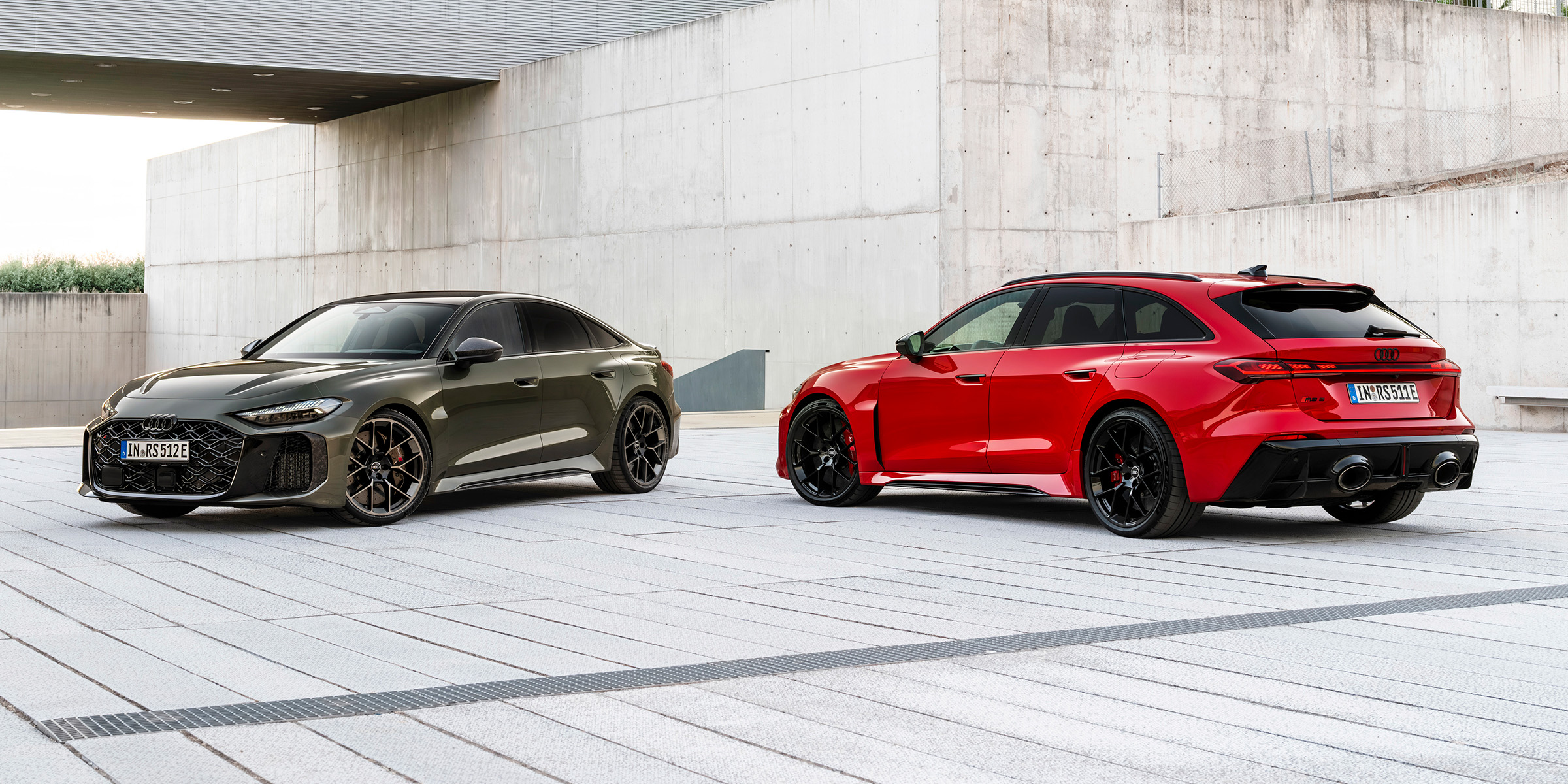
Audi has unveiled its new RS 5 saloon and ‘Avant’ estate car range – the first plug-in hybrid line-up in Audi Sport history.

Set to arrive on UK roads in the Summer, this new high-performance executive car line-up is the first of a new generation of RS models to launch in Britain, rivalling the likes of the BMW M3/M4 Competition, Mercedes-AMG C63, and Porsche Panamera.

What is it?

The new Audi RS 5 is the high-performance flagship of the A5 range and the first RS model to adopt a plug-in hybrid (PHEV) powertrain.

At its core is a re-tuned 2.9-litre twin-turbocharged V6 petrol engine producing 510hp, paired with a 177hp electric motor working in tandem with an eight-speed automatic transmission. Together, they deliver a combined system output of 639PS. Audi claims it can complete a 0–62mph sprint in 3.6 seconds, and with optional ‘Audi Sport’ package selected, top speed is capped at 177mph.

A 26kWh battery enables the RS 5 to travel on electric power alone for everyday driving, while also supporting performance functions such as torque vectoring (manages power distribution to individual wheels) and boost. Charging at up to 11kW AC allows a full recharge in around two and a half hours.

Underneath, the RS 5 features RS-specific suspension with twin-valve dampers, a stiffer bodyshell, 20- or 21-inch wheels, and the choice of steel or ceramic brakes. Visually, it stands around nine centimetres wider than the standard A5, with flared arches, a honeycomb pattern grille, darkened Matrix LED headlights and a distinctive RS rear diffuser with oval exhaust tips.

What’s different compared to previous Audi RS models?

The headline change is the switch to a hybrid powertrain. This is the first production RS model to use a plug-in hybrid powertrain, marking what Audi calls the beginning of a “new era” for its performance cars. As well as being the most technologically advanced, its also the heaviest RS model Audi has ever produced, weighing in at over 2,300kg.

The RS 5 is also the first performance model to get Audi’s latest dynamic ‘quattro’ all-wheel drive ‘dynamic torque control’ tech. The car can shift power between the rear wheels in just 15 milliseconds, with the car’s computer recalculating power distribution 200 times per second. Audi says that this gives the car a sharper handling response and a greater breadth of ability than previous RS 5 models – from near-silent electric commuting to full-blooded performance driving.

Inside, the dashboard features a 12-inch digital instrument cluster, 15-inch central infotainment touchscreen and a 11-inch passenger media display as standard. The instrument cluster can display performance data like G forces, temperatures and pressures for individual tires, as well as lap times.

Customers will be able to choose from five different interior colour schemes, all with sports seats and carbon-fibre interior trim pieces. The steering wheel features a ‘Boost’ button, which will unlock maximum power for a ten-second period, no matter the drive mode selected, for overtaking or track use.

Drive modes you can select include ‘RS sport’ and the new ‘RS torque rear’ mode, which biases power to the rear axle and enables controlled oversteer on closed circuits.

How much is it and when is it arriving?

The new Audi RS 5 is now set to enter production at Audi’s plant in Neckarsulm, Germany. UK sales will begin in the middle of 2026. Full UK specifications and pricing have yet to be confirmed and will be announced closer to launch.

How important is mileage on a used car?

Mileage matters when buying a used car. It affects price, resale value and sometimes finance options. But it doesn’t tell you everything about a car’s condition. In many cases, how a car has been used and maintained is just as important as the number on the dashboard.

Here’s what you actually need to know before making a decision.

Why mileage affects price

Mileage is a quick way of estimating how much a car has been used. Mileage tends to be associated with wear and tear, so the lower the mileage for a car of a given age, the more it costs. The higher the mileage, the less.

To give a real example, a three-year-old petrol Volkswagen Golf typically shows clear price differences depending on mileage. Using retail listings from our marketplace partner, Motors:

  • Around 10,000 miles: roughly £19,000-£21,000
  • Around 30,000 miles: roughly £17,000-£19,000
  • Around 60,000 miles: roughly £14,000-£16,000

That’s several thousand pounds of difference for the same car, simply based on mileage.

Used car pricing data is largely set by Cap-HPI, a specialist valuation company that tracks daily prices from trade sales, auctions, rental and leasing firms, and specialist remarketing companies. It adjusts values for age, mileage and condition, and its data underpins most of the online valuation tools you’re likely to use.

High mileage doesn’t automatically mean a bad car

Attitudes to mileage have shifted noticeably in recent years, driven largely by improvements in how reliably modern cars hold up over time. Mileage is still one of the most significant factors in a used car’s price and condition, but it’s no longer the barrier it once was.

Modern cars are generally much more reliable and better built than older ones, especially if they are regularly serviced. A well-maintained car with 90,000 motorway miles can be a safer bet than a poorly serviced car with 40,000 short urban miles.

Mileage matters. But it is not the whole story.

What high mileage really means

When you see a higher-mileage car, you’re really thinking about three things:

  1. Wear and tear
  2. Upcoming maintenance costs
  3. Future resale value

Wear and tear

A five-year-old car with 25,000 miles will usually feel lightly used. The same car with 75,000 miles may show more interior wear, tired suspension and a clutch closer to replacement.

Even with a full service history, higher mileage increases the likelihood of brake and tyre replacement, suspension wear, clutch wear on manual cars, and general deterioration both inside and out.

That doesn’t mean it’s a bad car. It just means some parts may be closer to needing replacement.

Predictable maintenance points

Certain jobs commonly arise at specific mileage bands. For example:

  • 40,000-60,000 miles: brakes and tyres
  • 60,000-80,000 miles: clutch on manual cars, suspension parts
  • 70,000-100,000 miles: timing belt and water pump, if fitted
  • 100,000+ miles: higher risk of turbo, injector or diesel particulate filter issues on diesel cars

These are not guarantees. But they are realistic planning points. If a car is approaching one of these thresholds, factor the cost into your budget.

A cheap high-mileage car can become expensive quickly if several of these items need doing at once.

Depreciation and resale

Depreciation – the loss of a car’s value over time – is steepest in the first year, when a new car can lose 15%–35% of its value, and up to 60% within three years. Mileage accelerates that process at certain thresholds. Broadly speaking:

  • Under 30,000 miles – strongest resale appeal
  • 30,000-60,000 miles – mainstream sweet spot
  • 60,000-100,000 miles – values start to soften
  • Over 100,000 miles – smaller buyer pool

Once a car passes 100,000 miles, many buyers simply stop looking. That limits demand, which lowers value. If you plan to keep the car for many years, this may not matter. If you expect to sell in two or three years, it probably will.

Finance and warranty limits

Some lenders are also cautious about financing higher-mileage cars, and many used car warranties have upper mileage limits, often around 100,000 miles. Reduced demand and restricted financing both push prices down.

This can work in your favour if you’re a cash buyer – but it also means a car over 100,000 miles may be harder to sell when the time comes.

Electric cars and mileage

You might expect electric cars to have lower mileages than petrol ones – shorter ranges have historically made them less appealing for long journeys. But the data tells a different story.

According to Cap-HPI, two-to-three-year-old electric cars actually have higher average mileages than petrol cars: around 10,600 miles a year, compared to roughly 9,500 miles for petrol (down from 11,000 in 2019). The reason is partly that many electric cars have been bought by company car drivers, who benefit from significant tax advantages and tend to cover higher annual mileages. High-mileage used electric cars – including Teslas with over 100,000 miles – are not hard to find.

The mechanical simplicity of electric cars means there’s less to go wrong, but the battery is the key unknown. Over time, a battery’s ability to hold its original charge will reduce, and the rate at which that happens depends partly on how the car has been charged. Frequent use of rapid public charging generates more heat and can accelerate battery degradation. Regularly charging to 80% rather than 100%, and avoiding running the battery very low, is generally considered better for long-term battery health.

Battery condition is a growing concern in the used electric car market, and there’s currently no standard way for buyers to assess it. Some companies will test a used electric car’s battery health for a fee, but few dealers offer this as standard. As a basic check, you can charge the car to full and compare the range displayed against the manufacturer’s original figure – though temperature and driving style will affect the result.

Diesel and hybrid considerations

Used diesel cars have traditionally covered higher mileages than petrol or electric cars, and buyers generally accept that. Diesels are built for long-distance driving and tend to be robust when used that way. If you drive mainly on motorways and live outside a clean air zone, a higher-mileage diesel can still represent good value.

However, if you live in a city – particularly one with a clean air zone such as London’s ULEZ – a used diesel is likely to cost you more to run than it saves you in purchase price.

Hybrid cars warrant a specific note of caution. Older hybrids, particularly the Toyota Prius, have long been popular with taxi and private hire operators because of their reliability and fuel economy. That means some low-mileage examples on the used market may have had a harder working life than the clock suggests. If a used Prius or similar hybrid appears unusually low-mileage for its age, it’s worth looking more carefully at the service history.

How to check mileage is genuine

Because mileage affects value, some sellers attempt to alter it. Odometer tampering still happens.

Before buying:

  1. Check the MOT history at gov.uk using the registration number. This shows mileage recorded at each test. Sudden drops or inconsistencies are red flags.
  2. Get a vehicle history check – we recommend The Car Expert’s own free history check, which covers a number of key factors. Or, for just £6.95, you can get a more comprehensive check that flags mileage discrepancies, accident damage or outstanding finance.
  3. Check service records carefully. Digital service histories should be available as a printout. If it’s not offered, ask for it.

Do not rely solely on the number displayed on the dashboard.

So how important is mileage?

Mileage is important because it directly affects price, signals likely wear and upcoming costs, and influences your resale value and finance options. But it is not a verdict on a car’s quality.

A high-mileage car with full service history, mainly motorway use and evidence of careful ownership can be excellent value. A low-mileage car with patchy maintenance can be a financial risk.

The practical takeaway

When viewing a used car:

  • Use mileage to judge price fairness
  • Check service history in detail
  • Anticipate upcoming maintenance costs
  • Verify mileage through official records
  • Think about your resale plans

Don’t dismiss a car purely because the mileage looks high. But don’t ignore what that mileage implies for future costs either.

Mileage is a tool. Use it wisely, alongside evidence.

Read more:

This article was originally published in April 2023, and was updated in February 2026. Additional reporting by Sean Rees.

Road legal – or safe? When to replace car tyres

In the UK car tyres must have at least 1.6mm of tread on them – any less is illegal. But is it safe to let your tyres wear right down to the limit, or should you be changing them earlier?

Lots of motorists have experienced the scenario – you take your car for a service, or an annual MOT test, and are told “your tyres are still legal but it won’t be long before they need replacing…” And you happily drive home, grateful to have put a little more expenditure off for a while.

Is it really worth putting it off, however? A tyre may be legal, but does it still offer all of the safety performance that a brand-new one will? After all a brand-new tyre typically has a tread depth of 8 to 9mm, around five times more than the legal limit, and numerous tests carried out by the automotive industry have shown stretching a tyre to its legal limit is anything but a good idea.

Firstly, what does the UK legal limit actually mean? Well the tread depth, the grooves in the tyre, must be at least 1.6mm across the central 75% of the tyre’s width, around its complete circumference.

Importantly, that’s only the UK law – the rules vary in different countries. In Germany, for example, the legal limit is 3mm, almost twice the depth of a legal UK tyre and something not to be forgotten if you are planning to take the Eurotunnel and drive across Europe.

Quite simply, the less tread your car’s tyres have on them, the longer it will take to stop, particularly in wet conditions – in other words, much of the time here in the UK.

The grooves are principally there to clear water from the road surface under the tyre and to help to maintain a good grip on the road. So the deeper the tread, the more water it can clear.

This reduces the risk of aquaplaning, which is when the tyre breaks contact with the road surface and instead travels on the film of water between tyre and road. If this happens, you lose control of the car’s steering, acceleration and braking – and no amount of pounding the brake pedal will slow the car down.

Measuring the impact of worn tyres

To illustrate the difference in braking performande, German tyre manufacturer Continental carried out a series of wet braking tests with new and worn examples of its tyres back in 2020.

Braking from 80km/h (just under 50mph) to a standstill, a brand-new set of tyres with 8mm of tread depth stopped the car in 27.6 metres.

With the tread worn down to the German legal limit of 3mm, it took another 2.2 metres to stop the car. And at the UK legal limit of 1.6mm, the car took 34.4 metres – an extra 6.8 metres compared to new tyres. That’s more than an extra car length.

The Continental tests highlighted another sobering fact – if we imagine that a car with new tyres braking from 50mph was just able to stop in time to avoid hitting an obstacle, then a car with tyres of only 1.6mm tread depth would hit that obstacle at 22mph.

A 22mph impact is fast enough to cause serious damage and injury. That obstacle could be a wall, another vehicle, or a person…

Minimum requirement vs best practice

One of the world’s leading safety bodies is Euro NCAP, which tests most new cars sold in the UK and across Europe for their safety levels – both in avoiding an accident and coping with an impact. The tests are above and beyond the minimal legal requirements set by the EU and UK, so it’s entirely legal for a car with a zero-star safety rating from Euro NCAP to be sold here in the UK. But we wouldn’t recommend buying it.

The 1.6mm rule is basically the tyre equivalent of a zero-star safety rating. It’s legal, but not recommended.

Most industry studies recommend that the longest you should put off changing your tyres is when they reach 3mm of tread depth. You won’t be getting the performance of a new tyre at that depth, but below 3mm a tyre’s stopping performance falls off a cliff.

Checking your tyre tread depth

How do you know how much tread depth your car tyres have? Well checking tread depth is not a difficult process and there is certainly no excuse for driving on illegal tyres.

Modern tyres have indicators built into the grooves of the tread, which show when you reach the 1.6mm limit, though a much more accurate method of checking is to use a tyre depth gauge, available for very little cost at any automotive aftermarket supplier.

Even simpler is to insert a 20p piece into the groove – if you can’t see the wide outer rim of the coin, then you have at least 3mm of tread depth, which is well within the legal limit. If you can see the rim, you need to make a more accurate check.

In addition to the safety compromises, there are big legal consequences for going below that 1.6mm. If you are stopped by the police and found with illegal tyres, you could be subject to a £2,500 fine and three penalty points on your licence – per tyre. In other words, if all four tyres are under the legal limit, that’s potentially £10,000 and 12 points on your licence – which triggers an automatic driving ban…

This article was originally published in February 2023. Last updated February 2026.

Skoda Kodiaq Edition X marks ten years with added kit

0

Skoda has introduced a limited-run Kodiaq Edition X to mark ten years since the large SUV first went on sale. Based on the Kodiaq SE L, it adds cosmetic tweaks and extra standard equipment.

The Edition X sits near the top of the Kodiaq range and is powered exclusively by a 1.5-litre petrol engine with mild hybrid assistance, paired with a seven-speed automatic gearbox.

What’s different?

On the outside, the Edition X gains 19-inch anthracite alloy wheels, metallic paint and a dark styling package that includes a black D-pillar, dark chrome grille trim and chrome roof rails. There’s also rear privacy glass and a red strip linking the rear LED lights.

Inside, it features black leather and artificial leather upholstery with grey dashboard inserts. The driver’s seat is electrically adjustable with memory and lumbar support.

Technology upgrades over the SE L include LED Matrix headlights, keyless entry and an electric tailgate.

Engine and practicality

All Edition X models use Skoda’s 1.5-litre petrol engine with mild hybrid assistance, producing 150hp. The electrical support helps smooth stop-start traffic and improve efficiency slightly, but in everyday driving it feels like a conventional petrol engine.

Like the rest of the Kodiaq range, the Edition X offers seven seats, generous cabin space and a large boot, making it one of the more practical large SUVs on sale.

Orders and pricing

Orders open in April, with first deliveries expected in late spring.

The Edition X is priced at £40,590, placing it above the SE L but below the range-topping L&K and vRS models. The wider Kodiaq line-up remains unchanged, with petrol, diesel and plug-in hybrid versions still available.

BYD Sealion 5 review – first UK drive

0

Make and model: BYD Sealion 5 DM-i
Description: Small plug-in hybrid SUV
Price range: from £29,990

Summary: The BYD Sealion 5 delivers plug-in hybrid flexibility and strong equipment for the price, but its design, touchscreen usability and driving polish feel a step behind the best rivals.


Introduction

BYD likes to describe itself as the world’s most advanced battery company. Much of its growing UK car range looks modern and slightly unconventional, which helps reinforce that message.

The BYD Sealion 5 feels different. At first glance, it’s surprisingly ordinary. In fact, it looks more like a ten-year-old MG than a forward-thinking new arrival. That’s partly because it isn’t a brand-new design. Underneath, this car has been on sale in China since 2019 as the BYD Song Pro. In car terms, that makes it older than most of the rest of BYD’s UK line-up.

But the more relevant question at its recent European launch wasn’t whether it looks exciting. It was whether the Sealion 5 makes sense here in the UK.

For a broader ownership picture, see our full BYD Sealion 5 Expert Rating.

Price and equipment

The Sealion 5’s strongest argument is its price. There are two trims in the UK: Comfort at around £30,000 and Design at roughly £33,000. Both are generously equipped, and even the lower-spec Comfort model doesn’t feel stripped out.

What makes that pricing significant is the powertrain. For the sort of money that would usually buy you a conventional petrol compact SUV, BYD is offering a plug-in hybrid. That alone will catch the attention of plenty of buyers.

The higher-spec Design trim adds a few cosmetic and convenience upgrades, but the core package remains the same. You’re not forced into ticking endless option boxes to get the essentials.

On paper, at least, it looks like strong value.

Inside the car

Climb inside and the Sealion 5 feels clean and modern enough. The layout is tidy, the twin-screen setup gives it a contemporary look, and nothing immediately feels cheap or flimsy. For the money, it makes a respectable first impression.

Space is competitive for a compact SUV. There’s enough legroom in the back for growing teenagers, and the boot should cope comfortably with weekly shopping or a family weekend away. It doesn’t feel cramped, and that matters more than flashy design details in this class.

After a bit more time, though, the cabin starts to feel less cohesive. Almost all key functions are controlled through the central touchscreen. That’s not unusual these days, especially for BYD, but it means even simple tasks require too many taps and too long glancing away from the road. The system itself isn’t especially quick either, so you sometimes find yourself waiting for it to catch up. It works, but it doesn’t feel particularly slick.

Seat comfort is much the same story. They’re perfectly acceptable, and fine for everyday journeys, but they don’t offer the sort of support that makes longer drives relaxing. You sit on them rather than in them, and after an hour or so you become more aware of that.

None of this is disastrous. The cabin is spacious and reasonably well put together. It just lacks the sense of polish that some rivals manage, even at similar prices.

Driving range and charging

As a plug-in hybrid, the Sealion 5’s appeal rests heavily on its ability to cover short trips on electric power.

Official figures suggest enough electric range to handle many daily errands without using petrol at all, provided you have access to regular home or work charging. We didn’t gather real-world efficiency data on this launch drive, so a longer UK test will be needed to see how closely it matches its claims.

The advantage here is flexibility. Around town, it should be possible to drive quietly on electric power. For longer journeys, the petrol engine takes over without the need to plan charging stops.

On the road

Cold, wet winter roads are not the easiest environment in which to shine, but they do reveal a car’s character quickly.

One clear positive is refinement. The Sealion 5 is impressively quiet. Engine noise is well suppressed and the switch between electric and petrol power is handled smoothly enough that you often have to check the display to see what’s happening. Around town, it feels calm and relaxed.

Most of the power comes from the electric motor, and the petrol engine tends to play a supporting role. Once the battery (which is smaller on the Comfort model than the more expensive Design model) is depleted, the petrol engine will run as a generator to replenish it and keep the electric motor in action. It’s only at higher speeds that the petrol engine is used to directly drive the wheels.

The ride, however, is firmer than you might expect from a comfort-focused family SUV. It doesn’t crash over bumps, but it never really settles either.

More surprisingly, that firmness doesn’t bring much benefit in terms of control. Steering feels slightly vague and the brake pedal lacks the crisp response you’d hope for on faster A-roads. It’s not unsafe, but it doesn’t inspire confidence when you want precise responses.

For everyday urban driving, this probably won’t matter much. But at higher speeds, the Sealion 5 feels competent rather than composed.

Overall, the driving experience is best described as forgettable. That’s not necessarily a deal-breaker for a family SUV, but it does reinforce the sense that this isn’t BYD at its most ambitious.

Verdict

The BYD Sealion 5 is a sensible, price-led addition to the brand’s UK range. At around £30,000, it offers plug-in hybrid capability and generous standard equipment for the sort of money that would normally buy you a conventional petrol SUV. For buyers focused on value and the ability to cover short trips on electric power, that alone makes it worth considering.

It’s also impressively quiet and easy to drive in everyday situations. Around town, it feels calm and unobtrusive, and the plug-in system appears flexible enough to suit normal family life.

But it doesn’t feel like BYD at its most impressive. The design is anonymous, the underlying model is older than much of the brand’s current line-up, and the driving experience lacks the polish and precision of the best rivals. The touchscreen-heavy interior works, but it doesn’t feel especially intuitive.

In many ways, the Sealion 5 feels like a pragmatic move to broaden BYD’s appeal rather than a showcase of its latest thinking.

If your priority is getting into a plug-in hybrid SUV at a competitive price, the Sealion 5 makes a rational case. If you’re looking for something that feels especially refined or forward-thinking, you may find stronger options elsewhere.

For a broader ownership picture, including safety, running costs and reliability data, see our full BYD Sealion 5 Expert Rating.

We like:

  • Competitive pricing for a plug-in hybrid SUV
  • Generous standard equipment
  • Impressively quiet when driving
  • Smooth transition between electric and petrol power
  • Competitive interior space

We don’t like:

  • Bland exterior design
  • Touchscreen-heavy controls are not intuitive
  • Ride feels firm without delivering sharp handling
  • Steering and braking lack precision at motorway speeds
  • Feels a step behind BYD’s newer models

Similar cars

Chery Tiggo 4 | Citroën C3 Aircross | Ford Puma | GWM Haval Jolion Pro | Honda HR-VJaecoo 5 | Jeep Avenger | Hyundai Kona | KGM TivoliKia Niro | MG ZS | Nissan Juke | Omoda 5Renault Captur | SEAT AronaSkoda Kamiq | Suzuki Vitara | Toyota Yaris Cross | Vauxhall FronteraVolkswagen T-Roc

Key specifications

Model tested: BYD Sealion 5 DM-i Comfort
Price: £29,990
Engine: 1.5-litre petrol engine + electric motor, all-wheel drive
Gearbox: 
Single-speed hybrid automatic

Power: 212 hp (combined)
Top speed: 106 mph
0-60 mph: 7.7 seconds
Fuel economy (combined): 104 mpg

Battery range: 38 miles
CO2 emissions: 62 g/km
Euro NCAP safety rating: Not yet tested (as of February 2026)
TCE Expert Rating: B (67%) as of February 2026

Buy a BYD Sealion 5

If you’re looking to buy a new or used Omoda 9, The Car Expert’s partners can help you find the right car.

Motors 600x300

Find your next used car with Motors. Find out more

Auto Trader logo 600x300

Find your next new or used car with Auto Trader. Find out more

Carwow logo 600x300

Find your next new or used car with Carwow. Find out more

MG 4 review (2026 facelift)

0

Make and model: MG 4 EV, 2026 facelift range
Description: Mid-sized hatchback, single electric motor
Price range: £29,995 to £33,995 (plus options)

Summary: The updated MG 4 keeps the sharp handling and strong value of the original, with meaningful improvements to the cabin and touchscreen.


Introduction

When the MG 4 (officially the MG4 EV, according to its makers) first arrived, it quietly did something quite important. It proved that an electric car didn’t have to cost a fortune to be good. It drove better than most of its similarly priced rivals, it was easy to live with, and it was priced sharply enough to make people take notice. In fact, we liked it so much that it won our Car of the Year 2024 award.

But it wasn’t perfect. The interior felt a bit plain, and the touchscreen system could be slow and occasionally irritating. Nothing disastrous, but enough to remind you that this was a budget-conscious car.

This update doesn’t change the fundamentals. The motor, the batteries and the way it drives are all basically the same. Instead, MG has concentrated on improving the parts you actually touch and use every day.

So the real question isn’t whether the MG 4 was good. It already was. The question is whether it now feels nicer to live with.

or a broader ownership picture, see our full MG 4 Expert Rating, which combines media reviews, safety data, reliability, running costs and warranty cover.

Price and equipment

The cheapest version of the old MG 4 has gone, which means the headline starting price is a bit higher than before. But in reality, the versions most people actually bought — the Long Range and Extended Range models — are now around £2,750 cheaper than their direct equivalents used to be.

So although it may look like prices have crept up, they haven’t really. You’re getting even better value than before.

Equipment levels remain strong. You don’t have to tick endless option boxes to get the features most people expect, and compared to many European electric hatchbacks, the MG 4 still undercuts them quite comfortably.

The trim levels, which were previously ‘SE’ and ‘Trophy’, have now been replaced by a single trim called ‘Premium’, which basically replaces Trophy. As before, there’s a higher-performance MG 4 XPower model, which we look at separately. You have a choice of Long Range (64kWh battery, delivering around 280 miles) and Extended Range (77 kWh battery, which delivers around 340 miles) versions.

Value was one of the main reasons we rated the original car so highly, and that hasn’t changed. It remains an exceptional car for the money, although the market has improved significantly since the MG 4 first appeared three years ago.

Inside the car

This is where you really notice the difference in the MG 4’s update. The previous interior wasn’t terrible, but it did feel a bit basic. The touchscreen lagged well behind your finger presses, and the whole operating system felt slightly unfinished.

The new interior has been borrowed almost entirely from the MG S5 compact SUV and immediately feels more sorted. The centre console has been redesigned so it looks cleaner and makes better use of the space between the seats. The seats themselves have been replaced and feel more supportive, although they’re not the best you’ll find (which remains Volvo).

Most importantly, the touchscreen now works properly. It responds more quickly, menus are clearer and you don’t have to wait for it to catch up, which is far more useful and, more importantly, easier to use without taking your eyes off the road for too long. It still isn’t flashy or particularly luxurious, but it no longer feels like the weak point of the car.

The materials are still simple rather than plush. You won’t mistake this for a premium German hatchback. It now feels more considered than before, even if it’s still clearly built to a price.

The main letdown remains MG’s octagonal steering wheel. It’s supposed to reflect the octagonal MG badge, but it isn’t comfortable and you end up fidgeting with where to put your hands. The same issue tends to blight every model in the MG family, and we wish they’d just realise that round steering wheels have worked well for more than 100 years for a reason.

Driving range and charging

Underneath, this is still the same MG 4 you already know. Official driving range figures are much the same as before for the Long Range, although the Extended Range claims an improvement of about 15 miles on the previous model with the same size battery. On this launch drive, there was nothing to suggest that the car behaves any differently in terms of efficiency.

Charging speeds and battery options also carry over. In other words, this update is about improving the experience inside the car, not about rewriting the spec sheet.

The charging point is on the left rear quarter panel. If you’re charging at a public charging point, you’ll probably need to reverse in to ensure that the cable reaches the car. At home, you’re probably fine to park either forward or backwards as home cables tend to be longer.

On the road

If you liked how the old MG 4 drove, you’ll like this one too. It still feels nicely balanced and more composed than many hatchbacks – either electric or petrol – at this price. It turns into corners confidently and doesn’t feel clumsy or heavy, which is not always a given with electric cars.

The ride is still on the firm side, but that’s not unusual in modern cars with large alloy wheels. You’ll notice potholes and sharper bumps more than you would in something like a Citroën ë-C4, but it doesn’t thump or feel unsettled. It generally keeps itself together, but it isn’t what you’d call cushioned or especially plush.

Because the mechanics haven’t changed, the difference you feel as a driver isn’t about handling or performance. It’s about the cabin being a more pleasant place to sit. With fewer software irritations and a tidier layout, the whole experience feels smoother, even though the car itself hasn’t fundamentally changed.

Verdict

The MG 4 didn’t need reinventing. It just needed polishing. The original version already had the important things sorted — it drove well, it was sensibly priced and it made electric motoring feel straightforward rather than intimidating. That’s why we rated it so highly in the first place.

What held it back was the slightly clunky interior experience. The new version fixes that in a meaningful way. The touchscreen works as it should, the seats are better, and the cabin feels more cohesive.

Mechanically, it’s much the same car. But by smoothing off the rough edges without pushing up the price, MG has made a good car feel easier to live with.

We’ll need a longer UK test to see how the improvements hold up over time, but based on this launch drive, the MG 4 feels like a more grown-up version of an already strong package.

For a broader ownership assessment, including safety, running costs and reliability data, see our full MG 4 Expert Rating.

We like:

  • Touchscreen now feels quick and easy to use
  • Cabin layout makes more sense
  • Still enjoyable to drive for the price
  • Strong equipment levels

We don’t like:

  • Price leader no longer available
  • Ride still a little firm over rough roads
  • No increase in official driving range
  • Seats better but still not great

Similar cars

If you’re looking at the MG 4, you might also be interested in these alternatives

Citroën ë-C4 | Cupra Born | DS 3 E-Tense | Ford Explorer | Honda E:Ny1 | Hyundai Kona Electric Kia EV4 | Mini Aceman | Peugeot e-308 | Renault Mégane E-Tech | Smart #1 | Vauxhall Astra Electric | Volkswagen ID.3

Key specifications

Model tested: MG 4 Premium Long Range
Price: £29,990
Engine: Single electric motor, rear-wheel drive
Gearbox: 
Single-speed automatic

Power: 140 kW
Torque: 250 Nm
Top speed: 100 mph
0-60 mph: 7.5 seconds

Battery range: 280 miles
CO2 emissions: 0 g/km
Euro NCAP safety rating: Five stars (Dec 2022)
TCE Expert Rating: A (70%) as of February 2026

Buy an MG 4

If you’re looking to buy a new or used MG 4, The Car Expert’s partners can help you find the right car

Motors 600x300

Search less, live more. We make finding the right car simple. Find out more

Auto Trader logo 600x300

Search for your next new or used car with Auto Trader. Find out more

Carwow logo 600x300

Discover great deals available on both new and used cars. Find out more

Citroën C3 Aircross

Summary

The Citroën C3 Aircross is a compact petrol-mild hybrid family car. There is also a an all-electric range which we cover here.

Built on the same foundations as the Vauxhall Frontera, the C3 Aircross has been given a lukewarm welcome by the British motoring media, who largely agree that the compact family car offers great value-for-money and a comfortable driving experience, but that rivals are quicker and sharper to drive.

Carwow’s Tom Wiltshire praises the Citroën for offering up to seven seats in an affordable hatchback-sized package, adding the caveat that buyers shouldn’t “expect it to be too sophisticated”, noting that the petrol engine is a bit “weedy” and that its electric counterpart is nicer to drive.

Parker’s Seth Walton agrees, also noting that the car’s interior trim fells “cheap” in places. “It’s not very refined”, concludes the Car team, but “if you’re after an affordable, inoffensive family wagon, this one is worth considering.”

As of February 2026, the Citroën ë-C3 Aircross holds a New Car Expert Rating of C, with a score of 62%. This score is currently ten points lower than the ë-C3 Aircross, due to the electric version’s higher set of review scores, cheaper running cost estimations and higher eco rating.

ë-C3 Aircross highlights

  • Seven-seat practicality
  • Comfortable driving experience
  • Attractively priced and well-equipped

ë-C3 Aircross lowlights

  • Some cheap interior plastics
  • Electric version is better to drive
  • Tiny boot space in seven-seat configuration

Key specifications

Body style: Small SUV/crossover
Engines:
electric, battery-powered
Price:
From £21,105 on-road

Launched: Autumn 2025
Last updated: N/A
Replacement due: TBA

Media reviews

Highlighted reviews and road tests from across the UK automotive media. Click any of the boxes to view.

Featured reviews

More reviews

Auto Trader

Business Car

Car

Carbuyer

Heycar

Honest John

Parkers

The Sunday Times

The Telegraph

Top Gear

Safety rating

Independent crash test and safety ratings from Euro NCAP

No safety rating

As of January 2026, the Citroën C3 Aircross has not been assessed by Euro NCAP.

Eco rating

Independent economy and emissions ratings from Green NCAP

No eco rating

As of January 2026, the Citroën C3 Aircross has not been assessed by Green NCAP.

Running cost rating

Clear Vehicle Data logo close crop

Monthly cost of ownership data provided exclusively for The Car Expert by Clear Vehicle Data

Fuel consumptionAverageScore
Petrol models49 mpgC
CO₂ outputAverageScoreVariationScore
Petrol models129 g/kmB
Insurance groupAverageScoreVariationScore
All models20B
Service and maintenanceCostScore
Year 1£163A
Year 2£458B
Year 3£726B
Year 4£977B
Year 5£1,357B
Overall£3,681B

The Citroën C3 Aircross is a relatively affordable car to own and run, according to whole-life cost numbers provided exclusively to The Car Expert by our data partner, Clear Vehicle Data.

Reliability rating

MotorEasy logo 600x167

Reliability data provided exclusively for The Car Expert by MotorEasy

No reliability rating

As of January 2026, we don’t have enough reliability data on the Citroën C3 Aircross to generate a reliability rating.

The Car Expert’s reliability information is provided exclusively to us using workshop and extended warranty data from our partner, MotorEasy, sourced from both official dealerships and independent workshops. 

As soon as MotorEasy has sufficient data on the C3 Aircross, we’ll publish the results here.

Warranty rating

New car warranty information for the Citroën C3 Aircross

Overall ratingC50%
New car warranty duration3 years
New car warranty mileage60,000 miles
Battery warranty duration8 years
Battery warranty mileage100,000 miles

Citroën’s new car warranty is fairly bog standard, and similar to rival brands in a similar price bracket as the C3 Aircross.

The duration is three years, with a limit of 60,000 miles. In addition to the standard new car warranty, this petrol mild-hybrid model has an eight-year/100,000-mile warranty for its battery components.

Recalls

Official DVSA safety recalls that have been issued for the Citroën C3 Aircross

As of February 2026, we are not aware of any DVSA vehicle safety recalls affecting the Citroën C3 Aircross. However, recall information is updated very regularly, so this may have changed.

You can check to see if your car has any outstanding recalls by visiting the DVLA website or contacting your local Citroën dealer.

Awards

Significant UK trophies and awards that the Citroën C3 Aircross has received

2026

  • UK Car of the Year Awards – Best Small Crossover

Similar cars

If you’re looking at a new or used Citroën C3 Aircross, you might also be interested in these alternatives

BMW X1 | Dacia Duster | Ford Puma | GWM Haval Jolion Pro | Hyundai Kona | Jaecoo 5 | Kia Niro | MG ZS | Renault Captur | SEAT Arona | Skoda Kamiq | Suzuki Vitara | Toyota Yaris Cross | Vauxhall Frontera | Vauxhall Mokka | Volkswagen T-Cross | Volkswagen T-Roc | Volvo XC40

More information

More news, reviews and information about the Citroën C3 Aircross range at The Car Expert

Electric car grant – all the EVs with discounts in 2026

Electric car grant – all the EVs with discounts in 2026

Citroën C3 Aircross gains auto braking as standard

Citroën C3 Aircross gains auto braking as standard

Citroën C3 Aircross (2017 to 2024)

Citroën C3 Aircross (2017 to 2024)

Outstanding results in latest safety tests

Outstanding results in latest safety tests

Geneva: Citroën plots crossover future

Geneva: Citroën plots crossover future

New Rip Curl trim tops Citroën C3 Aircross range

New Rip Curl trim tops Citroën C3 Aircross range

Citroën launches new C3 Aircross Rip Curl edition

Citroën C3 Aircross review

Citroën C3 Aircross review

Details of new Citroën C3 Aircross

Details of new Citroën C3 Aircross

Bye Picasso, hello Citroën C3 Aircross

Bye Picasso, hello Citroën C3 Aircross

Citroen C-Aircross to take on Nissan’s Juke?

Citroen C-Aircross to take on Nissan’s Juke?

Buy a Citroën C3 Aircross

If you’re looking to buy a new or used Citroën C3 Aircross, The Car Expert’s partners can help you find the right car.

Motors 600x300

Find your next used car with Motors. Find out more

Auto Trader logo 600x300

Find your next new or used car with Auto Trader. Find out more

Carwow logo 600x300

Find your next new or used car with Carwow. Find out more

Lease a Citroën C3 Aircross

If you’re looking to lease a new Citroën C3 Aircross, The Car Expert’s partners can help you find a competitive deal.

Leasing-com logo

Personal contract hire deals from Leasing.com. Find out more

Carwow logo 600x300

Personal contract hire deals from Carwow. Find out more

Select Car Leasing logo

Personal contract hire deals from Select Car Leasing. Find out more

Subscribe to a Citroën C3 Aircross

Subscriptions are becoming a very popular way for consumers to try an electric car for a few weeks or months to help decide whether it’s a suitable alternative to a petrol car. If you’re interested in a car subscription, The Car Expert’s partners can help. (PS: What’s a car subscription?)

SelfDrive UK logo

Car subscriptions from SelfDrive.
Find out more

Cocoon Vehicles logo 600x300

Car subscriptions from Cocoon.
Find out more

Just Vehicle Solutions logo 600x300

Car subscriptions from Just Vehicle Solutions.
Find out more

Omoda 9 review

0

Make and model: Omoda 9
Description: Mid-large plug-in hybrid SUV
Price range: from £44,990

We say: The Omoda 9 offers more than 50 miles of real-world electric range and generous equipment, but everyday refinement and seat comfort fall short of the best in class.


Introduction

The Omoda 9 arrived in the UK making quite a bold promise. It offered generous equipment, useful electric range and a competitive price in a crowded family SUV market. It certainly made an impression early on – and it went on to win our Best Family Plug-in Hybrid 2026 award.

But awards are one thing. Living with a car for a full week is something else entirely. Once the launch gloss fades and it becomes your everyday transport, does it still feel convincing?

For a broader ownership picture, see our full Omoda 9 Expert Rating.

Price and equipment

There’s only one version of the Omoda 9 in the UK, which immediately makes life simpler. No complicated trim ladders, no endless option packs. What you see is what you get.

And what you get is a lot. Heated and ventilated seats, big screens, driver assistance tech, a panoramic roof – features that are often optional on European rivals are included here as standard. On paper, that makes the Omoda 9 look like strong value.

But value isn’t just about how long the equipment list is. It’s about whether all those features work well together and feel properly integrated into the car. That’s where the story becomes more nuanced.

Inside the car

At first glance, the Omoda 9 makes a positive impression. The dashboard looks clean and modern, and the twin screens give it the digital feel buyers now expect in this class. It certainly doesn’t feel sparse.

After a few days, though, some cracks begin to show. The touchscreen looks sharp, but the fonts are too small. You find yourself glancing away from the road for longer than you’d like just to confirm what you’re pressing. That might not sound dramatic, but over a week it becomes irritating. This isn’t a problem unique to Omoda, but it’s noticeable here because the screens are plenty big enough to manage this better.

The front seats are more of an issue. They’re firm and quite flat, with a narrow base that makes you feel as though you’re perched on top rather than settled into them. Around town, it’s fine. After an hour or two, you start shifting around trying to get more comfortable. Rear passengers get decent space for the class, and a flatter bench means that rear-seat passengers are probably happier than their front-seat counterparts.

Boot space, on the other hand, is perfectly competitive. The loading lip is a little high, but that’s normal for this kind of SUV rather than a specific flaw.

Driving range and charging

As a plug-in hybrid, the Omoda 9 stands or falls on how useful its electric range is in the real world.

In normal mixed driving, covering more than 50 miles on electric power alone was straightforward. For many households, that’s enough to handle daily commuting without using petrol at all, provided you can charge at home or at work.

Once the battery was depleted, fuel economy settled at around 45mpg during a week of mainly country-road driving. That’s perfectly respectable for a car of this size and power, even if it’s not class-leading. The battery never truly runs out of energy, so you’ll still have full power available if you need it, but you don’t benefit from electric-only running until the battery has recharged to a sufficient level.

The charging port sits on the rear quarter panel, which makes life easy whether you reverse into a space or park nose-first. We didn’t use public fast charging during this test, but most owners will rely on home charging for day-to-day use anyway.

Overall, the plug-in system works well and delivers genuinely usable electric mileage. That remains one of the Omoda 9’s strongest selling points.

On the road

The Omoda 9 is easy to drive and generally relaxed in everyday use. Around town, running on electric power, it feels smooth and quiet. The transition between electric and petrol power is handled neatly enough that you don’t really think about it.

On smoother roads, the ride is comfortable and composed. It deals with gentle undulations well and feels settled at normal speeds. But on rougher surfaces, it can feel a bit unsettled and there’s noticeable lean through corners. It’s not uncomfortable, but it never quite feels tied down either.

Motorway refinement is decent rather than impressive. The petrol engine is reasonably subdued when it’s working, but tyre noise becomes more noticeable at higher speeds. Over longer journeys, the overall impression is of competence rather than polish.

One area that grated over a full week was the driver assistance systems. The warnings felt overly eager and triggered more often than in many established European alternatives. During a short launch drive, that’s mildly irritating. Over several days, it becomes very frustrating. As with most new cars, you can disable the systems quickly, but you have to remember to do it every single time you start the car. Blame the EU, as it’s their regulation.

The overriding impression was that the longer we lived with the Omoda 9, the less impressive it felt. Nothing is fundamentally wrong and it ticks lots of boxes. It simply lacks the final layer of refinement that makes a car feel properly cohesive.

Verdict

On paper, the Omoda 9 makes a persuasive case. It’s generously equipped, offers genuinely useful electric range and comes with a seven-year warranty for added reassurance. In a segment where plug-in hybrids can become expensive very quickly, that matters.

Spend a week with it, though, and some compromises emerge. The seats could be more comfortable, the touchscreen needs larger fonts, refinement is good rather than excellent, and the driver assistance systems can feel over-sensitive.

None of this makes it a bad car. It’s competent, sensibly priced and well-equipped. But it doesn’t quite feel as settled or polished as some established – and admittedly more expensive – rivals.

If your priority is equipment and electric range for the money, the Omoda 9 deserves a place on your shortlist. If long-distance comfort and overall refinement matter more, it’s worth comparing carefully before deciding.

For a broader ownership picture, including safety, running costs and reliability data, see our full Omoda 9 Expert Rating.

We like:

  • More than 50 miles of real-world electric range
  • Competitive pricing and generous equipment
  • Good boot space
  • Smooth electric driving in town
  • Simple single-spec buying process

We don’t like:

  • Front seats lack long-distance comfort
  • Touchscreen fonts too small to use easily
  • Driver assistance warnings overly intrusive
  • Ride unsettled on rough roads
  • Refinement only average at motorway speeds

Similar cars

Audi Q5 | BYD Seal U | Chery Tiggo 8 | Citroën C5 Aircross | DS 7Ford Kuga | Honda CR-V | Hyundai Tucson | Kia Sportage | Land Rover Discovery Sport | Mazda CX-5 | MG HS | Mini CountrymanNissan X-Trail | Peugeot 5008 | Renault Austral | SEAT Ateca | Skoda Kodiaq | Suzuki Across | Toyota RAV4 | Vauxhall Grandland | Volkswagen Tiguan

Key specifications

Model tested: Omoda 9 SHS
Price: £44,990
Engine: 1.5-litre petrol engine + electric motor, all-wheel drive
Gearbox: 
Three-speed hybrid automatic

Power: 449 hp
Torque: 765 Nm
Top speed: 124 mph
0-60 mph: 4.9 seconds

Battery range: 93 miles
CO2 emissions: 38 g/km
Euro NCAP safety rating: Five stars (July 2025)
TCE Expert Rating: A (70%) as of February 2026

Buy an Omoda 9

If you’re looking to buy a new or used Omoda 9, The Car Expert’s partners can help you find the right car.

Motors 600x300

Find your next used car with Motors. Find out more

Auto Trader logo 600x300

Find your next new or used car with Auto Trader. Find out more

Carwow logo 600x300

Find your next new or used car with Carwow. Find out more

Lease an Omoda 9

If you’re looking to lease a new Omoda 9, The Car Expert’s partners can help you find a competitive deal.

Leasing-com logo

Personal contract hire deals from Leasing.com. Find out more

Carwow logo 600x300

Personal contract hire deals from Carwow. Find out more

Select Car Leasing logo

Personal contract hire deals from Select Car Leasing. Find out more

KGM Torres

Summary

The KGM Torres is a mid-sized SUV/crossover which arrived in the UK in Spring 2024. Part of the new Torres range, the Torres is KGM’s first new model following the manufacturer’s re-brand from SsangYong in 2024.

Positioned between KGM’s smaller Korando and larger Rexton SUVs, and launched alongside an all-electric version called the Torres EVX, the British motoring media has given the Torres a lukewarm reception, with reviewers generally criticising the SUV’s fuel consumption and price.

“It desperately needs a more efficient engine”, comments Max Adams of Auto Express, adding that “several of the car’s rivals offer a better user experience when it comes to the all-important in-car tech.” The Carwow team adds that the car’s entry-level price tag is rather high, particularly “for an unknown brand.”

Parker’s Ted Welford also marks the KGM down for its “stiff ride and sloppy handling”, but concludes that there are plenty of positives, including “a big boot, good rear seat space, KGM’s reliability record, a five-year or 100,000 mile warranty, and friendly, local dealers.”

As of February 2026, the KGM Torres holds an Expert Rating of E, with a score of 51%. Beyond the car’s poor set of review scores, this overall rating is also hindered by high predicted running costs but helped by KGM’s generous new car warranty.

Torres highlights

  • Spacious interior and large boot
  • KGM warranty and reliability record
  • Well-equipped as standard

Torres lowlights

  • Alternatives have a cheaper price tag
  • Thirsty petrol engine
  • Underwhelming driving experience

Key specifications

Body style: Medium SUV
Engines:
petrol
Price:
From £36,749 on-road

Launched: Spring 2024
Last updated: N/A
Replacement due: TBA

Media reviews

Highlighted reviews and road tests from across the UK automotive media. Click any of the boxes to view.

Featured reviews

More reviews

Carbuyer

Carwow

Heycar

Honest John

Parkers

Safety rating

Independent crash test and safety ratings from Euro NCAP

No safety rating

As of February 2026, the KGM Torres has not been assessed by Euro NCAP.

Eco rating

Independent economy and emissions ratings from Green NCAP

No eco rating

As of February 2026, the KGM Torres has not been assessed by Green NCAP.

Running cost rating

Clear Vehicle Data logo close crop

Monthly cost of ownership data provided exclusively for The Car Expert by Clear Vehicle Data

Fuel consumptionAverageScore
Petrol models33 mpgD
CO₂ outputAverageScoreVariationScore
Petrol models198 g/kmD
Insurance groupAverageScoreVariationScore
All models33D

The KGM Torres is a relatively expensive car to own and run, according to whole-life cost numbers provided exclusively to The Car Expert by our data partner, Clear Vehicle Data.

The petrol-powered SUV’s average fuel consumption of 33mpg (between 31mpg and 33mpg) make it one of the least fuel efficient models in the medium SUV class, while the car’s insurance premiums sit in a middling bracket.

Reliability rating

MotorEasy logo 600x167

Reliability data provided exclusively for The Car Expert by MotorEasy

No reliability rating

As of July 2025, we don’t have enough reliability data on the KGM Torres to generate a reliability rating.

The Car Expert’s reliability information is provided exclusively to us using workshop and extended warranty data from our partner, MotorEasy, sourced from both official dealerships and independent workshops. 

As soon as MotorEasy has sufficient data on the Torres, we’ll publish the results here.

Warranty rating

New car warranty information for the KGM Torres

Overall ratingA96%
New car warranty duration5 years
New car warranty mileageUnlimited miles
Battery warranty duration8 years
Battery warranty mileage100,000 miles

KGM’s new car warranty is better than average, and better than rival brands in a similar price bracket as the Torres.

The duration is five years, with no limit on mileage.

If you’re looking to buy a used car that is approaching the end of its warranty period, a used car warranty is usually a worthwhile investment. Check out The Car Expert’s guide to the best used car warranty providers, which will probably be cheaper than a warranty sold by a dealer.

Recalls

Official DVSA safety recalls that have been issued for the KGM Torres

As of February 2026, we are not aware of any DVSA vehicle safety recalls affecting the Torres. However, this information is updated very regularly so this may have changed.

You can check to see if your car has any outstanding recalls by visiting the DVLA website or contacting your local KGM dealer.

Similar cars

If you’re looking at the KGM Torres, you might also be interested in these alternatives.

Chery Tiggo 7 | Citroën C5 Aircross | Ford Kuga | Honda ZR-V | Hyundai Tucson | Jaecoo 7Kia Sportage | Mazda CX-5 | Nissan Qashqai | Peugeot 3008 | Renault Austral | SEAT Ateca | Skoda Karoq | Suzuki S-Cross | Toyota C-HR | Vauxhall Grandland | Volkswagen Tiguan

More information

More news, reviews and information about the KGM Torres range at The Car Expert

Everything you need to know about KGM

Everything you need to know about KGM

KGM Torres EVX

KGM Torres EVX

KGM Torres Hybrid now available to order

KGM Torres Hybrid now available to order

Electric cars – what’s on sale and what’s coming in 2024?

Electric cars – what’s on sale and what’s coming in 2024?

Electric KGM Torres EVX launches in UK

Electric KGM Torres EVX launches in UK

New KGM Torres SUV now available

New KGM Torres SUV now available

Buy a KGM Torres

If you’re looking to buy a new or used KGM Torres, The Car Expert’s partners can help you find the right car.

Motors 600x300

Find your next used car with Motors. Find out more

Auto Trader logo 600x300

Find your next new or used car with Auto Trader. Find out more

Carwow logo 600x300

Find your next new or used car with Carwow. Find out more

Lease a KGM Torres

If you’re looking to lease a new KGM Torres, The Car Expert’s partners can help you find a competitive deal.

Leasing-com logo

Personal contract hire deals from Leasing.com. Find out more

Carwow logo 600x300

Personal contract hire deals from Carwow. Find out more

Select Car Leasing logo

Personal contract hire deals from Select Car Leasing. Find out more

Subscribe to a KGM Torres

If you’re interested in a car subscription, The Car Expert’s partners can help. (PS: What’s a car subscription?)

SelfDrive UK logo

Car subscriptions from SelfDrive.
Find out more

Drive Fuze logo 600x300

Car subscriptions from DriveFuze.
Find out more

Cocoon Vehicles logo 600x300

Car subscriptions from Cocoon.
Find out more

Volvo EX30 Black Edition adds dark styling option

0

Volvo has introduced a Black Edition version of the Volvo EX30, adding a series of cosmetic tweaks to the compact electric SUV.

The new variant is now available for order in the UK and is offered on the Single Motor Extended Range and Twin Motor Performance versions of the EX30.

What’s different?

The Black Edition brings no mechanical changes. Instead, it adds gloss black styling details throughout.

These include black 19-inch alloy wheels, black exterior badging, tinted rear windows and dark-finished mirror caps and roof spoiler. The car is only available in Onyx Black paint.

Inside, the Black Edition uses a dark blue ‘Indigo’ fabric interior with recycled denim accents.

Battery size, power outputs and charging capability remain unchanged. The Single Motor Extended Range version continues to offer up to around 295 miles of official driving range, while the Twin Motor model remains the quicker option.

What does it mean for buyers?

In practical terms, the Black Edition is a styling package rather than a new model. It does not improve range, performance or technology over the standard EX30.

The Volvo EX30 was one of the UK’s best-selling electric cars in 2025, and this addition simply gives buyers another cosmetic option within the existing range.

The Black Edition is based on higher-spec trim levels and sits above entry versions in the line-up, with pricing starting just over £40,000.

For a broader ownership picture — including safety, running costs and warranty cover — see our full Volvo EX30 Expert Rating.

Genesis GV60 Pure review

0

Make and model: Genesis GV60 Pure
Description: Mid-size electric crossover
Price range: From £53,300

Summary: The Genesis GV60 is a mid-size electric crossover with strong comfort, rapid charging and generous equipment. It remains competitive, but newer rivals now offer more range and space.

For a broader ownership picture, see our Genesis GV60 Expert Rating, which combines media reviews, safety data, reliability, running costs and warranty cover.


Introduction

When the Genesis GV60 arrived in 2022, it was the first model from Hyundai’s luxury brand designed as an electric car from the start. It quickly became the most convincing car in the Genesis range.

This update brings modest styling tweaks, but the meaningful changes are mechanical. A larger battery improves driving range, while the 800-volt charging system remains one of the quickest available.

At more than £53,000, though, the GV60 sits in a fiercely competitive part of the market. The question isn’t whether it’s good – it is – but whether it’s still good enough after four years on sale.

Price and equipment

The range now starts with the rear-wheel-drive ‘Pure’ trim level, as tested here and priced from £53,300.

Power comes from a single electric motor producing 229hp, good for 0–62mph in 7.8 seconds. That’s comfortably quick for everyday use. Above it sit the dual-motor Sport and high-performance versions, but most buyers will find the Pure entirely sufficient.

The major update is the battery. Capacity rises from 77kWh to 84kWh, increasing the official driving range to 348 miles. That’s competitive, but some rivals now go further.

Charging is still one of the GV60’s strongest points. Its 800-volt system allows 10–80% charging in around 18 minutes on a suitably powerful 350kW public charger. That makes long journeys easier to plan.

Standard equipment levels are generous. Heated seats, heated steering wheel, synthetic leather upholstery, a heat pump, battery pre-conditioning and a power tailgate are all included.

Options packs are still available, which is increasingly unusual. Some add genuinely useful technology, but they’re expensive. It’s easy to push the GV60 well past £60,000, at which point competition becomes even tougher.

Genesis continues to include a five-year ownership package covering warranty, servicing, breakdown cover and collection for servicing. That remains a meaningful advantage over most rivals.

Inside the car

The GV60 makes good use of its purpose-built electric layout. There’s plenty of space in the front and adequate room in the rear, although headroom is tighter than in boxier alternatives.

Boot space is acceptable rather than generous. It’s usable for family life, but some competitors offer more. A small front storage compartment adds a little extra flexibility.

Build quality is strong. Materials feel solid and well assembled, and the overall design is distinctive without being gimmicky.

A new 27-inch integrated display now combines driver information and media functions in one wide panel. It looks modern and suits the car’s premium positioning. The system works well once you’re used to it, but the menu layout can feel busy and takes time to learn.

Genesis offers fingerprint and facial recognition for driver profiles. The fingerprint system works well. The facial recognition is clever, but unnecessary.

Overall, the cabin feels convincingly upmarket. It doesn’t quite lead the class for space or simplicity, but it’s well executed.

Driving range and charging

With its 84kWh battery, the GV60 Pure is rated at up to 348 miles on the official UK/EU government lab testing cycle.

In real-world driving, 250–300 miles between charges is realistic depending on conditions. That’s more than enough for most owners, but a few rivals now offer longer official figures.

Where the Genesis still impresses is with its charging speed. The 800-volt architecture allows very rapid charging when connected to a high-powered public charger. A heat pump and battery conditioning system are standard, helping maintain efficiency in colder weather.

On the road

The GV60 is tuned for comfort rather than sharp handling.

Ride quality is one of its strongest attributes. It deals well with poor road surfaces and feels settled at motorway speeds. Noise levels are low, reinforcing the car’s upmarket feel.

Steering is accurate but not especially engaging. Through corners it feels secure and predictable, but it won’t excite keen drivers. That’s not necessarily a flaw – it simply reflects the car’s priorities.

Performance from the single-motor Pure is more than adequate. It’s smooth, responsive and easy to drive in traffic. You don’t need more power unless you specifically want it.

Verdict

The Genesis GV60 remains the brand’s most convincing product. This update improves driving range and keeps charging performance among the best in the class, while the cabin continues to feel solid and distinctive. The five-year ownership package is a genuine differentiator.

However, the market has moved on. Some rivals now offer more space, longer range or sharper handling. Once options are added, the price becomes difficult to ignore.

The GV60 is still a strong alternative to the established German premium brands. It’s refined, well-built and easy to live with. It’s still good, but it’s no longer ahead of the pack.

For a broader ownership picture – including safety, reliability, running costs and warranty cover – see our full Genesis GV60 Expert Rating.

We like:

  • Excellent ride comfort
  • High-quality interior
  • Very fast charging capability
  • Strong five-year ownership package

We don’t like:

  • Expensive once options are added
  • Boot space only average
  • Not the most engaging to drive

Similar cars

Audi Q4 e-tron | BMW iX3 | Citroën ë-C4 X | Cupra Tavascan | DS Nº8 | Ford Mustang Mach-E | Hyundai Ioniq 5 | Kia EV6 | Lexus RZ | Mercedes-Benz GLC EQ | Nissan Ariya | Peugeot E-408Polestar 2 | Renault Scenic E-Tech | Skoda Enyaq | Subaru Solterra | Tesla Model Y | Toyota bZ4X | Volkswagen ID.4 | Volkswagen ID.5 | Volvo EC40 | Volvo EX40

Key specifications

Model tested: Genesis GV60 Pure
Price as tested: £62,605
Powertrain: Electric motor, 84kWh battery
Gearbox: Automatic

Power: 229 hp
Torque: 350 Nm
Top speed: 115 mph
0-62mph: 7.8 seconds

Driving range: 348 miles
CO2 emissions: 0 g/km
Euro NCAP safety rating: Five stars (September 2022)
TCE Expert rating: A, 76% (February 2026)   

Buy a Genesis GV60

If you’re looking to buy a new or used Genesis GV60, The Car Expert’s partners can help you find the right car.

Motors 600x300

Find your next used car with Motors. Find out more

Auto Trader logo 600x300

Find your next new or used car with Auto Trader. Find out more

Carwow logo 600x300

Find your next new or used car with Carwow. Find out more

The best websites for a mobile mechanic

If your car won’t start, needs servicing or has developed an unexpected fault, getting it to a garage isn’t always practical.

A mobile mechanic can come to your home or workplace and carry out many common repairs on the spot. For busy households, or anyone who relies on their car every day, that convenience can make a big difference.

There are now several UK websites that help you find and book a mobile mechanic. Some are national organisations with their own technicians. Others connect you with local independent specialists.

Here’s how they compare — and which type of service suits different situations.

How mobile mechanic websites differ

Most platforms fall into one of three categories:

National organisations with their own mechanics
You’re booking directly with a branded service, such as the AA or RAC.

Comparison platforms
These connect you with independent mobile mechanics in your area and allow you to compare quotes.

Retailer-based mobile services
Typically limited to specific types of work, such as tyres or batteries.

Understanding the model helps you decide which route suits your needs.

National organisations


RAC*

URL: rac.co.uk

What it does
The RAC offers a mobile mechanic service covering common jobs such as servicing, diagnostics, brakes and battery replacements.

How it works
You enter your registration and postcode, select the type of work required and receive fixed pricing for your vehicle. You then choose a date and book online.

Strengths
Clear pricing and a recognisable national brand. Booking is straightforward.

Limitations
Availability may vary by location, and more complex repairs may still require a workshop visit.

Best for: Routine servicing and common repair work from a well-known provider.

AA*

URL: www.theaa.com

What it does
The AA provides mobile servicing and repair through its own technicians.

How it works
Enter your registration and postcode, choose the required work and receive a fixed quote. You book and pay online, and the mechanic comes to you.

Strengths
Transparent pricing and a structured booking process.

Limitations
Not every repair can be completed at home.

Best for: Drivers who prefer using an established national motoring organisation.

Comparison platforms

These services connect you with independent mobile mechanics and allow you to compare quotes.


Book My Garage*

URL: www.bookmygarage.com

What it does
A comparison platform that includes mobile mechanics alongside traditional garages.

How it works
Enter your registration and postcode, select the required repair and compare local quotes.

Strengths
Allows you to compare pricing before committing.

Limitations
Not all areas have strong mobile coverage.

Best for: Comparing prices locally before booking.

Click Mechanic*

URL: www.clickmechanic.com

What it does
Connects you with vetted mobile mechanics across the UK.

How it works
Select the type of repair, enter your vehicle details and receive a fixed upfront price before booking.

Strengths
Clear pricing before commitment. Wide national coverage.

Limitations
As with all comparison platforms, availability varies by location.

Best for: Getting an upfront price quickly.

Fix My Car*

URL: whocanfixmycar.com

What it does
A quote comparison site that includes mobile mechanics.

How it works
Enter your registration and repair details to receive quotes from local providers.

Strengths
Large network and competitive pricing.

Limitations
Requires account setup before receiving quotes.

Best for: Gathering multiple local quotes in one place.

Auto Advisor

URL: www.autoadvisor.co.uk

What it does
Connects users with local garages and mobile mechanics.

How it works
Submit your vehicle details and required repair, then receive quotes from providers in your area.

Strengths
Broad network including mobile options.

Limitations
Interface requires account creation before full access.

Best for: Exploring local options if other platforms show limited availability.

Retailer-based mobile services

These are typically focused on specific types of work rather than full servicing.


Halfords

URL: www.halfords.com

What it does
Offers mobile fitting for selected services such as tyres, batteries and air conditioning.

How it works
Choose the service required, enter your vehicle details and book a fitting slot if available in your area.

Strengths
Well-known national brand. Clear pricing for specific jobs.

Limitations
Limited to certain types of repair.

Best for: Tyres, batteries and straightforward replacement work.

Which type of service should you choose?

If you want a single national provider
The AA or RAC offer a structured, branded service with fixed pricing.

If you want to compare prices locally
Platforms like Book My Garage, ClickMechanic or FixMyCar allow you to review multiple quotes.

If you only need a specific item replaced
Halfords may be sufficient.

A few things to check before booking

  • Confirm whether the repair can be completed at home.
  • Make sure the quote includes parts, labour and VAT.
  • Ask what happens if additional faults are discovered.
  • Check whether you need access to power or space for the mechanic to work safely.

Mobile mechanics can be extremely convenient — but the right choice depends on the job and your location.

Commercial partnerships
*The Car Expert has commercial partnerships with the AA, Book My Garage, Click Mechanic, Fix My Car and RAC. If you click through to their websites, we may receive a small commission. This does not affect our editorial selection.

The best websites for buying car parts

Years ago, if you needed a spare part for your broken car, you would go to your local High Street (or back street) motor factors shop or dealership and get them to source it for you.

But the massive growth in internet use, advances in technology and, to some extent, the Covid lockdown period, have all opened the (car) door to a much larger world of online shopping. And that includes motor spares.

Businesses have set themselves up exclusively to supply the demand for spare parts, and have computer systems, massive warehouses and fleets of vans and drivers just waiting to find, pack and deliver that elusive item you need, to repair your car and get it back on the road.

The Car Expert has put together this list of potential sites to visit for spares. This is for drivers who want to find the right part for their car, easily, conveniently and at a competitive price. If you’re looking for performance upgrades or sporty bodykits, there might be more specialist sites to look at.

You’ll notice that some of the sites have an asterisk next to their name. These sites are commercial partners of The Car Expert, so if you click through to their sites and buy anything, we may receive a small commission. This does not affect the price you pay, but helps us keep the site running.

Euro Car Parts*

They say: Keeping you moving

Servicing the UK and Republic of Ireland, Euro Car Parts’ 10,000 staff operate in 300 branches, fulfilment centres and distribution hubs.

The landing page takes you straight to the shopping area: choose from categories including batteries, oil, wiper blades, bulbs and tools from the drop-down menus across the top. Or go directly to the part you need.

For this you can either enter your car registration number to get specific information on ‘top searches’ or in ‘departments’, or if you don’t have a specific car go in via make, model, year, engine and fuel type.

There are latest offers, ‘trending’ products, special areas of interest such as ‘winter accessories’ and ‘travel and leisure’ and a news and blog section to keep you entertained.

GSF Car Parts*

They say: Specialist online shop

With a vast range of car parts, accessories, batteries, oils and tools available, GSF offers free UK delivery on all orders over £25. You can even click and collect at one of their 180 branches if you’re in a hurry for a part.

From the landing page, there’s the invitation to ‘search the entire store’ or you can use drop-down menus to narrow down your hunt for service parts, wipers, steering or lighting spares, for example. You can, as with other sites, enter your car’s registration number and call up spares that way.

An ‘accessories’ section brings up car security, technology and travel & leisure among other topics, while ‘tools’ will likewise present you with a wide range of well-known manufacturers to have a look through.

There’s a ‘knowledge hub’ full of guides and advice articles, a section describing GSF’s nationwide branches and details on joining the company’s VIP Club for excusive discounts.

CarParts4Less*

They say: Find car parts

CarParts4Less have a wide range of stock in one of the largest online parts stores for cars and vans in the UK. They focus on offering the best prices and will price match other competitors subject to certain conditions. Free delivery over £30 is offered.

To search for parts there’s the registration number search or you can input vehicle make, model, engine and fuel type and look at the results that way. A drop-down menu on the landing page lists a cross-section of all the most popular parts while giving – if you need it – specific information on items such as wiper blades, batteries and engine oil.

‘Latest offers’ are listed on the landing page which also contains a breakdown of all stock, sorted into categories such as ‘service parts’, engine parts’ or ‘body & exhaust’.

Car care accessories and performance spares are listed separately and there’s a newsletter available to which you can sign up and receive discounts.


Autodoc

They say: Explore the best prices

Operating in 27 European countries and with more than four million parts from 1400 for cars, vans and motorbikes, Autodoc is a big player in this arena.

Finding the right part is made easy by the fact that there are several ways to go about it. If you know the part number you can enter that into the search box immediately. Otherwise, input your vehicle registration number or look via the ‘make, model and engine’ search facility.

And if that doesn’t work for you, there’s the option to go to an online catalogue and search a category such as tyres, brakes, filters or body. If it’s engine oil you need add your car’s registration number and the Autodoc system finds the vehicle and the recommended lubricant, along with hundreds of other parts exactly for that model.

It even lists other recommended products for the car, right down to an indicator bulb. The site contains a help centre, advice blog and a news section.

Buycarparts

They say: Save 24% on spare parts

A German organisation, Buycarparts has teamed up with Autodoc to supply spare parts, the latter is where Buycarparts gets its stock and is also a partner for sales contracts.

The set is bright and simple to use: there’s an initial search at the top of the landing page for ‘product, vehicle or brand’ or you can input your car registration number and browse that way or just go straight to the category of product you’re after.

Products are also listed by ‘top car parts’, ‘top manufacturers’ for any part, or ‘top sellers’ if you want to know what everyone else is choosing and fitting.

Tyres and wheels have categories that are separated from the rest, there’s a ‘special offers’ catalogue while the ‘Tools’ section offers a vast range with ‘Top’ categories currently trending as the most popular.

eBay

They say: Find great deals

eBay is a massive online sales tool that is known the world over. So it’s no surprise that there’s a huge and varied choice available if you’re looking for that precise part for your car.

The nature of eBay’s online marketplace means it’s not as direct or specific as going to a specialist car spares retailer, but you might find what you want from a private individual at a good price. If you are after several bits to fix your car, you’ll have to trade with a number of sellers, rather than getting everything from one source, but if you are prepared to do the legwork, it can be significantly cheaper.

Many parts are brand new while others will be second-hand, but there are bargains to be had. There is also the perennial concern when buying from any second-hand marketplace that there will be stolen parts being advertised for sale, particularly from private sellers.

Onlinecarparts

They say: Online shopping that really is convenient

This online spare parts shop has a product range of more than two million items, including 5,000 tyres, 2,000 car battery models, and more than 2,000 oils. The website offers spares from 500 premium manufacturers in ‘original parts quality’.

It’s an easy website to use and searching for a part can be done via part name, car (registration number), item ID or OEM number to find spares easily. If you go via the specific car details you are presented with a huge list of categories for that individual model, such as damping, clutch, electrics, glow plug system and towbar.

Scroll down further and there’s the opportunity to search within a range of popular car brands while the chance to sign up for the company’s newsletter offers ‘exclusive deals’.

Amazon

They say: New deals. Every day.

Another huge, worldwide organisation, Amazon is known for its ability to make sourcing parts and having them delivered quickly (same day in some cases) easy and convenient.

Like eBay, Amazon doesn’t offer that bespoke individual parts retailing service but it does have the ability and know-how to find you lots of parts that you might need for your car.

Typing in, for example, ‘ford puma wiper blades’ will bring you a large choice of relevant items to look at and consider, many of them with free delivery. Specialist car parts businesses have even taken to offering and selling their stock on Amazon now, which demonstrates the strength and reach the site has.

You might need to go to different suppliers for a list of wanted parts but if you have an Amazon account, and many people do, you won’t have to keep inputting your name and address details.

Mister Auto

They say: Your one-stop shop for car parts

With more than a million parts in stock and a claimed 5.5 million customers, Mister Auto is another large Europe-wide parts retailer, operating in more than 20 countries.

From the landing page, a ‘cover-all’ search engine will look for products, reference numbers or brands of parts, or you can search using your car’s make, model, engine and fuel type. ‘Most common brands’ are listed to help with this.

Scrolling down, the products are listed in sections such as filters, spark plugs, locks and steering. Once you have found your car, a list of available parts is shown – there’s a further ‘refine’ tool if you input the vehicle’s first registration date, although you can skip this.

It’s an easy-to-use site with pictures of products to assist and a simple design and display. A ‘top spare parts’ section lists the most commonly looked-for products, like tyres and brake pads, and there’s a good advice and maintenance section.

YMF Car Parts

They say: We find the right part for your car

YMF Car Parts (York Motor Factors Ltd) was founded in 1969 by a husband and wife team out of an old butchers shop in York. Today the business operates from six sites in the North of England. They have a fleet of delivery vehicles plus there’s a trade counter collection service if you are close enough to one of their outlets.

‘All we need is your reg number’ says the message on the landing page: inputting that in the search box starts your hunt for parts for your specific vehicle. The smart-looking site is illustrated well by neat pictures and explanations of many of the parts.

Once you have found the spare you think you need, a click through to ‘view product’ helps you decide if it’s definitely right, with technical details, pictures and, of course, the price.

It’s a friendly site with offers of help along the way courtesy of a chat line. Free delivery is offered over £30 and there’s the option of signing up for a newsletter with ‘discounts and ideas’.

My Motor World

They say: We’ve got the lot

Motor World has been around for more than 25 years on the UK’s High Streets and was one of the largest chains of motoring stores in Britain. Today it offers a claimed 70,000 vehicle parts, car care products, accessories and tools, all available on-line under the ‘My Motor World’ banner.

The landing page shows you immediately the offering: across the top are drop-down menus for a range of products such as ‘Car parts, ‘Car care’, ‘Engine oil’ and ‘Wipers’. Of course, there are many different manufacturers, styles and price ranges to consider, so to make things simpler the website features an easy number plate look-up system.

Type in your car’s registration number and then, no matter which part or set of parts you’re looking for, you’ll only get choices related to your exact vehicle. No licence plate number? Just use the ‘entire range’ search box.

It’s a busy site but easy to navigate around. Products are shown well and pricing is clear, and if you become a ‘member’ there are discounts to be had.

Halfords

They say: Right part. Right price. Right now

A well-known name in the worlds of car parts, servicing, maintenance, cycling and leisure activities, Halfords has a UK network of Autocentres providing parts and repair services.

But its online shopping experience is just as comprehensive. ‘Never beaten on price’ the site says and you’ll see offers such as ‘£5 off today’ and ‘25% off’ dotted around the web pages.

It’s an easy site to use, especially if you have a registration number to input. Do that and you’ll be shown a huge range of parts categories to choose from including ‘Filtration’, ‘Suspension & steering’, ‘Body parts’ and ‘Ignition’.

Click on any of these and the lists become more specific until you drill down to exactly what you need. Then, if there is a choice, you choose the price that’s right for you. It’s a good site to navigate around – simply add products to your basket and when ready, go to ‘Pay’.

Online Automotive

They say: Trusted by 10,000 customers

This internet-based business promises to use the ‘vast knowledge of its employees’ to help you find the best deals. It’s a modern approach, it says, but it hasn’t lost sight of the traditional values of customer service.

First things first then… enter your registration number in the parts search box. If you don’t have a license number, there’s a drop down section asking for make, model, engine size and other items to help with the search.

With number entered, the next page opens up to clearly set out the parts categories for your particular car. It’s simple and easy to use. Click on a section such as ‘Exhausts’ and a new page offers items such as ‘Catalytic converters’, Exhaust clamps’, ‘Silencers’ and a host of other items.

If you don’t see exactly what you want, there’s the option to email or inquire directly via the site to locate your part, which Online Automotive say ‘the chances are’ they will have.

SES Autoparts

They say: Quality parts and service

A lot has changed since Southern Exhausts Supplies opened their doors in 1991. Still based in the south, SES Autoparts now offer much more than just exhausts – a full range of parts are available to order online.

From the home page there’s the opportunity to enter your car registration number or input the vehicle’s details using a variety of drop down menus. You can alternatively have a browse by clicking one of three other main drop downs.

There’s ‘Car parts’, ‘Tools’ and ‘Brands’. Click for car parts, for example, and you will be shown a big list of categories with all the usual choices. Choosing tools does a similar thing with a vast range of equipment listed, while the brands sector offers a list of manufacturers if you have a specific product in mind.

Once in the ‘Checkout’ area you have the option of ‘Click & collect’ or ‘Delivery’ to receive your goods. It’s a bright and attractive site offering great choice.

This article was originally published in February 2023. Last updated February 2026.

*The Car Expert has commercial partnerships with CarParts4Less, Euro Car Parts and GSF Car Parts. If you click through to their websites and make any purchases, we may receive a small commission. This does not affect the price you pay.

Chery Tiggo 4

Summary

The Chery Tiggo 4 is a small petrol-electric hybrid SUV/crossover that is scheduled to arrive in UK showrooms sometime in 2026.

Set to rival compact high-riding hybrids like the GWM Haval Jolion Pro and Toyota Yaris Cross, the Tiggo 4 will be an important (hopefully) high-volume budget-end model for Chery, as the Chinese marque continues its rapid expansion into the UK market, undercutting established rivals on price.

Chery’s UK offering already includes the larger Tiggo 7, Tiggo 8 and Tiggo 9 SUV’s, and the manufacturer adds that the arrival of the Tiggo 4 will complete the Tiggo line-up.

While the crossover is already on sale in Australia, no one in the British motoring media has got behind the wheel of the Tiggo 4, apart from the stationary display model pictured below. That means we have no review scores to display at the moment.

We will update this page with more information and reviews, as well as safety and running cost data, as soon as those are available. Check back soon!

Key specifications

Body style: Small SUV/crossover
Engines:
petrol-electric hybrid
Price:
TBA

Launching: 2026
Last updated: N/A
Replacement due: TBA

Media reviews

Highlighted reviews and road tests from across the UK automotive media. Click any of the boxes to view.

There are no reviews on the Chery Tiggo 4 – foreign or UK-based test drives – to display here currently. Once reviews from the UK automotive media are published, we will update this section.

Safety rating

Independent crash test and safety ratings from Euro NCAP

Overall score: 4 stars
Date tested: December 2025
Read the full Euro NCAP review

Adult protection: 79%
Child protection: 85%
Vulnerable road users: 78%
Safety assist: 80%

Eco rating

Independent economy and emissions ratings from Green NCAP

No eco rating

As of February 2026, the Chery Tiggo 4 has not been assessed by Green NCAP.

Running cost rating

Clear Vehicle Data logo close crop

Monthly cost of ownership data provided exclusively for The Car Expert by Clear Vehicle Data

No data yet

As of February 2026, we don’t have independently verified data available for the Chery Tiggo 4. Check back again soon.

Reliability rating

MotorEasy logo 600x167

Reliability data provided exclusively for The Car Expert by MotorEasy

No reliability rating

As of February 2026, we don’t have enough reliability data on the Chery Tiggo 4 to generate a reliability rating.

The Car Expert’s reliability information is provided exclusively to us using workshop and extended warranty data from our partner, MotorEasy, sourced from both official dealerships and independent workshops. 

As soon as MotorEasy has sufficient data on the Tiggo 4, we’ll publish the results here.

Warranty rating

New car warranty information for the Chery Tiggo 4

Overall ratingA88%
Petrol or diesel modelsA81%
Electric or hybrid modelsA98%
New car warranty duration7 years
New car warranty mileage100,000 miles
Battery warranty duration8 years
Battery warranty mileage100,000 miles

Chery’s new car warranty is better than average, and better than rival brands in a similar price bracket as the Tiggo 4.

The duration is seven years, with a limit of 100,000 miles. In addition to the standard new car warranty, this hybrid crossover has an eight-year/100,000-mile warranty for the battery components.

Warranty on a used Chery Tiggo 4

  • If you are buying an ‘Approved Used’ Chery Tiggo 4 from a Chery-approved third-party dealership, you will get a minimum one-year warranty included.
  • If you are buying a used Chery Tiggo 4 from an independent dealership, any warranty offered will vary and will probably be managed by a third-party warranty company.
  • If you are buying a used Chery Tiggo 4 from a private seller, there are no warranty protections beyond any remaining portion of the original new car warranty.

If you’re looking to buy any used car that is approaching the end of its warranty period, a used car warranty is usually a worthwhile investment. Check out The Car Expert’s guide to the best used car warranty providers, which will probably be cheaper than a warranty sold by a dealer.

Recalls

Official DVSA safety recalls that have been issued for the Chery Tiggo 4

As of February 2026, we are not aware of any DVSA vehicle safety recalls affecting the Chery Tiggo 4. However, recall information is updated regularly, so this may have changed.

You can check to see if your car has any outstanding recalls by visiting the DVLA website or contacting your local Chery dealer.

Similar cars

If you’re looking at a new or used Chery Tiggo 4, you might also be interested in these alternatives

Alfa Romeo Junior Ibrida | Audi Q2 | Citroën C3 Aircross | Ford Puma | GWM Haval Jolion Pro | Jaecoo 5 | Jeep Avenger | Hyundai Kona | Kia Niro | Renault Captur | Skoda Kamiq | Suzuki Vitara | Toyota Yaris Cross | Volkswagen T-Roc | Volvo XC40

More information

More news, reviews and information about the Chery range at The Car Expert

Chery Tiggo 4 hybrid review – first UK drive

Chery Tiggo 4 hybrid review – first UK drive

The UK is becoming a battleground for Chinese car brands

The UK is becoming a battleground for Chinese car brands

Why UK buyers need to start taking Chinese cars seriously

Why UK buyers need to start taking Chinese cars seriously

Pricing announced for Chery Tiggo 4 crossover

Pricing announced for Chery Tiggo 4 crossover

Lepas confirms L8 SUV as first UK model

Lepas confirms L8 SUV as first UK model

Chery Tiggo 9

Chery Tiggo 9

Lepas set for UK arrival in 2026

Lepas set for UK arrival in 2026

New cars – what’s coming in 2026

New cars – what’s coming in 2026

It’s time to reveal the best cars of the year…

It’s time to reveal the best cars of the year…

Chery Tiggo 8

Chery Tiggo 8

Chery Tiggo 7

Chery Tiggo 7

Chery Tiggo 9 hybrid SUV arrives in UK

Chery Tiggo 9 hybrid SUV arrives in UK

Buy a Chery Tiggo 4

If you’re looking to buy a new or used Chery Tiggo 4, The Car Expert’s partners can help you find the right car.

Motors 600x300

Find your next used car with Motors. Find out more

Auto Trader logo 600x300

Find your next new or used car with Auto Trader. Find out more

Carwow logo 600x300

Find your next new or used car with Carwow. Find out more

Subscribe to a Chery Tiggo 4

If you’re interested in a car subscription, The Car Expert’s partners can help. (PS: What’s a car subscription?)

SelfDrive UK logo

Car subscriptions from SelfDrive.
Find out more

Cocoon Vehicles logo 600x300

Car subscriptions from Cocoon.
Find out more

Just Vehicle Solutions logo 600x300

Car subscriptions from Just Vehicle Solutions.
Find out more

Alfa Romeo Junior Ibrida review

0

Make and model: Alfa Romeo Junior Ibrida
Description: Small-medium petrol SUV with mild hybrid assistance
Price range: from £29,000

Summary: The Alfa Romeo Junior Ibrida looks distinctive and drives tidily, but the engine is disappointingly unrefined and it doesn’t fully deliver the character you might expect from the badge.


Introduction

The Alfa Romeo Junior Ibrida is the petrol-powered version of Alfa’s new small SUV. While the Junior Elettrica is fully electric, the Ibrida uses a 1.2-litre petrol engine with mild hybrid assistance. If you’re considering the electric version, see our full Alfa Romeo Junior Elettrica review and its Expert Rating, which combines safety, running costs, reliability and warranty data.

We tested the Junior Ibrida on UK roads to see whether it offers a more convincing driving experience than its electric sibling — and whether it feels like a genuine Alfa Romeo rather than another Stellantis small SUV with Italian badges.

It’s called ‘Ibrida’, which is Italian for ‘hybrid’, but it’s really only a mild hybrid system so it can’t drive on electric power alone. This system is widely used across the Stellantis group, appearing in cars such as the Peugeot 2008 and Vauxhall Mokka.

So while the badge is Italian, the engineering underneath is shared with many other cars. Alfa aims to set it apart with sharper styling and chassis tuning. Over a week’s use, this blend of familiar engineering and badge distinction defined much of the experience.

For a broader ownership picture, see our Alfa Romeo Junior Ibrida Expert Rating, which combines media reviews, safety data, reliability, running costs and warranty cover.

Price and equipment

The Junior Ibrida starts at around £29K, making it cheaper than the electric Junior and well positioned against petrol or hybrid rivals such as the Ford Puma, Peugeot 2008 and Vauxhall Mokka.

There are several trims, with higher-spec versions adding larger alloy wheels, upgraded interior trim and more driver assistance technology.

Equipment levels are competitive, and most buyers won’t feel short-changed on features. But once you start adding options, pricing quickly approaches larger or more spacious alternatives.

Inside the car

The Junior Ibrida’s cabin mirrors the electric version. The dashboard design is clean and modern, with Alfa’s traditional twin-dial theme reinterpreted digitally.

Build quality feels solid, and it’s good to see proper physical climate controls rather than burying everything inside a touchscreen. The infotainment system is straightforward to use and responds quickly enough, even if the graphics aren’t class-leading.

Where the Ibrida falls slightly short is in distinctiveness. Much of the switchgear is familiar from other Stellantis products. If you’re expecting something that feels uniquely Alfa Romeo inside, you may be underwhelmed.

Front-seat space is fine for adults, but rear legroom is tight compared with some dedicated EV rivals. There’s also a transmission tunnel running through the middle of the rear floor, which compromises comfort for a third passenger.

Boot space is broadly in line with rivals, though not outstanding.

On the road

The Junior Ibrida feels competent and predictable in everyday driving, but it doesn’t quite deliver the sparkle traditionally associated with Alfa Romeo.

The 1.2-litre petrol engine produces adequate performance for urban and motorway use, but it’s not particularly refined and certainly doesn’t sound distinctive. The mild hybrid system smooths low-speed driving and makes stop-start traffic less jerky than a conventional petrol setup.

Under harder acceleration the engine can sound coarse, and it never feels particularly eager. Compared with the Junior Elettrica, which delivers smooth and instant electric response, the Ibrida feels more conventional and noticeably less refined.

Alfa has tuned the steering and suspension to give the car slightly sharper responses than its Stellantis siblings. It turns in neatly and feels stable through bends. Ride comfort is reasonable, although we were driving the entry-level model on smaller wheels. The larger wheels fitted to higher trims are likely to make it firmer on potholed and broken surfaces.

Overall, it’s tidy rather than thrilling. There’s competence here, but not much emotional character.

Verdict

The Alfa Romeo Junior Ibrida makes sense on paper. It’s cheaper than the electric version, well equipped and easy to drive. But it doesn’t feel particularly special.

The styling stands out and the handling is tidy, yet the engine feels ordinary and the cabin doesn’t fully justify the premium positioning. After driving the Junior Elettrica, the petrol version feels like a backward step.

You’d have to really want an Alfa Romeo, really not want an electric car, and not be too concerned about getting the best car for your money to choose the Junior Ibrida.

For a broader ownership picture – including safety, reliability, running costs and warranty cover– see our full Alfa Romeo Junior Ibrida Expert Rating.

We like:

  • Distinctive exterior styling
  • Tidy handling
  • Competitive starting price

We don’t like:

  • Hybrid branding overstates electrification
  • Rear seat space is tight
  • Lacks the emotional character expected of an Alfa

Similar cars

Alfa Romeo Tonale | Audi Q2 | BMW X1 | Citroën C4 | Dacia Duster | Ford Puma | Hyundai Bayon | Hyundai Kona | Jeep Avenger | Kia Niro | MG ZS | Peugeot 2008 | Range Rover Evoque | Renault Captur | SEAT Arona | Skoda Kamiq | Toyota Yaris Cross | Vauxhall Mokka | Vauxhall Frontera | Volkswagen T-Roc | Volvo XC40

Key specifications

Model tested: Alfa Romeo Junior Ibrida
Price: £29,000
Engine: 1.2-litre petrol engine with mild hybrid assistance
Gearbox: 
Six-speed automatic

Power: 145 hp
Torque: 230 Nm
Top speed: 128 mph
0-60 mph: 8.9 seconds

Fuel economy (combined): 58.9 mpg
CO2 emissions: 109 g/km
Euro NCAP safety rating: Not yet tested
TCE Expert Rating: C (62%) as of February 2026

Pricing announced for new Mazda 6e saloon

0

Mazda has announced the price list for its new all-electric Mazda 6e saloon, which will arrive in the UK this summer with two trims to choose from.

This fourth-generation Mazda 6 range – now electric only – is the third battery-powered car Mazda to arrive on UK roads, after the compact MX-30 crossover and its range extender sister model.

While the saloon is launching across mainland Europe with two powertrain options – an entry-level 69kWh and top-spec 80kWh battery, the Mazda 6e will only be sold in Britain with a 258hp 78kWh powertrain, which delivers an official range of 348 miles and a 0-62mph sprint time of 7.9 seconds – a 10% to 80% battery top-up taking around 24 minutes when using a 195kW DC rapid charging station.

Inside, a 15-inch infotainment touchscreen and ten-inch digital instrument cluster are paired together on the dashboard, complemented by an augmented reality head-up display that projects driving information onto the windscreen.

Opening the boot reveals 336 litres of boot space – over 100 litres less than its petrol-powered predecessor. That said, you do also get 72 litres of add ‘frunk’ storage space under the bonnet.

Two trims will be offered when the electric saloon arrives in UK showrooms this Summer – the ‘Takumi’ and ‘Takumi Plus’. ‘Takumi’ models will feature black or stone ‘Maztex’ artificial leather, while ‘Takumi Plus’ offers tan Nappa leather with artificial suede cloth woven fabric seat trim. 

Pricing for the new range will begin at just south of £39k for the ‘Takumi’, rising to £40k for the ‘Takumi Plus’.

Front-wheel, rear-wheel and four-wheel drive explained

Many cars drive from the front, some deliver their power through the rear and yet more have 4×4 capability. But what does it all mean, and which do you need?

The growth of SUVs and crossovers in recent years has left thousands of motorists longing for a rugged car with four-wheel-drive capability. But many 4×4 lookalikes aren’t actually four-wheel drive at all and, even though they might look the part, many put their drive through only two wheels – front or rear.

And separately, there are plenty of road cars that offer four-wheel drive – also known as all-wheel drive – especially in sportier performance models.

There are advantages and disadvantages in all of these drive set-ups, so which one do you need? Are you a regular user of roads that leave the beaten track behind and head for the hills? Do you do a lot of towing? Are you a low-use town driver? Do you like the feel of total grip as you power through a corner on a fun Sunday morning blast?

Here we look at the various transmission offerings and set out each one’s case for you. Before we go through the pros and cons of each, here’s a simple breakdown of how each system works…

You may also like: When is a 4×4 not a 4×4?

Front-wheel drive

Popular examples

Vauxhall Corsa

Vauxhall Corsa

Ford Puma

Ford Puma

Nissan Qashqai

Nissan Qashqai

For: In front-wheel drive (FWD) cars, all the power and transmission technology is fitted together at the front of the car. There are no extra components such as a drive shaft running the length of the vehicle (and therefore no intrusive transmission tunnel) so there’s less chance of something becoming noisy or going wrong.

Front-driven cars are common today and the technology appears in thousands of different models of all shapes and sizes. The compact nature of a front-drive setup keeps things simpler and generally more reliable. Fewer components mean less weight, which will save you money in terms of everyday running costs such as fuel use.

Many drivers prefer the predictability of a FWD car on the road, especially in snow and ice, where rear-wheel drive vehicles are more likely to slip and slide. With the weight of the engine being over the driven wheels of a front-wheel drive car, there’s likely to be more grip when the going gets slippy.

Against: Because the front wheels are having to do both the steering and the powering, there is a greater chance of understeer – where the front tyres start to lose grip in a corner. You could also experience oversteer, especially if you decelerate in the middle of a corner and the back of the car gets lighter as the weight shifts forward.

This could end up in the car spinning. Front tyres will also wear more quickly on a front-driven car as they are working harder, plus they are more likely to wheel spin during hard acceleration from standstill.

Do I need it? For most drivers, the convenience, extra space and versatility of a front wheel drive car is the decider. Easier, more predictable to drive and often more comfortable than a rear-wheel drive car, FWD will offer you, and thousands of other drivers, everything you need in a car.

Rear-wheel drive

Popular examples

Mazda MX-5

Mazda MX-5

Mercedes-Benz C-Class

Mercedes-Benz C-Class

BMW 3 Series

BMW 3 Series

For: Rear-wheel drive (RWD) cars are generally sportier or higher end vehicles. True sports machines such as Ferraris and Porsches will be rear-driven but, as their engines are usually at the rear too, the weight over the driven wheels will have the same effect as a front-engined, front-wheel drive car in terms of grip and handling.

Many standard saloon-type cars that have a sportier edge, such as BMW and Mercedes-Benz models, will feature front engines but rear drive. Hit a pothole in a rear-wheel drive car and you’re unlikely to do any damage to the drive and transmission as you might with a front-driven car.  

Enthusiastic drivers who like to get the best out of their cars on a winding road, can enjoy the rear-wheel drive experience which includes sharp cornering ability and the feeling that you’re being ‘pushed’ along the road rather than ‘pulled’. Hard acceleration is usually better too, as the weight shifts to the rear of the car as you pull away. Rear-wheel drive cars are better balanced as the weight of their components are spread out across the entire vehicle.

Against: Likely to be more expensive than a front-wheel drive equivalent because of the extra technology and components needed. When the weather gets bad you’re more likely to wheel spin or slide. Give the car too much throttle and you could easily start an out-of-control spin – in fact some drivers have perfected this and do impressive looking ‘doughnuts’. Rear tyres will wear quicker than on a FWD car.

Do I need it? Yes, if you enjoy performance, sport and a bit of driver input in your motoring. Rear-wheel drive cars are usually built as “driver’s cars” and can offer excitement, greater enjoyment and that little bit of exotica or luxury.

Four-wheel drive

Popular examples

Jeep Renegade

Jeep Renegade

Land Rover Defender

Land Rover Defender

Porsche 911

Porsche 911

For: As the name suggests, a four-wheel drive (4WD) car, often badged 4×4, has four driven wheels, each of them connected to the car’s transmission via a transfer case.

Modern 4x4s will evenly distribute power between the wheels in normal driving conditions, usually sending more of the power to the front wheels in normal, dry road conditions. When things start to get rough or slippery the system comes into its own and works harder to send power to the wheels that need it most as they slip and scrabble to find grip.

In harsh conditions, the system can be locked, which sends equal power to each wheel to ‘force’ the car forwards and out of trouble. Four-wheel drive cars are perfect for drivers who regularly use remote or poor quality roads or routes affected by bad weather.

However, it’s also employed in high-performance machinery such as a Porsche 911 Carrera 4S, where ultimate grip is essential. Having 4WD can be useful if towing heavy loads such as a large caravan.

Against: Four-wheel drive is typically found on more expensive higher-end vehicles and for good reason – there’s a lot of technology in there which has to be paid for.

There are some cheaper 4x4s – Fiat Panda, Dacia Duster or Suzuki Jimny for example – but 4WD is usually associated with more premium models. With all that technology comes extra weight and therefore higher motoring costs. There are more moving comments to fail and four wheel drive can increase tyre wear too.

Do I need it? – If you live on a farm, in a remote area or somewhere where the weather is more often bad than good, a 4WD car is worth considering. For some people, just knowing that they have four wheel drive capability, should they need it, is enough to sway them towards a 4×4 model. If your budget can stretch to that luxury, the peace of mind of a 4×4 is something worth having.

This article was originally published in May 2022, and was updated in February 2026. Further reporting by Sean Rees.

Chery Tiggo 9

Summary

The Chery Tiggo 9 is a large seven-seat combustion-powered SUV, and the third model from Chinese automotive giant Chery to arrive on UK roads, following the smaller Tiggo 7 and Tiggo 8.

Now on sale in the UK, the Tiggo 9 is currently only available in the petrol plug-in hybrid variety, which its manufacturer calls the ‘CSH’, or ‘Chery Super Hybrid’. Most of the British motoring media has now published reviews on this flagship SUV, with the reviewer outlook being generally positive, particularly due to the Tiggo 9’s practicality and attractive price tag.

“The level of equipment is remarkable”, says Steve Fowler of The Independent, “the front-seat comfort is excellent, and the Super Hybrid system delivers a rare combination of strong performance and genuine efficiency.”

Tim Pitt of Motoring Research notes that the Chery “feels less polished than most rival seven-seat SUVs”, particularly when it comes to driving experience which is hindered by “vague steering and grabby brakes”, but adds that “its affordable price, plentiful standard equipment and seven-year warranty could outweigh such shortcomings if your focus is value for money.”

Carwow’s Tom Wiltshire also criticises the car’s “floaty” driving experience, concluding that “the way it drives doesn’t justify the price tag.” That said, Erin Baker of Autotrader argues that the Tiggo 9 “might just be the best-handling Chinese SUV yet, which should make European brands sit up.”

As of February 2026, the Chery Tiggo 9 holds a New Car Expert Rating of B, with a score of 66%. While the SUV’s review scores have been fairly average, this overall rating is bolstered by Chery’s generous seven-year warranty.

Tiggo 9 highlights

  • Well-equipped and attractively priced
  • Comfortable seven-seater cabin
  • Strong straight-line performance and efficiency
  • Generous seven-year warranty

Tiggo 9 lowlights

  • Some cheap interior materials
  • Unrefined handling
  • Some seven-seat rivals are more spacious
  • Over-reliance on touchscreen for controls

Key specifications

Body style: Large SUV
Engines:
petrol plug-in hybrid
Price:
From £43,105

Launched: Winter 2025/26
Last updated: N/A
Replacement due: TBA

Highlighted reviews and road tests from across the UK automotive media. Click any of the boxes to view.

Featured reviews

More reviews

Auto Trader

Car

Honest John

Motoring Research

Parkers

The Independent

Top Gear

Safety rating

Independent crash test and safety ratings from Euro NCAP

No safety rating

As of January 2026, the Chery Tiggo 9 has not been assessed by Euro NCAP.

Eco rating

Independent economy and emissions ratings from Green NCAP

No eco rating

As of January 2026, the Chery Tiggo 9 has not been assessed by Green NCAP.

Running cost rating

Clear Vehicle Data logo close crop

Monthly cost of ownership data provided exclusively for The Car Expert by Clear Vehicle Data

No data yet

As of January 2026, we don’t have independently verified data available for the Chery Tiggo 9. Check back again soon.

Reliability rating

MotorEasy logo 600x167

Reliability data provided exclusively for The Car Expert by MotorEasy

No reliability rating

As of January 2026, we don’t have enough reliability data on the Chery Tiggo 9 to generate a reliability rating.

The Car Expert’s reliability information is provided exclusively to us using workshop and extended warranty data from our partner, MotorEasy, sourced from both official dealerships and independent workshops. 

As soon as MotorEasy has sufficient data on the Tiggo 9, we’ll publish the results here.

Warranty rating

New car warranty information for the Chery Tiggo 9

Overall ratingA88%
Petrol or diesel modelsA81%
Electric or hybrid modelsA98%
New car warranty duration7 years
New car warranty mileage100,000 miles
Battery warranty duration8 years
Battery warranty mileage100,000 miles

Chery’s new car warranty is better than average, and better than rival brands in a similar price bracket as the Tiggo 9.

The duration is seven years, with a limit of 100,000 miles. In addition to the standard new car warranty, the Chery Tiggo 9 plug-in hybrid has an eight-year/100,000-mile warranty for the battery components.

Warranty on a used Chery Tiggo 9

  • If you are buying an ‘Approved Used’ Chery Tiggo 9 from an official Chery dealership, you will get a minimum one-year warranty included.
  • If you are buying a used Chery Tiggo 9 from an independent dealership, any warranty offered will vary and will probably be managed by a third-party warranty company.
  • If you are buying a used Chery Tiggo 9 from a private seller, there are no warranty protections beyond any remaining portion of the original new car warranty.

If you’re looking to buy any used car that is approaching the end of its warranty period, a used car warranty is usually a worthwhile investment. Check out The Car Expert’s guide to the best used car warranty providers, which will probably be cheaper than a warranty sold by a dealer.

Recalls

Official DVSA safety recalls that have been issued for the Chery Tiggo 9

As of January 2026, we are not aware of any DVSA vehicle safety recalls affecting the Chery Tiggo 9. However, recall information is updated regularly, so this may have changed.

You can check to see if your car has any outstanding recalls by visiting the DVLA website or contacting your local Chery dealer.

Similar cars

If you’re looking at a new or used Chery Tiggo 9, you might also be interested in these alternatives

Audi Q7 | BMW X7 | Genesis GV80 | Hyundai Santa Fe | Kia Sorento | Land Rover Defender | Lexus RX | Mercedes-Benz GLE | Mercedes-Benz GLS | Nissan X-Trail | Peugeot 5008 | Porsche Cayenne | Range Rover | Range Rover Sport | SEAT Tarraco | Skoda Kodiaq | KGM Rexton | Suzuki Across | Volkswagen Touareg | Volvo XC90

More information

More news, reviews and information about the Chery range of brands at The Car Expert

Nothing found.

Buy a Chery Tiggo 9

If you’re looking to buy a new or used Chery Tiggo 9, The Car Expert’s partners can help you find the right car.

Motors 600x300

Find your next used car with Motors. Find out more

Auto Trader logo 600x300

Find your next new or used car with Auto Trader. Find out more

Carwow logo 600x300

Find your next new or used car with Carwow. Find out more

Lease a Chery Tiggo 9

If you’re looking to lease a new Chery Tiggo 9, The Car Expert’s partners can help you find a competitive deal.

Leasing-com logo

Personal contract hire deals from Leasing.com. Find out more

Carwow logo 600x300

Personal contract hire deals from Carwow. Find out more

Select Car Leasing logo

Personal contract hire deals from Select Car Leasing. Find out more

Subscribe to a Chery Tiggo 9

If you’re interested in a car subscription, The Car Expert’s partners can help. (PS: What’s a car subscription?)

SelfDrive UK logo

Car subscriptions from SelfDrive.
Find out more

Cocoon Vehicles logo 600x300

Car subscriptions from Cocoon.
Find out more

Just Vehicle Solutions logo 600x300

Car subscriptions from Just Vehicle Solutions.
Find out more

Kia PV5 Passenger

Summary

The Kia PV5 Passenger is a van-based all-electric people carrier that first arrived on UK roads in early 2026. The PV5 range also includes Cargo panel van variants.

Joining a slim field of battery-powered people hauliers that provide an alternative to the very competitive SUV category, the Kia PV5 has received an overwhelmingly positive reviewer reception from the British motoring media, highlighted for its cavernous interior space, comfortable driving experience and its affordability when compared to its all-electric rivals.

“It makes the cookie cutter crossovers that dominate our roads look cramped and unimaginative”, says the Top Gear team, “and makes the brilliant Volkswagen ID. Buzz look wildly overpriced.”

Parker’s Alan Taylor-Jones adds that, while the PV5’s driving range is “average” and the people carrier’s interior fit and finish is “functional rather than plush”, the Kia has an “excellent ride, huge boot, and generous equipment levels.”

While there is now an array of UK-based reviews on this model, we are holding off on giving the Kia PV5 Passenger a full Expert Rating score until we are able to collect running cost estimation for the people carrier. Check back soon!

PV5 Passenger highlights

  • Cavernous family-friendly interior
  • Comfortable and refined driving experience
  • Great value-for-money

PV5 Passenger lowlights

  • Rather slow acceleration from stationary
  • Longer battery range can be found elsewhere
  • Rivals are more luxurious inside

Key specifications

Body style: Van-based people carrier
Engines:
electric, battery-powered
Price:
From £32,995

Launched: Winter 2025/26
Last updated: N/A
Replacement due: TBA

Media reviews

Highlighted reviews and road tests from across the UK automotive media. Click any of the boxes to view.

Featured reviews

More reviews

Auto Express

Auto Trader

Electrifying.com

Honest John

Parkers

The Independent

Top Gear

Safety rating

Independent crash test and safety ratings from Euro NCAP

Overall score: 4 stars
Date tested: December 2025
Read the full Euro NCAP review

Adult protection: 83%
Child protection: 85%
Vulnerable road users: 64%
Safety assist: 65%

Eco rating

Independent economy and emissions ratings from Green NCAP

No eco rating

As of February 2026, the Kia PV5 Passenger has not been assessed by Green NCAP.

The Green NCAP programme measures exhaust pollution (which is zero for an electric car) and energy efficiency. Electric cars are much more energy-efficient than combustion cars, so the PV5 is likely to score very highly in Green NCAP testing if and when it takes place. Check back again soon.

Running cost rating

Clear Vehicle Data logo close crop

Monthly cost of ownership data provided exclusively for The Car Expert by Clear Vehicle Data

No data yet

As of February 2026, we don’t have independently verified data available for the Kia PV5 Passenger. Check back again soon.

Reliability rating

MotorEasy logo 600x167

Reliability data provided exclusively for The Car Expert by MotorEasy

No reliability rating

As of Kia PV5 Passenger, we don’t have enough reliability data on the Kia PV5 Passenger to generate a reliability rating.

The Car Expert’s reliability information is provided exclusively to us using workshop and extended warranty data from our partner, MotorEasy, sourced from both official dealerships and independent workshops. 

As soon as MotorEasy has sufficient data on the PV5, we’ll publish the results here.

Warranty rating

New car warranty information for the Kia PV5 Passenger

Overall ratingA98%
New car warranty duration7 years
New car warranty mileage100,000 miles
Battery warranty duration8 years
Battery warranty mileage100,000 miles

Kia’s new car warranty is better than average, and better/worse than rival brands in a similar price bracket as the PV5.

The duration is seven years, with a limit of100,000 miles. In addition to the standard new car warranty, this electric people carrier has an eight-year/100,000-mile warranty for the battery components.

Warranty on a used Kia PV5 Passenger

  • If you are buying an ‘Approved Used’ Kia PV5 Passenger from an official Kia dealership, you will get a minimum one-year warranty included.
  • If you are buying a used Kia PV5 Passenger from an independent dealership, any warranty offered will vary and will probably be managed by a third-party warranty company.
  • If you are buying a used Kia PV5 Passenger from a private seller, there are no warranty protections beyond any remaining portion of the original new car warranty.

If you’re looking to buy any used car that is approaching the end of its warranty period, a used car warranty is usually a worthwhile investment. Check out The Car Expert’s guide to the best used car warranty providers, which will probably be cheaper than a warranty sold by a dealer.

Recalls

Official DVSA safety recalls that have been issued for the Kia PV5 Passenger

As of February 2026, we are not aware of any DVSA vehicle safety recalls affecting the Kia PV5 Passenger. However, recall information is updated regularly, so this may have changed.

You can check to see if your car has any outstanding recalls by visiting the DVLA website or contacting your local Kia dealer.

Awards

Significant UK trophies and awards that the Kia PV5 Passenger has received

2026

  • Top Gear Awards – Best Family Car

Similar cars

If you’re looking at a new or used Kia PV5 Passenger, you might also be interested in these alternatives

Citroën ë-Berlingo | Citroën ë-SpaceTourer Mercedes-Benz EQV | Nissan e-NV200 Combi | Nissan Townstar | Peugeot e-Rifter | Peugeot e-Traveller | Tesla Model X | Vauxhall Combo Life Electric | Vauxhall Vivaro Life Electric | Volkswagen ID. Buzz

More information

More news, reviews and information about the Kia range at The Car Expert

Everything you need to know about Kia

Everything you need to know about Kia

Kia K4

Kia K4

Kia Seltos

Kia Seltos

New Kia Seltos SUV set for UK arrival

New Kia Seltos SUV set for UK arrival

Kia K4 review – first UK drive

Kia K4 review – first UK drive

Kia EV2

Kia EV2

Pricing announced for all-electric Kia EV2

Pricing announced for all-electric Kia EV2

Kia Stinger (2018 to 2022)

Kia Stinger (2018 to 2022)

Kia Niro (2016 to 2022)

Kia Niro (2016 to 2022)

Kia Sportage (2015 to 2021)

Kia Sportage (2015 to 2021)

Kia Rio (2017 to 2023)

Kia Rio (2017 to 2023)

Kia e-Niro (2019 to 2022)

Kia e-Niro (2019 to 2022)

Buy a Kia PV5 Passenger

If you’re looking to buy a new or used Kia PV5 Passenger, The Car Expert’s partners can help you find the right car.

Motors 600x300

Find your next used car with Motors. Find out more

Auto Trader logo 600x300

Find your next new or used car with Auto Trader. Find out more

Carwow logo 600x300

Find your next new or used car with Carwow. Find out more

Lease a Kia PV5 Passenger

If you’re looking to lease a new Kia PV5 Passenger, The Car Expert’s partners can help you find a competitive deal.

Leasing-com logo

Personal contract hire deals from Leasing.com. Find out more

Carwow logo 600x300

Personal contract hire deals from Carwow. Find out more

Select Car Leasing logo

Personal contract hire deals from Select Car Leasing. Find out more

Subscribe to a Kia PV5 Passenger

Subscriptions are becoming a very popular way for consumers to try an electric car for a few weeks or months to help decide whether it’s a suitable alternative to a petrol car. If you’re interested in a car subscription, The Car Expert’s partners can help. (PS: What’s a car subscription?)

SelfDrive UK logo

Car subscriptions from SelfDrive.
Find out more

Cocoon Vehicles logo 600x300

Car subscriptions from Cocoon.
Find out more

Just Vehicle Solutions logo 600x300

Car subscriptions from Just Vehicle Solutions.
Find out more

The Expert Rating Index methodology

Choosing a new or used car involves navigating a vast amount of information. Professional road tests, safety results, reliability data, running costs and environmental reports are all published separately, often using different scoring systems and criteria.

The challenge is not access to information, but how to evaluate it consistently and bring it together in a way that reflects real-world ownership.

The Expert Rating Index was developed to address this problem. It combines independent media reviews with safety testing, environmental data, reliability records, running costs and manufacturer warranty coverage into a structured, evidence-based scoring system.

The result is a balanced overall assessment designed to reflect long-term ownership as well as initial driving impressions.

At a glance

The Expert Rating Index combines independent media reviews with safety, environmental, reliability, running cost and warranty data.
Each category is scored separately and then weighted to produce overall ratings for both new and used cars.
Scores are updated regularly as new data becomes available.

What is an Expert Rating?

The Expert Rating is The Car Expert’s structured scoring system for new and used cars in the UK. We have been developing and refining it for more than eight years, with the current third-generation version launched in 2024 and refined further in 2025.

Every new car on sale in the UK receives a New Car Expert Rating. This rating brings together large volumes of independent data covering the factors that matter most to car buyers, including:

  • Professional road test reviews
  • Safety testing results
  • Environmental performance
  • Reliability data
  • Running costs
  • New car warranty information

All data comes from established UK and European sources that assess cars sold in the UK.

We convert this information into clear category scores for media reviews, safety, environmental impact, reliability, running costs and warranty. These category scores are then combined into an overall Expert Rating.

Separate ratings are produced for new and used cars, reflecting the different priorities of each type of buyer. For example, long-term reliability and ownership costs carry greater importance for used car buyers.

Each car’s results are presented in a simple report card format, with both an A–F grade and a percentage score for readers who want more detail. Further explanation of each category is provided below.

Expert Rating categories

Media Rating

In earlier versions of the Expert Rating, a car’s overall score was based entirely on media review scores. Today, this forms the Media Rating, which is now one part of the overall Expert Rating.

The Media Rating brings together individual review scores from more than 30 established UK and European automotive publications. Depending on the model, this may include as few as 10 reviews or more than 60. Some manufacturers limit media access to certain models, while others encourage broad coverage, which affects the number of reviews available.
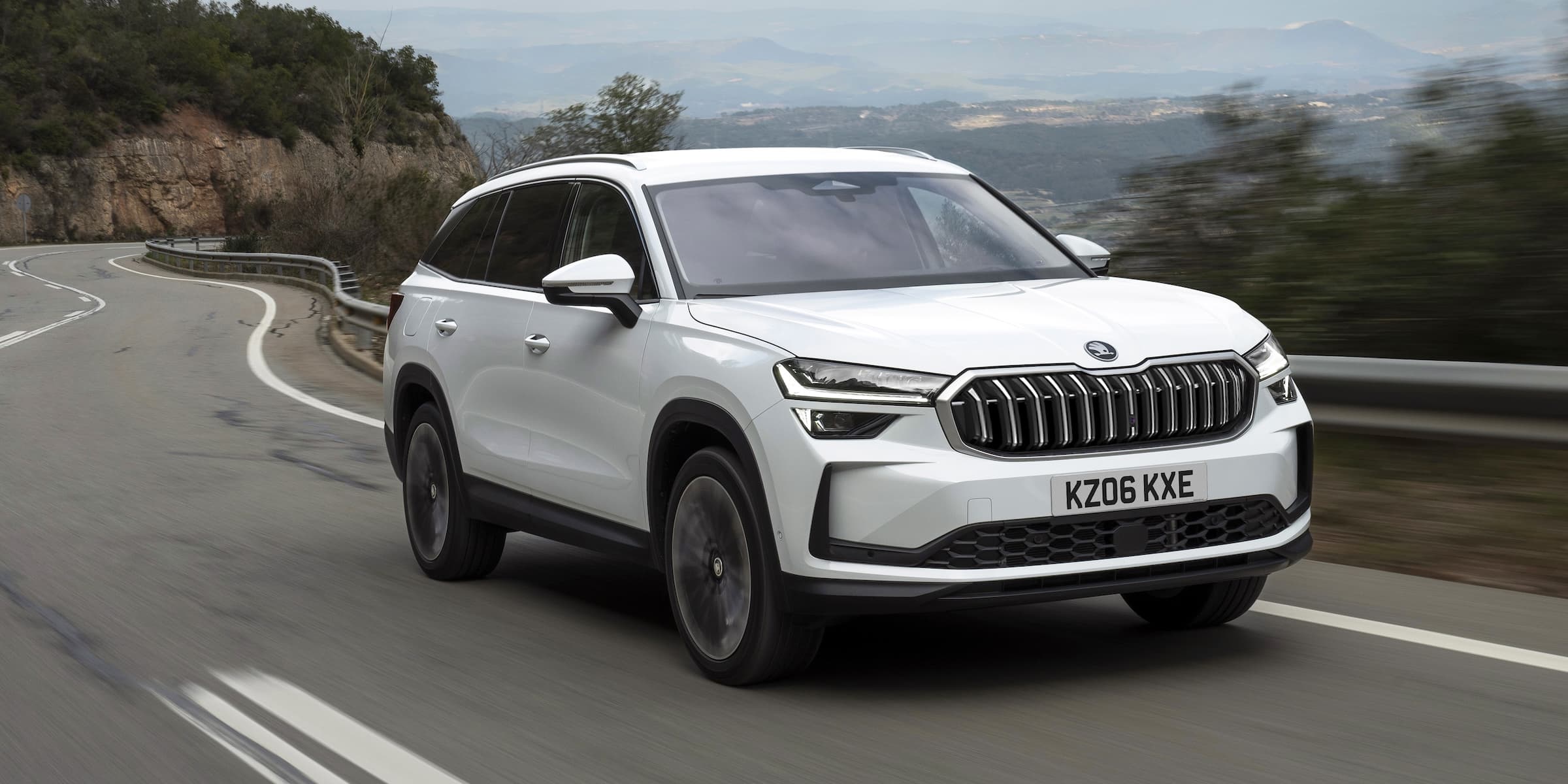
What is an aggregated rating?

Rather than relying on a single review, we combine scores from multiple independent sources to reflect the overall consensus of professional road testers.

To do this, we use a weighted average system. This means we do not treat every review equally. For new cars, more recent reviews carry greater weight than older ones. For used cars, reviews are not weighted by age.
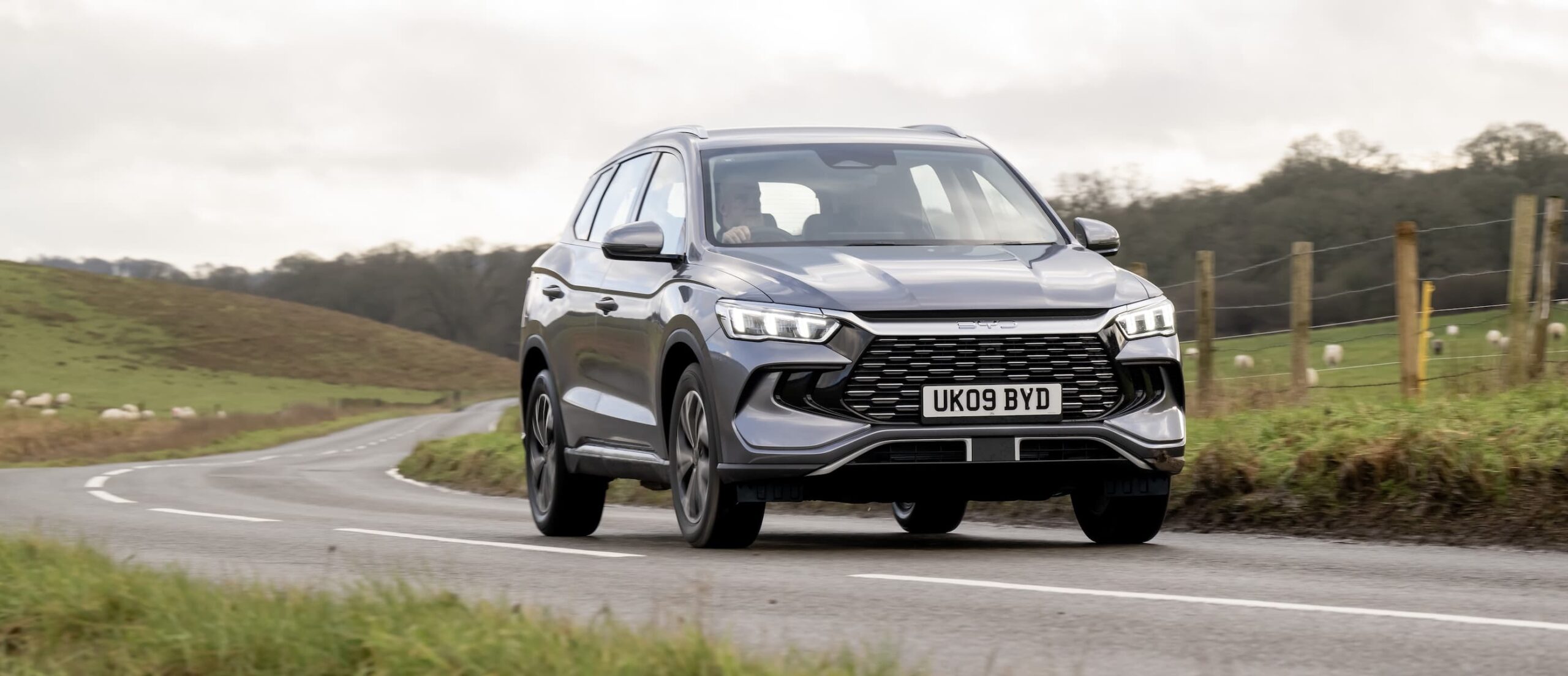
We also standardise the wide range of scoring systems used by different publications. A score of 7/10 may represent different levels of merit depending on the outlet. Our system converts these varied scoring scales into a consistent format before combining them into a single Media Rating.

This approach ensures the Media Rating reflects the broad professional view of a car, rather than the opinion of any one journalist or publication.

Reviews without scores

Some publications review cars without giving them a numerical score. These reviews are included in our database for readers to access, but they do not contribute to the Media Rating.

Unlike some review aggregators, we do not create artificial scores for unscored reviews or manually adjust scores up or down. In rare cases, a review may be included without its score if the editor believes it does not fairly represent the model being assessed. Final editorial responsibility for these decisions rests with The Car Expert.

Safety Rating

Our Safety Rating is based on Euro NCAP testing results. We use the full breakdown of Euro NCAP’s assessment, not just the overall star rating.

This includes detailed scores for:

  • Adult occupant protection
  • Child occupant protection
  • Pedestrian protection
  • Safety assist systems

This approach allows you to see where a car performs strongly — and where it may be weaker — depending on the type of protection that matters most to you.

Expiry and test age

Euro NCAP ratings expire after six or seven years. Testing standards are regularly updated and become more demanding over time, which means a five-star rating awarded several years ago may not reflect current safety expectations.

If a car remains on sale, it may be re-tested under the latest criteria, although this does not always happen.

We also take the age of the test into account. Because standards tighten over time, a five-star result from 2019 is not directly comparable to a five-star result from 2025.

Euro NCAP is revising its testing protocols in 2026, so we will update our safety scoring to reflect this.

Eco Rating

Our Eco Rating is currently based on official carbon dioxide (CO2) tailpipe emissions data for each model. We calculate an average across all available versions of the car, including petrol, diesel, hybrid and plug-in hybrid variants.

Electric vehicles produce zero tailpipe CO2 emissions and therefore score 100% in this category.

Plug-in hybrids officially produce very low CO2 emissions, but real-world results depend heavily on how frequently the vehicle is charged and how much driving is completed using electric power. For consistency and fairness, we use the official government test data for all vehicles.

What this rating does — and does not — measure

The Eco Rating focuses specifically on tailpipe emissions. It does not attempt to measure the full environmental impact of electricity generation, fuel production or vehicle manufacturing.

We focus on tailpipe CO2 because it is directly linked to air quality and public health, particularly in urban areas where most vehicles are used.

While exhaust gases contain pollutants other than CO2, these are broadly correlated with CO2 output under modern emissions standards, making it a reasonable indicator for comparative purposes.

Additional environmental data

Where available, we also display Green NCAP results, including air quality and energy efficiency ratings. However, as only a limited number of models are tested each year, Green NCAP data is not currently included in the calculation of the Eco Rating.

We continue to assess additional data sources to further strengthen this category over time.

Running Costs Rating

Our Running Costs Rating is based on independent data supplied by our technical partner, Clear Vehicle Data.

Using large-scale vehicle cost datasets, we calculate average running cost scores across each model range, covering the major expenses you can expect during ownership. These include:

  • Fuel consumption
  • CO2 emissions (which affect road tax and related charges)
  • Insurance group
  • Servicing, maintenance and repair costs (covering the first five years of ownership)

This provides a realistic view of how expensive a car is likely to be to run, not just how much it costs to buy.

Clear Vehicle Data also provides running-cost information to many of the UK’s leading leasing and fleet companies, ensuring the data reflects real-world commercial standards.

We apply separate calculation models for new and used cars. For used vehicles, servicing patterns and cost weightings differ to better reflect long-term ownership.

Reliability Rating

Our Reliability Rating is based on real-world repair and warranty data supplied by our commercial partner, MotorEasy.

This data comes directly from MotorEasy’s nationwide network of franchised dealers and independent garages. We analyse both the number of warranty claims made for each model and the average cost of those claims.

This approach provides insight into how frequently problems occur and how expensive they are likely to be when they do.

By focusing on actual repair records rather than owner surveys alone, the Reliability Rating reflects real ownership experience over time.

Warranty Rating

Our Warranty Rating assesses the standard manufacturer cover provided with each new car. We evaluate the length and structure of the standard manufacturer warranty, including:

  • Duration (in years)
  • Mileage limits
  • Additional warranty cover specific to electric and hybrid components

Longer warranties generally provide greater peace of mind and can reduce financial risk, particularly during the early years of ownership.

We do not include conditional warranty extensions (such as cover that only applies if the car is serviced within a franchised dealer network), nor do we factor in optional extended warranties available at extra cost. The rating reflects the standard protection provided at no additional charge.

For models offered with petrol, diesel and hybrid powertrains, we aggregate the warranty data across all versions to produce a single model score.

By including warranty coverage as a separate category, the Expert Rating recognises that protection and support after purchase are an important part of a car’s overall value.

How the overall Expert Rating is calculated

Each category — Media, Safety, Eco, Reliability, Running Costs and Warranty — is scored independently using its own methodology.

These category scores are then combined to produce two separate overall scores:

  • New Car Expert Rating
  • Used Car Expert Rating

The weighting of each category differs between new and used cars to reflect different buyer priorities. For example, reliability and long-term running costs carry greater weight in used car assessments, while recent media reviews and safety performance carry greater emphasis for new cars.

The final score is presented in both percentage form and as a simplified A–F report card grade.

We do not publish the precise mathematical formula behind the weighting system. However, the principles behind it are transparent: each category contributes proportionately to reflect its importance in real-world ownership.

Why scores change over time

Expert Ratings are dynamic and may increase or decrease as new information becomes available.

This can happen for several reasons:

  • New professional reviews are published
  • Safety ratings are updated or expire
  • Reliability and warranty data is refreshed
  • Running cost data changes
  • Older reviews gradually carry less weight in new car assessments

Because data is continuously updated, each model’s score reflects the most current evidence available. Percentage scores may change more frequently than headline A–F grades.

This approach ensures the Expert Rating reflects how a car performs today — not just when it was launched.

Media sources and data inclusion

The Media Rating draws from more than 30 established UK automotive publications and national media outlets with regular motoring coverage.
We assess potential sources based on:

  • Quality and depth of reviews
  • Consistency of scoring
  • Breadth of model coverage
  • Editorial credibility

We review our media source list periodically and may add or remove publications where appropriate.

We only include UK-based websites to ensure pricing, specification and market positioning are relevant to UK buyers.

Owner reviews

We do not currently include owner-submitted reviews in the Expert Rating calculation.

While owner feedback can provide useful anecdotal insight, it often produces highly polarised results and can be difficult to verify at scale. Our methodology prioritises structured, independently verifiable data sources.

We continue to explore ways of incorporating owner data responsibly in the future.

Coverage and scope

The Expert Rating Index covers the vast majority of new cars on sale in the UK, with additional models added regularly.

Used Car Expert Ratings are also expanding, although historical data can be more limited for older models.

Where multiple versions of a model exist, we assess whether to group or separate them based on meaningful differences in engineering, performance or positioning. Electric models are always rated separately from equivalent petrol, diesel or hybrid versions.

Updates

The Expert Rating Index is updated continuously as new data becomes available.

On average, each model is refreshed approximately once per month, although high-profile vehicles may update more frequently if significant new data is published.

Licensing

Expert Rating data is available for licensing. The ratings are currently used by selected UK automotive partners under bespoke agreements.

For commercial enquiries, please contact editor@thecarexpert.co.uk

Last updated: 11 February 2026

BYD Atto 3 SUV gets powertrain improvements

BYD has unveiled its revised Atto 3 ‘Evo’ range, which gives the all-electric family SUV more power, a longer battery range and faster charging, along with a simpler range structure and a longer standard equipment list.

On sale in the UK since 2023, the Atto 3 was Chinese manufacturer BYD’s first foray into the British market, and it has expanded its range to include eight other model options since then.

The Atto 3 compete for buyer attention in the mid-size SUV category – perhaps the most crowded field of family car choices in the UK – and this mid-life update comes as BYD attempts to keep the Atto 3 competitive with the likes of the Skoda Enyaq, which has been updated since the Atto 3’s arrival, and highly-regarded newcomers like the Renault Scenic E-Tech and Ford Explorer.

First off, front-wheel drive iterations of the SUV are no more. The updated ‘Evo’ range consists of rear-wheel drive and all-wheel drive model options, and BYD has updated the suspension system too.

There are just two versions of the Atto 3 ‘Evo’, both powered by a larger 75kWh battery. Built on the latest 800V architecture, the SUV charges at speeds up to 220kW using a DC rapid charging station, with a 10% to 80% top-up taking around 25 minutes.

The rear-wheel-drive ‘Design’ is powered by a single rear-mounted electric motor producing 313hp, enough for a 0-62mph time of 5.5 seconds and an official single-charge travel distance of 317 miles.

The all-wheel-drive ‘Excellence’ adds another electric motor to the front axle, boosting the power output up to 449hp, and cutting the 0-62mph sprint time down to 3.9 seconds. Faster acceleration means less battery range in this case however, with this top-spec model able to muster up to 292 miles of travel without recharging.

Both versions of the Atto 3 ‘Evo’ have a towing capacity of 1,500kg (braked) and BYD’s Vehicle-to-Load (V2L) technology, which can power external devices at up to 3kW.

Elsewhere, subtle changes to the SUV’s exterior looks include revised front and rear bumpers, new-look 18-inch alloy wheels, slimmer side skirts and a sportier spoiler at the trailing edge of the roof.

Inside, BYD has decided to move of the gear selector from the centre console to the steering column, and the manufacturer has made some revisions to the car’s nine-inch digital instrument cluster behind the steering wheel.

The car’s 16-inch central infotainment touchscreen – which BYD boasts is the biggest infotainment system in the mid-size SUV class – now has integrated Google functions such as Google Maps, Google Play Store for a range of car-optimised applications, and Google Assistant. The car also has AI-powered voice assistant tech.

In he rear, the boot space has been expanded by 50 litres – 490 litres in total – which grows to 1,360 litres with the rear seats folded. Another new addition is the ‘frunk’ beneath the bonnet with 101 litres of extra space – which can be used for shopping trips or charging-cable storage.

That just about sums up the Atto 3 ‘Evo’ range – BYD hasn’t announced exactly when the updated range will arrive in British showrooms at the time of writing, and hasn’t told the motoring media what the updated price list looks like yet.

The BYD Atto 3 currently holds a New Car Expert Rating of A, with a score of 74%. It scores top marks for its excellent safety rating and zero tailpipe emissions, although media reviews have been less complimentary.