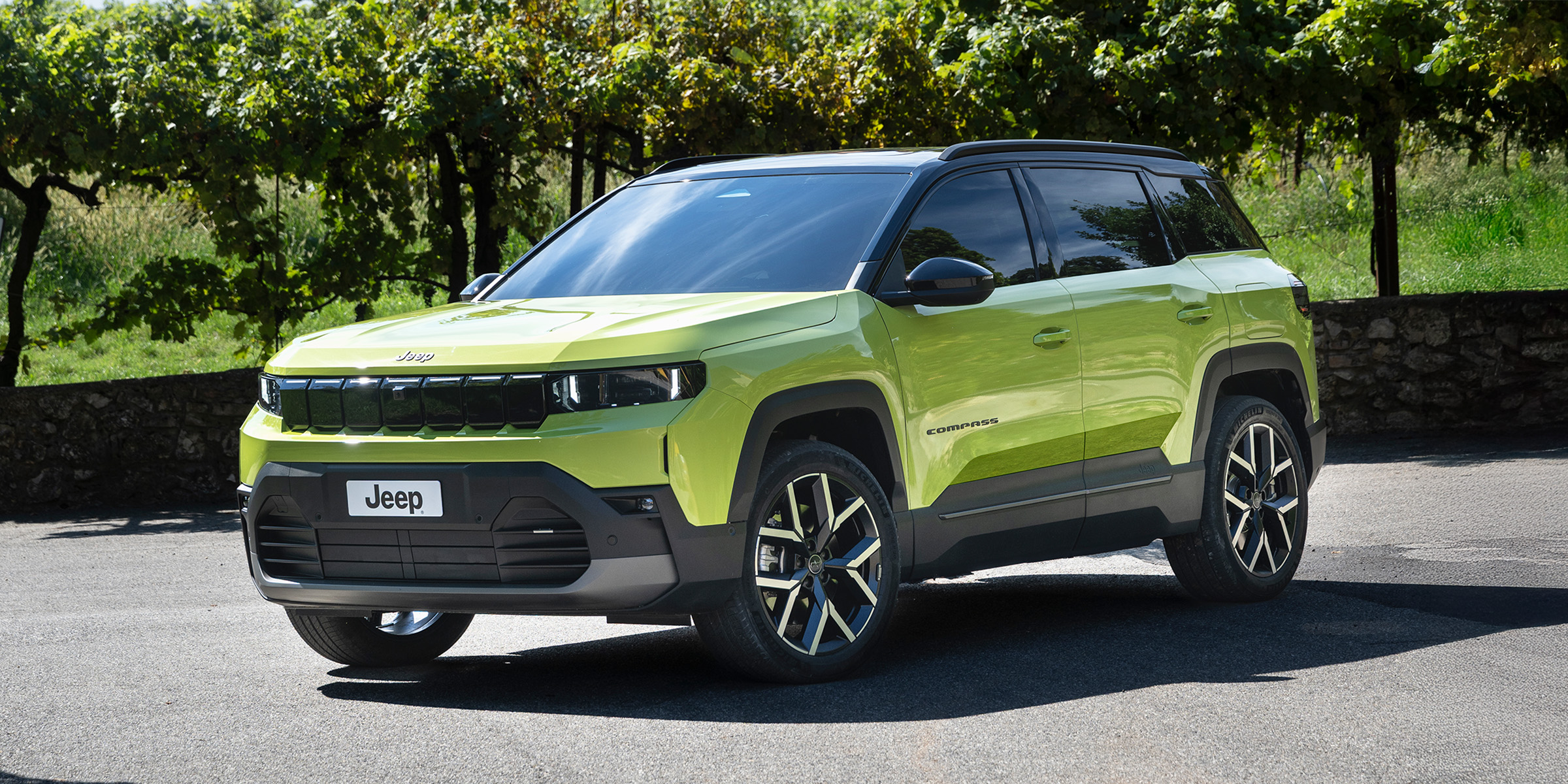
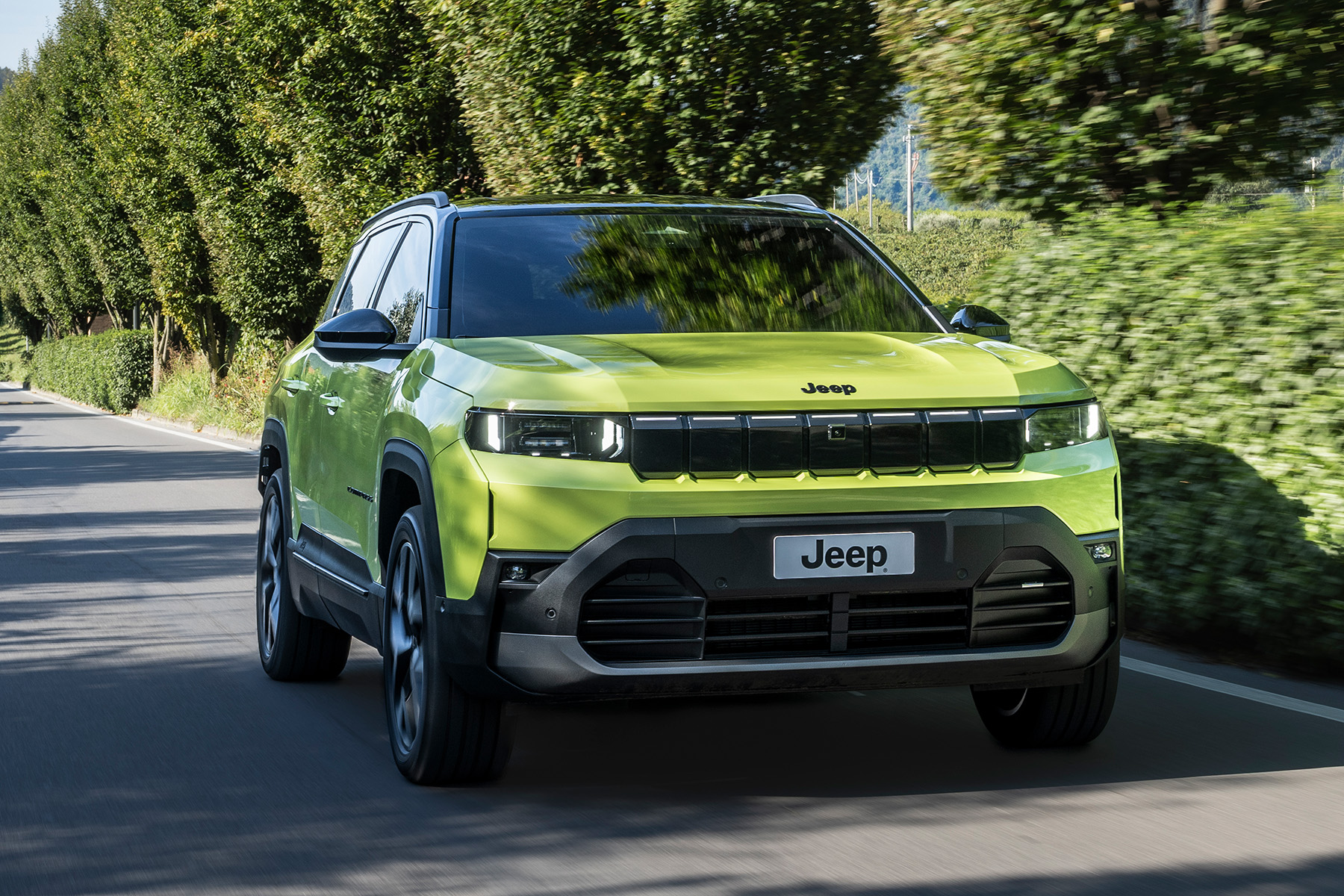
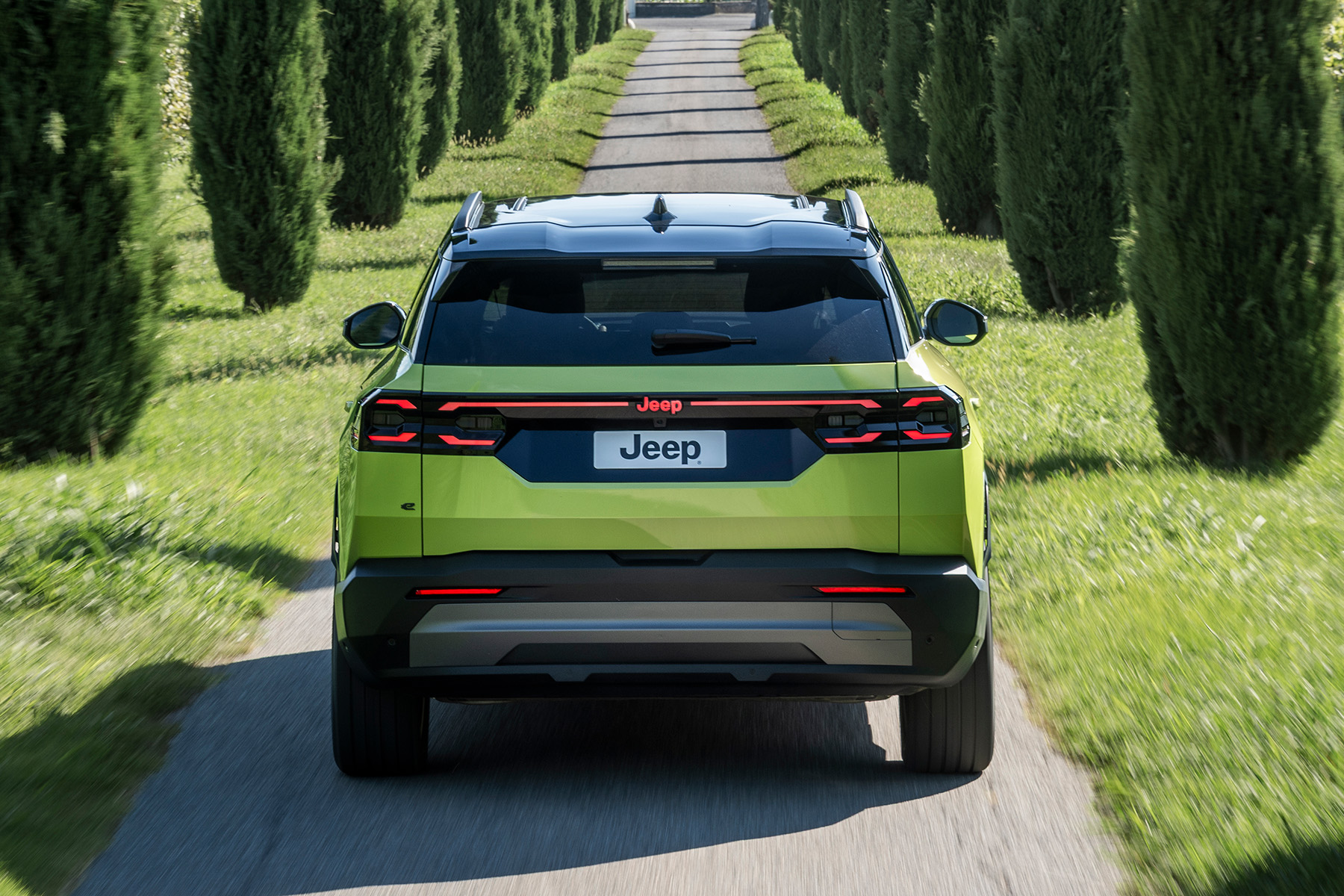
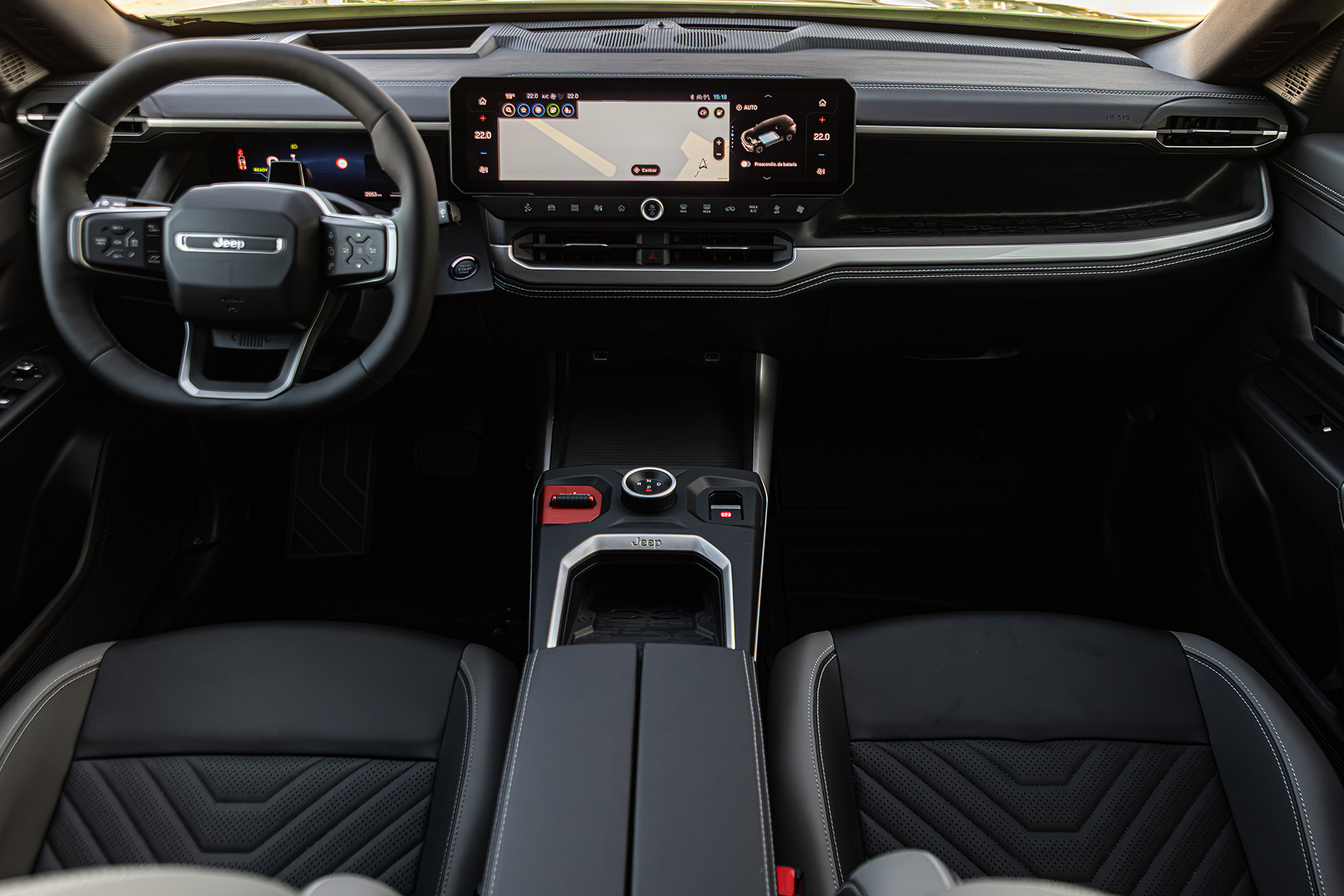
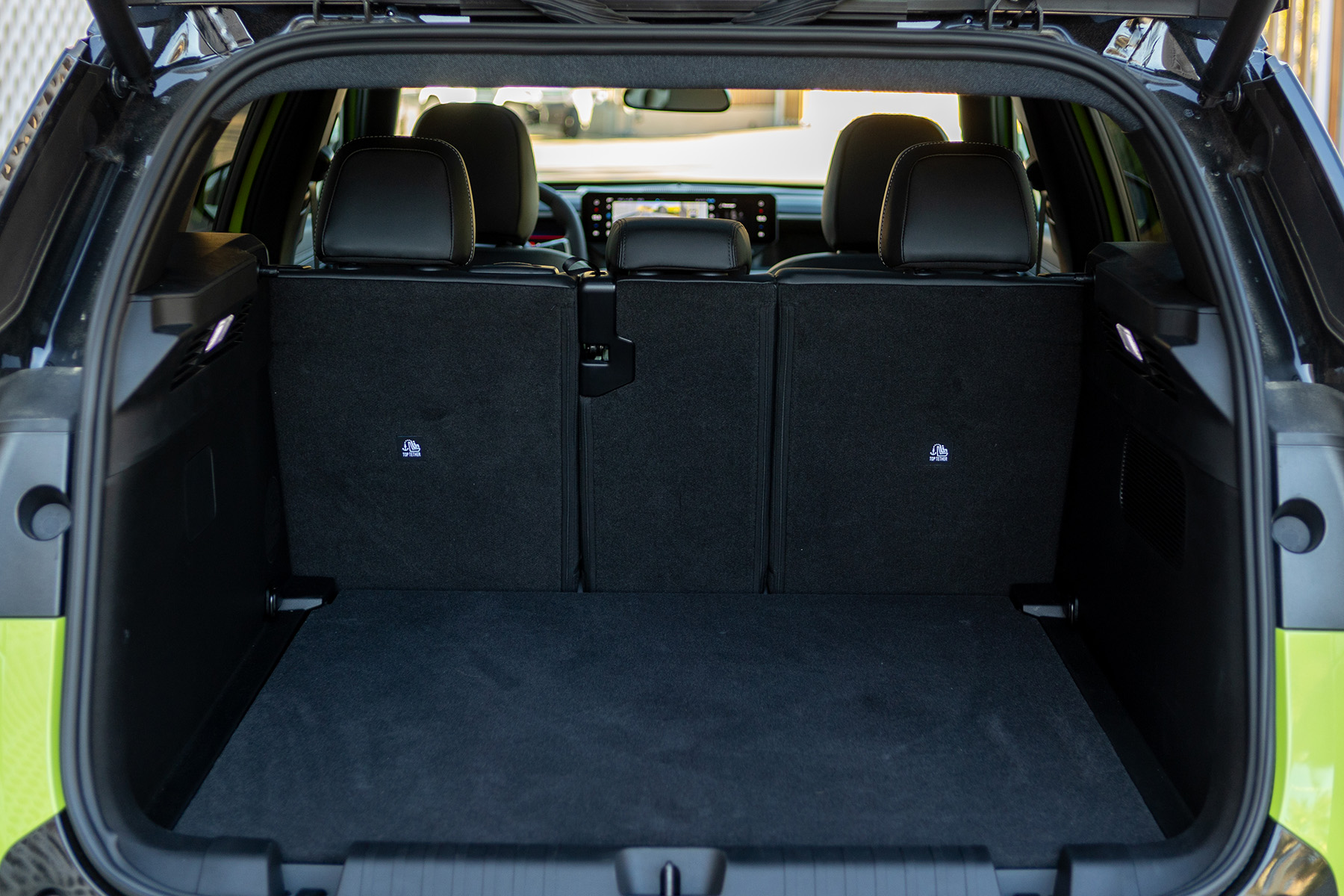
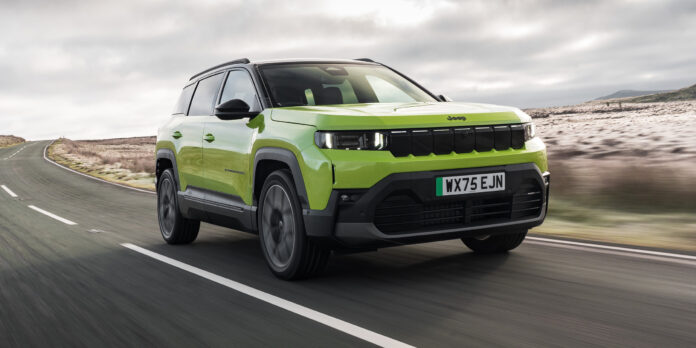
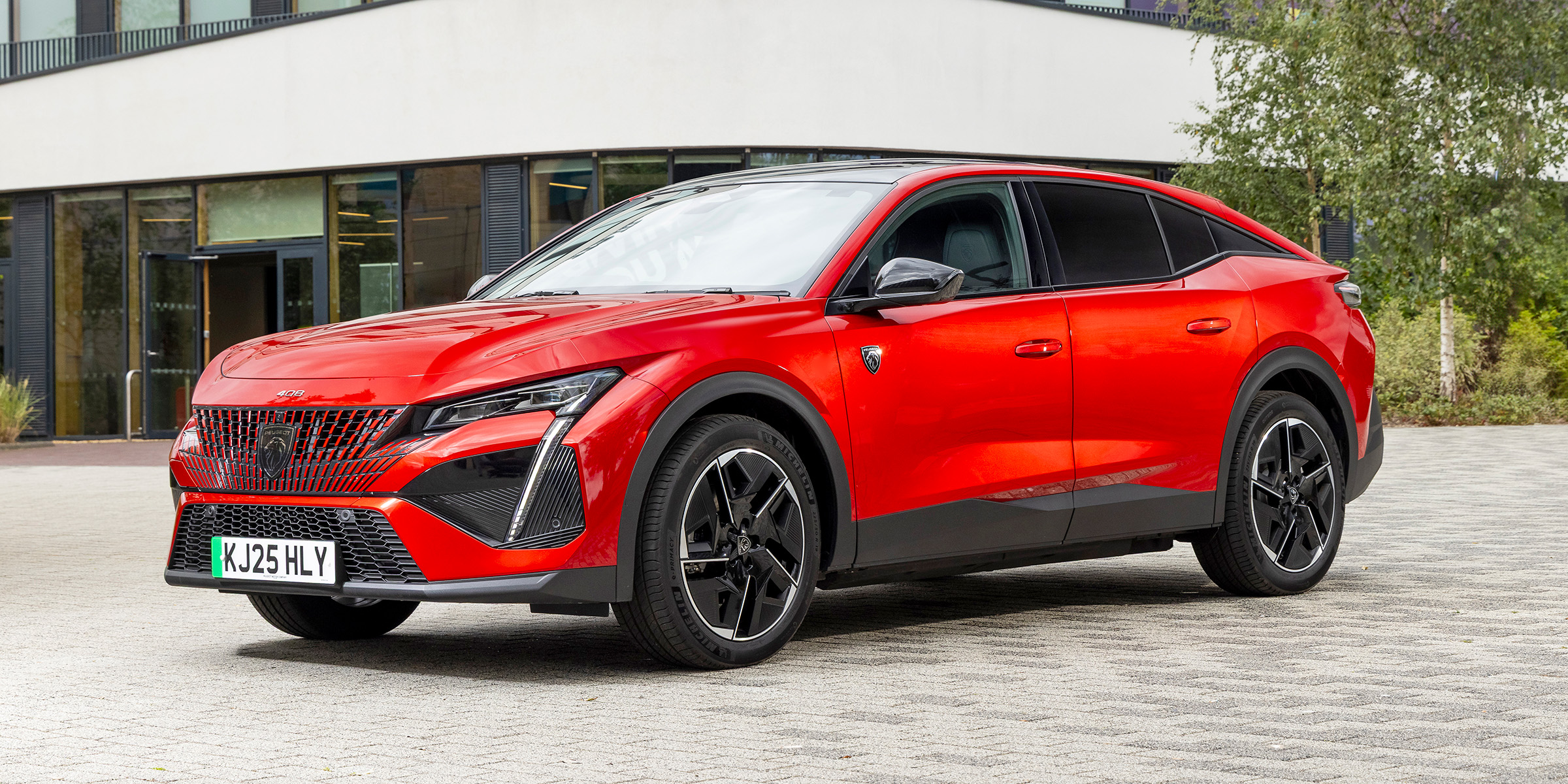
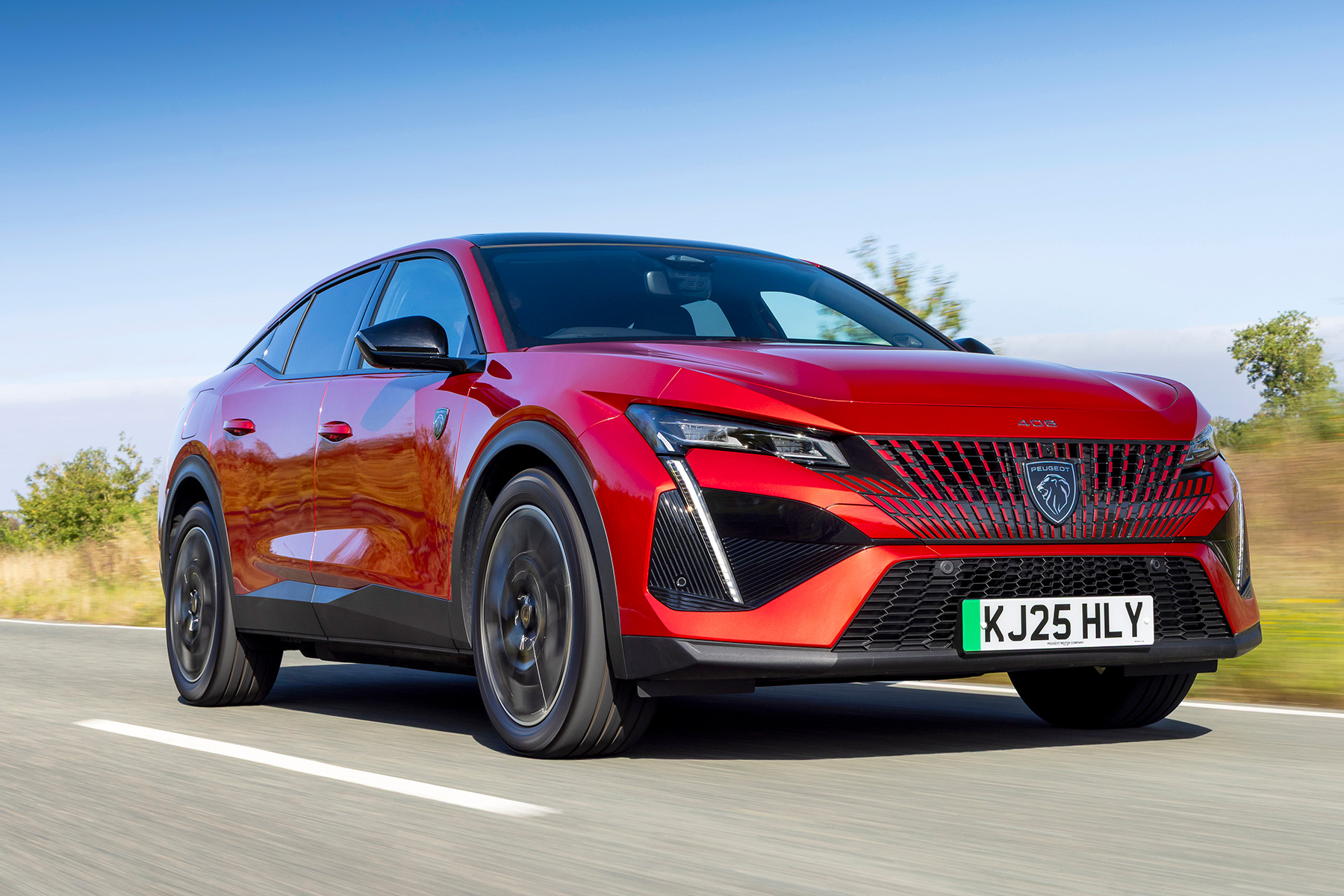
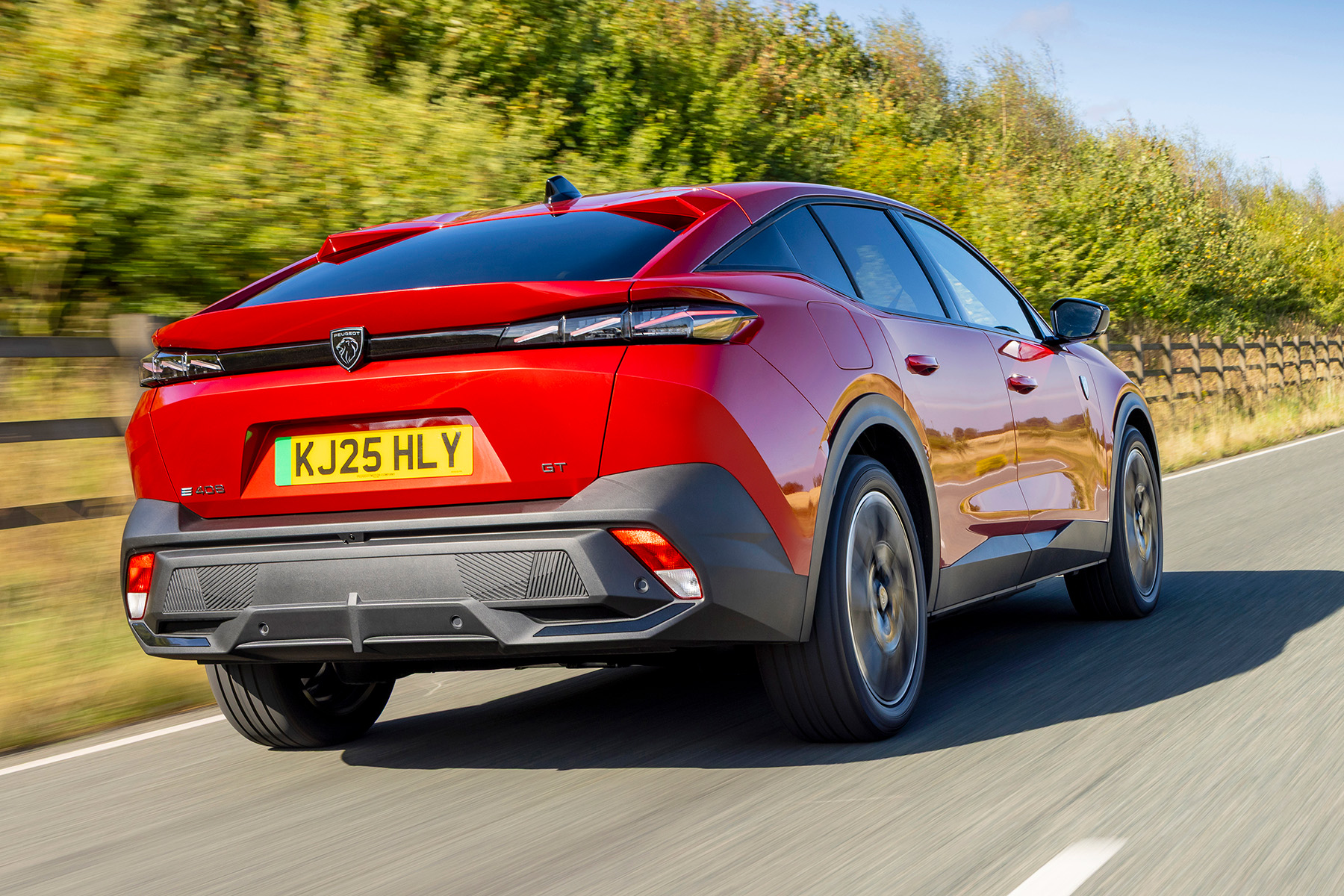
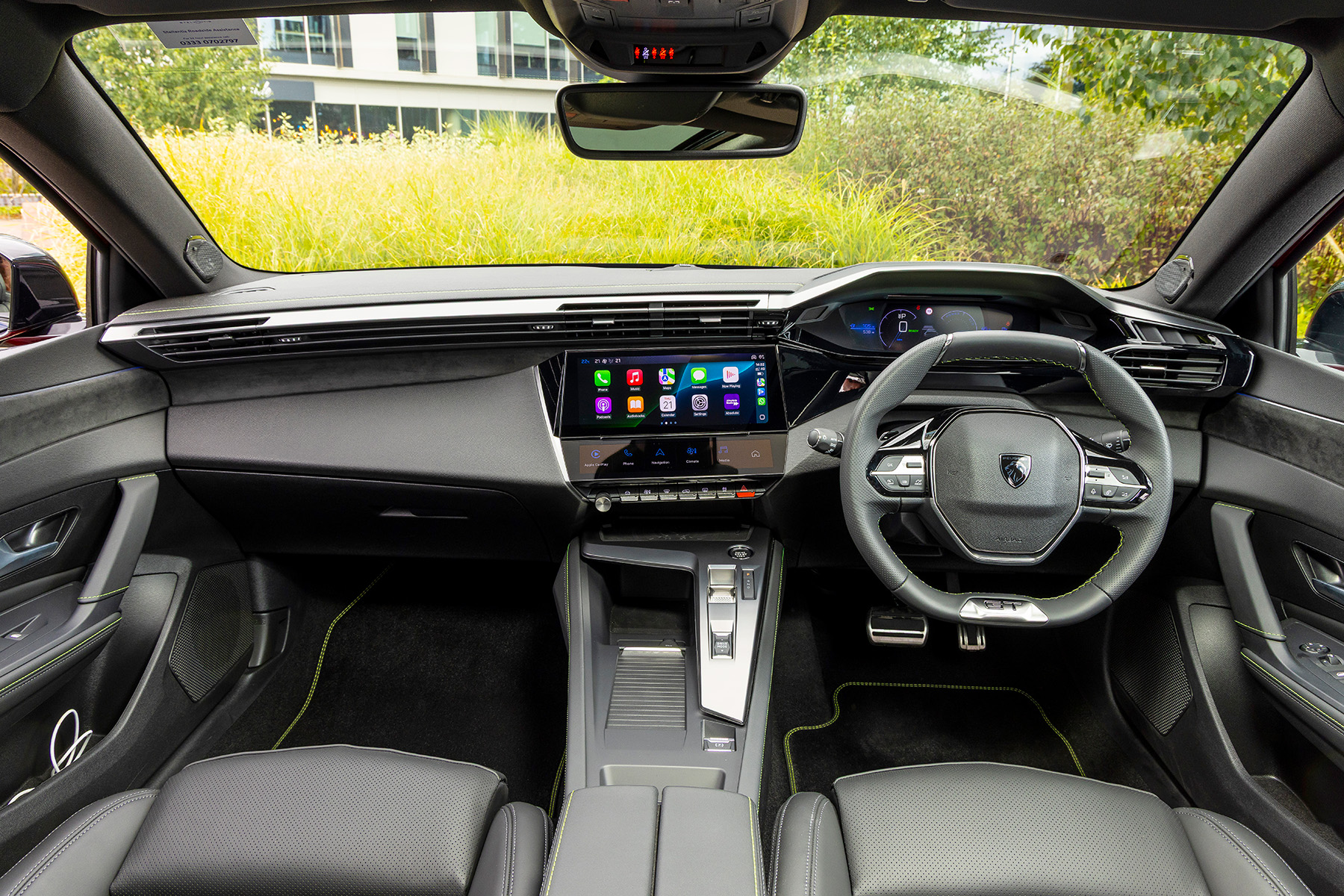
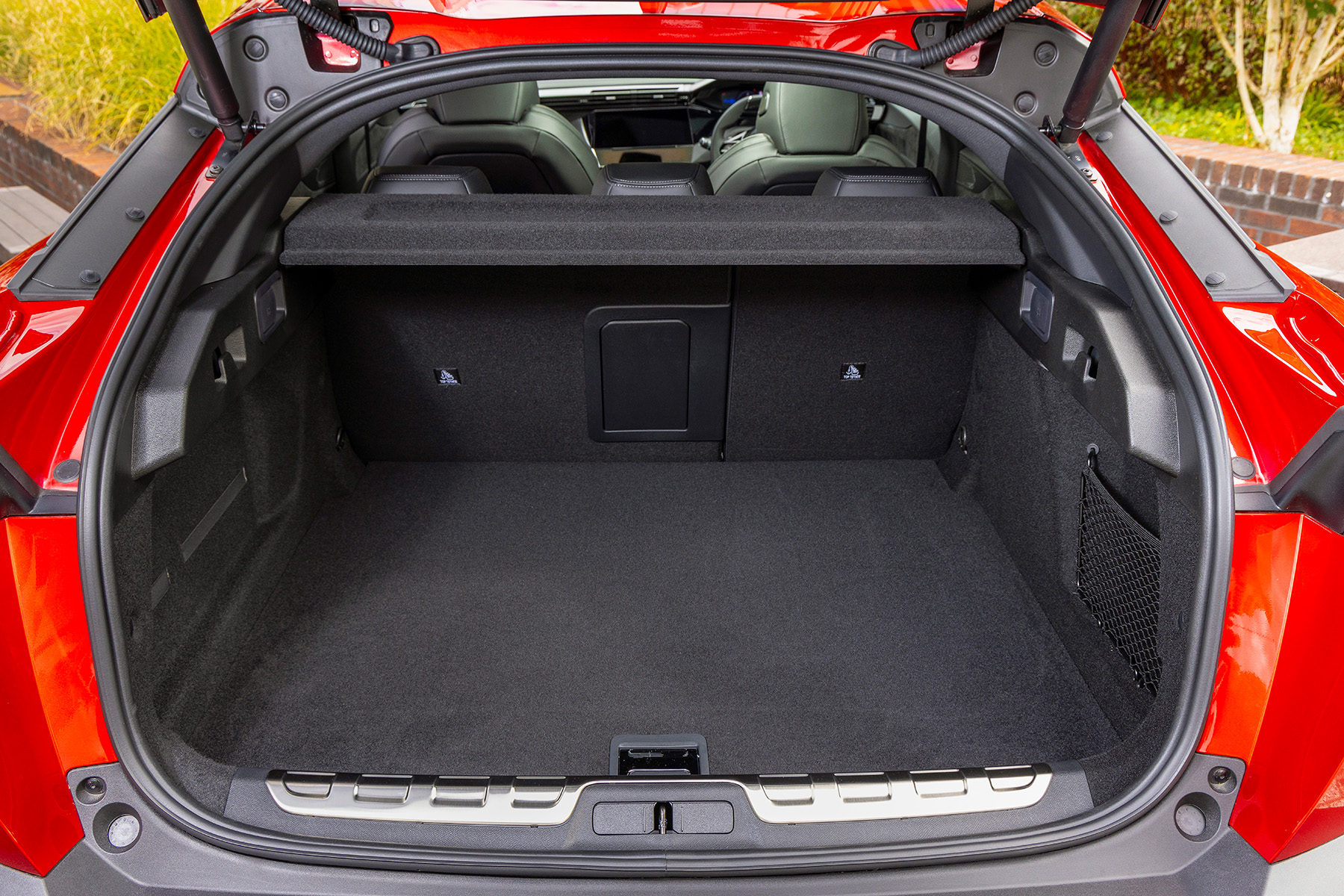
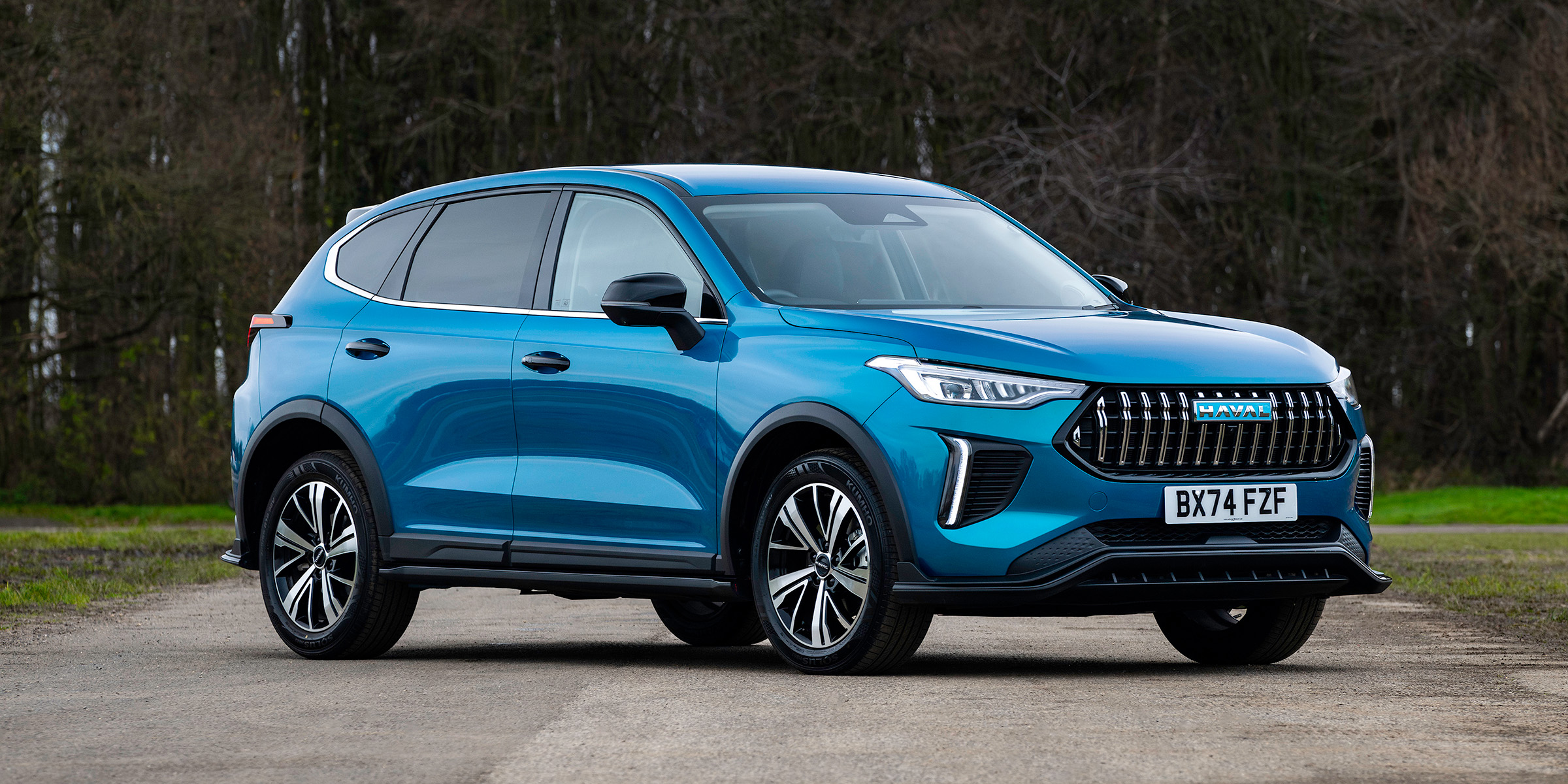
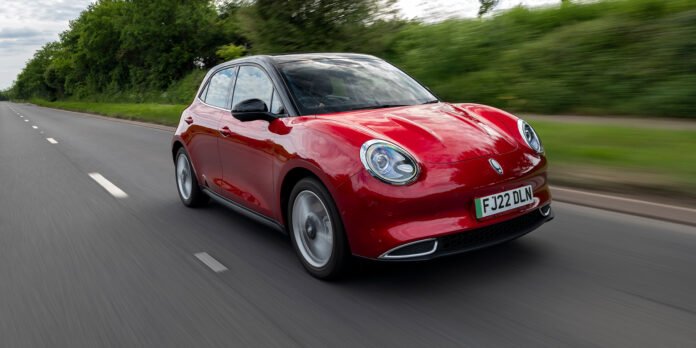
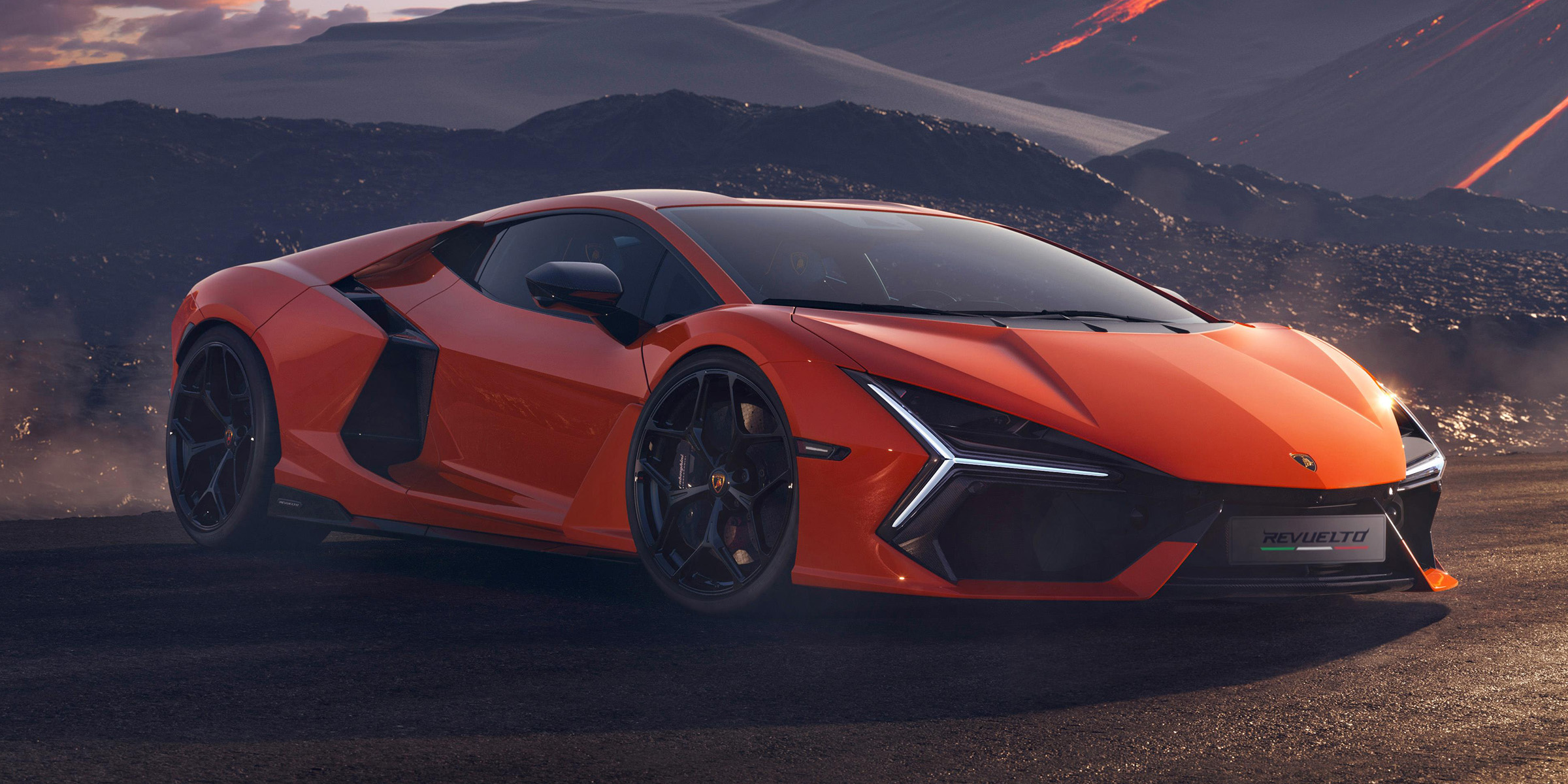
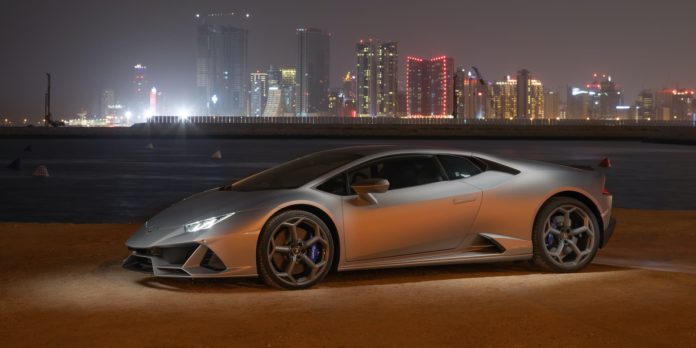
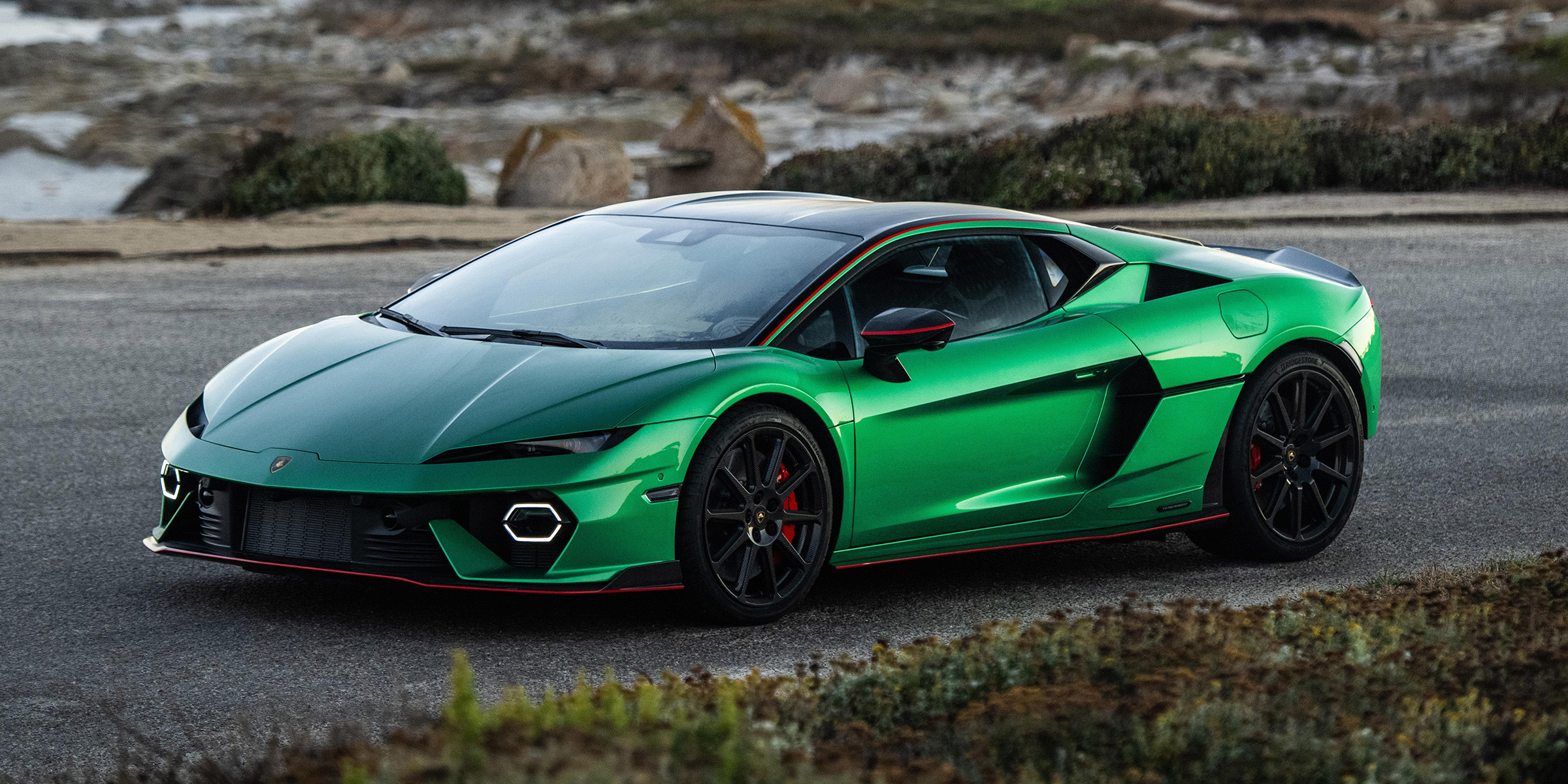
The Jeep Compass is a mid-size SUV, sitting above the more compact Avenger in Jeep’s UK range. This is the third-generation Compass, which replaced the long-standing second-gen model at the end of 2025.
This Expert Rating refers to the petrol mild-hybrid Compass ‘E-Hybrid’ model. There is also an all-electric version of the SUV, which we will give its own Expert Rating page – coming soon.
While the Jeep is now on sale, we don’t yet have enough UK-based reviews or running cost data to display on this page. Therefore, we are holding off on giving the Compass an Expert Rating score for the moment. Check back soon!
Body style: Medium SUV Engines:petrol mild-hybrid Price:From £34,520
Launched: Winter 2025/26 Last updated: N/A Replacement due: TBA
Image gallery
Highlighted reviews and road tests from across the UK automotive media. Click any of the boxes to view.
Featured reviews
“The new Jeep Compass capitalises on the enormous success of the smaller Avenger, by offering a similar combination of ruggedly handsome looks, an interior built to last, good on-board tech and a selection of powertrains that should suit every customer in its segment.”
Model reviewed: Range overview (including Electric model) Score: 8 / 10 “The new Compass still looks and feels like a proper Jeep. A modest increase in overall size keeps it in line with its competitors, meaning a roomier cabin than before which looks and feels better made, too. Whilst the mild-hybrid “e-Hybrid” looks good on paper, it doesn’t deliver the fuel savings you might expect.” Read review
Business Car
Model reviewed: Range overview (including Electric model) Score: 8 / 10 “With its solid all-round attributes, we expect this to broaden the new Compass’s appeal well beyond Jeep’s traditional off-roader fanbase.” Author: Sean Keywood Read review
Honest John
Model reviewed: Compass E-Hybrid Score: 6 / 10 “The new Jeep Compass is a far more competitive prospect than its subpar predecessor, and despite having much in common with the likes of the Peugeot 3008 and Vauxhall Grandland, it still feels quite Jeep-like. It’s let down by inconsistent cabin quality and an underwhelming petrol engine, though.” Read review
Top Gear
Model reviewed: Compass E-Hybrid Score: 7 / 10 “If you expect a Jeep to feel rugged and Wrangler-ish, the Compass will disappoint you. Despite the off-roadery visual touches inside and out, Jeep has made it drive like a good ‘normal’ car.” Author: Paul Horrell Read review
Safety rating
Independent crash test and safety ratings from Euro NCAP
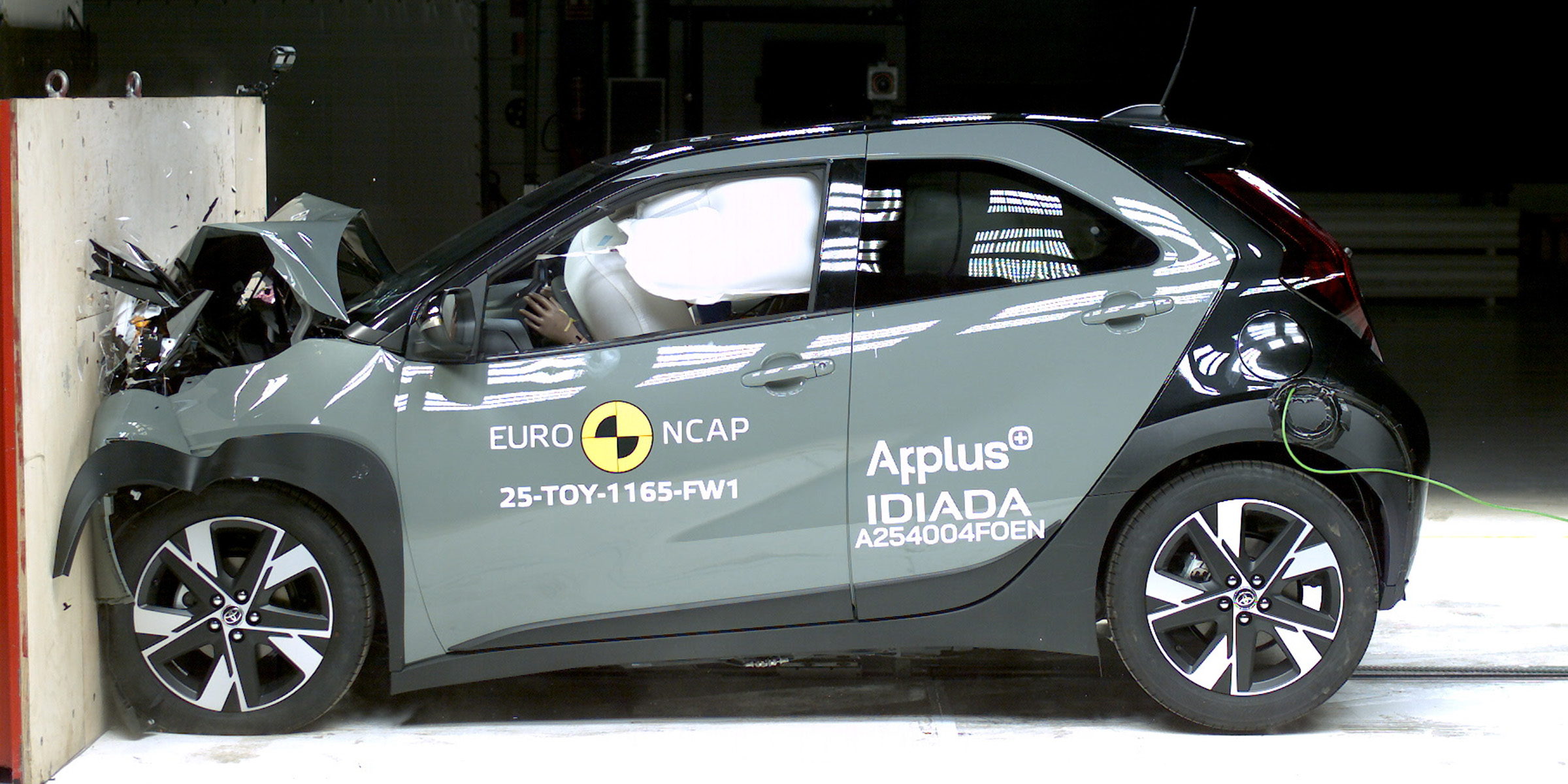
The Jeep Compass was awarded a four-star safety rating from crash testers Euro NCAP in late 2025, with these credentials standing for both this Compass E-Hybrid and the battery-powered Compass Electric.
Eco rating
Independent economy and emissions ratings from Green NCAP
No eco rating
As of February 2026, the Jeep Compass has not been assessed by Green NCAP.
Running cost rating
Monthly cost of ownership data provided exclusively for The Car Expert by Clear Vehicle Data
No data yet
As of February 2026, we don’t have independently verified data available for the Jeep Compass. Check back again soon.
Reliability rating
Reliability data provided exclusively for The Car Expert by MotorEasy
No reliability rating
As of February 2026, we don’t have enough reliability data on the Jeep Compass to generate a reliability rating.
The Car Expert’s reliability information is provided exclusively to us using workshop and extended warranty data from our partner, MotorEasy, sourced from both official dealerships and independent workshops.
As soon as MotorEasy has sufficient data on the Compass, we’ll publish the results here.
Warranty rating
New car warranty information for the Jeep Compass
Overall rating
E
16%
Petrol or diesel models
E
2%
Electric or hybrid models
D
29%
New car warranty duration
3 years
New car warranty mileage
36,000 miles
Battery warranty duration
8 years
Battery warranty mileage
100,000 miles
Jeep’s new car warranty is worse than average, and worse than rival brands in a similar price bracket as the Compass.
The duration is three years, with a limit of 36,000 miles. While Jeep’s competitors offer better standard coverage, this warranty is supplemented by a five-year/60,000-mile powertrain warranty and this compass has an eight-year/100,000-mile warranty for the mild-hybrid battery components.
Warranty on a used Jeep Compass
If you are buying an ‘Approved Used’ Jeep Compass from an official Jeep dealership, you will get a minimum one-year warranty included.
If you are buying a used Jeep Compass from an independent dealership, any warranty offered will vary and will probably be managed by a third-party warranty company.
If you are buying a used Jeep Compass from a private seller, there are no warranty protections beyond any remaining portion of the original new car warranty.
If you’re looking to buy any used car that is approaching the end of its warranty period, a used car warranty is usually a worthwhile investment. Check out The Car Expert’s guide to the best used car warranty providers, which will probably be cheaper than a warranty sold by a dealer.
As of February 2026, we are not aware of any DVSA vehicle safety recalls affecting the Jeep Compass. However, recall information is updated regularly, so this may have changed.
You can check to see if your car has any outstanding recalls by visiting the DVLA website or contacting your local Jeep dealer.
Make and model: Tesla Model Y Long Range RWD Description: Mid-sized Electric SUV Price range: £48,990
Tesla says: “For anyone and every drive. The athletically tuned exterior features sharp lines and lean surfaces, a sloped roofline and new aerodynamic alloy wheels for unparalleled efficiency. You can travel farther and get there faster while using less energy.” We say: Looks better than the old one. It drives smoothly, but its gimmicky features can get in the way.
The Tesla Model Y proved to be a sales hit as soon as it hit UK streets back in 2020. While its looks may have divided opinion, as did its lack of buttons and odd infotainment system, the Model Y drove well enough to receive top marks from many publications.
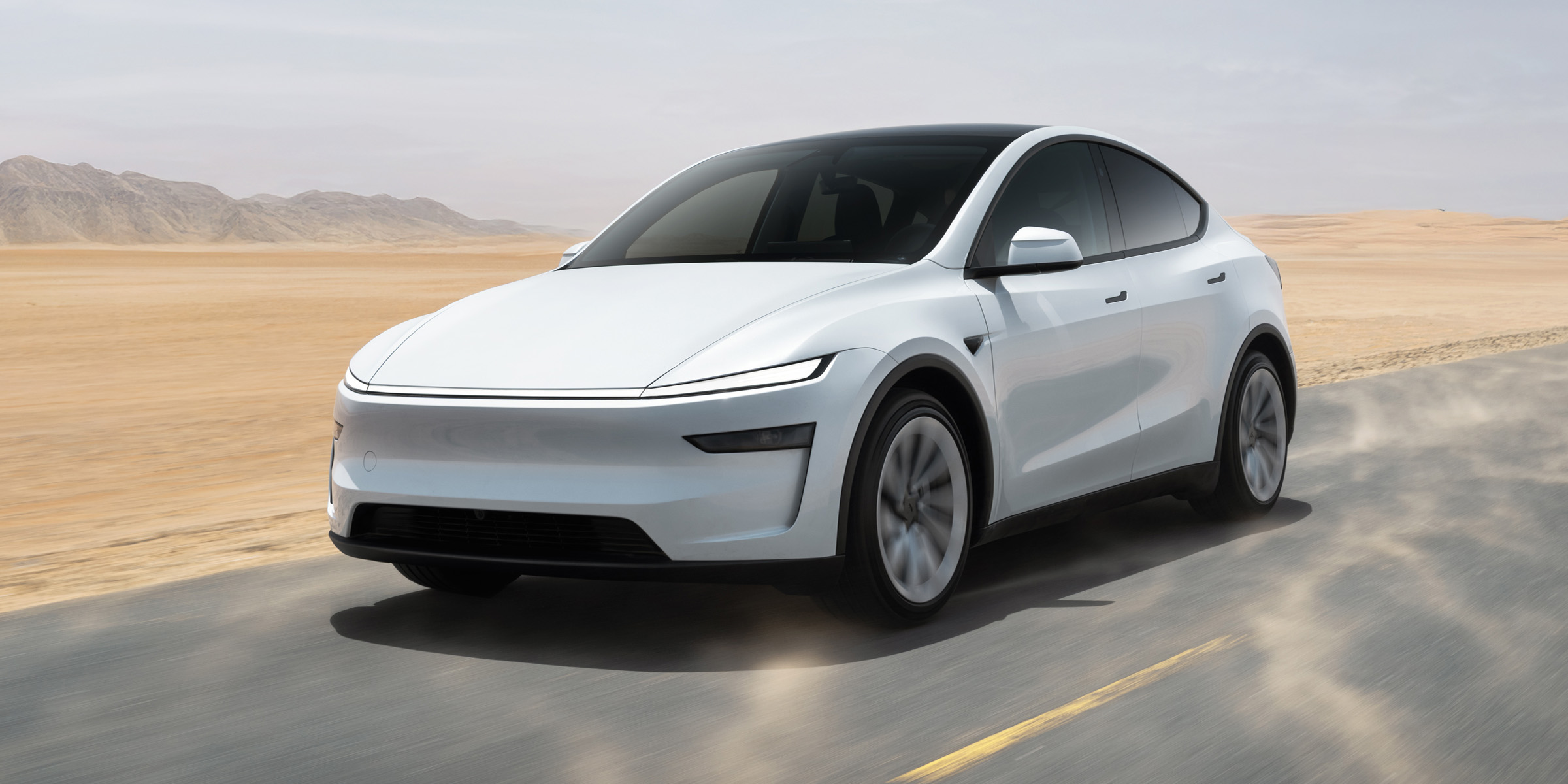
Tesla refreshed the Model Y in 2025, giving it a sleeker front end with a full-width lightbar and a new cabin. It’s still mostly the same underneath, but the look is definitely sharper and more creased, rather than the original’s softer style.
What is it?
Think of the Model Y as a Tesla Model 3 on stilts. The American brand began in the UK with the Model S before releasing the larger Model X, which has the funky gull-wing rear doors. The Model 3 then came along, followed by the Model Y.
The Model Y sits in the midsize SUV market alongside the Kia EV5, Volkswagen ID.4, Ford Mustang Mach-E, and Polestar 2.
Buyers can choose from four trim levels: the entry-level Standard, a Long Range Rear-Wheel Drive Premium, a Long Range All-Wheel Drive Premium, and a hot Performance All-Wheel Drive.
Who is this car aimed at?
The Tesla Model Y is a minimalist’s dream. It’s also popular among families who require a spacious electric SUV with advanced tech, lower running costs and firm performance.
Who won’t like it?
Both the Model 3 and Y have excelled in the UK, but reservations still exist. If you’re used to a car with a traditional interior layout, with buttons, the Tesla can be overwhelming at first. Like everything, it takes a bit of getting used to.
Tesla is also at the forefront of electric cars, meaning it takes the brunt of those who aren’t ready for them. It’s also not for those who don’t want attention from the politically charged: we all know who the CEO is.
First impressions
It’s a good-looking thing. The first Model Y looked like a bloated Model 3, but the refresh has undoubtedly made it more appealing.
Keys? What are those? I was instead given what looked like a credit card that had to be held against the A-pillar to lock and unlock the doors. The card worked well enough, but it sometimes refused to unlock the car, especially when I had a handful of shopping bags or when it was raining.
Still, the car is designed to work with the Tesla app for your smartphone. After installing the app on my Samsung S25 Ultra, I could then unlock the doors, open the charge flap, precondition the car, and activate ‘dog mode’.
However, the Tesla was also meant to unlock whenever I got near it with my phone, but this only worked a few times before stopping completely. This meant I often had to get my phone out of my pocket, unlock the car using the unlock button on the app and then open the door, a nightmare if your hands are full.
Inside, the Tesla delivers all the usual cool touchscreen quirks, my favourite being ‘Tron’ mode, which turns the ambient lighting red, plays a nifty propulsion sound similar to the Tron motorbike, and adds various elements to the touchscreen.
We like: Nice new design. Cool touchscreen features. We don’t like: Locking/unlocking can be a faff.
What do you get for your money?
A lot. Credit where credit is due, the Model Y is brimming with technology out of the wrapper, although it lacks the usual Tesla entry-level treatment.
For example, the Standard’s sound system has seven speakers instead of nine, rear passengers don’t get a touchscreen, and the steering wheel needs to be adjusted manually. There’s no front lightbar, nor is there a panoramic roof, and the leather seats have been swapped for cloth ones.
Opt for the Long Range RWD, like the one tested here, and you get a larger battery, offering a circa 387-mile range, and a more powerful 311bhp electric motor. You also get access to Tesla’s mighty 250kW Supercharger network, which will add 150 miles of range in just 15 minutes.
We like: Affordable in entry-level spec. Long Range RWD doesn’t cost much more. We don’t like: Standard spec is still technologically advanced, but feels too stripped back/
What’s the Tesla Model Y like inside?
Like most Teslas, there’s really nothing to the Model Y’s interior, which can be both good and bad. The good thing is that it looks clean and fresh; light fills the cabin through the Y’s large windows, and everything feels pleasant to touch.
The downside is the severe lack of control. While spacious, the cabin is an ergonomic nightmare. Everything, including forward and reverse selection, is controlled via the touchscreen. Yes, Tesla has put a wiper button on the steering wheel, and there’s an indicator stalk, but that’s as far as it goes.
Adjusting the door mirrors, tweaking the steering column and even adjusting the climate control is all done via the touchscreen. It’s an absolute hazard.
Adding insult to injury is the touchscreen’s software, which isn’t exactly foolproof and constantly falls on its face like one of those Chinese robots. For example, its built-in Spotify system, which isn’t Spotify, kept losing signal, meaning songs would stop halfway through.
However, as mentioned earlier, the cabin is spacious. There’s lots more storage space, and I’m pleased there’s an actual indicator stalk.
We like: Spacious and airy. Materials have a quality feel. We don’t like: Touchscreen is downright infuriating.
What’s the Tesla Model Y like to drive?
It’s a hit and miss. To start with, there’s no traditional gear selector. Instead, there’s a little car icon on the touchscreen that you drag upwards to go forward, and downwards for reverse. There are arrows to help in case you get confused. To park, you press the ‘P’ in the middle of the up and down arrows — an absolute fail.
When putting the car into park, I often found myself in reverse and vice versa, as you need to be careful to press the ‘P’ button. Click ever so slightly north of the ‘P’, and you’ll engage drive.
I mainly drove in ‘Chill’ mode. This mode relaxed the car’s throttle response, making town driving a breeze. It also handled bumps and ruts well for an EV, though it was disturbed by the odd drain cover.
As for performance, I’m unsure why you would opt for the all-wheel-drive Performance vomit comet; the rear-wheel-drive Long Range car has more than enough oomph and grips well through the corners in Sport mode. It’s not the most engaging car to drive, but it’ll press on if needed.
After 100 miles, the Model Y returned 3.3mi/kWh; at 200 miles, 3.2mi/kWh; and on a 10-mile drive, 3.8mi/kWh. Therefore, the Tesla did pretty well during my efficiency testing. Moreover, charging from 20% to full via my 7kW home wallbox took just 7.5 hours.
We like: Decent handling and performance. Soaks up bumps well for an EV and returns good mi/kWh figures We don’t like: Awful drive selector. No parking brake button.
Verdict
I’m between a rock and a hard place when it comes to the Tesla Model Y. I want to like it, I really do, but I feel it’s just too overcomplicated. Likewise, flicking through menus to turn on heated seats or to adjust the door mirrors is silly; you can’t be on your mobile phone when driving, but you can fiddle with a touchscreen.
Complication aside, it drives fairly well and offers a wide range of interesting features, making this far from a boring car. There are also excellent monthly payment deals that set the Model Y apart from the competition.
You’re looking to replace your car and planning to make the most of your budget by buying used. There are certainly big savings to had in the used car market, and the opportunity to bag yourself a lot of car for the money you spend – provided you get the right car at the right price.
But what is the right car? Well, for starters, it’s one that has the full service history that it promises, it hasn’t got outstanding finance owed on it, there’s no hidden or unreported damage, and it hasn’t been stolen.
That apparently tempting buy may look pristine, particularly if a savvy seller has spent a little cash having it valeted, but the shiny metal could be hiding terrors. The most common problem of these is outstanding finance. Missed payments could mean the car is actually owned by a finance company and not the person trying to sell it to you.
Or the problems could be much darker – such as mileage illegally rolled back so that the car appears a better bargain than it is, a practice known as ‘clocking’. It’s fraudulent and potentially dangerous.
You might be looking at a previously stolen car, one that has been in a major accident and repaired, or even written off by an insurance company. It even be a clone of an identical model.
All these could result in you losing both the car and the money you paid for it. But much worse, you could be putting yourself and your family at risk travelling in a dangerous car that shouldn’t be on the road.
However, with a little effort and in most cases a little cash, you can obtain an extensive picture of the history and the condition of that car that’s caught your eye, making it far less likely that you will be caught out. And almost all of this pre-purchase checking can be done online.
The UK’s best sites for used car checks and inspections 2025
Just how extensively you check out your intended purchase really depends on where you are buying. If the car is a manufacturer’s Approved Used model on the forecourt of a franchised dealer, you can be more confident it won’t be hiding any real nasties – although it’s not a guarantee. Some things will always slip through the net.
Manufacturer Approved Used cars also come with a warranty (usually for 12 months), which adds to your peace of mind, but of course as a result they also cost more than buying from an independent dealer or privately.
Most independent used car businesses also offer warranties, but more care is needed here – these warranties vary enormously in their actual value, while the cars on offer are generally older, higher mileage examples and more likely to have issues.
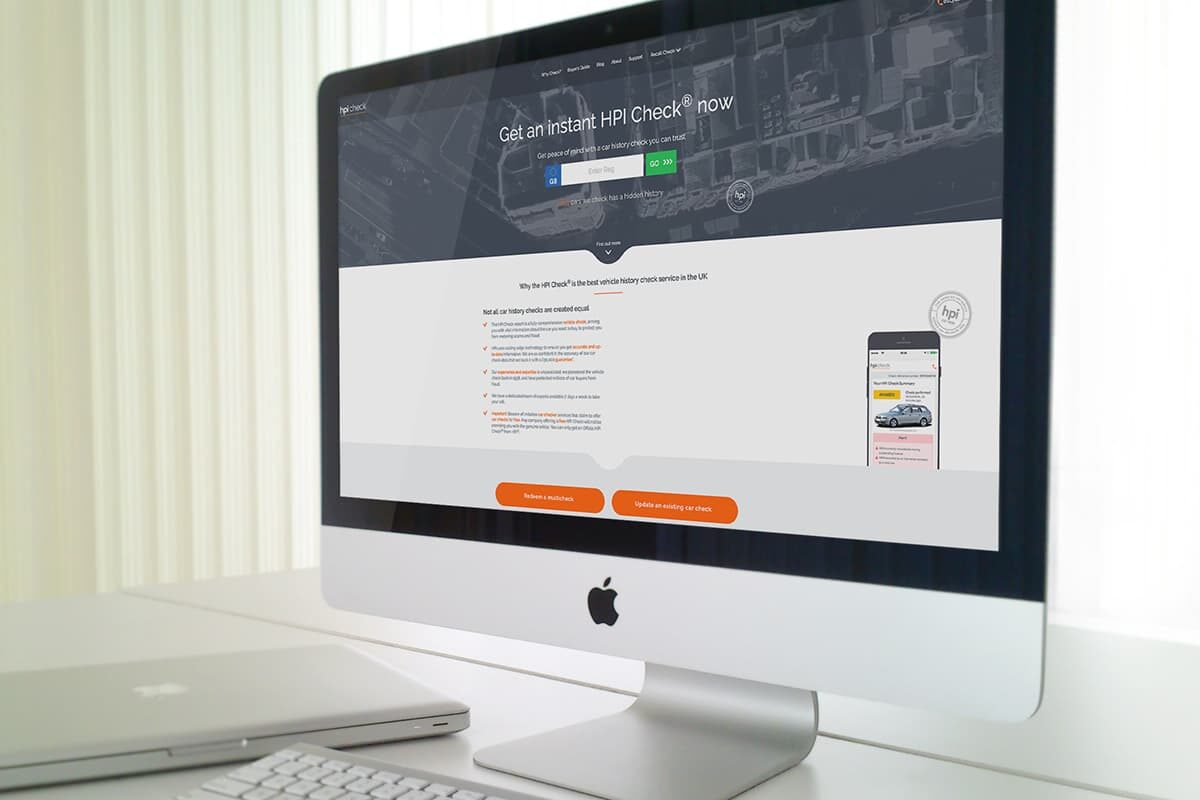
You will certainly want to make a vehicle history check – described, wrongly, by many sellers as an ‘HPI check’. HPI is merely one of several companies selling used car history reports, particularly whether it has any finance outstanding, has ever been written off, or been reported stolen.
The problem is that HPI has been around so long that that the term ‘HPI check’ is now applied to any kind of vehicle history record – just as all vacuum cleaners are usually referred to as Hoovers.
A comprehensive vehicle history check is essential if you take the most risky option of buying privately. We’re not saying you should ignore that car you’ve always wanted sitting on a driveway with a For Sale sign on it, but you should certainly start off sceptical. If, after doing the research, you are still tempted then it might be worth paying out for the most comprehensive, but also most expensive, pre-purchase check – a physical vehicle inspection.
Particularly useful if you are not particularly mechanically savvy, full vehicle inspections cost around £150-£200. They also need the permission of the seller, but if they refuse you should ask yourself what they might be scared of…
Inspections involve an expert crawling all over the car and taking it on a road test, then providing a comprehensive report on its condition. They don’t take it to a workshop or dismantle anything, so this kind of check is not completely foolproof, but it does give you a much stronger picture of what you are buying,
So before we look at some of the best sites to get a car check, resign yourself to spending some money. Whether that’s £20 or £200, it’s a small price to pay when you plan to spend thousands on a used car, especially if it reveals that the car has a dark past…
We are proud to be launching our own free vehicle history check tool here at The Car Expert, starting with a trial launch in February 2026 in conjunction with our technical partner, Clear Vehicle Data.
Our free used car history report combines all the information you get from the DVLA with more details about the vehicle’s history. This includes mileage, changes of ownership and number plate, technical data and standard features. It also shows you whether the vehicle has previously been scrapped, whether there are any outstanding recalls and whether there have been any mileage discrepancies reported. All in all, it’s a very comprehensive set of information available to everyone, and it should be your first stop when looking to buy a used car.
If you want more information, Clear Vehicle Data can provide a more comprehensive check that identifies whether the car has previously been used as a taxi, whether it has been written off or stolen, whether there’s any outstanding finance on the car, and a market view on the car’s value. All this information is available for just £6.95.
The free part of the history check tool is still being refined, so you may find a few bugs. Have a try and let us know what you think, so we can keep improving it!
Basic vehicle information is listed on the Driver & Vehicle Licensing Agency (DVLA) website. All you need is the make and model of the car, its registration number and the mileage shown on the dashboard. Try and ensure you see and record the mileage shown – don’t rely on the seller to tell you.
Entering the registration on the DVLA website reveals a whole lot of information on the car that can immediately show if it is what it appears to be. One click then links to the government’s MOT database, proving whether the car actually has a valid MOT certificate, when it expires and, crucially, a history of past tests. This information includes any advisories, so you can compare with any “full service history” that might be offered by the buyer and get an idea for what money you may need to spend in months ahead.
Each MOT test also records the mileage, so you can check if what the clock reads now tallies with previous readings. If looking at this information throws up any questions, at the least ask the seller to explain them. And if you are not fully satisfied with the answer, walk away.
As we’ve already mentioned, HPI is the granddaddy of used vehicle checking services, but you might initially be put off by the firm’s ‘Basic’ check costing £10, which gives you less information than some other rivals provide.
However your tenner does buy the most important info – insurance write-offs, and stolen vehicles. To get such features as the MOT history requires HPI’s £20 Comprehensive Check, but this includes whether the car has been cloned from an identical model, shows up discrepancies in the recorded and apparent mileage, and reveals whether the logbook has been stolen.
The comprehensive check also provides a host of extra information, such as what the model commonly fails MOT tests on, how much it should be worth and what it will cost to own, down to the cost of fuel.
HPI also offers a multi-check service – three different cars for £30. All full checks include a £30,000 guarantee.
Even just a few facts missing from a car’s history can save you thousands of pounds in repairs down the road, or could save you and your family’s lives if you were driving an unsafe car without knowing it. That’s the warning CarVertical gives on the home page of its website, followed by descriptions of the four short steps to take to get your report.
It has a huge database, compiled using information about individual cars, records from national and private registries, insurance company databases and stolen vehicle records internationally, and confirms all information so that it’s confident of its authenticity. A key feature is that the checks are all Europe-wide, rather than just UK-wide, meaning that any car privately imported from Europe can be checked.
For £30, potential used car buyers will get research from the stolen database, information about previous ownership, mileage history, accident reports, information about when maintenance is due and, of course, notes on any outstanding finance. Photos are also provided were they’re available. A two-car multiple check is available for £36 – meaning your second check is only £6 – and a three-car check is £48.
MotorCheck promises wide coverage because it’s the only history check provider with a presence in the UK and Ireland. This, it says, ensures the best coverage and expertise in both of these market. It backs that up with a guarantee of up to £30,000 on every report it does.
The agency offers a free basic check, which includes confirmation of make and model, number of doors, fuel type and colour, but if you need a bit more information than that (and most people do), it’s worth opting for one of the paid-for services.
This starts at £10 for one check and for that you get a long list of inspections including, finance, mileage and write-off checks, whether the car has been scrapped or stolen, if it has ever been a taxi, whether its number plate or colour has changed, list of recalls, a valuation and more.
If you have more than one car to put under the microscope, look for Motorcheck’s bundles: three for £15 or five for £20. There’s a chance to see a sample report before you buy, and its busy website contains lots of useful information and tips. It’s worth a look.
Full Car Check claims to be the most comprehensive free car history website in the UK. Without spending any money, you can get a basic history check, although obviously you’re offered the chance to upgrade to a paid ‘premium’ report.
The paid checks come in two flavours – ‘Standard Check’ for £6 and ‘Full Check’ for £10. The extra four quid for the full check covers any outstanding finance or logbook loans, so you don’t run the risk of buying a car that still belongs to a finance company. It also comes with a £30,000 data guarantee, so it’s probably worth the extra if you’ve found your desired vehicle.
The full check is a bit cheaper than other sites on this list but there are no multi-car options, so if you’re checking a few different vehicles it may cost a bit more.
Car Analytics offers a free car history report to check details of vehicle tax and MOT status, but, as with similar services, you’re probably going to want more than that – which you’ll have to pay for.
The basic check is free, gives reasonable peace of mind and is ideal as a first port of call. It includes the number of previous owners, whether the number plate or vehicle colour has been changed, whether the vehicle has been scrapped, if its VIN number matches official records, plus there’s a valuation.
Upgrading the check to a full report, for £10, will get you information such as outstanding finance, police stolen status, whether the car has been an insurance write-off or whether it has had a certificate of destruction, which means it has been destroyed. There’s also a ‘high-risk’ check regarding any financial disputes and a mileage anomaly check.
The site includes some interesting reading in the form of useful guides.
Any organisation that calls itself Freecarcheck has, at least, to offer one thing: a free car check, and it does. Like some other agencies, Freecarcheck offers the option of a free report and then encourage you to upgrade to a fuller check.
Freecarcheck’s free car check is quite detailed. For a start you get a picture of the car you’re checking (not the exact vehicle) along with tax and MOT details, whether it’s an import, the engine size, power, engine number, colour, number of colour changes, year of manufacture and date of registration.
Upgrading is still advisable if you are serious about spending serious money though and the company’s premium report, for £10, gives greater peace of mind, including outstanding finance, whether it has been stolen, number of keepers, mileage anomalies, number plate charges, whether it has been a write-off and much more.
As well as cars, Freecarcheck also runs checks on coaches, motorcycles, trucks and even, it says, tractors!
If your budget is very tight this could be the best option. Mycarcheck does offer a free service, but all it provides is a valuation of how much the car should be worth and its MOT status and history – information you can get directly from the DVLA website.
More useful is the £4 basic check. This will reveal if the car has ever been stolen, exported, scrapped or written off by an insurance company, as well as providing more details about the car.
Crucially however, the Basic Check does not include outstanding debt or finance. Adding just that essential information bumps the price up to £10 for the ‘Comprehensive Check’.
Mycarcheck does have one major plus – its extensive multi-car service. Five comprehensive checks cost £30, 12 checks are £50 and, if you are really undecided, you can get 20 checks for £75.
Carly is a company that uses a clever scanner (currently priced at £65, available from its website) to check data like mileage and VIN directly from a car’s on-board computer. It also checks for any error codes that could suggest expensive repairs are needed.
If you’re looking at a used car, you can plug the Carly scanner into the car’s OBD port (every car since the early 2000s has one, and there are plenty of videos and guides). Using the Carly smartphone app, you can check a whole host of information about the car – including mileage data taken from multiple computer units, in case the previous owner has tried to fiddle with the mileage readout.
You don’t need to be a technical genius to use the scanner, and the app is full of useful information that will help you understand whether an error code is likely to be a simple fix or an expensive repair. The people at Carly claim that you could save thousands of pounds by not buying a car with a hidden fault, and they’re probably right.
ClickMechanic claims that one in six used cars needs repairs costing more than £500 – incidentally, the same odds as playing Russian Roulette. So having a proper pre-purchase inspection could potentially save you hundreds of pounds.
ClickMechanic’s prices look like a bargain, starting at less than £60. The company claims that its services are, on average 40%, cheaper than an equivalent inspection by the AA or RAC.
There are three levels of inspection available – basic, standard and premium – ranging from £58 to £125, and ClickMechanic offers same-day or next-day service once you and the seller have agreed a suitable time.
Any vehicle up to 7.5 tonnes can be inspected, although there are a few exceptions. ClickMechanic won’t inspect any car that has previously been written off by an insurance company (which should be listed by the seller as Cat S or Cat N), privately imported cars (like Japanese ‘grey’ imports) or motorhomes.
The AA’s vehicle inspection is typical of the most extensive pre-purchase checking you can carry out and offers two options beginning with the ‘Basic’, costing “from” £142 and only available for cars up to ten years old.
The engineer provides a report, with photos, focusing on up to 155 check points, plus a road test of up to five miles. Included are the body, engine compartment, electrics, suspension, steering, clutch, gearing, exhaust, fuel system, brakes, wheels and tyres.
A Comprehensive inspection currently costs from £191 and extends the areas covered up to 206 points, checks the bodywork for accident damage and extends the road test for up to 10 miles.
The RAC runs a similar series of vehicle checks to its main rival. The ‘Basic’ test costs £116, and is a 218 point mechanical and structural inspection plus a three-mile road test. Move up to ‘Comprehensive’ for £209 and you’ll get a 307 point check with a ten-mile road test.
At £267, the ‘Advanced’ test includes diagnostic testing of key parts of the vehicle, analysing brake fluid and extending the road test up to 20 miles. The engineer’s report will also include photo evidence.
This article was originally published in January 2021, and most recently updated in January 2026. Additional reporting by Tom Johnston and Stuart Masson. Prices have been rounded up to the nearest pound (for example, £10 instead of £9.99).
*The Car Expert has commercial partnerships with carVertical, ClickMechanic, Full Car Check, HPI Check and MotorCheck. If you click through to their websites and proceed to purchase a used car history check, we may receive a small commission. This does not affect the price you pay.
Ask a group of drivers which roads make them most nervous and motorways usually top the list. That’s interesting, because statistically they are the safest roads in the UK.
So why do they feel so intimidating – and what can you do if motorway driving makes you anxious?
Motorways are not as dangerous as they might feel
Official government data shows that motorways carry about 21% of all UK road traffic, but account for only 6% of road fatalities. Around 1,600 people were killed on British roads in 2024, and motorway figures have remained relatively low compared with other road types.
By contrast, most road deaths happen on rural single-carriageway roads, even though far fewer drivers say they worry about those types of roads.
Motorways are safer largely because:
Traffic moves in the same direction
Speeds are broadly consistent
There are no pedestrians, cyclists, mopeds or parked cars
There are no roundabouts, T-junctions, traffic lights or bus stops that cause traffic to slow down, stop and speed up repeatedly.
There are simply fewer unexpected conflict points on a motorway compared to normal urban roads. That doesn’t mean motorways are risk-free. But the fear many drivers feel is often about the experience – the speed, the volume of traffic, the presence of lorries – rather than the actual level of danger.
Why smart motorways worry many drivers
Smart motorways are a particular source of anxiety.
In an IAM RoadSmart survey of more than 1,000 motorists, 33% said they were most worried about driving on smart motorways, compared with 6% who were concerned about traditional motorways with a hard shoulder.
Smart motorways remove the permanent hard shoulder and use overhead signs and variable speed limits to manage traffic flow. They were introduced to increase capacity and reduce congestion, but concerns remain, which has added to public unease.
If you already feel unsure about motorway driving, that debate can make things worse.
Some stress comes from other drivers
Even confident motorway users find certain behaviours frustrating.
Tailgating remains a major issue. National Highways says it is a factor in one in eight crashes. Being followed too closely is uncomfortable, even if you’re doing nothing wrong.
Middle-lane hogging also causes tension. Drivers who stay in the middle lane when the inside lane is clear create unnecessary congestion and can encourage risky undertaking.
You can’t control how others drive. But you can control how much space and time you give yourself.
Building confidence step by step
If motorway driving makes you anxious, the goal isn’t to force yourself into a stressful situation. It’s to make it manageable.
Consider refresher training
Learners have been allowed on motorways since 2018, so many new drivers now gain experience before passing their test. If you passed before that, you may never have had structured motorway tuition.
Motorway or refresher lessons with an instructor can cover:
Entering and leaving safely
Lane positioning
Overtaking
Driving comfortably at higher speeds
A few focused sessions can make a big difference.
Start smaller than you think you need to
You don’t have to begin with a long motorway journey.
Dual carriageways are a good stepping stone. They help you get used to faster-moving traffic and larger vehicles without the full intensity of a busy motorway.
When you do try a motorway, pick a quieter time of day and a short stretch. Build up gradually rather than jumping straight into a Friday evening run.
Avoiding motorways completely can keep the fear in place. Controlled exposure usually reduces it.
Prepare properly
Anxiety often feeds on uncertainty.
Before a longer trip:
Make sure you have enough fuel
Check oil and tyre pressures
Clean your windows and mirrors
Top up washer fluid
Check your lights and indicators
Plan your route and allow extra time so you don’t feel rushed. Check traffic reports so you know what to expect. Factor in rest breaks.
Preparation gives you one less thing to worry about.
Give yourself space and time
At motorway speeds, IAM RoadSmart recommends leaving a three-second gap between you and the vehicle in front at 70mph. In wet conditions, that should be at least doubled. Space buys you time – and time reduces stress.
Speed limits are not targets that must be maintained at all times, so adjust your speed for traffic and weather conditions. Slowing down by 5mph will probably only add a few minutes to your journey time, but can reduce your stress and increase your safety.
Take a break every two hours or 100 miles to recharge your batteries. An extra 10-15 minutes of journey time is worth it to help keep you feeling fresh and relaxed.
If you’re using a smart motorway
All standard motorway rules apply, but remember:
Never drive in a lane marked with a red X
Follow the speed limit shown on overhead gantries
A solid white line marks the hard shoulder – don’t drive in it unless directed
A broken white line marks a normal running lane
If your vehicle develops a problem, leave the motorway if you can. If you break down, aim for an emergency refuge area. If you are forced to stop in a live lane, stay in the vehicle with your seatbelt on and call 999. Use hazard lights to make the car visible.
Knowing what to do makes the situation far less frightening.
The bottom line
Motorways feel fast and busy, and that can be intimidating. But they are not inherently more dangerous than other roads – in fact, the data suggests the opposite.
If you feel anxious, you’re not unusual and you’re not incapable. With preparation, practice and gradual experience, most drivers find their confidence grows.
You don’t have to love motorway driving. You just need to feel able to handle it calmly and safely.
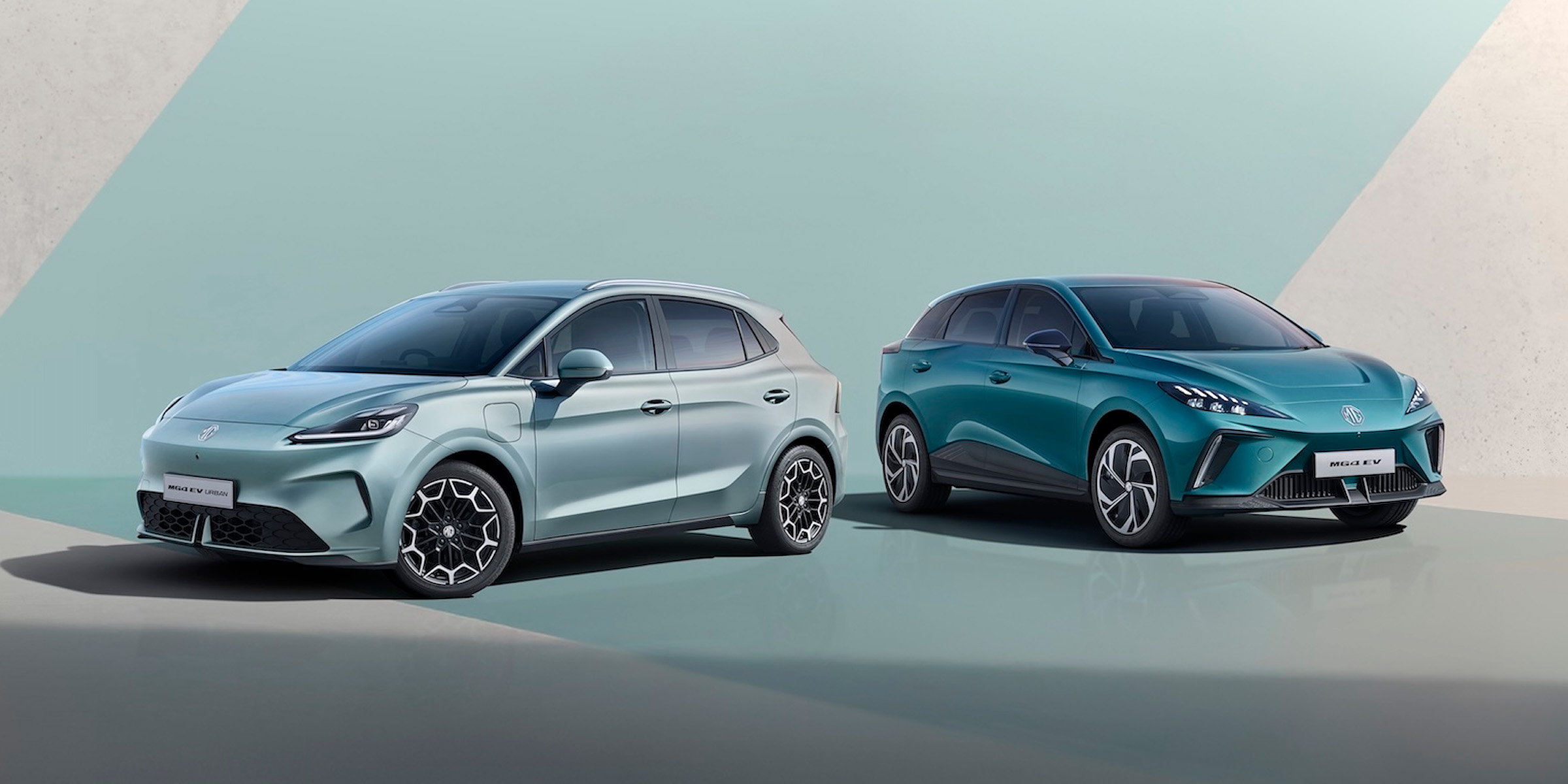
MG has announced that a cheaper ‘Urban’ alternative to its popular MG 4 hatchback is coming to the UK with exterior looks inspired by the brand’s Cyberster sports car.
While this new MG 4 Urban model sounds like a new trim choice in the MG 4 range, it is actually an entirely different model that MG is launching on its mission to “make EV ownership ever-more accessible” in the UK.
Beyond the Urban’s softer exterior looks and cheaper pricing – that’s coming up – the new budget-end EV is also front-wheel drive, as opposed to the MG 4’s real-wheel drive setup.
The entry-level ‘Comfort Standard Range’ model has a 43kWh battery pack that can muster up to 201 miles of range and can be charged at up to 150kW. It’s powered by a single 150hp motor that allows it to complete a 0-62mph sprint in 9.6 seconds, with top speed capped at 99mph.
The higher-spec ‘Comfort Long Range’ and ‘Premium Long Range’ models are instead powered by a 54kWh battery and 160hp motor pairing, which offers up to 258 miles of travel on a single charge and a slightly quicker 0-62mph sprint time of 9.5 seconds.
UK pricing for the Urban range will begin at over £23k – which is rather unparalleled low-cost pricing for the family-sized electric hatchback category – and will rise to £28k for the ‘Premium Long Range’.
Standard equipment includes LED headlights, a 16-inch infotainment touchscreen with wireless Apple CarPlay and Android Auto connectivity, a seven-inch digital instrument cluster behind the steering wheel, adaptive cruise control, blindspot monitoring tech, and a vehicle-to-load port which allows the car’s battery to power external devices.
MG is yet to announce when the new electric car is arriving in the UK, other than to say that it is ‘coming soon’ and will launch alongside a “major technology and interior quality upgrade” for the MG 4 range that also reduces lead-in pricing for the line-up to £30k.
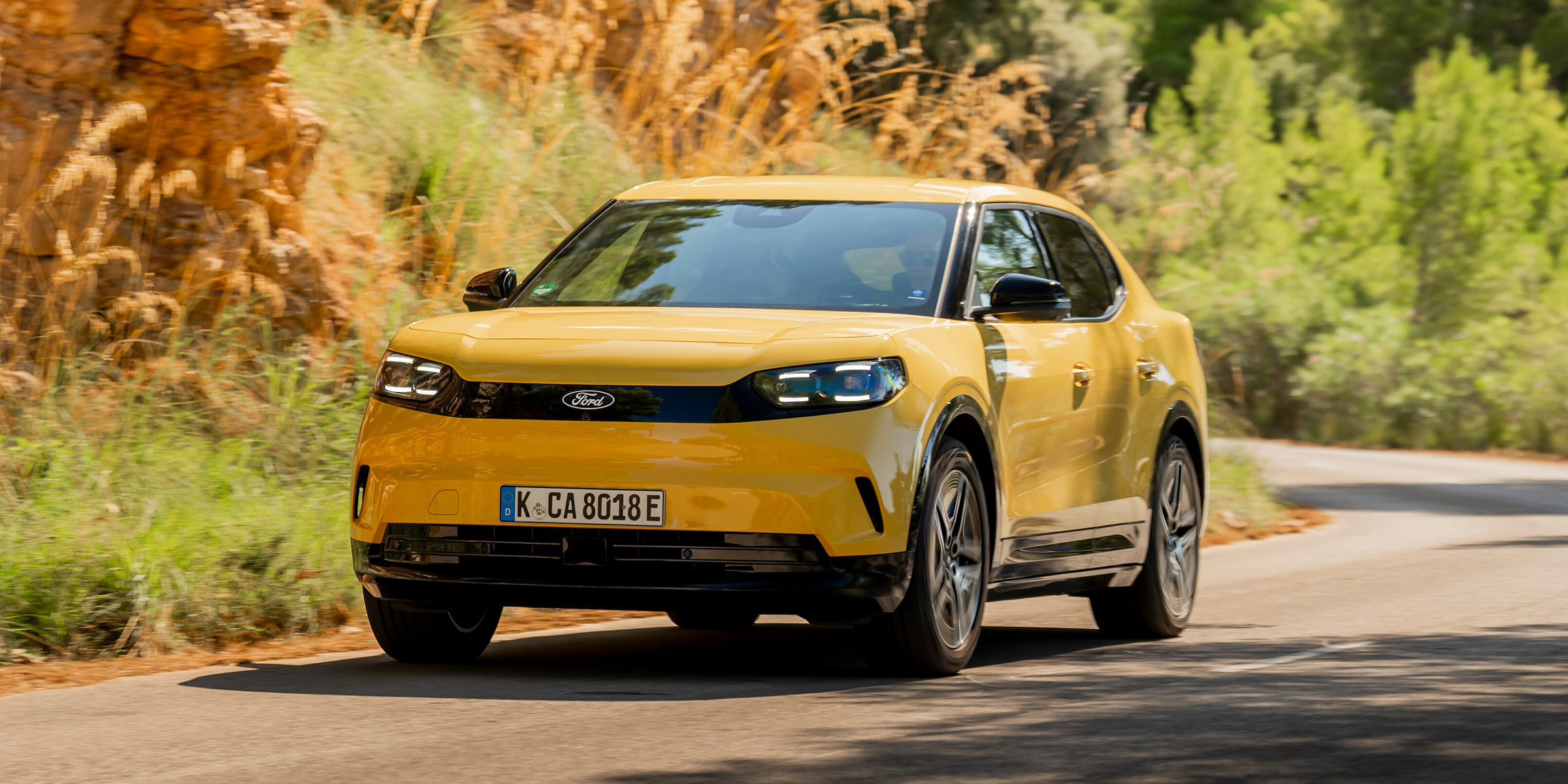
Ford has announced an update for its Capri and Explorer SUVs with increased power and battery range, with updated models arriving later this year.
These model range revisions solely address the entry-level powertrain, which should increase consumer interest in Capri and Explorer. Both models are competing for sales in an incredibly competitive mid-size electric SUV category where a long battery range is becoming an increasingly important buyer preference.
The Capri ‘Standard Range’ maximum battery range will increase for 243 miles to 288 miles. The Explorer ‘Standard Range’ meanwhile gets an added 43 miles, from 233 miles to 276 miles.
Ford has decided to switch to a different battery for both lead-in SUVs. The chemistry of the battery has changed from nickel-manganese-cobalt (NMC) to lithium-iron-phosphate (LFP) – a switch that Tesla has already made for its Model 3 and Model Y and Volkswagen will make for its upcoming ‘ID’ cars.
These LFP batteries have a lower energy density – which generally means that they are heavier and produce less range. While Ford is yet to give us battery capacity figures, we expect a higher usable capacity than the current ‘Standard Range’ 52kWh unit.
Both models will also have a more powerful electric motor, output increasing my 20hp to 190hp, cutting both cars’ 0-62mph sprint times to eight seconds flat.
The models with the longest battery ranges are still the higher-spec ‘Extended Range’ versions. The rear-wheel drive Explorer ‘Select Extended Range’ model can muster up to 374 miles, while the Capri ‘Extended Range’ can manage 379 miles without recharging.
That sums up Ford’s latest Capri and Explorer refresh. The brand is yet to announce UK pricing for both updated ‘Standard Range’ models, and is yet to confirm exactly when the update will arrive in British showrooms this year.
The Ford Capri holds a New Car Expert Rating of A, with a score of 76% in our Expert Rating index, while the the Ford Explorer holds a New Car Expert Rating of A with a score of 78%.
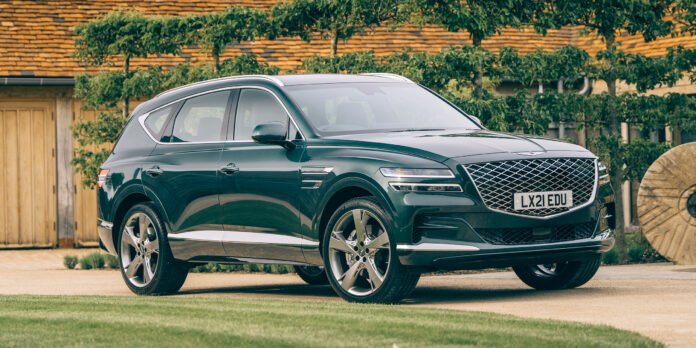
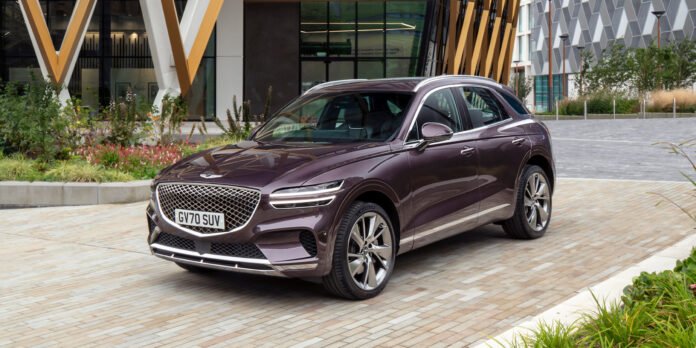
For many years and depending on your age and/or religious beliefs, the name Genesis likely meant either a British rock band or the first book of the Bible. But since 2021 Genesis has also been an automotive brand on sale in the UK, a premium offspring from South Korean brand Hyundai.
As of January 2026, Genesis has a range of models covering mid-to-large luxury cars. While currently focusing on electric models, some of its petrol and diesel variants are still available.
So who or what is Genesis?
Genesis is a premium car brand from Korea and forms part of the Hyundai Group, sitting above Hyundai and Kia in the family. The name started life as a Hyundai luxury saloon launched in 2008, before evolving into a separate brand in 2015. Although its cars are largely based on mechanical bits shared with those two brands, there’s a lot of individual design and technology.
Building a premium brand over the top of mainstream mechanicals is certainly not a new idea in the car industry. Fundamentally, many Audis are little more than posh Volkswagens, while most Lexus models are trussed-up Toyotas. Similarly, Nissan created the upmarket Infiniti division (now gone from Europe but still doing well in the USA), and Citroën spun off its top-spec DS models into the standalone DS Automobiles brand.
It’s fair to say that the market performance of new premium brands from Asian companies has been rather mixed, with cracking Europe proving most challenging.
Lexus was launched by Toyota in the late 1980s and has become a firmly established name, but it still sells in relatively small numbers in Europe. Infiniti was Nissan’s attempt to do the same thing, but despite success in America and China, the brand lasted little more than a decade in Europe before abandoning the idea.
Hyundai is keen to describe the launch of Genesis as a success, the brand passing 1.5 million global sales in its first decade, faster than rivals such as Lexus or Tesla. But most of these sales have been in its home market of Korea and making European progress has been more challenging – so far little more than 5,000 cars have been sold in the UK.
The Genesis growing pains saw the brand taken more firmly under the wing of its parent Hyundai in 2024, and the original embracing of three of the biggest new themes of car selling in the 2020s – only making electric vehicles, online sales and car subscriptions, have been vastly rolled back in recent times.
In a twist the brand announced in 2025 that its existing petrol and diesel models would not be restocked in the UK once sold out, but that future Genesis models will include hybrid and range-extender drivetrains. Meanwhile a shift to a more traditional sales model has seen a clutch of traditional dealers signed up.
Yet after a couple of years where its future in Europe was questioned, Genesis has come out fighting – the brand celebrated its 10th anniversary at the end of 2025 with the launch of Magma, a performance arm that will see Genesis take on the likes of BMW M and Mercedes-AMG with more potent versions of its road cars.
Magma will be promoted in an expensive manner – a specially built hypercar will take on the renowned Le Mans 24 Hours endurance race in 2026 as according to design head Luc Donckerwolke Genesis evolves into a “luxury high performance brand”.
When did Genesis launch in the UK?
The company launched in the UK in summer 2021, and quickly expanded its range to encompass eight variations. Initially they were petrol and diesel powered before Genesis more heavily focused on electric vehicles – only to follow the industry trend of rolling back its future all-electric aims with plans for new hybrid and range-extender models.
What models does Genesis have and what else is coming?
Genesis UK effectively took the axe to its model range in 2025, stating that it would not restock dealers with its petrol or diesel cars, leaving just the three electric vehicles in the range. However as of February 2026 the Genesis website still lists the fossil-fuel models and if you are not yet quite ready to go electric you may still find dealer stock.
The standout of these remains the GV60, the first Genesis model designed from the ground up as an electric vehicle – the electric versions of its GV70 mid-size SUV and G80 large saloon were effectively converted from their conventional fossil fuel siblings.
Recently significantly updated with its official range extended close to 350 miles, the GV60 has earned highly favourable reviews and enjoys a New Car Expert Rating of A, with a score of 76% in The Car Expert‘s industry-leading Expert Rating Index.
The original fossil-fuel version is not nearly as highly regarded, poor running costs and middling media reviews restricting it to a New Car Expert Rating of C, with a score of 63%.
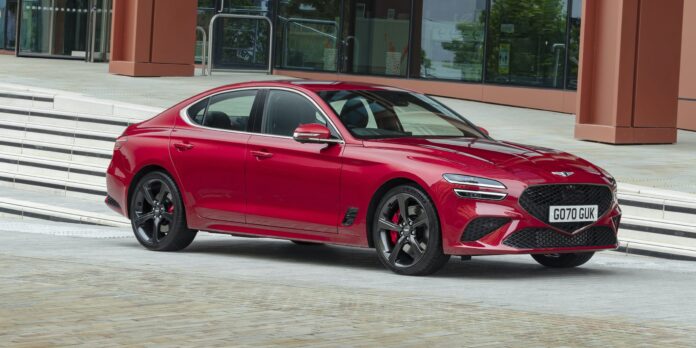
One model that has not been electrified, principally because it would then rival the G60, is the G70 mid-size saloon and estate (‘Shooting Brake’). It’s similar in size to the BMW 3 Series, Audi A4, Mercedes-Benz C-Class, Jaguar XE, Volvo S60/V60 and others, and earns a New Car Expert Rating of C, with a score of 64%. It’s marked up for safety levels but down for poor running costs and less than complimentary media reviews.
The large Genesis SUV, the GV80, was one of the first vehicles to be dropped. Pitched to compete with the likes of the BMW X5, Audi Q7, Mercedes-Benz GLE, Volvo XC90, Land Rover Discovery, Lexus RX and more, it impressed few, only praised for its safety and earning a paltry New Car Expert Rating of D, with a score of 59%. It only sold around 200 examples in three years.
The next Genesis model, expected on sale sometime in 2026, will be a range-topping large SUV, the GV90. It will be an EV pitched as a luxury model with six seats.
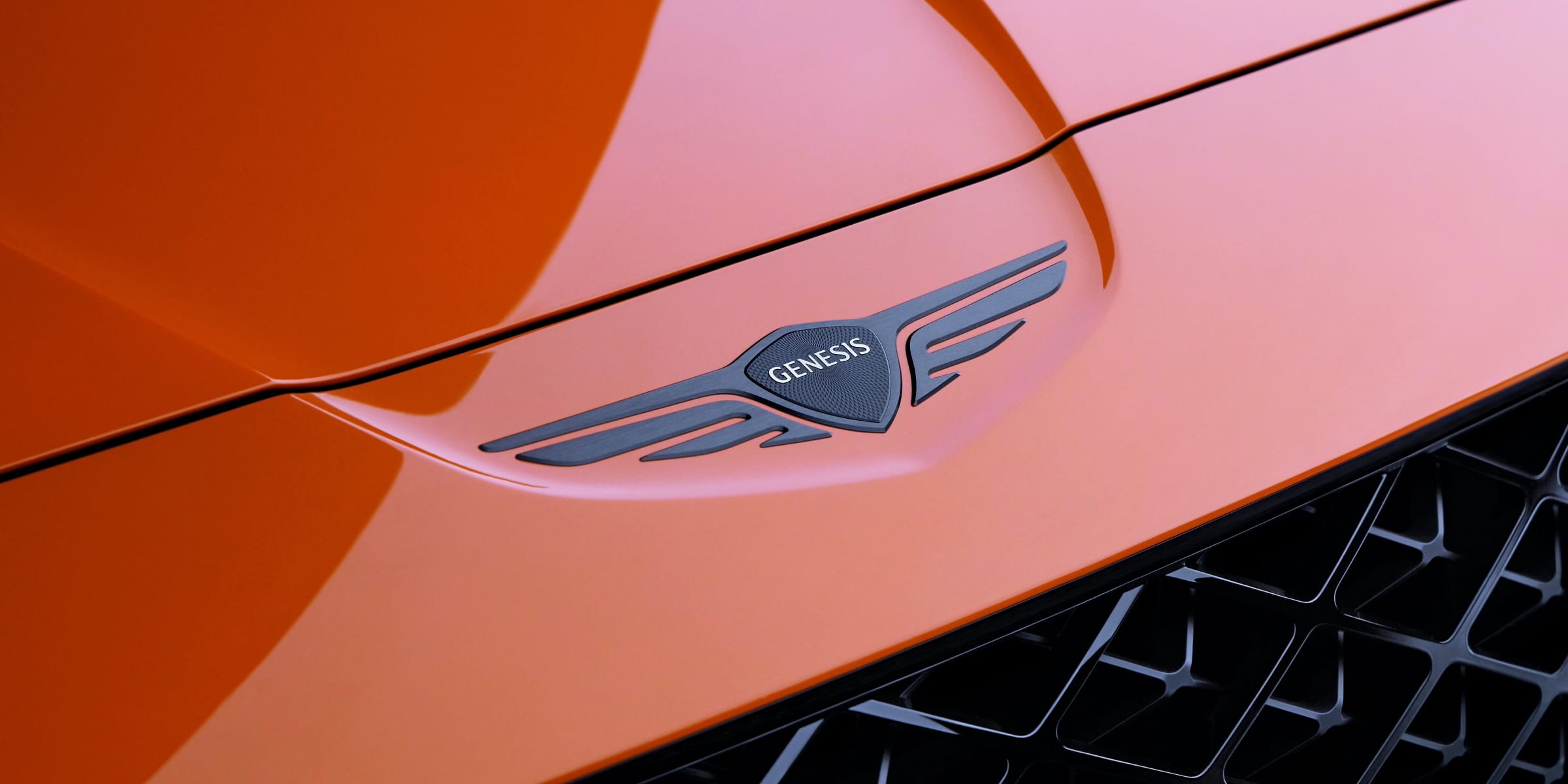
Otherwise the new model focus in the next few years will be angled firmly towards the new performance Magma cars, which in standard form come with a head-turning bright orange paint scheme. Genesis intends eventually to offer Magma versions of every one of its models.
Magma launches with the GV60, intended to rival the Porsche Macan and the N version of parent brand Hyundai’s Ioniq 5. The G70 and G80 will also soon get the Magma treatment, while an all-new coupe variant of the GV60 is also on the way as likely a Magma model.
Also coming before long will be the Magma GT, a mid-engined supercar intended to rival the likes of McLaren. It will be offered in a range of versions but will only be available as a Magma.
In the longer term Genesis could expand its model range with a luxury 4×4 vehicle rivalling the products of Land Rover. The X Gran Equator was shown as a concept at the New York Auto Show in April 2025, and could reach production by 2030.
Where can I try a Genesis car?
The growing pains of Genesis in Europe have included abandoning its original intention to only sell cars directly to the public rather than through conventional dealerships. Originally everything was done online but the brand did set up physical ‘studios’, two in London at Westfield shopping centre in West London and the Battersea Power Station, and a third set to open shortly in Edinburgh.
They have more recently been joined by ‘retail partners’ – traditional dealers mostly with groups who already represent Hyundai. So far these have opened in Ashford in Kent, Cannock, Glasgow, Guildford, Leeds, Leicester and Warrington, and could eventually reach around 20 outlets.
What’s particularly significant about this company?
Despite many changes to its sales strategy since launching in 2021, Genesis has retained its holistic approach to car buying and ownership, managing the journey from start to finish rather than outsourcing car sales and servicing to franchises.
The company calls this philosophy “The Genesis Difference”. It includes fixed new car pricing, a choice of finance options including car subscriptions, and a standard five-year care plan that includes warranty, breakdown cover and all scheduled servicing. There’s also a concierge-style service to book test drives, deliver your new car, collect it for servicing (along with a courtesy car) and so on.
Naturally, all these inclusions are reflected in the cars’ prices. But if you’re the sort of person that hates the ongoing time and cost burdens of managing your car, it takes most of that off your hands.
Genesis Studio, Battersea Power StationGenesis Plug & Charge
What makes Genesis different to the rest?
Genesis initially took a different route to other premium car companies, emphasising luxury and comfort rather than pseudo-sportiness. Its ‘personal assistant’ concierge service will certainly appeal to high-earning customers with little time or inclination to handle the mundane logistics of owning and running a car.
The ‘Sport’ trim levels of the Genesis range have been largely cosmetic rather than the usual combination of body-hugging seats and rock-hard suspension settings that combine to pummel your kidneys and rattle your teeth on UK roads.
What we don’t know yet is just how just how luxurious and comfortable the new Magma range will be, a line-up pitched entirely on performance.
Summary
Cracking the premium car market is tough, as many brands have found over the years. While several new brands have tried, the latest being a host of Chinese brands, the German troika of Audi, BMW and Mercedes-Benz still dominate sales numbers (in 2025, BMW was the second biggest brand in the UK, beaten only by Volkswagen), while every other fights over the scraps.
Unsurprisingly, Genesis is still very much on the fringes of the new car market. Five years after going on UK sale its annual sales are only about 1% of BMW’s, so you’re not going to see too many of them on your daily commute anytime soon.
Still, the company has quickly established itself as a credible alternative to the traditional options. Its electric models gain high-scoring reviews and it offers a customer experience distinctly different to the mainstream.
The brand name might still fly under the radar for most people but, if it can target well-heeled customers who are not hung up on a German brand name, there are plenty of opportunities for continued growth. Parent company Hyundai is firmly behind its new brand, and looks to have learned from the difficulties faced by other premium start-up brands over the years.
If you’re not a car enthusiast and simply want a luxurious car that whisks you around smoothly in quiet comfort, a Genesis could be right up your street.
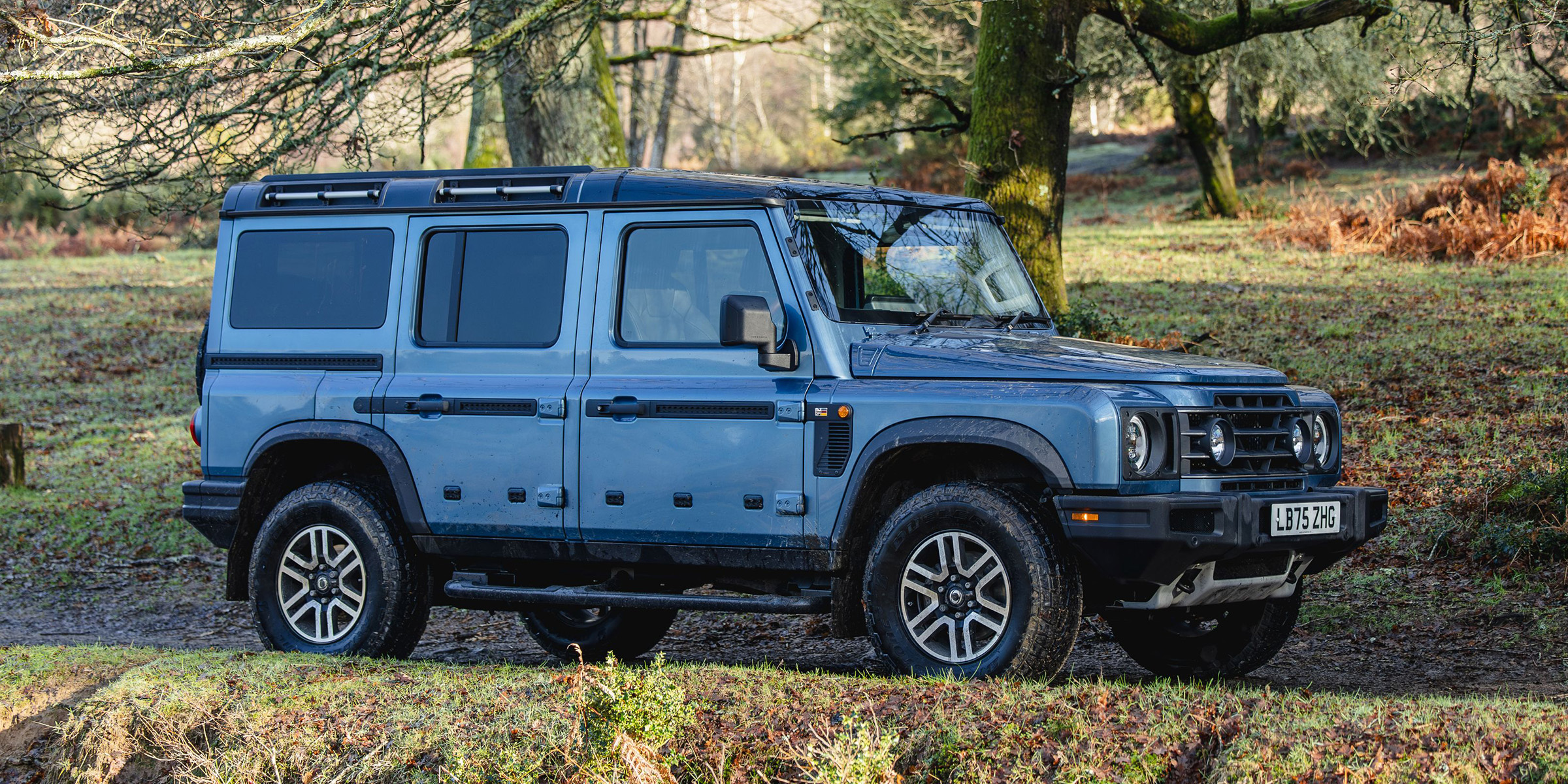
The Ineos Grenadier 4×4 and ‘Quartermaster’ pick-up range has been given a mid-life update which introduces a new steering system, upgraded climate control and driving safety systems, and a new ‘Black Edition’ cosmetic trim package.
This update comes as Ineos addresses the common reviewer criticisms levelled at its Land Rover-inspired off-roader when it launched in 2023, the brand adding that this host of model changes “improve everyday usability and enjoyment.”
The first big change is the introduction of a new variable ratio steering box – a first for the brand – which makes the steering less sensitive at higher speeds and more sensitive at low speeds, giving the driver more confidence overtaking on the motorway and while manoeuvring into parking spots. The Grenadier now also has a slightly tighter turning circle.
This variable ratio gearbox tech is becoming a standard or common option for brands like BMW, Audi, Mercedes-Benz, and Lexus. The Grenadier’s key rival – the Land Rover Defender – instead uses electronic assistance to vary the effort required to turn the wheel.
The other notable additions are on the tech equipment list. Ineos says it has upgraded the Grenadier’s climate control to improve the performance and predictability of heating and cooling within the cabin, and that the 4×4’s safety assistance suite has been updated to meet the UK latest vehicle safety regulations. A new shortcut on the infotainment touchscreen turns off the audible alert for the ‘intelligent speed assist’ system.
Finally, Ineos has announced that the 4×4 and ‘Quartermaster’ pick-up are now available to order in a new ‘Black Edition’ trim grade, which introduces gloss black 18-inch alloy wheels, a black grille, dark-colour skidplates, rear privacy glass windows and dark interior headlining and carpet flooring to complement the model’s ‘inky black’ exterior paintwork. This variant is based on the higher-spec ‘Fieldmaster’ trim, and comes with the same equipment.
While Ineos has not set a cap on how many Grenadier ‘Black Edition’ variants it will make and sell, the brand adds that this trim will be a limited-run addition to the range. Prices start at £72k.
As for the rest of the range, the UK price list remains the same post-update. The standard Grenadier is priced at over £62k, rising to £70k for the ‘Trialmaster’ and ‘Fieldmaster’ model options.
The Ineos Grenadier currently holds a New CarExpert Rating of E with a score of 48%. This score reflects its specialist off-road nature, which works against its suitability for regular family duties compared to many alternative vehicles.
Mini has increased the battery range of its Countryman Electric SUV thanks to a couple of technical improvements to the car’s powertrain.
This minor update comes as Mini tries to keep the battery-powered Countryman competitive with newer all-electric arrivals like the Skoda Elroq, which was recently awarded The Car Expert’sCar of the Yearaccolade.
Technical tweaks to the powertrain include the introduction of a new ‘silicon-carbide inverter’, which assists in reducing lost energy between the battery and the electric motor, and an extra half a kilowatt-hour of battery power, increasing the battery’s usable capacity up to 65kWh. Mini has also installed new wheel bearings on the front two wheels to “reduce rolling resistance.”
The result is that the Countryman Electric ‘E’ variant can now muster up to 311 miles on a single charge – up from 286 miles – while the all-wheel drive Countryman Electric ‘All4’ can handle distances of up to 290 miles without recharging – up from 277 miles.
With prices starting just over £29k, the Mini Countryman Electric currently holds a New Car Expert Rating of A, with a score of 73%.
The Mini John Cooper Works Aceman is a range-topping performance-enhanced variant of the all-electric Aceman SUV, and part of Mini’s latest tuned-up JCW range, which also includes the JCW Electric hatch.
First arriving on UK roads in Spring 2025, the JCW Aceman has collected a rather mixed bag of review scores, ranging from excellent to below average. Green Car Guide’s Paul Clarke is the Mini’s biggest advocate among the British motoring media, arguing that this high-spec Aceman model is the “optimum size for a Mini and offers a fun driving experience.”
Other outlets haven’t been as kind. “We were not blown away by the regular Mini Aceman” notes Car’s Alan Taylor-Jones, “and we find this one even harder to recommend.” He adds that the SUV creates way too much “torquesteer” – which causes the car to pull to one side or cause the steering wheel to tug during heavy acceleration – and says that the Mini has a “uncompromising ride” quality.
Reviewers are also split on the car’s value-for-money credentials, as it is on the cheaper side when compared to other performance-enhanced SUVs, but it costs £8k more than the standard Aceman.
What reviewers can agree on, is the high-quality interior. “The JCW Aceman’s cabin remains a fantastic place to sit”, comments Alex Ingram of Auto Express. “In terms of finish and sense of occasion, the it’s hard to knock.”
As of January 2026, the Mini John Cooper Works Aceman holds a New Car Expert Rating of A, with a score of 73%. Beyond this car’s mixed set of review scores, this overall rating is bolstered by solid five-star Euro NCAP safety credentials and affordable running cost estimations.
Body style: Medium SUV/crossover Engines:electric, battery-powered Price:From £37,060
Launched: Spring 2025 Last updated: N/A Replacement due: TBA
Image gallery
Highlighted reviews and road tests from across the UK automotive media. Click any of the boxes to view.
Featured reviews
“If you don’t need a jacked up crossover, Alpine’s A290 is currently our favourite electric hatch, even if it’s a warm rather than truly hot one. You can buy the 217bhp A290 GT Performance for a grand less than the Mini Aceman JCW.”
Score: 7 / 10 “Fun isn’t hard to come by in the Mini Aceman John Cooper Works, but neither are the flaws. The rapid powertrain rarely fails to throw up a giggle, but sharp steering only manages to inject a veneer of agility over what is a very heavy and numb car for its size. The ride is too firm, and the interior space isn’t great for those in the back, but those up front are treated to a cabin that feels more special than its rivals.” Author: Alex Ingram Read review
Business Car
Score: 7 / 10 “If your heart is sold on a Mini Cooper JCW Electric, but you need a bit more space and practicality, the Aceman JCW is one of the most capable, and fun-to-drive crossovers on-sale – as long as its shortcomings can be lived with.” Author: Martyn Collins Read review
Car
Score: 4 / 10 “We were not blown away by the regular Mini Aceman, and we find this one even harder to recommend. The extra pace creates way too much torquesteer compared to the already brisk regular Aceman SE, and it’s not like the JCW is loads more fun despite the uncompromising ride.” Author: Alan Taylor-Jones Read review
Green Car Guide
Score: 9 / 10 “As well as sportier looks than the standard model, with more power and a faster 0-62 mph time, there’s more performance in the Mini John Cooper Works Aceman, and there’s also tighter body control. However this results in firmer ride quality, which means that tt doesn’t have the most comfortable ride quality on poor road surfaces. The electric driving range is also reduced, and the maximum charging speed of 95 kW could be better.” Author: Paul Clarke Read review
Safety rating
Independent crash test and safety ratings from Euro NCAP
Independent economy and emissions ratings from Green NCAP
No eco rating
As of January 2026, the Mini John Cooper Works Aceman has not been assessed by Green NCAP.
The Green NCAP programme measures exhaust pollution (which is zero for an electric car) and energy efficiency. Electric cars are much more energy-efficient than combustion cars, so the JCW Aceman is likely to score very highly in Green NCAP testing if and when it takes place. Check back again soon.
Running cost rating
Monthly cost of ownership data provided exclusively for The Car Expert by Clear Vehicle Data
Battery range
Average
Score
Variation
Score
EV models
243 miles
B
Electrical efficiency
Average
Score
Variation
Score
EV models
4.3 m/KWh
B
Insurance group
Average
Score
Variation
Score
All models
29
C
The Mini John Cooper Works Aceman is a relatively affordable car to own and run, according to whole-life cost numbers provided exclusively to The Car Expert by our data partner, Clear Vehicle Data.
This JCW variant of the Aceman can muster an average of 243 miles on a single charge, which is competitive in the medium electric SUV class, delivering around 30 miles more than the entry-level Aceman on a single charge. That said, there are cheaper alternatives (albeit without as much pace and acceleration) that can go further without recharging.
The SUV’s electrical efficiency (the electric car equivalent of miles per gallon) of 4.3 m/KWh is higher the average electric car. The car’s predicted insurance premiums are a little higher than the average car too, which is on the cheaper side when compared to other performance SUVs.
Reliability rating
Reliability data provided exclusively for The Car Expert by MotorEasy
No reliability rating
As of January 2026, we don’t have enough reliability data on the Mini John Cooper Works Aceman to generate a reliability rating.
The Car Expert’s reliability information is provided exclusively to us using workshop and extended warranty data from our partner, MotorEasy, sourced from both official dealerships and independent workshops.
As soon as MotorEasy has sufficient data on the JCW Aceman, we’ll publish the results here.
Warranty rating
New car warranty information for the Mini John Cooper Works Aceman
Overall rating
D
31%
Petrol or diesel models
E
17%
Electric or hybrid models
C
56%
New car warranty duration
3 years
New car warranty mileage
60,000 miles
Battery warranty duration
8 years
Battery warranty mileage
100,000 miles
Mini’s new car warranty is the industry average – basically the minimum coverage that manufacturers must offer in the UK by law.
The duration is three years, with a limit of 60,000 miles. In addition to the standard new car warranty, this electric SUV has an eight-year/100,000-mile warranty for the battery components.
Warranty on a used Mini John Cooper Works Aceman
As of January 2026, all Mini Acemans will still be covered by their new car warranty. The first cars hit UK roads in late Spring 2025, meaning that they’ll still be under warranty until late 2027.
If you’re looking to buy any used car that is approaching the end of its warranty period, a used car warranty is usually a worthwhile investment. Check out The Car Expert’s guide to the best used car warranty providers, which will probably be cheaper than a warranty sold by a dealer.
Recalls
Official DVSA safety recalls that have been issued for the Mini John Cooper Works Aceman
As of January 2026, we are not aware of any DVSA vehicle safety recalls affecting the Mini John Cooper Works Aceman. However, recall information is updated regularly, so this may have changed.
You can check to see if your car has any outstanding recalls by visiting the DVLA website or contacting your local Mini dealer.
Find your next new or used car with Auto Trader. Find out more
Find your next new or used car with Carwow. Find out more
Lease a Mini John Cooper Works Aceman
If you’re looking to lease a new Mini John Cooper Works Aceman, The Car Expert’s partners can help you find a competitive deal.
Personal contract hire deals from Leasing.com. Find out more
Personal contract hire deals from Carwow. Find out more
Personal contract hire deals from Select Car Leasing. Find out more
Subscribe to a Mini John Cooper Works Aceman
Subscriptions are becoming a very popular way for consumers to try an electric car for a few weeks or months to help decide whether it’s a suitable alternative to a petrol car. If you’re interested in a car subscription, The Car Expert’s partners can help. (PS: What’s a car subscription?)
The Suzuki e Vitara is a small electric crossover, and Suzuki’s first battery-powered model to launch in the UK.
Built on the same foundations as the similar Toyota Urban Cruiser, the five-door e Vitara is now in production at Suzuki’s factory in India, and has been given a lukewarm reception by the British motoring media so far, while review coverage is currently limited at the time of writing.
“The e Vitara is good to drive – it’s neat and tidy out on the road, with great feeling steering”, says Parker’s Jake Groves, adding that the SUV’s all-wheel drive (not standard) off-roading ability is rather unique in a very competitive electric SUV class.
The Carwow team adds that the e Vitara is well-equipped as standard, alongside the car’s competitive price tag, but that “alternatives are more practical and go further on a charge.”
As of February 2026, the Suzuki e Vitara holds a New Car Expert Rating of A, with a score of 70%. It scores top marks for its low running costs and zero tailpipe emissions, while its safety rating is also good. But Suzuki’s new car warranty offer is only average, while the media review scores are very poor.
Rivals are more practical and have more boot space
Some cheap interior materials
Key specifications
Body style: Small SUV Engines:electric, battery-powered Price:From £29,999 on-road
Launched: Summer 2025 Last updated: N/A Replacement due: TBA
Image gallery
Media reviews
Highlighted reviews and road tests from across the UK automotive media. Click any of the boxes to view.
Featured reviews
“With genuine off-road ability in dual-motor trim, the Suzuki e Vitara offers something a little different in the increasingly congested electric crossover market. Unfortunately for Suzuki, it’s a segment with very strong competition and the e Vitara’s range and charging performance let it down in that company, as does its cheap-feeling cabin.”
“The Suzuki e Vitara is an electric SUV that’s well-equipped, though alternatives are more practical and go further on a charge.”
Model reviewed: Range overview
0
Carwow
More reviews
Auto Trader
Model reviewed: Range overview Score: 7 / 10 “Suzuki’s new all-electric compact crossover is stylish, affordable and practical but competing in a crowded sector.” Author: Dan Trent Read review
Business Car
Model reviewed: Ultra 61kWh all-wheel drive Score: 8 / 10 “Suzuki’s first EV offers the off-road ability that you expect from the Vitara name and is good to drive.” Author: Martyn Collins Read review
Car
Model reviewed: Range overview Score: 6 / 10 “Overall, the e Vitara is a good first effort at an EV and proof that Suzuki still knows how to make a resolutely normal car handle well and offer a bit of charm. It’s comfortable and reasonably practical too. The problem is that there are few outstanding features. Its main USP is the option of four-wheel drive, but at £31k it’s a hard sell. You’d have to really need power to all four wheels to justify choosing this over the hot competition.” Author: Jake Groves, Amrit Kaur Read review
Electrifying.com
Model reviewed: Range overview Score: 6 / 10 “The Suzuki e Vitara is an interesting prospect if you’re after a small-ish, useful-ish electric car with some modest off-road chops.” Author: Ginny Buckley Read review
Green Car Guide
Model reviewed: Ultra 61kWh all-wheel drive Score: 8 / 10 “The Suzuki e Vitara is compact, agile, responsive, and with all-wheel drive, very grippy, even in the snow, and even without all-season tyres. The exterior styling is appropriate for an SUV, and the interior benefits from a number of physical controls for key features, unlike many of the latest EVs which have all controls on a touchscreen.” Author: Paul Clarke Read review
Heycar
Model reviewed: Range overview Score: 7 / 10 “Better late than never” Author: Ivan Aistrop Read review
Honest John
Model reviewed: Range overview Score: 6 / 10 “Among small electric SUV rivals, of which there are a great many, the Suzuki e Vitara is competitive in most areas. It’s also quite a likeable little car. That said, when the competition is so plentiful and so fierce, the Suzuki does struggle to stand out somewhat.” Read review
Parkers
Model reviewed: Range overview Score: 6.2 / 10 “Familiar name that’s a solid drive and great value.” Author: Keith Adams, Jake Groves, Amrit Kaur Read review
The Independent
Model reviewed: Ultra 61kWh all-wheel drive Score: 7 / 10 “The Suzuki e Vitara is an EV that prioritises comfort, simplicity and SUV authenticity over cutting-edge tech, yet it can still go off road. It feels honest, capable and refreshingly straightforward to drive, but its modest range and clunky infotainment show that Suzuki’s first EV still has catching up to do. It’s not the most advanced electric SUV, but it is one of the most likeable.” Author: Steve Fowler Read review
Top Gear
Model reviewed: Range overview Score: 6 / 10 “It lacks the on-road polish of rivals, and there are some very curious design decisions. And while at face value it’s priced well, the only really recommendable version is the four-wheel drive variant, which itself will likely only appeal to a niche audience of buyers, particularly as it costs a fair whack more.” Author: Peter Rawlins Read review
Safety rating
Independent crash test and safety ratings from Euro NCAP
Independent economy and emissions ratings from Green NCAP
No eco rating
As of January 2026, the Suzuki e Vitara has not been assessed by Green NCAP.
The Green NCAP programme measures exhaust pollution (which is zero for an electric car) and energy efficiency. Electric cars are much more energy-efficient than combustion cars, so the e Vitara is likely to score very highly in Green NCAP testing if and when it takes place. Check back again soon.
Running cost rating
Monthly cost of ownership data provided exclusively for The Car Expert by Clear Vehicle Data
Battery range
Average
Score
Variation
Score
EV models
246 miles
B
Electrical efficiency
Average
Score
Variation
Score
EV models
4 m/KWh
C
Insurance group
Average
Score
Variation
Score
All models
25
B
The Suzuki e Vitara is a relatively affordable car to own and run, according to whole-life cost numbers provided exclusively to The Car Expert by our data partner, Clear Vehicle Data.
The car’s official average battery range of 246 miles is competitive in the compact SUV category, although its electrical efficiency average of 4m/KWh (the all-electric equivalent of miles per gallon) is average. In addition, the insurance premiums for this model are predicted to be slightly cheaper than the average car.
Reliability rating
Reliability data provided exclusively for The Car Expert by MotorEasy
No reliability rating
As of February 2026, we don’t have enough reliability data on the Suzuki e Vitara to generate a reliability rating.
The Car Expert’s reliability information is provided exclusively to us using workshop and extended warranty data from our partner, MotorEasy, sourced from both official dealerships and independent workshops.
As soon as MotorEasy has sufficient data on the e Vitara, we’ll publish the results here.
Warranty rating
New car warranty information for the Suzuki e Vitara
Overall rating
C
50%
New car warranty duration
3 years
New car warranty mileage
60,000 miles
Battery warranty duration
8 years
Battery warranty mileage
100,000 miles
Suzuki’s new car warranty is fairly average, offering around the same coverage as rival brands in a similar price bracket as the e Vitara.
The duration is three years, with a limit of 60,000 miles. In addition to the standard new car warranty, this electric SUV has an eight-year/100,000-mile warranty for the battery components.
If you’re looking to buy a used car that is approaching the end of its warranty period, a used car warranty is usually a worthwhile investment. Check out The Car Expert’s guide to the best used car warranty providers, which will probably be cheaper than a warranty sold by a dealer.
As of February 2026, we are not aware of any DVSA vehicle safety recalls affecting the Suzuki e Vitara. However, this information is updated very regularly so this may have changed.
You can check to see if your car has any outstanding recalls by visiting the DVLA website or contacting your local Suzuki dealer.
Find your next new or used car with Auto Trader. Find out more
Find your next new or used car with Carwow. Find out more
Lease a Suzuki e Vitara
If you’re looking to lease a new Suzuki e Vitara, The Car Expert’s partners can help you find a competitive deal.
Personal contract hire deals from Leasing.com. Find out more
Personal contract hire deals from Carwow. Find out more
Personal contract hire deals from Select Car Leasing. Find out more
Subscribe to a Suzuki e Vitara
Subscriptions are becoming a very popular way for consumers to try an electric car for a few weeks or months to help decide whether it’s a suitable alternative to a petrol car. If you’re interested in a car subscription, The Car Expert’s partners can help. (PS: What’s a car subscription?)
The way that cars are tested and rated for safety under the Euro NCAP (European New Car Assessment Programme) scheme is undergoing its biggest shake-up in more than 15 years, with the aim of making cars even safer.
Euro NCAP is an independent European road safety organisation, which conducts tests that go above and beyond the minimum legal requirements for a car to be sold in the UK or EU. It began crash-testing cars as far back as 1997, despite major opposition from the car industry, with the results of early tests highlighting serious inadequacies in some everyday family cars.
The now-familiar five-star rating system quickly became the industry standard for new-car safety, and car makers were equally quick to start promoting their five-star results. Over nearly 30 years, the tests have continuously evolved as technology has improved. Over the last decade, the emphasis has shifted from simply running cars into walls to assessing technologies that help avoid accidents in the first place. Tests also measure the level of harm to other road users, like pedestrians and cyclists.
The test protocols are reviewed every three years, usually resulting in tougher standards being set to achieve each star level. A car’s safety rating expires 6-7 years after it was tested, reflecting the continued drive for higher standards. If a car is still in production after its rating has expired, Euro NCAP may re-test it to see whether it maintains its original score or needs to be downgraded.
Most years, the organisation will test 50-60 new cars, usually the most widely sold models across Europe. Car companies will often provide brand-new cars for testing (which means they pay for the testing to take place), but Euro NCAP will often also buy cars to test off showroom floors – especially if a manufacturer is reluctant to provide cars for testing.
The Car Expert is one of only a few automotive sites that publishes the full Euro NCAP safety ratings – rather than just the headline star rating – as part of our unique Expert Rating report for new cars.
For 2026, Euro NCAP has comprehensively overhauled its testing programme to assess safety from a more holistic perspective. While physical crash testing is still a core part of the process, the organisation is looking at many other factors that can reduce fatalities and injuries on our roads.
The testing categories up until 2025
From 2009 to 2025, Euro NCAP tests have been made up of four categories:
Adult Occupant – frontal impact, side impact and whiplash
Child Occupant – rear seat and child seat safety
Vulnerable Road Users – injury to pedestrians and cyclists
The four category scores combine to form an overall rating. Cars must achieve certain minimum scores in every category to be awarded an overall five-star rating. We have a separate feature that explains how the tests have worked for the last 17 years.
What’s changing for 2026?
Euro NCAP is keeping the system of four testing categories that combine to provide an overall five-star score. But the categories are changing to reflect four sequential stages of a car crash, rather than categorising by test type.
The four new categories under which each car is rated are called the ‘stages of safety’, which cover safe driving, avoiding an accident, protecting occupants and other road users in an accident, and safe extraction of occupants from a crashed car. It’s a new approach, although many of the previous tests will continue to be used. The new headings also bring in additional tests.
The assessment methods are very detailed (all the protocols are published here) so we’re taking a broad, high-level approach.
The new categories
From 2026, cars will be scored according to the new ‘stages of safety’, with the potential to earn up to five stars as before. Cars are judged on how they keep the driver alert, prevent crashes, protect occupants and road users and help the emergency services after a crash. They are:
Safe Driving
Crash Avoidance
Crash protection
Post-Crash
Safe Driving
This considers the vehicle technologies and features that help provide a safer driving experience for drivers and vehicle occupants. These are mostly covered by the term Advanced Driver Assistance Systems (ADAS), mandatory for cars sold in the EU and usually the same spec when they come to the UK. Assisted driving was first tested in 2020.
Although not mandatory, points have been awarded for Driver State Monitoring (DSM) since 2024, which measures how well a car’s built-in system detects distraction and drowsiness. This now gets further scrutiny for 2026.
Previously, steering wheel sensors were used to detect if a driver was drifting off to sleep or very unwell. Now, DSM systems must track the driver’s head and eyes to monitor for micro-sleep, sleep, and unresponsiveness, and then warn the driver. These systems must default to ‘on’ when the car is started and must require at least two button presses to be disabled.
Another timely new assessment is how distracting it is to adjust settings via a touchscreen rather than a physical button or knob. This looks at touch inputs onto a symbol, which is always present on the home screen, and a menu-based touch input taking a maximum of two steps. Certain commonly used functions must have dedicated physical controls to get a five-star rating (as a result, Tesla reintroduced physical indicator stalks to the Model 3 last year after previously removing them).
The DSM also looks for phone distraction – a specific type of short distraction event where the driver’s gaze is repeatedly drawn towards their mobile phone when it’s placed in a set space.
Speed assist systems have been assessed since 2013, but now verification of the accuracy of speed-limit information (some cars are hopeless at reading road signs) will be conducted during on-road driving tests.
Adaptive (or intelligent) cruise control systems also fall under ‘Safe Driving.’ In 2024, Euro NCAP gave a ‘Not Recommended’ grading to the BYD Atto 3’s intelligent cruise control because it failed to respond correctly when it was approaching other cars or motorcycles, and failed to take proper action when the driver was unresponsive. BYD provided a software update for existing cars, and the 2025 model-year Atto 3 received a ‘Good’ rating for assisted driving.
Vehicles able to detect whether seatbelts are being worn correctly and optimise restraint and airbag systems for different driver and passenger physiques will earn higher scores.
Lastly, in 2026, for the first time, impairment from alcohol or drugs was added, where an alcohol interlock system is fitted.
Crash Avoidance
The Crash Avoidance category examines systems that help prevent or mitigate a crash through warnings or interventions. These include blind-spot detection (including detection of motorbikes and cyclists) and Emergency Lane Keeping (ELK), which activates when a car has crossed the road and is in the path of an oncoming vehicle.
A common moan in new car road tests is lane keeping assistance systems (which NCAP calls Lane Keeping Assist) that are over-sensitive and yank the steering wheel violently when they mistakenly think the driver is drifting out of a lane, or cars which emit an excessive amount of beeps and bongs to warn you about this or exceeding speed limits.
Euro NCAP already puts cars on test tracks and makes them drift over varying types of white lines, but it now says that “smoothness and intuitiveness of operation in everyday driving, in particular for lane support systems, will now contribute to scoring, addressing consumer concerns about intrusive or unpredictable interventions.”
The tests have requirements for ‘Driver Acceptance’ of how the LKA acts, and notes that the sensitivity can be relaxed when the driver is classed as attentive with their eyes on the road.
There are new scenarios for motorbike avoidance and new ‘Low Speed Collision’ tests, which include a test on how well a car gives a warning if a door is opened into the path of an oncoming cyclist. Volvo, Ford and Volkswagen fit systems that can prevent the door being opened at all in such a situation.
Crash Protection
The Crash Protection category is what most people generally associate with safety testing – how well a car performs when it is fired into a wall, pole or barrier.
The tests evaluate the performance of traditional crash protection elements, including vehicle structure, seatbelts, airbags, and head restraints, to mitigate injuries to vehicle occupants, pedestrians, and cyclists.
Euro NCAP will continue to crash cars in various types of front and side impacts, but will now look for more detail in what happens to the occupants. From 2026, frontal crash testing will include the impact on a wider range of driver and passenger body types, from children (crash test dummies are already used to represent children six and ten years of age), to shorter and taller adults, plus older occupants, supported by sledge testing and virtual simulations. This will also address a concern that women have been less well represented by traditional crash testing than men.
Post-Crash Safety
This is a new category which addresses the ‘golden hour’ of emergency response after an accident, through post-crash rescue information and assistance systems built into the car. Much research over the years has shown that faster response times and extractions can dramatically improve a patient’s chance of survival after an accident, as well as reduce long-term or life-changing injuries.
Automated emergency call systems have been standard for all new cars sold in Europe since 2018. Dormant until a crash, these systems call emergency services and provide the car’s location, aiming to boost response times. For Euro NCAP, these systems will need to give information on how many people are known to be in the car, even if some are not wearing seatbelts, so authorities can send enough ambulances for all occupants.
There have been some media reports of cars with electric door handles failing to open after a crash, so Euro NCAP’s new post-crash requirements include ensuring that electrically powered exterior door handles remain operable after an impact.
Electric vehicles must allow the battery to be easily isolated by emergency services after a crash, communicate a battery fire risk to the driver after a crash, and issue a timely warning if a battery fire begins during charging or after a crash.
Do these new ratings make the old ones invalid?
No. Euro NCAP ratings are valid for 6-7 years after testing, so all cars tested since 2020 will retain their existing safety ratings until they expire. Cars tested in 2019 had their ratings expire in January this year, and ratings for cars tested in 2018 or earlier had already expired.
Because the testing protocols have changed so dramatically, scores for 2026 onwards are not directly comparable to those from 2025 or earlier. However, the principle of a car being a ‘four-star’ or ‘five-star’ car for safety remains.
If you’re looking at buying a used car, all test results back to 2016 are available on the Euro NCAP website.
Gaming the system?
Every time Euro NCAP updates its testing, it raises the bar for a five-star result higher. As a result, there’s usually a rush for manufacturers to get new cars tested (or existing cars re-tested) ahead of any major changes. With major new changes for 2026, there was a rush of car manufacturers submitting cars for testing last year.
Euro NCAP assessed some 107 cars in 2025 – about double its usual annual total – which included 61 cars just in the last three months of the year. Most of these recent tests were existing models that manufacturers put forward for reassessment, so they could be tested under the 2025 protocols rather than the new 2026 protocols.
With car manufacturers currently extending the production lives of many of their petrol and diesel cars, these models may be on sale for years to come. So the logic goes that it was better to foot the bill for re-testing the cars in 2025, even if they dropped a star, rather than have Euro NCAP decide to test the cars in 2026 or beyond when the score may be much lower.
The Peugeot E-408 is an electric five-door liftback which sits somewhere between a conventional car and a crossover/SUV vehicle.It’s part of the wider 408 range, which also includes petrol and plug-in hybrid versions.
Described as “sleek” and “stylish” by Carwow’s Daren Cassey, and “thoroughly likeable” by Top Gear’s Stephen Dobie, initial reviews of the E-408 have been very positive, Parker’s Amrit Kaur concluding that the electric family car is “spacious enough for family duties and refined enough to make for a relaxing daily driver in town and on long trips on the motorway.”
Comparing the E-408 to its combustion counterparts, Alex Ingram of Auto Express argues that this battery-powered variant is “the smoothest, most refined and most responsive model” in the 408 range, adding that it’s “one of the most convincing EVs that the brand has yet offered.”
That said, the same reviewers point out that similarly priced rivals offer a longer battery range, the infotainment can be a bit slow to respond and alternatives have more boot space.
While we have collected the limited number of initial reviews for this model, as well as running cost data, this isn’t enough to give the Peugeot E-408 an Expert Rating score yet. We will update this page in the coming weeks, as more reviews on the model are published.
Model reviewed: Range overview Score: 8 / 10 “The Peugeot 408 has always been an appealing, if slightly left-field choice, with an internal-combustion powertrain, but it’s at its best with a new electric motor. The E-408 is the smoothest, most refined and most responsive model in the range.” Author: Alex Ingram Read review
Honest John
“The Peugeot E-408 offers an impressive driving range from its moderately-sized battery. It has generous standard equipment levels, and is roomier than the 508 it effectively replaces. However, consumers may struggle to understand its place in Peugeot’s hierarchy, while the lack of a larger battery option may restrict appeal. It’s also pricier than comparable alternatives.” Read review
Parkers
Model reviewed: Range overview Score: 8.2 / 10 “The e-408 is a good choice if you prefer to break away from the norm of conventional SUVs and regular family hatchbacks. It’s spacious enough for family duties and refined enough to make for a relaxing daily driver in town and on long trips on the motorway.” Author: Amrit Kaur Read review
The Sun
Model reviewed: Range overview Score: 8.2 / 10 “The Peugeot e-408 SUV is a thrilling nod to the past, reimagined for the eco-conscious commuter of today. With its stylish design and electric performance, it’s a retro icon reborn, ready to take on the bustling streets of the UK.” Read review
Top Gear
Model reviewed: Range overview Score: 7 / 10 “The Peugeot E-408 is a thoroughly likeable car, albeit one that stops short of perfect. On paper, a number of its rivals swipe it lazily away, but its unexpectedly successful blend of rebellious design and conformist useability is an arresting one.” Author: Stephen Dobie Read review
Safety rating
Independent crash test and safety ratings from Euro NCAP
No safety rating
As of January 2026, the Peugeot E-408 has not been assessed by Euro NCAP. Its ICE-powered twin, the 408, holds a four-star safety rating, but at the time of writing, this rating has not been extended to the electric E-408
Eco rating
Independent economy and emissions ratings from Green NCAP
No eco rating
As of January 2026, the Peugeot E-408 has not been assessed by Green NCAP.
The Green NCAP programme measures exhaust pollution (which is zero for an electric car) and energy efficiency. Electric cars are much more energy-efficient than combustion cars, so the e-408 is likely to score very highly in Green NCAP testing if and when it takes place. Check back again soon.
Running cost rating
Monthly cost of ownership data provided exclusively for The Car Expert by Clear Vehicle Data
Battery range
Average
Score
Variation
Score
EV models
280 miles
B
Electrical efficiency
Average
Score
Variation
Score
EV models
4 m/KWh
C
Insurance group
Average
Score
Variation
Score
All models
34
D
The Peugeot E-408 is a relatively affordable car to own and run, according to whole-life cost numbers provided exclusively to The Car Expert by our data partner, Clear Vehicle Data.
The car’s average battery range of 280 miles per charge is competitive when compared to EVs of this size and price bracket, as is its 4 m/KWh electric efficiency (the electric car equivalent to fuel efficiency or ‘miles per gallon’).
The car’s predicted insurance premiums sit in a middling bracket, around the market average. Coverage that is not too expensive, but potentially more expensive than you would expect from a Peugeot model.
Please keep in mind that we are yet to receive the full running cost layout for the E-408. We are waiting for servicing and maintenance cost estimations.
Reliability rating
Reliability data provided exclusively for The Car Expert by MotorEasy
No reliability rating
As of January 2026, we don’t have enough reliability data on the Peugeot E-408 to generate a reliability rating.
The Car Expert’s reliability information is provided exclusively to us using workshop and extended warranty data from our partner, MotorEasy, sourced from both official dealerships and independent workshops.
As soon as MotorEasy has sufficient data on the e-408, we’ll publish the results here.
Warranty rating
New car warranty information for the Peugeot E-408
Overall rating
C
50%
New car warranty duration
3 years
New car warranty mileage
60,000 miles
Battery warranty duration
8 years
Battery warranty mileage
100,000 miles
Peugeot’s new car warranty is essentially the industry standard – the minimum that automakers have to offer by law in the UK. The duration is three years, with a limit of 60,000 miles.
In addition to the standard new car warranty, the electric E-408 has an eight-year/100,000-mile warranty for the battery components.
Warranty on a used Peugeot e-408
If you are buying an ‘Approved Used’ Peugeot e-408 from an official Peugeot dealership, you will get a minimum six- to 12-month warranty included.
If you are buying a used Peugeot e-408 from an independent dealership, any warranty offered will vary and will probably be managed by a third-party warranty company.
If you are buying a used Peugeot e-408 from a private seller, there are no warranty protections beyond any remaining portion of the original new car warranty.
If you’re looking to buy any used car that is approaching the end of its warranty period, a used car warranty is usually a worthwhile investment. Check out The Car Expert’s guide to the best used car warranty providers, which will probably be cheaper than a warranty sold by a dealer.
As of January 2026, we are not aware of any DVSA vehicle safety recalls affecting the Peugeot E-408. However, recall information is updated regularly, so this may have changed.
You can check to see if your car has any outstanding recalls by visiting the DVLA website or contacting your local Peugeot dealer.
Find your next new or used car with Auto Trader. Find out more
Find your next new or used car with Carwow. Find out more
Lease a Peugeot E-408
If you’re looking to lease a new Peugeot E-408, The Car Expert’s partners can help you find a competitive deal.
Personal contract hire deals from Leasing.com. Find out more
Personal contract hire deals from Carwow. Find out more
Personal contract hire deals from Select Car Leasing. Find out more
Subscribe to a Peugeot E-408
Subscriptions are becoming a very popular way for consumers to try an electric car for a few weeks or months to help decide whether it’s a suitable alternative to a petrol car. If you’re interested in a car subscription, The Car Expert’s partners can help. (PS: What’s a car subscription?)
The Haval Jolion Pro is a small hybrid SUV, and the second UK model arrival for Chinese automotive powerhouse Great Wall Motors (GWM).
Now on sale alongside the smaller Ora 03 hatchback at GWM’s UK dealerships, the Haval Jolion Pro is only available as a 1.5-litre petrol-electric hybrid in Britain, and is a leftfield competitor to the likes of the popular MG ZS, Nissan Juke and Toyota Yaris Cross.
Despite the SUV’s cheap entry-level price and rather punchy powertrain, the car’s reception from the British motoring media has been less than kind. UK-based reviews of this car are few in number, and all of them come to a similar prognosis.
“Why Haval thought it was a good idea to bring it here at all is anyone’s guess”, says Top Gear’s Joe Holding, concluding that the Chinese-built car “is one of the least inspiring cars” he’s ever driven that “falls well short in just about every single area that you’re likely to care about.”
Carwow’s Neil Briscoe adds that the Jolion Pro offers “good rear legroom and plenty of equipment”, but the car’s “poor economy and comically tiny boot” makes it hard to recommend over the likes of the Dacia Duster.
As of January 2026, the Haval Jolion Pro holds a New Car Expert Rating of E, with a score of 53%. This score, which is hindered by media review scores and high running costs, but helped by the car’s generous warranty, puts it firmly towards the bottom of the small SUV category in our Expert Rating index.
Body style: Small SUV/crossover Engines:petrol-electric hybrid Price:From £23,995 on-road
Launched: Spring 2025 Last updated: N/A Replacement due: TBA
Image gallery
Media reviews
Highlighted reviews and road tests from across the UK automotive media. Click any of the boxes to view.
Featured reviews
“The GWM Haval Jolion Pro has good rear legroom and plenty of equipment – but a rubbish driving experience, poor economy and comically tiny boot mean you should get a Dacia Duster instead.”
Model reviewed: Range overview Score: 5 / 10 “Affordable family SUV lacking in attention to detail.” Author: Phill Tromans Read review
Honest John
Model reviewed: Range overview “Extraordinary value. Punchy hybrid drive system figures. Reassuringly long warranty.” Read review
The Telegraph
Model reviewed: 1.5-litre petrol/electric hybrid Ultra Score: 4 / 10 “This wordily named Chinese SUV might offer lots of space for relatively little cash – but there’s precious little else to recommend.” Author: Alex Robbins Read review
Top Gear
Model reviewed: Range overview Score: 3 / 10 “The Haval Jolion Pro is one of the least inspiring cars we’ve ever driven. It falls well short in just about every single area that you’re likely to care about, plus a few that you won’t for good measure. What’s worse is that it lacks any sense of imagination or fun – it’s entirely tragic.” Author: Joe Holding Read review
Safety rating
Independent crash test and safety ratings from Euro NCAP
No safety rating
As of January 2026, the Haval Jolion Pro has not been assessed by Euro NCAP.
Eco rating
Independent economy and emissions ratings from Green NCAP
No eco rating
As of January 2026, the Haval Jolion Pro has not been assessed by Green NCAP.
Running cost rating
Monthly cost of ownership data provided exclusively for The Car Expert by Clear Vehicle Data
Fuel consumption
Average
Score
Hybrid models
47 mpg
C
CO₂ output
Average
Score
Variation
Score
Hybrid models
133 g/km
B
Insurance group
Average
Score
Variation
Score
All models
28
C
The GWM Haval Jolion Pro is a relatively affordable car to run on a daily basis, according to ownership data provided exclusively by our partner Clear Vehicle Data.
Only available as a petrol-electric hybrid, the Jolion Pro can deliver an average fuel consumption of 47mpg. This isn’t terrible by any means, but hybrid rival the Dacia Duster has an average consumption of 55mpg, while the Toyota Yaris Cross is even more efficient at 59mpg.
The Yaris Cross also has much cheaper predicted insurance costs, while the Jolion Pro sits at about the market average for all models. This is likely because GWM Haval is an unknown brand for British insurers, who judge manufacturers on their reliability track record.
Reliability rating
Reliability data provided exclusively for The Car Expert by MotorEasy
No reliability rating
As of January 2026, we don’t have enough reliability data on the GWM Haval Jolion Pro to generate a reliability rating.
The Car Expert’s reliability information is provided exclusively to us using workshop and extended warranty data from our partner, MotorEasy, sourced from both official dealerships and independent workshops.
As soon as MotorEasy has sufficient data on the Haval Jolion Pro, we’ll publish the results here.
Recalls
Official DVSA safety recalls that have been issued for the GWM Haval Jolion Pro
As of January 2026, we are not aware of any DVSA vehicle safety recalls affecting the Haval Jolion Pro. However, this information is updated very regularly so this may have changed.
You can check to see if your car has any outstanding recalls by visiting the DVLA website or contacting your local GWM dealer.
New car warranty information for the GWM Haval Jolion Pro
Overall rating
A
95%
New car warranty duration
5 years
New car warranty mileage
Unlimited miles
Battery warranty duration
8 years
Battery warranty mileage
100,000 miles
GWM’s new car warranty is better than average, and better than rival brands in a similar price bracket as the Haval Jolion Pro.
The duration is five years, with no limit on mileage. In addition to the standard new car warranty, the hybridised Jolion Pro has an eight-year/100,000-mile warranty for the battery components.
Warranty on a used GWM Haval Jolion Pro
If you are buying an ‘Approved Used’ GWM Haval Jolion Pro from an official GWM dealership, you will get the remaining balance of the original five-year warranty included.
If you are buying a used GWM Haval Jolion Pro from an independent dealership, any warranty offered will vary and will probably be managed by a third-party warranty company.
If you are buying a used GWM Haval Jolion Pro from a private seller, there are no warranty protections beyond any remaining portion of the original new car warranty.
If you’re looking to buy any used car that is approaching the end of its warranty period, a used car warranty is usually a worthwhile investment. Check out The Car Expert’s guide to the best used car warranty providers, which will probably be cheaper than a warranty sold by a dealer.
Similar cars
If you’re looking at the Haval Jolion Pro, you might also be interested in these alternatives.
The Lamborghini Revuelto is a V12-powered mid-engined plug-in hybrid supercar which effectively replaces the now discontinued V12 Aventador coupé.
The larger brother to the brand’s cheaper Temerario supercar, and taking its name from a 19th century fighting bull which means ‘unsettled’ or ‘unruly’, the Revuelto first arrived on UK roads in Spring 2024.
Powered by a 6.5-litre V12 petrol engine which works in tandem with three electric motors to produce on output of just over 1,000hp, the Revuelto has recieved high praise from the British motoring media, who largely consider the Lamborghini to be one of the most impressive performance packages on the market.
Top Gear’s Ollie Marriage argues that the Revuelto is “possibly the best Lambo since the Miura”, while Jordan Katsianis of Auto Express calls the supercar “simply sensational.”
“If outright speed is what matters, you may as well buy a Tesla”, says Tim Pitt of Motoring Research, who explains that the car offers a lot more than raucous acceleration. “The Revuelto stimulates all of your senses. From its shock-and-awe styling, to its thunderous soundtrack, to its nuanced steering and handling, it transforms even the most mundane journey into an event.”
Carwow‘s Darren Cassey, while praising the flagship Lamborghini for its “glorious” engine, does note some “minor issues”, explaining that the car is “totally impractical” like its Aventador predecessor and the infotainment is “sluggish”. That said, he concludes that “in terms of doing what it was built for – namely going very, very fast indeed – it absolutely excels.”
As of January 2026, the Lamborghini Revuelto holds a New Car Expert Rating of A, with a score of 71%. Beyond the supercar’s overwhelmingly positive set of review scores, this overall rating is hindered by high running cost estimations.
Body style: Mid-engined Coupé Engines:petrol plug-in hybrid Price:From £452,040 on-road
Launched: Spring 2024 Last updated: N/A Replacement due: TBA
Image gallery
Media reviews
Highlighted reviews and road tests from across the UK automotive media. Click any of the boxes to view.
Featured reviews
“Chock full of complex, cutting-edge tech, the Revuelto is more refined and capable than its predecessor, and it retains those all-important V12 Lamborghini thrills.”
Score: 9 / 10 “Any fears that hybridisation might soften the V12 Lamborghini can be quashed – the new 1,001bhp Lamborghini Revuelto is simply sensational.” Author: Jordan Katsianis Read review
Car
Score: 10 / 10 “At the end of the day, the Lamborghini Revuelto is – as Lamborghinis should be – a furiously fast, disgracefully loud, bright orange V12 hypercar that allows you to tap into its broad potential far easier than a mere mortal has any right to.” Author: James Dennison Read review
Carwow
Model reviewed: Range overview Score: 10 / 10 “There are a few minor issues with the Lamborghini Revuelto, then, but in terms of doing what it was built for – namely going very, very fast indeed – it absolutely excels.” Author: Darren Cassey Read review
Motoring Research
“If outright speed is what matters, you may as well buy a Tesla. Like every mid-engined V12 Lamborghini since the Miura – which arguably invented the modern supercar in 1966 – the Revuelto stimulates all of your senses. From its shock-and-awe styling, to its thunderous soundtrack, to its nuanced steering and handling, it transforms even the most mundane journey into an event.” Author: Tim Pitt Read review
The Sunday Times
“God, it’s exciting. It’s like you’re in charge of a solar system. And get this. There were no warning buzzes and sirens if I strayed over the speed limit or momentarily crossed the white line.” Author: Jeremy Clarkson Read review
The Telegraph
Model reviewed: Range overview Score: 8 / 10 “If only for its attitude, its looks and the cacophony it makes, I rather liked this car.” Author: Andrew English Read review
Top Gear
Model reviewed: Range overview Score: 9 / 10 “Possibly the best Lambo since the Miura, Lamborghini’s first hybrid combines technology with drama to great effect.”
Author: Ollie Marriage Read review
Safety rating
Independent crash test and safety ratings from Euro NCAP
No safety rating
As of January 2026, the Lamborghini Revuelto has not been assessed by Euro NCAP. Given its price and exclusivity, it’s unlikely to ever happen.
Eco rating
Independent economy and emissions ratings from Green NCAP
No eco rating
As of January 2026, the Lamborghini Revuelto has not been assessed by Green NCAP. Again, we are not expecting this to happen.
Running cost rating
Monthly cost of ownership data provided exclusively for The Car Expert by Clear Vehicle Data
CO₂ output
Average
Score
Variation
Score
Plug-in hybrid models
68 g/km
A
Insurance group
Average
Score
Variation
Score
All models
50
F
As you might expect, the Lamborghini Revuelto is a very expensive car to own and run, according to whole-life cost numbers provided exclusively to The Car Expert by our data partner, Clear Vehicle Data.
It will come to no one’s surprise that the Revuelto is predicted to sit in the highest insurance premium bracket. Our picture of the Revuelto’s running costs is currently incomplete, as we do not have fuel efficiency or servicing and maintenance cost predictions for this model.
Reliability rating
Reliability data provided exclusively for The Car Expert by MotorEasy
No reliability rating
As of January 2026, we don’t have enough reliability data on the Lamborghini Revuelto to generate a reliability rating.
The Car Expert’s reliability information is provided exclusively to us using workshop and extended warranty data from our partner, MotorEasy, sourced from both official dealerships and independent workshops.
As soon as MotorEasy has sufficient data on the Revuelto, we’ll publish the results here.
Warranty rating
New car warranty information for the Lamborghini Revuelto
Overall rating
B
76%
New car warranty duration
3 years
New car warranty mileage
Unlimited miles
Battery warranty duration
8 years
Battery warranty mileage
100,000 miles
Lamborghini’s new car warranty is better than average, and better than rival brands in a similar price bracket as the Revuelto.
The duration is three years, with no limit on mileage. In addition to the standard new car warranty, the Revuelto has an eight-year/100,000-mile warranty for the plug-in hybrid battery components.
Warranty on a used Lamborghini Revuelto
If you are buying an ‘Approved Used’ Lamborghini Revuelto from an official Lamborghini dealership, you will get a minimum 12-month (24-month available as an option) warranty included.
If you are buying a used Lamborghini Revuelto from an independent dealership, any warranty offered will vary and will probably be managed by a third-party warranty company.
If you are buying a used Lamborghini Revuelto from a private seller, there are no warranty protections beyond any remaining portion of the original new car warranty.
If you’re looking to buy any used car that is approaching the end of its warranty period, a used car warranty is usually a worthwhile investment. Check out The Car Expert’s guide to the best used car warranty providers, which will probably be cheaper than a warranty sold by a dealer.
Recalls
Official DVSA safety recalls that have been issued for the Lamborghini Revuelto
As of January 2026, we are not aware of any DVSA vehicle safety recalls affecting the Lamborghini Revuelto. However, recall information is updated regularly, so this may have changed.
You can check to see if your car has any outstanding recalls by visiting the DVLA website or contacting your local Lamborghini dealer.
In recent years, the once dormant French car brand Alpine has made a resurgence. Relaunched in 2017, for six years it offered only one car to its name in the A110 sports coupe, but now there are three in the line-up, with more to come.
Today, Alpine (pronounced al-PEEN) is effectively the motorsport and performance car division of Renault – a bit like Abarth is to Fiat. Renault’s racing programmes – most notably its Formula One team – have been rebranded as Alpine, alongside a line of sports-pitched road cars.
So who or what is Alpine?
Alpine was founded in France in 1954 by Jean Rédélé, who was a garage owner in Dieppe and successful in racing and rallying. His cars were extensively modified Renaults, and his motorsport efforts even extended to competing in the Le Mans 24 Hours.
Encouraged by his success, Rédélé created the Alpine brand, named after the Coupe des Alpes road rally in which he had achieved multiple wins. He was unaware that, just a year earlier in the UK, Sunbeam had launched a model called the Alpine (although, being English, it was pronounced AL-pine). This caused issues for many years.
The first proper Alpine model launched in 1955 was the A106 coupe, which placed a lightweight body on a Renault chassis. The car proved highly successful in motorsport and later spawned a cabriolet version.
The A108 coupe launched in 1958, and by now Alpine’s official connections to Renault were growing. The A110 coupé of 1962 was also very successful in rallying and, by 1968, Alpine cars were being sold in Renault dealerships. The company also became the de facto Renault competition team, winning the 1973 World Rally Championship outright.
In that year Alpine was badly affected by the international oil crisis and salvation came in the form of a takeover by Renault. The company continued to develop sports road and racing cars, focusing more on track success. Renault also took over specialist tuner Gordini and merged it with Alpine to form Renault Sport, which won the Le Mans 24 Hours in 1978 and competed in F1 from 1977 to 1985.
Renault-Alpine road cars continued to be sold through the 1980s and 1990s, culminating in the A610. But the last car was made in 1995 as Renault dropped the Alpine badge – the market for such cars was getting too difficult.
Incidentally, no Alpine models had ever officially been sold in the UK at this point due to the Sunbeam trademark – instead they were generally known as Renault Gordinis.
Original Alpine A110Alpine-Renault A442 wins Le Mans in 1978
When did Alpine launch in the UK?
The revival of Alpine was a drawn-out process. Renault’s post-millennium future model plans included a desire for several sports cars and in 2007 it was revealed that the first one – a two-seater mid-engined car that was intended to launch in 2010 – could well be badged Alpine. However, the global recession put the plans on hold.
Various concepts followed along with a short-lived partnership with UK small sports car manufacturer Caterham, and not until 2016 was the Alpine Vision concept unveiled, pointing directly to a new Alpine A110 which went on sale in 2017 as the Alpine badge was officially relaunched.
Alpine’s motorsport history remained core to the new brand. In 2021, the Renault sports car and racing divisions were absorbed into a new Alpine division, separate to the main Renault brand. The Renault F1 team, which had come and gone multiple times over the previous 20 years, was also rebranded as Alpine.
What models does Alpine have and what else is coming?
For six years Alpine sales were focused entirely on just one Alpine model, the A110. It’s a small two-seat coupé with a design directly inspired by the original 1960s A110. It went on UK sale in 2018, and was joined by an more powerful A110S a year later, while there have been various different versions and limited editions over the last three years.
The A110 model run comes to an end in 2026, partly as a result of more stringent European safety regulations that require the fitting of active safety cameras and sensors that are too expensive to add to the existing car. However it will eventually be replaced, by an electric version developed by Lotus.
The A110 has proven a big hit with both buyers reviewers, and has has won many awards around the world. As of 2026, it holds an Expert Rating of C, with a score of 64% on The Car Expert‘s industry-leading Expert Rating Index, its high running costs and lack of Euro NCAP safety testing marking it down.
Since 2024 Alpine sales staff have had twice as much to talk about following the launch of the A290, a small electric hatchback and effectively a more potent version of the highly popular Renault 5 hatch.
The A290 offers either 180 or 220hp depending on trim level, which has disappointed some reviewers who feel its power is not boosted enough over the stock Renault 5 E-Tech. Despite this it has earned a New Car Expert Rating of A, with a score of 75%.
Arriving in 2026 is the A390, an electric coupe-crossover and the brand’s first SUV. Of similar size to a Tesla Model Y, the car boasts three motors with the accent on performance – two of the motors are mounted on the back axle to bias the all-wheel-drive to the rear, and in total the car puts out 470hp.
Alongside the next A110, due on sale in 2027, Alpine will launch effectively a bigger version with two extra seats. The 2+2 sports car has been dubbed the A310 (recalling a model with bold styling that Alpine launched in the 1970s) and is designed to take on the likes of the Porsche 911. Both cars will be electric and both will also be offered later as convertibles.
Alpine has also indicated that three more EVs will be revealed by 2030 – these are likely to be large cars, designed to launch the brand onto the potentially lucrative US market.
Where can I try an Alpine car?
The determination to build Alpine into a specific brand, independent from Renault, is clear in the fact that the cars are not sold through all Renault dealerships, but through a network of specialist dealers called Alpine Stores. Mind you, several of these outlets are owned by dealer groups that also have franchises for the parent company and the Alpine centre is located close to the Renault one.
In total there are 19 Alpine centres in the UK, including just one in Wales, in Cardiff, and one in Jersey.
What’s particularly significant about this company?
Alpine has a strong French sporting heritage and, while with the A290 and forthcoming A390 it has expanded beyond dedicated sports cars, it’s clear the brand considers its motorsport image a core value.
It’s also clear from the future cars revealed that Alpine intends to move into new sectors of the market and new markets, particularly America.
Regardless of what size and shape that future cars take, they will always be sports models. Renault’s former RenaultSport (R.S.) performance division has been folded into Alpine, so any future models like previous fan favourites the Clio R.S. and Megane R.S. will (in theory) be branded as Alpines.
It should work similarly to Fiat’s performance brand, Abarth, which sells performance versions of the Fiat 500 as Abarth models.
An Alpine fact to impress your friends
Today the World Rally Championship – the on road and gravel version of Formula One – is a battle between three giant car manufacturers, Toyota, Ford and Hyundai. But the very first year the competition for manufacturers was held, in 1973, it was won by the then independent Alpine.
Alpine-Renaults have also won the gruelling Le Mans 24 Hours, in 1978, but the one prize missing is the Formula One World Championship. The Renault F1 team has been Alpine since 2021 but currently looks unlikely to add this prize to the trophy cabinet, finishing 10th and last manufacturer in 2025.
The Alpine ‘A526’ F1 car at its unveiling ahead of the 2026 season
Summary
In recent years the automotive market has produced a growing number of niche brands, most of them courtesy of larger manufacturers wanting to do something a little different to their normal mainstream offerings, and with varying degrees of success.
Still a young brand in its current form, Alpine has proven more successful than most of these niche badges, establishing itself with a single model offering that is a very good car and then taking this reputation into new areas with the A290 and coming A390.
The new models move Alpine beyond the brand’s initial very niche appeal, that of buying a plaything to run alongside a day-to-day car, and Alpines to come will accelerate that process. It will be interesting to see if Alpine can maintain its niche appeal in the mainstream.
The Lamborghini Temerario is a V8-powered mid-engined plug-in hybrid supercar which effectively replaces the now discontinued V10 Huracán coupé.
The smaller sibling to the brand’s range-topping Revuelto supercar, and taking its name from a 19th century fighting bull which means ‘fierce’ or ‘courageous’, the Temerario is Lamborghini’s first mid-engined V8 model since the 1980s Lamborghini Jalpa.
This twin-turbocharged 4.0-litre V8 powertrain is a focal point of the Temerario’s reviewer praise. “The way the hybrid technology has been applied makes it feel absolutely up-to-the-minute and endows it with an impressive breadth of dynamic accessibility and capability”, says Evo’s Richard Meaden. “But the Temerario’s weakness is in being too polite.”
Top Gear’s Tom Ford agrees, arguing that the Temerario doesn’t have the “aural drama” for the Huracán or some competitors, but that could be a positive for some. “It’s not as raw – or as immediately intimidating – as something like a Ferrari 296 GTB or McLaren 750S, but at the same time, that might make it a more usable daily, albeit one that can similarly make you swallow your tongue when the mood takes you.”
As of January 2026, the Lamborghini Temerario holds a New Car Expert Rating of D, with a score of 57%. Beyond the supercar’s positive set of review scores, this overall rating is hindered by very high running cost estimations.
Body style: Mid-engined Coupé Engines:petrol plug-in hybrid Price:From £259,570 on-road
Launched: Winter 2025/26 Last updated: N/A Replacement due: TBA
Image gallery
Media reviews
Highlighted reviews and road tests from across the UK automotive media. Click any of the boxes to view.
Featured reviews
“The Lamborghini Temerario is an intriguing but also rather contradictory machine. The way the hybrid technology has been applied makes it feel absolutely up-to-the-minute and endows it with an impressive breadth of dynamic accessibility and capability, not to mention refinement. But the Temerario’s weakness is in being too polite. It’s almost as though it thinks it’s a next-gen Audi R8.”
Score: 8 / 10 “First impressions suggest the Lamborghini Temerario is a highly impressive car, but that its handling isn’t as intuitive as it could be and that the V8 can’t compare with the old V10 in the emotional stakes.” Author: Ben Barry Read review
The Sunday Times
“This is a car that can still reward good drivers while flattering average ones. Technically it’s a masterpiece and subjectively a whole lot of fun, and it would be unfair to suggest it can’t tickle your erogenous zones in ways that only a Lamborghini can.” Author: Will Dron Read review
Top Gear
Score: 8 / 10 “The Temerario is a complex, fascinating and deeply technical super sports car. No, it’s not got the easy win of a dramatic V10, but Lamborghini has a good idea of what it means to be a Lambo, and have tried very hard to inject that naughtiness that everybody expects. It’s not as raw – or as immediately intimidating – as something like a Ferrari 296GTB or McLaren 750S, but it can similarly make you swallow your tongue when the mood takes you.” Author: Tom Ford Read review
Safety rating
Independent crash test and safety ratings from Euro NCAP
No safety rating
As of January 2026, the Lamborghini Temerario has not been assessed by Euro NCAP. Given its price and exclusivity, it’s unlikely to ever happen.
Eco rating
Independent economy and emissions ratings from Green NCAP
No eco rating
As of January 2026, the Lamborghini Temerario has not been assessed by Green NCAP. Again, we are not expecting this to happen.
Running cost rating
Monthly cost of ownership data provided exclusively for The Car Expert by Clear Vehicle Data
Fuel consumption
Average
Score
Hybrid models
25 mpg
E
CO₂ output
Average
Score
Variation
Score
Hybrid models
272 g/km
E
Insurance group
Average
Score
Variation
Score
All models
50
F
As you might expect, the Lamborghini Temerario is a very expensive car to own and run, according to whole-life cost numbers provided exclusively to The Car Expert by our data partner, Clear Vehicle Data.
While this V8-powered plug-in hybrid is estimated to deliver 5mpg more than the now-retired Huracán coupé, the Temerario’s average fuel efficiency of 25mpg is poor, and very thristy by plug-in hybrid standards. This isn’t uncommon for partially-electrified supercars – the powertrain has been built for performance, not fuel efficiency. That said, the Lamborghini’s key market rival, the plug-in hybrid Ferrari 296 GTB, returns an estimated 44mpg.
It will come to no one’s surprise that the Temerario is predicted to sit in the highest insurance premium bracket.
Reliability rating
Reliability data provided exclusively for The Car Expert by MotorEasy
No reliability rating
As of January 2026, we don’t have enough reliability data on the Lamborghini Temerario to generate a reliability rating.
The Car Expert’s reliability information is provided exclusively to us using workshop and extended warranty data from our partner, MotorEasy, sourced from both official dealerships and independent workshops.
As soon as MotorEasy has sufficient data on the Temerario, we’ll publish the results here.
Warranty rating
New car warranty information for the Lamborghini Temerario
Overall rating
B
76%
New car warranty duration
3 years
New car warranty mileage
Unlimited miles
Battery warranty duration
8 years
Battery warranty mileage
100,000 miles
Lamborghini’s new car warranty is better than average, and better than rival brands in a similar price bracket as the Temerario.
The duration is three years, with no limit on mileage. In addition to the standard new car warranty, the Temerario has an eight-year/100,000-mile warranty for the plug-in hybrid battery components.
Warranty on a used Lamborghini Temerario
If you are buying an ‘Approved Used’ Lamborghini Temerario from an official Lamborghini dealership, you will get a minimum 12-month (24-month available as an option) warranty included.
If you are buying a used Lamborghini Temerario from an independent dealership, any warranty offered will vary and will probably be managed by a third-party warranty company.
If you are buying a used Lamborghini Temerario from a private seller, there are no warranty protections beyond any remaining portion of the original new car warranty.
If you’re looking to buy any used car that is approaching the end of its warranty period, a used car warranty is usually a worthwhile investment. Check out The Car Expert’s guide to the best used car warranty providers, which will probably be cheaper than a warranty sold by a dealer.
Recalls
Official DVSA safety recalls that have been issued for the Lamborghini Temerario
As of January 2026, we are not aware of any DVSA vehicle safety recalls affecting the Lamborghini Temerario. However, recall information is updated regularly, so this may have changed.
You can check to see if your car has any outstanding recalls by visiting the DVLA website or contacting your local Lamborghini dealer.
Make and model: Ford Puma Gen-E Description: Electric crossover SUV Price range: £26,245 (plus options)
Ford says: “The electric SUV, born to take on the city, with fast charging and advanced technology. Reduce running costs with innovative efficiency.” We say: The Ford Puma Gen-E is an affordable electric crossover with decent range and nippy acceleration, but its rivals look that little bit better.
It didn’t take long for Ford to electrify its Puma. Its petrol counterpart is largely successful, after all.
The Puma Gen-E joins the all-electric crossover sector alongside the Renault 4 E-Tech, Kia EV3, and Jeep Avenger Electric. Like its rivals, it’s only available with one battery and powertrain; however, this is more than enough for a car like this.
What is it?
What have we here then? Well, if you’re familiar with the Puma, which almost everyone should be by now, you may notice some differences with the EV variant.
For example, instead of a front grille, it gets a Ford Mustang Mach-E-like plastic panel – and in a lighter colour like the Electric Yellow model in our pictures, it looks like the Puma has a pencil moustache. At the other end, there’s no exhaust pipe, of course.
These points aside, there’s scant difference between the two, and that’s a good thing, as it means you won’t have any issues familiarising yourself with the Puma Gen-E’s cabin if you decide to dip your toes in electrified waters.
Who is this car aimed at?
Like the standard Puma, the Gen-E has a varied audience, thanks to Ford’s efforts to make it as appealing as possible. Therefore, the electric version will also suit small families, dog owners, and couples. It’s also perfect for those who have had a Puma in the past and want an affordable electric car.
Likewise, if you don’t do weekly interstellar mileage and often nip to town for groceries, then the Gen-E is worth a look.
Who won’t like it?
My mother-in-law. She’s not massively into cars but appreciates rear leg room, and that’s where the Gen-E falls flat; however, I’m yet to see a small-ish EV that gets this right. The issue isn’t that you’ll struggle to get into the rear, but more that the car’s high rear floor may cause discomfort over longer journeys.
This said, my mother-in-law was also slightly spoiled by a Ford Mustang Mach-E Rally that I also had on test at the same time. Still, if you have taller children or use the seats regularly for passengers, then you might be best looking at a Skoda Elroq.
While the Gen-E isn’t a bad-looking car, I couldn’t help but like the Renault 4’s retro physique more, and looks are important, after all.
First impressions
The Puma Gen-E sat on my driveway for a few days after being dropped off until the holiday festivities passed, but I grew to like its looks more each time I passed by. There’s nothing overly glintsy about the Gen-E. It’s just a car, and that’s what makes it great.
It’s also packed with relevant standard tech, like auto high-beam assist and a 12-inch touchscreen with integrated Android Auto and Apple CarPlay. The only thing missing was heated seats; these are a £350 option, but you can’t have everything for £26k.
Hopping inside revealed some questionable interior finishes. Sure, it’s a cheap car, but it lacks the visual flair, tactility, and build quality of its Renault 4 and 5 rivals. It just doesn’t feel anywhere near as special.
We like: packed with standard technology We don’t like: Lacks interior fizz when compared to similarly priced rivals
What do you get for your money?
There are two trim levels: ‘Select’ and ‘Premium’, and there’s a £2k difference between them. Entry-level ‘Select’ models come with white paint as standard, with other colours costing £800 extra.
‘Select’ cars also have 17-inch alloy wheels, LED projector headlights, a 13-inch instrument display, built-in sat-nav, a power start button, automatic windscreen wipers, cruise control, a frunk for stashing the charging cable, front and rear parking sensors, and lane-keeping aid with a departure warning.
Stepping up to ‘Premium’ trim increases the alloy wheel size to 18 inches, while adding power-folding door mirrors with puddle lamps, front door scuff plates, a B&O 10-speaker audio system, keyless entry, and a powered tailgate. Again, you’ll need to pay extra for heated seats.
If you want more, you can spec larger 19-inch alloys, Ford’s BlueCruise system, a panoramic roof, and an interior black pack. Expect a fully-specced car to cost around £35,000.
Personally, we feel the ‘Select’ with a few addons, like heated seats, offers enough.
We like: Decent equipment on the entry-level model We don’t like: Still need to pay for heated seats in top-spec model. Can be expensive when fully equipped.
What’s the Ford Puma Gen-E like inside
Unlike many EVs, the Puma Gen-E looks just like its petrol counterpart, meaning those already familiar will feel right at home. Its front seats are comfortable and offer plenty of adjustment, too.
Like its Mustang Mach-E and Capri siblings, Ford has ditched most physical controls in favour of a touchscreen, something that made me sigh after climbing aboard for the first time.
I didn’t mind it as much as the Mach-E. The screen responds quickly to dabs, and there are many quick-access windows, reducing some of the burden of finding settings, but more on that later.
Many EVs lose boot space when compared to their petrol or diesel variants, and this is usually because manufacturers need space to stow batteries or additional electric gubbins. Ford has done the opposite with the Gen-E, meaning it has more space than the regular car, but there’s a catch. You must buy the optional Gigabox.
Speccing this increases boot space to 523 litres. The Gigabox also has a drain plug, making it perfect for storing muddy boots.
We like: Clever Gigabox function. Is visually understated for an EV. Quick touchscreen. We don’t like: No physical controls.
What’s the Ford Puma Gen-E like to drive?
Underneath lies a 168hp electric motor and a 43kWh (usable) battery, putting it in the firing line of the Renault 4 E-Tech. Therefore, the Puma Gen-E had to pull out all the stops to impress.
Here are some stats to set the tone: 0-62mph takes around eight seconds, and the Gen-E will hit 99 mph flat out. Very similar to its rivals, but the Gen-E still manages to feel different.
For example, it has an oddly attractive acceleration note, something that can be adjusted in the settings. This thrummy sound is almost a nod to the three-pot burble of the Ford Puma ST. Performance is also where it should be for a small EV. It doesn’t frantically spin its wheels whenever you go near the throttle.
Sadly, it has a few annoying quirks. To access the drive modes, which previously required a button, you now need to fiddle with the car’s touchscreen. And if you run Android Auto or Apple CarPlay, you’ll need to exit this first.
The same goes for brake regeneration. There aren’t any paddles tucked behind the steering wheel, but there is a one-pedal drive option buried in the vehicle settings. Once you’ve found this setting, it works remarkably well in slower traffic.
After a 90-mile drive, the car returned 3.4mi/kWh at sub-zero temperatures, putting it on par with the Kia EV3, and charging the battery from 30 to 97% took around five hours and 50 minutes via a 7kW home wallbox. When fully charged, the car showed just 180 miles of range, a figure quite far off Ford’s claimed 233 miles. However, it was cold during my testing.
We like: Great mid-range acceleration. Thrummy soundtrack. Good efficiency. We don’t like: Touchscreen faff needed to change basic settings. No brake regen levels.
Verdict
There’s a lot to like about the Ford Puma Gen-E: it’s cheap, has a generous standard tech list, is zippy, is efficient, and has lots of boot space, but should you buy one?
The Renault 4 is quirkier to look at and will blend in less than the Puma will. But this is merely aesthetic, and the Gen-E beat the Renault during my efficiency testing (3.4mi/kWh vs 2.8mi/kWh).
The Renault also beats the Puma in ride comfort. Therefore, as much as I like the Puma Gen-E, the Renault 4 wins overall.
Make and model: Kia EV5 GT-Line Description: Electric family SUV Price range: £42,645 (plus options)
Summary: In an increasingly crowded family electric SUV market, the Kia EV5 is a very strong contender. It focuses on space, comfort and everyday usability, and Kia’s seven-year new car warranty adds welcome reassurance.
For a broader ownership picture, see our Kia EV5 Expert Rating, which combines media reviews, safety data, reliability, running costs and warranty cover.
The Kia EV5 is a mid-size electric SUV that sits between the smaller EV3 and the larger EV9 in Kia’s growing electric line-up. In simple terms, it’s the electric alternative to the Kia Sportage – a five-seat family SUV designed to sit at the heart of the UK market.
It enters one of the most competitive parts of the new car market, where buyers can choose from dozens of petrol, hybrid and electric SUVs. The EV5 is aimed squarely at families who want to switch to electric power without giving up space or practicality.
It won’t suit everyone. Some rivals offer longer driving range or faster public charging speeds, and Kia’s bold design won’t appeal to all tastes. But on paper at least, it ticks many of the right boxes.
Price and equipment
The EV5 is offered in three trims, starting at around £39,000. Even the entry-level ‘Air’ model comes well equipped, with 18-inch alloy wheels, heated front seats, a heated steering wheel and blind-spot assist as standard.
The GT-Line model tested here adds features such as wireless charging, a power tailgate and heated rear seats for an additional £3,300. The range-topping GT-Line S introduces 19-inch wheels, a head-up display and a premium sound system. A heat pump, which can improve cold-weather efficiency, is optional on higher trims.
Against key electric SUV rivals, the EV5 is competitively priced and well equipped, although it’s not the best in this part of the market for driving range or charging speed.
Inside the car
Inside, the EV5 follows the same design direction as other recent Kia electric models. The layout is clean and logical, with a mix of physical buttons and touchscreen controls. Materials feel solid and well put together, although the colour scheme is dominated by dark grey.
The touchscreen system is one of the better examples currently on sale. It responds quickly and the menus are generally easy to follow. While traditional buttons are often easier to use on the move, Kia has struck a good balance between digital and physical controls.
Space is generous in both the front and rear. Rear passengers have ample legroom and headroom, and the rear seats fold flat to create a practical load space. For families moving from a Kia Sportage or similar SUV, the EV5 should feel entirely familiar in terms of day-to-day usability.
On the road
We tested the EV5 on UK roads in wet winter conditions. From the outset, it feels predictable and easy to drive – exactly what most family buyers will want.
The 81kWh battery and single electric motor produce 214hp, which is more than enough for everyday use. Acceleration is smooth and builds in a predictable way, and once up to speed the EV5 feels refined and composed. There’s little drama, but that’s the point.
Ride comfort is a particular strength, with the EV5 absorbing ruts and broken surfaces well. It stays composed in corners and doesn’t lean excessively – it’s not especially engaging, but it feels stable and is easy to trust.
On wet and slippery roads, it occasionally struggled for grip, even with gentle throttle input. A four-wheel-drive version is due in 2026 for those who regularly drive in poor conditions.
We didn’t have the opportunity to assess real-world efficiency on this short drive, so longer-term consumption figures will depend on driving style and conditions.
Verdict
The Kia EV5 feels like a well-judged addition to Kia’s electric family. It prioritises comfort, space and ease of use over outright performance, and for most households that’s exactly the right approach.
It may not be class-leading for charging speed or driving range, but it delivers where it matters for everyday family life. Combined with Kia’s seven-year new car warranty, the EV5 looks like one of the more reassuring choices in this competitive part of the market.
Additional reporting by Matt MacConnell
We like:
Quiet and comfortable ride
Spacious cabin
Strong standard equipment
We don’t like:
Not class-leading for public charging speed
Some rivals offer longer driving range
You can also see how the Kia EV5 performs across safety, reliability, running costs and warranty cover in our full Kia EV5 Expert Rating.
Regular readers may wonder why this series is focusing on Mitsubishi. The Japanese manufacturer was a familiar name on our roads for close to half a century until it exited the UK market in 2020. Well, it seems that Mitsubishi is now coming back…
Even among seasoned industry observers, no one had “Mitsubishi to return to the UK” on their bingo cards for 2025. Yet an official announcement out of the blue in November confirmed that we would see new Mitsubishis on UK roads by the summer of 2026 – a remarkable U-turn in such a short space of time.
Five years ago, Mitsubishi was facing huge losses and enduring the worst European sales performance in its long history – just when significant investment was needed to meet growing environmental demands and the inevitable shift to electric vehicles. So it was not particularly surprising that the company decided it was not worth continuing to sell its cars in Europe.
Although Mitsubishi announced that it was completely exiting Western Europe, it never quite did. In several European countries, you have still been able to buy a handful of different Mitsubishi models – generally lightly rebadged versions of Renault or Nissan models, as Mitsubishi is part of a global three-way alliance with both brands.
Over the last few years, selling cars in the UK has got even more complicated – the environmental pressures haven’t gone away, Brexit has added further complications, EV adoption has become pressured (although the underlying direction of travel has not changed), and now a load of new Chinese brands have arrived in Britain, aggressively seeking their slice of the car-buying pie.
All of which makes it very surprising that Mitsubishi is reversing its earlier decision. So what can we expect? Read on…
So who or what is Mitsubishi?
Mitsubishi Motors is just one part of a giant conglomerate that was once Japan’s largest industrial group, and has a history dating back to the 1850s.
The automotive story began in 1917 when Mitsubishi Shipbuilding Co launched the first production automobile in Japan. Inspired by a Fiat, the car was called the Model A and offered seven seats. It was a luxury vehicle, entirely built by hand and as a result was expensive – just 22 were made over four years.
In 1934, Mitsubishi Shipbuilding merged with Mitsubishi Aircraft Co to become Mitsubishi Heavy Industries, Japan’s largest private company. Its prime business was aircraft, ships and rail vehicles, but in 1937 it launched a saloon car called the P37. The first Japanese car with all-wheel drive, it was aimed at the military. In the second world Sar, Mitsubishi was a prime supplier of military hardware, with the Mitsubishi Zero fighter plane being the Japanese equivalent of Britain’s Spitfire or Hurricane.
After the war, the occupying Allied powers forced Mitsubishi to be split into three. From 1951, one of the trio, East Japan Heavy Industries, imported a budget American car called the Kaiser Motors Henry J. It was supplied as a kit of parts that was assembled in Japan.
This deal lasted for three years, but a similar one involving Jeeps secured by another of the trio, Central Japan Heavy Industries, lasted rather longer – all the way through until 1998. In 1953 the firm, now known as Shin Mitsubishi Heavy Industries, added its first home-built car.
The Mitsubishi 500 was a saloon designed for large sales and was quickly followed by the Minica – an example of the tiny and low-powered ‘kei cars’ unique to Japan, and then the Colt 1000, the first to use a name that was to become synonymous with Mitsubishi product.
1960 Mitsubishi 5001991 Mitsubishi Minica
In 1964, the three companies were re-merged back into Mitsubishi Heavy Industries, and car production rapidly expanded to more than 75,000 vehicles annually, alongside similar growth in its commercial vehicle market. A specific automotive company, Mitsubishi Motors, was founded in 1970.
The new company pursued expansion by doing deals with major global car makers, and from 1971 Chrysler took a 15% stake, selling Galant models in the USA. Soon, the Europeans were also buying Mitsubishis from dealers branded as Colt – in the UK, the Colt Car Company was established in 1974. By 1980, Mitsubishi’s annual production had exceeded one million cars.
The car maker went public in 1988, with Mitsubishi Heavy Industries owning 25% and Chrysler increasing its stake to 20%. Sales of SUVs were beginning to take off, particularly in America, and Mitsubishi dusted off its experience in all-wheel-drive powertrains to take full advantage.
The manufacturer was riding so high that in 1993 it was rumoured to be about to make a hostile takeover of Honda, which had underestimated the SUV boom, although nothing came of it. But then things started to go wrong.
Chrysler, itself not in a healthy state, had ended its investment in Mitsubishi in 1993 and the Japanese maker sought other alliances. Then came a major product recall in 1999, during which the company was accused of hiding a wide range of manufacturing defects, which erupted into a national scandal in Japan. In 2005, Mitsubishi Heavy Industries led a rescue of the car maker that cost 540 billion yen – equivalent to around £2.7 billion or £4.8 billion today.
The recovery was swift, Mitsubishi returning to profit by 2007 and securing contracts to make cars for both Nissan and PSA Group, parent of Peugeot and Citroën. This lasted until another scandal – Nissan uncovered discrepancies in the stated fuel consumption of some Mitsubishi cars and what they actually used. The ensuing furore paved the way for Nissan to acquire a 34% controlling stake in Mitsubishi in 2016, and to integrate the maker into the Renault–Nissan Alliance.
Mitsubishi remained reasonably strong in its home market, but in Europe it was a different matter. In 2020, as part of a global cost-cutting initiative by partners Nissan and Renault, it was announced that Mitsubishi would need to cut fixed costs by 20% and “focus investment on core markets”.
European profits at Mitsubishi were said to be at their lowest-ever level as the Covid pandemic halved UK sales from 2019 to 2020, just as expensive investment would be needed to address future challenges. As a result, it was decided to freeze development of new models for Europe and quit UK sales altogether – a move that took Mitsubishi’s UK operation totally by surprise.
The brand’s after-sales business was acquired by IM Group – a company that also manages the UK interests of Subaru, Isuzu, GWM and Xpeng – with more than 100 dealers around the UK to look after existing Mitsubishi customers.
The understanding from inside the industry is that IM Group is the driving force behind Mitsubishi’s UK return, rather than any great pressure from the company’s head office in Japan.
What models does Mitsubishi have and what else is coming?
Mitsubishi has yet to reveal the full details of the future UK model range, though we do know the first two cars heading to Britain.
Core to the relaunch will be the latest version of the Outlander plug-in hybrid SUV. This will be the latest version of a model that had brought Mitsubishi considerable success in the 2010s as one of the first cars to offer a plug-in hybrid powertrain to UK buyers. The current model sold in Europe was jointly developed with the latest Nissan X-Trail.
Also coming back is the newest version of the L200 pick-up, which had previously been a favourite amongst tradespeople and farmers.
Beyond those two models, the company’s plans are currently unclear. Mitsubishi still sells a number of models in Europe, such as the Colt (a rebadged Renault Clio), ASX (a rebadged Renault Captur), Grandis (a rebadged Renault Sumbioz) and electric Eclipse Cross (a rebadged Renault Scenic).
Of these, the Eclipse Cross electric SUV seems a logical choice as the company will need electric models to hit the UK’s zero-emissions vehicle mandate targets, and the Eclipse Cross is based on the highly rated Renault Scenic – winner of The Car Expert’s Best Medium Car 2025 award and also the European Car of the Year 2024 award.
Where can I try a Mitsubishi car?
Again, watch this space. The return to UK sales means Mitsubishi needs to set up a dealer network to sell them, and details on this are currently sparse.
With IM Group managing four other car brands, it’s highly likely that we will see Mitsubishis popping up in some existing Subaru, Isuzu, GWM and Xpeng showrooms.
A Mitsubishi fact to impress your friends
Mitsubishi’s origins pre-date its car manufacturing by almost a century. Mitsubishi founder Iwasaki Yataro created the original version of the company logo from his family crest and the Tosa clan emblem, under which he was employed.
‘Mitsu’ is Japanese for three while the triangles are said to resemble the shape of a water chestnut, pronounced ‘hishi’ in Japanese but ‘bishi’ when used in the second half of a word.
Some 40 different Mitsubishi companies employ the same logo.
Summary
Mitsubishi has had a turbulent history while continuing to produce effective vehicles for a particular sector of the market – while its hatchbacks and saloons have not exactly written many adoring headlines, its 4x4s have long been renowned as tough, durable machines.
We can only speculate on the prospects for the brand’s return, just four years after its departure from the UK market. The brand is not exactly arriving from a position of great strength, and it will be entering a fiercely competitive marketplace with more rivals than ever before.
Will some fond memories of its previous models be enough to lure customers back into showrooms later this year? It seems like a tall order, but we’ll find out very soon.
Cars are complex machines with a huge number of moving parts, transporting us all over the country and abroad, and most of us rely on them every day.
Unlike most other machines and devices, our cars operate in very harsh conditions for long periods at a time. Rain, snow, mud, heat and dust are all par for the course for a car, which you can’t say for your television or washing machine. Even the most reliable car will fail if it is not properly maintained on a regular basis.
Having a regular service keeps your car running in good order. It will prolong its lifespan, head off potential problems that could get worse later, plus help to retain the vehicle’s value by showing that you have looked after it.
But many car owners let their regular servicing lapse, or they wait too long between each visit to the garage. Maybe they’re busy, or they’re not sure where to find a suitable dealer or workshop, or are worried about how much it might cost.
Some owners want to have their vehicle serviced by their main dealer and there are incentives to do this, such as a free valet or continued membership of a breakdown recovery service.
But if you’re not concerned about that, there are a range of excellent organisations that offer car servicing and it can be arranged in minutes from your laptop or smartphone. Everything is explained, including pricing, so it’s a safe and convenient way to organise your servicing.
These organisations take the grief out of servicing and organise it all for you, whether you need a full, interim or other type of service, such as a major which includes additional elements like pollen filter. Some groups even offer to send a mobile mechanic to your home or workplace to do the work, while many will collect and deliver for you.
You have almost certainly heard of the RAC. Once a members’ breakdown organisation, the historic group goes back to the turn of the century. But the RAC’s breakdown recovery services were sold off in 1999 and today it’s owned by several investment firms. It now offers far more than just recovery.
One of those features is servicing. From the site’s landing page, use the drop-down menu across the top to select ‘Service & Repair’ followed by ‘Book a car service’.
Scroll down again, and you’ll have a choice of a mobile mechanic or an approved garage. From either choice, enter your car registration number and either address for the mechanic to visit, or your postcode to find you a list of workshops able to carry out the service.
Membership of the RAC is not required. ‘You can even be a member if the AA and we won’t hold that against you!’ it says. It’s a simple and straightforward site that also offers lots of news, tips and advice on owning and running a car.
It’s probably still the most recognised motoring organisation in Britain, with its familiar yellow rescue vehicles and famous badge that once adorned radiator grilles of cars long gone. The AA goes back to 1905; members had the use of roadside emergency telephone boxes and AA mechanics would salute them.
Book a service through the AA, and you might not get a salute anymore but your car will get the right treatment. Go to ‘Vehicle maintenance’ and drop down to ‘Car servicing’ to be offered an AA-approved garage. To start, enter your registration number and postcode.
Choose the date you want and select an approved garage from the list given. The AA also provides mobile mechanics in some areas, while some garages will collect your car and return it.
Cost-spreading over four payments is available in selected cases, and there’s a one-year guarantee on work. The AA site offers lots of easy-to-understand advice and, in the servicing section, news and tips are specifically about car servicing.
MotorEasy has become one of UK’s leading car management platforms, helping you to find tyres, different types of insurance, servicing, MOTs and more.
Booking a service starts with your car registration and mileage, your postcode and requested booking date. You’ll then need to enter your contact details, and then the site will find suitable workshops and provide you with a quote.
MotorEasy books everything with the garage, and you pay the garage directly on the day. The company claims that it can save you up to 40% off the cost of main dealer servicing.
Want to compare prices when deciding on a garage to service your car? That’s what Book My Garage can help with. The comparison platform assists with decisions on MOTs, servicing and repairs, making finding a garage simple. The company claims it has helped more than 24 million motorists compare prices for car maintenance.
From the landing page, select ‘Service’ and drop down to ‘Book car service’. ‘Top locations’ of big UK cities are listed separately, but by entering your car’s registration number and postcode, you can whittle your search down to the area that suits you.
A list of relevant garages is presented to you almost instantly, including ‘Official dealership’ for your car, if there is one, and ‘Featured garage’, chosen for a unique or special reason. Each garage includes an ‘About’ section with details of the business, plus an ‘Availability’ tab for you to choose a suitable date.
A different way in is via the ‘Find a garage’ tab and select an area near you and then choose the type of maintenance you want – you can also book an MOT at the same time as your yearly service, a good time-saver.
It’s all about price with Click Mechanic, and why not? The site gives you a fixed-price quote before you book a garage or mechanic. Click Mechanic has more than 1,000 vetted specialists across the UK to choose from.
You can select a mobile mechanic to visit you, or you can choose a garage and organise collection from your home or business. The first thing you have to do, of course, is enter your car registration number and postcode.
Using your vehicle identifier, you’re offered a list of services, including repairs, tyres, MOTs, and servicing. Select that choice, and it’s broken down again to full, major and interim options as well as items such as a vehicle health check.
Once you have decided what level you need, the ‘Next step’ tab will take you to a page to enter your personal details, including address and contact information and a calendar from which to choose a date and time. There’s a section too to leave a note for your mechanic. It’s a simple, no-frills site, but easy to use and very useful.
The website address gives away what this organisation used to be called. Formerly known as Who Can Fix My Car, the site invites you join 3.6 million other drivers who have used them for car maintenance help and advice.
It’s about finding the right garage at the right price, and Fix My Car does this by calling upon its list of ‘thousands’ of mechanics to match one to your particular needs. So first enter the usual registration number and postcode to bring up the next page, which asks what you need for your identified car.
Common requests such as servicing, MOT, brakes and clutch replacement are already listed but there’s also a box for you to add more specific details if required. The site confirms the car and the job you requested before taking you to the next page.
This is to enter your contact details before requesting your quote. You can also sign up for a regular email of car tips, news and advice here. You then choose your favourite garage based on price and proximity, and book the work from there.
Halfords is another well-known brand that’s famous for a range of services for your car, as well as cycling, camping, and other motoring services like towbar fitting. They are well placed for car servicing, and this website describes what they do.
Go to ‘Services’, ‘Car servicing’ and ‘Book a service’ and enter your registration number and postcode. Once you enter your car details, a wide range of work is shown and described, including full, major, and interim services, oil and filter changes, and ‘bundles’ such as service and MOT done together.
Handy tabs will provide details on each offering and let you book if you wish. The site has already identified your most local Halfords branch, so your servicing selection is added automatically to this and placed in a ‘basket’.
Clicking on the basket confirms the servicing and shows the local branch as well as other nearby choices and you can amend the workshop at this point. The next step is to ‘Book an appointment’ to select a suitable time and date to take your car in for its work.
Another well-known brand when it comes to car repairs and maintenance, Kwik Fit has more than 600 centres across the UK and has been looking after UK drivers’ cars for over 50 years. Its core offerings are tyre repair and replacement, and MOT testing, but car servicing is also a big part of its range.
Click on ‘Servicing’ from the drop-down menu, and you’ll find ‘Book your service’. From here, you’re asked to supply the car’s registration number, and a recommended centre is shown on the next page. You don’t have to choose this: ‘Other centres nearby’ are also offered.
Select the one you want, and a clear menu of servicing types and pricing is shown, based on your car. Having chosen the type of service you want, clicking on it takes you to a new page which loads up available dates for that local centre.
Again, select your preferred time slot, and you will then be asked to ‘Reserve your appointment’. It’s a quick and easy site to understand and navigate through.
Servicing Stop proudly claims to be the UK’s largest servicing network and says it will find you the best price too. ‘Find a better deal and we’ll match it’ they add. The company featured on TV’s Dragon’s Den, seeking further investment to help it grow.
Now it has a network of qualified garages and mechanics, and the offer is to collect your car, service it and return it to you on the same day. The routine is broadly similar to its rivals: enter your registration and postcode online, select the service you’d like, and choose an available date.
You’ll get your quote before moving on to anything else. The price is clearly shown with all options, and a calendar lets you choose your date and time. If that’s all convenient, add in your name and contact details and click ‘Book my service’. It’s simple and easy to follow.
An approved garage close to you is found from which a driver will collect your car between 8am and 10am. The company’s size means it can secure top prices for approved parts, and it will stamp your service record book when the work is complete.
ATS Euromaster is well known for its tyres and tyre services, but, like similar businesses, it has broadened its offerings. Servicing is among these, and the drop-down tab is found across the top of the landing page.
Click on that, and you will be shown levels of servicing such as full, interim and major, plus a simple oil and filter change. Clicking one of these will take you to a new page where you enter, at this stage, only your registration number.
This will identify your car and offer you the right service for its make and model. Selecting one will put it in the ATS basket. Continuing at this point brings up the ‘Find an appointment’ section, where you enter your postcode to see a list of the nearest ATS centres. Beside each centre is a calendar showing available dates. Select one, confirm your personal details and book the service.
The webpage is packed with advice, descriptions at each level, and explanations of costs. There’s little room for uncertainty in this clear and comprehensive website.
National Tyres & Autocare’s name sums them up – well known for tyre repair and replacement the brand also offers a range of car services including repairs, safety checks, MOTs and servicing. It has 239 fitting centres across the UK and thousands of technicians fitting original equipment parts.
Click on the ‘Servicing’ tab at the top of the landing page and select ‘Book a car service’. Interim, full and major services are offered with clear descriptions of what each entails. There’s a useful ‘Instant price’ tab on which you click to get a choice of quotes for the work you’re looking for using your car’s registration number for reference.
Entering your postcode allows the website to suggest your nearest, and potentially most convenient, brand to visit. Change this if you wish from the drop-down menu, select the level of service you want, add any extras like MOT, and click ‘Book now’.
There’s a useful question-and-answer section that explains many of the queries you are likely to have about how long work takes, which type of service to choose, updating digital service records, and what you should take to the appointment.
*The Car Expert has commercial partnerships with the AA, Book My Garage, Click Mechanic, Fix My Car, Kwik Fit, MotorEasy and RAC. If you click through to their websites and view any of their vehicles, or proceed to purchase a vehicle, we may receive a commission. This does not affect the price you pay.
Omoda has introduced its first regular (non-plugged) hybrid model, the Omoda 5 ‘SHS-H‘, which is scheduled to arrive in the UK in March.
Positioned as a halfway house between the standard petrol Omoda 5 and the all-electric Omoda E5, the new model is powered by a 1.5-litre petrol-electric hybrid powertrain, paired with an automatic transmission, which delivers a power output of up to 200hp and a claimed fuel economy of up to 53mpg.
Acceleration from 0–62 mph takes about eight seconds, with the hybrid system tuned to balance responsive performance and everyday efficiency across urban, suburban and longer-distance driving.
Visually, the Omoda 5 hybrid retains most of the same styling that has defined the model since launch, with some minor cosmetic tweaks to front grille and bumper designs, and a new alloy wheel pattern.
The hybrid model follows the two-tier trim levels of the regular petrol model. ‘Knight’ is the standard specification, with features including 18-inch alloy wheels, full LED lighting, dual 12-inch digital displays on the dashboard wirelessly compatible with Apple CarPlay and Android Auto, intelligent voice control and a comprehensive suite of advanced driver assistance and safety systems.
The ‘Noble’ trim grade builds on the standard spec by adding features such as a surround-view camera, an eight-speaker Sony audio system, ambient interior lighting, heated and ventilated front seats.
Since launching in the UK in August 2024, Omoda UK has recorded over 23,000 new car registrations in Britain, with the 5 and E5 SUVs establishing themselves as increasingly popular choices for price-conscious buyers.
Prices start from around £26k, with the hybrid available through the joint Omoda & Jaecoo dealership network from March 2026. All models come with Omoda’s 7-year/100,000-mile vehicle warranty, alongside an 8-year/100,000-mile battery warranty.
The Omoda 5 currently holds a New Car Expert Rating of D, with a score of 56%. It scores top marks for its five-star safety rating and new car warranty, but CO2 emissions are only average, running costs are high compared to other small SUVs and media review scores are very poor. The new hybrid model is likely to help with the emissions and running costs scores, and we will wait to see how media reviews play out.
The Jaecoo E5 is a compact all-electric SUV and the battery-powered twin of the Jaecoo 5, which arrived on Uk roads in Autumn 2025.
The E5 is Jaecoo’s answer to the Ford Puma Gen-E, Jeep Avenger Electric and Volvo EX30, and like its petrol-powered counterpart, the electric crossover has picked up widespread reviewer praise for its value-for-money.
Electifying.com’s Ginny Buckley argues that where the E5 excells in in the finance department. “It’s so much cheaper than its rivals, even before you factor in the equipment.” Beyond the price, she adds that the Jaecoo is “ultimately, a pretty average car” which is “big enough and practical enough, and it drives just fine, but other have better range and faster charging.”
Parker’s Ryan Gilmore agrees, explaining that the E5 “may not be perfect, but it’s competent – and cleverly tailored to buyers who prioritise value and equipment over outright polish.”
While the small SUV doesn’t stand out for its performance, practicality or interior quality and comfort, it is competent in all those areas, and combined with the car’s attractive price tag, Which EV?’s Tim Barnes-Clay concludes that the E5 is “sure to be popular, like its larger petrol powered Jaecoo 7 sibling.”
As of January 2026, the Jaecoo E5 holds a New Car Expert Rating of B, with a score of 67%. Beyond the car’s middling review scores, this overall rating is bolstered by positive running cost and warranty evaluations.
Model reviewed: Range overview (including petrol 5) Score: 7 / 10 “With the E5’s extra weight we felt it rode a little more firmly (than the 5), and was more susceptible to roll in corners.” Author: Sean Keywood Read review
Car
Score: 6 / 10 “There are better small electric EVs around than the Jaecoo E5. They offer better refinement, longer ranges and even undercut the car on price, but none can offer the sheer list of premium features for the price. It’s a magpie approach to selling a car, but I can see it working, especially as the rest of the car is competent.” Author: Ryan Gilmore Read review
Electrifying.com
Model reviewed: Range overview Score: 5 / 10 “The Jaecoo E5 is, ultimately, a pretty average car. It’s big enough and practical enough, and it drives just fine, but other have better range and faster charging. Where the E5 excels is in the financial incentives. It’s so much cheaper than its rivals, even before you factor in the equipment.” Author: Ginny Buckley Read review
Fleetworld
Model reviewed: Luxury “Decent battery range, plenty of equipment and a cabin that’s as well built as any in this class means you might suspect the Jaecoo E5 is going to be pricey. It’s not. In Luxury trim as here, it’s notably cheaper than a Škoda Elroq or Kia EV3 to lease, which means you don’t need a new pair of specs to see the appeal of E5 to fleet drivers.” Author: Al Suttie Read review
Honest John
Score: 6 / 10 “Aggressively priced, the Jaecoo E5 is a proper alternative to more established rivals. With a decent interior, good boot size and useable range, it’ll tick a lot of boxes for many buyers.” Read review
Parkers
Model reviewed: Range overview Score: 7.2 / 10 “There are certainly more refined electric SUVs out there than the Jaecoo E5, but don’t let that be a dealbreaker. There are models than can go further on a charge, and models that cost less money, but nothing can do both against the E5. Also, none offer quite so many high-end features for this price.” Author: Ryan Gilmore Read review
Which EV?
Score: 8.3 / 10 “Range Rover-a-like looks and decent sense of quality mean the Jaecoo E5 punches above its price. Although range and performance are nothing to get too excited about, they’re decent enough for the money, making this a great-value small electric SUV. It’s sure to be popular, like its larger petrol powered Jaecoo 7 sibling.” Author: Tim Barnes-Clay Read review
Safety rating
Independent crash test and safety ratings from Euro NCAP
No safety rating
As of January 2026, the Jaecoo E5 has not been assessed by Euro NCAP.
Eco rating
Independent economy and emissions ratings from Green NCAP
No eco rating
As of January 2026, the Jaecoo E5 has not been assessed by Green NCAP.
The Green NCAP programme measures exhaust pollution (which is zero for an electric car) and energy efficiency. Electric cars are much more energy-efficient than combustion cars, so the E5 is likely to score very highly in Green NCAP testing if and when it takes place. Check back again soon.
Running cost rating
Monthly cost of ownership data provided exclusively for The Car Expert by Clear Vehicle Data
Battery range
Average
Score
Variation
Score
EV models
248 miles
B
Electrical efficiency
Average
Score
Variation
Score
EV models
3.7 m/KWh
D
Insurance group
Average
Score
Variation
Score
All models
34
D
The Jaecoo E5 is a relatively affordable car to own and run, according to whole-life cost numbers provided exclusively to The Car Expert by our data partner, Clear Vehicle Data.
The car’s average battery range of 248 miles is competitive in the small SUV class, though its insurance premiums are predicted to be higher than the category average. We don’t yet have maintenance and servicing cost data for this model.
Reliability rating
Reliability data provided exclusively for The Car Expert by MotorEasy
No reliability rating
As of January 2026, we don’t have enough reliability data on the Jaecoo E5 to generate a reliability rating.
The Car Expert’s reliability information is provided exclusively to us using workshop and extended warranty data from our partner, MotorEasy, sourced from both official dealerships and independent workshops.
As soon as MotorEasy has sufficient data on the E5, we’ll publish the results here.
Warranty rating
New car warranty information for the Jaecoo E5
Overall rating
A
98%
New car warranty duration
7 years
New car warranty mileage
100,000 miles
Battery warranty duration
8 years
Battery warranty mileage
100,000 miles
Jaecoo’s new car warranty is better than average, and better than rival brands in a similar price bracket as the E5.
The duration is a class-leading seven years, with a limit of 100,000 miles. In addition to the standard new car warranty, this electric crossover has an eight-year/100,000-mile warranty for the battery components.
Warranty on a used Jaecoo E5
If you are buying an ‘Approved Used’ Jaecoo E5 from an official Jaecoo dealership, you will get the remainder of its original seven-year/100,000-mile warranty.
If you are buying a used Jaecoo E5 from an independent dealership, any warranty offered will vary and will probably be managed by a third-party warranty company.
If you are buying a used Jaecoo E5 from a private seller, there are no warranty protections beyond any remaining portion of the original new car warranty.
If you’re looking to buy any used car that is approaching the end of its warranty period, a used car warranty is usually a worthwhile investment. Check out The Car Expert’s guide to the best used car warranty providers, which will probably be cheaper than a warranty sold by a dealer.
As of January 2026, we are not aware of any DVSA vehicle safety recalls affecting the Jaecoo E5. However, recall information is updated regularly, so this may have changed.
You can check to see if your car has any outstanding recalls by visiting the DVLA website or contacting your local Jaecoo dealer.
Find your next new or used car with Auto Trader. Find out more
Find your next new or used car with Carwow. Find out more
Lease a Jaecoo E5
If you’re looking to lease a new Jaecoo E5, The Car Expert’s partners can help you find a competitive deal.
Personal contract hire deals from Leasing.com. Find out more
Personal contract hire deals from Carwow. Find out more
Personal contract hire deals from Select Car Leasing. Find out more
Subscribe to a Jaecoo E5
Subscriptions are becoming a very popular way for consumers to try an electric car for a few weeks or months to help decide whether it’s a suitable alternative to a petrol car. If you’re interested in a car subscription, The Car Expert’s partners can help. (PS: What’s a car subscription?)
The BYD Seal 6 is a mid-sized saloon and ‘Touring’ estate range, and the petrol plug-in hybrid counterpart to the all-electric BYD Seal.
Officially named the Seal 6 DM-i – ‘DM-i’ being the moniker BYD gives to its plug-in hybrid models, standing for ‘Dual Mode Intelligent’ – the saloon and estate line-up has divided the British motoring media to date, with criticisms of the plug-in hybrid range generally outweighing the positives.
Journalists Alan Taylor-Jones and Luke Wilkinson have published multiple reviews of the Seal 6 across several titles, the pair’s Car reviews concluding that the BYD’s unrefined handling and “thrashy and unpleasant” powertrain means that the Seal 6 “desperately needs to go back to finishing school”, despite the car’s attractive pricing and practicality.
On the other hand, Steve Fowler of The Independent gave the range a much higher review score, praising the saloon and estate for its “excellent” interior quality and its “refined and relaxing” driving experience.
As of January 2026, we haven’t collected enough data on the BYD Seal 6 to give the family-friendly model range an Expert Rating score. Once we have collected running cost data for the Seal 6, we will update this page with the car’s aggregated scores. Check back soon!
“Unlike many plug-in hybrids, the BYD Seal 6 DM-i’s smooth, electric-biased plug-in hybrid powertrain is designed to be efficient regardless of battery charge, and not simply a Benefit-in-Kind tax box-ticking exercise. But there’s plenty else for company car buyers to like; there’s loads of standard kit, a comfortable drive and plenty of cabin space.”
Model reviewed: Seal 6 DM-i saloon Score: 7 / 10 “The BYD Seal 6 Saloon boasts strong pricing and efficiency, but the unsettled ride and basic Boost trim limit the appeal.” Author: Paul Barker Read review
Auto Trader
Model reviewed: Saloon Score: 7 / 10 “The saloon version of BYD’s Seal 6 DM-i has the same impressive hybrid tech as its estate equivalent but loses out in practicality.” Author: Dan Trent Read review
Model reviewed: Range overview Score: 8 / 10 The Seal 6 DM-i shares a name with BYD’s breakthrough Model 3 rival – but little else, given it’s hybrid rather than full electric and based on the Seal U SUV. There are frustrations with the nagging safety systems and infotainment, and it’s hardly exciting to drive. But, as tested in Touring estate trim, the BYD Seal 6 is practical, comfortable, efficient and a refreshing break from the SUV norm.” Author: Dan Trent Read review
Business Car
Model reviewed: 1.5-litre petrol/electric plug-in hybrid Comfort Lite Score: 7 / 10 “Whilst it’s not that much fun to drive, there’s no doubting the BYD Seal 6’s decent EV range, and it is going to be affordable, with prices expected to range from £33,000 to £38,000, and all versions well-equipped and well-made. Although, like other plug-in hybrids, future changes in taxation might make the Seal EV a more attractive fleet option.” Author: Martyn Collins Read review
Car
Model reviewed: Seal 6 DM-i saloon Score: 4 / 10 “While there’s no arguing with the price, especially given the equipment and tech on offer, practicality and all-electric range, it desperately needs to go back to finishing school.” Author: Alan Taylor-Jones, Luke Wilkinson Read review
Model reviewed: Seal 6 DM-i Touring estate Score: 4 / 10 “The Seal 6 DM-i estate is another strong offering from BYD. The only real issue I have with the car is the way it rides. It’s a little too stiff for my liking, which seems at odds with its brief as a long-legged family car. It also isn’t an especially engaging car to drive quickly, but that’s a fault shared between most of its rivals. At this money, Skoda and Volkswagen have good reason to be worried.” Author: Alan Taylor-Jones, Luke Wilkinson Read review
Carwow
Model reviewed: Seal 6 DM-i Touring estate Score: 6 / 10 “The BYD Seal 6 Touring offers an efficient plug-in hybrid system and generous kit for an affordable price, but it’s not very good to drive.” Author: Mario Christou Read review
Electrifying.com
Model reviewed: Range overview Score: 6 / 10 “The BYD Seal 6 DM-i is fine in terms of its practicality, equipment and pricing, but it is a shame that BYD haven’t made it more comfortable and enjoyable to drive.” Author: Vicky Parrott Read review
Honest John
Model reviewed: Range overview Score: 6 / 10 “There’s a fair bit to like about the BYD Seal 6, but the driving experience is underwhelming, the entry-level engine is rather gutless and the safety systems are overbearing to the point of rage. It feels rather rough around the edges, even accounting for its keen price.” Read review
Parkers
Model reviewed: Seal 6 DM-i Touring estate Score: 5.8 / 10 “We can see the appeal of the Seal 6 if your getting out of a baggy old Mondeo estate, but it just isn’t very good to drive compared to its key rivals. It’s shame as it offers good value and impressive space.” Author: Alan Taylor-Jones, Luke Wilkinson Read review
Model reviewed: Seal 6 DM-i saloon Score: 5.4 / 10 “Great value, but you’ll have to put up with unpolished driving dynamics and relatively sluggish performance if you buy one.” Author: Alan Taylor-Jones, Luke Wilkinson Read review
The Independent
Model reviewed: Range overview Score: 8 / 10 “Every time I drive a new BYD, I come away impressed – and the Seal 6 DM-i is no exception. I drove the Touring, but the same applies to the saloon: quality is excellent, the driving experience is refined and relaxing, and the combination of electric and petrol power works seamlessly.” Author: Steve Fowler Read review
The Sun
Model reviewed: Seal 6 DM-i Touring estate “This is a car that’s been specifically made for British and German tastes and is the antidote to the never-ending flood of lookalike Chinese electro-SUVs.” Author: Rob Gill Read review
The Telegraph
Model reviewed: Seal 6 DM-i Touring estate Score: 8 / 10 “PHEVs may be losing fleet favour, but this model combines economy, comfort and a practical 62-mile electric range.” Author: Andrew English Read review
Safety rating
Independent crash test and safety ratings from Euro NCAP
Independent economy and emissions ratings from Green NCAP
No eco rating
As of January 2026, the BYD Seal 6 has not been assessed by Green NCAP.
Running cost rating
Monthly cost of ownership data provided exclusively for The Car Expert by Clear Vehicle Data
No data yet
As of January 2026, we don’t have independently verified data available for the BYD Seal 6. Check back again soon.
Reliability rating
Reliability data provided exclusively for The Car Expert by MotorEasy
No reliability rating
As of January 2026, we don’t have enough reliability data on the BYD Seal 6 to generate a reliability rating.
The Car Expert’s reliability information is provided exclusively to us using workshop and extended warranty data from our partner, MotorEasy, sourced from both official dealerships and independent workshops.
As soon as MotorEasy has sufficient data on the Seal 6, we’ll publish the results here.
Warranty rating
New car warranty information for the BYD Seal 6
BYD’s new car warranty is better than average, and better than rival brands in a similar price bracket as the Seal 6.
The duration is a six years, with a limit of 93,750 miles. In addition to the standard new car warranty, this plug-in hybrid range has an eight-year/155,350-mile warranty for the battery components.
Warranty on a used BYD Seal 6
If you are buying an ‘Approved Used’ BYD Seal 6 from an official BYD dealership, you will get the remaining balance of the original six-year new car warranty and the eight-year battery warranty, and if the warranty is up, you get a minimum 12-month warranty included.
If you are buying a used BYD Seal 6 from an independent dealership, any warranty offered will vary and will probably be managed by a third-party warranty company.
If you are buying a used BYD Seal 6 from a private seller, there are no warranty protections beyond any remaining portion of the original new car warranty.
If you’re looking to buy any used car that is approaching the end of its warranty period, a used car warranty is usually a worthwhile investment. Check out The Car Expert’s guide to the best used car warranty providers, which will probably be cheaper than a warranty sold by a dealer.
As of January 2026, we are not aware of any DVSA vehicle safety recalls affecting the BYD Seal 6. However, recall information is updated regularly, so this may have changed.
You can check to see if your car has any outstanding recalls by visiting the DVLA website or contacting your local BYD dealer.
Hyundai has announced the full UK price list for its upcoming Hyundai Ioniq 6 N performance car, which is now available to order.
This high-performance ‘N’ variant of the Ioniq 6 saloon has been a long time coming – we last reported on it in July last year, and Hyundai stayed silent about the car’s UK launch until it opened its order books for the model this week.
Designed to “deliver an exhilarating and engaging driving experience”, Hyundai says that this sporty saloon is its most advanced ‘N’ model to date, featuring a redesigned suspension system, improvements to the ‘N e-Shift’ steering wheel paddles that simulate gear shifting, ‘better’ sound quality in the cabin and more horsepower than any of its ‘N’-badged siblings.
Power comes from the same 84kWh battery that powers the Ioniq 5 N, but with a small 9hp boost, delivering 650hp in total. With top speed electronically capped at 160mph, the Ioniq N can reportedly complete a 0-62mph sprint in 3.2 seconds – two tenths quicker than the Ioniq 5 N in the same race.
As the model has now launched, we can confirm that the Ioniq 6 N can muster up to 302 miles on a single charge – 36 miles less than the rear-wheel drive 77kWh Ioniq 6 ‘Long Range’.
Like all of Hyundai’s ‘N’-plated range, the saloon will be offered in the brand’s ‘performance blue pearl’ exterior colour scheme (though white, grey, black and gold colour schemes are also available), and ‘N’-branded alloys wrapped in Pirelli tyres that Hyundai says have been exclusively developed for this model.
The car comes with several track-focused tech features, including launch control, a drift optimiser, a ‘Boost’ setting that maximises acceleration for ten seconds and ‘Active Sound +’ which increases the engine soundtrack played in the cabin to provide “greater driver feedback.”
Pricing for the single-spec Hyundai Ioniq 6 N now starts at just under £66k before options.